Ian Stone Ian Stone urges sustained multinational collaboration and cooperation—including all sovereign nations of the region—to keep the Great Lakes thriving for generations to come. Describe your work.There are several common threads between my current work at the University of Michigan Water Center and previous roles I held during graduate school and as a Great Lakes Fellow post-graduation. Convening experts, rightsholders, and stakeholders with the aim of planning for the future has been a constant: What issues are headed our way? What can be done to prepare for and safeguard the lakes in the long term? Specific projects have changed, but those overarching questions have steadily guided my work.What inspired you to enter this work?I was fortunate enough to have a small pond in the backyard of my childhood home. At the time I didn’t know that it was the remnant of a great glaciation, nor did I know much about the critters that called it home. That information wasn’t necessary to know that it was special. I spent endless hours pacing the banks, appreciating the daily, seasonal, and yearly changes to its structure and the life within. This guided me to an education in environmental science and eventually to the Annis Water Resources Institute at Grand Valley State University where I primarily studied algae on Muskegon Lake.Witnessing the profound changes initiated by Muskegon Lake’s designation as an Area of Concern motivated me to dive deeper into Great Lakes water policy. The policies of the past successfully transformed Muskegon Lake, ultimately resulting in its delisting in 2025. I felt in many ways that I had an obligation to make sure my generation does the same for those who follow, which led me to where I am now.If you could brief policymakers on one Great Lakes issue that urgently needs attention, what would it be and why?anything, it would be the urgency of maintaining strong relationships and multijurisdictional collaboration in Great Lakes management. A core tenet of Great Lakes management—much to the envy of other transboundary waters across the world—has been our ability to work together. Imperfect and clunky at times, to be sure, but always collaborative. At a moment in time when relationships across borders feel as strained as they have ever been in my lifetime, I think policymakers could use a reminder that the Great Lakes remain great not merely through multilateral coordination, but through truly multinational cooperation and collaboration. We need to ensure that cooperative spirit lives on, and if we truly want the Great Lakes to thrive for generations to come, this must extend to include all the sovereign nations of the region. What is something about yourself that you’d like to share with other IAGLR members?I am a ride-or-die Detroit sports fan. Perhaps my thinking is currently being influenced because as I am writing this, I am looking out at Comerica Park as the Detroit Tigers have just won on a walk-off home run! World Series here we come!Although water is my career focus, I am an unabashed tree hugger. I credit my love of trees to my father, who taught me their magic from a young age. I firmly believe we stand to learn a great deal from trees. My “favorite” tree changes like the breeze, but today I’m thinking about the lopsided, wind-torn white pines along the Lake Michigan coast, so for now, those are my favorites.
Member Spotlight
Spring 2026
Ian Stone urges sustained multinational collaboration and cooperation—including all sovereign nations of the region—to keep the Great Lakes thriving for generations to come.
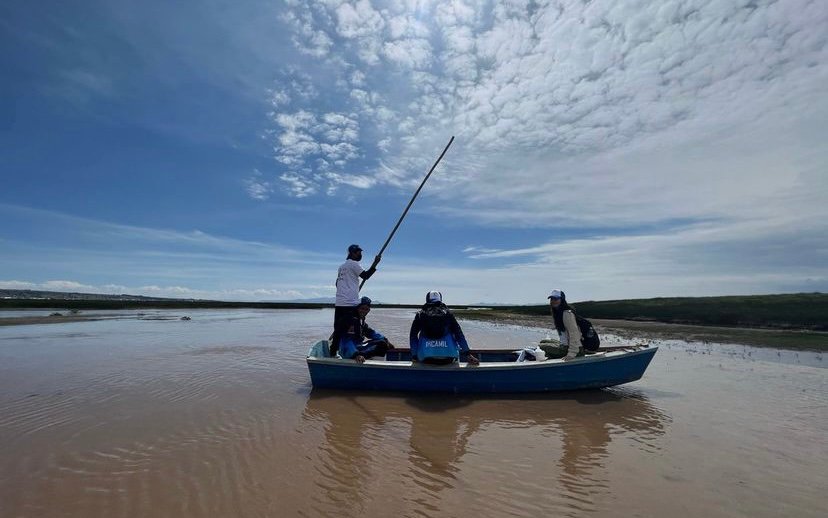
Learning to row together: What community science and Indigenous communities taught me about water By Carolina Montes A Bolivian early career researcher reflects on community water monitoring with Indigenous communities at Lake Titicaca and Lake Uru Uru. Boating along the shores of Lake Titicaca to reach the water monitoring points. Photo by Universidad Católica Boliviana San Pablo.Laboratory science and field science complement each other. They are intertwined; one does not exist without the other in environmental research. As an early career researcher in Bolivia, I am motivated to inspire young people from rural areas in my country to believe that science is for everyone and that local knowledge should be integrated in decision making for projects. Water management should not treat water only as a resource, but also should help us see the connections and dependencies that exist around a lake, a river, or a wetland.In 2024, I led a community science project with high school students from the Indigenous community of Chojasivi in Bolivia. The community sits in a pollution hotspot where the Katari River empties into the southeastern end of Lake Titicaca, the highest navigable lake in the world. Over six months, my role was to train the students in water quality monitoring using laboratory equipment. During the first few months, we navigated in their boats, building a friendship as they taught me how to row. Later, as drought set in, we had to travel on foot. One of the local students warned us that our sampling points would dry up by July, prompting us to redesign the study and select new sites together as a team. In the end, we successfully gathered all water sample measurements. That is what gets reported and expected in scientific literature—the data often seen as the heart of any project. But behind the data, between traditional dances and shared stories, the students told me about their childhoods and diets before urban pollution marked the Katari River. I learned that true community science listens to local voices and builds on teamwork, and that behind every paper lies a deeply human experience.Following this project, I worked as a consultant on a project funded by the Canada Fund for Local Initiatives of the Canadian Embassy, evaluating heavy metal contamination in Lake Uru Uru. Over the course of a year, I conducted sampling across both the rainy and dry seasons. This work brought me to the Ayllu San Agustín de Puñaca, an Indigenous community deeply affected by local mining pollution. Although the study was originally restricted to Lake Uru Uru, I chose to extend a monitoring point downstream along the Desaguadero River—where the community lives—to help make the severity of the contamination visible. In this Ramsar wetland, I witnessed a stark environmental contrast: during the rainy season, a rich biodiversity featuring endemic birds; in the dry season, a desolate landscape where the wetland was reduced to a stream of acid mine drainage, displacing local wildlife. I came to realize that behind every pH or turbidity measurement, there are people whose daily lives are directly shaped by what the water carries. I am currently awaiting journal acceptance for the manuscript, and nothing excites me more than the prospect of sharing these findings with the community.Left: Members of Ayllu San Agustín de Puñaca observing water sample collection during the rainy season in 2025. Photo by Marcelo Herrera. Right: Teaching water quality monitoring to students from Chojasivi, La Paz, Bolivia. Photo by Chantal Sancam.Researching the environment teaches you that you are never fully prepared. Water is dynamic, always transcending its physical form, and impossible to control, which is precisely why I love studying it. I never know who it will lead me to meet or what experiences it will bring into my life as a researcher. Water manifests differently across the globe, carrying the very identity of each territory it flows through. Ultimately, water connects us as human beings: it ties us to local communities in the field, while bringing researchers together in urban spaces.Analyzing water quality near the Desaguadero River, between Lake Uru Uru and Lake Poopó, using reagent kits and portable in-situ measurement equipment. Photo by Marcelo Herrera.What has marked my life as a researcher, and my decision to keep on this path, is knowing that data in my country are lost because they go unrecorded and unreported. While I may be at the start of my career and my research is new, I believe we will grow together. As environmental engineers, we are often trained to monitor water resources. I love the technical side—getting to the lab, analyzing samples, and studying results. But the experience of stepping out of your comfort zone—walking over acid mine drainage, talking with local people, packing your field bag, organizing the trip, finding paths where none exist, navigating complex territories, traveling hundreds of kilometers, getting into the boat, and reaching the lake—that is what truly gives meaning to doing research.Crossing acid mine drainage (Poopó River) near the community of San Agustín de Puñaca, Oruro, Bolivia. Photo by Misael Mamani - HydroBot Project.
Feature
Summer 2026
A Bolivian early career researcher reflects on community water monitoring with Indigenous communities at Lake Titicaca and Lake Uru Uru.
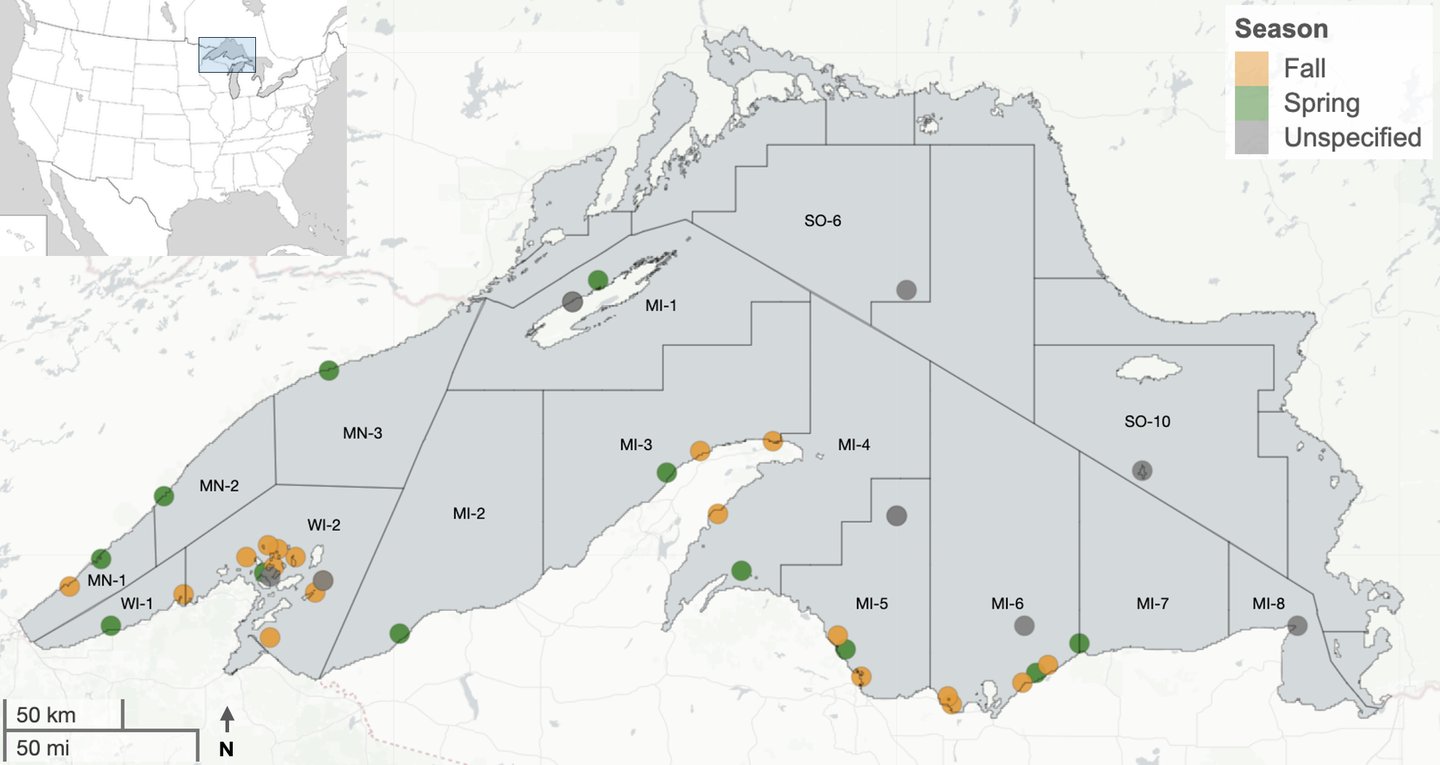
Supporting the genetic health and long-term resilience of lake trout in Lake Superior By Emily Bardwell-Patino Genomic data from more than 2,500 fish show that lean lake trout in U.S. waters of Lake Superior form one connected population with low genetic diversity. In Lake Superior, the largest freshwater lake in the world by surface area, lake trout (Salvelinus namaycush) serve as apex predators, support commercial and recreational fisheries, and hold deep significance for Indigenous and local communities. Lake trout populations collapsed in the mid 20th century due to environmental pressures, including intensive fishing and predation by invasive sea lamprey, prompting decades of coordinated management and stocking with hatchery-raised fish to rebuild wild populations.Map of Lake Superior summarizing lean lake trout sampling locations and management unit (MU) boundaries. Fall spawning reef collection locations are shown in orange, and spring MU-wide survey collection locations are shown in green. Spring surveys were conducted throughout the MU and are summarized here by a single point per MU. Individuals from previously generated genomic datasets lack information on collection season and are shown in grey.Lake trout are now considered fully recovered in most of Lake Superior, but fundamental questions remain about their genetic health and resilience. Genetic diversity provides raw material for adaptation to changing environments and serves as a key indicator of population health, making it an important tool for informing management priorities.We collected genomic data from more than 2,500 lake trout sampled across the U.S. portion of Lake Superior. This effort focused on the lean lake trout ecotype, the form most targeted by fisheries within Lake Superior. We generated the most geographically comprehensive genomic dataset for this ecotype in Lake Superior to date, characterizing population structure to delineate genetic groups and quantifying genetic diversity to gauge population health.Emily Bardwell-Patino prepares lake trout fin tissue samples for genomic sequencing in the Meek Lab at Michigan State University.Our findings indicate that lean lake trout in U.S. waters of Lake Superior function as one broadly connected population with low genetic diversity, underscoring the importance of ongoing monitoring to track genetic health alongside abundance. These results offer a comprehensive look at the genetic health of a population only recently declared recovered. Genomic insights can guide management approaches to help ensure lean lake trout remain resilient to future environmental pressures in Lake Superior.
Research Brief
Summer 2026
Genomic data from more than 2,500 fish show that lean lake trout in U.S. waters of Lake Superior form one connected population with low genetic diversity.
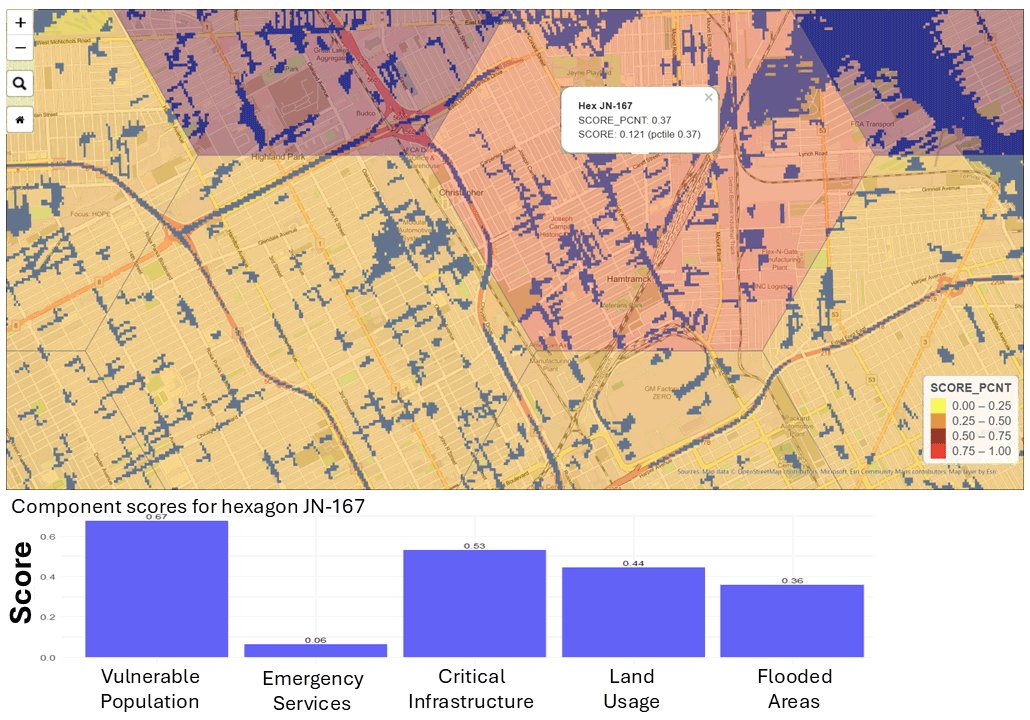
When the water rises: A new tool helps communities plan for floods By Jeffrey L. Ashby CRASID, a spatial database depicting watersheds, helps Great Lakes communities find flood vulnerabilities and plan evacuation routes. As the climate changes, extreme weather events such as heavier rainfall are becoming more frequent and severe. These events can increase the risk of flooding, yet they are not the only factor. The way cities and rural areas are built and developed also shapes how badly communities flood and how well they recover. Protecting people and the places they live means understanding how climate change affects the roads, buildings, and services that communities depend on every day.Most existing tools for measuring flood risk take a top-down government perspective. As a result, they often miss how many local factors—from emergency services to neighborhood infrastructure—connect and influence one another on the ground. To close that gap, Diane S. Henshel and I created the Community Resilience and Adaptation Spatial Infrastructure Database (CRASID)—a tool built for the Great Lakes region with communities at the center.CRASID divides the entire watershed into a grid of hexagons, allowing many different kinds of information to be compared on the same map. The team tested the tool to examine whether people could reach emergency services during extreme flooding.Example of CRASID for a suburban community in Detroit, Michigan, showing risk scores by color, flooding areas in blue, and a bar chart of the composite scores used to calculate the risk score. Credit: Jeffrey L. Ashby and Diane S. Henshel, Indiana University Bloomington. Figure adapted from the authors’ presentation at IAGLR’s 2025 Conference on Great Lakes Research.The analysis showed that a spatial database like CRASID can help identify flood vulnerabilities, such as infrastructure. The findings point to a clear community need: future risk measures will have to focus specifically on infrastructure. The hexagonal design will also support evacuation planning, so that from any location a user can look in six directions, compare routes, and find the safest way out during an emergency.
Research Brief
Summer 2026
CRASID, a spatial database depicting watersheds, helps Great Lakes communities find flood vulnerabilities and plan evacuation routes.
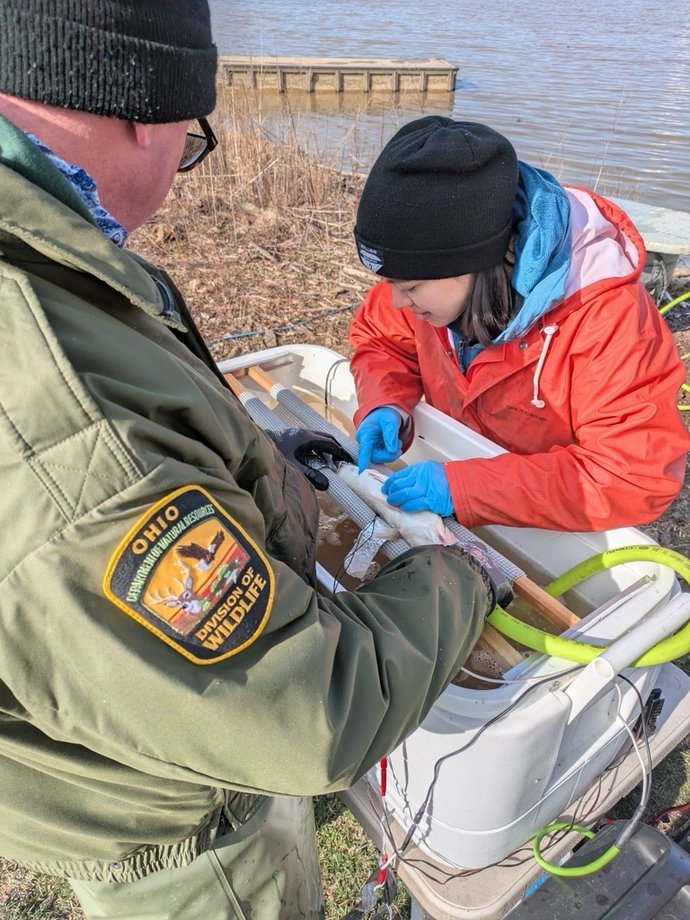
Reconnecting rivers: Investigating the impact of dam removal on Lake Erie walleye By Demetra Williams Acoustic tracking and otolith chemistry show how removing the Ballville Dam on Ohio's Sandusky River is affecting Lake Erie walleye. Dams have altered riverine ecosystems worldwide to provide benefits such as flood control, water storage, and hydropower. However, dams can negatively impact migratory fish by blocking access to spawning grounds and ultimately reducing population productivity. As dam removals are on the rise across the U.S. and Europe, scientists are working to understand whether reconnecting rivers can help migratory fish populations recover.One species that may benefit from restored connectivity is Lake Erie walleye (Sander vitreus), an important migratory fish supporting one of North America’s most valuable freshwater fisheries. In 2018, the Ballville Dam on Ohio’s Sandusky River was removed, reopening more than 30 kilometers of upstream habitat that had been unavailable to walleye for over a century.Graduate student Demetra Williams (right), tags a walleye with an acoustic transmitter on the bank of the Sandusky River, Ohio. She is assisted by Ohio Division of Wildlife (ODOW) biologist Zak Slagle (left). Photo by Matt Faust, ODOW.My research investigates how the removal of the Ballville Dam has affected the Sandusky River walleye population, one of several spawning populations that contribute to Lake Erie’s commercial and recreational fisheries. Using acoustic tracking technology, I can assess changes in how walleye use their spawning grounds in the Sandusky River. By analyzing chemical “fingerprints” preserved in ear stones (otoliths), I can identify walleye that originated from the Sandusky River after they enter the open lake. The goal is to determine whether dam removal has increased the number of young walleye entering the downstream population and whether those fish eventually contribute to Lake Erie’s fisheries.These results can help fisheries managers better understand the long-term benefits of restored riverine connectivity. As similar dam removals occur, understanding how reconnecting rivers affects downstream open-water populations will be crucial for conserving migratory fish populations.As similar dam removals occur, understanding how reconnecting rivers affects downstream open-water populations will be crucial for conserving migratory fish populations.
Research Brief
Summer 2026
Acoustic tracking and otolith chemistry show how removing the Ballville Dam on Ohio's Sandusky River is affecting Lake Erie walleye.
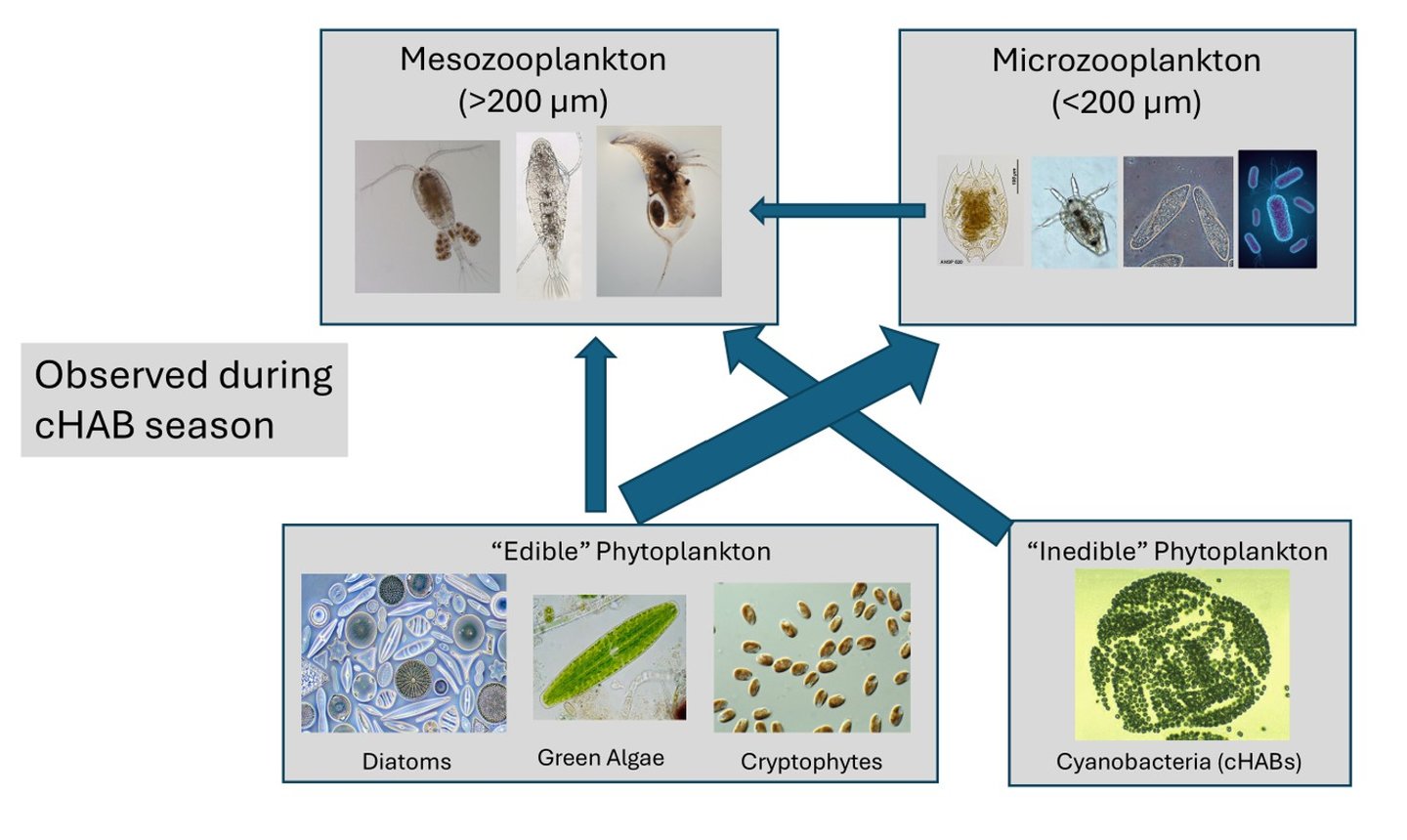
Rethinking who grazes harmful algal blooms in western Lake Erie By Lyndsie Collis Three decades of plankton data and grazing experiments in western Lake Erie show that larger zooplankton, not smaller ones, graze cyanobacteria most. When we think about how cyanobacterial harmful algal blooms (cHABs) will affect food webs, we tend to assume they are a dead end for energy transfer. The blooms are considered simply too toxic and nutritionally poor for zooplankton to graze, preventing energy from moving up to the fish that feed on them. Compounding this, the prevailing paradigm also assumes that smaller zooplankton (microzooplankton) will graze cyanobacteria, while larger mesozooplankton will avoid the cHAB and decline, thus lowering energy transfer efficiency from zooplankton to fish. But this view rests largely on single-species lab experiments using zooplankton not previously exposed to cHABs. What actually happens in large lakes such as Lake Erie, which has experienced recurring cHABs for over 20 years? Who really grazes the bloom, and is energy transfer truly restricted during cHAB events?Conceptual diagram of energy flow between phytoplankton and zooplankton groups, based on the results of the grazing experiments. Arrow width depicts the relative amount of energy obtained by meso- and microzooplankton from cyanobacteria versus non-cyanobacteria phytoplankton groups.My Ph.D. dissertation addressed these questions in western Lake Erie by pairing nearly three decades of plankton monitoring data with zooplankton grazing experiments to characterize how meso- and microzooplankton graze on cHABs and to quantify energy transfer from blooms to mesozooplankton. This research was conducted in conjunction with the Hood lab at The Ohio State University, the Ohio Division of Natural Resources, and NOAA’s Great Lakes Environmental Research Laboratory.What we found ran counter to our expectations: mesozooplankton, not microzooplankton, were the primary grazers of cyanobacteria. Moreover, these larger grazers kept feeding at high rates from before the bloom through its peak. This observation was supported by our long-term monitoring results, where cladoceran production and energy transfer efficiency increased non-linearly with cyanobacteria—peaking under moderate bloom conditions before declining slightly during severe cHAB years. Invertebrate predators were positively associated with cladoceran production, and planktivorous fish had only a limited ability to suppress zooplankton populations, emphasizing that cHAB effects must be understood alongside the other stressors that co-occur with blooms. We anticipate this work will help predict how freshwater food webs respond to nutrient pollution and biological invasion and inform ecosystem-based management of the fisheries that communities across the Laurentian Great Lakes and other large lakes worldwide depend on.What we found ran counter to our expectations: mesozooplankton, not microzooplankton, were the primary grazers of cyanobacteria.
Research Brief
Summer 2026
Three decades of plankton data and grazing experiments in western Lake Erie show that larger zooplankton, not smaller ones, graze cyanobacteria most.
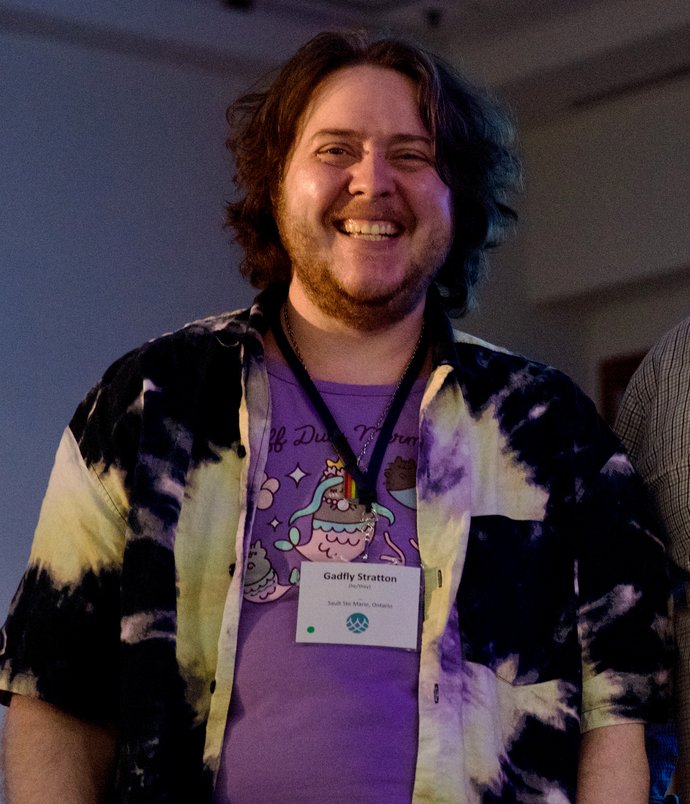
IDEA and the need to move beyond principles to practice By Gadfly Stratton Gadfly Stratton says that IDEA statements are not enough and calls on scientists to make labs and fieldwork safe for people of all genders. Sometimes organizational commitments to IDEA—inclusion, diversity, equity, and accessibility—create a phantasm of sorts, convincing people that promising a more inclusive world is the same as building one. At the IAGLR & SCAS Joint Conference this May, I gave a talk on the experiences of marginalized genders in the sciences. My ultimate goal was to remind people that IDEA statements are not performative utterances; that is, declaring that people of all genders are safe and welcome in your lab does not make it so.Gadfly Stratton receiving the IDEA+ Presenter Scholarship for their presentation titled “Priorities for Diversity, Equity, Inclusion & Accessibility in Aquatic Sciences” at the annual conference in May.We can make these declarations, but women in our field still report a lack of adequate training and access to personal protective equipment. They still report misogyny from men who doubt their abilities, resent their promotions, and think women do not belong out in the field without a male chaperone. In the U.S., there is an ongoing “full-scale onslaught on women’s rights.” In Canada, we still have “staggering rates of violence against Indigenous women, girls and 2SLGBTQQIA people.”We can declare that all genders are safe and welcome in our labs, but there is an ongoing genocide against transgender people in both the U.S. and Canada. During my talk, I asked folks to imagine they were inviting me to come work in their university lab or department. Do you know whether it is legal for me, as a trans person, to tell people my pronouns? In some states, it is not. Do you know whether it is legal for me to use the bathroom during my long workday? In some states, it is not, with states like Idaho currently fighting in court to make it a felony. Do you have a plan if someone finds out I am trans, or recognizes me in the field, and responds with violence?These are significant and systemic workplace safety issues that impact whether someone is safe or feels welcome in your lab. And they underscore that we all need to grapple with a harder truth: social progress and personal commitments alone don’t determine whether we can live up to our IDEA principles. The jurisdictions where we operate may prevent us from doing so.These are significant and systemic workplace safety issues that absolutely impact whether someone is safe or feels welcome in your lab.Scientists, particularly those with greater power and privilege, need to advocate for improved safety and wellbeing of all genders in our field. If recruiting marginalized genders is not a priority for your organization, create opportunities to explain why it should be. Advocate for the services they need to be made available and accessible. Finally, we need to reach beyond the lab and advocate for policies and laws that enable all scientists to participate in science, and to do so safely.We made these commitments. We need to find a way to keep them. And we need everyone.
Perspective
Summer 2026
Gadfly Stratton says that IDEA statements are not enough and calls on scientists to make labs and fieldwork safe for people of all genders.
Science is a verb: A conversation with 2026 Vallentyne Award winner Joan Chadde By Julia Obuya Julia Obuya talks with 2026 Vallentyne Award winner Joan Chadde about three decades of hands-on Great Lakes education and outreach. When Joan Chadde was named the 2026 recipient of the IAGLR Vallentyne Award, the recognition celebrated more than three decades of leadership in Great Lakes education and outreach. Throughout her career, Joan has inspired thousands of students, teachers, community members, and future scientists to engage with freshwater science, not simply by learning about it, but by experiencing it firsthand. As part of the magazine’s new mentoring series, I had the opportunity to speak with Joan about her career, her philosophy of education, and the lessons she hopes the next generation of scientists will carry forward.Joan Chadde teaching an after-school science class. Credit: Michigan Technological University.Congratulations on receiving the Vallentyne Award. What does this recognition mean to you?Joan: Reading the award letter was a walk through my career. I kept thinking, “Oh yeah, I remember that. Oh, that was so much fun.” It brought back so many wonderful memories. I wasn’t doing the work because I expected recognition, so having my peers acknowledge it meant a great deal. It made me feel grateful, recognized, and incredibly happy. It was really the frosting on the cake after doing work that I genuinely loved.What of your experiences best reflect the values recognized by this award?Joan: One of the greatest opportunities I had was the freedom to be creative. When I arrived at Michigan Tech in 1995, my supervisor told me, “You know what is best to do! Run with it!” That trust allowed me to develop a wide variety of innovative programs that connected people with science in meaningful ways. Because grants entirely funded our work, every proposal became an opportunity to ask what would make the biggest difference. That is how programs like the Great Lakes Teacher Institutes, family science and engineering nights, water festivals, after-school and summer science programs, and Great Lakes research vessel experiences came to life. Every project was different, and I loved that variety. I probably worked a lot of 12-hour days, not because I had to, but because I loved what I was doing.You have worked with diverse groups of people throughout your career. What made those programs successful?Joan: We always tried to remove as many barriers as possible. If transportation was a challenge, we found funding. If schools couldn’t come to us, we went to them. One of my favorite programs was taking students and community members aboard Michigan Tech’s research vessel to learn how scientists assess the health of the Great Lakes. We also brought teachers together for week-long field institutes where they worked directly with scientists. Everything was hands-on because that is how people learn best. Science is a verb. It’s not something you sit in a classroom and memorize facts about. Students have to do it. Whether digging soils, identifying wetland plants, or collecting water samples, students were doing science instead of simply hearing about it. That is what makes learning memorable.What science communication strategies have you found most effective?Joan: Scientists are excellent at communicating with each other, but how can they make their research accessible to a lay audience? I recall one colleague saying, “I can publish a paper, and I’ll be lucky if seven people read it.” We held our first water festival in 2012 at Michigan Tech’s new Great Lakes Research Center where more than 500 students, grades 4–12, experienced Great Lakes science through hands-on activities presented by Michigan Tech students and faculty and community experts. That comparison always stayed with me. I believe in visibility. People have to know what you’re doing. Whenever we organized a workshop, field day, or community event, I invited the media—TV stations, newspapers, whoever would come. You might have 15 teachers at a workshop, but if the media reports on the event, you’ve reached thousands more.You mention place-based learning. What does that mean?Joan: Environmental education starts close to home. Students connect most deeply with the environments they experience every day. People often talk about protecting places that are far away, like tropical rainforests. That is important, but students also need to understand and value the environment where they live. Place-based learning is about helping students identify a need in their school or community and developing a plan to address it. It could be a new school recycling program or a school garden to provide vegetables for lunch. It is incredibly empowering because stewardship becomes something they practice, not just something they learn about.What gives you hope for the future of the Great Lakes?Joan: My hope is that we are raising enough young people who not only understand the Great Lakes but also develop a passion to protect them. Education matters. Helping young people understand watersheds and the relationship between land use and aquatic ecosystems prepares them to become future scientists, educators, community leaders, decision makers, and responsible citizens. Programs like the Lake Superior Youth Symposium for middle and high school students, held every two years since 1995, demonstrate the value of connecting students across state and international boundaries and encouraging them to view freshwater stewardship as a shared responsibility. Another project with broad impact involved creating more than 80 12x15-foot canvas floor maps of the Great Lakes basin and several dozen maps of the Lake Superior watershed. Students can gather around a map, locate the rivers flowing into the lake, and trace the watershed boundary. This activity shows them that what happens on the land in a watershed can affect the water quality of the lake. Students then work together to remove “pollution” (cans with labels like “sediments,” “livestock waste” etc.) from the lake, acting out how states and provinces cooperate to clean them up.Students at the 2023 Lake Superior Youth Symposium at Northland College in Ashland, Wisconsin, using a Lake Superior floor map. The students are “removing pollution” (represented by cans) from Lake Superior as part of a cooperative cleanup activity.Finally, what advice would you offer students and early career scientists?Joan: Share your science beyond academia. Be an enthusiastic educator— your excitement is contagious! Make science relevant. Collaborate. Find ways to remove barriers so more people can participate. A scientifically literate citizenry is essential to improving the environmental quality of our communities, our country, and the world.Joan’s career shows that meaningful science communication is not simply about making research easier to understand. It is about creating opportunities for people to participate, ask questions, and see themselves as part of the solution. Her stories demonstrate how much impact one person can have by remaining passionate, persistent, and willing to invite others in. For students and early career scientists, her message is clear: sharing knowledge is not enough. Engage youth and adults in learning on-site whenever possible, communicate with diverse audiences, and use your knowledge to serve the communities and environments around you. As Joan reflected on the future of freshwater stewardship, she left me with one final thought that perfectly captured both her career and her philosophy: “You can’t complain if you’re not going to do something about it. There is no time like the present!”Welcome to Mentoring Q&AThis issue launches a new regular department pairing a student or early career member with an established professional for a conversation about career, science, and lessons learned along the way. If you would like to suggest a topic or a mentor to feature, please email us at lakesletter@iaglr.org. We would love to hear your ideas for future issues.

Mentoring Q&A
Summer 2026
Julia Obuya talks with 2026 Vallentyne Award winner Joan Chadde about three decades of hands-on Great Lakes education and outreach.
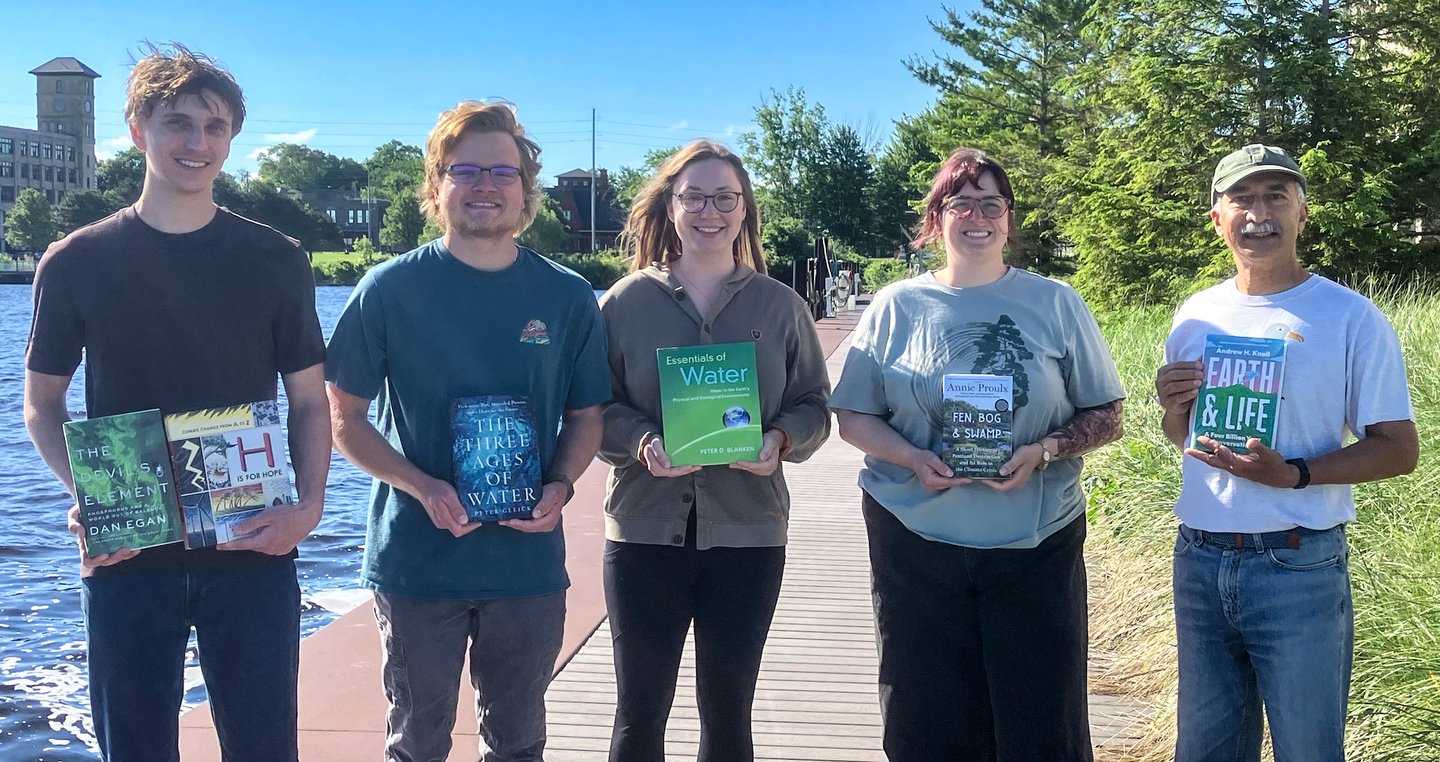
Ode to our vanishing wetlands By Kaylynne Dennis, Lindsay Stankus, Andrew Pezda, Andrei Skelly & Bopi Biddanda A review of Annie Proulx's Fen, Bog and Swamp, which looks at the significance of wetlands. In Fen, Bog & Swamp: A Short History of Peatland Destruction and Its Role in the Climate Crisis, American writer and PEN/Faulkner Award winner Annie Proulx celebrates the significance of wetlands to humanity, biodiversity, and climate change, while describing their disturbing worldwide decline driven by drainage for resource extraction, farming, and development. Though waterlogged wetlands cover only about 5% of Earth’s land area, they play an outsized role in filtering large amounts of water and carbon, serving as critical habitats for both terrestrial and aquatic life. As wetlands have been drained and peat harvested, the carbon dioxide and methane stored within them have been released back into the atmosphere. Large-scale degradation of wetlands began in 17th century England with the draining of fens. In the North American Great Lakes basin, more than half of the wetlands have been lost since European colonization.Proulx’s book covers wetlands across the world—from Siberian bogs and Brazil’s Pantanal wetlands to the Okefenokee Swamp in the U.S.—while simultaneously comparing the similarities, differences, and intricacies of the various wetland types. In Chapter 1, “Discursive Thoughts on Wetlands,” Proulx makes a historical accounting of wetlands over thousands of years, until the post-Columbian global colonization, when wetland loss reached levels great enough to impact global water resources and climate. In Chapter 2, “The English Fens,” she describes how fens, an integral part of human societies from prehistoric times (Fen Peoples of old Britain), have been mostly lost in just the last two centuries. In Chapter 3, “Bogs,” Proulx describes the bogs of the world, comparing their past and present states. In the final chapter, “Swamp,” which also includes mangroves, she emphasizes the importance of knowing historical baselines for dealing with changing realities such as the sinking shorelines of Louisiana and its drowning marshes as sea level rises. Throughout the book, Proulx explores the common theme of how shared histories, human use, and climate change have combined to shape Earth’s wetlands over time.Ultimately, Proulx’s book is both a tribute to the world’s wetlands and a timely call to action for their protection and conservation. Since its 2022 publication, however, new threats have emerged. For example, projected water consumption by burgeoning AI data centers is alarming, and widespread damage to wetlands is already being reported. Wetlands that take weeks to drain can take millennia to recover. However, wetland restoration is possible, and Proulx documents some notable successes. For example, a recent report has recorded encouraging signs of a worldwide recovery of coastal mangrove swamps over the last four decades, as natural regeneration has gradually overtaken anthropogenic degradation. There is hope. It is time to heed Proulx’s plea to let live, conserve, and restore our wetlands.
Book Review
Summer 2026
A review of Annie Proulx's Fen, Bog and Swamp, which looks at the significance of wetlands.
Sullamithe Mercy Manduwa Sullamithe Mercy Manduwa, a University of Malawi research scientist, uses environmental DNA to study the fish communities of Lake Malawi. Describe your work.I study fish communities in Lake Malawi, one of the African Great Lakes and home to more than 800 endemic and rapidly diversified cichlid species. I use environmental DNA metabarcoding to read the genetic material the fish species shed in the water. My graduate research at the University of Malawi—the first project of its kind there—used a universal fish marker, coupled with three novel cichlid-specific nuclear markers designed from whole-genome data on 1,375 cichlids. This captured the broader community including rare and endemic taxa missed by trawl surveys, opening a new route for monitoring one of the most diverse and taxonomically challenging fish communities known to science. After training in Professor Richard Durbin’s lab at the University of Cambridge, I now work in the eDNA laboratory at the University of Malawi, built through the Science and Technology Research Partnership for Sustainable Development Japan-Malawi research cooperation. While collaborating with researchers at the universities of Antwerp, Tübingen, and Senckenberg, I also train students and technicians in eDNA methods. I also serve as the international student member on IAGLR’s Board of Directors for 2026 to 2028, and I am a member of the African Women in Science program.What inspired you to enter this work?I was driven by how much remains unknown about Africa’s Great Lakes and by the lack of research capacity available to the people, myself included, who depend on these waters for food and income. Innovative, sensitive, faster, and lower-cost methods like eDNA open greater channels for biomonitoring research in a country with limited resources and put the tools directly into local researchers’ hands. For me, that was the real win, not just for Malawi, but for research capacity across Africa.How has collaboration shaped your work, and how do you hope it will influence the future of large lakes research?All this work was only possible for me because of collaboration, from the infrastructure and the training to the tools. Collaborations have played an even larger role in connecting me with renowned scientists, allowing me to contribute to Great Lakes research. This experience has shown me large lake science at its best: generations and disciplines pooling knowledge, with local researchers trained to lead their own molecular work rather than supplying samples elsewhere. I hope this model becomes what unifies large lake research globally, linking African Great Lakes like Malawi with the Laurentian Great Lakes and other systems IAGLR represents, around a shared commitment to building capacity wherever the research is conducted.My commitment to research capacity in Malawi has been recognized through several awards: a small research grant from the Nyika-Vwaza Trust for a fish assessment of Lake Kazuni using eDNA metabarcoding; a microgrant from the eDNA Collaborative, providing equipment for eDNA training in Malawi; and the Global Engagement Travel Grant to present at the Cichlid Science 2026 meeting this September at the University of Antwerp, Belgium.What is something about yourself that you’d like to share with other IAGLR members?I love my work, and for me, there is nothing quite like answering a question about a lake I have known my whole life with a tool built with my own hands. I am currently exploring Ph.D. opportunities and welcome contact from anyone looking to collaborate on such research, particularly across Africa’s Great Lakes. Malawi’s untapped potential for ancient eDNA research, among other questions, would open doors for more collaboration and capacity building.

Member Spotlight
Summer 2026
Sullamithe Mercy Manduwa, a University of Malawi research scientist, uses environmental DNA to study the fish communities of Lake Malawi.
Julie Maurer Julie Maurer, an ORISE Fellow at the U.S. EPA, studies how phytoplankton respond to nutrients and harmful algal blooms in Lake Superior. Describe your work.I am an Oak Ridge Institute of Science and Education (ORISE) Fellow at the U.S. Environmental Protection Agency’s Great Lakes Coastal Science Division. I have been fortunate to work on a variety of projects throughout my early career, but phytoplankton ecology and water quality are common threads that have connected my graduate and post-graduate research. My master’s research in Narragansett Bay, Rhode Island, focused on microbial community shifts driven by algal toxins produced by the diatom Pseudo-nitzschia. When I joined the EPA as a post-graduate fellow in 2024, I moved to the Great Lakes region and shifted my focus to freshwater algal communities and water quality. I joined a water quality modeling research group where I learned how to apply hydrodynamic and ecosystem models to study the fate and transport of nutrients in the Great Lakes. Following the EPA’s reorganization, I moved to a team studying phytoplankton community responses to nutrients, while continuing to collaborate with modelers on Lake Erie adaptive management efforts. My current project investigates emergent harmful algal blooms in Lake Superior. Using in-situ nutrient uptake experiments, I measure phytoplankton community responses to nutrient influxes and identify which species respond the quickest. Ultimately, I hope to apply the data from these experiments to refine algal parameters in ecosystem models, helping resource managers assess risk and predict blooms in the future.What inspired you to enter this work?I’ve held a deep love and appreciation for the natural world since I was a child, and I wanted to be a biologist from the age of five. I was inspired to focus my career on phytoplankton from a class I took in college simply called “Algae.” I went to college in the Pacific Northwest, where I spent a semester at a marine science campus collecting water samples, surveying seaweed on the rocky beaches and tide pools, and learning about the fascinating world of phytoplankton. Beyond the subject itself, I was inspired by my professor, who effortlessly blended her love of the outdoors and community engagement into her research.How has collaboration shaped your work, and how do you hope it will influence the future of large lakes research?When I graduated college, I was fixated on pursuing a research career, though I decided to take some time to work before going back to school. I ended up working as an invasive species inspector for several years. At the boat launch, I spoke with diverse community members about invasive species and their concerns about the health of their pets, children, and the local lakes we shared. I came out of that experience wanting to do research that could make a positive difference for our shared waters. At the EPA, I have been fortunate to collaborate on multi-generational teams of scientists and learn from multiple knowledge systems. These collaborations taught me that the transfer of knowledge from one generation to the next is vital—a lesson underscored abruptly during last year’s federal restructuring. I’m inspired by the Great Lakes scientific community’s efforts to blend knowledge systems across disciplines and cultures to tackle big problems that affect us all, like climate change, and I hope to remain a part of that work.What is something about yourself that you’d like to share with other IAGLR members?Having lived near salt water most of my life, I never expected to live in the Great Lakes region or become a fan of the “fresh coast”! Now nearing the close of my second year living on Lake Superior’s North Shore, I’ve enjoyed exploring its forests, coastline, and cold waters—which call to mind my childhood home, Puget Sound.
Member Spotlight
Summer 2026
Julie Maurer, an ORISE Fellow at the U.S. EPA, studies how phytoplankton respond to nutrients and harmful algal blooms in Lake Superior.
G. Douglas Haffner By Ken Drouillard, Hugh MacIsaac & Robert Letcher G. Douglas Haffner (1948–2026) was a University of Windsor large lake scientist, the inaugural director of GLIER, and a former IAGLR president. The Great Lakes research community mourns the loss of Gordon Douglas Haffner, “Doug” to all his acquaintances. Dr. Haffner was emeritus professor of biology at the University of Windsor. Doug was a towering figure in large lake science, whose career spanned more than five decades and whose influence shaped generations of scientists and institutions alike.Doug’s path to becoming one of Canada’s most respected aquatic scientists began with achieving his Bachelor of Science degree at Queen’s University in Kingston, Ontario, followed by a Ph.D. at Royal Holloway College, University of London, United Kingdom. Before joining the University of Windsor in 1986 as an associate professor in biology, he held senior positions with the Ontario Ministry of Environment (head of Lake Systems, 1974–1979), the International Joint Commission (senior biologist, 1979–1981), and Environment and Climate Change Canada (head of the Water Quality Program, 1981–1986). This breadth of agency experience gave Doug an unmatched understanding of how science informs policy—knowledge he used throughout his academic career.In 1992, Doug was promoted to full professor and became the inaugural director of the University of Windsor’s Great Lakes Institute for Environmental Research (GLIER), the first Canadian university research institute dedicated to the Laurentian Great Lakes and other large lakes around the world. As a founding member of GLIER, Doug contributed to the growth and direction of the institute throughout his career. In 2001 he was awarded a Tier 1 Canada Research Chair in Great Lakes Research, which he held until 2017.Doug’s scientific output was extraordinary for a researcher specialized in large lakes. Google Scholar lists more than 325 entries spanning from 1974 to 2026—a remarkable arc of over 50 years of continuous publication. A trained phycologist, Doug studied eutrophication throughout his career, from early work on Great Lakes nutrient dynamics to contemporary studies of primary production in western Lake Erie and a 2026 paper on harmful algal blooms in China’s Three Gorges Dam reservoir. For many years, he collaborated on landmark studies of organic contaminant biomagnification in aquatic food webs, work that bridged aquatic ecology, toxicology, environmental chemistry, and food web modeling. Beyond the Great Lakes, Doug played a pivotal role in addressing primary production and speciation in Indonesian lakes, notably examining diatom evolution over millennia in deep cores from Lake Matano. This work, conducted in partnership with Inco Mining, demonstrated Doug’s ability to bridge academia and industry with mutual respect and scientific rigor.Doug’s contributions were recognized by numerous awards, including the Ontario Research Excellence Award in Water Quality. His service to the community was equally distinguished. Doug served on the IAGLR Board of Directors from 1989 to 1993, including a term as president from 1991 to 1992. He also co-chaired the Detroit River Monitoring and Research Area of Concern Implementation Committee and served multiple terms on NSERC’s Ecology and Evolution Discovery Grant Review Committee. As a mentor, Doug trained a large contingent of undergraduate students, graduate students, and postdoctoral fellows. Many of these individuals went on to outstanding careers in academia, government, and industry while continuing to collaborate and publish with him. He maintained an exceptional standard of excellence in every scientific publication bearing his name.Above all, Doug was one of the most down-to-earth persons one could meet. He filled the halls of GLIER’s second floor with his jubilant laughter and was able to cut through institutional nonsense better than any contemporary, keeping the institute’s priorities at the forefront. His course on limnology was beloved by students in the biology program, and he had an uncanny ability to keep student attention during entire lectures using nothing more than a single slide projected on screen. He was an effective and animated communicator with a talent for winning the room to his position, whether they were students, colleagues, members of the public, or funders. There is so much to celebrate about Doug Haffner and his life. He has left an everlasting impression and made contagious the quest for knowledge through the scientific method to all in his presence.Doug Haffner leaves a legacy etched into the institutions, science, and people of the Great Lakes. He will be profoundly missed. Doug is survived by his wife Margaret, two sons, and three grandchildren.
In Memoriam
Summer 2026
G. Douglas Haffner (1948–2026) was a University of Windsor large lake scientist, the inaugural director of GLIER, and a former IAGLR president.
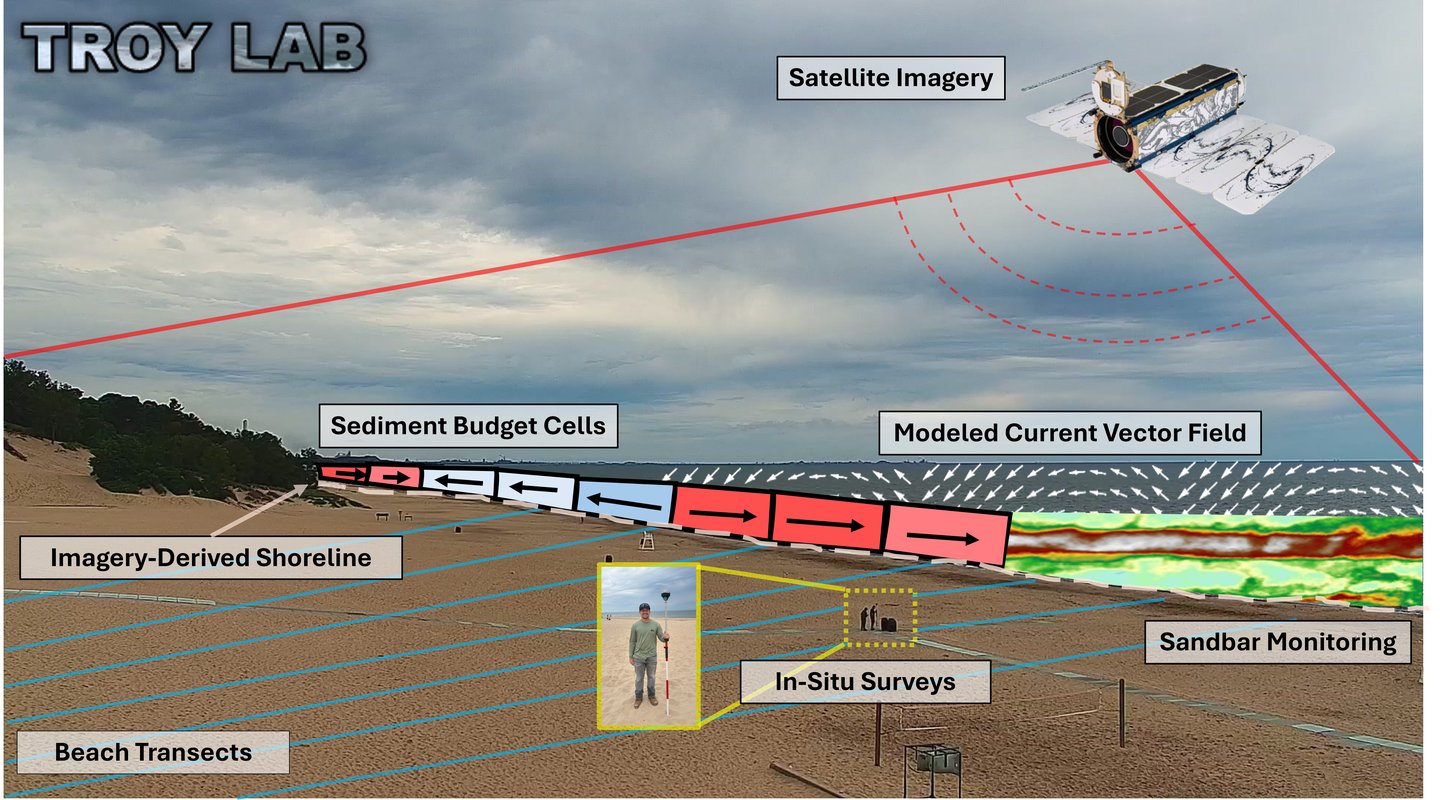
Creating a collaborative environment for coastal research By Kendahl Klatt, Owen R. Hodges & Muhammed Nedim Sahvelet Graduate students in Purdue's Troy Lab describe how combining satellite imagery, modeling, and field data led them to share data and expertise. Collaborative framework illustrating how complementary methods come together to characterize the same stretch of coastline.Within the Troy Lab at Purdue University, early career research is united by common coastlines but shaped by distinct engineering and scientific backgrounds. Before engaging with Great Lakes research, members of our lab worked on geotechnical engineering projects, space and satellite technologies, and hydraulic modeling. Our unique disciplinary backgrounds influenced the questions we asked and the methods we applied to study the Great Lakes coastal system.Initially, we set out to answer our questions through individual theses. Kendahl’s work investigated shoreline change and river plume dynamics from satellite imagery. Muhammed examined how waves drive sediment transport through numerical modeling. Owen explored how nearshore sandbars evolve and migrate using remote sensing. As our research progressed, we discovered that understanding one process depended on understanding another. A changing shoreline can be mapped from satellite imagery, but its evolution depends on sediment transported by waves and temporarily stored within migrating sandbars. River plume behavior reflects many of the same hydrodynamic conditions that influence sediment redistribution, while observations collected in the field give context needed to interpret patterns visible from above. These connections revealed that our projects examined different stages of the same coastal processes, such that answering our individual research questions increasingly required one another’s data, expertise, and analyses.Our projects captured different stages of the same coastal processes, such that answering our individual research questions increasingly required one another’s data, expertise, and analyses.That realization has changed the way we think about Great Lakes research. Coastal science is often organized into disciplines such as geomorphology, hydrodynamics, ecology, remote sensing, and water quality, but the lakes themselves do not function within rigid boundaries. Understanding coastal evolution ultimately requires understanding of how these processes and disciplines interact. Collaboration in our lab became more than sharing space. Rather, collaboration grew into designing field campaigns that support multiple projects, ensuring data are accessible to other members of the lab, and fostering a culture that encourages researchers to share expertise openly, regardless of experience or discipline. These efforts made our individual projects stronger and more complete.One of the most rewarding outcomes of this collaboration has been its impact on mentoring new researchers. This summer, when an undergraduate student joined our lab to study shoreline dynamics, his project naturally drew upon the complementary expertise of multiple graduate students. His research used satellite imagery for shoreline modeling while incorporating hydrodynamic model outputs to better understand the physical processes driving the changes he observed. Rather than learning a single methodology, he developed an appreciation for how shoreline position, wave dynamics, sediment transport, and numerical modeling all contribute to coastal evolution. Watching a first-time researcher connect these perspectives and begin asking interdisciplinary questions of his own has been one of the clearest examples of what a collaborative lab culture can achieve.From left, Owen Hodges, Muhammed Nedim Sahvelet, and Kendahl Klatt working together to interpret coastal data and integrate perspectives across research specialties.Perhaps the most valuable lesson we’ve learned as early career researchers is that interdisciplinary collaboration combines our expertise and expands the questions we can ask. The complexity of the Great Lakes means that no single researcher can fully understand every process shaping a coastline. Coastal evolution emerges from the interaction of countless physical, ecological, and environmental processes across space and time, making diverse expertise valuable and essential. By working together, we can produce research that serves engineers, scientists, decision makers, and the broader public. By integrating observations and numerical models, we move beyond merely documenting coastal change toward understanding the mechanisms that drive it. That broader perspective not only improves our understanding of how coastlines evolve today but also strengthens our ability to anticipate how they may in the future.
Feature
Summer 2026
Graduate students in Purdue's Troy Lab describe how combining satellite imagery, modeling, and field data led them to share data and expertise.
Beyond the bench: How book reviews build better lab communities By Bopi Biddanda Bopi Biddanda explains how two decades of writing book reviews together have built communication skills and community among his lab members. Lab members Andrew Pezda, Andrei Skelly, Lindsay Stankus, Kaylynne Dennis, and Bopi Biddanda (left to right) displaying books that have been reviewed or are under review by the lab.Who reads books these days? For the most part, multimedia options have limited the use of physical books. Most students and scholars barely keep up with the key developments in their chosen field given the deluge of journal articles that regularly show up in their inboxes. Yet books that are scholarly works covering in-depth aspects of various subjects fill an important niche in everyone’s growth, both in the sciences and humanities.About two decades ago, I stumbled upon the idea of involving my lab members in group reading over the summer and preparing reviews of select recently published books in the field. Over the years, these summer activities have helped expand everyone’s topical expertise, trained lab members in science communication, and, importantly, contributed to team-building among lab members.I choose from a pool of books that I come across, such as those reviewed weekly in journals such as Science and Nature, those discussed on National Public Radio, or those recommended by colleagues or friends. I then buy a copy of the book for lab members to share, encouraging anyone who is especially inspired by the book’s topic to take the lead on reading and writing the first draft of a review. Commonly, a student serves as the first author, and it is their first chance at being the lead on a collaborative writing project outside the classroom. As the book is circulated among the lab members, I encourage them to take notes, mark the margins with pencil, and collect their thoughts in advance of short group discussions that I help to schedule once everyone has completed the book. I typically choose books on broad, accessible topics (such as popular science), and I often collaborate with colleagues on multidisciplinary books covering more specialized subjects, where I can benefit from another’s expert perspective.Not all reviews end up suitable for publication, but all carefully selected books provide authors with a valuable learning experience. Taking the pulse of an entire book in a few hundred words is challenging. First drafts occasionally lack focus or are biased in some way. Collaborative input and discussions with co-readers often reset the focus and help develop a complete review worthy of submission to a publication. For students and early career scholars, published reviews showcase their interpretive and writing abilities to a broader audience. Book reviews in magazines and society newsletters reach wider audiences than articles in specialized journals, helping to communicate science and the humanities to the public. Moreover, collective review work connects participants—especially when the exercise actively incorporates input from all readers.Some of the books my lab has recently reviewed are shown in the photo above. We are also expanding the scope of our reviews to include online-only publications (e.g., Hoodwinked in the Hothouse: Resist False Solutions to Climate Change and UN World Water Development Report 2026 Water for All People).Like many shared activities, collective book reviewing strengthens communication, enriches learning, and fosters social cohesion within a group. Just choose a recently published book or report that piques your interest, gather your team, and dive in. The experience will not only deepen your lab’s shared knowledge and connections, but it may even open exciting new avenues for your teaching or research.
Feature
Summer 2026
Bopi Biddanda explains how two decades of writing book reviews together have built communication skills and community among his lab members.
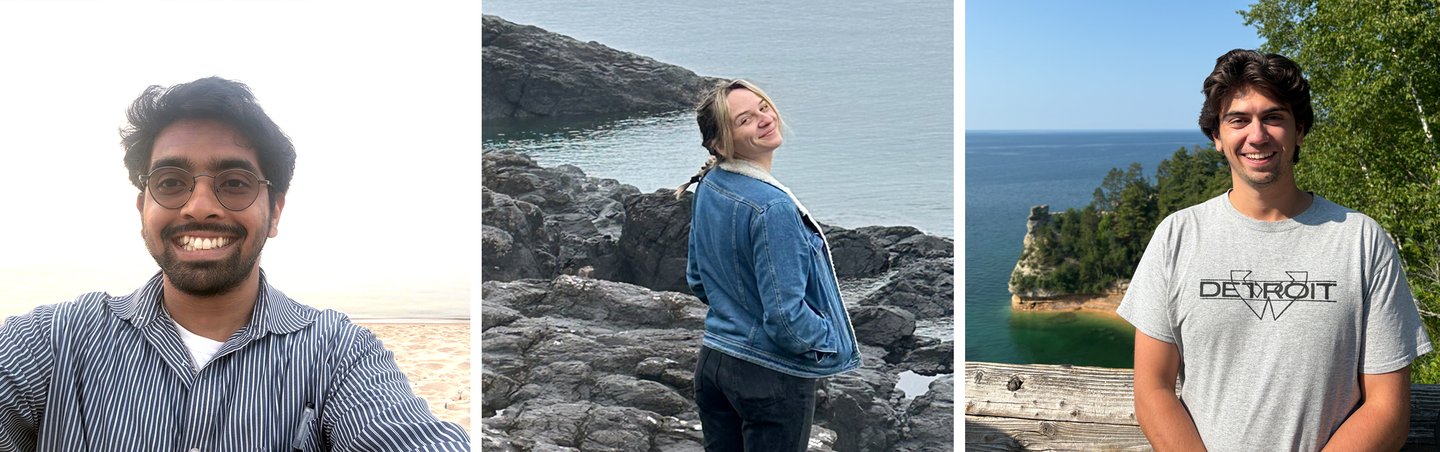
Stewarding the Great Lakes we inherit By Hassan Ezzeddine, Ali Iqbal & Abigail Wallace Three students and early professionals share what they are learning in GLEAC, a collaboratory of Wayne State University and the Michigan Environmental Council. Ali Iqbal, Abigail Wallace, and Hassan Ezzeddine at various shorelines around the Great Lakes.What does it mean to prepare for a future where the Great Lakes and professions dedicated to protecting them are changing faster than ever before? At three different points along the Great Lakes, each of us has stood on the shore experiencing the same mix of wonder, curiosity, and anticipation. Though our career stages and future goals differed, the same freshwater system and questions about its future brought us together on a new collaborative project. One of us is an undergraduate student, another is immersed in graduate research, and the third is applying graduate work to an early and accomplished career.For students and early career professionals in environmental science, those same feelings of wonder, curiosity, and anticipation accompany the transition from the classroom to the professional world. We are entering a future shaped by rapid environmental change, new technologies like artificial intelligence, the growing concern of emerging contaminants, and increasingly complex decisions about how to steward one of the world’s largest freshwater ecosystems.Every generation inherits changed lakes, and what we consider “normal” is shaped by the conditions we grow up with. But understanding today’s lakes requires actively looking for stories about previous baselines—past conditions that serve as reference points (Pauly 1995). Contaminants, for example, have affected the lakes for generations, and new ones will continue to impact them in the future. How should our generation, one that’s increasingly desensitized to disaster, grapple with the disturbed lakes we inherit and reject their state as “normal”? This realization has taught us that preparing for the future means more than learning scientific concepts. It means learning to work across disciplines, organizations, and communities so we can help shape the future of the Great Lakes rather than simply accept the lakes we inherit.A center without wallsThe Great Lakes Environmental Advocacy Collaboratory (or GLEAC, for short), models how universities can tackle these threats while simultaneously preparing students to work in a collaborative environment across multiple disciplines to create science-informed policy. GLEAC pairs researchers at Wayne State University and Michigan’s largest environmental advocacy organization, the Michigan Environmental Council. Together they work to uncover critical issues threatening the Great Lakes, how institutions interact around them, and what opportunities exist to strengthen collaborative governance.Collaboratory, as a noun rather than an adjective, was coined by William Wulf as “a center without walls,” joining collaboration and laboratory (Wulf 1993). GLEAC began with five faculty from Wayne State University spanning five disciplines and the chief executive officer of the Michigan Environmental Council, a team built around difference rather than sameness from day one.As students and early professionals, we have each stepped into this work through different lenses. As depicted below, our journeys through GLEAC reflect distinct yet complementary learning objectives. Undergraduate Ali Iqbal has been working on recording organizations and networks across the basin. We have found potential survey respondents by locating advisory boards and organizational webpages across the basin. “Old-fashioned” googling proved tedious, so this project became an opportunity to explore Python for web scraping, a reminder that even data collection now depends on new technical fluencies.Learning objectives at different career stagesUndergraduateGraduateEarly careerScience is comprehending dataScience is producing knowledgeScience is creating partnershipsClassroom & labPublishing researchCollaborationLearning conceptsLearning methodsLearning leadership“This project has provided a lot of data on the professional world as well,” Iqbal says. “It has given invaluable experience on how to apply research skills from the classroom in a professional setting, paving the way to graduate education and my ultimate goal of becoming a scientist.”Hassan Ezzeddine, the graduate student, is designing a survey to capture organizations’ priorities across the basin, crafting questions that work equally well for all involved. Building those questions as a team, testing them at GLEAC’s workshop at the IAGLR conference this past May, and revising based on community feedback has been a lesson in research methods and international perspectives no classroom could fully teach.“This process has been a crash course on co-production and survey design,” Ezzeddine notes. “As we seek to balance the different perspectives across the basin, it’s been super cool being a part of a team that values student engagement, as these perspectives will largely inform the professional world I enter.”Abby Wallace, the early career professional, is using science to build partnerships, facilitate workshops, and translate those conversations into actionable next-steps. Serving as a key liaison between MEC and WSU brings its own challenges. Working with five faculty, an outside partner organization, and students learning on the fly requires navigating different vocabularies, priorities, and schedules.“I’ve gained invaluable experience working alongside researchers and academic professionals,” Wallace shares. “They offer a completely different outlook on changemaking than that of the stakeholders I usually work with. It’s been incredibly rewarding to get an inside look at how the research that environmental advocates rely on to effect policy change is developed.”GLEAC has taught us much more than survey design, stakeholder mapping, or collaborative governance. It has shown us that preparing the next generation of Great Lakes professionals is about creating opportunities to listen, to collaborate, and to become comfortable working in the spaces where science, policy, and community intersect. The future of the Great Lakes will depend not only on the science we produce, but on the relationships we build. Each generation inherits the Great Lakes in a different state. Ours has both the opportunity—and the responsibility—to shape what the next generation will inherit.We invite you to share your organization’s priorities through the GLEAC survey.
Feature
Summer 2026
Three students and early professionals share what they are learning in GLEAC, a collaboratory of Wayne State University and the Michigan Environmental Council.
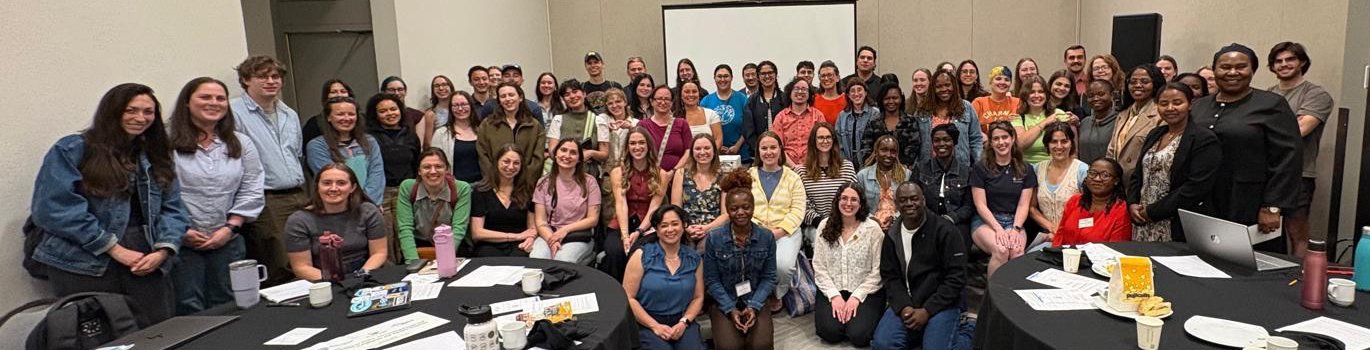
From here to there: Bridging people, pathways, and possibilities By Ruth Duncan, Ella Kinart, Ian Stone, Erin Smith & Navjot Dhaliwal A pre-conference workshop at the 2026 IAGLR & SCAS Joint Conference connected students and early career researchers with mentors and varied career paths. Participants, organizers, mentors, and panelists following the From Here to There pre-conference workshop at the 2026 IAGLR & SCAS Joint Conference in Winnipeg, Manitoba.Building the workshopStudents and early career researchers (ECRs) often see established researchers and professionals and find themselves asking “how can I get there?” The newly formed IAGLR Student and Early Career (SEC) Committee recognized the need for opportunities to bridge the gap between these two groups, sparking the idea for a pre-conference workshop.While conferences provide valuable spaces to present research, they can also be intimidating, particularly for those attending for the first time or navigating the many possible career paths within aquatic sciences. Recognizing the success of a previous IAGLR conference workshop led by FishCAST, an NSERC-funded co-curricular training program, the SEC Committee reached out to them to help bring this vision to life at the 2026 joint conference with the Society of Canadian Aquatic Sciences (SCAS) in Winnipeg, Manitoba. Together with the SCAS Student and ECR Engagement Committee, organizers spent four months designing a workshop that would encourage meaningful conversations, mentorship, and community building in an inclusive and welcoming environment. Rather than focusing solely on academic careers, the workshop highlighted the many directions a career in fisheries and aquatic sciences can take, reinforcing that there is no single path to success.The workshop, From Here to There: Connecting People and Pathways in Fisheries and Aquatic Sciences, was held before the conference began to give participants an opportunity to first make connections with fellow students, ECRs, and established professionals. The welcoming space for open conversations helped participants feel safe sharing their experiences, asking honest questions, sharing practical advice, and building professional relationships that continued throughout the week. More than 80 participants registered, demonstrating a clear demand for spaces that foster mentorship, connection, and career development within the aquatic sciences community. With participants representing a wide range of backgrounds, experiences, and career stages, the workshop created an environment where learning flowed in every direction, reinforcing the idea that everyone has something to teach and something to learn.The workshop experienceThe workshop’s interactive design encouraged participants to engage with one another rather than simply listen to presentations. The afternoon began with Ruth Duncan, Anishinaabe Kwe and Trent University graduate student, grounding participants by sharing a water song and offering tobacco. This was followed by A “Privilege for Sale” activity, which prompted participants to reflect on the different experiences and opportunities that shape individual career journeys. By acknowledging that not everyone begins from the same starting point, the activity helped establish an environment where openness, empathy, and honest conversations could flourish throughout the day.Building on this foundation, the workshop featured a diverse panel representing careers across academia, government, consulting, non-profit organizations, and community-based research. Panelists reflected on the realities of their own career journeys, discussing how their paths evolved in unexpected ways, the skills they found most valuable, and the advice they would offer to students and ECRs entering the field today. Rather than presenting a single roadmap to success, the discussion highlighted that careers in fisheries and aquatic sciences are rarely linear, and that flexibility, curiosity, and meaningful relationships often shape opportunities as much as technical expertise.The discussion highlighted that careers in fisheries and aquatic sciences are rarely linear, and that flexibility, curiosity, and meaningful relationships often shape opportunities as much as technical expertise.One theme surfaced repeatedly throughout the discussions: there is no single “right” career path. Every panelist arrived where they are today through a unique combination of opportunities, challenges, detours, and relationships.The afternoon concluded with small-group discussions where participants explored topics including navigating career pathways, developing professional skills, building networking strategies, and transitioning into the workforce. These conversations provided opportunities to ask candid questions, exchange experiences, and build relationships in a more informal setting. For many participants, the workshop served not only as a chance to learn from established professionals, but also to connect with peers facing similar questions and challenges. By the time the conference officially began the following morning, many attendees had already formed new friendships, identified potential collaborators, and developed a stronger sense of belonging within IAGLR, SCAS, and broader aquatic science community.Looking AheadThe impact of From Here to There continued throughout the week as participants carried new connections and perspectives into conference sessions, poster presentations, and social events. Conversations sparked during the workshop extended well beyond the scheduled program, including discussions around developing a collaborative manuscript to capture the ideas, experiences, and perspectives shared throughout the afternoon.For the nascent IAGLR SEC Committee, the workshop marked an exciting milestone as its first major initiative. Overwhelming interest in the workshop highlighted a strong appetite for opportunities that foster mentorship, professional development, and meaningful connection within the IAGLR community. The success of this collaborative effort has inspired the SEC Committee to set a new goal of establishing a mentorship program to expand future opportunities for students and ECRs.None of this would have been possible without the collaboration and enthusiasm of FishCAST, the SCAS Student and ECR Engagement Committee, our panelists, mentors, volunteers, and every participant who contributed their experiences and perspectives. The workshop demonstrated that a strong scientific community requires just that: community. This means going beyond merely sharing research. Instead, we need to build bridges and create spaces where people feel welcomed, supported, and inspired by one another.As the aquatic sciences community continues to grow, we hope From Here to There becomes a lasting pre-conference tradition, bringing together current and future generations of researchers, practitioners, and leaders to share stories, build connections, and support one another as they navigate their own careers. After all, every career journey begins with a new connection, and sometimes, getting from here to there starts with simply sitting down at the same table.
Feature
Summer 2026
A pre-conference workshop at the 2026 IAGLR & SCAS Joint Conference connected students and early career researchers with mentors and varied career paths.
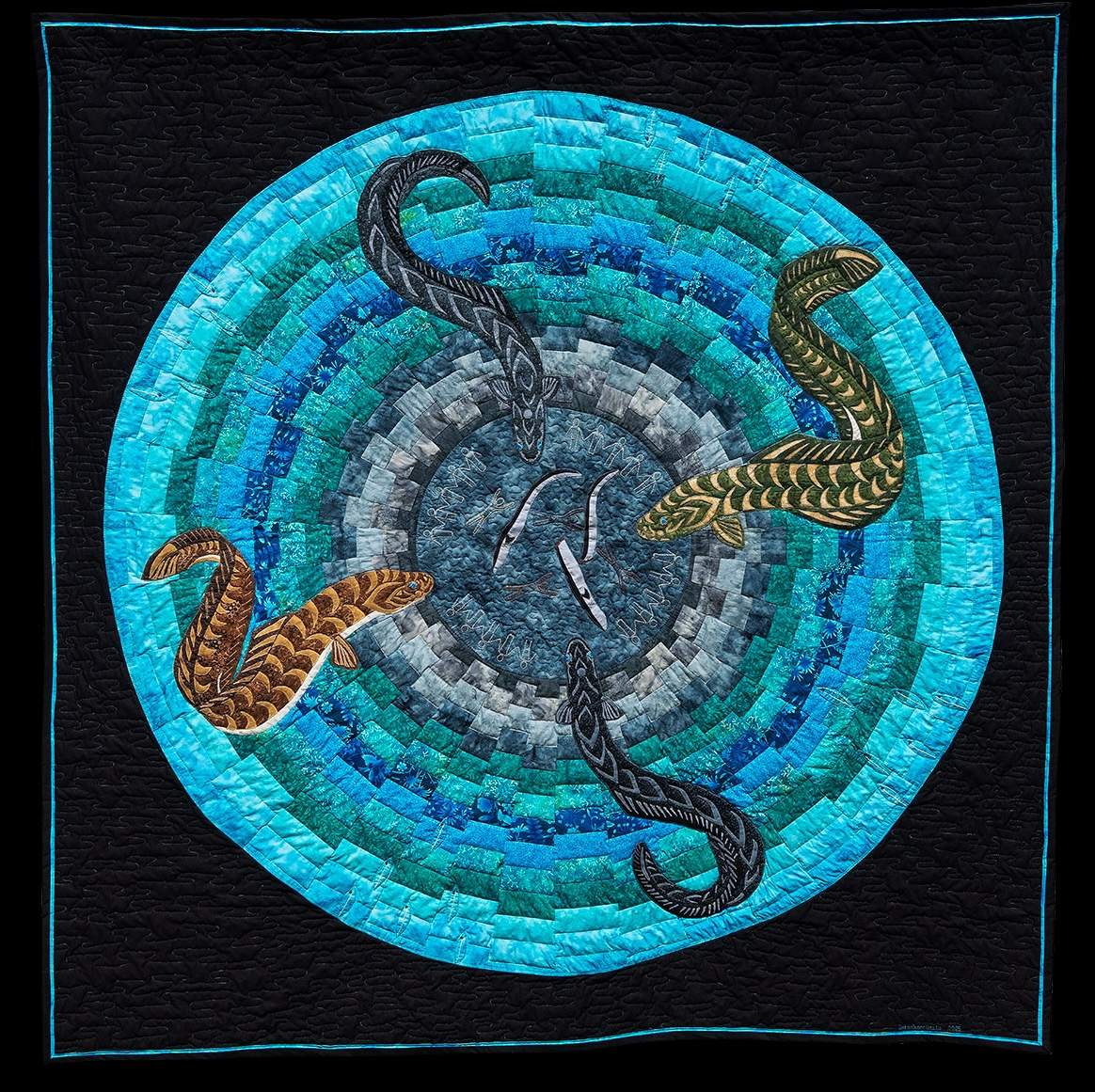
The art of the eel By Mary Ann Perron, Abraham Francis, Erin Smith, Kayla Sunday, Mackenzie Wylie-Arbic, Stephany Hildebrand, Yanik Rozon & Anthony Wallace A call for art from the St. Lawrence River Institute drew more than 60 works celebrating Kiawerón:ko, the American eel, and the threats it faces. “Kiawerón:ko. Relative, connector, medicine, and mystery.”Kiawerón:ko (American eel, Anguilla rostrata) lifecycle and plausible range in orange. Illustration by Kate Schwartz.Kiawerón:ko, Kanien'kéha (Mohawk for American eel, Anguilla rostrata) is a fish species that undertakes an incredible migration spanning thousands of kilometers between the Sargasso Sea, where they are born, and their rearing habitats. As a panmictic species—meaning every individual belongs to a single breeding pool—all Kiawerón:ko are connected to one another. Whether they mature in the waters of South America, Greenland, Lake Ontario, or Kaniatarawane:neh (the “great waterway,” referring to the St. Lawrence River), they all hatch together in the Sargasso Sea. The abundance of Kiawerón:ko has dramatically diminished, especially within Kaniatarawane:neh watershed, where numbers have fallen as low as 1% of their historic levels. This statistical collapse echoes the stories told by Akwesasronon, who have observed this change over generations. It is our collective responsibility to prevent the loss of this ecologically and culturally important species and ensure its survival for those to come.In the summer and fall of 2025, the St. Lawrence River Institute set out to celebrate and reconnect people with Kiawerón:ko as part of the Great River Rapport, a holistic ecosystem health assessment addressing community concerns in the Upper St. Lawrence River. The celebration of Kiawerón:ko through a call for art was carried out in partnership with the Mohawk Council of Akwesasne, Abraham Francis, Dr. Kathleen Vaughan and her team at Concordia University, and with the support of the Brace Water Centre at McGill University and the Natural Resources Institute at the University of Greenwich, UK.The top adult submission, titled “Sisters in Survival.” Artist statement: Pollution, environmental change and the massive turbines of the power dams on the rivers have decimated the eels as they return to the sea to spawn. The quilt depicts the baby eels in the ocean and the healthy eels traveling to their freshwater homes. It also depicts the eels after passing through the turbines. Haudenosaunee and our neighbors are also affected by the environmental changes and our way of life is in jeopardy. The Wampum people represent the Haudenosaunee Confederacy Nations along the St. Lawrence River watershed. The quilt is 75 inches by 76 inches, made of cotton, wool and glass beads. Created and sewn by Iakonikonkonriiosta, 2025. Mature Eel drawn by Gareoji Shoma, 2025. Quilted by Robynne Dorion, 2025. Beadwork by Anna Thompson, 2025.The submissions showcased a wide range of creativity and originality. We received over 60 art pieces including poems, paintings, beaded works, and quilts. The call for art benefited greatly from the diverse partnerships established as part of the Great River Rapport, which resulted in submissions from different regions along the range of Kiawerón:ko, including many Indigenous artists. The artist statements told stories of personal journeys alongside Kiawerón:ko. We found that some people had a depth of knowledge of Kiawerón:ko, while others were introduced to the species through this call for art. We were excited to see that people took time to learn about the threats to Kiawerón:ko and its precarious status in the river while creating their artworks.The most thought-provoking, titled “Profit over Preservation.” Artist statement: The silent ecocide of the American Eel population. Many left slaughtered and suffering at the hands of the razor-sharp turbines from hydropower dams. Over 99% of American Eels have been lost in the St. Lawrence River. An ecosystem forever changed. By Jessica Farmer.While the call for art engaged many people in Kaniatarawane:neh watershed and beyond, there are still more people who do not yet know about the challenges that Kiawerón:ko face in completing their lifecycle. In Kaniatarawane:neh, this perilous journey includes surviving the passage through turbine blades at two hydropower dams, the Moses-Saunders Power Dam and the Beauharnois Hydroelectric Facility, which collectively kill 44% of outmigrating Kiawerón:ko every year. Additional threats from habitat loss, fishing pressures, invasive species, contamination, and climate change also negatively impact Kiawerón:ko and reduce their ability to thrive as they once did.The most creative by Kaysun Oke. First side fully beaded (full of life) back side is leather with pyrography design.Our call for art successfully connected people from all walks of life to this important species, fostering a sense of caretaking. Without caretaking, Kiawerón:ko face the threat of disappearing from our river, along with the medicines, story, language, and culture they bring. They are teachers.Over the past decades, various initiatives have been dedicated to finding ways to mitigate the threats, though the numbers remain at all-time lows. Thankfully, there is hope. New technology in the form of fish-friendly turbines show great promise and could potentially allow the safe passage of Kiawerón:ko at hydropower dams.Top youth submission by Sawyer F. who loves the river.With the amendments to the Canadian Fisheries Act in 2019, Canada is now well-positioned to assess mitigation options to support the recover of Kiawerón:ko. For this to become a reality, support from the public needs to be combined with respect for Indigenous Rights, enforcement from government agencies, and buy-in from industry. Through the call for art, we were encouraged to see that community members are looking for ways to connect with nature. We look forward to finding news ways to inspire people to connect with the natural world and share the story of Kiawerón:ko—through conversations, art, and other creative outlets. Such meaningful engagement can foster the love and care required to protect these relatives.“Let us construct communities of caretaking for all of creation—our futures are woven together!”
Feature
Summer 2026
A call for art from the St. Lawrence River Institute drew more than 60 works celebrating Kiawerón:ko, the American eel, and the threats it faces.
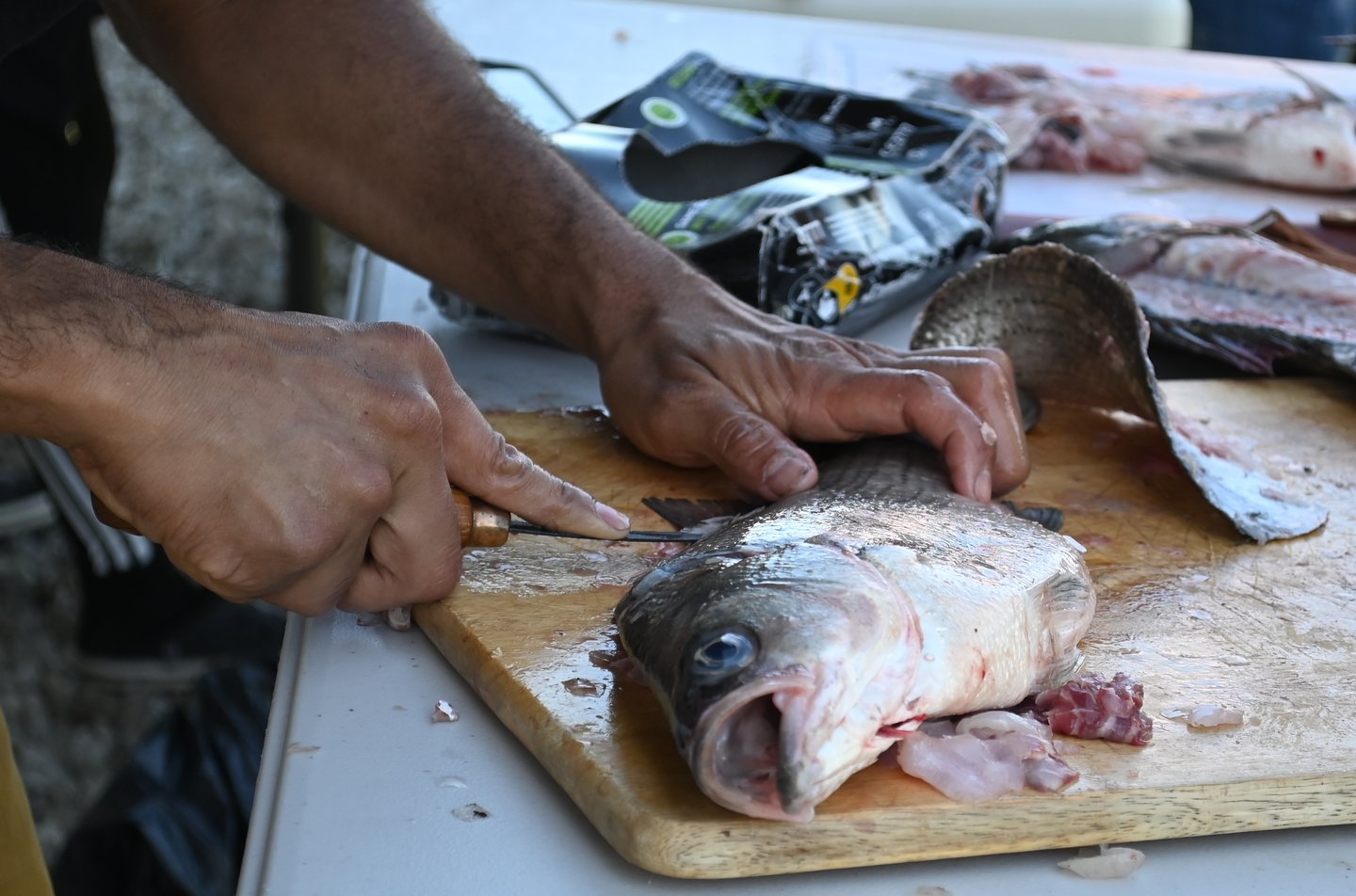
Fishing beyond fun: The importance of recreational fish consumption in the Great Lakes By Emma Rice A study of shore-based anglers in Detroit shows that eating recreationally caught fish supports food security, food sovereignty, and community ties. A Detroit River angler filets self-caught white bass to share at a community fish fry. Photo by Alexandra Benitez Gonzalez.For decades, recreational fishing has primarily been viewed by scientists and managers as a leisure activity. However, this narrow lens often overlooks other important benefits like food security, food sovereignty, and sociocultural contributions. A recent study of shore-based recreational fishers in Detroit, Michigan, applied food systems thinking, an approach linking food to culture and economics, to examine these often-neglected dimensions of recreational fishing on the Detroit River and Lake Erie.The study found that consumption of recreationally caught fish contributed to food security, with some fishers partially relying on it to reduce their grocery bills. It also supported food sovereignty by providing fishers with greater autonomy over where their food came from and how it was handled. Informal food-sharing networks among family, friends, and neighbors extended these benefits beyond individual households and strengthened community connection and well-being. Fish consumption also shaped angler motivation and satisfaction, particularly among nonwhite fishers who were significantly more likely to fish for food and view a fishing trip as successful if they brought fish home to eat.This work has implications for managing the human dimensions of recreational fisheries. It highlights the value of extending creel data beyond harvest to include collection of demographic and consumption data for informing more equitable fisheries management. Understanding recreationally caught fish as part of a broader food system may also draw more attention to consumption-related contaminant concerns and shoreline access issues, while helping managers make decisions that better reflect how people use, value, and depend on Great Lakes fisheries.
Research Brief
Summer 2026
A study of shore-based anglers in Detroit shows that eating recreationally caught fish supports food security, food sovereignty, and community ties.
One framework to map them all: A new approach to mapping dreissenid biomass By Tyler J. Harrow-Lyle A machine learning framework that uses multiple years of observations maps dreissenid mussel biomass across lakes Huron, Ontario, and Erie. Dreissenid mussels have transformed the nearshore zone of the Great Lakes for more than three decades, yet researchers and managers still lack reliable, lakewide tools to anticipate where dreissenid biomass is highest and how these patterns shift through time. Understanding the distribution of dreissenids is essential given their ability to alter lakewide nutrient dynamics and stimulate nuisance algae growth in the nearshore zone. The challenge of mapping dreissenid biomass is due to the sheer size of the Great Lakes, as well as the extreme heterogeneity and persistent uncertainty of changing environmental conditions.Recently, my colleagues and I demonstrated that incorporating environmental gradients such as substratum type, wave exposure, and hypoxia duration substantially improve dreissenid predictions within Lake Erie. Building upon this research, our ongoing work has expanded into the creation of a modeling framework that uses machine learning to map dreissenid biomass across the lower Great Lakes (Huron, Ontario, and Erie) with the addition of unique spatial and temporal detail.Dreissenid biomass estimates for lakes Ontario, Huron, and Erie produced from the random forest methodology. Dreissenid biomass is reported as total wet weight (g/m2).A key innovation of this framework is the explicit use of multiple years of observations. Previous Great Lakes dreissenid models aggregate data to a single yearly average; however, this practice removes interannual variability and obscures true variation in populations. By incorporating time as a gradient, the updated modeling framework can learn from year-specific conditions and variability, whilst preserving fine-scale temporal signals. By applying the full temporal record of dreissenid data, the framework also increases the detection of areas outside the model’s environmental domain, making uncertainty explicit and informative (i.e., highlighting where additional sampling would most improve future predictions). This is especially valuable for adaptive management, as it consistently identifies nearshore zones as priority areas for expanded monitoring. The same machine learning structure can support benthic monitoring programs in other freshwater and coastal systems, offering a flexible tool for ecosystem managers responding to ongoing environmental change, including climate driven shifts in habitat conditions.
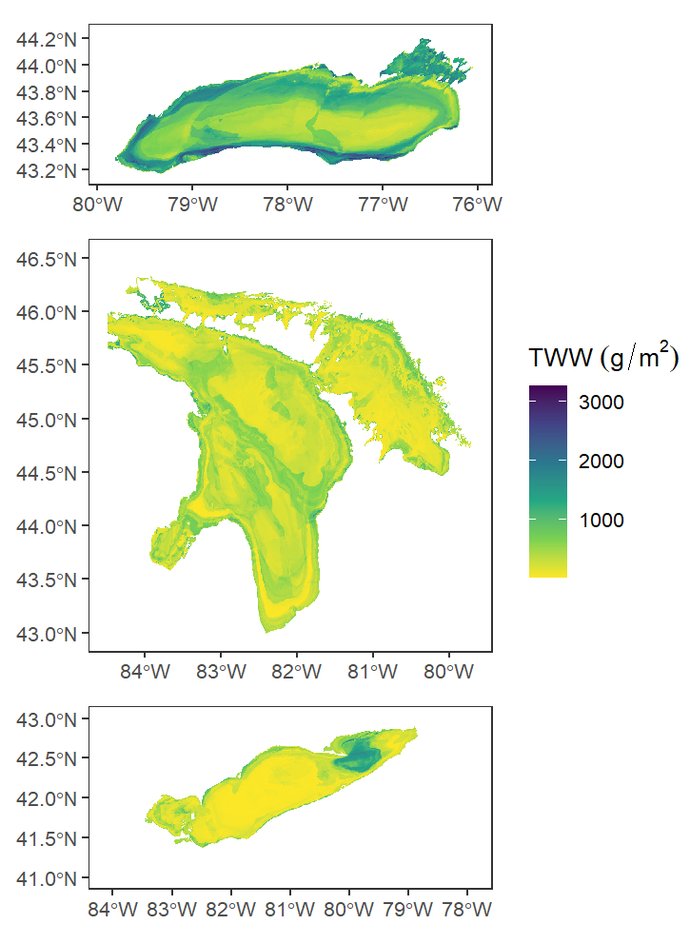
Research Brief
Summer 2026
A machine learning framework that uses multiple years of observations maps dreissenid mussel biomass across lakes Huron, Ontario, and Erie.
The summer phosphorus pulse: Internal loading from agricultural stream sediments By Grace Watson In Ohio farm streams, summertime oxygen loss releases phosphorus stored in streambed sediments, a hidden source that can feed Lake Erie algal blooms. Harmful algal blooms in Lake Erie are driven largely by phosphorus runoff from Maumee River tributaries, leading management to focus on reducing losses from agricultural fields. But our research points to a hidden in-stream source: phosphorus mobilized from streambed sediments during summer oxygen depletion.Last summer, we tracked seasonal phosphorus dynamics across three agricultural drainage streams in northwestern Ohio’s Shallow Run subwatershed within the Maumee River basin. To capture readily absorbable phosphorus, we deployed DGT probes into the sediment, alongside sensors tracking stream temperature and dissolved oxygen. This allowed us to monitor how sediment phosphorus stores shifted throughout the growing season. We then used statistical models to evaluate the environmental factors driving this porewater nutrient and scaled our measurements up to all streams in the watershed.Grace Watson collecting sediment samples from an agricultural ditch stream. Photo by Sophie Dziekan.Summer brought warmer water, lower flows, and recurring nighttime oxygen depletion—conditions that break down the iron bonds holding phosphorus in place. By July, bioavailable porewater phosphorus had increased four- to sixfold compared to spring across all three streams. Surface water concentrations rose in parallel, suggesting that this newly released nutrient was escaping the sediment and entering the water.Sediment porewater phosphorus (calculated from DGT measurements, or cDGT; solid colored lines, left axis) rose sharply from spring to midsummer across all three streams as water temperatures climbed (dashed red line, right axis) and dissolved oxygen crashed (dotted blue line, right axis)—a pattern consistent with oxygen-driven phosphorus release from iron-rich streambed sediments.We estimate roughly 117 kilograms of bioavailable phosphorus accumulates across the 15.6-kilometer drainage network during peak summer, amounting to nearly 34% of the watershed’s average spring and summer export. Because this sediment phosphorus reservoir rebuilds each summer to fuel peak downstream algal blooms, it threatens to undermine land-based fertilizer reductions and delay long-term watershed recovery.
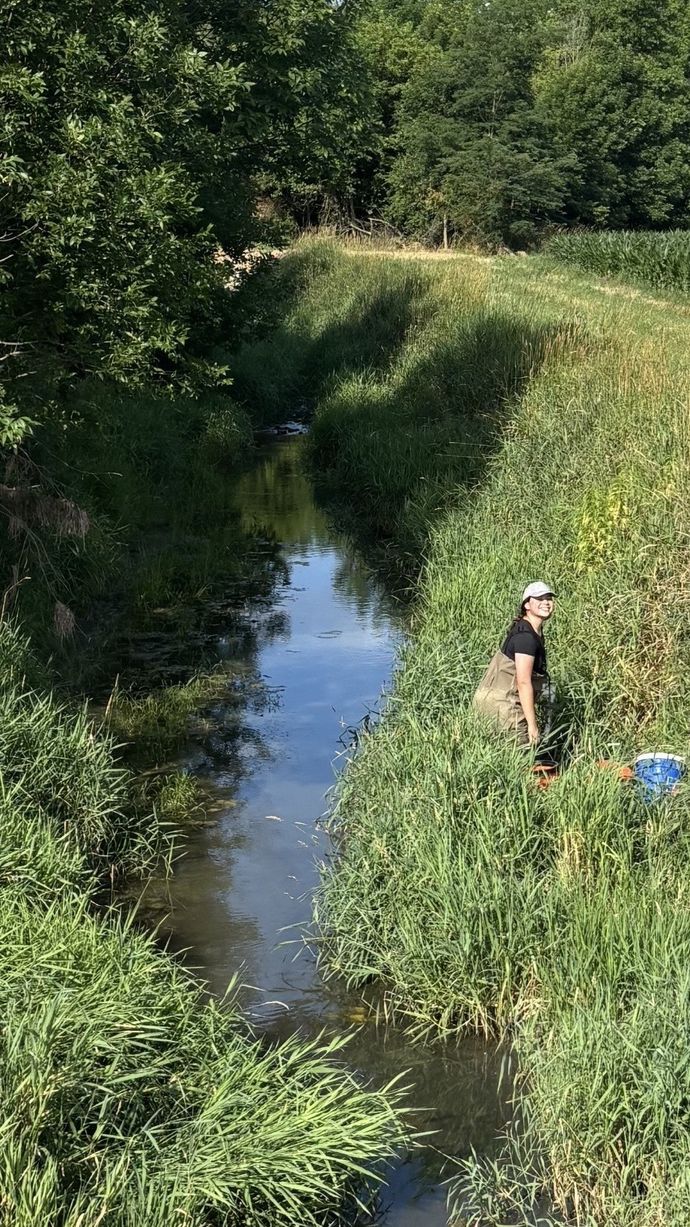
Research Brief
Summer 2026
In Ohio farm streams, summertime oxygen loss releases phosphorus stored in streambed sediments, a hidden source that can feed Lake Erie algal blooms.
Janessa Esquible Janessa Esquible advances equitable fisheries governance, from sea lamprey relations to Anishinaabe law on fish, water, and earth. Describe your work.I work with the Great Lakes Fishery Commission as a Great Lakes Indigenous fisheries postdoctoral fellow on a variety of projects and initiatives. These include the Ginebigomeg (sea lamprey) project focused on enhancing the collective understanding of Indigenous relationships with Ginebigomeg and their control. Begun in 2025 and funded by the commission, the project has a large interdisciplinary team led by Dr. Sue Chiblow of the University of Guelph and member of the Garden River First Nation. Another project is titled Connecting Indigenous stewardship across continents: Identifying pathways for equitable fisheries governance in Canada and Uganda. It brings together two First Nation communities along with three Indigenous communities in Uganda. This project was recently funded by the International Development Research Centre and led by the Cross-Cultural Foundation of Uganda. Lastly, I am working alongside Elders with Naugon Associates and other Indigenous leaders across the Great Lakes basin to advance the Inaaknigewin: Giigoonyag, Nibi ge Aki (Anishinaabe Law: Fish, Water and Earth) Initiative, focused on reaffirming and revitalizing Indigenous relationships with fish, water, and the land.Prior to joining the commission, I lived in Alaska for 10 years, where I spent much of that time working for Tribes and Tribal consortia on various salmon and community-based projects. My dissertation research focused on documenting the breadth and depth of Alaska Native values, knowledge systems, and governance systems pertaining to salmon in order to achieve more equitable and inclusive salmon governance systems. I was able to bridge knowledge systems and perspectives through a case study that also included federal and state agency managers and researchers. My dissertation shed light on key mechanisms for improving salmon management and enhancing Alaska Native inclusion in current fisheries governance systems.What inspired you to enter this work?Much of my work is inspired directly by the Indigenous communities I collaborate with. I ground my research in values including but not limited to respect, relationality, relevance, reciprocity, and responsibility. I have a responsibility as an Anishinaabekwe (Anishinaabe woman) not only to the water, but to all of my relations. Through my position at the commission, I am able to fulfill some of these responsibilities by centering relationality and focusing on fish and water with Indigenous leaders, communities, and others.If you could brief policymakers on one Great Lakes issue that urgently needs attention, what would it be and why?I would urge policymakers to take action and provide financial support to address the adikameg (whitefish) population declines—with an emphasis on Lake Michigan and Lake Huron—given their significance as a cultural keystone species and their economic importance to many communities across the Great Lakes basin. I would also urge policymakers to protect nibi, our shared waters, as they continue to face threats of diversion, extraction, and commodification that may have devastating impacts on all the life they support. Finally, I would urge policymakers to pursue opportunities to more equitably include Indigenous leadership in Great Lakes fisheries governance.What is something about yourself that you’d like to share with other IAGLR members?Upon returning home to the Great Lakes after being gone for several years, my son, husband, and I spend quite a bit of time with our relatives and outdoors in the woods, rivers, and lakes as often as we can. I enjoy outdoor walking and running, attending cultural gatherings, doing yoga, listening to music, dancing, and spending time with loved ones.
Member Spotlight
Spring 2026
Janessa Esquible advances equitable fisheries governance, from sea lamprey relations to Anishinaabe law on fish, water, and earth.
Securing the sustainability of Great Lakes basin groundwater resources By James Polidori Groundwater, the "sixth Great Lake," faces rising demand from agriculture and technology. Improved data and coordinated policy are vital for long-term sustainability. Corn field irrigation, Plymouth Road at Curtis Road, Superior Township, Michigan. Camera location 42° 20' 05.91" N, 83° 36' 20.3" W. View this and other nearby images on OpenStreetMap.Often referred to as the “sixth Great Lake,” the total volume of groundwater within the Great Lakes basin is estimated to be greater than the volume of Lake Michigan. Despite its massive scale and its intrinsic connection to the quality and quantity of the region’s surface waters, extensive knowledge gaps remain regarding groundwater availability at the statewide, basin, and regional scales.One resource available to help address these gaps is the Great Lakes Regional Water Use Database, which the Great Lakes Commission (GLC) maintains in partnership with the Great Lakes-St. Lawrence River Water Resources Compact Council and Regional Body. This collaborative effort provides uniform, consistent data on withdrawals, diversions, and consumptive uses across jurisdictions, watersheds, and sectors. These data provide a baseline understanding of groundwater usage across the basin and inform regional water resources management.From 2020 to 2024, an average of more than 1.2 billion gallons of groundwater were withdrawn daily from the Great Lakes basin across all sectors. Agricultural water use—specifically for irrigation and livestock watering—currently makes up the second most significant withdrawal of groundwater in the basin at an average of 370 million gallons of groundwater per day over that same period, trailing only public supply. While agriculture in the Great Lakes region is currently primarily rain-fed, climate projections indicate that increasing drought severity and frequency by the end of the century will expand the need for supplemental irrigation. This shift could result in an increased demand on groundwater aquifers throughout the basin.Rapid growth and advancement in the technology sector is also raising questions about potential impacts on the basin’s water resources. Recognizing its role in sustainable water resource management, the GLC recently passed a series of policy resolutions on impacts to Great Lakes agriculture and water use, the water-energy nexus of emerging technologies, and non-potable water reuse development. These resolutions support the economic growth and sustainable development of these sectors while protecting the region’s water supply.To ensure the security of the Great Lakes region’s economy and the sustainability and balanced use of the Great Lakes basin’s water resources, we must continue to improve our understanding of the impacts of shifts in agriculture and energy production, technology growth, and changing climate conditions. Coordinated and informed policy and decision-making will help us secure the “sixth Great Lake” for generations to come.
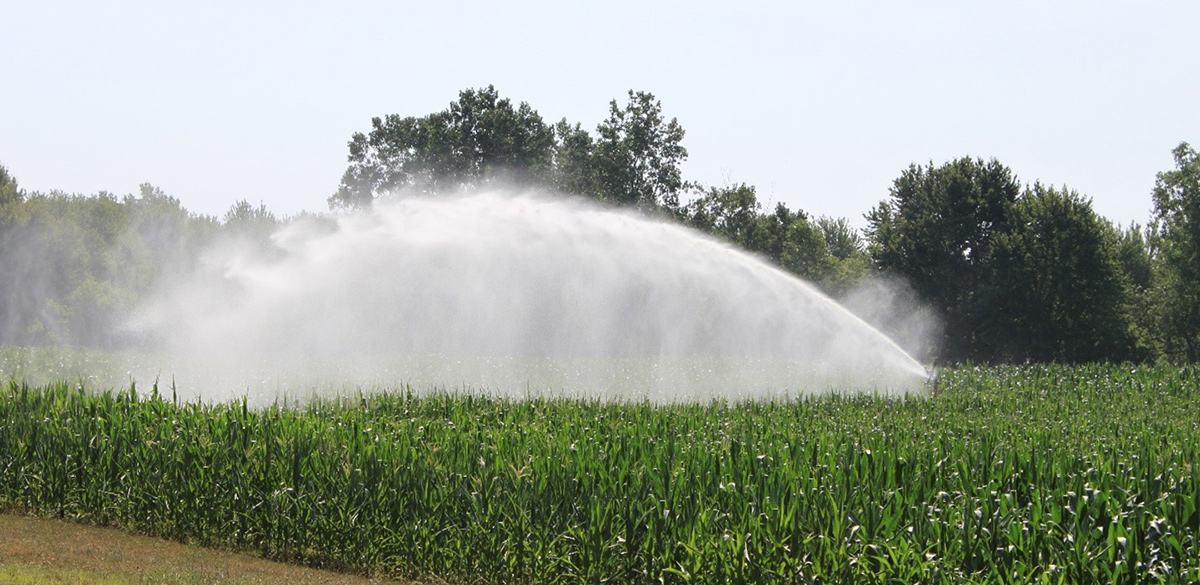
Research Brief
Spring 2026
Groundwater, the "sixth Great Lake," faces rising demand from agriculture and technology. Improved data and coordinated policy are vital for long-term sustainability.
Bridging policy and practice in New York State: Barriers to shoreline adaptation along Lake Ontario By Rewa Phansalkar & Kristen Hychka Despite policy shifts, shoreline hardening dominates Lake Ontario. Structural limits, fragmented governance, and path dependency block nature-based adaptation and resilient land use. Examples of projects using natural and nature-based features in New York’s Great Lakes basin, compiled by NYSWRI and NYSDEC Great Lakes Watershed Program staff. These projects can serve as demonstration sites for broader promotion and replication.Communities along New York’s Lake Ontario shoreline are increasingly vulnerable to flooding and erosion as climate change drives greater lake-level variability. In response, the state launched the Coastal Lakeshore Economy and Resiliency (CLEAR) initiative in 2019, following rapid funding through the Resiliency and Economic Development Initiative. CLEAR aims to work with communities to identify adaptation strategies, prioritizing landuse approaches and nature-based demonstration projects over reactive shoreline armoring.This effort reflects a broader policy shift toward long-term resilience, supported by the 2014 Community Risk and Resiliency Act and the Climate Leadership and Community Protection Act. Federal priorities also align, notably through the 2022 Nature-Based Solutions Roadmap. Yet, despite this momentum, a local “adaptation deficit” persists. Shoreline hardening remains the dominant response: 16% of the U.S. Lake Ontario shoreline is classified as “artificial,” and 40.6% is armored across the U.S. and Canada (USACE, 2020; State of the Great Lakes, 2022).To understand this gap, our research assessed barriers to adaptation using a mixed-methods approach that combined practitioner interviews, document reviews, and participation in public meetings. Using a diagnostic framework by Moser and Ekstrom (2010), we conceptualized adaptation as a process moving through three phases: understanding, planning, and managing. Barriers can emerge at each stage and often compound.In the understanding phase, communities directly impacted by recent high-water events prioritize flooding, while inland residents often do not. Competing narratives about the causes of flooding further shape how risks are interpreted.In the planning phase, constraints are structural. Many municipalities operate with limited staff, technical expertise, and time, resulting in reactive approaches. Governance is fragmented, with authority split across local, county, and state actors, and much of the shoreline remains under private ownership. Even where data and tools exists, stakeholders struggle to navigate scattered and sometimes outdated information.Barriers become most visible during implementation. Nature-based approaches—such as restored beaches, dunes, and living shorelines—are often seen as infeasible. Stakeholders cite high wave energy, steep bluffs, limited parcel sizes, and competing priorities such as maintaining lake views. Uncertainty around siting and design, limited contractor expertise, and complex permitting pathways further complicate adoption. These challenges are reinforced by a strong path dependency on shoreline hardening; rooted in familiarity and established engineering standards, gray infrastructure remains the predictable choice.Similarly, resilient land use policies—zoning updates, setbacks, and conservation overlays—face persistent hurdles. Local governments hesitate to adopt regulations that might affect property values or reduce tax revenue, particularly in high-value shoreline areas. These challenges are compounded by limited legal and technical capacity and the time-intensive nature of adopting new local laws.Taken together, our findings suggest the challenge is not simply a lack of awareness or funding. Rather, it reflects a mismatch between how adaptation strategies are promoted and the conditions under which they must be implemented. As new state-led tools and funding streams create opportunities, overcoming these barriers will be critical. Supporting shoreline adaptation in the Great Lakes will depend not just on advancing new ideas, but on making them workable within the realities of local decision-making.
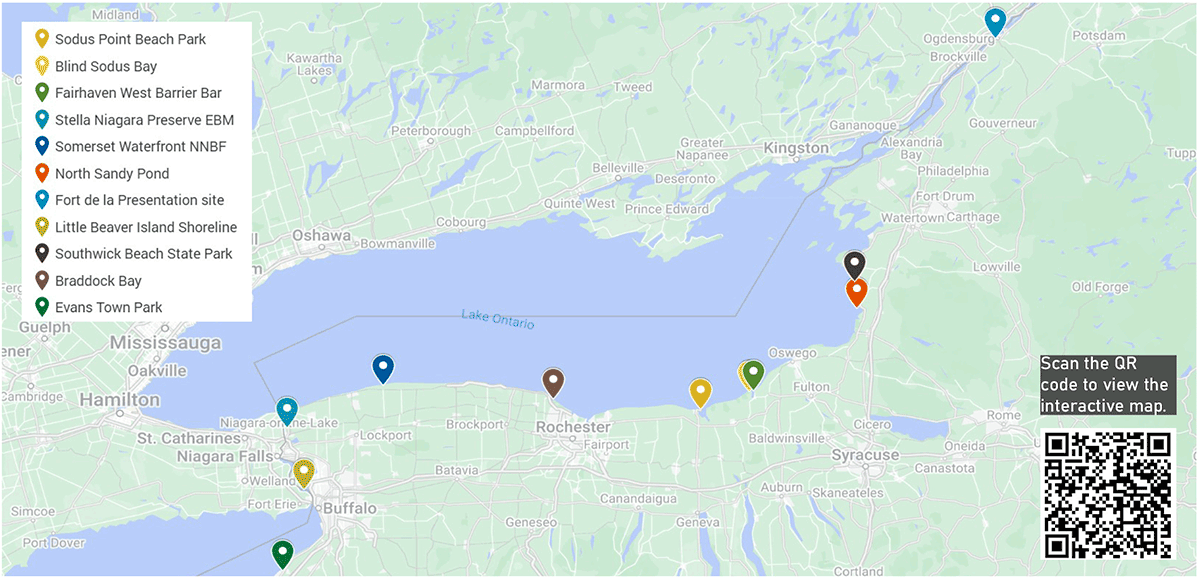
Research Brief
Spring 2026
Despite policy shifts, shoreline hardening dominates Lake Ontario. Structural limits, fragmented governance, and path dependency block nature-based adaptation and resilient land use.
It’s our turn: Stepping into Great Lakes governance By Scott Sowa U.S. federal cuts erode Great Lakes protections, but resilient governance remains. Now, it's time to evolve. Lake Huron sunrise.Those of us working in Great Lakes science, policy, and management are accustomed to complexity. But the current moment—marked by rapid federal policy shifts in the United States—presents both new challenges and new opportunities. This is not simply a matter of adapting to change; it is a test of whether the broader Great Lakes governance system is prepared to sustain environmental outcomes at scale while navigating evolving political dynamics.Recent U.S. federal changes affecting water, climate, and endangered species policy are being felt across the region. Staffing reductions at federal agencies have led to an unprecedented loss of institutional knowledge and capacity. These changes do not eliminate legal authority—states, Tribes, and local governments retain it—but they significantly diminish enforcement, monitoring, and program continuity. The risk is not regulatory collapse, but quiet erosion: delayed permits, fewer inspections, reduced data collection, and cumulative impacts that may go unaddressed or even unseen, making future responses more costly or irreversible.While it is easy to feel pessimistic, we at The Nature Conservancy believe there is reason for cautious optimism. At binational forums across the region, I continue to see strong bipartisan and binational support for Great Lakes policies and programs. That commitment has been evident in the coordinated response by organizations mobilizing to oppose proposed cuts to key Great Lakes programs in the FY26 federal budget. I am deeply grateful to our Congressional champions who continue to support the Great Lakes Restoration Initiative and advance bipartisan legislation such as the Great Lakes Fisheries Reauthorization Act.Importantly, the Great Lakes governance system was built for moments like this. Binational and interstate compacts, treaties, federal and state enabling laws, and the principles of cooperative federalism create a dense web of shared authority and institutional redundancy. The Great Lakes–St. Lawrence River Basin Water Resources Agreement and Compact exemplify this resilience by establishing durable expectations for sustainable water management across jurisdictions. While a pullback by any partner—including one as significant as the U.S. federal government—is challenging, it is not unanticipated. The question before us is not whether authority exists, but whether we are prepared to fully exercise it.This is not simply a matter of adapting to change; it is a test of whether the broader Great Lakes governance system is prepared to sustain environmental outcomes at scale while navigating evolving political dynamics.In the near term, states are shouldering much of the burden, and I am encouraged by their response of prioritizing enforcement, strengthening cross-border coordination, and partnering more deeply with Tribes, universities, NGOs, and local governments. Multistate invasive species enforcement efforts, risk-based permitting, and cooperative science initiatives show how innovation and pooled capacity can partially offset federal reductions.Over the longer term, I envision that collective efforts to diversify and stabilize public funding, complemented by filling national policy gaps and harnessing market mechanisms to drive conservation outcomes, will bring about exciting opportunities for collaboration and innovation. Thankfully, we are already seeing progress across these fronts. State-level funding initiatives such as Minnesota’s Legacy Amendment, Ohio’s H2Ohio program, and New York’s Environmental Bond Act demonstrate how voter-backed and executive-led efforts can generate sustained investment in land and water conservation. These models underscore a growing reality: we must explore new public funding options beyond U.S. federal appropriations.Additionally, Canada’s continued investment in monitoring, science, and implementation helps maintain the integrity of binational agreements like the Boundary Waters Treaty and Great Lakes Water Quality Agreement. New investments—such as the establishment of the Canada Water Agency and Can$420 million for the Great Lakes Freshwater Ecosystem Initiative—demonstrate Canada’s commitment to freshwater health in general and more specifically to the Great Lakes. Collectively, these actions show that Canada is not merely a partner, but a ballast that can help stabilize collaborative management of the system in periods of rapid U.S. political change and funding uncertainty.Funding challenges are especially acute for local governments, particularly aging water infrastructure. Community-based systems have long relied on user fees, yet these models often proved insufficient to protect water resources. Major federal investments in the 1970s and 1980s helped address infrastructure backlogs, but many communities have struggled to keep up. New regional and state investments are essential not only to protect freshwater ecosystems, but also to ensure equitable access to safe and affordable water.States and local governments are also stepping in to address regulatory gaps left by weakened federal protections. Illinois’s efforts to establish new state-level wetland protections and Michigan communities experimenting with shoreline management ordinances reflect a broader trend: environmental leadership is increasingly emerging at subnational levels. This is where regional collaboration becomes indispensable. Interstate and basinwide organizations help align policies, share data, and present a unified voice—functions that become even more critical when federal policy ceilings or floors shift on issues like pollution, invasive species, and hydrology that ignore political boundaries.Universities and professional societies such as the International Association for Great Lakes Research have a unique role to play by providing continuity. Stewarding long-term datasets, preserving institutional memory, convening cross-sector partnerships, and training the next generation of professionals are more important than ever. Just as critical is maintaining public trust by practicing transparency, acknowledging uncertainty, and grounding research in the needs of local communities and decision-makers. Place-based engagement that treats communities as partners, rather than research subjects, is essential in an era of skepticism toward science and government.Ultimately, the Great Lakes governance framework remains legally robust. The challenge before us is not survival, but evolution. Previous generations stepped up when circumstances demanded it. Now, it is our turn. If states, provinces, Tribes, municipalities, businesses, universities, and NGOs step forward as coequal stewards—investing in capacity, coordination, and credibility—we can make the Great Lakes management system more resilient than ever. That is not a consolation prize; it is a responsibility—and a chance to lead.
Feature
Spring 2026
U.S. federal cuts erode Great Lakes protections, but resilient governance remains. Now, it's time to evolve.
Great Lakes region needs data center transparency By Helena Volzer Rapid data center expansion threatens Great Lakes water resources, calling for transparency and multilevel regulation to safeguard this finite freshwater system. Across the Great Lakes region, a transformation is underway with data centers rapidly becoming part of the landscape to power our digital lives. But as their footprint grows, so do important questions about water, energy, community, and environmental impacts. The issue is whether and how data centers can be developed sustainably in a region defined by one of the world’s most important freshwater systems.The Great Lakes hold 20% of the world’s surface freshwater. This abundance can be misleading. Less than 1% is renewed each year, and many communities rely on groundwater and local aquifers that are more vulnerable to overuse. These finite and interconnected resources must be managed responsibly for today and tomorrow. The eight Great Lakes states and two Canadian provinces recognized this when they agreed to complementary frameworks: the Great Lakes-St. Lawrence River Basin Water Resources Compact and the Great Lakes-St. Lawrence River Basin Sustainable Water Resources Agreement. Together, these instruments create a binational governance structure where proposals to divert Great Lakes water outside the basin are generally prohibited with minor exceptions. The Compact applies to U.S. states while the Agreement mandates similar restraint across the Canadian provinces of Ontario and Quebec. Any exceptions to the prohibition on diversions require water to be returned after use.This is where data centers enter the conversation. The Great Lakes region is attractive to data centers because of its resources, relatively cool climates, infrastructure, and tax incentives. The U.S. side of the region now hosts nearly one-fifth of all U.S. data centers, with growth expected to exceed national averages through the end of the decade. But this growth can put pressure on local water systems, especially in small communities that were not designed for large and, at times, sudden withdrawals. For perspective, llinois and Ohio each host around 200 data centers, ranking fourth and fifth nationally in total count, according to Data Center Map. While Canada overall hosts about 285 data centers, located primarily in the provinces of Ontario and Quebec, numbers are not indicative of scale and the localized impact on water resources that individual data centers may have.Data centers generate enormous heat and must be cooled constantly. Many use water-based cooling systems that can use millions of gallons per day. However, not all the water returns to the system. In evaporative cooling, a significant portion is lost to the atmosphere, effectively removing it from the local watershed. Other ways of cooling data centers are highly energy intensive. The tradeoff is a water-energy nexus:Water-based cooling saves energy but consumes vast amounts of waterAir-based cooling conserves water, but demands signficantly more electricityNon-renewable energy production itself requires water, so cooling methods that reduce water use onsite may still increase water use offsite at power plants. For example, the Vantage data center in Port Washington, Wisconsin, will reportedly have power needs reaching 3.5 gigawatts. If non-renewable sources are used to meet those needs, its off-site water use could be more than twice the amount of water used by every home, business, and manufacturer in the City of Green Bay. Even before the data center boom, 70% of reported Great Lakes water use in 2024 was associated with generating electrical power, making it the largest Great Lakes water-using sector.Perhaps the biggest gap we face is the lack of transparency around exactly how much water an individual data center uses. Most data centers connect to public water systems and therefore aren’t required to report water use. While some companies release this information, it’s often aggregated, doesn’t address indirect or off-site water use (including for energy production), and lacks important details needed to assess an individual data center’s water resource impact. This also makes it challenging to evaluate the cumulative effect of expansion across the region. The issue is whether and how data centers can be developed sustainably in a region defined by one of the world’s most important freshwater systems.Each level of government has different roles to play when it comes to oversight. At the federal level, the U.S. administration is using executive power to try to fuel growth. The president has issued several executive orders facilitating this expansion—from keeping coal-fired power plants open to trying to restrict states from regulating AI. Now is the time for Congress to step up, use its legislative power on behalf of communities, and enact meaningful regulations that mandate more transparency around water and energy use so that benchmarks for water conservation and efficiency can be established. In Canada, the federal government adopted its Sovereign AI Compute Strategy in 2024 to attract data centers above 100 megawatts. Expansion in Canadian provinces continues as tensions emerge over which level of government has authority to regulate this rapidly expanding industry. An announcement earlier this month of new data centers in British Columbia was met by accusations of a “build-first regulate-later model” and calls for a moratorium on new data centers until stronger regulation and environmental policies are enacted.Locally, communities can negotiate data center proposals to ensure community benefits, such as green infrastructure and payment for infrastructure improvements. However, state and provincial level frameworks that ensure transparency and provide consistent rules for monitoring water use and preventing pollution are necessary to reduce the regulatory and legal burden on small and under-resourced local governments. Standardized regulations can assist local municipalities to plan for both the initial build out of data centers, as well as ongoing maintenance (including e-waste management), and future decommissioning.At the state, provincial, and Tribal levels, the most important role will therefore be ensuring sustainable water use and management. In the U.S., states are furiously considering legislation, including everything from energy- and water-use reporting requirements, bans on the use of non-disclosure agreements, study commissions, and repeals of tax incentives, to statewide moratoria. While Canadian provinces have primary responsibility for water management, they have thus far primarily pursued energy-specific proposals to regulate data center expansion. For example, British Columbia has limited data center expansion by limiting access to power altogether, whereas Québec enacted a higher rate for electricity for data center customers. Additionally, the Canadian government has a duty to consult First Nations on numerous activities, including regulatory project approvals. This engagement illustrates the vital role First Nations must play as regulations and future projects are considered. The role and ability of states and provinces to establish regulations that successfully balance rapidly evolving economic development with conservation and protection of water resources and provide for thoughtful planning will be critical in the years ahead.ResourcesA Finite ResourceThe Great Lakes region faces the prospect of water shortages, groundwater conflicts, and contaminated aquifers as demand sharply increases from large water users such as data centers, agriculture, and critical minerals mining. A new Alliance for the Great Lakes report details how access to water in the region will be undermined in the coming years if serious planning, policy, and regulatory actions are not taken. A Regional PlaybookData center development is rapidly growing across the Great Lakes region. To help make sense of the impacts, the Alliance also released this guide for residents, concerned citizens, grassroots organizations, and local leaders seeking clear, accessible information. It describes how water is used in data centers and provides checklists to help communities understand potential impacts and ask the right questions at the right time.
Feature
Spring 2026
Rapid data center expansion threatens Great Lakes water resources, calling for transparency and multilevel regulation to safeguard this finite freshwater system.
Incorporating climate risks in the management of Great Lakes water By Gail Krantzberg New policies that anticipate future conditions rather than react to past patterns require climate-informed planning and nature-based solutions to ensure long-term water security and equity. Aerial view of damage on eroding dune on Lake Michigan. Photo by Sarah Rypma.The impacts of climate change on the Great Lakes are manifesting as intensified precipitation, heightened evaporation rates, diminished ice cover, and increased variability in water levels. These phenomena pose significant dangers to essential resources such as drinking water, groundwater recharge, shoreline integrity, coastal infrastructure, and the habitats that sustain fish and wildlife.Recent occurrences of record-high lake levels have resulted in severe erosion, substantial property damage, and widespread flooding. Simultaneously, longer-term forecasts indicate increasing extremes in lake levels, oscillating between unprecedented highs and lows. The warming of winters is leading to a decline in ice cover, consequently leaving shorelines vulnerable to intensified wave action. In addition, heavier rainfall events contribute to increased nutrient and sediment runoff, which exacerbates harmful algal blooms and places additional strain on municipal water systems. Furthermore, groundwater systems, which are hydrologically connected to the lakes, are at risk of altered recharge dynamics and contamination during flood events. Existing policies rooted in historical hydrological data fall short of addressing these pressing challenges posed by climate change.Existing policies rooted in historical hydrological data fall short of addressing these pressing challenges posed by climate change.Policy recommendationsGiven the inadequacy of current policy frameworks, a new approach is needed—one that anticipates future conditions rather than reacting to past patterns. Four key strategies have emerged, each designed to strengthen the region’s capacity to adapt to an increasingly volatile climate.1. Require climate-informed planningIt is imperative to revise floodplain maps, shoreline zoning regulations, and infrastructure designs by incorporating climate projections and dynamic lake-level modeling. For example, the city of Rotterdam in the Netherlands has integrated climate projections into its urban water management strategy, using adaptive flood defenses, water plazas, and updated flood-risk maps to manage rising sea levels and extreme rainfall. Chicago integrates climate projections into coastal planning along Lake Michigan through its Climate Action Plan and shoreline management strategies, which guide the design of lakefront infrastructure, stormwater systems, and flood-resilient parks to address rising lake levels and extreme storm events.2. Enhance integrated water managementFoster cooperation in the governance of both surface water and groundwater across state and provincial boundaries, leveraging transnational relationships to ensure comprehensive management. The Great Lakes region is still falling short in truly integrating groundwater and surface water management, especially regarding nutrient flows, emerging contaminants, and the ecological impacts of groundwater withdrawals. Addressing these gaps requires better monitoring of groundwater-lake interactions, stronger cross-border data sharing, and policies that explicitly link groundwater management with surface water protections.A notable international success in transboundary integrated water management is the Mekong River Basin, where the Mekong River Commission (MRC) coordinates water allocation, ecosystem protection, and hydropower development across China, Laos, Thailand, Cambodia, and Vietnam. By jointly monitoring river flows and conducting basinwide environmental assessments, the MRC addresses both surface water and connected groundwater impacts, such as maintaining groundwater-dependent wetlands and managing sediment transport.3. Emphasize nature-based solutionsPrioritize the restoration of wetlands, dunes, and floodplains to serve as buffers against storm surges, mitigate runoff, and bolster groundwater recharge.For example, projects funded through the Great Lakes Restoration Initiative—such as the Shiawassee Flats Wetland Restoration in Michigan and the Fort Sheridan coastal habitat restoration along Lake Michigan—have restored marshes, ravines, and dune systems that naturally absorb floodwaters, filter runoff, and enhance coastal resilience.4. Commit to monitoring and equityExpand the sharing of basinwide data and allocate resilience funding specifically to vulnerable shoreline communities and Indigenous Nations to promote equity in resilience and adaptation.For example, the Great Lakes Observing System provides real-time data on water levels, temperature, and water quality across the Great Lakes, while programs under the Great Lakes Restoration Initiative have directed funding to projects in historically underserved shoreline communities and support Indigenous Nations in Michigan, Wisconsin, and Ontario to enhance local resilience planning.Neglecting to integrate anticipated climate impacts into the policy frameworks for Great Lakes water and coastal management represents a significant governance shortfall, as seen in municipalities along Lake Ontario, Lake Erie, and Lake Michigan where floodplain regulations and shoreline infrastructure designs still rely on historical water levels rather than projected climate-driven changes. Embedding advanced climate projections into these policies is crucial for safeguarding water security, sustaining ecosystems, and supporting coastal economies amidst an era characterized by increasing hydrological instability.
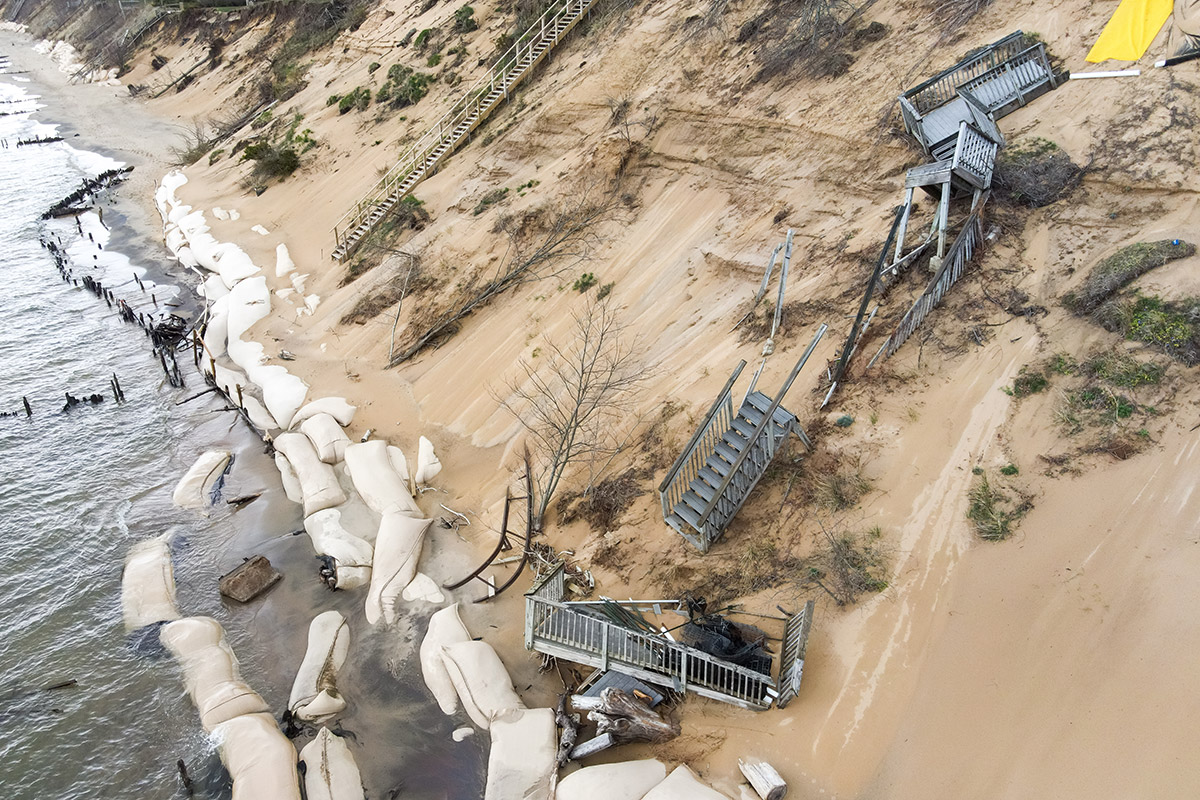
Feature
Spring 2026
New policies that anticipate future conditions rather than react to past patterns require climate-informed planning and nature-based solutions to ensure long-term water security and equity.
On the road to disaster: How road salt policy gaps are threatening the Great Lakes By Gabrielle Parent-Doliner, Dani Lindamood, Jérôme Marty & Monica Seidel Road salt is is accumulating in the Great Lakes, threatening aquatic life and groundwater. Regulations and liability reform are needed. Every winter, road crews, homeowners, and property managers across the Great Lakes basin reach for the same solution they have relied upon since the 1940s: salt. Cheap, effective, and familiar, salt—predominantly sodium chloride (NaCl)—has become the default tool for keeping roads and sidewalks passable through ice and snow. But what happens to all that salt once it washes off our streets and parking lots? It flows into our streams, lakes, soils, and groundwater, and it doesn’t leave.Salt pollution is now one of the most pervasive and underappreciated water quality threats facing the Great Lakes basin. Chloride, the toxic fraction of NaCl, is rising in freshwater systems across the region, and unlike many other pollutants, there is no natural process that removes it once it enters the water. The cumulative load of chloride from decades of winter road maintenance is reshaping the chemistry of the basin’s freshwaters. For instance, from 1980 to 2020, chloride concentrations in Lake Michigan increased from 9 to 15 mg/L, an annual increase of about 0.125 mg/L. More dramatically, Lake Simcoe in central Ontario is already at an average chloride level of 61 mg/L and is projected to see an increase of 0.7 mg/L chloride per year, reaching an average of 120 mg/L by the 2050s—the Canadian Council of Ministers of the Environment’s (CCME) long-term exposure threshold. Many watersheds are experiencing spikes in chloride that exceed seawater levels (19,400 mg/L). Notably, Newmarket’s Western Creek registered a reading of 26,000 mg/L in February 2025, and Ottawa Riverkeeper’s monitoring of Green’s Creek registered above 20,000 mg/L.The CCME’s chronic guideline was not designed to protect soft-water ecosystems like those on the Canadian Shield. Research shows that at the low water hardness typical of Muskoka’s lakes, protective chloride thresholds should be as low as 64 mg/L. Some Shield lake species begin showing reproductive failure and increased mortality at concentrations as low as 5 mg/L, well below the CCME's 120 mg/L limit. Most Muskoka lakes haven’t yet reached the CCME’s chronic threshold, but that’s cold comfort when the science shows damage occurring at a fraction of that level. Both the guideline and the pollution are problems.The threat is even more direct for groundwater. Waterloo, Ontario, for instance, draws most of its drinking water from aquifers in the Paris and Waterloo moraines, and those aquifers are showing elevated chloride from decades of road salt application on the surfaces above. Unlike surface water contamination, groundwater cannot be flushed or filtered by natural processes. What goes in stays in. This also applies to lakes: natural removal in Lake Erie would take about seven to nine years, 25 years in Lake Ontario, and 500 to 600 years in Lake Superior.Salt pollution is now one of the most pervasive and underappreciated water quality threats facing the Great Lakes basin. The alternatives market offers little relief. While products like potassium chloride, magnesium chloride, and calcium chloride are marketed as substitutes, research shows they can be even more toxic to aquatic organisms than sodium chloride. Similarly, “natural” products have proven just as harmful. Physical alternatives like sand disrupt aquatic habitat and damage terrestrial ecosystems through extraction. The most promising reductions come not from substitution but from doing things differently: optimized plow timing, anti-icing techniques, adjusted speed limits, and snow tire requirements (that are still not mandatory in Ontario).None of that matters much without policy that creates real incentives to change, and that’s exactly what we don’t have. In 2001, the Canadian federal government concluded that road salts met the criteria for toxic substances under the Canadian Environmental Protection Act, then opted for a voluntary code of practice rather than regulation. More than 20 years later, salt use has not stopped growing.At the provincial level, Ontario has water quality objectives and guidelines but no enforceable targets for groundwater quality or water availability. The province’s Safe Drinking Water Act applies only to treated drinking water and not to the protection of the surface or groundwater sources that feed it. Between 2003 and 2019, 24% of monitored groundwater wells showed increasing chloride trends, with no binding framework to respond.This regulatory gap is not unique to Canada. Across the border, the United States applies over 24.5 million tons of road salt annually, according to the Cary Institute of Ecosystem Studies in New York, with Great Lakes states being the heaviest users.Moreover, the U.S. EPA’s chloride criteria are less strict than Canada’s: 230 mg/L for chronic and 860 mg/L for acute.The thresholds are not legally enforceable rules, because the criteria only become regulatory once a state adopts them into its own water quality standards under Section 303 of the Clean Water Act.Some action has happened at the state level, where a handful of states have taken meaningful steps. Minnesota has built out one of the most comprehensive approaches, including a statewide chloride strategy, a Twin Cities metro total maximum daily load (TMDL) study, and chloride management requirements built into municipal separate storm sewer system (MS4) permits. Wisconsin also has developed its own TMDLs and variance programs. The state’s MS4 permit framework requires communities discharging to chloride-impaired waters to include chloride reduction measures in their stormwater management programs, but typically focuses on winter road maintenance rather than removing the chloride during treatment.When the cost of a lawsuit far outweighs the cost of extra salt, applying more is the rational choice, leaving the Great Lakes’ freshwater reserves increasingly compromised.Many Great Lakes states look to New Hampshire’s RS 489-C as a single change that could move the needle on private road salt application. New Hampshire passed a law limiting liability for certified applicators from the Green SnowPro Program, recognizing that private contractors over-apply salt because they’re afraid of slip-and-fall lawsuits. Yet outside New Hampshire, most jurisdictions lack comparable policy tools to regulate salt use on private property, and the economic logic of over-salting prevails on both sides of the border. When the cost of a lawsuit far outweighs the cost of extra salt, applying more is the rational choice, leaving the Great Lakes’ freshwater reserves increasingly compromised.Municipalities throughout the basin are left holding a problem they can’t fully address. On public roads, crews face reputational and legal risk for under-salting; on private property, contractor liability drives over-application. Meanwhile the long-term costs of chloride pollution fall on no one’s ledger. Reforming liability legislation to protect operators who follow best management practices—as New Hampshire does—is one of the most impactful near-term changes available, and one of the most consistently overlooked.Meanwhile, urban sprawl is expanding the impervious surfaces that need de-icing each winter, climate variability is making freeze-thaw cycles less predictable, and economic pressure keeps salt cheap and attractive.The Great Lakes hold roughly 20% of the world's surface freshwater. The communities that depend on them deserve water quality standards that reflect that significance. Salt pollution is solvable, but solving it will require enforceable guidelines, liability reform, and a cultural shift toward treating salt as a last resort, not a first response.
Feature
Spring 2026
Road salt is is accumulating in the Great Lakes, threatening aquatic life and groundwater. Regulations and liability reform are needed.
A snapshot of Great Lakes conditions By Matthew Pawlowski & Jacob Orland Report reveals progress in reducing toxins and invasive species introductions but warns of persistent challenges like algal blooms and habitat loss. The State of the Great Lakes 2025 Report provides a science-based snapshot of ecosystem health across the basin. Prepared by Canada and the United States under the 2012 Great Lakes Water Quality Agreement, the report describes basinwide trends, highlights lake-specific conditions, and tracks progress toward the Agreement’s general objectives.To assess those objectives, the 2025 report uses nine indicators supported by over 40 subindicators. Together, they show both progress and continuing challenges. The report points to major gains in restoring and protecting the Great Lakes, including basinwide reduction in toxic chemicals in the environment and food web (for example, see figure below showing mercury concentrations in lake trout) as well as a decline in the rate of new non-native aquatic species entering the basin. At the same time, it shows that ecosystem stressors vary widely across the basin, and this variability is reflected in indicator assessments and ecosystem conditions.Mercury concentrations in lake trout fillets have declined substantially across the basin since the 1970s and 1980s.The first three general objectives focus on how people use the Great Lakes, including as sources of drinking water, recreation, and fish for consumption. Overall, the Great Lakes continue to provide safe sources of drinking water, recreation, and food, although some local advisories remain in place.The lake-specific nature of ecosystem stressors is especially clear through the findings of the Habitat and Species indicator. Each lake contains a mix of healthy and degraded habitats and food web components. For example, lakes Michigan and Huron contain some of the basin’s healthiest coastal wetlands, yet they also have the lowest aquatic habitat connectivity among the Great Lakes. Populations of Diporeia, an important food source for fish, have declined sharply in all lakes except Lake Superior. Lake Superior is also the only lake where lake trout populations are considered fully recovered. By contrast, the walleye population in Lake Superior remains below target, while the Lake Erie population is at nearly record levels.Differences in invasive species conditions across the basin contribute to the variation in conditions for many other subindicators. Although the rate of new non-native species introduction has declined, established non-native species continue to spread within and between the lakes and to affect ecosystem health in significant ways. Notably, dreissenid (zebra and quagga) mussels have altered nutrient cycling, increased water clarity, and changed phytoplankton and zooplankton communities. Dreissenid mussels are widespread in all of the lakes except Lake Superior, although population trends vary both within and among the five lakes (see figure below).Quagga mussels have spread throughout Lake Huron, but data from 2022 suggest that populations are somewhat reduced from the peak observed in 2017.The report also points to several broader challenges. While basinwide reductions in nutrient loads since the 1980s, including 2.6 million pounds of phosphorus from U.S. tributaries from 2010 to 2025 alone, were successful in decreasing high nutrient concentrations that were contributing to algal blooms, excess nutrient inputs continue to drive harmful and nuisance algal blooms in Lake Erie and in localized areas across the other Great Lakes. These blooms are linked to warmer surface water temperatures and more extreme storm events, both of which are becoming more common across the basin. Rising surface water temperatures and other changes in physical conditions, such as decreasing ice cover and increasingly variable water levels, could impact all aspects of the Great Lakes ecosystem in the years ahead.The collaboration of governments, agencies, organizations, and individuals continues to accelerate restoration and protection efforts across the Great Lakes.Overall, the State of the Great Lakes 2025 Report illustrates each lake’s unique set of conditions and lake-specific stressors. It also highlights the value of long-term science, monitoring, and binational cooperation in understanding basinwide changes. The collaboration of governments, agencies, organizations, and individuals continues to accelerate restoration and protection efforts across the Great Lakes. That work helps to ensure the Great Lakes continue to be a reliable source for drinking water, recreation, and other uses that support the region’s environment, economy, and way of life.
Feature
Spring 2026
Report reveals progress in reducing toxins and invasive species introductions but warns of persistent challenges like algal blooms and habitat loss.
Connecting global science to local action: How IPBES & Indigenous knowledge are together reshaping Great Lakes policy By Catherine Febria
Featuring insights from Abraham Francis, Dawn Martin-Hill, Sarika Suarez Sharma, Peter Stoett & Kyle Whyte A new way of working together for effective science policy connects global biodiversity science with local action, centering Indigenous knowledge to drive transformative change across the Great Lakes basin. From the global stage of IPBES to the shores of the Great Lakes, a new community of practice is bridging Indigneous, place-based, and western science and policy to drive transformative change. Pictured here, Guadalupe Yesenia Hernández Márquez takes a sunset photo in Point Pelee National Park as part of an IPBES workshop at the University of Windsor. Photo by Michael Wilkins, University of Windsor.Across the Great Lakes basin and beyond, the converging pressures of climate change, biodiversity loss, pollution, and environmental and social injustices call for new ways of working together. Effective science-policy—grounded in cooperation, collaboration, and consensus-based processes—is one such pathway. Among multilateral science-policy platforms, the most recognized include IPCC (climate change), IPBES (biodiversity), and the newly launched ISP-WCP (chemical pollution). Until earlier this year, all Laurentian Great Lakes and African Great Lakes countries participated in these UN-supported platforms through governmental representation and expert contributions. But international science policy can feel remote from local and place-based research and practice. Mobilizing knowledge about platforms such as IPBES can help bridge that gap.Humans are not only dependent on but a part of Nature, and transformative change is needed to reverse declines in biodiversity, climate, and pollution.About IPBESEstablished in 2012 as a sister platform to IPCC, the Intergovernmental Science-Policy Platform on Biodiversity and Ecosystem Services has become a leading resource for multilateral agreements including the Kunming-Montreal Global Biodiversity Framework. IPBES learned from IPCC's experience about the importance of capacity building and working across plural knowledge systems. After more than a decade and 14 assessments, IPBES has pushed intergovernmental platforms toward more meaningful inclusion of Indigenous knowledge systems, epistemologies, and cosmologies as part of its multievidence-based approach to synthesis.A key outcome of these assessments is the convergence of knowledge: they establish patterns and processes that Indigenous Peoples and local communities have known about Nature since time immemorial, now confirmed through multiple lines of Western science-based evidence. The message is clear: Humans are not only dependent on but a part of Nature, and transformative change is needed to reverse declines in biodiversity, climate, and pollution (IPBES TfC 2024). Globally, IPBES findings show that Indigenous Peoples steward disproportionate levels of biodiversity in their territories while being disproportionately impacted by environmental degradation (IPBES 2018 Global Assessment). Heightened geopolitical uncertainty is driven by increased environmental uncertainty, given Nature's central role in all businesses (IPBES B&B 2026). Despite these trends, solutions are within reach. Leaning into relational processes—cooperation, consensus building, and collaboration—is needed now more than ever.IPBES is more than the reports it produces; it is also a network and a set of processes united by a shared vision for a positive future for Nature and People. After more than a decade of effort, this article connects that global vision to the Great Lakes by sharing the experiences of scholars who have engaged with IPBES, including reflections on a recent workshop in Windsor, Canada (November 2025). In their own voices, diverse IPBES authors and participants from the Laurentian Great Lakes reflect on their experiences and visions for a community of practice to strengthen science-policy interactions locally, regionally, and globally.IPBES workshop comes to Windsor to discuss and co-develop methodological guidance for working with Indigenous and local knowledge in science-policy frameworks, and, to foster a Dialogue workshop with Indigenous Peoples, Local communities and science-policy authors on IPBES’ 2nd global biodiversity assessment. Photo credit: Michael Wilkins, University of Windsor.On engaging the science-policy interfacePeter Stoett (Professor and Dean of Social Science and Humanities, Ontario Tech University, Co-Chair of the IPBES Invasive Alien Species Assessment): “It is absolutely essential that interdisciplinary approaches to the large-scale problems of our time are fostered through a community of scholars and practitioners. For my own work, it is an opportunity to learn about other disciplines engaged in the assessment, as well as to collaborate with new and interesting and incredibly talented people. On the Great Lakes, most of my work has been based in the policy realm; I’d welcome the opportunity to work more closely with those engaged in the scientific work of understanding the immense challenges the basin faces. I found that IPBES carries some respectable weight when it comes to getting policy attention, though this might be more a reflection of media coverage than genuine science-policy interfacing.”Participatory processes and diverse knowledge systemsEngaging multiple lines of evidence—not just standard peer-reviewed literature—is central to IPBES assessments. In-person, place-based dialogue workshops are a key participatory mechanism, especially for ethical engagement with Indigenous and local knowledge. Unlike IPCC, IPBES has a dedicated mandate to build capacity and engage diverse knowledge systems, reflected in its Fellows programme for early-career researchers, its work with national governments, and dedicated task forces focused on Indigenous and local knowledge, models, and data.Kyle Whyte (Professor, University of Michigan, Citizen Potawatomi Nation, IPBES Indigenous & Local Knowledge Task Force Member, and Co-chair of the IPBES ILK Dialogue Workshop in Windsor): “Indigenous Peoples in the region should be able to lead their own institutions that make connections across local conservation practices, governance, research, and law and policy. First Nations and Tribal nations should have programs that encourage community members in a range of Indigenous and scientific knowledge systems and that uplift community members in environmental decision-making so that governance is cooperative and participatory. The governance decisions Indigenous Peoples make should have access to the best information, whether from First Nations or Tribal colleges, or from their being independent Indigenous-led science assessments that deliver policy-relevant knowledge about the environment. First Nations and Tribal governments, then, should have reciprocal relationships with First Nations and Tribal colleges and research institutions. First Nations and Tribal institutions, whether Traditional Knowledge programs, governments, colleges, or research institutions, should be able to send delegates to major policy fora to represent the knowledge, interests, and brilliance of Indigenous Peoples. Policy fora should recognize Indigenous delegates, including them at each relevant level of the policy process. In this way, Indigenous Peoples begin to enjoy the same access to levers of change and education for the sake of environmental protection.”Abraham Francis (Deer clan from Akwesasne, Policy Analyst, Chiefs of Ontario, and IPBES ILK workshop participant): “Policy is important to me because it can harm communities and is often defined without our voices. They are not passive tools but powerful mechanisms with the potential to exacerbate harms, especially for Indigenous Peoples. I show up and engage as a commitment to harm reduction for my people, ancestors, future generations, and creation. I have always been extremely critical of these global mechanisms. I am firmly situated in the power of local community work to create real change. However, more recently, I have become interested in connecting the local and global, which the Haudenosaunee have been doing for centuries.”Dawn Martin-Hill (Professor Emerita, McMaster University, IPBES workshop participant): “Enhancing the role of Indigenous knowledge in the science-policy interface is a key objective of our work at Ohneganos Ohnegahdę:gyo at Six Nations of the Grand River. Indigenous knowledge and place-based ecological knowledge must be recognized as central to addressing real-world challenges. However, to be truly impactful, the funding landscape must change so that Indigenous-led conservation, water security, and climate mitigation receive support similar to that of mainstream conservation organizations.”Building capacity at the science-policy interfaceIPBES’s Capacity Building Task Force has delivered a long-standing Fellows programme connecting early career researchers with assessments as authors, providing mentorship and networking. This programme has propelled fellows into other science-policy roles within their own institutions, governments, and multilateral processes.Sarika Sharma (University of Windsor, early career researcher): “The Windsor IPBES workshop offered excellent insight into the realities and importance of multiscaled policy making and the inclusion of Indigenous and local knowledge voices. It was refreshing to see space being held for the honest, respectful, and vulnerable sharing of these diverse perspectives. And it was also a reminder that policy is created by and meant to adapt with people and communities. For policies to be truly effective, diverse voices need to be part of policy-making processes through relationship and reciprocity. Policies are not perfect, nor are people, but their re-evaluation is not a failure. Instead, these discussions are a natural opportunity for dialogue and connection. They are critical to improving policy relevance, strength, and stature as a common ground for all.”Abraham Francis: “It was wonderful to build community at the IPBES workshop in Windsor through discussions, dinners, and an adventure to Peele Point. For a community of practice, the creation of a fund to support the organizing and meeting of Indigenous Peoples around the Great Lakes is critical—cultivating relationships and translating global messages into collaborative solutions for local contexts. Indigenous Peoples participating in these spaces tend to find themselves over-extended and alone. These spaces offer hope through a knowledgeable and culturally grounded group to care for each other.”Full group participating in the first water ceremony held at a Caldwell First Nation wetland restoration site as part of the IPBES workshop in Windsor. Photo credit: Michael Wilkins, University of Windsor.Toward transformative changeTransformative change is defined as “fundamental, systems-wide shifts in views, structures and practices that address the underlying causes of biodiversity loss and nature’s decline” (IPBES 2026). The evidence underpinning assessments emerges from years-long collaboration between scientists, knowledge holders, governments, and organizations. Yet transformative change remains elusive, partly because many still don’t connect global science-policy platforms to on-the-ground actions and regional collaborations across the Great Lakes.Despite the withdrawal of the United States from UN-affiliated organizations, many U.S. citizens continue contributing to IPBES as independent scholars and practitioners. As IPBES Chair David Obura notes, the departure “harms everybody, including themselves.” He reminds us that we cannot ignore the fact that more than one million species face extinction, nor can we change the reality that the global economy loses up to $25 trillion per year in environmental impacts. Crucially, he points out the missed opportunities of inaction: failing to generate more than $10 trillion in business value and 395 million jobs by 2030.The mandate of IPBES remains clear: to objectively provide credible science and evidence about biodiversity to all decision-makers for better-informed action. The commitment of the IPBES community to this goal—“science and policy for people and nature”—is unwavering.Peter Stoett: “When it comes to a community of practice, it’s difficult right now to get people concerned about climate change, but Great Lakes communities will face grave problems ahead. The diminishment of aquifers and rivers will increase pressure on the lakes as commercial water prospects become more enticing. Systems thinking is more important than ever, as are the spiritual ontologies of Indigenous communities around the lakes and their connecting rivers. An effective community of practice would weave all these elements together publicly. The power of media and film should not be overlooked. Getting youth more engaged is a central question; we must improve the role of universities, but it needs to start sooner.”Kyle Whyte: “The IPBES workshop solidified in my mind that such a system, with feedback loops and direction, is possible, not only at the Great Lakes scale but also at continental and global scales. At one level, this would be done in a way that’s authentic to Indigenous Peoples; but at another level, it’s no different from how nation states, universities, and multilateral institutions have coordinated among each other for some time—they have just excluded Indigenous Peoples from being able to operate in a multi-institutional fashion.”Nature has taught us that diversity is a strength, and that connections across levels and over time ensure resilient and thriving ecosystems. The same holds for the Great Lakes science-policy-practice network. The diverse outputs of IPBES can strengthen local and regional priorities — but only if people pick them up and use them. To join a growing network of Great Lakes scholars and practitioners connecting IPBES to their own organizations and mandates, reach out. We will be launching a community of practice and further initiatives to ensure that global processes can have local and regional benefits.ResourcesFor more information on the regional community of practice, please contact ipbes@uwindsor.ca.Explore IPBES reports, social channels, and resources.

Feature
Spring 2026
A new way of working together for effective science policy connects global biodiversity science with local action, centering Indigenous knowledge to drive transformative change across the Great Lakes basin.
Sustaining the Great Lakes–St. Lawrence Region: Integrating freshwater stewardship with economic modernization By Vance Badawey The Great Lakes–St. Lawrence region must treat freshwater as critical infrastructure. Strategic integration of stewardship, climate resilience, and trade ensures long-term economic competitiveness and ecological health. The Great Lakes-St. Lawrence region anchors a deeply integrated binational economy. Pictured are the cities of Detroit, Michigan, and Windsor, Ontario, with the Detroit River between.The Great Lakes–St. Lawrence region is one of the most strategically important freshwater systems in the world, supporting over 100 million people, enabling trillions in economic activity, and anchoring a deeply integrated binational economy between Canada and the United States. Its ecological integrity and economic performance are not separate realities; they are fundamentally interdependent. This means the region’s long-term competitiveness in global trade depends directly on how effectively it integrates freshwater stewardship with economic modernization. Yet, despite its global significance, the region faces mounting pressures: climate change, aging infrastructure, ecosystem degradation, and increasing demands on water and transportation systems. From the Council of the Great Lakes Region (CGLR) perspective, the path forward requires more than incremental improvements. It calls for systems change, an intentional shift in how we think, collaborate, and act across borders, sectors, and disciplines. Sustainability must be understood as the integrated outcome of economic growth, environmental stewardship, and social equity, where freshwater protection is not a constraint on development, but a foundational driver of modern economic performance.Moving beyond silos: Freshwater as a catalyst for economic modernization Historically, policy and investment in the Great Lakes region have been fragmented across jurisdictions and sectors, creating artificial divisions between economic development and environmental protection. Science makes clear that this divide is untenable. Freshwater systems underpin industrial productivity, energy generation, agriculture, and trade logistics. When these systems are degraded, the economic consequences are immediate and measurable, through disrupted supply chains, increased infrastructure costs, declining water quality, and reduced system reliability. Conversely, strategic investments in freshwater stewardship, such as wetland restoration, watershed management, and water quality improvements, function as enabling infrastructure for economic modernization. A systems approach reframes freshwater not simply as a natural resource to be protected, but as critical economic infrastructure that must be managed, modernized, and integrated into regional development strategies.Sustainability must be understood as the integrated outcome of economic growth, environmental stewardship, and social equity, where freshwater protection is not a constraint on development, but a foundational driver of modern economic performance.A science-policy lens on integration priorities Applying a science-policy lens ensures that the integration of freshwater stewardship and economic modernization is grounded in evidence, data, and measurable outcomes. Several priority areas illustrate this convergence:Freshwater protection as enabling infrastructureThe Great Lakes are central to industrial activity, trade, and energy systems. Strengthening binational coordination, through aligned Canadian and U.S. restoration and protection initiatives, can ensure sustained, science-based investment in ecosystem health. This directly supports economic stability, reduces systemic risk, and enhances the reliability of cross-border trade.Climate resilience as a driver of system efficiencyClimate variability is already affecting water levels, port operations, and shoreline infrastructure. Science-based adaptation strategies, including nature-based solutions and integrated watershed management, are essential not only for environmental protection, but for maintaining efficient, predictable trade and transportation systems.Low-carbon transportation and supply chain transformationThe Great Lakes–St. Lawrence corridor is a backbone of North American trade. Modernizing this system through green shipping technologies, resilient port infrastructure, and multimodal integration enables both emissions reductions and productivity gains. Here, freshwater stewardship and economic modernization converge directly in the transition to low-carbon logistics.Data-driven systems managementAdvanced monitoring, data integration, and digital technologies are critical to managing complex freshwater and economic systems. From hydrological modeling to AI-enabled supply chain optimization, integrating science and technology enhances decision-making, reduces uncertainty, and improves both environmental and economic outcomes.Inclusive growth and system resilienceEquity is a key determinant of system performance. Communities with equitable access to clean water, infrastructure, and economic opportunity are more resilient to environmental and economic shocks. Embedding social equity into freshwater and economic strategies strengthens long-term regional stability.Achieving these priority areas requires more than technical solutions—it demands a fundamental shift in how we govern and collaborate.Achieving these priority areas requires more than technical solutions—it demands a fundamental shift in how we govern and collaborate.Redefining how we work: Integration through collaboration and convening Achieving this level of integration requires a fundamental shift in governance and collaboration. The Great Lakes–St. Lawrence region is inherently binational, and its freshwater and economic systems are deeply interconnected. Addressing its challenges and unlocking its opportunities demands a model of collaborative, science-informed governance that operates across borders and sectors. CGLR plays a critical role as a binational convenor, bringing together governments, industry, academia, and civil society to align freshwater stewardship with economic modernization strategies. By fostering multinational, multisector collaboration, CGLR helps translate scientific knowledge into coordinated policy and investment action. This approach includes:Aligning Canada–U.S. policy and regulatory frameworks around shared freshwater and economic objectivesIntegrating public and private sector investment to accelerate infrastructure modernizationEmbedding science into decision-making through iterative, data-driven processesMoving from fragmented coordination to true co-creation of solutionsStrengthening binational trade performance through integration If the Great Lakes–St. Lawrence region were a country, it would rank as the third-largest economy in the world, an economic powerhouse rivaling the GDP of major nations. Spanning eight U.S. states and two Canadian provinces, the region generates trillions in annual output through advanced manufacturing, agriculture, energy, technology—all underpinned by one of the planet’s most critical freshwater systems.This immense economic scale is underpinned by a deeply integrated binational supply chain that supports tens of millions of jobs and facilitates a significant share of North America’s trade. In an increasingly competitive global economy, the region’s ability to deliver reliable, efficient, and low-carbon trade infrastructure is a defining strategic advantage. Strengthening this advantage requires aligning economic performance with environmental stewardship. Integrating freshwater protection with infrastructure modernization ensures that healthy, well-managed water systems continue to support consistent shipping conditions, reduce operational risks, and enhance the resilience of ports, corridors, and critical trade assets. At the same time, investing in modern, low-carbon transportation networks improves efficiency, lowers emissions, and reinforces the region’s competitiveness in global markets. Salmon fishing on Muskegon Lake, a drowned river mouth lake that flows into the eastern shore of Lake Michigan. Last year, after decades of cleanup and restoration, the lake was officially removed from the binational list of Great Lakes Areas of Concern and is now seeing the community benefits from restoration and remediation. Recreational use of the rivers and Muskegon Lake by residents and visitors has increased, tourism is up, and property values have grown.Holding over 20% of the world’s surface freshwater, the Great Lakes are not only an economic engine but also a globally significant environmental and resource asset. Through sustained binational collaboration, the region can further solidify its role as a premier international trade corridor, improving supply chain reliability, advancing climate resilience, and attracting investment aligned with environmental, social, and governance priorities. In this sense, the Great Lakes–St. Lawrence region is more than a geographic system, it is a globally significant economic, ecological, and geopolitical force whose coordinated stewardship and strategic investment will shape the future of North American prosperity and sustainability.A regional model for integrated systems leadership The Great Lakes–St. Lawrence region can be more than a case study in freshwater management—it can be a global proof of concept: that protecting the ecosystems which sustain trade, industry, and communities is not a cost of competitiveness, but its source. CGLR’s strategic framework, anchored in economic growth, environmental stewardship, and social equity, provides the foundation for this leadership. The path forward demands what this region is uniquely positioned to deliver: science aligned with policy, cooperation across borders, and a commitment to outcomes that are both environmentally and economically transformative. If the region seizes this opportunity, it will not only secure its own future—it will show the world that sustainable prosperity is possible where freshwater and economic ambition go hand in hand.Freshwater is not just a resource to be protected, but a critical infrastructure for the Great Lakes region. Pictured is the Great Republic, a self-discharging bulk carrier, in Duluth Harbor at the western tip of Lake Superior. Photo by Colleen Pilat Images.
Feature
Spring 2026
The Great Lakes–St. Lawrence region must treat freshwater as critical infrastructure. Strategic integration of stewardship, climate resilience, and trade ensures long-term economic competitiveness and ecological health.
Lake Winnipegosis through time: A paleolimnological perspective By Samadhi Jayathissa A paleolimnological study examining sediment cores from Lake Winnipegosis to reconstruct historical water quality and ecosystem changes. Extracting a sediment core from the bottom of Lake Winnipegosis. Photo by Geoff Klein, Manitoba Natural Resources and Indigenous Futures.Lake Winnipegosis is Manitoba’s second largest lake and one of the world’s great inland waters. Despite its size and cultural importance, its long-term ecological history remains poorly understood compared with many other large lakes. My research uses paleolimnology, the study of lake sediments, to reconstruct how Lake Winnipegosis has changed over time. Conducted within the Gushulak limnology lab at the University of Manitoba, this study contributes to the lab’s ongoing research goals to understand how and why lakes across climate and land-use gradients respond differently to human stressors.Lake Winnipegosis has long been a cultural and lifeways resource for local First Nation and Métis communities. In recent years, rising concerns over declining water quality and fisheries health have highlighted the need to understand how the lake is changing. This study is one of the first to look at the lake’s past and present water conditions, and I hope to help communities to protect and manage this important resource for generations.Lake sediments act as archives. Layer by layer, they preserve biological remains, chemical signals, and particles washed in from the surrounding landscape. By extracting sediment cores from the lake bottom, we can look back in time and track changes in water quality, nutrient inputs, and ecosystem structure. Indicators such as diatom communities, sedimentary pigments, and stable isotopes help reveal how the lake has responded to climate and land-use changes across its large and complex watershed.This study explores long-term and spatial patterns in the water quality of Lake Winnipegosis, focusing on the influence of land-use change, multiple inflows, and climate gradients across the lake. We collected four sediment cores from distinct depositional basins across the lake and established their chronologies using 210Pb alpha spectroscopy, producing age models that extend back to around 1850. We analyzed organic matter content (by loss on ignition) and algal and cyanobacterial pigment concentrations (using high-performance liquid chromatography). To identify periods of major changes in sedimentary pigments, we applied constrained cluster analysis, a statistical method that groups successive layers with similar characteristics. This analysis showed that the lake experienced clear changes in water quality over time, and that these changes differed between basins depending on their location, river inputs, and surrounding land use. Future analysis using other water quality proxies, such as stable isotopes and diatom assemblages, will provide a more detailed understanding of the timing and magnitude of water quality changes in Lake Winnipegosis.
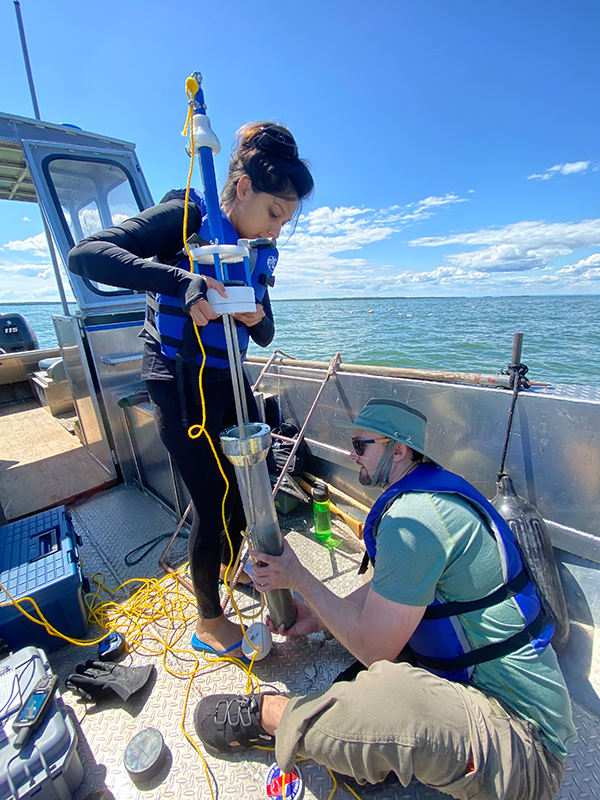
Research Brief
Winter 2026
A paleolimnological study examining sediment cores from Lake Winnipegosis to reconstruct historical water quality and ecosystem changes.
Looking beneath the surface: Revealing the hidden threat of microplastics in lakes By Federica Rotta Researchers investigate the growing prevalence of microplastic contamination in large lake systems, revealing hidden threats to freshwater ecosystems. Located on the Swiss-Italian border at the southern side of the Alps, Lake Lugano is known for high levels of microplastic pollution on its surface. Although small in surface area, the lake’s depth, temperature layering, and long water residence time are similar to those of much larger lakes. Photo by Federica Rotta.When talking about microplastic pollution in lakes, we are used to thinking about tiny particles floating on the water’s surface. This idea has guided most research to date, from the vast North American Great Lakes to smaller European subalpine lakes. Consequently, we know surprisingly little about how microplastics behave in the deeper layers of lakes worldwide, leaving many relevant questions unanswered. What happens once these particles leave the surface? Do they sink or accumulate at certain depths? And which parts of the lake’s ecosystem are most exposed?To address these gaps, we looked beneath the surface to the deep waters of Lake Lugano—a lake on the Swiss-Italian border—to reveal the hidden pathways of microplastics through the water column. What we found was remarkable, but not unexpected: microplastics were present throughout the lake, all the way down to 80 meters, with their vertical distribution shaped by seasonal changes in water density driven by thermal stratification. Pollution hotspots occurred within the upper layers of the lake in the bright, sun‑lit zone where primary producers, zooplankton, and many other freshwater organisms live. This indicates an elevated exposure risk for freshwater biota, a risk that could grow as climate change intensifies thermal stratification, trapping microplastics in these biologically active depths for longer periods. At the same time, the particle composition reflects human contributions: polypropylene and polyethylene fragments and fibers dominate, consistent with inputs from urban littering, textile-derived wastewater, and surface runoff from nearby densely populated areas. Why does this matter? Beyond Lake Lugano, large, deep lakes are integral to urban life, providing drinking water, supporting biodiversity, and offering economic services and recreational opportunities to millions of people nearby. Microplastics threaten these ecosystems in ways we are only beginning to understand. We hope our contribution will encourage moving beyond surface-only studies, supporting better environmental monitoring, improved risk assessment, and the effective long-term protection of freshwater resources in today’s rapidly changing world.JGLR Editor’s ChoiceTo learn more, see the article “Beyond the surface – Microplastic hotspots in the water column of a top plastic-polluted deep lake” in the Journal of Great Lakes Research. Authors include Federica Rotta, Camilla Capelli, Agnese Marchini, Barbara Leoni, Giusto Lo Bue, Maya Musa, Maria Pia Riccardi, and Fabio Lepori. Selected as the Editor's Choice article for the journal's February 2026 issue, the article will be available via open access for 60 days.
Research Brief
Winter 2026
Researchers investigate the growing prevalence of microplastic contamination in large lake systems, revealing hidden threats to freshwater ecosystems.
Portable genomics for lake monitoring: Lessons from Balaton By Taras K. Oleksyk Portable nanopore sequencing of lake bacteria at Hungary's Lake Balaton offers lessons for monitoring large lakes like the Laurentian Great Lakes. Lake Balaton, Hungary. Photo by Frank Wagner.I’m not a limnologist by training. I approach lakes the way I approach any living system: as an evolutionary geneticist attuned to how communities shift under pressure. From this vantage point, the DNA suspended in water and embedded in sediments is more than just another dataset. It is a natural monitoring system that detects rapid, subtle changes early because it is produced by microbes, the first responders of the food web. That’s why I have become convinced that environmental metagenomics—sequencing DNA directly from lake water and sediments with next-generation sequencing—belongs in the standard toolkit for inland water monitoring.When I came to Michigan to help establish a genomics program at Oakland University, long-read Oxford Nanopore Technologies sequencing (ONT) was still a very new technology. Like many labs, we were excited by its promise, especially the possibility of field-based sequencing and real-time results. I wanted to adopt the platform, but I knew it wouldn’t truly be useful until we could run it, troubleshoot any issues, and interpret the data at least once.I was new to the Great Lakes region and had few local contacts, but I had a friend and collaborator, Viktor Tóth, at the Balaton Limnological Research Institute in Hungary. Viktor and I had wanted to work together ever since we were undergraduate students in Ukraine, almost 30 years ago.Viktor was looking for new ways to monitor the biota of Lake Balaton and the Kis-Balaton Water Protection System, a semi-artificial wetland complex designed to intercept nutrients and organic matter before they reach the lake. To me, that wetland–lake continuum was not only an ecological system; it was a natural experiment. Water flow connects the habitats, yet the system’s distinct boundaries should leave identifiable bacterial signatures. I suggested that sequencing could be a powerful tool for this purpose, and together we devised a project. We would create a lab exercise to learn the technology, allowing us to rigorously evaluate its claimed portability for field applications.ONT sequencing had already demonstrated its field credibility in extreme settings, with researchers generating data in Antarctica and even in space. If it works there, why not in the waters of Central Europe’s best-known shallow lake? Our effort would differ from previous work on Balaton because nanopore’s long reads enable sequencing full-length 16S rRNA genes, improving taxonomic resolution compared with traditional culturing methods and short-read platforms. This higher resolution would be crucial for us to identify bacteria down to the species level and establish a stable, reproducible monitoring signal that can be compared across seasons and years. Our proposal to secure funding from the Hungarian Academy of Science was successful, and before long, my whole lab was on a plane to Hungary.The Oakland University team during a hike around Lake Balaton. Left to right, Sofiia Kolchanova, Stephanie Castro Márquez, Walter Wolfsberger, and Taras Oleksyk. Photo by Taras Oleksyk.Fieldwork at Balaton has a way of quickly turning theory into reality. One can see the monitoring challenge in plain view: a river input, wetland compartments, littoral zones, and open water all interconnected yet far from uniform. Different habitats exhibit varying residence times, particulate loads, and organic matter quality. A sampling approach that collects a few convenient samples without accounting for this heterogeneity would yield confusing, misleading results. To address this challenge, we developed a comprehensive sampling map that can be replicated year after year to evaluate microbial biodiversity.In our initial study on Lake Balaton, we used nanopore full-length 16S sequencing to profile bacterioplankton diversity at high resolution across 56 locations spanning the entire lake’s basins and key shoreline/water partitions (littoral, pelagic, sediment; see figure below). This approach allowed us to establish both a lakewide baseline (a broadly shared “core” community signal that recurs across space) and spatial diversity (repeatable differences linked to inflow influence, basin structure, and littoral versus pelagic conditions). As a result of our extensive approach, we have become convinced that a practical monitoring program needs both.Spatial distribution of the six most widespread bacterioplankton families in Lake Balaton (Comamonadaceae, Burkholderiaceae, Methylophilaceae, Ilumatobacteraceae, Alcaligenaceae, and Cryomorphaceae) using the percentage of sequencing reads representing each taxa. Credit: Viktor Tóth, in Castro Márquez et al., 2025.Our second manuscript (currently under review) focuses on the Kis-Balaton wetland system. We applied the same long-read logic along an explicit flow path: from the Zala River, through wetland compartments, and into receiving waters of the main lake. Wetlands are often treated as a single category in monitoring plans, but for Kis-Balaton, that can be a mistake because of the sharp microbial transitions within this connected system. From a management standpoint, those transitions can be interpreted as evidence of habitat filtering, organic matter processing, and hydrologic control, all of which can be affected by restoration actions, climate variability, or operational changes.The lessons from our work are broadly applicable to large lakes worldwide, including the Laurentian Great Lakes. Balaton’s hydrologic structure, shallow dynamics, and wetland–lake coupling provide a useful model for studying tributary influences, wetland retention, ecological gradients, and rapid ecosystem transitions. Key take-aways include the following:Hydrology-first sampling design: Build the sampling frame around waterflow pathways rather than treating them as an afterthought.Real-time sequencing benefits: Nanopore’s portability lets us generate data during the sampling campaign, enabling adaptive resampling when unexpected results emerge.Robust quality control: Continuous verification with blanks, positive controls, and predefined acceptance thresholds is essential, especially in turbid, particle-rich waters that affect what you capture during filtration and what is later amplified in downstream steps.By reading a lake’s bacterial community composition in a reproducible, interpretable way, we gain more than a new method; we obtain a new kind of early warning system grounded in mechanism and suitable for long-term comparison. Our experience confirmed ONT’s usability for monitoring, enriched our field expertise, and positioned us to collaborate on environmental monitoring in other systems.The success of this project rests not only on a cutting-edge platform, but also on its foundation as a training exercise and a long-term partnership. The most transferable lesson is that monitoring-grade science depends on collaborations that are durable enough to outlast a single field season. Recently, Viktor came to Michigan as a Fulbright scholar, and our teams continue to collaborate on writing, analysis, and publication. And we plan our future work. Science has largely moved past the question of whether metagenomics can describe lake communities. We now look to compare them year to year, derive interpretations that matter to managers, and guide decisions while there’s still time to act.
Feature
Winter 2026
Portable nanopore sequencing of lake bacteria at Hungary's Lake Balaton offers lessons for monitoring large lakes like the Laurentian Great Lakes.
Data for decision making: The Lake Winnipeg Community-Based Monitoring Network By Chelsea Lobson A decade of volunteer-collected data from the Lake Winnipeg Community-Based Monitoring Network pinpoints phosphorus hotspots to guide action. Volunteers with the Lake Winnipeg Community-Based Monitoring Network. Photo by Paul Mutch.What if the most powerful data shaping water policy didn’t come from satellites or sensors, but from people living in the watershed? In the Lake Winnipeg watershed, the Lake Winnipeg Community-Based Monitoring Network (LWCBMN) is a collaborative, long-term monitoring program designed to identify localized phosphorus hotspots across the Lake Winnipeg watershed. By partnering with watershed districts and community volunteers, LWCBMN generates high-resolution phosphorus data that complement and are interoperable with federal and provincial monitoring programs, strengthening the evidence base for water quality management and policy.Over the past three decades, the interaction of climate change and land-use intensification has exacerbated algal blooms on Lake Winnipeg. Decades of whole-ecosystem research at the IISD Experimental Lakes Area have clearly demonstrated that to reduce algal blooms, we must first reduce the excess phosphorus entering the lake from its watershed.Lake Winnipeg’s watershed is one of the largest in the world, encompassing parts of four Canadian provinces and four U.S. states.Lake Winnipeg’s watershed (pictured above) is immense, stretching from the Rocky Mountains across the Prairies, into the Canadian Shield, and nearly to Thunder Bay, with portions extending into the Dakotas and Minnesota. Managing phosphorus runoff across such a vast and diverse landscape is complex, costly, and logistically challenging. To achieve meaningful water-quality improvements, phosphorus-reduction efforts must be strategic and evidence-based, prioritizing the largest sources of phosphorus and working systematically toward smaller contributors. Identifying and targeting phosphorus hotspots is therefore critical to improving Lake Winnipeg’s health.On the Prairies, spring snowmelt and increasingly severe summer storms account for a disproportionate share of annual phosphorus loading. If water samples are not collected responsively during these significant runoff events, phosphorus loads are typically underestimated. Accurately characterizing phosphorus loading requires frequent, spatially distributed, and responsive sampling. For a centrally located organization, mobilizing staff to sample more than 100 flow‑metered sites across southern Manitoba immediately following storm events would be prohibitively resource intensive.LWCBMN addresses this challenge through a community-based monitoring model that is inherently nimble and responsive. Volunteers and watershed partners live, work, or travel near sampling locations and can mobilize quickly during snowmelt, spring floods, and summer and fall storms—periods when runoff flushes phosphorus from the land into waterways (e.g., see hydrograph below). As a result, community-based monitoring is uniquely well-suited to identifying phosphorus hotspots within a large watershed and enabling targeted, cost-effective action.Total phosphorus concentration and water flow (Q) at South Tobacco Creek near Miami, Manitoba, illustrating the flow-responsive sampling schedule.Established in 2016, LWCBMN has now completed its 10th field season. The long-term continuity of the program captures interannual variability and provides the data needed to understand climate and land-use-driven changes in hydrology and phosphorus dynamics in the watershed.With a decade of data now available, the network has identified persistent phosphorus hotspots—subwatersheds that consistently export higher amounts of phosphorus relative to others.In wet years, elevated phosphorus concentrations combined with high flows result in greater phosphorus loads and exports. Phosphorus concentrations are also elevated during flood conditions, when water remains on surrounding landscapes for extended periods, allowing phosphorus bound in soils to dissolve into standing water. This process is especially pronounced in the flat landscapes of the Red River Valley, due south of Lake Winnipeg (see map below).Phosphorus export (kg/ha/y) from drainage areas sampled in 2022, LWCBMN’s seventh field season.In contrast, dry years are characterized by low stream flows and correspondingly low phosphorus exports across most monitored regions. Some monitoring sites dry up entirely, resulting in substantially reduced phosphorus loading to Lake Winnipeg during those years.LWCBMN was designed to generate data that inform management and policy decisions for Lake Winnipeg. Science advisors Mike Stainton (analytical chemist) and Greg McCullough (watershed hydrologist) recognized early on that phosphorus-reduction resources were often distributed broadly and inconsistently across the watershed. They identified the need for high-resolution empirical data to support a more targeted and effective approach.As LWCBMN’s dataset expanded, the network prioritized building trust with scientists, policy makers, and other stakeholders by demonstrating methodological rigor and transparency. All field and laboratory protocols are shared openly, the program participates in Proficiency Testing Canada’s phosphorus program to ensure analytical accuracy, and raw data are publicly accessible through Lake Winnipeg DataStream.Today, LWCBMN data are being translated into action. Academic researchers, such as Darshani Kumaragamage (see the related article), are using the data to guide studies of phosphorus runoff from agricultural landscapes, while watershed districts are leveraging the information to secure funding for targeted phosphorus-reduction projects. Most recently, the Canada Water Agency’s Lake Winnipeg Freshwater Ecosystems Initiative combined LWCBMN data with federal SPARROW model outputs to identify priority areas for focused investment.When stakeholders view phosphorus hotspot maps, the most common question is “What is driving the high phosphorus exports in these areas?” While LWCBMN data clearly identify where phosphorus is entering the system, they do not explain the underlying sources and mechanisms of phosphorus release. To address this gap, LWCBMN data are now being integrated with land-use data in a spatial correlation analysis aimed at identifying the drivers of elevated phosphorus exports.Long-term monitoring programs are essential because they reveal patterns and trends that persist despite year-to-year variability. Within the Lake Winnipeg watershed, LWCBMN provides the empirical foundation for targeted phosphorus-reduction efforts, supporting both the prioritization of subwatersheds for intervention and the evaluation of management effectiveness over time.This dataset exists because of the commitment of community volunteers and watershed partners who enable frequent and responsive sampling. As pressures from climate change and land-use continue to intensify, empowering people on the ground to generate trusted data will remain essential to protecting the health of Lake Winnipeg.As pressures from climate change and land-use continue to intensify, empowering people on the ground to generate trusted data will remain essential to protecting the health of Lake Winnipeg.
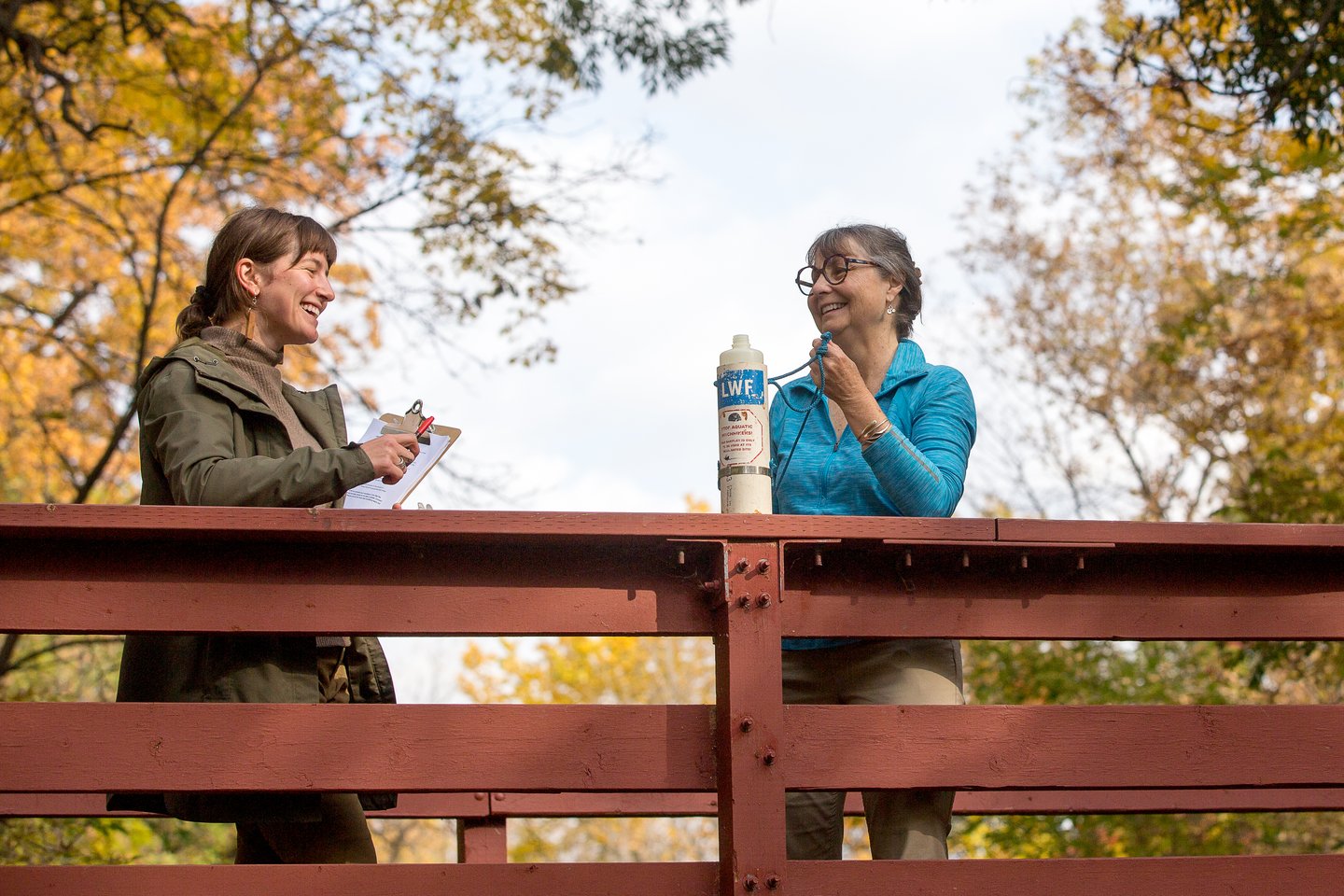
Feature
Winter 2026
A decade of volunteer-collected data from the Lake Winnipeg Community-Based Monitoring Network pinpoints phosphorus hotspots to guide action.
The 2025 rise of Kati Thanda-Lake Eyre Insights from Australia’s largest ephemeral lake
By Mathieu Schuster, Joep Storms & Jan-Hendrik May Researchers documented the rare 2025 filling of Australia's Kati Thanda–Lake Eyre by air and satellite to learn how dryland lakes respond to climate. Aerial view of Kati Thanda–Lake Eyre, an endorheic lake (i.e., having no outlet) in the outback of South Australia. Photo by Marco Taliani.Kati Thanda–Lake Eyre (KTLE), Australia’s largest ephemeral lake, lies in the arid heart of South Australia. Usually dry, its vast whitish evaporitic surface contrasts with the surrounding orange-red dunes and the dry riverbeds converging toward this terminal basin—the continent’s lowest point. Water occasionally collects in the KTLE after heavy rainfall in its immense drainage basin of 1.14 million square kilometers. Quaternary paleoshorelines attest to past perennial lake episodes, shaped by waves and currents.Aerial view of Kati Thanda–Lake Eyre in July 2025, illustrating the lake’s vast dimensions and highlighting the influence of wind-driven waves and longshore currents. Photo by Mathieu Schuster.According to historical records, the lake last completely filled in 1974, an event that has occurred only four times in the past 160 years. Last year, record-breaking rainfall triggered the supposedly largest riverflood in about 50 years, also drawing widespread attention to the anticipated lake filling. In July 2025, our team visited KTLE to document this rare event, focusing on sediment transport and mapping ancient coastlines using observations from a small airplane. These aerial surveys, combined with ground observations, allow us to reconstruct water levels and climatic conditions during previous floods, providing critical data for understanding dryland lake dynamics.The 2025 field team observing the Kati Thanda–Lake Eyre flood. From left, Joep Storms (Delft University of Technology), Thomas Faraon (University of Melbourne and University of Strasbourg), Mathieu Schuster (CNRS Strasbourg), and Guilherme Bozetti (University of Strasbourg). Photo by Joep Storms.With their high revisit frequency, modern satellites offer unprecedented detail on hydrodynamics, sediment and algal transport, and evaporation—a capability that is indispensable for studying unmonitored lakes like KTLE. Such data are vital for our project, as we use them to validate Delft3D, an open-source, state-of-the-art hydrodynamics model that simulates water flow and sediment transport driven by wind and waves. While many lakes have abundant data to validate models, KTLE is a unique challenge due to its highly ephemeral nature and scarcity of hydrological data. Currently we are adapting the model for KTLE with limited data building on our experiences of modelling other data-sparce lakes such as Lake Turkana in Kenya and Ethiopia (see Zăinescu et al., 2022) and Lake Hulun in Inner Mongolia (see Xue et al., 2025).By linking Delft3D with climate models, we aim to deepen our understanding of how climate impacts lakes, potentially even predicting tipping points in these vulnerable systems. This work at KTLE serves as a global case study, offering insights into the dynamics of arid-zone lakes and their future under changing climatic conditions.One-year time series capturing the latest lacustrine pulsation of Kati Thanda–Lake Eyre. Satellite images reveal the lake’s dynamic filling and drying phases. Source: NASA Worldview; composition: M. Schuster.For further reading, see our publications on Lake Eyre (May et al., 2022) and wind-driven waterbodies as a new category of lake (Nutz et al., 2018).
Feature
Winter 2026
Researchers documented the rare 2025 filling of Australia's Kati Thanda–Lake Eyre by air and satellite to learn how dryland lakes respond to climate.
Told through sediment cores: Stories of Lake Nipigon By Jennifer Korosi, Tim Hollinger, Dale Hardy, Joshua Thienpont, Robert Stewart, Nathan Wilson & Adam Kowtiash Sediment cores are revealing the ecological legacy of the Ogoki Diversion on Lake Nipigon, supporting First Nations-led stewardship of the lake. Photo via Good Free Photos.In the 1920s, University of Toronto researchers undertook a comprehensive study of the limnology and aquatic ecology of Lake Nipigon, a large (38th largest globally) headwater lake that flows into Lake Superior through the Nipigon River. More than 100 years later, this remains the only comprehensive aquatic ecosystem study ever conducted for Lake Nipigon. Over this time, the basin has been impacted by a plethora of stressors, including hydroelectric power generation, mining, and invasive species. Most notable among them is the Ogoki Diversion, constructed in 1943 to divert the flow of the Ogoki River from the Hudson Bay watershed into the Great Lakes watershed through Lake Nipigon. Water levels on Lake Nipigon are manipulated to influence flows through the Laurentian Great Lakes system, but it is not uncommon for Lake Nipigon to be excluded entirely from Great Lakes watershed maps.Left: Jackfish Creek prior to the 1943 Ogoki Diversion. Photo courtesy of Ontario Power Generation. Right: Drone image (2023) of a rotational slide along the banks of the Little Jackfish River just upstream from Ombabika Bay. Photo by Tim Hollinger.The First Nations of Lake Nipigon have witnessed the impacts of industrial development on the health of the lake but have largely been left out of management decisions and Great Lakes monitoring. This impedes their ability to engage fully in consultation and fulfill their role as rightful stewards of Lake Nipigon. In response, Biinjitiwaabik Zaaging Anishinaabek (BZA – Rocky Bay, one of the six Lake Nipigon First Nations) created an Indigenous Guardians program and partnered with academic researchers at Lakehead University to study the cumulative impacts of past development on Lake Nipigon. These investigations began with a community country foods study, which identified the community’s vulnerability to mercury in walleye, and later led to a community-based fish consumption study for mercury in popular fishing spots across Lake Nipigon. BZA’s research program then expanded to include a new partnership with York University to use lake sediment cores to learn more about post-colonial ecosystem changes in Lake Nipigon, guided by traditional knowledge.Map of the Lake Nipigon watershed, including the expanded drainage basin arising from the Ogoki Diversion. Credit: Reg Nelson.The Ogoki DiversionThe construction of the Waboose and Summit dams in northern Ontario (see circled area at top right in map) redirected the flow of a roughly 14,000-square-kilometer drainage area of the Ogoki River basin into the Little Jackfish River, which empties into Ombabika Bay at the northern end of Lake Nipigon. This increased the watershed size of Lake Nipigon by over 60%, and the volume of diverted water was high enough to increase hydroelectric production more than 1,500 kilometers downstream at Niagara Falls. Raised water levels on Lake Nipigon contributed to widespread shoreline erosion and forced the relocation of First Nation communities. Increased mercury concentrations in fish were also of concern, as dams are known to result in higher rates of mercury bioaccumulation, and Ombabika Bay and the Little Jackfish River act as the “Walleye Factory” of Lake Nipigon. BZA Elders also recounted widespread sediment plumes in Ombabika Bay and outwards into the main basin of Lake Nipigon in the years following the construction of the Ogoki Diversion. It has been estimated that up to 9 meters of sediment were deposited in Ombabika Bay near the mouth of the Little Jackfish River, and that 30 million cubic meters of sediment was scoured along the banks of the Little Jackfish between 1943 and 1972. Large rotational slides are still visible on the banks of this formerly small creek channel pictured above (Ontario Power Generation, 2022). Resolving the legacy impacts of the Ogoki Diversion is a priority for BZA, as further hydroelectric development has been proposed for the Little Jackfish River.Lakes as storytellersLeft: Vibracoring in Ombabika Bay from the BZA research vessel, the Velma Linda. Photo by Tim Hollinger. Right: Abe Kowtiash, BZA Elder and captain of the Velma Linda, fishing for walleye in the Little Jackfish River. Photo by David Jackson.Lakes hold memories within their sediments. Sediments are continuously settling on the lake bottom, with younger sediments settling over top of older sediments, providing a record of change over time that can be inferred from biological fossils and sediment physical and chemical characteristics. Interpreting the stories told in sediment cores allows us to learn about how Lake Nipigon has changed over time. But Lake Nipigon is not an easy lake to collect sediment cores from. There are no bathymetry maps available to identify ideal coring locations, and navigation on Lake Nipigon can be hazardous to those who are unfamiliar with its waters. Partnership and BZA leadership have been critical to the success of the project. Every summer since 2021, BZA Guardians and university researchers have spent about a week together aboard the Velma Linda (BZA’s research vessel) traveling around Lake Nipigon collecting sediment cores, sharing knowledge and stories, and building relationships. We’ve collected “short” sediment cores (20–40 centimeters) from 12 embayments of Lake Nipigon and dated them using radioisotopes (210Pb, 137Cs). These sediment cores span the last roughly 200–300 years of history in southern Lake Nipigon, but only the post-Ogoki period in the northern part of the lake. The extensive amount of sediment released from the Little Jackfish River meant that we had to drill deeper to see what conditions were like prior to the Ogoki Diversion. In 2025, we returned to Ombabika Bay with a more advanced coring device called a vibrating corer and collected two 3-meter-long sediment cores (pictured above, left). The stories that we will be able to tell from the sediment cores eventually can be woven with oral history and archival data to provide a holistic understanding of the health of Lake Nipigon, in support of Indigenous-led stewardship. Lake Nipigon is a jewel within the Great Lakes watershed and should be protected for generations to come.
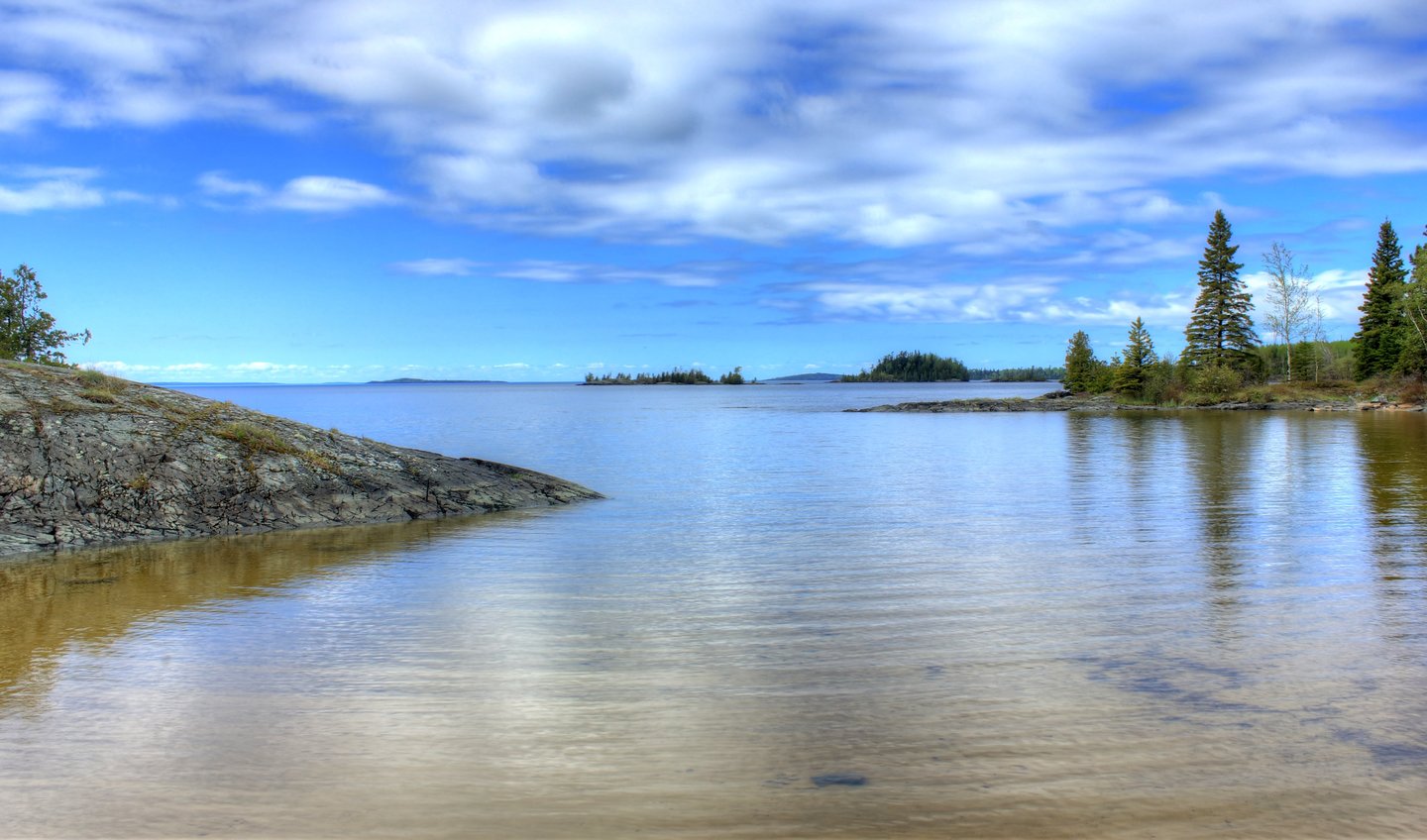
Feature
Winter 2026
Sediment cores are revealing the ecological legacy of the Ogoki Diversion on Lake Nipigon, supporting First Nations-led stewardship of the lake.
Managing phosphorus for healthy soils and clear lakes By Darshani Kumaragamage, Nelum Jayarathne & Inoka Amarakoon A Manitoba study maps where farm fields lose the most phosphorus in snowmelt runoff to keep the nutrient on the land and out of Lake Winnipeg. Installing snowmelt collection devices in farmers’ fields. Photo by Doug Goltz.Phosphorus is a nutrient essential for crop production, but when excess phosphorus leaves the fields and reaches water bodies like Lake Winnipeg, it contributes to algal blooms and poor water quality. The main goal of our research is to reduce phosphorus loss from agricultural lands in the Red River Basin to protect Lake Winnipeg and other water bodies. This research is funded by the Canada Water Agency with partner contributions from the University of Winnipeg and the Lake Winnipeg Foundation and will be carried out in collaboration with Agriculture and Agri-Food Canada, University of Manitoba, the Lake Winnipeg Foundation, Environment and Climate Change Manitoba, and Seine Rat Roseau Watershed District.In the Canadian Prairies, including the Red River Basin, most of the phosphorus runoff doesn’t happen during rainfall, but during snowmelt. That’s why our work specifically targets phosphorus loss in snowmelt runoff. Our previous research has shown that phosphorus loss from agricultural soils to snowmelt is highly variable across the region. We now aim to assess and map regions with excessive phosphorus loss via snowmelt in Manitoba’s Red River Basin and facilitate more targeted management approaches to retain phosphorus in soil and reduce losses. For this research, we aim to collect 300–400 soil samples from fields with varying cropping and management histories over three years, focusing more on regions identified as phosphorus hotspots by the Lake Winnipeg Community-Based Monitoring Network. To date, we have contacted many farmers in the region who have shown strong support for the project by allowing us to take soil samples from their fields and letting us install snowmelt collection devices.If we can reduce phosphorus loss from agricultural lands during snowmelt in the Red River Basin, we will keep more of the phosphorus on the land, where it is needed, and less amounts in the lakes, where it is not. That would be a win-win situation.
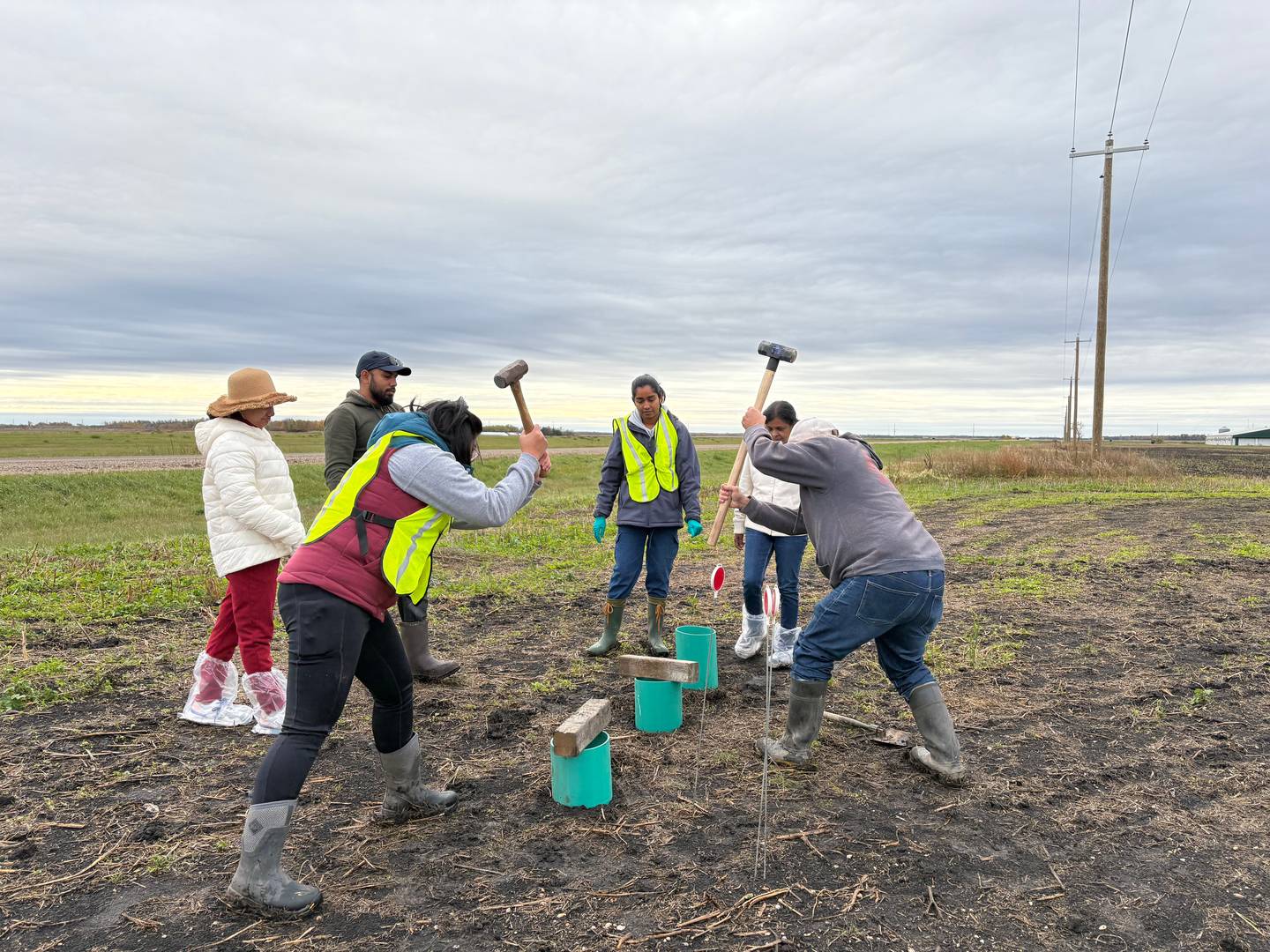
Research Brief
Winter 2026
A Manitoba study maps where farm fields lose the most phosphorus in snowmelt runoff to keep the nutrient on the land and out of Lake Winnipeg.
Beyond the catch: What motivates fishers and their role in managing Lake Tanganyika By Lloyd Haambiya Lake Tanganyika fishers stay in the trade despite plummeting catches, while social barriers keep them from conservation efforts. Fishing is a vital livelihood on Lake Tanganyika in Zambia. The fishery is largely made up of artisanal fishers whose numbers have doubled in recent decades according to national surveys. This growth has been accompanied by an increase in fishing gear and the adoption of new harvesting technologies. With the addition of strong market demand, population growth, and the absence of effective legal restrictions, pressure on the lake’s fish stocks has steadily increased.Young men on their routine fishing expedition with longlines in the shallows of Lake Tanganyika for their pots and surplus for immediate sell. These traditional fishers are in the habit of ignoring the licensing system but making a living. Photo by Kabunda Malukutila.The result has been widespread overfishing and the use of destructive fishing techniques that damage habitats and undermine collaborative management efforts. Studies show that fish catches in this part of Lake Tanganyika have declined by more than 50 percent over the past 25 years, raising concerns about both environmental sustainability and long-term food security.To further clarify these conclusions, our study investigated the underlying causes of fishing overcapacity and the factors influencing low fisher participation in community-based fisheries management, or co-management. We found that despite falling catches and modest incomes, fishing has remained an attractive occupation for many lakeshore communities. According to our survey of 370 fishers, for households with small landholdings, large families, limited access to credit, and low educational levels, fishing offers one of the most accessible ways to earn a living. Social ties also matter: people are more likely to enter the fishery if they have relatives who fish or live in communities where fishing is deeply embedded in daily life.Our research also highlights why co-management has struggled to gain broad participation. Although village-level fishers’ committees exist, involvement in resource management is uneven and shaped by social factors such as gender, age, ethnicity, family size, and awareness of fisheries laws. Women, in particular, remain underrepresented in decision making. In addition, fishers who lack knowledge of regulations or feel excluded from management processes are more likely to be marginalized and less able to defend their local conservation efforts.Understanding these human dimensions is critical for addressing overfishing in Lake Tanganyika. Our study suggests that reducing pressure on the fishery will require more than stricter rules. Proposed solutions include expanding non-fishing livelihood opportunities through skills training, access to loans, market provision for alternative products, and improved infrastructure to support proposed innovations. Limiting the number of fishing licenses issued each year could also help control the continued growth of the fishery. Also important are public awareness campaigns in fishing communities to address issues of management and conservation concerns.See Haambiya et al., 2018 for a discussion of earlier research on this topic.
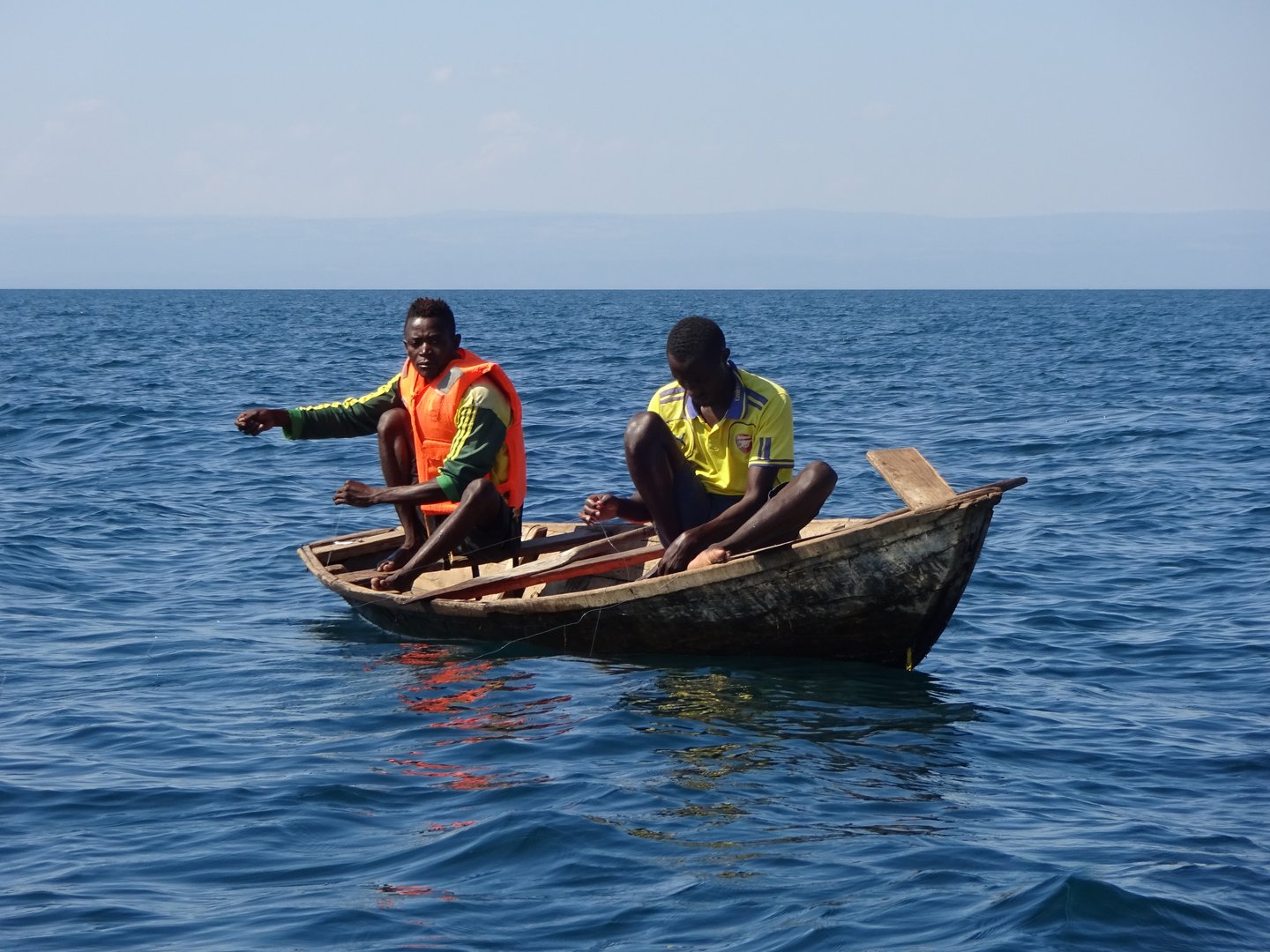
Research Brief
Winter 2026
Lake Tanganyika fishers stay in the trade despite plummeting catches, while social barriers keep them from conservation efforts.
Weather under water: Lake Champlain data buoy reveals storm impact on lake thermal structure By Tim Mihuc and Miranda Rummell A Lake Champlain data buoy shows storms can push warm surface water below 45 meters, and a graduate student describes how she became a storm chaser. Since 2016, the Lake Champlain Research Institute at SUNY Plattsburgh has operated a data buoy that records temperatures from the lake’s surface down to its bottom at 50 meters depth. Using these data, graduate student Miranda Rummell is investigating the lake’s thermal structure and how storm events alter it.Seven-day thermal temperature profile at the Valcour buoy site. Note the warm water being pushed down on August 9 compared to the normal conditions on August 5–7. This is an example of the strongest storm (L5).Rummell’s work is revealing several noteworthy patterns. Not all storms are alike; they vary both in intensity and their impact on the water column. Some storms mainly perturb surface waters, while others have deeper impacts (pun intended). To capture this variability, we have developed a five-tier storm intensity classification for Lake Champlain events. The strongest storms can displace warm surface water to depths exceeding 45 meters. Disturbances are a natural part of lake dynamics, and studying them is crucial for understanding potential impacts on the ecosystem, especially in a deep, northern temperate lake that has not yet adapted to such perturbations.Chasing storms with Miranda RummellGrowing up with the Great Lakes in my backyard, I always felt a pull toward the water and everything in it. When I joined the plankton project in June 2024, I expected boat trips and routine plankton counts. But I never imagined that I’d become fascinated by the hidden storms beneath Lake Champlain’s surface.Miranda Rummell during a plankton net sampling event at the buoy site on Lake Champlain.The project’s plankton sampling had started in 2022 with funding from the Great Lakes Fishery Commission. When I joined the project, I spent the first couple months identifying zooplankton and phytoplankton from past collections. Upon seeing stark differences in species abundance and vertical distribution across the samples, I knew I needed to find an explanation and set out to analyze the Valcour buoy’s temperature data in RStudio. I discovered that the storms recorded since the buoy was first deployed in 2016 behaved differently from one another. Classifying these events became a priority to guide our fall 2025 sampling schedule.That analysis led to even more questions: How does wind translate its energy into the water column? How do these physical forces shape the plankton communities we’re studying? My goal now is to raise awareness among scientists that large, deep, temperate freshwater lakes remain understudied, especially regarding storm impacts on aquatic life. I also want to emphasize the importance of taking a vertical profile within a few hours when sampling due to rapid changes in stratified conditions. This is important because thermal disturbances can lag behind the wind, meaning a storm may be happening underwater while the surface looks perfectly calm.Uncovering unknown processes in Lake Champlain and connecting those physical events with the plankton samples we’ve collected has been exhilarating. And there’s still so much more to explore beyond temperature, including currents, nutrients, and dissolved oxygen. This has been a rewarding opportunity to answer questions while finding new ones. And now, I can proudly say that I am a storm chaser.
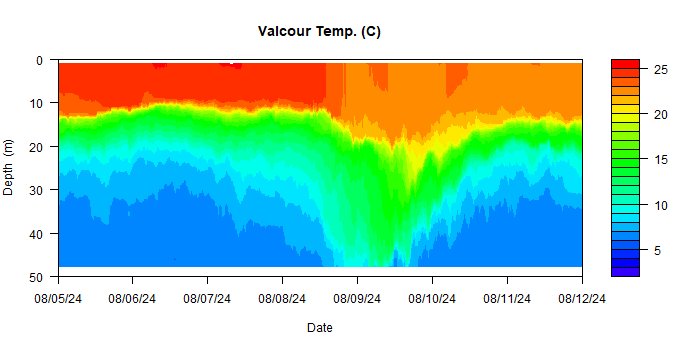
Research Brief
Winter 2026
A Lake Champlain data buoy shows storms can push warm surface water below 45 meters, and a graduate student describes how she became a storm chaser.
Hidden freshwater oases: Uncovering pressurized groundwater beneath the Great Salt Lake playa By William Johnson Round reed-covered spots on the drying Great Salt Lake playa turn out to be windows into pressurized, ancient freshwater beneath the lake. A Phragmites oasis exposed on the eastern playa of Great Salt Lake in Utah. Photo by Ebenezer Adomako-Mensah.As temperatures rise and warm seasons lengthen, Great Salt Lake in Utah is a sentinel of climate change. Direct evaporation from the lake is increasing while runoff to the lake declines due to increased water demand in the surrounding watershed. The lake’s extreme sensitivity to climate arises from its vast surface area—about 30 billion square feet—relative to a maximum depth of about 30 feet, a ratio of a billion to one. This makes Great Salt Lake appear as a mere sheen on the desert tarmac, sustained partly by groundwater but mainly by precipitation and stream inflow.Until recently, groundwater inflow estimations relied on subtracting estimated evaporation from measured inflow. A recent study installed piezometers directly on the exposed playa (a flat, arid basin that periodically fills with water and then dries, leaving a salty crust) to examine groundwater inflow (Adomako-Mensah et al., 2025). That investigation discovered pressurized ancient freshwater under the eastern playa, ranging from about 30 feet down to potentially several thousand feet. Environmental tracers indicate the water is recharged at mountain elevations, presumably on the Wasatch Mountains about 30 miles east of the lake. Dating by 14C suggests millennia-scale age since recharge (Adomako-Mensah et al., 2025).While scouting sites to install the piezometers, we’d observed on Google Earth dozens of round spots exposed on the drying playa. To our knowledge, these features had never been described. They’re difficult to access, often many miles from reliable roads and accessible only when the playa has not been turned to sticky mud by rain or snowmelt and when the sun is not so intense as to cause heat stroke. Our curiosity led us to use snow bikes to ride out to some of these locations (pictured above), where we discovered islands of Phragmites, the largest being roughly 100 to 200 feet in diameter (Adomako-Mensah et al., 2025).It’s surprising what can be accomplished with hand tools and mountain bikes. Suspecting a hydrologic origin, possibly springs, we brought an electric hedge trimmer and hand augers and installed 11-foot-deep piezometers into the center, edge, and midway point. This was hard work on top of that done just to reach these features, so we were relieved to find fresh groundwater at the center and hypersaline water at the edges, showing that these circular “mystery islands” or “Phragmites oases” are windows through the salt lens into this pressurized freshwater system beneath the playa.The presence of pressurized freshwater beneath the eastern playa and the pipe-like nature of the round spots has been further substantiated by on-ground electrical resistivity surveys (Jacketta et al., in review) and airborne geophysical surveys (Zhdanov et al., in press). The latter hold promise for determining whether ancient freshwater exists not only under the periphery of the lake, but under Great Salt Lake itself.Being able to place a small well anywhere on the playa and have water flow to the surface without mechanization could be handy for dousing localized dust hotspots on the exposed playa, as we’ve proposed to examine. However, the hype that this ancient (possibly Ice Age) resource could refill Great Salt Lake and replace watershed diversions is concerning, since understanding the quantities of groundwater that can be extracted without harming other benefits needs additional study. While the pressurized freshwater below the eastern playa might be used to extinguish dust much like a household fire extinguisher, it doesn’t justify lapsing on home insurance or defunding the fire department.We need to continue efforts to bring more water into Great Salt Lake, keeping foremost in mind that the ultimate driver of lake shrinkage is climate. Overcoming the current malaise that views climate change as hopeless is essential. As Bill McKibben argues in his recent book Here Comes the Sun: A Last Chance for the Climate and a Fresh Chance for Civilization, we now possess the technical capacity to meet this challenge, and meaningful benefits can be realized within the next decade, hopefully before sentinels such as Great Salt Lake are lost.
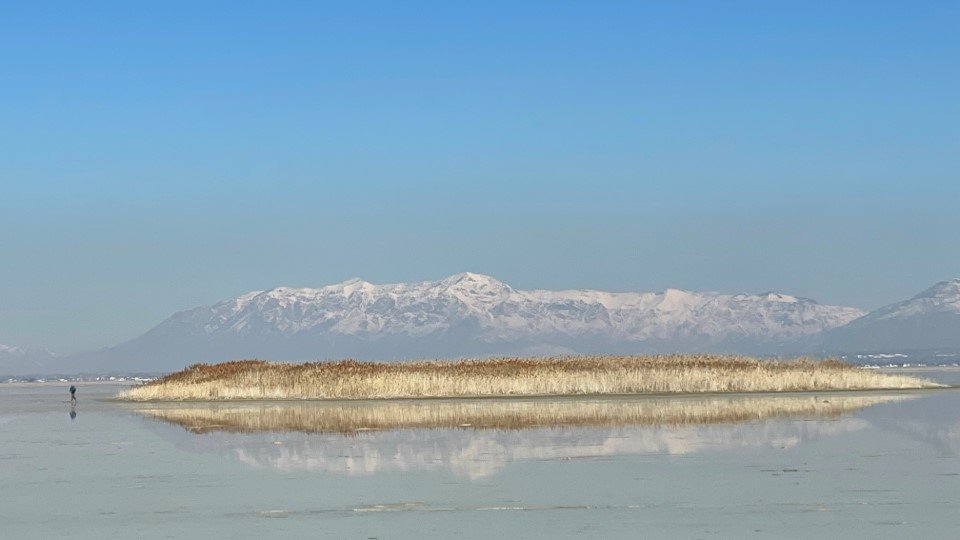
Research Brief
Winter 2026
Round reed-covered spots on the drying Great Salt Lake playa turn out to be windows into pressurized, ancient freshwater beneath the lake.
Ronald Semyalo Meet IAGLR member Ronald Semyalo, who shares why large lake science must be global. Photo by Stephany Hildebrand.Describe your work.I have been a lecturer in hydrobiology and biostatistics at the Department of Zoology, Entomology, and Fisheries Sciences at Makerere University for the past 10 years. Additionally, I have administrative experience in academic collaboration, serving as the academic coordinator for the 30-year collaboration between Makerere University and the University of Bergen, Norway, for the last five years. I am a principal investigator since 2018 on two multinational projects involving up to 11 partners, focusing on building capacity in water and society issues. Over the past 25 years, I have collaborated with local and international teams to address the challenges of cyanobacteria and cyanotoxins on Lake Victoria, often providing technical support for national surface water abstraction projects. My work has also involved close collaboration with social and environmental scientists to improve access to safe water, particularly for vulnerable informal communities such as refugees and those living in urban slums. Currently, my research is concentrated on the environmental challenges posed by aquaculture, cyanobacteria, and plastic pollution, and developing methods to quantify the problems.What inspired you to enter this work?My inspiration to enter this field stems from regular field visits to Lake Victoria, particularly Murchison Bay, which is significantly affected by human activities. These visits highlighted how the selfish actions of a few can profoundly impact the health of an ecosystem and the livelihoods of millions. This experience has shaped my perspective on water-related issues, particularly water and society. Consequently, I have concentrated on addressing water pollution concerns, such as cyanobacteria, cyanotoxins, and plastic pollution. The societies surrounding these lakes, especially the African Great Lakes, are often informal and vulnerable. They deserve a voice in decision-making processes regarding the ecosystem services these lakes provide, and I view them as the frontline custodians of these ecosystems.What do scientists studying the world’s large lakes most need to learn from one another, and why does that global perspective matter?As the chair of the International Committee, I have the privilege of interacting with the advancements in large lake science, especially outside of North America. One of the most crucial lessons scientists working on these mostly shared water bodies can learn from one another is the importance of adopting a transboundary perspective. Many of the African Great Lakes and all but one of the Laurentian Great Lakes are shared waters, and the life forms and communities that depend on them do not adhere to internationally established boundaries. Therefore, it is essential for scientists to move beyond a national lens and engage in collaborative research, knowledge sharing, and joint actions. This approach is vital for developing regionally recognized policies that effectively manage these shared resources. A transboundary perspective matters now more than ever because the challenges facing large lakes, such as climate change, pollution, and overfishing, are not confined to national borders. A good step in this direction is the work of the African Center for Aquatic Research and Education in establishing scientific advisory groups at the lake level for African Great Lakes.What is something about yourself that you’d like to share with other IAGLR members?I am an avid football/soccer fan, with my preferred position being goal keeping, and I am looking forward to the next soccer game at the IAGLR conference.
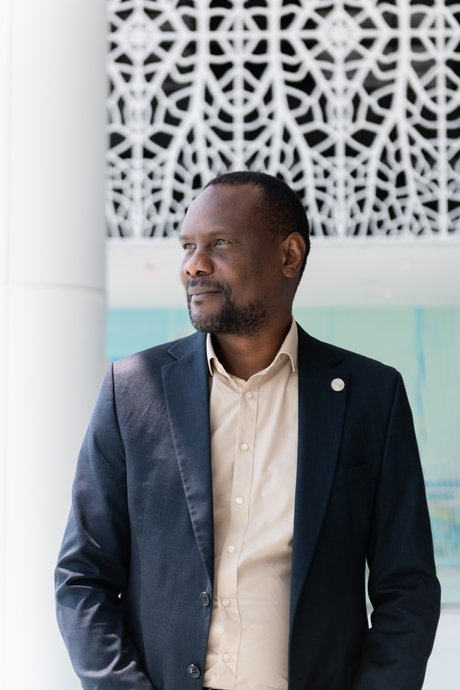
Member Spotlight
Winter 2026
Meet IAGLR member Ronald Semyalo, who shares why large lake science must be global.
Rising from the abyss: Discovering the role of lakemounts in Great Lakes By Michael Rennie
Photography by Zach Melnick & Yvonne Drebert Scientists used cutting-edge underwater robotics to explore Lake Superior's mysterious underwater mountains, revealing new insights into geology, ecosystems, and one of the Great Lakes' least explored landscapes. Redfin trout on a glacier-scoured granite cliff of the Superior Shoal 60 meters below the surface of Lake Superior. Photo by Zach Melnick & Yvonne Drebert.Left to right: Zach Melnick and Yvonne Drebert (Inspired Planet Productions); Lisa Sundberg, Tom Frantti, and Jason Agnich (University of Minnesota Duluth); Gwen Phillips and Bianca Possamai (University of Vermont); Rual Lee and Ted Gephart (UMD); Lydia Paulic (University of Windsor), and Michael Rennie (Lakehead University). Photo by Zach Melnick & Yvonne Drebert.It was by far one of the most indelible experiences of my career on the Great Lakes. In early September 2025, funded by the Government of Canada’s Natural Sciences and Engineering Research Council and the Great Lakes Fishery Commission, I set out with researchers Bianca Possamai and Gwen Phillips (University of Vermont), Lydia Paulic (University of Windsor), and filmmakers Yvonne Drebert and Zach Melnick (Inspired Planet Productions) aboard the R/V Blue Heron on Lake Superior to explore the Superior Shoal. There, we hoped to test theories that we and others have developed to determine how physical and biological processes interact in these lakemount environments, as well as capture some incredible underwater video that would facilitate not just great footage but also scientific discovery. The voyage represents the first such expedition led by Lakehead University, located on the north shore of Lake Superior in Thunder Bay.For those unfamiliar with the term, lakemounts are underwater mountains that rise from the lakebed but do not break the surface. Seamounts, similar structures in the oceans, have long been documented to support high levels of biodiversity and biomass compared to either open water or coastal environments, to the extent that many now form the basis of significant marine sanctuaries (e.g., the Davidson Seamount off the coast of Monterey, California). Despite these findings, comparatively little investigation has occurred on lakemounts. Building off what is known about seamounts, we outlined a conceptual model (Possamai et al. 2024) that describes how these unique physical environments of steep rock faces could interact with underwater currents to support the biodiversity and productivity we expected to see on our expedition. Like seamounts, these lakemount environments likely represent biological oases that may support critical metapopulations for other more disturbed environments surrounding them. As such, understanding the role lakemounts play in the Great Lakes is important, especially given the swift alterations driven by climate change and other stressors.Zach Melnick flying an underwater drone equipped with a cinema-grade camera down the flank of Superior Shoal during a livestream in September. Photo by Zach Melnick & Yvonne Drebert.We were not disappointed by what we found. Rising from nearly 300 meters deep and cresting just 6 meters below the surface, the Superior Shoal is the underwater remnant of an ancient volcano and sandstones transported through geologic faults passing under Lake Superior’s depths. Occupying an area of about 300 square kilometers and located in Canadian waters approximately 70 kilometers from any shoreline, it sits surrounded by a sea of freshwater. Despite this geographic isolation, this and previous expeditions found the shoal to be teeming with life. During our seven days on the shoal, we observed exceptionally high densities of several strains of lake trout (including leans, humpers, and redfins) around the lakemount crests where the expedition sampled. Using a remotely operated vehicle (ROV) equipped with a cinema-grade camera to observe these fish, we found them cruising along shoal surfaces and among dense mats of periphyton that persisted to about 15 meters, as well as on shelves along the sides of the shoal under steep drop offs. Further down, ROV deployments revealed high densities of hydra (pictured below), covering the vertical shoal surfaces of the lakemounts where sediments can’t accumulate, observed down to depths of 140 meters and potentially deeper.This underwater mountainside is covered in hydra at 88 meters. Photo by Zach Melnick & Yvonne Drebert.And that’s just what we saw directly as part of the expedition. We have reams of hydroacoustic data (collected from the boat as well as from both upward-looking stationary units and the slocum glider deployed as part of this expedition); acoustic Doppler current profiler (ADCP) data to assess currents around the shoals; glider conductivity, temperature, depth, and flourimetry data; phytoplankton and zooplankton samples; nutrient chemistry samples; as well as biological samples for stable isotope analysis and a ton of high-resolution video to assess. Sample analyses are currently being prepared or underway with preliminary results hopefully forthcoming in the new year. And while a large part of the success of this mission can be chalked up to unbelievably good weather, it could never have happened without the dedication of both the scientific and ship crew on the University of Minnesota Duluth’s R/V Blue Heron, who all went above and beyond to make sure we collected all the data we could in our time at the shoal.Michael Rennie prepares a stationary upward-looking hydroacoustic submersible to detect concentrations of fish above the shoal. Photo by Zach Melnick & Yvonne Drebert.Though the data generated from this expedition will certainly begin to provide greater insights into the mechanisms supporting the diversity and production of these shoal ecosystems, longer-term, moored deployments of ADCPs and hydroacoustics to evaluate currents and the distribution and densities of organisms over the winter, as well as more extensive biological sampling for organisms along shoal surfaces are things we hope to be able to accomplish in future expeditions. We are currently working up these data to support future grant proposals to help fill these gaps and hope to visit the Superior Shoal and potentially other Great Lakes lakemount environments again very soon.Watch the expeditionFor a firsthand glimpse of what we saw, you can watch the Freshwater Everest livestream recording.
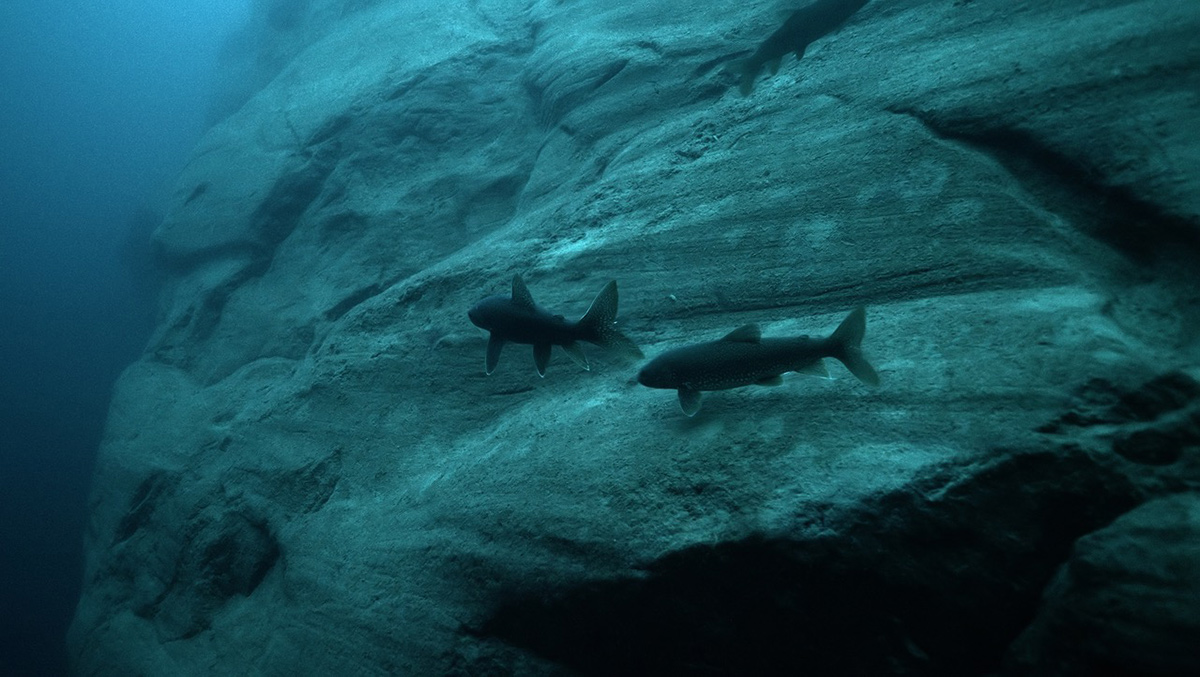
Feature
Fall 2025
Scientists used cutting-edge underwater robotics to explore Lake Superior's mysterious underwater mountains, revealing new insights into geology, ecosystems, and one of the Great Lakes' least explored landscapes.
The future is now: Autonomous vehicles enable enhanced views of fish and mysids in the Great Lakes By Kayden Nasworthy, Lars Rudstam, James Watkins & Peter Esselman 24/7 drones uncover new insights into Great Lakes fishes and mysids. Left: The Saildrone Explorer under the R/V Kiyi spotlight in Lake Superior, Summer 2022. Photo by Ryan Grow. Right: The Tethys Long Range Autonomous Underwater Vehicle during deployment preparing to receive instructions and dive to start surveying. Photo by Hannah Blair.Active hydroacoustics are used worldwide to estimate fish abundance, including in the Great Lakes. This technology uses sound waves to detect fish, much like a bat does to find its next meal. Current surveys are done at night from ships by research agencies in both the United States and Canada. Recent advances in drone technology now allow surveys with uncrewed vehicles to cover large areas and to operate both day and night. These autonomous drones can collect more high-quality, active-acoustic data than ever before with the crewed research fleet, providing unprecedented insights into the fishes of the lake and how the lakes function.Through a collaboration with the United States Geological Survey Great Lakes Science Center and Cornell University, two of these new sampling platforms, pictured above, were deployed throughout four Great Lakes, covering more than 21,000 kilometers of sampling track—over half the Earth’s circumference—on lakes Michigan, Huron, Erie, and Superior (see figure at right). One was an uncrewed surface vessel developed and operated by Saildrone Inc. The second was a long-range autonomous underwater vehicle, developed by the Monterey Bay Aquarium Research Institute.All sampling tracks generated by the Saildrones in the Great Lakes from 2021 to 2024. The drones sampled more than 21,000 kilometers of track in lakes Superior, Michigan, Huron, and Erie.The surface drones are propelled by wind power and use solar panels embedded in the drone to charge batteries to power onboard sensors and equipment. This type was selected because they have no propellers, allowing us to test the hypothesis that motorized research vessels alert fish to their approach, causing them to flee. The drones’ lower noise levels also result in cleaner data and increase our ability to detect fish and even mysid shrimps at greater depths—as deep as 250 meters. We exlored fish avoidance of ships by comparing drone data with ship-based acoustics, finding that ship avoidance behavior is minimal (Evans et al. 2023, 2024). However, data collected from the underwater drone show that a substantial number of fish, especially smaller fish, are near the surface at night and are missed by surface-deployed acoustics. This type of drone travels underwater for long periods (several days), collecting hydroacoustic data with both upward- and downward-looking echosounders. It resurfaces at regular intervals to transmit data and receive new instructions before resubmerging.In 2024, we explored whether surface drones could gather data at a lakewide scale, in lieu of ships. Two of these drones completed a whole-lake acoustic survey of Lake Superior, the first of its kind in the Great Lakes. This survey collected data continuously for 45 days, providing a unique look at the daily migrations of fish and invertebrates. Daily migrations are a common phenomenon in ocean systems and known in the Great Lakes, but the 2024 data allowed us to look deeper than previously possible due to the quietness of the drones and the ability to survey both day and night.Visual display of the acoustic data collected from part of one night from a surface drone in Lake Superior in Summer 2024. The red line approximately 250 meters deep is the bottom of the lake. One of the major prey items of fish in the Great Lakes, mysis, can be seen high in the water column at night and then descending rapidly as the sun rises to remain hidden from the fish. Fish are seen chasing the mysis towards the bottom and then staying above them during the day.Two of these drones completed a whole-lake acoustic survey of Lake Superior, the first of its kind in the Great Lakes.The data reveal a routine daily migration of both fish and mysid shrimps spanning several hundred meters throughout Lake Superior, as illustrated in the figure above. At dusk, the Kiyi, a coregonid that specializes on feeding on mysids, ascends from a daytime depth of around 150 meters, followed by mysids that move with a preferred light level and visit the thermocline at night. The reverse happens at dawn, with mysids descending first, followed by fish. Because we can observe mysids deeper than before, we found that mysids form a 20- to 30-meter-thick layer in the water column around 200 meters depth, almost 50 meters deeper than the fish layer. Where water depth is shallower than 200 meters, mysids reside on the bottom, but even in 250-meter-deep water, some mysids appear to continue to the bottom rather than stay suspended. Whether mysids spend the day on the bottom has implications for the coupling between the benthic and pelagic zones in the Great Lakes.These autonomous technologies provide a promising complement to conventional vessel-based surveys. By freeing crew time on already busy vessels, they enhance operational flexibility. Most importantly, they offer a way to increase spatial and temporal resolution in ecosystem monitoring, revealing patterns that were previously difficult or impossible to detect with conventional means.
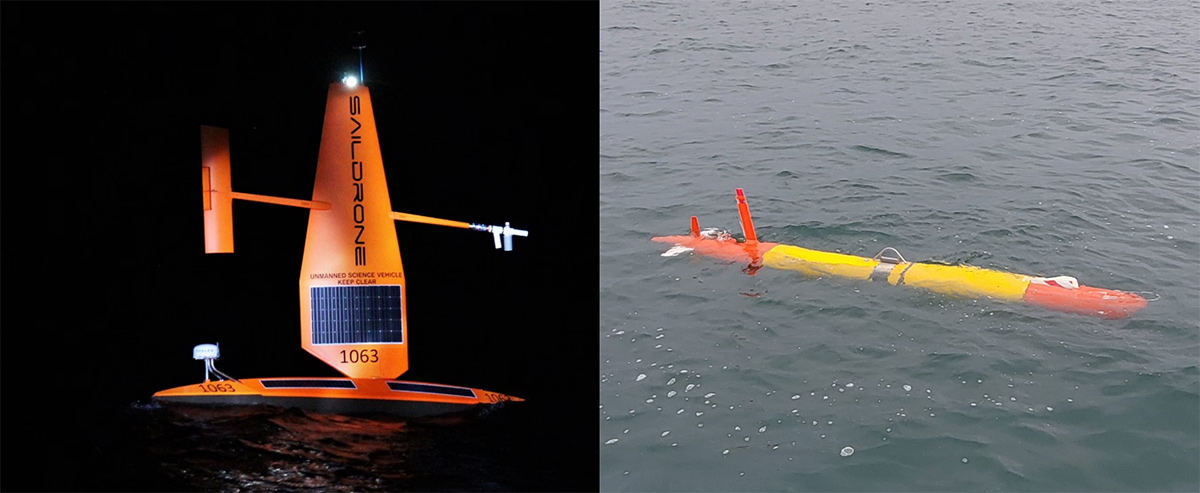
Feature
Fall 2025
24/7 drones uncover new insights into Great Lakes fishes and mysids.
A digital partner for the Great Lakes Navigating the ethical and scientific future of artificial intelligence
By Dani Jones An AI‑powered turning point for Great Lakes science. Buoy photo credit: NOAA Great Lakes Environmental Research Laboratory.It is an exciting moment for Great Lakes research, one that calls for thoughtful and responsible strategizing. The Great Lakes research and management community is gaining new power to apply advanced algorithms, data integration strategies, and cloud-scale infrastructure that can fundamentally enhance our ability to study, manage, and protect these complex inland seas. This progress is driven by both scientific curiosity and a commitment to ethical stewardship of the environment and the technologies we embrace.Fueled by collaboration and the generous support of partners such as the National Oceanic and Atmospheric Administration (NOAA) and the Great Lakes Observing System (GLOS), the Cooperative Institute for Great Lakes Research (CIGLR) is launching the Great Lakes AI Lab as a regional hub for collaboration across the Great Lakes science community. Rather than replacing established science, this initiative unlocks our community’s collective potential to build smarter, faster tools for managing the colossal streams of data produced by monitoring and modeling efforts across the world’s largest freshwater system.The Vision: Taming the data delugeThe Great Lakes generate vast amounts of information every day from satellites, buoys, remote sensors, and advanced computer models. Artificial intelligence (AI) and machine learning (ML) offer essential tools for managing this data deluge. These are methods that allow computers to detect patterns and make predictions from very large datasets, helping scientists uncover insights that would otherwise remain hidden.Our vision, which took shape after the 2024 CIGLR summit titled “Mapping Out How Machine Learning and Artificial Intelligence Will Change Great Lakes Observations, Modeling, and Forecasting,” is to build a collaborative, open-source framework. Think of it like a shared digital workbench where researchers across the region can train, test, and deploy AI approaches. This framework moves beyond disconnected data and models. By integrating them for systemwide optimization, we can improve forecasting and make observing networks more adaptive and effective.The arrival of ML and AI represents a fundamental shift, not just a new set of tools. Rather than reacting to change, our community must decide how to use this technology with focus and intention. To maintain the high standards of accuracy and reproducibility that the Great Lakes demand, domain expertise must remain in the driver’s seat. We are not simply training algorithms on numbers; we are embedding them in decades of scientific understanding and process knowledge. Realizing this vision depends on continued investment in our local experts, who form the human accountability layer for these powerful tools. This commitment is essential for moving toward systemic understanding and higher-order connectivity. It allows us to apply smarter, more holistic methods for assessing the interconnected Great Lakes system and to ask and answer more complex questions than ever before.The arrival of ML and AI represents a fundamental shift, not just a new set of tools. Rather than reacting to change, our community must decide how to use this technology with focus and intention.AI in Action: Extremes and efficiencyThe power of this technology lies in its ability to address some of the region’s most pressing challenges.1. Predicting water level extremes. Water levels on the Great Lakes fluctuate dramatically, from record lows to flood-inducing highs. Our data-driven approach identifies subtle, long-term patterns to provide probabilistic forecasts on subseasonal to annual timescales. One key example is our NOAA-funded effort, supported by the Bipartisan Infrastructure Law, to provide the U.S. Army Corps of Engineers with advanced tools that extend the probabilistic water level forecast horizon beyond six months. This capability helps communities across the basin prepare and adapt to changing conditions.2. Designing Smarter Observing Networks. Each year, considerable resources go toward deploying sensors and buoys across the lakes. Data-driven methods help us evaluate whether we are measuring the right things in the right places. By blending model forecasts with sensor data, ML algorithms can test different observing strategies and highlight where new instruments or vessel missions would have the greatest impact. This work, supported through NOAA’s Synthesis, Observation, and Response program and GLOS, is being advanced through CIGLR summer fellowships that develop algorithms to guide future monitoring efforts.The adjacent possible: What comes nextThe applications we are developing today are only the beginning. As we master our current tools, new and unexpected breakthroughs will follow. Each success opens doors to new scientific territories, expanding what we can understand and predict.This growing collaborative enterprise, made possible by NOAA and our regional partners, represents national-scale investment in the Great Lakes research community. It strengthens our collective capacity to support coastal resilience and environmental stewardship.We are just beginning to chart this digital frontier. We invite colleagues across the Great Lakes community to collaborate, experiment, and help us harness the potential of AI. To get involved, connect with our collaboration hub on GitHub and contribute to the effort. We look forward to forging this path together.To learn more, please see “Mapping Out How Machine Learning and Artificial Intelligence Will Change Great Lakes Observations, Modeling, and Forecasting in the Coming Decade.”
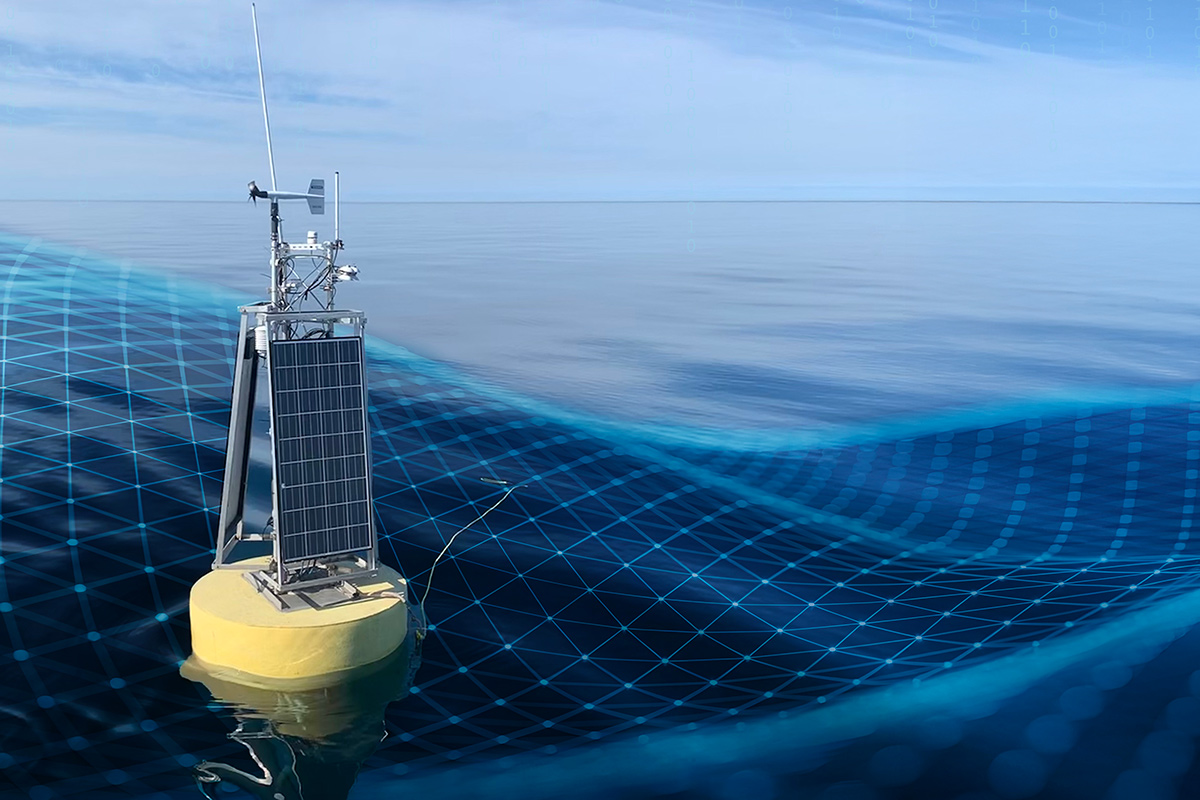
Feature
Fall 2025
An AI‑powered turning point for Great Lakes science.
Dawn of data sharing: Championing water quality data sharing for Great Lakes futures By Katherine Balpataky Community data improves freshwater health by making water quality information accessible. DataStream got its start in the Mackenzie River Basin 10 years ago and has since established hubs across Canada. Photo credit: Pat Kane.Katherine Balpataky and Crowley, the English Setter, exploring the shores of Lake Erie.When you walk the shoreline of a great lake over days, years, or decades, you can’t help pondering the changes you witness. For me, that great lake is Lake Erie. I grew up with Long Point in my backyard and now own a home near Port Colborne, Ontario. In my 48 years, I have seen shorelines transformed by the arrival of new species and the loss of familiar ones, as well as by algal blooms, plastic waste, and climate change. These changes have inspired curiosity and dismay, but also hope. More research and actions are needed to protect these precious lakes. Underlying all this is a need for greater availability of data.At DataStream, I collaborate with an incredible team bringing passion and expertise to address the freshwater data limitations we face across Canada. While numerous organizations, researchers, and industries collect water data, as a nation, we haven’t pulled it together and used it effectively. Practically, we lack the evidence to make important decisions that will shape the health of our Great Lakes—now and into the future. It’s a serious challenge that some regard as a national security threat. DataStream is addressing this problem. In the U.S., there is greater integration of publicly available water quality data through the Water Quality Portal. However, due to a recent lapse in government funding, the portal’s future is uncertain.Northern exposureDataStream is a registered charity supporting a comprehensive data literacy program and an open access platform for sharing western scientific water quality data. DataStream’s story includes hundreds of community groups, governments at all levels, Indigenous water guardians, and freshwater scientists committing their time to data stewardship. Water monitoring is the starting point of a lifecycle that includes working with a specialist to standardize data, prepping metadata, and sharing it for future analysis. As we say at DataStream, “open data is a team sport.” The results are inspiring, and we’re only beginning to understand its potential.DataStream exists because 10 years ago, communities of the Mackenzie River Basin in the Northwest Territories were grappling with how to protect freshwater for future generations. They identified data gaps as a barrier. They needed a solution to assess the outcomes of a collaboration between five neighbouring jurisdictions and the Government of the Northwest Territories (GNWT). To address this gap, the GNWT teamed up with the Gordon Foundation, a philanthropic foundation with a long-standing interest in freshwater protection. Their goal was to build a system to house community-based and government datasets. The resulting 2016 launch of Mackenzie DataStream became the prototype for the current system that houses surface water, sediment, and (soon-to-be) groundwater data, with over 340 organizations engaged, all in the name of freshwater protection.DataStream has regional hubs in the Great Lakes, Lake Winnipeg, the Mackenzie River Basin, the Atlantic region, and the Pacific region.Dizzying days of data sharingDataStream’s cross-sector and cross-country data sharing has been conceptualized as the appropriate type of solution in literature on freshwater data. A 2025 article by Jess Kidd et al. in the journal Water synthesized insights from technology sector experts about Canada’s freshwater data dilemmas. While our team wasn’t mentioned, the results ring true to our experience and approach. The authors pointed to the need for 1) support of an open data culture, 2) enhanced use of data licenses, 3) increased data literacy skills and development, as well as 4) a freshwater data standard guiding collection and management. But there’s more to do.Data sharing is particularly relevant for environmental data and data collected in the public interest, using public funds.The open data culture the authors speak of is a growing movement worldwide. DataStream talks to groups who are initially unsure about sharing data openly. However, data sharing is particularly relevant for environmental data and data collected in the public interest, using public funds. When we describe transboundary data uses or the time saved (by one researcher’s estimation over 60%) by having data standardized in one place, monitoring groups get excited about the potential. Certainly not all data are suitable for open access, such as Indigenous Traditional Knowledge, but most water quality data are fair game. The lion’s share of the effort involved in fostering an open data culture comes from outreach and support. There are hundreds, maybe thousands, of community-based monitoring groups aiming to improve freshwater health. They wish to contribute to science, policy, water management, and education efforts, but need help with their data. Although data may be captured by non-scientists, it’s highly valuable and sometimes collected with expert advice or guidance in design protocols. It costs money (often taxpayers’) to collect it, and it’s essential for freshwater science and protection. Therefore, we support them in data formatting and management. DataStream is growing into a one-stop-shop for making freshwater quality data discoverable, available, machine-readable, and ready for prime time. The platform provides free and open access data, aligns with international open data best practices, and all datasets are published under open data licenses, which provide clarity around ownership, attribution and reuse. Finally, data are shared in a standardized format, based on the WQX (Water Quality Exchange) schema, the most widely used water quality standard in North America.Here are five inspiring examples of data collaborations from the Great Lakes: University of Waterloo researchers crunch big data using AI to assess nutrient loads Citizen scientists gather nutrient data on Lake Erie to fight algal bloomsVolunteers with Ottawa Riverkeeper advance chloride monitoring to advocate for smarter salt management DataStream and the Great Lakes Observing System develop an integration to make water data more accessibleData Rescue intern curates polyfluoroalkyl substances data from the Université de MontréalDataStream’s efforts in the Great Lakes are supported by the Canada Water Agency.
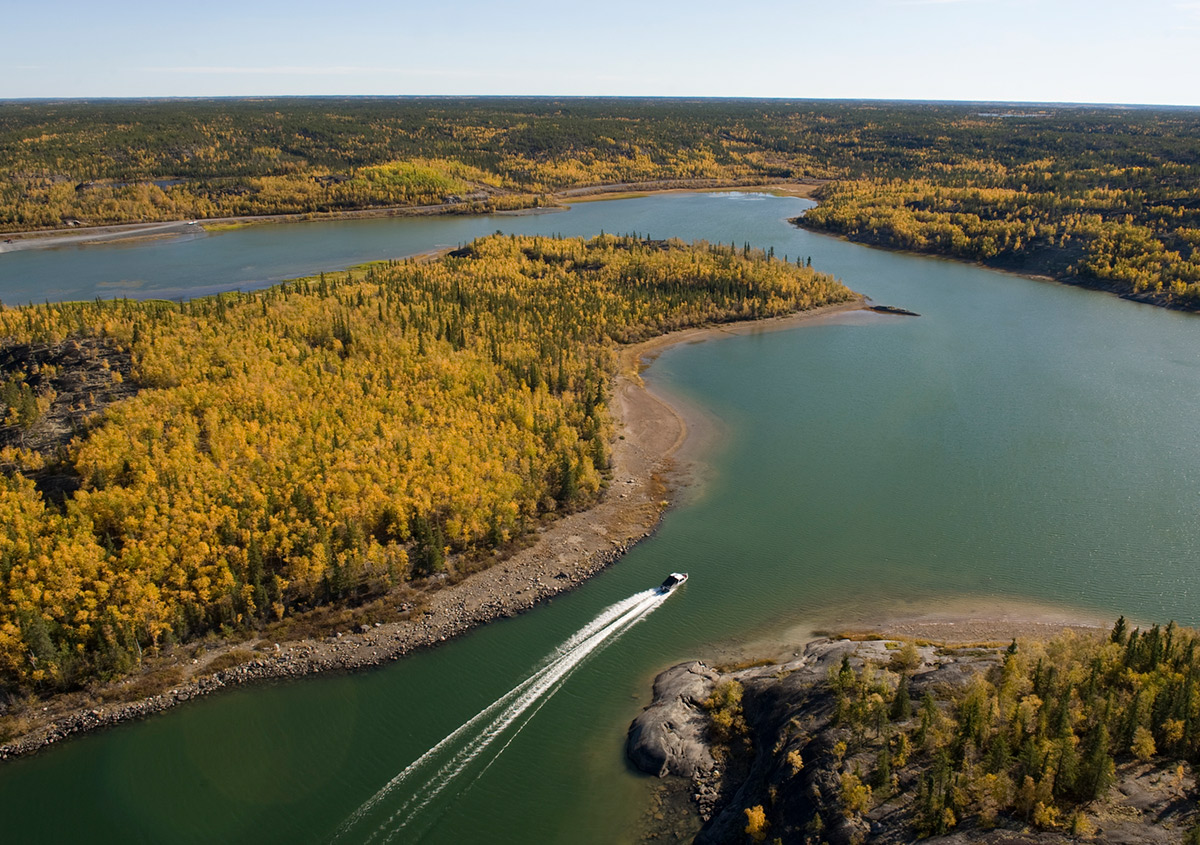
Feature
Fall 2025
Community data improves freshwater health by making water quality information accessible.
Pauline Gerrard Pauline Gerrard, executive director of IISD Experimental Lakes Area and 2026 conference site chair, on large-scale collaborative freshwater research. Describe your work or studies.As executive director of IISD Experimental Lakes Area—the world’s freshwater laboratory—I oversee strategic direction and management of the facility and our research. With a background in ecology, I believe in large-scale collaborative research that brings together multiple partners and sectors to understand the complex environmental problems (including, of course, threats to fresh water) that we are facing in the world today.What inspired you to enter this work?With parents who were ornithologists, ecology and environmental science have been part of my life since I was very young. I’ve been lucky enough to work in North America, Africa, Europe, and Southeast Asia over the course of my career, and this international experience has helped me understand the importance of connecting research and innovation in similar systems across the globe. I’m excited about connecting the work we have being doing at IISD-ELA on in-situ monitoring to similar systems that are being used in the North American and African Great Lakes. I feel that there is enormous potential to use these types of systems to fill data gaps across Canada, and, by bringing our expertise and experience together, we can support needs in other parts of the country and around the world.What are you most excited about for the upcoming conference?I’m excited to learn from Indigenous partners around the great lakes about shared learning and experience. We have strong relationships with Treaty 3 communities close to IISD-ELA, but I’m interested in learning from others and expanding these relationships and learning.What is something about yourself that you’d like to share with other IAGLR members?I believe strongly in learning through hands-on experiences; it isn’t always easy these days, but getting out in the field and on the water puts perspective to what we are trying to do and why. The way to inspire the next generation of freshwater scientists is to give them the opportunity to experience it firsthand.
Member Spotlight
Fall 2025
Pauline Gerrard, executive director of IISD Experimental Lakes Area and 2026 conference site chair, on large-scale collaborative freshwater research.
The kin within the catch: Using genetic relationships to inform lake whitefish conservation By Emily Tryc & Jared Homola Close-kin mark-recapture, a genetic technique that counts related fish, could sharpen whitefish abundance estimates and harvest limits in Lake Michigan. New genetic tools help researchers monitor wild fish populations for sustainable management.For many in the Great Lakes region, “up north” means fresh-caught, local fish. The fisheries supporting this pastime are deeply woven throughout the region’s culture. Towns along the lakes have built their livelihoods on commercial fishing. Leland, in the pinky of Michigan’s mitt-shaped lower peninsula, even has a district named Fishtown along the mouth of the Leland River that feeds into Lake Michigan. The original fishing shanties along the river are still standing, most now filled with small shops and businesses. Thousands of tourists from Michigan and the broader region visit Fishtown to enjoy the area’s rich history and, of course, the excellent fish it has produced for years. Fishtown, located in Leland, Michigan, is a surviving example of the fishing villages that once dotted the coastlines of the Great Lakes.One of the most emblematic of the Great Lakes fisheries focuses on lake whitefish (Coregonus clupeaformis), a large silvery fish that is known to be one of the best tasting of the region. This is not a new revelation; Indigenous Peoples have been harvesting lake whitefish since time immemorial, and it still plays a key role in their cultures. Lake whitefish’s taste and abundance have solidified it as a key pillar in the region’s US$5.1 billion fishing industry. Despite their seemingly steady availability, lake whitefish are not an infinite resource. This is evident from the fishery’s collapse in the 1950s, when the populations dwindled to unfishable numbers after the sea lamprey invasion. Thanks to the implementation of sea lamprey control, populations bounced back. Harvest regulations, continued monitoring, and invasive species control allowed the fishery to regain some stability. Continued co-management and collaboration between tribal and state agencies have been crucial in setting and maintaining harvest quotas. However, history seems to be repeating itself, with Great Lakes ecosystems being reshaped by new invasive species, like the round goby and dreissenid mussel species. Due to changes in the food web caused by these seemingly ubiquitous invaders, lake whitefish abundance has been declining since the early 2000s, with recent estimates causing alarm among fishers and managers alike. Understanding how fish populations are changing in response to these shifts is crucial for determining what can be done to restore them. Much of the data used to make abundance estimates comes from commercial fishers, so lowering harvest limits results in less data to make confident estimates. This is where a genetic tool called close-kin mark-recapture (CKMR) can come in. Part of an expanding toolset of molecular techniques that help us learn more about wild populations, CKMR provides estimates of abundance using the frequency of related pairs of individuals to infer the size of a population. If considered in a human context, CKMR would operate on the idea that it is more likely to randomly find two related people in a small, rural community than in a massive city. The same logic can be applied to populations of lake whitefish and samples collected by fishers and management agencies. The number of relationships discovered within a sample can therefore provide the basis for estimating the size of a population. We’re developing such a CKMR model for Great Lakes lake whitefish in collaboration with U.S. Geological Survey researcher Benjamin Marcy-Quay and with funding support from the Great Lakes Fishery Trust.Graduate student Alicia Krause holds lake whitefish from Lake Michigan. Photo by Alicia Krause. To find related fish, we can examine regions of the genome that are particularly well-suited for determining familial relationships. We have been developing a carefully tailored tool that targets certain locations in the lake whitefish genome that allow us to determine whether sampled fish are either parent and child or half siblings. With Lake Michigan lake whitefish samples collected by the Michigan Department of Natural Resources and Grand Traverse Band of Ottawa and Chippewa Indians over the past two decades, we can use the CKMR tool to estimate population sizes from those years for comparison to current abundance estimation approaches. Discovery of half siblings also reveals the survival of fish over the years, as the shared parent must have survived between the births of the siblings. Lake whitefish are divided into geographically defined units within the Great Lakes and managed separately. However, recent genetic analyses have confirmed what managers have long suspected; the fish themselves are unaware of the boundaries we have drawn for them. We have been able to better estimate where population borders lie thanks to patterns of genetic similarity, but with changing food availability, these boundaries may be changing. Knowing the source of fish we are analyzing is crucial to understanding what we are estimating; if we count fish that are not members of the study population, there is a risk of overestimating population size and thus setting harvest limits too high. With the genetic regions we are targeting with the CKMR analysis, we will be able to determine which unit each fish came from to help characterize the status of the fishery in each corner of Lake Michigan. It is impossible to know the exact number of lake whitefish in Lake Michigan at any given time, but we can get close estimates of reality with tools like CKMR. Being able to properly assess the total number of fish can help managers set informed harvest limits and potentially take other measures to preserve or restore populations. Considering continued environmental changes and species invasions, CKMR offers a way to ensure our actions are effective. Continued economic success of places like Fishtown that make up the rich cultural tapestry of the Great Lakes region hinge on success of healthy fisheries. Tools like CKMR help us to preserve not only the fishery itself, but the legacy of towns that have been built around the fishery for generations.

Feature
Fall 2025
Close-kin mark-recapture, a genetic technique that counts related fish, could sharpen whitefish abundance estimates and harvest limits in Lake Michigan.
Vince Palace Vince Palace, head research scientist at IISD Experimental Lakes Area and 2026 conference program chair, on solutions-focused science and Winnipeg. Describe your work or studies.I am focused on conducting science that offers solutions for industrial, social, or community issues. That has led me to work with teams studying solutions for environmental issues like metal mining, pesticides, industrial chemicals and pharmaceuticals. More recently I have been interested in working with Indigenous Communities to find ways of protecting and reestablishing traditional food sources; specifically wild rice. There is something inherently satisfying in conducting science that has immediate impact for people. And having the chance to learn different ways of approaching an issue from the Community perspective has been an amazing opportunity.What inspired you to enter this work?I was fortunate to land a summer job with a crew at Fisheries and Oceans who did some field work at the Experimental Lakes Area. I had no idea you could do that sort of thing for a living. I loved the team atmosphere and the ability to look at big picture questions, so, from my first introduction, I worked toward building a career in environmental science. I don’t think I thought I could actually pursue a job as an IISD-ELA scientist, but it has been a dream job. And the best part of it is still the collaboration with such a diverse group of researchers and topics.What are you most excited about for the upcoming conference?I’m excited for people to see the vitality of this city, obviously from a science perspective (we have an amazing program), but also because of its cultural and community focus. We know that “Winnipeg” is often a punchline in different parts of the country, but there is history and both a vibrant restaurant and arts scene. That’s why when you speak to someone who’s lived here for any length of time, they’ll tell you it’s routinely underestimated. I’d challenge delegates to make time to see the Canadian Museum for Human Rights, the Museum of Inuit Art (Qaumajuq at the Winnipeg Art Gallery, and our theatres.What is something about yourself that you’d like to share with other IAGLR members?With so much of our daily work focused on written communication, either reading, analyzing data, or writing, I find my off-work hours are focused on tangible goals: something where I can measure progress objectively. And so, I spend time working on home construction projects or sports. I love golf and I love/hate long-distance running—always with some goal in mind.
Member Spotlight
Fall 2025
Vince Palace, head research scientist at IISD Experimental Lakes Area and 2026 conference program chair, on solutions-focused science and Winnipeg.
Integrating technology and collaborative monitoring in the Western Lake Erie Basin By Edward Millar, Katelynn Johnson, Elizabeth Striano & Aaron Fisk High-tech sensors and community science combine to track water quality and algal blooms in the Western Lake Erie Basin. Left: Preparing to deploy a real-time buoy in the Western Basin of Lake Erie. Photo by Ed Verhamme. Right: Volunteers receiving training on baseline water sampling at Turkey Creek in LaSalle, Ontario. Photo by Colton Coomber.Based at the University of Windsor, the Real-time Aquatic Ecosystem Observation Network (RAEON) supports collaborative freshwater research by providing access to water monitoring instruments and infrastructure. The core of RAEON’s mission centers on collaboration: providing a system through which emerging freshwater monitoring technologies are shared to improve research and management. Its suite of Slocum gliders (autonomous underwater vehicles), real-time buoys, and multiparameter sondes collect continuous, high-resolution data on a wide range of parameters, including temperature, oxygen, chlorophyll, phycocyanin, nitrate, and pH. This information improves understanding of the timing and severity of harmful algae blooms, changing food web dynamics, and the effects of increasing temperatures on lake health. Although these instruments serve as vital tools for tracking lake health, they do not always capture local and nearshore data. This missing information is crucial for connecting the scientific picture to public perceptions of how the lakes and waters are changing. That’s where community science comes in.With support from the Canada Water Agency, RAEON is integrating participatory science into its monitoring network by engaging volunteers, schools, and community organizations. Through this initiative, the network is engaging community members in data collection to expand monitoring while helping people learn about their local waters and shape how they are managed. The program provides opportunities to participate in monitoring baseline parameters like temperature, pH, conductivity, dissolved oxygen, and other water quality indicators in streams, rivers, and shorelines throughout the Western Lake Erie Basin. By sampling at regular intervals, volunteers track seasonal trends and help identify local stressors. The data complement RAEON’s high-tech sensor arrays, creating a more complete picture of watershed health. They also support university researchers modeling the flow of nutrients through the ecosystem and into the Great Lakes.The program also helps connect volunteers with community science initiatives to build on work by established organizations and strengthen their presence in the Western Lake Erie basin. The team collaborates with Water Rangers, a Canadian nonprofit that provides simple water quality test kits and an open platform for sharing results. Data are also uploaded to DataStream, an open access platform developed by the Gordon Foundation that standardizes and shares water quality data from across Canada (see the related article). The program is integrated within the Lake Erie Volunteer Science Network, coordinated by the Cleveland Water Alliance, which links dozens of organizations conducting community-based monitoring across the basin. These partnerships ensure community-based data are accessible and useful not only to researchers, but also to the public, civil society groups, government agencies, and other users.Beyond data collection, RAEON’s participatory science efforts are also focused on public outreach and engagement. This work includes setting up information booths at community festivals and environmental events, making public demonstrations of monitoring tools and platforms, giving public talks, talking with residents about local water issues, and bringing hands-on freshwater science into classrooms. These outreach activities are not just about raising the public’s awareness of water quality issues, but also raising scientists’ awareness of the public’s concerns, and providing forums for researchers to listen and learn about what water issues resonate most.In August 2025, RAEON set up a public display booth at the Visitor Centre of Point Pelee National Park to engage with the public about the real-time data collected by the buoys installed near the park. Photo by Grace Colomba.RAEON is also conducting qualitative survey research to explore how community members prioritize different aspects of water monitoring, and how these priorities align or differ from those of scientists engaged in community-based research. The results of this work will help guide the next phase of RAEON’s participatory science program, ensuring that monitoring efforts reflect both scientific and community interests. By aligning these perspectives, the network hopes to strengthen mutual trust and make freshwater science more responsive to the people it serves.The program aims to expand its reach and scope over the next three years by working with new partners to identify and fill data gaps to better understand the links between offshore, nearshore, and tributary monitoring. From a glider navigating Lake Erie to a student doing monthly testing at a local creek, every observation adds to our shared understanding of the health of the Great Lakes. High-resolution glider and buoy data reveal the dynamics of algal blooms offshore; community-based data provide context at the land-water interface, and open platforms like those created by DataStream and Water Rangers make those datasets visible and interoperable. Researchers gain new data and local insights, communities gain tools and confidence to understand their environment, and the lakes themselves gain a growing network of people invested in monitoring and stewardship.Established in 2018 and led by Science Director Aaron Fisk and Research and Operations Director Katelynn Johnson, the RAEON network links universities, municipalities, and government institutions to share equipment, expertise, data, and logistical capacity to accelerate Great Lakes research.In 2023, RAEON joined Global Water Futures Observatories (GWFO), a national network led by the University of Saskatchewan that operates 64 instrumented research sites across Canada. RAEON serves as GWFO’s Great Lakes node, providing real-time monitoring and open access environmental data of changing ecosystems within a national network. The team works collaboratively with partners, such as the Great Lakes Observing System, to ensure that high-resolution buoy and glider data are publicly accessible and supports binational research, forecasting, and management efforts across the Great Lakes.
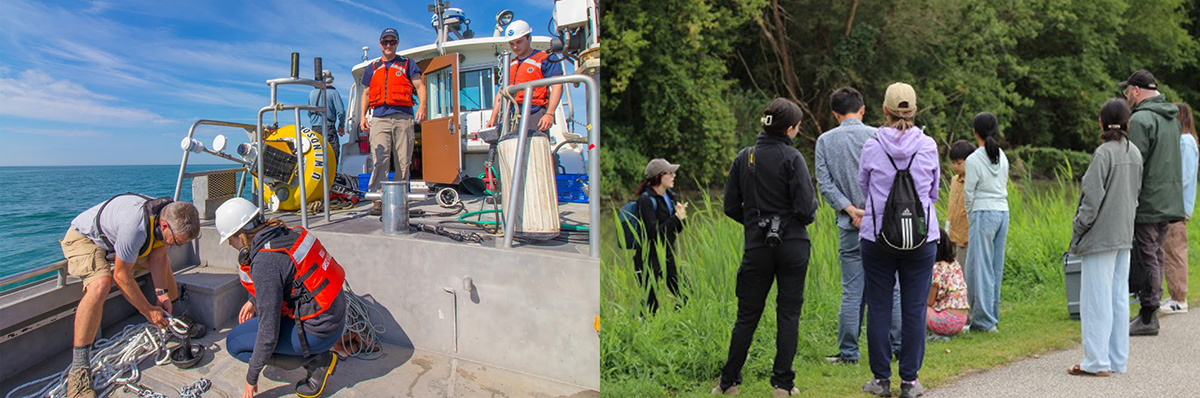
Feature
Fall 2025
High-tech sensors and community science combine to track water quality and algal blooms in the Western Lake Erie Basin.
Sensing the future: Building a field-based PFAS detection tool in the Great Lakes region Building a field-based PFAS detection tool in the Great Lakes region
By Vernon LaLone Wave Lumina develops a portable field device to rapidly detect parts-per-trillion PFAS levels in the Great Lakes region. Per- and polyfluoroalkyl substances (PFAS) have become the poster children for the challenges of modern water pollution: persistent, invisible, and costly to track. For the past two years, we’ve been working to solve one of the biggest barriers in PFAS management: the time and cost required to measure them in the field.From our lab in Traverse City, Michigan, Wave Lumina is developing a portable field screening technology that uses laser light and artificial intelligence (AI) to rapidly detect PFAS at the parts-per-trillion levels, no large lab or lengthy turnaround required. Our goal is to enable environmental engineers, water utilities, and PFAS-impacted site managers to make data-driven decisions on-site, in real time.A new approach to an old problemTraditional PFAS analysis requires samples to be shipped off-site to specialized laboratories for liquid chromatography–mass spectrometry (LC-MS/MS) analysis, often taking weeks and costing several hundred (sometimes over a thousand) dollars per sample. Our approach leverages Raman spectroscopy enhanced with nanotechnology, specifically, surface-enhanced Raman scattering (SERS), to detect the unique molecular “fingerprints” of PFAS compounds.Paired with proprietary sample preparation chemistry and machine-learning algorithms, the technology translates these complex optical signals into clear quantitative results within minutes. Think of it as the field-ready cousin of a laboratory mass spectrometer that is smaller, faster, and deployable at contaminated sites.Celebrating science and discoveryAs a scientist-turned-founder, I believe innovation thrives when we connect fundamental discovery with practical tools that serve society. Wave Lumina’s work is part of that continuum, bridging advanced spectroscopy and AI with hands-on environmental protection. The company was founded on the idea that translating rigorous research into accessible field technology can multiply the reach and impact of science.Innovation thrives when we connect fundamental discovery with practical tools that serve society.That philosophy has been validated through national support: Wave Lumina is backed by the National Science Foundation’s Small Business Innovation Research program and the Activate Fellowship, a nonprofit that empowers scientists and engineers to turn research breakthroughs into scalable solutions. These programs invest in teams who are tackling some of the most pressing challenges of our time, such as environmental contamination, public health, and climate resilience. And they have allowed us to pursue PFAS detection not just as a technical milestone, but as a public mission.Left: Stephanie Baklarz, research scientist with Wave Lumina, testing PFAS levels in the field with the PFAS field sensor prototype under development. Right: Wave Lumina CEO Vernon LaLone with the PFAS field sensor prototype.Science isn’t just about data; it’s about empowerment. Every test run by a field engineer, every dataset shared by a researcher, every student learning to apply spectroscopy to water quality, all of it contributes to our collective capacity to safeguard freshwater ecosystems. In a time when environmental challenges can feel overwhelming, stories of scientific progress remind us why this work matters and how it can tangibly improve lives.Innovation rooted in the Great LakesWave Lumina’s story is inseparable from the Great Lakes community that surrounds it. Our partnership with Northwestern Michigan College and the Freshwater Research and Innovation Center has provided access to chemistry and photonics lab space, enabling us to design and test prototypes just blocks from Lake Michigan’s Grand Traverse Bay. Collaborations with regional engineering firms, environmental consultants, and municipal water utilities allow us to validate our technology on real-world groundwater and PFAS-impacted samples across Michigan.Growing up in northern Michigan, I’ve seen firsthand how intertwined our livelihoods are with clean water. It’s not just an environmental issue; it’s an economic and cultural one. Developing advanced water-testing technology here is convenient, but it’s also symbolic of the Great Lakes leading the way in freshwater innovation.From lab bench to field kitToday, Wave Lumina’s third-generation prototype integrates optical hardware, advanced chemometric analytics, and a compact reagent kit into a system that fits in a single field case. We are testing the device on samples provided by field partners from remediation sites to evaluate its performance alongside standard laboratory results. Early data show promising measurements at trace-level PFAS concentrations, with results produced in under 10 minutes.We see this as a complementary tool to laboratory methods, not a replacement. By providing immediate screening data, our device helps identify which sites and samples need confirmatory testing, thereby saving both time and money and accelerating cleanup decisions.The next wave of collaborationAs the environmental challenges facing large lakes grow more complex, so too must our tools. Wave Lumina’s mission is to ensure that the next generation of water scientists and engineers (especially those here in the Great Lakes) have access to technology that keeps pace with the problems they’re solving.In 2026, we plan to expand our pilot network across the Great Lakes basin and are seeking collaborators interested in integrating rapid PFAS field testing into ongoing monitoring or remediation projects. We believe these early adopters, including scientists, consultants, and utilities, will help shape a new model for environmental testing that’s faster, more accessible, and more responsive to the needs of the field. If you’re interested in collaborating in our pilot network next year, please contact us.
Feature
Fall 2025
Wave Lumina develops a portable field device to rapidly detect parts-per-trillion PFAS levels in the Great Lakes region.
Sharing Your Stories: Highlights from IAGLR’s survey on impacts of U.S. federal actions on Great Lakes science By Paula McIntyre IAGLR shares key findings from a survey documenting the personal and professional impacts of U.S. federal actions on the Great Lakes science community, including job losses, funding cuts, and emotional toll. Earlier this year, we conducted a survey to document and share experiences within the Great Lakes research community in response to recent U.S. federal actions. These actions have included the dismantling of diversity, equity, and inclusion (DEI) commitments, the sudden termination of federal employees, and threats to scientific progress through funding cuts and restrictions on international collaboration.Survey responses reveal deep concern about harm to Great Lakes science—from canceled fieldwork and halted data collection to weakened collaborations. Respondents anticipate the loss of institutional knowledge, interruptions to long-term monitoring, reduced research productivity, and setbacks in addressing challenges such as invasive species, harmful algal blooms, and climate change. “With the layoffs and incentivized early retirements/separations, we have lost institutional knowledge,” wrote one respondent. Another added, “We lost 20 years of monitoring overnight.” Others expressed concern about long-term effects on trust and partnerships: “Partners no longer know if they can rely on us. And frankly, neither do we.”One respondent reflected on how decades of work are only now beginning to show results. They pointed to the U.S. Geological Survey and U.S. Fish and Wildlife Service’s long-standing efforts to restore native species such as lake trout and cisco, noting that recovery is finally within reach: “We are just at the start of seeing real recovery in many species, and it is sad to see us stop moving forward or go backwards now.”Beyond scientific setbacks, participants pointed to ripple effects on the workforce and the next generation. Cuts and staff reductions are seen as likely to curtail graduate training, weaken recruitment, reduce diversity in the field, and undermine binational cooperation. Others raised concerns about limits on scientific communication and constraints on how climate change can be discussed. Even if funding is restored in future years, many anticipate lasting impacts on research quality, workforce expertise, and the ability to manage Great Lakes resources. One respondent explained:"With the limitations on what words can and cannot be used in grant proposals or websites and how climate change can be discussed, it becomes more and more difficult to disseminate information. With the way government and government affiliate employees are being maligned and mistreated, it will be difficult to attract scientists to work for these agencies in the future, especially since new hires have been proven to be disposable and targeted for easy RIFs [reductions in force]. “With a reduction in funding for Great Lakes research, progress will stall. Students will not see environmental science as a possible career avenue. Graduate degree opportunities are already being taken away. Recruitment to this field will become very difficult in the near future if the pattern of deprioritizing, and even demonizing, science continues.”Responses consistently conveyed uncertainty, instability, and distress. Some individuals bore the brunt of these actions more than others, and the long-term effects remain unclear. With Congress in recess until September, the final 2026 federal budget—and its implications for Great Lakes research—will not be known until after this issue of Lakes Letter goes to press. Early signs show pushback in both the House and Senate against proposed cuts, echoing budget debates we’ve seen in years past. For now, what is clear is the lived experience shared by those who responded to this survey. While the sample is small and not representative of the entire community, the responses offer valuable insights into how these actions are being felt. They reveal a pervasive sense of professional instability, emotional strain, and disillusionment. Yet they also reflect resilience and commitment—to science, to the Great Lakes, and to one another. As one respondent wrote in solidarity: “I want them to know that their struggle is real, it is not their fault, and they are not alone.”Impacts on people and organizationsBetween mid-May and mid-July, 87 people responded to our survey on recent U.S. federal actions affecting the Great Lakes science community. Of these, 71 live or work in the United States, 14 in Canada, and two in African countries. Six respondents noted that their country of origin was different from where they currently live or work—five now in the U.S. and one in Canada.The survey drew heavily from people with direct ties to science. More than four out of five respondents (83%) currently work or have worked in research. Over half said they “live near or depend on the Great Lakes,” underscoring how personal the connection to these waters can be. Respondents also represented a range of roles across the science community: 46% identified as government employees, 40% as academics, and 15% as students (see bar chart). Their feedback paints a vivid picture of professional and personal upheaval. One respondent shared:“I’m one of the illegally terminated probationary U.S. federal employees. I worked in Great Lakes research for 15 years. On February 27 at 3:30 p.m., I received an email stating my employment had been terminated and I needed to be out of the building by 5:00. I was later reinstated and placed on administrative leave, and then terminated again.” The same respondent described the lasting toll:"I don't think I can describe the effect of knowing any email at any time could be the one that makes me unemployed. The email, when it finally came, was almost a relief because I could get on with it. And there was a lot to do—learning about federal employment law, trying to file for unemployment without any separation paperwork, confusion about health insurance, applying for jobs when science funding is uncertain. I found a new job, but I’ve taken several professional steps backwards in order to continue to work in my field.”Stories like this reflect a broader reality. Nearly three quarters of respondents said they already have been, or expect to be, personally affected by recent federal actions. An even greater majority (90%) also anticipate impacts on their organizations (see pie charts). When asked about specific effects, most pointed to funding cuts (90% of respondents). Other top concerns included threats to international collaborations (66%), reductions to DEI initiatives (64%), loss of staff (63%), and the potential for personal job loss (39%) (see bar chart).In addition, respondents voiced unease about the wider consequences for staff well-being, organizational effectiveness, and scientific integrity. They cited risks such as loss of data access, fewer research opportunities, weakened federal support, and an overall climate of fear and uncertainty.Career disillusionment and relocationRecent events have left some respondents questioning their careers altogether. One shared, “I’m seriously considering leaving federal service altogether,” while another admitted, “There is no longer any trust that the work I do will be supported or funded from one year to the next.” Many spoke of career paths—built over decades—suddenly threatened by political shifts rather than guided by public good.Students also expressed deep uncertainty about their futures in science as federal support shrinks. “As I’m nearing the end of my graduate degree program...the current federal level action is not conducive to the work I am interested in doing,” one noted. Another reflected, “I rely on external funds to successfully conduct quality research… I require a stable occupation come graduation.” Despite personal ties to the Great Lakes, some students are now weighing relocation abroad, where they perceive greater appreciation and opportunity in the environmental field.In fact, nearly a third of U.S.-based researchers and students who responded said they are considering or actively planning to move to another country, most often Canada. Nearly half reported they are not considering relocation, while 20% remain unsure (see pie chart).The motivations for leaving vary. Many pointed to research funding cuts, job instability, and limited opportunities in their fields. Career stage shaped these concerns: early- and mid-career scientists worried about losing momentum, while those nearing retirement sometimes saw relocation as a capstone or as a way to make space for others. Other factors included perceived threats to personal safety, quality of life, and rights for marginalized identities, as well as the promise of greater academic freedom abroad.At the same time, relocation is not easy. Respondents cited strong family ties, reluctance to restart careers, and limited openings outside the U.S. For some, moving remains a contingency plan if job loss occurs; for others, it is more a distant aspiration than an active pursuit.DEI under attack The rollback of DEI programs was particularly painful for some respondents. “I feel betrayed,” wrote one federal employee. “We were told this agency valued inclusion. Now it’s as if that work never mattered.” The sudden reversals have left staff feeling expendable and cynical, especially those who championed or built such programs in good faith. John Berges, professor in the Department of Biological Sciences and the School of Freshwater Sciences at the University of Wisconsin–Milwaukee, described the impact firsthand: “I was a PI and mentor for two major diversity programs, one for minority students in STEM, and one for students with disabilities in STEM. Both programs were terminated with no reasonable explanation. This was terrible for me and the mentors and devastating and confusing for the students. The funding loss is bad enough. Silence is worse. There’s been almost no institutional acknowledgement, and little public recognition. The local press seems disinterested.”Another respondent, whose work focuses on science communication—“the kind of work that’s been smeared as ‘woke’ DEI and a ‘waste of time,’ despite consistently positive outcomes”—was not allowed to present at IAGLR’s annual conference for fear of drawing unwanted scrutiny that could jeopardize their team’s funding or employment. For many, the loss of these programs directly undermines recruitment and retention of diverse scientific talent. As Berges reflected: “Much of what we do depends on the goodwill and the generosity of a few really good/special people. We’ve simply trashed them. A message has been sent and received, and recovery will not be easy.”Emotional and mental tollThreaded through many responses is the weight of the personal toll. Scientists and students described sleepless nights, anxiety, and sadness. “I didn’t sign up for politics—I signed up to protect water,” wrote one. Another confided, “I cry at my desk. I’ve never felt so helpless in my career.” The psychological impact appears especially acute for younger and more vulnerable professionals, who spoke of exhaustion, declining morale, and fear for the future. “It’s been stressful for both myself and my friends… many job opportunities in the public sector and indirectly in the private sector are being lost,” wrote one student. Others expressed frustration at being told their work amounted to “wasteful tax dollars,” even as they faced the prospect of losing entire careers.While some remain determined—“We’re still here, still showing up, even when it’s hard”—the prevailing tone is one of heartbreak and depletion. “A number of colleagues have had actual bona-fide mental breakdowns and needed to take stress leave (well, those who weren’t fired outright). I’ve been feeling utterly sick and horrible since January watching my whole field and all of my friends in it be harmed maliciously by the administration’s actions.”Even among students and early-career researchers who remain passionate, the erosion of jobs, funding, and community has taken a lasting emotional toll—compounded by uncertainty over partners’ and colleagues’ futures.What scientists want you to knowWhen asked what they wish others understood, respondents emphasized that the impacts of federal actions are human and societal—not merely technical or economic. The dismantling of research infrastructure, marginalization of expertise, and erosion of trust affect not only careers, but also public health, environmental quality, and scientific progress. Several themes emerged:Personal and professional traumaMany described the demoralization of watching careers dismantled. “It was the destruction of a decade of leadership and vision to develop a high performing and efficient laboratory...it demoralized the remaining employees, especially the portrayal of them as wasteful and fraudulent.” Another added: “Being in this unstable and unpredictable environment makes it hard to get work done and is stressful…the existential dread I experience daily makes me want to find a different job.” Misunderstood value and public perceptionRespondents wished the public better understood the commitment and value of federal scientists. “I wish the public understood the hardworking nature of federal employees who are working on Great Lakes issues...the value of federal funding for protecting the Great Lakes and the countless benefits they provide.” Another stressed: “We aren’t their enemy...we go to work every day just like them and work hard to try to make a positive difference.” Nature of careersScientific careers are highly specialized and losing them means more than simply finding a new job. “When you’re a research specialist in environmental science, there is no ‘finding another job’ like there is in the corporate world...firing and defunding us en masse throughout the U.S. is resulting in hundreds of thousands of brilliant scientists and public servants losing their life’s work. It is cruel and it is torturous.” Impacts beyond jobsRespondents stressed that these losses threaten public safety and well-being. “This isn’t just people getting fired, we are losing our entire careers and being told our work is wasteful..the services we provide are benefiting and protecting (the public)—even if they don’t realize it.” Illegality and disregard for processSeveral alleged illegal or unethical actions. “These illegal actions are able to happen and cause harm before they are questioned in court.” Abrupt grant terminations are described as “equivalent to a business suddenly breaking its contract without cause.” Disempowerment and lack of supportRespondents often felt abandoned. “You are alone in your troubles. There is no coordinated response...to these collective and unjustified administrative actions.” Long-term consequencesRespondents feared that recovery may prove impossible “There’s incredible long-term value in the science being done...recovering may not be possible due to the loss of datasets and trust.”What now?We asked respondents what justice and support would look like—and how organizations like IAGLR could help.Justice and supportMany defined justice as public accountability, calling for apologies from leaders, hearings, and explanations for decisions. Yet symbolic actions are not enough. Respondents most urgently called for concrete measures: reinstating unlawfully fired employees, unfreezing grants, restoring programs, and rehiring staff. One respondent summed it up: “Justice would look like the reinstatement of unlawfully fired federal employees, the unfreezing of previously allocated federal funding, and the restoration of programs that serve all communities in the Great Lakes region.”Respondents emphasized that early career researchers, in particular, were seen as needing emergency or bridge funding, health benefits, and stable career pathways.Respondents also called for the need for reliable funding from a variety of sources to buffer against federal instability. In addition, they pointed to the importance of sustained access to federal datasets and tools, strong international collaborations, and mentoring networks.Advocacy emerges as essential. Respondents called for lobbying elected officials, elevating the economic and public-health benefits of Great Lakes research. They advocated for collective resistance tools—legal recourse, society-wide campaigns, and unified messaging—to elevate the profile of science within civic and political discourse.The role of associationsRespondents are clear about the role an organization like IAGLR could—and should—play. They want the association to be a forceful advocate for funding and policy, leveraging its regional presence and partnerships to lobby for binational and multilateral initiatives and rally support at state and federal levels. Communication is also critical: regularly publicizing scientific achievements and personal stories, broadening outreach beyond environmental outcomes to economic and social benefits. "Help gain public awareness and support for federal data as we depend on having large, robust, authoritative datasets that we can trust for long-term quality. The public depend on these data even if they don't realize how they use them.”In addition, direct support was highlighted, from mutual-aid funds and conference scholarships to peer networking and resource-sharing platforms, especially to bolster community among early career and marginalized researchers. Respondents urged IAGLR to continue championing equity and inclusion: “Continue to advocate for the value of science, particularly inclusive science, ecosystem preservation, and climate justice.”A look to the futureLooking forward, respondents imagine a future where political and institutional transformation accompanies lasting scientific resilience. They envision new leadership more supportive of science, regulatory safeguards to prevent abrupt “meat‑cleaver” defunding, and strengthened congressional and judicial protections that stabilize research continuity. They want regional unity among Great Lakes states to transcend division and elevate the scientific agenda. In parallel, they seek community healing and rebuilding—a kind of “Reconstruction” phase where funding is diversified, institutions make amends, and the scientific community rebuilds with empathy, civility, and inclusivity. “When all of this is over...I want scientists and their communities to be able to get to work picking up the pieces and rebuilding as best we can,” states a respondent. “We’ll need everyone’s help to recover from what—and who—we lost.” Throughout, they urge recognition of science as a foundation of public welfare, transparency, ecosystem stewardship, and civic health.In short, respondents need both immediate relief and long-term transformation: restored funding, public accountability, strategic advocacy, community-based support, and institutional reform that honors the value and resilience of Great Lakes science and the researchers who sustain it.A university professor's perspective “When most people hear about grant terminations, it’s just meaningless numbers to them (especially those who think this is somehow ‘cutting out fraud, waste, and abuse’). What I wish people understood is (1) we are being punished despite following EVERY rule and honoring our commitments to other people; (2) most of the grants being terminated aren’t ‘radical’ or ‘woke,’ at least not in any way that ordinary people would understand these terms; (3) when grants are terminated in this way, it has a huge human cost, disrupting lives and causing good people to suffer needlessly; (4) the way that DOGE is terminating these grants is completely unprofessional. They didn’t think through any of the administrative details, and terminating grants abruptly is equivalent to a business suddenly breaking its contract without cause—most Americans would never tolerate the way this has been handled.On a personal level, I wish people had some sense of how much of my last three weeks has been a struggle to (1) understand the implications of the termination, when even our NSF program officers aren’t sure how all of this works; (2) take care of our people—I have vulnerable graduate assistants, and I’ve put in many hours trying to ensure that we honor our commitments to them. On the flip side, people should understand that there are heroes out there right now: neighborhood groups and institutions stepping up to the plate to help.”May 19, 2025
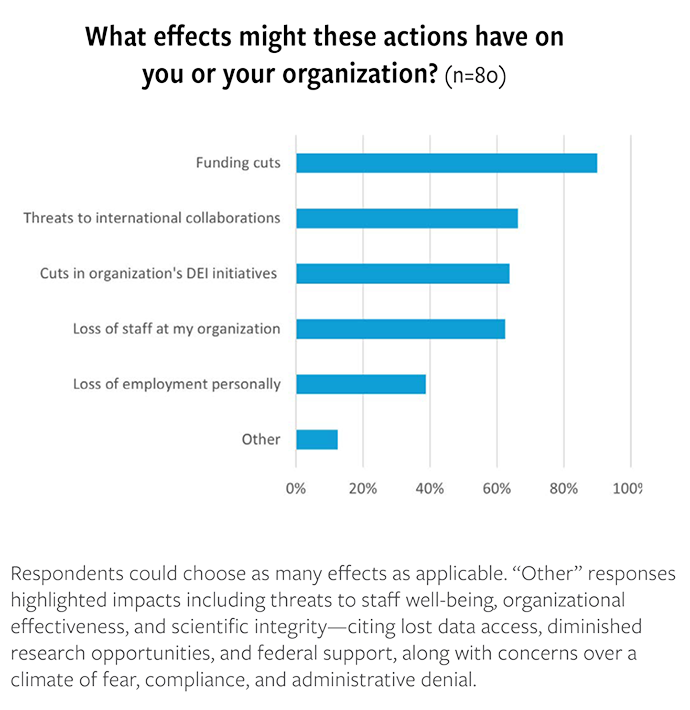
Feature
Summer 2025
IAGLR shares key findings from a survey documenting the personal and professional impacts of U.S. federal actions on the Great Lakes science community, including job losses, funding cuts, and emotional toll.
Sea lamprey control field season underway after delayed start Despite federal hiring freezes and staff losses, the Sea Lamprey Control Program successfully began its 2025 field season, treating tributaries to suppress invasive populations by 90%. Control agents applying secondary treatments by boat, targeting tributaries and backwater areas that the main stem treatment does not reach. Photo by Zak Allan, Great Lakes Fishery Commission.The Sea Lamprey Control Program in the United States comprises approximately 85 full-time and 25 seasonal employees. The program was disrupted earlier this year due to the loss of U.S. Fish and Wildlife Service staff and a federal hiring freeze. This initially impacted the USFWS’s ability to begin the 2025 field season as planned. Fortunately, elected officials throughout the basin worked hard to ensure that the critical work of controlling invasive sea lamprey populations was safeguarded.As outlined in a recent study (Marcy-Quay et al., 2025), delays in lampricide applications can yield serious consequences for the Great Lakes. Sea lampreys are most vulnerable in their larval stage, where they are concentrated in stream sediments. Without a fully staffed control program, their populations could rebound and threaten both the fishery and the regional economy.Although the Sea Lamprey Control Program had a late start in preparing for the field season, the program successfully began at the end of April. Currently, control agents are in the midst of a busy field season with plans to treat approximately 120 Great Lakes tributaries. Despite earlier challenges, the long-standing partnership between the Great Lakes Fishery Commission, USFWS, Fisheries and Oceans Canada, and the U.S. Army Corps of Engineers remains strong. The integrated control program, focused on lampricide treatments and physical barriers, continues to suppress sea lamprey populations by about 90% in most areas of the Great Lakes.Background photo: Control agents applying secondary treatments by boat, targeting tributaries and backwater areas that the main stem treatment does not reach.Sea lamprey larval assessmentA control agent uses a backpack electrofishing unit to sample the streambed (below, right) for larval sea lamprey, pictured in bucket.Photos by Zak Allan, Great Lakes Fishery Commission.Lampricide applicationsA lampricide application from a state-of-the-art spray boat (below), used to apply granular lampricide to lentic areas where a typical treatment setup is not feasible.Photo by Zak Allan, Great Lakes Fishery Commission.Sampling lampricide concentrationsControl agents (below) setting up automatic water samplers programmed to collect river samples every hour during lampricide treatment. The samples are analyzed to measure lampricide concentrations, which inform managers of the treatment efficacy.Photo by Zak Allan, Great Lakes Fishery Commission.Feed checksControl agents (below) perform “feed checks,” which is the act of measuring the amount of lampricide applied during treatment.Photos by Zak Allan, Great Lakes Fishery Commission.
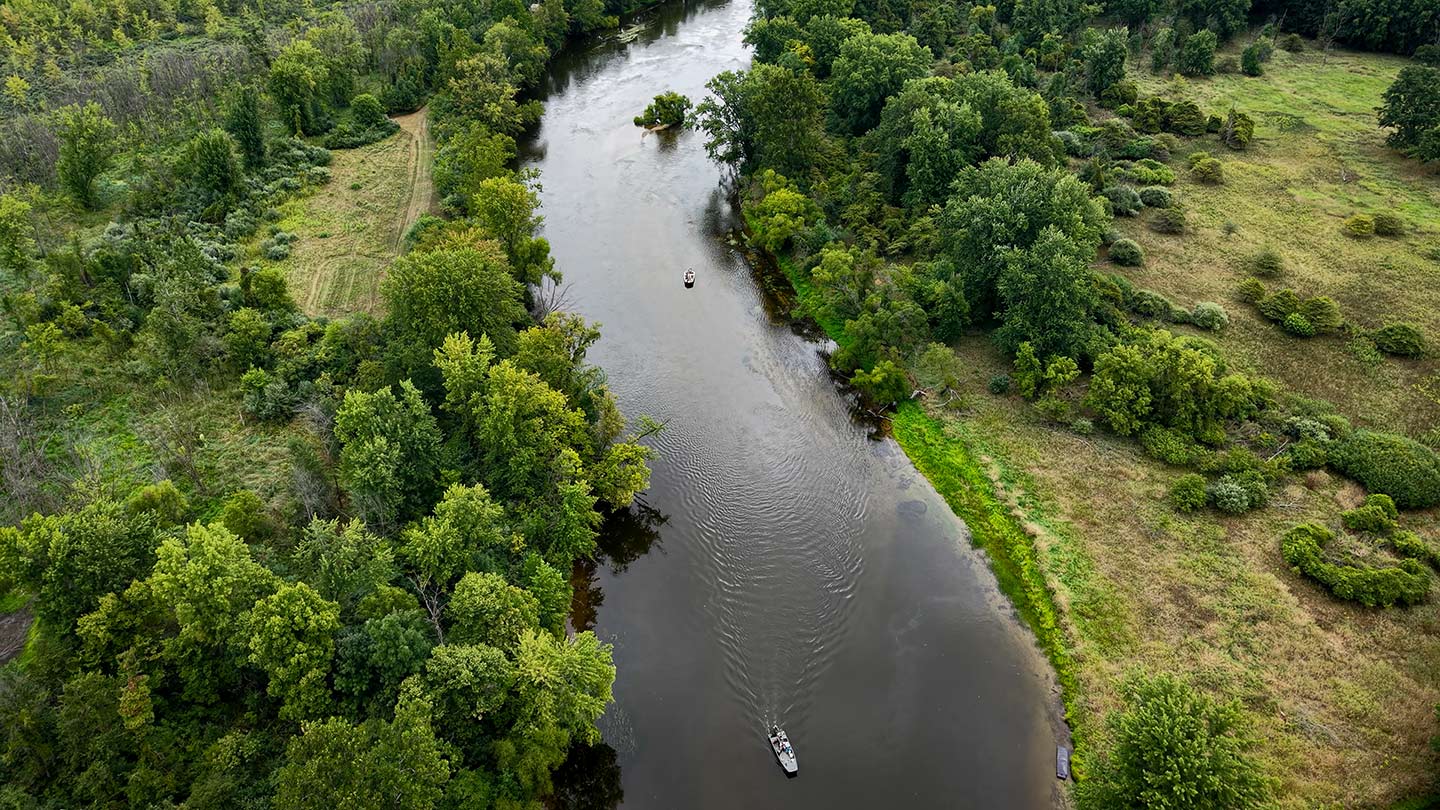
Feature
Summer 2025
Despite federal hiring freezes and staff losses, the Sea Lamprey Control Program successfully began its 2025 field season, treating tributaries to suppress invasive populations by 90%.
Impacts to Great Lakes science, service, and stewardship By Deborah Lee A firsthand account of the impacts of federal cuts on NOAA GLERL and Great Lakes science from former Director Deborah Lee. On February 26, 2025, I celebrated my retirement from 40 years of federal civil service, with the last 10 years as the director of NOAA's Great Lakes Environmental Research Laboratory (GLERL). What should have been a happy event was instead sorrowful and bitter; late in the prior week, I’d received a list of “probationary” employees who had been identified to be fired; ostensibly to meet goals of downsizing the federal workforce. I was not informed as to who made the selection decision, nor was I given the opportunity to weigh in. The date of the dismissals was unknown, and I tried to prepare my staff for the uncertain future. To their credit, the staff continued to prepare for my send off and made a memorable event. The following day, February 27, eight staff received dismissal emails from NOAA headquarters at 4 p.m., with one hour to vacate the facility.Aerial view of GLERL.An all-time federal staffing lowOf the eight “probationary” employees, all but one were mid-career, and all but one had worked for NOAA either as a federal employee, cooperative institute employee, or contractor. Seven were female, and one was a U.S. Air Force veteran, another a former editor of the Pentagon’s Stars and Stripes, and another was a former Peace Corps volunteer. One person had moved quite a distance at their own expense and given up a well-paying academic position. Ironically, all of them had essentially received promotions—putting them in probationary status despite records of high performance and prior service. Hope glimmered when they were reinstated and placed on administrative leave following lawsuits, but ultimately the courts did not find in their favor, and they were again dismissed from service, adding insult to injury.GLERL’s 50th Anniversary Celebration in 2024: Deborah Lee (Director), Rebecca Held-Knoche (Great Lakes Regional Coordinator), and Jennifer Day (Chief of COMMs) (left to right). Both Held-Knoche and Day are no longer with GLERL due to the downsizing. Lee retired in February.Earlier, two employees also accepted the Deferred Resignation Program, aka “The Fork” and departed at the end of the month, for a loss of 10 employees. A third wave of departures followed when Voluntary Early Retirement Authority and Voluntary Separation Incentives Program were offered. Another six employees departed by the end of April.The vacant director’s position and three vacant positions that were in the process of being advertised, but cancelled, brought the total to 20 positions. Another employee voluntarily resigned for a position outside the federal workforce, bringing the total to 21 vacant positions out of an authorized 52 federal employees—or a 40% reduction in force—within a two-month time period. The laboratory was now at an all-time low of federal staff since it was established in 1974, with 31 employees. Remaining federal staff, contractors, and cooperative institute employees tried to pick up the workload to keep NOAA’s mission in the Great Lakes moving forward, most critically, toxic harmful algal bloom monitoring and prediction, but there were significant gaps in skill sets and no time for hand-offs or training on job responsibilities.Soon after, impacts to GLERL’s cooperative institute staff and contractors began to occur when new rules requiring Department of Commerce and Department of Government Efficiency approval were put in place, slowing or eliminating awards. One contractor retired, two others were temporarily laid off, and five boat captain positions remained unfilled. No captain would accept a position given the uncertain future of NOAA and the laboratory, despite a contract fully funded in the prior fiscal year. The cooperative institute, running on the fumes of FY24 grants, and the prospect of FY25 Inflation Reduction Act rescissions, began two rounds of layoffs in June, prior to delayed Great Lakes Restoration Initiative (GLRI) grants being approved mid-June. As of the end of June, the cooperative institute has laid off two employees.Other impactsFurther compounding the ability of the lab to conduct its mission, travel to conferences and meetings were restricted, including prior commitments to the International Association of Great Lakes Research’s annual conference and regional inter-agency meetings. Procurement cards and spending limits were greatly reduced, impacting the ability to procure science and vessel supplies and equipment.Funding uncertainty continuesAs of late June, the delayed NOAA FY25 spend plan and reorganization plan continued to create uncertainty regarding the future of the laboratory. Although the laboratory was receiving its monthly base funding allocation under the Congressionally approved Continuing Resolution, management was instructed to prepare for a 5-30% funding reduction late in the fiscal year, essentially preventing expenditures except for the most basic labor and facility costs.In early July, the NOAA FY26 Congressional Budget Submission was released, aligned with the Office of Management and Budget NOAA passback, proposing elimination of all NOAA Oceanic and Atmospheric Research (OAR) laboratories. In mid-July, the Commerce-Justice-Science Senate and House appropriations committees began to mark up NOAA’s FY26 funding bills. The Senate bill rejects eliminating NOAA Research citing, “While the Committee could be open to realigning some programs to enhance operational outcomes, the absence of detailed plans hinders informed decision making. Consequently, the Committee maintains funding for OAR programs under their existing structure.”Scientific discovery at riskThe specific impacts of such a large and fast reduction in force are still unfolding. These actions resulted in the lack of resources to deploy the two Environmental Sample Processors that report Harmful Algal Bloom (HAB) toxicity monitoring in western Lake Erie. The lab is struggling to operate the vessel-based HAB monitoring program in Lake Erie, Saginaw Bay, and Green Bay, as well as communicate the results to the public. The federal employees who performed the work are gone, and the cooperative institute employees are at risk due to funding cuts, with the potential for ending the HAB program. Meanwhile the HAB problem continues unabated; this year the HAB toxin was detected on April 28—the earliest the toxin has been detected.The laboratory’s Climate Ecosystem Fisheries Initiative (CEFI) has also ground to a very slow crawl. CEFI, a NOAA-wide initiative, is to develop the next generation of oceans and fisheries models to help predict their productivity and aid in fishery management decisions. Funded by the Inflation Reduction Act, freezing of the funding and potential rescission has essentially stalled development. The retirements of the lab’s two food web federal scientists have left one scientist and one federal technician to move the project forward. Eagerly awaited by the Great Lakes Fishery Commission, CEFI will be delayed or possibly ended.With the loss of the entire communications team who were responsible for assisting scientists with scientific publications, media response, and educational outreach, there has been a slowdown in getting science results out to those who make Great Lakes management decisions and to the general public.A grant that was intended to facilitate the research lab working collaboratively with federally recognized Tribal Nations fell early victim to funding decisions. The highly successful and competitive Summer Fellows Program may also be at risk in future years, reducing training opportunities for the next generation of U.S. scientists.The development of GLERL’s next-generation Great Lakes Coastal Forecast System is also at risk if FY26 Bipartisan Infrastructure Law funds are rescinded. The next generation would predict compound river and lake flooding, leading to better flood inundation forecasts, warnings, and mapping. The system also predicts ice cover development and movement and is crucial for accurately mapping oil spill transport in icy conditions. Work has been progressing on Lake Ontario, but has not yet been extended to Lake Erie, Lakes Michigan-Huron, or Lake Superior. One of the federal technicians who processed the model input data, managed the satellite data feeds, and ensured the models ran daily in experimental mode is no longer at the laboratory.The loss of the GLERL director as the NOAA GLRI program manager, the former federal GLRI program coordinator, and the budget officer, has pushed these roles onto already burdened staff to manage and execute the $10-$30 million of projects annually. Given the high bipartisan support and continuing priority of the initiative, it is unfortunate that, as one of the top three federal agencies executing the program, GLERL has been so heavily impacted. Unjustly, the GLRI program coordinator who managed the GLRI program since 2010, and oversaw $330 million of successful projects, was fired as a probationary employee after receiving a promotion.Overall, the staffing reductions and budget cuts restrict GLERL’s ability for new scientific discovery. If staffing and funding restrictions continue, scientific progress will be limited for the foreseeable future.The top image shows deployment of the Environmental Sample Processors that report Harmful Algal Bloom (HAB) toxicity monitoring in western Lake Erie. The bottom image is a satellite view of HABs in Lake Erie.Beyond the laboratoryGLERL is not just a research laboratory—it unofficially serves as NOAA’s Great Lakes Regional Center. The director serves as the Great Lakes regional team leader, coordinating NOAA’s missions across its line offices for efficient delivery of services. The Ann Arbor GLERL facility houses other NOAA staff including the Office of Habitat Conservation, Office of Response and Restoration, Office of National Marine Sanctuaries, Office of Law Enforcement, and the National Geodetic Survey. The facility also houses other NOAA-funded partners such as the Great Lakes Observing System, Sea Grant, the Cooperative Institute for Great Lakes Research, and other collaborating agencies’ staff from the U.S. Coast Guard and the International Joint Commission. Eliminating GLERL would have cascading relocation and facility costs and destroy the synergy and efficiencies of co-location.Impacts are and will extend beyond the laboratory itself, including other federal U.S. and Canadian agencies, the International Joint Commission, the Great Lakes Commission, and the Great Lakes Fishery Commission. Cuts to other federal agencies and state programs, such as H2Ohio, will amplify impacts on preserving and restoring the Great Lakes. It remains to be seen what FY26 will hold for the laboratory; Congressional appropriations will be the final determinant.
Feature
Summer 2025
A firsthand account of the impacts of federal cuts on NOAA GLERL and Great Lakes science from former Director Deborah Lee.
Funding cuts threaten early career researchers By Abby Hutson Early career researcher Abby Hutson describes how federal funding cuts and policy shifts are hindering career progression, collaboration, and the future of Great Lakes research. Abby Hutson uses atmospheric modeling to study Great Lakes weather and improve precipitation simulations, helping to predict impacts on lake levels, ice cover, flooding, and harmful algal blooms. Photo courtesy of the Cooperative Institute for Great Lakes Research.A loved one recently said to me: “Why are you getting so stressed about research funding? You shouldn’t let it affect you this much.” I love my job, and I care deeply about Great Lakes research. The problem is that I am a federally funded early career research scientist at the University of Michigan, specifically the Cooperative Institute for Great Lakes Research. To keep my job, I need to meet specific requirements within the next four years, including securing external funding, publishing peer-reviewed research, and developing collaborative relationships in my field. Unfortunately, my progress toward these requirements is being hindered by the current U.S. administration. As my colleagues and I experience these road blocks, I realize that many people outside of academia may not fully grasp how deeply recent policy shifts are affecting our work. The state of U.S.-based scientific research is being attacked and erased, and it hits us early career researchers hard.The most obvious way federal actions are impacting my professional career is through funding cuts. In my current role within U-M, research grants pay 90% of my salary. I am responsible for finding funding sources, leading project proposals, and applying for competitive external funding to show that I am capable of being an independent researcher. In my field of research, funding is typically sponsored by federal entities like the National Oceanic and Atmospheric Administration, U.S. Environmental Protection Agency, and the Department of Energy, among others, but current administrative actions have turned the once-reliable funding cycle on its head. Some previously funded projects have been handed stop-work orders, while others have had awards impounded. Grant proposals in review, which take months of work by the researchers, are stuck somewhere unknown in the process. To top it off, there currently are no open opportunities due to departments and offices within the government being closed, gutted, or completely reorganized. I’m repeatedly seeing that even late-career, tenured scientists are losing and missing out on grants. If they can’t get funding, how will we early career researchers get our foot in the door?“We don’t do this work for money or job security. We do it because we believe in the Great Lakes. Our devotion to the Great Lakes region runs deep. We recognize its importance and beauty. Above all, it’s our home, driving us to protect and preserve it for future generations.”Beyond funding, collaboration and professional relationships are another important piece of my career progression. This makes sense—great science thrives in multidisciplinary teams with a broad range of experience. But in the past six months, doing collaborative work has been incredibly difficult. My position at a cooperative institute allows me to work often with federal colleagues, but probationary firings, early retirements, and a significant loss of institutional knowledge have led to a “brain drain” that compromises collaborative efforts. The federal researchers who remain are spread thin, covering projects left behind by former colleagues, leaving little bandwidth to form new collaborations. How can I, even with funding opportunities, form proposals without the co-investigators I need to make them strong and competitive?I’m sure I’m not the only one who has been told, more than once, that: “You’re smart! If you lose your job, you’ll be able to find another one.” When I hear that, I can’t help but feel a sense of dread. If I lose my job due to federal funding cuts, it’s not just me—most researchers in atmospheric science would be facing the same fate. We are not talking about one company performing lay offs; we’re talking about the dismantling of a critical scientific profession that supports national environmental and public health efforts. The academic job market will become oversaturated, and the number of positions for academic researchers in the U.S. will shrink, leaving few opportunities for new talent. I would feel hopeless about finding other jobs anywhere in the country, let alone in the place I’ve made my home.Again, I love my job. Despite all of these setbacks, I am putting my head down and continuing to do Great Lakes research. Not only because federally funded research makes the Great Lakes safer by improving forecasting and environmental monitoring, stronger by advancing policy recommendations, and more profitable by ensuring sustainable industries like fisheries, tourism, and agriculture. We don’t do this work for money or job security. We do it because we believe in the Great Lakes. Our devotion to the Great Lakes region runs deep. We recognize its importance and beauty. Above all, it’s our home, driving us to protect and preserve it for future generations.Top row: At left, Paris Schofield (front) and Jasmine Mancuso (back), both from CIGLR, process Lake Erie water samples on the boat deck during the 2025 harmful algal bloom (HAB) field season. At right, Mancuso (left) and Schofield (right) work under green light at NOAA GLERL to process chlorophyll-a samples. The green light protects the samples so scientists can accurately measure the amount of algae in the water. Bottom row: At left, Rima Upchurch (CIGLR) operating a SEAL Analytical AQ400 discrete analyzer to measure nutrient concentrations in water, such as phosphorus, nitrogen, or other chemical parameters. Middle, Maddie Tomczak (CIGLR, front), Cory Brant (USGS, middle, left), Lindsie Egedy (USGS, middle, right), and Greg Faneuff (USGS, back) collect ultraviolet light data from Lake Michigan’s lake whitefish nursery habitats to investigate how sunlight exposure may affect young fish during their critical larval development stage. At right, Brianna Ellis (CIGLR) filters lake water to measure total suspended matter and carbon, hydrogen, and nitrogen content, which help scientists understand water quality and ecosystem health. All photos, courtesy of the Cooperative Institute for Great Lakes Research.
Feature
Summer 2025
Early career researcher Abby Hutson describes how federal funding cuts and policy shifts are hindering career progression, collaboration, and the future of Great Lakes research.
SP2ARKs Still Fly A story of aquatic connections, hope, and voice
By Molly Wick, Julia Obuya & Anna Hill Despite the SP2ARK Fellows Program cut, its impacts endure among IAGLR fellows. Left: Molly Wick leading a walking tour of Barker’s Island in Superior, Wisconsin. Center: Julia Obuya (at left) during the NSF IRES Advanced Studies Institute on Water Quality and Harmful Algal Blooms in Lake Victoria, Kenya, which brought together students from North America and East Africa. Right: Anna Hill after completing a science education cruise on the R/V Lake Guardian.The Consortium for Aquatic Science Societies (CASS), funded by NSF, launched the first Scientists Promoting Policy, Access, Research, and Knowledge (SP2ARK) Fellowship program in fall 2024. The three of us—Molly, Julia, and Anna—were chosen to participate in the selective fellowship as representatives of IAGLR, joining 30 fellows from U.S. and Canadian institutions and representing 10 aquatic science societies. The fellowship offered training and networking for early career scientists in science communication and science policy, with the intent that fellows could bring these skills and experiences back to our societies. The goal of the six-month program was to build a diverse next generation of leaders in aquatic science communication.And that’s exactly what the program was doing, until April, when the NSF grant funding the program was cancelled, effective immediately. The Trump Administration offered little explanation, except that the program did not “effectuate agency priorities.”What was gainedThe program has had invaluable impacts on us and the Great Lakes already. For Molly, who was a postdoctoral fellow in social-ecological science, the fellowship was an opportunity to expand her network and connect her social science research to policy changes in the Great Lakes. She loved the workshop in “And-But-Therefore” narrative science. It offered simple tricks and shortcuts for crafting engaging, memorable messages, which Molly put to use in a presentation to EPA’s Great Lakes National Program Office.Anna, a master’s student studying fish ecology in the Great Lakes, has noticed a lack of diversity in leadership within both academic fisheries communities and recreational fisheries groups. Through workshops like “Challenging Conversations” and “Connecting with Your Audience,” she gained valuable tips for engaging with members of diverse communities. By learning how to research her audience and apply strategies for conflict resolution, Anna feels she now has a strong foundation to navigate leadership within her university’s program, particularly in her graduate student council.Julia, an international fellow and doctoral student studying aquatic microbiomes, is working on transboundary issues like algal blooms in Lake Victoria and Lake Erie. The SP²ARK program helped her realize that science is not just about lab work, data, or publications. It can only make an impact if it makes sense to societies we aim to serve. She now appreciates that for her to influence change, she needs to properly communicate her research findings with local communities and policy makers. This program was not just about training sessions but being part of a change, a community of young scientists trying to make the world better, one story at a time.What was lostGiven the benefits of the program, its cancellation was a major loss. Staff volunteered their time to host the last training and wrap up the fellowship for us. The one cancelled training was, fittingly, focused on equity and environmental justice training. But the loss was not just our own. In addition to our cohort ending early, the NSF grant had included funding for two future SP2ARK cohorts and a SP2ARK Summit for CASS leadership. The summit would have been an opportunity for CASS leaders to see the outcomes of the program and for fellows to work with leadership on the science communication and policy goals of their societies.The cancellation of this grant and its programs, intended to educate and bolster early career scientists, is just one example of the deep and pervasive cuts in federal funding for science since the current administration came into office. The program elimination comes at a time when countless federal science and research grants are being cut, and pathways for early career scientists are being dismantled. For early career researchers, programs like this that advance skills, knowledge, and professional networks are more important than ever. More broadly, effective science communication that outcompetes the rampant misinformation is more important than ever. The loss of the program will only make it harder to create platforms for joint research, or bridge science and society to identify shared strategies for sustainable uses of aquatic resources.What now?However, we can learn from what happened in the aftermath of this loss. When the program was shortened, the leadership volunteered their own time to come together to make sure it was wrapped up in a good way. They should have been compensated for their work, but their willingness to do this showed their immense passion and care. It models the care we all need to be taking for each other during this difficult time. The fellowship cohort was no different. In the wake of the news of cancellation, a flurry of heartfelt emails of gratitude and empathy came from participants. Fellows stepped into the gap, offering to facilitate discussions, establishing a way to stay in touch, and sharing opportunities to take action. Now, we have a cohort that is connected to the future.These actions give us hope that collectively, we can and will find alternative ways to advance and support programs like the SP2ARK fellowship that support early career scientists, train skilled science communicators, and ultimately advance effective science policy. Now is the time to work together to support one another and to imagine creative, new ways to continue to support science that protects the aquatic ecosystems we depend on for life. Even though the funding ended, what it started in us hasn’t. The spark is still burning!

Feature
Summer 2025
Despite the SP2ARK Fellows Program cut, its impacts endure among IAGLR fellows.
Great Lakes scientists unite Warn of crucial need for federal investment in research
By Gregory Dick, Mary Ogdahl & Bopaiah Biddanda Leading scientists warn that reduced federal investment in Great Lakes research will have devastating impacts on public health, safety, and the economy. Leading scientists from across the Laurentian Great Lakes Basin joined together to make the case that scientific research on the Great Lakes is critical for the health, prosperity, and well-being of the millions of people in the Great Lakes region. Their commentary, published in the Journal of Great Lakes Research, comes as the U.S. has made harmful cuts to federal agencies that monitor, manage, and protect the Great Lakes, and with even deeper cuts to funding of Great Lakes research looming. They write that “reduced federal investment in the Great Lakes will have real impacts on stakeholders, leaving citizens, communities, businesses, and industries without the data and tools needed to safely and efficiently plan development and infrastructure investments, recreate, and operate on the water.” The scientists call on elected officials to defend the programs that support a strong economy and the health and safety of Great Lakes citizens and ecosystems.The images in this collage capture a selection of Great Lakes science, training, education, and outreach activities enabled by federal funding. Photos courtesy of the Cooperative Institute for Great Lakes Research (left column), NOAA Great Lakes Environmental Research Laboratory (center two columns), and the Robert B. Annis Water Resources Institute, Grand Valley State University (right).The authors—all leaders and collaborators of the Cooperative Institute for Great Lakes Research—draw on the many success stories of how Great Lakes science has protected human health and safety and stimulated business, industry, and the economy. They describe how research provides key information for dealing with wave after wave of threats to the Great Lakes, such as harmful algal blooms, hypoxia, invasive species, and water pollution. These scientific insights have been essential for developing solutions required to improve water quality, ensure safe drinking water, drive a thriving economy, support healthy fisheries, and restore the Great Lakes to conditions that allow swimming, boating, and the many forms of recreation that the people of the Great Lakes now enjoy.The commentary also argues that scientific research is essential to meet the major societal challenges facing the Great Lakes today and those that will emerge in the future. Monitoring, modeling, and forecasting are needed to grapple with the profound effects of climate change on ecosystems and an increase in hazards such as extreme weather, coastal floodings, and rapidly changing water levels. Forecasts provide early warnings and critical information that keep people safe, prevent property damage and economic harm, and support informed decision making by coastal communities, utilities, resource managers, businesses, and industries.Why is federal funding critical to protect the Great Lakes? Can state and local agencies, universities, and the private sector not fill this role? In addition to the scale of resources needed and complexity of the problems faced, federal funding is needed due to the multistakeholder and transnational nature of the Laurentian Great Lakes, the authors say. Federal funding incentivizes and mobilizes universities, agencies, companies, nonprofits, and citizen scientists, forming a highly collaborative network that conducts cost-effective Great Lakes research. In return, the academic, private, and nonprofit sectors recruit and train the workforce, develop innovative solutions, and connect researchers to stakeholders, thus serving on the front line of co-production, implementation, and action. Without federal investment this enterprise is at risk; the impacts could be devastating and endure for a generation due to the loss of the current and future workforce. The authors emphasize that federal investments in the education and training of the next generation of Great Lakes professionals are critical for future protection and management of the lakes.Past investments in Great Lakes science, education, and outreach have been instrumental in educating and training generations of professionals who have been at the forefront of solving emerging challenges affecting the largest body of freshwater on the planet. These educational and training efforts extend across our K-12 schools, colleges, universities, local stakeholders, and state and national agencies to advance the priorities of a sustainable, safe, and prosperous Great Lakes-based ecosystem. Thus, education and training of future generations of Great Lakes professionals should remain a top priority.The authors point to a long and successful track record of investments in Great Lakes research paying off in the form of revitalized communities, commercial development, and strong water-based recreation and tourism. Taken together with the potentially enormous human health risks and financial expenses of not effectively and proactively dealing with hazards such as toxic algae, extreme weather, and coastal flooding, it is clear that investment in research is a cost-efficient strategy to protect resources, stimulate the economy, and sustain the unique way of life in the Great Lakes basin.
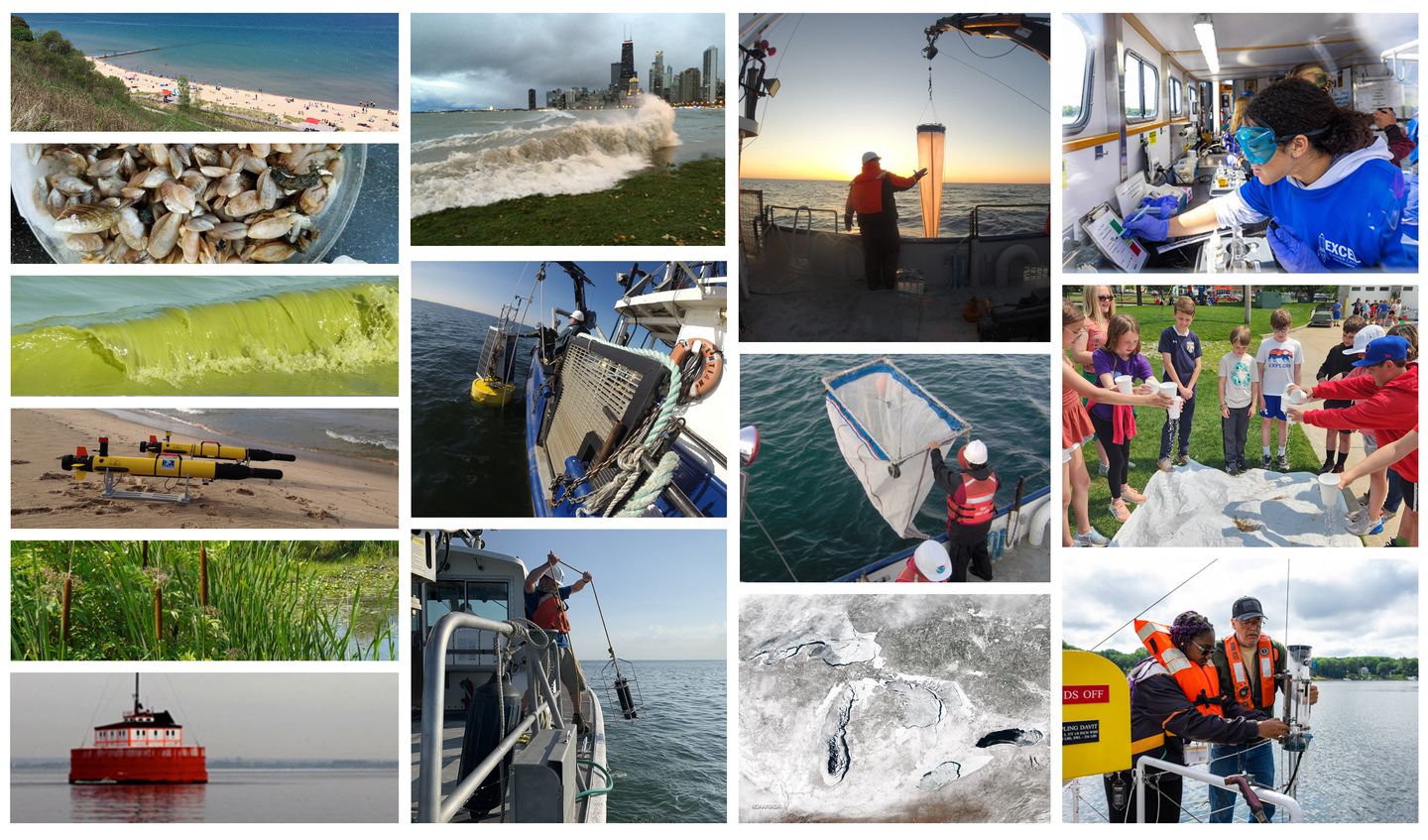
Feature
Summer 2025
Leading scientists warn that reduced federal investment in Great Lakes research will have devastating impacts on public health, safety, and the economy.
A plan to strengthen Great Lakes science By Tori Agnew-Camiener, Megan McLaughlin & Ian Stone A new Great Lakes science plan, informed by community listening sessions and Indigenous partnerships, aims to prepare the region for the stressors ahead. Science and research in the Great Lakes have prioritized remediating past harm, which has led to tremendous strides in improving the quality of the Great Lakes. However, the Great Lakes science community must also be forward-thinking to minimize further harm to the health of our waters. The International Joint Commission (IJC) Great Lakes Science Advisory Board (SAB) is developing a Great Lakes Science Plan for the Next Generation (the Science Plan), which aims to help prepare the region and future generations to better understand this complex system and account for stressors to come. As a complement to existing efforts, the Science Plan will propose additional and new investments to fill management and policy-relevant science gaps and needs.The SAB recently concluded its engagement efforts to support the development of the Science Plan. Efforts began in early 2024, when the SAB held a series of convenings with Great Lakes science stakeholders. Convenings focused on evaluating possible governance models for the final Science Plan; identifying science gaps and investment needs associated with monitoring, modeling, and forecasting; and exploring the establishment of Centers of Excellence and a workforce development strategy.At IAGLR’s annual conference in Milwaukee this past June, the SAB facilitated a final, half-day workshop (pictured above) to expand on discussions from the previous convenings. Over two rounds of breakout groups, in-person and virtual participants self-selected discussion topics such as Indigenous priorities, implementation considerations, training and workforce development, research infrastructure, and governance. Participants shared ideas to help ensure the Science Plan will have broad support and help inform a solid business case that ties science to real-world management and policy outcomes and social, economic, and environmental benefits.Key priorities for the final Science Plan emerged from these discussions. One key theme is the importance of Indigenous knowledge equity, where Nations are partners in Great Lakes science, rather than simply providers of Indigenous knowledge. Takeaways regarding inclusive workforce development, and the need to better share resources across the region were also highlighted. Of note, there was an emphasis on how future governance of the Science Plan needs to be rooted in clear communication across parties and identified roles, multinational cooperation, and diversified funding.One key theme is the importance of Indigenous knowledge equity, where Nations are partners in Great Lakes science, rather than simply providers of Indigenous knowledge.In addition to these convenings, three Sea Grant Fellows conducted a series of listening sessions and engagements over the last year with Great Lakes communities and Indigenous Nations. The goal of these listening sessions was to ensure the Science Plan reflects perspectives beyond academic and government views, so that communities and Indigenous Nations will see themselves reflected in the Science Plan. As the original stewards of the land, Indigenous peoples are connected to the land, water, and environment, and their inclusion in this Science Plan is key to its success. Finally, stronger collaboration in Great Lakes science that fosters productive relationships and connectivity among communities, Indigenous Nations, researchers, organizations, and government agencies is vital to a healthy future for the lakes.The Fellows presented their lessons learned from these listening sessions at the IAGLR conference, during the “Advancing Resilience through Bridging Knowledges and Indigenous-led Research” session. The presentation highlighted the importance of practices rooted in ethical collaboration and relationship building, cultural understanding, and action-oriented approaches, and the importance of holistic science, especially when working with Indigenous Nations. A key takeaway from their work is the necessity of establishing free, prior, and informed consent and being fully transparent about research intentions and any data that are gathered. In addition, providing opportunities for continued input on research priorities and the direction of projects further establishes equitable collaboration and ownership among partners. Finally, recognizing and valuing Indigenous science as a credible scientific perspective will strengthen future research and facilitate stronger collaboration and scientific investments.Tori Agnew-Camiener (left) and Ian Stone (right) present at IAGLR’s annual conference in June about lessons learned from listening sessions conducted by Great Lakes Fellows.As a complement to the forthcoming Science Plan, the IJC is also studying the network of Great Lakes science practitioners and stakeholders. The IJC has partnered with researchers from Michigan State University to map the network of people and institutions that conduct, use, and fund Great Lakes science activities. The goal of this study is to gain insights that will help spread the word and communicate about the Science Plan, collaborate with the wider network toward implementing the plan, devise a pragmatic governance framework, and help inform next steps.Over the summer, work will begin to draft the Great Lakes Science Plan for the Next Generation. The drafting will be guided by review and input from the project’s collaborative of experts, made up of representatives from more than 30 institutions including government agencies, universities, Tribal and First Nation agencies and organizations, and nongovernmental organizations. This collaborative will work to ensure the perspectives and recommendations gathered at the convenings and community engagements are meaningfully reflected in the Science Plan. Ultimately, the final Science Plan will help inform the IJC’s advice to the U.S. and Canadian federal governments on Great Lakes water quality issues.SAB members offer their gratitude for the invaluable contributions of the many partners whose engagement is invaluable in shaping the Great Lakes Science Plan for the Next Generation to enhance and protect the future of the Great Lakes.
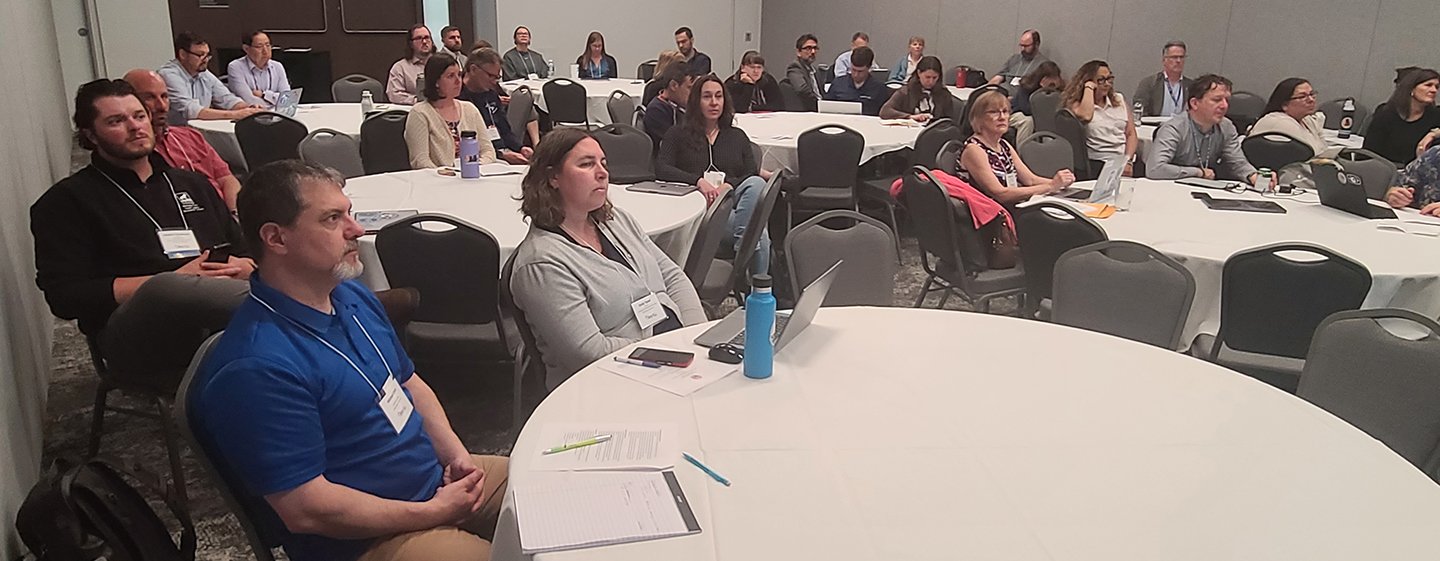
Feature
Summer 2025
A new Great Lakes science plan, informed by community listening sessions and Indigenous partnerships, aims to prepare the region for the stressors ahead.
Reimagining research in volatile times By Cameron Davis To survive volatile times, science needs resilience: rethink funding, engage politically, embed research in restoration, and adapt to changing conditions. Resilience and adaptation are terms environmental scientists use to describe how ecosystems respond to stress—be it invasive species, climate change, or pollution. Increasingly, these principles apply to the scientific community itself. With U.S. federal public health and environmental budgets under strain, researchers now face a challenge of their own: can we practice what we preach?Scientific research is more than a pursuit of knowledge—it is the backbone of progress. It teaches us from past mistakes, refines our ideas, and shapes better futures. When support for research falters, progress stalls, and the risk of sliding backward grows. The pressing question, then, is not only how science can withstand these pressures, but how it might emerge stronger and more resilient in the years ahead.Here, the concepts of resilience and adaptation offer a guiding framework. Just as ecosystems need to absorb shocks and adjust, research institutions must find ways to endure today’s challenges while continuing to serve the public good.Resilience: More than bouncing backResilience is more than simply returning to the way things were. It calls for anticipating risks, preparing for them, and emerging stronger on the other side. This is precisely the approach researchers must adopt in today’s policy landscape.In my keynote at the 2017 conference of the International Association for Great Lakes Research, I urged colleagues to think and act beyond the walls of academia. Publishing papers alone won’t secure the future of science. If we want strong research budgets and evidence-based policies, we have to act as engaged citizens, too. Even choosing one or two ways to get involved politically—whether through community organizations or civic action—can make a difference. It’s our right, our responsibility, and our privilege. Good policy emerges when decisions are informed by research and aligned with community needs and values. This, in turn, reinforces the very foundation of science. Yet unlike many other professions, the research community remains politically underorganized. That needs to change.Researchers must also reconsider how their work is funded and delivered. In a recent conversation with Great Lakes Now, I challenged nonprofits to recognize the new era we are in. To navigate these volatile times, I suggested they create new structures—such as operational arms not tied to tax-deductible donations—for more flexibility. Research institutions, too, should explore similar options.From my experience teaching at a top-tier law school and helping to oversee a $2 billion Great Lakes restoration fund, I’ve experienced both sides of the grantor-grantee relationship. I’ve seen how steep university overhead costs can erode the value of grant dollars. It’s time to see whether alternative funding models could reduce those burdens while still supporting world-class research. Resilience, in this sense, involves more than enduring —it requires evolving.Adaptation: Adjusting and thrivingAdaptation goes hand in hand with resilience, emphasizing flexibility, creativity, and thriving amid change. For the research community, this means continuously rethinking how science is supported, delivered, and applied.A healthy perspective is key. Instead of viewing budget gains as “good” and cuts as “bad,” it is more productive to recognize them as part of a natural cycle. Healthy institutions evolve as conditions shift; those that fail to adapt risk irrelevance. Framing change as an ongoing process helps maintain perspective and builds the resilience that science needs to navigate uncertainty.Adaptation also invites new thinking about the scale and purpose of research. For example, embedding research directly within restoration projects could generate valuable knowledge while delivering tangible benefits for ecosystems and communities. As a funder, I had a hard time balancing support for basic research with urgent needs to restore Great Lakes ecosystem health. By integrating research into individual restoration efforts—where studies can test project effectiveness and simultaneously collect data for understanding broader trends—science becomes both practical and forward-looking. This kind of creativity can help Great Lakes researchers anticipate, respond to, and ultimately withstand challenges.Moving forwardResilience and adaptation aren’t just strategies for ecosystems but survival strategies for science itself. By stepping outside our comfort zones, exploring flexible funding, embracing change, and embedding research in practical solutions, the scientific community can weather political headwinds and emerge even stronger. The Great Lakes—and the communities that depend on them—deserve nothing less.
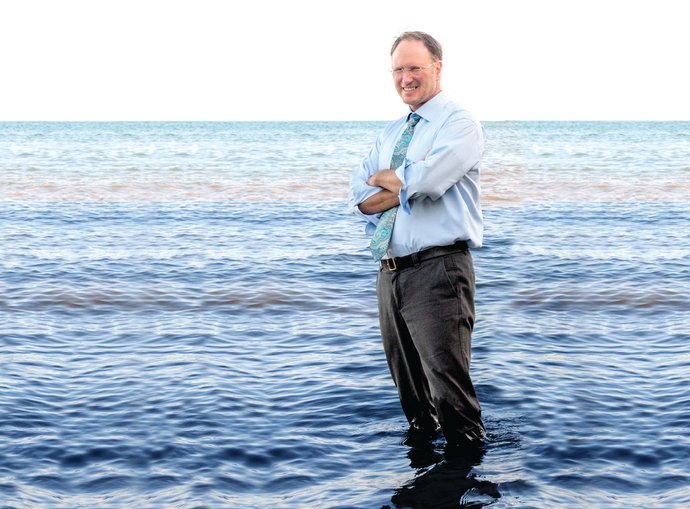
Feature
Summer 2025
To survive volatile times, science needs resilience: rethink funding, engage politically, embed research in restoration, and adapt to changing conditions.
A life melding science, art, and a love of the outdoors A review by John Gannon of David Jude’s new book of poetry, “Voices from the Meadow of the Mind of the Wandering Spirit.”
By John Gannon Poems blend ecological processes, whimsical views of biota, and philosophical musings, celebrating a life of melding science and art in the Great Lakes. David Jude, limnologist and fishery research biologist and an active IAGLR member for decades, has written a poetry book. I have known Dave since we first met when I chaired the IAGLR Great Lakes Research Conference at SUNY-Oswego in 1982. We have been friends and colleagues ever since. A consummate field biologist growing up in Minnesota, Dave gained deep love of the outdoors. He has conducted his entire career on the Great Lakes and inland lakes of Michigan. When not conducting research, he explores lakes Michigan and Superior shores for Petoskey stones and agates, respectively, fishes at his cabin on the AuSable River, and contemplates nature from his bow-hunting tree stand. We co-taught the fish ecology class at The Ohio State University’s Stone Laboratory for 14 years. All that time living and teaching together, I had no idea he was a poet! I knew he composed songs on his guitar, such as “Galloping Goby Blues,” but not poetry also. So, I was surprised and delighted when he sent me his recently published book.“Voices from the Meadow of the Mind of the Wandering Spirit” is a compilation of a wide spectrum of thoughts during Dave’s lifetime of loving and observing nature. The topics range from elucidating ecological processes (e.g., “Life of a Leaf”), to whimsical views of biota (e.g., “Ode to God’s Creatures, especially the Slimy Ones,” to the comical (e.g, “Ode to the Wart”), and to philosophical musings (e.g.,“The Fleeting Soul”).The book is divided into four themes: 1) Departures: The inevitable death of living organisms, recycling of elements and rebirth; 2) Organisms of the Earth: The naturalist’s curiosity about selected aquatic and terrestrial invertebrates and vertebrates; 3) Secrets of the Earth: Philosophical contemplations about the Universe; and 4) The Human Dimension: Reflections on human interactions with the environment. Dave’s photographs complement each poem.“Voices from the Meadow of the Mind of the Wandering Spirit” is a delight in which the reader will find nuggets to contemplate and enjoy. It is a celebration of the author’s life of melding science and art that thankfully he has shared with a wider audience. The book is available to order or read online from the publisher, or order it from your favorite independent book store.Ode to the mysterious fishesFew know what a fish study entailsNot only fish scales and slimy entrailsBut zebra mussels and sinistral snailsWe need info on who eats whoSo we know what to tell people to doWho knows what lurks in the deepest muckCould be parasites that bite and suckBlack grubs from kingfishers that turn fish blackOr Hexagenia, fish crackWe need studies on walleyes, perch, and pikeWhat prey they eat, what fish they strikeAre the fish fat or way too thinDo they have tumors or big warts on their skinSometimes I throw my hands up in despairStudying fish is hard, life is not fair…Poet Laureate of Great Lakes FishesFrom “Voices from the Meadow of the Mind of the Wandering Spirit” by David Jude.
Book Review
Spring 2025
Poems blend ecological processes, whimsical views of biota, and philosophical musings, celebrating a life of melding science and art in the Great Lakes.
Sumeep Bath Editorial and communications manager at IISD Experimental Lakes Area shares his journey from Spanish teacher to science communicator. Describe your work or studies.Well, I am the envy of all my science communication buddies, because I somehow managed to wrangle a gig as the communications manager for IISD Experimental Lakes Area—the world’s freshwater laboratory up in northwestern Ontario, Canada. It’s quite the unique freshwater research facility and the job allows me to flex multiple science communication muscles—reaching everyone from policymakers to the general public, through a portfolio that spans weighty policy briefs, provocative opinion pieces, and more irreverent TikToks (I actually enjoy them all equally). An inherently photogenic subject, IISD-ELA also benefits from a broader institutional culture that supports and prioritizes communicating with the outside world, which is only ever a boon, as far as I am concerned.What inspired you to enter this work?Honestly, I somewhat fell into it. My career had spanned everything from Spanish teacher to public relations professional before I decided that I should convert my natural proclivities towards the English language into something more substantial and, ahem, lucrative. I have worked in a range of communications jobs (not all science focused), which have taught me that robust communications skills should be transferable to almost any discipline. That’s why I tend to refer to myself as a communications professional (happily) working in the sciences, as opposed to a science communications professional. That said, focusing in on the limnology of it all has proven to be a steep yet vastly rewarding learning curve.What advice would you give to scientists to effectively communicate their science?I love this one! Trying out your science communication messages on people you know who represent different slices of society is a great place to start. So, say, find a 6-year-old child, a 24-year-old who does not work in the sciences, and a 65-year-old who does, and try to explain a scientific concept to them, starting from the place you think works best for each respective audiences. Then actively listen to their responses, challenges in understanding, etc., and use them to rework your messages. It will provide you with some great real-life evidence of what works for whom! WIRED does a great series on this.Trying out your science communication messages on people you know who represent different slices of society is a great place to start.What is something about yourself that you’d like to share with other IAGLR members?Frankly, I am obscenely dull, but I do have a few nuggets to throw out there. I am obsessed with the Spanish-speaking world. I am trying to visit every U.S. state (currently on #29). I love cats although only ever owned one for six months—don’t ask. There are Led Zeppelin albums whose lyrics I could recite backwards and inside out with minimal effort. I use my charming British accent daily to mask a multitude of personal and professional limitations. Oh, and in another life, I would have been a traditional Chinese Medicine practitioner.
Member Spotlight
Spring 2025
Editorial and communications manager at IISD Experimental Lakes Area shares his journey from Spanish teacher to science communicator.
El Lower GLANSIS communication specialist discusses the rhetoric of invasion science, the importance of storytelling in conservation, and their passion for foraging and wild foods. Describe your work or studies.I work with Michigan Sea Grant as a communication specialist as part of the Great Lakes Aquatic Nonindigenous Species Information System (GLANSIS) team. GLANSIS is designed to be a one-stop shop for information about the nearly 200 nonindigenous aquatic species in the Great Lakes region, including species identification, maps of reported sightings, management and control information, and much more. As our team’s communication specialist, I wear a lot of hats, and my job allows me to do everything from writing and reviewing species profiles to working on multimedia educational products to sharing weird sea lamprey facts on social media. I’m especially interested in the rhetoric of invasion science, particularly how species naming conventions and the metaphors scientists use to describe their work shape public perceptions of invasive species.What inspired you to enter this work?I’ve always been passionate about science communication. My college background was a build-your-own major called Humanities, Science & Environment that allowed me to combine ecology coursework with scientific and technical writing, and I studied the human dimensions of environmental science in grad school, which led me back to the Great Lakes after my undergraduate work. I interned with Virginia and Illinois-Indiana Sea Grant as a science writer and social science intern during and after college and absolutely loved working with the public in this capacity. From interviewing stakeholders about their perceptions of waterway cleanup projects to designing signage and other communication tools to raise awareness of environmental remediation work, I knew I wanted to do this kind of work in the Great Lakes long-term. When a position opened up with the GLANSIS team in 2018, I jumped at the opportunity, and I’ve been here ever since. The pivot from researching legacy waterway pollutants to invasive species was surprisingly straightforward, and it’s very meaningful to me to help protect the lakes we all love through my day-to-day work.What is the best science communication advice you've received?A singer-songwriter I once met opened a concert with a line that’s stuck in my mind ever since: “If you want someone to know the truth, tell them, but if you want someone to love the truth, tell them a story.” Highlighting the stories of how the Great Lakes have changed due to specific biological invasions—from the ways that tiny, harmless-looking zebra mussels can damage industrial infrastructure to the incredible development of targeted lampricides in the 1950s to save our fisheries—is essential to getting the public to care about Great Lakes science. There are so many compelling narratives to share, and highlighting success stories like the international cooperation and public-private partnerships that have led to conservation wins is more important now than ever.If you want someone to know the truth, tell them, but if you want someone to love the truth, tell them a story.What is something about yourself that you’d like to share with other IAGLR members?I’m an enthusiastic forager and wild foods cook, and spend a lot of my free time in the woods identifying plants and looking for fun things to eat! You can find some of my recipes for native and invasive plants, wild game, and mushrooms on Michigan Sea Grant’s Freshwater Feasts blog, and I also teach and cook at wild foodie events like the annual Great Lakes Foragers Gathering. Ask me about ramps sometime—or don’t, if you’d prefer not to have your ear talked off!

Member Spotlight
Spring 2025
GLANSIS communication specialist discusses the rhetoric of invasion science, the importance of storytelling in conservation, and their passion for foraging and wild foods.
Rethinking risk communication: Understanding audience needs matters By Alex Benitez Gonzalez Tailored, emotionally framed messages proved more effective than factual advisories alone in conveying harmful algal bloom risks to Michigan lake users. In the Great Lakes region, harmful algal blooms (HABs) continue to pose serious public health and environmental risks—yet the way we communicate these risks often misses the mark. This study focused on how we can improve the communication of risks from HABs, particularly for those engaging in recreational lake activities across Michigan.Using interviews with community members and experimental message testing, our study revealed a striking gap: while government agencies do share health advisories, many individuals—especially from vulnerable populations—either don't receive or don't fully understand this information. This isn’t just about words; it’s about relationships, trust, and accessibility.Effective risk communication must be rooted in an understanding of who we’re speaking to. That means recognizing that elderly residents may need larger fonts or printed materials at local libraries. It means respecting the value of local events as communication hubs and meeting people where they are, both geographically and socially. These seemingly small adjustments can greatly increase the reach and impact of our messages.We also found that emotionally framed messages—those that connect with people’s values and experiences—were more effective than purely factual ones in increasing risk perception. This reinforces the need for communicators to go beyond simply delivering information and to instead build real, trust-based connections with their audiences.Ultimately, good communication is not just about what we say—but how, where, and to whom we say it.
Research Brief
Spring 2025
Tailored, emotionally framed messages proved more effective than factual advisories alone in conveying harmful algal bloom risks to Michigan lake users.
Equitable environmental storytelling a potent tool to fight environmental injustice By Hira Ahmad Research highlights the importance of community-driven storytelling models to fight environmental injustice. Stories matter. Many stories matter. Stories have been used to dispossess and malign, but stories can also be used to empower and to humanize. Stories can break the dignity of a people, but stories can also repair that broken dignity.... When we reject the single story, when we realize that there is never a single story about any place, we regain a kind of paradise.~ Chimamanda Ngozi Adichie at TEDGlobal 2009Despite the critical role that storytelling and oral traditions play in passing down environmental stewardship practices and values within BIPOC communities, we as scientists rarely see ourselves as responsible for supporting these communication strategies to advance environmental justice in the regions where we work.To explore this further, my team and I conducted interviews with 42 stakeholders across the Great Lakes region, including environmental justice community organizers, local journalists, and community engagement specialists. Our goal was to better understand the relationship between local media and communities working to combat environmental injustice. These interviews formed the foundation of a community-driven model for environmental justice storytelling, designed to be used by media organizations, environmental nonprofits, and scientists engaged in community-based participatory work.Our findings challenged a common perception that media coverage of environmental justice issues is largely negative and extractive. While some collaborators did recount harmful experiences with media, these were primarily linked to large, for-profit newsrooms with no local ties to the communities they were covering. Locally based journalists were frequently described as trusted community members and advocates for environmental justice. As scientists, we must recognize the profound value of community-driven narratives. Too often, our focus on data causes us to lose important context. In our pursuit of answers to rigid research questions, we sometimes forget the importance of simple human connection.Throughout our project, we found that by letting go of traditional academic measurements of success, we made space for deeper and more meaningful engagement. Abandoning rigid research protocols allowed us to build authentic relationships with our collaborators. And prioritizing personalized communication over rote efficiency led to more participation than we ever anticipated. We learned that when nurtured with care, these connections offer insights that can help us more effectively support community-led solutions to climate change, contamination, and natural resource management. Ultimately, this evolution demands one essential shift: a strong commitment from those in positions of power to, as one environmental justice organizer in the Great Lakes Basin stated, “show up for things—and sometimes maybe not with their journalist [or expert] hat on, but just with their listening ear.” Please visit our website to download the full report and toolkit.Pictured above are four key priorities for transforming extractive story telling models into equitable community-centered approaches. These priorities emerged from stakeholder interviews and include 1) relationships with audiences, 2) advocacy and accountability, 3) collaboration and peer learning, and 4) fostering and inspiring change. They form the backbone of the toolkit and are organized in a stepwise fashion to help organizations determine which priority best fits both their current capacity and future aspirations. Their illustration as a tree’s growth cycle represents the idea that organizational change is always ongoing.To get started, organizations identify a priority and then select two or three goals that align with their capacity and current interest. Using both the toolkit and complementary organizational workbook, users can explore strategies to achieving their goals and track their progress in their workbook, while engaging with direct quotes from our collaborators that describe the applicability of these goals to achieving community-based environmental story telling.Note: This work represents the results of independent research and analysis and does not imply endorsement by the author’s employer.
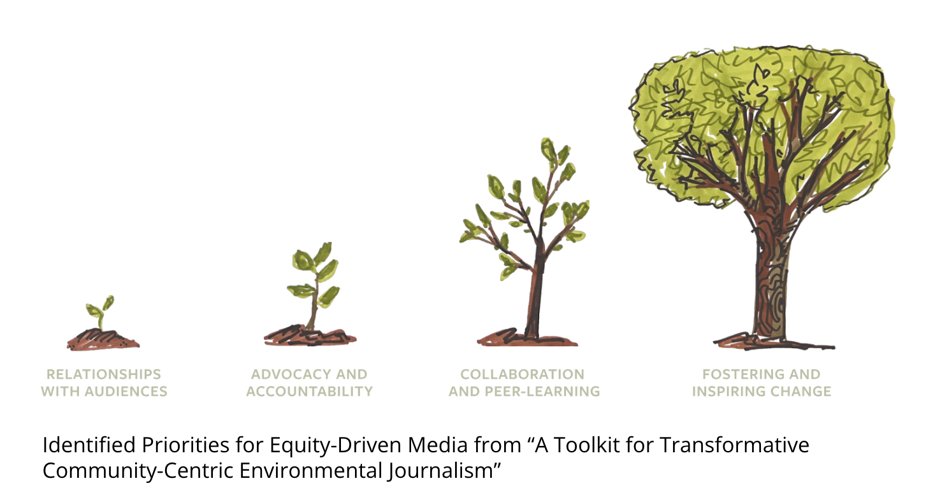
Research Brief
Spring 2025
Research highlights the importance of community-driven storytelling models to fight environmental injustice.
Forging a new era of Great Lakes protection An urgent call to communicate your science to policy makers and the public
By David Dempsey A senior policy advisor urges scientists to overcome communication barriers and actively engage with policy makers and the public to protect Great Lakes science from political headwinds. Don’t be shy. In a time of mass cynicism, scientists enjoy public credibility to an extent that would please any officeholder. A Pew Research public opinion survey conducted last fall found that 76% of Americans express a great deal or fair amount of confidence in scientists to act in the public’s best interests and majorities view research scientists as intelligent (89%) and focused on solving real-world problems (65%). Imagine what a member of Congress or a state legislator would do with that.In one area, however, the public found scientists lacking: communication. Of the more than 9,000 U.S. adults surveyed, 45% described research scientists as good communicators. Meanwhile, 52% said this doesn’t describe research scientists well.There’s a cure for that—a willingness and training to speak scientifically to both policy makers and the public.And there is an urgent need for that. Science-based policy for the Great Lakes faces the headwinds of ideological dogmatism and ignorance on the part of decision makers. That is not unique to our region, but the solution can be. There is, for example, a modest amount of trust in Great Lakes science among officeholders thanks to the success of the Great Lakes Restoration Initiative.There is also a long-running perspective. I asked John Gannon, a retired senior scientist at the International Joint Commission and somebody I trust, to reflect on his experiences bringing scientists into the policy fray.“I experienced the reluctance to communicate science to a wider audience during my career,” John said. “I encouraged staff to do more communications to the public. The majority said ‘no, because that takes time away from working on papers for peer-reviewed publications and that’s how my performance is rated for job retention and promotion.’”He added: “I used to do all kinds of presentations in collaboration with the Great Lakes Fishery Commission, the Great Lakes Commission, and the Great Lakes Environmental Research Laboratory to inform the Great Lakes congressional delegation of the important work we all did and why they should support us. Feds can’t lobby, but we sure can provide information.”John said, “The lack of sufficient communications and outreach emphasis is spelling real trouble these days.”The IJC itself brought groundbreaking science to the policy of fighting against algae blooms on Lake Erie in 1970. The scientific model developed predicted how much reduction in phosphorus from point sources was necessary to reduce algal blooms. It worked.Michigan’s history contains an early, successful example of science informing good policy. Aided by friends in high political places, the lumber industry slaughtered 99% of the state’s original forest cover in a mere 70 years, ending around 1920. Lawmakers gave no thought to what would become of those lands next. Millions of acres of land were forfeited back to the state for nonpayment of taxes.That could have sentenced two-thirds of Michigan land to economic, environmental, and social stagnation. Instead, scientists built the case for replanting the forest lands in the public interest. Dr. William Beal of Michigan Agricultural College and Dr. Filibert Roth at the University of Michigan were two of the experts who, working with civic groups, persuaded the legislature to launch the grand forestry experiment. Their vision has blossomed into almost 4 million acres of state forest land, a constantly renewing resource for wood production, recreation, and nature study.These examples illustrate the importance of continuing to pursue and share science for the public good, even in challenging times. It’s a long game and requires persistence. We must now forge a new era in Great Lakes protection based in large measure on solid research and communication of its results to policy makers and the public. There is no time to hesitate.
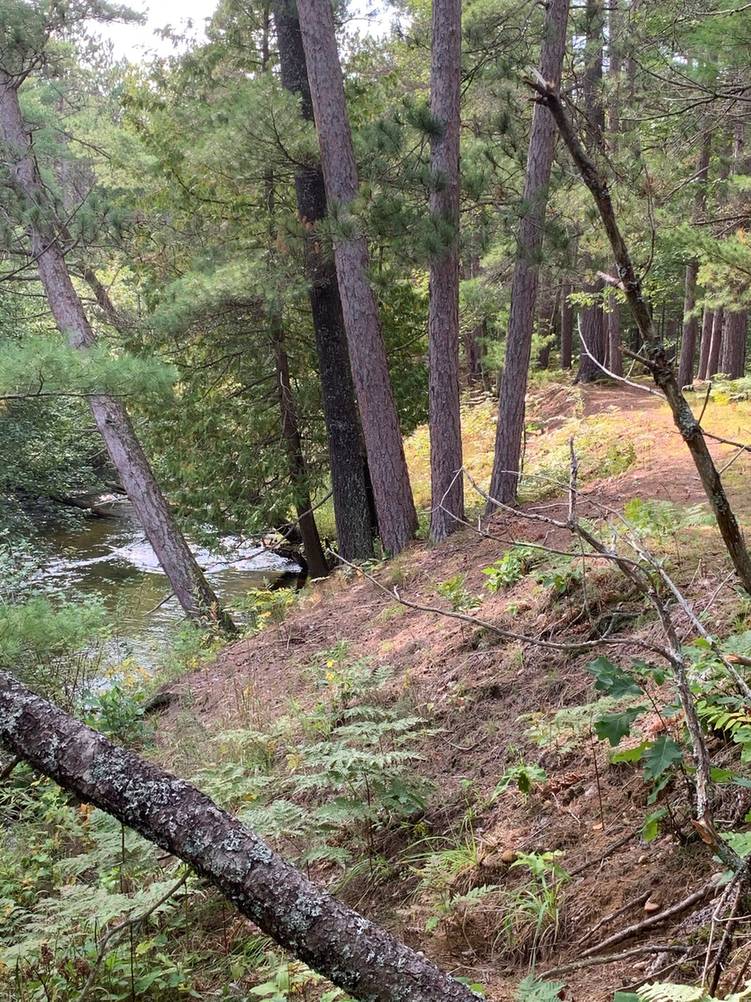
Feature
Spring 2025
A senior policy advisor urges scientists to overcome communication barriers and actively engage with policy makers and the public to protect Great Lakes science from political headwinds.
Science and local journalism: Informing better, together By Ellie Katz Local journalism can bridge the gap between scientists and the public, using storytelling and audio to make science accessible and relatable. On a reporting trip last fall, I traveled to Michigan’s Upper Peninsula to talk to the family of Albert “Big Abe” LeBlanc. It was for a story on his defiance of state conservation officers and his assertion of tribal fishing rights. His 1971 case was one of a few that laid the groundwork for how Great Lakes fisheries are managed in Michigan today.At the end of our interview, Big Abe’s son pulled out several fragile, yellowed newspaper articles written about his dad that he’d saved all these years. That struck me: People don’t remember facts and figures about the fishery of Big Abe’s day—they remember stories and characters.The author recording on Torch Lake in Antrim County, Michigan, for a story about golden brown algae, which started coating inland lake beds in northern Michigan around 15 years ago. Biologists at Michigan State University and the University of Michigan Biological Station are still trying to figure out why.There is sometimes a Great Lake-sized gulf between what scientists understand and what the public does. Local journalism can be a bridge.Maybe unsurprisingly, I get the most clicks and the most emails on stories about hunting, fishing, conservation, and recreation. People care about what’s happening in their backyards. They care about science that studies the fish, animals, landscapes, and waters they love. They just need a window in.Audio has a special capability for that. It’s one thing to tell someone: “Scientists in Michigan are trying to get lake whitefish to spawn in rivers.” But it’s a whole other ball game to listen in on what that actually takes. The sound of researchers trudging through snowy woods to get to a site. The sound of a bag of fish eggs sloshing. The sound of a scientist trying to slide those precious eggs down a tube and into the river as carefully as possible.These local stories make scientists more relatable—and what they do, more accessible. They help people understand what science is, and help them realize it’s happening on that same stream they love to fish every spring.So, how to do that? Spend time on the phone with journalists, even if it’s just for background research. Talk like you would to your 13-year-old nephew: without phrases like recruitment, biomass, and ecosystem services.Maybe most importantly, don’t be afraid to talk about your work like you’d tell a story around the campfire. “Evidence indicates there are more algal blooms in Lake Superior,” isn’t a sentence that really hits someone in the gut. But you know what will? Hearing about the moment you noticed something strange in the water. Or how it looked, what it smelled like, and how it made you feel. Those ideas stick with people—they can picture themselves out there too. They can start to imagine these things as real.I know this is hard. Research takes time and so does explaining things to journalists. But we’re both in the business of asking and answering difficult questions. And when we do our jobs well together, people better understand their communities and the world around them. That’s worth it.
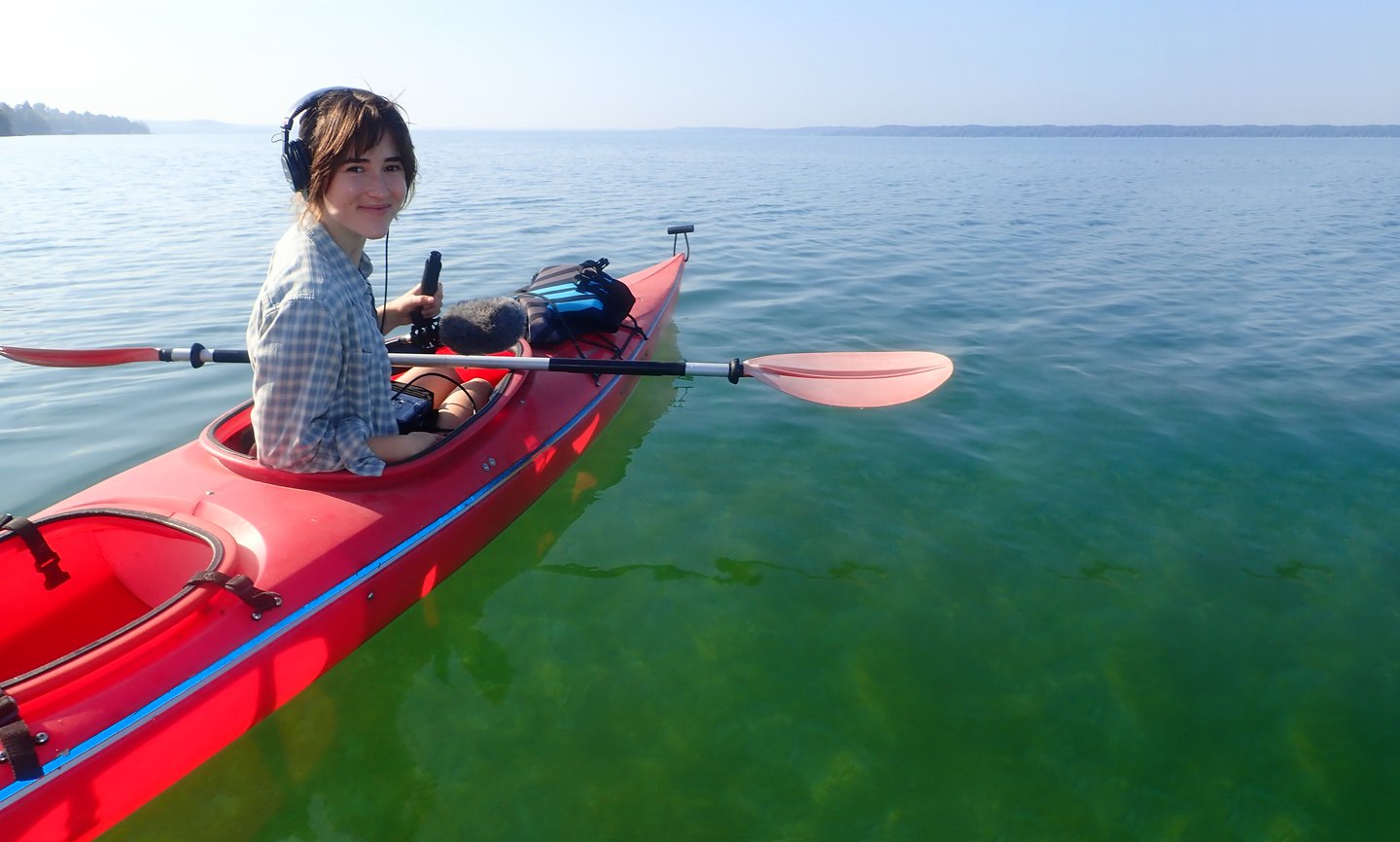
Feature
Spring 2025
Local journalism can bridge the gap between scientists and the public, using storytelling and audio to make science accessible and relatable.
Science communication through comedy By Anna Boegehold Improv comedy teaches a scientist to embrace failure, relax on stage, and write tighter—a playbook for better science communication. Sometimes you have to laugh to keep from crying. This was my attitude when I decided to take improv comedy classes in hopes of conquering the overwhelming anxiety of giving a research talk. I didn’t think that I had a fear of public speaking until it was time to present my nascent research to a room full of staring scientists. I stood there, trapped between the audience of some of the smartest people in my field and my glowing presentation. There was nothing I could do except present my research and awkwardly make it through the next 15 minutes.For me, the talk was a massive failure even if my worst fears didn’t come true. I knew that I had to do better next time. I started going to shows at my local improv theater, Planet Ant, intrigued by friends who had been taking classes there. I was amazed at the confidence and ease of the improv performers on stage, and, because they were having fun, the audience was engaged. As I continued watching, learning, and performing improv, I noticed the many ways that improv could be useful for science communication.My favorite lesson I’ve learned from improv is the freedom to fail. All my public speaking anxieties stemmed from the fear of failure and what terrible things would happen if I did not deliver a perfect speech. Comedy is like science in that it takes trial and error to figure out what an audience will find funny. Improv teaches you that you’re going to fail to deliver a funny line more often than you will succeed, but that’s ok! What matters is how you recover from that “failure” so that you can continue building an imaginary play world with your fellow improvisers.I have learned to let go of my fear of rejection and relax during research talks, letting my unique personality and love of science shine through. Practicing improv has led me to be comfortable answering questions at the end of a talk because I am prepared to respond to spontaneous questions on any topic. This comfort with unplanned dialogue also makes it easier to have impromptu conversations with new people, a skill that will surely be beneficial at the upcoming IAGLR 2025 conference! Improv has been a great tool to practice scary social situations.Through improv I was introduced into the broader world of comedy, and I became interested in writing comedy sketches, similar to “Saturday Night Live.” Again, I found striking similarities between writing comedy and writing science. Sketch comedy writing requires clear, concise scripts that tell a story with a strong point of view. Writing comedy has helped me trim down excess text from my manuscripts so I can focus on the important details. It’s useful for writing abstracts, social media posts, and other short, punchy texts with limited space.I use comedy for professional development, but I also use it for personal development. It’s important to spend time having fun, being creative, and engaging in play. An added bonus to being a part of the comedy world is that I have been able to take workshops with some of my favorite comedians, including Kevin McDonald (below, left) and Bruce McCulloch (below, right) from Canada’s “Kids in the Hall.” Comedy has made me a better science communicator by teaching me how to comfortably interact with any audience to deliver my message in an approachable way. If science communication makes you want to cry, try laughing instead.
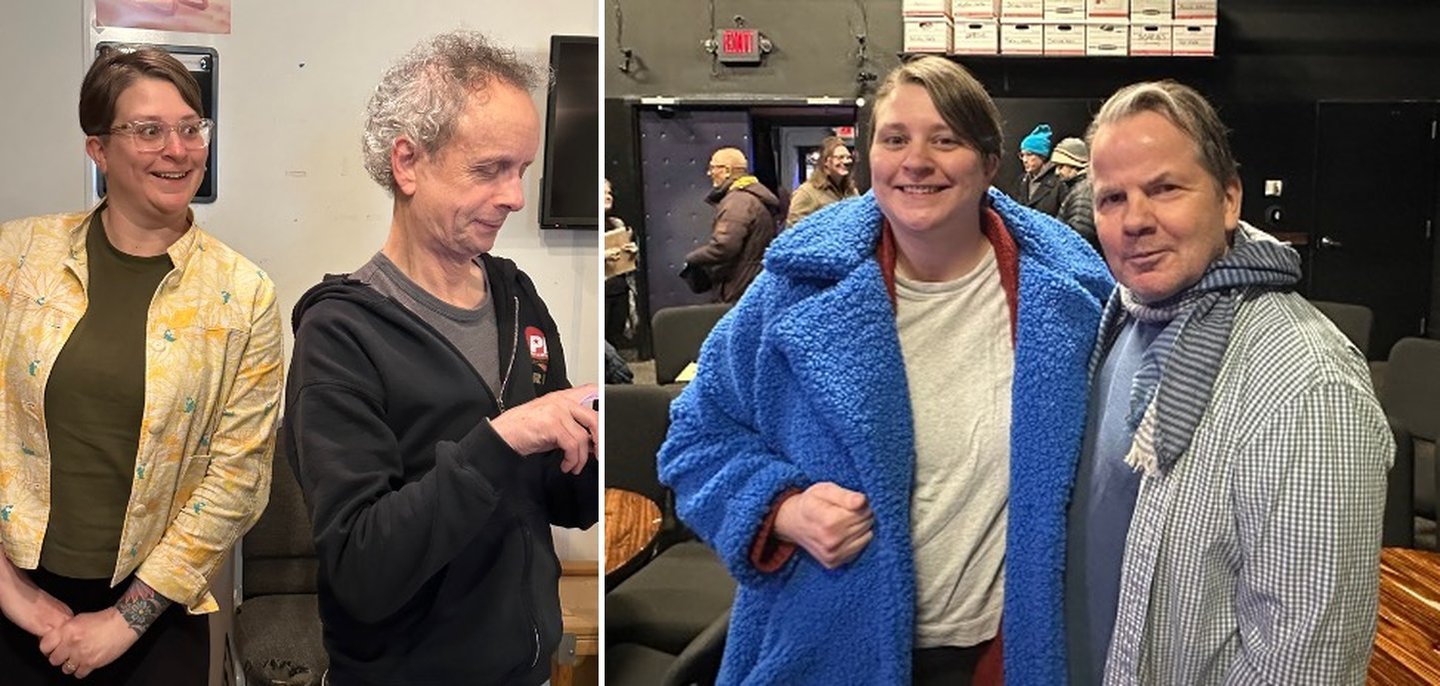
Feature
Spring 2025
Improv comedy teaches a scientist to embrace failure, relax on stage, and write tighter—a playbook for better science communication.
The power of authenticity in science communication By Tamara Poles Learn why authenticity and vulnerability are key to building trust and effective communication in science. Let’s start with the good news. Globally, people report medium to high trust in scientists. The bad news is that a minority of people worldwide distrust scientists. Even worse, that minority strongly impacts policy making, and thus should be taken seriously (Cologna 2025).Trust is the variable scientists and science communicators often forget when engaging with people outside of their field. Many believe audiences will naturally trust them because they are scientists, incorrectly relying on a presumed universal trust in the scientific process. Research has repeatedly shown this belief to be unfounded (Tyson 2024). Unfortunately for scientists, in a world where the line between fact and fiction is becoming increasingly blurred, building trust is more important than ever.Building trust takes time. Building trust takes humility. Building trust takes self reflection. Building trust also requires putting faith in your audience’s unique expertise, even though they may not be researchers. To be effective communicators, scientists and science communicators need to start by reflecting on who they are and leaning into that authenticity. In identifying these characteristics, scientists can apply them to their outreach and how they communicate with others. When they can communicate authentically, they are able to connect with their audience on a personal level, and in return, their audience can provide feedback and connect the content with their own lived experiences. This makes the content not only relevant and relatable, which are key characteristics in making something memorable, it also makes it realistic and applicable to the audience’s specific needs. Creating the space to be vulnerable by being authentic while also being receptive to feedback creates a foundation of trust.To be effective communicators, scientists and science communicators need to start by knowing who they are and leaning into that authenticity.Not too long ago, I was fortunate to be at the right place at the right time to help a communicator learn this very important lesson.“What do you think of my shoes?” A middle-aged woman at the museum asked me this—no greeting, no context, just a swift motion toward her black-and-white checkered Vans. Puzzled but honest, I replied, “They’re cute but not my style or my size.” She laughed and followed up, “Do you think this looks like me?” Now even more confused, I listened as she explained: She’s an emergency room doctor, and that day a young patient refused to talk to her. The patient said, “Don’t come in here thinking you are like me because you have those shoes on. I bet you can’t even skateboard.” That moment and those words stuck with her and now with me.After hearing that story, I immediately pictured myself and every other scientist/adult that I have worked with engaging with younger people. I thought about how we instantly, without thinking, alter how we speak and dress—even our mannerisms—to make us seem like their peer. Looking back, I realize that it’s incredibly awkward and cringy and identical to the situation with the ER doctor.Participants at a science communication workshop offered by Tamara Poles (front) of Universal SciCom.Why do we do this when we communicate with people younger than us? We do it to make us relatable and relevant. In reality, when we, as scientists and science communicators, awkwardly throw in slang like “delulu” or “sus” to seem relatable, we’re doing the exact opposite because the character we embody is not who we truly are. We think it helps us connect, but in reality, it creates distrust. If we can’t be truthful about who we are, then how are others supposed to trust anything we have to say?Younger audiences know we’re old, at least by comparison. Pretending otherwise is disingenuous. I am using age as an example, but this concept applies to any population we are engaging that is different from us. Real trust is earned by being authentic and sharing the parts of ourselves that make us unique, coupled with being open to the idea of our audience being experts in their own lived experiences. If a scientist walks into a classroom and acknowledges that students are the experts on being students, it shifts the dynamic. Instead of lecturing, we create a dialogue that allows them to show us how our work connects to their world. Communication is not a one-way street; it’s a conversation built on mutual respect for each other’s experiences, which builds trust.I try to embrace who I am and what I am to the audience in which I am speaking. I’m a Black female science communicator who plays competitive sports, is sarcastic, has a child’s sense of humor, and loves “Bob’s Burgers.” That might seem niche, but there’s always someone in my audience who connects with at least one of those attributes, and if not, they connect with my humanity. By showing up as my full self, I become more relatable and I create real connections, which makes my communication more impactful. One caveat is to be mindful that prejudice is real, and not all identities are universally accepted; therefore, it is essential to be aware of the identities that you feel safe revealing to your audience.The thing is, a majority of the public supports the idea of having more scientists engage them (Cologna 2025). They want to hear from the experts. With this in mind, one way scientists can gain public trust is by investing more effort into communicating about science frequently. Being authentic and relatable are ways to make this possible. Storytelling is a common way to create opportunities for your audience to relate to you and feel safe to share their personal experiences with you. Once they do that, you can then tailor how you deliver your content to make it relevant to them. This verbal dance creates a stronger connection between you and your audience. Your audience is more likely to not only remember the content you teach them but also apply it to their lives.That same respect applies when engaging with communities. Too often, researchers enter unfamiliar spaces and impose solutions they assume are needed. I call this phenomenon “community colonization.” An example of this is when a researcher gets a grant and decides a rural town needs computers without ever consulting with the residents of that town. What if they really need mobile hotspots and cell phones? Or tablets?True community engagement requires the scientist or communicator to take the time to build trust, listen to community leaders, and then use our resources to co-create solutions that serve that community, not just our research. Everything we do should be a conversation based on trust and mutual respect.Authenticity is the foundation of trust, and trust is essential in science communication. If scientists feel we must hide parts of ourselves to be taken seriously, how can we expect the public to believe in us? When we embrace who we truly are, we make science more accessible, inclusive, and trustworthy for everyone.Cologna, V., Mede, N.G., Berger, S. et al. Trust in scientists and their role in society across 68 countries. Nat Hum Behav (2025). https://doi.org/10.1038/s41562-024-02090-5Tyson, A.; Kennedy, B. (2024, November 14). Public Trust in Scientists and Views on Their Role in Policymaking. Pew Research Center. https://www.pewresearch.org/science/2024/11/14/public-trust-in-scientists-and-views-on-their-role-in-policymaking/
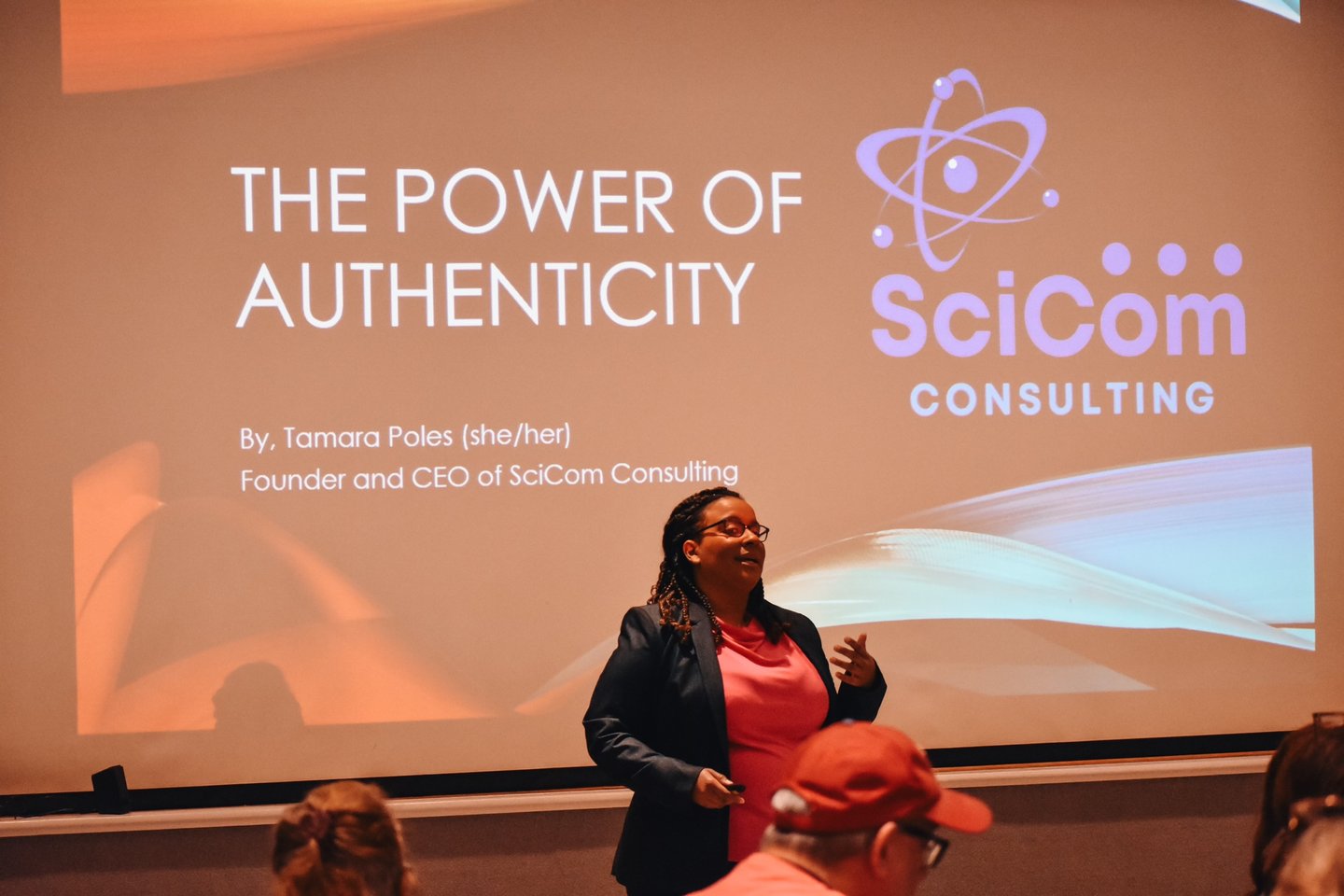
Feature
Spring 2025
Learn why authenticity and vulnerability are key to building trust and effective communication in science.
Start with a plan: Strategic communication in scientific research Strategic communication in scientific research
By Elizabeth Striano Communications planning belongs in research design from the start—budgeting for outreach, engaging stakeholders throughout, and shaping deliverables around end-user needs. The first question a communications expert often will ask a researcher coming to them for help is: Who is your audience? But effectively communicating about research and science requires far more than knowing who you are targeting, especially if you want to be strategic and ensure the results will have their intended impacts.Beyond knowing who your audience is—and how you are going to reach them—a key part of effective communications is knowing what your end product is going to be and having a vision for that deliverable from the beginning. This advance planning is important for several reasons. First, and perhaps most important, it requires a discussion and thought about what products the research is working towards. Second, planning in advance will highlight whether and how much funding will need to be earmarked for communications-related activities. These tasks may include hiring a communications strategist or graphics designer; gathering photos or video; capturing quotes and sound bites along the way; and other activities as needed.Perhaps most critically, advance planning should include a pathway for providing interim results and ongoing information to keep critical audiences engaged throughout the research process. This engagement can help build trust, provide opportunities for feedback, and lead to a better understanding and acceptance of the results and products.“Communications planning needs to be baked into the research design from the beginning to ensure the most useful product for whomever is the end user of the research findings,” says Lauren Mullenbach, research program manager for Michigan Sea Grant (MISG). “And this outreach needs to occur throughout the lifetime of the research project.”Communications planning needs to be baked into the research design from the beginning to ensure the most useful product for whomever is the end user of the research findings.According to Mullenbach, telling the story of the research and science along the way—including by sharing photos, videos, summaries, and other materials—can lead to more powerful impacts. One way to continuously engage audiences is by creating community advisory boards at a project’s start. “Involve stakeholders, end users, and community members through a formal paid advisory committee position,” Mullenbach advises. Such boards are most relevant for larger projects that last five to 10 years and should comprise people from the community who are the target audience, she adds. The board can be a funded part of the project and regularly apprised of data collection progress and other aspects of the project.The following projects provide good examples of research in which communications was considered at the outset of a project, enhancing the final product or deliverables. In some cases, engaging community members early or finding local, trusted messengers led to improved outcomes. In others, researchers gained insight by getting input and feedback on how audiences would like to receive information.Stakeholder InputOne MISG project on mitigating flood risk in Great Lakes communities included a stakeholder advisory board that provided opportunities for residents to help prioritize future projects. In this case, engineers are modeling how to mitigate flooding in Benton Harbor, Michigan. An advisory board is supplementing this work in two key ways: first, by providing additional details on what actually flooded and when for historic floods; second, by helping to identify key assets in the community that need to be protected because of their value to residents.“The engineers may have provided the best, most efficient way to mitigate flooding, but their plan may not align with what the community actually needs and values,” says Mike Shriberg, MISG Director of Engagement. “If the project team hadn’t involved this group from the beginning, then new projects for flood mitigation may not have addressed the communities’ biggest concerns.”The project team pulled together a group of community leaders that included the city planner, economic development coordinator, and other key representatives. This group provided input on what aligns with community priorities. The team used a unique approach in which the board provided input on large-scale maps on which group members helped identify areas of greatest risk.“Future mitigation projects in this area are prioritizing community needs and using members’ real-world experience with flooding and their priorities, overlaid with the technical design,” says Shriberg.This project is a good example of how the standard-issue, depersonalized report that does not speak to specific local issues would not have landed well. Using visuals such as maps that combined community input and geographic information led to a better end product. The process also allowed the team to connect better with their audience because displaying multiple types of data in storytelling fashion can prove more compelling than a traditional research report.Feedback OpportunitiesAnother MISG project is providing fisheries managers with the information they need to make important decisions about stocking levels and fishing regulations. In this case, lead principal investigator Dan O’Keefe, senior extension educator, MISG Southwest District, knew how important it would be to provide a way to gather quality data from anglers and to give regular feedback to a variety of audiences.Left: Dan O’Keefe, senior extension educator, MISG Southwest District, holding a rainbow trout and discussing preliminary study results with local fishers during a community event. Right: O’Keefe at 4-H Great Lakes and Natural Resources Camp teaching campers how to fillet a fish.As a result, they developed a suite of digital assets including web content and the Great Lakes Angler Diary app so anglers can submit numerical and geographical data about fish they catch. The project uses teams around rivers and watersheds in the state to capture data and includes leads from the state agency side along with respected members of the fishing community like a writer, guide, or angler. Each year, the entire group participates in a kickoff meeting during which the project team reminds everyone of the new season and how to log catches and to recruit in areas that do not have enough participation.“The challenge from a science perspective during these meetings has been to give anglers and scientists and managers enough information to see progress while not overselling the results,” O’Keefe says. “We try to stay away from causality and be careful of trends that we see, because we only have a few years of data at this point and it is not clear whether we are looking at part of a long-term trend or normal variation from one year to the next.”According to O’Keefe, it’s important to remind people of limitations of the data to avoid any one group jumping to conclusions. “That’s why it is important to do due diligence and hold off on the speculation, especially when there are multiple audiences with varying interests,” he says. “In this case, it really is important to know your audience.”In addition to the digital products, the team produced an annual survey as part of quality control and requirements, including having people certify that their data are complete, but also to gather input on management, regulations, and stocks. The results of this survey are also shared with everyone every year. In the end, the project team will produce a summary that looks at six to seven years of quality data. This information will be particularly useful to managers, who might decide to tailor regulations to specific variables, such as contributions of stocked versus wild fish populations, the impacts of dams and habitat quality, and other issues such as the effects of non-native species.“Good science that managers can make good decisions on,” says O’Keefe.A variety of toolsMISG’s Sustainable Small Harbors project is helping communities with struggling public harbors to develop plans and secure funding to ensure their sustainability. This effort, a collaboration with the Michigan Department of Environment, Great Lakes, and Energy, involved partnering with experts and local leaders to help community members brainstorm a sustainable future for their public waterfront assets.Don Carpenter, project lead, Drummond Carpenter PLLC, working with community members for the Twin Cities Sustainable Small Harbor project in Benton Harbor, Michigan.“We really had to be intentional about our outreach and communications from the very beginning of this project,” states project lead Don Carpenter of Drummond Carpenter PLLC. “Residents’ input was so critical to the products we planned to develop, so we needed to ensure that they participated and that we captured their input accurately.”Because some of these communities were small and relatively isolated, the project team used a variety of methods for initial engagement of members of the public, including radio ads, flyer distribution, and webinars. In each of the case study cities, the project team designed workshops geared to gathering input from community members with their ideas on how to develop and prioritize ways to make their waterfronts more environmentally, socially, and financially sustainable.“The information we gathered from members of the community was used to develop resources and other materials that will support local government, coastal communities, planning and economic development organizations, and others to ensure the sustainability of their waterfront areas,” says Carpenter.Results were captured in a variety of products, including a guidebook, decision-making tool, webinars, and ArcGIS Storymaps. The project website also features the recorded webinars and a series of success stories for small coastal communities seeking resiliency, and new and improved coastal resiliency tools. All of which helped community members and local decision makers see the results of their input and use the compiled information in a meaningful way.

Feature
Spring 2025
Communications planning belongs in research design from the start—budgeting for outreach, engaging stakeholders throughout, and shaping deliverables around end-user needs.
Becoming a bridge Strategies to build culturally informed and community-engaged environmental communications
By Laura Legzdins with support from Niisaachewan Anishinaabe Nation Community-led wild rice restoration shapes seven communication strategies for researchers working with Indigenous Nations across the Great Lakes. Thousands of pounds of Manomin were harvested here?” I exclaim from the stern of our canoe as the beep of our GPS alerts us that we’ve reached our survey location. The ancestral fields appear mostly barren. Light reflects off waters once thick with towering stems. Beside a bag of tobacco and a dissolved oxygen meter, Sam grabs our 3-meter measuring pole and guides it into the Winnipeg River until her upper arm is immersed. Here, in Niisaachewan Anishinaabe Nation (NAN), Elders recall the unannounced blasting of channels and installation of multiple dams within 30 kilometers of the reserve, powering settler industry upstream in Kenora, Ontario. Now, they experience an estimated 99% decline in yield of a culturally, economically and nutritionally significant crop: Manomin.Elder Guy Henry, The Manomin Project’s river guide, holds Manomin seeds in his palm as ducks, also lovers of Manomin, fly over ancestral rice beds in the Winnipeg River watershed.Meaning “spirit berry” in Anishinaabemowin, the name “wild rice” (Zizania palustris) given by European settlers to Manomin is ill-suited, for the Anishinaabeg maintain a millennia-old responsibility, and Treaty right, to manage Manomin stands through hunting, harvesting, and reseeding. When NAN's Grievance Committee sought answers about Manomin loss, they requested that Dr. Brittany Luby, an expert in Crown-Indigenous relations whose paternal ancestors originate from NAN, form an interdisciplinary team with fellow researchers at the University of Guelph (UofG). Together with ecohydrologist Dr. Andrea Bradford and invited students, they work alongside NAN to better understand settler-imposed hydrological changes and restore Anishinaabeg food sovereignty. Meet The Manomin Project.When I first joined as a research assistant, NAN Elders invited Dr. Samantha Mehltretter, Jane Mariotti, Tony Huynh and me to participate in field visits and Manomin harvesting. The relationships we established with Manomin and community opened our eyes to engaging with plant beings in ways that differed from, but could be interwoven with, scientific methodologies learned at the UofG. When I was asked to act as communications coordinator, this approach of weaving knowledges shaped my language and actions for The Manomin Project.Left: Following her talk “Listen(ing) to the Waters: Visions for Crop Restoration on the Winnipeg River” at the 2024 IAGLR conference, Laura Legzdins stands with Dr. Mona Stonefish, Anishinaabe activist and water walker, displaying Dr. Brittany Luby’s books. Right: Award-winning children’s book Mnoomin Maan’gowing “The Gift of Manoomin” is shared at the Toronto International Festival of Authors by Legzdins, author Luby, and Tee Duke.These seven strategies offer a path for intentional and collaborative communications that can sustain healthy working relationships between communities and deepen shared understandings of environmental needs.Seven strategies for cross-cultural communicationPrioritize ways of connecting which gather and engage community. As NAN Elders have called upon researchers to “think communally,” we co-host feasts, participate in manoominikewin (Manomin harvesting) and co-organize shared excursions on the water, all where research can be discussed. Gatherings offer time to develop relationships between team members and the land. During the early years, NAN Elders encouraged researchers to share hypotheses and preliminary findings in communal spaces on reserve. Research connections were shared through an installation on a wall in the Band Office, ensuring people could access, revisit, and comment on developing research locally. A quarterly newsletter, circulated by email and posted online, was used to provide continuous updates. Members of The Manomin Project work together to identify time and space for open and continuous communication.Seek out available resources from community representatives and organizations to diversify your resource list. Incoming researchers are required to participate in weekly discussions about Treaties, Indigenous (and specifically Anishinaabe) environmental perspectives, botanical gikendaasowin (Anishinaabe ecological knowledge around plant life cycles and needs), and knowledge weaving methodologies like Two-Eyed Seeing. By engaging with sources relevant to the community in their work, The Manomin Project can amplify voices and conversations of critical interest to the First Nation.Lead with humility, openness and curiosity to better understand and reflect Indigenous relational philosophies in environmental research and subsequent communications. Individuals trained at Canadian and American universities are taught to think of plants as unconscious, unthinking, or ‘soulless’ organisms. Anishinaabeg ethics, however, respect Manomin as an other-than-human being, a plant relation. NAN Elders on The Manomin Project co-developed a culturally sensitive field protocol to ensure Manomin—much like its human collaborators—had the opportunity to live well throughout the research process. We also developed a Common Vocabulary to reject colonial language which can perpetuate harm, instead promoting Anishinaabemowin terms, which carry cultural worldviews.Consider whether and how collaborative research methods can be reflected and reinforced by research outputs. Presentations delivered by The Manomin Project frequently include members from the University of Guelph and Niisaachewan Anishinaabe Nation. Accommodations have been requested from conference organizers to allow First Nations to co-present remotely. When community representatives cannot attend, time is allotted in talks to share video-recorded Elder testimony. Knowledge and resources gained at conferences are shared back to Chief and Council in an email report. In publications like this article, community support is acknowledged in the authorship line.Create with and for community. Healthy communication is not only reciprocal, transparent and routine, but also results in accessible outputs. We establish parameters for publication with Elders as well as Chief and Council. We prioritize open access publications to ensure community members can freely and independently access all research outputs. We deliver printed copies of any traditionally published texts to the Band Office for distribution to participating Elders. We recommended budgeting (or negotiating with the publisher) for free copies of traditional print works to distribute to participating community members.Move beyond disciplines. Be open to alternative outputs that resonate with different aspects of our humanity. Members of The Manomin Project have produced peer-reviewed articles and a scholarly anthology, as well as children’s literature and photography. We have worked collectively to harvest and parch Manomin. Following holistic Anishinaabe philosophies, we have sought to share knowledge in ways that feed the physical, emotional, and intellectual aspects of our being. Our Elders determined that spiritual aspects of Manomin care, such as ceremony and song, should not be published by The Manomin Project.Reflect: How can your communication and research fit into a bigger, intergenerational picture? What values are you modelling? Our team is driven by long-term goals of cultural revitalization and food sovereignty in Anishinaabe communities. We share space and commit to continuous learning and communication because the future we envision requires collaboration. Culturally informed and community-engaged communication, research, and relationships are our responsibilities to generations to come.
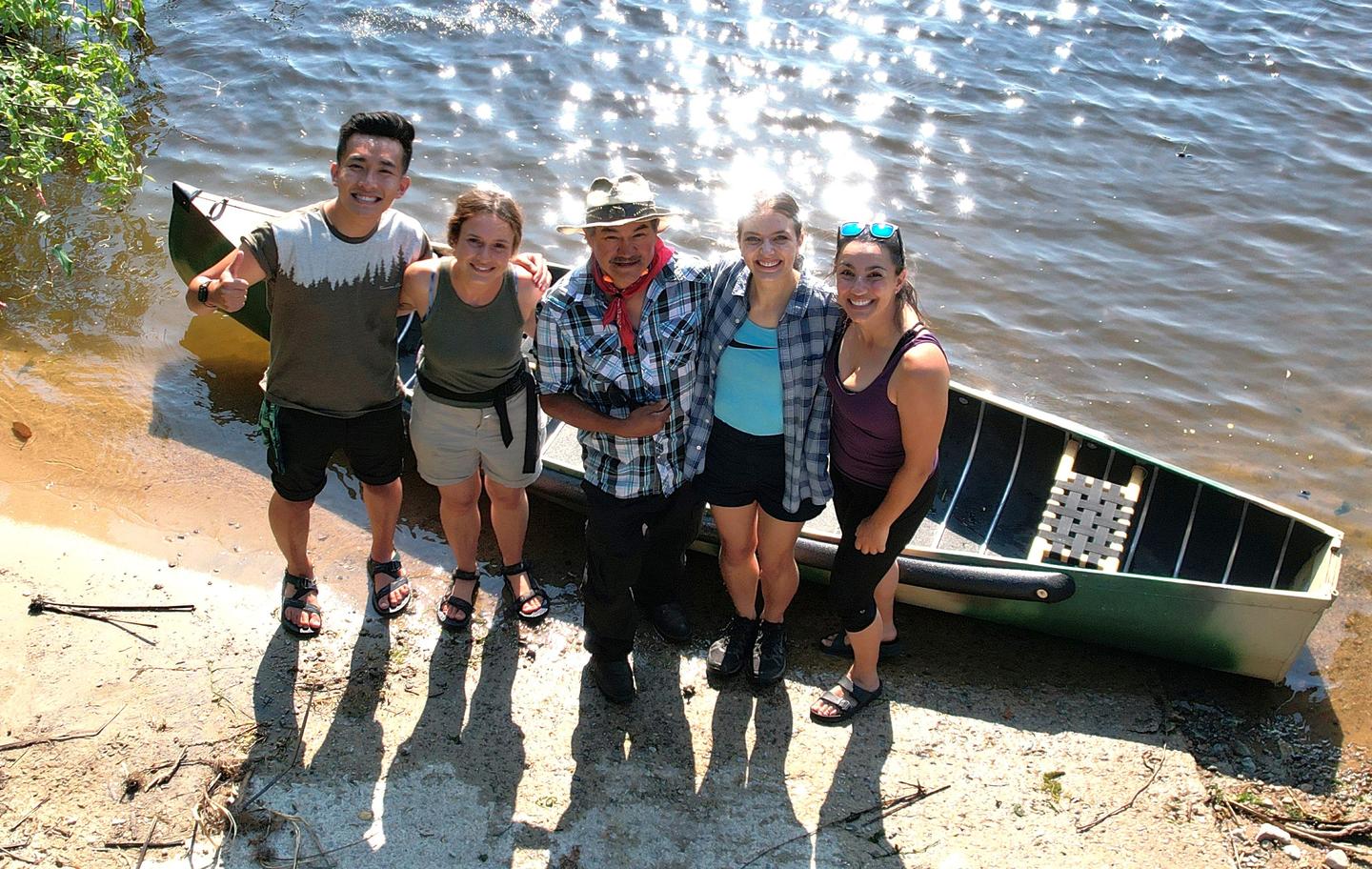
Feature
Spring 2025
Community-led wild rice restoration shapes seven communication strategies for researchers working with Indigenous Nations across the Great Lakes.
Narrating water Ecocultural storytelling for Great Lakes restoration
By Lynne Heasley & Glenn Wolff Ecocultural storytelling can connect people emotionally and spiritually with Great Lakes restoration, moving beyond pure science-telling. Many of our scientist friends are inadvertent storytellers. You can’t go into the water with an aquatic ecologist without experiencing the curiosity, the wonder, and yes, even the heartbreaks of their work as it might have unfolded over decades. Likewise you can’t go into the water with Indigenous colleagues and friends without experiencing the curiosity, the wonder, and yes, the still deeper heartbreaks of our more-than-human world as it has unfolded over centuries. One difference, though, is that our Indigenous colleagues intentionally keep sacred stories of water alive in a vibrant practice of ecocultural knowledge-building.As biodiversity, climate, and water crises reshape the Laurentian Great Lakes, making sense of our region’s complicated ecocultural relationships should be a calling for all of us in IAGLR. For how can people value and evolve their connections to a river or lake without narrating their own symbiotic histories with that river or lake? How can science-based restoration initiatives persist without heartfelt advocacy emanating from local communities through today’s contested political and policy spaces, and ultimately through these turbulent times?But when you bring nature and culture together in conversation, you’re moving into the realm of storytelling. Storytelling rather than science-telling can open emotional and spiritual pathways for people to connect with environmental research. Unfortunately, though, emotion and spirituality still fit most comfortably within the arts and humanities, whose narrative traditions delve deep for meaning, touch the heart, connect heart with mind.When you bring nature and culture together in conversation, you’re moving into the realm of storytelling. Storytelling rather than science-telling can open emotional and spiritual pathways for people to connect with environmental research.So how to escape an unhelpful either/or proposition—scientist or artist, researcher or storyteller? We see practitioners of all disciplinary (and cultural) leanings becoming intentional rather than inadvertent storytellers. In this extraordinarily disruptive and demoralizing time for Great Lakes research, our individual or collective storytelling might be the most important communications we undertake. What follows are examples of ecocultural storytelling.A living riverThe first example begins with the illustration below, which is a mixed media painting by Glenn Wolff. This is also the front cover for Lynne Heasley’s book, “The Accidental Reef and Other Ecological Odysseys in the Great Lakes.” The book foregrounds the St. Clair River, a connecting water and international maritime corridor between lakes Huron and St. Clair spanning Canadian, U.S., and Bekejwanong Territorial waters.Mixed media painting by Glenn Wolff. This is also the front cover for Lynne Heasley’s book, “The Accidental Reef and Other Ecological Odysseys in the Great Lakes.”.One storytelling challenge is escaping the industrial narrative of a dying river, which in its simplest form goes like this: The St. Clair suffered a century and a half of continuous toxic industrial waste streams and pollution events; and these made for a historical process of ecological violence against river and people alike. Reinforcing this toxic story are the shoreline smokestacks of Chemical Valley in Sarnia, Ontario, home to 40% of Canada’s petrochemical industry.No doubt your average visitor would not see the St. Clair as a river of wonder; a living river; benighted but also awe-inspiring; home to the largest population of lake sturgeon in the Great Lakes; home to the largest freshwater delta in the world; a migratory landing pad for two international flyways; a resilient ecological meeting place. Yet stories from this living river have been both catalyst and outcomes of long-term restoration initiatives to delist the St. Clair as an international Area of Concern. Glenn’s painting is a counter-visual to smokestacks, with a porpoising sturgeon reaching for the stars, an exquisite underwater world below, and two scuba divers entering the scene from stage right (who will soon share their own stories!). Collaborating in visual storytelling opens portals to new or unexpected dimensions of places like the St. Clair River.DreamscapesThe illustration below begins our second set of examples. This is Glenn’s mixed-media triptych, “Dreamscapes,” and also the working title of Lynne’s long-term exploration of ecocultural relationships in three Great Lakes landforms. “Dreamscapes” took much longer for Glenn to conceptualize, mostly because of Lynne’s narrative muddles. But we were patient in trying to see the many stories in each landform from our different perspectives.Glenn Wolff’s mixed-media triptych, “Dreamscapes,” and also the working title of Lynne Heasley’s long-term exploration of ecocultural relationships in three Great Lakes landforms: (1) alvar “pavement” grasslands on Drummond and Manitoulin Islands in Lake Huron; (2) Great Lakes coastal sand dune complexes; and (3) the St. Clair Flats (or delta) forming U.S.-Canada-Bkejwanong borders.Left-to-right, the three landforms are (1) alvar “pavement” grasslands on Drummond and Manitoulin islands in Lake Huron; (2) Great Lakes coastal sand dune complexes; and (3) the St. Clair Flats (or delta) forming U.S.-Canada-Bkejwanong borders. Also note how Glenn depicted alvars at eye level, dunes from an elevated position, and delta from a bird’s-eye view. Each choice of perspective opened up stories within that place.But alvars, dunes, delta? Why consider these three landforms for a Great Lakes writing project? Why put them side-by-side in a painting? A simple answer is that all three are global landmarks of the Great Lakes. Not only do they represent the greatest concentration or longest extent or largest area in the world of their type, they are treasures of biodiversity at a moment when biodiversity conservation has become as urgent as decarbonizing Earth’s atmosphere.Another answer is that two of the three are underappreciated. Humble alvar grasslands on remote islands, or a river along an industrial corridor, don’t inspire the same pride of place as a mountain vista. Instead they can seem unremarkable or degraded to a visitor, to a non-specialist, and often to area residents. An artist, however, can overcome our everyday sight-seeing to reveal magic.And a third answer is that all three landforms embody cross-cutting ecocultural stories. This won’t surprise the botanist who marvels at a Drummond Island alvar site while simultaneously enduring waves of dust-clouds from ATVs driving past. On the surface an alvar might look like a long-abandoned parking lot of cracked dolomite or limestone splotched with lichen and moss, but it nurtures the greatest biodiversity in the world at small scales. A dense network of ATV trails may seem incongruous for an island accessible only by ferry, but it resulted from a local economic push for Drummond Island to become the off-road destination in Michigan.Phragmites australis in the St. Clair Flats offers good practice for intentional storytelling. Directly below the third tin panel in “Dreamscapes,” you’ll see Glenn’s drawing of a small camo-painted flat-bottomed boat hidden among cattails and taller aquatic plants. The boat is ideal for Bkejwanong/Walpole Island fishers, hunters, and guides navigating shallow channels and bays. The aquatic plants signify Phragmites’ spread throughout the Flats.As most in IAGLR know, Phragmites is crowding out native reeds and grasses and threatening some of the richest fish and wildlife habitat in the Great Lakes. The default story is Phragmites the threatening invader—aggressive, fast-moving, disruptive, unwanted. By extension, one possible conservation paradigm is to overpower, or at least to control Phragmites. Aerial drones spraying dense swaths of Phragmites with an escalating succession of herbicides fortify this warlike relationship.But what if we shift the story of Phragmites slightly, from “invader” to “newcomer”? Shift the story and we can see relationships differently. Reconsider our relationships and other conservation paradigms come into view. As an imaginative exercise, reflect on this spectrum of possible relationships with Phragmites, along with the implications of each:Conquest (paradigm of force and control; belief in a permanent solution to a problem or enemy)Co-existence (paradigm of stewardship; commitment to local, ongoing, hands-on management)Acceptance (paradigm of welcome; openness to respecting and learning from distant relatives and new neighbors)We’ll pause here, because stories of Phragmites are unfolding and dividing into a bird-foot delta of alternative futures. Communicating ecological knowledge through intentional storytelling could guide such futures toward renewed relationships with our home-waters.
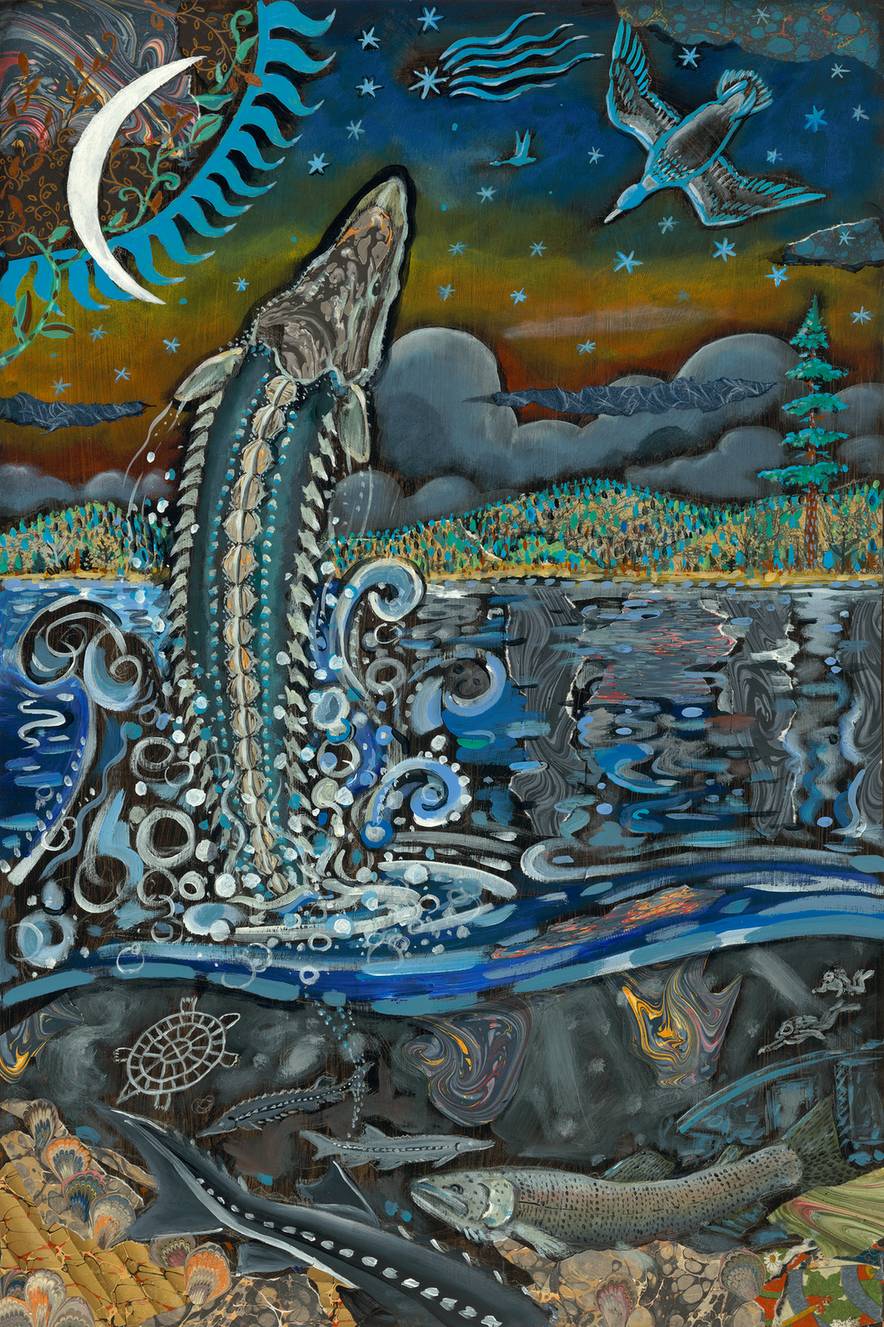
Feature
Spring 2025
Ecocultural storytelling can connect people emotionally and spiritually with Great Lakes restoration, moving beyond pure science-telling.
Sea lampreys and science communication Protecting fish and fisheries from a Great Lakes menace
By Andrea Miehls & Jill Wingfield Maintaining public support for sea lamprey control drives the Great Lakes Fishery Commission's long-running communication strategy. The five Great Lakes lamprey species. Credit: Andrea Miehls, Great Lakes Fishery Commission.Take a moment to ponder the photo above. Go ahead, we’ll wait. As you contemplate those many mouths, what thoughts run through your head? Do you recoil in fear at the monstrous maws? Are you fascinated by all of those teeth? Do you hunger to learn more about these curious creatures? Or have you seen enough to suit your tastes, thank you very much?The organisms pictured are the five lamprey species of the Great Lakes. Lampreys are ancient fish, most well-known by the species that parasitize other fish, though about half of the known lamprey species are non-parasitic. The lamprey with the massive mouth dominating the top left of the photo is a sea lamprey, a species parasitic and invasive in the Great Lakes region. The four smaller lampreys are all native to the Great Lakes. The two in the middle are parasitic, and the two on the outside are non-parasitic. Of these five lamprey species, only sea lampreys are harmful to fish populations. The reason is apparent from the photo: the dramatically larger size of the sea lamprey leads to a substantially greater need for fish blood, a need typically lethal to fish—each sea lamprey will kill up to 40 pounds (18 kilograms) of fish during its parasitic stage. Before a control program was enacted in the Great Lakes, there were 2.5 million sea lampreys killing a staggering 100 million pounds of fish each year!As a result of the harm caused to important Great Lakes fish species, a science-based control program for invasive sea lampreys began in the 1950s, which has led to a 90% decline since their historic highs. Sea lamprey control is coordinated by the Great Lakes Fishery Commission (the Commission) in partnership with the U.S. Fish and Wildlife Service and Fisheries and Oceans Canada, with science support from the U.S. Geological Survey. The sea lamprey control program is considered one of the most cost-effective and successful invasive species suppression programs in the world and an essential component of protecting economically valuable Great Lakes fisheries.A science-based control program for invasive sea lampreys began in the 1950s, which has led to a 90% decline since their historic highs.The Commission’s sea lamprey control program, as well as sea lamprey and fisheries research programs, are federally funded through the governments of the United States and Canada. Because these activities are supported by taxpayer dollars, the Commission strongly values and has implemented a long-standing (30+ years) communications program to inform the public about how their taxpayer dollars are used.Two additional, critical reasons necessitate the communications program: 1) communication is vital for maintaining funding for the Commission’s full suite of programs, and 2) communication is essential to maintaining the social license to control sea lampreys. The social license refers to unwritten, informal acceptance and support from the public for an organization’s activities, in this case, the sea lamprey control program.Two sea lampreys attached to a brown trout. Credit: Andy Bliss, used with permission.A science communication strategy for protecting fish and fisheriesTo communicate about sea lamprey control and research, the Commission employs a team of science communicators who engage with audiences across the Great Lakes region. The work of the communication team is guided by a communications strategy, which is a living document updated regularly and reflective of the joint needs of the Commission and society. The Commission’s communication strategy involves setting clear and achievable goals, then determining target audiences, messages to convey, and methods most likely to reach those audiences.Goals are essential to any activity—science communication and beyond. The primary goal of the Commission’s communications program is to expand the Commission’s interactions with primary audiences with the hope that those audiences will 1) better understand the Commission’s mission, 2) appreciate the ecological and economic benefits that the Commission’s programs provide to society, and 3) initiate actions or behaviors that support the Commission’s work.Knowing target audiences is critical to developing appropriate levels of messaging and determining which methods are best suited to the engagement. Primary audiences for the Commission include elected officials, partner agencies, and members of the “engageable public,” defined as a segment of the broader public that either currently cares about the Great Lakes, fishing, environmental stewardship, etc., or is likely to care after some degree of interaction. The engageable public encompasses Great Lakes scientists, Great Lakes managers, the media, the fishing public, environmental and civic organizations, educators, students, and more. The distinction between the engageable public and the public-at-large is important—with finite funding and staff time, reaching the public-at-large is unachievable. By focusing efforts on the segment of society most involved and interested in our work, we achieve the greatest return on investment for our efforts.The main messages of science communication frequently revolve around work in action (methods, results, discoveries, and applications), raising awareness and interest in science, and inspiring audiences to complete specific activities (e.g., a “call to action”), while also fostering trust and understanding between science and society. The primary messages of the Commission are varied, but frequently relate to the value that Great Lakes sea lamprey control and native fish restoration bring to society, the importance of science to the activities of the Commission, and a call to action for audiences to share what they have learned within their own networks.Methods run the gamut from in-person to online, written to oral, and across a variety of mediums. The communications team at the Commission implements a variety of methods, including one-on-one interactions with the public, consistent engagement with the mainstream and emerging media, development and maintenance of a website, use of social media, and development of various communication products including videos, fact sheets, brochures, activity booklets, and press releases. Sea lamprey mouth stickers, temporary tattoos, full-length models, coasters, bottle openers, and even face masks (during the COVID-19 pandemic) have been created to convey our messages. One of our primary secrets to success is that we use live sea lampreys in our engagement as often as possible. We have found that these peculiar parasites elicit strong, visceral responses. They are one of the most effective methods for conveying messages that resonate and for creating memorable engagements. Though we’ve held thousands of sea lampreys in our hands, we vividly remember the first time we saw a live sea lamprey—the memories are permanently etched in our minds, like the mark a sea lamprey leaves on a fish!Jill Wingfield (left) conducting outreach with a live sea lamprey. Credit: Andrea Miehls, Great Lakes Fishery Commission.Science communication: A value beyond measureTo state that science communication has a value beyond measure feels right to us as science communicators, but the statement is admittedly vague, so let’s look at a few stats from the Great Lakes Fishery Commission perspective. The Commission’s communications program comprises 2% of our total organizational budget. Yet, with this comparatively modest budget, the communications team makes an outsized impact. Science communication is fundamental to all activities of the Commission, from securing funding for control and research, to maintaining the social license for control, to obtaining permission from landowners for access to field sites, and more. Great Lakes fisheries generate $5.1 billion in economic output each year and directly support 35,000 jobs in addition to hundreds of thousands of jobs related to tourism, navigation, and more. And as the unplanned reduction in sea lamprey control effort during the COVID pandemic recently illustrated, sea lamprey control is essential to protecting fish and fisheries in the Great Lakes. Without the communications program, the ability of the Commission to control sea lampreys and protect Great Lakes fish and fisheries would be significantly more challenging.Beyond these tangible benefits that science communication brings to Great Lakes fisheries, there are many additional contributions that science communicators from the Commission and all scientific organizations provide to the people of the Great Lakes region. Science communication promotes scientific literacy in the public, fosters public trust in science, and supports sound policy making. Science communication helps people make informed decisions that impact their lives, their communities, as well as future generations. Finally, science communication makes people excited for learning and connecting with the world around them. These benefits, and the many others that science communication brings, are truly invaluable.PRO TIP: Always be willing to jump on opportunities!Our photo of the five Great Lakes lamprey species at the top of this article has received considerable attention over the last few years, most recently being published in a National Geographic article. Although the photo has enjoyed high-profile coverage, the story behind the photo is less glamorous. The photo was taken opportunistically on a typical Wednesday at work. Tyler Buchinger, a visiting scientist, arrived at Hammond Bay Biological Station with live lampreys and offhandedly suggested to Communications Associate Andrea Miehls to photograph the five species together. Dropping other work activities, with no pre-planning and using only materials scavenged from around the station (and personal camera equipment), the communications team set up a temporary photo studio in the only space they could find—a well-trafficked hallway. Was it an ideal location for a photoshoot? Absolutely not. Did it work? Absolutely. Looking back, we are incredibly grateful we jumped at the opportunity to take the five-species photo. Our primary lesson learned? Take advantage of opportunities when presented (and always carry a camera)!Andrea Miehls photographing the five Great Lakes lamprey species. Credit: Lauren Holbrook, Great Lakes Fishery Commission.
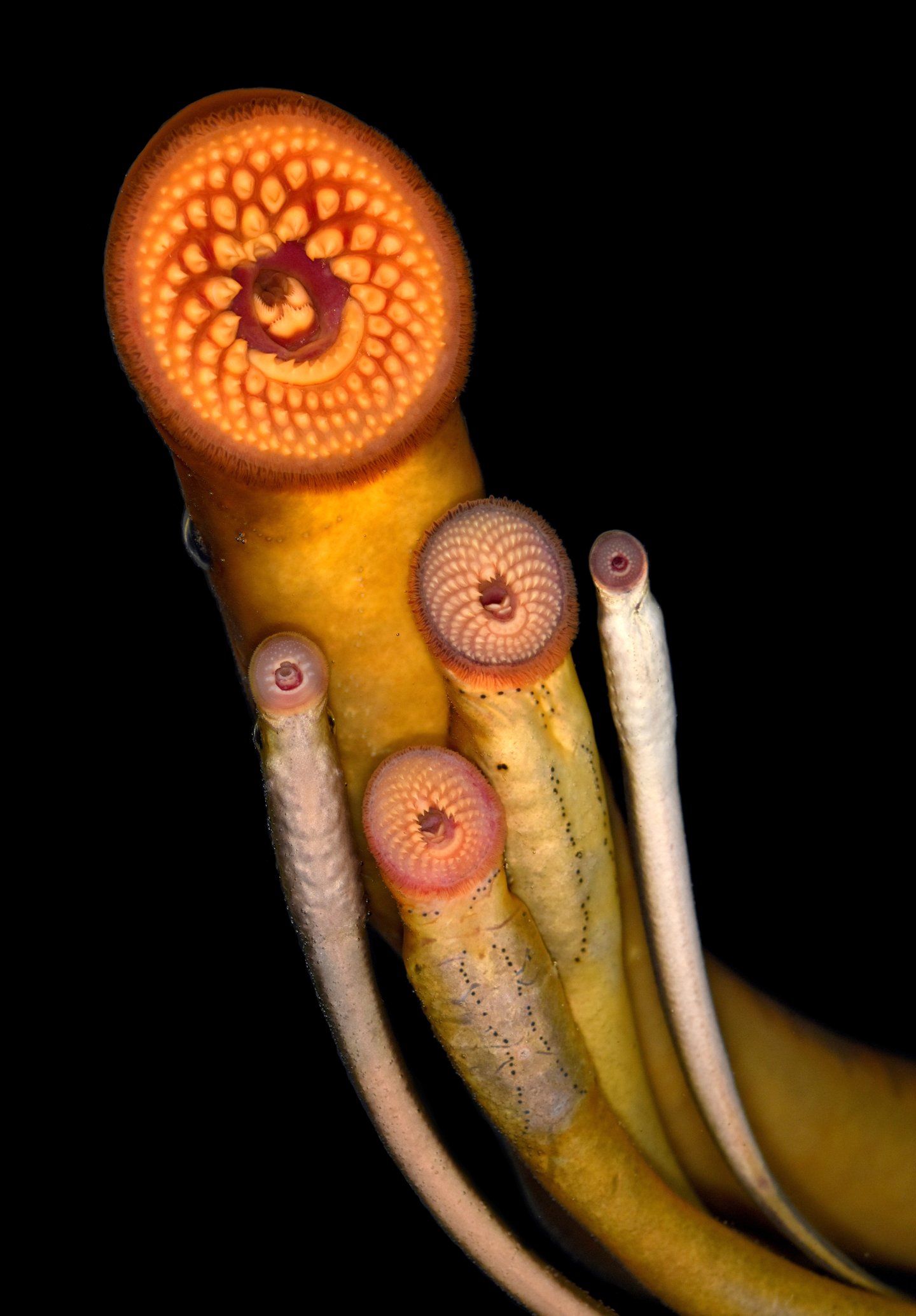
Feature
Spring 2025
Maintaining public support for sea lamprey control drives the Great Lakes Fishery Commission's long-running communication strategy.
Four key lessons for Great Lakes scientific communication By Mike Shriberg Learn four essential lessons for communicating Great Lakes science. Perhaps the most underappreciated aspect of working in the Laurentian Great Lakes is that we generally do not have to convince people in the region about the importance of protecting and restoring the lakes. The Great Lakes are far beyond an “environmental issue”; they are a cultural cornerstone, an anchor point for the 40 million people who live in the watershed. Surveys consistently show that protecting and restoring the Great Lakes polls above 80%, often over 90%—there is not another “issue” that comes close. The Great Lakes are the Great Lakes uniters of the region.Mike Shriberg listening to U.S. Sen. Elissa Slotkin from Michigan at Great Lakes Day in Washington, D.C. in March.But this unity is more at risk now than at any time in my over 20 years of Great Lakes policy and advocacy work. There’s the obvious risk: the threats and cutbacks from the current administration to environmental protection generally, as well as specifically to U.S./Canada relations, and to the agreements, policies, programs, people, and agencies that are critically important to Great Lakes protection. But Great Lakes unity was already being challenged—albeit far more subtly—prior to President Trump’s second inauguration. Climate change was and is undoing significant chunks of the progress we have made on restoration and resilience. And the movement toward a justice-oriented, people-centered vision for restoration does not necessarily align with long-standing ecologically centered visions and priorities.Under these realities, I see our challenge as more complex than simply activating support for the Great Lakes among decision makers and citizens (which itself is extraordinarily complex) while using the best available science to guide protection and restoration. We need to communicate complexity and uncertainty while moving through political minefields as the ground and ecosystems around us continue to shift. My experience in implementing this type of complex science communication to decision makers, media, and others was mainly in the nonprofit advocacy sector (e.g., leading the National Wildlife Federation’s Great Lakes Regional Center from 2015–2023) until moving to my current role as a professor of practice and engagement at the University of Michigan’s School for Environment and Sustainability charged with helping to lead two “boundary organizations” funded by NOAA as well as teaching the next generation of Great Lakes leaders. These experiences have led to four key lessons learned, which are amplified in importance in the current climate of fear, anxiety, and stress.These are by no means new nor original lessons, but having spent much of the time the past several months in intense communication with political leaders and media, I believe that these factors cannot be over-emphasized and often run counter to our standard scientific communication. We are fortunate that the unity the Great Lakes engenders has spurred scientific support and progress, largely with communication in a more traditional academic style for many years. But this unity—and the basic scientific research enterprise—is under an existential threat. This puts scientific communicators (i.e., all of us) in the uncomfortable place of needing to articulate values and gain support for the Great Lakes through unconventional means for scientists.Focus on impacts. The main way that citizens experience the Great Lakes is through recreation and drinking water. The public presentation of our collective scientific work has to be tied to the impacts it has on people’s lives (e.g., health and prosperity) to unlock the critical support found in surveys and move beyond virtue signaling or generalities.Tell it with stories. These impacts cannot only be described in the way that we often do at our scientific conferences, with a dry set of facts, figures, and data. People think and remember things in stories, and our communication—while still firmly rooted in science—has to follow this pattern.Show your passion. The scientists who I regularly work with are among the most passionate people about their work that I have ever encountered. Yet the culture of science communication is to park that passion and funnel it into carefully worded scientific findings. That works and is appropriate for academic publications. It does not work for public communication.Unify the messages. We all tend to view the problems and solutions, as well as the urgency, from our own personal and institutional lenses on the Great Lakes. But at this time of multifaceted threats, we have to think and communicate more broadly so that we have more power and a more consistent story. It’s far easier to ignore isolated impacts and stories than systemic problems and potential solutions.Note: Any opinions expressed here are my own and not necessarily reflective of any institutions with which I am affiliated.
Feature
Spring 2025
Learn four essential lessons for communicating Great Lakes science.
The art of communication: Notes from a long-time environmental journalist Notes from a long-time environmental journalist
By Tom Henry A veteran journalist shares insights on the importance of storytelling, human impact, and trust. Clips of Tom Henry's news articles.The art of communication is an essential tool for making science effective. Without it, there are just reams of data, handfuls of statistics, and hours upon hours of sweat equity from grabbing field samples, doing stuffy lab work, and generating thought-provoking analysis with nowhere to go.Don’t be that person who doesn’t take the art of communication seriously. Think of how much further along we might be on the climate change issue, for example, if the science behind it had been communicated more effectively early on.Consider scientists such as Neil deGrasse Tyson and the late E.O. Wilson, two guys with writing chops powerful enough to fascinate people about anything from astrophysics to Alabama ants. Their ability to engage us illustrates one of the fundamental things you should always consider when communicating about your work: What makes your subject matter fascinating? Why do you do the kind of research you do? And why should the public care?As the longest-serving Great Lakes writer still gainfully employed by a form of media once rooted in dead trees, aka the newspaper industry, I’m fortunate enough to have received IAGLR’s Jack Vallentyne Award for 20 or more years of sustained, high-impact Great Lakes science communications. In fact, I was the first newspaper writer to receive it.I don’t pretend to have all of the answers. But I like telling people it’s my job to decipher scientific gobbledygook and explain it in a way that resonates with the layman.I also recognize the enormous responsibility that environmental writers have. We have the power to needlessly inflame our readers or, equally as bad, put them to sleep about an issue they need to know about.That’s where trust comes in, not just between me and my readers but also between me and the researchers I depend upon for communicating Great Lakes science. You need to know whom to trust.Environmental writing fascinates me because, as a journalist, you have to be more street-savvy than your colleagues who simply report on, say, the outcome of city council votes or lawsuit rulings. Everything in life isn’t a convenient thumbs up or thumbs down. There are a lot of messy grey areas in science, with theories tested over and over.So you try figuring out who’s telling the truth and who’s pushing an agenda, which requires trust of unbiased sources like scientists. Sure, science can be politicized. But I count on scientists for objective information. When people get into arguments about whether or not they “believe” in climate change, I respond with something like this: “The funny thing about science is it doesn't give a crap what you, me, or the corner lamppost want to believe. Science is what science is. It’s gonna happen, regardless what humans believe, and the best thing we can do as a human race is figure it out.”Below are some additional things to keep in mind when approaching journalists such as me. Arm yourself with facts and data, for sure. But use them to help tell your story instead of being it.Some other adviceBe a storyteller. There’s an old axiom in journalism: Write your stories like you’re telling them to your mother. Downplay the mundane. Be loose and conversational.Think big picture. The average reader is less likely to be as immersed in the process of how scientists reach their conclusions as they are the conclusions themselves, though both are important.Think human impact. People want to read about people, about how lives could be upended or improved by research. Don’t assume they can make the connections between ecosystem health and personal health. Many people can’t—or won’t. Spell it out for them, even if it’s painfully obvious to you.Money talks. It hurts the altruistic side of me to admit that. More and more, especially now as social media distorts the message, people demand programs that make wise and efficient uses of money. Justification for research spending is about as predictable as the contrarian wisecracks on Facebook and X that blur reality.
Feature
Spring 2025
A veteran journalist shares insights on the importance of storytelling, human impact, and trust.
Talking about science: The importance of your origin story The importance of your origin story
By Sandra Svoboda Your origin story can help you connect with audiences, build credibility, and make your work relatable to the public and media. Reporters and producers will often ask sources a version of “How and why did you get to your current position doing this work?” They’re not asking you to thank human resources or the tenure committee.I recently finished a media-training project with a dozen-plus scientists and executives from the International Institute for Sustainable Development, and I was struck by the variety of answers they gave during our mock interviews to those questions. As a result, I though I’d provide some tips on talking about your literal starting points and how to relate them to the bigger agenda of promoting, celebrating, and valuing science in today’s world.Journalists and broadcast show hosts pose the origin-story question for a variety of reasons. It might be a way to ease you into the interview. Your answer also can help the audience get to know (and like) you as a person before the conversation jumps into more technical information.If it’s your first time talking with a journalist, they might be wanting to judge your speaking manner and style so they can gauge how to handle the rest of your chat in terms of time and style of questions they ask. If you answer “Why do you study benthos?” with a 15-minute, jargon-filled description of your first lab course with no information about why the topic relates to population or ecosystem health, you may not be building the best relationship with the journalist for future media appearances where you can share bigger findings.If you’re speaking to a class, especially K-12, the teachers are probably looking for some information from you about a pathway for their students from their science homework to your cool career. Maybe you didn’t know what you wanted to do, but you found projects you were interested in and realized they could be an actual career of value—that’s a great message for students.Regardless, as a researcher, university instructor, or other Great Lakes advocate, you should have a ready, authentic origin story to help audiences get to know you, to offer credibility to your career path, and to tee up the importance of your work that will be the subject of the rest of the interview.How did you get here?Keep it concise. Don’t take too much time talking about something that happened decades ago, when you have more pressing needs like talking about current work.If you have it, share the a-ha moment when you realized you would make what you do now your life’s passion. You can also state a broader message: “I didn’t know I was on the cutting edge of an emerging area, but my foundation in basic science prepared me to tackle this work.”If you don't have that a-ha moment, try to credit a person, class, book, news article, documentary, or other such time or event that helped you realize the need or potential impact of your work on the world or the journalist’s audience and community.Avoid clichés. Nearly everyone “went to the lake as a child” so only tell that story if there’s a unique link to what you do now; for example, doing a research project on a river you canoed as a kid. Otherwise try to describe a more recent turning point or decision that got you your current job title or project. (But if you're on tv sharing your wayback story and have relevant video of you as a kid, that can work nicely.)Think in terms of answering bigger questions like “What gives your daily routine value to the bigger world?” This will also allow you to describe the issue and how your work is trying to solve it—the crux of the best storytelling.As you describe how you got to your current situation, point out what’s changed since you began. Include examples that show successes or setbacks relatable to the reporters’ audience while also showing the positive impact of the science.Consider the connection between your early work and what you're doing now. For example, “In our recently published study, I realized it was an expansion on (your personal example), work that I did (how many) years ago, and it makes me appreciate how far we’ve come as well as how far we have to go.”
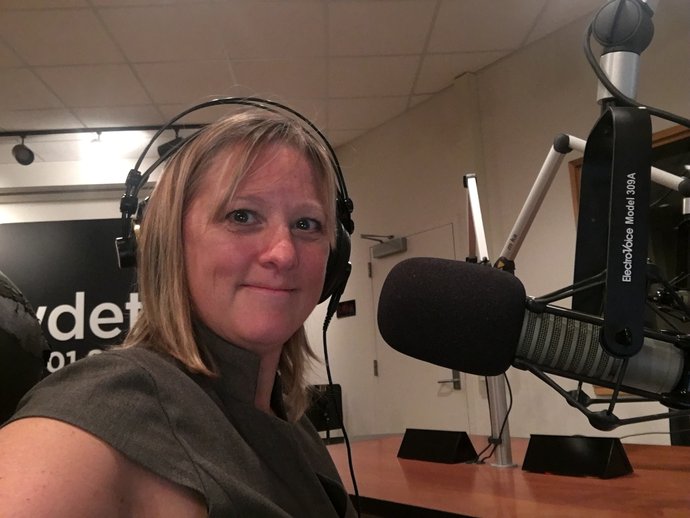
Feature
Spring 2025
Your origin story can help you connect with audiences, build credibility, and make your work relatable to the public and media.
Academic publishing at a crossroads Optimistic about the JGLR's future
By Margaret Docker New lead editor Margaret Docker discusses the future of the Journal of Great Lakes Research, emphasizing community, peer review integrity, and the value of society journals amidst changing publishing landscapes. With the completion of the 50th year of the Journal of Great Lakes Research (JGLR) and the start of my tenure as lead editor, it’s a good time to look ahead. In many ways, we’re at a crossroads in academic publishing. Growing unease with the seemingly asymmetric relationship between the scientific community and for-profit publishers has made authors, reviewers, and associate editors think more critically before entrusting their work or volunteering their time and expertise to a journal. Recognition of potential biases and other weaknesses of the peer review system—not to mention reviewer burnout—is resulting in a call for changes to the review process. However, given the generosity and collegiality that I’ve witnessed among associate editors, reviewers, and authors, I’m confident that the JGLR will navigate these transitions successfully while maintaining its integrity and quality.When authors are choosing a journal for their work, there are many things to consider, including its aims and scope, various journal metrics, and ethical factors. The JGLR is the leading publication of scholarship on large lakes of the world, and the advantages of society journals are many (e.g., Why should I submit my article to a scientific society journal?). Among the many reasons why I applied for the JGLR lead editor position was its focus on the community that it serves and knowing that a substantial portion of the open access fees go back to IAGLR to support its numerous awards and scholarships.There is also a growing recognition that there’s more to a journal than its impact factor. The influence of a paper in its field is not the same as a journal’s impact factor, and regional or taxon-specific publications can be critical for informing policy and conservation decisions. The value of the JGLR and its multidisciplinary scope to research and policy issues in the Laurentian Great Lakes and other large lakes of the world is significant. This isn’t to say that the JGLR will be everyone’s choice for all their papers, but I encourage IAGLR members—and others—to consider it. Your manuscript will be in good hands.Despite reviewer fatigue and service overload, I continue to be impressed and appreciative of the largely unseen labor that JGLR reviewers and associate editors generously provide. Despite the many “Reviewer 2” memes out there about the harsh, nitpicky anonymous reviewer, the vast majority of reviewers provide thoughtful and constructive feedback. They are not cavalierly giving a thumbs-up or thumbs-down signal; rather, they are graciously sharing their time and expertise through a genuine desire to help authors improve their papers. Each year, when the JGLR Editor's Awards recognize one reviewer and one associate editor for their “outstanding support of the journal's review process,” it’s hard to pick just one! The JGLR has always been mindful of the importance of being civil and constructive when providing feedback to authors; looking ahead at ways to further improve, we are among those more explicitly considering how to improve peer review by acknowledging its imperfections. These considerations include discussing what the JGLR can do to better support authors whose first language is not English, ensuring that editors and reviewers better reflect the demographics of our disciplines, and discussing the pros and cons of double-blind peer review to address potential biases based on authors’ country of origin, gender, seniority, or affiliation. As Steven Cooke discusses in creating a collective future for peer review, peer-reviewed journals are more than just vehicles for publishing research; they are communities where colleagues across career stages provide feedback on each other’s work. Furthermore, with more outlets for outreach and engagement than ever before (e.g., social media posts, magazines such as this one, and blogs and other opportunities for post-publication commenting), there are many options to enhance interaction among authors and readers. For the JGLR, the ability for authors, readers, reviewers, and editors to meet in person at the annual IAGLR meeting—and celebrate the winners of the various journal and student presentation awards—also greatly enhances this sense of community.As we enter the second half-century of the JGLR, I welcome feedback from IAGLR members and JGLR authors, reviewers, and readers. I will be holding a “Workshop on Publishing in Peer-Reviewed Journals” at IAGLR 2025, designed especially for students and other early-career researchers, but I encourage anyone to talk with me during the conference. We’re always eager to attract new JGLR authors and reviewers (especially early-career scholars), consider areas of interest for special sections, and discuss other hopes for the journal.
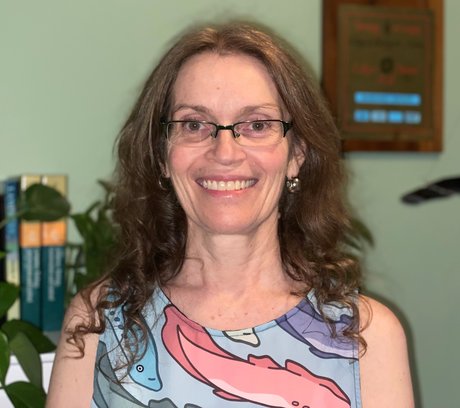
Perspective
Winter 2025
New lead editor Margaret Docker discusses the future of the Journal of Great Lakes Research, emphasizing community, peer review integrity, and the value of society journals amidst changing publishing landscapes.
Hope through Indigenous leadership By Thi Mai Anh Tran, Valoree Gagnon, Chelsea Schelly, Erin Johnston, Karena Schmidt, Rachel Tarpey A Keweenaw Bay Indian Community climate study shows that despite challenges, climate impacts are strengthening cultural knowledge transmission and community bonds. The Keweenaw Bay Indian Community's (KBIC) recent climate impact study reveals an encouraging path forward for Indigenous-led environmental research. Despite documenting changes in forest ecosystems, the study found that climate challenges are actually strengthening some aspects of cultural knowledge transmission and community bonds. Many Tribal participants reported that climate-related changes have enhanced their spiritual connections to the land and increased their commitment to sharing Traditional Ecological Knowledge with others.The study exemplifies successful collaboration between Tribal and academic partners, following KBIC's Research Guidance protocols to ensure community priorities drive the research. This model demonstrates how centering Indigenous voices and Traditional Knowledge can create more inclusive, culturally relevant climate adaptation strategies. The approach holds great potential for application in managing large lake ecosystems, where Indigenous Knowledge could significantly strengthen community engagement and enhance restoration practices. As one participant noted, this work can contribute to “increasing public education and awareness about cultural and ecological importance while encouraging more involvement in environmental causes through community engagement and respect for Indigenous cultures.”
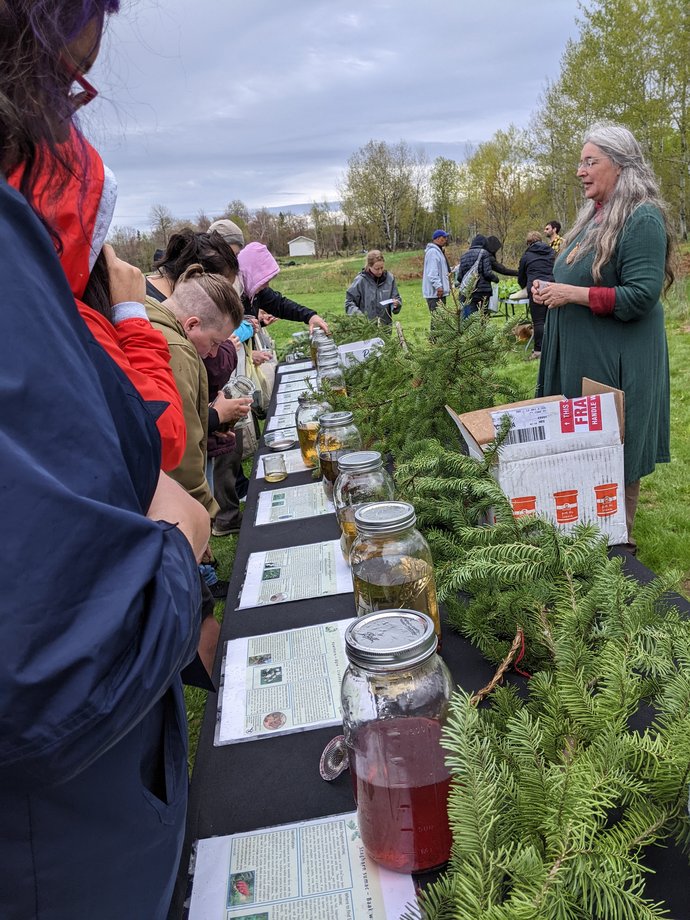
Research Brief
Winter 2025
A Keweenaw Bay Indian Community climate study shows that despite challenges, climate impacts are strengthening cultural knowledge transmission and community bonds.
Major milestone reached; lake trout (Chinamekos) fully restored in Lake Superior After nearly 70 years of effort, native lake trout populations have been fully restored in Lake Superior, marking a major conservation triumph through sea lamprey control and stocking. Photo courtesy of Great Lakes Fishery Commission.A remarkable conservation triumph is unfolding in Lake Superior, or Anishinaabewi-gichigami in Anishinaabemowin. After nearly 70 years of dedicated effort, native lake trout populations have been restored in most of the lake. Chinamekos, as the fish are known in Anishinaabemowin, nearly disappeared from Lake Superior in the mid-1900s due to overfishing and predation from sea lampreys. Controlling sea lamprey populations kicked off a series of additional management strategies, including strict fishing regulations and the introduction of diverse lake trout strains through stocking programs. The success of these efforts led to a significant increase in naturally reproducing lake trout populations. Today the lake trout’s status in Lake Superior meets an ambitious management goal set in 2003. The lake is now home to genetically diverse self-sustaining populations of lake trout that mirror those found in the lake before 1940.“Rehabilitating lake trout in the world’s largest freshwater lake did not happen overnight,” says Great Lakes Fishery Commission Chair Ethan Baker in announcing the news. “It required an unwavering commitment to a shared vision across multiple generations of fishery managers from Indigenous, provincial, state, and federal agencies. It is undoubtedly one of the most successful stories of native species restoration in the world. Lucky for us, we have a front row seat.”
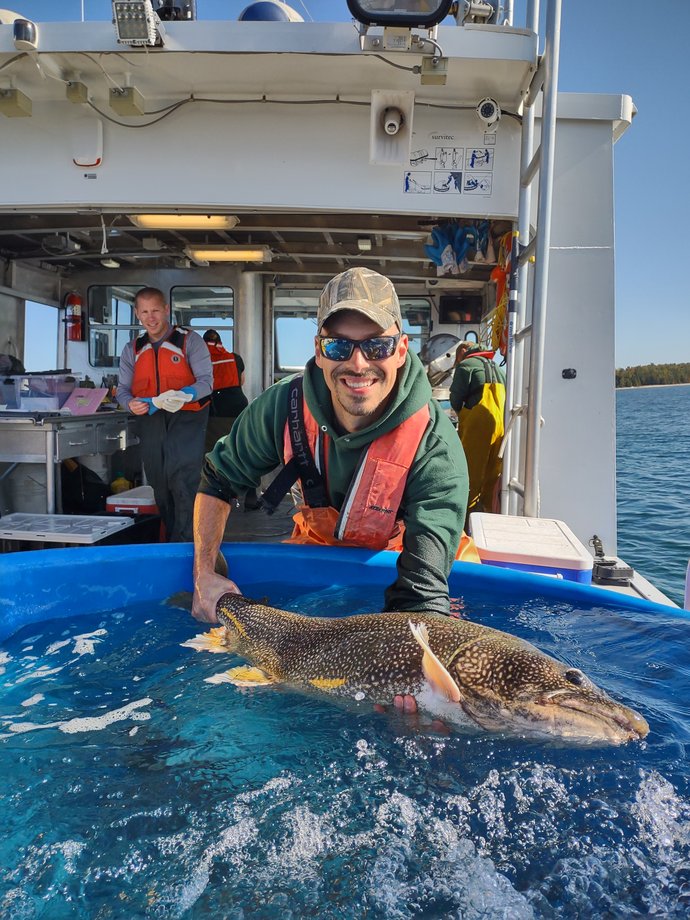
Research Brief
Winter 2025
After nearly 70 years of effort, native lake trout populations have been fully restored in Lake Superior, marking a major conservation triumph through sea lamprey control and stocking.
Refugia of hope: Life in submerged karst sinkholes By Bopi Biddanda, Phil Hartmeyer, Steve Ruberg Submerged sinkholes in the Great Lakes harbor unique, biodiverse microbial mats that offer insights into early Earth life and potential pharmaceutical compounds, representing hidden refugia of hope. With hardly 15% of the Laurentian Great Lakes floor mapped, several submerged sinkholes have been discovered. Karstic sinkholes—with actively venting ground water having no-oxygen, but high-chloride and high-sulfur—nurture vibrantly colored biodiverse benthic microbial mats of photosynthetic cyanobacteria and chemosynthetic microbes, possibly containing a trove of novel species.In addition to providing a window into life on early Earth, these physiologically versatile mat worlds in sinkhole refugia serve as models for testing ecological theories and phenomena—including life's evolution and biogeography and Earth's carbon burial and oxygenation—across sharp transition zones and within extreme habitats (Biddanda et al. 2023).Moreover, mat ecosystems where bacteria, archaea, and viruses coexist in close and intense dynamic cooperation, competition, and conflict are likely rich in bioactive compounds of pharmaceutical value. For example, what are occasional large mobile metazoan visitors, such as this Burbot (Lota lota) pictured, doing hanging out over these microbes-only mats? Existing and future Great Lakes National Marine Sanctuaries and Marine Protected Areas should incorporate known submerged sinkholes ensuring their long-term protection and conservation.Mat ecosystems where bacteria, archaea, and viruses coexist in close and intense dynamic cooperation, competition, and conflict are likely rich in bioactive compounds of pharmaceutical value.
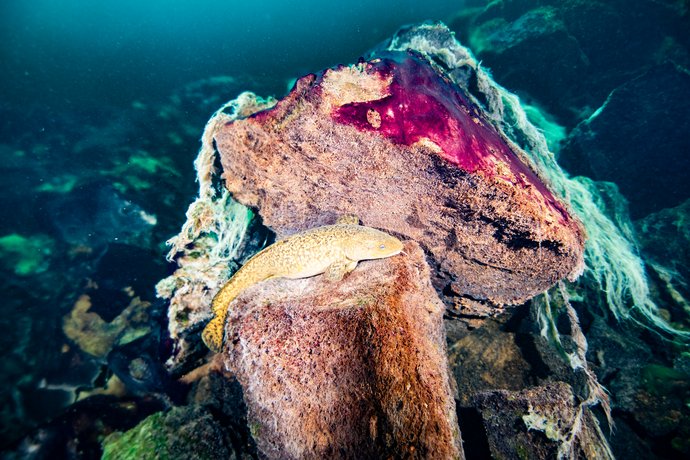
Research Brief
Winter 2025
Submerged sinkholes in the Great Lakes harbor unique, biodiverse microbial mats that offer insights into early Earth life and potential pharmaceutical compounds, representing hidden refugia of hope.
Bringing back Arctic grayling (Nmégos) to Michigan By Paula McIntyre A coalition of partners is reintroducing Arctic grayling to Michigan streams using streamside incubators to ensure imprinting, reconnecting Anishinaabe people with their cultural heritage. Photo courtesy of Michigan Department of Natural Resources.A native fish that disappeared from Michigan nearly a century ago may once again ply the coldwater streams of the state's Lower Peninsula. Arctic grayling, or Nmégos in Anishinaabemowin, is the area’s only native stream salmonid. By the 1930s, they were wiped out due to logging, overfishing, and competition from introduced species.A coalition of more than 50 partners known as the Michigan Arctic Grayling Initiative (MAGI) hopes to change all that. In 2016, the Little River Band of Ottawa Indians (LRBOI) and the Michigan Department of Natural Resources (MDNR) proposed the initiative. Its aim is to establish self-sustaining populations of grayling within its historical Michigan range. MAGI partners visited Montana to study a successful grayling reintroduction program there, and they tested new technologies on northern Michigan streams to identify the most suitable locations and methods for reintroduction. In 2019, they received fertilized eggs from Alaska and ultimately raised three generations of broodstock.In May, the MDNR will provide approximately 400,000 grayling eggs from this broodstock to the LRBOI, the Little Traverse Bay Bands of Odawa Indians, and the Grand Traverse Band of Ottawa and Chippewa Indians. These partners will reintroduce the eggs at locations along the North Branch of the Manistee River, the Maple River, and the Boardman-Ottaway River.“The reintroduction of Nmégos serves to reconnect the Anishinaabe people with their cultural heritage that has been lost for such a long time,” notes Archie Martell, LRBOI Fisheries Division Manager. “I am very excited about this introduction of Nmégos back into Michigan waters and for the opportunity for everyone to interact with this fish soon.”Taking a cue from successful efforts in Montana, partners will place grayling eggs in streamside incubators to hatch directly into the rivers rather than raising them in hatcheries and then relocating the young fish. This approach will allow the newly hatched fish to imprint on the unique chemical signature of their home river and use it to return there to reproduce. “Without imprinting, Grayling may migrate far from where they are planted, and fail to reproduce in streams and rivers that are best suited for survival,” write Martell and LRBOI Fisheries Biologist Dana Castle in a 2020 stewardship plan. “Grayling need to imprint on their home stream.”Researchers suspect that previous efforts to reintroduce grayling were unsuccessful in part because the fish were released later in their life cycles and failed to imprint. MAGI partners will closely monitor the hatching and development of the fry, as well as follow up on how they move through these systems as they grow.
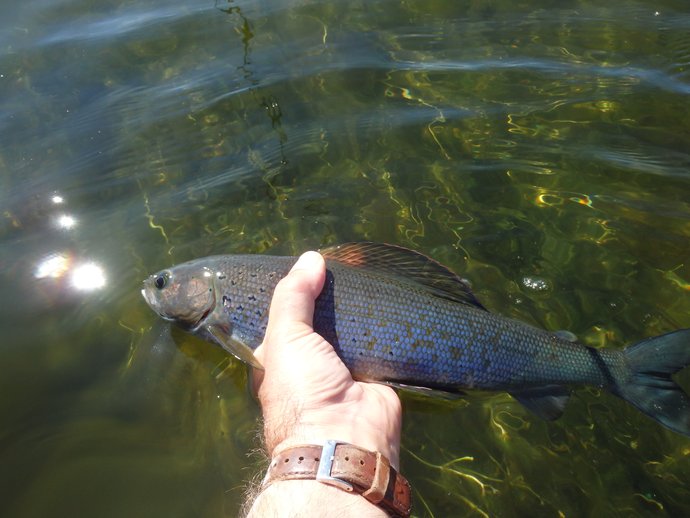
Research Brief
Winter 2025
A coalition of partners is reintroducing Arctic grayling to Michigan streams using streamside incubators to ensure imprinting, reconnecting Anishinaabe people with their cultural heritage.
Anna Hill Anna Hill bridges the gap between scientific research and community stakeholders to make fish ecology findings accessible to anglers and the public. Describe your work or studies.I’m a master’s student at Purdue University, focusing on the early life history of alewife in Lake Michigan. My research examines their age, growth, and diet to compare these characteristics to historical data to identify long-term trends.What inspired you to enter this work?I was inspired by how information is often oversimplified or exaggerated on social media. Seeing important topics distorted highlighted the need for clear, accurate communication between scientists and the communities affected by their work. I believe fostering that connection can make a real difference.What are your professional aspirations?My dream job would combine research with community engagement. I aim to be a bridge between scientists and stakeholders, ensuring that research findings are accessible and meaningful to those with a vested interest in natural resources.How is science communication important in your work?The more I engage with anglers and community members connected to aquatic resources, the more I appreciate the deep history and passion they have for these ecosystems. I believe that improved science communication can foster better understanding and lead to more effective, community-supported management practicesWhat is something about yourself that you’d like to share with other IAGLR members?I’ve had the opportunity to work directly with both scientists and community members, from tagging programs in Alabama to studying fish populations in the Great Lakes. These experiences have strengthened my belief in the importance of collaboration between researchers and the public to protect and manage our aquatic resources effectively.

Member Spotlight
Winter 2025
Anna Hill bridges the gap between scientific research and community stakeholders to make fish ecology findings accessible to anglers and the public.
Julia Obuya Julia Obuya uses molecular techniques to study harmful algal blooms, translating complex data into actionable strategies for communities in Africa and North America. Describe your work or studies.I am a Ph.D. student at Bowling Green State University in Ohio where I focus on using molecular techniques to understand and address the current threat of cyanobacteria harmful algal blooms (cHABs) in freshwater systems. My research integrates genome-resolved approaches to explore the ecological interactions of cyanobacteria and investigates potential mitigation strategies. My work is particularly relevant to large freshwater bodies like the African Great Lakes and North America's Great Lakes, where harmful algal blooms pose significant environmental and socioeconomic challenges.What inspired you to enter this work?My inspiration stems from growing up near Lake Victoria, Kenya, where I witnessed firsthand the devastating impacts of water quality deterioration. Cyanobacteria blooms in the lake have contributed to fish kills, compromised drinking water safety, and disrupted local livelihoods that depend on fisheries. Seeing local communities struggle with these challenges sparked my curiosity about the underlying ecological drivers and the need for science-based solutions. This motivated me to pursue a career in aquatic research, with the goal of understanding and mitigating the threats posed by cHABs. My academic journey has been shaped by my passion for freshwater conservation and the desire to contribute to sustainable management strategies for water bodies facing similar threats globally.What are your professional aspirations?My long-term career goal is to bridge the gap between research and policy by translating scientific findings into actionable strategies for managing freshwater ecosystems. I aspire to contribute to global efforts in mitigating cHABs by collaborating with scientists, policymakers, and local communities to develop sustainable interventions. I am also committed to mentoring young scientists, particularly in Africa, to build capacity in molecular ecology and environmental genomics. I hope to establish collaborative research initiatives that empower the next generation of researchers and provide practical solutions for aquatic resource management.I would like to ensure that scientific knowledge does not remain confined to academic and policy discussions but is effectively disseminated to the people most affected by environmental changes. Many times, researchers focus on generating data but overlook the importance of making that information accessible to local communities—the true end-users of scientific knowledge. I want to be actively involved in simplifying technical jargon and engaging directly with community members, fisherfolk, and water resource managers to help them understand the ecological challenges they face and the science behind possible solutions.How is science communication important in your work?Addressing algal blooms requires an interdisciplinary approach that involves researchers, policymakers, water managers, and local communities. Effective communication helps ensure that research is not confined to academic circles but instead informs water quality management strategies, public health policies, and community-driven mitigation efforts. I actively engage in outreach activities, such as community education programs and stakeholder engagement forums, to share knowledge about sustainable use of aquatic resources. Through these efforts, I hope to promote evidence-based decision making and encourage proactive measures to mitigate algal blooms.What is something about yourself that you’d like to share with other IAGLR members?I enjoy outdoor adventures, especially exploring nature and engaging in conservation efforts. I also like traveling to different areas, appreciating biodiversity and meeting new people and different cultures. I have a deep passion for mentoring and supporting young researchers, particularly those from underrepresented regions, as they navigate their scientific careers.
Member Spotlight
Winter 2025
Julia Obuya uses molecular techniques to study harmful algal blooms, translating complex data into actionable strategies for communities in Africa and North America.
Reintroducing species: A tool to stem the loss of freshwater biodiversity A tool to stem the loss of freshwater biodiversity
By Olivia Galloway & Trevor Pitcher Soft-release strategies can mitigate transport stress and improve survival rates for reintroduced lake sturgeon in the Great Lakes. Graduate student Olivia Galloway with a soft-release enclosure last October during the U.S. Fish and Wildlife Service’s fall restocking of the Maumee River. Juvenile lake sturgeon were placed in the enclosure first, allowing them to acclimate before being fully released.Freshwater ecosystems possess high levels of biodiversity and are critical for livelihoods, recreation, and the economy, but are under substantial stress. A report in the journal Nature last month indicated a quarter of the world’s freshwater fauna (covering 23,496 species of decapod crustaceans, fishes, and odonates) are threatened with extinction. These threats included (among others) pollution, dams, invasive species, and overharvesting. This alarming threat to freshwater biodiversity has led many groups around the world to test new and innovative ideas to stem the loss of freshwater biodiversity. In the Great Lakes basin, the Freshwater Restoration Ecology Centre (FREC)—housed within the Great Lakes Institute for Environmental Research at the University of Windsor—has been established to test whether reintroduction biology can be an effective tool to stem the loss of biodiversity, including among freshwater fish species.Reintroduction is the deliberate release of a species into the wild from captivity or other areas where the organism is capable of survival. The goal of reintroduction efforts is to establish a self-sustaining population to an area where it has been extirpated, or to augment an existing population. Reintroduction involves a number of different steps including (but not limited to) sourcing a population for donor individuals, identifying suitable habitat, captive breeding, waves of animal releases back in the wild and post-release monitoring.Recently, a lot of attention has been given to several of these steps, especially captive breeding efforts, but one area that has been neglected is the ability of researchers to effectively transport animals to their eventual release site. Transport is an unavoidable stressor in reintroduction programs, as fish are typically loaded at high densities, transported long distances, and immediately released. Captive-reared fish can also become phenotypically mismatched to the natural environment where they are being reintroduced due to artificial selection pressures in captivity. In combination, transport stress and a mismatched captive phenotype can lead to poor post-release survival and success.Transport is an unavoidable stressor in reintroduction programs, as fish are typically loaded at high densities, transported long distances, and immediately released.Researchers at FREC have evaluated transport stress on several species, including redside dace and Atlantic salmon. Currently, graduate student Olivia Galloway, with her supervisor Trevor Pitcher and team at FREC, in collaboration with the U.S. Fish and Wildlife Service, are investigating strategies to mitigate this phenotypic mismatch and transport stress for lake sturgeon reared for reintroduction efforts in the Great Lakes.One strategy to minimize the stress incurred during transport and provide a smoother transition to the natural environment for captive-reared lake sturgeon is to conduct a “soft” release. Compared to a traditional direct release after transport (which has been shown to be stressful for fish), a soft release involves placing the fish into an enclosure in the water at the release site to acclimate to the novel environment prior to release. A soft release can lower stress levels, promote more wild-like behaviors, and improve post-release survival in fish.Following a 10-hour transport event, Galloway and her team conducted a soft release of juvenile lake sturgeon destined for reintroduction into the Maumee River in Toledo, Ohio. The researchers are studying the effects of a direct versus soft release on the stress physiology of the juvenile sturgeon via blood sampling. Following transport, one group of fish was blood sampled and then directly released into the river. To conduct the soft release, researchers placed two cages in the water at the release site, added the fish, and allowed them to acclimate to their new environment. At 24 hours following the end of transport, one cage of fish was sampled and then released. At 48 hours following the end of transport, the second cage of fish was sampled and then released. The team is analyzing results and plans to publish findings in an upcoming paper.Juvenile lake sturgeon. Photo credit: Shayenna Nolan, University of Windsor Ph.D. candidate.“The next steps for this project would be to replicate it and measure some other metrics in addition to blood physiology,” Galloway says. “For example, measuring their metabolic rate, or tracking their movements to get indicators of survival following soft release would be the dream!”As conservation reintroductions are becoming increasingly necessary to aid in the recovery of aquatic species at risk, such as the lake sturgeon, streamlining and examining these practices is crucial for maintaining their long-term success.
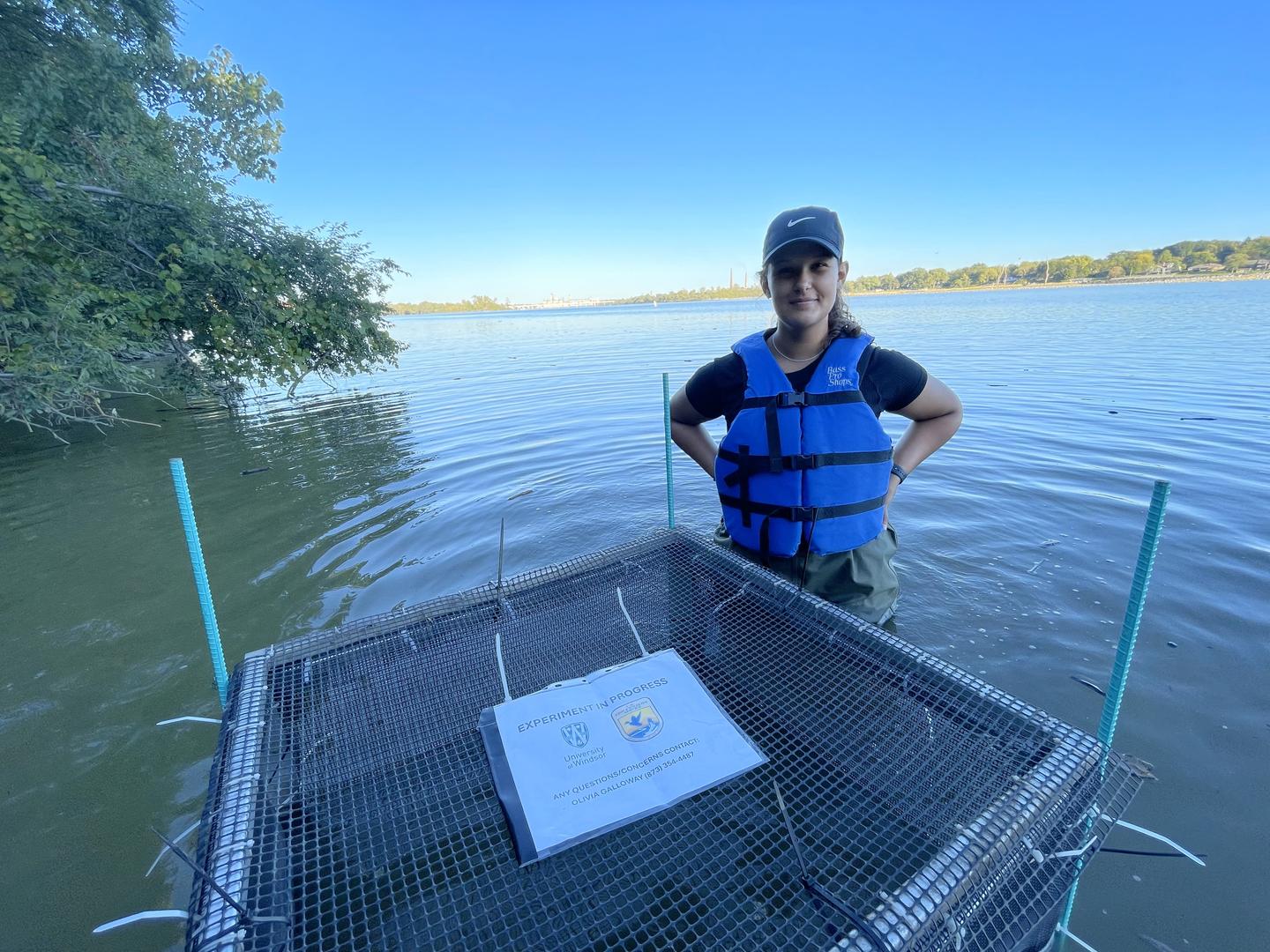
Feature
Winter 2025
Soft-release strategies can mitigate transport stress and improve survival rates for reintroduced lake sturgeon in the Great Lakes.
Biodiversity after a Phragmites invasion A case study of success through close collaboration
By Jersey Allyson Fontz & Rebecca Rooney Long-term monitoring of wetlands in Ontario reveals that while secondary invasions occur after Phragmites control, native plant communities eventually recover, highlighting the importance of sustained monitoring and collaboration. Phragmites australis reduces biodiversity by growing tall and densely, blocking out and overcrowding native species.A pervasive problem plaguing both plant and animal biodiversity in wetland ecosystems across many areas of the Great Lakes is the growth and spread of invasive species such as European common reed (Phragmites australis subspecies australis). Phragmites australis can grow up to 4 to 6 meters, comparable to the height of the average male giraffe. Two thirds of its entire biomass is actually located below ground. P. australis has also been identified as a direct threat to 25% of Ontario’s species at risk and has been classified as Canada’s Worst Invasive Plant since the early 2000s. To the benefit of ecosystems all over the province, efforts are underway to control its spread and suppress its growth. To contribute to important science-based guidance for these efforts in southern Ontario, students in the Waterloo Wetland Lab (WWL), spearheaded by Rebecca Rooney at the University of Waterloo, have worked alongside both governmental and non-governmental groups to fill in critical knowledge gaps.Contributing to long-term monitoringMechanical treatment options were largely unsuccessful at suppressing P. australis growth in wetlands in Canada through the 2000s and 2010s, but chemical control options were limited to areas without standing water by federal regulations, leaving P. australis to grow unchecked in Ontario’s open water marshes. In 2016, a pilot project was approved to test the efficacy and safety of the herbicide formula Roundup Custom, which contains the active ingredient glyphosate. This trial took place under an Emergency Use Registration motivated by the documented effects the invasion was having in two important coastal wetlands on the north shore of Lake Erie: the Long Point World Biosphere Reserve and Rondeau Provincial Park. In the years since, the project has successfully treated 1,500 hectares of P. australis through an impressive coalition involving Environment and Climate Change Canada’s Canadian Wildlife Service, the Ontario Ministry of Natural Resources, the Nature Conservancy of Canada, and many other partners. The WWL contributed to monitoring the effects of the herbicide application on the wetland environment, its efficacy in suppressing invasive P. australis, and the recovery of the native plant community following treatment.Early results were promising in that the helicopter- and ground-based applications of herbicide achieved a persistent 95% reduction in the stem density of invasive P. australis. Additionally, the glyphosate applied never reached concentrations of toxicological concern to aquatic biota and quickly dissipated from the water and sediment in the treated marshes. These data were crucial in building the evidence base that led to an expansion of treatment efforts across the province of Ontario.However, the initial outcome for native plants was less optimistic. WWL researchers observed reductions in plant community diversity, evenness, and floristic quality in the years immediately following treatment. More alarming, they found the treated marshes were consistently overrun by what they termed “secondary invasions.” Megan Jordan, a former graduate student in the WWL, explains secondary invasions as “the phenomenon where other non-native plants like European frog-bit (Hydrocharis morsus-ranae) and Eurasian milfoil (Myriophyllum spicatum) effectively replace P. australis in the ecosystem.”Left: Summer technician Kim Bartlett measuring light conditions in one of the long-term monitoring plots filled with wild rice (Zizania spp.) eight years post-Phragmites australis treatment. Center: Ph.D. candidate Jersey Allyson Fontz in the midst of wild rice (Zizania spp.) growing eight years post-P. australis treatment. Right: A field of watershield (Brasenia schreberi) flourishing seven years after P. australis treatment. All photos in Rondeau Provincial Park.Long-term monitoring after invasive plant suppression activities is not common because of resource constraints and term-limited funding, leaving key uncertainties around the ultimate consequences of treatment for wetlands. Most studies into treatment efficacy only report on plant community changes for one to three years after the treatment. Fortunately, the Emergency Use Registration pilot project committed to a minimum of five years of post-treatment monitoring, as the secondary invasions were not the end of the story.Within three years of the herbicide application, the WWL found native plant species began replacing those secondary invasions and the plant community diversity and evenness began to recover. This occurred without active revegetation interventions like seeding or planting, but as a part of natural succession in the marshes. By the fifth year after treatment, 78% of the monitoring plots were dominated by native plants and during the seventh and eighth year of monitoring, the plots in treated areas were floristically indistinguishable from reference plots in areas where P. australis had never invaded.“A major outcome of our monitoring is that it highlights how important it is to support long-term monitoring,” notes Jersey Allyson Fontz, a Ph.D. candidate in the WWL who led parts of this work. “We have so much more to learn after the first couple of years if we want to understand the ultimate outcome for the plants and for the marsh community.”We have so much more to learn after the first couple of years if we want to understand the ultimate outcome for the plants and for the marsh community.Testing established techniques in novel waysLeft: Species at risk, such as swamp rose-mallow (Hibiscus moscheutos), can grow alongside Phragmites australis, meaning that the use of broad-spectrum herbicides is not always a viable form of treatment. Center: Aerial image of drone-based herbicide-treated (left) and untreated (right) P. australis patches at Baie du Doré wetland, photo by Omer Rahooja, Ontario Power Generation, 2023. Right: Ph.D. candidate Claire Schon preparing moth eggs to be released into a dense stand of Phragmites australis near Wellington, Ontario.While helicopter-application of herbicide is extremely effective at suppressing P. australis in extensive monocultures, when P. australis occurs in smaller patches interspersed with native plants, this large-scale herbicide application causes collateral damage to neighboring plants because of drift of the pesticide and the large swath width of the helicopters. This can even impact species at risk such as swamp rose-mallow (Hibiscus moscheutos) that grows nearby P. australis.The Invasive Phragmites Control Center (IPCC), led by Janice Gilbert, is pioneering a more precise herbicide application method with a newly approved imazapyr-based herbicide using drones. This approach has the potential to improve target accuracy by spraying herbicide only on the target invasive species while avoiding surrounding vegetation. Using drones can also minimize disturbance to the marsh associated with moving heavy ground equipment through. In addition, notes former WWL graduate student Grace Lew-Kowal who worked alongside the IPCC, “herbicide applied by spray drone was at least, if not more, effective at suppressing P. australis as helicopter or ground-based application methods with a 99% reduction in live P. australis stems.” Furthermore, with the use of drones, herbicide drift was 96% lower compared to helicopter spraying. This technology for applying herbicide precisely may ultimately enable treatment of P. australis in areas that are too difficult or dangerous to access over the ground but where helicopter application would cause too much damage to native plants.Biocontrol as a new techniqueBroad-spectrum herbicides are by far the most common P. australis treatment method used, but as discussed above, their effect on such a wide range of plants leads to collateral damage for desirable native plants. Moreover, some communities raise concerns about repeated exposure to herbicides. Biocontrol—the use of target-specific live organisms to manage, not eradicate, an invasive species— can offer a gentler alternative. It can also offer cost savings, as the biocontrol organisms can develop self-supporting populations that do not require the same level of resource investment and personnel time that herbicide treatment necessitates. In 2019, the Canadian government approved two European moth species for release as biocontrol agents on invasive P. australis, thanks to more than 20 years of research by the P. australis biocontrol program, led by scientists with the University of Toronto, Agriculture and Agri-Food Canada, CABI in Switzerland, and Ducks Unlimited Canada, among others. The stem-boring caterpillars of these moths feed and mature inside the tall stems of invasive P. australis, harming the plants. Working with this team, WWL researchers were able to measure the effects of these two moth species—Archanara neurica and Lenisa geminipuncta—on P. australis performance at experimental release sites across southern Ontario. Claire Schon, the Ph.D. candidate in the WWL in charge of contributing to the biocontrol work says, “early results from our research are promising. For example, at one site, there was a 26% overall reduction in P. australis canopy height and only 1% of the P. australis stems bore flowers in just two years after the moth releases.” The moth populations are also able to grow and persist through time at release sites as the WWL team even documented their ability to spread and colonize new patches of invasive P. australis as much as 400 meters away. These results provide hope that long-term and sustainable management of P. australis through biocontrol is a viable option.Hope for the future of invasive species researchInvasive species do not recognize borders or jurisdictional boundaries. Collective action has emerged as a successful partnership model whereby landowners, multiple stakeholders, government agencies, and community groups work collaboratively to coordinate invasive species management, rather than through a series of isolated activities. The collective-action approach benefits from increased efficiency, greater community buy-in, and shared experience. These advances in management techniques and the enhanced understanding of plant community recovery are outcomes of this collective action model and underscore the benefits of broad collaboration in invasive species management. As Rooney notes, “collaboration should be at the forefront of scientific research beyond invasion biology because it is through enduring research partnerships that we make progress to conserve biodiversity.”
Feature
Winter 2025
Long-term monitoring of wetlands in Ontario reveals that while secondary invasions occur after Phragmites control, native plant communities eventually recover, highlighting the importance of sustained monitoring and collaboration.
Science elicits hope, joy depending on the audience Effective communication understands the difference
By Todd Newman Research shows that while the public associates science with hope, scientists associate it with joy. Understanding these differing emotional lenses is crucial for effective science communication and engagement. How do scientists and nonscientists think and feel about the word science? For the past several years, my research has focused on understanding the emotions that people associate with science. Through a number of surveys of the general public as well as of scientists, we asked respondents, “Which word best describes what you feel when you hear the word science?” A key discovery from this work is that the U.S. public overwhelmingly associates science with hope. In nearly every survey conducted, 45-60% of respondents indicate hope, while every other emotion (e.g., caution, fear, curiosity) is a distant second. This finding holds even after controlling for demographic and ideological factors. Scientists, however, overwhelmingly view science through a lens of joy and excitement, emotions rarely expressed in general population samples.These findings reveal an assumption that many scientists take for granted: that nonscientists share the same unspoken starting point about what science represents. For most Americans, science isn’t a goal in and of itself; it’s a tool to accomplish a positive outcome or change in society, such as restoring ecosystems or facilitating access to clean water. But not all scientific research focuses on applied scientific questions, nor is research always at a stage where an application is even known. It is within this context that we decided to look more closely at the results of the scientist survey and see if and how joy and excitement vary depending on one’s scientific discipline. We found that those in research fields that address more basic scientific research questions (e.g., physics or astronomy) were more likely to indicate joy and excitement (and less likely to indicate hope) than those in disciplines that address more applied research questions (e.g., social sciences or engineering). In other words, we found an inverse relationship between hope and joy and excitement depending on the type of research one conducts.Understanding these nuances is essential for ensuring that science at every stage of the research process resonates meaningfully with the public. And it is only within the last several years that the scientific community started to pay attention to the unique challenges of communicating basic science. Scientists can struggle to connect with diverse publics if they don’t share common ground. This is particularly important when engaging with so called “hard to reach” audiences who may be skeptical or less receptive to scientific messages and their implications. These findings should not be taken as the need to promise that your science will lead to a specific outcome or that basic science should not be communicated with nonscientist audiences. What it does say is the need to understand nonscientist audiences and build on common ground. This may be harder for some scientists than others depending on the extent to which nonscientist audiences are integral to the work that they do. Understanding that hope is a lens through which nonscientist perceive science is one step toward that goal.

Feature
Winter 2025
Research shows that while the public associates science with hope, scientists associate it with joy. Understanding these differing emotional lenses is crucial for effective science communication and engagement.
Lake Erie and Aquatic Research Network Collaboration leads to hope
By Olivia Schloegel & Katie DeChant The LEARN program demonstrates how meaningful collaboration between researchers and management professionals in Ohio fosters trust, adaptive monitoring, and hope for freshwater futures. H2Ohio Wetland Monitoring Program researchers walk with the project partners at the Walnut Creek wetland in Franklin County, Ohio, in July 2024.A unique hope comes from science rooted in dialogue among researchers and management professionals. People participating in this work not only feel a collective sense of “why” it matters, but they see firsthand how and where their work makes a tangible difference.Lake Erie and Aquatic Research Network (LEARN) promotes collaboration among institutions and disciplines in the Lake Erie region. Since 2020, its flagship initiative, the H2Ohio Wetland Monitoring Program, has received approximately US$2 million per year from the Ohio Department of Natural Resources (ODNR). The program monitors wetlands that are recently restored, created, or enhanced through statewide water quality investments. Researchers have developed a novel framework for sampling and data management, created original protocols and workflows, and delivered nutrient reduction estimates for multiple wetland restoration types.People participating in this work not only feel a collective sense of “why” it matters, but they see firsthand how and where their work makes a tangible difference.This model, however, was not the initial approach. ODNR staff first sought expert opinion from LEARN’s biogeochemists and ecologists about wetland project proposals. Together, they quickly realized this “advisory” mechanism for linking scientific knowledge and agency decisions had a misalignment in information provided in proposals compared to what scientists needed for a useful assessment. Further, there were limited baseline data and scientific consensus on wetland water quality services—particularly on which features best promote nutrient retention in a way that could inform proposal design or review. A new approach emerged: a multi-university, science-based monitoring program to assess as-built wetland projects.“Ultimately, we seek to create new knowledge about which types of restorations are most effective toward watershed nutrient reduction goals,” explains Lauren Kinsman-Costello, the monitoring program’s research lead.The rapid initiation and development of the program, coupled with continuous data collection and interpretation, have driven efficiency and necessitated open lines of communication between the groups involved. Practices to ensure alignment of priorities include regular meetings between LEARN and ODNR leaders, public webinars to share progress, and yearly in-person planning workshops. The program has fostered trust and can adapt nimbly to new information, due to its funding approach and investment in facilitated spaces.The monitoring program’s funding structure—primarily through a state contract with LEARN and supported by additional state and federal grants—bolsters stability and promotes synergy. It bridges gaps between the timing of agency grants and university hiring cycles and allows researchers to pursue both their specific lab goals and contribute to the program’s broader objectives. Of the 12 current principal investigators, most are entering their third biennium contract, leadership retention that illustrates the program’s impact.Full-time staff are essential for the program’s large-scale, long-term monitoring needs, which is a shift from the traditional academic applied aquatic research that typically relies on short-term projects and graduate student research. For every investment in full-time field staff, there is the return of fostering several more relationships with ODNR agency staff, project site designers or managers, and affiliate researchers. Through these connections, the program has walked alongside many managers in many wetlands, built alignment in vocabulary across roles, fostered appreciation for decision-making constraints, and refined communication of uncertainty between different groups. It’s creating institutional knowledge and providing direct experience in the “people” skills to do jobs at the interface of science and management.Program leaders facilitate adaptive monitoring by fostering ongoing dialogue across different levels of personnel and stakeholders, using a mix of team science strategies and drawing on project management techniques from other sectors. This dialogue leads to iterative practical improvements—such as changing sampling designs for clearer connection to wetland features (i.e., berms, hollows, pools)—which enhance data interpretation. The yearly workshop provides a platform to review and integrate feedback on communication products across perspectives. It’s impactful because the program can use real communication products from recently collected data, not hypothetical scenarios, to get feedback about management priorities and decision-maker values and uncertaintiesAnd researchers listen to on-the-ground realities that can inform monitoring. Facilitated spaces and communication deliverables mean a group of researchers who have to make decisions such as assessing optimal spatial resolution of sampling locations can be disrupted (in a good way) by an agency-driven push for results. And a science-based monitoring program means the agency can better ensure sound investment in wetland projects. The intent behind the initial approach remains; a state agency needs to know if the wetlands are “working.” But now managers and researchers can answer those questions with a common vocabulary, improved understanding of each other’s realities, and infrastructure for impactful communication and collaboration.Maumee River. Photo by Genna Hunt.As we face our freshwater future, investment in monitoring and response infrastructure is an urgent scientific and social need. There is a group of people in Ohio showing us how hope emerges from meaningful science that comes from not just the connection of, but the coordination among researchers and management professionals. The unique relationships facilitated by LEARN unify teams, propel plans into action, and are an empowering vision of hope in collaboration.
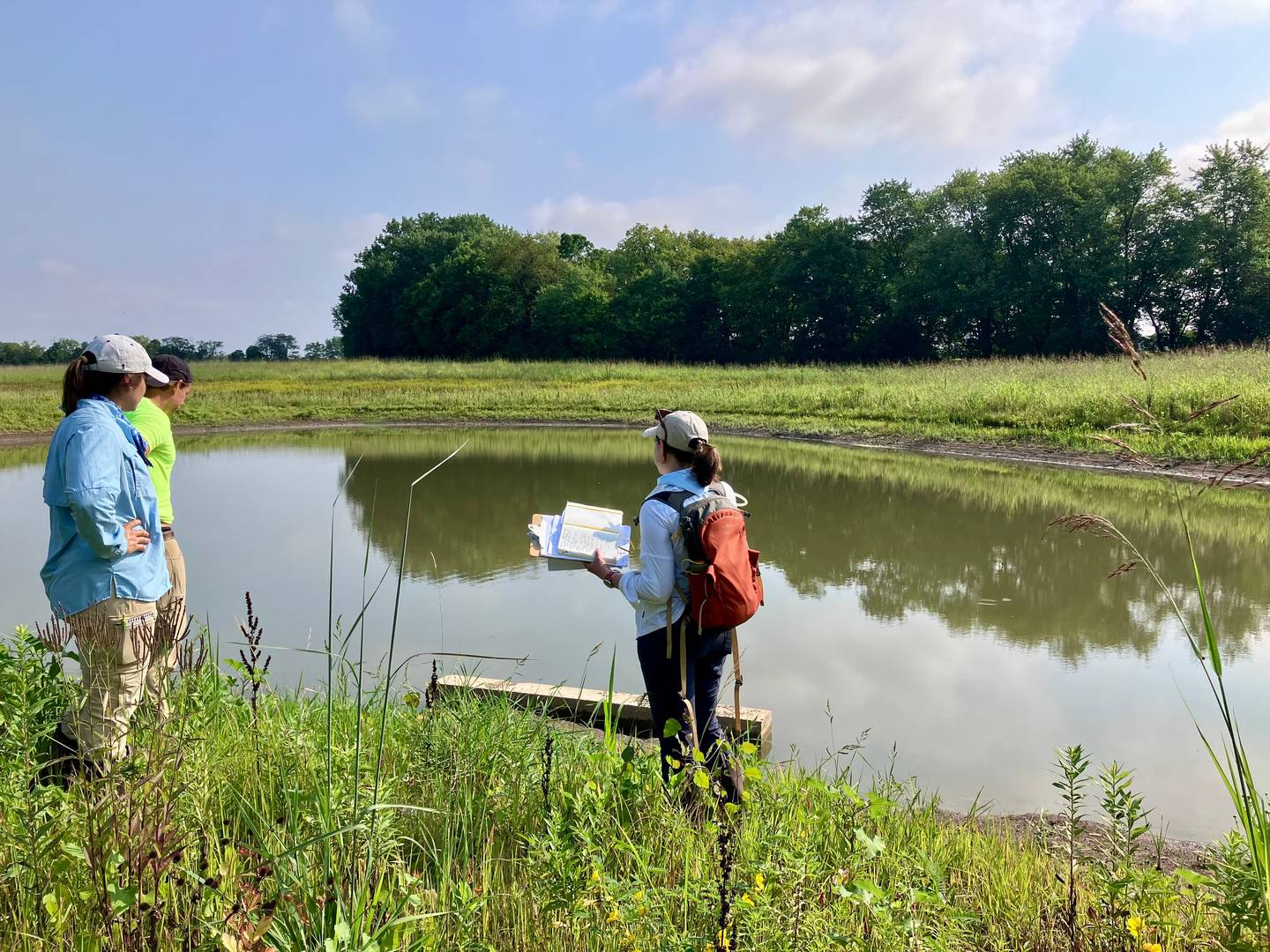
Feature
Winter 2025
The LEARN program demonstrates how meaningful collaboration between researchers and management professionals in Ohio fosters trust, adaptive monitoring, and hope for freshwater futures.
Sniffing for oil under ice: Dogs could aid in winter oil spill response Dogs could aid in winter oil spill response
By Sumeep Bath A groundbreaking experiment at IISD Experimental Lakes Area shows that trained detection dogs can locate oil spills under ice with 100% accuracy, offering a rapid and cost-effective solution for winter response. Scientists in Canada have recently discovered that dogs can sniff out oil spills buried in freshwater lakes under ice, with a 100% success rate. Last month in an experiment at IISD Experimental Lakes Area (IISD-ELA) in northwestern Ontario, sniffer dogs were able to definitively detect the location of various types of oil under lake ice, better than even our most sensitive scientific instruments. This suggests the incredibly exciting potential use of dogs in the aftermath of an oil spill, where time is of the essence to respond and mitigate the impact on the environment.Poppy is a 6-year-old Springer Spaniel from Wales and an ace at sniffing out oil under ice. She loves playing with tennis balls and receiving attention. Photo courtesy of IISD Experimental Lakes Area.Specially trained detection dogs known as Oil Detection Canines (ODCs) were able to detect the location of two types of oil under lake ice in six out of six instances in a double-blind study that resulted in no false negative results.The experiment was carried out on Lake 260, the site of many previous oil spills experiments. Researchers sawed three transects into the ice, with each consisting of nine holes measuring 1 square meter in size. Researchers let the holes freeze, with 2–3 inches of ice forming overnight. The next day, they drilled pilot holes at an angle to insert a pipe below the level of the newly formed ice, which allowed them to pump oil into three randomly selected holes. The types of oil used were a dyed diesel, ultra-low sulfur fuel oil and a syncrude condensate (typically mixed with oil sands bitumen to thin it for easier pumping through pipelines).Five days later, a 6-year-old Springer Spaniel named Poppy came and worked her magic running across the transects in a zigzag pattern signalled by her trainer, Paul Bunker, owner of Chiron K9. Neither of them knew which holes contained oil and which ones were dummy (reference) holes. When Poppy detected oil, she “alerted” her trainer by sitting down. Bunker would raise his arm, and researchers would inform him if the alert was indeed where oil was deposited beneath the ice. If Poppy was correct (and she always was), Bunker rewarded her with a little bit of play with her favorite toy, a red KONG Wubba.Kaosz, a 14-month-old Hungarian Vizsla, is at the IISD Experimental Lakes Area training to become an Oil Detection Canine. Kaosz enjoys bouncing, playing tug, and annoying other dogs. Photo courtesy of IISD Experimental Lakes Area.“These findings have enormous implications for speeding up how we deal with oil spills and protecting our freshwaters,” says Vince Palace, IISD-ELA head research scientist. “Over the years, we have tried sonar, radar, fluorescence, optical sensors, and old-fashioned, labor-intensive drilling—even the human eye with lights under the ice. But even our most sensitive scientific instruments and manual methods cannot come close to the 100% success rate of our canine friends. Oil Detection Canines are quick—covering up to 400 square meters in 20 minutes—they’re relatively inexpensive to train, and they’re evidently extremely accurate.”Even our most sensitive scientific instruments and manual methods cannot come close to the 100% success rate of our canine friends.When dealing with the aftermath of an oil spill from a pipeline under ice, response teams can spend much of their precious time determining where exactly the oil has spilled before taking action to clean up—a situation made much worse when working in frozen and harsh conditions.Using dogs in the initial response, with their proven speed and accuracy, could greatly assist the process of oil spill response and clean-up, resulting in less of an impact on our freshwater ecosystems.This study is part of a broader research project currently being conducted on freshwater lakes at IISD-ELA to determine the effectiveness of ODCs to detect oil under ice and is being carried out with funding from the United States Coast Guard Great Lakes Oil Spill Center of Expertise and in collaboration with Chiron K9, Owens Coastal Consultants, DF Dickins, and SLRoss.
Feature
Winter 2025
A groundbreaking experiment at IISD Experimental Lakes Area shows that trained detection dogs can locate oil spills under ice with 100% accuracy, offering a rapid and cost-effective solution for winter response.
The future of Great Lakes research Developing a collaborative science plan
By Val Klump & John Bratton The IJC Science Advisory Board is developing a decadal science strategy to address aging infrastructure, workforce shortages, and emerging threats through a collaborative, basin-wide plan. Whether by choice or by accident, we manage the Great Lakes ecosystem. Yet some of our tools may be getting a little rusty, and some of our researchers may be getting a little long in the tooth. That recognition sparked the creation of the International Joint Commission (IJC) Science Advisory Board’s (SAB) decadal science strategy. Fortunately, as we have come to better understand the negative impacts of some past management practices and worked to restore the ecosystem to a less impaired state, technology and understanding have also advanced. We are now poised on the brink of a potential bounding leap forward in ways that we can study and monitor the lakes and apply the resulting information to make smarter decisions about things like the fishery, infrastructure, water use, and agriculture. We are also now considering more broadly who is best positioned to carry out the work.A glider with VR2C acoustic receivers being prepared for deployment in RAEON’s test tank. This project tested a mobile platform to track fish movements in the Great Lakes in real time with acoustic telemetry. Photo credit: Cailin Burmaster, AUV Technician.We are now poised on the brink of a potential bounding leap forward in the ways that we can study and monitor the lakes and apply the resulting information to make smarter decisions.Innovations are constantly happening in communications, energy, transportation, computing, and health, to name a few domains. Similarly, innovations are making their way into activities like tracking fish movements in the Great Lakes in real time with acoustic telemetry, measuring water quality parameters under the ice in Lake Michigan from autonomous underwater vehicles, or determining what particular strains of cyanobacteria are present in harmful algal blooms in Lake Superior and whether they are capable of producing toxin and actively doing so. The pace and scale of the adoption of these innovative approaches into routine management decisions has been hampered by inadequate investment for decades, resulting in an aging research fleet and a shortage of skilled scientists who may have been trained in the region but have been lost to jobs elsewhere. Accelerating retirements of experienced researchers also present challenges that new investments in workforce development and staff positions at all levels can help address.In addition to shoring up the traditional research and monitoring enterprise, the Great Lakes community is starting to see the benefits of investing in engagement with Indigenous Knowledge holders and expanding participatory science networks. Many residents of the Great Lakes have deep knowledge of their local bays and shores based on decades of work and play on and near the water, as well as multiple generations of family and community experience. University and agency researchers are starting to join forces with these place-based experts, listening to and learning from them, while helping to train them on data and sample collection methods that expand the eyes and ears of the traditional researchers. One successful example is the Lake Erie Volunteer Science Network (LEVSN), which coordinates the work of participatory scientists in Canada and the U.S. to monitor water quality around the shores and harbors of the lake. More investment in groups like LEVSN could yield huge dividends.Testing deployments of an autonomous underwater vehicle in Lake Michigan, with the ultimate goal of using it under lake ice during winter to collect ecological and water quality data. Photo credit: Gabrielle Farina, NOAA Great Lakes Environmental Research Laboratory.The decadal science strategy, in which many of you have already participated, has concluded that both the science and our capacity to conduct it are not currently up to the task of answering the pressing questions faced by resource managers. This is especially the case in light of past and projected changes and the susceptibility of the Great Lakes to things like climate change, risks posed by industrial chemicals, pharmaceuticals, plastics and other emerging contaminants, invasive species, water level fluctuations, alterations in land use, and human migration trends.The SAB’s “Great Lakes Science Strategy for the Next Decade: Summary Report” was published in 2022 and laid out the rationale and scope of this effort. Now we have entered the second phase to design this enterprise and its architecture and develop a plan of implementation. To do that we have engaged a collaborative of over 30 individuals to help. They represent a broad range of stakeholders and rightsholders—multinational representatives, management agencies, academics, nonprofit organizations, and water users supported by IJC staff and contractors. Throughout the 2024 and 2025, this collaborative will have convened five workshops and related engagements to address designing the principal components of a draft plan.The first of these, held in June 2024, examined possible governance structures, with an eye to ensuring that execution of a plan is inclusive of all perspectives, responsive to a rapidly changing system and its management needs, sustainable beyond just the next decade, and fosters the next generation of a Great Lakes workforce and the IAGLR community.Most recently, in October 2024, more than 70 participants gathered at a second workshop to analyze key components and costs of an enhanced and comprehensive monitoring, modeling, and forecasting enterprise to support Great Lakes science and management. Ultimately, we want the ability to predict the future and the future impacts of our actions with confidence. To do that requires a rigorous model of how the system will respond to change. This model must be based on a sound understanding of how the system works and the dynamics which drive it, and it also needs data collected at high enough resolutions in time and space to verify the model's accuracy.There was broad agreement that the current programs that conduct these activities in the Great Lakes are effective, but that the resolution and accessibility of the data they collect and the products they produce are inadequate to fill key science gaps and guide many important ecosystem management decisions.The workshop concluded the science plan should include (1) a new basin-wide monitoring and surveillance expansion plan with several options for locations, parameters, and costs; (2) a companion plan that describes in detail the cyberinfrastructure and communication strategy that would optimize use of the new data; and (3) a plan for how new data would be used to support the creation and delivery of advanced modeling and forecasting products to a variety of users.Interviews were then conducted with select agency leadership in Canada and the U.S. These interviews were intended to determine the level of interest in and support by each agency for elements of the science plan, and the degree of alignment with the near-term and long-term plans of the agencies. The results of those interviews will inform the development of the remaining workshops that will be conducted in 2025 as part of this project, including discussions of the Centers of Excellence concept, workforce development aspects, and preparation of a draft science plan. Elements of that draft will be presented to the IAGLR community at our annual conference in June 2025 in Milwaukee via a special session as an opportunity for IAGLR members and conference attendees to provide feedback through a World Café-style facilitated mini-workshop. We look forward to seeing you there and soliciting your input.Empowering community members to take an active role in protecting their local waterways is vital to the future of the Great Lakes ecosystem. Pictured is a volunteer with the Buffalo Niagara Waterkeeper Riverwatch Program. Photo courtesy of Buffalo Niagara Waterkeeper.Why Now?Widespread change forecastDriven by the world’s third largest economy (US$6 trillion annually) and a direct consequence of the region’s overwhelming competitive advantage of containing the world’s largest sustainable source of available freshwater (~20 percent), the Great Lakes region is entering a new era of demographic growth, economic diversification, and accelerating environmental change.Widespread demand for freshwaterToday 50 million people live in this region, 80% of whom rely on the Great Lakes for drinking water. Yet more than 160 million North Americans will most likely experience a decline in the quality of their environment from more heat and less water by the middle to end of this century, a force that will drive migration, alter agricultural production, and increase demands on natural resources, particularly freshwater.Distinct from restorationOver the last decade, major investments (~US$4 billion) have been made in correcting a long legacy of past ills. Protecting this restoration effort and, more importantly, avoiding the need for future restoration are unquestionably of immense economic value in terms of cost savings, fostering broad cross-sector investment, enhanced property values, and improving the overall quality of life for which our region is increasingly recognized.Need to get out in front of changeNow more than ever, the Great Lakes region needs a cutting-edge predictive science and surveillance strategy to identify, anticipate, and prepare for the change that is coming, to inform its management and stewardship, and to ensure the prosperity, health, and resilience of the Great Lakes ecosystem, its economy, and its people.
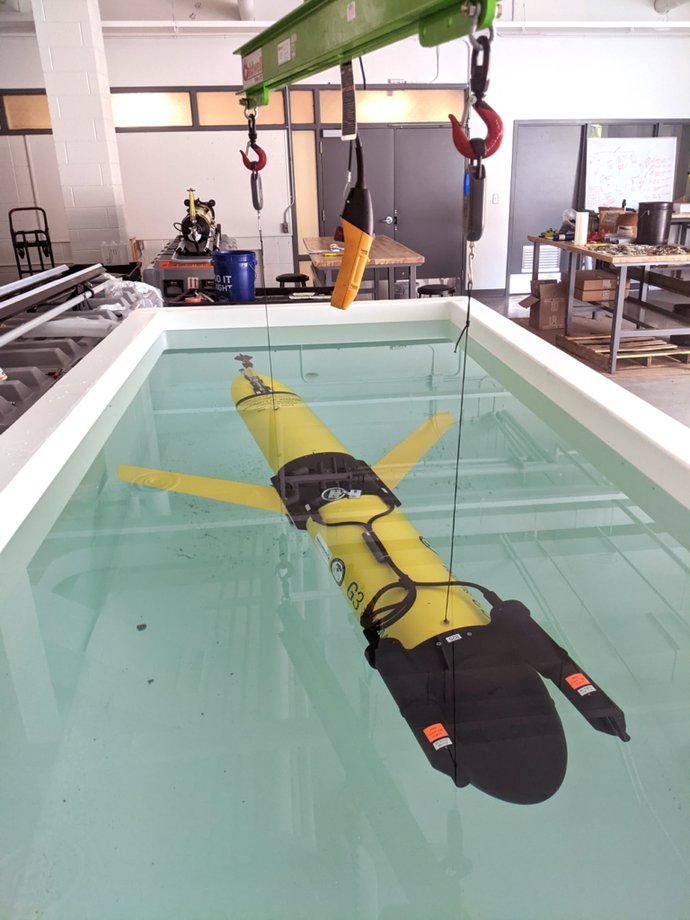
Feature
Winter 2025
The IJC Science Advisory Board is developing a decadal science strategy to address aging infrastructure, workforce shortages, and emerging threats through a collaborative, basin-wide plan.
Choosing hope By Paula McIntyre A piece reflecting on the theme of hope in the face of scientific challenges, emphasizing the role of storytelling and collaboration in sustaining the Great Lakes research community. How can one write about hope at a time like this? The theme for this issue— Science & Hope—germinated several months ago, but now it seems almost insensitive—naive at best. As I write these words, I have one screen open to a story about the successful restoration of lake trout in Lake Superior, and another with news about the dismissal of federal employees who implement the sea lamprey control that makes this restoration possible. Collaboration is the beating heart of IAGLR and large lake science worldwide. Yet news stories tell of U.S. scientists who are no longer allowed to freely communicate with their Canadian collaborators.Does hope have something to offer us now? The benefits of hope on mental and physical health are well-documented. With hope, people better tolerate pain, adhere to medical treatments, and recover from illness. A recent global study suggests that people need hope from their leaders much more than trust, compassion, or stability. Other studies show that nonscientists overwhelmingly associate science with hope. This indicates that scientists can play a significant role in inspiring hope, especially in difficult times.Elin Kelsey argues that the very nature of global environmental challenges requires hope. In Hope Matters, she writes that “the environmental crisis is also a crisis of hope.” She believes that hope is essential to addressing climate change, biodiversity, and other environmental crises. But what is hope? It’s not just wishful thinking or optimism. Researchers highlight several dimensions with a common thread: hope involves envisioning a desired future, acknowledging challenges, and taking action. Kari Grain defines this combination as “critical hope” and says it requires engaging with current difficulties.At the recent American Association for the Advancement of Science annual meeting, CEO Sudip Parikh emphasized that hope must be channeled into strategy and focus. President Willie May went a step further, saying that scientists have a responsibility to envision the future and plan how to achieve it.So, what can be done? Much advice centers on sharing stories about science. Communicate your work and its importance to your community and society. Have a conversation with your elected officials. Some groups encourage scientists to write opinion pieces in local newspapers and participate in rallies like the Stand Up for Science event on March 7, with the mantra that “science is for everyone.” Multiple science institutions, including IAGLR, have issued statements, and their leaders advise scientists to “remain focused on the long game.” This includes continuing to support students and early career researchers in this time of uncertainty.Kelsey encourages us to look for and share proven trends that are providing the desired outcomes. In The Book of Hope, Jane Goodall also calls for sharing stories to fuel hope. She considers hope to be a human survival trait that helps us take action toward our desired future, even in the darkest of times. Her co-author, Douglas Abrams, calls it a social gift.In this spirit, the current issue of Lakes Letter highlights success stories throughout the large lake research community. These include habitat protection, species restoration, and the adoption of new technologies—all made possible by collaboration with diverse individuals and talents, even oil-sniffing dogs! We hope these stories guide us toward critical hope, providing examples of how we can move toward the future we envision.
Perspective
Winter 2025
A piece reflecting on the theme of hope in the face of scientific challenges, emphasizing the role of storytelling and collaboration in sustaining the Great Lakes research community.
Volunteering for the love of suckers By Karen J. Murchie A citizen science program documents sucker fish migration, revealing temperature as the primary trigger and demonstrating the power of public engagement in fish conservation. Suckers (Catostomidae) are the most abundant migratory fishes in the Laurentian Great Lakes region, but they are understudied and underappreciated given their important roles in ecosystems. To overcome the lack of data for the species, we designed a citizen science program to engage volunteers in documenting the migration phenology of white suckers and longnose suckers across a latitudinal gradient.Beyond collecting data, participants in the program have become vigorous advocates for these species and their environments, allowing for peer-to-peer messaging that complements traditional science communication. Seven years of data from our network of volunteers reveal that temperature is the primary trigger for sucker spawning migration; cumulative degree days over 43.3 F (6.3 C) is the best predictor of migration timing across sites and years. Based on our experience, we provide readily transferrable strategies for soliciting and retaining volunteers as well as ensuring high data quality standards. Our citizen science network exemplifies the untapped potential for involving the public in fish conservation activities. See Murchie et al. 2024 to learn more.
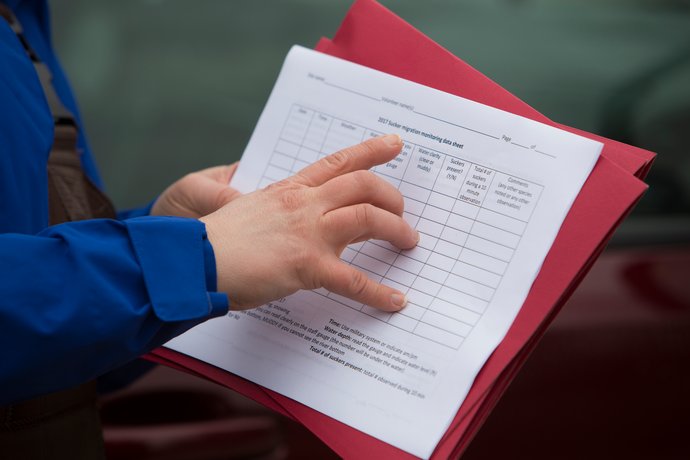
Research Brief
Winter 2025
A citizen science program documents sucker fish migration, revealing temperature as the primary trigger and demonstrating the power of public engagement in fish conservation.
Molly Wick An EPA postdoctoral fellow, Molly Wick studies cultural ecosystem services along Great Lakes. Describe your work or studies.I am a postdoctoral fellow with Oak Ridge Institute for Science and Education, hosted by the Great Lakes Toxicology and Ecology Division of the U.S. Environmental Protection Agency in Duluth, Minnesota. I am an interdisciplinary social-ecological scientist, and I study connections between communities and waterfront ecosystems to try to inform better and more equitable decision making. My current research focuses on cultural ecosystem services, or the less tangible human well-being benefits associated with nature. My focus is on Great Lakes waterfront ecosystems, especially in Areas of Concern like the St. Louis River estuary. My postdoc research project explores how mapped ecosystem service potential—for activities like fishing, boating, and bird watching—relate to realized benefits for different sociodemographic populations. Our interdisciplinary team of scientists is applying mixed qualitative and quantitative methods and community-engaged approaches for this work.What inspired you to enter this work?Earlier in my career, I worked as a habitat restoration project manager. I noticed how environmental decision making is intended to benefit people and communities, but tools and methods for the explicit consideration of people or communities were not built into our restoration work. I decided to go back into research to help address that gap and find ways for environmental decision makers to incorporate community considerations directly into their work, with the intent of ultimately making outcomes more equitable and beneficial to all.What are your professional aspirations?I am currently looking for a permanent position with a government agency or NGO where I can apply my skills in both research and science communication! I would love to find a position where I can continue to apply interdisciplinary community-engaged research approaches to locally identified needs to improve environmental decision making.How is science communication important in your work?Communication is the foundation of everything we do, from collaborating with close colleagues to making sure our research finds the right audience out in the broader world. For our research to ultimately improve decision making, we must be able to effectively communicate research results to decision makers and those who influence decision making. I am excited to apply what I’m learning in the SP²ARK Fellowship to do just that.What is something about yourself that you’d like to share with other IAGLR members?My excitement for communication overflows into the rest of my life as well—I love creative writing also, and read dozens of books every year for fun.
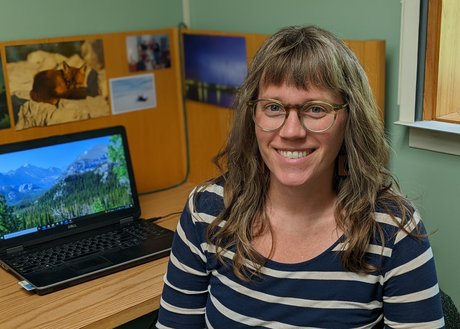
Member Spotlight
Winter 2025
An EPA postdoctoral fellow, Molly Wick studies cultural ecosystem services along Great Lakes.
Chris Vandergoot Christopher Vandergoot (1976–2024) was the director of GLATOS whose innovative work in acoustic telemetry transformed fisheries management and left a lasting impact on the Great Lakes community. Chris Vandergoot, director of the Great Lakes Acoustic Telemetry Observation System since 2019, passed away unexpectedly in September while in Halifax, Nova Scotia, to attend a conference. Vandergoot, 48, was especially known for his infectious enthusiasm for acoustic telemetry projects and for faith, family, and friends. A tribute to Vandergoot aptly states, “His innovative approach and contribution to the field of fisheries management has made global impacts and his research is highly valued by scientists and anglers alike. Great Lakes anglers distinctly know more about the fish that they chase because of the work that Dr. Vandergoot so passionately pursued.”
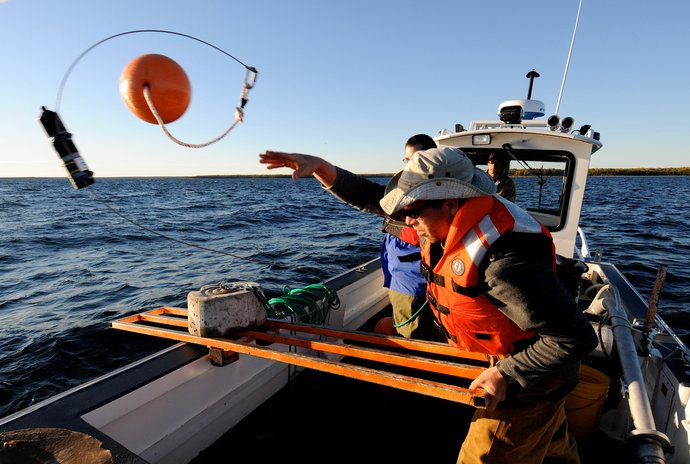
In Memoriam
Fall 2024
Christopher Vandergoot (1976–2024) was the director of GLATOS whose innovative work in acoustic telemetry transformed fisheries management and left a lasting impact on the Great Lakes community.
Huifang Bi Huifang Bi is developing green, biomass-derived coatings to prevent oil adhesion on shorelines and enhance biodegradation, aiming to revolutionize oil spill response in freshwater environments. Describe your work or studies.Spilled oil reaching shorelines can be highly weathered and hard to remove, and there is a need to develop an environmentally friendly, easy way to wash out the deposited oil, or even prevent the spilled oil from adhering on the shoreline. My research focuses on the development of green shoreline oiling prevention and treatment techniques to reduce the impacts of spilled oil in coastal regions. I am currently developing a biomass-derived coating with special wetting properties to reduce oil adhesion on sensitive shorelines and structures during emergency spill response. Meanwhile, I am also exploring whether this functionalized coating (one that has novel functions beyond its primary purpose) can enhance the biodegradation rates of the residual oil released into surrounding waters.What inspired you to enter this work?I grew up in a city by the shoreline, and I love the peaceful feeling of walking by the water. Since May 2019, as a master’s student at Concordia University, I have participated in research projects related to shoreline cleanup during oil spill response, funded by the Multi-Partner Research Initiative (MPRI) under Canada’s Oceans Protection Plan. As a core team member, I conducted extensive research on the use of surface washing agents for oil cleanup. In particular, I had the opportunity to work with many experts from academia, industry, and government in Canada, the United States, and Norway, and I received valuable suggestions from them. These experiences sparked my growing passion for this field, leading me to pursue a Ph.D. on this topic. As my research progressed, I continuously reflected on how to further reduce the impacts of spilled oil on the Canadian coastal environment and communities. In my opinion, using an environmentally friendly method to prevent the adhesion of spilled oil on shorelines is far superior to removing stranded oil. This led to the development of the idea of a functionalized coating for shoreline oiling prevention. Although still in the exploratory phase, my preliminary results showed that this method is both feasible and meaningful, with the potential to revolutionize oil spill response on shorelines.What are your professional aspirations?I hope to become a research scientist in the field of oil spill response, focusing on developing innovative solutions like functionalized coatings for shoreline oiling prevention. I aim to continue advancing this technology to minimize environmental disturbance while effectively protecting shorelines. In the long term, I aspire to lead a research team dedicated to transforming the developed technologies into practical applications for the oil spill response toolbox, helping responders protect coastal and freshwater ecosystems more sustainably.What is something about yourself that you’d like to share with other IAGLR members?In addition to my research, I actively participated in some forums, workshops, and conferences (e.g., IAGLR 2024) to share my research with a wider audience and engage with experts. These interactions provided me with valuable insights into the latest developments in oil spill science and response strategies, while also fostering collaborations that enhance the practical applications of my findings. I am deeply passionate about seeing my work transform into real-world solutions that protect shorelines.Additionally, I am actively involved in event organization and knowledge dissemination, which gives me opportunities to demonstrate my leadership skills. For example, I led the promotion of International Oil Spill Science Conference 2022 through various channels and provided technical support for several online events, such as MPRI Student Research Forum 2021 and ITAC-MPRI Virtual Forum 2021. My contributions to shoreline cleanup research and my engagement with oil spill communities have been well recognized. For instance, I have published 21 papers in international journals. In recognition of my achievements, I was awarded the 2023 Vanier Canada Graduate Scholarship (the most prestigious of the doctoral scholarships offered by the Canadian federal government) and 2024 International Oil Spill Conference Scholarship.What advice to you have for graduate students interested in pursuing oil spill science?Don’t hesitate to explore innovative solutions like nanotechnology or advanced materials, as these cutting-edge approaches may address complex challenges in oil spill prevention and cleanup. Innovation often leads to more efficient and sustainable outcomes, so keep an open mind and be willing to test new ideas.
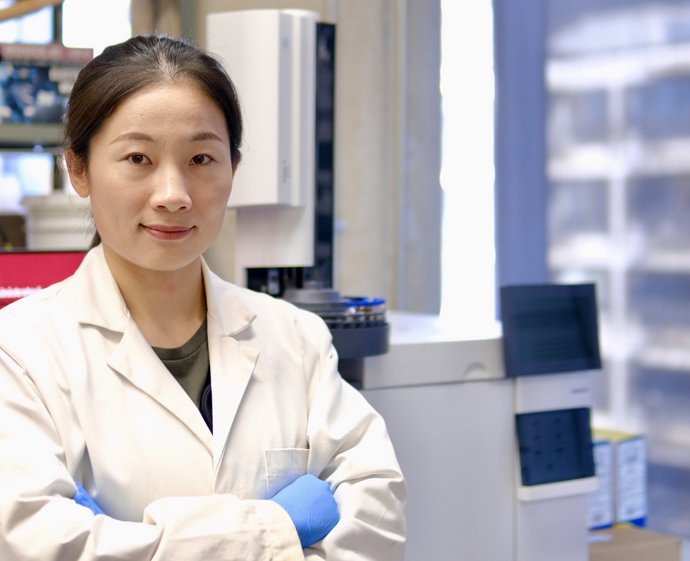
Member Spotlight
Fall 2024
Huifang Bi is developing green, biomass-derived coatings to prevent oil adhesion on shorelines and enhance biodegradation, aiming to revolutionize oil spill response in freshwater environments.
Can freshwater microbes help clean up oil contamination in the Great Lakes? By Chris Weisner & Peter Jobin Research at the University of Windsor is investigating the potential of natural freshwater microbial communities to degrade hydrocarbons and clean up oil contamination in the Great Lakes. Graduate student Peter Jobin in the lab at the University of Windsor, Great Lakes Institute of Environmental Research.Researchers at the University of Windsor are exploring the role of freshwater microbes in the growing threat of large-scale oil contamination within the Great Lakes. Peter Jobin, an environmental science graduate student at the University of Windsor’s Great Lakes Institute of Environmental Research (GLIER) is investigating the hydrocarbon-degrading potential of natural microbial communities across freshwater Great Lakes habitats and tributaries and cataloguing the impacts on critical biogeochemical cycles (e.g., nitrogen, carbon, and phosphorus) that constitute these environments.Funded by Natural Resources Canada and working with Chris Weisener and Mike McKay of GLIER, Jobin is part of a transnational group of researchers led by Ashley Moerke, dean of the College of Great Lakes Ecology and Education and executive director of the Center for Freshwater Research and Education at Lake Superior State University, and Michael Twiss, biology professor at Algoma University (see page 14). The group includes additional partners from Memorial University, the U.S. Coast Guard Great Lakes Oil Spill Center of Expertise, and the Bay Mills Indian Community.The natural defense against oil spills and complex hydrocarbon organic compounds (e.g., naphthalene and polycyclic aromatic hydrocarbons) is often attributed to the metabolic potential of local communities of oil-degrading microorganisms found within the water and underlying sediment. Research will focus on the microbial functional potential for species capable of metabolizing hydrocarbons and will apply omics-based approaches (metagenomics and metatranscriptomics) and novel microsensor techniques. The Weisener group will characterize novel gene pathways during hydrocarbon degradation (alkB), as well as monitor changes to key genes within the nitrogen cycle (amoA) across these various Great Lakes waterways. This research has implications for policy makers and the public, helping to guide decisions on oil spill response and pollution control in the Great Lakes.This research has implications for policy makers and the public, helping to guide decisions on oil spill response and pollution control in the Great Lakes.
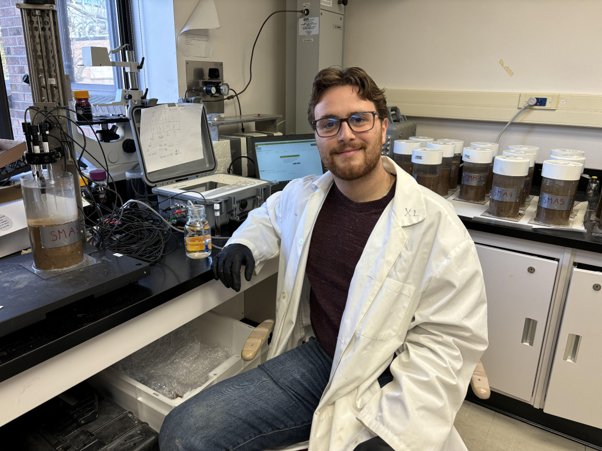
Research Brief
Fall 2024
Research at the University of Windsor is investigating the potential of natural freshwater microbial communities to degrade hydrocarbons and clean up oil contamination in the Great Lakes.
The impact of regulation on oil spill response
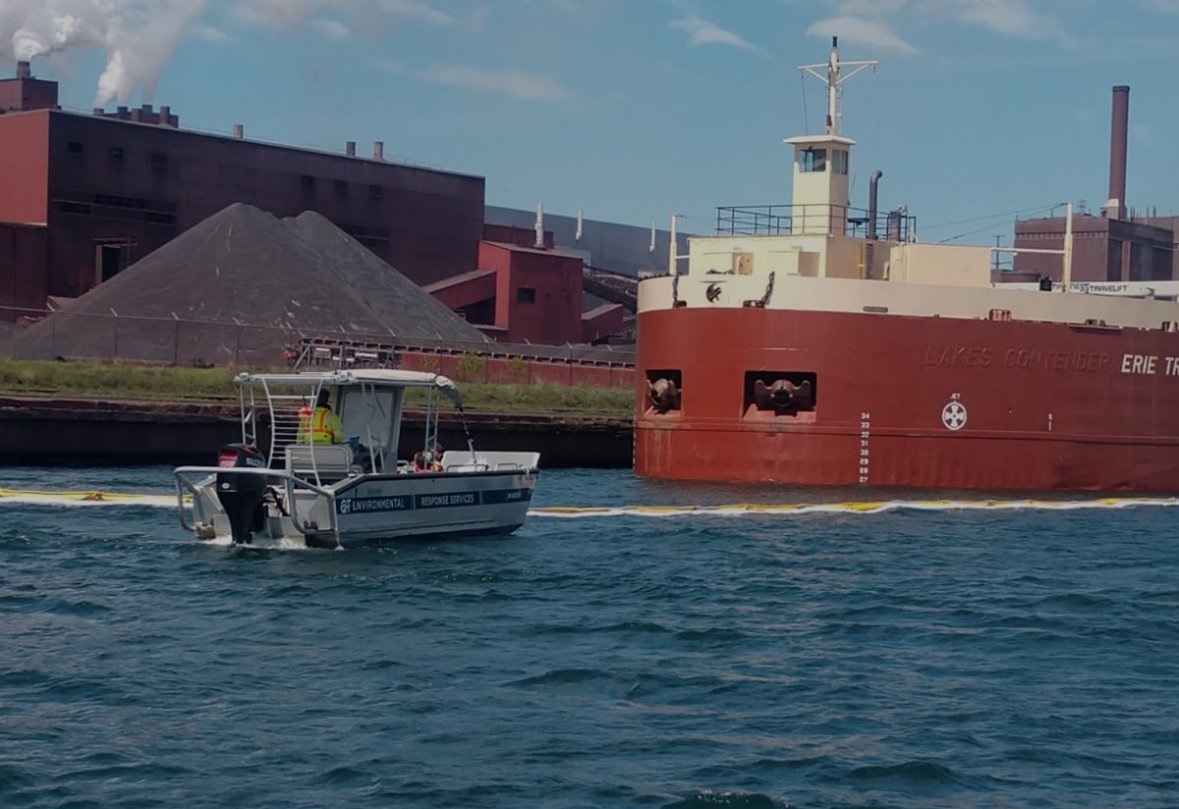
Feature
Fall 2024
A perspective on how regulatory frameworks like the Oil Pollution Act of 1990 have shaped oil spill response, highlighting the challenges of workforce retention and the need for advanced training.
Research networks: Advancing Great Lakes oil spill preparedness, response, and recovery through collaboration By Kelsey Prihoda & Kenneth Lee An overview of collaborative research networks in the Great Lakes, including the GLCOE and ICOR, working to improve oil spill prediction, detection, and response capabilities. The headline of a recent analysis by the U.S. Energy Information Administration on global production of crude oil reads “United States produces more crude oil than any country, ever.” Domestic production of crude oil in the U.S. has been increasing since 2010 (see figure below) in part due to technological advances (hydraulic fracturing and horizontal drilling) that have allowed the extraction of unconventional crude oil from oil and shale sands. A similar trend is also apparent in Canada, where crude oil production has increased by 41% since 2013. In 2023, Canada was ranked as the fourth largest producer of crude oil in the world, producing 5.1 million barrels per day (MMb/d). Together in 2023, the U.S. and Canada were responsible for producing over 21% of the world’s crude oil.Annual field production of crude oil, measured in millions of barrels per day, in the United States from 1900 to 2023. Kelsey Prihoda, Minnesota Sea Grant, with data provided by the U.S. Energy Information Administration.Major crude oil pipelines in the Great Lakes region, the location of crude oil pipeline terminals, and the location of active refineries. Data sources: U.S. Department of Homeland Security, U.S. Energy Information Administration. Hazardous Material Transport Outreach Network.In 2023, Canada exported an average of 4.0 MMb/d (nearly 80% of its total crude production) with the majority going to the U.S. There are numerous refineries in the Great Lakes–St. Lawrence River region. Pipelines, which transport about 90% of the petroleum hydrocarbons within North America, are located adjacent to, and underneath, the Great Lakes and the region’s major tributaries (see figure above).Spills of petroleum hydrocarbons within the Great Lakes–St. Lawrence River region have become a concern due to their extensive use in power generation, manufacturing, and chemical industries. From 2013 to 2019, approximately 1,300 oil and petroleum product spills occurred in the Great Lakes region according to a recent analysis of U.S. National Response Center data. The St. Lawrence Seaway is a major transport route that permits oceangoing vessels to travel from the Atlantic Ocean to reach ports in all five of the Great Lakes. In 2020, Transport Canada reported that over 4.1 million tonnes of oil products, or the equivalent of approximately 33 million barrels of oil products annually, were moved from 29 marine facilities in and out of ports in the Great Lakes–St. Lawrence Seaway. Despite advances in technology and safety protocols, the public remains concerned over the risk and impacts from accidental releases of petroleum hydrocarbons into the Great Lakes–St. Lawrence Seaway System.The Great Lakes are the world’s largest source of freshwater. They provide a source of drinking water for 40 million people, support a robust blue economy, and are a place of cultural significance for many Indigenous peoples. The Great Lakes are a dynamic system with strong currents, wind, and wave energy; rapid changes in ice cover; and tributaries with fast-moving water. The Great Lakes–St. Lawrence River region faces significant challenges with respect to oil spill preparedness, response, and recovery, including (Great Lakes Commission, 2015, and Lee et al., 2015):Early warning systems and predictive models for oil fate and transport in the dynamic Great Lakes system.Oil spill detection under ice and response in ice-covered environments.Limited knowledge and research on the impacts of oil spills in freshwater, cold-climate ecosystems.Development of effective oil spill countermeasures for use in freshwaters.Lack of awareness among Great Lakes communities about oil spill response planning and preparedness efforts.Research NetworksWithin the Laurentian Great Lakes region, several collaborative research networks have been established recently to improve our ability to predict, prepare for, respond to, and recover from oil spills. Teams of multidisciplinary partners benefit from recent funding available through Natural Resources Canada’s Multi-Partner Research Initiative, the U.S. Coast Guard Great Lakes Oil Spill Center of Expertise (GLCOE), and the National Oceanic and Atmospheric Administration’s Office of Response and Restoration. Examples include the following:Within the Laurentian Great Lakes region, several collaborative research networks have been established recently to improve our ability to predict, prepare for, respond to, and recover from oil spills.Concordia Oil Spill Research GroupLed by Concordia University, this research group is dedicated to addressing the challenges of oil spills in freshwater shoreline environments. Its work focuses on three main areas: sensitivity and risk assessment, fate and transport of oil along shorelines, and shoreline spill response.International Consortium of Oil Research– Our Waters of the NorthThis collaboration led by the Center for Freshwater Research and Education at Lake Superior State University (LSSU) and Algoma University is building capacity for detection of and response to oil spills under ice by developing drone and autonomous underwater vehicle systems. It is also working across 12 organizations and among 24 scientists to examine the effects of oil spills in freshwater ecosystems and to advance bioremediation strategies for the Great Lakes to enhance habitat recovery.Great Lakes Oil Spill Center of ExpertiseEstablished by the U.S. Coast Guard, the GLCOE is conducting research, development, testing, and evaluation for freshwater oil spill response equipment, technologies, and techniques to mitigate and respond to oil spills in the Great Lakes with a number of partners.Hazardous Material Transport Outreach NetworkThis network is led by Minnesota Sea Grant and is supported by all the Great Lakes Sea Grant Network programs. Through education and outreach, it is working to translate research findings into actionable information for emergency managers, policy makers, and Great Lakes communities.Oil Spills Under Ice Working GroupThe working group is led by Michigan State University and includes researchers from the Cooperative Institute for Great Lakes Research, Michigan Technological University, and LSSU. It is working to identify current gaps in our knowledge of oil fate and transport under ice, available technologies for timely detection of oil under ice, and response strategies to safely remediate oil spills in ice-covered environments.Smart Lake Erie Watershed InitiativeLed by Cleveland Water Alliance, the initiative is being used as a testbed for hydrocarbon sensors developed by LimnoTech, LSSU, and the GLCOE that could one day be the foundation of an early warning system for petroleum hydrocarbons in the Great Lakes.Oil spill preparedness and response exercises that incorporate the application of new knowledge and technologies from these new research and outreach collaborations—not to mention the attention and efforts of hundreds of researchers and other participants across government, industry, academia, regulatory agencies, response organizations, Indigenous Nations, and coastal communities in multiple countries—offer hope for Great Lakes ecosystems, communities, and economies who may be impacted by future oil spills. We invite you to learn more about many of their efforts in this issue.

Feature
Fall 2024
An overview of collaborative research networks in the Great Lakes, including the GLCOE and ICOR, working to improve oil spill prediction, detection, and response capabilities.
Oil spill modeling: The critical impact of ice cover in the Great Lakes By Yang Song, Ayumi Fujisaki-Manome, Christopher H. Barker, Amy MacFadyen, Dan Titze, David M. Wright, James Kessler & Jia Wang Research highlights the complex interactions between oil and ice in the Great Lakes, emphasizing the need for improved modeling to predict oil movement and weathering under ice cover. Comparison of a hypothetical oil spill spread at the Straits of Mackinac in Lake Michigan-Huron, with and without ice cover.The risk of oil spills in the Laurentian Great Lakes is a growing concern due to frequent ship traffic and aging submerged pipelines at the Straits of Mackinac in Lake Michigan-Huron. Freshwater oil spills are known to cause severe environmental damage—from the death of local wildlife to contamination of drinking water supplies—yet they have been studied less extensively than marine oil spills. To address this issue, high-fidelity oil spill models are being developed and used for oil spill preparedness and response in the Great Lakes. Meanwhile, although ice cover is a regular occurrence in this region (see figures, this page), it has not been rigorously incorporated into these models. This lack of research could notably reduce the accuracy of oil spill movement simulations and decrease response effectiveness, posing serious threats to the water environment and ecology.Historical ice cover for the Great Lakes. National Oceanic and Atmospheric Administration's Great Lakes Environmental Research Laboratory.For the Great Lakes, we created a computer model looking at hypothetical oil spills at the Straits of Mackinac to help predict what would happen if oil were accidentally released there. The model explored how spills might spread across the water’s surface and interact with ice. It focused on the prominent oil advection process, specifically the movement of oil due to currents, winds, and ice. The results demonstrated that ice cover can limit oil movement and reduce the extent of oil-affected open water areas (see previous page, top figure). While this may initially seem like a positive outcome of ice cover, oil can actually move beneath the ice cover or become trapped and locked in ice, which is known as oil encapsulation or an oil-ice sandwich. Furthermore, oil trapped under ice is difficult to detect and clean up, making it even more crucial to predict its movement. These complex interactions between oil and ice are not fully understood or effectively represented in oil spill modeling, adding to the uncertainty in predictions.In general, ice cover affects oil spills through both transportation and weathering aspects (see figure at right). In terms of oil transport, ice cover can affect oil spill movement by forming barriers that reduce oil advection and spreading. This spreading is the thinning process of an oil slick caused by the interaction between viscosity, gravity, buoyancy, and surface tension. Moreover, ice cover can influence oil transport in other less-studied ways. These processes include 1) encapsulation, which is specific to ice-covered waters and is poorly understood; 2) dispersion, where breaking waves force oil droplets into subsurface water; ice cover can prevent this process; and 3) sedimentation, which refers to the adhesion of oil to suspended sediments and is the least studied of the transportation aspect.Oil weathering refers to the changes in the physical and chemical properties of spilled oil, including processes such as evaporation, emulsification, biodegradation, dissolution, and photo-oxidation. Ice cover weakens evaporation by lowering the ambient temperature and thickening the oil slick, and it can even stop evaporation altogether if the oil is under ice, with no exposure to the atmosphere. Emulsification is the process in which small droplets of water are mixed into oil to form a stable emulsion due to waves and turbulence; ice has been reported to slow this process. Biodegradation, often considered the final fate of weathered oil, refers to the breakdown of petroleum hydrocarbons into simpler components, such as water and carbon dioxide, by microorganisms like bacteria and fungi. Ice cover can reduce this process due to the higher viscosity of oil, the lower evaporation rate, and the slower microbial activity compared to open water. Dissolution is the process where the soluble portion of oil breaks into individual molecules, blending with water to create a uniform mixture; it occurs much more slowly than evaporation, and oil could dissolve more readily in ice-covered water due to greater contact with the liquid phase. Photo-oxidation occurs when oil is exposed to oxygen and light, causing it to degrade into new oxygenated products; this process is the least studied of the weathering aspect, and the impacts of ice cover are largely unknown.The initial location of the oil spill, such as whether the oil is on the ice, beneath the ice, within leads, on snow, or absorbed by snow, must be considered for emergency responders, as it can directly determine how ice cover affects oil transportation and weathering, the modeling of these processes, and the mitigation and cleanup strategies. It is also worth noting that the type of ice—such as land-fast ice, pack ice, and broken ice—and ice duration, as well as the properties of oil—such as oil type, viscosity, components, and volatility—also influence oil transportation and weathering, adding another two layers of complexity.In summary, ice cover exerts unignorable impacts on oil spill movement and greatly complicates the oil spil process. Ice cover generally slows oil transportation and weathering and complicates modeling and cleanup efforts. To date, modeling oil behavior in ice remains in its initial stages, lacking a sufficient understanding of the influencing mechanisms and valid mathematical algorithms. Additionally, most research on oil-ice interaction has focused on sea ice; the differences with freshwater ice, like that in the Great Lakes, are not well understood. To improve the predictive accuracy of oil spills under icy conditions and ensure effective responses, future research should focus on quantifying oil-ice interactions to ensure their adequate representation in the models.Straits of Mackinac in Lake Michigan-Huron.
Feature
Fall 2024
Research highlights the complex interactions between oil and ice in the Great Lakes, emphasizing the need for improved modeling to predict oil movement and weathering under ice cover.
A new focus on an old issue The International Consortium of Oil Research builds scientific capacity in the Great Lakes to understand oil spills
By Michael Twiss & Ashley Moerke ICOR is building scientific capacity to study the biological impacts, fate, and detection of oil spills in the Great Lakes ecosystem. Summer research assistants setting up the 24 treatment vessels containing St. Marys River water, sediment, and a variety of aquatic plants.Oil is an integral part of the economy in the Great Lakes-St. Lawrence River system. It fuels shipping and is moved by pipelines that cross the basin and pass underneath many of its connecting waters, including the Straits of Mackinac. Major oil spills have occurred in the region before. In June 1976, a barge ran aground in the Upper St. Lawrence River and spilled 1,100 m3 of crude oil that was poorly contained and spread along an 80-mile(130-kilometer) reach of the river, contaminating shoreline marshes and killing innumerable fish, fowl, and wildlife. It was one of the largest oil spills in the U.S. until 2010 when a pipeline buried beneath the Kalamazoo River, a tributary of Lake Michigan in southwest Michigan, ruptured and at least 840,000 gallons (3,180 m3) of crude oil spread along a 38-mile (61-kilometer) reach of this river.More recently, residents of the Great Lakes have been reminded that the risk remains. Currently, a 65-year-old oil pipeline traverses the Straits of Mackinac on the floor of this critical waterway. There is a proposal to bury the pipeline in a tunnel to prevent potential catastrophes such as the event on April 1, 2018, when a tugboat anchor dragged along the lakebed through the Straits of Mackinac severing submerged electrical cables that spilled 608 gallons (2.3 m3) of mineral oil insulation fluid. The same incident also dented the submerged oil pipeline, risking a major oil spill during the winter shipping period when response and containment would have been very difficult, if not impossible.The International Consortium of Oil Research is an international group of aquatic ecologists, limnologists, ecotoxicologists, microbial ecologists, physiological ecologists, and mechanical and environmental engineers examining the potential impact of oil spills in the Great Lakes region, seen here at an ICOR workshop in March 2024.Where do our responsibilities lie? Natural Resources Canada (NRCan) has recently stimulated research on the impacts of oil spills in the Great Lakes system and additional support is provided by the U.S. Coast Guard Great Lakes Center of Expertise. There has been some excellent research conducted on freshwater oil spills in inland lakes, notably at the IISD-Experimental Lakes Area research facility in northwestern Ontario. However, impacts of oil on freshwater ecosystems are far less understood than in marine systems and comparatively little research has been conducted on how oil spills will adversely affect Great Lakes ecosystems and food webs in winter and warmer seasons.As academic scientists, our responsibilities are to provide unbiased research findings to both the public and government scientists. Understanding the impacts oil spills will have on the Great Lakes will help the public, managers, and responders implement science-based decision making regarding oil transport across and under the Great Lakes.As academic scientists, our responsibilities are to provide unbiased research findings to both the public and government scientists.To this end, the International Consortium of Oil Research (ICOR) was funded by NRCan for a five-year project to examine biological impacts, oil fate and transport processes, and oil detection in the Great Lakes. Directed by Ashley Moerke and Michael Twiss, ICOR has three research networks involving over 20 international researchers. These networks include Biological Impacts of Oil, Oil Particle Interactions, and Monitoring and Detection of Oil in Our Waters of the North, all under the focus of Our Waters of the North. The goals are to advance understanding of oil spill detection, impacts, and response in Great Lakes water by building infrastructure, training early career professionals, and increasing the science available to guide decision making.Some examples of current collaborative research efforts include construction of an outdoor experimental tank facility at the Center for Freshwater Research and Education at Lake Superior State University to conduct food web experiments (see photo, previous page); ecotoxicology experiments of fish exposed to oil and measured at realistic conditions using sensitive physiological parameters (olfaction, behavior, and cortisol expression) at Algoma University; measurements of microbial community composition and function when exposed to oil at the Great Lakes Institute for Environmental Research, University of Windsor (see page 26); studies of oil aggregate formation and the microbiome of oil-degrading microbes at Memorial University of Newfoundland and United States Geological Survey; and autonomous vehicle and sensor development for oil detection under ice at the University of Windsor, NOAA, and Limnotech.Ultimately, this research will support discussions of the risk inherent with economic activity on the lakes that involve oil. These important discussions will depend on data collection and analysis, knowledge of risk and its mitigation, foresight to recognize threats well before their impact, and ways to alert our responders and communities so correct actions can take place.
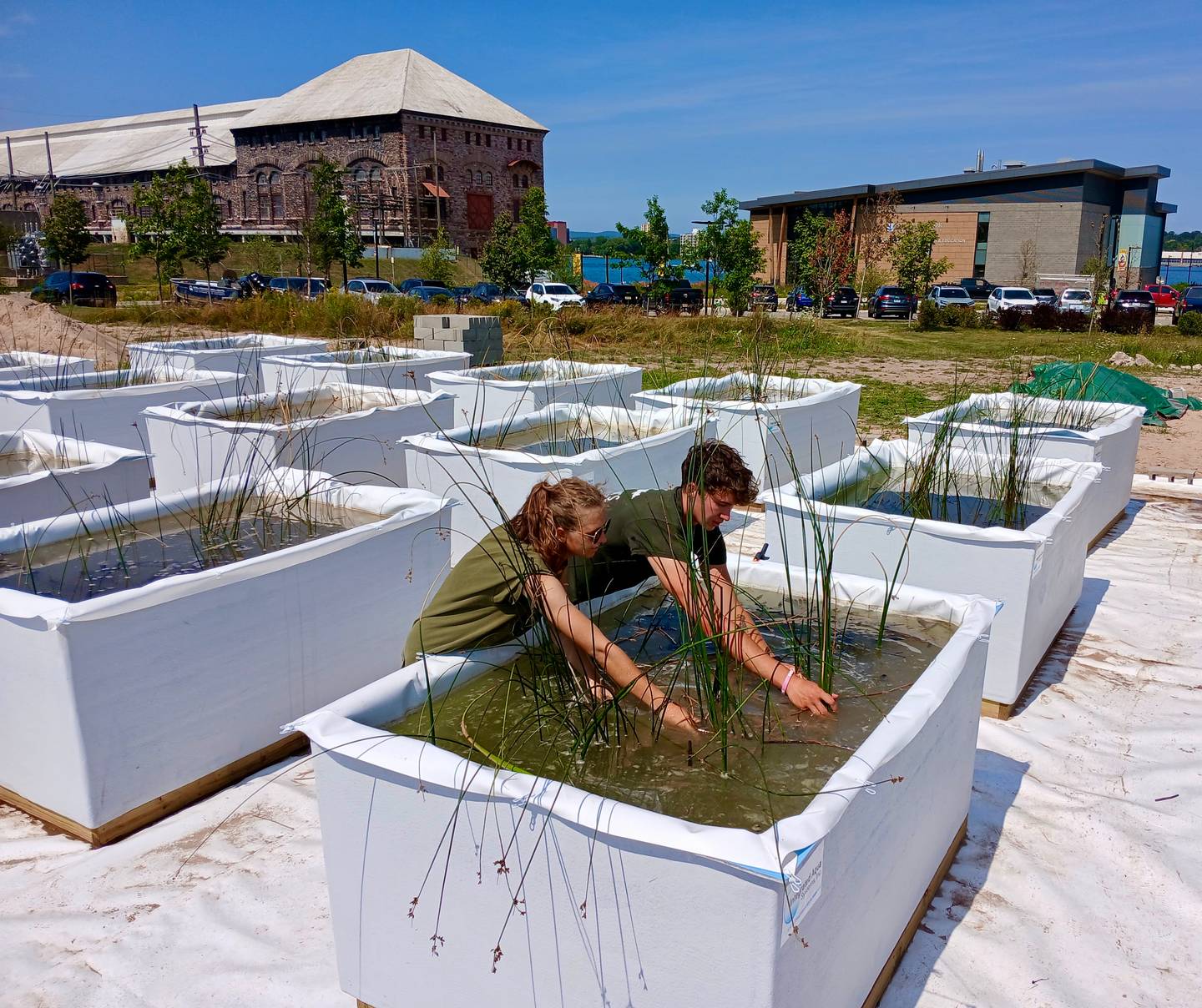
Feature
Fall 2024
ICOR is building scientific capacity to study the biological impacts, fate, and detection of oil spills in the Great Lakes ecosystem.
Leading response research The U.S. Coast Guard Great Lakes Oil Spill Center of Expertise
By Alison Gates & Allison Snider An inside look at the U.S. Coast Guard's Great Lakes Oil Spill Center of Expertise, which leads research and training to improve oil spill response in freshwater and icy environments. Cadets Maddie Greene and Jacey Tippman reviewed Shoreline Cleanup Assessment Technique protocol and learned about spill response with GLCOE's Chief Warrant Officer Joe Torcivia.The U.S. Coast Guard Great Lakes Oil Spill Center of Expertise (GLCOE) stands at the forefront of oil spill research in the Great Lakes, bridging the gap between scientific innovation and practical application and playing a pivotal role in safeguarding these vital freshwater resources. The GLCOE was established through the Frank LoBiondo Coast Guard Authorization Act of 2018. This legislative mandate tasked the GLCOE, a non-operational unit, with conducting vital research and training focused on oil spill response in freshwater and ice-laden environments.The GLCOE has two primary objectives: 1) Scientific Leadership: to serve as a hub of scientific expertise that transitions cutting-edge research and technology into practical field applications; and 2) Knowledge Repository: to function as a knowledge base and research coordinator that addresses gaps in oil spill response knowledge specific to the Great Lakes region.Housed at Lake Superior State University (LSSU) in Sault Ste. Marie, Michigan, and the National Oceanic and Atmospheric Administration’s (NOAA) Great Lakes Environmental Research Laboratory in Ann Arbor, Michigan, the GLCOE benefits from its co-location with these prominent institutions. This strategic positioning fosters collaboration with regional partners and a diverse network of researchers.Achievements & CollaborationsOne of the first tasks the GLCOE completed was to charter a comprehensive analysis of oil spill risks and response capabilities in the Great Lakes region, conducted by RAND (see page 20). Since the GLCOE’s founding and the completion of this report, the unit has made significant strides:Collaborated with over 20 principal investigators across various disciplinesEngaged with five countries and 26 statesTrained more than 40 regional respondersAcquired multiple unmanned aerial systems and remotely operated vehicles for real-world exercises and responsesFunded over 30 research projects, allocating more than US$4 million to initiatives involving academia, industry, non-profits, and federal and international partnersAnnual Funding OpportunitiesEach spring, the GLCOE announces its funding opportunities, allocating approximately US$2 million for various research projects, with individual proposals capped at US$250,000. Recent research themes have included freshwater oil spill preparedness, freshwater oil spill response, application of alternative response measures in freshwater environments, and fundamental research on freshwater oil spill science and response technology. Each project undergoes a rigorous peer and scientific review process before being submitted to the Project Selection Committee for final approval.Cadets Jacey Tippman (front) and Maddie Green (back) prepare sediment jars and oil to test the impacts of marine diesel on microbial communities.Innovative Research ProjectsThe GLCOE supports a diverse range of research initiatives, from foundational science to advanced, near-deployable technologies. Notable projects include:Oil Detection Methods: Exploring techniques such as oil detection canines, electromagnetic interference, and acoustic monitoringOil Weathering Studies: Investigating how oil behaves and degrades in freshwater environmentsResponder Training Tools: Developing resources like short-range uncrewed aerial systems training protocols and response guides for icy conditionsCommunity Engagement and EducationIn addition to research, the GLCOE is committed to outreach and educational initiatives. Efforts include interactive oil spill education games during the Soo Locks Engineers Day and classroom outreach to regional high school and college students. Looking ahead, the GLCOE plans to host regional community oil spill response workshops twice a year.The center has initiated a U.S. Coast Guard Academy (USCGA) cadet summer internship program at LSSU for the past two years. These internships aim to enhance cadets’ education while fostering collaboration with researchers across academia, government, and nonprofit sectors.Recent Projects and Future DirectionsThis past summer, USCGA cadets collaborated with LSSU researchers on a molecular ecology project investigating the impacts of marine diesel on native microbial communities in the sediments of St. Marys River. This project serves as a precursor to a larger-scale mesocosm study at LSSU’s Center for Freshwater Research and Education. Funded by the Canadian Multi-Partner Research Initiative, the forthcoming project will simulate Great Lakes wetlands in mesocosm tanks, enabling researchers to study various ecological responses to oil contamination.The cadet-led project provided critical insights into sediment microbiomes and their responses to diesel, laying the groundwork for the larger mesocosm research and informing future oil spill response strategies.Preliminary analysis shows that some taxa decrease in abundance after diesel exposure, while others appear to thrive despite the contamination. The research team is especially interested in groups that have previously been documented to break down hydrocarbons, such as Pseudomonas, Aquabacterium, and Novosphigobium, which were detected in the sediment samples and seemed undeterred by diesel.Ongoing analyses aim to link this bacteria community response with the chemical profile of the oil throughout the experiment, which was measured by LSSU researchers during the project.For more information about the GLCOE, including future funding opportunities and ongoing projects, please visit our website.
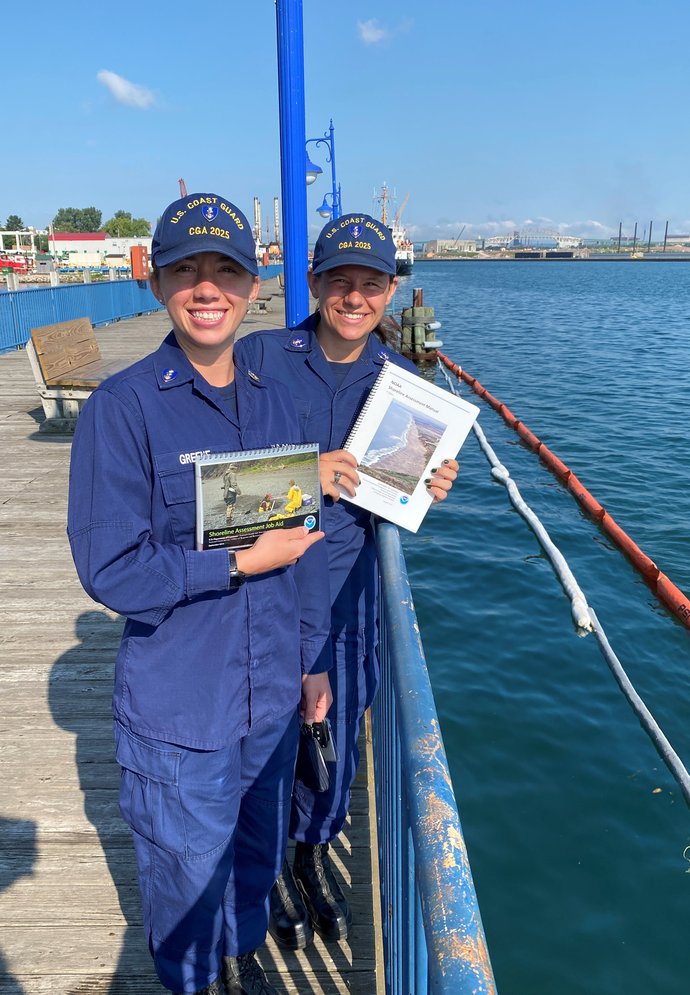
Feature
Fall 2024
An inside look at the U.S. Coast Guard's Great Lakes Oil Spill Center of Expertise, which leads research and training to improve oil spill response in freshwater and icy environments.
Innovating environmental solutions for a cleaner future Concordia Oil Spill Research Group responds to oil spills and protects freshwater ecosystems
By Chunjiang An & Zheng Wang The Concordia Oil Spill Research Group is developing green technologies, such as bio-based coatings, to prevent oil adhesion on shorelines and enhance cleanup efficiency in freshwater environments. The risk of oil spills is increasing with the rise in oil-related activity. Canada and the United States have extensive oil pipelines and shipping routes, including those that pass through the Great Lakes and surrounding freshwater environments, putting the Great Lakes ecosystem at risk of oil spills. The 2010 Kalamazoo River oil spill in Michigan was one of the largest inland oil spills in U.S. history, with more than 840,000 gallons (3,180 m3) of crude oil flowing into Talmadge Creek and subsequently into the Kalamazoo River. The spill contaminated at least 35 miles (56 km) downstream on the river, as well as floodplain and upland areas, causing significant damage to local ecosystems.The complexity of lakes, rivers, and coastlines increases the challenges of responding to freshwater oil spills. The Great Lakes are not only rich in biodiversity, but also an important freshwater resource. Once an oil spill occurs, it not only pollutes drinking water and destroys fish habitats, but also affects related economic and fishery activities. The shorelines around the Great Lakes vary in nature, requiring the development of more applicable response measures that take into account the characteristics of the local shoreline substrate, minimizing environmental impact while ensuring removal efficiency. The available methods for oil spill response in freshwater environments remain limited. Cleanup of freshwater spills is costly and complex, underscoring the urgent need to develop oil spill response measures tailored to freshwater environments.Concordia Oil Spill Research GroupThe Concordia Oil Spill Research Group (COSRG) is dedicated to addressing the challenges of oil spills in freshwater shoreline environments. COSRG’s work focuses on three main areas: 1) Sensitivity and risk assessment: The group conducts vulnerability assessments of coastlines to identify sensitive areas and assess the hazards posed by oil spills, based on local environmental, social, and economic factors. This helps prioritize protection and response measures for these vulnerable shoreline areas. 2) Fate and transport of oil along shorelines: Understanding the behavior of oil in shoreline environments is essential for developing effective response measures. COSRG studies the fate and transport of spilled oil, focusing on how it migrates, weathers, and interacts with freshwater ecosystems. This includes conducting experiments and simulations to assess the spread of oil in rivers, lakes, and oceans. 3) Shoreline spill response: COSRG develops and tests various shoreline spill response technologies, including the development, optimization, and application of washing agents and oiling-prevention technologies.Remediation of oil pollution is a field in which COSRG is an internationally recognized pioneer, with a celebrated focus on developing and using new green cleanup and oiling prevention technologies for shoreline oil spill response. These agents are made from biodegradable, low-toxicity, and environmentally friendly materials. Our comprehensive framework for selecting washing agents systematically considers multiple critical environmental and technical factors related to shoreline oil spill response. Our laboratory protocol for testing surface washing agents facilitates interlaboratory comparison, and our invited policy brief in The Hill Times outlines new directions for the future development of oil spill response technologies.Top: Schematic diagram of bio-based coating on shoreline substrate for oiling prevention. Bottom: Shoreline simulation tank test showing the release of stranded oil from coated gravel after immersion in water. Photo by Huifang Bi.In a recent study, COSRG developed a bio-based coating technique using calcium alginate and cellulose nanocrystals for oil spill emergency response and oiling prevention, minimizing the impacts of spilled oil in coastal areas. This eco-friendly, biodegradable method imparts special wetting properties to shoreline substrates to improve oil pollution control. Additionally, a shoreline tank system was set up in the lab to assess the performance of coated gravel (see figure and Huifan Bi Member Spotlight). The results demonstrated that the coating technique caused more stranded oil to float on the water’s surface, reduced oil retention on the shoreline, and minimized subsurface disturbance. The proposed coating method is suitable for shorelines with large substrates and low permeability (e.g., bedrock shorelines). Additionally, it can be applied to a variety of surfaces such as docks, ports, and concrete structures. Shoreline cleanup is expected to become much easier and more effective once this method is deployed, reducing the need for heavy machinery and toxic chemicals.COSRG is an internationally recognized pioneer, with a celebrated focus on developing and using new green cleanup and oiling prevention technologies for shoreline oil spill response.COSRG currently comprises five faculty members, three postdoctoral fellows/research associates, one laboratory technician, and more than 20 graduate students. The COSRG laboratory is equipped with state-of-the-art analytical instruments and pilot-scale equipment. COSRG’s research covers a variety of areas related to oil spills, including spill response, pollution control, hazardous waste treatment, pollutant transport, environmental risk assessment, and sustainable solutions. Its projects are funded by major federal and provincial agencies and are carried out in collaboration with over 30 national and international institutions and industrial partners. For example, COSRG is currently leading projects funded by the Multi-Partner Research Initiative under Canada’s Oceans Protection Plan, which fosters collaboration among leading experts to identify research gaps and priorities, improve our understanding of aquatic oil spills and their impact on aquatic organisms, develop new technologies and protocols for cleanup, and support science-based decisions that minimize environmental impacts and aid habitat recovery.In the past five years, COSRG has published over 280 journal articles and trained more than 70 highly qualified personnel. In 2022, COSRG organized the International Oil Spill Science Conference in Halifax, in collaboration with Fisheries and Oceans Canada, which brought together global experts to discuss oil spill science and technology. COSRG also emphasizes equity, diversity, and inclusion in its research and collaborates with Indigenous communities, such as the Snuneymuxw and Simpcw First Nations, to address their spill response concerns.
Feature
Fall 2024
The Concordia Oil Spill Research Group is developing green technologies, such as bio-based coatings, to prevent oil adhesion on shorelines and enhance cleanup efficiency in freshwater environments.
Oil spill risks & response capabilities: An overview of the Great Lakes region By Alexis Levedahl & Jo Caulkins A RAND report assessing oil spill risks and response capabilities in the Great Lakes, identifying gaps in preparedness and the need for enhanced communication and training. Heatmap of possible oil spill risk sources showing oil and petroleum product sources within five miles of the coast of the Great Lakes. The dots represent approximate locations of oil spill response organizations.Oil and petroleum products are both sourced from and moved through the Great Lakes region, presenting an ever-present risk of oil spills. While the Coast Guard and private companies are well positioned to respond to spills, updated response strategies focusing on enhanced communication and public education could lessen potential impacts.The Great Lakes, which cover more than 95,000 square miles across the U.S. and Canada, are a hub of commercial and recreational activity and a major source of freshwater for both countries. The Great Lakes Oil Spill Center of Expertise (GLCOE), within the U.S. Coast Guard (USCG) Office of Marine Environmental Response Policy, was established in 2022 to conduct research and training activities relevant to oil spills in freshwater and ice-laden environments. To support its mission, the GLCOE asked RAND’s Homeland Security Operational Analysis Center to assess the risk of oil spills in the Great Lakes region and to examine oil spill response capabilities to identify any preparedness gaps. Our report focused on U.S.-based risks and U.S.-based preparedness.Oil spills are less frequent in the Great Lakes region than in other coastal U.S. locations. Data from the USCG’s National Response Center show that approximately 1,300 oil and petroleum product spills occurred in the Great Lakes area between 2013 and 2019. There are many sources of oil spill risk throughout the region, including oil and petroleum products moved via pipelines, railcars, vessels, and tanker trucks. The region is also home to numerous petroleum refineries and oil wells (pictured above).Three primary techniques are available to track and respond to oil spills: monitoring using technology such as remote sensing equipment or unmanned aerial vehicles, mechanical techniques like the use of skimmers or sorbents, and non-mechanical techniques like in-situ burning and using chemical agents. The Great Lakes are at a disadvantage regarding oil spill response techniques because much of the available research is focused on the saltwater environment. As a result, some knowledge gaps exist about the impacts and effectiveness of freshwater oil spill cleanup techniques.Several characteristics of the Great Lakes region make oil spill response unique and challenging. The Great Lakes are freshwater, a source of drinking water, and contain numerous unique and sensitive habitats for wildlife, including aquatic, forest, marsh, wetland, and dune ecosystems. Techniques such as in-situ burning or the use of chemical agents are not currently permitted or regarded as viable techniques, both because of the limited research about their use in freshwater systems and the impacts they could have on these sensitive environments. The ostensibly enclosed environment of the Great Lakes also means that oil and petroleum products could take many years to dissipate naturally.The USCG’s approaches to oil spill response have largely focused on oil spills that occur in saltwater. This has some benefits; for example, their preparedness to cover ocean distances means that they can easily cover distances required in the Great Lakes. However, this also means they have focused on what occurs at sea rather than on other scenarios that may occur in the Great Lakes region.Left: An ice cutter chainsaw sled creating a space for oil to collect. Right: Oil between the water and ice collects in the trench for easier clean-up. ECRC, Cold Weather Training Document, provided to authors, 2023.Another challenge is in understanding how to respond to oil spills in icy conditions. While Canadian response organizations are prepared and practiced in oil spill response on ice (see photos), U.S. response organizations have fewer ice response capabilities. Finally, many oil-spill scenarios developed as part of oil spill response planning include both Canadian and U.S. response organizations. While clear plans are in place for international coordination, an international response is still more complicated than a domestic response.Despite the numerous risks and gaps outlined above, we found the USCG and U.S.-based oil spill response organizations (OSROs)—private companies that are overseen by the USCG and own and operate the majority of oil spill response equipment in the Great Lakes region—are very well prepared and positioned to respond to oil spills in most Great Lakes area locations (see figure on previous page). In addition, we found that given their current resources and the breadth of their responsibilities, overall the USCG is well prepared to respond to a spill.Even though preparedness measures are in place, an oil spill in the Great Lakes region would still be a significant problem, both because of the potential direct impact to the environment, and because of public perceptions surrounding that impact. There are a few things the response community could do to improve their ability to respond to future spills.Developing response scenarios collaboratively and systematically within the response community could help identify additional gaps in response capability and capacity. We also suggest the response community focus on improving communication and information sharing across stakeholders and educating the public on oil spill response approaches and procedures. As the GLCOE matures, it could play a key role in facilitating public communications and collaboration among stakeholders.
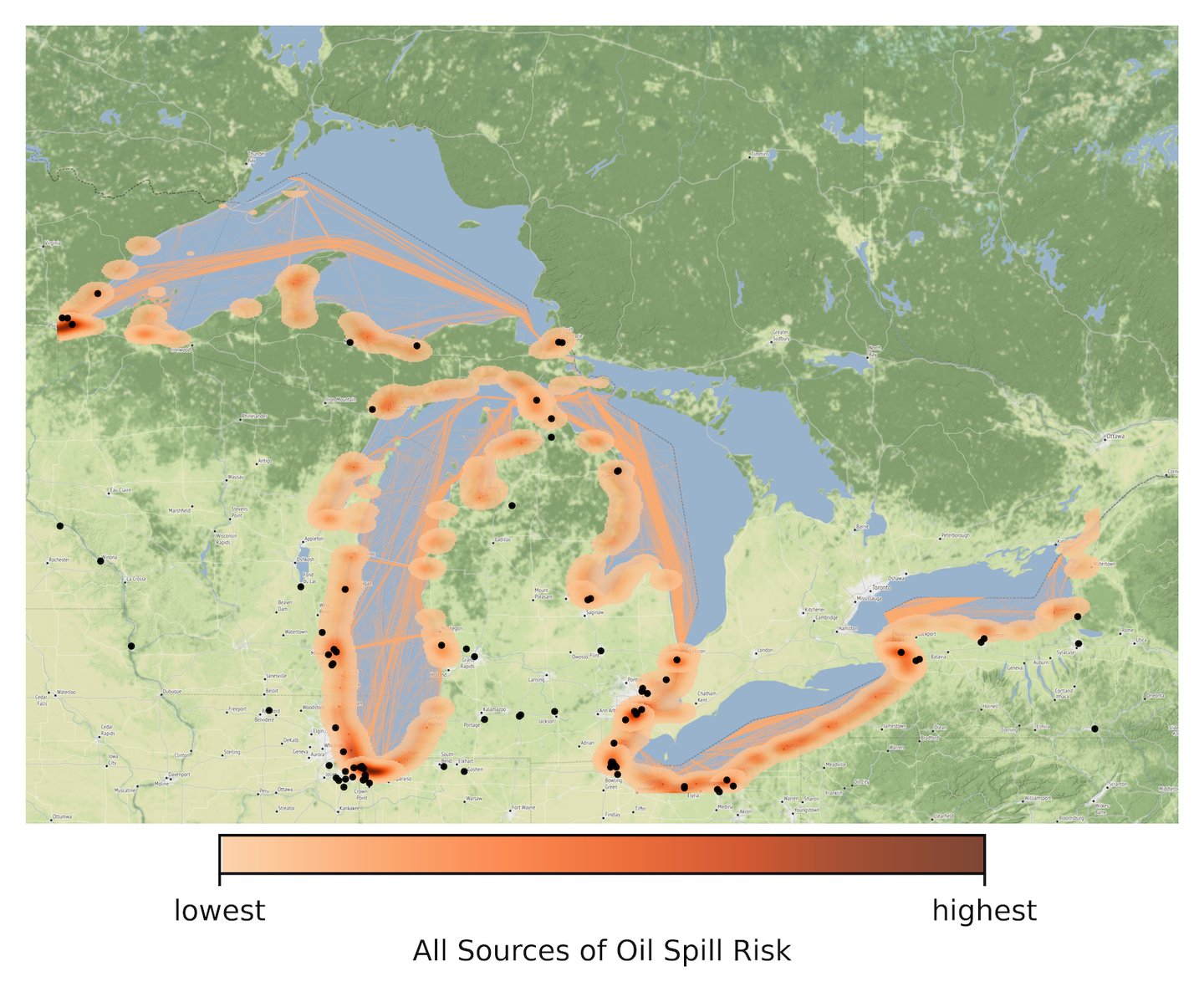
Feature
Fall 2024
A RAND report assessing oil spill risks and response capabilities in the Great Lakes, identifying gaps in preparedness and the need for enhanced communication and training.
A look back: A chronology of oil spills in the Great Lakes basin Tracing oil spills in the Great Lakes basin, from the 1948 Detroit River incident to today. The waters of the Great Lakes basin supported the growth of North America’s industrial heartland throughout the 19th and 20th centuries. Its rivers served as “working rivers for commerce and industrial manufacturing” (Hartig 2010), and pollution was seen as “an acceptable sign of progress” (Adler 2002). The 1948 Detroit River and 1952 Cuyahoga River photos below illustrate this time in our history.Jonathon Adler paints a compelling picture of this era in his account of the Cuyahoga River. With 20 refineries in the Cleveland area by the mid-1800s, large volumes of the unusable fraction of refined crude were often dumped into the river. He quotes John D. Rockefeller, who owned one of the refineries, as stating, “We used to burn it for fuel in distilling the oil, and thousands and hundreds of thousands of barrels of it floated down the creeks and rivers, and the ground was saturated with it, in the constant effort to get rid of it.”The river caught fire multiple times between the mid-1800s through 1969. Although not the only river to catch fire in the basin (see Hartig’s Burning Rivers), nor the largest fire on the Cuyahoga (that was the 1952 fire pictured here), the 1969 fire gained national attention from an article in Time magazine and is credited with helping to launch the environmental movement.Concerns over extensive pollution led to the passage of multiple state, provincial, and federal laws over time. These include the Clean Water Act and the U.S.-Canada Great Lakes Water Quality Agreement in the 1970s, and the Oil Pollution Act of 1990 (OPA 90).The NEPCO 140 grounding, pictured below, helped to make the case for passage of OPA 90. The U.S. Congress passed the legislation in response to the Exxon Valdez oil spill in 1989 as an amendment to the Clean Water Act of 1972. As stated in a case study by the U.S. Coast Guard, “The need to reduce the affected area should be paramount to all other considerations in a spill such as this. The problems encountered in this spill should clearly motivate both government agencies and private concerns to plan for and provide all that is necessary to be as prepared as possible for an incident of this nature.”An era of "working rivers"Detroit River 1948Credit: Bentley Historical Collection, Jack Van Covering Papers.In 1948, much of the river froze over during a particularly cold winter, driving over-wintering birds to spots of open water filled with oil from industries lining the shores. As a result, 11,000 ducks and geese died from the oil pollution (Hartig 2010). A Michigan conservation officer is shown here with oil-soaked ducks from the river. Cuyahoga River 1952Credit: Cleveland State University, Michael Schwartz Library, Special Collections.That year saw the largest fire on the Cuyahoga River in Cleveland, Ohio. A two-inch-thick oil slick on the river ignited near a shipyard, resulting in an estimated US$1.5 million of damage to boats, a riverfront office building, and the Jefferson Avenue bridge (Adler 2002).St. Lawrence River 1976 Photo courtesy of Save The River.In June 1976, the tug barge NEPCO 140 ran aground in the Upper St. Lawrence River, spilling 300,000 gallons (1,135 m3) of crude oil that spread along 80 miles (130 kilometers) of the river, contaminating shoreline marshes and killing innumerable fish, birds, and wildlife. It is one of the largest oil spills in the United States. The photo shows the barge spilling oil off Mason Point in the Thousand Islands.OPA 90 holds polluters responsible for cleaning up oil spills and restoring the environment. It fundamentally changed oil spill response, with companies that move or store large volumes of petroleum products improving their measures to prevent oil spills and developing emergency plans that include routine training exercises.More recently in the Great Lakes, the focus has shifted to understand the risk from spills in inland waters and to develop strategies and tools that will mitigate that risk in freshwater environments.While inland oil spills typically receive less attention than those in marine environments, they are common, with more than 2,000 on average taking place each year in the continental United States, according to an expert panel report on oil spills (Lee et al., 2015). “Although freshwater spills tend to be smaller volumes than their marine counterparts, they can have a greater potential to pose risks to the environment because of the greater likelihood that they occur within populated areas close to waterbodies with much less dilution and dispersion capacity and involve shorelines that are often immediately adjacent to or directly impacted by the spill.”There are many practical lessons learned from historical case studies. Oil spill science is a rapidly developing field with many unanswered questions, as the articles in this issue of Lakes Letter attest. Current multi-disciplinary research studies (e.g., toxicology, chemistry, hydrodynamics, genomics, environmental engineering, etc.) and the development of predictive models will improve our understanding of natural recovery, the long-term impacts of oil spills, and the effectiveness and/or detrimental effects of active remedial strategies in freshwater environments. This integrated approach will provide the scientific evidence needed to support site- and time-specific decisions to select the most appropriate oil spill response strategy to apply to protect our waters and its living resources.Kalamazoo River 2010In July 2010, a pipe carrying heavy crude oil ruptured, releasing oil into Talmadge Creek, which feeds into the Kalamazoo River. At least 840,000 gallons (3,180 m3) of crude oil spread along 38 miles (61 kilometers) of this Lake Michigan tributary in southwest Michigan, making this one of the largest inland oil spills in the United States. More than 1,560 acres of shoreline habitat, as well as floodplain and upland areas were affected, injuring birds, mammals, reptiles, and other wildlife. Sections of the river remained closed for several years. The spill cost Enbridge, the company that operates the pipeline, more than US$1.2 billion to clean up. This collection of photos from the Environmental Protection Agency’s album EPA’s Response to the Enbridge Oil Spill in Michigan captures some of the impacts of the spill. The photos show 1) Oiled vegetation upstream of Ceresco Dam; 2) Cleanup crews removing oil and contaminated materials from the Talmadge Creek stream bank near Marshall, Michigan; 3) A volunteer preparing to clean oil from the feathers of a heavily-oiled Canada goose at the Wildlife Rehabilitation Center in Marshall; and, 4) Oil-stained grass in a wetland area of the Kalamazoo RiverPhotos courtesy of U.S. Environmental Protection Agency.Smaller spills add upWe’ve come a long way since the days when oil pollution was considered an acceptable price to pay for economic progress. As these photos illustrate, small spills still occur in the Great Lakes and can impact the environment, communities, and economies. The photo below right shows the tug Ann-Marie sinking in the Saginaw River in Bay City, Michigan (December 2010), and the other shows the Suncor Energy Sarnia Refinery diesel spill response in the St. Clair River (August 2022). Spills such as these may go unnoticed to all but the community that is directly impacted, and efforts are underway in the Great Lakes to strengthen community preparedness through education and outreach.Photos courtesy of QT Environmental, Inc.
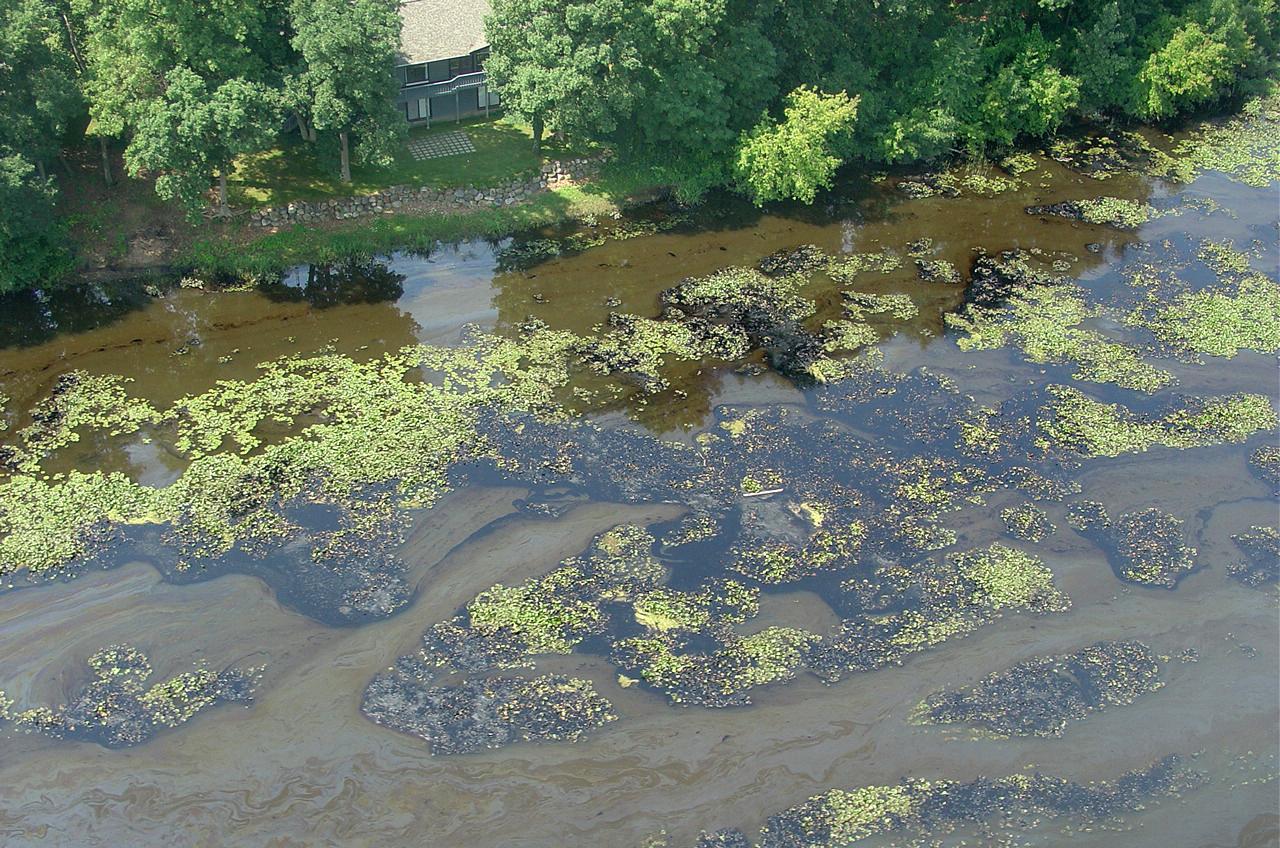
Feature
Fall 2024
Tracing oil spills in the Great Lakes basin, from the 1948 Detroit River incident to today.
Plane-mounted hyperspectral cameras help forecast Great Lakes harmful algal blooms By Andrea Vander Woude NOAA GLERL aerial monitoring delivers early bloom warnings, supplying critical data for drinking water safety. Under a Great Lakes Restoration Initiative project, NOAA’s Great Lakes Environmental Research Laboratory (GLERL) has been funded to evaluate water quality and ecosystem health. Led by Steve Ruberg, this work investigates harmful algal blooms (HABs) and uses remote sensing platforms with multi-year observations from an aircraft with a hyperspectral camera affixed in the aft of the plane. For almost a decade, the aircraft has been flying weekly to biweekly over the Great Lakes during the harmful algal bloom season, and the imagery is quickly processed to quantify harmful algal bloom levels for stakeholders in the region that monitor drinking water intakes in the lake (e.g., Lake Erie).Taken during August 19, 2019, flight to assist in improvements to the NOAA Harmful Algal Bloom forecast. This airborne campaign is ongoing in conjunction with NOAA weekly Lake Erie monitoring and biweekly sampling in Saginaw Bay. The flyovers are done in collaboration with researchers at NASA Glenn that have been flying their own airborne imaging sensor. Credit: Zachary Haslick, Aerial Associates Photography Inc, www.skypics.com.This aircraft platform capability has transitioned, under the leadership of Lauren Marshall, to putting the same hyperspectral camera on a drone to fly the very nearshore areas where HABs persist and people are more likely to interact with HABs. This effort is part of a funded project under NOAA’s Prevention, Control, and Mitigation of HABs program led by Reagan Errera. The aim of the project is to combine uncrewed surface vehicles (USV) that measure bloom toxin concentrations in near-real time with the airborne drone directing the USV where to sample next. These are two examples of NOAA GLERL’s dedication to delivering science to service to the Great Lakes region.
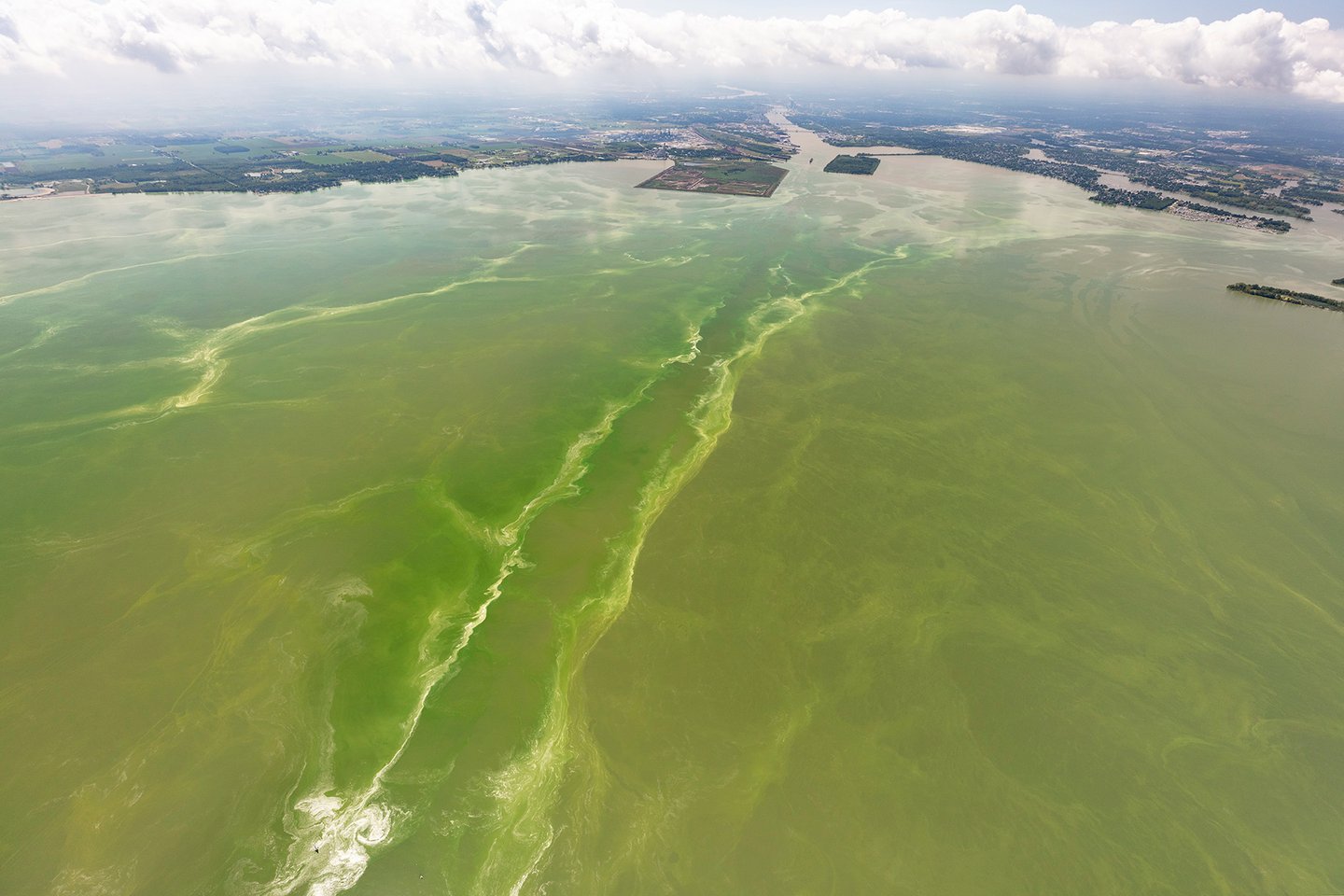
Research Brief
Summer 2024
NOAA GLERL aerial monitoring delivers early bloom warnings, supplying critical data for drinking water safety.
Investigation on Lake Geneva Assessing satellite data for monitoring phytoplankton abundance and phenology in deep lakes
By Mona Bonnier, Orlane Anneville, R. Iestyn Woolway, Stephen Thackeray, Guillaume Morin, Nathalie Reynaud, Frédéric Soulignac, Thierry Tormos, Tristan Harmel A study validating satellite data for monitoring phytoplankton in Lake Geneva, demonstrating the potential for long-term phenology analysis in deep lakes. Summary of strategies for comparing different datasets of Chl-a concentrations for the analysis of phytoplankton phenology.Monitoring the water quality of Lake Geneva necessitates quantifying phytoplankton abundance, particularly through chlorophyll-a (Chl-a) concentration measurements (Chang et al., 2022). Optical satellite imagery facilitates regular mapping of Chl-a concentration on a lakewide scale. The European Space Agency Climate Change Initiative (ESA-CCI) provides global Chl-a concentrations using medium-resolution satellite data. This study evaluated the accuracy of ESA-CCI optical products in depicting the seasonal dynamics and phenology of phytoplankton in Lake Geneva. By integrating in situ data sets, it aims to establish a comprehensive long-term time series of Chl-a concentrations, essential for lake management and understanding environmental changes. These datasets were assessed through match-up comparisons.The satellite data used in this study are derived from the CCI-lake processing chain, applied to the Medium Resolution Imaging Spectrometer and two Ocean and Land Colour Instrument satellite missions (Carrea et al., 2023). The in-situ data were collected as part of the environmental monitoring coordinated by the French and Swiss commission for the protection of Lake Geneva water, available through the OLA database (Rimet et al., 2020). To evaluate long-term phytoplankton variability, data from sampling station SHL2, used for Water Framework Directive monitoring and located on the deepest part of the lake (pictured at left in image above) were focused on.Since the underlying algorithms do not consider the vertical distribution of phytoplankton, a specific analysis was conducted to evaluate potential biases in remote sensing estimation and their impact on observed phenological trends. Various data averaging approaches were applied to reconstruct Chl-a estimates from remote sensing algorithms. A strong correlation (R-value >0.89) and acceptable discrepancies (rmse~1.4 mg/m³) were observed for the ESA-CCI data. This facilitated the recalibration of ESA-CCI data for Lake Geneva. Ultimately, merging satellite and in situ data produced a consistent time series for long-term analysis of phytoplankton phenology and its interannual variability since 2002. This combination enhanced the temporal resolution of the time series, enabling a more precise identification of specific spring events characterizing phytoplankton phenology.
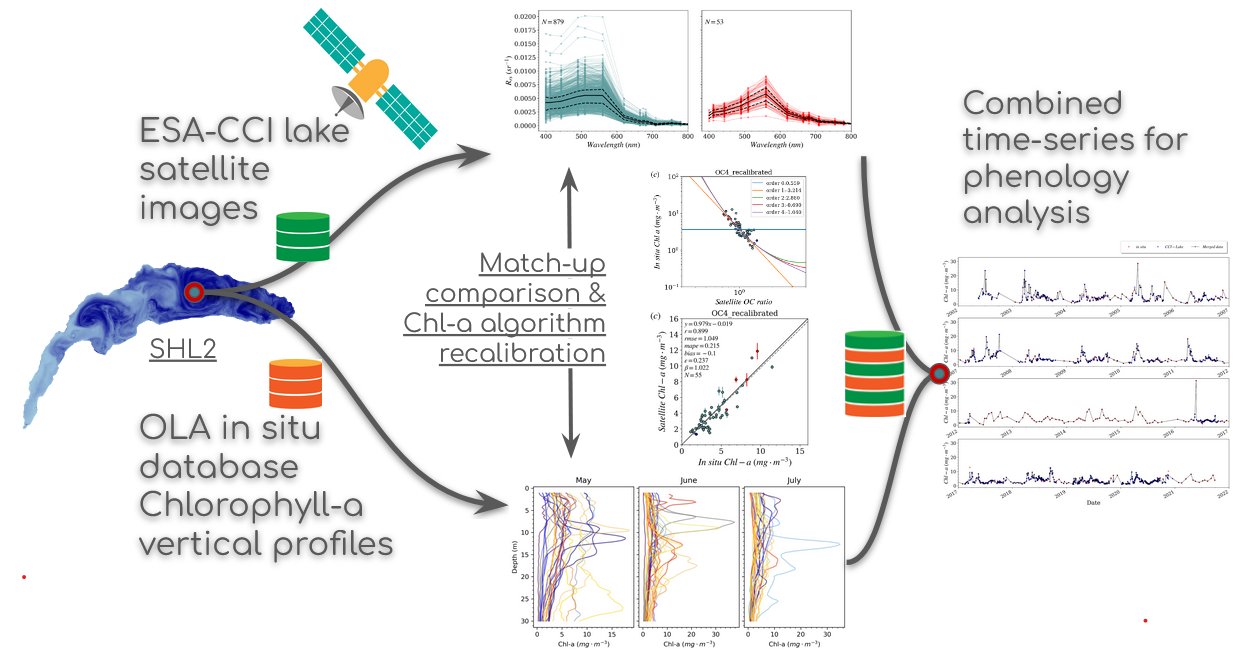
Research Brief
Summer 2024
A study validating satellite data for monitoring phytoplankton in Lake Geneva, demonstrating the potential for long-term phenology analysis in deep lakes.
High-resolution satellite images provide insight into Great Lakes' coastal changes after historical water level Increase By Hazem Abdelhady Satellite analysis quantifies shoreline erosion in Lake Michigan, informing coastal management strategies. From left, Two Creeks, Wisconsin, author conducting real-time kinematic (RTK) survey at Ogden Dunes, Indiana, and Warren Dunes, Michigan. RTK surveys are used to correct for common errors in satellite navigation systems.The Great Lakes are known for their significant water level fluctuations. From 2013 to 2020, Lake Michigan-Huron experienced a remarkable two-meter rise in water levels, setting records for both the lowest and highest water levels ever measured in just seven years. This rapid and large increase led to substantial coastal erosion, shoreline retreat, habitat changes, and even damage to infrastructure. However, quantifying and tracking these changes has been challenging due to the extensive length of the Great Lakes shorelines and the logistical difficulty in tracking their movements.To address this issue, we developed an automated tool to monitor shoreline changes using high-resolution multispectral satellite images. The tool was validated using in-situ surveys. This approach allows us to accurately track shoreline movements over time across any part of the Great Lakes (Abdelhady et. al., 2022). The method relies on imagery from commercial satellites such as PlanetScope, which provide daily multispectral imagery at three–five meter resolution, which is ideal coverage for tracking Great Lakes shoreline positions. This tool is now available for coastal researchers across the Great Lakes.We applied this shoreline detection tool to 11 natural beaches around Lake Michigan for the water level increase period of 2013 to 2020. Our findings revealed that shorelines retreated between 20 and 62 meters on average (see image below). These differences were primarily due to variations in wave activity and beach shape, highlighting how different factors can influence erosion at Great Lakes beaches despite the same water level increase (Abdelhady et al., 2024).Shoreline changes detected from satellite images at the 11 study sites around Lake Michigan, with the red lines indicating eroded areas.The shoreline change observations inspired the development of the Great Lakes Shoreline Model. This model uses water level data, wave data, and beach information to predict expected shoreline changes. Importantly, the model explicitly includes the effect of water level changes, which drive shoreline changes in the Great Lakes but have been thus far omitted from ocean shoreline models. We calibrated the model with the shoreline change data obtained from the satellite images, and the calibrated model was able to simulate observed shoreline changes accurately (Abdelhady and Troy, 2023).Currently, we are expanding this work to other Great Lakes to assess their coastal changes and to compare the similarities and differences in the lakes’ responses to water level fluctuations. While the lake levels are currently back to normal, coastal communities need to be prepared for the next high-water period, and understanding how shorelines respond to these extreme events is an important step in helping communities prepare.
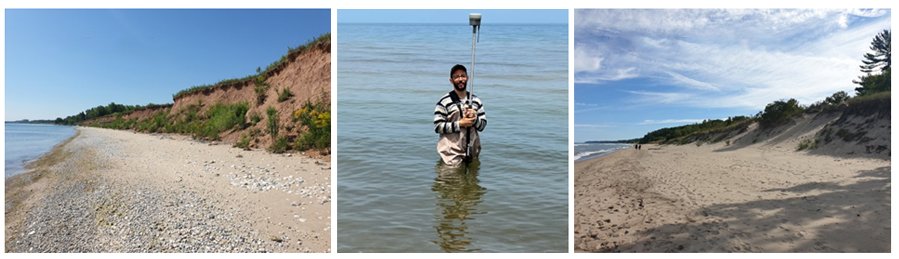
Research Brief
Summer 2024
Satellite analysis quantifies shoreline erosion in Lake Michigan, informing coastal management strategies.
Leveraging satellite Earth observations in the monitoring strategy for tracking the health of Lake Victoria By Shungudzemwoyo Garaba, Anthony Gidudu, Lydia Letaru, Ajode Z. Migeni, Ted Lawrence, Anthony Vodacek Capacity-building workshops in East Africa are training the next generation of experts. Sustainable and affordable operational monitoring is critical for keeping track of the health of aquatic environments that support the blue economy, or the reasonable use of water resources for economic growth, improved livelihoods, and jobs, while preserving the healthy state of these ecosystems. In Lake Victoria, the blue economy includes activities that exploit aquatic resources (e.g., fisheries, mining, petroleum, biotechnologies) or use aquatic environments (e.g., maritime transport, coastal tourism), ideally in an integrated, fair, and circular manner. The blue economy in this region’s context supports over 40 million people’s livelihoods and US$1.14 billion through fisheries to the riparian governments.For Lake Victoria, scientists and managers from Uganda, Kenya, and Tanzania have regular ship-based sampling programs to monitor the fisheries and water quality of the lake to help manage the resources. While classic monitoring from research vessels does offer valuable data, the information gathered tends to be limited in geographic and temporal coverage, restricting scientific, evidence-based understanding of biogeochemical and physical dynamics in water bodies. One complementary monitoring strategy is satellite remote sensing, offering frequent wide-area observations over water and estimates of indicators-of-change (e.g., total suspended matter, color of water, algae levels, temperature). Open-access satellite imagery and derived maps of indicators-of-change are operationally available through various space agencies (e.g., EU Copernicus Sentinel, USGS Landsat, and NASA VIIRS and PACE missions).Future water quality experts undergo practical training of determining the color of water using a classical tool, the Forel-Ule scale. Photo by Shungu Garaba.To support capacity development for application of remote sensing to Lake Victoria, a group of academic and research organizations have offered workshops in the region since 2021, providing an introduction to optical water quality methods and satellite data processing for more than 50 trainees from across the African Great Lakes. Collaborators include the African Center for Aquatic Research and Education, IEEE Geoscience and Remote Sensing Society, Rochester Institute of Technology, Kings College London, Makerere University, Lake Victoria Fisheries Organization, Kenya Marine and Fisheries Research Institute, Ugandan National Fisheries Resources Research Institute, Tanzania Fisheries Research Institute, Jaramogi Oginga Odinga University of Science Technology, Carl von Ossietzky Universität Oldenburg, Science Systems and Applications, Inc./NASA Goddard Space Flight Center, and University of Wisconsin. Trainees have gained experience in operating and processing ship-borne hyperspectral radiometric observations along with validation data such as Secchi disk depth, Forel-Ule color index, chlorophyll-a, and total suspended sediment concentrations. Satellite data processing was introduced through Google Earth Engine to give lessons in data access, mapping, cloud masking, and estimating water surface indicators-of-change. Advancing the knowlege base of the next generation of experts will foster a better interdisciplinary understanding of these resources for the blue economy and the millions whose livelihoods depend on Lake Victoria.
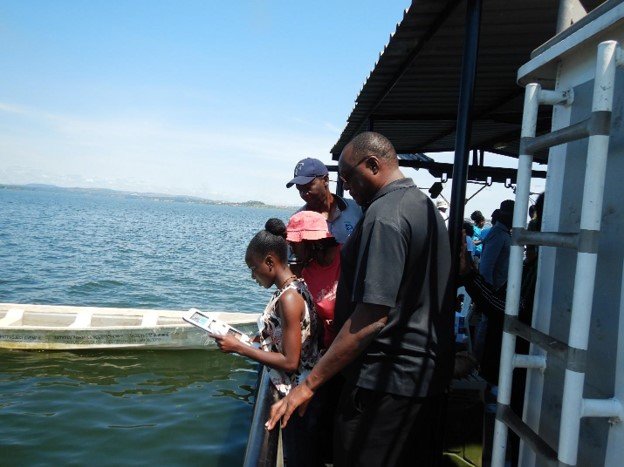
Research Brief
Summer 2024
Capacity-building workshops in East Africa are training the next generation of experts.
Emerging technologies for remote sensing of the Great Lakes By Andrea Vander Woude Remote sensing technologies are transforming the monitoring of harmful algal blooms, ice coverage, and oil spills in the Great Lakes. The NOAA Visible Infrared Imaging Radiometer Suite satellite images the Great Lakes on a daily, and sometimes twice daily, basis. This is called a true-color image, typically what your eye would see of the Great Lakes from space. This image was acquired on July 25, 2024, and, together with the print issue’s cover image captured last February, shows the contrast between the winter and summer months. These data are hosted on NOAA’s Great Lakes CoastWatch node and are free to users.Remote sensing offers an unprecedented perspective of our Great Lakes. Whether from a buoy, drone, plane, or satellite far above in space, the information available to us from remote sensing affords us the opportunity to track and monitor the health of the Great Lakes. These types of remote observations include the extent of harmful algal blooms, the dispersion of extreme lake surface temperatures, ice coverage, and oil spill response efforts among other actions that are hard to capture otherwise.NOAA’s Great Lakes Environmental Research Laboratory (GLERL) is a leader in innovative research using multiple remote sensing platforms that individuals, communities, resource managers, and decision-makers use every day. One example is GLERL’s Great Lakes CoastWatch, which hosts a repository of satellite data and in the near future will add information derived from aircraft and drones. These data, photos, and visualizations are free, and new satellite products are being added regularly.Some of the most widely used data and informational graphics include true-color imagery, which looks like a photograph that one would typically take from a camera, but with the broad perspective of each lake on cloud-free days (see image above). GLERL also delivers satellite imagery that can see through the clouds when prevalent cloudy days roll through the Great Lakes region. This imagery is referred to as synthetic aperture radar (SAR). Other products are in development that will add important new information to the SAR imagery, such as lake winds and environmental pollutants called surfactants that disrupt surface tension of the lake surface.One of the most popular data sets visualized on the CoastWatch site includes maps of refined sea surface temperature that delineate fronts of different water masses and their location (pictured below). This is a significant update that is in addition to the sea/lake surface temperature contour maps that anglers and other recreational users have been using for decades to plan their voyages with contour maps that are currently mapped by port region for all of the Great Lakes (pictured below).CoastWatch is continually working with stakeholders in the region as part of NOAA’s mission to develop technology to improve science, service, and stewardship, to ensure that we are fulfilling users’ needs in the Great Lakes for a wide range of recreational, commercial, and academic applications.Remote sensing and lake temperaturesSatellites measure lake surface temperatures, and the Great Lakes CoastWatch node at NOAA provides contoured temperature data for all of the major ports in the Great Lakes, like the image of northern Lake Michigan shown in the image below.The CoastWatch node is also moving toward offering a product that shows thermal fronts, where different water masses meet that have drastically different temperatures. In the image below of Lake Michigan’s central region, these fronts are shown by the thick black lines with the colors representing the temperature of the water.
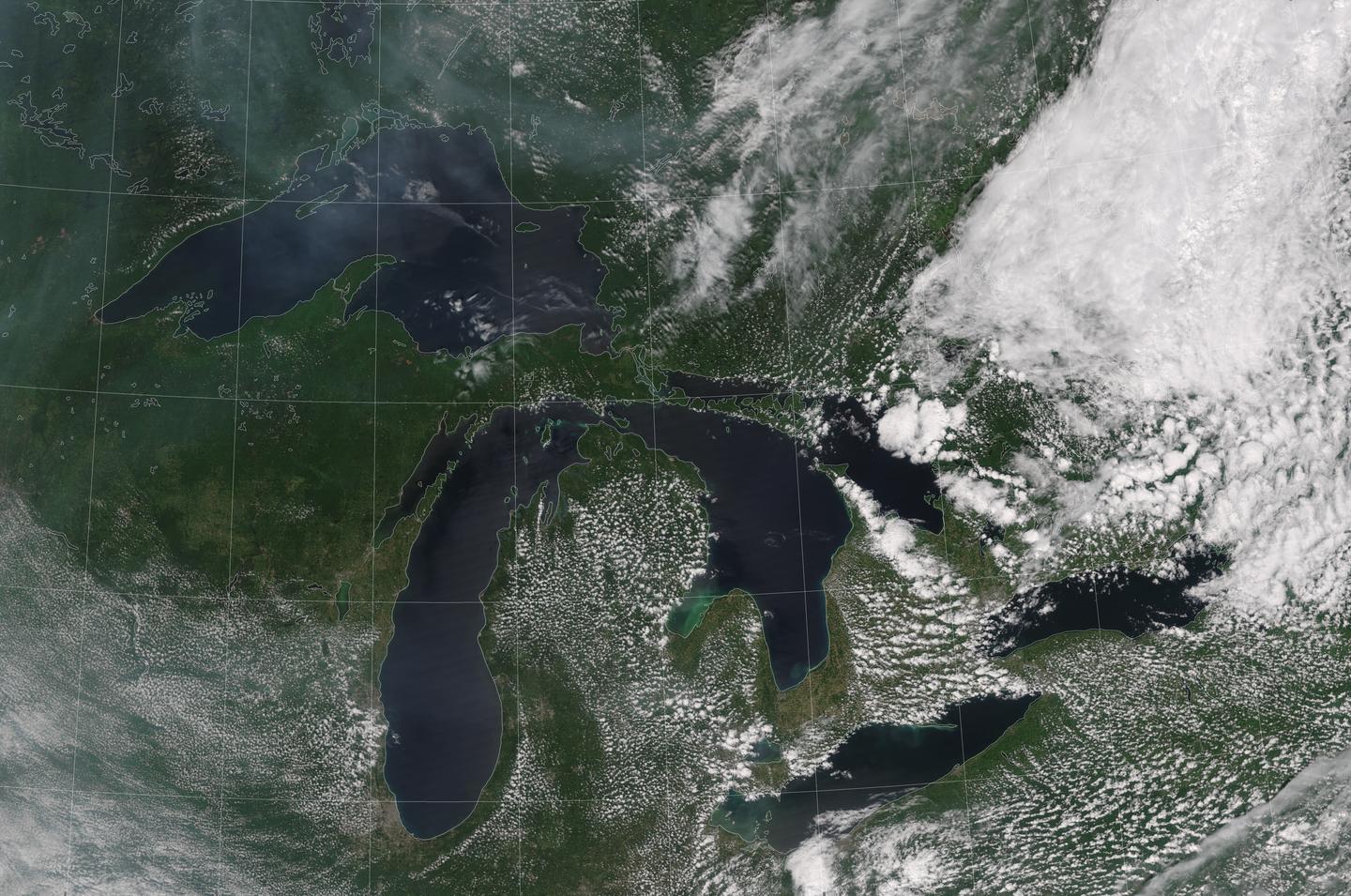
Feature
Summer 2024
Remote sensing technologies are transforming the monitoring of harmful algal blooms, ice coverage, and oil spills in the Great Lakes.
A research jiimaan: Adapting to protect manoomin Adapting to protect manoomin
By Jeff Feng, Michael Waasegiizhig Price, Josiah Hester & Kimberly Marion Suiseeya A metaphorical "birch bark canoe" research framework integrates Indigenous Knowledge and Western science to protect wild rice and build climate resilience in the Great Lakes. Manoomin bed.The wiigwaasi jiimaan—birch bark canoe—was once the predominant mode of transportation across the Great Lakes and today carries forward the culture and heritage of the Ojibwe. Traveling from their original homelands on the eastern shores of North America, the Ojibwe used the wiigwaasi jiiman to migrate to the Great Lakes region they now call home.The jiimaan’s legacy of adapting with migration lives on through the STRONG Manoomin Collective. Partnering with several Ojibwe tribal nations, including Bad River, Lac du Flambeau, and Lac Courte Oreille, our team seeks to protect manoomin (wild rice) and achieve greater climate resilience throughout the Great Lakes by constructing a metaphorical wiigwaasi jiimaan. Generations ago, Ojibwe came to these lands in search of the “food that grows on water,” manoomin, which has sustained them spiritually and physically since. Now under constant threat from climate change, pipelines, and poor non-tribal management, manoomin needs help.Custom buoy sensor developed by the collective, deployed in Manoomin lakes and streams that sense water level, temperature, and potentially boat wake to assist tribal scientific offices with co-management of manoomin waters.To work toward a future where manoomin is healthier and more plentiful, we are building a research-based wiigwaasi jiimaan. Consider its physical construction: all materials are different and have unique qualities, but if one was missing, the canoe could not be constructed. Giizhig (cedar) is the frame of the canoe: lightweight but durable and bends easily when green. Wiigwaasi-wanagek (birch bark) constructs the outer hull of the canoe. The bark is insect- and weather-resistant when applied properly. The grain of the bark is horizontal, which runs perpendicular to the structure of the canoe; this characteristic adds strength to the hull. Wadabiiyaab (spruce root) binds the birch bark to the cedar frame. Incredibly strong, spruce root grows in straight strands just underneath the soil. When dried, the roots contract, tightening the binding. Bigiw (spruce pitch) seals the cracks and seams in the bark hull to make the canoe watertight and functional. Each material contributes, and when combined, is greater than the sum of its parts.Our team works across four themes. First, the sensing theme—using advanced algorithms, onsite environmental sensors, and observations from the air and space—represents the giizhig (cedar) of our wiigwaasi jiimaan. Uploading and analyzing environmental data about manoomin in real time, this cyberinfrastructure is the frame of our research canoe by signaling to tribal leaders what waters manoomin treads. Second, concerned about the fragmented institutions that threaten manoomin management, the governance theme represents the wiigwaasi-wanagek (birch bark). Analyzing the institutional and policy landscape, governance research gives the canoe direction. The wiigwaasi-wanagek corrects the jiimaan when the waters (policies) are stormy. Third, the environmental theme combines Indigenous Knowledge with the computing capabilities of the cyberinfrastructure as an implementation of two-eyed seeing. This theme serves as the wadabiiyaab (spruce root); it binds together knowledge systems that ensure manoomin’s resilience. Fourth, engaging tribal members and guaranteeing that the research expands to many end-users, the education theme centers capacity building. It seals all themes together, and with its functionality, serves as our bigiw (spruce pitch).Left: Collective team members, including article authors, presenting at the U.S. Indigenous Data Sovereignty & Governance Summit. Middle: Buoy sensor near a manoomin bed, transmitting data for use in guiding natural resource management and protection strategies. Right: Collective team members and employees of the Great Lakes Indian Fish and Wildlife Commission siting and deploying sensors.Our research-based wiigwaasi jiimaan operates in practice by feeding insights and data from each theme into the others. Governance research, for instance, informs all the other themes by specifically interpreting and analyzing data to be usable.For example, the sensors–the frame of our canoe—are the starting point for our data. They can collect and interpret data on the spot, flagging trends of concern. Take wake surfing. Some research show that wake surfing and boating cause turbidity that threatens the relatives that Ojibwe tribes steward. Moreover, driven by tribal leaders and knowledge that boat wakes and turbidity are a danger, the sensors can be programmed to flag these trends to spur decision-making to protect manoomin.Governance research steps in by developing and testing resilience indicators—measures and scales for knowing when ecosystems (physical and social) are resilient. A potential indicator of resilience in this case is the number of bans on potentially harmful boating practices across the tribes that we work with. Because the Wisconsin Department of Natural Resources and the Wisconsin legislature have not enacted any statewide policies, regulation of wake boarding is ad hoc. Still, a tribe we work with—Lac du Flambeau—recently banned wake boating in the exterior waters of its reservation and cited threats to manoomin as one of the reasons. Governance researchers can track if other tribal nations enact bans, and in turn, can direct the sensors in lakes and waters where bans are enacted to provide the data case about the effectiveness of wake boat bans and manoomin health. With the backing of this scientific data, tribal leaders have a stronger foundation to shape agency and state policies.Constructing and directing our research-based wiigwaasi jiimaan is ongoing. But it captures the importance of weaving Indigenous Knowledge and western science. Tribal knowledge holders direct our inquiry, with scientific knowledge providing further credibility to collect valuable policy-relevant data. Operating across themes makes it possible for teams to be greater than the sum of their parts and provide the evidence to inform resource management across the Great Lakes. We may not know all that the future entails, but our wiigwaasi jiimaan is durable and lightweight enough to adapt.
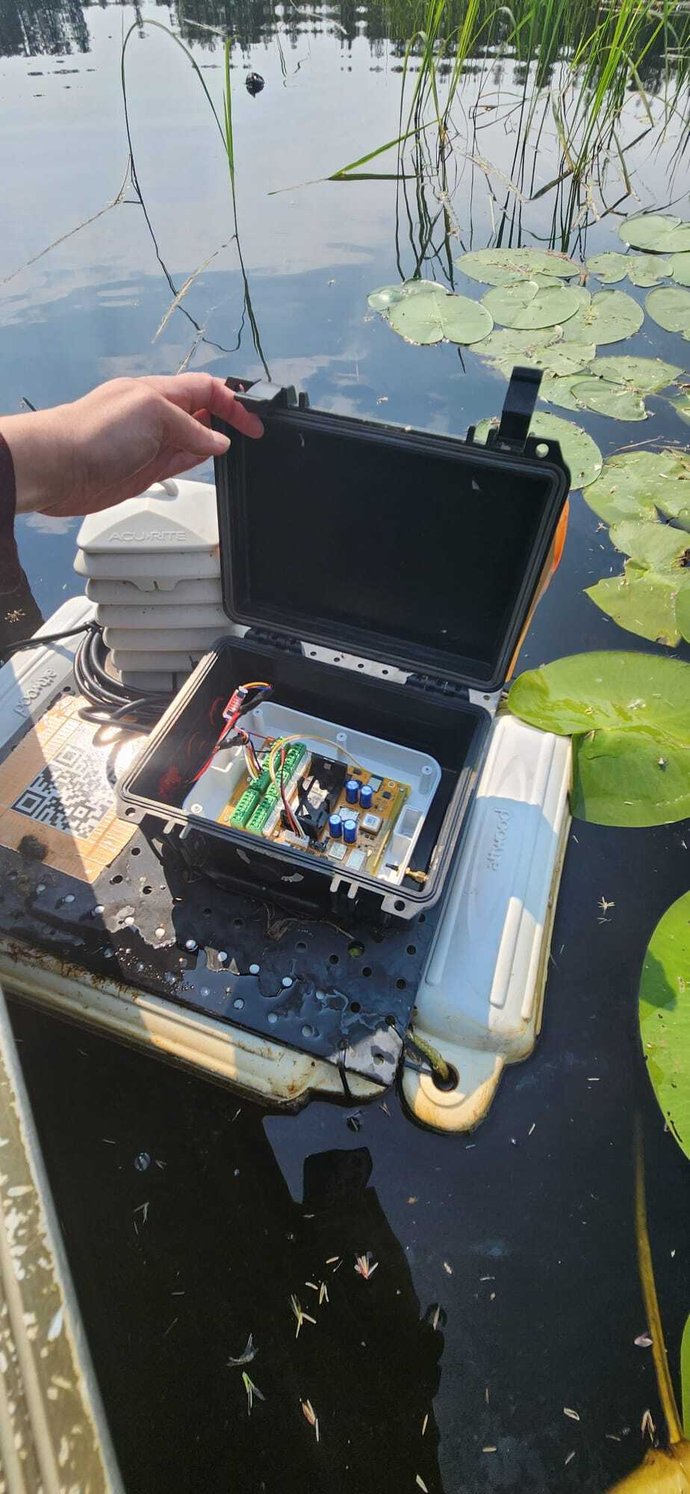
Feature
Summer 2024
A metaphorical "birch bark canoe" research framework integrates Indigenous Knowledge and Western science to protect wild rice and build climate resilience in the Great Lakes.
Improving safety in the Straits of Mackinac with high-frequency radar By Timothy Havens Real-time surface current data enhances maritime safety and environmental monitoring at this heavily trafficked Great Lakes chokepoint. Nestled between Michigan’s Upper and Lower Peninsulas, the Straits of Mackinac have long been a vital passageway for maritime traffic, connecting lakes Michigan and Huron. They serve as a crucial junction for shipping routes that link the Great Lakes to the Atlantic Ocean via the Saint Lawrence Seaway. Stunning natural beauty and regional historical significance attract countless tourists to Mackinac and Bois Blanc islands. This busy maritime corridor presents navigational challenges, including strong currents, rapidly changing weather conditions, and the narrowness of the Straits. The Straits are also home to the Mackinac Bridge—the longest suspension bridge in the Western Hemisphere—and Enbridge’s Line 5 pipeline, a submerged natural gas and crude oil pipeline just west of the bridge. Coupled with this significant infrastructure, the potential risk of accidents increases. Moreover, the Straits’ ecological sensitivity, due to their proximity to numerous freshwater ecosystems, adds another layer of complexity to their management. To enhance maritime safety and environmental monitoring, high-frequency radar (HFR) technology has become a game changer for this critical waterway.High-frequency radar antenna located at Bridgeview Park in St. Ignace, Michigan, overlooking the Straits of Mackinac.Originally developed for military applications, HFR found a new and crucial role in maritime safety and environmental monitoring. HFR works by emitting radio waves that travel across the water’s surface. When these radio waves encounter surface waves on the water, they are reflected back to the radar, which then analyzes the data to provide real-time information about the speed and direction of the water’s surface currents. While HFRs have been in widespread use in coastal ocean regions for more than 40 years—with over 150 systems deployed on the United States coasts—the first demonstration of this technology on freshwater did not occur until 1999 in southern Lake Michigan. Following this successful test, Lorelle Meadows and Guy Meadows of Michigan Technological University performed other feasibility tests and then, in 2020, installed the first permanent system on freshwater in the Straits.Surface currents from HF radar in the Straits of Mackinac, measured on May 21, 2019. Arrows indicate direction and speed of the surface current.One of the primary benefits of HFR in the Straits is the invaluable, real-time, high-resolution data on surface currents it provides. Ships navigating through the Straits can adjust their routes based on the current patterns, reducing the risk of accidents caused by unexpected strong currents. This helps tankers and cargo ships, which require precise navigation to avoid collisions and grounding.The freshwater ecosystems in and around the Straits support diverse wildlife and are vital for the region’s fishing industry. HFR technology plays a crucial role in protecting these ecosystems by providing data to help monitor and mitigate environmental impacts. Researchers could use HFR data to study the dispersion of pollutants in the water. Understanding how contaminants spread can inform cleanup efforts and prevent further environmental damage. This is particularly relevant with the presence of the Enbridge Line 5 pipeline in the Straits. In the event of a leak, HFR data could help track the spill and optimize clean-up efforts to minimize the impact on the surrounding environment.Additionally, HFR technology supports the work of the U.S. Coast Guard and other emergency responders. In the event of a maritime incident, such as a ship grounding or chemical spill, real-time data on surface currents helps responders predict the spill’s movement or locate distressed vessels more quickly and accurately. This capability significantly enhances search and rescue operations and environmental response efforts.The data generated by HFR in the Straits is invaluable for scientific research, providing insights into coastal processes, climate change, and ecosystem dynamics. It has fostered collaboration among various stakeholders, including government agencies, academic institutions, and private organizations. Researchers use HFR data to study the complex hydrodynamics of the Straits. Their findings contribute to a deeper understanding of how natural and human-induced changes affect the Great Lakes system. This research, in turn, informs policy decisions and conservation efforts aimed at preserving the health of the Great Lakes for future generations.As technology advances, HFR’s capabilities are expected to further improve. Future developments may include enhanced spatial resolution, longer range, and the integration of artificial intelligence. This could provide even more detailed and comprehensive data. Moreover, the success of HFR technology in the Straits could serve as a model for other critical freshwater systems worldwide and inspire similar initiatives in other freshwater bodies facing comparable safety and environmental challenges. Michigan Tech, in collaboration with the Great Lakes Observing System, will begin construction of a new HFR east of the Mackinac Bridge in 2025.High-frequency radar antenna located outside Fort Michilimackinac in Mackinac City, Michigan.The introduction of HFR in the Straits of Mackinac represents a significant leap forward in maritime safety and environmental stewardship. By providing publicly available real-time data on surface currents, HFR technology helps mariners navigate safely, supports efficient emergency response, and aids in the protection of sensitive ecosystems. As we look to the future, continued investment in and development of this technology will ensure that the Straits of Mackinac remain a safe and vibrant passageway, balancing the needs of commerce, recreation, and environmental conservation.More information on the Straits HF radar, including real-time data, can be found online.
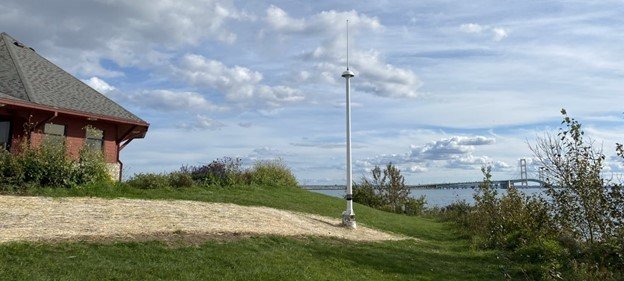
Feature
Summer 2024
Real-time surface current data enhances maritime safety and environmental monitoring at this heavily trafficked Great Lakes chokepoint.
Brian Eadie Brian Eadie (1944–2024) was a respected leader in Great Lakes biogeochemistry and sediment resuspension research who mentored generations of scientists at NOAA GLERL. Brian Eadie, pictured at left.The Great Lakes scientific community lost a beloved mentor and widely respected research program leader in Brian Eadie, who died of heart failure on January 13, 2024, at the age of 79. His work in biogeochemistry began early in his academic career, and he published works covering a wide range of topics. He spent most of his career at the NOAA Great Lakes Environmental Research Laboratory, from 1974 to 2006. Eadie also served on the IAGLR Board of Directors from 1985 to 1988.Eadie was well known for his work on sediment resuspension, chemical fluxes, and contaminant cycling in the Great Lakes. Perhaps his greatest contribution was his ability to bring people with different expertise together for large inter-agency research programs such as the Episodic Events Great Lakes Experiment and Nutrient Enhanced Coastal Ocean Program. Eadie was not only a great leader of science, he was a mentor and builder of careers for young scientists at every level. His calm demeanor, the willingness to listen, and to provide guidance on the science, administration, and personal development of scientists resulted in the growth and recognition of the Great Lakes Environmental Research Laboratory as a world-class organization.Tribute gifts in his honor may be made to the IAGLR Scholarship Fund.
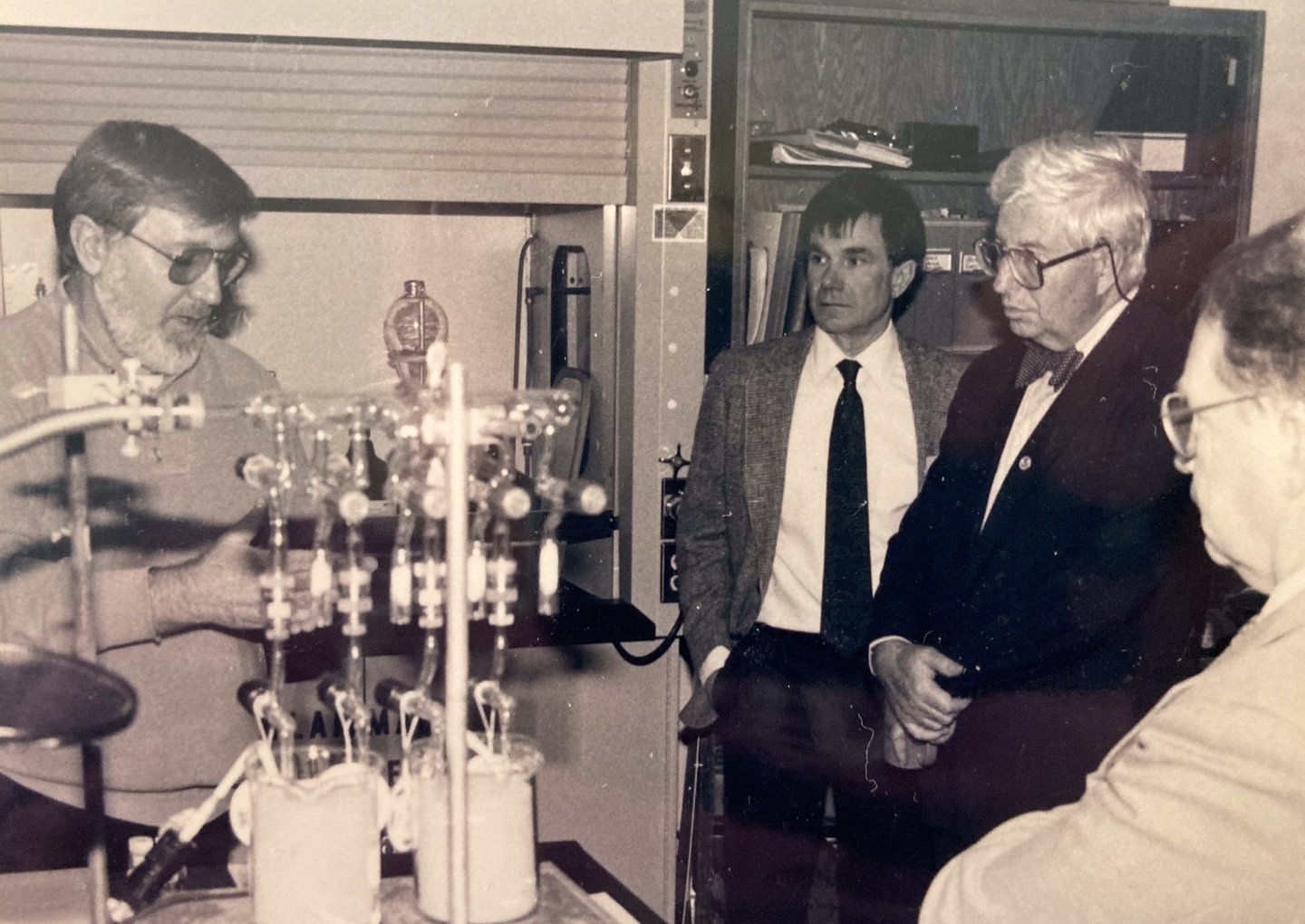
In Memoriam
Spring 2024
Brian Eadie (1944–2024) was a respected leader in Great Lakes biogeochemistry and sediment resuspension research who mentored generations of scientists at NOAA GLERL.
The impact of seiche events on phosphorous dynamics in Lake Ontario coastal wetlands By Tyler Harrow-Lyle Seiche events in Lake Ontario can resuspend sediments and release sequestered phosphorus into the water column, impacting nutrient retention in coastal wetlands. Coastal wetlands provide essential ecosystem services that enhance nearshore water quality by regulating biogeochemical processes (e.g., phosphorous dynamics). As water moves through a coastal wetland, nutrients, especially phosphorus, are reduced by sedimentation and uptake / assimilation into aquatic communities reducing their delivery to the coastal zone of the Great Lakes.Resuspended sediment and nutrients flowing into Lake Ontario after a seiche event. Photo credit: Lou Wise.However, coastal wetlands can periodically be inundated with lake water from seiche (also known as standing wave) events. Seiches occur when strong winds and changing atmospheric pressure during storm events force large-scale lake water movement. As such, little is known about how seiches affect nutrient dynamics and fate in coastal wetlands, including net loadings to the coastal zone. Generating accurate estimates for nutrient loadings into Lake Ontario is essential for a fulsome understanding of potential nutrient sources, especially under the Great Lakes Water Quality Agreement (Annex 4).An alternative process-based statistical model was created and identified that weather-induced seiche events and increased water movement amplified phosphorous loadings to the coastal zone of Lake Ontario. As water moves into coastal wetlands during seiche events, resuspension of sediments can occur like a tidal bore. Nutrients, such as phosphorus, sequestered in sediments are then released into the water column. When the water reverses flow direction, the resuspended nutrients are transported into Lake Ontario. As a result, this hydrological phenomenon impacts the nutrient retention capacity of coastal wetlands. With climate change intensifying the frequency of storm events across the Great Lakes Basin, seiche-induced inundation of coastal wetlands will pose a greater concern for nutrient processing and fate, facilitating localized phosphorous inputs to the coastal zone (Harrow-Lyle et al. 2023).
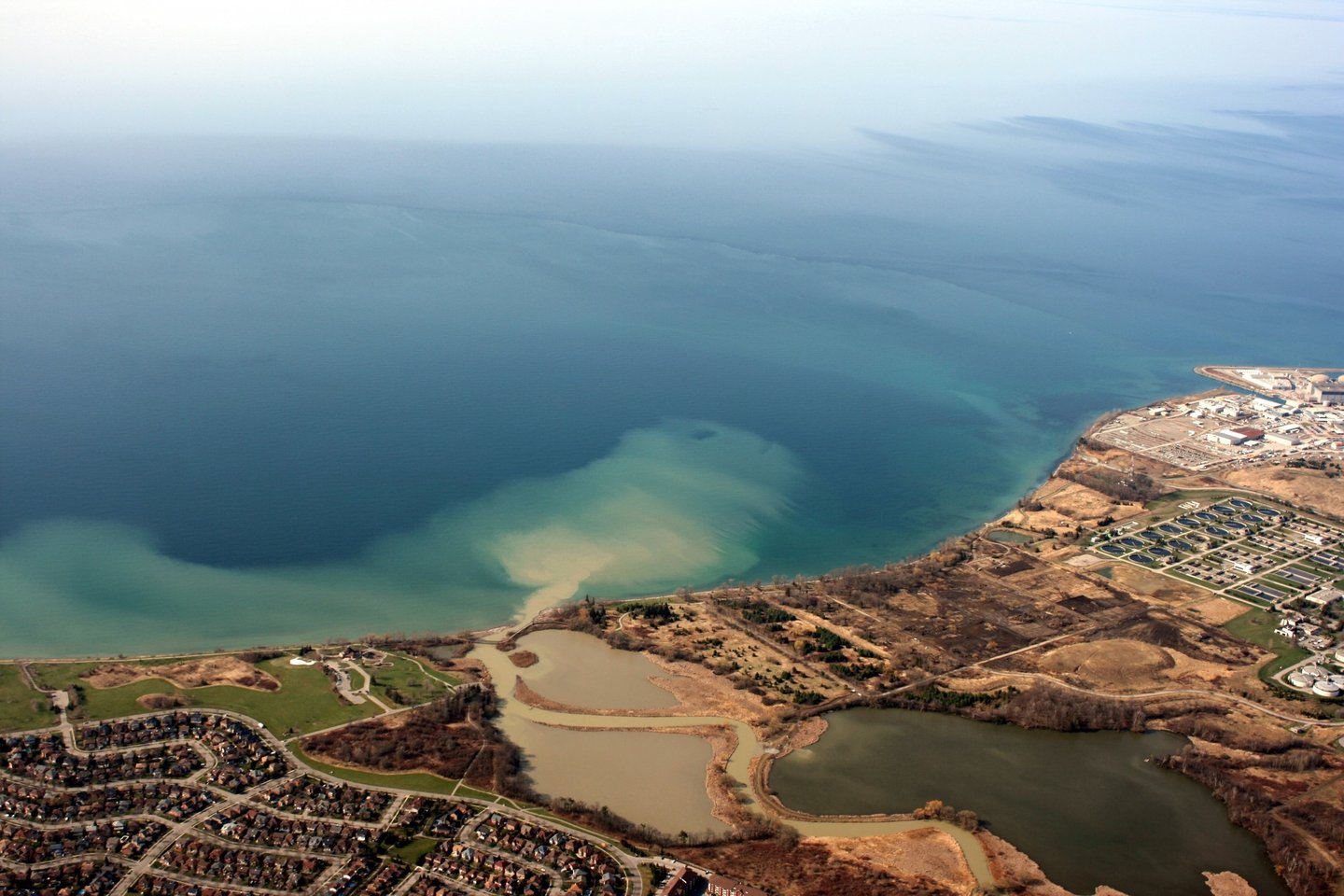
Research Brief
Spring 2024
Seiche events in Lake Ontario can resuspend sediments and release sequestered phosphorus into the water column, impacting nutrient retention in coastal wetlands.
Observing surface water currents and plastic pollution transport using GPS-tracked drifters By Patricia Semcesen Drifter data maps where winds and currents concentrate plastics in Georgian Bay, highlighting accumulation zones and fragmentation risks. To safeguard the near-pristine waters of Lake Huron’s Georgian Bay from plastic pollution, Georgian Bay Forever began the “Tagging Trash Trips” project, which used GPS-tracked bottle-drifters to understand where and how water currents transport floating plastic pollution in Nottawasaga Bay, Georgian Bay. Nottawasaga Bay provides drinking water to local municipalities and is a travel destination for over 1.5 million visitors annually who inevitably produce plastic pollution. With time, waves and rocky shorelines break plastic pollution into smaller pieces that are less feasible to capture and become more harmful to organisms (Bucci and Rochman 2022) like the near-threatened Piping Plover that nests on Wasaga Beach. To date, there is little to no existing scientific empirical knowledge on Georgian Bay’s water currents (Greenwood and Sherman 1983; Bennett 1988; Elbagoury et al. 2023), and how these water currents are involved in transporting plastic pollution (Belontz et al. 2022). Our objectives were to understand how water currents transport plastic pollution and to inform where limited resources should be prioritized for the capture and diversion of plastic pollution to minimize adverse consequences.We enclosed GPS-trackers in plastic bottles that float half-submerged in water to emulate real floating plastic pollution. From the release of our drifters, we learned that most drifters entering Nottawasaga Bay were retained and had traveled tens of kilometers before reaching shore within several days. An apparent near-shore water current transported two drifters out of northern Nottawasaga Bay. This demonstrated that plastic pollution can be quickly transported into rocky areas of Georgian Bay, facilitating plastic fragmentation and reducing cleanup feasibility. Inertial motions of surface water currents caused by Earth’s rotation (Coriolis effect) were observed as the clockwise spiraling motion of drifter paths when winds were weak. An animation of observed drifter tracks can be viewed online. Due to being half-submerged in the water, drifters directly interacted with winds and demonstrated wind-dependent transport, which contributed to drifters travelling twice as fast as would be expected from water currents alone. The use of drifters allowed us to identify spatial patterns of transport and accumulation to inform conservation efforts. The insight and methods of this research can be applied to other waterbodies to learn about surface water currents and plastic debris transport.
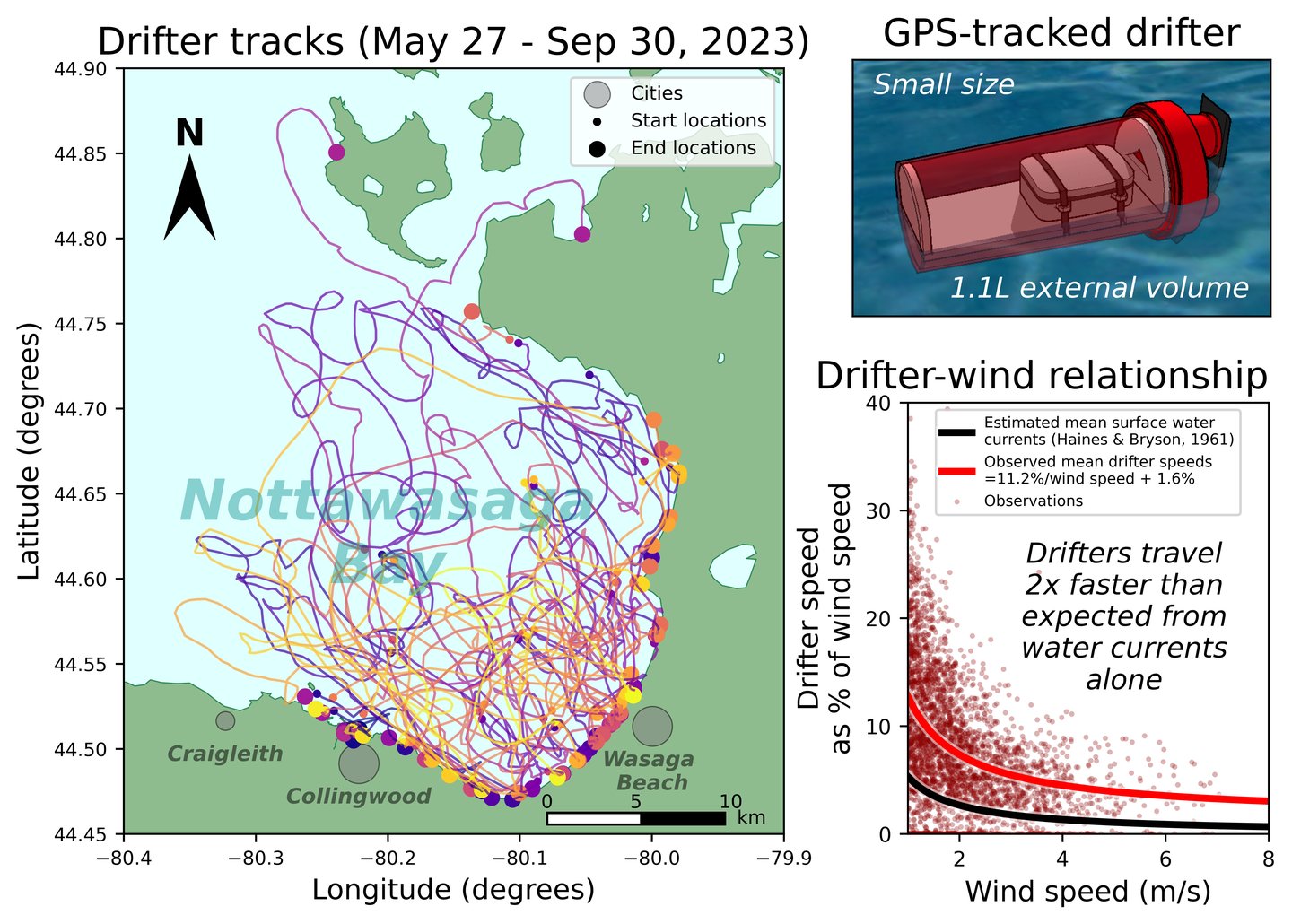
Research Brief
Spring 2024
Drifter data maps where winds and currents concentrate plastics in Georgian Bay, highlighting accumulation zones and fragmentation risks.
Storm surges and seiches Related but distinct phenomena, and why you should care
By Jay Austin Distinct drivers—wind and pressure versus basinwide oscillation—produce different hazards and require different responses from coastal communities. Lake Erie pounds the pier as a strong northeast wind picks up at Luna Pier, Michigan, September 1, 2017. The Blade/Andy Morrison.The terms storm surge and seiche are frequently used interchangeably, especially in the press and on social media following large surge events. While these phenomena are related, they are distinct. This is not just a matter of semantics; if you consider the equations of motion that determine the behavior of water in a lake, the dynamical balances that describe these phenomena are fundamentally different. While this may seem like splitting hairs to some, these should not be used interchangeably, any more than a fisheries biologist would use Cisco and Siscowet interchangeably. So how do we define these two phenomena?A storm surge is a response of a lake to external atmospheric forcing; typically a strong wind along the axis of a lake, pushing water to one end, or a large difference in atmospheric pressure across the lake, causing one end of the lake to get deeper and the other shallower (there can also be setup due to incident breaking waves, which we won’t consider here). For the wind-driven response, the size of the difference is inversely proportional to lake depth, so wind-driven storm surges are larger in shallower lakes; hence shallow Erie being the home of the most dramatic, damaging, and deadly surges. The response to atmospheric pressure gradients is often referred to as the inverse barometer effect, where the atmosphere pushes down harder on one end of the lake than the other, causing the high-pressure end to be shallow and the low-pressure end to be deep relative to the unforced case. The relative importance of these varies between the lakes; Lake Erie is dominated by wind forcing; the response in deep Lake Superior is dominated by atmospheric pressure gradients.A storm surge followed by a seiche event on Lake Superior. Note the three cycles per day, a period of about eight hours. Data are from NOAA’s Tides and Currents service.In contrast, a seiche is the oscillatory response of a lake that results from that forcing. (Lakes in seismically active regions, such as Crater or Tahoe, can have seiches set off by seismic activity; that’s not such a big deal in the Laurentian Great Lakes.) Once the external forcing is removed, the lake relaxes back toward its equilibrium state (i.e., a level surface), but overshoots, resulting in a reversal of which side of the lake is highest. This process of relaxation and overshoot results a periodic sloshing back and forth, first formally called a seiche by Forel in 1890 based on observations of Lake Geneva. This process continues until another wind event occurs or the energy associated with the seiche is dissipated by bottom friction. The exact same dynamics govern coffee sloshing back and forth in your coffee cup, or water sloshing back and forth in a bathtub; only the scales are different.By analogy, storm surge can be thought of as a guitar string being pulled to one side by a guitarist’s finger; once the force is released, the string will oscillate back and forth with no external forces applied, analogous to the seiche. A fundamental feature of both a vibrating guitar string and a seiche is that the period (or, equivalently, frequency) of the resulting oscillation is a function of the geometry of the scenario, but independent of the forcing. No matter how hard the wind blows, the period of a seiche will always be a function of the length and depth of a lake. Likewise, the frequency of a plucked guitar string is a function of the characteristics of the string (specifically, tension, linear density, and length), not how hard it is plucked. For Superior, the primary seiche period is about eight hours; for Erie, about 16. Both the guitar string and a seiching lake will also have higher frequency oscillations, often referred to as harmonics, but most of the energy is typically in the lowest, fundamental frequency.When there are high water levels in, say, Buffalo or Toledo, it is almost always due to the initial storm surge; any resulting high water level 16 hours later because of the subsequent seiching behavior typically results in much smaller water level displacements, as energy is dissipated from the system. While high water levels pose the obvious threat of coastal flooding, low water levels can cause problems too. During a strong storm surge event on Lake Erie in December 2022, water levels near the Davis-Besse Nuclear Power plant near Toledo became low enough that there was concern that the cooling water intakes could be exposed, nearly leading to a shutdown of the plant. The threat to coastal communities from these displacements of water is real, regardless what word we use for them, but as limnologists, it is worth noting that there are two distinct processes that we should be careful to distinguish between.
Feature
Spring 2024
Distinct drivers—wind and pressure versus basinwide oscillation—produce different hazards and require different responses from coastal communities.
Tiny water motions lead to big impacts Unlocking the secrets behind salt giants in hypersaline lakes
By Nadav Lensky, Ido Sirota, Ali Arnon, Roie Ezraty, Haggai Eyal, Ziv Mor, Eckart Meiburg, Raphael Ouillon & Bernhard Vowinckel Research in the Dead Sea reveals how microscopic water movements lead to the formation of giant salt deposits, offering insights into ancient geological events and coastal erosion. Smooth salt deposit formed during winter.Our team has been conducting field observations and numerical studies in the Dead Sea to gain insight into the formation of kilometer-thick so-called salt giants that have been identified in the sedimentary sequences of Earth’s crust. At present, the Dead Sea is the only deep hypersaline lake on Earth that allows us to study the coupled heat and salt transport processes that create such large salt deposits. As a terminal lake, its surface level has been declining at a rate of one meter annually due to the diversion of freshwater inflow from the Jordan River and evaporation from industrial ponds. This has led to a dramatic increase of the Dead Sea’s salinity—now about 10 times that of the ocean—and as a result has led to the formation of salt crystals that settle onto the lake floor where they have formed a salt deposit of about four meters thick since around 1980.Layers of salt (halite) and sediment (mud) deposited in the past four decades. Annual layers are of ~0.1 meter thick.The formation of these salt deposits is governed by so-called instabilities of the water column, which allow tiny disturbances to grow into large-scale flows. Particularly important in the Dead Sea, the double-diffusive instability occurs when warm and salty surface water exists above cooler and less salty water below. This situation exists during summers, when intense sunshine heats up the surface water and causes it to warm and evaporate leaving the salt behind so that it becomes warmer and more concentrated. When the lake surface is disturbed by waves or other motion, tiny parcels of warm water enter the cooler water below. Since heat diffuses more rapidly than salt, this warm water parcel cools rapidly. Colder water can hold less dissolved salt, and hence some of this parcel’s salt precipitates out and forms crystals that sink to the bottom. This instability amplifies centimeter-scale disturbances and causes them to grow into meter-size salt fingers of warm and salty brine that descend to the cooler lower layers of the lake, where they lose heat, become supersaturated, and precipitate salt crystals that “snow” onto the lakebed. As these salt fingers grow larger and stronger, they develop yet another instability, which can lead to the emergence of thermohaline staircases, across which the temperature and salinity of the water jumps by a large amount over a very short distance. During winter, on the other hand, the entire water column is well mixed. Hence salt fingers do not form, but since the water is still supersaturated, it now produces fine salt crystals at all depths that form a smooth deposit (see photo above). Salt chimneys (pictured below) form around discharges of underwater springs; the mixing of spring water with Dead Sea brine results in mineralization of aragonite and gypsum that form vertical chimneys, which are coated externally by halite through contact with the supersaturated Dead Sea brine.Salt chimneys up to 20 meters in size.At present, the Dead Sea is the only water body on Earth that is salty and deep enough to produce the salt fingers that generate this salt snow. Consequently, it represents a unique opportunity for researchers to study the mechanisms that create and shape thick salt deposits, such as the one that formed below the Mediterranean Sea about five million years ago when the Strait of Gibraltar closed off, cutting off the supply of water from the Atlantic Ocean, thereby creating an inland sea similar to the Dead Sea today.The rapid lake level decline of about one meter annually also exposes vast areas of newly formed beach every year (pictured below) and provides lessons regarding the stability, erosion, and protection of arid coastlines under sea level change. It offers opportunities to study the natural formation of beach berms and the transport and sorting of gravel that enters the Dead Sea via seasonal streams that discharge flash floods. These transient streams display strong meandering behavior as they incise deeply into the newly exposed beach areas, and they form knickpoints as a result of the sea level fall. The setting of the Dead Sea allows us to determine the migration velocity of such knickpoints, and to test measures for protecting coastal infrastructure from their impact.Coastline showing annual steps of about one meter due to lake level fall.Interested readers can find additional information in an upcoming review in Annual Review of Fluid Mechanics.
Feature
Spring 2024
Research in the Dead Sea reveals how microscopic water movements lead to the formation of giant salt deposits, offering insights into ancient geological events and coastal erosion.
How might the thermal stratification in Lake Ontario change as the climate warms? By Mathew Wells Analysis of recent warm winters in Lake Ontario suggests a shift in mixing and stratification patterns, with profound implications for oxygen levels, nutrient cycling, and fish habitats. Ice forming along Lake Ontario’s Woodbine Beach in Toronto. Photo by Mathew Wells.The water temperature in the middle of Lake Ontario during the winter of 2023–24 was likely the warmest it has ever been, and the resulting changes in the thermal stratification and mixing cycles may give an indication of what is in store as the climate warms. The thermal regime of the Great Lakes is important for many reasons—it determines local weather patterns and influences the quality of drinking water. Temperature is also an abiotic master factor that affects virtually all biochemical, physiological, and life history processes in fishes. Most previous research studies have focused on summer conditions with the winter period (roughly October through April) being greatly undersampled. To address this knowledge gap, Tim Johnson (Ontario Ministry of Natural Resources and Forestry) and I used funding from the Great Lakes Observation System to measure the temperature profiles in Lake Ontario over the last three winters.Preliminary satellite observations by NOAA suggest that the surface waters in the center of Lake Ontario never cooled below 4°C this last winter. This is important, as water has its maximum density at 4°C, and further cooling, somewhat counter intuitively, results in less dense water. In typical winters, historic records between 1936 and 1986 suggest that the temperatures in the center of the lake were 2°C and rose to 2.5°C between 1993 and 2023. There was variability in these temperatures, and 2012 was possibly nearly as warm as last winter. With a warming climate, the conditions experienced last winter may become the norm rather than the exception. While a 2°C increase in winter temperature may seem small, it likely signals a profound change in circulation dynamics compared to 50 years ago.The figure below summarizes the annual cycle of mixing in Lake Ontario during a colder winter and a warmer winter. The main difference between them is the timing and duration of the mixing and stratified periods. In both cases, during late fall when air temperatures are dropping and water temperatures are well above 4°C, convective cooling combined with strong winds can homogenize the water column. This is the well-known fall overturn. Cooling occurs fastest in the shallow edges of the lakes, and these are regions where ice potentially first forms, as shown above.(a) During typical cold winters in the past decades, there were likely two processes that drove water column mixing: in late fall and early winter the combination of wind and convective cooling drove deep mixing in Lake Ontario and the lake cooled below 4°C (the temperature of maximum density of water). Then in spring as the lake was heating, radiatively driven convection kept the water column well mixed as it warmed up to 4°C, after which the lake began to stratify in early summer. (b) During a warmer winter, the lake may never cool below 4°C and so there is only a shorter mixing period driven by wind in fall and early winter, and the lake thermally stratifies much earlier in the springtime, and the summer stratified period is longer.During early winter, when temperatures drop below 4°C, further cooling could lead to a stable inverse stratification whereby colder water is actually lighter. However there is a competition between the tendency for wind to mix the water column and the stabilizing influence of cooling below 4°C. In fall and winter, the mechanical mixing from winds blowing over Lake Ontario usually dominates, resulting in vertical homogenization of the water column, so that we rarely see any substantial, sustained winter inverse stratification.During late winter and spring, when waters are below 4°C, an important source of mixing is paradoxically from solar heating, as the days become longer. Heating water that is below 4°C actually makes the water denser, so that it sinks and mixes the water column. Surprisingly this so called radiatively driven convection can actually be more effective than wind-driven mixing in homogenizing the water column. In particular, as we move from winter to spring, there is a point where the water column warms past 4°C (the maximum density of water), at which point the whole water column must mix. This spring overturn is very important in redistributing oxygen and nutrients through the water column. After the water column has warmed above 4°C, it can now start to develop thermal layering (stratification), whereby the warmer, lighter waters float above the colder, denser waters. This stratification greatly limits the vertical mixing between the surface and the bottom of the lake. This stable summer thermal stratification typically forms between May and June, but in a warmer winter could occur in April or even earlier.While the waters of Lake Ontario are usually well-mixed vertically during winter, there are important lateral gradients in temperature across the lake. The shallow regions of the lake that are less than 50 meters in depth cool down more quickly in the fall and warm up fastest in the spring. The deeper regions of the lake that are 100–200 meters deep have a larger thermal mass and a slower response time. In typical cold winters, the center of Lake Ontario can be above 4°C in January while the shallow edges have cooled to near freezing so that ice can form nearshore, and then in April or May the edges of the lake may have warmed above 4°C, while the middle of the lake is still 2–3°C. Similar (but warmer) gradients would likely be set up in fall and winter in a warmer climate.The warmer climate of the future implies that Lake Ontario may never again cool below 4°C in the deep center, and we expect the duration of the winter mixing period to shorten. The biggest change would be that there is no longer a sustained period of solar-driven radiation homogenizing the water column in spring as the water warms from below 4°C. Rather only the wind could drive vertical mixing, and the winter overturn will be reduced to an extended period of fall overturn driven primarily by mechanical mixing from the strong westerly winds that blow over the 300-kilometer length of Lake Ontario. These changes in the duration and timing of the mixing periods and thermal stratified periods will have profound effects on the food available for fish to eat and when they reproduce, how dissolved oxygen is mixed from the atmosphere to the lake bottom, and where phytoplankton would grow within the water column.
Feature
Spring 2024
Analysis of recent warm winters in Lake Ontario suggests a shift in mixing and stratification patterns, with profound implications for oxygen levels, nutrient cycling, and fish habitats.
The art of moving water By Christopher Lamb A personal reflection on sailing the Great Lakes, capturing the beauty and power of water movement through photography and stories of the Chicago to Mackinac race. Living near the Great Lakes instills in us a deep affinity for the water. It evokes a desire to either glide atop its surface or plunge beneath it. Avid photographer and sailor Christopher Lamb can often be found aiming his camera at the lakes. He captured the cover photo of the Spring 2024 issue as well as the images in this article. Lamb also shares a favorite story of a memorable sailing race when the water was on the move.An evening at Lake Michigan’s Point Betsie lighthouse. Photo by Christopher Lamb.Left: Sunset at Fisherman’s Island State Park on Lake Michigan. Right: A stormy Lake Superior at Tettegouche State Park, Minnesota. Photos by Christopher Lamb.Point Betsie, a welcoming lighthouse during the Mackinac Race, as seen from the air. Photo by Christopher Lamb.North pier lighthouse, Frankfort, Michigan. Photo by Christopher Lamb.When the big lakes are on the move, seasoned sailors take it seriouslyI've had the privilege of participating in numerous Chicago to Mackinac sailboat races, a course that extends from Chicago 333 miles north to the top of Lake Huron, terminating at Mackinac Island. This year marks my 20th race, having served as both captain and crew. The lakes possess their own unique temperament, with each year bringing radically different conditions. It's not uncommon for the lakes to conjure their own weather, influencing sailors and navigators across their vast expanses as they sail northward.South Manitou Island, as taken during the Mackinac race while sailing through northern Lake Michigan’s Manitou Passage in the evening. Photo by Christopher Lamb.Among the many races etched in my memory, 2018 stands out for its demonstration of the lakes’ intriguing nature. A powerful northerly wind pattern whipped across Lake Michigan, generating waves that continued to build over its entire length of nearly 310 miles, culminating in a tumultuous start to the race and tragically, the loss of life for the second time in its history.During summer, Lake Michigan’s surface water is warm, while its depths grow progressively colder. However, this race presented a unique scenario where warm surface water had been displaced to the southern reaches of the lake, essentially being “pushed” from the north all the way to the Chicago area. Enduring 35 hours of being doused with warm water wasn’t the most pleasant experience, even for seasoned sailors with great gear. This displacement, known as upwelling, brought colder water to the surface of northern Lake Michigan, ushering in its own weather dynamics including stiff winds and unexpected fog as we headed north.The sight of other sailboats was reduced to mere silhouettes gliding through the thick fog, an eerie yet incredibly unique spectacle from our vantage point on the sailboat’s rail. The colder waters brought with them chilly air, catching many off guard with rapidly changing conditions.To label Lake Michigan simply as a “freshwater lake” would be accurate but insufficient. The Great Lakes are better described as inland oceans, deserving our respect.
Feature
Spring 2024
A personal reflection on sailing the Great Lakes, capturing the beauty and power of water movement through photography and stories of the Chicago to Mackinac race.
Meteotsunamis in the Great Lakes By Eric Anderson Atmospheric-generated waves pose hazards to Great Lakes beachgoers and mariners, motivating ongoing efforts to predict and mitigate their risks. Meteotsunamis have always been there, but it wasn’t until recently that their place amongst the different types of Great Lakes waves was recognized. The term is a combination of meteorological and tsunami and aptly fits both their wave characteristics and mechanism by which they are generated. Technically speaking, meteotsunamis are long waves with periods between roughly two minutes and two hours, which in the wave spectrum is situated between the more commonly observed wind waves and the large, standing waves known as seiche.However, unlike seismic tsunami waves, which are generated by earthquakes or landslides, meteotsunamis are initiated by a few specific combinations of atmospheric conditions. The most recognizable forms of these weather conditions are what we would call thunderstorms (mesoscale convective systems) or squall lines, but generally speaking, they are any fast-moving system that has a sharp change in air pressure, and at times, wind speed. A key ingredient comes in the speed at which these atmospheric conditions move over the Great Lakes, wherein if the storm propagation speed is close to the underlying (water) wave speed, a resonance is achieved, and the atmosphere can efficiently transfer its energy into the lake below. This process results in the generation, growth, and sustainment of the meteotsunami wave in the lake. However, it is only as the wave reaches shore, where depths decrease dramatically and wave shoaling occurs, where the wave can be amplified to a level that becomes hazardous to the public.The first Great Lakes meteotsunami appropriately attributed as such occurred on May 27, 2012, in Lake Erie. This event swept swimmers into the lake, swamped marinas, and capsized boats nearshore, and it also served as the commencement of meteotsunami research within the Great Lakes. From that point forward, several notable historical events were then reclassified as meteotsunamis, with perhaps the most famous case having occurred in Chicago in 1954 when eight people were killed. Over time, our understanding of meteotsunami generation and occurrence matured, and the Great Lakes community joined a growing international scientific field that was starting to recognize meteotsunamis as a global phenomenon. In the Great Lakes, it has been determined that many meteotsunamis occur each year; however, most go unnoticed, as hazardous episodes only occur every few years at best. Yet, in recent years, we have also seen that even small, benign meteotsunamis can play integral roles in sediment resuspension, contaminant transport, and coastal hydrology.Even if rare, meteotsunamis can pose a risk to beachgoers and property owners along the Great Lakes, just like the more commonly recognized wind waves and seiches. However, unlike these types of waves, no forecast exists for meteotsunamis. Researchers have been working on developing meteotsunami forecasts for the past several years, and while there has been success in recreating specific events, operational forecast systems are still unable to provide advance warning of their formation. In part, this is because weather forecast models struggle to predict thunderstorm characteristics.However, a recent Lake Michigan event revealed that all is not lost. In 2018, a meteotsunami was created by an atmospheric gravity wave, or essentially a large air pressure disturbance that rolled over the lake. It just so happens that these type of weather conditions are better predicted by existing weather forecast models. While they may only be a fraction of the types of weather systems that create meteotsunamis in the Great Lakes, it has become the first sign that a forecasting system may be within reach.A breakwall becomes completely submerged during the Lake Michigan meteotsunami event near the Ludington Breakwater Lighthouse in Michigan on April 13, 2018. Photo credit: Debbie Maglothin.
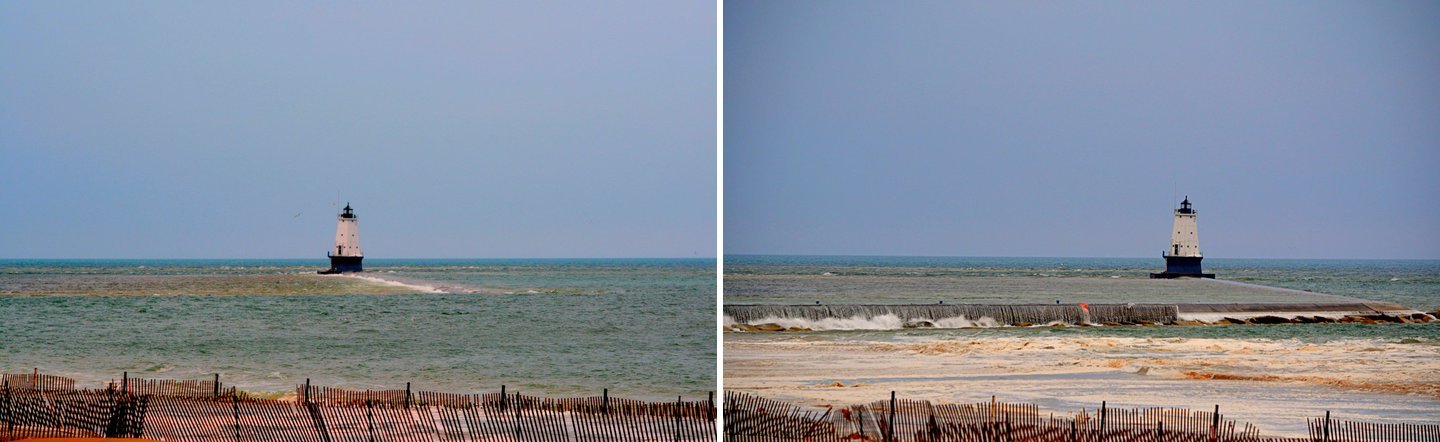
Feature
Spring 2024
Atmospheric-generated waves pose hazards to Great Lakes beachgoers and mariners, motivating ongoing efforts to predict and mitigate their risks.
Ronald A. Hites Ronald A. Hites (1938–2024) was a pioneering environmental chemist and former IAGLR president who revolutionized the measurement of trace pollutants in the Great Lakes and was known as the "father of environmental mass spectrometry." The Great Lakes lost a prominent scholar and great scientist and mentor with the passing of Ronald A. Hites on January 5, 2024. Hites was a distinguished professor emeritus at Indiana University with a joint appointment in the Environmental Sciences program of the O’Neill School of Public and Environmental Affairs and in the Department of Chemistry from 1979 until 2020, when he retired after a 51-year scientific career.A member of the International Association for Great Lakes Research since 1981, Hites served on the IAGLR Board of Directors from 2006 through 2010, including for a year as president beginning in 2008. He was an associate editor for the Journal of Great Lakes Research (JGLR) from 2018 through 2024. In 2016, he received IAGLR’s highest honor, the Lifetime Achievement Award.“Ron was a leader in Great Lakes contaminant research for decades,” notes JGLR Editor Bob Hecky. “JGLR was fortunate to have him serve as associate editor right up to the time of his passing. IAGLR and JGLR will miss him greatly.”Hites made seminal contributions to the Great Lakes community and the discipline of environmental organic chemistry in North America and worldwide. He pioneered new methods of measuring trace levels of (potentially) toxic persistent organic pollutants in the environment based on gas chromatographic mass spectrometry. Much of his research focused on the application of these advanced methods to environmental forensics studies of organic pollution in the air of the Great Lakes region. His research investigated the sources, fates, and effects of trace levels of persistent organic pollutants in the environment. Detailed accounts of his contributions, impact, and mentorship can be found in the peer-reviewed literature. These include a 2015 article titled “The Journey of Ronald A. Hites,” published in Environmental Science and Technology, where he served as an associate editor from 1990 to 2018.Hites and his research group conducted the U.S. portion of the Great Lakes Integrated Atmospheric Deposition Network (IADN) from 1994 through 2020 for the U.S. Environmental Protection Agency (EPA). In so doing, he established IADN as the world’s leading research and monitoring atmospheric program for organic pollutants. IADN is now led by EPA and Indiana University. Hites’ research activity provided world-leading scientific understanding and policy choices on the role of the atmosphere in contaminating the North American Great Lakes and, by extension, locations worldwide.Hites' peers and the research community refer to him as the “father of environmental chemistry” as he is widely recognized as the father of modern environmental mass spectrometry—technology that he advanced and applied throughout his career.Hites also earned a reputation as a “chemical comedian” due to his witty, playful nature, notes long-time colleague and former IAGLR President Robert Letcher. His good humor endeared him to many, including the numerous students he supervised over the years.“Ron was always very approachable and gregarious, in part due to his comedic banter,” Letcher recalls. “When I first met Ron during my Ph.D. days, it was intimidating to meet such a giant of environmental science. However, my anxiety melted away with his disarming charm. When he realized that I was from Canada, he immediately quipped, ‘You’re from Canada, eh? You know, I am one quarter Canadian.’”Hites fell in love with science after an enjoyable science class with a great teacher in a Detroit elementary school (Hites 2015). He went on to get his B.A. in 1964 from Oakland University in Michigan. He then attended Massachusetts Institute of Technology (MIT), where he studied organic analytical chemistry, earning his Ph.D. in 1968. He went on to a postdoctoral fellowship at the U.S. Department of Agriculture before returning to MIT as a staff researcher in 1969 to work on the Viking project, which landed a mass spectrometer on Mars in 1976.With the dawning environmental movement and formation of the EPA, Hites realized that mass spectrometry could be useful for analyzing environmental pollutants. He started with a simple project, studying water taken once a week from the Charles River in front of MIT. Analyses showed the presence of polycyclic aromatic hydrocarbons, and Hites published these results in Science in 1972. This research to identify and quantify previously unsuspected pollutants in environmental samples was immediately recognized as novel and significant.Hites joined the MIT faculty as an assistant professor of chemistry in 1972. He remained until 1979, when he joined Indiana University as a professor in the School of Public and Environmental Affairs and the Chemistry Department. He was appointed Distinguished Professor of Public and Environmental Affairs in 1989 and a Distinguished Professor of Chemistry in 1997. He supervised the research of about 90 graduate students and postdocs.Hites was a fellow of the American Chemical Society, the Society of Environmental Toxicology and Chemistry, and the American Association for the Advancement of Science. He received the 1993 Founders Award from the Society of Environmental Toxicology and Chemistry and the 1991 Award for Creative Advances in Environmental Science and Technology from the American Chemical Society. In 1988, Hites spearheaded the creation of the Journal of the American Society for Mass Spectrometry while serving as president of that society. The Ron Hites Award is given annually for the best paper in that journal. Indiana University recognized his contributions with the Bicentennial Medal in 2020. In 2022, the O’Neill School created the Ron Hites Prize in Environmental Science, which recognizes individuals who have made significant contributions toward solving complex environmental problems.
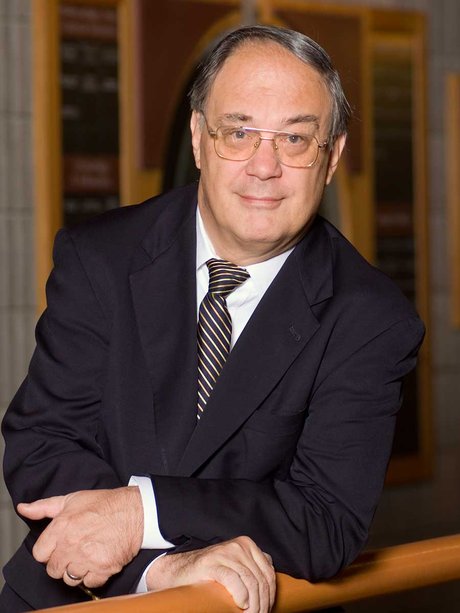
In Memoriam
Winter 2024
Ronald A. Hites (1938–2024) was a pioneering environmental chemist and former IAGLR president who revolutionized the measurement of trace pollutants in the Great Lakes and was known as the "father of environmental mass spectrometry."
Katie Rousseau Katie Rousseau coordinates the Smart Great Lakes Initiative, advancing technology applications to improve the understanding, conservation, and management of the Great Lakes. About my workFor the past four years, I've been coordinating the work of the Smart Great Lakes Initiative, which aims to advance technology applications that improve our understanding, use, conservation, and management of the Great Lakes. In 2021, the initiative completed the Common Strategy for Smart Great Lakes, which includes 10 goals, 14 objectives and 42 actions. More recently, I’ve been working with partners to implement the strategy. In addition, I manage a number of projects for GLOS with legislative, educational, and environmental justice components. I also help plan events and assist in communications work.Inspiration for this workAfter completing my graduate degree in geography and planning at the University of Toledo, I started working for American Rivers, a national conservation nonprofit. My first task was to lead the Rain Garden Initiative of Toledo-Lucas County with people I just met. It was in this role where I learned to work with and manage partners to accomplish shared goals. I found that I enjoy bringing together people with various backgrounds and skill sets to address water challenges.Something else about myselfI really like to share what I’m learning about the Great Lakes with my family. So, a lot of our family activities and vacations revolve around water. We like to vacation in northern Michigan and the Upper Peninsula to look for rocks, fish, and enjoy the beautiful landscapes. A favorite activity closer to home is releasing Lake Sturgeon in the Maumee River every year.
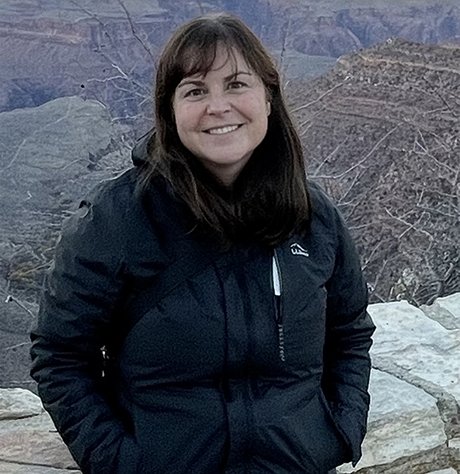
Member Spotlight
Winter 2024
Katie Rousseau coordinates the Smart Great Lakes Initiative, advancing technology applications to improve the understanding, conservation, and management of the Great Lakes.
Christine Atuhaire Christine Atuhaire uses remote sensing and satellite imagery to map and quantify plastic litter in aquatic environments, contributing to environmental policy and mitigation strategies. About my workMy research centers on the remote sensing of plastic litter. Using advanced satellite and aerial imagery techniques, I aim to map, quantify, and analyze the spatial distribution of plastic debris in aquatic environments. This study contributes essential insights into the extent of plastic pollution, offering valuable data for informed environmental policies and effective mitigation strategies.Inspiration for this workI was motivated by my deep concern for environmental sustainability and the escalating global issue of plastic pollution. Witnessing the detrimental impact of plastic litter on ecosystems fueled my commitment to contribute meaningful insights through advanced technologies. Therefore, by leveraging remote sensing, I aim to provide actionable data for effective environmental conservation and policy initiatives, fostering a cleaner and healthier planet for future generations.Something else about myselfI am enthusiastic about collaborative efforts and knowledge exchange within the IAGLR community, aiming to contribute valuable insights to the collective understanding and conservation of the Great Lakes. I am looking forward to engaging in discussions and shared initiatives for the betterment of our cherished freshwater resources.

Member Spotlight
Winter 2024
Christine Atuhaire uses remote sensing and satellite imagery to map and quantify plastic litter in aquatic environments, contributing to environmental policy and mitigation strategies.
Cyanobacterial blooms in the Winam Gulf of Lake Victoria: Lessons for Western Lake Erie? Lessons for Western Lake Erie?
By George Bullerjahn Researchers detect cylindrospermopsin-producing Raphidiopsis blooms in Lake Victoria—a warning sign for Western Lake Erie as waters warm. Research team aboard the RV Uvumbuzi in Homa Bay. Credit: Edgar Marumbu/Steve Kioko.The Winam Gulf of Lake Victoria in Kenya is routinely plagued with toxic cyanobacterial harmful algal blooms (cHABs) commonly attributed to Microcystis and Dolichospermum. Local rural residents typically drink water directly from the lake, so cHABs may present threats to human health as well as to livestock. The Gulf is a shallow, hydrologically distinct portion of Lake Victoria and, as such, is similar to western Lake Erie. Both point and nonpoint nutrient sources are drivers of the blooms, which can occur year-round due to the equatorial location of the lake. Since climate change has contributed to longer growing seasons for cHABs in Lake Erie, we proposed that the Winam Gulf was ideal for a comparative study with western Lake Erie, as the Gulf might afford a glimpse of what Lake Erie may be like in future decades.Students Mercy Chepkirui (Kisii University), Kate Brown (Bowling Green State University) and Julia Obuya (Maseno University) measuring cyanotoxins by the ELISA method. Photo by George Bullerjahn.An American, Canadian & Kenyan PartnershipWith funding from the National Science Foundation, we partnered with Kisii University (Kenya) and the Kenyan Marine and Fisheries Research Institute (KMFRI) to sample Lake Victoria in June 2022 and 2023. The program afforded opportunities for a contingent of North American graduate students to work side by side with a cohort of Kenyan grad students. George Bullerjahn and Kefa Otiso (Bowling Green State University) and Mike McKay and Ken Drouillard (University of Windsor) led the North American team. Ted Lawrence of the African Center for Aquatic Research and Education assisted with logistics. In 2022, nine American students from seven different institutions worked with 10 Kenyan students, and in 2023, seven American students from seven institutions nationwide collaborated with seven Kenyans. The Kenyan cohort focused on teaching the North Americans about the ecology of the African Great Lakes, while the Americans exposed the Kenyans to the omics methods we employ to study the cHABs.In 2022, research centered on two four-day trips around the Winam Gulf aboard the KMFRI research vessel (RV) Uvumbuzi. We primarily encountered Dolichospermum blooms throughout and sampled local fish populations through several trawls. In 2023, the sampling occurred during a single six-day cruise that covered all Gulf stations, plus several sites in the open waters of Lake Victoria, enabling us to compare microbial communities both in the Gulf and the open lake. Overall, our objectives were twofold: first, to determine the composition, genomics, and toxicity of cyanobacterial communities throughout the Gulf, and second, to assess the levels of persistent contaminants in fish. Highlights of our research included the discovery of a potentially toxic Raphidiopsis bloom near a turbid river mouth in the eastern Gulf. Student Kate Brown (Bowling Green) identified copies of the cyrA gene required for the synthesis of the potent toxin cylindrospermopsin at concentrations exceeding 106 L-1, identifying a potential novel threat to the water supply. Due to limited resources, rural and urban residents do not rely on water treatment plants to provide potable water, so the detection of cylindrospermopsin genes may indicate that serious impacts to human health exist due to previously undocumented Raphidiopsis cHABs. Indeed, follow-up studies in 2023 identified the presence of cylindrospermopsin in Gulf waters. This information has been shared with our Kenyan colleagues to allow continued monitoring for the toxin. Such knowledge is helpful because it allows the local residents to adjust their water treatment process to remove that type of toxin, a relatively straightforward process if they know it's there.Another positive result emerged from the fisheries study, led by Drouillard and his Kenyan student, Dennis Otieno. Examining mercury concentrations across fish of different life stages, they detected mercury in fish, but at levels well below concern for human consumption. Lake Victoria fish have lower levels of mercury than fish consumed from the Laurentian Great Lakes. Reflecting the success of the research, to date four manuscripts have been submitted to peer-reviewed journals, with several more papers in preparation.Left: Ken Drouillard (Professor, University of Windsor) and James Achiya (KMFRI) sampling fish for persistent contaminants. Right: Students and crew shuttling to the ship on a beautiful morning in Homa Bay, Kenya. Photos by George Bullerjahn.With residual funds from the NSF grant, a brief sampling trip occurred in early February to extend the dataset regarding the Raphidiopsis blooms. The trip confirmed the presence of cylindrospermopsin, and we await sequencing data to confirm the presence of Raphidiopsis. The detection of Raphidiopsis is relevant to a warming Lake Erie, as this typically subtropical genus has recently been sporadically detected in inland lakes in southeast Michigan and Ohio. It may be that Raphidiopsis spp. and the toxins it can produce become endemic in Lake Erie within a few decades.A lasting benefit of the trips beyond the scientific outcomes was engaging with our Kenyan colleagues as well as experiencing Kenyan culture and viewing the beautiful Kenyan landscape. Students exchanged ideas about differences in tropical vs. temperate limnology, and the American students got to tour Nakuru National Park and the Great Rift Valley on the way to and from Lake Victoria. We thank BGSU professor Kefa Otiso and our Kenyan faculty partners Anakalo Shitandi, Reuben Omondi, Albert Getabu (all Kisii University), Christopher Aura Mulanda, Chrisphine Nwamweya (both KMFRI), and Lewis Sitoki (Technical University of Kenya) for their help in educating our students about Kenya and its history, as well as sharing their expertise in field research on the African Great Lakes.See the story Turning the Tide for more information on this project.
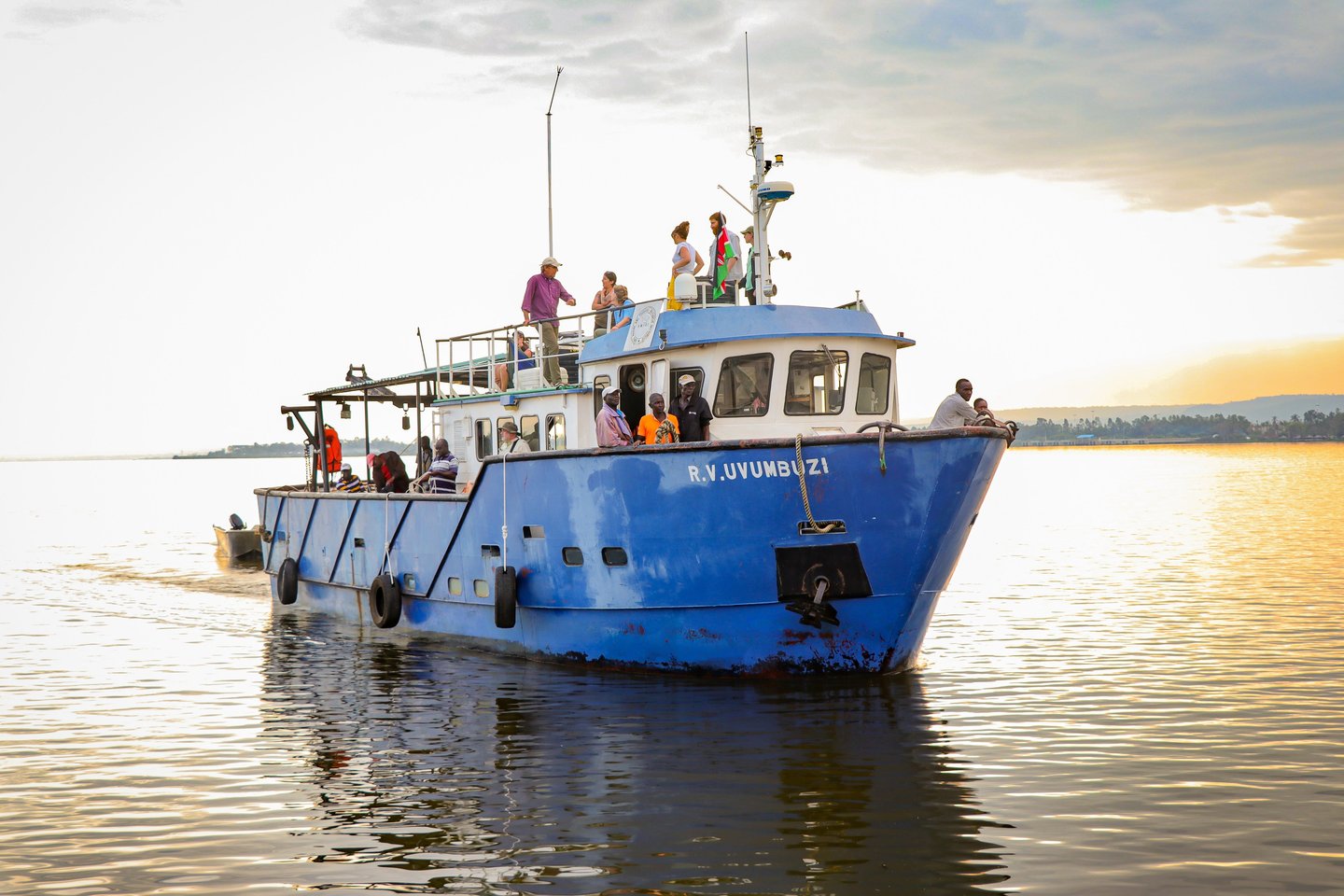
Feature
Winter 2024
Researchers detect cylindrospermopsin-producing Raphidiopsis blooms in Lake Victoria—a warning sign for Western Lake Erie as waters warm.
Advancing molecular technologies and microbial water quality assessment in the Great Lakes Basin By Thomas A. Edge and Joan B. Rose Genomics tools are being deployed across the basin to track pathogens, harmful algal blooms, and antimicrobial resistance under an International Joint Commission initiative. More than 110 years after a 1913 collaboration among 17 Canadian and U.S. microbiology labs, the International Joint Commission (IJC) is seeking to advance another basinwide assessment of microbial water quality across the Great Lakes.While sewage releases, beach postings, and waterborne disease burdens continue, the scale and diversity of fecal pollution sources have changed significantly. New waterborne pathogens have emerged, and new health concerns like harmful algal blooms (HABs) and the spread of antimicrobial resistance have become widespread.Unsafe swimming conditions due to high bacterial levels at Bayfront Park Beach in Hamilton, Ontario. Photo by Thomas Edge.Fortunately, there have also been many advances in molecular and genomics technologies to better assess microbial water quality and the implications of changing microbial communities (microbiomes) in aquatic ecosystems.In 2022, the IJC convened four workshops with scientists and water policy experts to explore how a new Great Lakes Microbial Water Quality Assessment could demonstrate the use of advanced molecular and genomics technologies for a basinwide assessment of microbial water quality and human and ecosystem health risks. The workshops identified technologies that are ready for progressing microbial source tracking, HABs assessment, and metagenomic analyses of microbial communities. Lab capacity and applications of PCR were best documented for fecal pollution source identification by microbial source tracking. However, lab capacity and active research using PCR and DNA sequencing were also identified throughout the basin for HABs assessment and metagenomics analyses.The IJC will continue over the next three years to facilitate binational dialogue to develop a plan to validate and harmonize application of molecular technologies and modernize microbial water quality assessment for a large basin study across the Great Lakes.
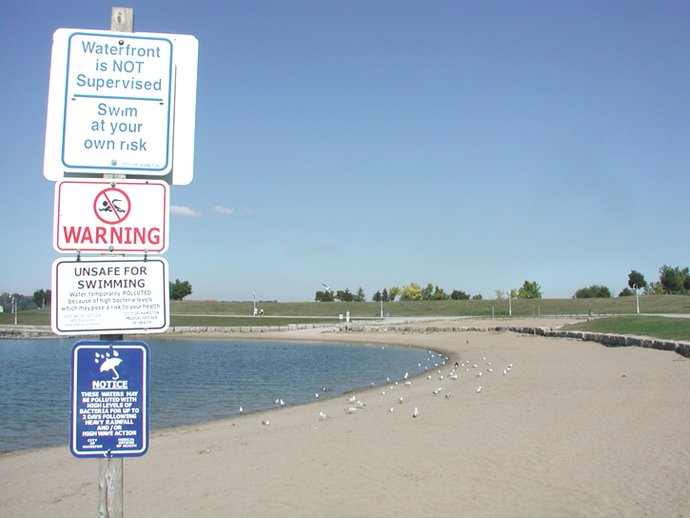
Feature
Winter 2024
Genomics tools are being deployed across the basin to track pathogens, harmful algal blooms, and antimicrobial resistance under an International Joint Commission initiative.
Reframing the process for fish consumption advisories By Mary-Claire Buell, Ruth Duncan, Emily Miceli & Jessica Pauze A community-based approach to fish consumption advisories prioritizes Indigenous knowledge, youth engagement, and relational connections to the land, moving beyond restrictive "don't eat" guidelines. The persistent presence of chemical contaminants within the Great Lakes imposes a disproportionate burden on Indigenous communities; impacting their deep cultural ties and relationships with land, water, and water beings. The presence of contaminants causes concerns around human exposure to chemicals through fish consumption.To address this issue, the United States and Canada develop guidelines on fish consumption, limiting fish consumption in areas impacted by contaminants. The problem is that this approach continues to perpetuate the colonial narrative of land (and relational) dispossession. How? By saying “don’t eat the fish” or “eat less fish” through guidelines, we are limiting communities access to land- and water-based food sources, diminishing opportunity to connect with the land, waters, and beings that live within. This approach continues the severing of ties and relationships between Indigenous peoples and their non-human relatives. So how can we create a better solution moving forward?At TRACE Lab, we are working with communities to develop risk mitigation strategies that create opportunities to be on the land, harvest, learn sampling skills, share knowledge, and generate data that are useful for rights assertion and informed fish consumption.Youth are a vital part of community engagement and must be a part of the entire process. They are at the forefront of dealing with these emerging environmental issues and need opportunities to assist in regulating and addressing the overall health and well-being of their communities. These Indigenous youth will one day be in leadership roles paving the way for generations to come, and being a part of research greatly benefits them.“My firsthand experience in contributing to community-based research as an Indigenous youth has not only strengthened my connection to my culture, but has also instilled a profound sense of responsibility and pride in protecting our environment,” says Ruth Duncan, TRACE Lab student researcher. “Indigenous youth should be active contributors in research, ensuring that our insights shape a sustainable path for both the present and future well-being of our communities. It is important to note that as youth we are not only the future but the present as well, and we want to be included.”By co-designing and implementing contaminant surveillance programs, we work together with communities to map areas of importance, visit those areas, involve youth, and harvest and sample consciously with only small portions of fish taken for analysis; the rest can be eaten. This process often involves engaging health professionals as well. The guidelines produced from this approach end up being more specific geographically and typically do not employ a one-size-fits-all recommendation like seen in current government-produced guidelines. This sometimes results in slightly different consumption recommendations, but ultimately the major difference is the process.Our goal is to support community efforts to protect and/or restore relationships with fish, the land, and waters. It is essential that the whole process prioritizes community knowledge and opportunities to connect with the water and land, reducing opportunities for colonial harm. We are asking our fellow Great Lakes researchers to ask themselves, “How does Western science perpetuate the colonial narrative? Whose perspectives, world views, and values have not been considered?” Reflect on this, but please also act on this by seeking knowledge equity in your research, policy, and decision making.Illustration by Jessica Pauze.Artist’s statement: This drawing illustrates the relationship between people and fish for sustenance, culture, health, and sovereignty. Sustenance is represented through a fish drying rack and the placement of fish inside the loon and the human beings depicted in the drawing. The purpose of this is to show fish not only as a food source but also to symbolize the spiritual connection and sustenance that comes from consuming fish from your territory. Culture and ceremony are shown through the fisherman and the figures holding a smudge bowl up to the Great Lakes, symbolizing a cleansing of the water bodies. I chose to use spirit lines to connect all of these elements together because spirit is such an integral part of Anishinaabe culture and way of life. These spirit lines work to show how each element in the environment is interconnected and related to one another. The goal of this illustration is to help you reflect on your own understanding of the relationship people have with fish and how consumption advisories can jeopardize this relationship. Everything is interconnected. Contamination in fish is not only an issue of consumption and physical health, but an issue of Indigenous sovereignty on Turtle Island.~ Jessica Pauze
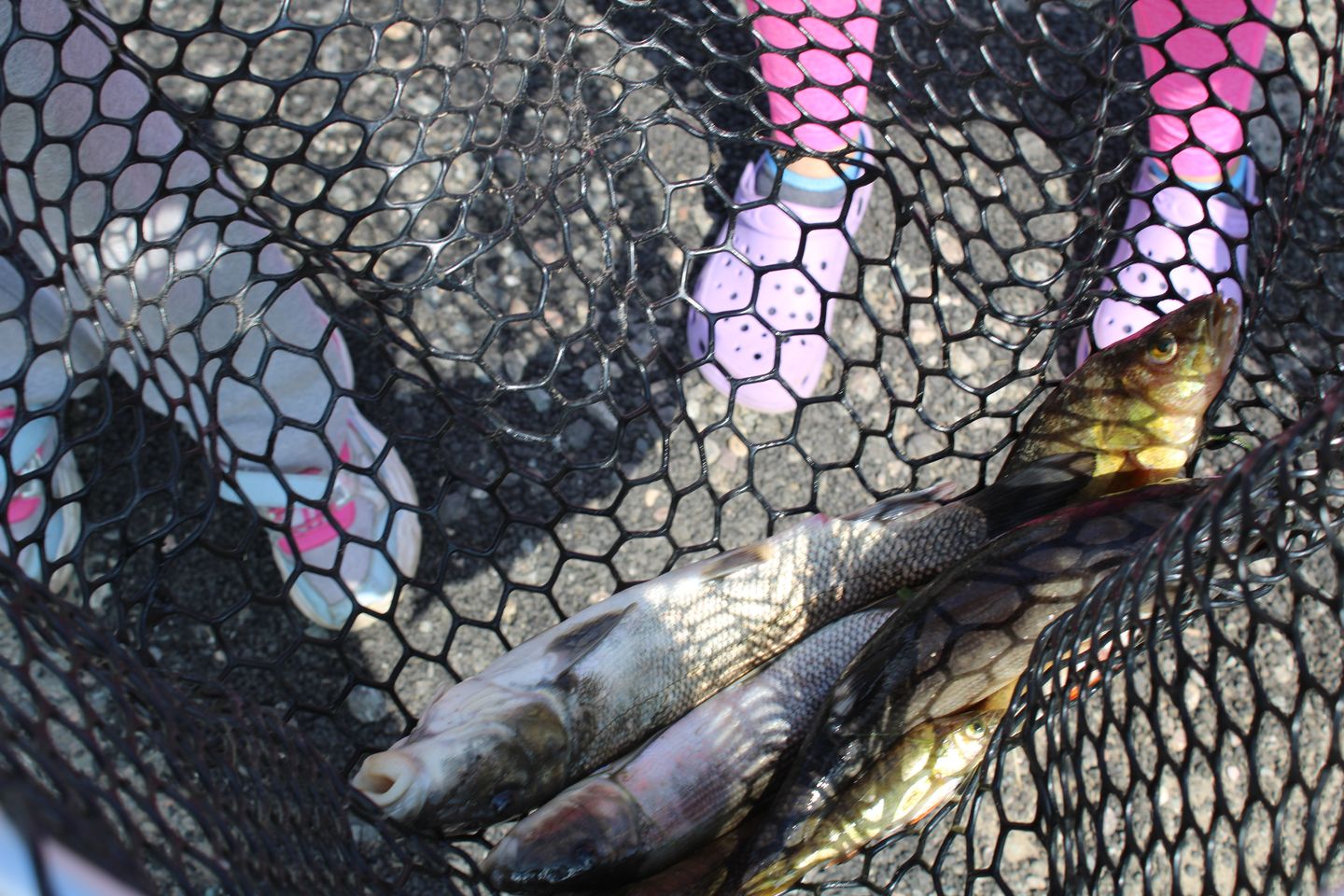
Feature
Winter 2024
A community-based approach to fish consumption advisories prioritizes Indigenous knowledge, youth engagement, and relational connections to the land, moving beyond restrictive "don't eat" guidelines.
One Water, One Health: Investigating antimicrobial resistance in Great Lakes Investigating antimicrobial resistance in Great Lakes
By Thomas Reid & Jordyn Broadbent Environmental conditions and human activities across the Great Lakes watershed spread resistant bacteria and genes, linking ecosystem health to human and animal health under a One Health framework. Out of sight, out of mind is the perfect idiom for microorganisms.When enjoying the first summer swim in a favorite lake, one does not think of the invisible world of microbes in the surrounding water and sediment. However, the ubiquity of microbes throughout Earth’s biosphere—and our own bodies—is as guaranteed and critical to the functioning of life itself as the rising and setting of the sun. This fact underpins the much touted “One Health” research paradigm, which states that human, animal, and environmental health are all inextricably linked by the material (e.g., water) and organisms that flow within and between these compartments (see figure). Unseen aquatic microbial communities not only shape the natural world by driving global ecological services and complex biogeochemical cycling but are also reservoirs of well-known pathogens and other microorganisms that under specific circumstances opportunistically cause disease in humans or animals.The drivers and flow of antimicrobial resistance throughout the One Health continuum. Used with permission from GRDI-AMR2.Of increasing concern is whether, and how, aquatic or environmental microorganisms acquire and maintain resistance to the dwindling suite of effective antimicrobial compounds available to treat them in the event of an infection. Antimicrobial resistance (AMR) is a natural survival function of microorganisms. Yet it can be enhanced when microorganisms share genetic information with one another or are exposed to antimicrobial compounds and a small proportion of resistant organisms survive and proliferate. The threat to human life of untreatable microbial infections is so severe that the World Health Organization declared AMR a “State of Emergency” in 2015. Recent projections estimate 1.95 million global deaths as directly attributed to AMR, with an estimated 4.95 million deaths associated with AMR (Murray et al. 2019). In Canada, the projected AMR-attributed mortality rate for 2050 is 396,000 lives, while healthcare-related costs and impacts to GDP are projected to balloon to CAN$120 billion and CAN$388 billion, respectively (Council of Canadian Academies 2019).To combat this crisis, it is fundamental to understand the role and impact of environmental AMR on human health. To do so, we must consider areas in which human activities intersect with aquatic systems, such as wastewater effluents and run-off that contains antimicrobials widely used in healthcare, food production, and agriculture, as well as the manufacturing and disposal of these compounds. These discharges carry residues and/or metabolites of antimicrobials that persist in water, soil, and sediment, and potential antibiotic resistant bacteria (ARB) and genes (ARGs) that humans and animals excrete in biological wastes. With elevated levels or more severe types of AMR (above natural baselines) in the environment, the emergence of novel or opportunistic pathogens is possible, and/or selective pressures are produced that alter natural biodiversity, diversity of function, and subsequently broader ecological services (Larsson et al. 2023).With these troubling scenarios gaining increasing global attention, in 2020 the Government of Canada established the second iteration of a Shared Priority Project on Antimicrobial Resistance through the Genomics Research and Development Initiative (GRDI-AMR2 2024). Under this project umbrella, Canadian federal agencies including Agriculture and Agrifood Canada, Canada Food Inspection Agency, Fisheries and Oceans Canada (DFO), Environment and Climate Change Canada (ECCC), Health Canada, and Public Health Agency of Canada closely collaborate to address the burden, dynamics, and risks of AMR across the Canadian One Health spectrum. In the spirit of One Health, this marks the first-time participation of DFO and ECCC in concerted investigation of AMR, helping to leverage their respective expertise to confirm or assign weight (i.e., risk) and directionality to the proposed vectors of environmental AMR burden and transmission within the One Health “confusogram” pictured above.ECCC scientists/technicians sampling the water and sediments for unseen microbes at one of Lake Erie’s many north shore beaches.For this project, ECCC has specific focus on priority waterbodies across Canada (encompassing all ecozones), including the Lower Great Lakes, to confirm the background burden of AMR in these environments (i.e., what might be naturally present) and the influence of various contamination sources on driving the abundance and diversity of ARGs (pictured above). While Canada is not a major global producer of antimicrobials or pharmaceuticals, these compounds/metabolites are still detected from wastewater effluents and various manufacturing activities (Kleywegt et al. 2019), with growing evidence showing that recreational waters harbor diverse ARG/ARBs influenced by various anthropogenic inputs (Kraemer et al. 2022). This poses real potential for resistant organisms to colonize the humans and animals that use these waters (Nappier et al. 2020). As the Great Lakes support our society domestically and abroad, these compounds and ARBs/ARGs are free to cross international borders, necessitating a collaborative effort to understand the impact of pollution on AMR transmission risks.While this work is foundational and will by no means be completed at the end of the five-year project, the intent is to inform the prioritization of specific ARG targets and/or environmental sites for future study, surveillance, and potential mitigation strategies. Engagement with environmental stakeholders who are concerned with the stewardship and safety of Canada’s water resources is recognized as critical to supporting the “One Health” of the Canadian public, animals, and ecosystems. Included in that list of stakeholders are those of us who look forward all year to our first swim or fish of the season, surrounded by the invisible, but powerful, world of microorganisms.
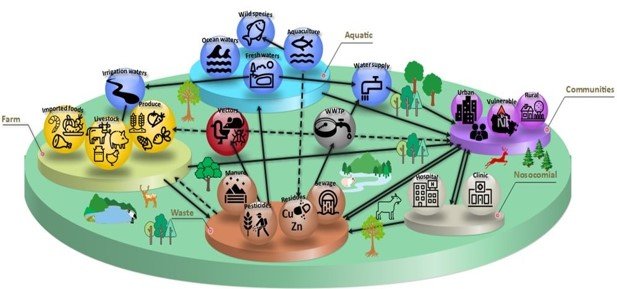
Feature
Winter 2024
Environmental conditions and human activities across the Great Lakes watershed spread resistant bacteria and genes, linking ecosystem health to human and animal health under a One Health framework.
Risk, uncertainty, action: Navigating PFAS and other contaminants of emerging concern Navigating PFAS and other contaminants of emerging concern
By Amanpreet Kohli, Carolyn Foley & Sarah Zack A guide to understanding the risks of PFAS and other contaminants of emerging concern in the Great Lakes, with a focus on community-specific engagement and effective risk communication strategies. Example sources of PFAS. Image by Hope Charters.Scientists are constantly identifying chemicals that have the potential to impact the environment, but it can be hard to know when and how to share information about contaminants of emerging concern (CECs) with those whose health or livelihoods may be negatively affected by them. While CECs may have been manufactured for decades, like legacy contaminants such as PCBs and heavy metals, only recently have they been determined to be—or have the potential to be—persistent, bioaccumulative, and toxic, thus warranting further investigation.Where PFAS are found.Pharmaceuticals and personal care products, microplastics, and bisphenol A have all been a focus in recent years, but the latest family of CECs to grab the headlines is per- and polyfluoroalkyl substances (PFAS). From The New York Times to Last Week Tonight with John Oliver, the number of news sources covering this issue has skyrocketed. In this article, the term PFAS represents a group of 10,000+ manufactured per- and polyfluoroalkyl substances and their related compounds. PFAS were created to make people’s lives more convenient, as they are resistant to water, oil, stains, and heat. PFAS have been widely used in clothing, kitchenware, food packaging, cosmetics, carpets, paints, and firefighting foams, and they are ubiquitous in the environment. The Centers for Disease Control and Prevention reports PFAS to be present in the blood of at least 97% of Americans. While the mechanism of PFAS toxicity remains under study, epidemiological evidence suggests PFAS are associated with negative health outcomes including risk of cardiovascular and thyroid issues, suppression of immune response, decreased infant birth weights, and cancer.In the Laurentian Great Lakes, PFAS have been detected at concerning levels in drinking water and fish. As millions in the United States, Canada, and First and Tribal nations benefit from the Great Lakes and connecting waterways, PFAS are a major cause for concern. Similar to other CECs, socioeconomic issues related to the exposure and mitigation of PFAS can be significant and wide-ranging. Marginalized and lower-income communities often bear a disproportionate pollution burden, and though it is not clear that PFAS exposure varies directly with economic status, costs associated with treating individuals affected by PFAS-related health problems or environmental remediation may be a significant burden for low-income households. Racial and ethnic minority groups with traditional cultural practices related to fishing, or communities dependent on fishing for sustenance, may also be disproportionally affected by PFAS exposure from fish consumption due to bioaccumulation potential. Further, PFAS contamination can affect the agricultural economy and the farming community by contaminating the soil and water used for irrigation.A community-specific approach to engagement is critical to address CECs, as exposure reduction measures designed for one community may not be suitable for others. Through a Great Lakes-wide scoping effort, Illinois-Indiana Sea Grant (IISG) helped identify pressing research questions related to PFAS exposure and mitigation. Manufacturers of PFAS, workers exposed to PFAS-filled products (e.g., firefighters), and those who live near major sources of PFAS (e.g., airports) were identified as some of the communities who are at high risk from exposure to PFAS but relatively well-aware of the potential risks. On the other hand, anglers and seafood consumers (particularly from tribal and subsistence communities), residents in rural areas served by municipal water and well water, and lower income households were identified as some of the communities who are at high risk from exposure to PFAS but least aware of the risks. Effectively addressing the socioeconomic impacts of PFAS requires effort from environmental toxicologists and epidemiologists, various levels of the government, and industry.A key need that emerges with new CECs is early communication with those experiencing exposure. The evolving scientific understanding of PFAS demands that caution be exercised during risk communication. However, it is important to increase awareness and address concerns in vulnerable communities early on. What information needs to be communicated and how it needs to be communicated are key elements of an effective risk communication strategy. From the scoping effort in March 2023, IISG suggests a model for an effective risk communication strategy for PFAS in Great Lakes (see figure). Further, with support from the National Sea Grant Office and NOAA, IISG is supporting four research projects to fill information gaps in this area. Specifically, researchers will assess best practices in communicating PFAS-risks with recreational anglers in Chicago, Illinois, and Benton Harbor, Michigan; evaluate PFAS messaging to the public, with special emphasis on Latino populations in Wisconsin; develop an online risk assessment tool to help residents of Michigan, New York, and Pennsylvania gain a better understanding of PFAS exposure; and assess and compare PFAS-related state laws and regulations in the Great Lakes and Lake Champlain regions to explore policy challenges. Socioeconomic aspects of CEC mitigation will also be featured during a session at IAGLR's Conference on Great Lakes Research this May.
Feature
Winter 2024
A guide to understanding the risks of PFAS and other contaminants of emerging concern in the Great Lakes, with a focus on community-specific engagement and effective risk communication strategies.
Harris Phiri Harris Phiri, a retired fisheries director from Zambia, shares his extensive experience in Lake Tanganyika research and his passion for conservation and interacting with the global aquatic science community. About my workI recently retired from formal employment as director of the Department of Fisheries in Zambia. I worked there for 34 years, rising through the ranks. Prior to that, I worked as a researcher on Lake Tanganyika and other water bodies in the country. My areas of experience included conducting studies on fish population dynamics, frame surveys, ecological surveys, gillnet surveys, and limnological surveys. My expertise includes freshwater ecology; conservation biology; fish stock assessment; project planning, management, and evaluation; and fisheries management, among others. I have authored and co-authored several papers on Lake Tanganyika.Inspiration for this workMy interest in conservation works and nature in general inspired me to join the Department of Fisheries after graduation from university. I started getting involved in conservation works while I was an undergraduate student at the University of Zambia. This interest was further enhanced when I met several renowned scientists from around the world at a conference in Bujumbura in 1991.Something else about myselfI enjoy interacting with other professionals in aquatic sciences and beyond, and so I find moments at meetings quite enriching. I also enjoy being around nature, both aquatic and terrestrial. My hobbies include listening to music, traveling, reading, and playing board games like chess and drafts.
Member Spotlight
Fall 2023
Harris Phiri, a retired fisheries director from Zambia, shares his extensive experience in Lake Tanganyika research and his passion for conservation and interacting with the global aquatic science community.
Heather Dettman Heather Dettman leads research on oil spill science and petroleum products to protect water resources. About my workSince 1990, I have been a research scientist with Natural Resources Canada (NRCan) where I have developed expertise in analyses of petroleum products including oil sands bitumen. My research topics have included studies of refinery corrosion, petroleum upgrading and refining process upsets, bioprocessing, and diesel fuel analysis. In 2013, I led the development of oil spill science facilities and projects at the NRCan CanmetENERGY lab in Devon, Alberta. In 2022, I became the senior science advisor for the NRCan Multi-Partner Research Initiative (MPRI), a research funding program aiming to help the Canadian and international spill science community address priority response knowledge and technology gaps.Inspiration for this workMy Ph.D. was in biochemistry from the University of Alberta where I used nuclear magnetic resonance (NMR) spectroscopy to study protein-membrane interactions. After an NSERC postdoctoral fellowship at Yale University, I became manager of the University of Ottawa Chemistry Department NMR Facility. After a few years, I helped staff at the NRCan CanmetENERGY lab in Ottawa with their NMR instrument. They soon offered me a job, and so began my work with “earth-processed biomass,” petroleum.Something else about myselfI have always liked water. By the age of 16, I had become a lifeguard and swimming instructor and obtained scuba certification. At camp I learned to paddle a canoe and then during graduate school, a kayak. When at Yale, I began windsurfing and have taken lessons for sailing in Victoria. Despite living at a land-locked location, my work to improve oil spill science to protect water is also personal.

Member Spotlight
Fall 2023
Heather Dettman leads research on oil spill science and petroleum products to protect water resources.
Lisa Sonnenburg Lisa Sonnenburg manages cultural resources for the Lake Superior National Marine Conservation Area, documenting and protecting submerged archaeological landscapes through collaboration with Indigenous communities. About my workI have been studying submerged archaeological landscapes since 2004 and have managed to do this on four of the five Great Lakes! I am currently the cultural resource management advisor for Lake Superior National Marine Conservation Area, which covers over 10,000 square kilometers of water and includes 600 islands. This work is a collaborative effort with Indigenous and non-Indigenous knowledge holders and communities, academic institutions, and government departments to document and protect the cultural resources for current and future generations.Inspiration for this workI first became interested in submerged landscapes during my undergraduate degree at Lakehead University when I found out that a stone tool was recovered off the coast of Haida Gwaii, in an area that was above water during the early Holocene. I was fortunate to pursue this type of research during my graduate degrees at McMaster University and a post-doctoral fellowship at the University of Michigan. I spent five years in the consulting industry before joining Parks Canada in 2020.Something else about myselfTwenty-five years ago, I moved to a small community on the north shore of Lake Superior to work as a figure skating instructor. That's when I first fell in love with the Great Lakes.
Member Spotlight
Fall 2023
Lisa Sonnenburg manages cultural resources for the Lake Superior National Marine Conservation Area, documenting and protecting submerged archaeological landscapes through collaboration with Indigenous communities.
Learning from the last decade of microplastics research in the Laurentian Great Lakes Tools needed for the future of microplastics management
By Eden Hataley and Chelsea Rochman A synthesis of a decade of microplastics research in the Great Lakes reveals widespread contamination but highlights the need for standardized monitoring methods and risk assessment frameworks. In 2020, in response to a request from the Canadian federal government, we synthesized the state of the science on plastic pollution in the Laurentian Great Lakes. We used the data to write sub-indicator reports for plastic pollution as if it were among the pollutants used to report on the state of the Great Lakes under Annex 10 of the Great Lakes Water Quality Agreement. The sub-indicator reports highlighted gaps in the monitoring and ecological risk assessment of plastics in the Great Lakes, both of which are essential to informing management action. As a follow-up, we published this work as a pair of papers that explored these themes further, focusing on microplastics only.In the first paper, led by Hayley McIlwraith, we synthesized research published across the region to better understand microplastic contamination in the Great Lakes and the methods researchers typically use to measure it. Our synthesis shows that microplastics are widespread throughout the Great Lakes basin, in water, sediment, and wildlife. Additionally, the methods used to measure microplastics differ across and within matrices, making data comparability between studies, and thus deciphering trends in environmental contamination, difficult.In the second paper, we applied an ecological risk assessment and management framework for microplastics in aquatic environments recently developed by experts in the field to the Great Lakes by comparing proposed risk thresholds to regional monitoring data, both available in the primary literature. Our analysis shows that most microplastic concentrations reported in water samples collected across the region exceed the proposed risk thresholds, whereas all microplastic concentrations reported in sediment samples remain below the proposed risk thresholds.Together, these two papers show the need for (1) harmonized and/or standardized methods for monitoring microplastics in the region to increase data quality and comparability and make it possible to determine spatial and temporal trends in environmental contamination as well as exposure levels and (2) a risk assessment and management framework for microplastics adapted for the Great Lakes to better understand risk and inform how the contaminant is managed locally. Fortunately, the International Joint Commission is currently facilitating work on both needs through a binational workgroup (see the related article).Microplastics monitoring data for surface water and sediment reported in each study synthesized in the first paper [left] was screened against a set of pre-defined quality criteria and rescaled to the whole microplastic size range (i.e., 1-5,000 µm; see Koelmans et al., 2022 for an overview of this risk assessment framework) before being compared to the proposed risk thresholds in the second paper [right]. The results shown here assess the risk of food dilution from exposure to microplastics in surface water.
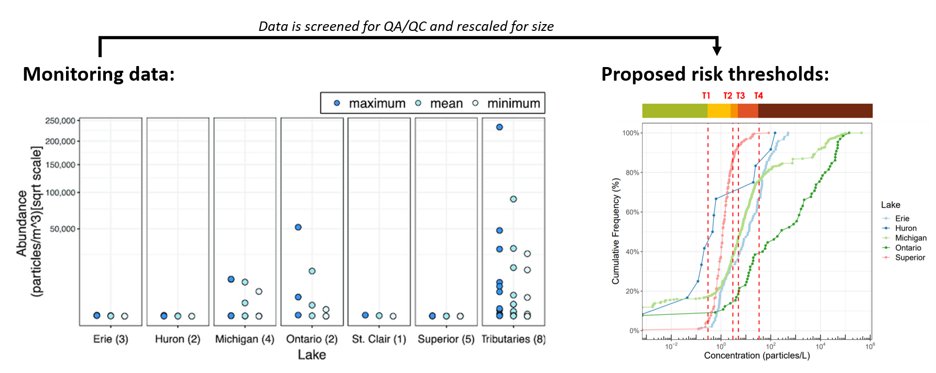
Research Brief
Fall 2023
A synthesis of a decade of microplastics research in the Great Lakes reveals widespread contamination but highlights the need for standardized monitoring methods and risk assessment frameworks.
Research unearths microplastics and algae nexus in the Great Lakes By Kishore Gopalakrishnan and Donna Kashian Microplastics can trigger the release of substances from cyanobacteria, altering buoyancy and potentially fueling harmful algal blooms, creating a complex nexus between plastics and algae. Wayne State University's Kishore Gopalakrishnan, a bioprocess engineer, is diving deep into an exploration of microplastics and harmful algal blooms (HABs) within the Great Lakes. With his academic foundation from the University of Canterbury in New Zealand, Gopalakrishnan is working in Donna Kashian's ecotoxicology lab to unravel the environmental fate of microplastics.Gopalakrishnan's research uncovers the interplay between cyanobacteria and microplastics. In part, microplastics can trigger the release of extracellular polymeric substances (EPS) in cyanobacteria, altering its buoyancy and positioning in the water column. Kishore also delves into how microplastics affect the growth of HAB-forming cyanobacteria, which use microplastics as platforms for biofilm growth and as a source of carbon. These biofilms provide a sheltered environment for cyanobacteria, potentially fueling HABs. These interactions lead to microplastics aggregating and sinking and can provide pathways for microplastics to enter the food chain when mistaken for food.Kishore Gopalakrishnan and Donna Kashian in the lab at Wayne State University.Gopalakrishnan's research illuminates the complex interaction between microplastics and cyanobacteria, shedding light on potential consequences for the Great Lakes ecosystem. His research raises concerns about plastics entering the aquatic food chain through their intricate connections with algae, which could ultimately impact human health. This research carries implications for policy makers and the general public, guiding decisions on plastic waste management, pollution control, and food safety. It underscores the urgency of developing strategies to combat the harmful effects of microplastics and HABs while deepening our understanding of the mechanisms at play.
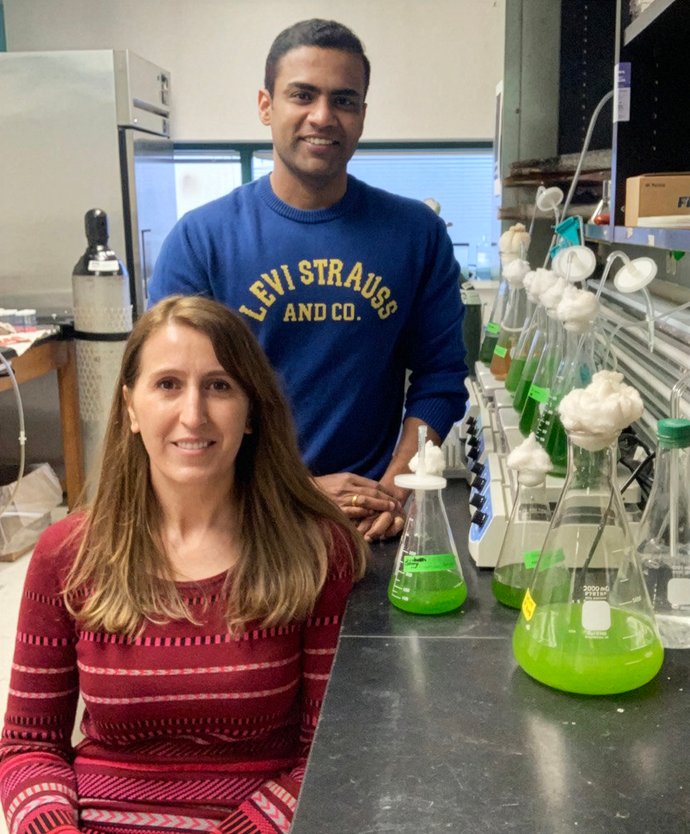
Research Brief
Fall 2023
Microplastics can trigger the release of substances from cyanobacteria, altering buoyancy and potentially fueling harmful algal blooms, creating a complex nexus between plastics and algae.
Litter to pollution in Great Lakes: Levels and factors By Varun Kasaraneni Stormwater runoff studies show that low-income and commercial areas contribute significantly higher amounts of macro-litter and microplastics to the Great Lakes, highlighting the need for targeted waste management. Urban litter is one of the primary sources of litter and plastic pollution in surface waters, though quantifications of this pathway are limited. For this study, storm runoff samples were collected for eight events over spring, summer, and fall seasons (0.14–1.29 inches of rain) from seven locations (two commercial, two industrial, three residential). Macro-litter (> 5 mm) from the samples was separated into nine categories (smoking-related materials, paper, textile, plastic, metal, glass, wood, construction material, and others). Samples were also analyzed for microplastics in the size range of 300 µm to 5 mm.Our research data indicates that low-income and commercial locations contribute significantly higher amounts of macro-litter (3–20 times more) and macro-plastics (6–11 times more) compared to other locations. Microplastics counts per 10,000 gallons of runoff range from 43 to 58,512, with commercial and industrial locations having the highest quantities. Higher amounts of litter were found in samples collected in spring and fall seasons. The spring and summer samples had significantly more microplastics.Future efforts related to marine debris should put emphasis on reducing and preventing the debris from entering the Great Lakes. This could be achieved by developing solutions to capture and remove litter and microplastic in stormwater infrastructure, implementing better waste management practices, and providing additional resources to areas that contribute higher quantities of litter. Placing more trash receptacles and signage at commercial locations and having industries develop and implement best practices to prevent raw materials from entering the environment are also solutions.
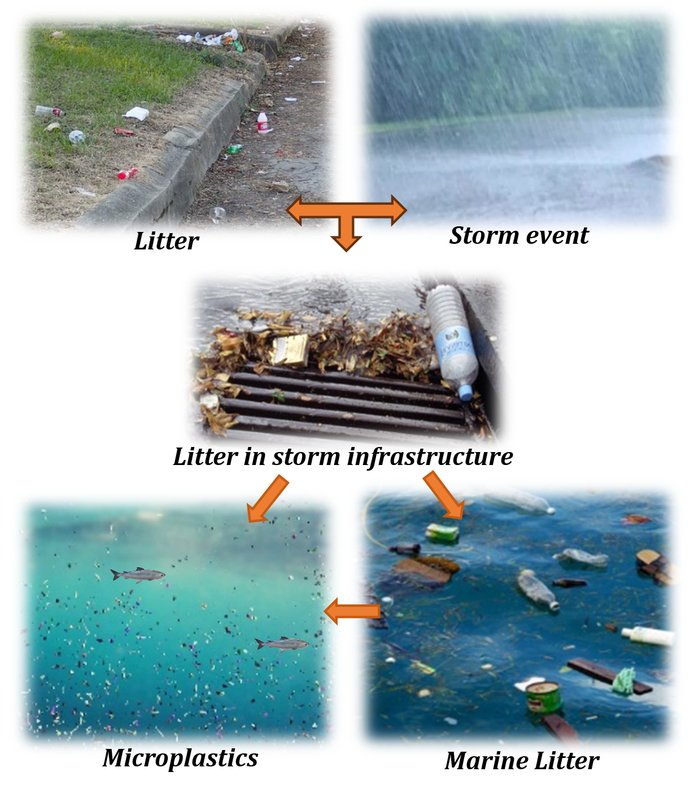
Research Brief
Fall 2023
Stormwater runoff studies show that low-income and commercial areas contribute significantly higher amounts of macro-litter and microplastics to the Great Lakes, highlighting the need for targeted waste management.
Plastic pollution: A full life-cycle issue By Sherri Mason From fossil fuel extraction to disposal, plastic affects the Great Lakes and human health, demanding systemic solutions beyond just recycling. Where it all began. The U.S. Brig Niagara, a replica War of 1812 tall ship, sailing Lake Erie in 2012. Credit: Sherri Mason.A dozen years ago, I had the opportunity to co-teach an environmental science field course focused on the Laurentian Great Lakes aboard the U.S. Brig Niagara, a replica War of 1812 tall ship based in Erie, Pennsylvania. While out in the vast open waters of Lake Erie I wondered, As much as we have heard about plastic pollution within the world’s oceans, is there plastic in the Great Lakes? The following year, my colleagues and I would set out aboard that same vessel to answer that question, leading to an unfortunate answer and, as all science does, to a lot more questions.As one of the first freshwater plastic pollution researchers, I now frequently give talks to the public on plastics as an environmental issue. I think most people expect to hear about how plastic is polluting every nook and cranny of our earthly home. And while that is certainly true, increasingly, I want to talk about a more important reality: plastic pollutes at every step of its life cycle. This isn’t just an end-of-life issue. It is a full-cycle material issue, and one that is moving to my backyard.Fossil Fuel's Plan B: PlasticsI live in Pennsylvania, a state that receives substantial national attention, especially during presidential election cycles, because of its prominent hydrofracking industry. While hydrofracking is most well-known as a method to extract natural gas (i.e., methane) from shale reserves, shallower (and less thermally mature) shale reserves tend to have a higher proportion of “wet” gas components (ethane, propane, and butane) relative to methane. Extraction of these wet gas components means hydrofracking is not just about energy, it is about plastics. As such, we are not only seeing a build-out of hydrofracking wells, but also the plastics industry.In November 2022, a multibillion-dollar ethylene cracker plant built by the Shell corporation started its operations in Beaver County, Pennsylvania, just north of Pittsburgh, creating polyethylene plastic from wet hydrofracked gas. Within only a few months, this facility had already been fined $10 million for violations of state air quality regulations. These violations are reminiscent of my childhood. I grew up in Texas, a bit north of another area in which the growth of fossil fuel refining also led to the growth of a related and connected plastics industry—an area of the United States known infamously as “Cancer Alley.” The build-out that is emerging in Pennsylvania leads one to wonder if our future can be seen by looking south.The Shell ethylene cracker facility in Beaver County, Pennsylvania, along the shores of the Ohio River. Credit: Mark Dixon.In addition to the operational Shell ethylene cracker plant, Encina is planning a plastics “advanced recycling” facility in Point Township, Pennsylvania, and the International Recycling Group (IRG) has proposed a supersized plastics sorting facility in Erie. Both facilities are focused on end-of-life plastics with significant potential impacts on freshwater systems. Beyond the atmospheric issues of “advanced recycling,” the Encina facility is being planned to be built within the floodplain of the Susquehanna River, which is known to regularly flood. While the IRG facility is planned to be located a few miles from the shores of Lake Erie, the resulting flaked, post-consumer, mixed plastic waste is expected to be transported by boat across the Great Lakes for use as a supplement to coke in steel mills.These industries bookend the already extensive plastics manufacturing throughout the region. Such businesses rely on a feedstock of pre-production plastic pellets (known as “nurdles”) that originate from fossil fuel refining and are well-known to be lost as they are vacuumed from one storage container to another (i.e., train to truck, and truck to silo). However unintentional these losses may be, rainwater still carries them from land to lake in dramatic numbers.As transportation is increasingly going electric, plastics are the Plan B for the fossil fuel industry, and much of that new build-out is happening right here in Pennsylvania, with impacts on air and water, including the Great Lakes.A Full Life-cycle IssueIt is important to see plastics as a full life-cycle issue, especially as we still grabble with understanding myriad sources and pathways that release and transport them throughout the globe. Understanding the sources is complicated given the prominence of plastic in our lives and the local-to-regional nature of particular sources to particular waterways. For example, when we surveyed a remote lake in Mongolia (Lake Hovsgol), the dominant microplastics within the water were heavily influenced by the local fishing industry, while in Lake Superior (USA) the microplastic loading is largely owing to fibers, which seem to be transported to the lake through the air and atmospheric deposition. In more urban areas, run-off is the prominent source. But even the “removal” of plastics through the wastewater treatment process only moves plastics from the wastewater into the sludge, which is then commonly applied to agricultural fields as fertilizer, giving a second life to the microplastic pollution as a soil contaminant.Pre-production plastic pellets released during transport from train car to semi-truck. The train cars used to come to Erie, Pennsylvania, from Louisiana but now increasingly come from the Shell facility in Beaver County, Pennsylvania. Credit: Sherri Mason.All of this plastic—whether in our air, our soil, or our water—eventually makes its way into us through the air we breathe, the water we drink, and the food we eat. Microplastics have been found within our blood, our lungs, our brain, and even on both the maternal and fetal sides of the placental boundary. While understanding the impacts of our plasticized world on human health is still in its infancy, the initial studies don’t look good. For one, we have to consider plastic for what it is—a mixture. These polymers have been implicated as factors in various neurological disorders like Alzheimer’s disease. In addition, we need to consider myriad chemicals (current estimates of ~10,000) used in the manufacture of plastic products. Many of these chemicals are known to mimic hormones, leading to a wide variety of human health implications, from cancer to reproduction issues to obesity to autism.Solutions to plastic pollution are as varied as the sources. Reducing our individual plastic usage by finding reusable alternatives is something we can all do that has real impact. After all, every bit of plastic found in our lakes ultimately comes from us. Adding filters to washing machines, like we have on dryers, would help to reduce the flow of fibers into our waterways. The Break Free from Plastic Pollution Act, a suite of legislative bills, has been reintroduced in the U.S. Congress for a third time. The heart of this legislation is extended corporate responsibility, which has been shown to be very effective in car battery and electronics recycling. It would change the landscape of packaging away from single-use plastics toward the use of reusable, recyclable, and compostable commercial packaging materials. Chief among all of these solutions is the need to reduce our usage of this material. As a chemist, I can understand its appeal; as a human and lover of our lakes, I advocate for finding alternatives, using less, and moving to a circular economy.A dozen years ago, sailing the incredibly beautiful Great Lakes, a simple question crossed my mind. In working to answer that question, the lakes are speaking through me, and other researchers like me, revealing to us the impact we are having and pointing us on another course. Will we listen?
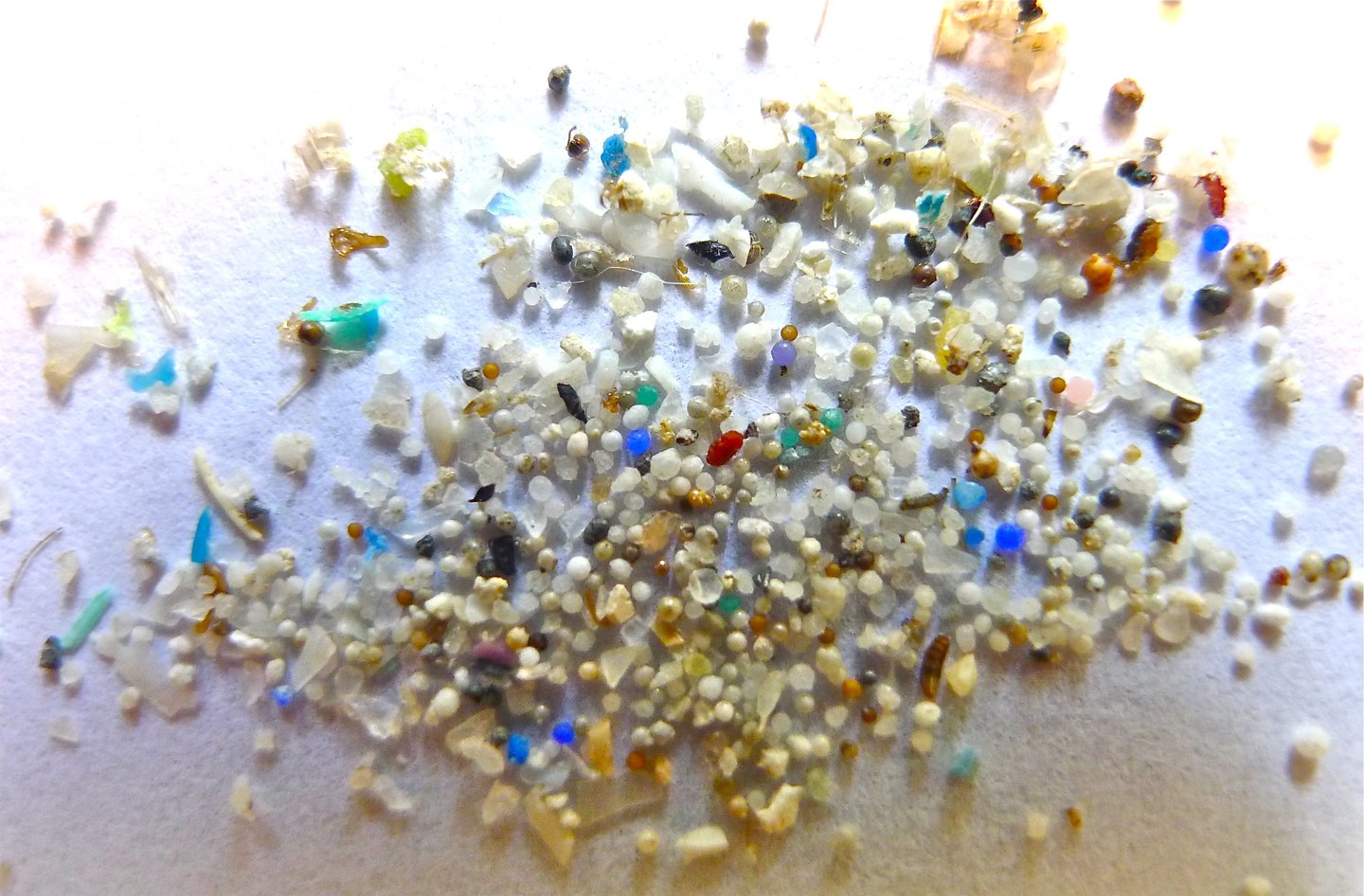
Feature
Fall 2023
From fossil fuel extraction to disposal, plastic affects the Great Lakes and human health, demanding systemic solutions beyond just recycling.
Developing frameworks for monitoring and assessing the ecological risk of microplastics in the Laurentian Great Lakes An International Joint Commission initiative
By Eden Hataley, Karen Kidd, Chelsea Rochman & Rebecca Rooney A workgroup is developing coordinated frameworks for monitoring microplastics and assessing their ecological risks in the Laurentian Great Lakes basin. It is now understood that plastics, particularly microplastics, are present across the Laurentian Great Lakes basin, on shorelines and in surface waters, sediments, and biota, including birds, fish, and mussels. Over the past decade, the scientific body of literature on plastic pollution in the region has grown to over 60 publications. Studies report on levels of contamination across the Great Lakes and their watersheds, the effects on local wildlife, the sources, transport, distribution, and fate of plastics in the basin, and the use of policies and guidelines to address the issue. What remains less well understood are long-term and spatial trends in contamination levels, real-time and future risk, and the best approach for managing plastics accordingly. The International Joint Commission's (IJC) Great Lakes Science Advisory Board is increasing its efforts to tackle these gaps in understanding and addressing the issue of microplastics in the Great Lakes, specifically.In 2015, the IJC’s Great Lakes Water Quality Board started a Microplastics Watching Brief, which summarizes points of interest related to microplastics and plastics more broadly in the region, spanning science, policy, and media. In 2016, the IJC hosted a workshop on microplastic pollution in the Great Lakes, its purpose to compile local progress and gaps and develop recommendations for addressing the challenges posed by microplastics in the region. The workshop was attended by 33 experts from the United States and Canada representing diverse sectors, including academia, government, industry, and non-governmental organizations. Together they developed 10 recommendations spanning actions related to science and research, policy and management, and education and outreach for the IJC to review and present to Canadian and American federal departments for consideration.The cumulative number of publications on plastic pollution in the Laurentian Great Lakes basin, including papers published until June 2022. Data from McIlwraith et al., 2023.Today, in response to and with consideration of the outcomes of the 2016 workshop (as well as global progress on the issue), the Great Lakes Science Advisory Board has put together a workgroup focusing on the environmental monitoring and ecological risks of microplastics in the Great Lakes. The workgroup, co-led by the authors of this article, began in early 2023 and comprises subject matter experts from the United States and Canada. The general objective of the workgroup is to develop and propose coordinated frameworks for microplastics monitoring as well as ecological risk assessment and management in the Great Lakes.As a first task, the workgroup has drafted a literature review to synthesize recent advances and knowledge in plastics science, including current knowledge on Great Lakes-specific monitoring data, field and lab methods used for measurement, and toxicity data for relevant species, as well as the associated knowledge gaps. In support of this, the workgroup held a session at the 2023 IAGLR annual conference in Toronto, Ontario, to bring together researchers to share the latest information on plastics in the Great Lakes. The session comprised 22 presentations and 17 posters covering diverse topics, including monitoring, method development, and toxicity testing.Additionally, the workgroup is hosting two workshops, one to create a framework for monitoring microplastic pollution in the Great Lakes and another to develop a framework for ecological risk assessment and management. The first workshop, held in Ann Arbor, Michigan, this past September, was a success, and products will include harmonized monitoring guidelines for field methods, quality assurance and quality control, and reporting requirements for microplastics in water, sediments, and biota in lakes and tributaries. The workshop participants also discussed key considerations in monitoring program design, including capturing spatial and temporal variability and enabling source apportionment and opportunities to incorporate microplastics into existing Great Lakes monitoring programs.Participants at the first workshop on microplastics monitoring held in Ann Arbor, Michigan, in September 2023.The second workshop, which will be held this coming January in Windsor, Ontario, will focus on adapting existing ecological risk assessment and management frameworks for microplastics in surface water and sediments for application with Great Lakes monitoring data.The workgroup has been fortunate to have the opportunity to learn from and collaborate with other groups doing similar work on microplastics monitoring harmonization and ecological risk assessment from across the United States, in California (the Southern California Coastal Water Research Project) and Chesapeake Bay (the Chesapeake Bay Plastic Pollution Action Team).The project of this workgroup will run until early 2024. Products will include tools needed to initiate a long-term monitoring program for microplastics in the Great Lakes and a risk assessment framework for understanding how contamination may impact local resources and wildlife. The project report will be submitted to the IJC commissioners to inform the commission’s advice to the governments of the United States and Canada. If adopted, these tools will provide information on tracking the extent of microplastic pollution and its impact as a contaminant.
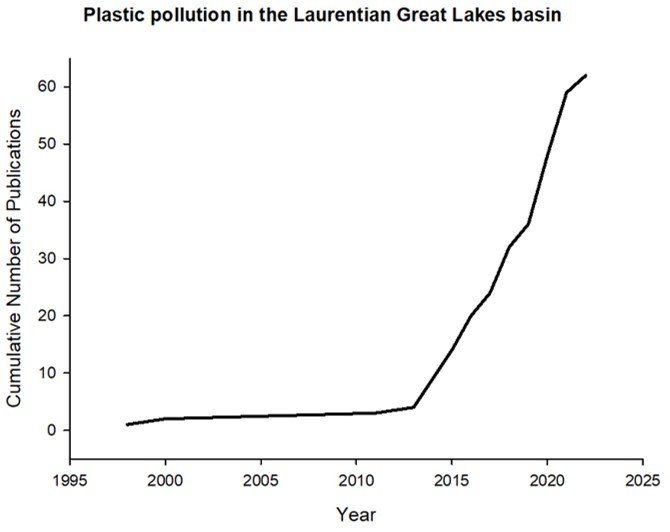
Feature
Fall 2023
A workgroup is developing coordinated frameworks for monitoring microplastics and assessing their ecological risks in the Laurentian Great Lakes basin.
Clean Shores, Great Lakes Preventing microplastics from entering the African Great Lakes through citizen science cleanups
By Bahati Mayoma, Conrad Sparks & Farhan Khan This project mobilized thousands of volunteers to clean up plastic litter from Tanzanian shorelines, using citizen science to identify hotspots and advocate for policy change. Volunteers conducting a brand and waste audit after a cleanup of the landing site on the Lake Tanganyika shore. All photos courtesy of Clean Shores, Great Lakes Project.The African continent is home to some of the largest freshwater bodies and holds about a third of the total global freshwater resources. The major African Great Lakes (AGL), namely Victoria, Tanganyika, and Nyasa (Malawi), form a unique ecoregion that plays vital ecological and economic roles for the riparian communities and the global hydrological cycle at large. The lakes support amongst the highest levels of freshwater biodiversity with hundreds of endemic aquatic species and also huge human populations that rely on the freshwater resources. The AGL support the livelihood of 40 million people across eight bordering countries (Tanzania, Kenya, Uganda, Malawi, the Democratic Republic of the Congo, Burundi, Zambia, and Mozambique). The AGL connect the heart of Africa to the open ocean and the doorstep of Europe through the Mediterranean Sea and the Atlantic and Indian oceans via the Nile, Congo, and Zambezi Rivers, respectively.Thus, plastic and microplastic pollution in these waters has major ramifications and has already been documented on AGL beaches (Mayoma et al., 2019; Egessa et al., 2020), in water (Ngupula et al., 2014), and in fish (Biginagwa et al., 2016). The 2016 study by Biginagwa and coauthors was the first to show the presence of microplastics in the digestive tracts from Nile perch and Nile Tilapia from the AGL, specifically Lake Victoria. This study started the urgency to address the issue of plastic pollution in the region, and in particular, what can be done to mitigate the problem.Clean Shores, Great Lakes ProjectThe Clean Shores, Great Lakes (CSGL) project was formed to address microplastics before they enter the Great Lakes water by reducing litter, especially plastic litter, along the Tanzanian shorelines of the AGL. Funded by the Norwegian Retailers' Environment Fund (Handelens Miljøfond) under the Reduce Plastic Litter Internationally program, the project was led by the Norwegian Research Centre (NORCE) and University of Dar es Salaam (UDSM), with EMEDO (Environmental Management and Economic Development Organization) and ARENA Recycling Industry. The project aimed to (1) conduct a campaign of coordinated cleanups; (2) train and mobilize local communities as environmental ambassadors through active involvement in the cleanups; (3) record cleanup data through citizen science to pinpoint hotspots and sources of litter; (4) promote circular economy and sustainable solutions; and (5) provide data-led advice to regional and national policy makers on mitigation strategies.Implemented from February to September 2023, the project targeted beaches, drainage ditches, rivers, markets, and landing (fishing) sites. Importantly, our cleanups were designed not to disrupt people’s livelihoods, so we started early (typically 7 or 8 a.m.) and worked for only a couple of hours. This model attracted many volunteers including jogging clubs, scouts, market traders, and many more members of the community.The results of the campaign surpassed our expectations. Over 5,000 volunteers joined us as we cleaned up 69 sites (nine sites more than initially planned), totaling an area of over 680,000 m2 of Great Lakes shoreline, equivalent to over 150 football fields. Plastics were the biggest category of litter (74%), with bottles and carrier bags comprising 40% of all litter. Brands from three local manufacturers accounted for 60% of all plastic litter collected, and sites associated with fishing activities were generally more polluted than other types of sites.Before (left) and after cleanup (right) of Kamanga Beach on the Lake Victoria shore.Dissemination and EducationThe project’s aims were clear in going beyond just cleanups. At the end of our second campaign, we hosted our dissemination workshop in Mwanza, close to Lake Victoria. Attended by key stakeholders from government departments, non-governmental organizations, local and international academics, and affected communities, such as fishermen, we shared the magnitude of our efforts. The assembled audience members were shocked at the scale of plastic pollution and resolute in their determination to find lasting strategies for mitigation. The workshop was covered by various Tanzanian media outlets, and together with our social media accounts, the impact of the project has been tremendous within Tanzania and further afield.Left: Bahati Mayoma (country project coordinator) introducing the project during the dissemination workshop in Mwanza in September 2023. Right: Stakeholders following the discussion during the dissemination workshop.A school outreach program was also implemented extensively to impart knowledge to students at a young age, with much effort devoted to waste management hierarchy and the circular economy concept, in particular the 4 R's (refuse, reduce, reuse, and recycle), at the household and school levels. The use of available materials locally, such as abandoned plastic containers to grow vegetables and make home gardens during demonstration, attracted the great attention of the community.One of the primary school environmental clubs visited during the cleanup of Lake Nyasa in Kyela District.We have reached the end of our initial two years of funding, but are actively seeking support to continue the project. If you want to know more visit the Clean Shores, Great Lakes website or contact Farhan Khan (fakh@norceresearch.no, NORCE) or Bahati Mayoma (bsosthenes@yahoo.com, UDSM).

Feature
Fall 2023
This project mobilized thousands of volunteers to clean up plastic litter from Tanzanian shorelines, using citizen science to identify hotspots and advocate for policy change.
A ripple effect caused by a science-arts-cultural collaboration Plastic pollution in the Great Lakes watershed
By Patricia Corcoran, Kirsty Robertson, Kelly Jazvac & Sara Belontz The Synthetic Collective's collaboration between scientists and artists has raised awareness of plastic pollution in the Great Lakes through exhibitions, data visualization, and the discovery of plastiglomerate. Plastiglomerate from Kamilo Beach, Hawaii. Credit: Patricia Corcoran.An unlikely collaboration that began in 2012 has led to a prolific body of published and exhibited works by a Canadian group of scientists, artists, and cultural workers known as the Synthetic Collective. When earth scientist Patricia Corcoran and visual artist Kelly Jazvac stepped onto the sand of Kamilo Beach, Hawaii, in 2013, neither realized the significance of what they would find. Their fieldwork, guided by descriptions from environmental thought leader, oceanographer, and boat captain Charles Moore, resulted in the naming of an anthropogenic product symbolizing humankind’s impact on the planet’s natural systems—plastiglomerate. Stones composed of sand grains, volcanic lithic fragments, and shelly, coral, woody, and plastic debris were held together in a matrix of once molten plastic. Since then, the Synthetic Collective and their collaborators have embraced interdisciplinarity in their investigation of plastic pollution in the Laurentian Great Lakes.Installation view, Plastic Heart: Surface All the Way Through, Canadian Cultural Centre, Paris, France. Credit: Vincent Royer, 2022.The group uses a harmonized approach of engaging with plastic pollution from multiple interwoven perspectives. Their tangible results include scientific and art publications, but more importantly, bring a greater awareness of the distribution, sources, and threats of plastic debris through media (e.g., National Geographic Magazine), museum presentations (e.g., Smithsonian National Museum), and art exhibitions (e.g., Kelly Jazvac’s Recent Landscapes displayed at the Louis B. James Gallery, New York).Kelly Wood, Great Lakes: Accumulations, digital photographs/water-based ink on cotton rag paper, 2020. Courtesy of the artist.Although samples of plastiglomerate have been and are showcased at various museums around the globe, the Synthetic Collective’s foremost exhibit thus far has been Plastic Heart: Surface All the Way Through, which opened at the Art Museum at the University of Toronto in September 2021 and moved to the Canadian Cultural Centre in Paris, France, in November 2022. The exhibit used the Synthetic Collective’s 2018 scientific investigation of plastic debris on 66 Great Lakes beaches as a starting point to explore the roles of plastics and plastic pollution in the art world. The artists joined the scientists in sampling the beaches and the scientists joined the artists in developing the museum exhibit.In the gallery space, the 7,268 pellets collected from a 10m2 quadrat along the strandline of Baxter Beach near Sarnia, Ontario, made their way into a floor work by artist Tegan Moore that mimicked the shape of the quadrat and included a soundtrack of the soft sound of pellets being counted and characterized. Other works by Synthetic Collective members similarly repurposed and reinterpreted the sampling study for an art audience, whereas other artists were commissioned to visualize the collected data. Data visualizer Skye Morét, for example, mounted coloured bars on a wall with an outline of the Great Lakes made from previously used rope. The protrusion of each bar from the wall corresponded to the number of pellets collected from each beach. Morét’s work showcased how data visualization could repurpose materials. The exhibit itself sought to have as low a carbon and waste footprint as possible, and to use few plastics in shipping or installation. Walls were not painted, holes were left in the walls from previous exhibitions, vinyl labeling was replaced with handwritten signage, video works were shown on tablets to lessen the exhibit’s energy usage, and the waste created during the installation was included in the gallery space.Sampling for pellets on the strandline of Lake Huron. Photo credit: Tegan Moore, 2018.Historical artworks and specimens from medical collections showed extensive degradation—microcrazing, embrittlement, and discoloration—that occurs even if plastic artworks and artefacts are held in near ideal museum storage conditions. Degradation effects are also studied by science members of the Synthetic Collective, but rather, the degradation of plastic debris while in the environment. As plastic debris, and especially microplastics (particles <5 mm), are often buried in landfills and under sediment and the water column, the chief degradation agent, UVB light, does not affect the polymers. This results in preservation of plastic debris in the sedimentary record, which is a profound marker of the Anthropocene, a proposed epoch marked by the activities of humans on Earth’s natural ecosytems.Sara Belontz, Fragments and pellets from a 1x10 m sample area, Bronte Beach, Oakville, 2019, 2–7 mm plastic fragments, pre-production pellets.Moving forward, the Synthetic Collective will continue to investigate, convey, and mobilize change with respect to plastic pollution in the Laurentian Great Lakes watershed. Together with academic, public, Indigenous, industry, and government collaborators, the team is exploring plastic pollution in tributaries, stormwater ponds, soils, and air in the region while foregrounding a collaborative working model that lessens the carbon footprint of research and outputs.

Feature
Fall 2023
The Synthetic Collective's collaboration between scientists and artists has raised awareness of plastic pollution in the Great Lakes through exhibitions, data visualization, and the discovery of plastiglomerate.
To solve the world’s water crisis, revalue water as a global commons By Kyle McKee and Bopi Biddanda A seven-step call to collective action from the Global Commission on the Economics of Water's Turning the Tide report. In Turning the Tide, the authors report on the increasingly disastrous global water crisis and prescribe steps for addressing it. Water is a life-sustaining, sociopolitical molecule. From the outset, water has dictated where, how, and if we live. Now, due to our own actions such as pollution and climate warming, our common water resources are threatened. Consequently, resolving the crisis also requires concerted global action.Turning the Tide: A Call to Collective Action, by Mariana Mazzucato, Ngozi Okonjo-Iweala, Johan Rockström, and Tharman Shanmugaratnam, Global Commission on the Economics of Water. 32 pp. March 2023 (https://turningthetide.watercommission.org).The report by the Global Commission on the Economics of Water outlines a seven-step call to action as a solution for the world’s water crisis. This process includes 1) managing and protecting the water cycle as a global common good; 2) holding availability of safe water as a human right; 3) halting underpricing water while supporting the poor; 4) ceasing excess agriculture and water subsidies, which lead to excessive water consumption; 5) founding local and regional water partnerships that encourage investments in water access, resilience, sanitation, and sustainability; 6) fortifying our water-storage systems, recycle wastewater, and reuse water while mining materials such as lithium; and 7) unifying the fragmented governance of water to support all demographics and implementing trade policies to ensure sustainable water practices. No single step is as impactful as all seven acting in concert.Water is the ultimate global commons. Reenvisioning water resources as being vital to humanity is integral for resolving the water crisis. Water must be viewed as a human right, and all peoples should have ready access to safe drinking water. Currently, 26% of people do not have reliable access to clean water. With countries divided, there is a failure to formulate geographically interconnected partnerships, leading to a failure to deliver affordable and resilient water services and increased inequality. However, our collective failure offers a solution—collective action. Thus, the problem requires a global partnership to solve. Turning the Tide emphasizes the need for transnational unity in our action towards solving the water crisis.Turning the Tide conveys the message that effective governance of water can shape a sustainable future for our shared water resources even as the world changes around us. The history of humanity is tightly bound to the history of water, a two-way street of water and society constantly shaping one another. To truly turn the tide of the impending water crisis, our social contract with water must be urgently redefined with water sustainability at its core.

Book Review
Summer 2023
A seven-step call to collective action from the Global Commission on the Economics of Water's Turning the Tide report.
Michael Fraker By Brenna Friday, Donna Kashian, and Stuart Ludsin Michael Fraker (1978–2023) was a dedicated researcher and mentor in Great Lakes science, remembered for his ecological modeling expertise and commitment to student research. In April, the Great Lakes community lost a committed researcher and friend, Michael Fraker. His expertise in ecological modelling increased implementation of ecosystem-based management across the Great Lakes. He earned his Ph.D. in Ecology and Environmental Biology from the University of Michigan in 2007 and completed postdoctoral research at the University of Michigan, Oklahoma State University, and The Ohio State University.Mike could be counted on as an insightful collaborator who never stopped learning innovative techniques. In 2019, he joined the Cooperative Institute for Great Lakes Research and transitioned to Michigan Sea Grant in 2021 as research program manager. Throughout his career, he led diverse projects from sustainable fishery management to coastal climate change adaptation while prodigiously publishing 35+ articles. He inspired budding student researchers in each of his professional appointments and will be remembered as an indispensable, kind mentor. His gentle nature and thoughtfulness will be dearly missed.
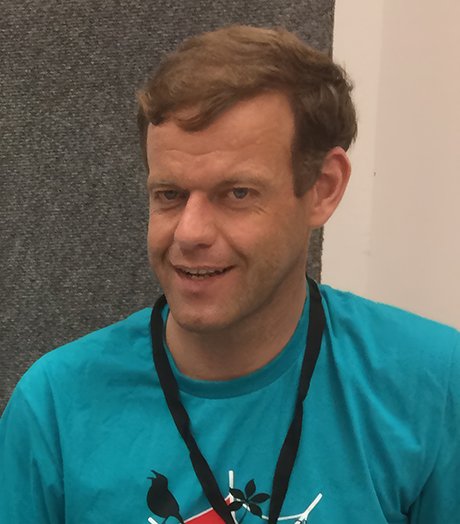
In Memoriam
Summer 2023
Michael Fraker (1978–2023) was a dedicated researcher and mentor in Great Lakes science, remembered for his ecological modeling expertise and commitment to student research.
Jordanna Bergman Jordanna Bergman investigates the ecological connectivity of the Rideau Canal Waterway, studying how anthropogenic barriers affect native and invasive fish movements to support conservation strategies. About my workFor my dissertation, I am investigating the ecological connectivity of a freshwater historic waterway, the Rideau Canal Waterway, as experienced by both native and invasive fishes. This system is a 202-km navigable route that, like many other waterways globally, encompasses the difficult challenge of managing anthropogenic barriers (e.g., navigation locks, water-control dams) to simultaneously provide connectivity to native species while minimizing invasions. Our goal is to determine the seasonal, species-specific, and ecohydraulic drivers of fish movements within the waterway itself and across barriers, and use results from my research to support conservation actions and management strategies.Inspiration for this workMy love for the outdoors fueled a passion to protect and conserve our natural world, and encouraged my desire to pursue a career in conservation research. My previous research experiences focused mostly on the marine environment; upon learning about the drastic biodiversity declines occurring in freshwater ecosystems, I turned my attention towards conserving and restoring our world’s precious freshwaters for my Ph.D. I’ve been referred to as a “freshwater convert” and have loved this field.Something else about myselfI’m an avid backpacker and so appreciate chances to “escape” our concrete societies. Spending time in the backcountry is wonderfully rejuvenating for me and reminds me that these beautiful wild places are what inspired me to become a conservationist in the first place. If I’m not working, or planning a backpacking trip, I’m probably thinking about food—cooking is a favorite second hobby!

Member Spotlight
Summer 2023
Jordanna Bergman investigates the ecological connectivity of the Rideau Canal Waterway, studying how anthropogenic barriers affect native and invasive fish movements to support conservation strategies.
Talking Rivers: Rights and responsibilities By Abraham Francis, Blake Lavia, and Tzintzun Aguilar-Izzo The Rights of Nature movement is critiqued from an Indigenous perspective, arguing that the St. Lawrence River (Kaniatarowanénhne) is already a relative with agency, requiring responsibility rather than bestowed rights. Akwesasne Kena:kere by Abraham Francis, 2023.Kaniatarowanénhne (the St. Lawrence River) connects the Great Lakes and the Atlantic Ocean, influencing water and weather systems globally (Marty et al., 2010). Kaniatarowanénhne flows through the center of Akwesasne, a Kanienkehaka (part of the Haudenosaunee Confederacy) community, which is dismembered by imposed settler-state geopolitics (Québec, Ontario, and New York). Akwesasronon (Akwesasne community members) share a long-interconnected history of relationality with these waters, full of reciprocal roles and responsibilities. Akwesasronon are responsible for caretaking and protecting these waters—a difficult responsibility when their voices have been ignored—resulting in environmental violence on the people and River.The discourse surrounding “Rights of Nature” as an Earth-centered approach for our legal systems is global and full of successes and failures. While inspired by Indigenous worldviews, the “rights” concept conflicts with Haudenosaunee ideology. The Haudenosaunee have interwoven knowledge systems and kinship networks with all of creation that inform their values, teachings, knowledge, practices, and identity. The Ohenton Karihwatehkwen (“Words Before All Else”) articulates this relationality amongst creation by acknowledging their reciprocal roles and responsibilities. Kaniatarowanénhne is responsible for quenching the thirst of creation and acts as medicine to cleanse. Additionally, the River is considered family and already has agency and, by extension, “rights.”Throughout history, colonial powers worked to dehumanize beings—both human and more-than-human. Beings with agency become objects for commodification and dispossession in the colonial mind. The “rights” and “personhood” concepts follow in line with this dominant discourse and have been used to exclude both human and more-than-human communities from the protection afforded by being considered a “person.”The act of granting rights to the more-than-human world is an attempt to reverse this trend and to emancipate the natural world from being considered property. However, what right do humans have to bestow rights on relatives? What right do we have to bind them in another settler-colonial framework? We have a responsibility to care for our relatives in times of need, as they have cared for us throughout time.The first more-than-human beings to have their personhood honored and their rights protected by the current settler-colonial legal system were the ecosystems of Tamaqua, Pennsylvania. Tamaqua banned the dumping of toxic sewage sludge as a violation of the rights of “borough residents, natural communities, and ecosystems” (Ordinance No. 612, 2006, p. 6). Since then, recognition of the Rights of Nature has spread worldwide to countries like Ecuador, Aotearoa (New Zealand), Panama, Bangladesh, Uganda, Spain, and India.The movement has also spread across Turtle Island (i.e., North America), with many local communities and Tribal Nations recognizing Nature’s inherent rights. In 2023, a lawsuit filed by the Sauk-Suiattle Indian Tribe championing the “rights of Salmon” was settled, with the city of Seattle agreeing to create fish passage around three hydroelectric dams on the Skagit River (Surma, 2023). In 2022, a New York state assemblymaker introduced the Great Lakes Bill of Rights (Wozniak, 2023). On April 24, 2023, the Assembly of First Nations Québec-Labrador unanimously adopted a resolution to confer legal personhood to Kaniatarowanénhne (Méndez, 2023).In 2021, members of Talking Rivers started a conversation amongst Indigenous and settler communities in northern New York to build a declaration acknowledging the rights of the Kaniatarowanénhne Watershed, focused on the confluence of rivers from the Adirondacks to Akwesasne. The conversation led to the drafting of the Great Rivers Bill of Rights and Responsibilities, which acknowledges the inherent rights of the River, but also includes the responsibilities of the human members of the watersheds. The document carries some central ideas:the waters have the right to community, emphasizing the cultural connectivity between human and more-than-human relations;the waters have the right to be seen and heard, which focuses on monitoring for changes; andthe waters have the right to be cared for, which comes in the form of protective mechanisms (i.e., legislation) and restoration efforts.We are part of these waters, as they are part of us. We are striving to dream a hopeful future into being that recognizes and protects the agency of all of creation around these waters.Tiawerón:koEel Guardians of the Great River. Illustration by Tzintzun Aguilar-Izzo.This is a story of failed responsibility and uncertain consequences when the “rights” of our relatives are ignored.We connect the River’s story to the Tiawerón:ko (American eel), another essential relative to the Haudenosaunee and Kaniatarowanénhne. They have the role of connectors, traveling from their birthplace, the Sargasso Sea, up into the heart of Turtle Island. They voyage up the length of Kaniatarowanénhne, searching for their ancestral homes (Prosek, 2010). They spend most of their lives along the shores and tributaries of Lake Ontario before following the moon back to the salty waters of their birth to cycle again (Cresci et al., 2019). The beautiful lifecycle of Tiawerón:ko shows local and global connectivity. Their Haudenosaunee biocultural expression comes in harvesting and preparation for food or medicine and is part of the Haudenosaunee clan system, which speaks to familial roles and responsibilities amongst the people (College, 1993). Tiawerón:ko dramatic decline was documented at the Moses-Saunders Dam fish ladder, from millions in 1980 to virtually zero in 2000. The loss of this relative has implications for the ecosystem and the various Indigenous Communities’ cultural integrity and continuity along their pathway that see them as kin.
Feature
Summer 2023
The Rights of Nature movement is critiqued from an Indigenous perspective, arguing that the St. Lawrence River (Kaniatarowanénhne) is already a relative with agency, requiring responsibility rather than bestowed rights.
Sustaining lakes and rivers in the 21st century Watershed science and the public trust doctrine
By Jim Olson A legal-scientific framework holds polluters accountable for upstream impairment, giving communities standing to defend shared waters. In the third decade of the 21st century, the global water crisis has become existential—a crisis that has and will challenge the limits of science, law, and public policy to sustain watersheds. Even without the devastating effects from climate change, the health of watersheds and lakes are at a tipping point. This article suggests that (1) watershed and hydrogeological and meteorological science have advanced to the point that it is possible to understand and model the causal relationship of natural forces and human activity that connects the arcs of the water cycle to lakes and their tributary streams and groundwater; and (2) the legal framework and principles of public trust law (the public trust doctrine) offer a pathway to protect and sustain watersheds and meet the challenge of this watershed crisis.The Water Cycle, courtesy U.S.G.S. Water Science School. View the interactive diagram online.Watershed scienceThe hydrosphere and watersheds constitute a single hydrogeological system and include, for example, precipitation, runoff, percolating groundwater, seeps, springs, wetlands, root and plant uptake, evapotranspiration, and evaporation. Add to that the “rivers in the sky.” Water in watersheds defines life—natural and human—and along with climate defines human health, community, culture, development, and economy. Protecting the integrity of the quantity and quality of water sustains lakes, rivers, ecosystems, watersheds, and quality of life: Whatever happens in one arc of the water cycle affects the other arcs of the water cycle.Science and technology have made major advances through monitoring, collection of data, calculations, and modeling to determine the causes of impacts on lakes, streams, and groundwater from human activities and natural forces within a watershed. When held to high standards, these advances provide a better picture for human conduct to conform better to reality. The old adage “out of sight, out of mind” is pointless.Putting an end to harmful algal blooms: The story of Michigan’s Platte LakeWill Swiecki enjoyed his childhood summers on the clear waters of Platte Lake in northwest Michigan. When he returned to the lake in the mid-1970s at 27, he was shocked that he could not see his hand under the murky green water. Childhood memories motivated him to do something. He met with officials from the Michigan Department of Natural Resources (DNR) and collected information. When meetings with officials failed to address the problem, he hired a lawyer and Ray Canale, a water quality engineering professor at the University of Michigan. Canale soon questioned the DNR’s evaluation of impacts from an upstream fish hatchery because of the high-phosphorus fish food, lax waste treatment, and the absence of any probability coefficient. It appeared that the fish hatchery was the culprit.When the DNR balked, Swiecki and conservationists engaged the Platte Lake Improvement Association (PLIA). In the early 1980s, PLIA filed a citizen lawsuit based on the Michigan Environmental Protection Act, which prohibits pollution or impairment of water and other natural resources and the public trust rights of citizens (MEPA 324.1703[2]). The trial judge ruled in favor of the PLIA and ordered the DNR to reduce its phosphorous discharges. In 2000, after a decade of court supervision, the DNR and PLIA agreed to a consent judgement that required monitoring to assure the effectiveness of efforts to reduce phosphorous discharge. Equally significant, it established an extensive monitoring system at 18 locations in the watershed. The local Benzie Conservation District agreed to collect and manage the data, including flows, levels, phosphorus, and other parameters.After the collection of 20 years of data, the court entered a new consent judgement that formalized the watershed-wide monitoring system and set the TMDL of phosphorus for Platte Lake at 8 ppb. In 2022, the parties and the conservation district worked with Canale, who built an innovative computer model that would evaluate and identify sources of impacts to the lake from human water and land activities and natural forces within watershed to ensure that the 8 ppb maximum daily load is not exceeded. The approach also incorporated the dynamic swings in weather as the result of climate change. (For a more complete story about Platte Lake, see “Remedies for Harmful Algae Blooms are Available in Law and Practice” by Keith Schneider, Circle of Blue.)Platte Lake. Photo by J. Carl Ganter, Circle of Blue (circleofblue.org).The public trust watershed frameworkThe public trust doctrine has been recognized in every U.S. state and Canadian province (referred to as the right to navigation and fishing) for almost 100 years. Public trust principles have spread to many other countries. The doctrine states that navigable waters and their submerged lands and ecosystems are held by government in public trust for the protection from impairment of public rights of navigation, fishing, boating, swimming, drinking water, bathing, and sustenance. Government as trustee has a solemn duty to assure that its decisions uphold this non-impairment of public trust resources and public rights in perpetuity. The doctrine limits upgradient activities and uses that impair the public trust in downstream lakes. In this way, water uses, pollution, and diversions, and other impacts on water and the environment within a watershed can be limited based on the public trust law non-impairment standard for lakes and tributary water courses.The public trust doctrineThe public trust doctrine holds that certain natural resources like navigable waters are preserved in perpetuity for the benefit of the public to use and enjoy. Public trust principles have legal roots in Justinian laws of ancient Rome and have been a part of our democracy for centuries dating back to the Magna Carta in 1215. The Great Lakes were placed in public trust with the signing of the Northwest Territory Treaty in 1787, vesting these principles as a condition of statehood in Great Lakes states. The U.S. Supreme Court affirmed the public trust in 1892, and it is a part of common law, court rulings, and constitutional law in the Great Lakes states and provinces. (Read more about the public trust at the For Love of Water website.)Watershed and public trust principles for the 21st centuryIn 2014, the International Joint Commission (IJC) pinpointed high nutrient loads as the trigger for creating oxygen-depleted “dead zones” and cytotoxins in Lake Erie. It recommended a 40 percent reduction in phosphorus and encouraged governments to use the principles of the public trust doctrine to restore Lake Erie. But efforts to establish a TMDL faced resistance from EPA, and subsequently Ohio and EPA delayed declaring the open waters of Lake Erie “impaired” to avoid triggering the establishment of the TMDL under the nonpoint discharge provisions of the Clean Water Act (CWA). More recently, both EPA and Ohio have declared these open waters “impaired,” but no TMDL has been recommended or adopted. Moreover, the CWA was not designed for systemic harm to watersheds and the environment, including climate change. Even if a TMDL is adopted, compliance is voluntary.Why wait for federal or state and provincial legislatures to do something? The harmful algal blooms in the western end of Lake Erie are the result of phosphorus and other nutrient releases—roughly 80 percent from agriculture production and 20 percent from municipal and other waste discharges. It is not much of a leap to apply the watershed approach in the Platte Lake story and public trust principles to other watersheds to address any number of problems, including the “dead zones,” nutrient pollution, PFAs, toxic chemicals, and sediment loading. The common law of public trust is a constitutional and property law principle that is insulated from political efforts to weaken it. In 2016, the IJC in its 15-year report recommended the public trust doctrine as the “backstop” principle for protecting the waters of the Great Lakes.The integration of watershed science and the non-impairment standard in public trust law provides the basis for assuring the protection of our lakes and waterways. While lawsuits are necessary, why not start at the end of the Platte Lake story and replicate the watershed scientific and legal framework as a constructive model for governance and protection for our world’s lakes and rivers, large and small? There is no reason to wait.
Feature
Summer 2023
A legal-scientific framework holds polluters accountable for upstream impairment, giving communities standing to defend shared waters.
Canada's strengthened freshwater agenda and historic Great Lakes investment By Carla Torchia Canada announces historic investment in the Great Lakes and a new Canada Water Agency. Lake Superior. Photo credit: Yinan Chen, Pixabay.Canada is home to 20 percent of the world’s freshwater reserves. Preserving and restoring these resources is fundamental to the health and well-being of our environment, communities, and economy. However, the challenges facing water quality and ecosystem health are becoming more complex, particularly with the ongoing impacts of climate change, and considering the multi-jurisdictional nature of water management in the country. Now more than ever, it is essential that we work together to keep our waters clean and well managed for current and future generations.Since 2019, successive Speeches from the Throne and Mandate Letters from the prime minister to the minister of Environment and Climate Change Canada (ECCC) have committed to strengthening and expanding the Freshwater Action Plan, including Great Lakes programming, creating a Canada Water Agency, and modernizing the Canada Water Act. A lot of work has happened over the years to advance this freshwater agenda, such as detailed engagement with multisectoral partners and the public on priorities for future Great Lakes programming, as well as on Canada’s most pressing freshwater challenges and the role the Canada Water Agency could play to help sustainably and collaboratively manage freshwater across the country.On the heels of the 50th anniversary since the signing of the Canada–U.S. Great Lakes Water Quality Agreement (GLWQA), the Great Lakes scored a big win. On March 24, 2023, a new historic Canadian federal investment of C$420 million was announced by Prime Minister Justin Trudeau during his visit with U.S. President Joe Biden, as part of both countries’ renewed commitment to preserving and restoring these iconic waters and enhancing the resilience of the communities and people that depend on them. This funding represents a five-fold increase in new Canadian investments for the Great Lakes and is part of the March 2023 budget announcement of C$650 million over 10 years, starting in 2023–24, to support monitoring, assessment, and restoration work in the Great Lakes, Lake Winnipeg, Lake of the Woods, St. Lawrence River, Fraser River, Saint John River, Mackenzie River, and Lake Simcoe.With this enhanced funding, Canada is targeting ambitious environmental results, such as completing the cleanup of 12 of the 14 remaining Canadian Areas of Concern by 2030 and all 14 within 15 years, as well as meeting Canada’s nutrient pollution reduction targets for Lake Erie within 15 years. Great Lakes funding will continue to accelerate science and action to address other challenges threatening Great Lakes water quality and ecosystem health and deliver on Canada’s commitments under the GLWQA.Further details regarding the next phase of Canada’s freshwater ecosystem initiatives for the Great Lakes as well as the other named water bodies of national significance (i.e., Lake Winnipeg, Lake of the Woods, St. Lawrence River, Fraser River, Saint John River, Mackenzie River, and Lake Simcoe) will be available in the coming months.Budget 2023 also announced new resources to support the broader freshwater agenda, including C$85 million over five years for the creation of the Canada Water Agency, as well as C$22.6 million over three years to support enhanced coordination of freshwater management across federal departments, among other jurisdictions and with Indigenous partners. In May 2023, Prime Minister Trudeau officially announced the creation of the agency, which will improve freshwater management in Canada by providing leadership, effective collaboration federally, and improved coordination and collaboration with provinces, territories, and Indigenous Peoples to proactively address national and regional transboundary freshwater challenges and opportunities.As an interim step, the agency has been established as a new branch within ECCC; however, legislation will be introduced down the road to establish a stand-alone agency with headquarters located in Winnipeg, Manitoba, and regional offices across the country. In the meantime, the Canada Water Agency will advance its efforts to implement the Freshwater Action Plan as well as work with provinces, territories, Indigenous Peoples, local authorities, scientists, and other partners to find the best ways to keep our water safe, clean, and well managed for everyone.With the changing reality of freshwater in Canada, including the ongoing impacts of climate change, one of the first orders of business will be to begin the work of modernizing the Canada Water Act. Recognizing the significance of freshwater to Indigenous Peoples and in the spirit of reconciliation, it will be critical that the agency work collaboratively with Indigenous partners to ensure updates to the act reflect the importance of Indigenous rights as well as the key role Indigenous Peoples have played for millennia as the original stewards of lands and waters.The Canada Water Agency is an excellent opportunity for constructive dialogue and collaborative action between the federal government and the many partners involved in freshwater management across the country.Lake Ontario. Photo credit: David Mark, Pixabay.
Feature
Summer 2023
Canada announces historic investment in the Great Lakes and a new Canada Water Agency.
A look at Great Lakes Restoration Initiative funding By Marcy Kaptur Bipartisan, year-over-year support sustains science-based restoration and community revitalization across the basin. Since 2016, the Great Lakes Restoration Initiative (GLRI) has invested more than US$3 billion across nearly 7,000 projects to rebuild habitat, mitigate nutrient pollution, and manage invasive species for the benefit of all the communities—human, plant, and animal—that call the Great Lakes watershed home. Although it is a challenging year for federal appropriations, the GLRI benefits from strong bipartisan, bicameral support: the House and Senate Committees on Appropriations have recommended US$368 million and US$378 million, respectively, in fiscal year 2024 to fund the program.Marcy Kaptur.Robust year-over-year funding for the GLRI is critical to fulfill the program’s commitment to science-based restoration. Using the scientific process as a central feature of restoration creates room for creativity and asks for patience. Afterall, ecosystem recovery from chemical contamination, nutrient pollution, and degraded habitat takes time. Baseline studies help orient us and facilitate planning pathways towards recovery. Follow-up studies show us that native fishes return when in-stream habitats are improved and neighborhoods build opportunities for outdoor recreation and community revitalization. Creativity in science asks thoughtful questions about community needs and uses innovative methods and technologies to investigate solutions.Meaningful projects can be found throughout the watershed; each harnesses a vision for our region that uses science-based restoration strategies to rebuild environments for the benefit of all communities. Continued funding accelerates progress towards a future that mitigates the environmental impact of past actions and avoids foisting additional burdens on future generations.Let us all continue to work toward a shared goal of happy and healthy Great Lakes communities.

Feature
Summer 2023
Bipartisan, year-over-year support sustains science-based restoration and community revitalization across the basin.
Sackett v. EPA Court ruling puts half of U.S. wetlands at risk By Dave Dempsey The Supreme Court decision removes federal protection from many wetlands, posing a significant threat to Great Lakes water quality. The U.S. Supreme Court Sackett v. Environmental Protection Agency ruling issued on May 25 leaves a vast share of U.S. wetlands unprotected by the Clean Water Act (CWA) and will erode Great Lakes basin wetland benefits. The eight Great Lakes states will have varying degrees of authority to protect wetlands no longer subject to federal oversight.Wetlands contribute to a number of UN Sustainable Development Goals due to the ecosystem services they provide. They are nurseries for fish and wildlife, pollution filters for lakes, rivers, and groundwater, and storage for floodwaters. They’re also a key storehouse for carbon, curbing climate change.Northern Michigan wetland. Photo by Sheila Fox.The decision in the case essentially eliminates U.S. Clean Water Act protection of wetlands that do not have a continuous surface connection to navigable waters. Parties that want to dredge and fill wetlands without such a connection, formerly regulated by Section 404 of the CWA, will no longer be required to obtain federal permits.Federal authority explicitly extends to navigable waters and adjacent wetlands. Although the justices decided unanimously that the wetland at issue in the case was not protected, the court’s larger decision hinged on the meaning of “adjacent.” By a 5–4 margin, with Justice Samuel Alito writing the opinion, the court ruled that “adjacent” meant directly connected at the surface. Conversely, the four justices in the minority, by way of an opinion authored by Justice Brett Kavanaugh, argued that the ruling wrongly interpreted “adjacent” as “adjoining,” or immediately connected. “Adjacent,” they argued, meant in close proximity.The seemingly small linguistic difference translates to a potentially enormous loss of wetlands across the United States. The environmental group Earthjustice estimated that up to half of the nation’s 118 million acres of wetlands will lose federal protection.The decision substitutes the views of five justices for 50 years of legal interpretation and scientific evidence supporting the hydrological interconnection between wetlands and rivers and streams, even when the link is not visible at the land surface. A 2015 EPA science synthesis report, Connectivity of Streams and Wetlands to Downstream Waters, summarizing more than 1,200 peer-reviewed papers, validated the importance of non-floodplain and floodplain wetlands, as well as ephemeral and intermittent streams, to the integrity of rivers and lakes.By offering its own judgment that wetlands must immediately adjoin rivers and streams, the ruling exposes many wetlands vital to the health of rivers and streams to filling.What implications does the ruling have for the Great Lakes? For six of the eight Great Lakes states, it means a potentially significant loss of protected wetlands and, ultimately, degraded water quality and reduced natural area for flood protection. There are some exceptions.Northern Michigan wetland. Photo by Sheila Fox.In 2001, a U.S. Supreme Court decision removed “isolated” wetlands not associated with another body of water from protection under the Clean Water Act. In response to that loss of protection, the Wisconsin Legislature convened in a special session to unanimously pass a bill extending state protection to those wetlands, requiring landowners to obtain a permit before dredging or filling any wetlands not protected by federal law.“Any wetlands declared non-federal, due to that [court] decision or any subsequent decision, would still be covered under Wisconsin law,” says Michael Cain, a former Wisconsin Department of Natural Resources attorney. Cain says of the 2001 legislation, “that statute is still in place. As far as this decision, the impact in Wisconsin is somewhat muted because of that statute. The state of Wisconsin will still regulate most of those wetlands.”In Michigan, a 1980 state law incorporates a broader definition of wetlands than the Clean Water Act. Michigan law recognizes the scientific reality that many wetlands critical to the health of rivers and streams are hydrologically connected below the land surface.The Michigan Department of Environment, Great Lakes and Energy (EGLE) says the Sackett ruling would mean little or no change in Michigan wetland protection. “Michigan is the epicenter of the world’s greatest freshwater ecosystem—the Great Lakes—so it is fitting that we have a direct role in protecting the wetlands that nurture and feed those freshwater sources,” says James Clift, an EGLE deputy director. “Neither the rules in Michigan, nor our commitment to protecting freshwater resources, has changed in the wake of this ruling.”Over three decades ago, Michigan was the first state, and remains one of only three states, to have received federal authorization to administer the federal wetland permitting program. According to EGLE, Michigan has lost approximately one-third of the original 10.7 million acres of its pre-European-settlement wetlands, but the rate of loss has slowed dramatically since passage of Michigan’s 1980 law.Michigan’s experience shows that, in spite of the court’s decision, state and local governments still have the power to protect their wetlands. The time is now for scientists and the public to stand up for their local and state wetlands.
Feature
Summer 2023
The Supreme Court decision removes federal protection from many wetlands, posing a significant threat to Great Lakes water quality.
Ontario's Bill 23 Province moves backward on land and water protections in the Great Lakes basin
By Andrea Kirkwood The bill dismantles environmental protections and the Greenbelt, threatening watersheds and water quality in the Great Lakes basin despite public opposition. Growing up in Ontario during the 1970s through to the 1990s, I witnessed a golden age of environmental legislation that benefited the Great Lakes basin. A series of binational air and water pollution laws (e.g., Great Lakes Water Quality Agreement, Canada-U.S. Air Quality Agreement) as well as provincial acts (e.g., Ontario Environmental Protection Act, Ontario Water Resources Act) were created on a model of consensus between all parties. This history of environmental law in Ontario left me with the naïve impression that (generally) through time and effort, progress in environmental regulations was always the net result.Aerial photo of Duffin’s Creek Coastal wetland flowing into Lake Ontario after a storm. Urban development contributes to higher erosion rates and turbid run-off, which can negatively affect watersheds and the Great Lakes they flow into. Photo by Lou Wise courtesy of Toronto and Region Conservation Authority.Fast forward to present day, I am dumbfounded by the recent actions of the current Ontario government to gut environmental legislation that took decades to come to fruition. The same party that owned the Walkerton Crisis of 2000—when the community’s drinking water supply was contaminated due to improper water treatment following heavy spring rains, resulting in thousands of people sickened and seven dead—seems to have forgotten that integrated source water protection as well as not building on flood plains not only protects the environment, but saves human lives too. As a result, I have had to sheepishly tell my students that the political model of environmental progress of which I was accustomed to had made a U-turn back to the 1950s. This legislative paradigm shift was due to Ontario’s Bill 23 (now officially the More Homes Built Faster Act, 2022).Bill 23 was, by design, a complicated omnibus bill that “streamlined” (read “dismantled”) several provincial acts (e.g, Conservation Authorities Act, Provincial Planning Act) under the guise of expediting the building of affordable homes across the Greater Toronto and Hamilton Area. Arguably the most egregious aspect associated with Bill 23 was the targeted removal of thousands of hectares of agricultural and natural lands within the provincially protected Greenbelt.Public outcry in response to Bill 23 was swift from an array of professional bodies and environmental groups. As it turns out, Bill 23 offers very little in the way of improving housing affordability, but rather paves the way for land speculators and developers to bulldoze their way across once protected watersheds with minimal to no restrictions on where and how to build. As an aquatic ecologist that conducts research on the impacts of land-use on water quality and ecosystem health, I know there are decades-worth of studies showing how urban sprawl pollutes waterways, increases flooding, and destroys critical habitat for threatened and endangered species. Irrespective of public consultation, where thousands of letters and emails were submitted in protest to Bill 23 last fall, the majority Progressive Conservative government in Ontario pushed the controversial piece of legislation through to royal assent anyway.Now that Bill 23 has passed, there has been a growing coalition of individuals and groups that are working together to stop the implementation of Bill 23. It is early days, but recent media reports indicate that there remain significant road-blocks to unfettered development, including the province’s responsibility to consult with Indigenous First Nations regarding development activities in their traditional territories. Even the Canadian federal government has started to get involved in key areas where species at risk habitat is threatened.If you are interested in getting involved or learning more about the implications of Bill 23 to the health of the Great Lakes, please check out these resources:Ontario’s Bill 23, The NarwhalAction Alert: Bill 23 - More Homes Built Faster, 2022, Canada’s Environmental Law AssociationWhat’s next as we work together to stop the destruction of farms, forests and wetlands in the Greenbelt and beyond?, Environmental Defence
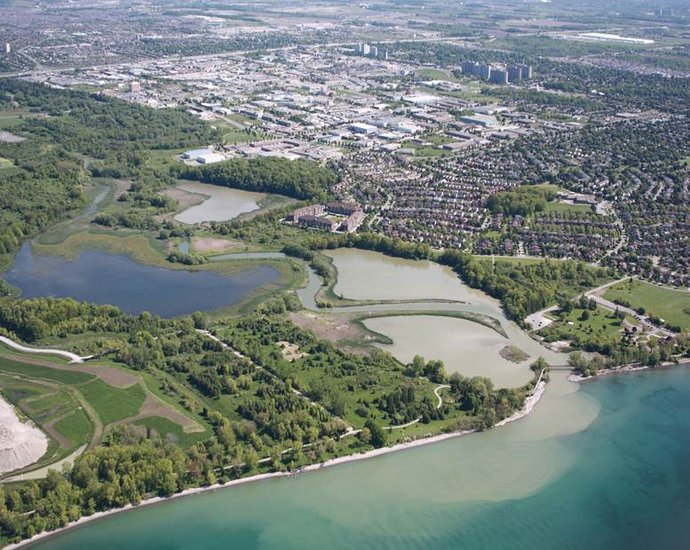
Feature
Summer 2023
The bill dismantles environmental protections and the Greenbelt, threatening watersheds and water quality in the Great Lakes basin despite public opposition.
Too little and too much: Humanity's phosphorus paradox By Bopi Biddanda, Nate Dugener, and Steve Ruberg A review of Dan Egan's The Devil's Element examines the paradox of phosphorus as both a life-sustaining nutrient and a pollutant driving eutrophication in the Great Lakes. The Devil’s Element: Phosphorus and a World Out of Balance, by Dan Egan (Norton & Co., New York, 2023, p. 256, ~$24).In The Devil’s Element, Dan Egan traces humanity’s love-hate relationship with the 15th element in the periodic table, phosphorus (P). One of six macroelements required for life (CHONPS), P is an essential building block of life (nucleic acids) and its energy currency (adenosine triphosphate). Life can neither take shape nor fire up its engine without P.Unlike elements CHONS, P is neither abundant on Earth’s surface (CHO) nor biologically fixable (CNS). Consequently, availability of P is mostly regulated by Earth’s slow rock cycle and often limits growth. Egan examines the dual role of P as a boon and curse: critically needed as fertilizer for our ever-intensifying agriculture and a pollutant degrading water quality and habitat downstream. Too little P limits plant growth at the base of aquatic food webs, whereas too much P fuels excessive plant growth (eutrophication) often triggering the formation of harmful algal blooms and bottom water hypoxia.Geologic and anthropogenic forces have created a paradox of scarcity and excess P across our modern world. There are only two sources of bioavailable P (phosphate, PO4): minable phosphate-rich rocks (mostly in Western Sahara) and onshore deposits of guano (marine bird poop). With human activity having doubled the flow of P in the environment relative to the pre-industrial baseline, the latter is now all but exhausted, and the former is in precipitous decline. Indeed, Earth’s P reserves are projected to last only about 100 years, endangering global food security. At the same time, excessive P from agricultural and sewage runoff is degrading water quality and endangering aquatic and human health.How we manage the “devil’s element” will reshape our civilization’s future just as fossil fuels have. Egan elegantly states the problem of a world in serious P-imbalance given current unsustainable agricultural and animal waste disposal practices, but does not provide concrete solutions for the required balancing act: having enough P to grow our food while maintaining healthier ecosystems downstream. That is now up to us.

Book Review
Spring 2023
A review of Dan Egan's The Devil's Element examines the paradox of phosphorus as both a life-sustaining nutrient and a pollutant driving eutrophication in the Great Lakes.
Ali Reza Shahvaran Ali Reza Shahvaran uses remote sensing and satellite imagery to model and monitor algal blooms in western Lake Ontario, informing nutrient management and decision-making. About my workMy research focuses on modeling and monitoring algal blooms using remote sensing data for western Lake Ontario, including satellite and drone imagery. I develop remote sensing-derived Chlorophyll-a (Chl-a) models by training them with in-situ matchups. Chl-a, a green pigment in phytoplankton, is the most common parameter for detecting eutrophication in aquatic remote sensing. After training the models and preprocessing the images, I generate Chl-a concentration maps that aid in understanding algal bloom patterns. The outcomes of my research help characterize the spatial and temporal dynamics of algal blooms in the western basin of Lake Ontario over the last 20 years, informing decision-making and nutrient management plans, especially in the Greater Toronto Area.Inspiration for this workThe awe-inspiring beauty of Earth, as seen from space, has always been a source of motivation for me. Transforming raw images of our planet into meaningful information for environmental stewardship is a rewarding and fascinating experience.Something else about myselfIn my free time, I appreciate cinema as an art form, enjoy reading fantasy novels, and aspire to explore acrylic painting when time permits.Why I joined IAGLRJoining IAGLR as an early-career researcher with a background in environmental engineering offers me an ideal scientific community for networking and learning. IAGLR presents opportunities to present my research at annual international conferences, publish my work in the Journal of Great Lakes Research, and collaborate with like-minded researchers on projects contributing to the sustainable management of the Great Lakes ecosystem.
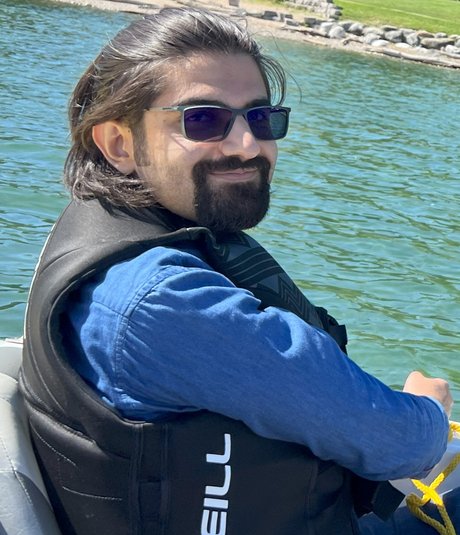
Member Spotlight
Spring 2023
Ali Reza Shahvaran uses remote sensing and satellite imagery to model and monitor algal blooms in western Lake Ontario, informing nutrient management and decision-making.
Emilie DeRochie Emilie DeRochie coordinates the St. Lawrence River Strategy, fostering inclusive communication and collaboration between Indigenous communities and stakeholders along the river. About my workCurrently, I am an educator and the coordinator for the St. Lawrence River Strategy. For the River Strategy, I work closely with colleagues at the Mohawk Council of Akwesasne and groups along the Upper St. Lawrence River to develop a framework for inclusive and equitable communication and collaboration on shared goals related to the river. As an educator, I teach Biology for St. Lawrence College's Environmental Technician program and develop education materials for the Great River Rapport. I am also currently an M.Ed. student at Lakehead University in Environmental and Sustainability Education.Inspiration for this workI was inspired to enter this type of work because I grew up on the St. Lawrence River and I have always loved river. During my undergraduate degree, I also worked at the River Institute in the summers where I supported the education team and Ph.D. Candidate (UQAM) Cristina Charette’s fieldwork. Through these experiences I became passionate about environmental education and freshwater ecology.Something else about myselfOutside of work and school, I love to spend time on the water and in wetlands collecting and pressing plants. I particularly enjoy the challenge of pressing macrophytes!Why I joined IAGLRI joined IAGLR to stay up to date on the latest research and news pertaining to the Great Lakes-St. Lawrence River Basin and to expand my network.
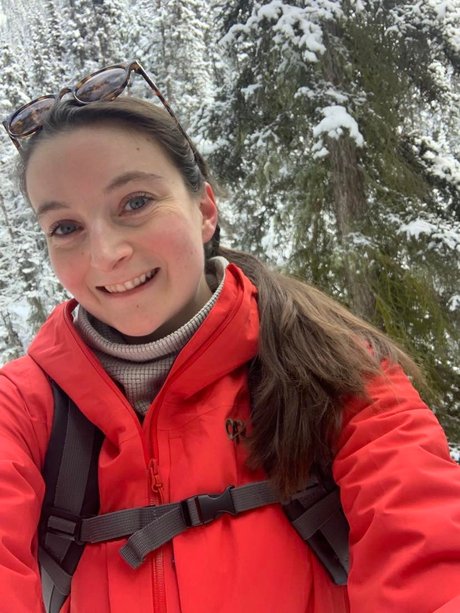
Member Spotlight
Spring 2023
Emilie DeRochie coordinates the St. Lawrence River Strategy, fostering inclusive communication and collaboration between Indigenous communities and stakeholders along the river.
Thunderstruck: Using passive acoustics to eavesdrop on sturgeon spawning vocalizations By Riley K. Beach, Grace M. Dycha, Rachel H. Pieniazek, and Dennis M. Higgs Underwater microphones detected low-frequency "thunder" sounds from spawning lake sturgeon in the Detroit River, revealing their spawning timing and sensitivity to ship noise. Illustration by Grace Dycha.Lake sturgeon (Acipenser fulvescens) were once abundant in the Laurentian Great Lakes, but overfishing and habitat destruction led to dramatic declines in their population. Individuals of this keystone species are known for living up to 100 years, but these long life spans have kept their numbers low. Another obstacle to their recovery is their need for clean gravel substrates and fast currents for spawning beds, a habitat that is becoming harder to find. There have been encouraging efforts to improve water quality and establish new spawning beds in the Great Lakes, but it can still be difficult to tell where sturgeon might be breeding, especially in deeper waters.Sturgeon use sound to communicate when spawning and male sturgeon produce what has been termed a “thunder” sound, a low-frequency rumble caused by vibrating their swim bladders. To monitor spawning sturgeon, we used underwater microphones (called hydrophones) to “eavesdrop” on sturgeon in the Detroit River (Higgs and Beach 2021). Our spawning bed was relatively quiet until water temperatures reached 15°C, after which there was an explosion of calling fish, with up to 45 fish calls/hour. The fish also seemed to prefer calling only during the day, going quiet each night. Interestingly, the fish also seemed to go quiet when a large ship passed overhead, highlighting the impact that increasing levels of sounds from human activity can have on our local fishes. There are many fish species that can vocalize, and their sounds can get picked up with consumer-grade hydrophones available for a reasonable price. Even GoPro cameras can pick up fish sounds. We encourage all fishers to bend an ear to our underwater world!
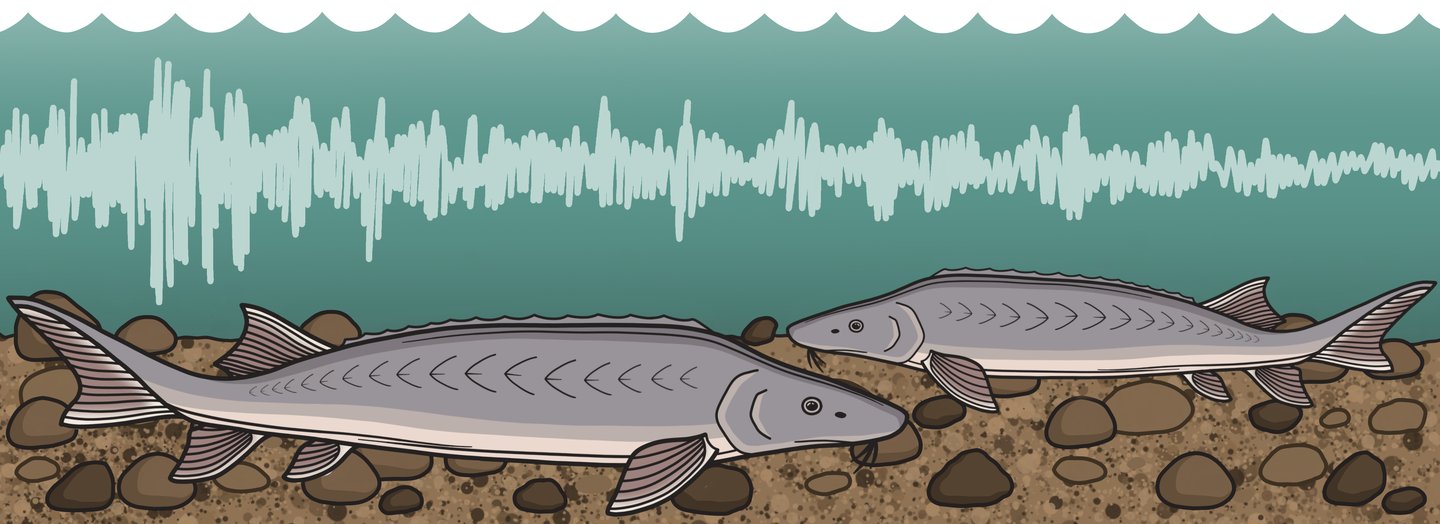
Research Brief
Spring 2023
Underwater microphones detected low-frequency "thunder" sounds from spawning lake sturgeon in the Detroit River, revealing their spawning timing and sensitivity to ship noise.
What can we hear in freshwater lakes? By Rosalyn Putland A 15-month acoustic recording in Lake Superior revealed seasonal soundscapes dominated by boat traffic in summer and ice cracking in winter, highlighting the need to monitor noise impacts on sensitive species. Deployment of microphone in Lake Superior.Underwater sound is used by aquatic animals to communicate, find prey, avoid predators, and navigate. Yet despite lakes and rivers being home to a diverse array of wildlife and a place for both recreational and commercial activities, little is known about the underwater soundscape of freshwater environments. To address this need, researchers at the University of Minnesota Duluth and the Large Lakes Observatory put an underwater microphone out in Lake Superior for 15 months (between November 2018 and March 2020) to explore the different sounds we can hear and compare seasonal trends.Sound levels were much lower during the winter and spring months coinciding with ice cover and the annual closure of the nearby Twin Ports of Duluth and Superior. As shown in the figure, recordings also provided an insight into the diversity of sounds that are found in the freshwater soundscape with ice cracking, snow mobiles, ice augers and fish vocalisations identified in the winter. Whereas, in summer boat traffic dominated the soundscape, masking the detection of other sounds (Putland et al. 2022).There is increasing concern about the effect of noise pollution from human activities on sound sensitive species and potential physiological and behavioural changes. Climate change is also expected to reduce ice cover and thickness potentially increasing the shipping season into the Twin Ports. Continued efforts to record baseline sound levels in freshwater environments and determining when, where and how often different animals are producing sound allows managers to prioritize acoustically sensitive times and areas and mitigate potential effects.
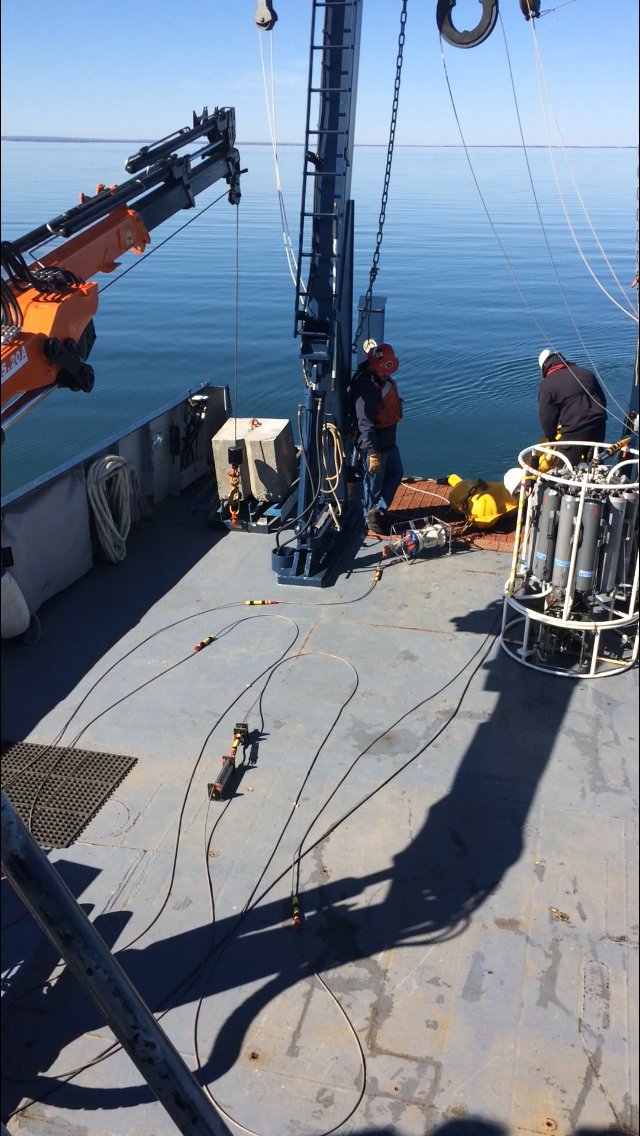
Research Brief
Spring 2023
A 15-month acoustic recording in Lake Superior revealed seasonal soundscapes dominated by boat traffic in summer and ice cracking in winter, highlighting the need to monitor noise impacts on sensitive species.
Passive acoustic monitoring of freshwater ecosystems An addition to the limnologists' toolkit
By Toby Gifford, Leah Barclay, and Simon Linke Passive acoustic monitoring offers a non-invasive, continuous method to track freshwater biodiversity and behavior, addressing risks and biases associated with traditional sampling methods. Lakes and rivers are surprisingly noisy under the surface, if you know how to listen. Human ears are not well adapted to hear underwater sounds unaided, but using a hydrophone (underwater microphone) reveals a rich soundscape in many freshwater environments. Numerous taxa emit myriad sounds, including many species of fish.Environmental change in freshwater ecosystems can be difficult to track, yet freshwater species are three times more endangered than terrestrial species, so monitoring is important. Passive acoustic monitoring is an emerging approach that uses computer analysis of underwater audio recordings to mark changes in the composition and behavior of freshwater biota.Passive acoustic monitoring addresses three problems with more traditional sampling methods:Risks to fish health and habitat integrity. Classic techniques like netting and electrofishing can cause injury or even death in fish. This is inappropriate for sensitive or threatened species.Bias. While all sampling methods are biased to varying degrees, a key source of bias is the act of sampling itself. It often causes fright responses of the target fish, making detection difficult.Temporal variation. Usually single survey events are used to estimate ecosystem health and monitor population. This can deliver only a snapshot of the population at a single sampling time.Apart from mitigating sampling-induced risk of damage to species and ecosystems as well as certain sampling biases, acoustic monitoring can autonomously detect continuous environmental change in an ecosystem. This is a significant improvement on classic sampling techniques, which frequently employ only annual or quarterly sampling.Freshwater acoustic recordings also provide a powerful tool for community engagement with river and lake health, and an accessible platform for public participation in science. Soundscape recordings provide a conduit to an otherwise obscure world that can help create meaningful emotional connections for people with these environments, and the steadily increasing affordability of underwater recording equipment is seeing an explosion in community-based monitoring.For more on this topic, see the authors’ “Freshwater Ecoacoustics—A New Addition to the Limnologists’ Methods Toolkit” (2022).
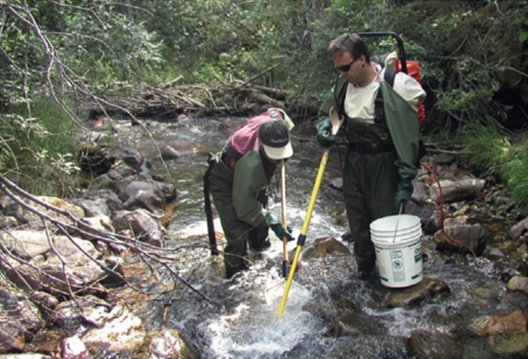
Feature
Spring 2023
Passive acoustic monitoring offers a non-invasive, continuous method to track freshwater biodiversity and behavior, addressing risks and biases associated with traditional sampling methods.
The environmental stressor you never hear about By Rachel H. Pieniazek, Grace M. Dycha, Riley K. Beach, and Dennis M. Higgs Anthropogenic noise from shipping and boating is an emerging stressor in the Great Lakes, masking fish communication and causing physiological stress, yet remains largely unregulated. The Great Lakes are important waterways for a range of human activities — from boating to shipping and even commercial wind farms. These activities increase the levels of underwater sound that can negatively impact aquatic organisms. Illustration by Grace Dycha.Speeding across Lake Erie in your treasured fishing boat, you and your friends have visions of landing your walleye limit in no time. Switching off the outboard motor and settling in, you observe many other boats looking for their lucky spots, appreciating that they stay a respectful distance so as not to foul your lines. You all sit quietly as you fish because you once heard that your voices could scare them off and don’t want to risk it on this beautiful day. Although you enjoy the morning, the gang doesn’t catch much and notices no one else has any luck either. You power up to head home and wonder why the catch seems to be lower on days with heavier boat traffic. Is it just the nature of fishing?Now put yourself in the place of the fish. Awakening for your morning meal you listen for prey when a deafening roar sounds overhead as a monster seems to tear through the waves. Every time you relax again, and it’s quiet enough to hunt, a new beast passes. You relentlessly swim back and forth to hide from the deafening giants above. This continuous noise and the subsequent stress means your heart races, you can’t think straight, and you’re still famished.Reducing our inputs of underwater sound and establishing quiet zones of refuge may reduce fish stress and increase the overall health of the environment. Illustration by Grace Dycha.The above scenarios are a common feature of our Great Lakes watershed and waters around the world. The Great Lakes face many challenges from human influences and many of these (e.g., increased nutrient runoff, invasive species, long-lasting chemical pollutants) have received a large amount of attention, policy scrutiny, and research dollars. While these threats are of course important, a lesser-known but growing concern is the intensifying levels of anthropogenic noise. Construction, resource exploration, and, more recently, offshore wind farms are some examples of noise-producing activities, but one of the most common sources of global underwater noise pollution comes from shipping vessels and recreational boats. In recent years, there have been calls for noise regulation in marine waters, since such pollutants have been shown to have great potential to harm ecosystems, but consideration for this problem in freshwater ecosystems remains minimal.To understand the potential threat of these underwater noise sources to our freshwater fauna, it is useful to first think about how sound travels in water. Since water is much denser than air, sound can travel much further from the source, causing aquatic impact zones to be much larger than those in terrestrial environments. As commercial freighters navigate through deep channels, their engines and propellers produce low-frequency sounds that can be detected by fish up to a kilometre away. Recreational boats dart across shallower inlets emitting high-frequency sounds that can still be detected by fish at an appreciable distance. While you were happy to see other boaters avoid tangling your lines, their boat motor noise may have traveled beneath you without much dissipation. In contrast, your friends’ voices likely bounced off the surface without reaching the fish’s ears.Wait, fish have ears? You don’t see any external ears when you catch a fish, however all fish do have well-developed internal ears that can hear a broad range of sounds. Different fish species hear different frequency ranges, but all fish can hear lower frequencies like those dominant in boat noise. And some of our local species, like gizzard shad, even have hearing ranges that exceed our own. Many fish, including sturgeon, freshwater drum, sunfish, and catfish, produce sounds to attract mates, guard territories, and sometimes scare predators. Increases in background noises can mask these sounds, thus impacting the communication space of local species. Fish are constantly using their auditory system to detect vocalizations and movements from other organisms and assess environmental conditions. Added background noise from boats can conceal sensory information, interfere with sensory detection, and act as a general stressor. This can lead to fish having reduced communication spaces, interruptions in feeding, changes in swimming patterns, elevated stress hormones, and overall decreased fish presence, which may explain your unsuccessful fishing trip.Shipping and boating will always be important activities in our Great Lakes watershed, but with careful management, it can be possible to mitigate their impacts. There are upwards of 20 underwater preserves or protected areas in the Great Lakes, but none of them have guidelines regarding underwater noise levels. As we move forward to develop policies, it is essential for Canadian and U.S. government agencies to properly assess the noise levels and impacts of both shipping and recreational boating in our waters. Well-defined regulations that reduce speed limits and prevent vessels from disturbing critical spawning habitats are just some ways this could be accomplished. In the meantime, next time you’re out, look for quiet spots and reduce your speed on approach to maximize your chances of keeping hungry fish in the area.There are upwards of 20 underwater preserves or protected areas in the Great Lakes, but none of them have guidelines regarding underwater noise levels. As we move forward to develop policies, it is essential for Canadian and U.S. government agencies to properly assess the noise levels and impacts of both shipping and recreational boating in our waters.
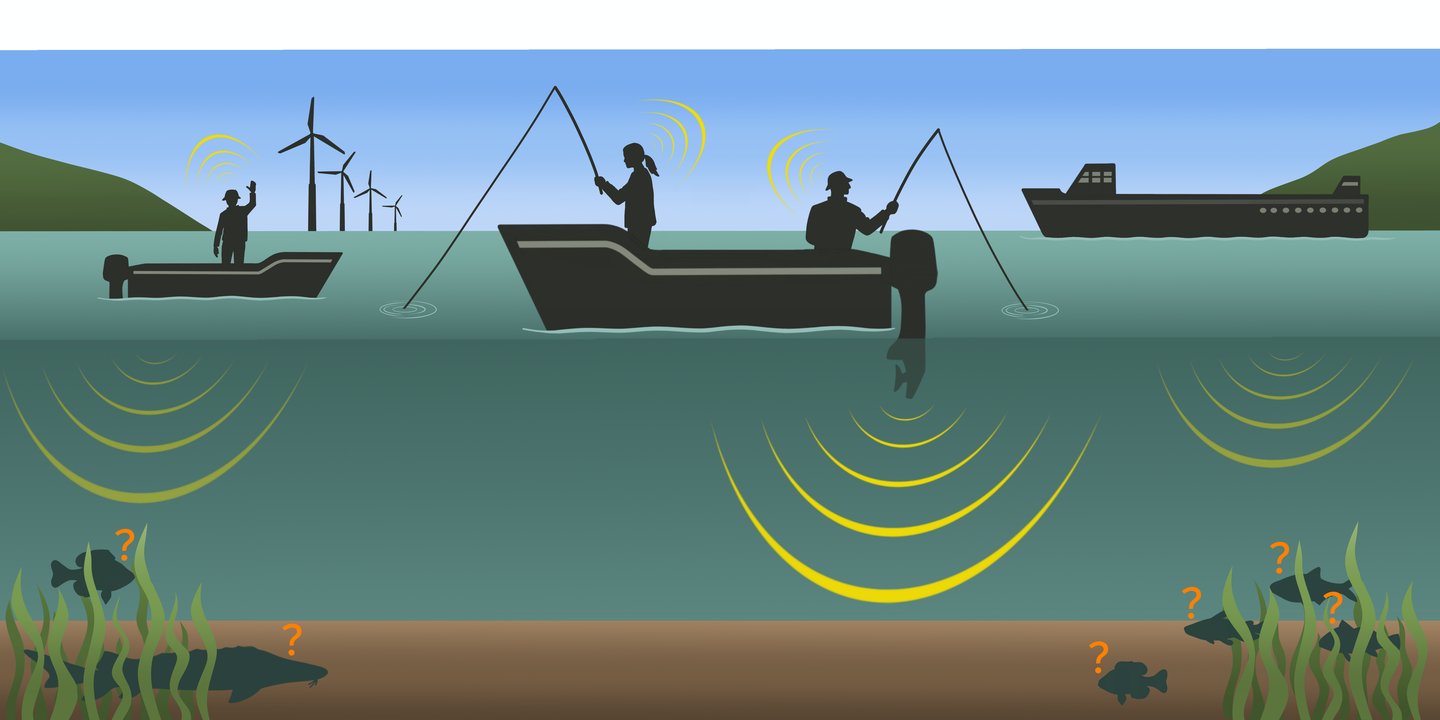
Feature
Spring 2023
Anthropogenic noise from shipping and boating is an emerging stressor in the Great Lakes, masking fish communication and causing physiological stress, yet remains largely unregulated.
Listening to Great Lakes fishes By Aaron N. Rice and Rebecca E. Cohen Fish in the Great Lakes produce a variety of sounds for communication and reproduction; bioacoustics offers a powerful tool to study their behavior, ecology, and responses to environmental change. Aaron Rice on the St. Lawrence listening for Lake Sturgeon.With nearly 200 species inhabiting the Laurentian Great Lakes and their associated watersheds, fishes are vital to the ecology, economics, and recreation of the region. Additionally, changes in Great Lakes fish populations due to climate change, invasive species, and habitat impacts have made understanding their ecology more important than ever for ensuring sustainable and effective management. Increasing awareness of the importance of both hearing and acoustic communication for fishes opens opportunities to use underwater acoustic recording instruments for studying Great Lakes fishes. While underwater acoustics has been essential for studying whales and dolphins, the technology has only just begun to be applied for listening to fishes, and there are many emerging opportunities to use bioacoustics to gain a better understanding of behavior, ecology, population dynamics, and more.Sound production in fishes has been known to science for centuries, but it wasn’t until just after WWII that advances in underwater sound recording and analysis allowed for studying fish sounds. Since then, a few hundred fish species have been recorded and identified, but acoustic communication is likely far more widespread than is currently documented. Fish produce sounds in similar behavioral contexts as other vertebrates: finding mates and defending resources. Reproductive sounds are one of the best studied examples, where males call to attract females, whether individually or as part of a larger school. Territorial fishes use sounds to chase away possible intruders, and catfishes use sounds as a defensive tactic to scare predators. Fish sounds are relatively simple, particularly when compared to bird song or human speech, but still convey important behavioral information.All fish have two inner ears in their head, and their best hearing is in lower frequency ranges (<1000 Hz). This range overlaps with the frequency range of most fish sounds, but also with noise from weather (e.g., wind, waves, and even rain) and passing ships. Vessel traffic exposes many fish to noise pollution, increasing fish stress levels and making communication sounds more difficult for other fish to hear (a phenomenon known as “acoustic masking”).Based on a few species that have been studied, Great Lakes fishes produce a wide variety of sounds. Most fish calls can be classified into a few broad categories such as grunts, croaks, and pulsed calls, but the particular call characteristics are often species-specific. Freshwater drum produce low-frequency grunts and are most likely the loudest species in the Great Lakes. During their peak spawning periods, aggregations of males produce a loud chorus that can last for multiple hours every night (see figure). Lake sturgeon produce a very low-frequency “rumble,” which can last up to several seconds. Round gobies and darters produce a series of pulses when males are calling to attract females for spawning. The ability to identify species by sounds enables studying many aspects of fish biology and ecology using acoustic data, either alone or in combination with other data types.Spectrograms of freshwater drum calls recorded in Lake Erie (a spectrogram is a visualization of sound showing frequency versus time, and the louder sounds have warmer colors). Left: A closeup of several overlapping freshwater drum calls. Right: A seasonal depiction of freshwater drum nightly chorusing (red vertical bars seen between late May through mid-July), revealing that they are one of the louder sounds in the Lake Erie underwater soundscape (decibels [dB] are referenced to 1 µPa). These data were collected as part of a collaboration with the Ohio Department of Natural Resources.Bioacoustic studies typically involve deploying acoustic recorders at one or more study locations to capture the calls of a species of interest as they move through their habitats. The acoustic data can be used to investigate the spatial occurrence of a given species or the timing of various life history events, such as migration or spawning, which can be inferred from spatial and temporal patterns when detecting sounds of interest. By combining acoustic data with other fisheries survey methods such as visual observations, netting, and tagging efforts, we can start to understand the biology and behaviors underlying acoustic behaviors, spawning, characterize population structures, and even estimate stock sizes based on call rates. Once a baseline understanding of acoustic behavior and habitat use has been established, it becomes possible to quantify how environmental changes may alter species’ distributions, population sizes, or behaviors strongly linked to particular conditions. There is also a need to better understand how anthropogenic sound pollution, such as vessel traffic noise, dredging and trenching activities, and resource extraction, affects these species’ abilities to carry out their normal life histories. All of these varied insights are essential to the management of healthy populations and resilient ecosystems, and will better equip fisheries managers to design and implement effective conservation strategies.Despite advances in studying fish sounds, one of the biggest challenges is that for most species, we still don’t know which fish make which sounds (see Rountree et al. 2019). Even in intensively studied lakes, the overwhelming majority of biological sounds cannot be attributed to a particular species. This knowledge gap greatly limits the utility of using passive acoustics for studying freshwater fishes. However, with increasing availability of low-cost, consumer-grade hydrophones, there is an enormous opportunity for scientists, fishers, and the public to explore and help us understand Great Lakes underwater soundscapes, and enable continued use of underwater listening for monitoring important fish and habitats.Further ReadingLooby, A., K. Cox, S. Bravo, R. Rountree, F. Juanes, L. K. Reynolds, C. W. Martin. 2022. A quantitative inventory of global soniferous fish diversity. Reviews in Fish Biology and Fisheries 32:581-595.Rice, A. N., S. C. Farina, A. J. Makowski, I. M. Kaatz, P. S. Lobel, W. E. Bemis, A. H. Bass. 2022. Evolutionary patterns in sound production across fishes. Ichthyology and Herpetology 110:1-12.Rountree, R. A., M. Bolgan, F. Juanes. 2019. How can we understand freshwater soundscapes without fish sound descriptions? Fisheries 44:137-143.
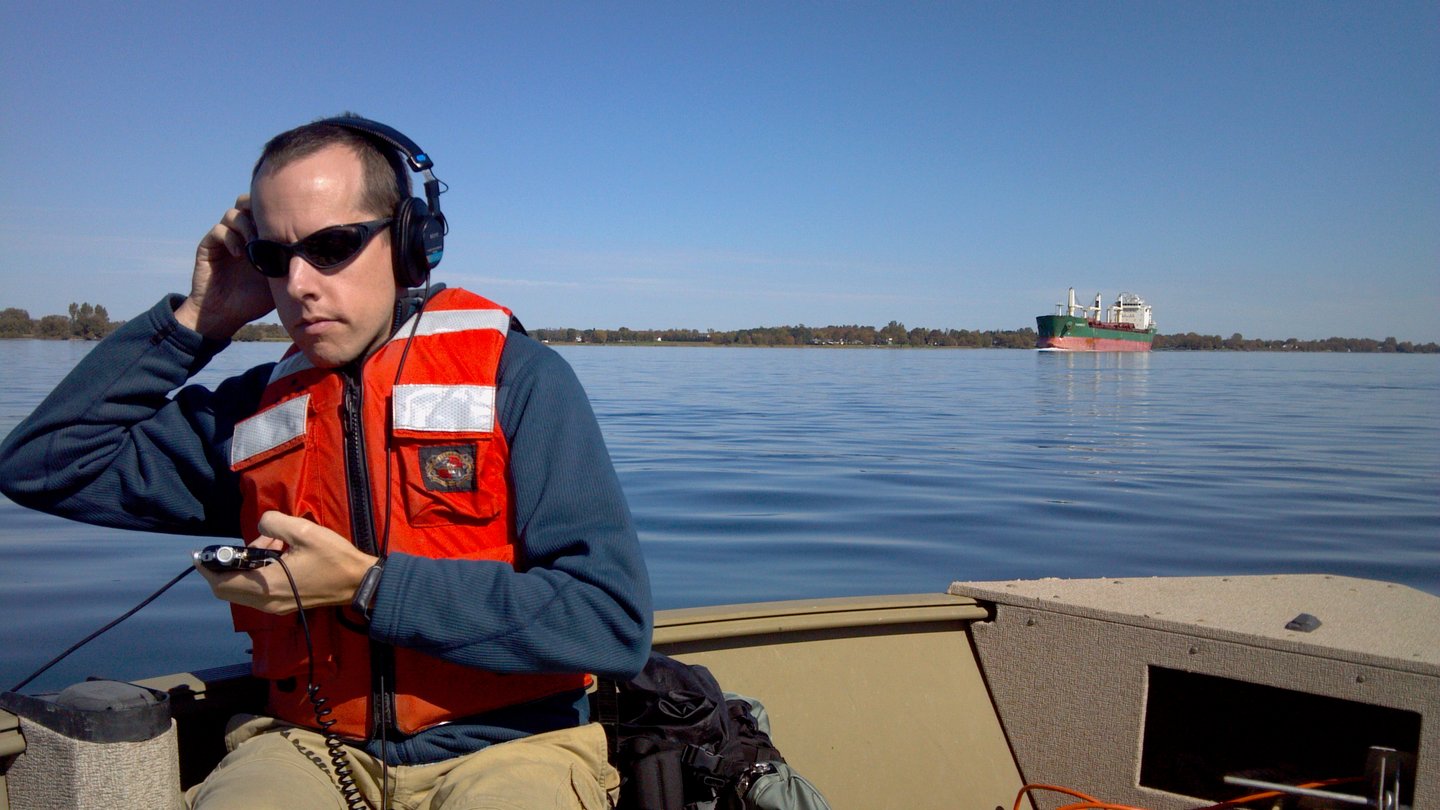
Feature
Spring 2023
Fish in the Great Lakes produce a variety of sounds for communication and reproduction; bioacoustics offers a powerful tool to study their behavior, ecology, and responses to environmental change.
Great Lakes science helps shape green energy revolution A case study of offshore wind in Lake Erie
By Ed Verhamme A four-year pre-construction study in Lake Erie used passive acoustics and fish telemetry to evaluate the environmental impacts of an offshore wind project, setting a model for future energy development. Deploying passive acoustic recording devices in Lake Erie. Photo courtesy of LimnoTech.Within the last five years, many large electric utilities in the Great Lakes region have announced the closure and sunsetting of nearly every large coal-fired power plant. The repowering of our communities with renewable (and carbonless) energy presents a once-in-a-lifetime opportunity for Great Lakes scientists to weigh in on the various pros and cons of proposed projects and energy sources. Providing solid scientific research and evidence-based studies helps regulators, developers, and local community leaders make better decisions to minimize or eliminate potential impacts.One such example is the evaluation of a demonstration offshore wind energy project near Cleveland, Ohio. Between 2017 and 2020, LimnoTech worked on behalf of a Cleveland-based nonprofit (LEEDCo) with funding from the U.S. Department of Energy to evaluate environmental impacts from the installation, operation, and removal of six wind turbines in the offshore waters of Lake Erie.A portion of this monitoring included the deployment of passive audio/acoustic recording devices in the offshore waters of Lake Erie. This is one of the first uses of this technology in the offshore waters to understand the present “soundscape” and use it to evaluate potential impacts from future construction and operation activities of an offshore wind project. In addition to the microphones, the project site was also equipped with fish telemetry technology that can precisely map the presence and location of already tagged fish. The pairing of microphones and fish trackers allows for an unprecedented in-situ evaluation of construction and operation activities on freshwater fish. Other monitoring equipment deployed at the site measured currents, temperature, oxygen, and turbidity, which supports comparative and behaviorial analysis to describe current conditions and make comparisons after construction. This four-year pre-construction study offers a model for how future energy projects can collaborate across the often separate research, regulatory, and private sectors in the Great Lakes region while using cutting-edge technology.The processed sound data shows that the offshore waters of Lake Erie are very quiet; however, there were some interesting recordings of the freshwater drum, which make “noise” during mating season. These chirps and spikes of sound are uniquely identifiable offshore. The data also revealed low frequency noise from nearby cities (e.g., Cleveland) and passing ships and the impact of the thermocline on isolating soundwaves. Figure A shows long-term spectral average and B shows statistical distribution of power spectra (in Leq) at ICE4 from May 11 through October 19, 2016, for the entire available frequency bandwidth of 0-36 kHz. Spectrogram was created with FFT=512 points and 1 hour integration time. Grey boxes show periods of time with missing data.
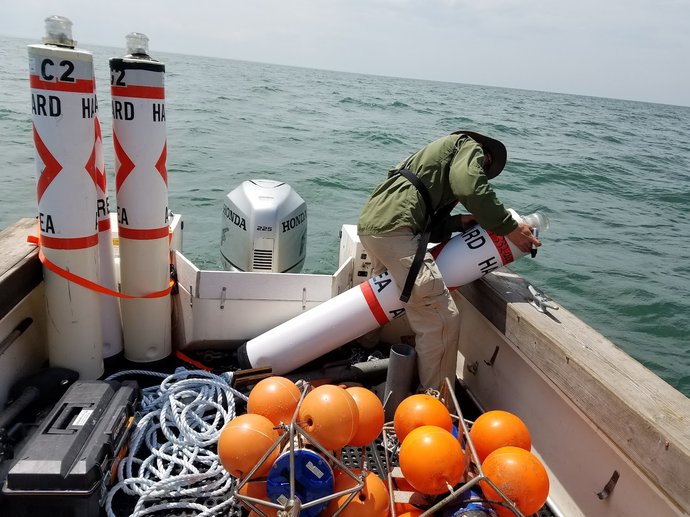
Feature
Spring 2023
A four-year pre-construction study in Lake Erie used passive acoustics and fish telemetry to evaluate the environmental impacts of an offshore wind project, setting a model for future energy development.
Kiersten McCutcheon Kiersten McCutcheon coordinates the Visual Assessment Survey Tool for Niagara Coastal, engaging citizen scientists to collect data on changing Great Lakes conditions. About my workI am a young professional working as a project coordinator for Niagara Coastal, a small non-profit organization that works to build a healthy and resilient Great Lakes ecosystem. Over the past two years, I have been developing and managing the Visual Assessment Survey Tool (VAST). VAST is a collaborative initiative that engages community members as citizen scientists to collect data and images that provide evidence of the changing conditions on the Great Lakes. My work ranges from community outreach, project management and data analysis to implementing local coastal restoration projects.Inspiration for this workThe Great Lakes basin is a region unlike anywhere on earth, and the lakes play a large role in the lives of everyone who lives near them. Whether for drinking water, travelling, spiritual ceremonies, swimming, or my favourite water activity, kayaking, we all rely on the Great Lakes in some way. I was inspired to enter this work to restore and preserve these ecosystems for future generations.Something else about myselfI am enthusiastic about data and have a deep love for well-designed spreadsheets! One of my favourite aspects of my work is piloting an aerial drone to survey shorelines on the Great Lakes. A drone provides massive amounts of data in a fraction of the time it would otherwise take to collect. Analyses of data collected by drones can quickly assess the impact of stressors on coastal environments.Why I joined IAGLRAs a shared community resource, the Great Lakes require a community of people passionate about protecting them to ensure they can continue to be used to meet our needs. I joined IAGLR to be more involved within the larger Great Lakes community. I am looking forward to learning from and collaborating with other IAGLR members to preserve these cherished lakes!
Member Spotlight
Winter 2023
Kiersten McCutcheon coordinates the Visual Assessment Survey Tool for Niagara Coastal, engaging citizen scientists to collect data on changing Great Lakes conditions.
Nick Boucher Nick Boucher focuses on analyzing acoustic telemetry data and assessing arrays to improve fish tracking in the Great Lakes. About my workFrom November 2019 to December 2022, I worked as a fishery research program associate at the Great Lakes Fishery Commission. In this role, I coordinated review of incoming research proposals, administered ongoing projects, and coordinated the Great Lakes Acoustic Telemetry Observation System (GLATOS). As of January 2023, I am a Ph.D. student advised by GLATOS Director Chris Vandergoot. My Ph.D. research will focus on methods for analyzing acoustic telemetry data and assessing acoustic telemetry arrays.Inspiration for this workI was lucky enough to spend five days on a historic skipjack (oyster trawler) in the Chesapeake Bay as part of my fourth grade curriculum. We spent the week catching oysters and blue crabs, and since that time I have been fascinated by aquatic ecosystems.Something else about myselfWhile I never played organized hockey and have very little hockey skill, I really enjoyed playing in the IAGLR hockey game at the 2022 JASM Meeting in Grand Rapids. I am looking forward to playing again in Toronto this year (and hope to learn how to skate backwards before then)!Why I joined IAGLRIAGLR's State of Lake Michigan Conference in Green Bay was my first academic conference in the Great Lakes region. I really enjoyed the collegial atmosphere of the IAGLR meeting, as well as the breadth of topics covered.
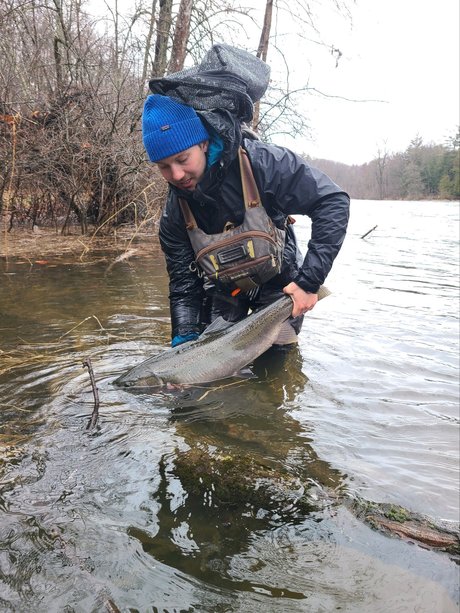
Member Spotlight
Winter 2023
Nick Boucher focuses on analyzing acoustic telemetry data and assessing arrays to improve fish tracking in the Great Lakes.
Edina Illyes Edina Illyes studies how historical glaciation and human activity shape fish species distributions in northwestern Ontario. About my workI am particularly interested in understanding how landscape processes, such as the last continental glaciation and anthropogenic activities, shape species distributions and, consequently, ecosystems and biotas. My current studies focus on exploring the impacts of historical dispersal on contemporary lake fish communities of northwestern Ontario in the former glacial Lake Agassiz basin, and anthropogenic effects on fish species in, and potential dispersal from, urban ponds.Inspiration for this workDuring my undergraduate studies, I was mesmerized by learning that, not such a long time ago, most of Canada was covered by kilometers-thick ice sheets, and I wanted to know more about its impacts on organisms. This led to the opportunity of working on an undergraduate project with Dr. Mandrak, which eventually evolved into my graduate studies allowing me to further explore the subject.Something else about myselfWhen I am not working, I love spending my time outdoors with my dog and best bud, Rum.Why I joined IAGLRAs an IAGLR member, I am looking forward to learning about and keeping up to date with the work of other aquatic scientists from its diverse community. I hope to engage in knowledge sharing, make connections with like-minded people, and participate at conferences.
Member Spotlight
Winter 2023
Edina Illyes studies how historical glaciation and human activity shape fish species distributions in northwestern Ontario.
Trust-based social networks & collaboration in a post-pandemic world By Andrew Muir Virtual tools sustain existing professional relationships, but building trust and new partnerships still depends on in-person interaction, a survey of fishery professionals finds. Working arrangements have been fundamentally transformed during the COVID-19 pandemic. These new arrangements have the potential to affect trust-based social networks foundational to collaborative resource management and transboundary governance. The governance structure for Great Lakes fisheries has weathered the storm associated with two years of remote working conditions; but it is unknown how long trust-based relationships can persevere without refreshed commitment to in-person engagement.A recent survey of fishery professionals throughout the Great Lakes network provided insights into how trust-based relationships have been affected during the pandemic. Eighty three percent of fishery managers and scientists surveyed (n=117) indicated that virtual engagement was effective for maintaining well-established relationships during the pandemic; however, 76.7% of respondents indicated in-person engagement to be more effective than virtual engagement for building and maintaining trust. Only 26.5% of respondents were able to establish trust as part of new relationships through virtual engagement, and only 7.7% of respondents strongly agreed with this sentiment.A literature synthesis revealed threats and opportunities to resource management as a post-pandemic new normal emerges. Despite shortcomings, virtual engagement presents opportunities such as nurturing of well-established long-term relationships; short-term trust maintenance; peer-peer coordination; knowledge dissemination; and potentially enhancing diversity, equity, and inclusion.Governments are urged to prioritize informal interactions and communications fostered by in-person meetings while also recognizing the importance of virtual meetings to conduct business in a cost-effective manner. Without renewed commitment to in-person engagement, pre-pandemic trust-based relationships foundational to cooperative, multinational resource management are under threat.For a further discussion of survey results, please see the article in the Journal of Environmental Management. Authors include A.M. Muir, J.R. Bernhardt, N.W. Boucher, C. Cvitanovic, J.M. Dettmers, M. Gaden, J.L.M. Hinderer, B. Locke, K.F. Robinson, M.J. Siefkes, N. Young, and S.J. Cooke.
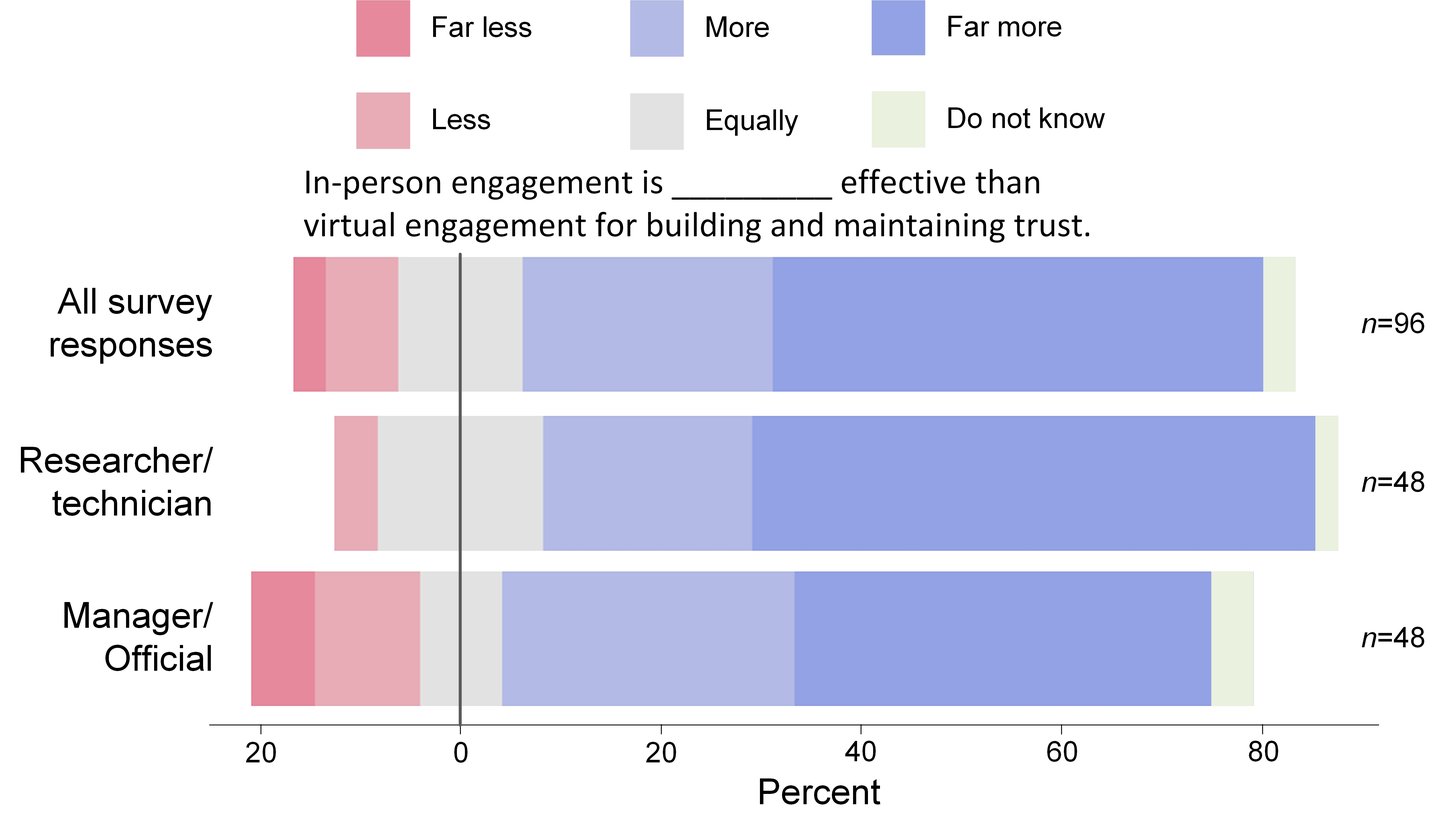
Research Brief
Winter 2023
Virtual tools sustain existing professional relationships, but building trust and new partnerships still depends on in-person interaction, a survey of fishery professionals finds.
Regional fisheries agencies collaborate to improve prey fish assessments through adoption of advanced survey technologies By Peter C. Esselman Saildrones and autonomous underwater vehicles are correcting long-standing sonar biases, sharpening abundance estimates that guide Great Lakes fisheries decisions. Accurate estimates of prey fish abundances are critical to supporting the $7 billion annual Great Lakes fishery, because prey fish feed the economically valuable predators. Inaccuracies in annual estimates of prey fish abundance can have big consequences for decisions about harvest and stocking. In 2020, the U.S. Geological Survey (USGS) launched a study with 12 other agencies to evaluate the accuracy of prey fish estimates gathered with sonar from conventional research vessels. Prior findings suggests that sonar surveys from research vessels can (1) scare fish away by engine noise from the research vessel and (2) undercount fishes near the lake surface and lakebed.Saildrone (upper right next to R/V Kiyi; credit: A. Miehls-USGS) is well-scaled to the Great Lakes (purple and orange lines), and able to collect fisheries data as it goes. The long-range AUV (left center, credit: P. Esselman-USGS) covered much of western Lake Superior during a single 400 km mission in 2022.To quantify these biases, USGS brought two new technologies to the lakes—Saildrones and long-range autonomous underwater vehicles (LRAUVs). Saildrone® is a remotely helmed sailboat that collects sonar data without producing engine noise. LRAUVs fly in the middle of the water column collecting up- and down-looking sonar data. Since 2021, Saildrone has collected fisheries data across more than 5,000 nautical miles of lakes Superior, Michigan, and Huron. Vessels from nine agencies met Saildrone on the water to collect comparison data in the same water on the same nights. More missions are planned with both platforms in 2023. The comparative data will help to understand whether biases affect lakewide prey fish estimates in the Great Lakes, and if so, by how much. The study aims to provide the best possible prey fish abundance estimates to fisheries managers by correcting for biases and evaluating methods that may improve data quality.
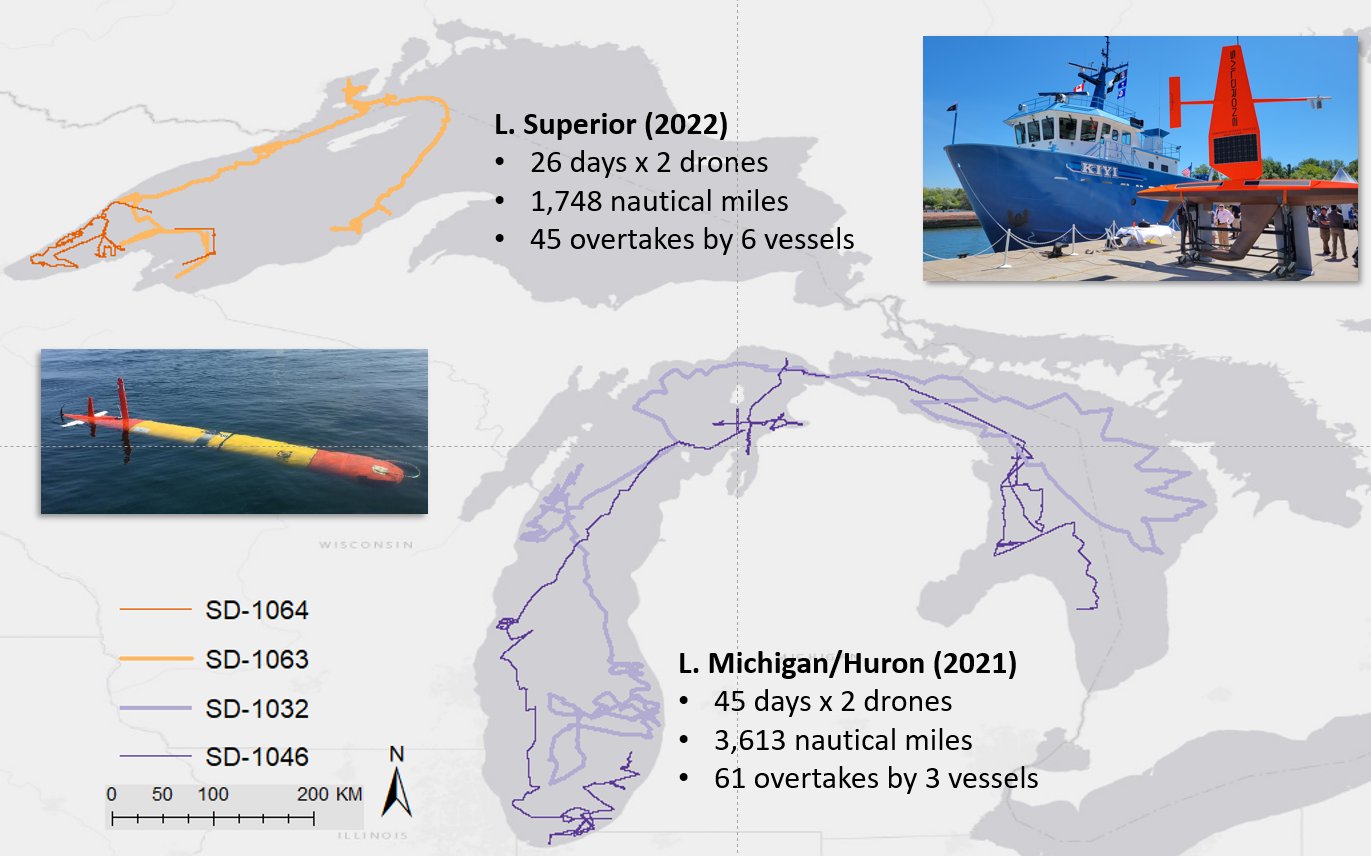
Research Brief
Winter 2023
Saildrones and autonomous underwater vehicles are correcting long-standing sonar biases, sharpening abundance estimates that guide Great Lakes fisheries decisions.
Large team collaborations in large lake research Are they worth the headaches?
By Lucinda B. Johnson Tackling wicked problems like climate change and biodiversity loss demands broad perspectives and greater impact despite management challenges. Lucinda B. Johnson.Today’s grand challenges associated with society at large, and large lakes in particular, are easily described as “wicked” problems—those, as Steve Schmida states, that have “no recipe or set of protocols you can use to solve.” Climate change and biodiversity loss are two examples that meet the classic definition of a wicked problem.But I would argue that only large teams are capable of tackling wicked problems in a holistic, comprehensive manner. Furthermore, to operate effectively and have the desired impact, such teams must be highly collaborative, multidisciplinary, and diverse (Cf. Cheruvelil et al. 2014). The need for large teams for large lake research is generally well-recognized, so here I preach to the choir to a certain extent. Leading and managing large teams does, however, require some special considerations.But first, what are the benefits of large teams that make them worth the management headache? In simple terms, more bodies and brains can tackle larger problems, train and mentor more individuals, and ultimately, achieve a greater impact through disseminating findings across members' research networks and their associated communities of practice. More brains provide the potential for broader perspectives and points of view leading to increased potential for spin-off discoveries and for making better predictions. Throughout my career, I have been involved in a number of large team projects as a researcher or advisor. The most relevant to the Great Lakes was the Great Lakes Environmental Indicators project (GLEI), which involved nine institutions and approximately 75 individual scientists and trainees and ultimately published more than 100 papers and reports. Elements of this project became embedded in a Great Lakes-wide monitoring program and have been used to settle some long-standing management issues. The spin-off projects and relationships continue to this day, more than two decades later.Everyone now recognizes the benefits of diverse teams, with diversity encompassing traditional factors such as age, gender, culture, and race. But large teams have an enhanced capacity to integrate multidisciplinary and multiscale perspectives and to adopt a broader range of tools and approaches. The wicked problems of climate change and biodiversity loss in large lake ecosystems require an integrated approach that incorporates the traditional breadth of limnological investigations: physical, chemical, and biological sciences. But many of the processes underpinning these challenges are derived from the interaction with human social systems and thus require the additional perspective and contributions of social and behavioral scientists, policy specialists, and economists. Furthermore, large teams would benefit from expertise that includes a range of approaches and techniques including experimental studies at scales from benchtop to mesocosm to multi-site / regional landscape scale; modeling studies; and document analysis, interviews, and focus groups for the social scientists. Examples of multi-scale issues that are successfully addressed using these diverse approaches include harmful algal blooms—a contemporary example where drivers of bloom creation and toxicity are being addressed in laboratories, while environmental drivers of blooms and their impacts are being studied at a range of scales using remote sensing technologies such as satellite and drones. The challenges associated with merging and interpreting the data acquired from a variety of scales and approaches are best addressed by ensuring active engagement of the consortium of experts during the synthesis steps of the program. This challenge is significantly more complex when incorporating social science / qualitative data and information in the project; thus, the need for a large team encompassing many disciplines and brains.But I would be remiss in not acknowledging the difficulties in creating and managing such teams, funding being the most-mentioned factor by colleagues. Large lake studies are inherently expensive at any scale, and large, diverse teams require the appropriate research infrastructure, generally crossing multiple institutions and research organizations, and leadership personnel. (However, it should be noted that there are possible economies of scale to be gained by coordinating sampling across programs.) Thus equipment and personnel can be shared, but this requires that schedules are harmonized, and a significant investment is made in project coordination to maintain consistency in methods, data collection and handling, and infrastructure / equipment maintenance.Successful teams also invest time and effort up front to discuss and agree on factors that form the underpinnings of the social dynamics: data sharing policies, authorship, mentoring guidelines, etc. Different disciplines have different vocabularies, and it is not uncommon for the same word to have multiple meanings across disciplines, leading to vast confusion for all until someone realizes what is happening. Roles and expectations within the hierarchy of a large team, and within or across organizations and laboratories, may differ to the extent that problems and misunderstandings can easily surface and fester. I learned the hard way about such differences while serving as a co-principal investigator on a large, multidisciplinary project led by a medical professional. The team discovered mid-project that authorship and credit norms differed substantially between the ecology and medical fields, leading to difficult conversations and strained relationships. Across the large teams that I have observed, the most successful and productive are those that create a strong but empathetic and diplomatic leadership group within the overall team to help everyone navigate the thorny social dynamics that ultimately arise in any large group. Frequent, open, and honest communications are key.The leadership and management of large teams differ significantly from that of small teams, with the level of administrative responsibilities intrinsically linked to funding source(s) and institutional requirements. Many large projects are funded through cooperative agreements, which adds another layer of complexity to communication and management issues. The benefits of such arrangements are that those projects are almost guaranteed to have immediate impact. A team’s success largely depends upon the social dynamics formed during the proposal development phase and continued throughout the life of the project or program. Consideration of race, culture, age, and gender is as important as the logistics of implementing the project objectives. Subtle factors, such as considering safety or logistical issues unique to gender or race, can make a tremendous difference in outcomes. For example, one must consider previous life experience, level of expertise, and self-confidence when assigning field teams to ensure all members feel safe with one another and in the field environment. Performance metrics and benchmarks are useful for tracking progress across individuals and research teams; project management tools are increasingly used to assist in managing large projects and teams. In my experience with large teams, it was clear that having a well-established hierarchy of responsibility was absolutely critical, and an effective project coordinator (in addition to data manager, QC support, communication team, etc.) was essential both to the project’s success and to the lead principal investigator’s sanity. Finally, leading or collaborating with teams takes a special mindset and skillset; researchers with a tendency towards introversion may find such teams to be outside their comfort zone and the value of their contributions may demand that the team consider different ways of interacting and communicating to accommodate different learning and communication styles.The trend away from funding single investigators is clear; it is also clear that government agencies are assembling their own large teams in addition to funding multidisciplinary projects with large teams. These endeavors are extremely rewarding, both professionally and socially, as long as the potential sources of conflict are addressed at the project’s inception. My own career benefited immensely from the intellectual and social interactions gained during projects such as the GLEI, with lifelong colleagues and friends gained and kept. The scientific output of such teams, I hope, will also prove long-lived. Large teams require significant effort but also have the potential for much greater rewards and more rapid understanding of the “wicked” problems facing our large lakes.
Feature
Winter 2023
Tackling wicked problems like climate change and biodiversity loss demands broad perspectives and greater impact despite management challenges.
Modeling the importance of interdisciplinary collaboration By Kathleen Williams and Paul Seelbach A special section of the Journal of Great Lakes Research highlights the spectrum of actors in ecosystem-based management and the need to integrate social and natural sciences. We invite you to check out the special section of the Journal of Great Lakes Research on Communities and Organizations. This section is important because it draws attention to one of the dimensions of ecosystem-based management (EBM) that we often take for granted: collaboration among government agencies and local community stakeholders. Although EBM requires collaboration, it is often assumed that it will just happen, and little attention is paid to the process of engaging partners, identifying community values, or understanding decision processesThe Communities and Organizations special section helps to demonstrate the spectrum of actors (agencies, organizations, and individuals) doing the remediation and restoration work, as well as how essential grassroots organizations are to these processes. The section also presents systematic investigations conducted to understand how these processes unfold in places; lessons that can be applied in other places.In recent years, Great Lakes applied researchers have been increasingly called to integrate the social and natural sciences in support of environmental management. This is easier said than done, because often social and natural science researchers construct problems differently, use different methodologies and literatures, and may be challenged to bridge those gaps in understanding. To address this challenge in the special section, we used interdisciplinary editorial teams consisting of a biophysical and social scientist who collaboratively made the editorial decisions. This was important because we wanted to ensure that social science research spoke to the interests and information needs of biophysical scientists, while at the same time adhering to social science or humanities or storytelling methodologies. We hope the product is a collection of articles that demonstrates the impact of interdisciplinary collaboration. Our intent was not to simply publish social science research conducted in the Great Lakes region, but rather to illustrate the many ways that emerging interdisciplinary and social science research is complimenting the biophysical sciences in support of substantial restoration and revitalization work within the region.
Feature
Winter 2023
A special section of the Journal of Great Lakes Research highlights the spectrum of actors in ecosystem-based management and the need to integrate social and natural sciences.
Odawa Ziibi: A river reborn A river reborn
By Nate Winkler Dam removal on Michigan's Boardman River restores connectivity and cultural significance through community partnership. Members of a Grand Traverse Band of Ottawa & Chippewa Indians drum circle at the former Brown Bridge Dam site during a river “reopening” ceremony (2013).In April 2009, a watershed decision made by a northern Michigan community resulted in the most important river restoration project to occur in Michigan to date. Over an eight-year period, three large dams were removed from an 18-mile-long segment of mainstem river, restoring connectivity for aquatic organisms, sediment, and nutrients as well as the partners collaborating on the project.The Odawa / Boardman Watershed. Courtesy of the Boardman River Project.To take a step back, the river known to most as the “Boardman” was, in the late 1800s and early 1900s, a handy source of energy for Traverse City, a regional hub for timber and agricultural production. Once the timber had run out and the river was no longer assaulted by rafts of saw logs, its energy was harnessed to generate hydropower. Over the course of 60 years, five dams were constructed on the river mainstem beginning with Union Street Dam (which powered a flour mill) in 1865 and the most recent, Brown Bridge Dam, placed online in 1922. Keystone, one of the four dams that produced hydroelectricity, failed completely in 1961 and was never rebuilt, but two dams just downstream, Boardman and Sabin, remained.Stepping further back, the river was known as the “Odawa Ziibi” or “Ottaway River” by the Ottawa and Chippewa peoples of the region, the political successors of whom became an essential element in the success of the dam removal project. Despite the callous treatment of Indigenous peoples over the years at the hands of the U.S. government, the Ottawa and Chippewa became partners and leaders in returning a river damaged by Euro-American industry closer to the cold, free-flowing conduit of life the river served as long before log drives and dam construction.Over time, hydroelectricity production by the Ottaway River dams diminished to a fraction of the need posed by a growing community while continuing to disrupt flow to Grand Traverse Bay. As the dams aged and deteriorated, the City of Traverse City and Grand Traverse County were compelled to perform a cost-benefit analysis on continued operation. They discovered that the cost to implement required upgrades exceeded the projected future income, so the decision was made to decommission the three hydroelectric dams and undertake a full evaluation of their fate.Construction of the Brown Bridge Dam circa 1920. Courtesy of Traverse Area Historical Society.In 2005, an Implementation Team (IT) was assembled under the Boardman River Settlement Agreement, which comprised the Michigan Hydro Relicensing Coalition, Grand Traverse Band of Ottawa and Chippewa Indians, U.S. Fish and Wildlife Service, Michigan Department of Natural Resources, Michigan Department of Environmental Quality, Traverse City Light and Power, City of Traverse City, and Grand Traverse County. In tandem, the Boardman River Dams Committee (BRDC) was formed and subsequently mediated under a neutral third party. The community-based BRDC was tasked with a dam disposition assessment (2005-2008), the key elements of which were to evaluate current conditions, perform an options and alternatives analysis, and in the end, provide a recommendation to the IT as to the dams’ disposition. This exhaustive process included 180 public meetings attended by approximately 2,500 people, with 2,000 questions asked and answered, in addition to 18,000 surveys distributed throughout the region. At its conclusion, the BRDC process resulted in over 80 options for disposition with the preferred option being removal of the three hydroelectric dams and modification of the lowest-most dam at Union Street to allow for native fish passage. In January 2009, the BRDC submitted its recommendation to the IT, which then presented the findings to the owners. After reviewing the recommendation, the City of Traverse City and Grand Traverse County in April 2009 opted to pursue dam removal and modifications for fish passage.The IT was established to conduct the disposition of the dams, and with the owner’s decision, the project began in earnest. Not long after, ex-officio members were added to the IT and included the Conservation Resource Alliance (eventual project manager), Garfield Township, the Grand Traverse Conservation District, the Watershed Center-Grand Traverse Bay, and the Grand Traverse County Road Commission. With a vast array of resources and expertise available, the IT was well-positioned and worked collaboratively through respectful consensus to carry the project through to completion in 2018. The understanding and relationships built among the team members continue to this day with new project partnerships.Excavator exposing the Boardman Dam penstocks during demolition (2017).The process was long and arduous, but the cultural perspectives of a community of people that has been in the region for thousands of years kept time in perspective. The Grand Traverse Band of Ottawa and Chippewa Indians provided leadership of the IT, increased awareness of the cultural significance of the river, technical support, and a significant portion of the project funding. In this way, one of the deepest lessons of irony reveals itself in time—that those who’ve lost the most to history have in turn given tremendously; for the river and generations to come.Sabin Pond and the dam after dewatering with the exposed stumps of trees cut during the dam’s construction (2018).
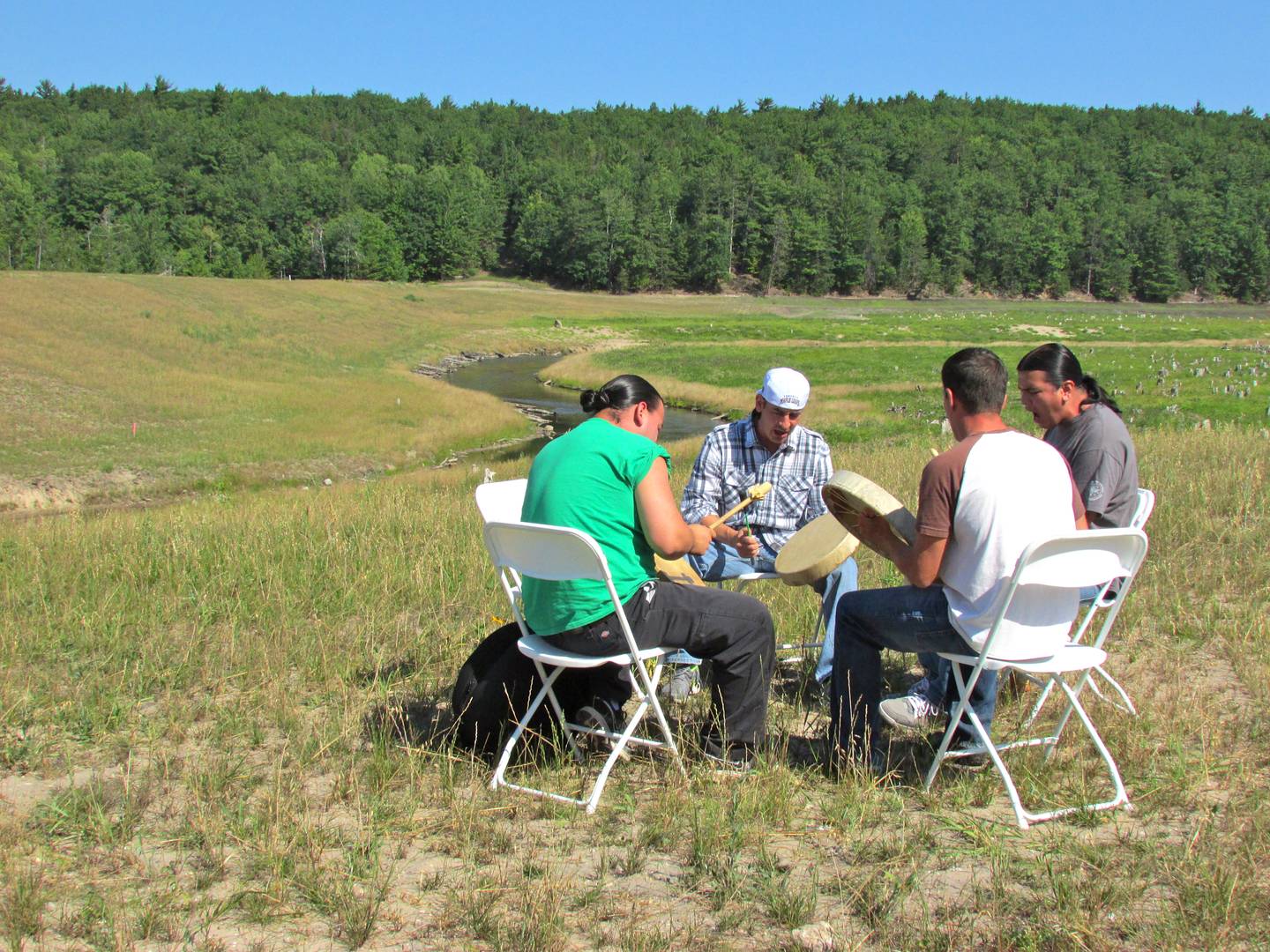
Feature
Winter 2023
Dam removal on Michigan's Boardman River restores connectivity and cultural significance through community partnership.
Bending the curve of species invasion Does a Great Lakes cooperative effort offer hope for the COP15 framework?
By Anthony Ricciardi Ballast water rules cut new introductions by 85%, offering a proven template for nations pursuing global biodiversity targets. The recent UN Biodiversity Conference (COP15) in Montreal may spark a renewed sense of purpose among freshwater conservationists. Rather than perpetuate the old “land and sea” paradigm that has traditionally ignored lakes, rivers, and wetlands, the COP15 framework explicitly identifies inland waters among the environments to be restored and conserved. This attention is justified given that freshwater ecosystems are disproportionately diverse and threatened compared to terrestrial and marine systems.The framework also recognizes invasive species as a major driver of biodiversity loss, and one of its targets (Target 6) calls for reducing global rates of invasion by at least 50% before the year 2030. This ambitious goal will demand enhanced risk assessment, dedicated monitoring, and science-based management of invasion pathways. However, even a small reduction in globally burgeoning invasion rates would significantly benefit biodiversity and ecosystem stability.Controlling the spread of invasive species is a transboundary, multidimensional challenge requiring cooperation among nations, policy makers, scientists, and industries. An encouraging example of such cooperation is the binational effort to mitigate ballast water invasions in the Great Lakes.The bloody red mysid shrimp (Hemimysis anomala) was one of the last transoceanic ballast water invaders discovered in the Great Lakes. Photo by Steven Pothoven (Great Lakes Environmental Research Laboratory).The Great Lakes basin is the world’s most invaded freshwater system, containing nearly 190 established nonnative species. These species were introduced over two centuries through various vectors including canals, aquarium dumping, bait bucket release, and aquaculture escapes. However, two-thirds of invasions recorded over the past six decades are attributable to ballast water release, which has introduced highly disruptive species such as the zebra mussel, quagga mussel, round goby, and spiny water flea. Although ballast water has been transported to the Great Lakes for nearly a century, the opening of the modern St. Lawrence Seaway in 1959 allowed larger vessels and more frequent ship traffic to deliver greater volumes than ever before. Consequently, the invasion rate skyrocketed. From 1959 to 2006, one new invader was discovered established in the Great Lakes basin every six to seven months on average—a rate unmatched by any other freshwater system on the planet.Ship discharging ballast water at sea. Photo by Sarah Bailey, Fisheries and Oceans Canada.An attempt to control ballast water invasions through harmonized legislation by Canada and the United States in 1993 failed because of technological issues and a regulatory loophole; but its failure was only recognized in the years that followed. New harmonized regulations in 2008 mandated—with strict inspection and enforcement—that all transoceanic ships destined for the Great Lakes flush saltwater through their ballast tanks to achieve ocean salinities prior to entering the seaway. Experiments on this procedure indicated that it would significantly reduce the number of living freshwater organisms in ballast tanks.We have now had 14 years to assess the effectiveness of binational ballast water management, and the results are impressive. Since 2008, invasions reported in the Great Lakes basin have declined by 85% and are now at their lowest rate in two centuries. Additional forms of management likely contributed to this decline, but empirical evidence points to ballast water regulation as the overwhelming primary cause. Nevertheless, the threat of invasive species is far from eliminated; invasion risks in the Great Lakes remain significant because of other, largely unregulated vectors such as those linked to commercial trade in live organisms. More effective management of these vectors is necessary for conserving biodiversity and protecting a fishery worth several billions of dollars.The key takeaway message from the Great Lakes is that science-based solutions implemented through the cooperative actions of stakeholders can produce substantial results. In this case, binational cooperation apparently resulted in an unprecedented reduction in the invasion rate in the world’s largest freshwater ecosystem. This success should fuel optimism and determination for achieving the COP15 global targets.
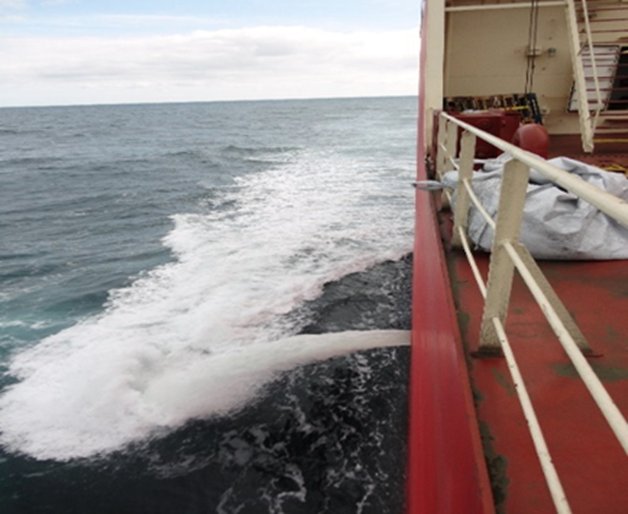
Feature
Winter 2023
Ballast water rules cut new introductions by 85%, offering a proven template for nations pursuing global biodiversity targets.
Research collaborations: The best way to tackle big ecosystem issues The best way to tackle big ecosystem issues
By Elizabeth Striano, Katelynn Johnson, and Todd Leadley The Real-Time Aquatic Ecosystem Observation Network demonstrates how sharing equipment, data, and expertise enables researchers to tackle complex environmental challenges in the Great Lakes. Preparing to deploy a real-time buoy in the Western basin of Lake Erie. Photo by Ed Verhamme.Solving increasingly complex environmental challenges requires collaborative research networks that share expertise, data, information, and tools. Fortunately, the Real-Time Aquatic Ecosystem Observation Network (RAEON) is providing exactly what researchers need to carry out their work to understand and monitor freshwater ecosystems in the Great Lakes.Since receiving its original funding in 2018, RAEON has been providing researchers with access to instruments that generate real-time and continuous data from aquatic ecosystems and advanced laboratory facilities, data management, and technical expertise. Lead investigator Aaron Fisk directs the network. He is a professor in the School of the Environment and Canada Research Chair in Changing Great Lakes Ecosystems at the University of Windsor.“All our equipment is available for researchers to use, as well as the data produced,” says Katelynn Johnson, RAEON research and operations director. Johnson says it’s important that researchers who participate in the network understand the data-sharing aspect of RAEON. “Data sharing has become such a big issue in science," she notes. “It’s a major requirement of the grants we’ve received.”RAEON’s data sharing requirements allow other groups access to quality data to incorporate into their own research programs, reducing expensive duplicate sampling efforts and yielding practical results. These data are improving understanding of the mechanisms and processes of large lake ecosystems and contribute to the management, rehabilitation, and enhancement of their ecosystem services.“Ultimately the goal of these collaborations is to provide leaders in government and industry with the comprehensive science-based data and information they need to make effective, responsive policy and management decisions,” Fisk says.This sharing of equipment and data is the only way to tackle big ecosystem projects, particularly as monitoring instruments have become increasingly sophisticated and complicated.“The practical benefits of a network like RAEON are its ability to provide equipment and field support to research groups that otherwise may not have access to such resources to carry out logistically difficult large, field projects,” explains Todd Leadley, RAEON Field Technician.He goes on to note how collaboration within the network brings research groups together from all over the continent and with a wide range of expertise. "This allows a more integrated approach to common research goals,” Leadley says. “For example, for the study and early detection of harmful algal blooms in lake ecosystems, not only are nutrient experts important, but hydrologists, ecologists, genomists, and environmental engineers.”The Great Lakes Glider Consortium, a group of both U.S. and Canadian researchers, is a large, multinational effort. In addition to RAEON, the group includes the University of Minnesota at Duluth, the U.S. Environmental Protection Agency, and the Cooperative Institute for Great Lakes Research (CIGLR), a partnership between the University of Michigan and the National Oceanic and Atmospheric Administration (NOAA). Collaborators meet regularly to share knowledge and resources for Slocum glider efforts in the Great Lakes. For example, the consortium has worked together to tackle the issue of hypoxia in Lake Erie by using gliders to inform fisheries managers on when to conduct their fall trawling surveys.Deploying a Slocum glider in Eastern Lake Ontario. Photo by Dimitry Gorsky.“This consortium is a great way to coordinate glider efforts in the Great Lakes, which allows us to cover more of the lakes, more frequently, giving us a better view of internal processes,” notes Russ Miller with NOAA-CIGLR.Other projects RAEON is involved in include the Lake Erie Alliance Project, for which RAEON provides instrumentation, staff, and data management to help inform water utility managers on harmful algal blooms in the western basin of Lake Erie. RAEON also supports various fish telemetry projects through the Great Lakes Acoustic Telemetry Observation System, a binational network of researchers who collaboratively use acoustic telemetry to understand fish behavior and provide information to fish managers in their decision making. And at the University of Windsor, RAEON provides real-time buoys to support water security research in the Great Lakes.A real-time buoy in the Western basin of Lake Erie. Photo by Katelynn Johnson.Recently, RAEON secured more than Can$1.77 million in additional funding, joining an even larger collaborative freshwater observational research network known as the Global Water Futures Observatories (GWFO), under the lead of the University of Saskatchewan. “With RAEON now joining GWFO, it will become part of the largest network in Canada and one of the largest freshwater research networks in the world,” Johnson says. “This collaboration will open up new collaborations with researchers outside of the Great Lakes as well.”There are many other unexpected benefits of such collaborations. According to Leadley, RAEON has also gained interest from other groups. For example, the Marine Environmental Research Infrastructure for Data Integration and Application Network at Dalhousie University has reached out to RAEON. This group develops machine learning and data processing tools for underwater acoustic, vessel tracking, and satellite imagery. Another collaboration led to development of a novel way to retrieve data from underwater acoustic telemetry receivers. The RAEON team worked with industry partners Teledyne and INNOVASEA to develop a way for gliders to download the data from VR4-UWM receivers by flying down to those receivers and offloading the data in a fraction of the time it would take by boat.As collaborations like these continue to evolve and expand, researchers will be better positioned to help solve some of the world’s growing environmental problems as climate changes and demand for water and resources increase. RAEON offers its equipment and services to Canadian academics and their bi-national partners. For more information, please reach out to Katelynn Johnson, katejohn@uwindsor.ca or visit our website.
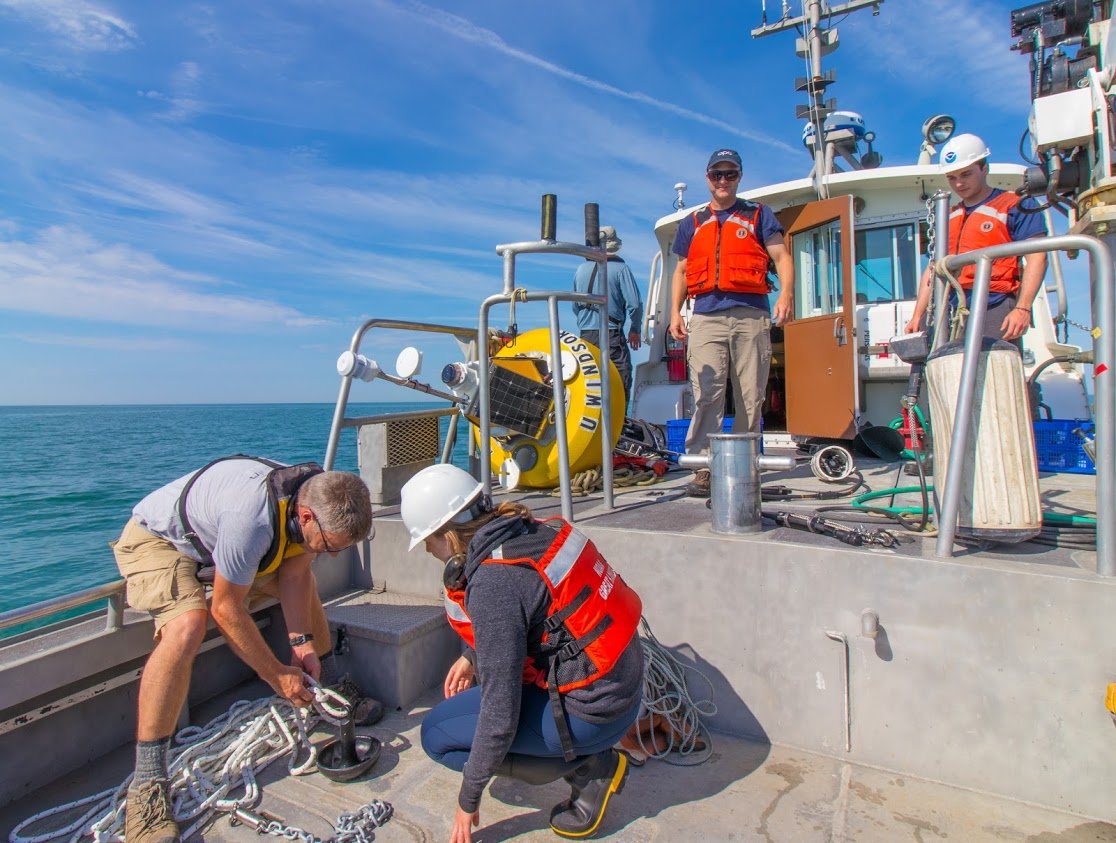
Feature
Winter 2023
The Real-Time Aquatic Ecosystem Observation Network demonstrates how sharing equipment, data, and expertise enables researchers to tackle complex environmental challenges in the Great Lakes.
A promising framework to foster global collaboration Lake committees & advisory groups in the Laurentian and African Great Lakes
By Zeph Migeni and Evans Lomodei A comparison of lake committees in the Laurentian Great Lakes and advisory groups in the African Great Lakes reveals a promising framework for transboundary collaboration and resource sharing. The global significance of large lakes—with their extensive biodiversity and huge provisioning ability for goods and services—calls for transboundary and transjurisdictional collaborations, partnerships, and extension in both research and education. Two pre-pandemic conferences demonstrated this thirst for such collaboration: the African Great Lakes (AGL) conference in Entebbe, Uganda (2017) and the 60th annual conference of the International Association for Great Lakes Research in Detroit, Michigan, USA (2017). At both events, a diverse group of attendees came together to explore the enormous benefits of shared and varied ideologies and resources across continents. Organizers argued that resource paucity within one lake system or region may inhibit efforts to address larger-scale challenges on freshwater fisheries, thus calling for collective transboundary collaboration to enhance the maximum beneficial use of scarce resources across regions for management and conservation of the world's large lakes.Lake Turkana Advisory Group experts and advisors on a recent research visit. Photo by James Last.The importance of collaboration within the African Great Lakes has been demonstrated in the Lake Victoria basin through the coordinating effort of the Lake Victoria Fisheries Organization between Kenya, Uganda, and Tanzania. Similarly, the successful coordinating and facilitative efforts of the Great Lakes Fishery Commission, the International Joint Commission, and others in the Laurentian Great Lakes emphasize the need for large lakes collaboration. Therefore, the huge potential that can be harnessed through a joint African and Laurentian Great Lakes collaboration is highly desired. Each region has a similar framework to facilitate collaboration: advisory groups in Africa and lake committees in North America. The AGL’s advisory groups are facilitated by the African Center for Aquatic Research and Education. The organization provides lake-specific freshwater experts drawn from academia, research, and policy-making governmental and nongovernmental institutions to offer advice and conduct research for the management and conservation of the African Great Lakes. Similarly, the lake committees of the Laurentian Great Lakes are lake specific and tasked with similar roles as stated by the Great Lakes Fishery Commission. The envisaged collaboration between these two groups can enhance the interchange of ideas and resources, which will in turn contribute to and ensure sustainable management and conservation of both the African and Laurentian Great Lakes. This transboundary collaboration can benefit further from the involvement of other independent organizations playing a role in educating and sharing science about the Great Lakes. Laurentian Great Lakes: Lake CommitteesAfrican Great Lakes: Advisory GroupsFormed19652019PurposeTo promote information sharing; became “action arms” of Joint Strategic Plan for Great Lakes Fishery Management in 1981Primarily to promote information sharingCompositionSenior officials from state, provincial, and U.S tribal fishery management agencies advised by at least one field-level technical committeeMembers (experts in countries riparian to the lake in question) and advisors (invited large lake or freshwater experts)ActivitiesCoordinate fishery management across basin through development of shared fish community objectives, establishment of appropriate stocking and harvest levels, identification of law enforcement priorities, and formulation of management plansCurrently producing a series of state-of-the-lake papers to be published in special section of the Journal of Great Lakes ResearchReportingState-of-the-lake report every five years to summarize trendsBimonthly advisory group reportsManagement actionsMutually agreed-upon management actions implemented by individual agenciesManagement actions currently out of scopeMeetingsFormal meetings 3 times/year, informal meetings throughout yearAnnually in person, monthly virtuallySourceGreat Lakes Fishery CommissionAfrican Center for Aquatic Research and Education
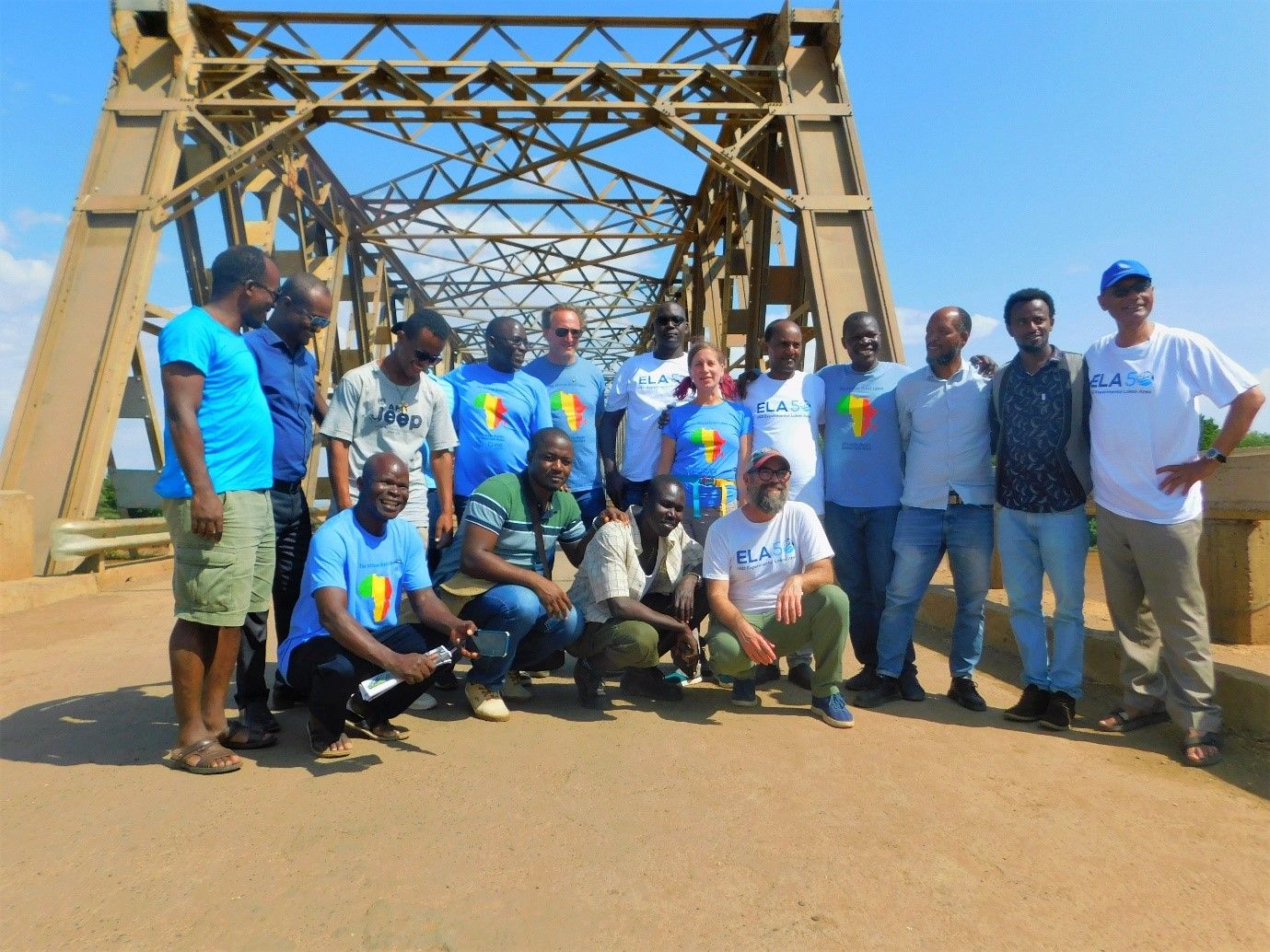
Feature
Winter 2023
A comparison of lake committees in the Laurentian Great Lakes and advisory groups in the African Great Lakes reveals a promising framework for transboundary collaboration and resource sharing.
The story of water By Audrey Whitaker, Jillian Greene, Ian Stone, Nate Dugener, Janie Cook, Tony Weinke, and Bopi Biddanda A review of Giulio Boccaletti's "Water: A Biography" examines the sociopolitical history of water and its profound impact on human civilization and future challenges. Water: A Biography by Giulio Boccaletti (Pantheon Books, New York, 2021, p. 378, ~$20).The history of humanity is intimately bound to water in an abiding social contract. Author Giulio Boccaletti argues that the biography of water is sociopolitical rather than technological. Water: A Biography examines human history through the lens of water—from the dawn of civilization to modern hydrologic states, with droughts, floods, and political turmoil occurring in between—relentlessly shaping human lives, societies, and history.By probing the deep history of water and humans, the book paints a captivating story through the ages. Boccaletti chronicles each stage of civilization (from nomadic hunter-gatherers to sedentary pastoral societies to city states) along with examples (such as ancient Sumer and Rome and modern China and the United States), and how these societies were shaped by their relationship with water.A major concern is that Water has ignored large geographic regions such as much of Latin America and Southeast Asia, where vital water-human co-evolution stories have played out independently over time. Nevertheless, the many worldwide historical and current contexts covered in Water are even more relevant today, as freshwater resources and the myriad ecosystem services they provide are ubiquitously threatened by the combined assault of anthropogenic pressures and climate change.Throughout human history, the waterscape has transformed us, and we have altered it. Boccaletti’s Water reminds us of the remarkable power water has to alter our existence, even as attempts are made to bend water to our will. The story of water has defined every aspect of life and will continue to do so.
Book Review
Fall 2022
A review of Giulio Boccaletti's "Water: A Biography" examines the sociopolitical history of water and its profound impact on human civilization and future challenges.
Pubudu Kumarage Pubudu Kumarage models pollutant transport in inland and coastal water bodies, using fluid dynamics expertise to identify harmful accumulations and conserve aquatic ecosystems. About my workAs a researcher, I am working on environmental and water-resource-related modeling of inland and coastal water bodies. Human activities and rapid development projects have caused a huge impact on the aquatic ecosystems that had thrived with the lakes in my region. My primary objective is modeling the pollutant transport and identifying the harmful accumulations that can affect the sensitive fauna. I also am on a team studying the environmental impacts of recent maritime accidents that occurred along the western coast of the island.Inspiration for this workMy original background is in fluid dynamics and water resources. I wanted to use my expertise to conserve the environment, as we don't have a planet B as the plan B.Something else about myselfAlthough time consuming, data collection and collaborative work are the most interesting parts of the whole process. In our group discussions, I get the opportunity to learn how similar problems have been tackled in other parts of the world. Thanks to the knowledge sharing, I was able to use new practices and computational tools in most of my studies.Why I joined IAGLRI am delighted to be a member of IAGLR, with its focus on research about the largest freshwater system in the world. It is wonderful how novel techniques are being used to study and protect the Great Lakes and the freshwater ecosystem. I am excited to connect with other members from whom I will be able to learn a lot, and to share my experiences as well.
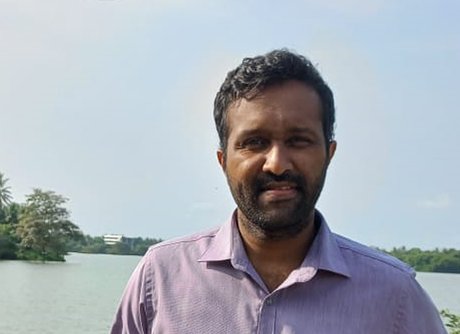
Member Spotlight
Fall 2022
Pubudu Kumarage models pollutant transport in inland and coastal water bodies, using fluid dynamics expertise to identify harmful accumulations and conserve aquatic ecosystems.
Ruth Duncan Ruth Duncan uses Indigenous Ecological Knowledge and smart technology to study lake whitefish behavior in culturally relevant habitats in Lake Huron. About my workI’m currently a second-year student at Trent University. Over the past two years, I’ve had the opportunity to work for Environmental Collective on community-based research with the Chippewas of Nawash Unceded First Nation. Bima’azh (“track” or “follow along” in Ojibway) is a research project investigating lake whitefish behaviour at culturally relevant habitats in Lake Huron. By using smart technology (e.g., underwater remotely operated vehicle and acoustic telemetry) and Indigenous Ecological Knowledge, we can respond directly to community concerns.Inspiration for this workResearch that is so closely tied to my community has been a gratifying experience. It gives me pride knowing that my work is helping my community and a fish central to my people’s history. My ancestors have fished the waters I work in for millennia, and shared history and future in Saukiing Anishinaabekiing (our territory) continuously inspires me to continue on in STEM and fisheries science.Something else about myselfAside from cross-country skiing, I enjoy creating videos about my culture and issues in Canada. Last October, a film I helped produce won the award for top documentary at the Forest City Youth Film Festival. Titled We Are Still Here, the film serves as a reminder to all that Indigenous Peoples are still here and thriving.Why I joined IAGLRI joined IAGLR while attending JASM 2022. I joined IAGLR to have opportunities to network, meet other fisheries professionals, and hold space for Indigenous People in fisheries.
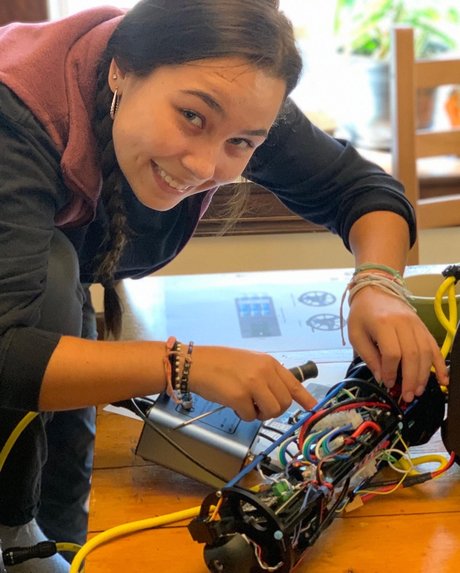
Member Spotlight
Fall 2022
Ruth Duncan uses Indigenous Ecological Knowledge and smart technology to study lake whitefish behavior in culturally relevant habitats in Lake Huron.
A decadal-scale science strategy for the Great Lakes By Gail Krantzberg and Val Klump A comprehensive decadal science strategy proposes a $100 million annual investment to coordinate multinational research, monitoring, and centers of excellence for the Great Lakes. Gail Krantzberg and Val Klump.The increasing stress on freshwater resources across other North America—prolonged droughts, wildfires, agricultural productivity losses, aquatic ecosystem collapse—has led many to label the Great Lakes region as a potential “climate refuge” almost entirely because of an abundant supply of freshwater. The population of the Great Lakes region and its reliance on the waters of these “inland seas” are only projected to increase. The use of the lakes for the transport and international trade of petrochemicals, grain harvests, coal, iron ore, and a wide variety of other commodities, along with recreation, drinking water, waste disposal, fisheries harvest and consumption, and energy production, results in an unavoidable set of complex interdependences.This complexity and the Great Lakes' vast size and intricate governance require coordinated and integrated multinational research programs and infrastructure on par with that devoted to oceans. In 2018, the International Joint Commission's Science Advisory Board undertook development of the first-ever comprehensive decadal-scale science strategy for the Great Lakes via a series of forums, surveys, and workshops involving a broad spectrum of the scientific and research management community.The goal was to establish a roadmap for placing the Great Lakes region on a sound scientific footing for ensuring effective management and permanent sustainability of the system. The importance of acquiring a fundamental understanding of the functioning of this unique ecosystem is hard to overstate and represents the challenge facing contemporary scientific, resource management, and political communities. Science today has numerous new tools with the potential to unlock many of the questions posed and to fill gaps in our knowledge at resolutions and precisions previously unavailable to the study of the Great Lakes. These tools and the practitioners who will wield them can usher in a renaissance of Great Lakes science with benefits that extend far beyond the next decade.It is estimated that the additional investment needed to accomplish the goals and vision over the next decade is approximately $100 million per year, two-thirds of which is projected to be invested directly in the research enterprise via new and enhanced programs in process studies, monitoring, data management, and centers of excellence. The remaining third is directed at updating and supporting the Great Lakes research fleet, observing systems, and associated analytical capacity.Many research initiatives will require effort that extends beyond the time frame of an individual project or even a decadal-scale commitment and will require interdisciplinary groups and networks of professionals working across institutional boundaries. Fostering our ongoing understanding of the Great Lakes would benefit from the creation of a number of permanent centers of excellence that focus on long-term, basin-scale, interdisciplinary, and cross-cutting approaches in key evolving areas of research, modeling, socioeconomic analysis, data acquisition, diversity, and coordination across knowledge systems.Over the last 50 years, through efforts aligned with the 1972 Great Lakes Water Quality Agreement, Canada and the United States have dedicated billions of dollars to cleaning up legacy environmental pollution, restoring lost habitats, and dealing with stresses like invasive species. These investments have remarkably improved the integrity of the Great Lakes ecosystem, yet clearly it will take more than a decade to complete cleanup and restore degraded areas throughout the basin.To place ourselves in a position where the need for restoration is moot, however, will require a far better understanding of how this system functions, how it will respond to inevitable changes, and what proactive response strategies will entail. For many of these new stresses, the vulnerability and threats they represent are simply not known. Adverse impacts, however, are not a given, and avoiding future restoration is unquestionably of immense economic, environmental, and social value.The next step is to formulate and take action on a Great Lakes science plan that is transnational in scope, organization, and governance structure; promotes an integrated program of competitive, peer-reviewed science; defines the research capital investments necessary for the execution of the plan; fosters a scientific, technical, and professional workforce trained in Great Lakes natural and social science; and determines the nature of a consortium of Great Lakes centers of excellence, including the governance and management structure to establish viable and inclusive institutions. We plan to discuss these next steps at a town hall meeting at IAGLR's Conference on Great Lakes Research in Toronto next May.Ultimately, the Great Lakes Decadal Science Strategy is not just about science. It is about ensuring and protecting the health and prosperity of the people. Unlike many freshwater reservoirs around the globe, the Great Lakes will be here 100, 500, and 1,000 years from now—a perspective that places a decadal strategy within its proper context.
Feature
Fall 2022
A comprehensive decadal science strategy proposes a $100 million annual investment to coordinate multinational research, monitoring, and centers of excellence for the Great Lakes.
Submerged sinkholes of Lake Huron Two decades of exploring underwater karst geoparks
By Bopi Biddanda and Steven Ruberg Two decades of exploration have revealed microbial mat worlds resembling early Earth conditions, offering analogs for deep-sea vents and extraterrestrial life research. A dynamic tapestry of microbial mats in the Middle Island Sinkhole at 23-meters depth soon after dusk, when the matscape is in the process of switching from purple to white. Here, filamentous, purple-pigmented cyanobacteria cover the mat surface during the day harvesting sunlight for photosynthesis, and white sulfur-oxidizing bacteria emerge at night to use hydrogen sulfide for chemosynthesis. (Foreground width is about one meter across, and the height of the raised mat hill in the middle is about 20 centimeters.) Similar mat worlds may have first fixed carbon dioxide and oxygenated our planet in the early biosphere. Credit: Phil Hartmeyer, NOAA-Thunder Bay National Marine Sanctuary.Imagine you could enter a time portal and see what life was like about three billion years ago in the oxygenless, sulfurous ocean. Much of the biosphere was barely a thin benthic film of life in the shallow seas and hidden away in the patchy thermal vents of the deep sea. Well, time, water, microbes, and geology have indeed conspired to create a modern-day equivalent. Underwater sinkholes in the Laurentian Great Lakes basin vent oxygen-poor and sulfur-rich groundwater that fuels the growth of mat worlds resembling life in early Earth’s shallow seas and deep-sea vents. This groundwater percolates through limestone aquifers that contain approximately 400-million-year-old marine evaporites, the salts left over by the seas once covering the basin. As the groundwater passes through, it gains sulfates and density and loses oxygen, venting this remix under Lake Huron. The result? Fascinating underwater, geobiological parks abound where some of life’s most enduring questions may be addressed.Intriguing clues to our biosphere’s beginningsIn 2001 maritime archeologists serendipitously discovered what appeared to be limestone karst features within the Thunder Bay National Marine Sanctuary. Since then, many submerged sinkholes have been discovered there in locations extending from shallow sunlit depths to deep waters of Lake Huron where no light penetrates. Conditions vary from the oxygenated, self-nourishing mat surface down to the oxygenless, methane-producing sediments. Here, photosynthesis is closely balanced by respiration, with some net oxygen production occurring late in the day—enough to oxygenate the environment over deep time. Furthermore, sinkholes are sinks for carbon where mat microbes’ daily vertical migrations facilitate burial and preservation of settling organic matter in underlying sediments, thus amplifying the biological pump. The daily lifestyle of these sinkhole microbes offer many clues to how life on the early biosphere might have functioned.Multibeam 3-D image of Middle Island Sinkhole in Lake Huron showing circular 23-meter-deep sinkhole with surrounding fissures and cracks. Foreground scale is about 600 meters. Credit: Brian Link, NOAA Office of Coast Survey.Contribution to extant biodiversity & physiologiesA diverse assembly of bacteria and archea, along with viruses, characterizes the microbial mats of Lake Huron’s sinkholes. A limited number of protists and even low-oxygen-tolerant invertebrates such as tardigrades and nematodes occur at the periphery of the sinkholes where groundwater mixes with lake water. Here, primary producers include motile filamentous cyanobacteria that photosynthesize and bacteria that chemosynthesize. The sediment below the mat includes layered niches of, for example, sulfate-reducing bacteria and methane-producing bacteria. Indeed, omic studies into the composition of these communities, particularly proteomics, suggest that the mat communities are functionally diverse and versatile and could harbor secondary metabolites of pharmacological potential.White chemosynthetic mats resembling the microbial life found in deep sea vents in the aphotic Isolated Sinkhole, Lake Huron at 94 meters. Foreground scale approximately 100 centimeters. Credit: Dwight Coleman, Institute for Exploration.Models of early Earth, deep sea & extraterrestrial lifeExtending from shallow to deep waters, Lake Huron’s sinkholes serve as working models for life in early Earth’s shallow seas and as analogs of life around deep-sea sulfur vents, all with relatively easy access. Indeed, ROV footage around deep sinkholes reveals white benthic mats of chemosynthetic bacteria similar to what deep-sea submersibles find around deep-sea vents where, presumably, life first originated. Furthermore, it is quite possible that life in extraterrestrial habitable planets might be in the form of underwater mat worlds, and Great Lakes sinkholes may serve as useful analog test sites on Earth prior to space voyages.A portion of the newly discovered field of over two dozen deepwater karst features, including a pair of twin sinkholes, in offshore Lake Huron mapped by multibeam surveying at approximately 120 meters depth. Foreground scale is about 2.5 kilometers. Credit: Tyanne Faulkes, NOAA Office of Coast Survey.Research hotspot for life’s unresolved questionsHard-to-find submerged sinkholes may be abundant in all four lower Great Lakes, given the limestone karst bedrock underlying these lakes. Thus, collectively their contribution to Great Lakes biodiversity, physiologies, water quality, and even water levels are of interest. A recent article in the Journal of Great Lakes Research, “Tango in the Mat World,” vividly showcases the diel vertical migration of sinkhole microbes, describes the light-chemical cues that underlie such mass movement, and discusses the planetary level implications of their tiny one-millimeter journeys. Still, we have a very limited understanding of these recently discovered ecosystems, and many basic science questions relating to their structure, function, and significance remain unanswered. We welcome collaborations from the geoscience community for addressing these and other intriguing geobiological questions.
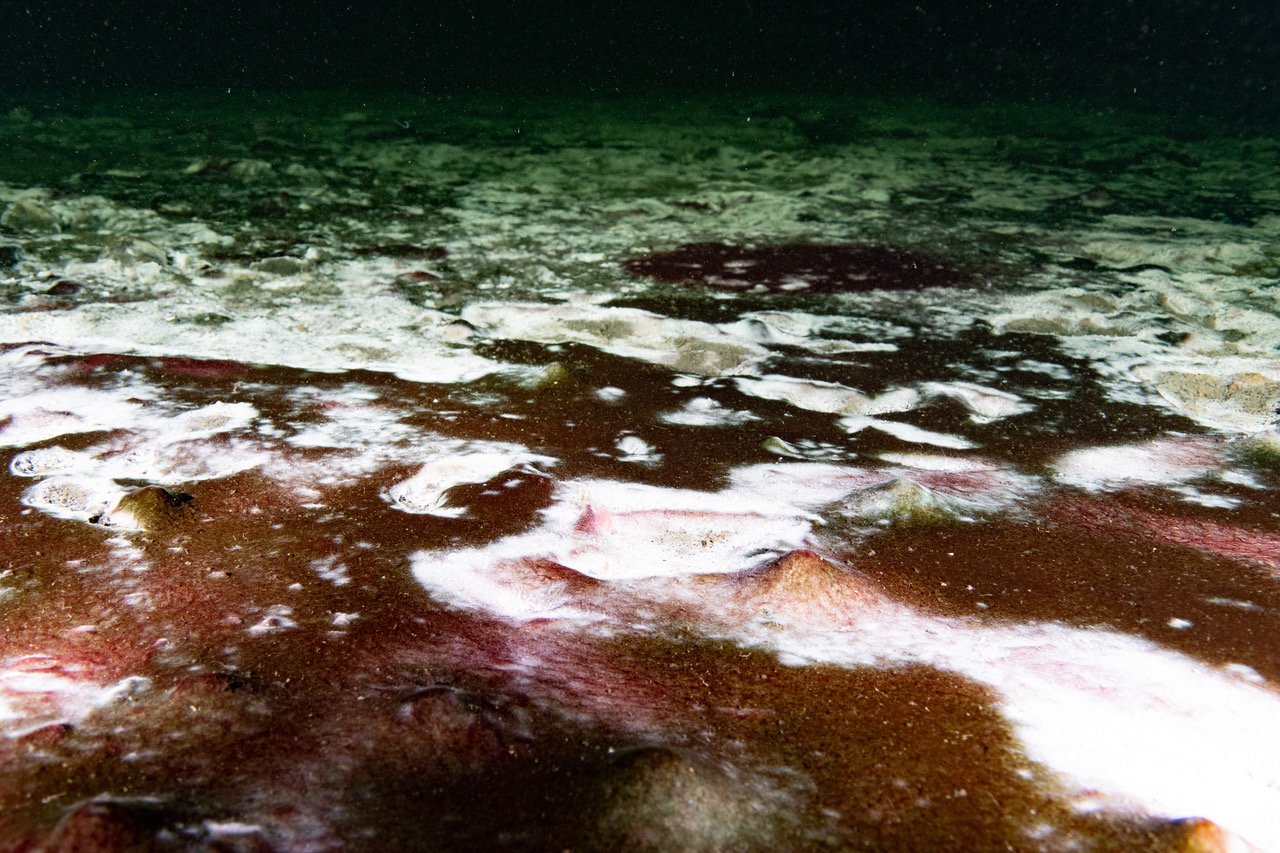
Feature
Fall 2022
Two decades of exploration have revealed microbial mat worlds resembling early Earth conditions, offering analogs for deep-sea vents and extraterrestrial life research.
Sea lamprey, science, and successful invasive species control Reaping the rewards of long-term research
By Andrea Miehls and Jill Wingfield The sea lamprey control program is the only reported successful aquatic vertebrate invasive species control at an ecosystem scale, driven by over a century of scientific innovation and cooperation. One hundred and one years ago during another blustery November on the Great Lakes, an ominous event occurred. Commercial fisher Alexander Crewe noticed a slimy, tubular-shaped fish attached to the side of a lake whitefish he captured from Lake Erie. This unusually shaped fish with an even more unusual habit of drinking the blood of other fish was later identified as a sea lamprey. Like a trickle that becomes a torrent during a raging storm, early sea lamprey observations like Crewe’s were the harbingers of an invasion that would eventually number in the millions in the Great Lakes. And the consequences of sea lamprey invasion were catastrophic, rippling throughout food webs and coastal economies. With the sea lampreys’ energetic demand adapted to parasitizing large fish in their native Atlantic Ocean, Great Lakes fish were far outmatched. Within only a few decades, the combined pressure of sea lamprey parasitism, over-harvest, and habitat alteration caused commercial fisheries to collapse and the economies of coastal communities dependent on those fisheries to crumble.U.S. Fish & Wildlife Service sea lamprey control agent Sheyenne Nagy measures the lampricide application rate in a tributary to the Manistique River in the Upper Peninsula of Michigan. Lampricides are one of the two primary control methods for invasive sea lampreys in the Great Lakes. Credit: Andrea Miehls, GLFC.Yet, what was once one of the worst tragedies in the Great Lakes soon became one of the greatest success stories. Sea lamprey invasion gave rise to a collective realization that the health of the Great Lakes would require ongoing cooperation among governments, scientists, and users of the resource. The invasion thereby became the catalyst for a tremendous scientific exploration of Great Lakes fish populations and the development of the collaborative fishery management regime that exists today. Sea lamprey populations have been reduced to approximately 10% of their historic highs through a control program coordinated by the Great Lakes Fishery Commission and implemented through a variety of partnerships. This program is now recognized as the only reported successful aquatic vertebrate invasive species control program at an ecosystem scale. Thus, out of despair came victory.The commission’s sea lamprey control program would not be where it is today without a strong commitment to research and scientific innovation. Since the mid-1900s, researchers have worked tirelessly to discover, adapt, and hone methods to control sea lamprey. Today, sea lamprey populations are controlled through the integration of multiple techniques targeting several life stages—specifically, barriers to block migratory adults from accessing spawning habitat and selective toxicants, called lampricides, used to control the larval stage.Left: an invasive sea lamprey attached to a lake trout. Each sea lamprey can kill up to 40 pounds (18 kilograms) of Great Lakes fish. Right: invasive sea lampreys from the Great Lakes. Sea lampreys are parasitic fish native to the Atlantic Ocean. Credit for both photos: Andrea Miehls, GLFC.The future of sea lamprey control—and valuable Great Lakes fisheries—will depend on a continued commitment to research. Currently researchers are developing new lampricides, testing portable seasonal barriers, and creating barriers that allow for the selective passage of desirable fish while blocking sea lampreys. Additional projects are identifying ways to control other sea lamprey life stages and applying new trap designs for assessment and control. Researchers are also exploring how we can turn the sea lampreys’ keen sense of smell against them by manipulating behavior with attractants (pheromones), repellents (alarm cues), and chemicals capable of blocking the sea lampreys’ responses to pheromones (pheromone antagonists). With the sequencing of the sea lamprey genome complete, researchers are now also studying whether sea lampreys could be controlled through genetic techniques. Most recently, many of these experimental tactics are being explored in a supplemental control framework where their use would enhance the effectiveness of lampricides and barriers.When the first researchers began developing control methods for sea lampreys in the mid-1900s, many described their work as a “mission” or “calling.” They tackled seemingly far-fetched projects, worked themselves to exhaustion, and pushed the metaphorical envelope of science to have the chance to save Great Lakes fisheries from a menace. Though decades have passed, that pioneering spirit has never left the scientific community. Dedicated researchers still work around the clock and test seemingly wild ideas to continue the legacy of successful sea lamprey control and sustainable fishery management.Great Lakes Benefactor Profile: Meet the Great Lakes Fishery CommissionGreat Lakes Benefactors provide vital support for IAGLR to carry out its mission. IAGLR recently welcomed its first platinum-level benefactor, the Great Lakes Fishery Commission. Here we profile the commission and its role in Great Lakes science, sea lamprey control, and fishery management.What is the Great Lakes Fishery Commission?The Great Lakes Fishery Commission was established in 1955 by the Canadian/U.S. Convention on Great Lakes Fisheries. The commission coordinates fisheries research, controls invasive sea lampreys, and facilitates cooperative fishery management among state, provincial, Tribal, and federal agencies. The commission has ensured an ongoing, robust working relationship between Canada and the United States for the benefit of the fishery and the millions of citizens who depend on the resource for food, subsistence, recreation, and income.What benefit does the commission bring to the Great Lakes region?The Great Lakes are a binational treasure that attract millions of anglers, support valuable commercial and charter fishing, are a mainstay for Indigenous Peoples, and are the very fabric of a healthy environment. Protecting Great Lakes fisheries—which are valued at over $7 billion annually—is at the heart of the commission's work. Healthy, vibrant Great Lakes fisheries are good for the economy and the environment.What type of research does the commission fund?Managing and sustaining the Great Lakes fishery depends on understanding the natural and human-induced factors that affect the lakes. The commission supports three types of scientific activities: fishery research, sea lamprey research, and science transfer. The commission funds research conducted by scientific and technical personnel in universities, private consulting firms, and federal, provincial, state, and Tribal agencies. See the current request for proposals on page 13 and contact research@glfc.org with any questions.Is there a new research direction you would like to highlight?One of our exciting new research endeavors is the Supplemental Sea Lamprey Control Initiative, or SupCon. Supplemental controls are tactics applied along with the two primary sea lamprey control tools—lampricides and barriers. This control strategy is based on the integration and synergy of multiple technologies to contain or remove adult migrant, juvenile outmigrant, and larval sea lampreys.Why did the commission become a benefactor of IAGLR?Our partnerships are essential for carrying out our mission. The success of the sea lamprey control program and maintenance of sustainable fisheries in the future will rely on technologies and techniques developed by the scientific community. By partnering with IAGLR, the commission engages with the premier body of researchers studying large lake ecosystems. IAGLR is a conduit, connecting us with established researchers, new talent, and people who care about healthy Great Lakes ecosystems as much as we do.
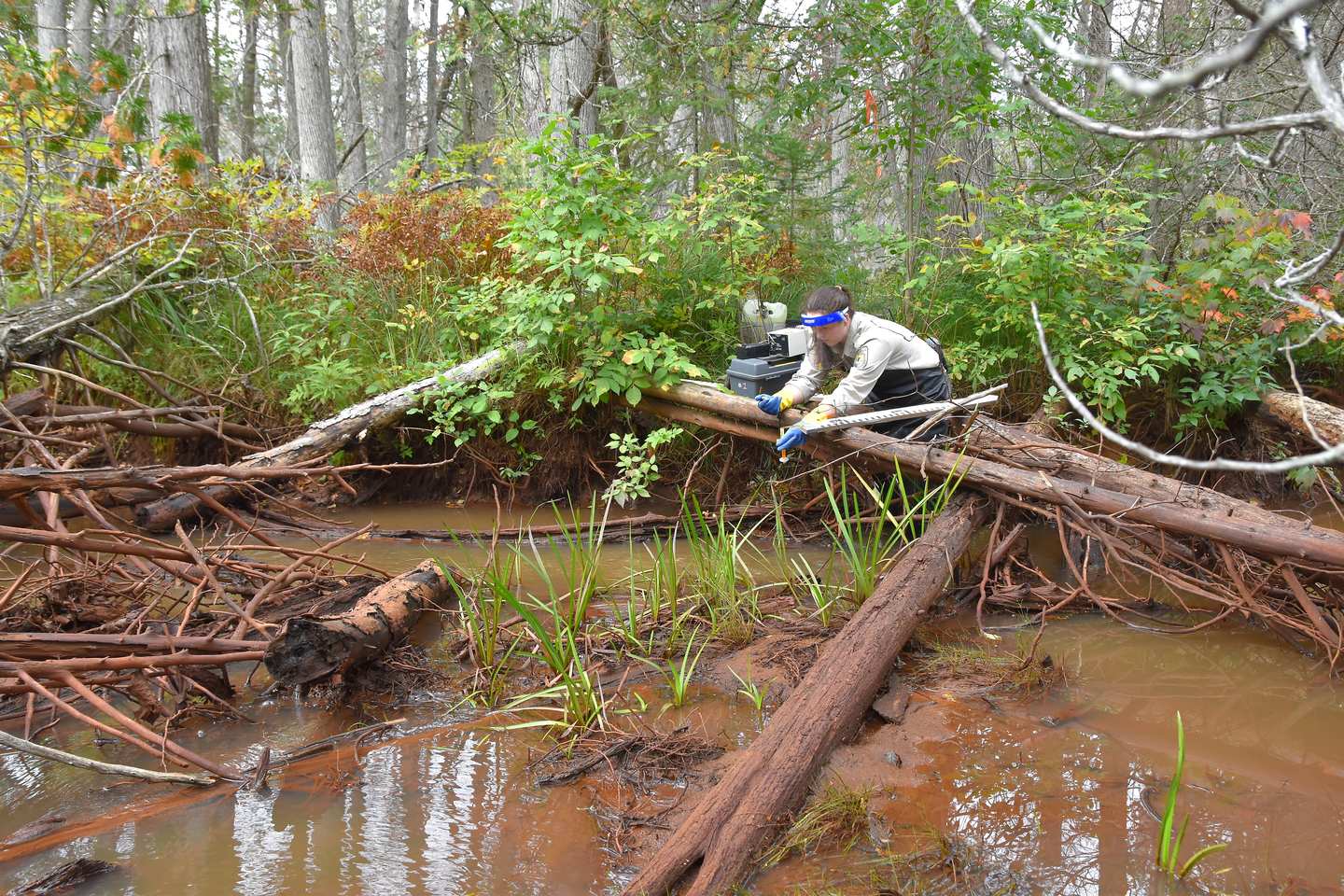
Feature
Fall 2022
The sea lamprey control program is the only reported successful aquatic vertebrate invasive species control at an ecosystem scale, driven by over a century of scientific innovation and cooperation.
20 years of Lake Sturgeon research, outreach, and management on the Black River By Kim Scribner and Edward Baker Hatchery production, genetic studies, and community outreach have rebuilt populations of this ancient species in Michigan waters. Juvenile lake sturgeon at the Black River Stream Side Research facility being fed blood worms just prior to release. Credit: Douglas Larson.Over the past 20 years, or approximately one lake sturgeon generation, researchers from Michigan State University (MSU) and the Michigan Department of Natural Resources (DNR) have studied lake sturgeon reproduction, physiology, behavior, and genetics. Work has largely focused on understanding factors affecting recruitment in the Black Lake population in Cheboygan County, Michigan. Research, restoration hatchery production, and outreach and educational programs have been conducted in cooperation with stakeholder groups, especially Sturgeon For Tomorrow, and the hydroelectric industry (Tower Kleber Limited Partnership).A survey conducted in 1997 showed the population of lake sturgeon in Black Lake had decreased by 66% over several decades. This alarming decline triggered statewide efforts to restore lake sturgeon in Black Lake. Collaborative research led by MSU began in 2003. Since then, researchers have secured 23 grants totaling about $4.8 million and resulting in 64 publications. Seven M.S. and six Ph.D. students and over 100 hourly seasonal technical staff have been trained over the period.Lake sturgeon exhibit a classic Type III mortality function whereby high levels of mortality are realized at the egg, free embryo, and larval stages (see figure). A portion of the research has focused on reproductive responses of adults to environmental factors that affect mortality during early life stages. Adults experience strong pressure to time and locate reproduction to maximize the probability of offspring survival, and reproductive decisions are tied to cues in the environment (e.g., temperature, discharge, day length). The consequences of reproductive decisions are particularly important for species with delayed sexual maturity, like lake sturgeon, as these species are also most susceptible to rapid environmental change because of long generation times.The fundamental management question is how can an organism that is so highly fecund not be able to replace themselves (very low natural recruitment)? Answer: many predators eat sturgeon during early life periods (as eggs and larval fish).The research is unique in that we integrate molecular genetic assays with field and experimental studies. Genetic determination of parentage allows estimations of relative reproductive success of males and females. Next generation sequencing of predator stomach contents allows estimation of dietary composition and levels of larval lake sturgeon mortality. We have adapted molecular assays to determine lake sturgeon sex. We have developed analyses of behavioral and physiological responses to stress. In addition, to explain the variability in phenotypic traits, we have developed quantitative genetic analyses to determine the proportional influence of genetics and the environment.Another major emphasis of work at the site is production of lake sturgeon juveniles for restoration stocking into the Cheboygan and Saginaw river systems. Each year, 1,500 juveniles are produced and 500 stocked into Mullett and Black lakes and across four tributaries to the Saginaw River. Additional fish are provided for rearing by a tribal hatchery for release into Burt Lake.The Black River hatchery is open for public tours, the largest of which are held in early May during the spawning season and in mid-August when hatchery juveniles are released. We generally have around 1,000 visitors per year. Background about our 20-year anniversary can be found via this short DNR video. Learn more about our outreach, K-12 education, and community science initiative and the Black Lake project.
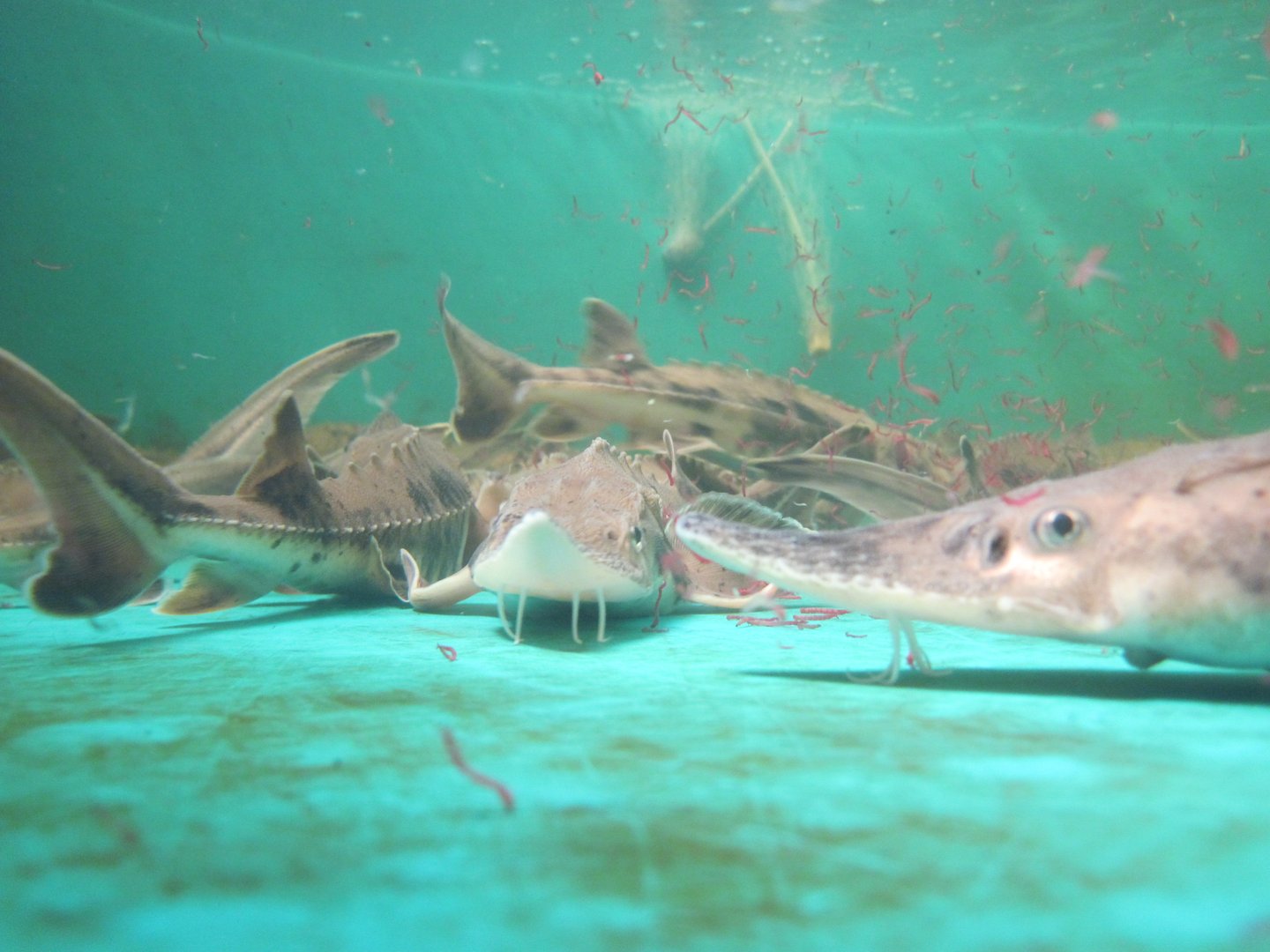
Feature
Fall 2022
Hatchery production, genetic studies, and community outreach have rebuilt populations of this ancient species in Michigan waters.
Simon Freeman Simon Freeman conducts research on larval lake whitefish, cisco, and zooplankton in the Great Lakes. About my workThroughout my time at Lake Superior State University I received a hands-on education while in class and working several research technician positions with the Center for Freshwater Research and Education (CFRE). In 2021 I worked in our Atlantic salmon fish hatchery, surveyed for freshwater mussels, and began my senior thesis. Now in the summer of 2022, I sampled for larval lake whitefish and cisco and zooplankton in Lake Huron. Additionally, I took part in a setline survey for lake sturgeon, and sampled for CFRE's European frog-bit project. I am very thankful for these opportunities as an undergraduate student!Favorite part of workI conducted my undergraduate research thesis on day versus night relations between larval lake whitefish and zooplankton in lakes Michigan, Huron, and Superior. From the field, lab, and data work, to presenting and writing, this project has provided invaluable training and professional development. Thank you to my mentors at LSSU CFRE and beyond for this Great Lakes research experience!Something else about myselfMy goal has always been to stay and work in the Great Lakes region. I grew up fishing primarily in Lake Huron. I was always asking how, what, and why while on the water. Now, as I reflect on my time as an undergraduate, asking those same questions while conducting important research on the Great Lakes, I can say that there is no better time to have that goal in mind.
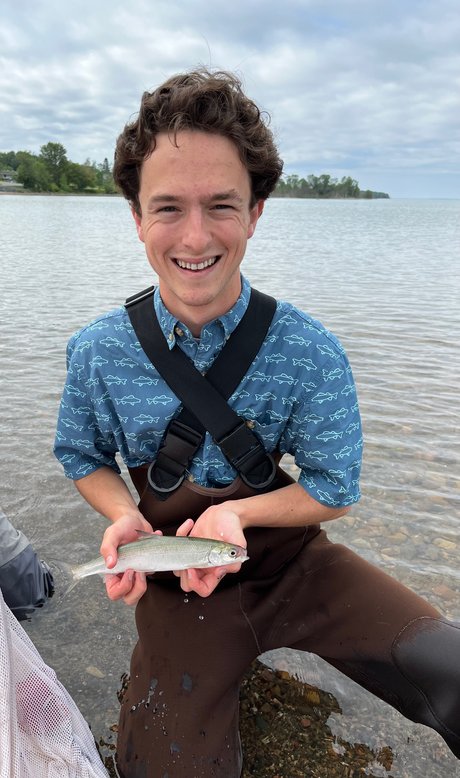
Member Spotlight
Summer 2022
Simon Freeman conducts research on larval lake whitefish, cisco, and zooplankton in the Great Lakes.
Richard Micka Richard Micka helps to foster community engagement and outdoor experiences at the Detroit River International Wildlife Refuge. About my workAs a volunteer for the International Wildlife Refuge Alliance, it has been a rewarding experience to work with other community leaders as a friends organization for the Detroit River International Wildlife Refuge operated by the U.S. Fish and Wildlife Service in Southeast Michigan. The late Congressman John D. Dingell Jr. was responsible for the creation of this refuge in 2001.Favorite part of workAs chair for the International Wildlife Refuge Alliance Board of Directors the last 14 years, I have come to appreciate the generosity of the people in the Downriver (Detroit) community. They are gracious and appreciate the opportunity to be part of an outdoor experience in their backyard. Many had never had the opportunity to see this part of the Detroit River.Something else about myselfBe sure to visit the Refuge Gateway in Trenton, Michigan. You will experience what I have as you meet the U.S. Fish and Wildlife Service staff and volunteers who greet everyone with a kind word and friendly smile carrying on the tradition set by Congressman Dingell, who was a champion of all wild things on both sides of the Detroit River.
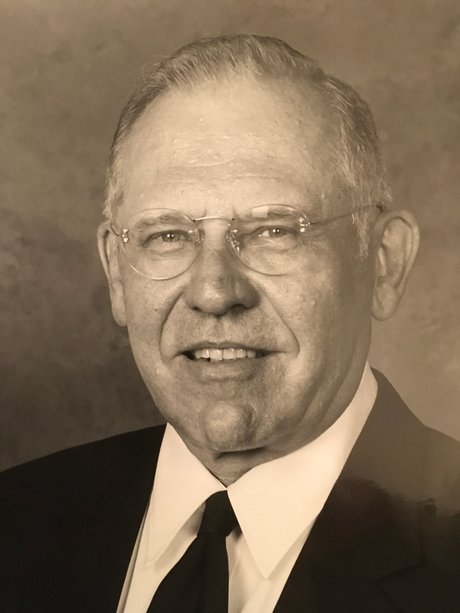
Member Spotlight
Summer 2022
Richard Micka helps to foster community engagement and outdoor experiences at the Detroit River International Wildlife Refuge.
Rebecca Nixon Rebecca Nixon studies the social dimensions of climate change and coastal community resilience, focusing on revitalization in Great Lakes Areas of Concern. About my workAs an environmental social scientist, my research focuses on the social dimensions of climate change, environmental justice, and coastal community resilience. I am currently working on a project with Illinois-Indiana Sea Grant focused on revitalization in Great Lakes Areas of Concern. I also get to work with and teach an outstanding group of undergraduate and graduate students at the University of Delaware.Favorite part of workOne of my favorite parts of my work is the opportunity to collaborate with community partners and work in interdisciplinary projects. I really value learning from and working alongside a diverse team, and it is exciting to see the innovative research and outreach that comes from deep collaboration.Something else about myselfI was born and raised in Detroit, Michigan, and fell in love with the outdoors through summer days on Lake Michigan and backpacking trips to the Upper Peninsula. I am incredibly grateful I get to continue to be connected to the Great Lakes through my work.
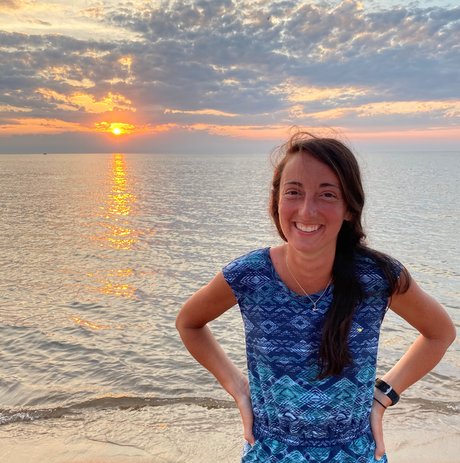
Member Spotlight
Summer 2022
Rebecca Nixon studies the social dimensions of climate change and coastal community resilience, focusing on revitalization in Great Lakes Areas of Concern.
Charity Nonkes Charity Nonkes bridges Indigenous Knowledge and Western science in sea lamprey management, collaborating with the Saugeen Ojibway Nation to rehabilitate Denny's Dam. About my workIn partnership with the Saugeen Ojibway Nation (SON), we conducted a study on the opportunities and challenges of engaging Indigenous communities and bridging knowledge systems (e.g., Indigenous Knowledge and Western science) in sea lamprey management. We did this through a case study of Denny's Dam, which is a sea lamprey control barrier within SON Territory that needed to be rehabilitated. The rehabilitation started from a place of conflict and delay, but became possible after knowledge coexistence, respect, and partnership between SON and the Great Lakes Fishery Commission was established.Favorite part of workThe best part has been collaborating with the SON and learning about the power and importance of knowledge coexistence and Two-Eyed Seeing in environmental stewardship!Something else about myselfAs someone who is non-Indigenous, I think it is very important to learn about and build relationships with the Indigenous groups whose Territory your research is taking place on. By doing this in a good way, you can bridge knowledge systems and create a more robust and complete picture of your research.This has been a game changer for me, and I hope to carry this into my career once I graduate.
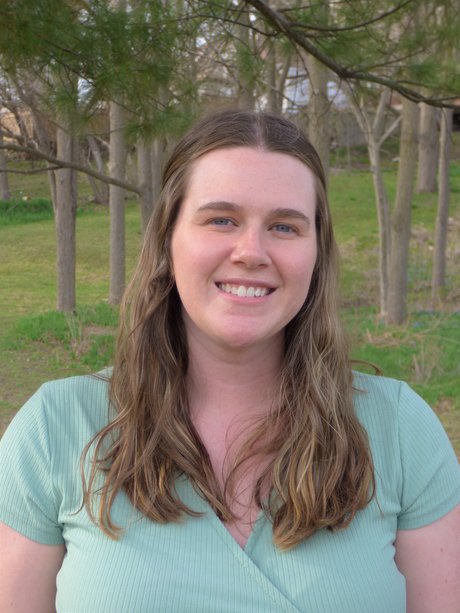
Member Spotlight
Summer 2022
Charity Nonkes bridges Indigenous Knowledge and Western science in sea lamprey management, collaborating with the Saugeen Ojibway Nation to rehabilitate Denny's Dam.
Sovannara Uk Sovannara Uk studies phosphorus dynamics and primary production in Tonle Sap Lake, Cambodia, highlighting the need for transdisciplinary collaboration in data-deficient tropical ecosystems. About my workI have recently graduated from the Tokyo Institute of Technology, Japan, where I did a research study on phosphorus dynamics and its role in primary production in a tropical shallow lake with a monotonal flood pulse. Tonle Sap Lake in Cambodia, which is the largest freshwater lake in South East Asia, is the study area of my research. This lake is a large and complex data-deficient ecosystem in which there exist many interactions among various components, while our understanding of this ecosystem is fragmented and immature.Favorite part of workThe most interesting part of my work is that I have a chance to be involved in an international project where I could collaboratively work with other researchers from different countries and fields of study. I've also come to realize that transdisciplinary research collaboration in the broad fields of study is essential to address the complex environmental issues facing freshwater lakes globally.Something else about myselfTo me, to be able to make a contribution to society and scientific communities through my research studies is meaningful. I am excited to meet other members of IAGLR and sincerely hope that my participation in IAGLR will allow us to collaboratively work to make an impacts on the world.
Member Spotlight
Summer 2022
Sovannara Uk studies phosphorus dynamics and primary production in Tonle Sap Lake, Cambodia, highlighting the need for transdisciplinary collaboration in data-deficient tropical ecosystems.
Filamentous algal blooms in clear lakes By Yvonne Vadeboncoeur Unexpected filamentous algal blooms are emerging in clear lakes worldwide, driven by invasive mussels, nutrient pollution, and climate change, posing a new threat to littoral habitats. Unexpected and often unexplained proliferations of filamentous algae are increasingly common on the bottom of clear lakes, as reported in our article in BioScience. Usually, these filamentous algal blooms (FABs) are composed of green algae (chlorophytes), which have a distinctive chartreuse color and form extensive mats growing from the bottom (benthic) habitat of the lake into the water column (Lake Michigan, photo below at right). Filamentous algae are a normal part of benthic communities in lakes, but these expansive proliferations appear to be an emerging threat to some of the world’s most iconic lakes.We immediately suspect nutrient pollution when faced with algal blooms. But FABs are not common in eutrophic lakes because benthic filamentous algae require a lot of light and do not proliferate when shaded by abundant phytoplankton. FABs occur in water with extremely low nutrient concentrations, but nevertheless, nutrients are sometimes the culprit. In the Laurentian Great Lakes, invasive mussels promote FABs by filtering the water clean of phytoplankton and simultaneously excreting nutrients on the lake bottom. In Lake Baikal, untreated sewage or polluted groundwater percolating through the lake bottom causes massive FABs. The algae often foul beaches (photo below at left). In order to understand and control FABs, scientists need to start monitoring nutrients in more than just the water column.Left: algal washup on shore of Lake Baikal, courtesy of Oleg Timoshkin. Right: filamentous algae on the bottom of Lake Michigan, courtesy of Harvey Bootsma.FABs are not just associated with groundwater pollution. Complex interactions among climate change, lake hydrodynamics, and food webs are likely causing FABs. Reductions in winter ice cover and changes in the intensity of summer storms are changing physical conditions in the nearshore, while warmer temperatures and reductions in insect grazers may be facilitating the rapid growth of filamentous algae. The nearshore habitat supports most of the biodiversity in lakes, and most human interactions with lakes occur along the shoreline. Despite this, littoral habitats are rarely studied. A coordinated effort between scientists and the public is needed to respond to this emerging threat to clear lakes.
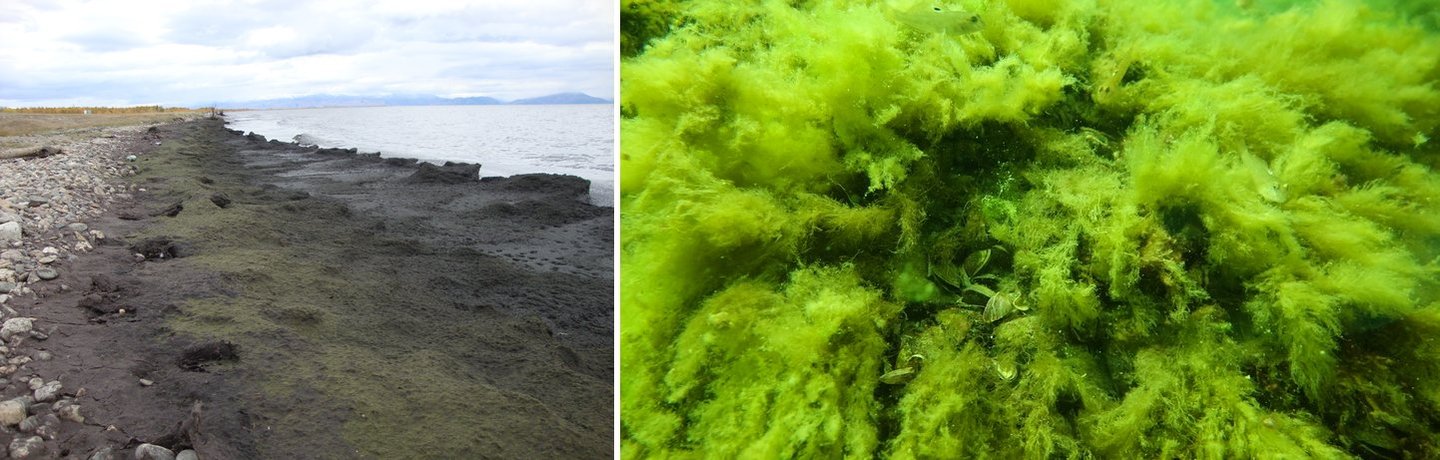
Research Brief
Summer 2022
Unexpected filamentous algal blooms are emerging in clear lakes worldwide, driven by invasive mussels, nutrient pollution, and climate change, posing a new threat to littoral habitats.
Diet and growth of larval coregonines in the nearshore waters of Lake Michigan-Huron By Kelly Hoyer In food-scarce waters, young cisco outpace young lake whitefish, a growth advantage that may explain their diverging population trajectories. Great Lakes nearshore zones, often defined as areas less than 10 meters deep, play a crucial role in the life history of many native fishes, as they provide nursery habitat for newly hatched fish. Nearshore areas are greatly affected by anthropogenic stressors such as sedimentation, nutrient addition, pollution, and climate change. Despite the importance of nearshore zones to native Great Lakes fishes, very little is known about ecology in this region.Coregonus species lake whitefish (Coregonus clupeaformis) and cisco (C. artedi) rely heavily on these nearshore areas during several periods of their life history, including spawning, egg incubation, and larval development. Populations of lake whitefish and cisco have fluctuated dramatically throughout the upper Great Lakes since the early 1900s due to overfishing, predation, and changing environment. Since 2011, cisco have resurged in northern Lake Michigan, whereas lake whitefish have declined. Causes of differential recruitment, likely at early life stages, are not known but may include reduced nearshore zooplankton abundance following the dreissenid mussel invasion.Larval Lake Whitefish (n = 8) and Cisco (n = 9) growth from a northern Lake Huron site. Larval Cisco were smaller in size but grew more rapidly than larval Lake Whitefish at this site in 2019.To determine if low food differentially affects young lake whitefish and cisco, I examined gut contents and growth of larval coregonines in relation to prey availability. I hypothesized that larval cisco would have higher prey intake at low prey densities, leading to growth rates surpassing those of larval Lake Whitefish. Tribal and state agencies collected larval fish and zooplankton samples at nearshore sites in 2019 and 2021. Ages were determined via otolith daily growth rings and lengths via imaging software. Zooplankton were enumerated and larval fish identified to species genetically.Prey densities were exceptionally low in nearshore waters. Larval growth rates were positively associated with prey density and availability of midge larvae. Larval cisco consumed smaller prey items than larval lake whitefish. Larval cisco started out smaller than larval lake whitefish but grew faster (see figure). Fast larval growth amidst low prey availability could give cisco an advantage over lake whitefish in the northern Lake Michigan-Huron region.
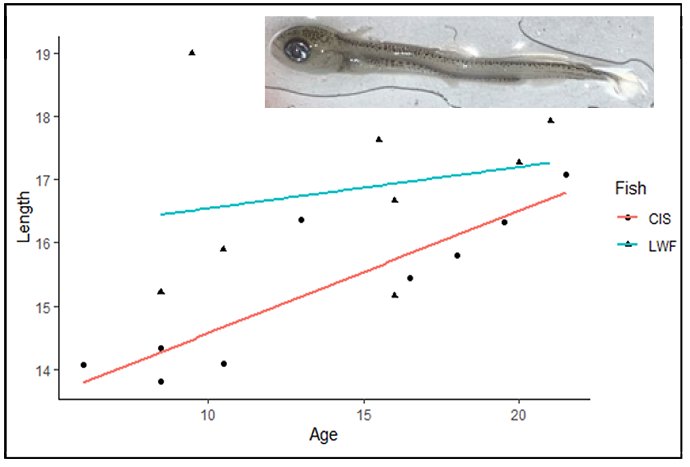
Research Brief
Summer 2022
In food-scarce waters, young cisco outpace young lake whitefish, a growth advantage that may explain their diverging population trajectories.
An experimental biophysical nowcast-forecast system for lakes Michigan and Huron By Mark Rowe, Peter Alsip, and Aubrey Lashaway A new experimental biophysical nowcast-forecast system helps researchers locate transient productivity hot spots in the dynamic nearshore zones of Lakes Michigan and Huron. Declining offshore productivity in lakes Michigan and Huron has been a multi-decadal trend causing scientists to investigate the importance of nearshore primary productivity in supporting the lakes’ fisheries. However, the dynamic nature of the nearshore environment in the Great Lakes makes studying these areas inherently challenging. Shifting currents, variable tributary nutrient inputs and flows, and coastal upwelling/downwelling effect a dynamic and patchy pattern of primary productivity “hot spots” in the nearshore that can be difficult for field researchers to locate and sample.The Cooperative Science and Monitoring Initiative (CSMI) is a binational effort to coordinate research priorities and monitoring activities on one of the five Great Lakes each year. Research priorities guiding the CSMIs for Lake Michigan (2020) and Lake Huron (2022) included studying the importance of tributaries and nearshore areas to lake productivity and the need to focus sampling efforts on these productivity hot spots. The NOAA Great Lakes Environmental Research Laboratory and Cooperative Institute for Great Lakes Research, with funding from the U.S. Environmental Protection Agency, developed an Experimental Biophysical Nowcast-Forecast System for Lakes Michigan and Huron.A comparison of model to independent satellite observations of Lake Huron chlorophyll concentrations from June 4, 2022. Transport of productive waters from Saginaw Bay near Bay City (highlighted in brighter colors) down to Port Huron, Michigan, is a common spatial pattern that emerged in the model and was confirmed by satellite imagery.The experimental forecast system simulates lake hydrodynamics and the influence of runoff and phosphorus inputs from 124 tributaries on spatial patterns of chlorophyll-a concentration and dissolved organic carbon (DOC). Chlorophyll-a and DOC are displayed as indicators of the influence of rivers on primary productivity and as a tracer of river water as it disperses into the lake, respectively. The same two variables are compared side by side to recent satellite imagery obtained from the Great Lakes CoastWatch node. In addition, the archived model and satellite imagery from past dates provide context to observations, and inform planning of future surveys. Use of biophysical nowcast-forecasts and recent satellite imagery to support field research may lead to new insights on transient features, such as river plumes and productivity hot spots, in dynamic nearshore areas. Learn more about the physical model and development of the biophysical model.
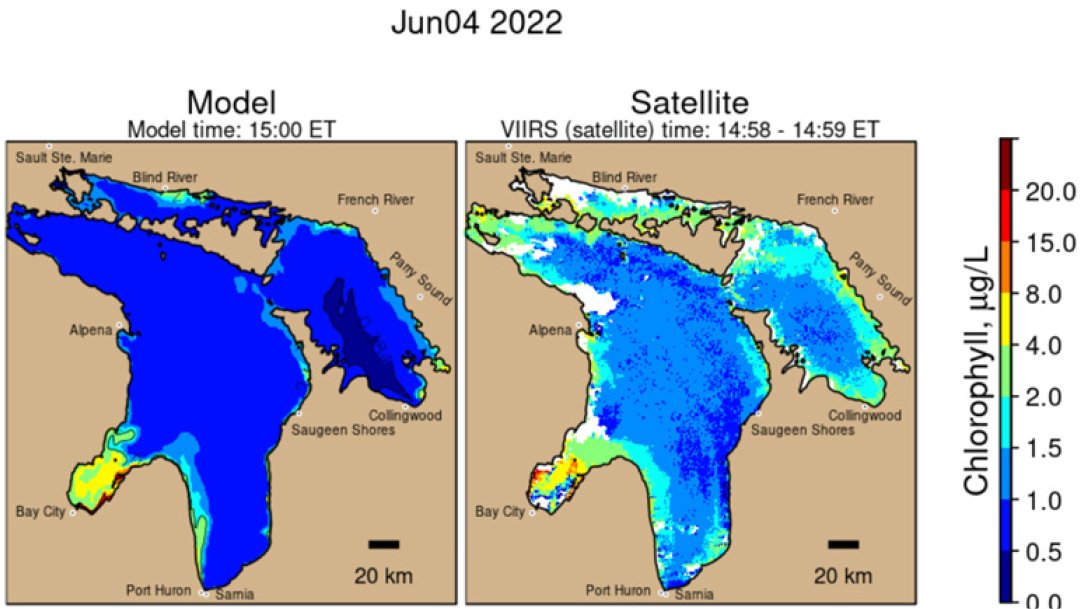
Research Brief
Summer 2022
A new experimental biophysical nowcast-forecast system helps researchers locate transient productivity hot spots in the dynamic nearshore zones of Lakes Michigan and Huron.
Wisconsin climate change report showcases impacts and solutions for coastal communities By Dea Larsen Converse Warming temperatures and extreme precipitation are reshaping shorelines and coastal ecology, and this report maps concrete adaptation pathways for communities responding. The Wisconsin Initiative on Climate Change Impacts (WICCI) released its latest assessment of climate change in Wisconsin earlier this year with information and tools to make Great Lakes coastal communities more climate resilient. The report shows that warming temperatures and changing precipitation patterns are impacting the state’s coastal ecology and communities. The last two decades have been the warmest on record in Wisconsin, and the past decade has been the wettest.Danger Thin Ice, 2015 Great Lakes Photo Contest natural category, by Edward Deiro.In the report, a focus on climate impacts to Great Lakes ecology shows Great Lakes water level fluctuations and changes to water temperature, lake mixing, and ice cover are impacting Great Lakes water quality and habitats. For example, the increasing frequency of extreme precipitation events and warming waters are impacting the amount and cycling of nutrients and contaminants in the nearshore lake environment, leading to more microbial contamination on beaches and increasing the risk of potentially toxic blue-green algal blooms. A focus on climate impacts to Wisconsin’s Great Lakes coastal communities shows that large fluctuations in Great Lakes water levels along with flooding and bluff erosion from extreme storms are impacting the areas along the state’s coastlines and causing uncertainty for coastal communities and industries. Wave energy reaching Great Lakes coasts is expected to increase in the future, in part due to anticipated decreases in ice cover extent and duration.
Research Brief
Summer 2022
Warming temperatures and extreme precipitation are reshaping shorelines and coastal ecology, and this report maps concrete adaptation pathways for communities responding.
Protecting Great Lakes shores by not “protecting” them By Richard K. Norton Raising concerns about climate impacts on Great Lakes shores can inadvertently justify destructive armoring; the best ecological response is often to let nature respond naturally. “Shoreline protection” means different things to different people. Coastal wetlands, sandy beaches, dunes, and other natural features along Great Lakes shores naturally transform to submerged bottomlands from erosion and shoreline recession over time. That phenomenon is likely to accelerate because of increased storminess caused by global climate change. To the extent those accelerated processes amount to environmental “harms,” they warrant calls for climate mitigation—efforts to reduce greenhouse gas emissions. But if you are a Great Lakes researcher concerned about such impacts, take care not to suggest that we should protect Great Lakes coastal shores through climate adaptation as well. At least, recognize that raising concerns about those impacts and suggesting the need for active response will likely be used to justify calls to “protect” Great Lakes shorelines with groins, seawalls, revetments, and other hard shoreline armoring—structures that in fact all but ensure destruction of the natural coast.How did we get here? The recent, rapid, and extreme rise in lake water levels has prompted increased pressures to armor. Indeed, several thousand applications were submitted to the state of Michigan to install armoring structures along Michigan’s Great Lakes shorelines in 2020 alone. Most were presumably installed to protect built structures, but at least some were advanced with the idea of protecting natural coastal resources as well—an argument bolstered as scientists have noted the harms being done to coastal shoreland features by climate change. As lake levels remain high, and federal funds for restoration projects flow, calls for shoreline “protection”—especially in the form of yet more armoring—are likely.How best to respond? There may be places where engineered “natural” or “living” shorelines make sense, particularly in lower-energy settings where it is possible to both arrest erosional processes and restore (or at least approximate) natural ecological functions. But in higher energy systems, or those subject to extreme inundation, the best response ecologically is to let nature respond naturally. In such settings, it is not possible to have both; there we face the wicked dilemma of whether to armor—protecting private property at the loss of natural features—or withdraw—protecting natural features at the expense of private property.There may be good reasons to armor to protect private property, such as the scale of development at risk or its importance to the local community’s economy. Armoring, however, is expensive to install and maintain over time, it ultimately fails if not maintained, and it degrades natural coastal resources—all costs borne by the public in some fashion at some point. Alternatively, those costs and ecological harms may outweigh the benefits of armoring in any given place or time. Decisions favoring one or the other are properly made through political, planning, and legal processes where the tradeoffs involved can be fully vetted and considered. In any case, it is important to be clear that concerns about environmental impacts to Great Lakes coastal resources from climate change should not be used to justify “protecting” natural coastal shores in ways that could, in fact, destroy them.
Feature
Summer 2022
Raising concerns about climate impacts on Great Lakes shores can inadvertently justify destructive armoring; the best ecological response is often to let nature respond naturally.
The nearshore: A legacy of modifications and heightened impacts and also a source of hope By Scott Colborne Restoration projects and community engagement are reviving the region's most biologically productive zone, one of the most modified yet resilient coastal ecosystems in the basin. Nearshore areas of the Great Lakes are far more than just beaches for us to enjoy some swimming time during the summer months. Nearshore habitats vary greatly from beach shorelines and rock ledges to bays and marshes to connecting channels between the lakes. These varied nearshore habitats represent fundamental components of the health and productivity of the entire Great Lakes region.The Detroit River’s dewatered Livingstone Channel features formidable bedrock and limestone formations in this 1933 photo. Between 1907 and 1912, a massive widening and deepening project took place in the 12-mile channel. Coffer dams were built to hold back the water, and dynamite was used to blast out bedrock and limestone. Additional deepening and widening projects occurred in the 1920s and ’30s. Photo credit: U.S. Army Corps of Engineers.Modifications of nearshore habitats are not unique to the Great Lakes, but they are widespread and many have been largely forgotten over time. For example, most of Grant Park in Chicago used to be part of Lake Michigan before fill was used to move out the shoreline, but most people today would assume the park has always been a part of the city. Early 20th century engineering dammed sections of the Detroit River to facilitate shipping channel construction. Historical pictures such as the one shown at right are worth viewing and drive home the extent of the modifications that lie below the surface to this day (Bennion and Manny 2011). All of these engineering marvels undoubtedly helped build the cities and economic engine of the Great Lakes region. However, these activities also contributed to the loss of habitat for spawning and juvenile nursery habitats and in recent years brought about efforts to restore habitat and reconcile the needs of humans with the wildlife of the lakes. Fortunately, many native fishes appear to respond well to these habitat restoration efforts (e.g., McLean et al. 2015), and we continue to refine these efforts (e.g., Fischer et al. 2020).We cannot discuss impacts on nearshore habitats without also considering invasive species—even though invasive species are usually discussed in terms of changes to the pelagic habitats of the Great Lakes, often with a focus on salmonids and alewife. However, many invasive species, such as dreissenid mussels and round goby, are also prevalent in nearshore habitats. Round goby in particular have been documented as egg predators, potentially adding to the burden of parental care for nesting fishes (e.g., LeBlanc et al. 2020) and impacting overall reproductive success for many species. On the other hand, round goby can consume dreissenid mussels, potentially releasing the energy collected from the water column by the mussels back into the food web. Indeed, reports of largemouth and smallmouth bass indicate that these nearshore species may be benefiting from round goby by having a new abundant prey source to consume (e.g., Crane and Einhouse 2016). Furthermore, the Lake Erie watersnake population is rebounding, in part due to consuming large quantities of round goby (e.g., Jones et al. 2009). Overall, invasive species are a complicated issue, and I am not advocating that these species are helping the lakes. They undoubtedly pose serious challenges to ecological relationships and overall stability of the region. However, for many of the established invasive species, the reality is that they are going to be present long-term. We are still striving to understand how they fit into the Great Lakes ecosystem, predict how they could impact future conditions, and respond as best as possible to help manage the system for long-term productivity. As the success of sea lamprey control efforts have demonstrated, just because invasive species pose a major challenge doesn’t mean we don’t have a capacity to respond and make things significantly better.Round goby collected from the Detroit River (2022). Photo by Scott Colborne.In addition to responding to invasive species already present, substantial efforts are also underway to limit the possibility of future invasion events into nearshore habitats. Bighead and Silver carp are two potential invasive species of major concern to the Great Lakes. Grass carp have already been detected in the nearshore areas of Lake Erie, but efforts are underway to respond to these fish while the population size is relatively small (e.g., Robinson et al. 2021). We just have to look at their impact in the Mississippi River system to know that this is a serious threat to the Great Lakes, and it is the nearshore habitats most at threat by these potential invaders. To protect the Great Lakes we need to continue monitoring nearshore habitats, such as the eDNA sampling conducted by the U.S. Fish and Wildlife Service.Finally, nearshore habitats are the regions in which people have the greatest interaction with the Great Lakes. The designation of Areas of Concern (AOCs) in the Great Lakes has focused on nearshore habitats, including the Detroit River. The AOCs have undergone remarkable management and restoration efforts (see the cover article in the Summer 2019 Lakes Letter by John Hartig), with some areas being delisted due to the improvements. I’ve had the pleasure of being involved with multiple research projects involving nearshore habitats, including the former dumping grounds at Fighting Island on the Detroit River, pictured below. I am continuously struck by the natural beauty of these nearshore areas, the efforts to help improve the habitat, and the passion of local communities for the lakes. We increasingly recognize the serious threats faced by freshwater ecosystems, (e.g., see the cover article in the Spring 2022 Lakes Letter by Steven Cooke), but the nearshore habitats of the Laurentian Great Lakes are also a source of hope for freshwater ecosystems. Are there challenges and concerns for the future? Absolutely. However, there is community engagement, broad political support, and world-class management and research happening throughout the Great Lakes region. So the next time you head to the shoreline, take a few minutes to look around you and appreciate these complex and vital nearshore regions of the Great Lakes and ask yourself how you can help keep the lakes vibrant for future generations to enjoy.Fighting Island shoreline in the Detroit River (2022). Photo by Scott Colborne.
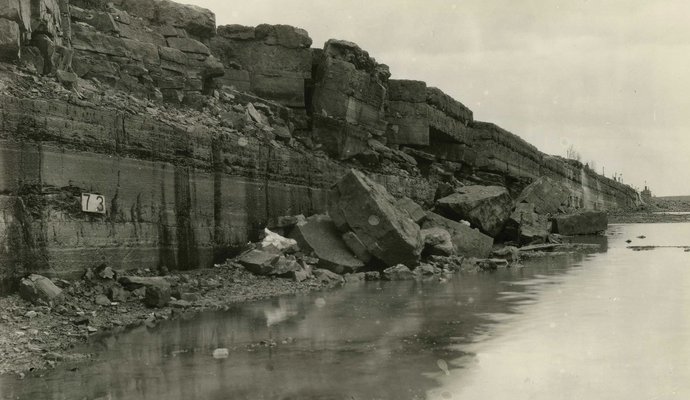
Feature
Summer 2022
Restoration projects and community engagement are reviving the region's most biologically productive zone, one of the most modified yet resilient coastal ecosystems in the basin.
Great Lakes estuaries: Hot spots of productivity, problems, and potential By Tony Weinke, Ian Stone, Jillian Greene, Sean Woznicki, Janie Cook, Nate Dugener, and Bopi Biddanda Drowned river mouths serve as spawning grounds for nearly three-quarters of Great Lakes fish, yet remain under-recognized candidates for National Estuarine Research Reserve status. Author Tony Weinke returns from a maintenance run to the Muskegon Lake Observatory buoy, which gathers weather and water quality time-series data on the urbanized, mesotrophic lake. A model drowned river mouth estuarine ecosystem, Muskegon Lake is on track to being delisted as a Great Lakes Area of Concern, yet the lake’s 2011–2022 observatory data on harmful algal blooms and hypoxia indicate ongoing impairments.All rivers terminate in a lake or sea, with their meeting place known as an estuary. Rivers joining freshwater lakes form freshwater estuaries, and a common type found in the Laurentian Great Lakes is the drowned river mouth estuary (DRM). These estuaries came to be as the Earth’s crust rebounded following glacier retreat, forming lakes at the ends of watersheds that then flow out into the Great Lakes. Such DRMs are often buttressed by coastal dunes that cause further flooding and produce secondary DRMs of their own.Today, there are more than 100 DRMs in the Great Lakes basin, with the densest assembly, over two dozen, found along the eastern shoreline of Lake Michigan. These DRMs share many common hydrogeologic characteristics, but vary widely in terms of size, depth, productivity, water quality, shoreline development, land use, and vegetation. These similarities and differences present opportunities for understanding the estuaries' role in the social, economic, and ecological context of the Great Lakes basin. For example, these estuarine ecosystems provide crucial wetland habitats that create havens for native fish and wildlife, and they are also prime areas of commerce and recreation.Goldilocks zones of watershed productivityDRMs are critically important Great Lakes ecosystems that foster ideal conditions for the formation of wetlands, enhanced primary production, and fisheries in the Great Lakes basin. The slowing of the river in a DRM allows for deeper sunlight penetration into nutrient-rich waters, promoting the growth of algae at the base of the food web and making these estuaries Goldilocks zones of optimal productivity in the watershed. Enhanced primary productivity in conjunction with extensive and diverse wetlands provides the food and spawning habitat to support rich fisheries. High productivity and calm waters relative to adjacent water bodies also create optimal zones for trapping carbon and other nutrients in sediment, making them effective nutrient and carbon sinks in the watershed.Hot spots of human activityThe sheltered DRMs also create protected shipping ports for industry and housing. Since the 1800s, industries enabled by these estuaries, such as foundries and logging, have supported several large coastal communities, including Charlevoix, Holland, Ludington, Manistee, and Muskegon. The latter was once the lumber capital of the world and played a crucial role in rebuilding Chicago after the Great Fire in 1871.Satellite view of an array of DRMs along the eastern coast of Lake Michigan in the false color Landsat-8 imagery (courtesy of the U.S. Geological Survey, west Michigan, June 18, 2022). Inset: close-up of the urbanized Muskegon Lake in the Sentinel-2 satellite imagery (courtesy of Copernicus Open Access Hub, Muskegon Lake, June 16, 2022). Impact of urbanization and other anthropogenic land use changes on the watersheds can be seen in pink, decreasing along a south-north latitudinal gradient.Urbanization and agricultural expansion make DRMs hot spots of anthropogenic problems such as harmful algal blooms, sediment contamination, shoreline hardening, bottom water hypoxia, and habitat loss. Currently, about half of the DRMs along the western coast of Michigan experience annual harmful algal blooms and hypoxic conditions. Additionally, once these troubled waters leave the estuaries into the Great Lakes proper, they have the potential to affect drinking water intakes or cause beach closings. Indeed, almost every Great Lakes Area of Concern site is in an estuary.The impact of humans on DRMs varies along a latitudinal gradient with northern systems being relatively shielded. For example, west Michigan's southern watersheds have intensive conventional row-crop agriculture and more populous towns relative to northern watersheds.Rich sites for researchGiven DRMs' distribution along a gradient from natural (e.g., more forested to the north) to anthropogenic (e.g., more urbanized to the south), these estuaries provide ideal conditions for an ongoing real-time experiment. In addition, DRMs integrate changes occurring within their watershed due to their terminal location within the system. Global and regional changes are signaled early in highly responsive DRMs dispersed throughout the Great Lakes basin. As such, studying these estuaries can provide insights not only into the sensitive DRMs themselves, but into the health of entire watersheds. While knowledge of DRMs has progressed dramatically in recent years, and great strides have been made to restore degraded estuaries, they remain hot spots of anthropogenic use. Multiple stressors such as pollution, land use change, and climate change continue to pose a threat. Although challenges loom, DRMs carry tremendous ecological, social, and economic potential worthy of our understanding and protection. Therefore, we propose that this unique brood of DRMs found along Lake Michigan's eastern shoreline be designated as a National Estuarine Research Reserve.
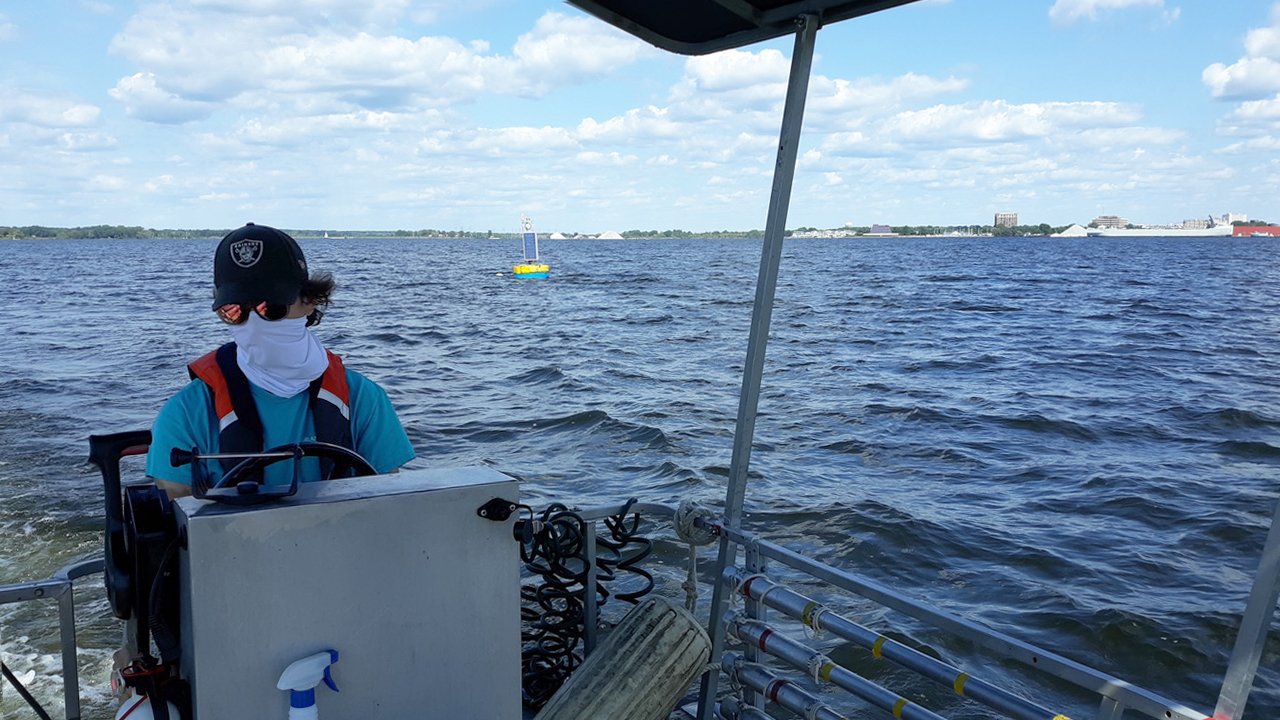
Feature
Summer 2022
Drowned river mouths serve as spawning grounds for nearly three-quarters of Great Lakes fish, yet remain under-recognized candidates for National Estuarine Research Reserve status.
Saugeen Ojibway Nation's Coastal Waters Monitoring Program By Emily Mansur and Kathleen Ryan The Saugeen Ojibway Nation's Coastal Waters Monitoring Program collects the largest multi-year dataset on nearshore fish and habitat in their territory, blending science with sacred stewardship. Deployed larval fish sampling net being towed alongside the boat within Lake Huron. All photos courtesy of CWMP.With a Territory surrounded by three parts Water comes huge responsibility. The Saugeen Ojibway Nation (SON) describes the shared Territory of the Chippewas of Nawash Unceded First Nation and Chippewas of Saugeen First Nation, our People, our Lands, Waters, our Ancestors, and our non-human relatives. SON covers over 2 million acres of land and includes the lakebed to the halfway mark of both Lake Huron and Georgian Bay.SON relates to the Water as a sacred and living entity. Since time immemorial, SON members have relied on the Water for sustenance and livelihood, while caring for and protecting it through stewardship and ceremony. We have an undeniable and sacred relationship with the Water. Our relationship and responsibility is not only with the Water, but also with the diversity of life that the Water supports.Stressors impacting Lake Huron and Georgian Bay continue to rise, as do SON members' concerns. Nuclear energy production and storage, shoreline development, alterations and hardening, constant anthropogenic influence, and the stocking of non-native fish species are just a few stressors that both individually and cumulatively could impact not only SON’s relationship with the Water but also SON’s court-proven rights to the fishery (R. v. Jones and Nadjiwon, 1993).As caretakers of these Lands and Waters, SON felt it was essential to be a key part of the design and implementation of programs that assess and monitor the interactions and impacts related to stressors and the health and ecology of our Waters. The Coastal Waters Monitoring Program (CWMP), part of the Environment Office of the Saugeen Ojibway Nation, is a community-based, long-term environmental monitoring program with the goal of understanding (monitoring, assessing, connecting with), and protecting the nearshore aquatic environments of SON Territory. Coastal regions are used by nearly every fish at some point in their life cycle. These habitats provide essential structure, food, and protection for not only fish but for many other types of wildlife.Knowledge and information gathered from CWMP will form the basis of how we understand the current conditions and health of coastal habitats and wildlife (especially fish) across the Territory. Fish community, Water quality, aquatic vegetation assessments, temperature monitoring, and other assessments will provide us with the opportunity to understand our Territory in a meaningful way, to identify changes and stressors, and to take meaningful action to rehabilitate and restore habitats and species and mitigate or eliminate the stressor(s).Since 2019, the CWMP has collected the largest multi-year dataset on nearshore fish and fish habitat compared to that of any other agency in the SON territory. To date, the team has sampled nearly half a million fish, identifying more than 60 different species. Aside from the importance of collecting data, the program is crucial for the simple action of being with the Land and in the Waters every day. To see. To touch. To learn. To remember. We are consistently expanding our collective ecological knowledge, our connection to the environment of our Territory, and the way that we relate to and understand the nearshore habitats.From left: CWMP Acting Manager Emily Mansur (left) and Elisha Jones (right). Painted Turtle, the most common turtle species found and assessed by CWMP. Beautiful colour variation shown in the Centrarchids.The interactions and relationships we have with these living beings, with the Water, and with the Land are extremely meaningful. Isn’t it special how we are all so different, yet rely on the same habitats to keep us alive?It’s not too late to get one’s feet wet and strive to make a difference for our Water. Let us ask you, what role do you play in your relationship with the Land, Water, and non-human relatives? What will you do to protect and preserve the Waters and our non-human relatives after all they have given to us?Staff pulling a seine net to capture fishes using the shoreline during the time of assessment. This is typically done in areas where setting a fyke net is not feasible.
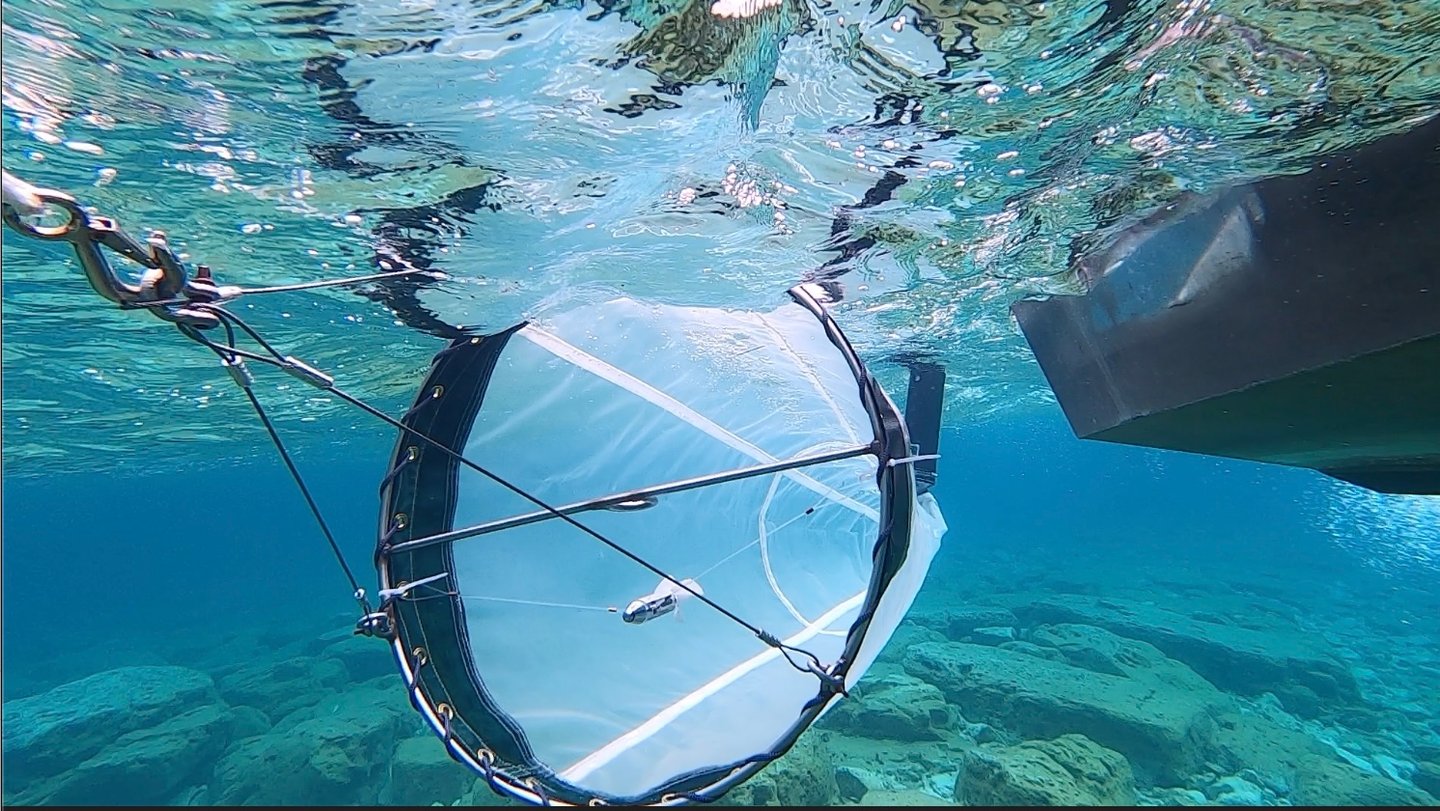
Feature
Summer 2022
The Saugeen Ojibway Nation's Coastal Waters Monitoring Program collects the largest multi-year dataset on nearshore fish and habitat in their territory, blending science with sacred stewardship.
Ecohydrology of a Lake Michigan interdunal wetland By Suzanne DeVries-Zimmerman Rising lake levels and muskrat foraging interact to shape vegetation dynamics in one of the region's rarest and most imperiled wetland types. View of interdunal wetland in 2019 (left) and 2022 (right) after water levels in nearby Lake Michigan dropped.Nestled within the Great Lakes coastal dunes lie interdunal wetlands or slacks, imperiled ecosystems with high biodiversity. The Hope College Coastal Group has been conducting an ecohydrological study in one such interdunal wetland in the Saugatuck Harbor Natural Area (SHNA) south of the Kalamazoo River mouth near Saugatuck, Michigan since 2016. Our work includes annual vegetation quadrat sampling, remote sensing flights with an unoccupied aerial vehicle (drone), and sampling of groundwater and surface water within and around the wetlands. Wetlands were absent from this area prior to 2014 due to the low Lake Michigan-Huron lake levels. The area was generally dry with dominant upland/dune vegetation except for several ponds along the northernmost wetland edge. However, rising lake levels, beginning in 2014, wetted the area, allowing wetland vegetation to germinate from the seedbank.Our initial work focused on how water levels within the wetland influenced the diversity, density, and distribution of vegetation. As the wetland has a subtle microtopography, we established over 40 vegetation quadrats that are surveyed annually. We noted that vegetation was zoned according to water depth, and that the highest diversity was found along the damp edges of the wetland. Additionally, in 2016 and 2017, damp ground to shallow water (about 16 centimeters deep) supported dense stands of Cladium mariscoides with accompanying Spiraea tomentosa, especially in the central portion of the wetlands. Carex and Juncus species dominated the deeper ponds along the northern edge. As lake levels continued to rise between 2018 and 2020, water in the central ponds deepened to more than 70 centimeters, significantly decreasing the overall vegetation density and creating large areas of open water. The areal extent of the wetlands increased, however, as rising water submerged new areas, allowing wetland vegetation to germinate from the seedbank there.Same wetland in 2022 with mud flat resulting from low water levels and the arrival of muskrats.Water levels decreased significantly, about 0.5 meter, from 2020 to 2021. Hence, we hypothesized that vegetation density would increase again in response. However, we failed to fully account for the activities of muskrats (Ondatra zibethicus) on the vegetation stands. In winter 2019–2020, muskrats migrated from a nearby water body to our study area, burrowing under the banks, eating selected vegetation types during summer 2020, creating lodges of vegetation in fall 2020, and most significant of all, foraging for seeds, rhizomes, and roots in the sediments under the ice in winter 2020–2021. Consequently, when water levels dropped, there was little to no vegetation in the central portion of the wetland in summer 2021. In 2022, water levels further dropped about 0.2 meter. The wetlands’ edges and areas marginally impacted by the muskrats have dense stands of Cladium mariscoides as anticipated. However, little to no growth of vegetation has been noted in the central portion of the wetlands thus far. It remains open water and mud flats with muskrat channels still visible in the sediments. Hence, we are now documenting how vegetation re-establishes following a major disturbance, in this case, a muskrat “eat-out,” in addition to monitoring vegetation changes in response to changing water levels.
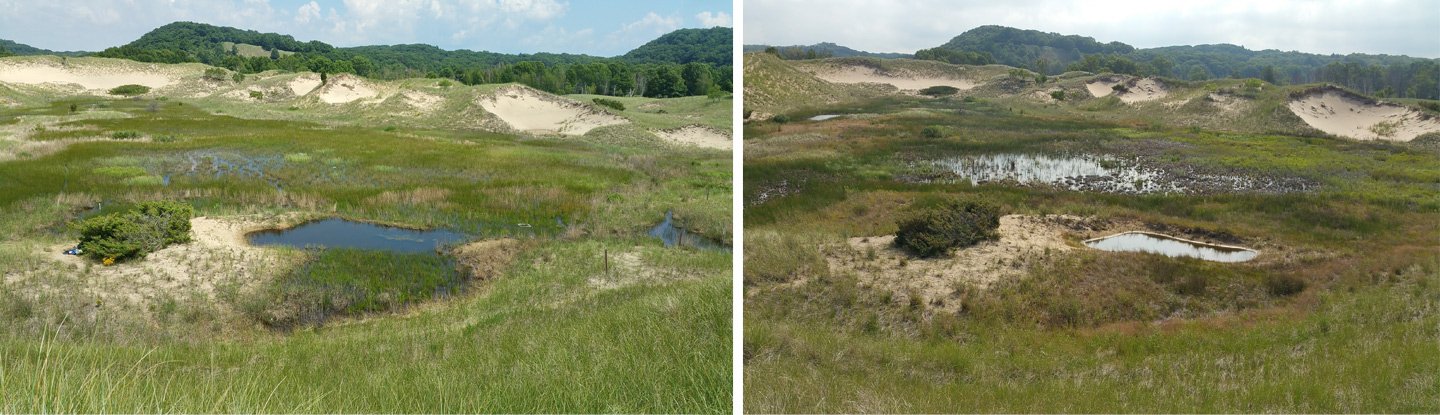
Feature
Summer 2022
Rising lake levels and muskrat foraging interact to shape vegetation dynamics in one of the region's rarest and most imperiled wetland types.
Great Lakes coastal wetlands By Titus Seilheimer A photographic journey through Great Lakes coastal wetlands showcases their dynamic landscapes, diverse vegetation zones, and vital role as spawning habitat for nearly three-quarters of Great Lakes fish. Photo by Titus Seilheimer.Where the land meets the water of the Great Lakes is one of the most magical places in the world, especially when it comes to coastal wetlands. These marshes fringe the bays, inlets, and river mouths in all five lakes, from the rocky shores of Lake Superior to the barrier beaches of Lake Erie. Coastal wetlands contain a complex mix of plants and animals and serve as vital spawning and nursery habitat for many species of fish, as well as other animals. Because the wetlands are shallow, warm, and productive, they are an ideal place to hatch and rapidly grow. Nearly three quarters of all fish species in the Great Lakes are estimated to rely on coastal wetlands for some part of their life or their food source’s life (Jude and Pappas 1992). Wetland habitat has been lost or degraded over the years, especially in populated areas, but even the most degraded sites are still home to a surprising diversity of fish species. Words do not convey the magic of coastal wetlands, so the story is told here through images.A Dynamic LandscapeThe landscape of coastal wetlands is very dynamic, from the true uplands to the deeps of the Great Lakes. These dynamic habitats warm rapidly in the spring, can absorb nutrients and sediment, and can help buffer flooding. Coastal wetlands are influenced by the rise and fall of water levels in the Great Lakes, but they can move up and down with those changes.VegetationPhoto by Titus Seilheimer.Three important zones of vegetation are the emergent, floating, and submerged. Emergent vegetation commonly encountered are cattails (Typha sp. - native, invasive, or hybrid), invasive Phragmites, and bulrush (Schoenoplectus sp.). Floating vegetation are often water lilies (white and yellow) that add color to the wetlands. Submergent vegetation can be very diverse, with many species of pondweed (Potamogeton sp.), wild celery, and common waterweed.A Peek BelowTaking the plunge to view wetland habitat underwater shows a great deal of complexity in the height and structure of the aquatic plants. The plants provide surface for attached algae to grown on, habitat for invertebrates, and hiding and foraging places for fish of many sizes. The Mink River Estuary in Wisconsin, pictured here, is a great place to explore.Photo by Titus Seilheimer.Visiting FishGreat Lakes coastal wetlands serve as spawning and nursery habitat for many fish species, like the northern pike, largemouth bass, and yellow perch (above). The juvenile fish species may move out of the wetland into the larger lake when they reach a large enough size.Photo by Titus Seilheimer.Resident FishSome fish species are wetland residents and spend most of their time there. Many of these species have a lower profile than the sport and commercial species. Bowfin (below) and central mudminnow are two species commonly found in coastal wetlands. Sunfish, bullheads, and minnows are also important parts of the wetland fish assemblage.Photo by Titus Seilheimer.BiodiversityPhoto by Amy Carrozzino-Lyon.In addition to fishes, there are many other groups of animals that reside in coast wetlands, such as birds, mammals, reptiles, and amphibians. Some are residents and some use the habitats for feeding or nesting. At left, the author is shown with a grumpy snapping turtle in Seagull Bar wetland, Marinette, Wisconsin.Degraded sites can be home to a surprising diversity of species. The marsh in the Little Manitowoc River shown below has degraded water quality with few submerged aquatic plants, but has 25 fish species, including juvenile northern pike and largemouth bass. Photo by Titus Seilheimer.
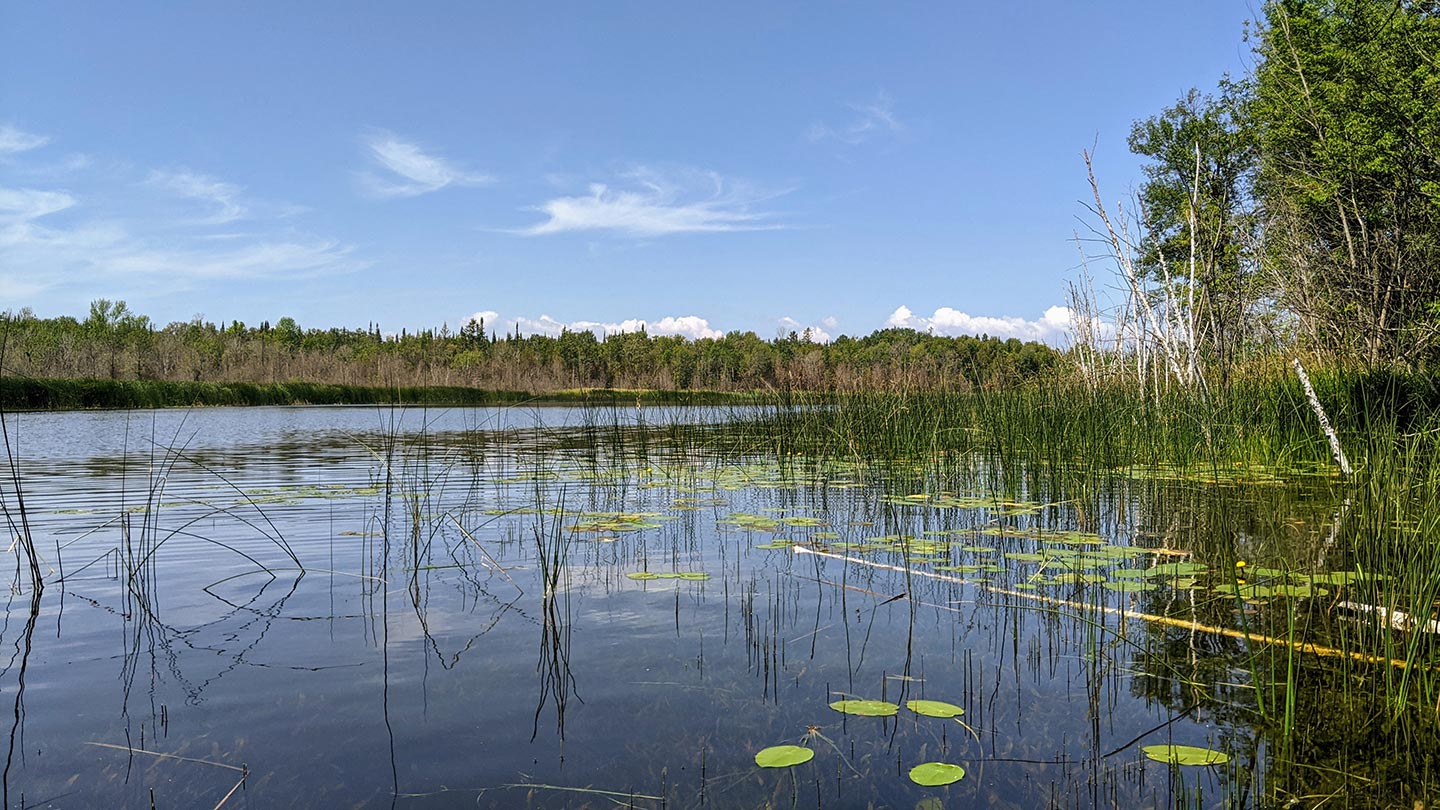
Feature
Summer 2022
A photographic journey through Great Lakes coastal wetlands showcases their dynamic landscapes, diverse vegetation zones, and vital role as spawning habitat for nearly three-quarters of Great Lakes fish.
Kerry Caslow Kerry Caslow helps scientists worldwide use water quality sensors and technologies for field deployments and data analysis. About my workAs an application development manager, I work with scientists all over the world who are leading fascinating projects that use our water quality and level sensors. I help people find the right tools for the job, assist in the development of new technologies, create informational and educational content on a variety of topics, and every once in awhile I get to go back to my roots and help with field deployments.Favorite part of workThe best part of my job is that I get to continually learn new things. Every day is a little bit different, so I never know what I will be presented with. However, each of those experiences tend to teach me something that I didn't know about before. It's like being in school without having to worry about a grade!Something else about myselfI started my career as part of a storm-water monitoring program and having stepped outside of that field, I realize now that there are so many more cool water-related careers and fields of study out there. I am excited to meet other members of IAGLR who are truly making an impact on the world around us.
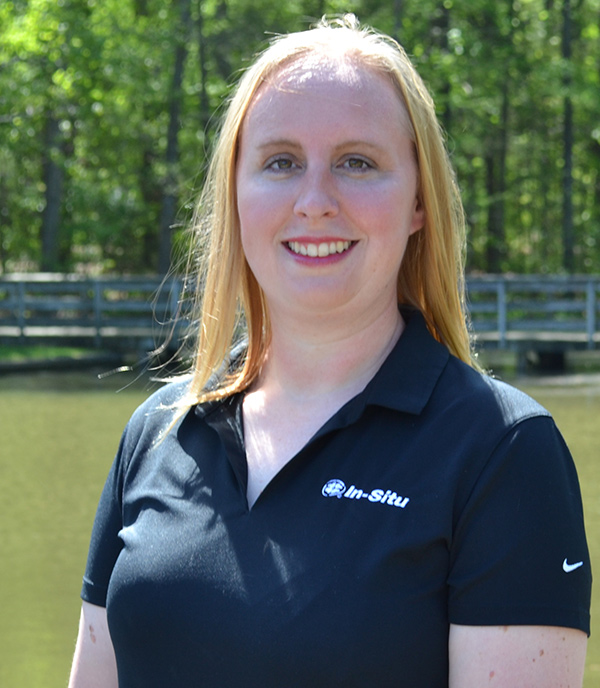
Member Spotlight
Spring 2022
Kerry Caslow helps scientists worldwide use water quality sensors and technologies for field deployments and data analysis.
Jacob Cianci-Gaskill Jacob Cianci-Gaskill stewards a 40-year nutrient dataset at Old Woman Creek, one of Lake Erie's most valuable long-term monitoring records. About my workI work at the Old Woman Creek National Estuarine Research Reserve in Huron, Ohio, one of two such reserves in the Great Lakes. I organize the long-term water quality monitoring program at the reserve. Much of our work is focused on measuring nutrient loads into Lake Erie’s central basin and collecting the data needed to quantify the ability of the Old Woman Creek wetland to process nutrients. I just started in this position last summer and was surprised to learn that the Old Woman Creek water quality monitoring program has been in existence since 1980!Favorite part of workContributing to such a long-lived monitoring program is rewarding and provides some great opportunities to learn how nutrient loads are processed and used within the estuary. Long-term datasets are challenging to maintain, but are crucial to decision making and vital to understanding how complicated systems adapt and change over time. I really enjoy my work and believe that the work I do matters.Something else about myselfIt is great to be back in the Laurentian Great Lakes! After spending most of my life a short drive from the lakes, I spent the past four years outside of the watershed. I did not realize how much I took the lakes for granted, and I am happy to once again be close to one of the largest bodies of freshwater in the world.
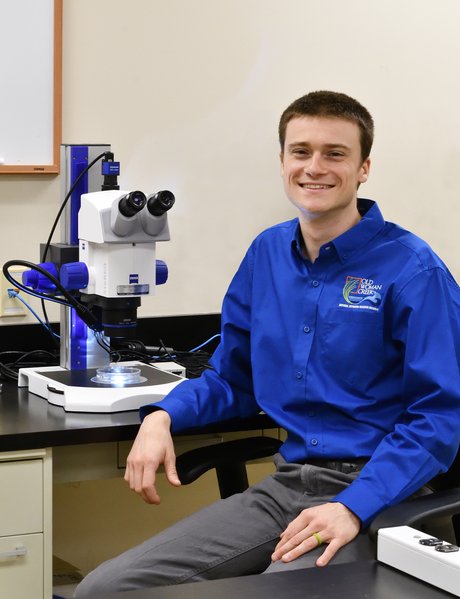
Member Spotlight
Spring 2022
Jacob Cianci-Gaskill stewards a 40-year nutrient dataset at Old Woman Creek, one of Lake Erie's most valuable long-term monitoring records.
Shayenna Nolan Shayenna Nolan uses eDNA metabarcoding to study microbial communities and carbon dynamics in headwater streams. About my workAaniin, I am a first year MSc student studying microbes and carbon in impacted headwaters across Ontario in the Great Lakes basin. Specifically I am using eDNA metabarcoding to relate bacterial and fungal communities to dissolved organic matter pools, characterized with EEM-PARAFAC.Favorite part of workI love every part! As scientists there are different seasons of what we do (a favourite analogy of my supervisor)—fieldwork in spring/summer, analyses and deep work in winter and fall. I love spending time in the water and then getting to explore the unseen (microorganisms and DOM) in the lab, trying to make sense of it all.Something else about myselfIn addition to stream ecology, I am a photographer and graphic designer, always looking for new ways to make science accessible to everyone! I also use Anishinaabe cultural principles to guide the philosophy behind my sci-comm work: including all generations in outreach and helping people build relationships with the land.
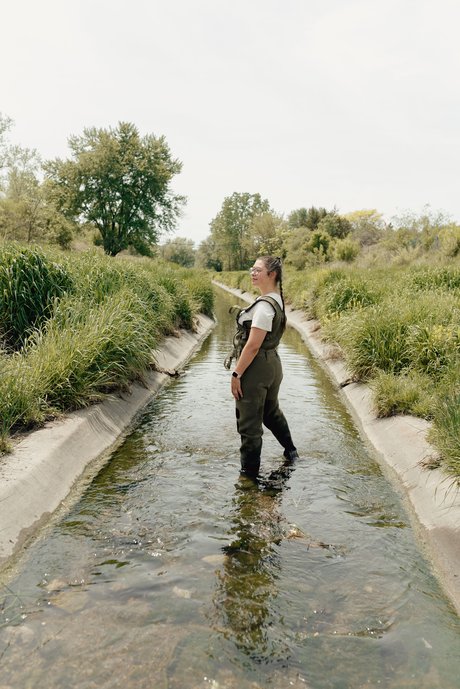
Member Spotlight
Spring 2022
Shayenna Nolan uses eDNA metabarcoding to study microbial communities and carbon dynamics in headwater streams.
Tongyao Pu Tongyao Pu uses hydrodynamic simulations to reveal how physical conditions drive the chemistry of rarely mixing, permanently stratified lakes. About my workMy research interests center around the stratification of meromictic lakes and their redox chemistry. I use hydrodynamic models to simulate the physical properties of lakes. Additionally, I apply the hydrodynamic conditions to chemistry models to model the change in concentrations of redox species (e.g. oxygen, Fe(II) and sulfide).Favorite part of workMy favorite part of the work is putting ideas into the computer. This opens up possibilities for me to do all sorts of things without the limitation of laboratory work. Models also allow us to investigate different possibilities and see the big picture of science.Something else about myselfGrowing up, I resided near Lake Tai. Although seemingly small, Lake Tai is one of the largest freshwater lakes in China and is of great importance to the neighboring four cities and 20 million people. However, human activities disturbed its morphology and chemistry. This was my motivation to do freshwater research. My greatest hope is to have people appreciate our freshwater resources and try our best to protect them.
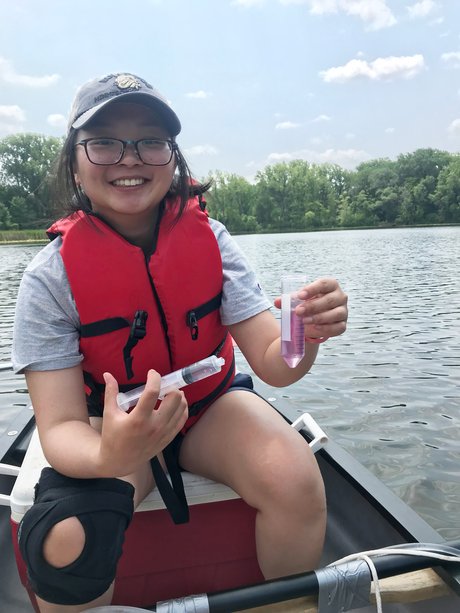
Member Spotlight
Spring 2022
Tongyao Pu uses hydrodynamic simulations to reveal how physical conditions drive the chemistry of rarely mixing, permanently stratified lakes.
Fish diversity and fisheries of Omo-Turkana Basin in the face of hydrological modifications By Mulugeta Wakjira and Abebe Getahun Seventy-nine native species documented, yet dams, illegal fishing, and cross-border conflicts threaten local livelihoods and the basin's ecological future. The basin of the Omo River and Lake Turkana spans a large portion of southwestern Ethiopian highlands and northern Kenya. It is presumed to be rich in its fish diversity that supports considerable fisheries. However, despite the widespread development activities with potential hydrological modifications and impacts on the ichthyofauna, the Ethiopian part of the basin generally lacks comprehensive scientific documentation on its fish diversity and fisheries.Sampling sites on the lower Omo River (OR1–OR4) and the Ethiopian part of Lake Turkana (LT1–LT4); the reference datum used for geographic coordinates is WGS84.To address these gaps, fish were sampled from lower Omo River and Lake Turkana in Ethiopa. Structured questionnaires, focus group discussions, key informant interviews, and personal observations were used to gather data on the fisheries socio-economics and management problems.The study recorded 79 valid native species for the entire basin and 69 for the part of the basin within the Ethiopian jurisdiction. The Omo River system was found to be richer in species, while Lake Turkana has a higher abundance.This fertile fishing ground provides a key alternative livelihood for the riparian community (particularly, the Daasanach in Ethiopia), which has much fewer livelihood options apart from pastoralism. However, effective development of fisheries is marred by lack of material and technical support to the fishers, lack of government commitment to capacitate relevant institutions, illegal fishing, and lack of security due to conflicts arising between the Ethiopian and Kenyan fishers in an apparent competition over a fertile fishing ground.A solution to the development of fisheries therefore requires an approach that integrates conflict resolution and co-management arrangement by the two countries. Moreover, it is highly imperative to capacitate and sustain the scientific roles of the Lake Turkana Advisory Group, a team of professionals from various institutions in Ethiopia and Kenya established in 2019 and supported by the African Center for Aquatic Research and Education. Its goal is to pursue a collaborative, holistic, and integrated approach to a more comprehensive assessment of the basin biodiversity and its management to guide the nations’ policy development and actions.
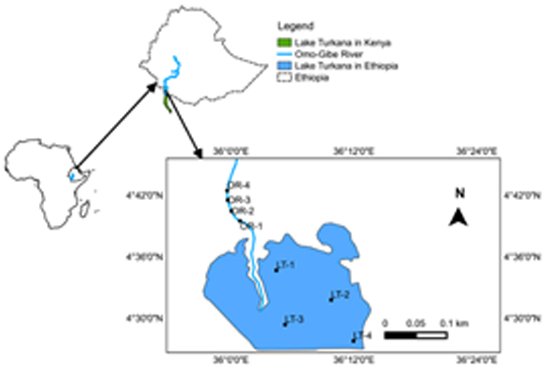
Research Brief
Spring 2022
Seventy-nine native species documented, yet dams, illegal fishing, and cross-border conflicts threaten local livelihoods and the basin's ecological future.
In the benthos Bottom-up biodiversity in the Great Lakes
By Alyssa Frazao Research in southwestern Ontario headwater streams compares sampling methods, finding that D-framed sweep nets capture greater macroinvertebrate diversity than petite ponar grabs. Every great lake has thousands of contributing streams and rivers, and each stream is inexplicably connected to the land around it. Throughout these connected systems is the benthos, a rich ecological community that includes macroinvertebrates that play an important role in ecosystem functions through interactions with the environment. Aquatic invertebrates have different levels of tolerance to water quality, a characteristic that offers a useful tool in biomonitoring assessment and restoration. Diversity measures provide an indication of ecological condition and are useful in understanding the effects of anthropogenic stressors on stream environments.My research explored the best methodology to sample macroinvertebrate diversity in 19 headwater streams in southwestern Ontario. I hypothesized that a petite ponar grab would sample a better representation of the macroinvertebrate community composition instead of a D-framed sweep net due to stream characteristics resembling a wetland. However, I found that taxa richness was greatest using the D-framed sweep net and results better reflected the biodiversity of the stream.Sampling macroinvertebrates in Silver Creek, Ontario. Photo by Shayenna Nolan.Although the D-framed sweep net provided a greater diversity, the water quality at the sites ranged from poor to very poor as indicated by the Hilsenhoff Biotic Index. These degraded scores were due to the presence of tolerant taxa. Typically, a stream with good water quality would have greater macroinvertebrate diversity; however, as these results indicate, macroinvertebrate tolerance plays a large role in ecological condition as well.In the Healthy Headwaters Lab founded by Dr. Catherine Febria, longer-term local insights into benthic communities are laying the groundwork for new theory to be tested on how restoration strategies can be designed to address negative or unhealthy attributes of resistance and resilience in streams and rivers (Barrett et al. 2021). In continuing to explore macroinvertebrate biodiversity, greater insights can be gained into the assessment, condition, and restoration in systems.
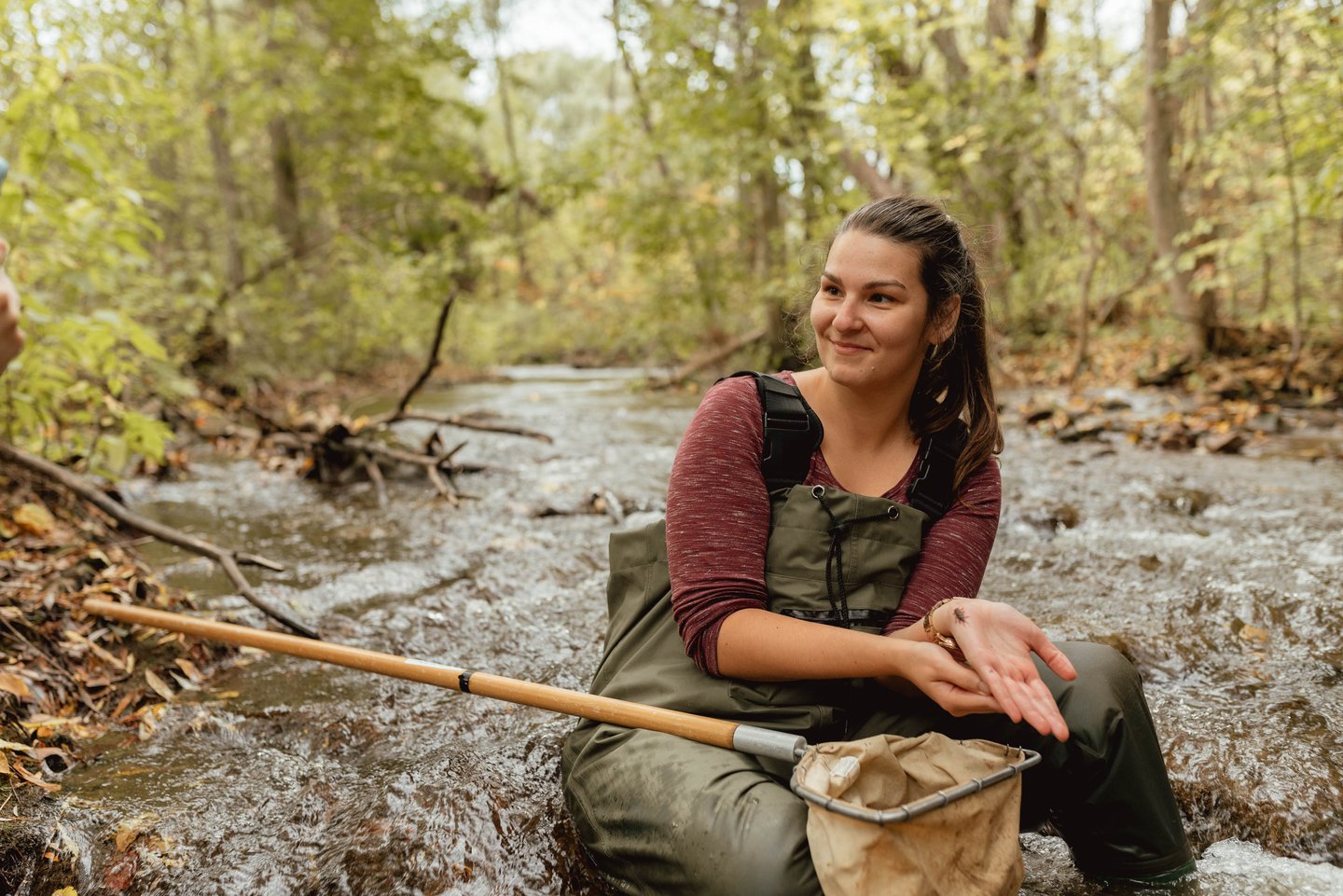
Research Brief
Spring 2022
Research in southwestern Ontario headwater streams compares sampling methods, finding that D-framed sweep nets capture greater macroinvertebrate diversity than petite ponar grabs.
All hands on deck for the freshwater biodiversity crisis By Steven Cooke Freshwater ecosystems face an emergency requiring immediate action to bend the curve of biodiversity loss through six priority recovery actions. Steven Cooke.Crisis. Emergency. Disaster. Catastrophe. Hyperbole? Unfortunately not. Those words all serve as reasonable descriptors of the global state of freshwater biodiversity. By all accounts, freshwater ecosystems and their biota are in trouble. Freshwater ecosystems are among the most threatened systems on the planet—on the same plane as tropical rainforests that are being clearcut. The WWF Living Planet Index assesses the change in population status of various freshwater organisms relative to 1970. It reveals declines of over 85%, which is higher than that of either marine or terrestrial systems. Amphibians are among the most threatened taxa on the planet, with freshwater fish not far behind. From headwater streams to wetlands, and from water-filled caves to the world’s largest inland lakes, no system is immune to anthropogenic threats.Work by David Dudgeon and colleagues in 2006 identified several key threats facing freshwater biodiversity: habitat alteration, invasive species, pollution, overexploitation, and climate change. Some 15 years later, Andrea Reid and colleagues revisited the threats facing freshwater biodiversity and revealed that not only do those threats persist, but there are emerging threats and greater evidence of complex interactions among threats that make things even more dire for freshwater biodiversity.In recognition of the grim state of freshwater biodiversity, David Tickner from WWF recently led an initiative focused on creating an Emergency Recovery Plan intended to “bend the curve” for freshwater biodiversity. The plan consists of six priority actions: accelerating implementation of environmental flows; improving water quality; protecting and restoring critical habitats; managing the exploitation of freshwater ecosystem resources, especially species and riverine aggregates; preventing and controlling non-native species invasions; and safeguarding and restoring freshwater connectivity.Six priority actions outlined in the WWF Emergency Recovery Plan to address the freshwater biodiversity crisis.The plan itself is rather simple, yet there remain many challenges with implementation. On the global scale, freshwater ecosystems and biodiversity are often forgotten when it comes to discussions about the United Nation's Sustainable Development Goals, the Convention on Biological Diversity, and other international policy instruments and initiatives. At a regional level, those tasked with managing or restoring freshwater biodiversity are often under-resourced and faced with continual pressure to trade off biodiversity for short-term economic gain. Underpinning these challenges is the reality that freshwater ecosystems are often not valued, making it difficult for decision makers to comprehend the benefits of putting freshwater biodiversity ahead of economic development. Nutritional security, cultural services, livelihood support, nutrient cycling, and the many other freshwater ecosystem services are massive yet difficult to quantify and easy to ignore.Although research needs related to freshwater biodiversity and management certainly exist, what is really needed is action. In the developed world, there is reasonable capacity for freshwater management, yet most efforts focus on organisms of socio-economic value (e.g., gamefish) and fail to approach management from a holistic perspective. For the most part, we know what works, yet lack the courage to make good decisions that value freshwater biodiversity.A new toolbox has been developed with the intention of equipping practitioners with the evidence needed to guide decision making about freshwater management interventions. Such an approach will hopefully help the Emergency Recovery Plan move from something that is aspirational to something that is realized.It has only been two years since the WWF Emergency Recovery Plan was developed, and it remains unclear the extent to which it has been embraced. What is clear is that we need all hands on deck. If there was ever a call to arms for freshwater biodiversity, this is it. Beyond the specific actions that constitute the Emergency Recovery Plan, there are many other ways to engage, including building public appreciation for freshwater ecosystems and demonstrating their value to politicians, leading stakeholder events that involve hands-on restoration, or enabling community monitoring.I strongly encourage all IAGLR members to take the time to familiarize themselves with the Emergency Recovery Plan for freshwater biodiversity and consider what they can do to aid in its implementation. It is time to bend the curve for freshwater biodiversity and begin to restore our damaged ecosystems and rebuild our imperiled populations. The plan is grand and will take decades to be fully realized, but time is ticking and there is real urgency. Unfortunately, the tale I tell is not hyperbolic, and if anything may understate the true state of affairs. Fortunately there are exceptions, but they are far too few. I consider the WWF Emergency Recovery Plan to be a must-read. Please check it out.
Perspective
Spring 2022
Freshwater ecosystems face an emergency requiring immediate action to bend the curve of biodiversity loss through six priority recovery actions.
All the life we cannot see By Maureen Coleman Microscopic organisms drive critical ecosystem functions in lakes, yet their biodiversity remains largely invisible and understudied in the face of climate change. The microscopic freshwater jungle. Both images use a fluorescent DNA stain to make tiny cells appear (left: DNA appears purple, right: DNA appears green). The right image also shows chlorophyll (red). The smaller circles and rods are bacteria (~1µm), and the larger cells with chlorophyll are eukaryotic phytoplankton (10-20µm). Photos by Maureen Coleman.Dip a glass into the surface water of Lake Superior and it probably looks indistinguishable from bottled water—clear, empty, lifeless. Yet every liter of this lake water is teeming with life, including nearly a billion tiny cells and 10 billion viruses. Together these microorganisms (“microbes” for short) perform critical functions that support the rest of the ecosystem. Understanding these invisible functions, and the microbes responsible, is an urgent challenge as lakes worldwide face rapid environmental change.The microscopic aquatic jungle holds enormous biodiversity. There are the familiar phytoplankton—single-celled algae and cyanobacteria with the superpower to turn sunlight, carbon dioxide, and water into the complex molecules that make up cells. But there are also countless species of bacteria and archaea, once lumped together as simple, primitive “prokaryotes.” We now recognize that these microbes hold far more genetic diversity than plants and animals combined. And they are not so simple: microbes are capable of breathing oxygen (like us), but also sulfate, arsenic, solid minerals, and solvents like tetrachloroethylene. Some can pull nitrogen from the air to fertilize plants and algae, while some produce or consume potent greenhouse gases like methane and nitrous oxide. They perform all these functions as part of their everyday lives, extracting energy and nutrients from their surroundings in order to survive and reproduce.This microbial growth is balanced, over time, by death. The killers of microbes are often microbial themselves, including diverse single-celled protists and viruses. Most viruses in lakes infect bacteria and reprogram the cell into a virus factory. When the cell bursts, dozens of progeny viruses are released, along with the molecular remains of the cell. Both protistan grazing and viral lysis are essential processes in lakes, because they recycle cellular carbon, nitrogen, and phosphorus back to the dissolved phase, where it can be taken up by other microbes and thereby keep the biogeochemical wheels turning.We are now beginning to “see” the biodiversity that underlies this invisible microbial food web in lakes, thanks to new technologies. DNA sequencing of a universal barcode gene, the 16S/18S ribosomal RNA, has revealed hundreds, even thousands of new microbial species in lakes from Baikal to Tanganyika to Superior. The exact number is anyone’s guess, since we lack a consensus definition of a bacterial species. Another sequencing approach, metagenomics, links species with their genetic potential for functions like nitrogen fixation, methane consumption, and toxin production. By applying these methods across lakes and across time, we can extract patterns in microbial species and functions, and relate them to broader ecosystem dynamics.We are now faced with an urgent question: how is the invisible microbial biodiversity in lakes responding to climate change? With microbes, the priorities for biodiversity conservation are not necessarily particular species, but the functions performed by a healthy and resilient community. What’s crystal clear is that the microbes still have much to teach us.
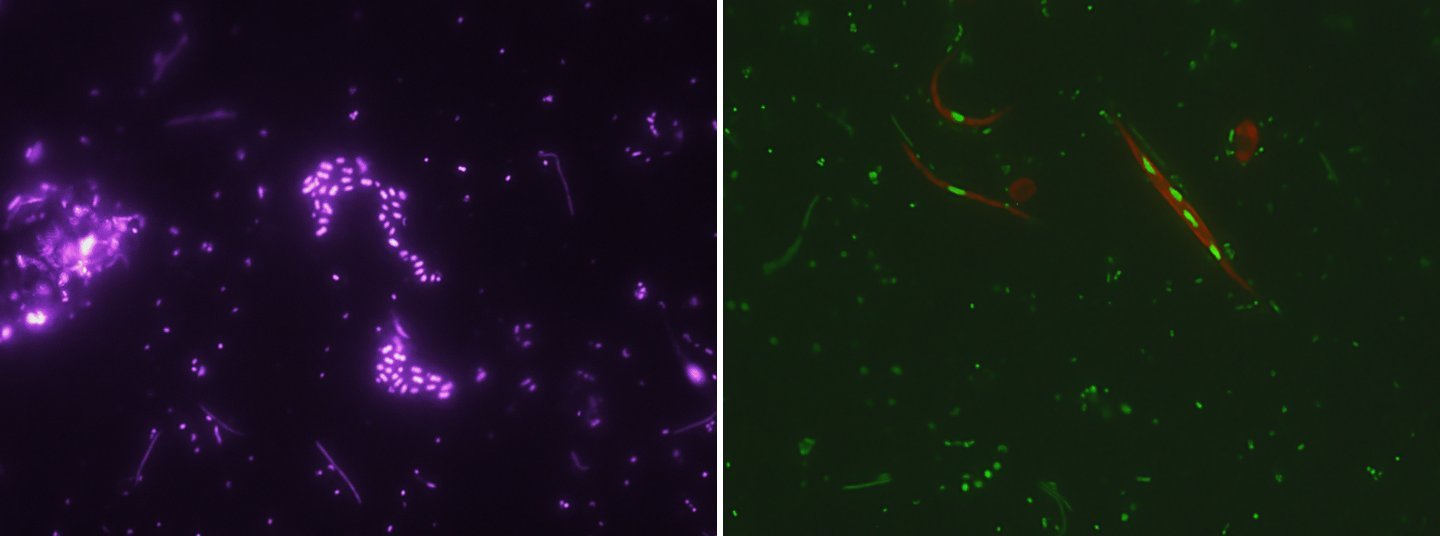
Feature
Spring 2022
Microscopic organisms drive critical ecosystem functions in lakes, yet their biodiversity remains largely invisible and understudied in the face of climate change.
Great Lakes Water Life A database documenting biodiversity of Great Lakes native species
By El Lower and Rochelle Sturtevant Identification guides and range maps for native aquatic life are now centralized for researchers and environmental managers. Lake sturgeon. Photo courtesy of Michigan Sea Grant.The biodiversity of the Great Lakes makes them unique on a global scale. To document the wide variety of flora and fauna native to the basin, NOAA-GLERL, U.S. EPA, and the Great Lakes Sea Grant Network have worked together to create the Great Lakes Water Life database (GLWL), an accessible, comprehensive inventory of aquatic species found throughout the region.GLWL is designed to support researchers and environmental managers by hosting ecological information about native species. The database itself includes lists of expected species in a specific area and records of rare or unfamiliar taxa, while other parts of the GLWL site feature identification guides for native species, summaries of broad-scale biodiversity patterns, and more. This site is also available for public use to students, citizen scientists, and other Great Lakes residents who want to learn about native species in their area, providing new opportunities for outreach and education online.GLWL is registered with the Marine Biodiversity Observation Network as a Great Lakes-specific biodiversity atlas. The database allows users to search for species by taxa (including both scientific and common names), origin (whether a species is native throughout the region, is native to one part of the Great Lakes and introduced in others, or nonnative), domain (whether a species lives in sediment, on the shoreline, or in the water column), and broad geographic location (such as Lake Superior or Lake St. Clair). Each species’ result links to taxonomic information, a bibliography of reference and sighting information, and links into Barcode of Life DNA markers (placing eDNA into geographic context), Catalogue of Life taxonomy, and Integrated Taxonomic Information System reports for each organism. The database also includes links to other taxonomic keys and field guides to native species, information about the purpose and history of this project, and a user contribution portal where researchers can share new photos, sightings, and collection records to be added to the site.This database expands upon a project formerly known as the “Great Lakes Waterlife Gallery” originally created in 2002 in support of Sea Grant’s Great Lakes Fisheries Leadership Institute in partnership with NOAA-GLERL and the Great Lakes Sea Grant Network. The original site was a static photo gallery with access to regionally specific taxonomic lists and keys, as well as links to regional resources for the various taxa. Additional components were added by the partners over the years in support of a variety of projects, and eventually included fish, benthic invertebrates, zooplankton and algae. With funding from the Great Lakes Restoration Initiative, staff of the EPA Office of Research and Development Mid-Continent Ecology Division (since renamed the Great Lakes Toxicology and Ecology Division) used the original gallery as one resource for the creation of a more comprehensive reference inventory of aquatic fauna (Trebitz et al 2019). The historic gallery has since been merged with data from the inventory to create a new Great Lakes Water Life database, programmed with support from the Cooperative Institute for Great Lakes Research, which offers many more interactive features in an easily accessible format. GLWL has recently received an additional $200,000 in GLRI funding to add vascular aquatic plants. Development and validation of this new component will be led by Michigan Natural Features Inventory staff.Sample search results from the Great Lakes Water Life database showing the species name and image, common name(s), and the lakes, rivers, or environmental domains where the species has been observed. Courtesy of Michigan Sea Grant.Another NOAA-led regional database, the Great Lakes Nonindigenous Species Information System (GLANSIS), runs in parallel with GLWL to more comprehensively document the non-native aquatic species that have been introduced to the Great Lakes. Cross-linking the two systems helps GLANSIS to provide DNA information on non-native species and identify species that may be expanding their ranges, highlighting the value of the native species inventory to monitoring for and understanding the impact of aquatic invaders.The Great Lakes Water Life partnership welcomes review and contributions from Great Lakes scientists and managers to provide the most accurate and up-to-date ecological information. In particular, the GLWL team is requesting distribution information, updated taxonomy and alerts about any potential species misidentification, and clear, high-resolution photos to aid in species identification guides; in short, we’d love to hear from you.To learn more about the Great Lakes Water Life database or contribute information, please visit the site or contact Rochelle Sturtevant at Rochelle.Sturtevant@noaa.gov.
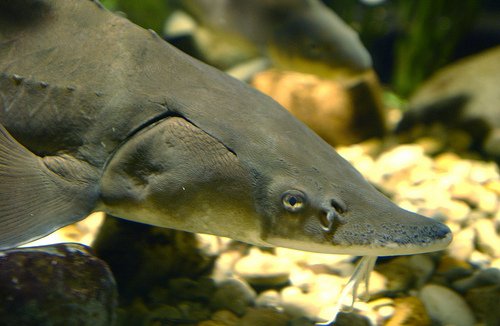
Feature
Spring 2022
Identification guides and range maps for native aquatic life are now centralized for researchers and environmental managers.
William D. Taylor William D. Taylor (1950–2022) was a pioneering limnologist whose research on phosphorus cycling and microzooplankton fundamentally advanced Great Lakes science. We have lost a leader of Great Lakes science and a great friend in Bill Taylor, who died January 24 of cancer. Taylor was a biology professor at the University of Waterloo for more than 32 years and a recipient of the IAGLR Lifetime Achievement Award in 2018. Several of his papers are considered limnological classics, and his research has greatly increased our understanding of phosphorus cycling in lakes and the importance of microzooplankton in nutrient cycling and food webs of lakes.“His research has been remarkably eclectic, extending from nutrient loading to fish and from small lakes to the largest lakes in the world, while always bringing a novel perspective to the issues confronting aquatic systems from eutrophication to contaminant cycling,” noted Robert Hecky, editor of the Journal of Great Lakes Research, in his letter supporting Taylor's nomination for the award.Taylor served as a member of the IAGLR Board of Directors and the Awards and Publications committees, as an associate editor to the Journal of Great Lakes Research, and as a session chair at annual conferences. He received IAGLR’s Chandler-Misener Award for the best paper in the journal in 1992. He also served numerous government agencies and organizations in Canada and abroad. His research activities have also been recognized by others. He received the Frank Rigler Memorial Award from the Canadian Society of Limnologists and a Career Achievement Award from the Canadian Council of University Biology Chairs, and held a Tier 1 Canada Research Chair position.While Taylor’s research contributions are impressive, when news of his passing broke on social media, the overwhelming memory shared of him was of his kindness, of the time he took for people, and the encouragement he gave. “Bill was a light during my early Ph.D. days,” tweeted Oana Birceanu, now an assistant professor at Western University. “He was so generous with his lab space, advice and support. We lost a good one.”Calling him a “generous mentor,” Rebecca Rooney wrote, “When I came to U Waterloo as a nervous new prof, Bill was so welcoming and always made time to talk. He was emotionally and materially supportive to so many of us!”That support has made a lasting impact on those who continue in the field. “He has contributed to what many of us are today, with good science, humour and encouragements,” tweeted Jérôme Marty, University of Ottawa. “Limnologists from many countries will miss him.”Ralph Smith, biology professor emeritus at University of Waterloo, captured that sentiment in his nomination letter for Taylor's IAGLR award. “All who know Bill know his generosity of spirit, unfailing respect for others, and refreshing sense of humour.”A celebration of Taylor's life is planned for this spring. Condolences to the family and memorial donations can be arranged by contacting the funeral home.
In Memoriam
Winter 2022
William D. Taylor (1950–2022) was a pioneering limnologist whose research on phosphorus cycling and microzooplankton fundamentally advanced Great Lakes science.
Bill Henry Bill Henry applies his expertise in food safety and automation to advocate for the Great Lakes, exploring microbial solutions to reduce agricultural runoff. About my workMy day job is in food processing, automation engineering, and food safety systems. I specialize in bioprotection—the use of probiotic cultures to block the growth of pathogenic organisms on ready-to-eat and minimally processed foods, most commonly fresh produce. Successful systems require equal parts microbiology, fluids flow, and phytomorphology. For fun I work with the Alliance for the Great Lakes, where I am a board member currently serving as secretary. I am a life-long advocate for, and beneficiary of, Lake Michigan in particular and the Great Lakes in toto.Why IAGLR?I joined IAGLR to learn more about the science underlying the Great Lakes, its ecosystems, and the natural and anthropogenic threats they face. I hope to explore a possible use of microorganisms in the field to diminish the need for phosphorous fertilizers, to fixate excess nitrogen in the soil, or to otherwise reduce the damaging effects of agricultural runoff.

Member Spotlight
Winter 2022
Bill Henry applies his expertise in food safety and automation to advocate for the Great Lakes, exploring microbial solutions to reduce agricultural runoff.
Jennifer Powell Jennifer Powell studies the effects of hypoxia and temperature on Lake Chubsucker physiology to develop habitat models for climate adaptation. About my workI returned to academia after almost a decade as a fisheries biologist working in environmental consulting on the Great Lakes and five years as the scientific coordinator of a nature reserve in Costa Rica. I am currently pursuing a Ph.D. in the department of physical and environmental sciences at the University of Toronto Scarborough, in the Mandrak lab. My research focuses on the effect of multiple stressors (hypoxia and temperature) on Lake Chubsucker (Erimyzon sucetta) physiology and habitat usage in the hopes of developing a habitat model for the species and assessing its ability to successfully adapt to climate change.Why IAGLR?As a member of IAGLR, I am looking forward to opportunities to network and share knowledge with other freshwater aquatic scientists working on this unique ecosystem, in particular at the IAGLR conference in May.
Member Spotlight
Winter 2022
Jennifer Powell studies the effects of hypoxia and temperature on Lake Chubsucker physiology to develop habitat models for climate adaptation.
Alicia Sendrowski Alicia Sendrowski researches coastal and riverine systems, focusing on hydrological connectivity in wetlands and the impact of climate change on the Great Lakes. About my workI am a research associate in civil and environmental engineering at Michigan State University, with a focus on water resources. I study coastal and riverine systems, with projects in the Great Lakes, the Arctic, and coastal Louisiana. Using field work, statistical analysis, and remote sensing, I aim to understand how hydrological and biogeochemical processes interact in the landscape to create resilient systems. I am specifically interested in the dynamics of hydrological connectivity in coastal wetlands, the role of large wood in storing carbon in the landscape, and the impact of climate change on the Great Lakes.Why IAGLR?I joined IAGLR to make connections with the Great Lakes community. I look forward to participating in conferences and learning from other scientists, managers, and stakeholders. I hope to also share my science and establish meaningful collaborations that enhance Great Lakes resiliency.
Member Spotlight
Winter 2022
Alicia Sendrowski researches coastal and riverine systems, focusing on hydrological connectivity in wetlands and the impact of climate change on the Great Lakes.
Alana Tedeschi Alana Tedeschi studies water quality in stream networks that contribute nutrients to Lake Erie. About my workMy research focuses on water quality in stream networks that contribute nutrients to Lake Erie. My work integrates science and communication through exploring spatiotemporal changes in phosphorus runoff in the Eastern Lake Erie Watershed and designing ways to effectively communicate the science of eutrophication to encourage public engagement in remediation strategies. I am currently investigating the influence of climate change and land-use activities on seasonal phosphorus export from the Grand River, a main tributary of the Eastern Basin, and I am particularly interested in stream water quality during the rapidly changing winter season. My work also develops educational resources and stream-monitoring methods for volunteers to learn about water-quality issues and collect data from streams throughout the Lake Erie Watershed.Why IAGLR?I hope to gain a broader understanding of Great Lakes ecosystems, especially as the impacts of climate change continue to unfold. Keeping up with emerging research and interacting with like-minded members of the community greatly interests me.
Member Spotlight
Winter 2022
Alana Tedeschi studies water quality in stream networks that contribute nutrients to Lake Erie.
Reducing our agricultural footprint to preserve, protect, and restore the ecological health of the Great Lakes By René S. Shahmohamadloo An agrosystem approach inspired by UN Sustainable Development Goals offers a path to regenerative agriculture that reduces runoff and supports community well-being. By 2050, humanity will need to produce 10 times more food each year than all the food ever produced throughout the history of humankind. However, current “best-practices” are wholly unsustainable. Agricultural run-off is leading to toxic algal blooms in our Great Lakes, and the prophylactic application of pesticides on agricultural landscapes has been linked with biodiversity loss, including declines in birds and pollinators. Around the world, arable land is being gobbled up by development, while new, pristine land and forests are converted to monoculture cultivation. Small-scale farmers experience difficulty entering the market and are often forced to consolidate with large-scale operations just to break even. The pandemic has exposed the fragility of global food economies that were designed for maximizing profits and feeding the masses but at a high environmental cost. We need a vision to reimagine sustainable food production because continuing with business as usual is no longer an option.Adopting an agrosystem approach inspired by the United Nations’ Sustainable Development Goals can result in a regenerative and nourishing food system in the Great Lakes that is community-centric and sustainable. Photo courtesy of the Ontario Agricultural College, University of Guelph.Our paper argues the 2020s can be a transformative decade for human interaction with the environment. We present an agrosystem approach that is inspired by the United Nations’ 17 Sustainable Development Goals. The agrosystem model we propose is defined to promote regenerative agriculture, an integrative approach that provides greater resilience to a changing climate, reverses biodiversity loss, and improves soil health; honors Indigenous ways of knowing and a holistic approach to living off and learning from the land; and supports the establishment of emerging circular economies and community well‐being.To truly develop a regenerative and nourishing food system in the Great Lakes that will feed humanity by 2050, we need to go beyond individualistic approaches and adopt community-centric approaches that create a sustainable path for the future. Creating unity of vision requires unity in action.
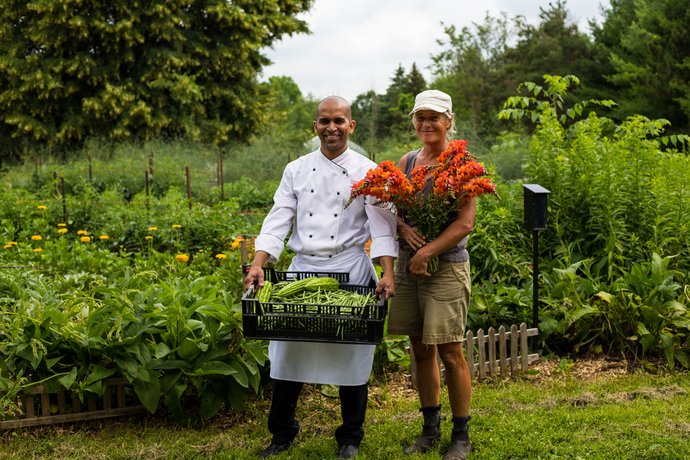
Research Brief
Winter 2022
An agrosystem approach inspired by UN Sustainable Development Goals offers a path to regenerative agriculture that reduces runoff and supports community well-being.
Exploring pluralism in ecosystem governance By Jen Holzer Pluralism, viewed through a translational ecology lens, integrates diverse knowledge systems to strengthen ecosystem governance and human well-being. While pluralism is not a new idea in environmental governance, recent calls for broadening participation in ecological and sustainability solution-building—such as for climate change-related extreme weather events and the COVID-19 pandemic—have prompted renewed urgency in understanding how diverse institutions and people can effectively govern ecosystems to promote ecological sustainability and human well-being. By pluralism, we refer to the diversity of aspects of human culture and/or the natural environment.Academic collaborators and students get the lay of the land at Windsor causeway foreshore salt marsh, Bay of Fundy, Nova Scotia, August 2018. Photo by Kate Sherren.The field known as translational ecology (TE) emphasizes linking ecological science to evidence-based decision making, taking its verbiage from translational medicine. TE uses cross-disciplinary research, together with broader participation, to address the social, ecological, and political contexts of environmental problems, with an aim to improve decision making for environmental management and conservation. This approach, along with other, similar approaches, requires deliberate engagement with a range of actors, as well as an understanding of the social and cultural contexts in which research is conducted. One challenge of this approach lies in integrating different types of knowledge, like scientific evidence, practical know-how, and Indigenous and traditional knowledge. TE and other fields of participatory environmental research also recognize that much of what we know does not get “used” because of implementation challenges.Related to our work on the scientific project ResNet, which promotes sustainable and resilient ecosystems in Canada, our upcoming special issue of the Advances in Ecological Research book series titled "Pluralism in Ecosystem Governance" aims to deepen understanding of pluralism in a translational ecology context. This issue will present a diverse selection of in-depth synthesis articles that explore a range of ideas, from human-animal relations to conservation conflicts. These studies represent a range of disciplines, geographies, methods and case studies.
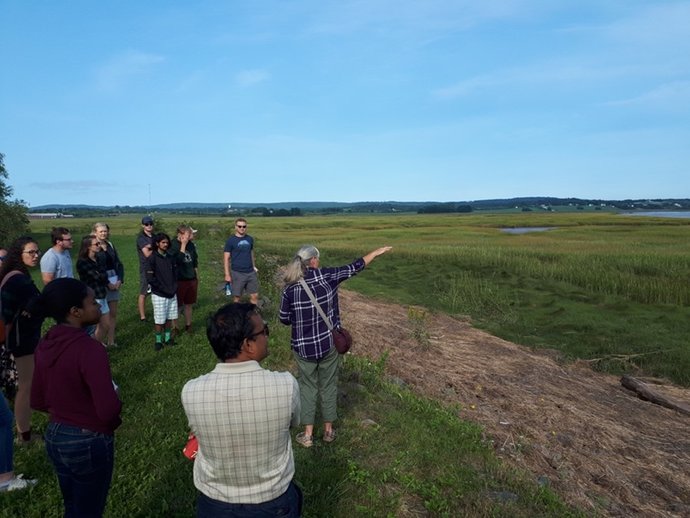
Research Brief
Winter 2022
Pluralism, viewed through a translational ecology lens, integrates diverse knowledge systems to strengthen ecosystem governance and human well-being.
A SWOT analysis of the ecosystem approach in the Baltic Sea region By Savitri Jetoo Baltic Sea experts value the ecosystem approach for conveying environmental stewardship, yet multiple interpretations and fragmented resources impede its implementation. Given the central role the ecosystem approach plays in key policy documents such as the Convention on the Protection of the Marine Environment of the Baltic Sea area, our research aims to investigate factors that lead to its better implementation.In a recently published article, we examined the implementation of the ecosystem approach in the Baltic Sea region, one of the largest water catchments in the world and a part of the European Union. This study was unique, as it used the strengths, weaknesses, opportunities, and threats (SWOT) framework from business theory in the analysis of key documents to identify themes relevant to the approach in the Baltic Sea region.Strengths and weaknesses can be seen as internal attributes of the ecosystem approach, while opportunities and threats are external features. Each has associated research questions related to the Baltic Sea Action Plan.The study found that Baltic Sea experts cherish the simplicity of the approach in communicating the importance of environmental stewardship. However, the downside is that there are many interpretations of the approach, as the language can be complex and unclear. This study showed that with a streamlined allocation of resources, more stakeholder engagement through capacity building, and political leadership, the ecosystem approach could facilitate interdisciplinary knowledge pooling to achieve a good ecological status of the Baltic Sea and other regions of the world. This work continues with our doctoral student Varvara Lahtinen, who will further investigate the implementation of the ecosystem approach in the Nordic Region.
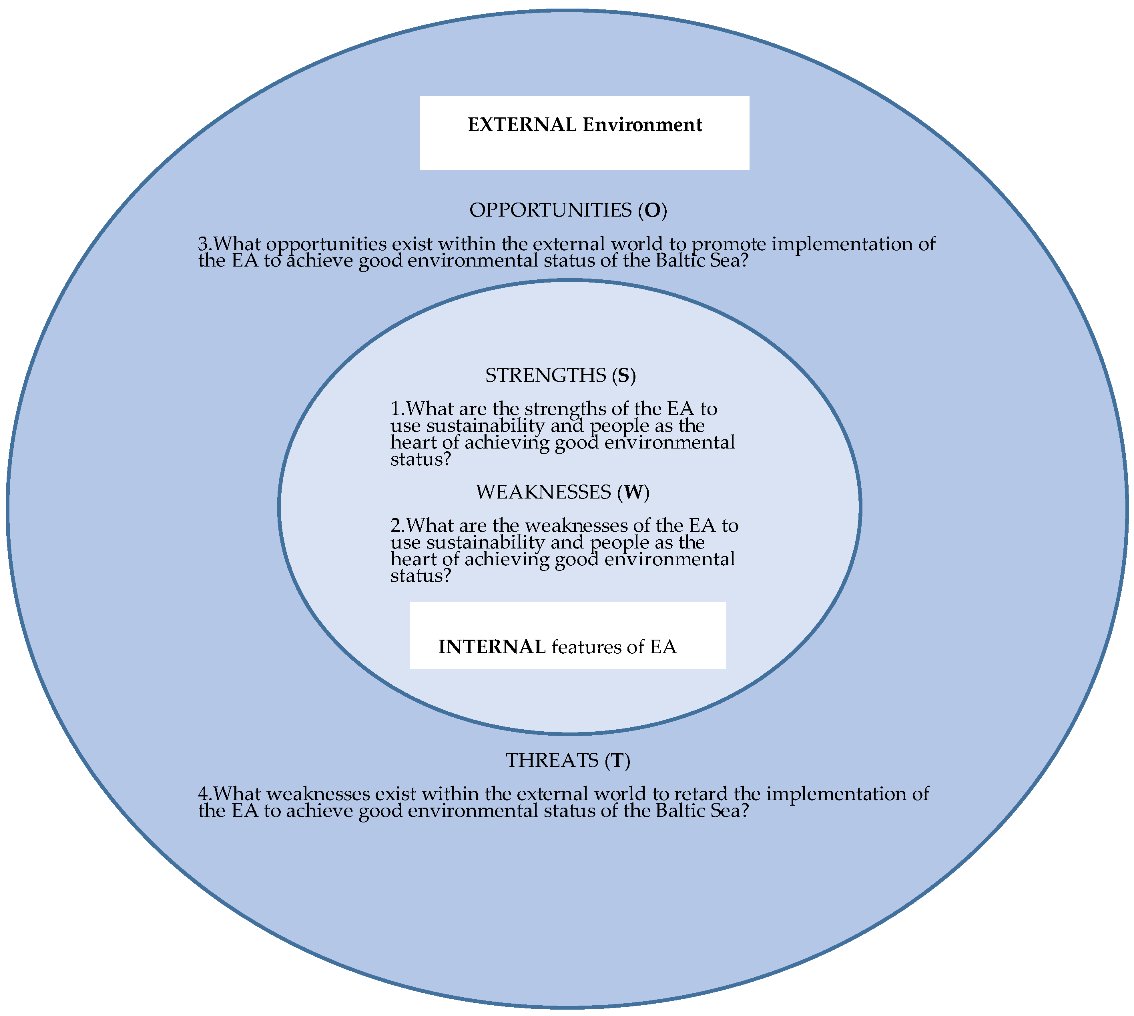
Research Brief
Winter 2022
Baltic Sea experts value the ecosystem approach for conveying environmental stewardship, yet multiple interpretations and fragmented resources impede its implementation.
How an ecosystem approach can accelerate socio-ecological systems mapping and management of aquatic invasive species in the Great Lakes By Federico Holm, Ramiro Berardo, and Steven Alexander Effective invasive species management requires aligning human governance structures with ecological interdependencies. Successful invasive species management depends on far more than the biological conditions of a given system. It also depends on human interactions with the ecosystem, and coordination and cooperation among interdependent stakeholders (Lubell et al. 2017, Bodin 2017). To fully understand the complexity of aquatic invasive species (AIS) management, we must consider all the interconnected elements, both ecological and social. This is where the idea of social-ecological systems (SES) comes into play and exemplifies an ecosystem approach. The SES framework attempts to address the complex interdependent relationships between humans and the natural environment, supporting a systems perspective in which the relationships between multiple social and ecological components are at the center (Sternlieb et al. 2013).In AIS governance, management actions taken by myriad actors (governments, NGOs, researchers, corporations, etc.) create mutual interdependence, where actions and outcomes in one component of the SES can lead to outcomes in another (either intentionally or unintentionally) (Bodin et al. 2019). Our project focuses on AIS governance in the Great Lakes, understood as an SES. We seek to understand the patterns of social interdependencies between actors, and how well they reflect the existing interdependencies in the ecosystem. For example, if two actors are managing two interconnected elements of the ecosystem (such as one species that preys on another), we would expect that these actors collaborate in some form to “internalize” or reflect the existing ecological interdependence (see illustration).To “reconstruct” the social and ecological subsystems, we rely on existing food web models to understand the ecological components, and on stakeholder surveys to understand the social system. We are currently analyzing survey data and will present our initial results at the 2022 ICAIS Conference in April. This project has the potential to shape our understanding of complex freshwater governance systems as well as meaningful implications for the development of a cohesive management approach for AIS in the Great Lakes.
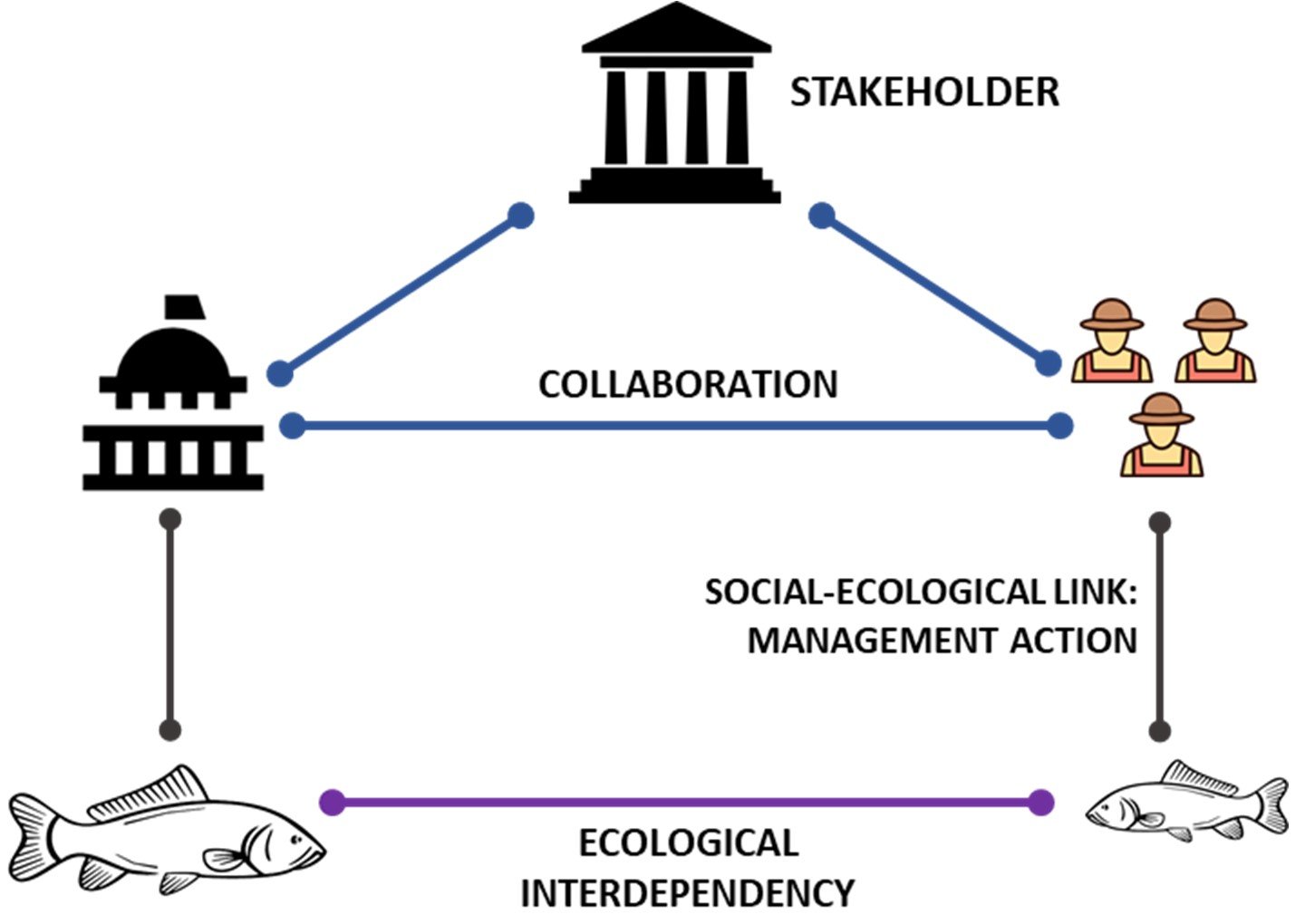
Research Brief
Winter 2022
Effective invasive species management requires aligning human governance structures with ecological interdependencies.
Participatory, holistic management of great lakes Experiences from Lake Vättern, Sweden
By Andreas C. Bryhn Decades of successful management on Lake Vättern have reversed eutrophication and restored Arctic char, offering a model for ecosystem-based management. Studying Arctic char migration in Lake Vättern. Photo courtesy of the County Administrative Board Jönköping.Participatory, holistic management of ecosystems and water resources has been practiced in traditional cultures for millennia. The need to balance exploitation with nature’s resilience and biodiversity is often more imminent in such cultures, since livelihoods are closely connected to nature there.New inventions during the Industrial Revolution made life easier in many other societies. More efficient production could feed more people and provide more jobs. Concurrently, industrialization, urbanization, and changes in land use put increasing anthropogenic pressure on ecosystems, often leading to undesired ecological states. Environmental management gradually became more centralized, with the aim to focus protective action first where it is best needed.During the past few decades, however, there has been an increasing scientific, management and policy interest in what is called the ecosystem approach, or, when applied to fisheries, ecosystem-based fisheries management. In a nutshell, it’s about managing ecosystems and resources in a more participatory and holistic manner while using new, low-impact techniques.In 2019–2021, our research team investigated the way the management of Lake Vättern, Sweden, works in relation to ecosystem-based fisheries management. Management tends to work with the whole lake ecosystem in focus and involves stakeholders quite extensively. Some notable progress has been made; eutrophication has been reversed and the iconic fish species Arctic char has been brought to a more sustainable population level. However, there are many remaining challenges to management, such as climate change, pollution, and invasive species. Participatory structures have been in place for many decades, which we saw as instrumental for this type of management. If other great lakes are to be managed in similar participatory, holistic ways, Lake Vättern is definitely an example worth learning from.
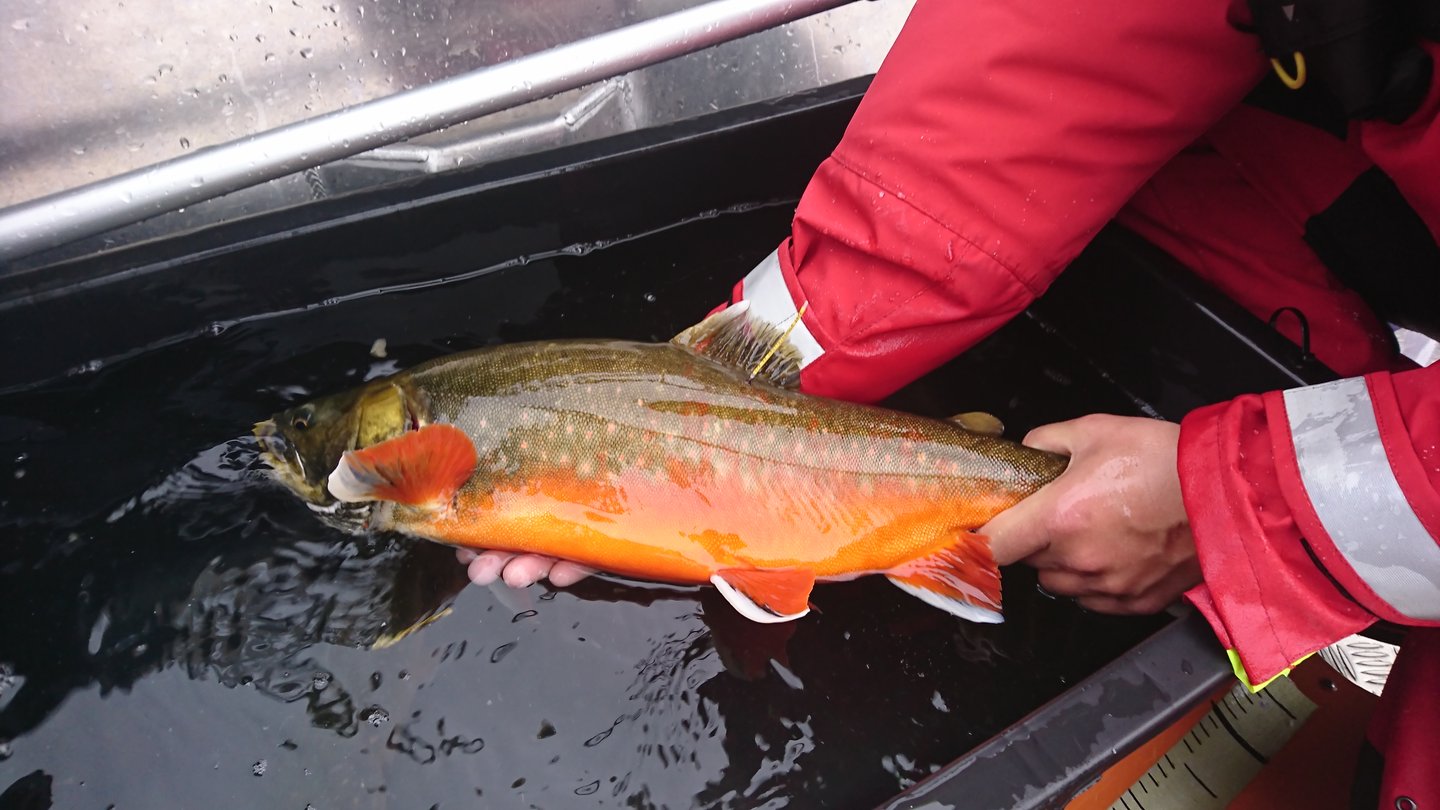
Research Brief
Winter 2022
Decades of successful management on Lake Vättern have reversed eutrophication and restored Arctic char, offering a model for ecosystem-based management.
Back to the future with the ecosystem approach By Catherine Febria, Brad Cardinale, Doug Haffner, and John Hartig The ecosystem approach is more vital than ever to manage the Great Lakes against climate change, prompting a new global conference to accelerate action. We are now two years into struggling through COVID-19, and a surprising outcome of the global pandemic has been been our growing reliance on nature to maintain mental and physical health and renewed relationships with nature during isolating times. Never before has the connection between natural ecosystems and society been more inextricably linked, particularly in the Laurentian Great Lakes, where human health, vitality, and well-being directly relate to the health and management of entire watersheds and the multitude of ecosystems that comprise them.The ecosystem approach has long served as a collaborative framework for governing, researching, and stewarding the health of large watersheds like the Great Lakes (Hartig and Zarull 1992; Munawar and Hartig 2020). Operationalized through programs such as the Great Lakes Areas of Concern and the Coordinated Surveillance and Research Initiative, the ecosystem management framework has resulted in multiscale solutions and partnerships that continue to evolve and grow toward improved relationships, research, and management into the future (Alsip et al. 2021).The ecosystem approach has long served as a collaborative framework for governing, researching, and stewarding the health of large watersheds like the Great Lakes.Although there are examples of ecosystem-based approaches to research and management of the Great Lakes and other large collections of ecosystems (e.g., Australia’s Great Barrier Reef, the African Great Lakes), climate change has become a threat multiplier, and the interaction of multiple stressors has led to greater uncertainty about how these systems will respond to management actions. Now, more than ever, we need to progress toward more holistic and strategic approaches to managing natural ecosystems to protect their biodiversity and the ecosystem services upon which we depend.How can ecosystem-based efforts be accelerated into action more effectively, strategically, and with greater certainty of success? Over the past few years, a Great Lakes-based collaborative has been underway, focusing on a shared vision to make progress on the ecosystem approach as a key framework that will integrate knowledge systems and expertise from around the world specifically to help inform and guide science and management of this critical region. To elevate this effort, and no longer willing to wait for COVID uncertainties to dissipate, we are thrilled to announce the forthcoming Ecosystem Approach in the 21st Century as a hybrid conference and workshop summit.Save the date August 22–24, 2022, for the event, hosted at the University of Windsor situated in the Traditional Territory of the Three Fires Confederacy and the heart of the Great Lakes basin. Convened in celebration of the 50th anniversary of the Canada-U.S. Great Lakes Water Quality Agreement, the event is sponsored by The Nature Conservancy, University of Windsor, Fisheries and Oceans Canada, Great Lakes Fishery Commission, International Joint Commission, U.S. Geological Survey, Aquatic Ecosystem Health & Management Society, University of Michigan's School of Environment and Sustainability, and IAGLR. Its hybrid model will combine a one-day online international conference featuring plenaries, posters, and presentations to help connect the global community engaged in dimensions of an ecosystem-based approach to science, research, and management. This will set the tone for the in-person summit, a writing-intensive gathering of multiple working groups focused on unpacking key dimensions of the ecosystem approach. While the workshop is planned to be in person, we are monitoring the pandemic globally and simultaneously planning for the possibility of a virtual format. Intentionally embedded with diverse knowledge systems and expertise and inclusive modes of engagement and participation, the event will have multiple outputs that include and extend beyond a special issue of Aquatic Ecosystem Health and Management, book(s), and a traveling discussion series that will contribute to the Great Lakes Public Forum being planned by the Canadian and U.S. federal governments for September.This issue of Lakes Letter features a number of examples of the ecosystem approach in research and management to get the conversation going and ideas flowing. We look forward to engaging with you more in 2022 as part of this collaborative effort.
Perspective
Winter 2022
The ecosystem approach is more vital than ever to manage the Great Lakes against climate change, prompting a new global conference to accelerate action.
The Great River Rapport: An ecosystem health report for the Upper St. Lawrence River By Leigh McGaughey and Pam Maloney The Great River Rapport combines Indigenous Knowledge and scientific data to assess the health of the Upper St. Lawrence River in an accessible format. Sunset over Lake St. Lawrence seen from the Long Sault Parkway. All photos by Stephany Hildebrand.The Great River Rapport was inspired by the most commonly asked question in the community: What is the health of the St. Lawrence River? With no simple answer, we wanted to explore ways to describe the complexities of the ecosystem with a wide public audience.Young of the year Muskellunge and northern pike in a fish viewer surveyed as part of the Fish Identification Nearshore Survey (FINS) project.Ecosystem health reports have become commonplace across the globe, and many provide comparative results based on the same ecological health parameters. Although some national and global health reports have described the Upper St. Lawrence River region as data deficient, the St. Lawrence River Institute of Environmental Sciences (River Institute) believed that an ecosystem health report could be developed using a unique set of ecological indicators that best characterize the river. The Great River Rapport was developed to carefully disseminate the data that exist, identify the gaps and needs for future research, and provide answers for the public in a language that is accessible for community members.The Upper St. Lawrence River region represents a complex jurisdiction that encompasses the international Canada/USA border, the Ontario/Quebec border, and the traditional territory of the Kanien’kehá:ka (Mohawk), part of the Haudenosaunee Confederacy. As collaborators on the Great River Rapport, our colleagues at the Mohawk Council of Akwesasne provided the inspiration to frame the project in the Haudenosaunee Thanksgiving Address (Ohenton Karihwatehkwen), “Words That Come Before All Else.” These traditional words are spoken at the start of important gatherings to bring minds together and to honour all elements of nature (including people) and their interconnectivity in the natural world. Through our partnership with Akwesasne, we embrace the two-row wampum approach to honour and engage the biocultural context of the Haudenosaunee. The result includes both Indigenous Knowledge and scientific findings in formats that encourage ongoing conversation, insight, and friendships through this co-creation.As part of the project, we wrote community stories about project participants published through Perch Magazine: Under the direction of Henry Lickers (left), the project has been wrapped around a framework of Ohenton Karihwetehkwen, the Haudenosaunee Thanksgiving Address. Ian Macintosh (middle) describes his observations on the river to Dr. Leigh McGaughey. At right, Jessica Shenandoah leads a team of community members to transplant and reintroduce wild ginger to Akwesasne where it was once abundant.With this unique approach, it was important from the outset to develop a “rapport” with the people who live and interact with the environment. To answer the original question, What is the health of the St. Lawrence River?, we started with the people who live in the communities along the river. Surveys and workshops gathered feedback that defined their priorities and concerns. With this feedback, scientists, partners, and Akwesasronon (Akwesasne Community Members) were recruited to nominate and select ecological indicators that characterize the issues and concerns raised by the community. A grading and prioritizing process narrowed the list to 35 indicators, and the team started gathering all of the available data from academia, NGOs, government agencies, and citizen scientists. Ongoing data collection, compilation, and peer review follows a scientific approach for each indicator, with the detailed results expressed through a series of technical reports.To maintain the goal of translating the science into accessible formats for the general public, we hired a photographer, an Indigenous artist, and a technology expert to incorporate art, photos, video, and stories. These elements give the project life, and invite people from all backgrounds to engage as we move along.Since it began, the Great River Rapport has evolved into an ongoing quest for knowledge that promises to share current and future discoveries about the changing ecosystem. We appreciate the diverse lenses through which people view and enjoy the river, and we continue to find ways for people to access and connect with the environment.The Great River Rapport reflects the diverse group of people who inspire and contribute to its growth. We are grateful to the artists, story tellers, knowledge keepers, scientists, community members, nonprofit groups, academics, government representatives, environmental groups, passionate individuals, community organisers, writers, editors, digital media experts, and designers who leave their signature on this unique project.Illustration by Victoria Ransom, depicting part of the Haudenosaunee Thanksgiving Address.To help anchor the Great River Rapport project in the Haudenosaunee Thanksgiving Address, artist Victoria Ransom created illustrations to depict different parts of the address. The illustration represents Otsi’nonwa’shn:’a (Insects).We thank the insects for continuously keeping our environment clean and balancing the natural equilibrium. So, we turn now to the Insects and send our greetings and thanks. Now our minds are one.Artist's description: Chosen for this element are the dragonfly and shad fly, based on their significance to the river. The dragonfly is centered in the middle, as well as at the bottom surrounded by water lilies. Skydomes and pottery designs circle the center dragonfly, and the shad fly is depicted in the outer circle.
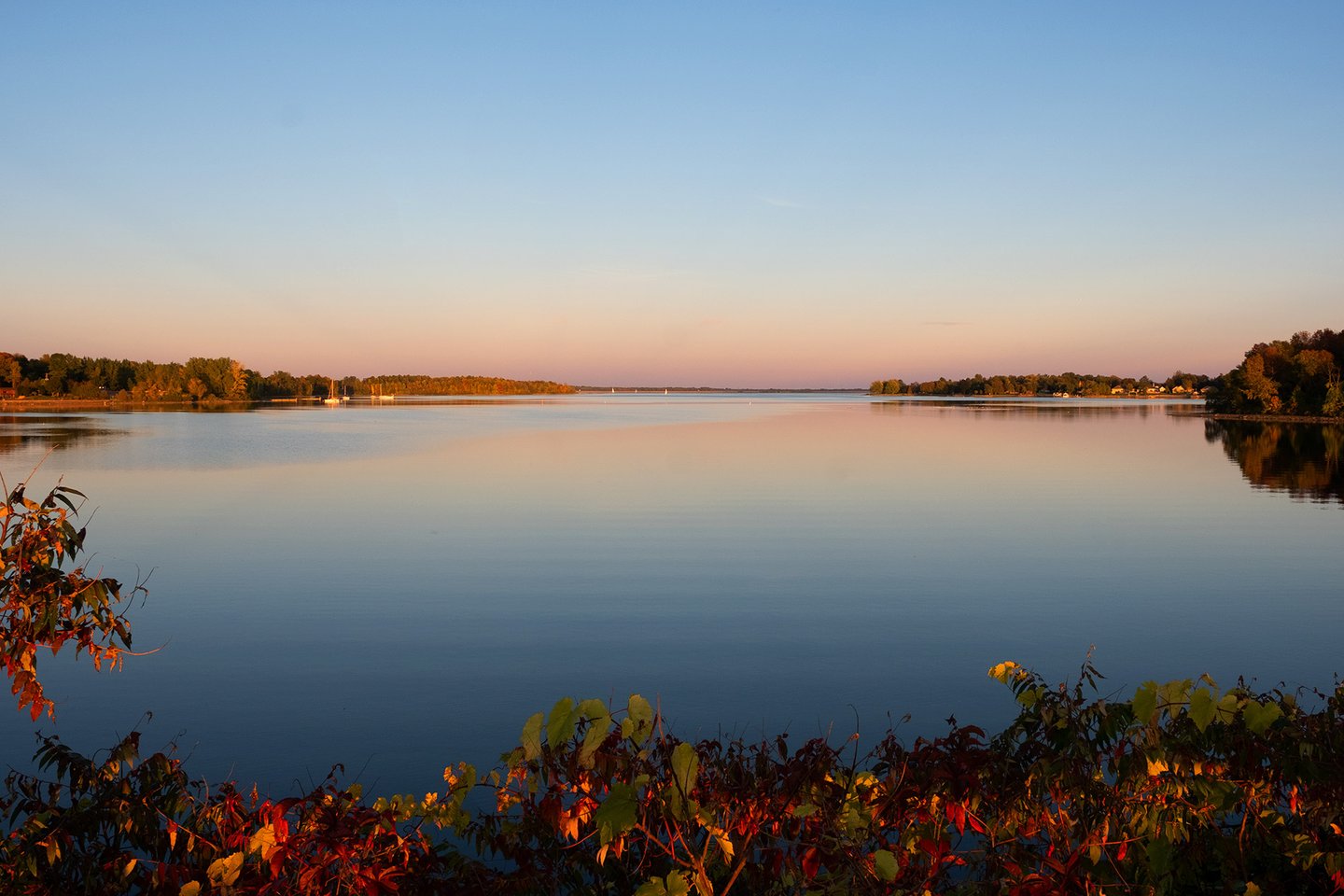
Feature
Winter 2022
The Great River Rapport combines Indigenous Knowledge and scientific data to assess the health of the Upper St. Lawrence River in an accessible format.
Evolving institutional arrangements for use of an ecosystem approach in restoring Great Lakes Areas of Concern By John Hartig and Peter Alsip A study of 43 Areas of Concern shows how evolving institutional arrangements and nonprofit partnerships have driven successful restoration and economic revitalization. Adapted from map provided by U.S. EPA.Great Lakes Areas of Concern (AOCs) serve as microcosms of use of an ecosystem approach in resource management. Our recently published study in the journal Sustainability sheds light on how and why institutional arrangements have changed over time to apply an ecosystem approach in restoring AOCs and to address emerging challenges in each local area.Following the 1985 recommendation of the International Joint Commission’s Great Lakes Water Quality Board, the federal, state, and provincial governments committed to working with local stakeholders to develop remedial action plans (RAPs) to clean up each AOC within their political boundaries and restore impaired beneficial uses using an ecosystem approach. RAPs were then added to the 1987 Protocol to the Great Lakes Water Quality Agreement, giving international legitimacy to the program and providing laser-like focus for all stakeholders to work together to eliminate any of 14 “beneficial use impairments.”Our study found that institutional arrangements in 35 of the 43 AOCs evolved over time into structures with broader stakeholder representation and more active participation. Broader stakeholder representation and more active participation leads to accessing local knowledge and enhancing creative problem solving. In 32 of the 43 AOCs, a partnership was established with a nonprofit organization or a Conservation Authority in Canada that has nonprofit status. The establishment and growth of these nonprofit organizations helped build local capacity and ownership, broadened the timeline to think about life after being removed from the AOC list, enabled a watershed focus, and often strengthened the connections among science, policy, and management.This study also found that 30 of the 43 AOCs now recognize “life after delisting” as an AOC or “sustainability” as part of their focus. For example, the Environmental Network of Collingwood, an organization that emerged from the RAP process, remains active in promoting sustainability 26 years after delisting Collingwood Harbour as an AOC. Cleanup of Great Lakes AOCs has been found to be a springboard for local communities to convert areas that were once a detriment to economic growth into valuable waterfront economic assets. For example, cleanup of the Detroit River has led to the development of the Detroit RiverWalk that has reaped over $1 billion of economic benefits in its first 10 years. Finally, use of an ecosystem approach, by nature, is adaptive, where assessments are made, priorities established, and actions taken in an iterative fashion for continuous learning and improvement.Use of an ecosystem approach in RAPs has required cooperative learning that involves stakeholders working in teams to accomplish a common goal and individual and group accountability. The next important step in furthering use of an ecosystem approach is to better promote this as a primary philosophy guiding science and management in the Great Lakes and the rest of the world. We believe that continued improvement in the implementation of an ecosystem approach can be facilitated through the sharing of experiences between the AOC program and other restoration programs using this approach elsewhere in the world. Indeed, that is one of the primary purposes of convening the conference titled The Ecosystem Approach in the 21st Century: Guiding Science and Management in August 2022 at the University of Windsor in celebration of the 50th anniversary of the Canada-U.S. Great Lakes Water Quality Agreement.
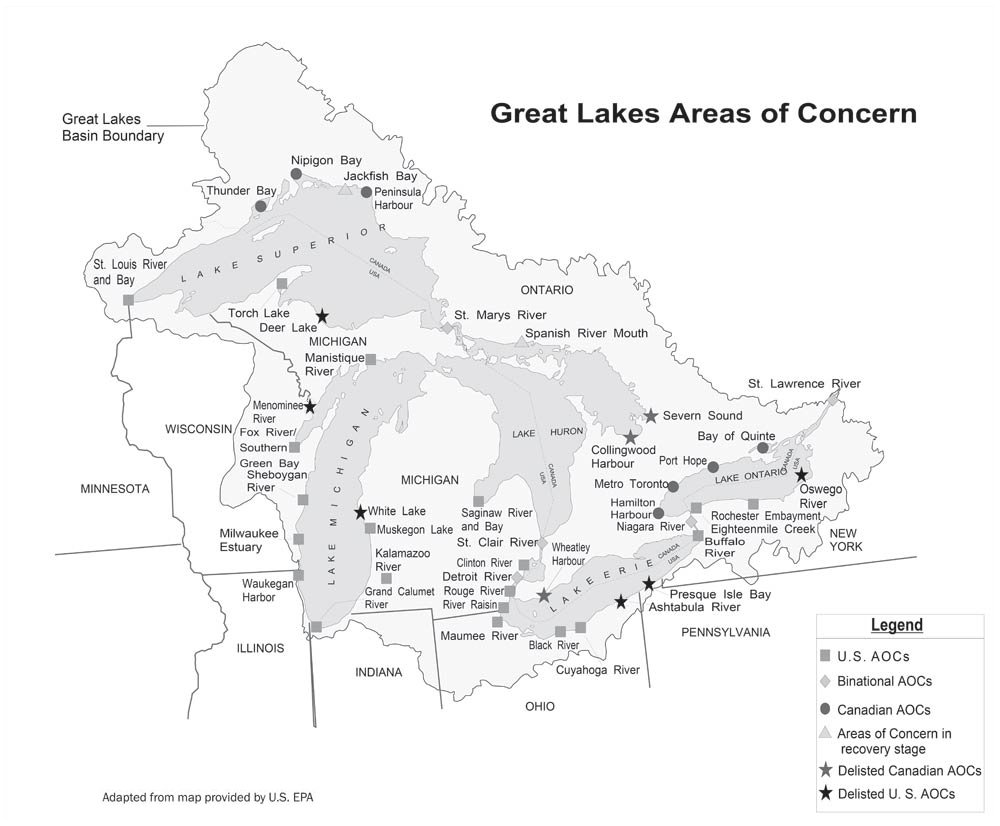
Feature
Winter 2022
A study of 43 Areas of Concern shows how evolving institutional arrangements and nonprofit partnerships have driven successful restoration and economic revitalization.
Systems thinking and the ecosystem approach By Peter Stoett and Paula McIntyre Managing complex large lakes requires systems thinking to understand interactions, leverage points, and the human dimensions often ignored in reductionist approaches. Large lakes are complex, open systems that face myriad threats. They cannot be managed over the long term without respecting the interactions between their component parts, including coasts, water, biodiversity, drainage points, economic sectors such as fisheries and tourism, and pollution, to name a few. Further, the human dimensions cannot be ignored nor minimized. The demands of adaptive governance of large lakes can only be met if policy makers and stakeholders alike take a systems approach to thinking about problems and solutions.In our discipline-driven work, we can lose sight of the broader system in which we are engaged. Most environmental management efforts were initially focused on an equilibrium view—the pursuit of static as opposed to dynamic stability—and on the control of variables (“command-and-control” management). What does it mean to take a systems thinking approach to complex problems? In the words of Donella Meadows, a system is “an interconnected set of elements that is coherently organized in a way that achieves something” (Meadows 2008). Examining a system by observing only the component parts is generally referred to as a reductionist approach; a systems thinking approach, in contrast, implies that we need to consider how those parts interact (Waltner-Toews et al. 2008). As David Peter Stroh writes, “optimizing the system requires improving the relationships among its parts, not optimizing the individual parts as is often assumed and rewarded” (Stroh 2015).One approach that has gained legitimacy at the regional and global levels is the ecosystem approach, which has been endorsed by the Parties to the United Nations Convention on Biological Diversity (CBD). According to Article 2 of the CBD, an ecosystem is “a dynamic complex of plant, animal and micro-organism communities and their non-living environment interacting as a functional unit.” Ecosystems are not stable, pristine entities from which we can inexhaustibly draw beneficial resources. They are characterized by thresholds, regime shifts, resilience, leverage points, and feedbacks.The ecosystem approach demands flexible thinking, adaptive management, and the ability to respond to feedbacks. This may entail interagency cooperation among governing authorities, or even deep organizational change, and the participation by many stakeholders in consensus-based decision making, rather than command-and-control by a few. Great Lakes management has proven a leader in this effort, and researchers focusing on various parts of these ecosystems have much to contribute and coordinate as they pursue the common goals of promoting sustainability and resilience.We can listen to what the system tells us, and discover how its properties and our values can work together to bring forth something much better than could ever be produced by our will alone.In this pursuit, it’s important to recognize that systems work is happening under different terminology, frameworks, and worldviews, and it can be helpful to learn from these existing approaches. For example, some researchers consider lakes as part of socioecological systems, a view highlighting that real people with rights and obligations live within the ecosystems being studied. Indeed, it is increasingly common to refer to biocultural systems, a framing stemming partially from a much older conceptualization of interconnected life originating in Indigenous worldviews (e.g., the Haudenosaunee Thanksgiving Address). Biocultural community protocols can represent these systems according to local understandings and governance arrangements, and be shared with national governments as well as researchers working in the area. Regardless of whether such protocols exist, simple research ethics demands the free, prior, informed consent of local communities before research is conducted, and the open sharing of results. It is foolhardy to ignore the accumulated wisdom of the caretakers of land and water, many of whom have been engaged in a form of systems thinking all along.Systems thinking is a method that has emerged to guide people toward transformative change. It calls for relinquishing the idea of controlling a system or completely understanding it. Instead, Meadows writes, “We can listen to what the system tells us, and discover how its properties and our values can work together to bring forth something much better than could ever be produced by our will alone.” Below, we share some ways to get started.Stepping into systems thinkingPlan to adaptBecause lake ecosystems are open systems constantly influenced by external forces, we need to accept uncertainty as the norm and plan accordingly. Rather than making a fixed, long-term plan, know what you’re aiming for, design an initial step with other stakeholders, and test it out. Monitor and evaluate what happens, learn from the experience, and adjust. Repeat with your next best shot.Know the conditionsUnderstanding the conditions that affect a system helps us to prioritize our efforts. While there are different models (e.g., the iceberg model, the six conditions of systems change), in general, responding to the explicit conditions that demand our attention, such as news and events, will rarely leverage long-lasting change. Systems thinking requires us to go deeper, looking not only at policies, practices, and resource flows, but relationships, power dynamics, and underneath it all, our mental models that hold the system in place. Addressing these implicit conditions holds the power for us to transform a system (Kania et al. 2018).Broaden your timelinesSystems thinking asks us to extend our timeline when considering our ecosystem work. We need to take a cumulative view that looks at impacts over time and focuses on sustainability (resilience promoted through adaptive management and governance). “It is easy to ignore larger systems if your time horizon spans only months and quarters,” writes Peter Senge. “Your perspective shifts when you think about consequences of your decisions over decades.” (Senge et al. 2010)Set your boundariesAn ecosystem approach considers the whole array of ecosystem components (e.g., human activities, habitats, species, and physical processes) and interactions, as well as the services they provide. Yet analyzing every single component and linkage within an ecosystem would be physically and intellectually impossible. Instead, we should concentrate on what we feel are key elements and the interactions between them and set a suitable boundary around them. Meadows urges us to “invent boundaries for clarity and sanity,” while also cautioning us that “boundaries can produce problems when we forget that we've artificially created them” (Meadows 2008).Map your systemMapping a system involves creating a visual representation of the relationships between parts, feedback loops that help drive the system, and forces affecting the system. It is a complex, subjective exercise that can help identify possible leverage points where concerted action can affect the whole. While it may seem that a map is the intended benefit of this exercise, the real benefit of systems mapping is that it provides a way for all stakeholders to engage in the process. It helps them to see how they contribute to the performance of the system as a whole, whether good or bad. (Stroh 2015).Discover your storyHow you tell the story of your system can have a profound impact on the success of your efforts. “Stories make, prop up, and bring down systems,” writes Ella Saltmarshe. “Stories shape how we understand the world, our place in it, and our ability to change it.” The creation of the Detroit River International Wildlife Refuge illustrates the power of story. One of the few urban refuges, and the only international one in North America, a story helped unite people with different perspectives around a shared vision. This binational story told of how cooperative conservation is re-creating gathering places for people and wildlife in the refuge. This story “had to be carried in the hearts and minds of all, and had to result in shared meaning” (Hartig 2015).See yourself in the systemBecoming well-versed in systems is an important capacity to develop. Through systems thinking, we come to see that the greatest leverage we have to change a system begins with changing ourselves (Stroh 2015). Systems thinking helps us understand that developing collaborative skills, sharing information, building relationships, and adopting a learning mindset are not just niceties; they are vital for transformative change. Taking the responsibility to be the best version of our “systems self” and understanding our own position and role will help us to collectively design and sustain the healthy large lake ecosystems we envision.By Paula McIntyre and Peter Stoett
Feature
Winter 2022
Managing complex large lakes requires systems thinking to understand interactions, leverage points, and the human dimensions often ignored in reductionist approaches.
Evolution of a conservation organization By Scott Sowa The Nature Conservancy traces its evolution from a land trust to a global systems-based organization tackling climate change and biodiversity loss through science. Aerial view of Saginaw Bay shoreline in Lake Huron at the outlet of Mud Creek showing a complex landscape that is emblematic of TNC’s evolution as an organization and diverse areas of work such as coastal resilience, protection of migratory bird stopover habitat, regenerative agriculture and reduction of nutrient runoff, and siting of renewable energy. We take an ecosystem approach to conservation where we seek to understand the complex, interconnected challenges we face in order to devise durable solutions that will lead to a world where both people and nature can thrive. Photo credit: Fauna Creative.The Nature Conservancy is a global environmental nonprofit working to create a world where people and nature can thrive. The Conservancy’s roots date to 1915 with the formation of the Ecological Society of America. In 1946, famed ecologist Victor Shelford and 14 colleagues left the ESA to form The Ecologist Union, resolving to take “direct action” to protect threatened natural areas. In 1950, the Ecologist Union changed its name to The Nature Conservancy and we incorporated as a nonprofit organization in 1951.The Conservancy completed its first land acquisition in 1955, purchasing a 60-acre parcel of old growth hemlock forest at Mianus Gorge in New York. Since that time, we have worked with countless partners across the world to protect hundreds of millions of acres of lands and waters. We have over 4,000 staff members—including 400 scientists—working in every U.S. state and 76 countries. Protection will always be a core priority for the Conservancy, but today our strategies go well beyond land acquisition. Over the years, we have grown from a small land trust working to protect separate parcels of land to a global organization that takes a comprehensive systems approach to solving the two greatest conservation challenges we face today: climate change and biodiversity loss.This evolution has been driven by science, which continues to drive all our work. For our first 20 years we worked with various partners to assemble the data and expert input needed to identify and prioritize places most in need of protection. In 1970, the Conservancy created a new biological inventory of the United States. That inventory led to the creation of the Natural Heritage Network, which is now known as the NatureServe Network. These data brought more scientific rigor to protection efforts and were instrumental to the next big evolution in our approach to conservation.The 1970s through the 1990s was a period of rapid technological and theoretical advancement across the world of conservation. Remote sensing and geospatial technologies advanced rapidly while new fields of conservation biology and landscape ecology sought to respond to increasing threats to our natural world. The Nature Conservancy embraced these new technologies and concepts in multiple ways, from developing the rigorous conservation assessment and planning process of Conservation by Design in 1995 to creating international and whole system programs like the Great Lakes Program, which launched in 1996. These assessments offered a more comprehensive view of threats facing complex ecosystems, while the new programs fostered the collaboration needed across TNC and with peer organizations to address those issues at a scale that leads to tangible and lasting impact.As the Conservancy invested more heavily in climate change strategies, we piloted successful collaborations working with global supply chains, innovative financing, and market-based solutions. In 2015, a global situation analysis by TNC spelled out the top threats to nature and human communities. This assessment led to four global priorities for the Conservancy: increasing land and water protection, bringing greater sustainability to food systems and water resources, addressing climate change through both mitigation and adaptation, and addressing the global human migration to cities and the interrelated impacts on natural resources and human health.At the heart of any ecosystem approach is a shared understanding and vision of a healthy ecosystem.The Nature Conservancy’s efforts to explicitly consider people and communities in our strategies led to recent revisions to Conservation by Design to consider social outcomes in all we do and to work even more intensively with all sectors of society, including Indigenous Peoples, to develop practical conservation solutions. Acting with a more comprehensive view and approach to managing ecosystems, we focus on global goals with specific metrics for land, oceans, carbon, freshwater, and people. We also recognize that at the heart of any ecosystem approach is a shared understanding and vision of a healthy ecosystem. The Nature Conservancy strives to promote and support partnerships and governance structures that foster shared understanding and visions that lead to policies and programs providing durable solutions to achieve them.This year marks the 50th anniversary of the Clean Water Act and Great Lakes Water Quality Agreement, both grounded in an ecosystem approach. Many events will celebrate these landmark pieces of legislation and offer an opportunity to reflect on what is and isn’t working when it comes to real-world application of the ecosystem approach. I’m hopeful this period of deep reflection will lead to another leap forward in the application of the ecosystem approach to conservation. These times demand nothing less.Protection of places like the Shivering Sands Preserve (left) will always be a core priority for The Nature Conservancy to combat habitat loss and fragmentation and create a resilient and connected network of healthy habitats for nature that also provide critical ecosystem services to people. However, we know we must do more, which is why we have expanded the work we do and where we work as is reflected by the photo at right showing Peter Limbu (right), our Lake Tanganyika Fisheries Director, working with two volunteer data collectors who are helping monitor the fish being harvested from the lake to ensure populations remain healthy for future generations. Photo credits: Gerald H. Emmerich, Jr. (left) and Ami Vitale (right).
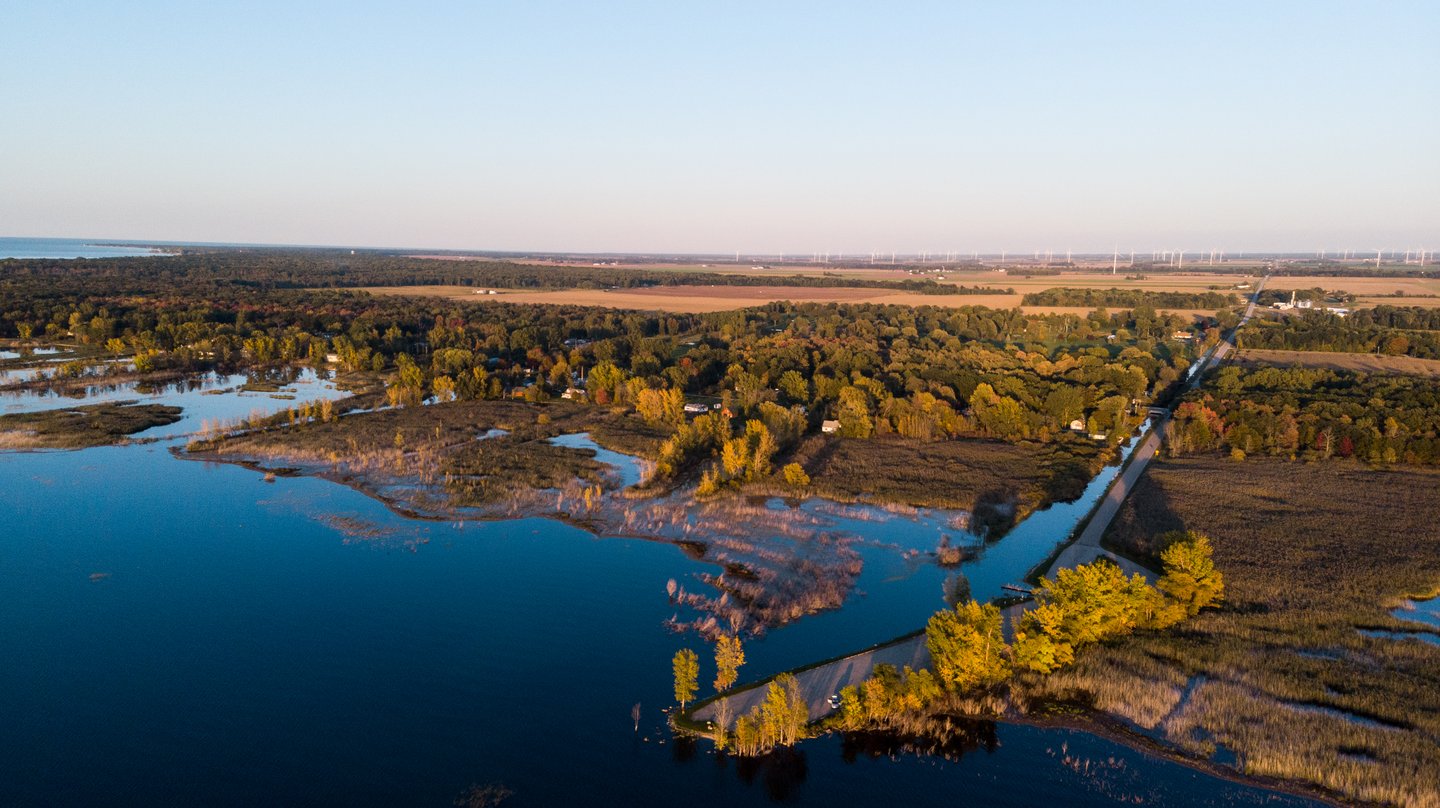
Feature
Winter 2022
The Nature Conservancy traces its evolution from a land trust to a global systems-based organization tackling climate change and biodiversity loss through science.
The dilemma of the ecosystem approach on Lake Victoria By Martin Van der Knaap Lake Victoria's experience with Nile perch and cage aquaculture highlights the tension between ecosystem principles and the immediate economic needs of local communities. When we established the Lake Victoria Fisheries Organization (LVFO) in 1994, we believed we would apply the ecosystem approach to managing the fishery of this African Great Lake. But the voluntary introductions of the Nile perch and Nile tilapia caused havoc among the lake’s original biodiversity at the expense of many cichlid fish species. They caused changes in the entire food web as we used to know it. In addition, our efforts to achieve long-term ecosystem health bump into the more immediate needs of local people who rely on the lake as a source of food, employment, and income generation.A fish truck with Nile perch on ice. Photo courtesy of Martin Van der Knaap.Consider the case of the Nile perch, which was introduced to Lake Victoria in the 1950s as a potential game fish species. In the ’90s, the unbridled expansion of fish processing plants for Nile perch export and the resulting demand for the fish put great pressure on the species. Around 2000, the fishery was considered sustainable, but only for a short while as the lake continued to attract additional fishers. During the heyday of the Nile perch, a trader could fill a fish truck in just three days; nowadays it takes a full week to fill half a truck. Did the ecosystem approach fail? Alternatively, was it a failure to control access to the lake? Perhaps the ecosystem approach and “open access” cannot go together?As the Nile perch became scarce, small pelagic cyprinid species flourished. Target species of the fishery changed also. In certain bays, mainly in the Kenyan portion of the lake, hardly any fish remained. As a result, through the input of some foreigners, fishers were encouraged to rear young Nile tilapia in floating cages in the lake. This effort appeared successful, and many people followed the example, until large commercial farms were established. Their production increased over the years to several thousands of tonnes of tilapia per year. In theory, the convention of the LVFO called for an ecosystem approach to aquaculture. But nobody foresaw the magnitude that the cage industry could achieve. Today, without the right policies in place, the commercial expansion threatens to get out of hand. There is an immediate need to determine the carrying capacity of the lake and to provide a formula for spatial planning. High fish densities in the cages may attract diseases and parasites. Will fish farmers be tempted to apply antibiotics and other chemicals to reduce the impact of diseases? What will be the effect of the locally high concentrations of fish excrements?With the biodiversity of the lake severely impacted, can we sustainably make further changes, for instance by fish (re)stocking programs? Can these manipulations of fish species be part of the ecosystem approach to fisheries and aquaculture? To what extent may we intervene in the ecosystem? Each intervention, whether fishing, fish rearing, or stock enhancing, will impact the ecosystem, often in unintended ways. The ecosystem approach is an excellent principle for management of natural resources in the Great Lakes, but can it be successful when the tendency to overexploit these resources exists? Time will tell. Lake Victoria went through many disasters; likely, it will overcome this one as well.
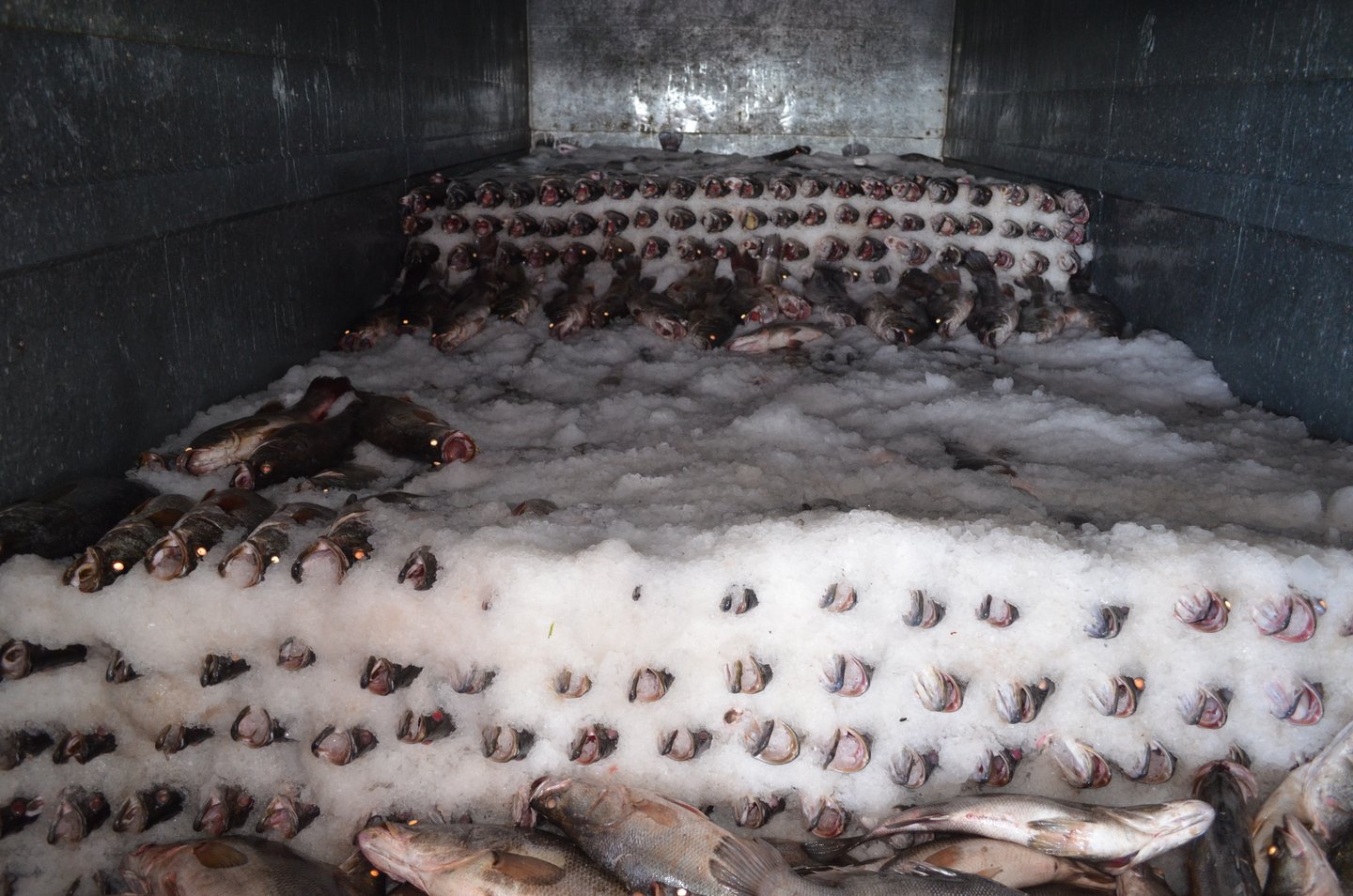
Feature
Winter 2022
Lake Victoria's experience with Nile perch and cage aquaculture highlights the tension between ecosystem principles and the immediate economic needs of local communities.
Jana Levison Jana Levison evaluates the effectiveness of restoration projects for fish species at risk across Southwestern Ontario as part of the FishCAST program. About my workMy research focuses on groundwater quantity and quality, with emphasis on rural groundwater systems, climate change impacts on groundwater, and source water protection. Most of my research sites are in the Great Lakes basin in southwestern Ontario. Currently, some specific topics we're focusing on include investigating 1) N and P transport in groundwater-surface water interacting systems in the Lake Huron basin; 2) impacts of climate change on agricultural N transport in the Lake Erie basin; 3) delivery of chloride to Lake Ontario via groundwater transport pathways; and 4) a source water protection and risk assessment framework for a First Nations community situated in the Lake Huron basin.Why IAGLR?Attending IAGLR conferences and reading and publishing in the Journal of Great Lakes Research are of great interest to me and my research group. I particularly like the interdisciplinary nature of the organization, since integration of different fields is necessary to tackle the challenging water issues we face now and into the future.

Member Spotlight
Fall 2021
Jana Levison evaluates the effectiveness of restoration projects for fish species at risk across Southwestern Ontario as part of the FishCAST program.
Dominique Rumball Dominique Rumball investigates groundwater quantity and quality, focusing on nutrient transport and climate change impacts in the Great Lakes basin. About my workI am an MSc student supervised by Dr. Nicholas Mandrak at University of Toronto Scarborough and a member of the FishCAST NSERC CREATE Training Program. My research focuses on evaluating the effectiveness of restoration projects for fish species at risk across Southwestern Ontario.Why IAGLR?I joined IAGLR to continue exploring my appreciation and understanding of large lake ecosystems. As a member, I look forward to interacting with a diversity of individuals and working together to create a sustainable future for all.
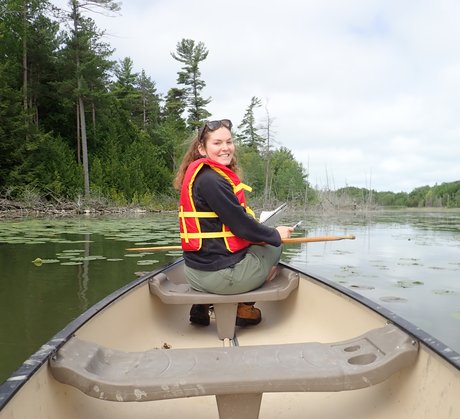
Member Spotlight
Fall 2021
Dominique Rumball investigates groundwater quantity and quality, focusing on nutrient transport and climate change impacts in the Great Lakes basin.
Earlier winter-spring runoff leads to lower summer primary production in temperate lakes By Allison Hrycik A study of 41 lakes shows earlier winter-spring runoff lowers summer phytoplankton biomass, likely by flushing nutrients out of reach before the growing season. Early spring ice loss on Otsego Lake, New York. Photo by Kiyoko Yokota.Winter conditions are changing rapidly, and such changes have the potential to impact lake ecosystems across seasons. However, how these changes may play out on a global scale is difficult to quantify. Hydrologists have documented earlier runoff occurring in watersheds worldwide, but we do not fully understand the ecological impacts of earlier runoff on receiving bodies, such as lakes. A group of researchers from the Global Lakes Ecological Observatory Network (GLEON) explored how changes in spring runoff timing affected summer chlorophyll-a (a proxy for phytoplankton biomass). The study was published in the October issue of Global Change Biology.We compiled long-term monitoring data sets from 41 temperate lakes across North America and Europe that included stream runoff measurements, summer chlorophyll-a, and several covariates. We found that years with earlier runoff had lower summer chlorophyll-a. Years with early runoff also tended to have more protracted runoff and lower runoff volume. Although early runoff correlated with early ice-out, ice-out timing was not related to summer chlorophyll-a. The result that lower summer productivity occurs with earlier runoff is likely linked to changes in nutrient input timing and availability. For example, lower-volume winter melting events that happen in early runoff years may contain nutrients that are quickly flushed out of a lake, taken up by heterotrophic bacteria, or taken up by sinking diatoms. In contrast, years with later runoff that occurs in a concentrated “spring flood” may be more available for entrainment in the upper water column, where they are available to summer phytoplankton. Our results suggest that winter conditions set the stage for open-water phytoplankton growth in lakes.
Research Brief
Fall 2021
A study of 41 lakes shows earlier winter-spring runoff lowers summer phytoplankton biomass, likely by flushing nutrients out of reach before the growing season.
Winter shapes fish behavior and species interactions By Bailey McMeans Winter conditions drive divergent activity patterns in fish species, promoting coexistence in ways that shorter winters due to climate change may threaten. Fishes respond differently to winter conditions. Species that remain active during winter tend to belong to the cold- and cool-water thermal guilds. Species that reduce their activity, making them challenging to catch under the ice, tend to belong to the warm-water thermal guild. Photo: Bailey McMeans.For temperate fishes, winter is a dramatically different environment than all other seasons: temperatures decline to near freezing, light is reduced, and, in some systems, oxygen and prey density also decline. As any ice angler can attest, fishes respond differently to these winter conditions; some remain active, while others become inactive (see image). However, the ecological consequences of differential responses to winter in fish communities remain poorly studied.Our paper demonstrates how fish habitat use and activity differ from summer to winter and vary among coexisting species. Specifically, using acoustic telemetry, we show that lake trout (Salvelinus namaycush) move nearshore into littoral habitats and remain active throughout the winter. In contrast, smallmouth bass (Micropterus dolmieu), a littoral warm-water species, move to slightly deeper water and dramatically reduce their activity rates, weakening the potential for interspecific competition in this species pair. Activity patterns for lake trout and burbot (Lota lota), two cold-water species, are also shown to diverge throughout the year.We argue that winter could play a widespread role in promoting coexistence in freshwater fishes. Periods of low temperature, light, and oxygen provide rich opportunities for species to diverge, and these divergent responses to winter appear widespread both across and within thermal guilds. Alarmingly, competition models developed in our study suggest that shorter winters, already arising under a changing climate, threaten this seasonally mediated coexistence. Quantifying how diverse physiological and ecological responses to winter vary across species and populations and shape species interactions from small to large lakes remains a fruitful avenue for future research.
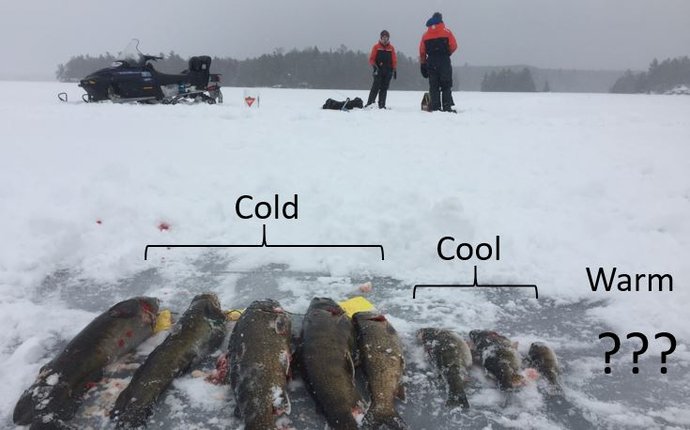
Research Brief
Fall 2021
Winter conditions drive divergent activity patterns in fish species, promoting coexistence in ways that shorter winters due to climate change may threaten.
Filling data gaps: A project to measure winter oxygen and carbon dioxide levels in western Lake Erie By Rachel Eveleth Continuous winter monitoring in Lake Erie reveals shifting metabolic states and CO2 fluxes, offering a glimpse into the lake's future low-ice conditions. Lake Erie faces an onslaught of stressors including climate change, eutrophication, invasive species, and harmful algal blooms. Two dissolved gases, oxygen (O2) and carbon dioxide (pCO2), can act as tracers of the past (e.g., temperature, wind, metabolic history), influencers of the present (e.g., fisheries and harmful algal bloom impacts), and indicators of the future (e.g., improve modelling of lake processes and climate). Despite the importance of these gases, large data gaps exist throughout the year. Measurements of O2 and pCO2 are particularly limited in the winter, when ice cover and harsh conditions hinder sampling efforts.To help remedy this, a team from Oberlin College headed to South Bass Island for the 2020 winter term. A pump off the dock at Stone Laboratory continuously supplied flow-through water for sonde measurements and discrete sampling of a suite of biogeochemical parameters including pH and alkalinity. In addition, we assessed the balance of photosynthesis and respiration of the water column using an Equilibrator Inlet Mass Spectrometer, which continuously measures the water’s oxygen-argon ratio, or biologically driven oxygen signal.During January, we derived pCO2 values ranging from 380-525 μatm, with this lake region on average behaving as a source of CO2 to the atmosphere at this time. As the season progressed, we observed a shift to net autotrophic conditions with daily variability tied to storm events and fleeting ice. Our study season was a particularly low ice year, so may be reflective of more common conditions in the future. Work is ongoing to amass winter O2 and pCO2 data from more locations and years and connect winter processes to spring and summer dynamics and blooms.
Research Brief
Fall 2021
Continuous winter monitoring in Lake Erie reveals shifting metabolic states and CO2 fluxes, offering a glimpse into the lake's future low-ice conditions.
Winter, summer bathymetric distribution and diet of benthic fishes By David Jude, Hans Van Sumeren, and John Luchco Deep-water fish like round gobies and alewives migrate significantly between seasons, with winter diets and behaviors differing sharply from summer patterns. Presumed lake whitefish (Coregonus clupeformis) carcass surrounded by many round gobies, December 22, 2015, in 122 meters of water in the west arm of Grand Traverse Bay, Lake Michigan. Photo courtesy of Marine Technology/Northwestern Michigan College.We set micro-mesh gill nets from December 2015 to August 2016 in Grand Traverse Bay and used a remotely operated vehicle to document distributions and diets of benthic fishes. Gill nets captured 1,952 fish of 19 species, with alewife (Alosa pseudohargenus) (29%), rainbow smelt (Osmerus mordax) (24%), and round gobies (Neogobius melanstomous) (17%) most abundant. Alewives migrated to depths of greater than 100 meters during winter and 20 meters during summer. Round gobies migrated to deep water by December, then to less than 20 meters during summer. The largest individuals led the migration.Video showed round gobies composed 88 percent, alewife 6 percent, and deepwater sculpin (Myoxocephalus thompsoni) 7 percent of observations in 70–125 meters and 15, 73, and 12 percent, respectively in 166–191 meters. The proportion of round gobies increased with increasing quagga mussel densities, but maximum densities were observed around objects, such as trees. Many round gobies were found near dead fish, presumably for food and shelter (see photo). One deepwater sculpin guarding a nest was found on March 16, 2021, marking the first time this behavior was observed.Round goby winter diet was insects, fish, quagga mussels (Dreissenia bugensis), and Mysis. Round gobies did not eat fish eggs or larvae. Predator winter diets included alewives, round gobies, and Coregonus spp. Mysis were most abundant on sand and occurred in schools. Quagga mussel densities were inversely related to depth, and they formed large, dense colonies (druses) in March not seen in December. Through this research, we elucidated a better understanding of the winter distribution and diet of benthic fishes and predators that may be used to monitor fish abundance and year-class strength.
Research Brief
Fall 2021
Deep-water fish like round gobies and alewives migrate significantly between seasons, with winter diets and behaviors differing sharply from summer patterns.
The state of winter limnology in the Great Lakes By Andy Bramburger Winter is the least studied season in the Great Lakes, yet its changing ice cover dictates critical ecosystem processes that remain poorly understood. Winter is the least well-studied season in natural systems. Accordingly, the patterns and processes of ecosystem function during the cold, frozen months are poorly understood. The nature of temperate lakes, being seasonally frozen with unstable ice cover, makes them logistically challenging and potentially dangerous to study in winter, and winter fieldwork can be demanding. As Ted Ozersky, lead of the recently formed Great Lakes Winter Network (GLWiN; see page 6) puts it, “Many limnologists, like most people, would rather spend a winter’s day curled up next to the fire with a good book and a better Scotch than soaked and cold, standing in the middle of some frozen lake.” Despite this, many researchers have contributed to a growing body of knowledge on the physics, biogeochemistry, and biology of frozen lakes, as attested by articles in this issue. New initiatives like GLWiN promise to help fill in the many remaining knowledge gaps.As in many systems, the characteristics of winter are changing in the Great Lakes. Despite their large size, they are among the most rapidly warming lakes on the planet, with implications for the extent, thickness, and duration of seasonal ice cover. Changing ice cover is seen as a key variable that regulates mixing regimes, underwater light climates, and biotic responses. However, predicting the effects of seasonal ice loss and associated changes is complicated by the relative paucity of data generated during winter. The Great Lakes are not simply scaled-up versions of smaller lakes, and winter physical processes are distinct and not well-characterized. For instance, the dynamics of ice formation on large lakes can be remarkably sensitive to meteorological stressors. Strong wind mixing associated with autumn and winter gales can decompose surface layers of near 0ºC water, bringing warmer water from depth and delaying ice formation. As such, ice formation in large lakes requires a much deeper portion of the water column to be near 0ºC than in their smaller counterparts. Complex interactions among wind-driven mixing, precipitation, and water column characteristics make ice formation in the Great Lakes spatially and temporally variable, and ice drift further contributes to the patchiness of ice-cover patterns on the lakes.When and where the surface of the Great Lakes does freeze, ice cover increases albedo, or the reflectiveness of the surface, slows radiative warming and evaporative cooling, and prevents wind mixing. These conditions dampen nearshore resuspension events that contribute to water column nutrient levels and transport sediments to deep zones of the lake. The presence of ice also allows for the development of weak, inverted thermal stratification. This, like summer stratification, influences the distribution and availability of nutrients and other materials in the water column. However, too few studies have been conducted to allow for generalizations across the system.Differences in snow depth, as well as ice thickness, color, and transparency, influence the intensity and spectral signature of underwater light. Several recent studies have shown that under-ice assemblages can be vibrant and dynamic, and they likely represent distinct entities rather than remnants of open-water communities. The Great Lakes are no exception to this trend. In high-ice years, sympagic (ice-associated) diatoms abound, forming large blooms that can fuel late-winter / early-spring pelagic food webs. Alternatively, sinking of these blooms is responsible for substantial export of organic material to the sediments, where they may play an important role in summer geochemistry. While the rates of nutrient and carbon assimilation under ice are lower than in summer, they are not negligible, and contribute to longer-lived repositories of materials (e.g., sediments, fisheries, etc.).The relative importance of winter processes to overall Great Lakes ecosystem function, however, is almost completely unexplored. The Laurentian Great Lakes represent approximately one-fifth of the planet’s surface freshwater, and as temperate, dimictic lakes, have been frozen several months per year for much of their existence. Our ability to predict how this important resource will respond to ongoing climate change necessitates better understanding of how winter processes contribute to year-round dynamics. Researchers who are interested in winter limnology point out the urgent need for these studies (see page 11 for a call to prioritize and coordinate winter research). Ice metrics are monotonically declining, and we run the risk of no longer having lake ice to study before we truly understand its importance.Dropping a Secchi Disk under the ice. Photo by Andy Bramburger.
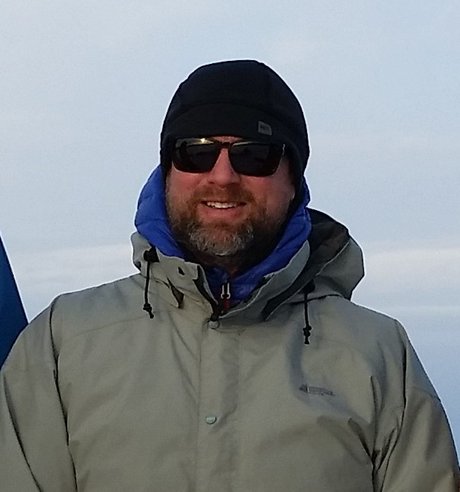
Feature
Fall 2021
Winter is the least studied season in the Great Lakes, yet its changing ice cover dictates critical ecosystem processes that remain poorly understood.
The Great Lakes Winter Network Working together to learn more about the Great Lakes in winter
By Ted Ozersky A new network aims to fill the massive data gap in winter research across the Great Lakes through coordinated sampling and shared infrastructure. Collecting benthic samples in the Apostle Islands. Photo by Ted Ozersky.Winter is both the most rapidly changing and the least well-understood period in the seasonal cycle of the Laurentian Great Lakes. Rising winter air temperatures and changing precipitation patterns are leading to the loss of ice cover, alterations to stratification patterns, and changing inputs of water, sediment, and nutrients from the land. Unfortunately, lack of detailed winter-period studies leaves many open questions about how these changes are affecting the physics, chemistry, and biology of the Great Lakes (see cover article). A better understanding of winter on the Great Lakes is urgently needed to forecast what the future holds for these important ecosystems and the services they provide.A key reason for the existing winter knowledge gap on the Great Lakes is the danger and difficulty of winter research on these large and dynamic systems. Overcoming the logistical challenges of winter research will require close cooperation across research groups in the Great Lakes basin. Such cooperation is critical to efficiently use existing research infrastructure (e.g., access to U.S. and Canadian Coast Guard icebreakers and data from instrumented buoys), share information about winter-specific sampling methods, and collaborate on projects spanning large spatial scales or limnological subfields.One existing effort for increased collaboration on the topic of winter is the Great Lakes Winter Network (GLWiN), which formed at a winter limnology workshop sponsored by the Cooperative Institute for Great Lakes Research (CIGLR) in 2019. GLWiN is composed of academic and government Great Lakes scientists and has the goal of increasing information exchange and collaboration on the topic of winter limnology of the Great Lakes.This winter, with support from CIGLR, members of GLWiN will conduct coordinated sampling across all five Great Lakes. As part of this “Winter Grab” (inspired by the recent “HAB grab” on Lake Erie), scientists will collect information about the physical and chemical environment and biological communities at a dozen sites spanning large trophic gradients. They will also work with drinking water treatment plants to collect additional water samples from many more locations around the Great Lakes. The results of this collaboration will help provide missing baseline information about how winter conditions vary across the Great Lakes and address questions about the way changing environmental conditions are affecting the Great Lakes ecosystem.If you'd like to participate in Winter Grab or join the GLWiN mailing list, email tozersky@d.umn.edu. We are always excited to welcome more winter limnology enthusiasts to our network!
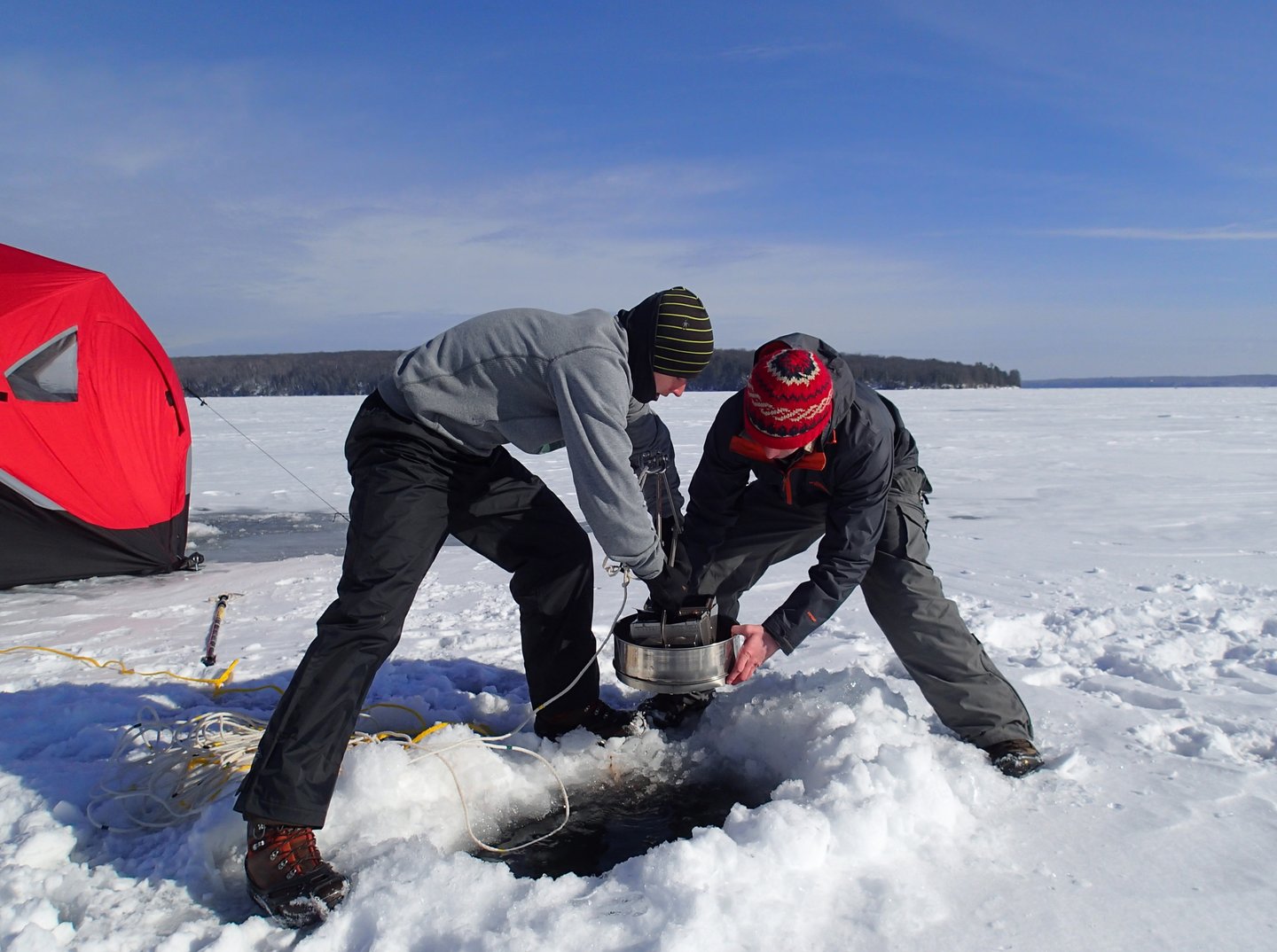
Feature
Fall 2021
A new network aims to fill the massive data gap in winter research across the Great Lakes through coordinated sampling and shared infrastructure.
Investigating life under the ice in Lake Onego, Russia An interdisciplinary project
By Natacha Tofield-Pasche A Russian-Swiss interdisciplinary project reveals how under-ice convections and ice quality drive ecosystem development and carbon emissions in Lake Onego. Three different teams joined to retrieve sediment cores © Natacha Tofield-Pasche/ EPFL 2016.Thanks to funding from the FEEL Foundation for Water Research in Lake Geneva, we had the unique opportunity to work on the ice of Lake Onego, the second largest lake in Europe. Our Russian-Swiss project investigated physical and biogeochemical dynamics under the ice. The diverse research topics consisted of water physics, biology, chemistry, lake ecosystem, carbon cycling, paleolimnology, remote sensing, and climate change. Seven subprojects were conducted by 75 specialists from 12 different research institutions in Russia, Switzerland, France, Germany, and Sweden. The opportunity to collaborate with such a diversity of disciplines, cultures, and individuals made for an amazing experience.The Center of Limnology at the École Polytechnique Fédérale de Lausanne (EPFL) and the Northern Water Problems Institute (NWPI) organized the joint field expeditions. In March 2015, 2016, and 2017, the NWPI installed an ice camp for two weeks in the middle of Petrozavodsk Bay, which measures 7 by 15 kilometers. The camp was composed of one to two tents warmed by a stove, one tent to store the material, and one tent for the toilets. A rotating team ensured a 24-hour presence on the ice for regular measurements. Around the camp, different moorings and a meteorological station were deployed from the ice. The scientists came onto the ice via hovercraft during the day to take their samples or profiles and to carry out experiments. The researchers also benefited from close access to NWPI laboratories. While the main camp was the major study site, we also investigated different sites within the bay and in the more central part of the lake. Thanks to the local experience from NWPI, the logistics, safety, and the work on the ice were a success.Water sampling in Petrozavodsk Bay, with the hovercraft in the background © Natacha Tofield-Pasche/ EPFL 2016.During the project, we tried to promote as many interdisciplinary interactions as possible between all scientists. For this, we had regular joint meetings by videoconference between Switzerland and Russia, as well as intensive exchanges during two-days retreats in Switzerland. The highlights were the fieldworks with their amazing collaborative atmosphere: researchers were helping each other, discussing their results, learning from other disciplines, and having fun together. Most of the European researchers worked for the first time on the ice. Thus, they greatly benefited from the Russian experience, techniques, and know-how. Some scientists even started to investigate frozen lakes back home, and others continued to build on the knowledge acquired on the under-ice convections in Lake Onego. On a personal level, we also got to know new scientists, which sometimes led to further collaborations that persisted beyond this project. Overall, this multidisciplinary project had a great collaborative atmosphere that generated positive outcomes for this project and, hopefully, for the future.One of the key lessons that we learned is that the conditions below the ice were highly dependent on the quality of the ice (with or without snow cover), the weather conditions, and the hydrology of the large river entering the bay. We therefore observed large variabilities between the three investigated years. This project also managed to characterize in detail under-ice convections and their implications for ecosystem development. We could also evaluate the impacts of the ice-covered period on ecosystem functioning and carbon emissions after ice break-up. Researchers presented this project during nine talks in a session on winter limnology at the 2018 ELLS-IAGLR conference in Evian. For the detailed scientific outcomes, please refer to the special issue Life under ice in Lake Onego (Russia) – an interdisciplinary winter limnology study in Inland Waters (2019).Ice camp in March 2017 © Hannah Chmiel / EPFL 2017.
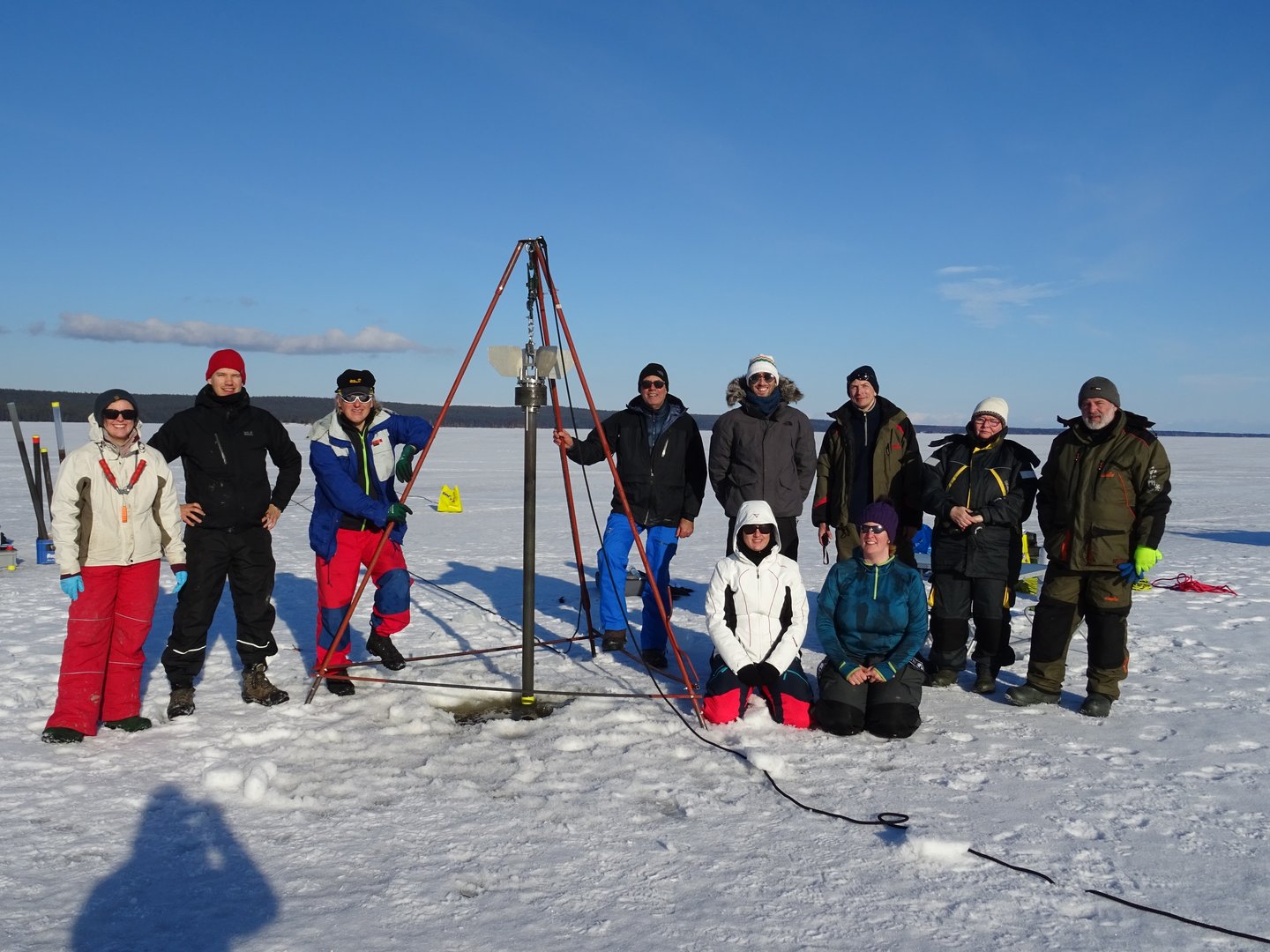
Feature
Fall 2021
A Russian-Swiss interdisciplinary project reveals how under-ice convections and ice quality drive ecosystem development and carbon emissions in Lake Onego.
Winter wakes By Ellen George The resurgence of cisco in eastern Lake Ontario draws winter ecologists onto the frozen lake, where adapting to brutal conditions yields new findings about these resilient fish. Photo by Mat Levine, The Nature Conservancy of New York.It is late fall, and the lake is beginning to sleep. The tourists have packed up, the ice cream shops lining the shore are dark and shuttered. Empty boats, cocooned in their winter wrappings, stand in neat rows beside abandoned piers. The summer field season has ended, and the scientists, technicians, and interns have crept back to their offices, preparing for a long winter illuminated by the dull glow of computer screens.In the midst of this slumber, the winter ecologist wakes. Instead of being pushed indoors by November’s frigid breath, we are called outward, excitement building along with the thickening carpet of fallen leaves. This is our season.Winter ecology is not for the faint of heart. It breeds resilience, a toughness that comes from venturing out onto the frozen lake when the rest of the world has called it quits. Winter fieldwork teaches invaluable lessons in resilience, flexibility, and innovation for those brave enough to face it.Cisco eggs, Ellen George holding a cisco, and the frosty dash of the boat. Photos courtesy of Ellen George.This resilience is mirrored in the ecosystem that we study. While the lake in winter may appear frozen and dead, it is teeming with life. Cold water species such as cisco and whitefish, rarely seen in the warm summer months, move inshore to spawn in late November and early December. These species were once some of the most abundant fishes in the Great Lakes, before overfishing and habitat destruction drove them to near disappearance from both our lakes and our social memory. By the end of the last century many people had given up on the cisco. I, however, am constantly amazed by the resilience of these little fish. In eastern Lake Ontario, a population that was once thought to have disappeared is surging back. Every winter Chaumont Bay fills with thousands of silvery bodies, crowding onto the shoals that have sheltered their eggs for millennia. They pack into the bay as water temperatures plummet, bringing the bay back to life even as the winter swells begin to roll and the ice creeps in from the shoreline. The more we search, the more we find, Ice Age remnants spreading out across the shoals and rocky islands of eastern Lake Ontario. They thrive in the extremes, holding on to their place in the ecosystem just as they hold on to our hearts and minds.In the early morning hours, I slowly turn my skiff out toward the open lake. In the distance I hear low booms from late-season duck hunters, their shotguns muffled and fuzzy in the freezing air. I glide past a forgotten buoy frozen in the ice: “No wake.” Thin skim ice, clear as glass, bends and ripples over the gentle waves created by the boat. The ice is so thin and flexible that it doesn’t even crack.Flexibility is an important skill for winter ecologists. It’s already rare for things to go completely right in warm seasons. Throw subzero temperatures and tempestuous weather into the mix, and things can go south quickly. One day we arrived at the lake to find it covered in a glaring sheet of smooth, bare ice. After only a few minutes the snowmobile we used to tow our 200-pound egg sampling pump ground to a halt, a cloud of acrid smoke billowing up from behind. Without any snow on the ice to cool the track, the rubber snowmobile treads had melted. While equipment melting is unusual, things freezing solid is a constant frustration. Pump valves, chainsaw blades, and boat winches are in a perpetual cycle of sticking, freezing, and being thawed out. Once, in an effort to modernize, we started bringing an iPad along to log GPS points. It turns out that iPads, like summer interns, don’t enjoy spending a day outside in -20°F weather. For the rest of the season the iPad lived inside my survival suit, nestled deep within the many layers next to the tools, hose fittings, and other essential errata that couldn’t survive the Lake Ontario winter. When I peeled off my layers at the end of the day, the contents of an entire toolbox clattered out.Flexibility is a skill, and like any skill it needs to be practiced. One of the greatest skills winter fieldwork has given me is the ability to admit when I’m wrong. Once we are free to recognize our mistakes, we can move on to innovating a solution. When we first began looking for cisco in Chaumont Bay, we designed an expensive and time-consuming radio telemetry project. The project consisted of tagging adult cisco captured near the assumed spawning shoals and then tracking their movements by boat. About two weeks into the project the weather shifted, and the bay froze solid. We were left with no boat, no cisco, and no data. After trekking around atop the frozen bay, radio receiver in hand, and still not picking up any signals, we had to admit to ourselves that this project wasn’t working. Instead of dwelling on it, we got creative. Sure, we couldn’t find fish, but did that really matter anyway? The important thing wasn’t where the fish were, it was where the eggs were. We completely scrapped the old project and designed a new approach, using a specially designed pump to collect eggs through the 1-meter-thick lake ice.It’s been several years since I first began chasing cisco around Chaumont Bay. Today interest in these scrappy little fish is growing, with more researchers braving the Great Lakes winter to study them. As their cold-weather experiences challenge them to become more resilient, flexible, and innovative scientists, I hope that their efforts can also help build a more resilient Great Lakes ecosystem.
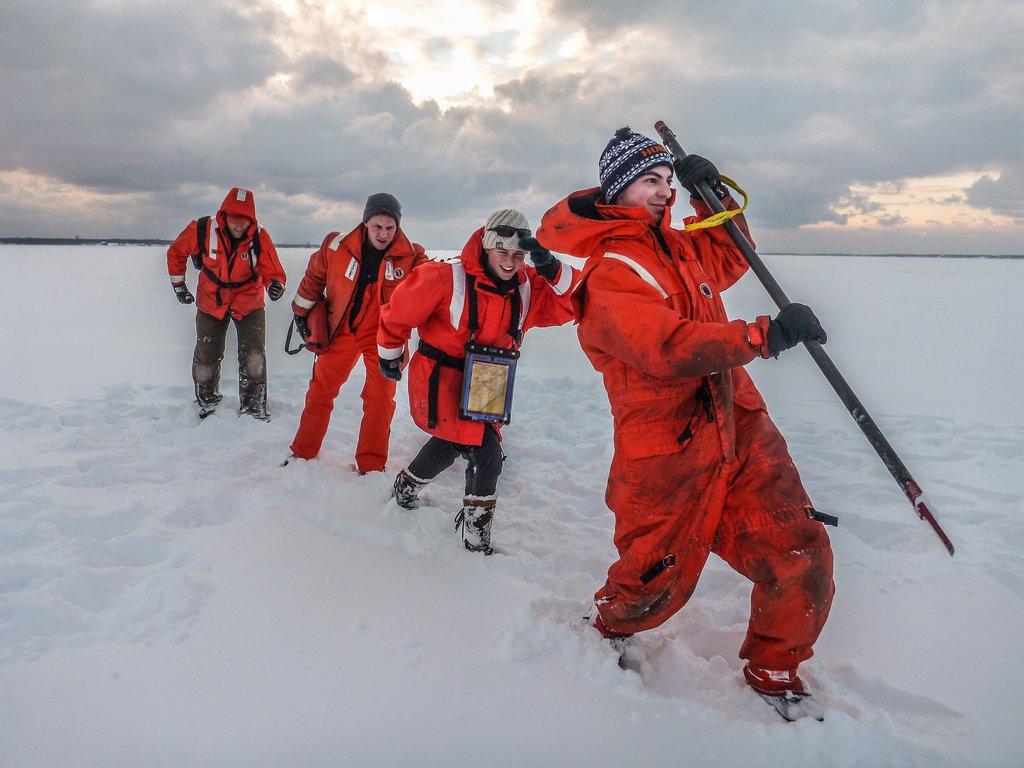
Feature
Fall 2021
The resurgence of cisco in eastern Lake Ontario draws winter ecologists onto the frozen lake, where adapting to brutal conditions yields new findings about these resilient fish.
A season overlooked: A call to prioritize and coordinate winter research By Michael Twiss and Marguerite Xenopoulos With ice cover declining rapidly, the scientific community must urgently coordinate winter research to understand climate impacts before the data is lost forever. Within the research community, winter is an overlooked season across the Great Lakes-St. Lawrence River system and other temperate large lakes (e.g., in North America, alpine Europe, Karelia, and Siberia). Observations during winter are particularly challenging; they require specialized equipment, highly qualified personnel, and experts to coordinate approaches that identify and target research priorities. As a result, we often base our management decisions on models derived from ice-free observations.Yet the need for winter research has never been greater. The 2021 Intergovernmental Panel on Climate Change report emphasized the importance of limiting global temperature within the next decade to reduce catastrophic impacts on ecosystems and human health. Documented responses of lakes to climatic change include increases in water temperature, loss of ice cover, alterations in distribution of freshwater fishes, and a decrease in deep-water oxygen concentrations (Jenny et al. 2020). Large lakes are the most vulnerable to ice cover loss and warm at the fastest rates (Sharma et al. 2019). Understanding our relationship with these rapidly changing large aquatic ecosystems requires better approaches to studying and understanding large lake systems in winter.One of the greatest needs is long-term data on large lakes and their watersheds in winter and adjacent seasons to better understand the influence of climate change on chemical, physical, and biological integrity. We call on the great lake community to rise to this challenge to prioritize and coordinate our efforts before another season passes.The authors are co-chairing a session on winter limnology at the Joint Aquatic Sciences Meeting | IAGLR 2022 next May in Grand Rapids, Michigan. The session is titled Winter Science Symposium—Understanding and adapting to changes in winter climate and freshwater ice across the spectrum of inland waters from the Laurentian Great Lakes to shallow ponds and streams.
Feature
Fall 2021
With ice cover declining rapidly, the scientific community must urgently coordinate winter research to understand climate impacts before the data is lost forever.
Embedding with the "Guardians of the Great Lakes" By R. Michael McKay Partnerships with the U.S. Coast Guard enable critical winter sampling in Lake Erie, providing unique data on a low-ice future when agency monitoring pauses. Captain William “Bill” Woityra (Commanding Officer USCGC Polar Star; formerly CO USCGC Neah Bay) measuring light penetration through ice in Lake Erie in support of our winter science partnership. This activity was conducted with Neah Bay beset in Lake Erie central basin ice for an ice-safety training exercise. Photo: U.S. Coast Guard.Ice-breaking capabilities of the U.S. Coast Guard (USCG) render their vessels safe and reliable platforms for monitoring and research on ice-covered coastal seas. Since 2009, we have collaborated with the officers and crew of USCGC Neah Bay to investigate lower food web dynamics during winter in Lake Erie.Ice cover on the Great Lakes has declined precipitously over the past half-century consistent with a warming climate. On Lake Erie, the shallowest of the Great Lakes, this has resulted in a higher frequency of low-ice winters, thus compromising any seasonal resets that may occur. While winter presents a logistical barrier to better understanding the lake ecosystem, combined U.S. and Canadian Coast Guard winter operations in the Great Lakes provide an opportunity to advance our knowledge.Our most recent full sampling season partnering with Neah Bay demonstrated the tremendous value of this relationship. Winter 2019–20 was uncommonly mild in the region, thus offering a window to the future low-ice state of Lake Erie predicted in climate models. With no federal, state, or provincial agencies having the capability to monitor the lake between December and March, this unique event may have passed without investigation save for the partnership with Neah Bay facilitating monthly sampling along transects between Cleveland and Detroit. Beyond the unique state of the lake that winter and spring, the onset of the COVID-19 pandemic in late winter 2020 meant that data acquired from Neah Bay may be some of the only early season in-lake observations that year, as agency spring monitoring efforts were paused. While winter science operations with Neah Bay were paused last year due to the ongoing pandemic, we look forward to renewing our winter surveillance with the “Guardians of the Great Lakes” in the coming months.R. Michael McKay, Great Lakes Institute for Environmental Research, University of Windsor and Great Lakes Center for Fresh Waters and Human Health, Bowling Green State University
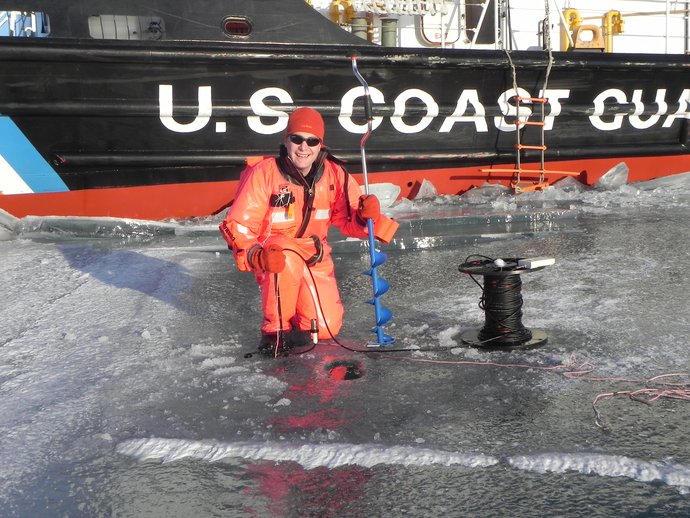
Feature
Fall 2021
Partnerships with the U.S. Coast Guard enable critical winter sampling in Lake Erie, providing unique data on a low-ice future when agency monitoring pauses.
Bob Heath Bob Heath bridged biophysics and ecology to advance Great Lakes research. Bob Heath joined IAGLR in 1985 and has been actively involved in the association over the years. In fact, he is the only person to have twice received the Anderson Everett Award for service to IAGLR. He was president of the association in 2010, program chair for the 2007 Conference on Great Lakes Research, and also served as chair of both the Conference and Endowment committees. We asked Bob about his background and his involvement with IAGLR.Tell us about yourselfMy training was not in any of the traditional ecological fields. I earned a Ph.D. in biophysics from the University of Southern California, with a dissertation on the etiology of cystic fibrosis. During my postdoc in molecular biology at Caltech, I was influenced by Professor Max Delbrück, the “founding father” of modern biophysics. He encouraged me to look for new areas not yet influenced by molecular biology, as I accepted a faculty position at Kent State University.At Kent State, I began biochemical research in aquatic ecology, specifically the role of alkaline phosphatase in P-limited plankton communities. Later my research broadened to the general role of dissolved organic matter in aquatic ecosystems. One problem—I had no background in ecology. So, my first sabbatical was with Professor Eugene P. Odum (University of Georgia), who encouraged me to explore ecosystem ecology. He told me, “you’ll never be known for the work you do, you’ll be known only for the ideas you generate.”What role has IAGLR played in your life?As a sailor, I greatly enjoyed conducting research from the pitch and roll of the Lake Guardian or the Limnos and introducing my students to the joy of research on these inland seas. I joined IAGLR realizing I had much to learn from colleagues familiar with these wonderful large lakes. From the first annual research conference I attended, I felt this was my home base. It was a place where new ideas were generated, and research teams could be constructed. Most importantly, it was a venue for my graduate students to present their research in a welcoming atmosphere. Among the highlights of my career are serving as president of IAGLR and aiding in establishing a solid endowment in support of student awards. Now I work with the Cleveland Water Alliance, seeking ways to establish a “water cluster” in the Great Lakes region.IAGLR Lifetime MembershipBob Heath is our most recent lifetime member, an option that allows someone to pay a one-time fee and become an IAGLR member for life. He joins 21 current members who have chosen this option not only to stay engaged with IAGLR on a long-term basis, but also to support the association while doing so.Please consider doing the same when you renew your ’22 membership. To learn more, visit our Membership page.
Member Spotlight
Summer 2021
Bob Heath bridged biophysics and ecology to advance Great Lakes research.
Rupert Kindersley Rupert Kindersley advocates for water quality and aquaculture reform. The Georgian Bay Association is a 105-year-old umbrella advocacy organization for 18 community associations along the east and north shores of Georgian Bay in Ontario, representing around 3,000 families. We reach and influence an estimated 18,000 residents of the Georgian Bay. Our mandate is to work with our water-based communities and other stakeholders to ensure the careful stewardship of the greater Georgian Bay environment.Accordingly, as executive director, I joined IAGLR this year to educate myself on the scientific research that is relevant to the Georgian Bay environment. I also wanted to be able to access the presentations to inform some of our committee members who had expressed interest in some of the research. GBA has 12 committees that report to the board on our various activities. There were a number of presentations that are of interest to these committees:Water Committee: Deals with both water levels and water quality issues.Aquaculture Committee: Advocates for moving open-net fish farms in Lake Huron into sustainable, enclosed facilities. Nutrient loading, escapees competing with wild fish stocks, and the fact that three facilities have been closed because of pollution are some of our issues.Fisheries Committee: Is interested in wild fish health and numbers, impact and prevention of invasive species, and species at risk, among other topics.Guardians of the Bay and First Nation Liaison Committees: Are concerned with promoting behavior and thinking that will protect Georgian Bay, not harm it. The potential for Traditional Ecological Knowledge to inform our understanding of the ecosystem and complement scientific research is of interest to us.Personally, my family has been coming to a group of islands on the bay since 1881. There are now close to 200 of us!
Member Spotlight
Summer 2021
Rupert Kindersley advocates for water quality and aquaculture reform.
Ariana Uwaibi Ariana Uwaibi uses genomics to study toxin genes in algal blooms. About my WorkI am a Ph.D. candidate in the School of the Environment at Florida Agricultural & Mechanical University. I work in the Molecular Aquatic Microbial Ecology Lab with Dr. Richard A. Long and Dr. Michael Abazinge. My dissertation research is based on harmful algal blooms in Lake Erie with a focus on toxin and buoyancy genetics of Microcystis aeruginosa and is funded by NOAA Center for Coastal and Marine Ecosystems. This research will quantify gene expression with a genomics approach to identify the trends of buoyancy within an active bloom. It will add to the body of knowledge on bloom dynamics. I am honored to work with NOAA Great Lakes Environmental Research Laboratory and Dr. Reagan Errera to accomplish this researchWhy IAGLR?I joined IAGLR to engage in a community focused on Great Lakes research. Since I am physically located far from the Great Lakes, I find it important to be part of IAGLR to stay abreast on current knowledge. I hope my dissertation research adds to the body of knowledge on the Great Lakes and ignites future research. Following the pandemic, I hope to participate in IAGLR events and network with other scientists, students, professionals, and stakeholders in this field.
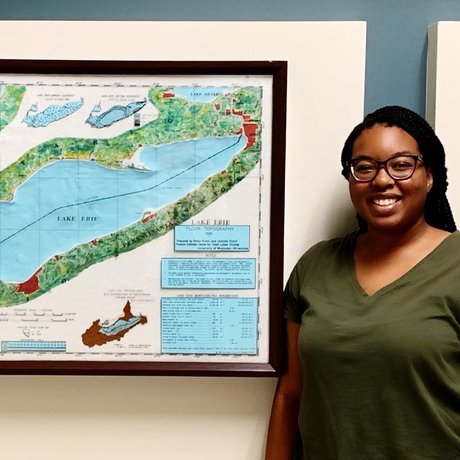
Member Spotlight
Summer 2021
Ariana Uwaibi uses genomics to study toxin genes in algal blooms.
Remoting sensing explores freshwater lakes' role in global carbon cycle Satellite data reveals the role of large lakes in the global carbon cycle. How do freshwater lakes contribute to the global carbon cycle? The vast number and size of these lakes has made answering that question a challenge. Different measurement techniques used in onsite studies also make it difficult to compare production values between lakes, or even to create lakewide assessments.To address these challenges, researchers at Michigan Tech Research Institute (MTRI) turned to the sky. They used data collected from NASA's satellite-based MODIS sensor from 2003 to 2018 to estimate phytoplankton production in 11 of the world's largest lakes: the five Laurentian Great Lakes, three African Great Lakes, Lake Baikal, Great Bear Lake, and Great Slave Lake. MODIS views every point on Earth every one to two days, which resulted in a rich dataset of 137,161 images of the 11 lakes studied.“Using these data, we were able to compute how much carbon is being fixed from a particular water body over a given year,” says MTRI scientist Gary Fahnenstiel. “This consistent methodology allowed us to compare primary production in the world's largest lakes for the first time ever.”Their analysis revealed that three lakes showed significant trends in production over the study period. Great Bear and Great Slave lakes exhibited significant increases in production, while Lake Tanganyika experienced a significant decline. These changes appear to be related to climate change, including increasing temperatures and solar radiation and decreasing wind speeds.The absence of climate change impacts on the other eight lakes may be due to the study's limited time period as well as interactions of other variables. For example, the study period largely misses the early mussel invasion phase in the Laurentian Great Lakes when the greatest production trends would be noted.The study, reported in Water and at the 2021 Conference on Great Lakes Research, demonstrates how remote sensing primary production or carbon fixation models can be used for the world's large lakes. These results can be used to quantify changes in phytoplankton production, in some cases, due to climate change and anthropogenic forcing. The results also provide insights to better understand the contribution of freshwater lakes to the global carbon cycle dynamics. Researchers hope to expand the study to use other satellite platforms with higher spatial resolution so they can look at smaller lakes in the future.
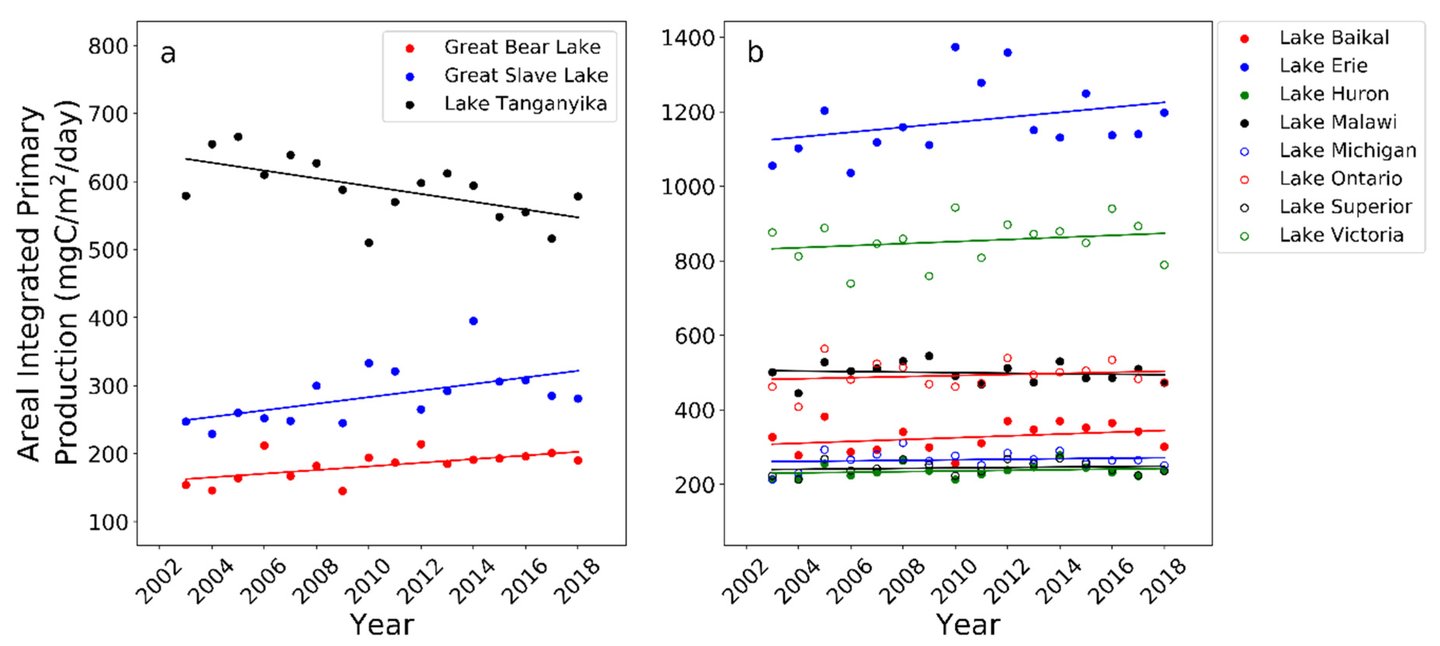
Research Brief
Summer 2021
Satellite data reveals the role of large lakes in the global carbon cycle.
Long-term NOAA GLERL dataset shows warming of Lake Michigan's deepwater temperatures, signaling the loss of winter By Gabrielle Farina NOAA's dataset shows Lake Michigan's deep waters are warming. The 30-year, deep-water temperature dataset overlaying this Lake Michigan photo reveals a hidden story about how the lake’s deep waters are responding to climate change.A study published in Nature Communications from NOAA’s Great Lakes Environmental Research Laboratory (GLERL) reveals a warming trend in Lake Michigan’s deepwater temperatures that foreshadows profound ecological change on the horizon. Using a 30-year dataset of deepwater temperature measurements, GLERL scientists investigated how Lake Michigan’s seasonal mixing patterns are being influenced by climate change.“We found that this long-term dataset not only confirms that Lake Michigan’s deep waters are warming, but also shows that winter is vanishing from them,” says NOAA GLERL scientist Eric Anderson. As climate change has gradually delayed the onset of cooler autumn weather over the past three decades, Lake Michigan’s deep waters have reflected this change by showing shorter winter seasons.This warming could eventually alter Lake Michigan’s rate of primary productivity, which would inevitably disrupt the structure of its entire food web—a change that could have negative impacts on fisheries and recreation. “Without high-frequency long-term monitoring of subsurface waters of the world’s deep lakes,” says Anderson, “we will be blind to the impacts of climate change on most of Earth’s fresh surface water.”Subsurface waters in deep lakes are important because they integrate conditions across years, providing a “climate memory,” and can help identify the potential for ecological and physical changes throughout the lake. GLERL’s continuous long-term dataset—likely the only one of its kind—was collected using a mooring that has been recording temperatures at different depths in the lake every hour almost continuously for the past three decades.The deep-water conditions of the Earth’s largest lakes are considered a missing piece of the global climate change puzzle. NOAA’s work on Lake Michigan will pave the way for gaining a better understanding of this puzzle piece in the future.Collaborators include the University of Michigan School for Environment and Sustainability and the University of Toledo Department of Environmental Sciences.
Research Brief
Summer 2021
NOAA's dataset shows Lake Michigan's deep waters are warming.
Best practices in Great Lakes climate communication By Kaytee Canfield and Kate Mulvaney Five best practices help communicate climate change impacts to communities. Communicating environmental problems with slow impacts has long been a challenge because the time delay of consequences can dilute the urgency to act. We reviewed the climate change literature for best practices that could also be used in communicating other environmental threats, such as nutrient pollution, that have a disconnect in time between release into the environment and impact. Our study, recently published in Frontiers for Environmental Science, identified five recommended practices. As applied to communication about climate change impacts on the Great Lakes, these recommendations are as follows:1) Relate scientific findings to human experiences rather than just providing more abstract analyses that may be difficult for people to internalize. For example, the Great Lakes are a cherished source of sustenance, spiritual value, and recreation to many residents. Highlight how these uses and values could be impacted by climate change.2) Engage in two-way communication early in your work and throughout projects. Potential stakeholders include anyone who can affect or who would be affected by impacts from climate change. They include all levels of government, including Tribes and First Nations, nongovernmental organizations, local community members, business, and other interested parties.3) Because the global causes and implications of climate change can overwhelm many people, emphasize localized actions for your audience and highlight the urgency of those actions. Communicate the specific potential mitigation and adaptation efforts that individuals or communities can make.4) Define and activate social norms (community attitudes and behaviors) to mobilize around pride in the Great Lakes’ environment and its role in people's communities. For example, celebrate climate adaptation projects like the development of effective task forces or restoration programs to emphasize the role and value of local action in climate resilience.5) Build collaborations across scientific disciplines and prioritize scientific communication expertise. Effective science communication requires specific skills and takes time. Many scientists received no formal communication training yet are expected (and want!) to share their work with decision makers and the public. Budget for this in your staffing and funding of Great Lakes climate research.
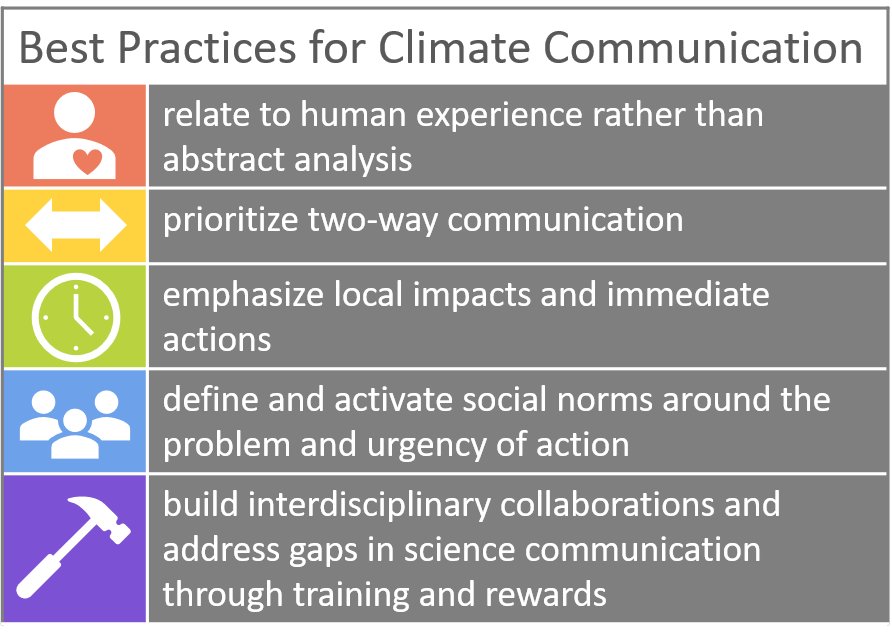
Research Brief
Summer 2021
Five best practices help communicate climate change impacts to communities.
Vulnerability to aquatic invasive species under human population and climate change By Jeff Buckley, Len Hunt, Jenny Rodgers, Tim Johnson, and Andrew Drake Climate change and population growth will alter invasive species risk in Ontario. Suitability (a, b) and vulnerability (c, d) of Ontario lakes to known and potential invasive baitfish from natural dispersal and movement by boat-based fishers from an initial source in Lake Simcoe. Panels a and c reflect baseline (2018) while b and d reflect change between baseline and future (2041-2070) time periods.Aquatic invasive species (AIS) have led to fundamental changes in the structure, function, and composition of Ontario’s aquatic ecosystems. Preventing the arrival of future AIS and controlling the spread of existing AIS are management priorities to protect Ontario’s ecological resources. However, how climate change will affect the vulnerability of Ontario to species invasions remains uncertain. Moreover, as the effects of climate change are increasingly realized over the next several decades, other factors, such as changes in human population density, will also influence AIS arrival and spread.We modeled the vulnerability—potential for arrival, survival, and spread of invasive aquatic invertebrates, plants, and fishes—of Ontario’s aquatic ecosystems under baseline (2018) and future (2041–2070) conditions. The assessment was based on three components: describing the spatial distribution and movement of people associated with human-mediated pathways of propagule delivery; estimating the relative suitability of recipient ecosystems for AIS survival, including changes in climatic conditions over the projection interval; and estimating natural dispersal as a function of habitat suitability.We found that the locations of greatest pathway activity (i.e., aquarium and water-garden ownership, boat-based fishing, and all recreational boating) were spatially concentrated toward the most populous areas of Ontario. In areas currently supporting the most activity across the projection interval, propagule pressure from these pathways was likely to increase. With projected climate change, habitat suitability was also likely to increase, though not uniformly, and the location and magnitude of increase was less predictable across Ontario. Taken together, the baseline (2018) and future vulnerability of Ontario’s landscapes to AIS showed strong spatial patterning and differed by pathway, indicating that prevention management necessitates a pathway- and species-specific focus.Copies of the full report are available (tim.johnson@ontario.ca). Authors of the report include Jeff Buckley, Len Hunt, Jenny Rodgers, and Tim Johnson of the Ontario Ministry of Northern Development, Mines, Natural Resources, and Forestry; and Andrew Drake of the Great Lakes Laboratory for Fisheries and Aquatic Sciences, Fisheries and Oceans Canada.
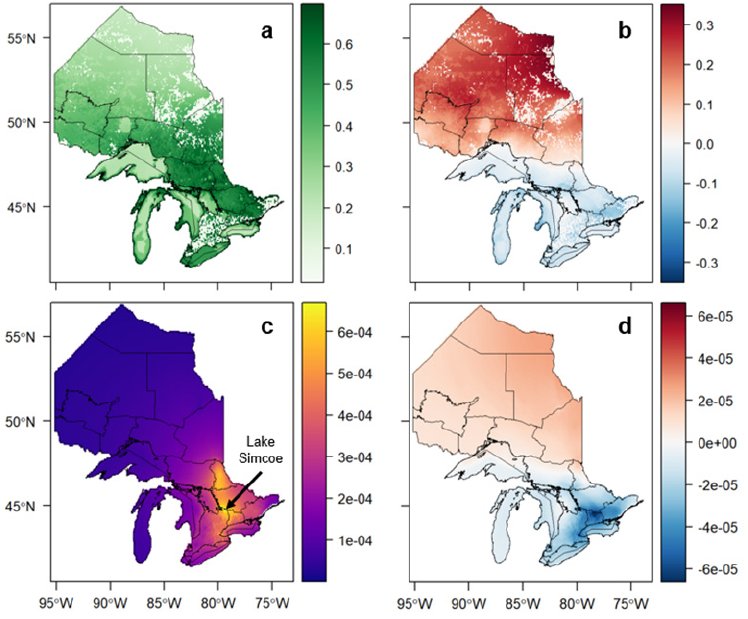
Research Brief
Summer 2021
Climate change and population growth will alter invasive species risk in Ontario.
Responding to stresses facing the Great Lakes region in a changing climate By Don Wuebbles Climate change impacts include rising temperatures, extreme weather, and algal blooms. It’s summer time, beaches are open, and the Great Lakes shorelines await us. The Great Lakes are where many of us live, work, and play. And, right now, they need our help.The science is clear: changes in climate are already having increasing impacts on the Great Lakes region. A 2019 state-of-the-science report paints a comprehensive picture of how a changing climate affects the Great Lakes and what these changes mean for public health and safety, agriculture, infrastructure, fish and wildlife, and our regional economies. Temperatures are generally increasing in the Great Lakes region, but more importantly, climate change is leading to growing concerns about heat waves, larger precipitation events, and more intense severe weather. More extreme weather events are projected across the Great Lakes: more flooding early in the year; more heat waves and drought in hotter months; and an overall decrease in snowfall, but more heavy lake-effect snowstorms.As an important example of the impacts on the region, the warming trend has led to increased bacteria levels and exacerbated algae blooms. Both bacteria and algae blooms can make water unsafe to drink, thus significantly increasing water treatment costs. They can also make water unsafe for swimming, leading to more beach closures. Beaches, dunes, and shorelines will likewise be more vulnerable to coastal erosion as a result of changing weather patterns.The Great Lakes have also garnered recent attention due to their at or near all-time high water levels. Although water levels fluctuate considerably over decades, high precipitation in the Great Lakes watersheds has contributed to the recent high levels. Longer-term water levels will depend on the balance between future amounts of rainfall in the watersheds and increasing evaporation in a warming climate. Both of these counteracting effects are increasing. While it is possible that higher water levels will be the new norm, the current expectation from the science community is that levels will continue to fluctuate. More definitive research studies are needed to better understand this issue.Along with reducing the emissions driving climate change, efforts for adaptation and resiliency are crucial to planning the future of the Great Lakes region. Recommended policy solutions call for stepping up actions to achieve multiple benefits of mitigating climate change, protecting public health, and reducing stress on the Great Lakes ecosystem and our land. These include advancing green energy, improving energy efficiency, accelerating the adoption of cleaner transportation options, reducing agricultural runoff of phosphorus pollution, investing in green infrastructure, and funding to help protect fisheries, shorelines, and wetlands.Climate change is one of, if not the biggest challenges of our time. The impacts are already being felt in the Great Lakes region, and they are likely to grow to be far-reaching and very costly. If we don’t act now, the Great Lakes and all of us who enjoy and rely on our lakes for safe, clean drinking water, food, recreation, and commerce will pay an even greater price for decades to come.
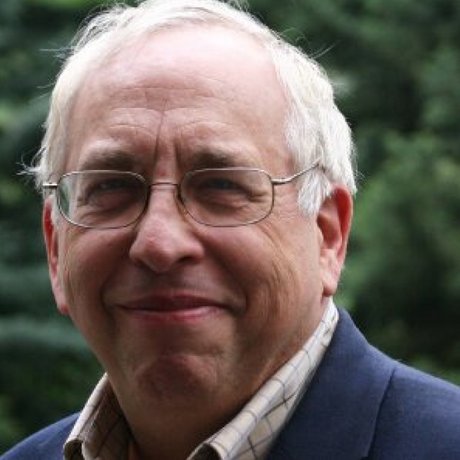
Feature
Summer 2021
Climate change impacts include rising temperatures, extreme weather, and algal blooms.
On thin ice: Are lakes feeling the heat? By Sapna Sharma Warming winters cause lakes to lose ice cover, threatening ecosystems. Lake Wilcox, Ontario. Photo by Sapna Sharma.Northern communities have relied on lake ice for centuries, as evidenced by their records of ice formation and breakup dates long before the advent of meteorological stations. Such data collection dates back to 875 AD, when communities surrounding hundreds of lakes began a long-standing tradition of documenting information on lake ice.These data have proven to be effective indicators of climate change when compared with recent ice data. For example, data collected since at least 1443 by Shinto priests living near Japan's Lake Suwa show that the lake only experienced three ice-free years in the first 250 years of its record. However, since 1988, Suwa only froze twice per decade and is forecasted to never freeze again after the 2030s. Similarly, since 1857, Bayfield Bay in Lake Superior froze every winter until 1997, after which the bay has already had four ice-free years. As temperatures continue to warm, 215,000 lakes may no longer freeze every winter and almost 5,700 lakes may permanently lose ice cover by the end of the century. Large and deep lakes, including bays in lakes Michigan and Superior, are most likely to permanently lose ice cover as soon as the 2060s if greenhouse gas emissions are not mitigated.The loss of ice has wide-ranging ramifications that have yet to be fully explored. In years with less or no ice cover, lakes experience higher evaporation rates, higher water temperatures, degraded water quality, and loss of suitable habitat for native fisheries. Culturally, in warmer winters, the construction of winter ice roads is delayed, recreational activities are cancelled, and devastatingly, more people lose their lives falling through unstable ice. Without climate mitigation measures, the loss of ice cover will continue to accelerate and impact the health of northern lakes and the people who depend upon them.
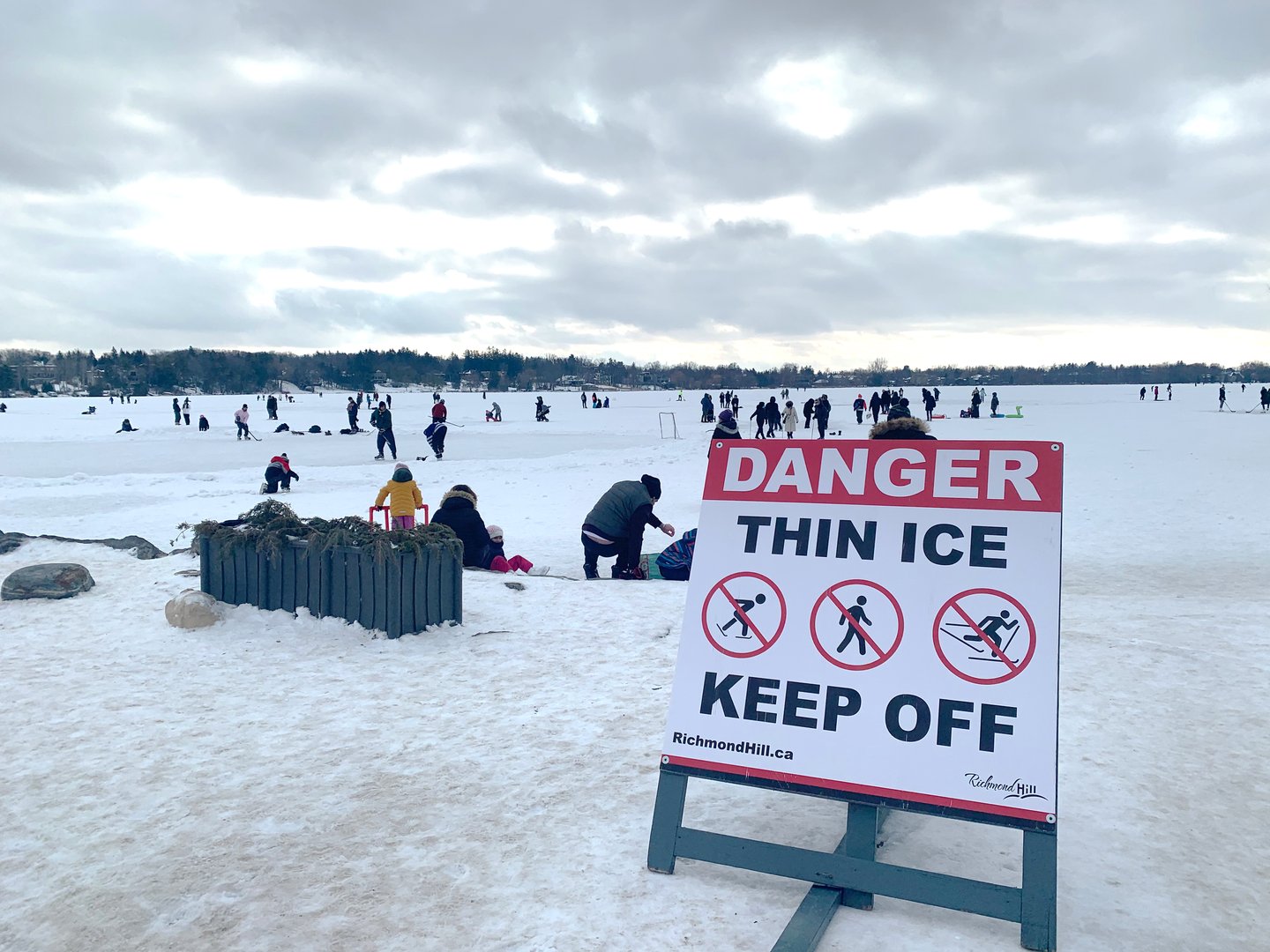
Feature
Summer 2021
Warming winters cause lakes to lose ice cover, threatening ecosystems.
Climate change effects, fluctuating lake levels, and a way forward for Lake Turkana A glance at the world's largest permanent desert lake
By Zephaniah Migeni Rising temperatures and dam projects threaten Lake Turkana, requiring adaptation. Lowarengak Beach Management Unit offices in the northern sector of Lake Turkana destroyed by strong winds and increased lake levels. Photo by James Last.Lake Turkana presents an acute case study of the impacts of climate change, including persistent conflicts, diminished livelihoods, reduced crop and livestock production, and damaged infrastructure, among others. The lake is one of the seven African Great Lakes and the world’s largest permanent desert lake, stretching through northern Kenya before crossing into Ethiopia at its northern end. The region experiences a mean daily temperature of 30°C/86°F and less than 500 mm of precipitation per year. In this hot, arid environment, Lake Turkana supports the livelihood of more than 500,000 people and provides their most reliable source of surface water. This semi-saline lake receives more than 90% of its water from the Omo River, supplemented by rain and two major seasonal rivers: Turkwel and Kerio. Its endorheic nature, desert location, sporadic rainfall, high evaporation rates, and extreme dependence on Ethiopia’s increasingly dammed Omo River for water inflow highlights the sensitivity of the system’s lake level, water quality, and fauna and flora. Like other large lakes globally, it faces multiple threats and stressors.Many locals have raised concerns over the rapidly decreasing lake water levels, a phenomenon which has created panic and uncertainty about their future survival in the basin. Scientific studies have reported that changes in the volume and seasonality of inflows from the Omo River—due to upstream dams and irrigation schemes—significantly influence the ecology of the basin. Further, recent studies have found that the lake level fluctuates annually with an amplitude of 1–1.5 meters, presenting an urgent need to maintain balance and increase retention ability.Dust storm at Ferguson's Gulf on the west side of Lake Turkana. Photo by James Last.Yet very little attention has been given toward research and management of Lake Turkana. There are strong calls to establish and equip a scientific research station in Omorate, Ethiopia, to facilitate consistent lakewide environmental monitoring required for making informed decisions. It is also important to strengthen the existing research station on the west side of the lake in Kalokol, Kenya, to enhance joint, coordinated, and sustained binational research and processes. Local communities and institutions should be empowered with the necessary skills to enable them to actively participate in the lake's well-being. With Lake Turkana being located in a hydrologically closed desert basin, its existence depends on maintaining a delicate balance between the fluctuating gains and losses that dominate its water budget. It therefore provides an ideal model to monitor and develop climate change adaptation strategies. Increased modeling, monitoring, and analysis of the effects of climate change on the lake ecosystem are required to help in decision making and policy formulation.Woman headed to assist in fish processing in Lake Turkana. Fishing is usually a family affair and women are the processors while men are the fishermen. The African continent is richly diverse, with unique cultures spread throughout its varied geographies. One such example is the Turkana peoples of northwestern Kenya and south-central Ethiopia, recognized by their knotted shoulder clothes and brightly beaded necklaces, as shown above. The area is also known for the 1984 discovery of the 1.9 million-year-old Turkana Boy, the most complete skeleton of early man ever found. Photo by James Last.
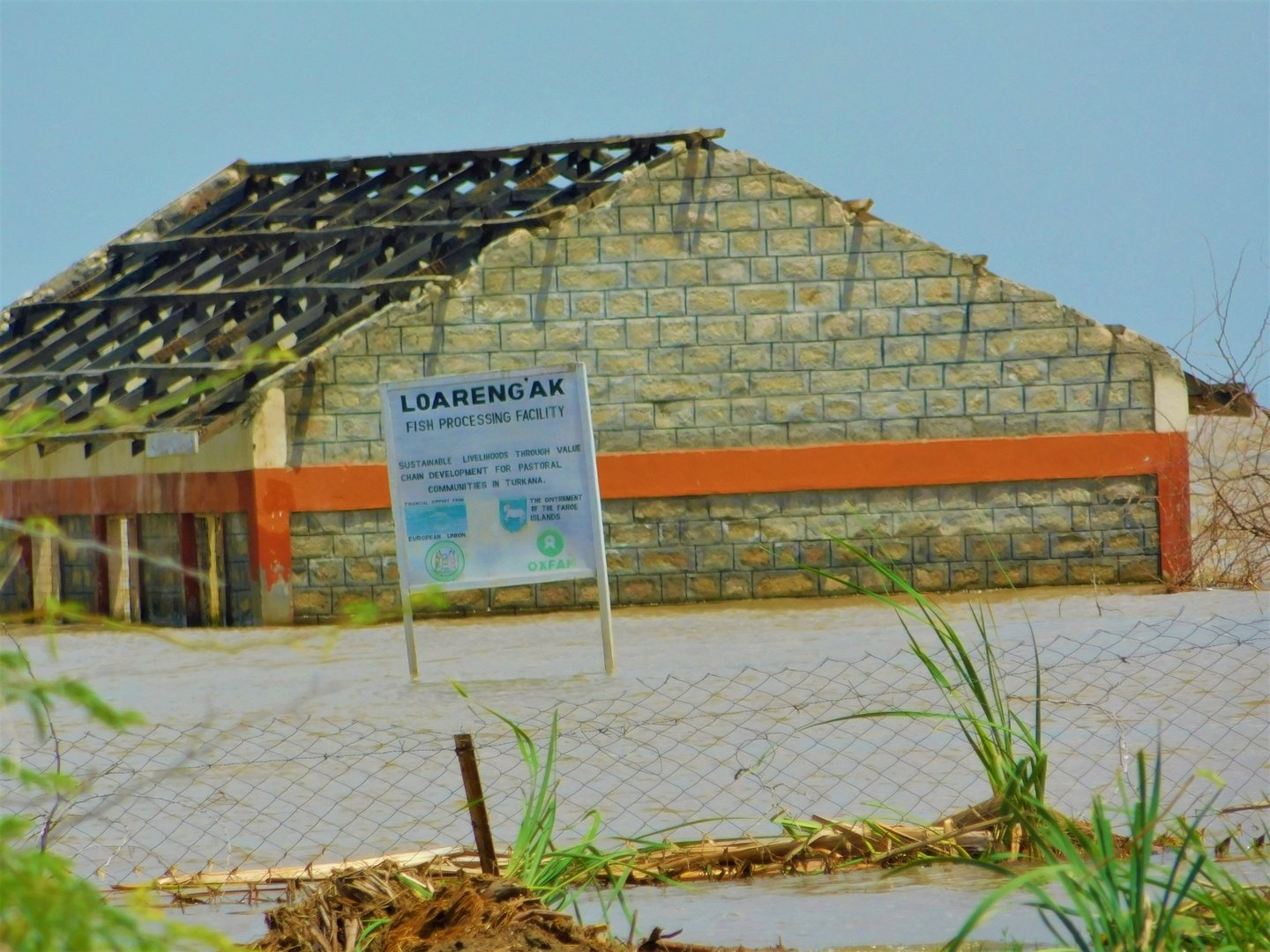
Feature
Summer 2021
Rising temperatures and dam projects threaten Lake Turkana, requiring adaptation.
Understanding climate change in the world's ancient lakes By Stephanie E. Hampton Ancient lakes face unique vulnerabilities to climate change and pollution. Lake Zaysan is an ancient large lake in Central Asia, where water availability is a primary concern for the region. Remote sensing has been particularly helpful in understanding lake level trends (e.g. Bai et al. 2011) but comparatively little ecological information is available. Photo by Dmitry A. Mottl - Own work, CC BY-SA 3.0.Most lakes across the globe are less than 10,000 years old, but a small proportion are much older, from hundreds of thousands to millions of years old. In a recent review of ancient lakes—those that have persisted through at least one glacial cycle (>130,000 years)—more than half are also great lakes of the world (Hampton et al. 2018). Over their long lives, ancient lakes have experienced wet and dry periods, large-scale cycles of warming and cooling, and substantial changes in both biology and abiotic conditions. Such a history provides rich context for the effects of climate change already underway. These lakes not only record rich histories of environmental variation in their sediments, but also provide a home for a disproportionate share of the world’s freshwater biodiversity and harbor high rates of endemism. From Lake Baikal’s endemic freshwater seal (Pusa siberica) fishing the lake’s frigid subarctic waters for endemic pelagic amphipods and sculpins (Watanabe et al. 2020) to the astonishing diversity of the cichlid radiations in the warm tropical East African Rift Lakes of Malawi, Victoria, and Tanganyika (Seehausen et al. 1997), the biodiversity of ancient lakes is adapted to sometimes unique conditions.The nerpa, or Baikal seal (Pusa siberica), is the world’s only exclusively freshwater pinniped and the top predator on the lake. Shortening ice associated with climate change affects the seals in several ways because ice is central to both reproduction and molting (Moore et al. 2009). The Baikal seal mates, gives birth, and protects its pups in snow-ice caves on the lake ice. In years with early ice melt, the adult seals are forced back into water before their molt is complete, which is energetically costly. Photo by Sergey Gabdurakhmanov CC BY 2.0.At the same time, ancient lakes have attracted some of the earliest known human settlements, and archeologists see evidence of the resources that the lakes have long provided to humans. Archeological evidence shows that endemic fish and the Baikal seal were exploited by Indigenous people living around Lake Baikal since at least the mid-Holocene (Nomokonova et al. 2010). The Aral Sea has been home to ancient settlements going back thousands of years, and recurring reductions in water level have occurred over the past 5,000 years due to both climate and human action (Boroffka et al. 2006). This long history of anthropogenic impact may be why biodiversity in the Aral Sea has never been as high as reported in other ancient lakes, even during periods of high lake level (e.g., prior to 1960 AD). Tourism and fisheries thrive on many of the ancient lakes, supporting major economies and providing subsistence resources for local communities. The African Great Lakes support the largest lentic freshwater fishery in the world and provide a key protein source for tens of millions of East Africans, while commerce related to fishing directly supports the livelihoods of thousands more people (Bootsma and Hecky 1993). Like lakes everywhere, ancient lakes now face a suite of anthropogenic threats that may degrade their socioeconomic and scientific value. For all ancient lakes where data are available, long-term warming consistent with climate change has been observed (Hampton et al. 2018), altering physical and biogeochemical processes and posing challenges to the coldwater stenotherms of high latitude as well as endemic species of warm water that may already be living near their thermal maxima. Eutrophication is apparent for ancient lakes in some of the most populous watersheds, such as Lake Biwa, and those with large urban centers in their watersheds have exhibited the effects of more extensive pollution. For example, the Caspian Sea has 43 large urban centers (greater than 300,000 people) in the catchment, and bioaccumulation of heavy metals in tissues of economically important fishes have rendered a substantial proportion of catch unfit for purchase on the EU marketplace. For many of the ancient lakes, even those in the class of great lakes, comparatively little ecological information is available such that patterns and trends are impossible to assess (see Supplemental Information in Hampton et al. 2018). While the threats that have precipitated recent ecological change are not unique to ancient lakes, high rates of endemism and biodiversity and long association with humans suggest that what may be lost will not be recovered, warranting more focused attention and coordinated study. Ancient Great LakesAral SeaHovsgolTanganyikaAral SeaHovsgolTanganyikaAral SeaHovsgolTanganyikaBaikalIssyk kulTiticacaBiwaMaracaiboVanCaspian SeaMalawiVictoriaEyreTahoeZaysan
Feature
Summer 2021
Ancient lakes face unique vulnerabilities to climate change and pollution.
Place, knowledge, and change By Ryan Bowie Addressing climate change requires centering Indigenous Peoples and their knowledge. Elizabeth Osawamick holds a copper pail and blesses the water. Photo courtesy of G. Horton-Baptiste.Indigenous peoples have distinct cultural, spiritual, and economic relations with the Great Lakes and hold responsibilities to take care of the water. This relationship predates the arrival of settlers and is upheld in treaties, such as the Dish with One Spoon and the Treaty of Niagara. Indigenous Knowledge of the Great Lakes and surrounding regions both supports and is produced by this relationship, and is rooted in specific cultural and political contexts (e.g., Anishinabek Knowledge, Onkwehonwe Knowledge, Omushkegowuk Knowledge). Collectively, Indigenous Peoples offer a deep and nuanced understanding of the Great Lakes ecosystem essential for contemporary Great Lakes research.Understanding the effects of climate change is a critical task for this research. The impacts of climate change are already significant and threaten potentially catastrophic consequences. It affects everyone and all environments, and therefore is a monumental challenge for Indigenous and settler peoples alike. But climate change is also part of a longer process of environmental change. Colonialism has threatened the environments, ways of life, and lives of Indigenous Peoples since Europeans began arriving. Climate change is the latest and potentially most devastating chapter of colonial history. As such, addressing climate change in a just manner is an inherently decolonizing endeavor.Addressing climate change in a just manner is an inherently decolonizing endeavor.Reestablishing Indigenous Peoples’ roles in relation to the Great Lakes is necessary for the goal of reconciliation and for enriching the quality of research. The exclusion of Indigenous Peoples from Great Lakes research and governance colonized First Nations’ responsibilities to the water, placing it largely in the hands of others. The assault on Indigenous Knowledge, epitomized by the residential school system in Canada, was intended to break Indigenous relations to their lands and waters. A result is that Indigenous Peoples are often sidelined from much of the work on the Great Lakes. The experience of First Nations in Ontario is that they are sometimes recognized, but supported largely as a peripheral add-on to the work of non-Indigenous science. However, commitments like the Great Lakes Water Quality Agreement and the Canada-Ontario Agreement have increasingly aimed to work with First Nations and other Indigenous Peoples as they aspire to be actively involved in the governance, research, and management of the Great Lakes.The Water Declaration of the First Nations in Ontario acknowledges the leading role women have as the keepers of ceremonies to ensure waters are respected and their gift continues for future generations. The ceremonies and spiritual connections to water are essential to the purpose, planning, and conduct of Great Lakes research for Indigenous Peoples. Finding ways to address climate change will take the efforts of all involved, working together with respect for one another and the environments that support us. The return of Indigenous Peoples to the center of research and decision making about the Great Lakes will help us to understand, adapt, and mitigate the impacts of climate change in the region. This will also honor treaty relationships and decolonize research, issues that are at the very heart of the climate change problem.
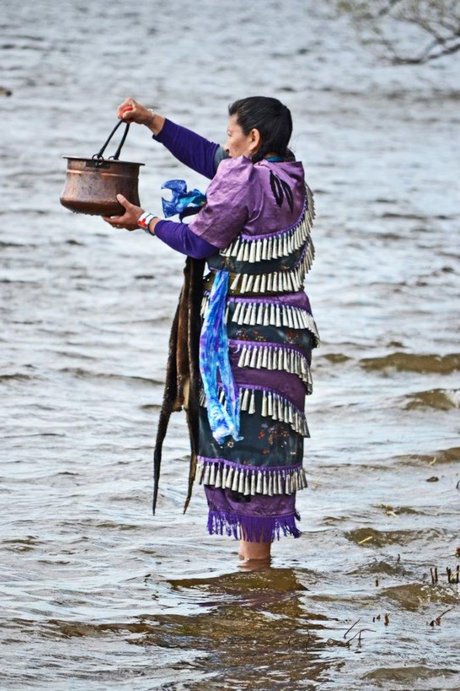
Feature
Summer 2021
Addressing climate change requires centering Indigenous Peoples and their knowledge.
David Baker By Tom Henry David Baker (1936-2021) pioneered tributary monitoring across five decades. Credit: The (Toledo) Blade.IAGLR has lost a great friend in David Baker, who died of pneumonia on April 16 at age 84. The founder of Heidelberg University’s renowned National Center for Water Quality Research, Baker was aptly described by University of Toledo Lake Erie Center Director Tom Bridgeman as the “father of tributary monitoring.”That lab contains the longest continuing dataset on water quality samples in the Great Lakes region, dating back to 1974. Such sampling results are used in a variety of ways, including the emerging science of predicting algal blooms based on agricultural inputs, precipitation, and other factors.Baker remained a fixture at Great Lakes conferences, especially those focused on western Lake Erie, throughout the two decades after his retirement in 1999. He was known as much for his affable, kind demeanor, and his willingness to help young or other lesser-experienced people as he was his highly cited, peer-reviewed science.Heidelberg University President Rob Huntington hailed Baker as “an environmental pioneer” in a statement following the scientist’s death. He is mentioned prominently in a 250-page online book about the lab.“I don't think he ever saw anything at the lab as work,” Laura Johnson, Heidelberg’s current NCWQR director, said. “I think he saw it as who he was.”In a letter, Jeff Reutter, retired Ohio Sea Grant and Ohio State University Stone Laboratory director, told IAGLR the half-century of field data generated by the Heidelberg lab Baker created is “the most, or one of the most, valuable datasets on nutrient loading in the world” and that it allows the Great Lakes scientific community “to be a leader in understanding the drivers for nutrient loading and harmful algal blooms - issues that have become global problems.”Founded in 1969 as River Laboratory, the NCWQR was renamed the Water Quality Laboratory in 1974. It got its current name following passage of a U.S. House of Representatives resolution in 2004.Steve Davis, who has spent more than 40 years in northwest Ohio as a watershed specialist for the U.S. Department of Agriculture’s Natural Resources Conservation Service, said Baker’s findings initially drew skepticism from the ag community. “But Dave persevered because he was at core a scientist and let the scientific process and the data do his talking,” Davis said. “And that process and data eventually won folks over and led us to the greater understanding and knowledge of the natural world we have today. The Heidelberg lab is his legacy to the people of Ohio.”A former Heidelberg lab director, Ken Krieger, a colleague and friend of Baker’s for 43 years, described him as “truly a remarkable man, both as a scientist-educator and community member.” Krieger notes, “He left a positive impact on everyone who interacted with him, both professionally and personally. His contributions to water quality science and to individual lives will be long lasting.”Ellen Ewing, who recently retired after more than 40 years as one of the lab’s employees, said he “never stopped trying to learn and understand.”Read more about Dave in this tribute, written by Ken Baker.
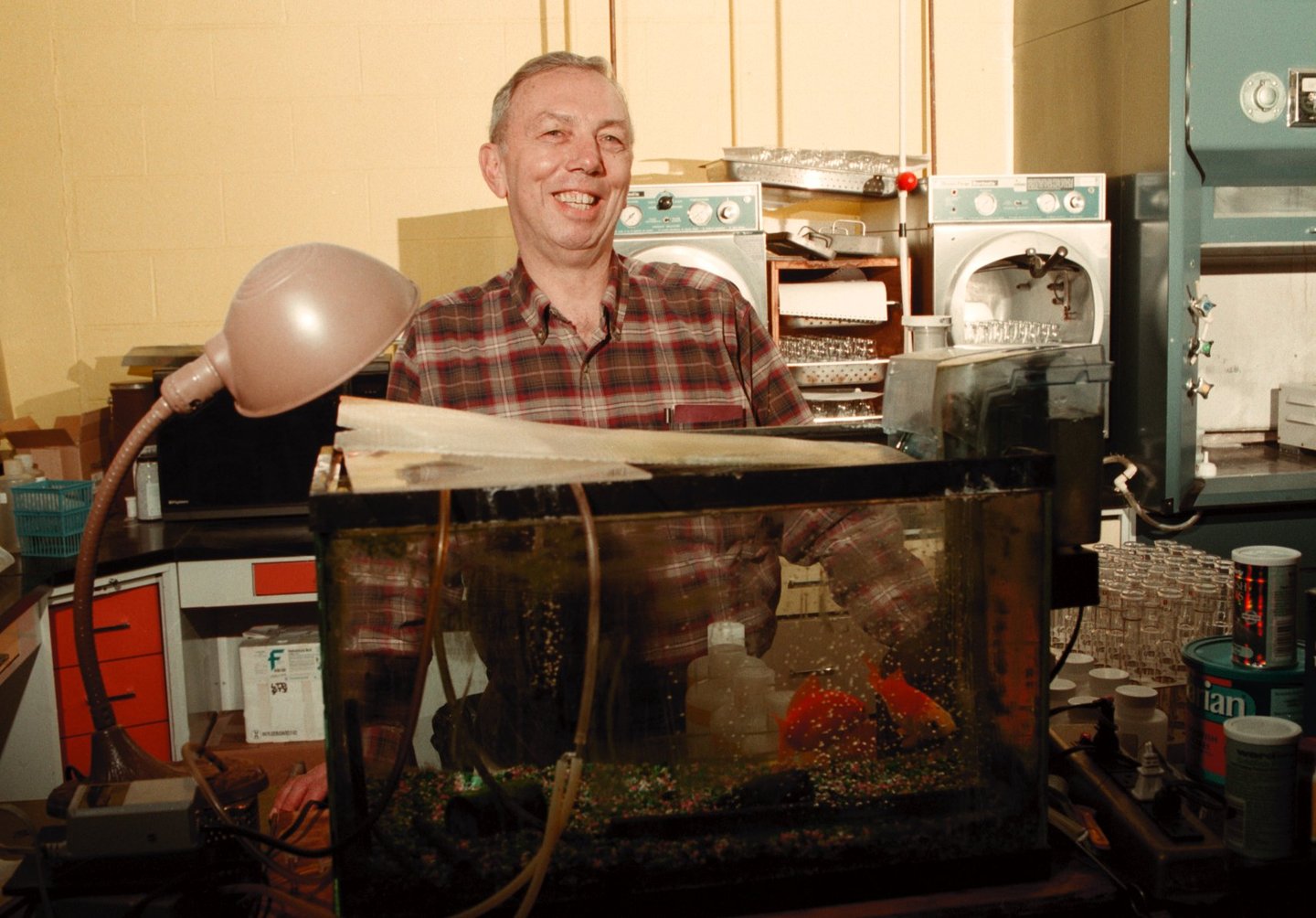
In Memoriam
Spring 2021
David Baker (1936-2021) pioneered tributary monitoring across five decades.
Deborah Swackhamer By Matt Simcik Deborah Swackhamer (1954–2021) was a pioneering researcher in organic contaminants and policy. On April 23, the Great Lakes scientific community lost a luminary. Dr. Deborah Swackhamer passed away after a short battle with cancer. Her work in the Great Lakes began early in her academic career, publishing work on PCBs in Lake Michigan sediments in 1983. She continued exploring organic contaminant dynamics in the Great Lakes with pioneering work aboard submersibles through the National Undersea Research Program, and work aboard the USEPA’s R/V Lake Guardian with the Lake Michigan Mass Balance and the Great Lakes Fish Monitoring Program. Her work did not end in the field or laboratory. She was a staunch advocate for policy to protect the Great Lakes, serving on the Science Advisory Board to the International Joint Commission (2000-2013), the US Environmental Protection Agency's Science Advisory Board (2003-2012) serving as chair from 08-12 and chairing the EPA's Board of Scientific Counselors from 2015 until 2017. Deb’s involvement in IAGLR will be long remembered by its members. She served on the Board of Directors for 1989-92 and had numerous students receive IAGLR awards during her career mentoring the next generation of advocates for our Great Lakes. A scholarship has been created in her memory. Contributions may be made at z.umn.edu/Deb-Swackhamer.

In Memoriam
Spring 2021
Deborah Swackhamer (1954–2021) was a pioneering researcher in organic contaminants and policy.
Delaney Demro Delaney Demro compares public perceptions of stream quality with biochemical measurements. About my workI am currently a graduate student at SUNY-ESF in Syracuse, New York. I am pursuing a master's degree in environmental science with a concentration in coupled natural and human systems, researching under Dr. Andrea Parker and Dr. Valerie Luzadis. My thesis centers around the Community Recreational Evaluation of Environmental Quality, or CREEQ Project, and is sponsored by the New York State Department of Environmental Conservation. This project applies a community science (or citizen science) approach to compare public perceptions and recreational usability of streams to biochemical measures of stream water quality. Using ESRI’s ArcGIS Survey123, we developed a survey instrument where users report stream conditions, recreational uses, and upload photos. After receiving a survey, we performed the same assessment on location and collected water samples for analysis. We hope to validate the use of community-sourced data to inform and optimize stream monitoring efforts across the state.Why IAGLR?As a graduate student, I always try to explore ways to expand my professional network. Because I was presenting at this year’s conference, I saw joining IAGLR as a great opportunity to connect with other freshwater researchers, enthusiasts, and advocates! I will be graduating this August and will continue on to a multidisciplinary career. I decided to study environmental science because I want to create increasingly convenient and affordable pathways for the general public to live more sustainably, whether that be through connecting with nature or reducing individual impacts. After finding a love for science and policy, my career path could take many forms, through research, consulting, or planning. Regardless, I am excited to broaden my knowledge of Great Lakes research and connect with other researchers at future conferences.
Member Spotlight
Spring 2021
Delaney Demro compares public perceptions of stream quality with biochemical measurements.
Patricia Ann Owl Patricia Ann Owl bridges Anishinaabe Traditional Knowledge with water governance. About my WorkAhnee and greetings kinaahwiiyah (everyone). I am pleased to be welcomed to this circle of research and environmental protections for the Great Lakes, IAGLR. I was introduced by a dear friend, who has helped me in so many ways. My name is Waskwo-nengi-gun-emengwonot-kwe (Woman who brings the light), and I am an Anishinaabekwe endow (Indigenous woman) Ojibwa. I’ve had the privilege of working closely with the Great Lakes Water Quality Agreement under the Chiefs of Ontario as a senior environmental communication analyst. It was an honor to assist in restoring and protecting the waters of the Great Lakes through this contract. The agreement provided a framework for identifying binational priorities and implementing actions that improve water quality. Indigenous peoples / First Nations struggle to bring knowledge to the table in fear of disappointment of government. There I began to understand the need to connect the spirit of the water to the framework of research by sharing in Traditional Knowledge. I’ve been working in my home community as a tourism manager, writing curriculum for the environmental keepers and developing land-based training that incorporates Traditional Knowledge. I also am a part of the gdaakiimon (lands management) team that asserts jurisdiction over Crown land access and employs environmental protection under their natural laws in the Sagamok Anishnawbek territory in the Robinson Huron Treaty. I am very honored to work with Elders in sharing the natural law and stewardship practices of my people. Further to embracing my culture and identity, I am interested in obtaining a master's degree in environmental sustainability at the University of Waterloo. I am interested in water resources management and governance. Thank you for this opportunity to connect and bridge Indigenous views and natural law.Why IAGLR?I joined IAGLR not only to help advance my knowledge of current research going on in the Great Lakes, but also to interact with the IAGLR community. I hope to attend conferences and present my work to other Great Lakes scientists. IAGLR also provides many opportunities for the Anishinaebe to advance education and for me to connect spirit and science through my ambition to share my knowledge ceremonies.

Member Spotlight
Spring 2021
Patricia Ann Owl bridges Anishinaabe Traditional Knowledge with water governance.
Michael Schmidt Michael Schmidt investigates nitrate contamination in groundwater. I am currently in the first year of my master's degree in the Environmental and Life Sciences Graduate Program at Trent University. I am also a member of the Quinte Farm Research and Stewardship Collaborative. My research is currently focused on nitrate contamination in groundwater. I am curious about how interactions between shallow groundwater and surface water impact nitrate levels. I also want to better understand nitrate lag time in groundwater. My thesis examines nitrates in groundwater in Lake Ontario watersheds. The first chapter explores existing datasets and the relationships between nitrates and other parameters (e.g., land use/land cover data, overburden, groundwater geochemistry). I presented these findings in a poster during the IAGLR 2021 conference. My second chapter will seek to better characterize groundwater nitrate contamination in areas draining into the Bay of Quinte. I hope to publish the results of my work in the Journal of Great Lakes Research. Moreover, I want to continue a career of research focused on groundwater and biogeochemistry within the Laurentian Great Lakes region. Next step: Ph.D.

Member Spotlight
Spring 2021
Michael Schmidt investigates nitrate contamination in groundwater.
Luwen Wan Luwen Wan uses NASA data to model nutrient fluxes. About my WorkI am a Ph.D. candidate in the Department of Earth and Environmental Sciences at Michigan State University. In our collaborative Hydrogeology Lab, I am working closely with Dr. David Hyndman and Dr. Anthony Kendall to quantify the nitrogen and phosphorus delivered to the U.S. Great Lakes coastline with a Spatially Explicit Nutrient Source Estimates and Flux, aka SENSEflux, model. This model will also be used to estimate the contributions of different nutrient sources and pathways. This work is funded through an interdisciplinary NASA project that aims to better understand historical and present-day drivers of change in Great Lakes coastal wetlands. I am excited to be involved in this project and am enjoying working with researchers from multiple universities – the Great Lakes Wetland Ecohydrology Science Team. In addition to this project, my dissertation will use remotely sensed data and machine learning approaches to detect tile drainage, which is a commonly neglected but important nutrient pathway to the Great Lakes. With this data product, I will be able to simulate the effects of tile drainage on the fate of nutrients and transport across the U.S. Midwest region.Why IAGLR?I joined IAGLR mainly because my research is focusing on the Great Lakes Basin. Early this year, I had the opportunity to give an oral presentation at the State of Lake Ontario Conference (virtually) hosted by IAGLR. After the pandemic, I would like to engage in more IAGLR events, interact with other scholars, and connect with scientists, managers, and stakeholders who share an interest in Great Lakes research and communication. I also hope my research can enrich the IAGLR science community and benefit Great Lakes watershed management.

Member Spotlight
Spring 2021
Luwen Wan uses NASA data to model nutrient fluxes.
A call for community science standards for the Great Lakes By Chris Winslow The International Joint Commission calls for standardized protocols for community science data. Community science is often described as monitoring conducted by amateur scientists that can help to advance scientific research and understanding. As this issue of Lakes Letter attests, community science has become more popular with researchers and agency environmental monitoring programs over the years. This is due to several reasons. Monitoring activities can be both time- and resource-demanding, and efforts are often reduced or abandoned when program budgets fluctuate. In addition, the vast size of the Great Lakes Basin makes it difficult for agencies to effectively cover the area in a cost-effective manner.Thanks to technological advancements that make it easier to collect, analyze, and report certain environmental data (e.g., via smart phones and new sensors), monitoring can now be efficient, accurate, and accessible. Such advancements make it possible for community science to increase the availability of temporal and spatial data needed by agencies to assess watershed and lake conditions and to anticipate future environmental changes. Further, people are curious about the land and water resources around them and want to protect and preserve the places they love. This simultaneous increase in ability and desire of the public to engage in science efforts, as well as their influence on resource management policy, provide a unique opportunity to involve communities in robust data collection.Yet these data must meet certain standards to be widely incorporated into monitoring programs. Currently, we lack a clear understanding of what these data standards are for the agencies and academics that would benefit from their use. We need to develop a roadmap and mechanism to ensure that both providers and potential users are speaking the same language. Ultimately, there is a need to develop a user-friendly community science handbook that summarizes best practices from existing materials and provides a tool to develop and deploy a robust and reliable monitoring network. There are a few guidebooks and websites to inform community science, but not all are targeted specifically at water monitoring in the Great Lakes Basin, and they vary in the level of detail provided.As a result, the International Joint Commission will be soliciting proposals via the State Department’s RFP/work plan systems to identify a team to review existing community science materials, resources, and opportunities; identify potential roadblocks to conducting community science; develop a summary of requirements on “credible data” across the Great Lakes; and provide a framework for the future development of a user-friendly community science handbook. This work plan highlights the need to review existing materials to not only identify best practices for use in the Great Lakes Basin but also to highlight common mistakes that prevent the long-term adoption of these monitoring efforts.Finally, it is not uncommon for a community science program to be designed for one data collection purpose or audience. The goal of this effort would be to identify collection standards that could be used to meet numerous needs and end users (e.g., students, watershed groups, university academics, state and federal agencies, etc.). Regardless of level of rigor, community science programs offer the opportunity to engage younger and more diverse populations, which can contribute to enhanced understanding of environmental science as well as to greater diversity in the environmental sciences and resource management workforce.
Feature
Spring 2021
The International Joint Commission calls for standardized protocols for community science data.
Swim Drink Fish citizen science hubs Blending technology, advocacy, and education to protect our waters
By Mark Mattson Swim Drink Fish hubs train volunteers to monitor recreational water quality. A volunteer citizen scientist (front) and Niagara Project Coordinator Gregary Ford (back) sampling at Sunset beach, St. Catharines. Credit: Jessica Gordon.The summer of 2020 saw unprecedented numbers of people turning to their local waters as the COVID-19 pandemic forced them to find new ways to connect with their surroundings and with each other. The pandemic has taught us that few things are as important as our health and the health of the world around us.This summer of swimming has also helped us realize that safeguarding the waters we connect with can be a way of protecting our own physical and mental health. This is especially true when you consider that each year, an estimated 3.5 million people get sick after swimming in a waterbody that contains harmful bacteria or pollution.The most beloved spots where we enter the water are not always those that are regularly monitored by governments and health units. That’s why citizen scientists are sampling water in these popular but unmonitored places—so that we know when and where we can connect with our local waters, worry-free.Citizen science has been providing data that help people make informed decisions about getting on or in the water since long before the pandemic, however. Over the decades, citizen science has demystified the scientific process and democratized the field so that amateur scientists can inform water literacy regarding development, pollution, and climate change. Citizen science encourages people to get outside and experience wilderness close to home. It provides a sense of belonging in and connection to our waters.Citizen scientists stepped up to fill the gaps left in recreational water quality monitoring so people knew when and where they could enjoy their local waters and find solace during a difficult year.One prime example is the network of citizen science hubs run by Swim Drink Fish. Thanks to funding from Environment and Climate Change Canada's Great Lakes Protection Initiative over the last four years, the organization runs four citizen science monitoring hubs in Ontario on the Great Lakes: the Toronto Hub (launched in 2016 by Lake Ontario Waterkeeper), the Zhiibaahaasing First Nation Hub (launched in 2018 and hosted by Zhiibaahaasing First Nation), the Lake Erie–Niagara Hub (launched in 2019 and hosted by the Niagara Coastal Community Collaborative), and the Kingston Hub (launched in 2020 by Lake Ontario Waterkeeper).These hubs do more than just share water monitoring results with recreational water users and connect people to water. They also create yearly reports that highlight ways to restore, protect, and promote our waters. Citizen scientists are highly trained. They are given the resources they need to collect reliable data. Citizen science is authentic science, resulting in reliable data that inform policy and give meaning and force to environmental laws and protections.Swim Drink Fish’s citizen science monitoring hubs are shifting our perception of science by blending technology, advocacy, conservation, storytelling, and education with research to enact real change for our water. The past unprecedented year has proven how imperative citizen science is. Even as our citizen science water monitoring hubs faced more challenges this year than in any previous year, their work only became more important, and the value of their efforts only became more obvious.Due to COVID-19, the start date of the monitoring season was delayed, and sampling capacity was reduced. Social distancing requirements meant that fewer volunteers could help out compared to previous years, and there were less opportunities to formally engage with the communities.But the hubs were up to the task. As governments and health units turned their attention to the front lines of the pandemic, hub coordinators and citizen scientists stepped up to fill the gaps left in recreational water quality monitoring so people knew when and where they could enjoy their local waters and find solace during a difficult year.“In Kingston, we have a lot of access to the waterfront, and people accessing the water, and it’s only increasing,” notes Hannah McDonald, Kingston monitoring coordinator. “I saw more people outside, and more people getting out on the water, especially this summer during COVID-19.”Water quality monitoring this past summer was not only important to those using the water and the hub coordinators, but also for volunteers and the community. The people who volunteered often took further steps to protect their water on their own. In Toronto, many of these volunteers were avid swimmers, scuba divers, and other recreational water users. One volunteer who frequently swam at Kew-Balmy Beach noticed that water quality was failing there. She started seeking out more information on combined sewer overflows and connected with her city councillor to learn more.Left: Kingston Monitoring Coordinator Hannah McDonald sampling water at the Kingston Hub. Right: Community Monitoring Coordinator Chelsea Antoine in the lab at the Zhiibaahaasing First Nation Hub. Credits: Hannah McDonald (left), Dylan Neild (right).On a community level, citizen science hubs provide water literacy for communities so that they can not only safely interact with their local waters, but also safeguard them. Chelsea Antoine, the community hub coordinator for Zhiibaahaasing First Nation notes, “With COVID, I’ve seen people at the beaches every weekend, and a lot of people started camping out at the beach. I’ve helped my community become more informed, and the more they’ve become informed, the less litter I've found at the beaches.”Though the hubs were resilient during this challenging summer, COVID-19 showed how crucial citizen scientists are to community water monitoring. With fewer (or in some cases no) volunteers at the hubs, monitoring felt more difficult, less impactful, and less engaging. However, COVID-19 didn’t fully halt community engagement. As the season progressed and COVID-19 restrictions lessened in some areas, hub coordinators were able to engage with their community once again. Near the end of the season, the Lake Erie–Niagara hub safely hosted a Niagara College youth engagement event for 48 eager participants over the course of several days. This is more than double the number of the previous year.The hubs were also able to virtually engage new citizen scientists by training them how to use Gassy, an AI tool that is learning to identify pollution, debris, wildlife, and people in the water. By uploading photos of trash, plastic bottles, ducks, fish, swimmers, paddlers, and more, users can become the eyes and ears of their water and contribute to our growing water health database.So many of us believe that our waters must be restored and protected but are unsure of where to start. Citizen science monitoring hubs are one of the best ways a passionate individual can have a positive impact on their waters. By becoming a citizen scientist, anyone can help gather important water quality data and share invaluable information with their community.We invite you to get involved with our citizen science hubs. Visit Swim Drink Fish for more information.
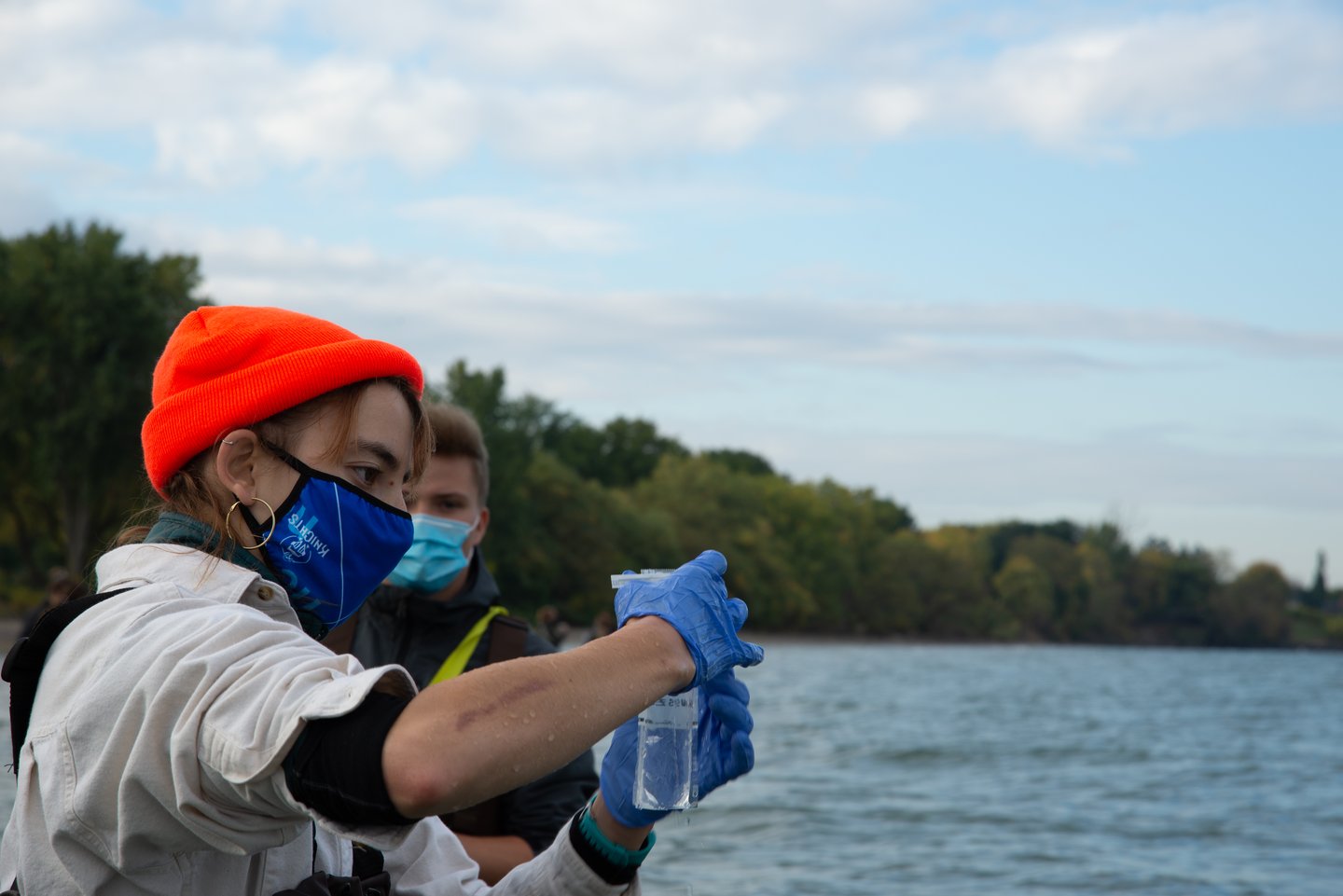
Feature
Spring 2021
Swim Drink Fish hubs train volunteers to monitor recreational water quality.
The Smart Citizen Science Initiative By Max Herzog The Cleveland Water Alliance aims to standardize volunteer water monitoring data. Western Lake Erie HAB, Sept. 26, 2017. Landsat-8 (NASA/USGS satellite) photo.Seasonal surges and legacy deposits of nutrient pollution make Lake Erie the epicenter of yearly harmful algae blooms (HABs) large enough to be seen from space. This annual ecological crisis puts the health and well-being of the nearly 12 million people that rely on this great lake for their drinking water, recreation, or livelihood at risk. Lake Erie states are increasingly investing in solutions to reduce the nutrient pollution that drives these blooms, but often don’t have the information needed to strategically locate these projects, evaluate their effectiveness, or optimize their performance. Further, reduction in budget allocations in Michigan, Ohio, and New York are challenging the scope and sustainability of state agency water monitoring. These challenges produce significant limitations on the scope and granularity of water quality data collected across Lake Erie and its watersheds.Fighting back against HABsCredit: Buffalo Niagara Waterkeeper.Citizen science (volunteer monitoring by community members) represents an important opportunity to expand our regional data collection capacity and address pressing water quality challenges like HABs. Lake Erie residents feel a powerful sense of connection to and responsibility for their water resources and are often willing to contribute their resources and time to that end. Local organizations have been harnessing this energy to monitor water quality in communities across the region for years. However, these groups have typically developed in response to hyper-local management needs, resulting in a fragmented regional landscape of citizen science that approaches data collection, management, and use protocols on a watershed-by-watershed basis. Many of these groups continue to rely on physical data sheets and Excel-based data management, which severely limit accessibility and discoverability to external end users. As a result, it is difficult for government, academic, and industry actors to leverage the full scope of Lake Erie’s existing citizen science movement to address their most pressing research, decision making, and management needs. Cleveland Water Alliance (CWA) is working to address these challenges through the Smart Citizen Science Initiative, a regional network of volunteer programs and community funders that support and accelerate community collection of Lake Erie Basin data. This network serves as a platform for driving regional citizen science innovation including piloting new technologies and implementing collective data standards. The initial three-year (2020–2022) effort is made possible by the support of the Great Lakes One Water (GLOW) Partnership, a collaboration of community foundations committed to solving Great Lakes water challenges.To date, the Smart Citizen Science Initiative has engaged 12 volunteer water quality monitoring groups in a series of technology pilots, group visioning sessions, curriculum development projects, and other regional collaborations. These include Buffalo Niagara Waterkeeper, Cleveland Metroparks, Doan Brook Watershed Partners, Erie Soil and Water Conservation District, Friends of Euclid Creek, Huron River Watershed Council, Lorain Soil and Water Conservation District, Metroparks Toledo, Old Woman Creek National Estuarine Research Reserve, Rocky River Watershed Council, SUNY Fredonia, and Toledo Metropolitan Area Council of Governments.Credit: Buffalo Niagara Waterkeeper.“Being a part of a Lake Erie-wide network of organizations and citizen scientists with the Smart Citizen Science Initiative is exciting, inspiring, and empowering,” notes Lisa Meranti, Watershed Volunteer Program Coordinator, Cleveland Metroparks. “Contributing to something that can have significant collective impact is very motivating.”Credit: Cleveland Water Alliance and The Commons.Throughout the last year, CWA partnered with The Commons to provide access to their data platform, Water Reporter. With features such as volunteer vs. organizer profiles, built-in QA/QC permissions, and a mobile app for field data upload, the Water Reporter platform is set up to enable organizations to leverage the power of volunteer monitoring to produce meaningful data that are structured and interoperable. The Commons has even worked with CWA to create a unique web widget that allows users to visualize, explore, and download data from Local Champions across the Lake Erie Basin. Now, community groups, researchers, and decision makers can easily access and leverage the data.These tools will be backed up by a set of standards for the collection, management, and use of Lake Erie citizen science data. These Smart Lake Standards will aim to formalize operating procedures and best available technology to provide an accessible framework for elevating the credibility of citizen science data. The creation of Smart Lake Standards will enable consistent, high-quality monitoring of key parameters across the region, enable wider use and comparability of currently available citizen science data, and allow rapid piloting of new data collection technologies against agreed-upon benchmarks. Further, Smart Lake Standards will provide a framework for collaborative regional research projects, comparison of locally collected data, and establishment of new community monitoring programs. CWA is currently convening key experts and decision makers spanning academic and federal research institutions as well as state environmental agencies to support this work. These advisors will support CWA and the Smart Citizen Science network in designing and executing the first iteration of these standards by early 2022.
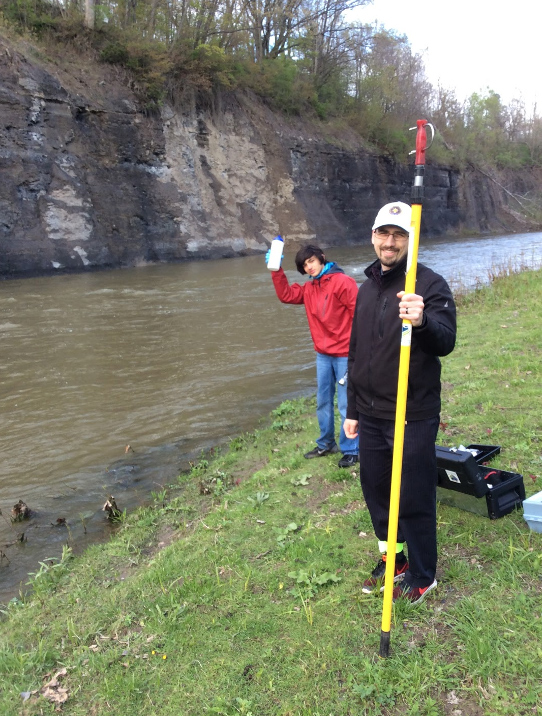
Feature
Spring 2021
The Cleveland Water Alliance aims to standardize volunteer water monitoring data.
STREAM: Combining DNA and people power for healthy freshwater ecosystems By Chloe Robinson and Mehrdad Hajibabaei The STREAM project combines DNA metabarcoding with community-based monitoring. Members of Junction Creek Stewardship Committee being trained in CABIN methods in Sudbury, Ontario. Credit: Raegan Mallinson/Living Lakes Canada.Over a quarter of Canada’s population lives within the Great Lakes Basin. This transboundary watershed holds one-fifth of all the surface fresh water on Earth and is under increasing pressure from growing urban populations. Threats including pollution, habitat fragmentation, and overuse of water directly degrade freshwater ecosystems and therefore impact the local economy, quality of life, and environment.One of the major concerns with these threats is that three out of the eight Canadian sub-watersheds are data deficient for a variety of ecological health metrics, one being benthic macroinvertebrates. These data deficiencies remain severely problematic for understanding responses to threats.Benthic (i.e., bottom-dwelling) macroinvertebrates can provide us with a great deal of information regarding water quality of freshwater systems. Groups of macroinvertebrates, including mayflies (Ephemeroptera), stoneflies (Plecoptera), caddisflies (Trichoptera), and dragonflies and damselflies (Odonata) have different levels of sensitivity to factors such as water pollution and oxygen availability, meaning they are ideal biological indicators of freshwater health.Left to right: Flat-headed mayfly larvae, green sedge caddisfly larvae, and golden stonefly larvae. These species are macroinvertebrates known to be sensitive to changes in environmental conditions. Credit: Chloe Robinson.The STREAM solutionThere is an urgent need for rapid, standardized, accurate, and accessible monitoring techniques to better understand change given the increasing threat of degradation and biodiversity loss in freshwater ecosystems. To tackle these data deficiencies, the STREAM (Sequencing the Rivers for Environmental Assessment and Monitoring) project was launched. Headquartered at the University of Guelph, the main objective of STREAM is to rapidly generate baseline benthic macroinvertebrate DNA data from across Canada through community-based biomonitoring.STREAM was established in 2018 through a grant from the Government of Canada via Genome Canada and Ontario Genomics. This project is a national multi-stakeholder collaboration between the University of Guelph, World Wildlife Fund Canada, Living Lakes Canada, and Environment and Climate Change Canada. STREAM has partnered with community groups in Canada, including within the Great Lakes Basin, to collect these benthic samples using standardized Canadian Aquatic Biomonitoring Network (CABIN) kick-net protocols. CABIN-trained community members collect samples from their watershed and then send the samples to the University of Guelph for processing via a technique called DNA metabarcoding. This process involves generating hundred of thousands of DNA sequences from benthic samples, which are then matched against an extensive DNA library to determine which species are present.The process of manually sorting and identifying macroinvertebrates (top) versus eDNA metabarcoding approach of species identification (bottom). Credit: Chloe Robinson.STREAM in the Great Lakes BasinErin Desjardins, stewardship intern at Four Rivers and member of Eabametoong First Nation, mobilizing winter water analysis equipment in the homelands of Constance Lake and Ginoogaming First Nations. Credit: Four Rivers Environmental Services.Within the Great Lakes Basin, STREAM works with two community groups: Four Rivers Environmental Services (Thunder Bay) and Junction Creek Stewardship Committee (JCSC; Sudbury). Four Rivers Environmental Services provides support and technical services to the Matawa member First Nation communities and coordinates initiatives aimed to assist community-led environmental stewardship and natural resource management in Thunder Bay. JCSC is a dynamic organization focused on the restoration of a large urban waterway in the City of Greater Sudbury.The study aim for both community groups is to establish baseline information on macroinvertebrate communities to inform future development and restoration decisions. Between the two groups, 14 sites have been sampled since 2019, and a total of 248 macroinvertebrate species have been detected. Of these species, the most common three detected across the sites include two species of Netspinning caddisfly and a species of non-biting midge.JCSC is conducting multi-year studies to investigate how macroinvertebrate communities change over the course of the STREAM project. For the sites sampled in both 2019 and 2020, the richness (i.e., number of macroinvertebrate species) was mostly higher in 2020, with this increase consisting of a range of bioindicator species not detected in 2019. For the Four Rivers biomonitoring, 58 species of macroinvertebrate were detected in Tidy Creek, with nearly half of these being bioindicator species.Establishing this baseline in the Great Lakes Basin is vital for understanding both water quality and how macroinvertebrate species respond to environmental stressors. Data are especially needed within Canada's Northwestern Lake Superior, Wanipitai and French (off Lake Huron's Georgian Bay), and Lake Ontario basins. Continued biomonitoring within the Great Lakes Basin will enable longer-term trends to be investigated to infer freshwater health status in relation to global threats such as climate change.Interested in getting involved with STREAM? Please get in touch via our website to find out more about partnering with the STREAM project.
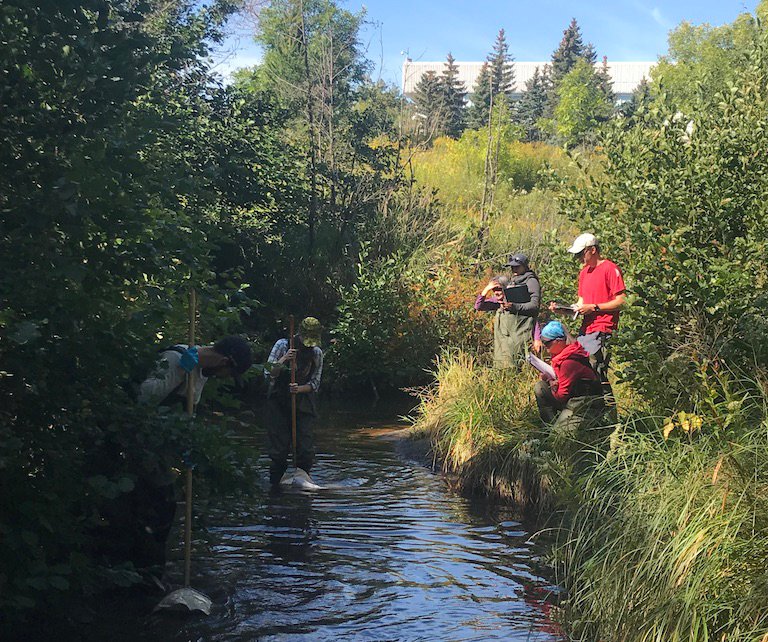
Feature
Spring 2021
The STREAM project combines DNA metabarcoding with community-based monitoring.
Uncharted waters: A story of how community-based water monitoring can help fill data gaps By Emelia Duguay Water Rangers use affordable test kits to collect water quality data. Don Ross from County Sustainability Group and hundreds of other testers across Canada use Water Rangers' kits for data collection and for educational purposes.“While testing in Bancroft this past week, we met a retired environmental science professor who had also done work with the Ministry of Environment during his long career. He was saying how happy he was to know that this sort of citizen science was happening and how important it was to be doing this given all the cutbacks in government services he had witnessed over his 40 years working in this field. He seemed inspired to learn more about this and perhaps get involved with WR from his cottage on a nearby lake. Keep on testing, testers. We never know where the ripples we’re making in the water will land.”Don Ross, County Sustainability Group, Prince Edward CountyBorn out of a belief that all people living in Canada have the right to participate in freshwater conservation, Water Rangers is a nonprofit organization that empowers people to do just that. It all started when, in 2014, Kat Kavanagh helped her father test the water at their family’s cottage on Lake McGlashan, just north of Ottawa. After realizing that there was no easy way for the average person to organize and share water quality data like the kind she and her dad were collecting, Kat decided to use her skills as a web designer to help create one. In 2015, Kat and a team of other web designers and developers entered AquaHacking, competed with their idea for Water Rangers, and won. This marked the birth of Water Rangers, and the rest, they say, is history!Today, Water Rangers’ website and app allow anyone to store and keep track of water quality data. They also work to empower communities with their affordable, easy-to-use testkits, which test for parameters like pH, conductivity, dissolved oxygen, and more.Spotlight: Quinte Conservation AuthorityOne of Water Rangers’ most ardent supporters is Don Ross, a member of the County Sustainability Group (CSG), a community-based conservation group in Prince Edward County. In early 2020, Don saw an advertisement in Quinte Conservation’s newsletter, saying that Quinte could potentially leverage funding to support stewardship programs in the area. Don decided to jump on the opportunity; he responded to the newsletter and asked if Quinte could assist CSG with the costs of restocking their Water Rangers testkits. Quinte's education and stewardship coordinator, Maya Navrot, responded almost immediately, saying they would indeed be able to make this happen.Supporting CSG’s water monitoring efforts would end up being incredibly valuable for Quinte that year since they had to reduce some of their own water monitoring efforts due to COVID-19. Absent any stringent public health restrictions, volunteers from groups like CSG could still test throughout the season as long as they were comfortable doing so, and that they did. Don and other volunteers in the area consistently uploaded data from more than 15 sites to Water Rangers’ platform between April and November of 2020. Since the platform is all open access, Quinte can conveniently retrieve these data at any time.Later in the season, Quinte was able to supply Moira Lake Property Owners Association and Kennebec Lake Association with Water Ranger kits, too. As the pandemic helped show, CSG and other community-based water monitoring groups can help conservation authorities like Quinte fill data gaps when they emerge. For this reason and countless others, Water Rangers is excited to see community-based water monitoring continue to grow in the coming years.What’s next?In many ways, the pandemic exposed the hugely untapped potential of crowd-sourcing water quality data. Communities want to help look after water, and with the right tools, they can. This is good news for scientists and decision makers, too, since volunteers can help collect data across a wider geographic area than professionals can do on their own. Not only that, but with the right support, these data can be accessed more efficiently than ever before. In 2021, Water Rangers is joining forces with DataStream. This collaboration will mean that data uploaded to Water Rangers’ platform by community groups will feed into the new Great Lakes DataStream, where it will sit alongside those of other watershed groups, scientists, and government monitoring programs. Since the data are all shared openly, scientists can easily access these data to inform their research, while policy makers can use the data to inform their decision making.To learn more and get involved, please visit waterrangers.ca and greatlakesdatastream.ca.
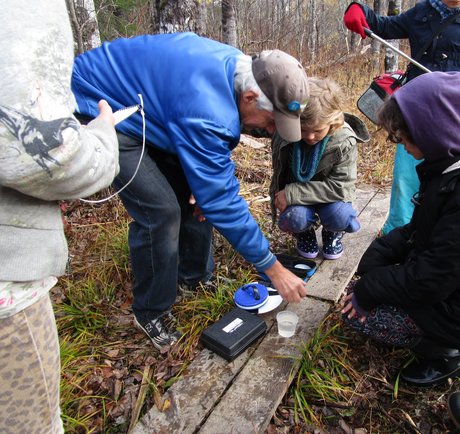
Feature
Spring 2021
Water Rangers use affordable test kits to collect water quality data.
What to do about our national water crisis By Bopaiah Biddanda Erin Brockovich’s new book urges citizens to fight America’s drinking water crisis through activism and a national self-reporting registry, rather than waiting for regulators or Superman to solve the problem. Environmental activist Erin Brockovich’s latest book is an inspiring personal narrative about the drinking water crisis facing America and what you and I can do about it. With people causing more and more water pollution, the resulting scarcity of clean drinking water is an emerging challenge that will soon take center stage in the context of a changing climate. Thus, lessons contained in this book are most timely. As the title says, Superman’s not coming; instead, we will have to fight our own fights.Over the years and across the country—from Hinkley, California, (chromium-6, 1991) to Flint, Michigan (lead, 2014)—most Americans have imbibed unsafe drinking water, and all have been exposed to “forever chemicals” like PFCs (perfluorinated chemicals). Today, the top six toxins in our surface and groundwater are chromium-6, chloromines, lead, PFCs, fracking chemical cocktails, and trichloroethylene solvents. As human activity continues to contaminate the environment (often with new synthetic compounds with unknown effects) and deplete water reserves (often concentrating the very same contaminants), regulatory agencies and legislation aimed to protect the environment are only playing catch up in safeguarding our air, water, and soil. But citizen science and activism can make a difference. Among the many practical steps Brockovich recommends is for people to contribute to a national self-reporting registry of water crisis hot-spots—a living map of current trouble spots—on the Community Healthbook website. Other engaged citizens can then take up the issue at local, state, and national levels to collectively make a difference. While Superman may not be coming, Brokovich calls us to action and shows us the way forward. Her book is a must read for all who wish to advocate for the health of their neighborhoods and watersheds.
Book Review
Winter 2021
Erin Brockovich’s new book urges citizens to fight America’s drinking water crisis through activism and a national self-reporting registry, rather than waiting for regulators or Superman to solve the problem.
Liz Berg Liz Berg partners with agencies, Tribes, and nonprofits to conserve coastal habitat and coordinates a binational effort toward resilient Great Lakes wetlands. About my workI recently started a position as a biologist with the U.S. Fish and Wildlife Service’s Great Lakes Coastal Program. The coastal program is partnership based, and we provide technical and financial assistance for habitat conservation in coastal watersheds. Each coastal program biologist works within one or more focus areas, which were strategically selected to have the greatest impact. I’m beginning to establish partnerships in the Straits of Mackinac focus area to generate ideas and implement projects that aim to conserve and restore coastal fish and wildlife habitats.Beyond the coastal program, I serve as the coordinator for the Great Lakes Coastal Assembly. The assembly is a binational, voluntary group of members from more than 20 state and federal agencies, Tribes, nonprofit organizations, and universities. We work collaboratively to align actions around coastal priorities, develop goals that are guided by stakeholders, and use best available science to inform conservation strategies. Currently, our work is focused on a vision for a resilient system of coastal wetlands that support economic, social, and environmental benefits to the Great Lakes region.Why IAGLR?My new role with the U.S. Fish and Wildlife Service has led me to explore ways to build my professional network and tune into large lake research. IAGLR seemed like a natural place to start. I’m excited to attend future in-person meetings to connect, learn, and exchange ideas with scientists, managers, and other stakeholders who share an interest in Great Lakes research and communication. In the meantime, I look forward to other opportunities to engage with the IAGLR community.
Member Spotlight
Winter 2021
Liz Berg partners with agencies, Tribes, and nonprofits to conserve coastal habitat and coordinates a binational effort toward resilient Great Lakes wetlands.
Ernest Kiplangat Ronoh Ernest Ronoh applies biometrics and remote sensing to study land degradation and nutrient losses that affect African Great Lakes like Victoria. About my workI joined KEFRI in 2020 as a research scientist in hydrology. I hold a bachelor’s degree in agricultural and biosystems from Moi University and a master’s degree in soil science from the University of Eldoret. I am currently pursuing a Ph.D. in environmental soil biogeochemistry. My research interests are in soils, hydrology, landscape processes, and nutrient dynamics on multi-scale environmental, hydropedology, spatiotemporal variations of land degradation, and agronomic, ecological, and agroecosystem sciences. My research activities employ biometrics, GIS and remote sensing, modeling, and spatial statistical applications to mitigate land degradation, water quality, watershed management and judicious resource use, ecosystem efficiency, enhanced natural resource conservation, ecosystem sustainability, and global food security.Why IAGLR?In January 2020, my passion for agroecosystem studies led me to enroll in a course offered at the Cary Institute of Ecosystems Studies in Millbrook, New York, titled Fundamentals of Ecosystem Ecology. The course covered topics such as modeling of biogeochemistry, energy flow, nutrient cycling, and ecological big data. During this course, I developed an interest in studies involving mitigation of nutrient losses from agricultural fields and other land uses. Nutrient losses lead to nutrient loading in nearby streams and rivers and eventually impact adjacent lakes. This can cause increased biomass of periphyton, macroalgae, and sestonic algae and have deleterious impacts on water quality and ecosystem function. For example, in East Africa's Lake Victoria, the growth and spread of water hyacinth negatively affect fishing, aquaculture, and navigation. Therefore, I joined IAGLR to become an active member and learn about advances in research on Great Lakes such as Lake Victoria.

Member Spotlight
Winter 2021
Ernest Ronoh applies biometrics and remote sensing to study land degradation and nutrient losses that affect African Great Lakes like Victoria.
Les Warren Les Warren studies how drowned river-mouth nurseries contribute to alewife recruitment in Lake Michigan. About my workCurrently, I am a graduate student at Purdue University in West Lafayette, Indiana. I am pursuing a Ph.D. in Aquatic Sciences from the Department of Forestry and Natural Resources in Dr. Tomas HÖÖk’s lab. My dissertation research focuses on the importance of different nursery habitats for alewife recruitment in Lake Michigan. Over the next two summers, I will be sampling drowned river-mouth lakes along southeastern Lake Michigan to collect alewives at progressing early-life stages with help from collaborators at the USGS Great Lakes Science Center and the NOAA Great Lakes Environmental Research Laboratory. At the conclusion of this sampling, I will assess the potential contribution of these drowned river-mouth lakes to the recruitment of the greater Lake Michigan population.In response to the COVID shutdown in spring 2020, I delayed the beginning of my field sampling by a year. With the additional time off the water, I continued my research in a different form and modeled alewife recruitment by analyzing annual survey data for the year-class strength of previous cohorts. This will later be used to help understand the drivers of strong alewife year classes among several Great Lakes.Why IAGLR?I joined IAGLR earlier this year not only to help advance my knowledge of current research going on in the Great Lakes but also to interact with the IAGLR community. In the future, I hope to attend conferences (in person!) and present my work to other Great Lakes scientists. IAGLR also provides many opportunities for students to advance their education through awards, scholarships, and travel awards.
Member Spotlight
Winter 2021
Les Warren studies how drowned river-mouth nurseries contribute to alewife recruitment in Lake Michigan.
Activism, science, and Ontario's battle against corporate water bottling Grassroots pressure paired with scientific evidence has driven Ontario's bottled-water reforms—from a moratorium on new permits to stronger groundwater monitoring—revealing how activism and research work best in tandem.
By Rob Case Grassroots pressure paired with scientific evidence has driven Ontario's bottled-water reforms, revealing how activism and research work in tandem for change. Water bottling is a contentious issue in communities around the Great Lakes. Although the quantities of water taken may be small relative to other uses, this industry and the corporations behind it often trigger protest wherever they set up shop. In Ontario, Canada, the Wellington Water Watchers (WWW) and its partners are leading that opposition.Concerns about water scarcity, impacts on local groundwater and the surrounding ecosystem, and other matters for which scientific expertise is needed are part of what drives opposition to the water bottling industry. Yet for activists, the issue is about much more: plastic pollution and climate impacts from plastic production; frustration regarding the lack or weakening of local input into water governance decisions; competition between water profiteers and local government over groundwater access points; corporate power and the commodification of the water commons; and disaster capitalism and water justice in places like Flint or on the Six Nations reserve where only 9% of households have running water.In contexts like these, the relationship between activism and science can be awkward. Activists are sometimes impatient with the slow pace of change in response to scientific discovery, even while recognizing the value of science in enhancing their undertanding of issues central to their cause. And as much as scientific evidence can be an important foundation for policy advocacy, it can also make channels of influence inaccessible to grassroots environmentalists and create barriers to public engagement and progressive change.All of this is true in the case of grassroots opposition to groundwater taking for corporate bottling in Ontario. But the history of our efforts, ultimately, illustrate that when synergies can be found between scientists and grassroots activists, the impact can be powerful.Flying under the radarThe Wellington Water Watchers is a community-based, nonpartisan, nonprofit organization. It was formed in 2007 in response to a Nestlé Waters application for a permit to take water for bottling at its Canadian headquarters in the Wellington County village of Aberfoyle, just outside of Guelph. The company had already been active in the county, having bought the Aberfoyle Springs bottling company in 2000. Its presence, however, flew under the radar until one late night in November of 2006, when Guelph resident and environmental consultant Mark Goldberg noticed transport trucks pulling out of a driveway marked “Nestlé Waters.” Like many of us in the Guelph area, Goldberg had driven past that driveway and sign numerous times before, but it was on this trip home from the airport, at around 2 a.m., that the truck traffic seemed odd and drew Goldberg’s attention.The next morning, Goldberg started looking into Nestlé Waters’ local operations. He discovered that the company had a permit, up for renewal the following spring, that would allow it to take 3.6 million liters each day for the next 10 years from the aquifer beneath its bottling plant in Aberfoyle. This concerned Goldberg, so he started to explore the idea of pulling together a group of people to investigate further.One of the people he went to was his friend James Gordon, who was a musician and an activist. Goldberg’s discovery concerned Gordon as well, and the pair immediately began thinking about how to form a group to take action. As a toxicologist, Goldberg was confident in his own ability to understand and analyze the technical and scientific aspects of the issue, but he hoped Gordon could help to get the word out and raise the concern in the community. “You play lead guitar,” he told Gordon, “and I’ll play rhythm and back you up with facts and figures.”And so began a process of community activism that has led, over 15 years later, to a four-year moratorium on new permits for water bottlers in Ontario, significant public and private investments in scientific study of related groundwater systems, regulation changes requiring more comprehensive scientific monitoring of water-taking impacts, and the imminent possibility that, for the first time in Ontario, a water-taking permit for bottling at a new site could be denied. If the goal is to end water bottling in Ontario, the activists have not yet won, but important progress is being made.A downside to deference to “science”?The experience of WWW is that concerted public pressure—Gordon’s “lead guitar”—has been the key to getting the attention of provincial lawmakers. Without that type of pressure, history has shown, elected officials and their governments are more likely to favor the science and rational argumentation—the “rhythm guitar”—that serve their agendas and ideological priorities.Scientific evidence, rational argumentation, and a grounding in material reality most certainly have an important place at the core of democratic participation and public policy making. Yet too narrow a deference to “scientific evidence” in policy making, or a misrepresentation of what “science” is and what it can tell us, can make democratic public input inaccessible and protect the status quo. The application process in Ontario’s Permit To Take Water program, for instance, includes some public consultation and a mechanism for receiving public input, but only considers input of a technical nature as legitimate, biasing the process in favor of those parties with the means (and economic or regulatory incentives) to employ research consultants and commission glossy reports.Proposed regulation changes for Ontario, similarly, would enable municipalities to veto a permit application for water bottling in their jurisdiction, but only with a scientifically supported water-resources rationale. An objection based on a clear consensus among residents, on municipal concerns regarding truck traffic or plastic waste production, on the exclusion from decision-making of Indigenous nations with overlapping jurisdictional claims, or on a precautionary desire to reserve local water taking for higher value uses and future needs will not count. In this case, deference to narrowly defined “science” protects the applicant by dismissing a precautionary approach and overriding local, democratic decision-making.In our county, Nestlé Waters states that it has more than 15 years of evidence showing that their bottling operations are “sustainable.” While true that the monitoring data they make public have not consistently shown significant change on the specific parameters being measured, to claim that this constitutes evidence of “sustainability” would seem an absurd overstatement of what the data actually indicate, particularly when factoring in the climate impacts of producing the plastic and trucking the product from source to market.When under pressure from grassroots opposition, nonetheless, water bottlers and their lobby associations use “science” as a shield in their popular media statements, claiming that their position is backed by “science” in contrast to the “emotional” reaction of those who oppose them.Finding synergyFar from an indictment of science and research, WWW’s experience suggests that more independent research and scientific analysis are needed to confirm, challenge, or otherwise understand the overall environmental and social impacts of water bottling, and that greater scrutiny from the scientific community is needed to help to contextualize the knowledge being claimed in the name of science.In pursuit of objective truth, scientists often keep a sceptical distance from activists (and/or keep their activism separate from their science). Our experience, however, is that such community engagement is an important companion in the translation of research evidence into progressive policy change. At key moments in Ontario’s bottled-water battle, the public attention brought to the issue has shone light on research and analyses that, in the context of mounting political pressure to do something, have led to important, if incremental, regulatory change. For example, in one local township, research stimulated by the public outrage surrounding an application for a permit to take water at a new site has become a central factor driving another round of regulatory changes at the provincial level, which could prevent water bottling from ever going forward in that location.We would like to believe that public policy is the result of considerations of the common good derived from a rational assessment of the available, relevant evidence. We know, however, that politics is often about choices, driven by ideology, distorted by power and the desire to gain or maintain it, and rationalized with evidence when available. For knowledge and reason to do their job in this context, sometimes what is needed is grassroots social action to lead the way with a firm, collective assertion of community interests, values, and priorities.
Feature
Winter 2021
Grassroots pressure paired with scientific evidence has driven Ontario's bottled-water reforms, revealing how activism and research work in tandem for change.
Walking the talk: A Q&A with Patricia Chow-Fraser Pat Chow-Fraser turned a volunteer marsh-planting idea into decades of community-powered wetland restoration at Cootes Paradise and testified to help save a Lake Superior coastal wetland from development. Describe your community engagement work. What impact did your involvement have?Spring 1992, and I was in a meeting reviewing a proposed restoration budget with others at the Royal Botanical Gardens in Burlington, Ontario. Having just started as an assistant professor at McMaster University in July 1991, I was still getting to know members of the Remedial Action Plan team, when someone said something that invoked an involuntary “you’ve got to be kidding me.” A line item in the budget for the Cootes Paradise Restoration was the cost of hiring professional planters at a rate of several times my annual salary. Days later, I was still thinking about this while having coffee with a retired principal. Just how much training is required to put wetland plants in a marsh? Couldn’t high school or university students do the planting as volunteers? In fact, why couldn’t elementary school children grow the marsh plants if we provided the seeds and supplies?Looking back at this almost 30 years later, I’d have to say it was common sense that propelled the inaugural Classroom Aquatic Plant Nursery program (eventually known as the “Classroom Mini-Marsh”) and the Cootes Paradise Volunteer Planting Program, both of which are still run by RBG together with the Bay Area Restoration Council. I was lucky in getting several government grants, including an unusual research grant that required inclusion of community outreach and engagement. Between 1993 and 1996, we used these funds to hire a legion of undergraduates and graduates. These students were enthusiastic about the research, but what motivated them more was the opportunity to lead dozens of volunteers. For six weeks in July and August in 1993 and 1994, rain or shine, community volunteers (aged 6 to 70+) generously gave up their weekends to build cages to protect marsh vegetation from common carp. The most ambitious outreach activity for us in Cootes was recruiting several classes of high school students to help us build 12 large enclosures in the marsh. My graduate student then, Dr. Vanessa Lougheed, used these enclosures to test the relationship between carp density on water turbidity and nutrients. We later used these enclosures to conduct experiments on submergent vegetation. Results from these experiments were used in 10+ publications that informed the restoration of Cootes Paradise and other coastal marshes.Winter 2001, and I had just finished giving a presentation at Duluth’s EPA lab. Glenn Dale from Cloud Bay, near Thunder Bay, had driven three hours across the border to ask me a question: Would I help his shoreline stewardship association save a coastal wetland? The north shore of Lake Superior only has a handful of coastal marshes, and someone wanted to rip up the “weeds” and build a 300- to 600-spot trailer park. Time to start walking the talk. I rearranged my sampling schedule and sent my team to sample the wetland in 2001 so we had data in time for the Ontario Municipal Board hearing in 2002. The hearing took place during IAGLR’s annual conference in Winnipeg. I flew to Thunder Bay to give testimony and flew back on the same day to preside over the IAGLR banquet as incoming president. We saved the wetland, but what I did paled in comparison to the herculean efforts of cottagers who were burdened with raising large sums of money to hire the lawyers, planners, and other experts, and to devote hundreds of hours attending meetings to protect this wetland.What challenges did you face? How did you address them? What were the rewards in doing this work?Ironically, the biggest impediment to these activities for academics is lack of an appropriate reward structure. My progression through the ranks and salary increase was probably in spite of these activities and not because of them. Chairs usually look out for their junior faculty by making sure they publish and avoid “distractions.” In my case, I was supported by my chair and got tenured, but I temporarily lost NSERC funding. Activities involving community engagement and volunteers require longer time to get published, if at all. Fortunately, I have been able to publish on both my research and my community engagement activities. Now, graduate students come specifically to work with me because of my citizen science activities, and I delight every time I learn my testimony helped save another wetland.Any advice for fellow scientists?Academia appears to value community engagement more so than it has in the past. At McMaster, there is even a Minor in Community Engagement. This is welcome news to those who want to involve volunteers in their research without having to worry about justifying their approach.

Feature
Winter 2021
Pat Chow-Fraser turned a volunteer marsh-planting idea into decades of community-powered wetland restoration at Cootes Paradise and testified to help save a Lake Superior coastal wetland from development.
Elevating the voices of concerned citizens: A Q&A with Richard Rediske Richard Rediske's technical review of citizen-gathered records helped expose PFAS contamination from a Michigan tannery, securing clean water for more than 1,000 residents and EPA-enforced cleanup. Describe your community engagement work.In 2014, the Concerned Citizens for Responsible Remediation contacted me because they were concerned about residual environmental contamination from the demolition of a tannery in Rockford, Michigan. The tannery was working with city and state officials to redevelop the site for commercial and residential use. The CCRR, a grassroots citizen group, needed a scientist to put their concerns in a technical context and advocate for detailed environmental studies of the site. The CCRR was able to obtain thousands of Material Safety Data Sheets and chemical storage information from agency records, as well as the locations of disposal sites by interviewing waste haulers. I reviewed all the CCRR data and the information in the Michigan Department of Environmental Quality’s files. This review showed extensive use of Scotchgard, which was banned in 2000 because it contained PFAS, or per- and polyfluoroalkyl substances, a group of chemicals linked to human health problems. I conducted patent searches and found Scotchgard use began in the 1960s. In 2017, I submitted a technical memorandum to the MDEQ outlining the CCRR’s concerns about PFAS at the tannery and disposal sites near residential developments, and we also submitted similar information to the Environmental Protection Agency. Acting on this information and subsequent investigations, the EPA issued a finding that the site posed an imminent and substantial endangerment to public health and initiated legal action with the State of Michigan to compel site investigations and cleanup actions.What impact did your involvement have?The impact of my work was to elevate the voices of concerned citizens by conveying their concerns in a scientific context to regulators and presenting them in media interviews and public meetings. The tannery was compelled to extend municipal water service to more than 1,000 residents who were drinking contaminated well water and to clean up hazardous wastes that were accessible to the public on a popular bike path bordering the tannery. We succeeded in our goal to eliminate exposure pathways and start the restoration process.What challenges did you face? How did you address them?Our efforts were challenged by considerable pushback from the tannery, and they hired consultants and technical experts to refute our efforts. We did not have financial resources to conduct PFAS testing, so we had to focus on public records to support our position.What were the rewards in doing this work?The work with PFAS and the CCRR was very rewarding because of the legal action taken against the tannery and the rapid pace of remediation. Based on current data, the plume of PFAS-contaminated groundwater covers 50 km2 and intersects with 40 km of river frontage. Some of the blood levels in residents drinking contaminated well water exceed concentrations found in workers at 3M, the manufacturer of Scotchgard, so it was critical to remove this exposure pathway. The role of the CCRR in identification of PFAS problems at the tannery and their waste disposal sites was recognized in numerous media articles including the New York Times and CNBC. Our story also was featured in the May 17, 2019, issue of Science. The greatest rewards were seeing our advocacy work lead to supplying clean water to more than 1,000 affected residents and the tannery being held accountable for the costs of remediation.Any advice for fellow scientists?Community engagement is a recognized form of scholarship (Boyer 1996; Driscoll and Sandmann 2001) and can be an important part of tenure and promotion considerations. It is easy for scientists to become comfortable discussing their work within professional groups, but a critical outcome of environmental research is to support efforts that lead to ecosystem sustainability, restoration, and preservation. Community engagement with stakeholders is a natural extension of academic scholarship and provides real opportunities for changing cultural values and practices, expanding collaborations, and personal growth. My PFAS work with the CCRR has led to providing testimony at Senate hearings, giving briefings to state and federal representatives, and helping additional communities advocate for clean water and the remediation of PFAS contamination. Successful community engagement requires collaboration with stakeholders and a long-term focus to yield results. These are the same foci we apply to our scientific careers as we develop expertise over time and build collaborative networks. Public Advisory Councils, watershed groups, and conservation organizations all need and welcome the participation of scientists to achieve their missions. I encourage all scientists to be involved with community engagement and further the protection of our natural resources.
Feature
Winter 2021
Richard Rediske's technical review of citizen-gathered records helped expose PFAS contamination from a Michigan tannery, securing clean water for more than 1,000 residents and EPA-enforced cleanup.
David L. Spangler By Tom Henry David L. Spangler (1946–2020) pioneered citizen science sampling to monitor Lake Erie water quality. The Lake Erie community is saddened by the passing of David L. Spangler, a gentle soul and beloved charter boat captain who fiercely devoted many of the final years of his life to educating others about the science of algal blooms, efforts to keep Asian carp out of the Great Lakes, and why the 30 million Americans and 10 million Canadians who live in the Great Lakes basin deserve better water quality in general.Dave, who lived along the Lake Erie shoreline near Oak Harbor, Ohio, was well-known among and highly respected by many of the International Association for Great Lakes Research’s leading scientists.He died of leukemia on Oct. 21 at Heroes Harbor Hospice, part of the Cleveland Veterans Administration Medical Center.“Dave and I fed off each other. I mean, we really did,” his long-time counterpart, Paul Pacholski, told The (Toledo) Blade for a news obituary published the day after his death. “Without question, he made me a better person and a better advocate.”Pacholski is the longtime president of the Lake Erie Charter Boat Association. As the same group’s longtime vice president, Spangler was his right-hand man.Tributes have poured in from past and current governors, members of Congress, and other dignitaries.Dave was “an enthusiastic supporter of all the work we do," noted IAGLR member George Bullerjahn of Bowling Green State University.“A day on the water with Dave was fun, enlightening, and always led to a successful research trip. I looked forward to catching up with him at all the conferences we have held. The fact he attended every meeting shows how much he cared about the lake and our research,” Bullerjahn said.We “have lost a voice of reason among those concerned with Lake Erie,” said Ohio Sea Grant/Ohio State University Stone Laboratory Director Chris Winslow. “Dave will be missed, but we can remember him in our words, actions, and efforts going forward.”That sentiment was echoed by Justin Chaffin, Ohio Sea Grant/OSU Stone Laboratory research coordinator, who called Dave “a true champion for Lake Erie sport fishing and water quality."Chaffin added, “It was a pleasure working with Dave on research projects and then chatting with him about hot spots and baits for walleye after our business was completed. He understood that fishing success and water quality are tightly connected. He and his advocacy for Lake Erie will be missed.”Mike McKay, executive director of the University of Windsor’s Great Lakes Institute for Environmental Research, lauded Spangler and Pacholski for the citizen science sampling program they initiated in 2012 with help from other charter boat captains.Samples drawn simultaneously by charter boat captains give the Ohio EPA and other agencies field data from a vast expanse of the lake on the same date and at the same time, information the agencies otherwise wouldn’t have.McKay was pleased Spangler worked closely with so many IAGLR members.Tom Bridgeman, the University of Toledo Lake Erie Center’s director, said he “had the greatest respect and affection for Dave,” and BGSU’s Tim Davis called him “a tireless advocate for Lake Erie.”
In Memoriam
Fall 2020
David L. Spangler (1946–2020) pioneered citizen science sampling to monitor Lake Erie water quality.
Eva Enders Eva Enders' research on flow and climate informs species at risk management. About my workMy research interest lies in studying the effects of natural and anthropogenic changes of flow and climate on fish and fish habitat. In my research, I enjoy working in large multi-disciplinary research teams. Most of my lab’s research relates to conservation physiology, fish behavior and bioenergetics, and aquatic ecology to provide science advice for Fisheries and Oceans Canada’s Species at Risk, Fish and Fish Habitat Protection, and Aquatic Invasive Species programs. We are combining controlled laboratory experiments on freshwater fishes that facilitate hypothesis testing with field experiments to validate developed models.Due to the Government of Canada’s interest in the protection of Lake Winnipeg, the focus of my research program has shifted in recent years from small stream systems to the Lake Winnipeg basin. In collaboration with several provincial, federal, and state agencies, as well as universities, we are currently conducting a large-scale telemetry project to analyze fish movement and habitat use, a long-term pelagic fish survey, a bathymetry and substrate survey, and a near-shore monitoring program. In these projects, we are particularly interested in studying species at risk and understanding the impacts of non-native species on the ecosystem.Why IAGLR?Due to my recent research focus on Lake Winnipeg, I joined IAGLR to become an active member of the community and learn about advances in Great Lakes research. The new research focus has also led to my involvement in the Journal of Great Lakes Research as guest editor for a special issue on “Lake Winnipeg – the emerging view after 15 years of whole-lake, whole-ecosystem science.” I was hoping to attend IAGLR 2020 in person to meet and network with scientists, managers, and stakeholders concerned with large lakes and am looking forward to meeting members at future events.
Member Spotlight
Fall 2020
Eva Enders' research on flow and climate informs species at risk management.
Kirsten Robinson Kirsten Robinson develops metrics to track progress in coastal wetland restoration. About my workI am beginning a new career in conservation at The Nature Conservancy in Michigan, USA, as a technician for the Blue Accounting Coastal Wetlands program. Blue Accounting is an initiative that was created in response to a call from both the U.S. and Canadian governments for a more efficient way to account for progress from investments in the Laurentian Great Lakes Basin. At this time, the focus areas on Blue Accounting include coastal wetlands, aquatic invasive species, source water, ErieStat (phosphorus levels in Lake Erie), and maritime transportation. I work with the coastal wetlands team to identify metrics for measuring progress, research the literature, write and publish material on the site, and update our content. Some of the ecological metrics I’ve worked on include a wetland breeding birds index, wetland breeding amphibians index, and the acreage of wetlands that are being protected, restored, or enhanced around the Great Lakes. I’m currently working to help develop socioeconomic metrics, such as the relationship of coastal wetlands to flood impacts on Great Lakes coastlines.Why IAGLR?Early this year, I collaborated with our team to create two presentations for the IAGLR 2020 conference related to our work on the socioeconomic benefits of coastal wetland projects. I was delighted when it turned out I could attend due to the conference going virtual. I enjoyed the variety and diversity of presentations from around the world. I also learned that access to IAGLR's Journal of Great Lakes Research could help me in my background research for Blue Accounting’s Coastal Wetlands metrics. So I joined IAGLR, and I am excited to learn more about current happenings and research in all of the world’s Great Lakes. As I grow professionally, I hope to stay a member of IAGLR and continue to discover new opportunities.
Member Spotlight
Fall 2020
Kirsten Robinson develops metrics to track progress in coastal wetland restoration.
A letter from Henry Lickers By Henry Lickers Henry Lickers advocates for integrating Traditional Knowledge and Western science. Shekon (Greetings), people of IAGLR and the Great Lakes. I hope this letter finds you and your family in good health and spirits during these trying times. I write this letter to share my experiences as an Indigenous scientist. I, too, have had problems talking to and understanding the knowledge of my people, the Haudenosaunee. I hope that by sharing my story, you will become more aware of and curious about Indigenous ways and the importance of drawing from multiple knowledge systems.I was encouraged by my grandparents and my mother to get an education to understand the ways of science and technology. I was never a really good student since I was too busy observing and living in the environment. Book learning was seen as important, but only as long as it didn’t interfere with my experiences.When I was 12, I left the Six Nations Indian Reserve and moved to downtown Toronto. What a culture shock! People in Toronto were always busy and placed entirely too much emphasis on progress to notice their beautiful surroundings. But for a boy with a bicycle, Toronto was a wondrous place. Within the first few months, I knew where all the nut, fruit, and medicine trees were within 10 kilometers of my house. I also found out that a young ragamuffin was not viewed as suspicious, so I knocked on people’s doors to ask if I could harvest the nuts, apples, and chestnut husks from their trees. In most cases, the homeowners saw these trees as nuisances that dirtied their lawns, so I always agreed to clean up their yards and make them look nice. Sometimes the homeowners even paid me!I took the fruit, nuts, and medicines home, where my mother made pies, apple sauce, and nut cakes and used the money for important things like clothes and shoes. I felt like a real hunter in the big city helping to take care of my family. Some months later, I realized that Toronto’s alleys were home to some of the biggest raccoons, squirrels, and skunks that I had ever seen. I decided to operate a trapline in the alley north of Bloor Street. I’d take the skins home to Brantford, where the fur buyers would ask where I got such high-quality pelts. I’d just cross my arms as only a boy can do and say that this was Traditional Knowledge of my people that I couldn’t divulge. I later learned that harvesting Canada geese for my mother’s wonderful goose soup was perhaps illegal at the time—indigenous harvesting practice hadn’t yet been won—but I only took what was needed and helped keep the population down.My school friends must have thought it strange that the apple sauce in my lunch was red (apples with the skins) and my “chicken” and rice soup (goose and wild rice) smelled different from theirs; even my bread was strange—Indian fry bread. They liked my nut loaf and maple tarts and would trade handsomely for these. I discovered that the Traditional Knowledge of the Haudenosaunee was not only important to my well-being and prestige, it was also profitable.Lake Ontario, Toronto Islands, and the many ravines in the city were the places where I could be myself, an Indigenous boy looking for a natural adventure. On the reserve, I had always wondered what job and who would pay me to play in nature. I was naturally drawn to the water, which seems to link everything together, and I decided to become a biologist. I worked as hard as I could, sometimes being irresponsible and crazy but always focused on the goal. I went to a new university in Peterborough called Trent University, which seemed perfect for me, got married, and ended up in graduate school at the University of Waikato in New Zealand. The Maori people there taught me to be myself and that the knowledge of the Indigenous Peoples may not be understood by the “new people,” but it was our responsibility to show the “new people” the way to live peacefully on the land. This was the same message I had heard from my great grandmother and grandparents.So, what does this have to do with science and Traditional Knowledge? I think everything. All my experiences have led me to this truth: that science and Traditional Knowledge need each other to be a whole knowledge system. This system includes both community knowledge and the ways in which knowledge is passed from one person to another, one group to another, and one nation to another. I call this a Naturalized Knowledge System that is connected to a given place. It is the knowledge gathered by the people in order to live in that place, and it allows the transfer of knowledge.All my experiences have led me to this truth: that science and traditional knowledge need each other to be a whole knowledge system.My knowledge includes that which I have gained from all the areas and peoples I have met along the way. I keep their stories, understanding, and wisdom as if they were my own, but remember these people and acknowledge them whenever I use their knowledge. Some of my teachers were not even humans. As a boy, I believed that animals and plants could talk to me, but just used different forms of communication. Trees and plants used smells and colors to tell me about their lives, and the badger talked to me using his language of grunts and whistles. Sometimes I didn’t understand, but if I listened hard enough I could understand which grubs he liked the best. I lived in a magical world of sights, sounds, smells, and feelings. My grandfather told me everything had a spirit, and that I could talk with them if I listened closely enough. Only recently through my daughter did I learn that the stones on the ground could tell us very old stories, although they talk very, very slowly. All knowledge is story told to us in different forms—from scientific journals and great tomes to jokes and tales—each with their own lessons and facts.When I lived in the city, I met people who carried just one story as their profession. Scientists believed that science was the only factual story, economists believed that finance was not connected to the physical world, and doctors that the body acted like a machine. While these stories are useful, they don’t describe the world entirely. To carry out their work, these professionals need to reduce their understanding to a very small portion of the whole, and by doing so, they lose much of their ability to understand the world. I have been blessed to have met some giants in the fields of knowledge whose very presence has influenced how I think, and not all of them have been indigenous peoples. Truly great scientists are interested in everything, truly great economists see the links between the physical world and finance, and the greatest doctors see the humanity and spirits of their patients—and they use these attributes as tools in their professions.Naturalized Knowledge Systems expand the way we look at the world, and their tenets become important to people who live close to the land and environment. The basic tenets are as follows:The Earth is our mother;Cooperation is the way to survive;Knowledge is powerful only if it’s shared;Responsibility is the best practice;Everything is connected to everything;Place is important, and finally,The spiritual world is not distant from the Earth.As a society removes itself from the environment, these tenets are lost, and the first loss seems to be the recognition that the earth is our mother. With this loss, the society begins to lose its respect for women at the basic level. Yet as the environment and the tenets become more important, women become more important, too. Each of these tenets can be expanded with a little thought, and people who live on the land and depend upon the land and waters soon become steeped in these themes.The question that seems to occupy everyone’s mind is how do scientists integrate Traditional Knowledge into modern sciences. In order to evaluate a scientific fact’s validity, there are a number tests that it must pass. The fact has to be reproducible, consistent, and verifiable. Traditional Knowledge uses these same tools to judge the worthiness of a fact. Description, observation, and analysis all combine to establish the truth of a fact. The reliance on a fact is tested every time that fact is needed. In the natural environment, the result of a bad fact is usually more catastrophic than in a lab. The placement of known fruit and nut trees in Toronto was tested every time I left the house to harvest. If I could not reproduce the experiment, it meant no food. While this may not have meant death to my family, it could have meant hardship. Not having the right facts or knowledge meant a loss of prestige for the hunter. Getting it right meant honor and respect in my community. Scientists are honored for being right, and they take precautions to test and validate their information in the same way a hunter validates his.Scientists and Indigenous People can work together by building a relationship with each other and benefitting from the knowledge they both have. This relationship is based upon the science of relationship that the Haudenosaunee have been practicing for hundreds of years. The Haudenosaunee call this the Great Law of Peace, the Great Way of Peace, or the Way to be Nice, and it can be explained using three words. I have taken the liberty of translating these words into English as closely as possible: respect, equity, and empowerment (see sidebar).The Haudenosaunee say that with a little respect, equity, and empowerment, we build a joyful relationship, and we want to do it again. Only this time, we are willing to add more respect and equity and empower ourselves to build better and better relationships. In my grandmother’s words, “we learn how to be nice to each other” and the Great Way of Peace has accomplished a seemingly impossible task. It is interesting that the Great Way of Peace can be used to build a relationship, but it can also be used to analyze our failures to do so.I know this narrative is part story, part fact, and part reminiscence; that is the way Indigenous People pass knowledge to one another. When I was a boy, my great grandmother would tell me stories that I didn’t always understand, but the stories were exciting and I liked them. It wasn’t until years later that I got the “a ha” moment when I understood the story. In the relationship between IAGLR, the Great Lakes, and Indigenous Peoples, there will be many “eureka” moments in the future. I just hope that you’ll remember this story as well. My great grandmother would be pleased.Skennen (In Peace), Henry LickersThis illustration represents the Hiawatha Belt. It depicts the original Five Nations of the Haudenosaunee that pledged their loyalty to the Great Peace.The Great Way of PeaceRespectWhile respect sounds simple, it has some tools that can assist us: Understanding. You can’t have respect for someone unless you try to understand them. Communication. You can’t respect someone unless you communicate with them. Consensus. There is not respect unless you form some type of consensus with each other. You do not need total agreement. Mediation. When you disagree, you need a process of mediation to get to consensus. Honor is that quality of truth that builds up through actions or deeds. As we say, respect is earned, not given. It is amazing how little respect is needed to start a relationship.EquityIn the modern world, equity is automatically thought of as money, but in the building of a relationship, knowledge is far more important. Knowledge brings us together and helps solidify the respect we have for one another. Also important to equity are networks—who knows whom and how they can help bring sweat equity to the relationship. Personnel are the people skilled enough to carry out the work, and having the time to do it is also equity. Social/political power or the prestige a person brings to the relationship can also help drive the action forward as more people add their skills to the relationship, but money and finance are also important. We say that equity must be balanced or someone will feel cheated and disrespected. A small amount of equity at the beginning of a relationship may prove vital to its existence. Among Indigenous People, the expression of thanksgiving in an opening or a meal shared are seen as respectful equity.EmpowermentSince the Haudenosaunee languages are verb based, we use peace as a verb; you must do peace or wage peace. These actions help to build relationships and show our sincerity in doing so. Application is to do what we say we will do. So many times we only discuss but never act. Consider authorship, which to academia is a tool of empowerment. When people come to our community to build a relationship, they collect information to use in a book or for the advancement of their careers, but often they don’t acknowledge the people who supplied the information. Sharing authorship of a paper can increase the empowerment of all the people who took part, even the local sources of information. Credibility and partnerships are built, and we accept the responsibilities for our actions and deeds. All of this adds to the empowerment of the relationship.
Perspective
Fall 2020
Henry Lickers advocates for integrating Traditional Knowledge and Western science.
Since time immemorial By Valoree S. Gagnon, Bizhikiins Dylan Jennings, Michael Waasegiizhig Price, and Evelyn H. Ravindran Indigenous sovereignty and the First Treaty emphasize historical foundations of stewardship. Nayaano-nibiimaang Gichigamiin (the Great Lakes) is a physically dynamic land and water system and a diversely complex political landscape. But what do we really know about the region's diversity? Beyond recognition of two countries, eight states and one province, 163 Indigenous nations, and hundreds of municipalities, what understandings do we have about Nayaano-nibiimaang Gichigamiin?For 2021, IAGLR conference organizers embraced their responsibilities to share more about Nayaano-nibiimaang Gichigamiin and the rich and diverse history of place, people, and life. These intentions are reflected both in the 2021 conference theme, Bridging: Knowledges • Seven Generations • Land-to-Lake, and in our acknowledgement statement below. In this article, we explain the significance of acknowledgement and provide an Indigenous understanding of sovereign nations and the First Treaty of Nayaano-nibiimaang Gichigamiin. We also illustrate relevance for today’s governance and stewardship and conclude with thoughts on knowledge and practice for seven generations.IAGLR 2021 Acknowledgement: IAGLR 2021 planners acknowledge that Nayaano-nibiimaang Gichigamiin (the Great Lakes) bioregion is the ancestral, traditional, and contemporary lands and waters of numerous Indigenous nations. We acknowledge Indigenous Peoples as the region’s original caretakers and knowledge keepers, and recognize their contributions to the stewardship and governance of the world’s largest system of freshwater. We extend our gratitude to members and staff of the Keweenaw Bay Indian Community, Chippewa Ottawa Resource Authority, Great Lakes Indian Fish and Wildlife Commission, and the 1854 Treaty Authority for their commitment to the planning and organization of the 2021 conference. Such partnerships are critical to bridging diverse knowledges, seven generations care, and sustaining land-to-lake relations in Nayaano-nibiimaang Gichigamiin. Finally, we remember that the teachings and practices we carry today were built and shared by many who came before us, including our human ancestors and many relatives with fins, wings, legs, and roots.AcknowledgementAcknowledgement is more than a collection of articulated words; it is a mindset that provides a lens into the journey of relearning. Acknowledgement conveys personal understanding of the obligations to Indigenous place, people, and life. The IAGLR 2021 statement acknowledges that U.S. and Canadian citizens share lands, waters, and responsibilities with Indigenous Nations who have cared for Nayaano-nibiimaang Gichigamiin since time immemorial, practicing stewardship principles informed by trusted Indigenous Knowledge Systems passed from one generation to the next, and through mutual respect and reciprocity for balanced relationships with living beings of many kinds. These are not mystical knowledge systems and practices—we use Traditional Knowledge Systems and approaches alongside science tools and approaches to work in partnership with other governments every day. Acknowledging the sources of knowledge is common practice, and for Indigenous Peoples, our teachings are gained from relationships, observations, and interactions with our non-human relatives. Plant beings, for example, are known as some of our wisest teachers on Earth.Indigenous sovereignty and the First TreatySovereignty is often described in terms of authority and power. Indigenous Nations’ sovereignty centers on autonomy, often articulated as self-determination and self-governance. It is also about collective strength in sustaining diplomacy with other sovereigns.Indigenous agreements between Nations were common practice prior to the establishment of the U.S. and Canada. In Nayaano-nibiimaang Gichigamiin, the Haudenosaunee Six Nations Confederacy includes Mohawk, Oneida, Onondaga, Cayuga, Seneca, and Tuscarora Nations; and the Anishinaabeg Three Fires Confederacy includes Ojibwa, Odawa, and Potawatomi peoples.Indigenous Nations remain rights holders, affirmed by a series of 18th- and 19th-century treaties negotiated with federal governments. In exchange for millions of acres of ceded territory, Indigenous Peoples reserved existing rights to hunt, fish, and gather, and secured “usual privileges of occupancy” throughout the land cession. Indigenous sovereignty is inherent—sovereignty was not granted to Indigenous Nations by the U.S. or Canada. In fact, these governments recognized the sovereignty of these Indigenous Nations, as treaties can only be established between sovereigns.Nayaano-nibiimaang Gichigamiin is and has always been governed by law. The foundation for sovereignty is rooted in the First Treaty, also called Sacred Law, Original Instructions, and the Great Laws of Nature. The First Treaty is the long-standing agreement between the Creator and all orders of creation that all beings are relatives of one another, will be interdependent upon one another, and honor, respect, and care for each other.These relationships and obligations are timeless across generations. They are also depicted in the pictograph on the next page, the Symbolic Petition of Chippewa Chiefs. In 1849, a Chippewa delegation journeyed to Washington with this pictograph sketched on birch bark to petition Congress and the president to protect their residence in Nayaano-nibiimaang Gichigamiin. The figures symbolize the clan memberships of the Chippewa delegation, with all of their hearts and minds connected while also being connected to the region’s lakes. Soon after, the 1854 Treaty With the Chippewa established reservations as permanent homelands throughout the region.Symbolic Petition of Chippewa Chiefs, presented at Washington, January 28, 1849. Reprinted with permission from The Wisconsin Historical Society.As represented in the pictograph, human nations are one sovereign among many sovereigns—fish nations, plants and tree nations, and many other wildlife beings are sovereigns as well. Being sovereign requires diplomacy between nations, and that is Sacred Law, that nations acknowledge and have respect for one another’s autonomy.Seven generationsSignificantly, U.S. treaties and the Constitution are recognized as “supreme Law of the Land,” and as such, take priority over all other laws (Article VI, Clause 2). For several decades, U.S. statutes and resolutions have reaffirmed treaty law. We underscore the following: U.S. citizens greatly value constitutional rights after more than 230 years, and similarly, Indigenous Nations value treaty rights as supreme law.Revitalizing shared Nayaano-nibiimaang Gichigamiin governance and stewardship has been the work of Indigenous Peoples. Today, it is an ongoing commitment to ensure that Indigenous rights and responsibilities are protected for seven generations to come, and simultaneously, to honor the past seven generations, including our treaty makers.To learn more about Nayaano-nibiimaang Gichigamiin places, peoples, and life, visit the Great Lakes Indian Fish and Wildlife Commission Public Information Office and the Keweenaw Bay Indian Community Natural Resource Department Knowledge Center.Kitche Manitou then made The Great Laws of Nature for the well-being and harmony of all things and all creatures. The Great Laws govern the place and movement of sun, moon, Earth and stars; govern the powers of wind, water, fire, and rock; govern the rhythm and continuity of life, birth, growth, and decay. All things live and work by these laws.Excerpted from “The Creation Story of Kitche Manitou (The Great Spirit) of the Ojibwe.” Adapted from Basil Johnston’s Ojibway Heritage: The ceremonies, rituals, songs, dances, prayers and legends of the Ojibway. McClelland and Stewart 1976, reprinted 1998; Toronto.
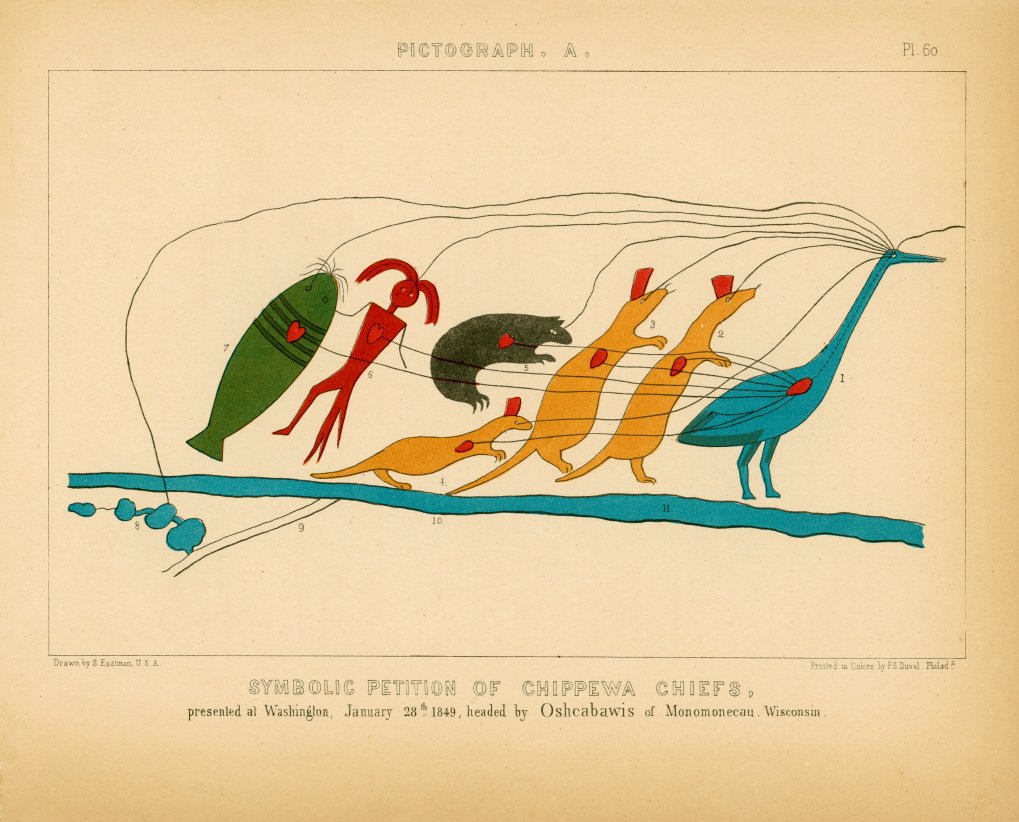
Feature
Fall 2020
Indigenous sovereignty and the First Treaty emphasize historical foundations of stewardship.
IAGLR 2020 Virtual Session: Traditional Ecological Knowledge By Jessica Owen, Katrina Keeshig, and Catherine Febria
Panelists and Organizers: Myrle Ballard, Candy Donaldson, Catherine Febria, Pauline Gerrard, Chris Herc, Clint Jacobs, Katrina Keeshig, Jessica Owen, and Dilber Yunus Panelists share insights on bridging Indigenous and Western scientific approaches. Boozhoo; She:kon; hello, IAGLR community. The pandemic has changed many plans this year, including those for the IAGLR 2020 conference that was to be held in Winnipeg, Canada. Winnipeg is home to many Indigenous groups and is part of the traditional lands of the Anishinaabe, Cree, Oji-Cree, Dene, Dakota, and Métis Nation. Our plans were to feature an Indigenous-centered session highlighting the work of Indigenous Peoples working alongside and within STEM.Although IAGLR 2020 was not physically held in Winnipeg, the virtual conference allowed for Indigenous voices to be heard through a live discussion titled “Traditional Ecological Knowledge (TEK) and the Great Lakes Basin,” initiated by Catherine Febria of Healthy Headwaters Lab (HHL) and Dilber Yunus of the International Institute for Sustainable Development Experimental Lakes Area (IISD-ELA), and facilitated by Katrina Keeshig (HHL). This session sought to explore new and growing research partnerships with First Nations as well as how TEK can enrich our scientific understanding of aquatic ecosystems.The session featured three key speakers: Clint Jacobs, supervisor of NinDaWaabJig Heritage Centre on Walpole Island First Nation (Bkejwanong), Chris Herc, environmental monitoring coordinator for Grand Council Treaty 3, and Myrle Ballard, assistant professor and Indigenous scholar for the Department of Chemistry at the University of Manitoba. The session was attended by more than 100 individuals who were able to hear about the work being undertaken by our key speakers and their affiliations, and who were invited to ask questions and share insights with the panel.While the conference normally has individuals giving presentations for a specific time, the virtual conference allowed for individuals to interact through many means including the virtual library, video conferencing, and virtual Q&A forums. The TEK session echoed similar themes as those featured and discussed in the justice, equity, diversity, and inclusion panel; namely, Black, Indigenous, People of Color—specifically Indigenous—are knowledge holders of Turtle Island (North America) and have been excluded from many scientific research pursuits despite their diverse ways of knowing and understanding nature that are embedded in multiple cultures. Therefore, there is great potential in alignment and more impactful science in the Great Lakes. Knowing and understanding nature is central to Indigenous communities, and they have held this knowledge for thousands of years. It was emphasized in the session that the sciences must center the voices of Indigenous People. Fostering a deeper connection with Indigenous People will not only help our sciences, but can strengthen and, in some cases, repair relationships, which every Canadian and American should aim to do. This includes connecting with groups across Turtle Island to share knowledge, being involved in community not only through research but through community events and volunteering, and properly citing knowledge and its origins. We suggest that all members of the IAGLR community start and/or continue their relationship with local Indigenous groups and make their research more holistic. While 45 minutes was not enough time to fully and properly discuss TEK and the aquatic sciences, nor for our invited experts to thoughtfully respond to questions, the session was clearly welcomed by the IAGLR community and will continue to be a presence at future meetings. All panelists were grateful to connect with others, and for that we are deeply grateful.Since the conference, HHL and IISD-ELA, which reside in the Three Fires Confederacy and Treaty 1 Territory (with IISD-ELA’s research facility located in Treaty 3 Territory), have continued to connect. Both HHL and IISD-ELA have prioritized working alongside Indigenous groups in multiple aspects of their engagement and research. Both groups have benefited from their relationships with local Indigenous groups and their sharing of TEK. An example of this relationship is one between the HHL and Bkejwanong (Walpole Island First Nation), where a land-based field course and multiple funded projects have been underway since 2019. Moreover, because of COVID-19 closures, HHL began hosting listening circles with aligned partners and Indigenous Elders, which now include Bkejwanong’s NinDaWaabJig (Heritage Centre), Dr. Ballard, the IISD-ELA group, and other invited Indigenous and non-Indigenous guests. These meetings focus on topics of inclusion of Indigenous groups in ecological sciences, land preservation and ecological restoration, and how research is enriched and more impactful by including Indigenous groups, their knowledge, and communities. This circle of understanding will continue to grow. If you would like to learn more, please feel free to connect with the HHL's Indigenous Allyship Program (healthy.headwaters@uwindsor.ca) and the IISD-ELA: Pauline Gerrard and Dilber Yunus (pgerrard@iisd-ela.org, dyunusi@iisd-ela.org)."
Feature
Fall 2020
Panelists share insights on bridging Indigenous and Western scientific approaches.
I am one with everything By Mariah Alexander / Baashkooniingad Kwe* An Indigenous artist presents a perspective on interconnectedness in the Great Lakes. I created this piece, “I am one with everything,” after reading a poster about primary producers, primary consumers, and secondary consumers in the water. I have often seen in scientific contexts that the size and diet of animals place them into hierarchies, so I thought there must be a more accurate representation of my connection to different beings. This piece illustrates how I become a part of creation as I consume; how, eventually, we all give back to one another something that promotes the continuation of the circle of life. I eat the fish, who eats the smaller insects, who eats phytoplankton, and eventually we all go back to the earth and are recycled by the plant beings. The water droplets represent that connection water gives us before, during, and after we consume each other. There is no hierarchy in the image because we are equally powerful and important to each other’s existence. Our interdependence, taking on the life that we take, is a truly beautiful and humbling thing to me.* Baashkooniingad Kwe translates to “buds on the tree beginning to open woman” in Anishinaabemowin, the Anishinaabe/Ojibwe languageAn Indigenous artist’s perspective on the ecology of the Great LakesBefore the global pandemic arrived, the Healthy Headwaters Lab, the Incubator Art Lab, and other collaborators at the University of Windsor were excitedly planning the second offering of the land-based Traditional Ecological Knowledge field course to take place at Bkejwanong Territory (Walpole Island First Nation) at the start of the summer solstice and in alignment with the annual pow wow in June of 2020. As part of that effort, Clint Jacobs, the course instructor from Bkejwanong and newly appointed adjunct Indigenous scholar, received a small teaching award along with me, Candy Donaldson, and Jennifer Willet to develop an art module as part of the 2020 course. When communities around the Great Lakes shuttered to help curb the spread of COVID-19 in March, so did plans for the course.Instead, we pivoted our support to Clint and his team at NinDaWaabJig (Walpole Island Heritage Centre) to empower and train youth through the Bkejwanong Eco-Keepers program virtually, and also extended opportunities for mentorship to Indigenous artists to explore science, art, and Traditional Ecological Knowledge (TEK). The aim was to create teaching resources for diverse groups of learners engaged in TEK and Indigenous-led environmental stewardship in the Great Lakes.Above, in gratitude and excitement, we share one of the works created by our featured Indigenous artist, Mariah Alexander/Baashkooniingad Kwe. Mariah is a recent B.Sc. graduate in environmental and Indigenous studies from Trent University, and as a recent grad, she spent much of the summer working alongside Indigenous youth engaged in the Bkejwanong Eco-Keepers and part of a community-based effort to rematriate native Walpole Island corn back to its ancestral lands for the first time in generations. She will continue to be mentored by artists in the Incubator Lab, engage with the Healthy Headwaters Lab’s research underway at Bkejwanong, and work in her communit y. This work was supported by the University of Windsor’s Seek to Know Nanadagikenim grant from the Centre of Teaching and Learning at the University of Windsor.As a group, we are continuing our efforts to deliver land-based courses in the future—in person and virtually.Baa Maa Pii and Miigwech,Catherine Febria

Feature
Fall 2020
An Indigenous artist presents a perspective on interconnectedness in the Great Lakes.
How we collaborate with First Nation communities at the world's freshwater laboratory By Dilber Yunus IISD-ELA and Treaty 3 communities focus on monitoring and language preservation. Team photo taken after a full-day translation session. Pictured are Dilber Yunus (IISD-ELA), Grandmother Nancy Jones, Elder Don Jones, IISD-ELA Deputy Director Pauline Gerrard, and language teacher Jason Jones. Photo courtesy of IISD Experimental Lakes Area.In 2014, a brand-new chapter began at the Experimental Lakes Area (ELA) when the International Institute for Sustainable Development (IISD) saved it from imminent closure. Now operating as a nonprofit, we here at IISD-ELA have seized the opportunity to work closely with our neighboring Indigenous Nations, recognizing that we have been operating on the traditional land of Treaty 3 since we opened in 1968.Initial meetings between IISD-ELA senior staff and the chiefs and councils of several communities took place in the summer of 2014. Following these meetings, common areas of interest emerged; in particular, environmental monitoring and support for youth engagement and education. These discussions helped conceptualize some of the collaborative projects that were later developed, and we committed to hosting an annual Fall Feast at our research site.Since 2015, IISD-ELA has hosted five Fall Feasts. With a different theme each year, these feasts have brought Elders, knowledge holders, youth, and helpers together with our staff to honor the abundance that the season has brought, and most importantly, to open up discussions and continue conversations.In 2018, the Grand Council of Treaty 3 launched a community-based monitoring (CBM) training program with a goal to establish monitoring baseline data for the lakes in the area. As a result of the discussion at one of the Fall Feasts, IISD-ELA’s role to provide technical support in the CBM program was conceptualized. IISD-ELA has since welcomed participants, mainly youth, from three communities to the facility to learn about CBM. With an emphasis on lake health, the program provides first-hand experience in monitoring water quality and characteristics as well as sampling fish tissue for mercury. But what’s more exciting about the program is that it creates a pathway for knowledge exchange and sharing among the community members and our researchers.Over the years and through sharing circles at Fall Feasts, the importance of language and culture in connecting youth to the land and, in turn, to field-based research like we do at IISD-ELA has become evident.In early 2018, we initiated a collaboration with a group of Elders and language experts from the Treaty 3 community to translate IISD-ELA’s series of infographic videos on various research topics into Ojibwe. We wanted to make research findings more accessible to the communities in their language. We soon realized that this project has done more than just broaden our audience. It has produced Ojibwe transcripts for two research videos supplemented by lesson plans for language learners, created vocabulary, and helped facilitate a deeper connection with Elders and partners.In addition to the collaborations highlighted above, there are other ongoing projects and future initiatives, including a land-water-based traditional and scientific knowledge camp for youth (currently postponed due to COVID-19), a resources bundle to support and supplement the CBM training program, and a potential project looking into what Indigenous-led research would look like and how the two ways of knowing can work together in understanding emerging environmental issues.The work engaging Indigenous communities in Treaty 3 is a journey of learning, sharing, and reconciliation. We have learned that building long-term and in-depth relationships based on trust and respect with both communities and individuals is the first step toward many meaningful collaborations and partnerships; knowledge sharing is a two-way exchange of information; listening and continuous learning are key; and that we must always keep in mind the importance of language and culture.Looking ahead, here at the world’s freshwater laboratory we will continue to nurture established connections with communities and individuals, learn from knowledge holders, and create opportunities for knowledge exchange; continue to support CBM and youth engagement in language, culture, and land-based research; and explore ways to bring two ways of knowing and to create space for Indigenous wisdom and participation.“Sharing our teachings of the water with our friends at ELA was paramount to what is needed for the longevity of all types of water. Together we learned about what is going into our water systems, and how we can work with our leaders of tomorrow to help us keep the next Seven Generations safe. Our water beings will greatly benefit from this important collaboration. Together, we are stronger!”From Grandmother Nancy Jones, Elder Don Jones, and Ojibwe Language Teacher Jason Jones from Ninigoonsiminikaaning First Nation
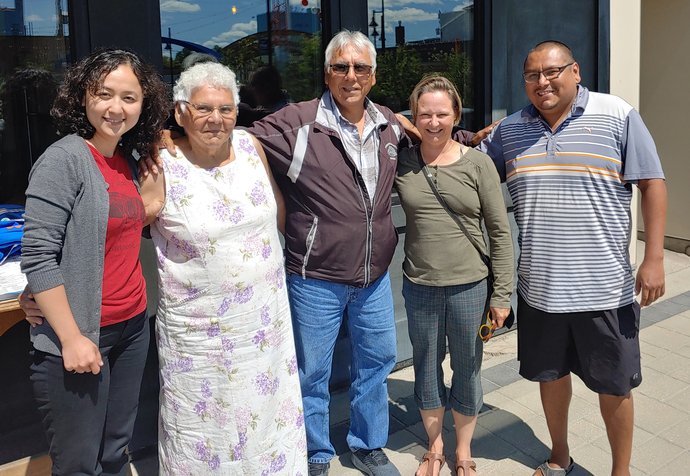
Feature
Fall 2020
IISD-ELA and Treaty 3 communities focus on monitoring and language preservation.
20 essential reads to enable Two-Eyed Seeing in aquatic research and management By Andrea Reid, Jesse Popp, Deborah McGregor, Jacquie Miller, and Albert Marshall A curated list offers resources for integrating Indigenous and Western knowledge systems. Two-Eyed Seeing, or Etuaptmumk in the Mi’kmaw language, is defined by Mi’kmaw Elder Dr. Albert Marshall as “learning to see from one eye with the strengths of Indigenous Knowledges and ways of knowing, and from the other eye with the strengths of Western knowledges and ways of knowing ... and learning to use both these eyes together, for the benefit of all.” (Read more about this concept on the Institute for Integrative Science & Health’s website.)There has been a proliferation of interest in this guiding principle for bridging knowledge systems and creating space to learn from multiple ways of knowing and being.In October 2020, a paper in the journal Fish and Fisheries reviewed the transformative potential for Two-Eyed Seeing for fisheries research and management if carried out in a good way. Following this, the lead and senior authors of this article, Drs. Andrea Reid and Albert Marshall, joined a dialogue as part of the Reconciling Ways of Knowing forum, alongside fellow Indigenous scholars Drs. Jesse Popp and Deborah McGregor to speak to these very subjects. Together with forum host Jacquie Miller, this team has compiled a list of essential reads for applying Two-Eyed Seeing in a good way to research and management in the aquatic realm and beyond. Please see the following page.20 Essential ReadsOn bridging knowledge systems in the aquatic sciences:McGregor, D.M.D., 2008. Linking traditional ecological knowledge and western science: Aboriginal perspectives form the 2000 State of the Lakes Ecosystem Conference. The Canadian Journal of Native Studies, 28(1), pp. 139-158. Link.For researchers seeking to decolonize research, aquatic or otherwise:Cajete, G., 2000. Native science: Natural laws of interdependence. Clear Light Pub. Link.On interweaving knowledge systems:Battiste, M. and Henderson, J.Y., 2000. Protecting Indigenous knowledge and heritage: A global challenge. UBC Press. Link.On bridging knowledge systems beyond aquatic sciences:Reo, N.J. and Whyte, K.P., 2012. Hunting and morality as elements of traditional ecological knowledge. Human Ecology, 40(1), pp. 15-27. Link."
Feature
Fall 2020
A curated list offers resources for integrating Indigenous and Western knowledge systems.
Henry Vanderploeg Henry Vanderploeg leads NOAA's research on food web dynamics and algal blooms. I supervise 12 research scientists and support staff as well as carry out research as a lead or co-PI on internal and external projects. These projects include studying the spatial structure and function of the food web, from microbes to fishes; invasive species impacts, particularly Dreissena and Bythotrephes; harmful cyanobacteria blooms and grazer interactions; and ’omics applications to understand food web function.My Pandemic StoryThis was to be one of the NOAA Great Lakes Environmental Research Laboratory (GLERL) ecosystems research team’s most ambitious years for doing both field and lab work until COVID-19 surfaced. We know that NOAA is not alone in our frustrations, but it has been challenging. As with our Great Lakes and oceanographic colleagues around the globe, much of our spring field season plans were dashed, and many projects were postponed and needed to be reworked. We all focused on doing our part by staying home and staying safe.Our long-term, seasonal monitoring program on Lake Michigan carried out by Lake Michigan Field Station staff is finally underway as of early July, and it feels great to be back at it.In Lake Erie and Saginaw Bay, GLERL and Cooperative Institute for Great Lakes Research colleagues are carrying out a greatly scaled back version of our usual harmful algal blooms monitoring and forecasting project. Funded by the Environmental Protection Agency Great Lakes Restoration Initiative, this work is necessary to address the critical problem of predicting the distribution of toxic cyanobacteria in western Lake Erie for the Harmful Algae Bulletin. Other experiments and projects have also been put on hold due to their intense demand for lab work.One of the biggest challenges I face as the program lead is the intensive planning for carrying out mission-critical functions in the COVID-19 environment. Although one might imagine that limited field and experimental work might free up time to get major work done on data analysis and manuscript writing, this has not really been possible for me due to the additional contingency planning and other new tasks. It is hard to keep up with my email inbox! Also difficult has been the blending of telework and home life and the need to spend extra time in both arenas because of COVID-19.It hasn’t been all bad. We did receive increases in funding for a few research programs, and we are certainly adapting to new ways of working together.A look to the futureLooking forward, I think we might want to consider virtual meetings as a routine option from the point of view of saving on expenses and reducing our carbon footprint. Although I do miss the camaraderie of face-to-face meetings, I thought the virtual IAGLR meeting was very effective, especially considering the short time in which it was put together.
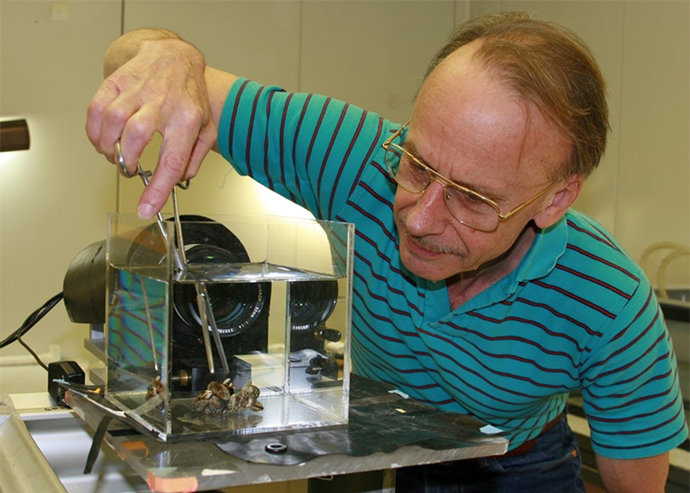
Member Spotlight
Summer 2020
Henry Vanderploeg leads NOAA's research on food web dynamics and algal blooms.
Dulcinea Avouris Dulcinea Avouris uses remote sensing to study water quality and algal blooms. I use remote sensing data to look at different water quality issues. My most recent focus was on the cyanobacterial and harmful algal blooms that recur annually in Lake Erie and in South Florida. We can use the data captured by the sensors to distinguish different in-water constituents like pigments, sediment, and colored dissolved organic matter. Now I am part of a project that tracks mercury in the San Francisco Estuary using proxies that we can detect with remote sensing instruments.My Pandemic StoryMy work was largely unaffected by the pandemic, because my research is primarily computer based! I had my laptop and a Wi-Fi connection and was able to work from home without a lot of fuss. I was teaching one class in the spring, an introductory oceanography class, and migrated it online for my students.However, just because I can easily work from home doesn’t mean that this time has been easy. The realities of ongoing societal-level uncertainty driving multiple layers of stress, worry for both loved ones and students, looking for a new job, and managing a changing household situation have a big impact. My oldest child moved home so she wasn’t isolated in an apartment while she worked remotely. My next two, college age students, were abruptly dislocated (one from a study abroad program in Scotland).In total, seven of us needed space and quiet to be able to continue to work and finish the school year. It is not an easy situation, but we are incredibly privileged to live in an area where we have the space in our house and the means to support our family. That privilege has also served to highlight the incredibly high level of inequality and financial disparity in our country and society—for families, scientists, and persons of color. This inequality has been both a source of further concern and a call to action for me personally and for my family.There have been some wonderful personal benefits during this time as well. I did get a new position with a principal investigator (PI) who is already proving to be an excellent mentor. My previous PI remains a part of my professional success, and my network grows! And at home, my partner has been taking over the cooking, and household tasks are more evenly distributed. We have been able to complete some projects as well. I know that this is very much a cliché, but it is true, and one way to help cope with the stress of the pandemic. I have also begun to find ways that I can help enact real change in our society. I am hopeful that change can occur and be real.A look to the futureI think that one of the most important impacts of the pandemic was to pull back the curtain on the realities of our lives. Scientists are people—with interests, relationships, and responsibilities outside of their scientific research. As a community, we need to be better at recognizing and valuing those things. We need to work to change the expectation of research as a priority for which everything else is sacrificed. For example, we should focus on increased access to conferences, a normalization of the challenges of childcare or eldercare, and attention to race and gender issues.I use remote sensing data to look at different water quality issues. My most recent focus was on the cyanobacterial and harmful algal blooms that recur annually in Lake Erie and in South Florida. We can use the data captured by the sensors to distinguish different in-water constituents like pigments, sediment, and colored dissolved organic matter. Now I am part of a project that tracks mercury in the San Francisco Estuary using proxies that we can detect with remote sensing instruments.
Member Spotlight
Summer 2020
Dulcinea Avouris uses remote sensing to study water quality and algal blooms.
Yakuta Bhagat Yakuta Bhagat balances environmental consulting with family during the pandemic. I work at an environmental consulting firm near Akron, Ohio, in the capacity of a senior scientist and project manager. My work typically involves conducting water quality and habitat assessments, biological community evaluations, and ecological risk assessments for natural resource sites as part of routine monitoring studies, and for industrial facilities as part of compliance evaluations for environmental permitting.My Pandemic StoryAt the onset of the pandemic, it was very difficult managing my project workload at home while also taking care of my two preschool-age children. As was the case with most families, my husband and I were thrust into a situation that was completely unfamiliar and were forced to quickly adapt to our very unusual circumstances. My project work at the time involved conducting analyses and writing reports. Homeschooling my kids during the day and working at odd hours of the night proved unsustainable after a few short weeks, at which point it became necessary to significantly reduce my work hours and take a pay cut as a result. The passing of the Families First Coronavirus Response Act in April helped in providing resources such as partial paid family leave to facilitate managing work while schools were shut down. In some respects, I am quite fortunate to be able to work remotely and have a flexible schedule so, while there have indeed been some challenges, I have been able to adapt to a new normal and take solace in the fact that my family members and I have managed to remain healthy and safe during this rather precarious time.As we approach the start of the school year and with the continuing rise in the number of cases, the possibility of a second wave of the pandemic and an inevitable second shutdown is something that has been on my mind lately.During the shutdown and even now, my family and I rely heavily on social networking platforms such as FaceTime, Skype, and Zoom to stay connected to extended family members, friends, and teachers. This has helped tremendously in coping with the situation with which we are faced and bringing a sense of togetherness and solidarity.An unexpected silver lining in the midst of this very challenging and uncertain time has been the ability to slow down the pace and spend quality time at home with my family, engaging in fun and creative activities on a daily basis that our normal schedules may not have allowed.A look to the futureWe are fortunate to live in a time where technology has proven to be a saving grace. The virtual conference held by IAGLR in June demonstrated how the scientific community can still convene to share ideas and have important discussions on ongoing research and topics of social importance. This pandemic has taught us all lessons in humility, sustainability, and our inherent need to stay connected. It is important for the research community to continue fostering communication and finding new and innovative ways of conducting research independently and collaboratively.
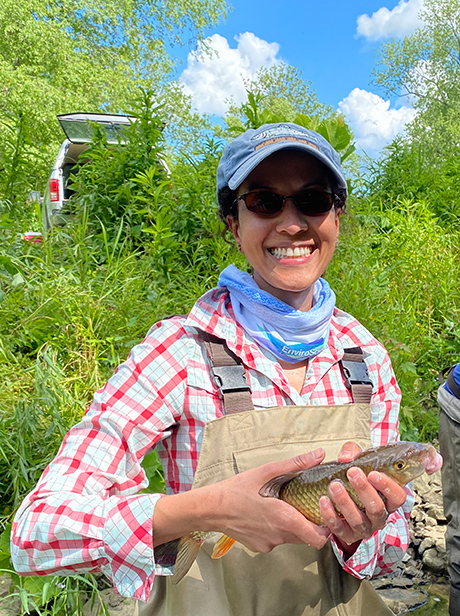
Member Spotlight
Summer 2020
Yakuta Bhagat balances environmental consulting with family during the pandemic.
Jasmine Mancuso Jasmine Mancuso's thesis on algal blooms provides insights for local management. My master’s thesis research focused on the harmful algal bloom (HAB) impairment in Muskegon Lake (Muskegon, MI), a Great Lakes Area of Concern. The first objective was to gain a historical understanding of the trends of HABs on Muskegon Lake (2003–2019) both in terms of abundance and composition. The second objective was to determine how the anomalous weather patterns of 2019, a very cool and wet year, affected the phytoplankton community and HABs in Muskegon Lake.My Pandemic StoryWhen campus officially closed in March, we were told it was a temporary measure. I hadn’t any idea I would only return to campus one more time to clear my desk months later.One of the most challenging realizations for me was that my graduate school career would not conclude with months of me working hard alongside my peers as we rallied to finish our theses, but rather with me trying to focus at an impromptu desk in my living room, alone. It was a struggle to maintain efficiency, and I began working long days finishing up data analysis and tackling the writing portion of what would turn out to be a 200-page thesis.While the seemingly constant distractions of the news, my cats, and the other members of my household (who were also trying to figure out how to work from home) made it difficult to maintain a strong work ethic, I can’t help but feel lucky that all of the work that needed to be done to finish my thesis could be done remotely. With all the time in the world and no reason to leave my home, it actually made for a timely opportunity to focus on writing and preparing for my defense. I found that the most important thing to maintaining sanity and productivity was to follow a strict schedule, not work for too long at a time, and take the weekends off. With the amount of time saved from not commuting to campus or the lab and the conclusion of classes, I was able to pick up old hobbies, tend to my plants, read more, make puzzles, go birding and hiking in the mornings before working, watch shows I’d earmarked, frequent the beach, and spend time with my family.In realizing all of the things that I, and many others, have lost during the course of the pandemic—the energy of the campus environment, the ability to go out with friends, celebrations for concluding our graduate school journey—I found that I actually gained things as well. For the first time since beginning my academic endeavors, I had time. Whereas my days used to be filled with driving to and from campus and the lab, completing class requirements, performing field and lab work, going to the gym, engaging in social activities, and more, they were now filled with seemingly endless amounts of time. At first, it was daunting and overwhelming, but it also provided endless opportunities to appreciate the world around me, and I believe I am a more adaptive, flexible, and self-sufficient person for it.A look to the futureTo me, one of the most important and obvious things to emerge from the pandemic is the realization that scientists have the ability to pull together and work hard to fast-track necessary research for the common good, all while facing criticism, mistrust, and disbelief from the public. There has long been a movement to try to better connect the scientific community to the community it serves, and I believe we have made progress in that regard and can use the momentum to tackle challenges like climate change. I think the key is collaborative efforts and a united front.
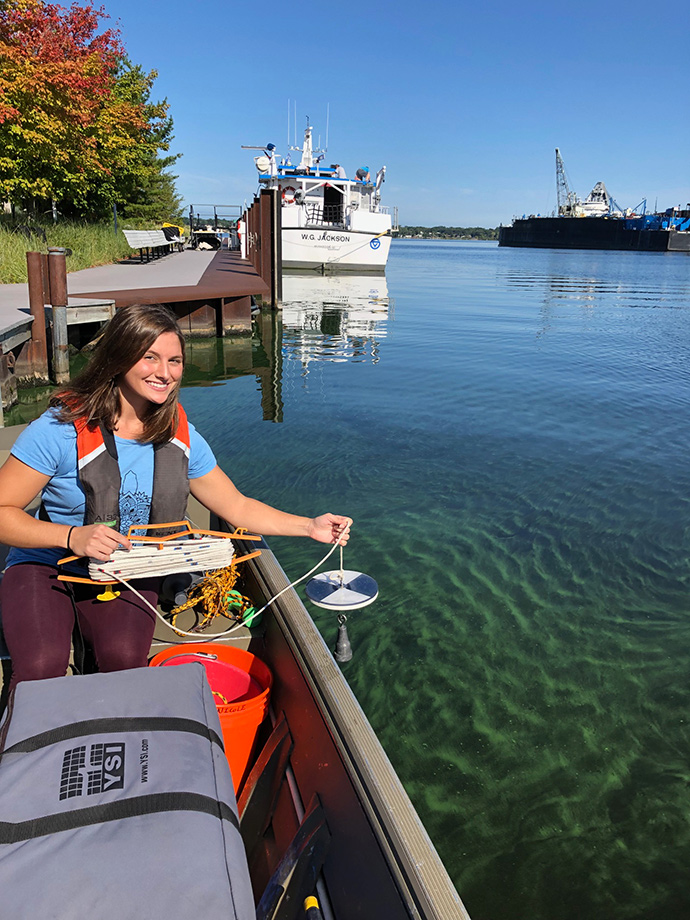
Member Spotlight
Summer 2020
Jasmine Mancuso's thesis on algal blooms provides insights for local management.
Mark Olokotum Mark Olokotum discusses PhD research on phytoplankton diversity in Lake Victoria. I undertake activities to generate information on the trends of fish stocks, biomass, and biodiversity. My colleagues and I carry out routine aquatic biodiversity assessments for all human developments to ensure “ecological good status/potential” and compliance with legislation. My Ph.D. research assesses the patterns of phytoplankton diversity, dynamics of cyanotoxins, and associated health risk. In addition, I advise on the interaction of algal blooms and fisheries production.My Pandemic StoryThe COVID-19 pandemic led to several presidential directives in Uganda, including a national lockdown that took place while I was traveling from the field to the workplace. The following week, researchers were designated at essential service providers and allowed to operate at 30% workforce. During this period, our workload was high, but we had limited working time due to a 7 p.m. curfew (when factoring commuting time).I started working from home, where my little girl was always my biggest challenge as she needed to play, in addition to the house chores. It was also the first time I experienced a feeling of “retirement” at an early age. All learning institutions were closed, and closure of Makerere University affected my mandatory cross-cutting courses that required physical classes and meetings with other Ph.D. students.With the cancellation of commercial flights, my plans for final data analysis and subsequent write up at the Museum National d’Histoire Naturelle in Paris, France, were put on hold. In addition, airport closures and subsequent flight cancellations would have kept me from attending the IAGLR conference in June if it had proceeded in person. Either way, I could not share in person with an international audience the ongoing assessment of the patterns of phytoplankton diversity and the dynamics of cyanobacteria. As a Ph.D. student, presenting my work to an international audience is a university requirement. This wasn’t possible during the peak of the pandemic.To keep up with my work and Ph.D. progress, I’ve held regular meetings with my work colleagues to manage workplans and budgets for recently approved projects. I adopted weekly Skype and Zoom meetings with supervisors; however, this was hindered by the high cost and poor internet connectivity.Although I have embraced e-working environments, airport closures still limit my ability to travel for my data analysis and to attend other international conferences to complete my Ph.D. studies. At work, we have embraced the World Health Organization standard operating procedures and recommendations of the Ugandan Ministry of Health as we exercise our mandate. However, we are still challenged, as our problems and those of fisher communities are far beyond just the COVID-19 pandemic. These challenges include increasing water levels and floods, poor fisheries management, post-harvest losses, lack of alternative livelihoods, health risk associated with cyanotoxins, and inadequate financing. Unfortunately, the pandemic has diverted funds and support away from these other challenges.A look to the futureWe must embrace working smarter within the different situations with the numerous webinars that have been used to reach researchers and stakeholders. I have participated in several online conversations and presentations that received good viewership. In addition, learning institutions in developing countries should embrace virtual meetings and presentations for subsequent assessments.
Member Spotlight
Summer 2020
Mark Olokotum discusses PhD research on phytoplankton diversity in Lake Victoria.
Judith Perlinger Judith Perlinger transitions to online teaching while researching pollutant transport. I am a professor of civil and environmental engineering at Michigan Technological University (Michigan Tech), located in Houghton on the Keweenaw Peninsula of Michigan’s Upper Peninsula. I teach courses in sustainable engineering, environmental chemistry, and meteorology. My research deals with transport and transformation of legacy and emerging pollutants in the Great Lakes region.My Pandemic StoryThe pandemic has affected my work in causing me to work from home for both teaching and research. I learned that Michigan Tech would be going to online teaching Wednesday of spring break. I had until the following Monday to inform my students how the course would function for the remaining seven weeks of the semester. Luckily, the course I was teaching was conducive to an online format, but, not surprisingly, I was not prepared for online teaching. I had to increase my online presence in the learning management system, learn how to hold synchronous and asynchronous class meetings, conduct online assessment, run student group meetings using Zoom breakout rooms, work in Google Docs and Sheets for classwork, and more, in a short time frame.Through those weeks, it became clear to me that I needed additional training in online teaching. At the end of the spring semester, Michigan Tech required all faculty to obtain certification to teach online, and so I obtained the Quality Matters (QM) certification by taking their seven mini courses in May and June. Taking the QM certification courses did increase my confidence in online teaching. The biggest challenge for me in this pandemic has been delivering courses online that are of similar quality as face-to-face courses. The litmus test for success in dealing with the challenge will be the start of fall term, when I am required to deliver courses both face-to-face and online.Michigan Tech is hosting the IAGLR conference May 17–21, 2021. Noel Urban, also a faculty member at Michigan Tech, and I are co-chairing the event, and so the conference has been on my mind a lot lately. If it occurs in person, it will be the largest conference ever hosted by Michigan Tech. We have held numerous planning meetings this summer, and I have been amazed at the outpouring of interest and help with the preparations. We will not know whether the conference will be held face-to-face or online until January, so we are preparing contingencies for both cases. IAGLR 2020 Virtual was outstanding, and I would personally like to thank President Ed Verhamme (an alumnus of our environmental engineering program, I am proud to mention) and the IAGLR staff for the key roles that they played in making IAGLR 2020 Virtual a reality. I admit that we hope that IAGLR 2021 can be held face-to-face, as we would very much like the IAGLR community to see and experience the natural beauty and rich history of the Keweenaw Peninsula in person.A look to the futureDuring this time of upheaval, how can we as a research community emerge stronger than before? The seemingly contradictory answer to this question is that standing together in solidarity means, quite literally, standing apart. Social (aka physical) distancing remains the most effective means to stop the pandemic. Given the distances across and between great lake basins, and as IAGLR 2020 Virtual so aptly demonstrated, the IAGLR community is already adept at standing apart in solidarity. Looking forward to seeing you at IAGLR 2021, whether it be in person or virtually!

Member Spotlight
Summer 2020
Judith Perlinger transitions to online teaching while researching pollutant transport.
IAGLR past, present, future By Ed Verhamme IAGLR President Ed Verhamme outlines the commitment to justice, equity, diversity, and inclusion. IAGLR President Ed Verhamme.One question has been burning in my mind since I became president of IAGLR during the COVID-19 pandemic: Who is IAGLR? I’ve attended 19 IAGLR-hosted conferences, and I thought I knew the answer to that question. Prior to the first-ever virtual IAGLR conference and the Black Lives Matter movement, I would have answered that IAGLR was an inclusive organization for those interested in understanding the Laurentian Great Lakes and other large lakes. However, it is clear there are very real barriers to entry for membership and inclusion in our association. Attending annual conferences in person (often in remote cities throughout the region) requires considerable time and resources, and publishing in our journal also requires an alignment of opportunities and institutional access that aren’t equally available. As the premiere research association for the great lakes of the world, we are missing the voices and expertise of Black, Brown, and Indigenous members of our community at almost every level of the association. This is not new information for anyone who has attended the annual conference. The issues that affect the integrity and sustainability of freshwater in our communities are complex, and it’s time for our association to strengthen its connection to and involvement from Black, Brown, and Indigenous people, as well as women, LGBTQ+, and other marginalized members of our community.The IAGLR Board of Directors, along with members and outside advisors, are working to broaden the social and cultural fabric of our association beyond its traditional science-only focus. This work began in 2017 with the hosting of State of Lake meetings to bring the association to local communities throughout the Great Lakes region every fall. These efforts continued into 2018 when IAGLR appointed its first international board member, and recently into 2020 with the hosting of a virtual conference and panel discussion on Justice, Equity, Diversity, and Inclusion (JEDI).These actions are only the beginning and were all initiated prior to the brutal murder of George Floyd in Minneapolis. Going forward, I expect that IAGLR will continue to examine the answer to the question, Who is IAGLR? As a primarily volunteer-based organization, IAGLR cannot reach these goals without you. We need to hear from you about your experiences and recommendations for actions we can take together. IAGLR needs help to identify and remove barriers and add resources that members can bring to their home institutions to support Black-, Indigenous-, and Brown-led efforts. The JEDI panel discussion and the conversations that led its inclusion in IAGLR 2020 Virtual started a conversation that will continue. Please reach out to me or other members of the board to provide input, volunteer your time, develop resources, and share your experiences. I also need you to hold the association accountable to these shared goals. In the meanwhile, please enjoy this issue of Lakes Letter, which features highlights from the JEDI panel and other conference events.
Editorial
Summer 2020
IAGLR President Ed Verhamme outlines the commitment to justice, equity, diversity, and inclusion.
Great Lakes science and policy through the lens of a pandemic By Paul Sibley A panel discusses the pandemic's impacts on Great Lakes research and policy. Deploying Western Lake Erie Buoy, July 2020. Cooperative Institute for Great Lakes Researchresearchers Russ Miller and Heidi Purcell deploy a Realtime Coastal Observation Network buoy inwestern Lake Erie, 7/14/20. Credit: NOAA GLERL.Think back to the annual IAGLR conference in Brockport, New York. It was business as usual; the last time we physically gathered to hear about, discuss, and debate the most pressing science and policy issues of the Great Lakes. Who could have predicted the situation in which we now find ourselves? The onset of the pandemic in the early part of 2020 has affected every sector and demographic of global society, and many of us have been forced to modify our lives in ways we neither could have predicted nor imagined. One of the “COVID casualties” was the annual meeting, although this did present the opportunity to gather virtually for the first time in the history of the association. At the time of the meeting, the potential scope and significance of the impacts of COVID on Great Lakes science and policy were beginning to emerge. It seemed fitting, therefore, to delve more deeply into whether and how COVID-19 has impacted research and policy in the Great Lakes basin, and this subject constituted the first panel discussion of the virtual meeting.The panel discussion was chaired by Dr. Paul Sibley (University of Guelph) and guest panelists included Dr. Gail Krantzberg (McMaster University), Dr. Donald Uzarski (Central Michigan University), and doctoral student Rene Shahmohamadloo (University of Guelph). The discussion was guided, in part, by a series of questions: How has COVID-19 impacted research and policy in the Great Lakes basin? Will the effects of COVID be short-term or long-lasting? Are there opportunities to change how we manage Great Lakes research in the future? Can restoration initiatives be used to stimulate economic recovery after COVID-19?With an audience of over 150 attending the panel discussion, each panelist was provided an opportunity to relate their experiences and express their concerns about the impact of the pandemic. The emerging consensus was that there is and will continue to be an impact on research and policy, but that it is too early to know the full extent and nature of the impacts. We heard about the difficulty in conducting research in the face of building and office closures, recommendations for physical distancing, and requirements for personal protective equipment (PPE). Early on in the pandemic, PPE was difficult to obtain, which hindered efforts to ensure researcher safety. Agencies that were forced or chose to shut down were no longer able to fulfil their obligations to the research programs in which they were participating. This will lead to a loss of sampling effort and potentially important data for those programs. Further, many government agencies were forced to shut down or significantly scale back activities, including environmental monitoring; these data are now lost, as is the opportunity to better understand how Great Lakes ecosystems might have responded, at least in the short-term, to the significantly reduced inputs of environmental pollutants during the pandemic. Investments in remote sensing platforms, which are largely unaffected by pandemics, may be one way to overcome this monitoring vulnerability in the future. Finally, in Canada at least, the federal government has rightfully directed significant dollars to COVID-related research, but as governments are forced to reconcile ballooning deficits, one wonders how this might affect funding for future non-COVID research programs.It is the mid-term graduate students who may be most affected, unable to start new experiments or complete experiments or field sampling already underway.Graduate students, who constitute arguably the most important constituency in creating and advancing our understanding of the Great Lakes ecosystems, could be significantly impacted, but this will depend on where they are in their degree programs. Later-stage graduate students are less likely to be affected, as they may have completed their research requirements and are focusing on writing and publishing. We heard about students whose entry into graduate programs has been delayed and of those whose programs have been modified to accommodate the situation and new requirements created by the virus. It is the mid-term graduate students who may be most affected, unable to start new experiments or complete experiments or field sampling already underway. Graduate students have expressed much anxiety and fear stemming from the uncertainty forced upon them by COVID. We must keep in mind that considering the mental health implications for students facing significant changes to research and teaching is just as important as the physical and administrative aspects of the research programs. With this in mind, many universities, with assistance from local and federal governments, have offered financial assistance to students whose funding may have been temporarily terminated, and relaxed completion requirements to accommodate the expected longer times to completion.It is easy to focus on the negative aspects of COVID, but it was also clear that the pandemic represents an incredible opportunity to embrace and enhance Great Lakes research initiatives; this could even fuel economic recovery in the basin. The Great Lakes Restoration Initiative is an excellent example. On the chopping block early on during the current U.S. administration, the governors of the Great Lakes states, community interest groups, environmental groups, and academics initiated a campaign to stop the defunding proposal, which, at ~$300 million, was miniscule compared to the overall U.S. budget. The decision was eventually defeated. Why? Because an evidence-based approach showed that this would lead to job losses (never a politically astute move), and that the return on investment, as shown in a recent IAGLR report, is as much as 3:1. In other words, investment in the environment could be used as an effective tool to promote economic recovery in the Great Lakes basin. Given the economic impact of COVID on the Great Lakes region, a strong argument can be made that funding of restoration and other research initiatives in the Great Lakes basin should be significantly increased. Failing to do so may be a significant opportunity lost. One example presented to the audience is tracking the movement and viability of the SARS-CoV-2 virus in wastewater effluent. What is the virus load in wastewater? We know that it is excreted and likely to be found in wastewater, but not whether the virus is viable and transmissible in this state, and whether it poses a risk to those recreating in areas receiving wastewater effluent.It was also clear that the pandemic represents an incredible opportunity to embrace and enhance Great Lakes research initiatives; this could even fuel economic recovery in the basin.Participants also spoke about the advantages and disadvantages of attending a virtual conference. Clearly, with the cancellation of the annual conference, we all lost one of the most important opportunities for attendees—to engage in the hallways, form collaborations, and share personal interactions as we discuss Great Lakes research and policy. This is particularly difficult for graduate students who may wish to speak directly and personally with influential researchers in their field to gain important feedback on their science and methodology, but also in making important connections as they develop into scientists in their own right. On the other hand, a virtual platform is also an opportunity for those who would not have attended in person to participate in the conference; that a virtual delivery model is more accessible is a point underscored by the nearly 550 registrations for the conference. While personal connections may be diminished with virtual delivery, they are not completely lost, and there is always the benefit of a reduced carbon footprint. In the future, it is likely that hybrid formats combining in-person and virtual attendance will become a successful norm for many societies.As is the case for almost all entities affected by the pandemic, the extent to which research and policy in the Great Lakes will be affected is uncertain. Perhaps it can be compared to a movie with alternative endings; as the editors, we can choose an ending in which we stand as collective champions for Great Lakes ecosystem health by acknowledging the important, reciprocal relationship between the environment and economy and vanquish the enemy of indifference.
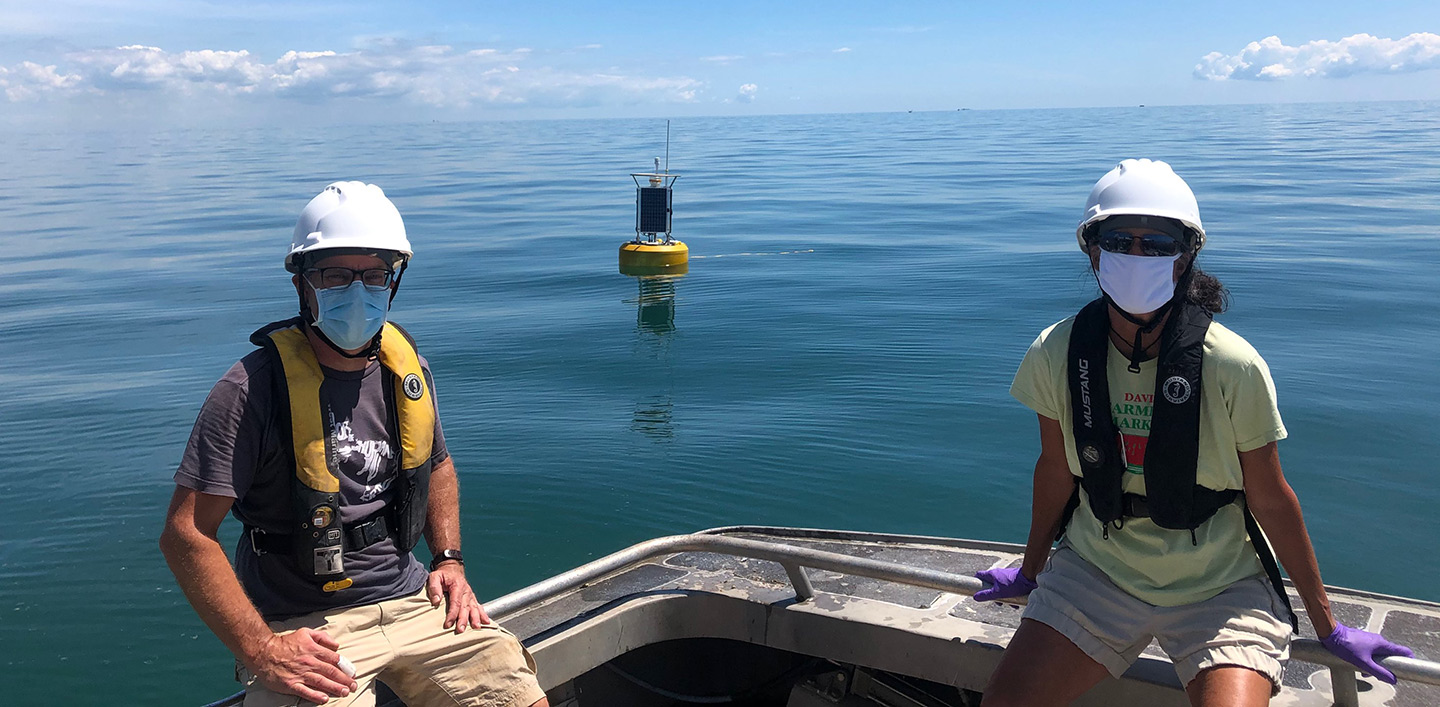
Feature
Summer 2020
A panel discusses the pandemic's impacts on Great Lakes research and policy.
Justice, equity, diversity, and inclusion By Jennifer Boehme. Panelists who contributed to this article include Alfred Otieno Achieng’, Catherine Febria, Donna Kashian, Andrea Kirkwood, Kevin Obiero, Jess Owen, Ali Shakoor, Paul Sibley, and Ed Verhamme The IAGLR JEDI panel outlines action items to promote diversity within the association. The global pandemic gave heightened awareness to the well-being of the IAGLR community, as the impacts affected many research programs and personal lives of our members. The fact that these impacts are disproportionately affecting marginalized and underrepresented groups contributes to a growing need to understand dimensions of justice, equity, diversity, and inclusion (JEDI) within IAGLR and beyond.While COVID-19 and Black Lives Matter were top issues during IAGLR 2020 Virtual, IAGLR members had signaled the importance of addressing JEDI within the association a couple years ago in a member survey. As members of the IAGLR family, we are all impacted by what happens to our friends, neighbors, and colleagues. We can no longer remain complacent to issues that negatively affect them nor the communities in which we work and belong. Science-based organizations were called to action in the days and weeks leading up to IAGLR 2020 Virtual. Thus, IAGLR held a panel discussion during the conference both to begin listening to members’ experiences and to reflect on how the organization can apply JEDI principles during this critical time and make them a permanent feature of IAGLR practice.The discussion allowed panelists, who were members of the IAGLR community and its board, to field live questions from members and be an inclusive and open forum for both its people and its science. We seek a path forward to address potential systemic exclusion of Black, Indigenous, People of Color (BIPOC) and other underrepresented groups (e.g., LGBTQ+ and those facing ableism) from full participation in the IAGLR community. As we strive toward further expansion as an international society, we must ensure that our actions and practices reflect the diversity of all IAGLR constituencies and elevate the contributions of all.Panelists considered the goals of inclusion for IAGLR’s international members and BIPOC, noting the importance of early education outreach and mentors to break down systemic barriers. Actions by BIPOC in IAGLR are not the answer, but rather non-BIPOC members are encouraged to act, beginning with authentic and concerted efforts to build trust within the IAGLR community and society. A persistent and consistent presence by scientists in the representative demographic was deemed critical for effective outreach to BIPOC communities to demonstrate an interest in and care for community well-being, as well as to draw a link between science and their place in the natural world.Commit to expanding networks to include BIPOC, build trust with local communities, and get to know communities of color in your region, understand their perspectives and expertise as naturalists, and the reasons that they are not taking part in the research and science community.When asked about disparities between the demographics of our communities and those who apply for science opportunities, panelists noted that exposure and access to science and the natural world by BIPOC communities vary a great deal. Wider recognition of this point is needed to encourage organizations to prioritize steps to retain students from all backgrounds. Panelists encouraged members to commit to expanding networks to include BIPOC, build trust with local communities, and get to know communities of color in your region, understand their perspectives and expertise as naturalists and the reasons that they are not taking part in the research and science community. Moreover, panelists also encouraged individuals to begin to understand the colonial history, Treaty partners and Indigenous rights-holders in the regions where we live, work, and recreate.Panelists also identified the importance of international participants sharing knowledge from other continents, and in particular, noted the need to increase participation of women from these other continents. Steps that IAGLR could take to further this goal include examining further options to defray travel, membership, or registration costs for IAGLR meetings, and pursuing partnerships with other societies to co-host meetings outside of North America. Such steps could also be considered for BIPOC members.Participants raised the need for strategies to share these values with home institutions, including ways for those with privilege to use it to open opportunities to broader groups. The sharing of rewards by government scientists and faculty could provide underrepresented students with grant and workshop opportunities as well as field experiences to foster their training and passion for science. The current assignment of value for JEDI work by academic programs and leadership also presents a challenge. If service work is not a higher consideration for tenure, that limits participation for those seeking tenure even if they personally value service. As a community that values JEDI, we need to work to change this paradigm.To realize a shared vision for a more just, equitable, and impactful IAGLR, a sustained effort will require all hands on deck within the association and include strong participation from the dominant demographic, white men. Panelists also observed that past promotion of colonial voices and perspectives over others via funding decisions is no longer servicing sustainability and science goals. This presents an opportunity for both top-down and bottom-up action to center research on local knowledge holders and needs. Investment in capacity and leadership by early career researchers through mentorship and investment in partnerships are examples of bottom-up actions that can take place immediately.For JEDI to be a priority for the association, it was recognized that we as members must share the value of a more just, equitable, and impactful IAGLR society. For next steps, panelists will follow up with the IAGLR Board of Directors with recommendations noted below so that IAGLR can restructure its bylaws and charter as needed to codify its commitment to this important initiative. We call on members to continue to share experiences and knowledge and assist IAGLR in taking action.Proposed JEDI action itemsPanelists indicated that a more welcoming IAGLR must include concrete steps by both the association and its membership. Their suggestions are listed below.Include more BIPOC and international representation in IAGLR leadershipSupport diversity mixers for studentsBe better listeners as scientistsCenter the research and input of diverse scientists on teams and funding opportunities Learn the names of Indigenous rights-holders and work towards understanding the relevant treaties in the places where we work, live and researchAccount for community needs when building a research program Serve as good role models and mentorsInclude students in future IAGLR JEDI initiatives and encourage people to join this work early in their careersUse our privilege to open opportunities to broader groupsShare rewards via grant and workshop opportunities and field experiencesWork to change the value assigned by academic programs and leadership to JEDI workProvide JEDI seminars at future conferences, including both the annual Conference on Great Lakes Research and the State of Lake conference series

Feature
Summer 2020
The IAGLR JEDI panel outlines action items to promote diversity within the association.
Large lakes of the world By Jessica Ives and Ted Lawrence Experts discuss shared challenges facing large lakes worldwide, including climate change. The shift to a virtual IAGLR conference this year came with the unexpected benefit of more researchers from around the world being able to participate. The Large Lakes of the World panel discussion was born from the State of Global Lakes session, co-chaired by Richard Ogutu-Ohwayo of the Ugandan National Fisheries Resource Research Institute and African Lakes Network. The session featured 13 recorded presentations from experts representing lakes in Russia, New Zealand, Italy, China, and throughout East Africa. These lakes ranged in size from Lake Garda in Italy (370 km2) to Lake Victoria in East Africa (Uganda, Kenya, and Tanzania; 2,750 km2). Each presenter gave an overview of their lake and discussed topics pertaining to it (e.g., land use changes, fishery exploitation, and aquaculture).Following the session, the one-hour live panel discussion featured a subset of session presenters to discuss commonalities, differences, and shared issues across global large lakes. Panelists included Kevin Obiero (Lake Turkana), Alfred Otieno Achieng’ (Lake Victoria), Nikolai Filatov (Lake Onego), Cecilia Githukia (Lake Victoria), Annette Janssen (Lake Taihu), and Yu-Chun Kao (representing a comparative fisheries study of 30+ global lakes). The discussion began with broad thoughts about the shared challenges of the world’s large lakes (e.g., climate change, eutrophication, exploitation), and quickly focused in on one particular challenge: data availability. It was clear through the discussion that data availability not only varies widely across the globe, but data access does as well. Participants noted that the data challenge is made up of numerous smaller challenges, including language barriers, data ownership, differing data collection methods that make data uncomparable, and data collection gaps (particularly in the global south where much of the research is patchy and project-based).Following the discussion, we invited panelists and the audience to submit ideas for concrete actions that IAGLR could take to strengthen its international reach. We received some excellent ideas, which will be directed to IAGLR’s International Committee, led by Dr. Ogutu-Ohwayo. The committee is developing a list of recommendations to share with the IAGLR Board of Directors.One of the key messages that we, as the moderators, took away from the discussion was that IAGLR and other international associations have a valuable role in connecting global players and facilitating data co-collection and sharing. IAGLR should continue to bring large lake researchers together. Not only does IAGLR need to continue to strengthen the areas it does well (a strong North American community, annual meetings, and the Journal of Great Lakes Research), but it also needs to grow in new ways that allow more global access and participation in knowledge sharing and network building. In this digital age, and highlighted by the COVID-19 pandemic, we encourage IAGLR to investigate how it can use virtual spaces to connect and strengthen large lake science at a global scale. This could most efficiently be done by partnering with other associations and organizations with networks outside of North America, allowing IAGLR to both retain its existing Laurentian Great Lakes strengths and contribute to the understanding and stewardship of global lakes, some of the world’s most precious resources.
Feature
Summer 2020
Experts discuss shared challenges facing large lakes worldwide, including climate change.
Cory Brant Cory Brant explains how art enhances his communication as a sea lamprey researcher. Photo by Andrea Miehls.My research primarily focuses on invasive sea lamprey in the Laurentian Great Lakes—from pheromones and physiology to the human dimension and history of the invasion and response. I recently published a book titled Great Lakes Sea Lamprey: The 70 Year War on a Biological Invader that tells the sea lamprey story through the lens of those who lived it. I’m also involved in cisco and whitefish restoration in the Great Lakes.Describe your creative pursuit.As a kid, I remember pretending to discover new species around the yard, sketching and “describing” each new creature in my trusty field journal. These days I work with graphite, ink, and watercolors. I mainly illustrate freshwater fishes, along with the occasional portrait or landscape. A few years ago, I began sharing both science and art on social media, and it’s since become a big part of my professional and personal life. After finishing up graduate school, the close friends I had made during my time at Michigan State University moved to different parts of the world in pursuit of new scientific adventures. This left me feeling isolated. Finding a group of like-minded artists became important to me, but social media was not where I expected to find it. Yet I discovered a highly engaged community of scientist artists on Twitter when I came across the hashtag #SundayFishSketch. Every Sunday, a group of wonderful fish nerds from around the world who like to draw fish share their work on Twitter using this hashtag. It was started by artist and scientist Rene Martin, @Lampichthys, a Ph.D. candidate at the University of Kansas studying the evolution of deep-sea fishes. The #SundayFishSketch group is inclusive, global, supportive, and a regular reminder for me to stay involved and keep practicing my scientific art.How does this pursuit influence your science?Art influences all aspects of my science and vice versa, especially as it relates to my communication and engagement efforts. Fishes are fascinating organisms that people don’t get to see that often in detail: mysterious, unseen, and therefore easily overlooked. Bringing that detail to life in an illustration is a special thing that can hook folks to the science beyond the sketch. Art allows me to tell a visual story about my research—something we can rarely do in an academic journal.Does it make you a better scientist, and if so, how?I’m certain it makes me a happier scientist. I work on complex and mostly negative environmental issues, and it can get overwhelming. When I focus on biological illustrations and all the details that make a certain species unique, it helps me settle my mind and process my emotions from the day, as well as understand and acknowledge the stress that can come along with being in academia. I’ve often thought of new research questions while illustrating, and regularly think of new things to illustrate while conducting research. I think both scientists and artists have a lot to gain by incorporating the other into their work. Both require a deep level of curiosity, experimentation, patience, and a high tolerance for failure. My illustrations connect me with my own creativity, allow me to communicate detailed science in a fun way, and channel my enthusiasm for fishes—their interesting shapes, diverse colors, fascinating habits, and connections with humans. Art helps me to be the best scientist I can be.Small-mouth bass. Watercolor by Cory Brant, 2019.
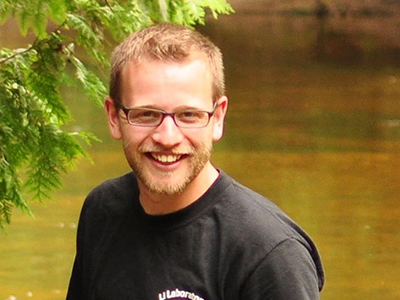
Member Spotlight
Spring 2020
Cory Brant explains how art enhances his communication as a sea lamprey researcher.
Darrin Hunt Darrin Hunt draws parallels between punk rock DIY ethos and invasive bivalve research. My dissertation research has largely dealt with the invasion and establishment of nonnative bivalves in small stream (<30m wide) ecosystems. I have documented population densities and assessed the impacts of bivalve invaders (dreissenid and cyrenid) on native, benthic macroinvertebrate communities throughout the Great lakes and southeastern United States. My research has included natural history surveys in Michigan, Ohio, Georgia, and Puerto Rico. Additionally, I have conducted enclosed mesocosm experiments through several Great Lakes tributaries. I also co-manage Dr. Donna Kashian’s lab.Describe your creative pursuit.Music has always been an important part of my life. My dad played music, and there was always a guitar around the house when I was growing up. I was drawn to my dad’s guitar and started playing before I was big enough to properly hold it, and when I was old enough, my parents gave me an electric guitar of my own. Shortly before that, I also received a skateboard. These two instruments have provided a lifelong lens through which I view the world.Skateboarding in the 1980s was deeply intertwined with punk rock music, and naturally, I became aligned with a community of like-minded punk rock musicians. This led to my friends and I starting a band, and then another, until skateboarding and punk rock became our primary means of socialization. I still play music with my friends, and I would not give it up for anything. I am a better, more well-rounded scientist because of it.How does this pursuit influence your science?By nature, punk rock is independent. It has separated itself from the rest of the music industry, and most of its enthusiasts would have it no other way. Much like punk rock music, skateboarding in the ’80s and ’90s was more of an act of resistance than a sport. Since that time, skateboarding and punk rock have evolved into multi-million dollar industries, and, while many resented this newfound popularity, I saw this as an opportunity to watch something unique happen—to see subculture become pop culture.Observing the convergence of “our” subculture with “their” popular culture impacted me. Though I saw this evolution of punk rock and skateboarding as necessary, forward movement, I was concerned that the important do-it-yourself principles would not embed themselves in future generations the way they did with mine. These principles, which are centered in self-motivation and “stick-to-it-iveness,” are important elements in shaping my character, and I have applied them in my career in the sciences.Does it make you a better scientist, and if so, how?My work in the punk rock music scene has fortified me with the necessary independence to successfully plan and carry out my research goals. My successes in the arts had little to do with conventional measures. We did not care much about money or widespread acclaim. Our efforts were driven by self-satisfaction, and we felt lucky to be a part of something unique and special that was taking place in southeastern Michigan. This enthusiasm and resilience allowed me to remain strong in the face of failing experiments, while exploring unknown ecosystems and navigating the inherent self-doubt we all experience during graduate school.When I first started my Ph.D., I wanted to compare the tolerances of various environmental toxins on resurrected and modern microcrustacean communities. I worked on this project for nearly two years, but I could not maintain my resurrected zooplankters for longer than a month. After much contemplation and discussion with my adviser, we decided to nix the project and revise my dissertation.As of now, I am on the cusp of graduation. Though I lost two years working on a failing project, I sampled aggressively, made up for lost time, and put myself back on schedule for a timely graduation. I believe that recoveries such as these are, at least in part, thanks to the fortitude and resilience I garnered in my punk community.VIDEOSVisit the following links for a sample of Darrin’s music:Darrin Hunt, The South Wind, 2020, Recorded for Lakes LetterFew and Far Between, Coming to Get You, 2011Few and Far Between, Take Control, 2009King for a Day, Lazy, 1997Roosevelt’s Inaugural Parade, Vendor, 1995

Member Spotlight
Spring 2020
Darrin Hunt draws parallels between punk rock DIY ethos and invasive bivalve research.
Jérôme Marty Jérôme Marty shares how music informs his work in science policy. At the Council of Canadian Academies, I work at the interface between science and policy. Prior to joining the CCA in 2016, I was a research scientist at the St. Lawrence River Institute, where I worked on aquatic invasive species in the Great Lakes and on eutrophication in the St. Lawrence River. In 2019, I became the chair of Partnership Group for Science and Engineering and was nominated to the Science Advisory Board of the International Joint Commission. When not working, I can be found biking, paddling, or playing accordion.My first exposure to the study of limnology consisted of spending hours observing diatoms under an electronic microscope in the laboratory of Dr. Antonella Cattaneo at the Université de Montréal. At that point, I was probably more fascinated by the geometry and beauty of these algae than by their ecology. While becoming a researcher, I maintained a connection with the arts because I believe it helped me to be more creative scientifically. Practicing music has provided me with a space where I could immerse myself and take a much-needed break. Performing music in public may have taught me how to better connect with my audience while delivering scientific presentations.Recently, I have started to incorporate music into my public presentations and share ideas on the links between the arts and science. The CreativeMornings speaker series was an opportunity to talk about the importance of water as a resource and also about its beauty (by showing diatoms) and its role in shaping who we are today (by playing Les Raftsman, a loggers song that preserves the memory of a hard life mixed with a certaine joie de vivre). This experience showed me that scientists may be able to convey effective messages to a wider audience in ways in which they were originally not trained to do so.VideosVisit the following links for a sample of Jérôme’s music:Rose of Raby, Recorded for Lakes Letter on Earth Day, 2020Les Raftsmans, The CreativeMornings, (at ~4:30 mark in recording)
Member Spotlight
Spring 2020
Jérôme Marty shares how music informs his work in science policy.
Catherine Masson Catherine Masson's passion for swimming influences her research on Great Lakes governance. Watercolor portrait of Catherine Masson by her mother, Joan Masson.2020 is a significant year for parks and protected areas across large lake complexes. Canada is signatory to the landmark 1992 U.N. Convention on Biological Diversity and must protect 17% of terrestrial and inland water areas under Aichi Target 11 (2010) and Canada Target 1 (2015). I am undertaking a comprehensive global-to-local freshwater biodiversity review. The Trent University Canadian Studies Ph.D. program will enable me to make vital contributions as we move forward.Describe your creative pursuit.Great Lakes open water swimming is my personal challenge. I will swim anywhere so long as conditions are safe. The lakes provide an ever-changing panorama of color, light, temperature, sensation, and sound. Polished rocks roll beneath as the swimmer is raised by the crests and lowered in the trough of progressive waves. Flex, reach, rotate, roll, breathe, and again. Credit youthful training for older ability. The goal is to swim long term for health, well-being, and the good of the lakes. Come on in folks, the water’s fine!How does this pursuit influence your science?The beaches I recreate on are subject to the Canada–U.S. Great Lakes Water Quality Agreement. Together, oversight institutions, federal, provincial, state, indigenous, and local jurisdictions, scientists, academics, nongovernmental organizations, and citizens all share responsibility for managing nutrients, pollution, and algae, assessing drivers and baselines, setting priorities, providing leadership, collaborating, and demonstrating flexibility. Knowing who and what keeps our lakes clean helps me swim nearshore waters with confidence.Back on dry land, I work to advance large lake science and policy through scholarship, public policy research, strategic planning, management support, and communications. I contribute to Canada’s climate, water, and fishery initiatives and evaluate international, national, and provincial environmental agreements. I travel widely across northern Ontario year-round and observe first-hand the daily exigencies facing remote and Indigenous communities.Does it make you a better scientist, and if so, how?Open water swimming is the missing piece of my Great Lakes–St. Lawrence River intellectual inquiry. It is more profound and immediate than looking out from the shoreline, a boat, or an airplane (or at reports, spreadsheets, and websites). The principal aptitude for swimming in the wild is a ‘feel for the water’—intent focus and total commitment to the opportunity that time and place present. This is the art of surrender rather than the science of stroke mechanics.I resolve to navigate this realm with competence toward a deeper appreciation of the waters of our Great Lakes and mighty rivers and, in so doing, develop robust and usable guidance for governments, communities, and citizens—across generations and over horizons.Fort William First Nation, Chippewa Park main beach in Thunder Bay, Ontario.
Member Spotlight
Spring 2020
Catherine Masson's passion for swimming influences her research on Great Lakes governance.
IAGLR amidst COVID-19: A unique time that calls for inspiration and creativity By Paul Sibley Academic life and the IAGLR conference pivot to virtual formats as the pandemic reshapes scientific community engagement and resilience. As I write this piece in early May, it occurs to me that even my cat, sleeping contentedly on the floor beside me in our study, is affected by the COVID-19 pandemic. In his case, the effect is largely positive, as he seems very happy to have me around a lot more; but he is, of course, oblivious to the reasons underlying his newfound situation. It is surreal to witness in real time the staggering increase in disease numbers and deaths around the world, along with the realization that we will all be affected by this for years to come. People speak of “the new normal” and “changed society.” Time will tell, but, like many of you, my experience has been one of personal and professional change as I confront the potential impacts of the COVID outbreak.Those of us in academia will face significant changes over the next year. In Canada, some universities have already decided that fall courses in 2020 will be offered only virtually. My university has not reached this decision yet, but it is likely, and I have already begun preparing for virtual delivery of my two courses. This will be challenging. One of the courses is 50% field-based and the other includes a weekly laboratory. Creativity will be the order of the day to ensure that the teaching goals are met. Research has been significantly curtailed, and we have been instructed that no new research projects can commence until it is safe to do so. Since no one really knows when that will be, I have had to delay the start of one graduate student from May to September (and possibly January), and another, who had already begun, is faced with the possibility of a completely different project.This week I attended a conference in Ireland. How is that possible? The entire conference—over 1,600 attendees—was converted to a virtual platform and I “presented” my prerecorded talk virtually. This was my first large-scale virtual meeting, and I was skeptical about how successful it would be. Honestly, I was blown away by the organization and functioning of the conference. Yes, there were a few technical issues during live sessions, but these were minor. More importantly, the science was still the science; only the delivery platform had changed (along with a much-reduced carbon footprint). Glass of wine in hand, I could listen (and relisten) to presentations at my leisure. As we all become more comfortable using virtual technologies, many have suggested that the new conference normal will be virtual delivery. I don’t believe that physical meetings will disappear, but I do believe that we will see changes marked by a gradual migration to virtual meeting platforms, perhaps beginning with hybrid models that combine in-person and virtual options.Many of you are regular attendees at the annual IAGLR conference and were undoubtedly disappointed to hear that the face-to-face version of the conference was canceled for the first time in its 63-year history. Canceling the conference was simultaneously one of the most difficult and one of the easiest decisions I have had to make professionally. It was an easy decision when viewed through the lens of public and personal safety. It was difficult because membership engagement is a core goal of the association, and the annual meeting provides the ideal forum to discuss new ideas about large lake science and policy, exchange professional and personal stories, and renew friendships. It is in this spirit that the board of directors decided to hold the conference virtually this year—another first in our history.This past Friday, the website for the virtual conference went live. The planning was both intimidating and exhilarating, but IAGLR has an incredibly dedicated group of individuals, from the conference planning committee to board members, who embraced the opportunity. Lessons learned from this experience will serve us well in the future. For example, we are in the early stages of planning for the State of Lake Ontario 2020 conference and are developing a contingency plan in case it, too, has to be delivered virtually.As it is for many professional societies, the COVID-19 pandemic is testing the resilience of IAGLR. One of my (new) goals in my remaining time as president is to ensure that we emerge from the pandemic with the same strength we have always had. To this point, as part of the virtual meeting, I am convening a “COVID-19 panel” to discuss the current and future impacts of the pandemic on all of us in the IAGLR family. I am sure you all have interesting stories to share—we would love to hear about them.I hope that each of you has been able to establish a comfortable routine; perhaps you have discovered new interests or rediscovered past hobbies to keep you busy. I miss my thrice-a-week hockey games but have been doing much more hiking (following distancing protocols, of course). My house has never received a spring cleaning like it has this year. If we want to save lives, staying put is the right thing to do. We may be at this for a while, but it is a price I am willing to pay, and a situation my cat, now on the study chair, is happy to endure.
Editorial
Spring 2020
Academic life and the IAGLR conference pivot to virtual formats as the pandemic reshapes scientific community engagement and resilience.
Crossing borders: Art, science, and the Great Lakes By Anne Moser Three projects combine art and science to communicate Great Lakes research. While the idea of scientists and artists collaborating may sound like a 21st century concept, the history of these disparate disciplines working in tandem dates back thousands of years. Scientists have long used art to document and illustrate, while artists have sought out science as inspiration. We see it in the prehistoric art in the caves of southern France, the human anatomy drawings of the master Leonardo da Vinci, and the exquisite masterpieces by John Audubon. The link continues today, as scientists and artists connect deeply to mutually inform their work. Artists are studying scientific findings to accurately communicate their concerns and inspirations, while scientists are searching for ways to better translate their research through art to engage a broader public in their findings.Recent education and outreach projects at the University of Wisconsin Sea Grant Institute (WSG) have taken this interdisciplinary approach by combining art and science to communicate Great Lakes research. We have taken inspiration from our work with children, who dive into scientific learning with an open mind, interdisciplinary nature, and artistic flair. The three projects featured here highlight opportunities where unique partnerships were forged and surprising common ground found between artists and scientists. Each exemplifies the crossing of disciplinary boundaries, with the goal of a more science-informed society, regardless of age, socioeconomic status, or education.We welcome collaborations from across the Great Lakes watershed. Please contact the author at akmoser@aqua.wisc.edu. THE POLY PLEDGEIn 2016, J. Leigh Garcia, at the time a student in the University of Wisconsin-Madison Master of Fine Arts program, approached the Wisconsin Water Library looking for information about plastic pollution and fish consumption. Although she was originally concerned about the impact plastic might have on her health, her library reference question eventually led to a public art installation on the UW-Madison campus. Leigh and a collaborator, Pete Bouchard, created a human-powered vending machine that dispensed reusable screen-printed shopping bags in exchange for pledges not to use plastic bags for one month. About 130 people took the pledge. WSG then held a symposium that featured Garcia and Bouchard talking about their artistic approach and the goals of their public performance. This artists’ talk was paired with a science presentation by Loyola University Chicago Associate Professor Timothy Hoellein, who gave an overview of his research on the sources and impacts of anthropogenic litter (trash) around Chicago. - A.M.Exhibition at the Thelma Sadoff Center for the Arts in Fond du Lac, Wisconsin. Courtesty of Thelma Sadoff Center for the Arts.ANCIENT SURVIVORSInspired to generate dialogue and discussion between art and science, two professors at the University of Minnesota Duluth curated almost 50 black and white images of lake sturgeon to help tell the story of the Great Lakes. These artistic interpretations formed the basis of several outreach programs, including a collaboration with the Thelma Sadoff Center for the Arts in Fond du Lac, Wisconsin. During early 2019, the THELMA mounted an exhibition, pictured above, in conjunction with the winter sturgeon-spearing season on Lake Winnebago. The exhibition included the artwork as well as artifacts and historical objects never previously collected in one place. Over 10,000 people learned the conservation story of an ancient fish brought back from the brink of extinction through newspapers, decoys and spears, audio recordings, scientific papers, sculpture, and drawings. - A.M.UNDER THE SURFACEAt Northwest Passage in northwest Wisconsin, youth in mental health treatment have the opportunity to go under the surface as part of an innovative curriculum that blends art, science, and therapeutic healing using underwater photography. This WSG-funded project has resulted in a photography exhibition that has traveled to libraries, visitor centers, and other public spaces around Wisconsin, showing the power of water to heal and restore. As one visitor to a show noted, “This exhibit took my breath away. I am blown away by how these kids have overcome pain and hardship and channeled emotions and experiences into creating great art.” - A.M.Portrait of a Freshwater Sponge by Jonathan.Under the Surface by Hailey.
Feature
Spring 2020
Three projects combine art and science to communicate Great Lakes research.
How to sketch a lake sturgeon By Cory Brant A step-by-step sketching guide for an iconic species. Begin by finding photos or specimens of the species to work from. If you have access to an aquarium, you can work from live species. Many aquariums have live digital feeds that allow you to watch the fishes! Preserved specimens in a lab or museum are also an option, as are your own photos or fair use photos on the internet. I prefer a drawing paper that is heavyweight. For this drawing, I’m using 80 lb. acid-free paper and a collection of pencils noted below. Since I’m currently self-isolated due to the global COVID-19 pandemic, and since art supplies are low, I recently discovered that a cut piece of brown paper bag works great for drawing.A. Start by sketching two main shapes. Sturgeon are torpedo-shaped with a sickle-shaped tail and a unique snout that looks like the side of a shoe.B. Adjust your shapes based on the shape of a sturgeon. You will be erasing a lot at this stage as you work out the general body outline. A #2 or 2H pencil is best.C. While looking at references, continue to refine the outline of your sturgeon. Add the fins, gills, and the eye. Pay special attention to the fins’ locations on the body, their shapes, and their proportions to one another.D. At this stage, make sure you are happy with the outline and fins. You can bold the outline with a softer graphite pencil like a 2B once you decide you like it. On big projects, I sometimes spend days adjusting things at this stage. Keep checking reference photos, and, while using softer pencils, shade in rough shapes and features like scutes, gills, or shadows. This is a good time to practice a technique called hatching that entails rapidly scratching closely spaced parallel lines to create tonal or shading effects.E. Now it’s time for details and blending. At this point I like to use softer pencils, 2B–4B, and a blending stump (a tightly rolled piece of tissue works). I’m left-handed, so I like to work from right to left to minimize smudging (it happens anyway). Continue to sketch and blend, paying attention to lighter versus darker areas on the fish. Often the fins of a lake sturgeon appear dark with light edges. Scutes along the back can be shaded lighter while the mid-body region can be shaded dark to give the appearance of light shining down on the fish. Don’t forget the four barbells (whiskers) on the snout! I often leave the belly white or lightly shaded. Have fun, and don’t be afraid to add your own style!
Feature
Spring 2020
A step-by-step sketching guide for an iconic species.
Waterways and local plants inspire papermaking artists By May Babcock and Megan Singleton Artists create site-specific paper installations inspired by local waterways. May Babcock and Megan Singleton, detail of Ebb and Flow II, 2017, 14 x 20 feet, handmade paper pulp, laser-cut handmade paper (abaca, cotton, Japanese knotweed, Phragmites australis, Eurasian watermilfoil, variable milfoil, inflated bladderwort, Codium fragile, Heterosiphonia japonica). Courtesy of May Babcock.In the summer of 2016, artists May Babcock and Megan Singleton collaborated to create the first of a series of seven installations titled Ebb and Flow. Rooted in hand papermaking processes, Ebb and Flow is based on research of dendritic waterways and plants found in local landscapes.May Babcock and Megan Singleton, Ebb and Flow, 2016, 12 x 25 feet, handmade paper pulp from Mississippi River mud, abaca, cotton, American lotus. Courtesy of Megan Singleton.The geomorphology and plant ecologies of these landscapes are the inspiration for the installations of handmade paper, in not only how it shapes the gallery space and the viewer’s experience of it, but in the imagery and paper pulp used. As both site-specific and place-based installations, unique iterations of Ebb and Flow have been installed in both gallery and public spaces across the country, including the St. Louis Lambert International Airport, the Rhode Island State House, and Brown University.May Babcock and Megan Singleton, Ebb and Flow II, 2017, 14 x 20 feet, handmade paper pulp, laser-cut handmade paper (abaca, cotton, Japanese knotweed, Phragmites australis, Eurasian watermilfoil, variable milfoil, inflated bladderwort, Codium fragile, Heterosiphonia japonica). Moveable wall section is to the left of the artwork, and at times conceals the grid of plant silhouettes. Courtesy of May Babcock.Ebb and Flow II was created for the mural space at the Granoff Center, a Brown University building in Providence, Rhode Island. To reflect the state’s ecologies, we based the artwork on the Narragansett Bay watershed and invasive plants. Through the spring season, we visited nine different sites around Narragansett Bay to collect plant fiber to make into pulp for the paper installation. The final plant list represented freshwater, riparian, and marine species. We were especially inspired by red seaweed (Heterosiphonia japonica), and the warm-red tones in the final installation are reflective of that. A taxonomy display of the plants collected and used for fiber was also created, and this portion of the installation was intermittently hidden or revealed depending on the sliding wall positioning. Adjacent to the organic line drawings of pulp, one can see the plant silhouette and its common and scientific name. The silhouette shapes are laser-cut from handmade paper sheets made from the plants they depict.May Babcock and Megan Singleton, Ebb and Flow, 2016, 12 x 25 feet, handmade paper pulp from Mississippi River mud, abaca, cotton, American lotus. Courtesy of Megan Singleton.
Feature
Spring 2020
Artists create site-specific paper installations inspired by local waterways.
A freshwater science refresher By Bopaiah Biddanda The textbook "Freshwater Ecology" serves as a comprehensive resource for students. In the end, if we can’t save our increasingly threatened freshwater resources, nothing else will really matter. Now, a recently published textbook by two researcher–educators provides a timely refresher on both the basic and applied aspects of freshwater ecology. The book is written both as a textbook for undergraduate and graduate students and as a reference manual for practicing scientists and managers in the fields of water resources, limnology, and freshwater science.Freshwater Ecology: Concepts and Environmental Applications of Limnology, 3rd Edition by Walter Dodds and Matt Whiles claims to be “a thoroughly updated revision of the classic textbook on limnology and freshwater ecology,” and it does not disappoint. In addition to the traditional topics, this edition includes useful, new sections on toxins, pollutants, molecular biology, large-scale ecosystem ecology, and even endearing personal biographies of some leading researchers in limnology. Its 26 chapters and appendix consider topics including nutrient cycling, trophic relations, community interactions, scaling across landscapes, and experimental design. Each chapter ends with a list of take-home points and follow-up questions. It is a well-referenced book, and the citations and index sections are helpful. However, one way by which the book could be improved is moving its introduction of key concepts such as nutrient limitation, the river continuum, and the biome gradient from its final chapters to much earlier ones.I successfully used the book as the main framework for teaching a graduate course on advanced aquatic ecology in the fall of 2019. I complemented each book chapter with a student-led discussion of one or two related recent articles from journals such as Limnology and Oceanography and the Journal of Great Lakes Research. I found this hybrid strategy to be effective for communicating concepts and advances within each topic.On the whole, the arrival of this updated reference book could not be timelier, having come out when humanity is at a crossroads with regard to the world’s freshwater resources. The book ends with this personal call to action: “Please take time to reflect on what you have learned from this text, and take with you the valuable parts and make the world a better place. Get your feet wet, enjoy the water.” I can’t think of a better note on which to end a resourceful, student-oriented textbook on freshwater ecology.
Book Review
Winter 2020
The textbook "Freshwater Ecology" serves as a comprehensive resource for students.
Claire L. Schelske By Hunter J. Carrick and Gary L. Fahnenstiel Claire L. Schelske (1932–2019) devoted more than 40 years to building a sophisticated understanding of eutrophication in large lakes. The Great Lakes science and management community lost a prominent scholar and researcher with the passing of Claire L. Schelske on August 20, 2019. Claire graduated with a B.A. in 1955 and an M.S. in 1956 from Kansas State Teachers College in Emporia, Kansas (now known as Emporia State University). Claire first worked with David Chandler at the University of Michigan in 1960, where he completed his Ph.D. research on the availability of iron as a factor limiting primary productivity in a marl lake; this was subsequently published in Science in 1962. His research forms a 40-year body of work elucidating the relationship between phosphorus enrichment and algal production in large lakes, as well as secondary limitation of other nutrients, particularly silica. His work is a comprehensive treatise based on several lines of complimentary research (mechanistic experimentation, mass-balance compilation, paleolimnological inquiry, and synthesis of comparative limnology). As such, Claire’s research helped to build a sophisticated understanding of the eutrophication process in large lakes in North America.However, what was equally impressive to Claire’s scientific accomplishments is the manner with which he has achieved these successes. The same values that guided his research—honesty, integrity, rigor, and commitment—also translated to his professional relationships and service. Claire formed long-lasting relationships with all of his key colleagues—these remain viable to this day.The Early YearsClaire LaVerne Schelske was born in Fayetteville, Arkansas, on April 1, 1932. He was raised in Peabody, Kansas. Claire was both athletic and academic in high school, where he lettered in four sports and graduated class valedictorian in 1950. He graduated with a B.A. in 1955 andan M.S. in 1956 from Kansas State Teachers College in Emporia, Kansas (now known as Emporia State University). During this time, he met and his lifelong partner, Betty, and they were married in 1957. Together they had three children and six grandchildren. Claire first worked with David Chandler at the University of Michigan in 1960, where he completed his Ph.D. research on the availability of iron as a factor limiting primary productivity in a marl lake; this was subsequently published in Science in 1962.From 1960 to 1962, Claire continued his postgraduate work at the University of Georgia Marine Institute on Sapelo Island, where he investigated mechanisms that maintain high productivity in Georgia estuaries with Eugene P. Odum. From 1962 to 1966, he researched the environmental distributions of radioactivity from fallout at the Bureau of Commercial Fisheries in Beaufort, North Carolina.He then worked as a technical assistant at the Office of Science and Technology in Washington D.C. until 1967. That same year, Claire was hired at the University of Michigan Great Lakes Research Division, where he initiated what would become a 40-year collaboration with Eugene (Gene) F. Stoermer. Together, they collected baseline environmental data prior to constructing a nuclear power plant along the shoreline. Shortly thereafter, they conducted a series of experiments that spawned their formulation of the “Silica Depletion Hypothesis,” which was published in 1971 in Science. Their research and Claire’s expert testimony played an essential role in requiring the City of Milwaukee, Wisconsin, to reduce storm water overflows of raw sewage into Lake Michigan. Research OverviewClaire’s research helped to build a sophisticated understanding of the eutrophication process in large lakes in North America by identifying anthropogenic phosphorus loading as not only one of the primary controls, but, perhaps as important, one of the secondary biogeochemical effects set into motion though this primary influence (e.g., Schelske 1962, 1979). His research identified a novel mechanism for advanced eutrophication, verified the mechanism using several lines of complementary research, and—the ultimate utility of any scientific endeavor—finally promoted societal change through greater understanding and the ability to predict the consequences of human behavior. In sum, Claire’s research has helped to build the foundation for two of the most extensive aquatic restoration efforts in recent human history; namely, nutrient controls in the Laurentian Great Lakes (multi-billion dollars over the past 30 years) and nutrient and hydro-period restoration to key systems associated with the Florida Everglades ($8 billion over 25 years).40 Years of Eutrophication ResearchGene Stoermer and Claire Schelske.The body of Claire’s work forms a 40-year comprehensive treatise based on several lines of complimentary research (mechanistic experimentation, mass-balance compilation, paleolimnological inquiry, and synthesis of comparative limnology) that elucidated the relationship between phosphorus enrichment and algal production in large lakes, as well as secondary limitation of other nutrients, particularly silica. During the 1960s and 1970s, Claire’s original field and laboratory experiments with Gene identified phosphorus as the key element controlling the eutrophication of the Great Lakes. This work was particularly novel in that it not only employed traditional bioassay methodologies (e.g., Schelske et al. 1974) but also used some of the first large bags enrichment experiments deployed in situ by scuba from large research vessels (ca Schelske and Stoermer 1971). In the 1980s, Claire conducted a series of constituent mass-balance studies within and between Great Lakes basins to address inherent spatial complexity among lakes; as such, this work extended the bioassay predictions to the entire Great Lakes system (e.g., Schelske 1985). During the late 1980s and 1990s, Claire with his colleagues developed a new (and emerging) line of research in paleolimnology that addressed system-level change in the natural history of all five Great Lakes as evidenced by alterations in bulk nutrient storage and species shifts interpreted from microfossils (Schelske et al. 1983, Stoermer et al. 1985, Conley and Schelske 1989, Hodell and Schelske 1998). Finally, Claire synthesized comparative research results to develop a comprehensive understanding of how and why each of the five Great Lakes would respond to nutrient enrichment (Schelske et al. 1986; Fahnenstiel et al. 1998), and, perhaps most importantly, produced a predictive framework for their expected recovery following nutrient abatement and other large-scale changes to the collective watershed (see Carrick et al. 2001).Claire’s interest in nutrient biogeochemistry has not been limited to the Laurentian Great Lakes. In 1987 he accepted a position as eminent scholar in water resources at the University of Florida and initiated similar research on Florida lakes without giving up on his interest in the Great Lakes. During this phase of his career, he provided keystone research on eutrophication problems in systems associate with the Florida Everglades, arguably one of the most important watersheds in North America. His work furthered the conceptual model linking P-enrichment with secondary nutrient depletion and its associated biological changes to shallow, subtropical lake systems (e.g., Carrick et al. 1993; Brenner et al. 1999; Schelske et al. 2000).Service and AccomplishmentsClaire gave generously through his service to professional societies to which he belonged. He has held elected offices in the International Association for Great Lakes Research, the International Society for Applied and Theoretical Limnology, and the Association for the Sciences of Limnology and Oceanography (ASLO). He also received the Ruth Patrick Award from ASLO in 2003 for elucidating the biogeochemical consequences of cultural eutrophication in large lakes and developing a comprehensive understanding of the recovery of anthropogenically disturbed aquatic ecosystems. He was also awarded the Edward S. Deevy Award from the Florida Lake Management Society for contributing to the understanding of Florida’s water bodies.Closing RemarksPerhaps the true measure of an individual’s scientific impact and contribution to any particular human endeavor may be the application of their work to address new and challenging situations. Claire’s model of eutrophication has been applied to nutrient enrichment problems in the Florida Everglades (Reddy et al. 1999), Eu-Asia (Stoermer et al. 1995), and the world’s oceans (Conley et al. 1993). Claire’s work has resulted in 161 articles in peer-reviewed journals (four papers in Science, 20 in Limnology and Oceanography), one book, 16 book chapters and monographs, and more than 30 professional reports and conference proceedings. He directly supervised three Ph.D. students and 12 post-doctoral students; that said, he also took numerous others under his wings throughout his career.However, what is equally impressive to Claire’s scientific accomplishments is the manner with which he has achieved these successes. The same values that guided his research—honesty, integrity, rigor, and commitment—also translated to his professional relationships and service. Claire formed long-lasting relationships with all of his key colleagues that remain viable to this day (Eugene Stoermer, 42 years; Daniel Conley, 30 years; Gary Fahnenstiel, 30 years; David Hodell, 26 years; Mark Brenner, 26 years; and Hunter Carrick, 24 years). Speaking personally, Claire was an inspiring person to study under and eventually to collaborate with; we feel fortunate to have shared this time with him.Literature CitedBrenner, M., T. J. Whitmore, J. H. Curtis, D. A. Hodell, and C. L. Schelske. 1999. Stable isotope (13C and 15N) signatures of sedimented organic matter as indicators of historic lake trophic state. J. Paleolimnol. 22:205-221.Carrick, H. J., C. L. Schelske, F. J. Aldridge, and M. F. Coveney. 1993. Assessment of phytoplankton nutrient limitation in productive waters: Application of dilution bioassays. Can. J. Fish. Aquat. Sci. 50:2208-2221.Carrick, R. Barbiero, and M.L. Tuchman. 2001. Variation in Lake Michigan plankton: Temporal, spatial, and historical trends. J. Great Lakes Res. 27:467-485. Conley, D. J. and C. L. Schelske. 1989. Processes controlling the benthic regeneration and sedimentary accumulation of biogenic silica in Lake Michigan. Archiv. Hydrobiol. 116:23-43.Conley, D. J., C. L. Schelske, and E. F. Stoermer. 1993. Modification of the biogeochemical cycle of silica with eutrophication. Mar. Ecol. Prog. Ser. 101:179-192.Fahnenstiel, G. L., A. E. Krause, M. J. McCormick, H. J. Carrick, and C. L. Schelske. 1998. The structure of the planktonic food-web in the St. Lawrence Great Lakes. J. Great Lakes Res. 24:531- 554.Hodell, D. A. and C. L. Schelske. 1998. Production, sedimentation, and isotopic composition of organic matter in Lake Ontario. Limnol. Oceanogr. 43:200-214.Reddy, K. R., G. A. O’Connor, and C. L. Schelske (eds.). 1999. Phosphorus Biogeochemistry in Subtropical Ecosystems, Florida as a Case Example. CRC/Lewis Publishers. 707 pp.Schelske, C. L. 1962. Iron, organic matter, and other factors limiting primary productivity in a marl lake. Science 136: 45-46.Schelske, C. L. and E. F. Stoermer. 1971. Eutrophication, silica and pre¬dicted changes in algal quality in Lake Michigan. Science 173: 423-424.Schelske, C. L., E. D. Rothman, E. F. Stoermer, and M. A. Santiago. 1974. Responses of phosphorus-limited Lake Michigan phytoplankton to factorial enrichments with nitrogen and phosphorus. Limnol. Oceanogr. 19: 409-419.Schelske, C. L., E. F. Stoermer, D. J. Conley, J. A. Robbins, and R. M. Glover. 1983. Early eutrophication of the lower Great Lakes: new evidence from biogenic silica in sediments. Science 222:320-322.Schelske, C. L. 1985. Biogeochemical silica mass balances in Lake Michigan and Lake Superior. Biogeochemistry 1:197-218.Schelske, C. L., E. F. Stoermer, G. L. Fahnenstiel, and M. Haibach. 1986. Phosphorus enrichment, silica utilization, and biogeochemical silica depletion in the Great Lakes. Can. J. Fish. Aquat. Sci. 43: 407-415.Schelske, C. L., M. F. Coveney, F. J. Aldridge, W. F. Kenney and J. E. Cable. 2000. Wind or nutrients: Historic development of hypereutrophy in Lake Apopka, Florida. Limnology and Lake Management 2000+. Arch. Hydrobiol. Spec. Issues Advanc. Limnol. 55:543-563.Stoermer, E. F., J. A. Wolin, C. L. Schelske, and D. J. Conley. 1985. Post-settlement diatom succession in the Bay of Quinte, Lake Ontario. Can. J. Fish. Aquat. Sci. 42: 754-767.Stoermer, E. F., M. B. Edlund, C. H. Pilskaln, and C. L. Schelske. 1995. Siliceous microfossil distribution in the surficial sediments of Lake Baikal. J. Paleolimnol. 14:69-82.
In Memoriam
Winter 2020
Claire L. Schelske (1932–2019) devoted more than 40 years to building a sophisticated understanding of eutrophication in large lakes.
Pierre-Denis Plisnier Pierre-Denis Plisnier advocates for long-term monitoring networks in African Great Lakes. My research mainly deals with climate impacts on the limnology of the African Great Lakes. This may be applied to various fields, including fisheries, paleoclimatology, and health (the latter via a possible plankton-cholera relationship). I am particularly interested in helping to set up long-term, continuous environmental monitoring of the African Great Lakes to better understand their functioning. Those lakes and their ecosystem services are facing serious threats, including oil exploitation.What inspired you to enter this work?For my thesis, I worked on lakes Ihema and Muhazi in Rwanda in the 1980s. I enjoyed the extraordinary lacustrine environment and the work in Central Africa, a region with historical links to my family. (My grandfather lived in the Congo from 1910 to 1925 and my parents from 1952 to 1963, in addition to other members of my family in other periods. I was born along the Congo River.) Several more years spent in Africa working on Lake Tanganyika on a project for the Food and Agriculture Organization of the United Nations confirmed my interest in this work.What body of knowledge would you like to build on?Great lakes such as the African Rift Valley lakes are extraordinarily climate sensitive. The abundance of pelagic fishes in Lake Tanganyika, for example, has been well correlated to oceanic anomalies such as El Niño through climate teleconnections. This could allow for possible forecasting about future catches and could also help our interpretation of the paleoclimate signals in this ancient lake (>10 million years old). I also find hydrodynamics to be of considerable interest. Upwelling, internal waves, surges, turbulence, and other limnological events can reach considerable amplitudes, strongly impacting lake organisms and ultimately the human population. These aspects make up the pieces of some kind of puzzle that researchers enjoy trying to put together. If my work can help to assemble even some parts of this puzzle, that would make me happy.If you could change something about the way science is done, what would it be?Multidisciplinary projects should be much more encouraged. Topics are varied, and so they need broader teams of both specialists and generalists to work on them in a coordinated way.The timeframes of projects on the African Great Lakes need to be longer: at least five to six years instead of the approximately four years that is often the case today. For some lakes, there is a great challenge to build networks, prepare material, implement training, etc., before the monitoring program becomes fully operational. Once the program is launched, having several years of observations rather than just a few can allow for the acquisition of knowledge in a much better, more cost-effective way.There should be baseline continuous monitoring of each great lake. At some great lakes, several parameters are not being measured (including temperature profiles and other essential parameters) when no short-term projects are taking place. An international consortium linking local authorities and research institutions could be developed for each great lake to help ensure such a continuous collection of basic but essential parameters. For African Great Lakes investigation, it is also important that the continuous monitoring stations be situated at some key sites (in particular, the north and south ends), while lakewide cruises would be more useful for additional specific studies.How long have you been an IAGLR member and why did you join?I joined IAGLR three years ago when I realized how urgently necessary it is to develop long-term monitoring of the African Great Lakes presently threatened by oil exploitation. A better knowledge of the environmental monitoring taking place in the North American lakes is useful for this development, as is access to the Journal of Great Lakes Research.
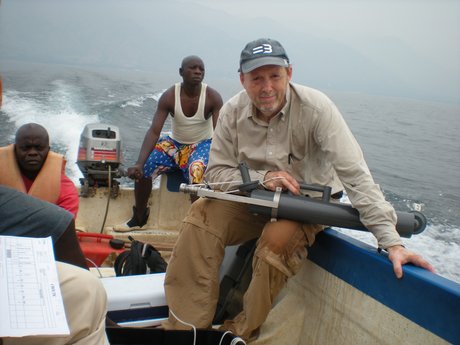
Member Spotlight
Winter 2020
Pierre-Denis Plisnier advocates for long-term monitoring networks in African Great Lakes.
Alfred Otieno Achieng’ Alfred Otieno Achieng' researches cage culture impacts in Lake Victoria. I currently mentor students and teach at the University of Eldoret in Eldoret, Kenya. I also conduct research in Lake Victoria’s Winam Gulf and catchment. There, I investigate anthropogenic activities and their impact on water quality and the invertebrate and fish communities within the major rivers originating from the Kenyan side of Lake Victoria. My Ph.D. research will assess various components of Lake Victoria’s cage culture; these include the lake’s ecological carrying capacity for cage aquaculture, surveillance and modeling of bacterial communities and nutrient cycling linked to cage culture, and paleolimnological comparisons via sediment core analysis of modern and prior lake conditions.What inspired you to enter this work?The need for conservation and management of our natural resources is a fundamental concern, given the rapidly increasing rates of their overexploitation and degradation. Population growth and settlement, unsustainable use of natural resources, pollution of water bodies, industrialization, infrastructure development, deforestation, and agricultural activities have led to, among other things, a drastic decline in renewable water resources, a drying of river channels, a decline in fish catches, and challenges in food and nutritional security. In addition, management limitations are numerous and include lack of skilled personnel plus inadequate and/or inaccessible research data for historic and current trends to be determined and evaluated. Yet proper conservation and management through well-informed policy making and sustainable resource use require credible research and reliable, long-term data.Without proper management, projections indicate worsening future conditions. The United Nations predicts that Kenya, currently a water-scarce country, will plunge into absolute water scarcity while continuing to experience rapid population growth and exploitation of natural resources. Notwithstanding, some efforts have been made toward finding solutions to these challenges. These include funding from national and international efforts, regionally collaborative research endeavors, and, recently, the internationalization of research within the great lakes of the world through the African Center for Aquatic Research and Education (ACARE).In my career as an aquatic scientist, I am motivated to be involved in and contribute to the current efforts to provide tangible and transformative solutions to the multifaceted problems of Lake Victoria through mitigation measures, conservation, and sustainable use of its resources.What body of knowledge would you like to build on?The mapping and modeling of aquatic ecosystems and catchment activities for use in sustainable management practice development.If you could change something about how science is done, what would it be?Since most of the quality research on ecosystems is multidisciplinary, it is important that the concepts, theories, and guiding principles of the various disciplines involved in the research are discussed and understood before the research proceeds. Understanding our terminologies and frameworks can improve the approach to solving ecosystem problems holistically.What might be surprising about research or lakes in your area?Lake Victoria is the largest tropical freshwater lake and the second largest freshwater lake by area in the world. It is the source of the world’s longest river, the Nile. The lake’s catchment unifies five East African countries, with 44% of the catchment being in Tanzania, 22% in Kenya, 16% in Uganda, 11% in Rwanda, and 7% in Burundi. The basin is recognized for its exceptionally high diversity and endemism of freshwater species. The stressors and impacts noted previously combined with factors hampering reliable research within the region have drawn regional and international interest as the changed lake ecology and ecosystem services threaten its sustainble use by the basin’s community.How long have you been an IAGLR member and why did you join?I joined two years ago, when I attended the annual conference for a session facilitated by ACARE on the African Great Lakes. ACARE introduced me to the annual conferences and facilitated my travel to attend. IAGLR provides a wealth of knowledge from researchers studying aquatic ecosystems and their catchments. I’m privileged to be a member, interact with the association, and learn from members’ experience and expertise.
Member Spotlight
Winter 2020
Alfred Otieno Achieng' researches cage culture impacts in Lake Victoria.
Savitri Jetoo Savitri Jetoo emphasizes integrated approaches to manage complex environmental challenges. I am most interested in what “good governance” is in the contexts of water protection and wicked problems such as eutrophication and climate change. My research has focused on multilevel systems of water governance in which different stakeholders exercise different levels of power and authority to determine who gets to participate in the decision making and problem solving for complex challenges. I have taken this research further by focusing on comparative water governance studies among the Baltic Sea, Chesapeake Bay, and now, other regions of the world.What inspired you to enter this work?My natural curiosity and passion for science led me into this field. My motivations have been strictly personal as I am most myself when I am in nature. As such, I want to understand it better and be able to leave a positive footprint. I am also inspired by experts in this field such as Gail Krantzberg, Isobel Heathcote, Marko Joas, Nina Tynkkyen, Erik Bonsdorff, Paul Sibley, Chandra Madramootoo, Velma Grover, Dustin Garrick, and Carolyn Johns, all of whom exhibit great passion for science and scholarship.What body of knowledge would you like to build on?Effective water governance will continue to be one of the key challenges of the 21st century. In the past, water governance focused on the decision-making processes and actors involved in the delivery of water-related services and the protection of water resources. However, the field needs to expand to include connections with, for example, climate change and energy governance. Therefore, I would like to expand my research beyond its focus on water to engage in multidisciplinary investigations about broader natural resources governance and the many societal issues linked to that wide-scale governance. This expanded breadth includes climate change concerns, multilevel energy governance, sustainability issues, and the implementation of the United Nations Sustainable Development Goals. I would also like to work more closely with the wider community on these issues.If you could change something about how science is done, what would it be?Because scientific questions are so complex and interconnected, our strict disciplinary walls need to be demolished. We also need to re-examine the policies that guide science and change the way we communicate science to make it more accessible to the public. A lot of research funding decisions are based on academic articles that only a limited number of academics read. Quality academic research is important, but it is equally important to disseminate these findings beyond academia to the wider society.What might be surprising about research or lakes in your area?The governance of the Baltic Sea was evolving around the same period as that of the North American Great Lakes but there were key differences. The Great Lakes Water Quality Agreement (GLWQA) was signed in 1972 after public outcry and scientific investigations into the pollution of the waters of the Great Lakes. However, the Convention on the Protection of the Marine Environment of the Baltic Sea Area (the Helsinki Convention) was signed in 1974 and arose from diplomacy during the Cold War period. The International Joint Commission was given oversight for the GLWQA, and, similarly, the Helsinki Commission became the governing body for the Helsinki Convention. However, there is a further layer of governance for the Helsinki Convention—that of the European Union (EU). Eight out of the nine Baltic Sea coastal countries (all but Russia) are members of the EU and hence are subject to EU environmental frameworks and directives. This has led to a network-based governance for the Baltic Sea with high degrees of coordination, but it has also led to difficulties in vertical collaboration across governance levels, particularly on the subnational level.How long have you been an IAGLR member and why did you join?I joined IAGLR as a doctoral student about five years ago to attend an IAGLR conference and meet like-minded researchers, scientists, and practitioners. I remember that meeting well. I was excited and stimulated by all the scientific sessions on multiple stressors to the Great Lakes ecosystem. It was inspiring for me as an early career researcher to be among some of the greatest experts in the field, listening to their presentations and interacting with them in person. These conferences are important in helping us to step outside of our subject silos to examine problems through different disciplinary lenses.
Member Spotlight
Winter 2020
Savitri Jetoo emphasizes integrated approaches to manage complex environmental challenges.
Anika Kuczynski Anika Kuczynski uses modeling to predict nuisance algae growth in the Great Lakes. My research focuses on monitoring and modeling nuisance benthic algae. Most of my past work and some of my ongoing work involves modeling the growth of Cladophora, a nuisance filamentous green alga, in the Laurentian Great Lakes. I use mechanistic modeling approaches supported by field and experimental data. In New Zealand, I am currently involved in developing new monitoring and modeling methods for stream periphyton. To monitor periphyton cover and biomass, we are using aerial (drone) and stationary imagery, which shows promise for increasing the spatial and temporal resolution. To support periphyton modeling, I am leading experimental work using respirometers (benthic chambers) to measure periphyton metabolism and nutrient uptake rates and thus help define model parameters.What inspired you to enter this work?My high school physics teacher encouraged me to consider studying engineering, and water as the source of life has always fascinated me spiritually and scientifically. When I researched different engineering disciplines, I realized I wanted to become an environmental engineer. But how did I get into algae? My Ph.D. advisor, Dr. Marty Auer, drew me in with his work on real-life problems and his solution-driven research. I was also inspired by his passion for teaching and community outreach. Generally, I am driven by a desire to contribute to the enhancement of surface water quality, sustainability, and the protection of human and ecosystem health.What body of knowledge would you like to build on?My professional goal is to help improve water quality modeling, especially to develop appropriate growth models that may be used to predict blooms and thus inform environmental management. I see a need for improvements in linking hydrodynamic, hydrologic, and water quality models from the mountains to the sea (or ki uta ki tai in New Zealand’s native Māori language) so that managers can be informed with better predictions of the likely environmental responses to various scenarios such as changes in land use, point source discharges, urban development, and climate. Why? Because I would like future generations to be able to enjoy our planet’s fresh waters, and I think te mana o te wai (Māori for the well-being of the water) is best realized and protected by making water management decisions based on sound science and traditional ecological knowledge.If you could change something about how science is done, what would it be?I think we need to improve our communication skills and increase transdisciplinary research. This is not a new thought, but it is a widely discussed topic that I think merits further attention. Though using scientific jargon may make us feel like intellectuals, it can obscure our messages and delay or impede management and research. When I speak or write, I try to remember KISS—Keep It Simple, Stupid. I strive to break down barriers in language use, overcome my fears of appearing ignorant, and work up the courage to ask more questions, listen, simplify my language, and ask for help.What might be surprising about research or lakes in your area?New Zealand does not boast lakes of comparable size to the Laurentian Great Lakes, but its deepest lake, Lake Hauroko (462 m), is deeper than Lake Superior (406 m). New Zealand also is home to the world’s clearest lake, Blue Lake, also known as Rotomairewhenua. Hydroelectric schemes supply more than half of New Zealand’s electricity, and water abstraction supports New Zealand’s agriculture, especially its dairy industry. But alongside the economic benefits come eutrophication problems as river flows decrease and nutrient loads increase. Further contributors to environmental issues are invasive algal species, such as Lindavia and Didymosphenia and toxic Phormidium and Microcoleus blooms.How long have you been an IAGLR member? Why did you join?I joined IAGLR as a student in 2012. I was eager to meet members of the academic Great Lakes community, to reach beyond my home research institution, and to meet leaders in my field.
Member Spotlight
Winter 2020
Anika Kuczynski uses modeling to predict nuisance algae growth in the Great Lakes.
Toward a global, large lake network By Richard Ogutu-Ohwayo IAGLR shifts toward a global perspective, emphasizing international collaboration on large lakes. Since its formation, IAGLR has played a leading role in promoting research and communication to support policy for management of the world’s large lakes. This has been done through its annual research conference, its Journal of Great Lakes Research, and regional meetings. Yet these efforts have mainly concentrated on the Laurentian Great Lakes of North America.However, IAGLR has begun making efforts to strengthen its role internationally. A majority of its members—62%—support this focus of expanding the association’s international engagement. This expanded focus is not simply an exercise in growth, but is, instead, an effort to enhance the global network of freshwater sciences so we can better address the challenges facing these critical, large, freshwater resources. By internationalizing IAGLR, we are broadening our perspectives, approaches, ideas, and knowledge for understanding these challenges. We are growing our networks and building trust for increased information exchange and the ability to work across borders on these inter-jurisdictional resources. This will require a shift in our collective mindset from one that focuses on the interests of our “own” lakes to one that visualizes all large lakes of the world as one global network with subnetworks at continental, regional, and national levels.As one of the oldest associations of great lakes research, and due to its being from the developed north, IAGLR is well positioned to lead this shift by incrementally scaling its efforts to encompass other lake systems of the world. IAGLR has made some progress in strengthening its role internationally: it has conducted joint meetings with other organizations such as the European Large Lakes Symposium; it has published special sections in its journal on non-Laurentian large lakes such as Lake Baikal and the African Great Lakes; it has conducted sessions on other large lakes at its annual conferences; it has provided international student travel scholarships to attend its conferences; and, in 2018, it added a member from outside the United States and Canada to its board of directors.At the board meeting last June, I was tasked as IAGLR’s first international board member to engage other members in developing suggestions to further strengthen the association internationally. Working with IAGLR Secretary Jessica Ives to initiate consultations on the matter, we formed a committee with representatives from many lakes around the world. The committee has discussed an initial set of activities for IAGLR to consider undertaking. These activities include promoting the formation of networks at continental, regional, and national levels and identifying opportunities for collaboration among researchers and institutions studying different lakes. These efforts would ultimately lead to the formation of one global, large lake network through which IAGLR can, over time, strengthen its role internationally for the good of the world’s large lakes. I encourage IAGLR members to provide any additional suggestions to help achieve this vision by contacting me at ogutuohwayo@yahoo.com."

Editorial
Winter 2020
IAGLR shifts toward a global perspective, emphasizing international collaboration on large lakes.
Expert roundup: Thoughts on international collaboration By Catherine Febria, Mohiuddin Munawar, and Robert Sterner Experts share insights on overcoming barriers to international scientific collaboration. Mohi Munawar, Catherine Febria, and Bob Sterner.We asked three members with experiences from around the world to share their perspectives on international collaboration.In what ways does international collaboration influence science?CF: It brings perspectives and expertise from outside your local research community. Knowledge may exist elsewhere, and you can uncover it by engaging with colleagues globally. It also makes the science more robust because it brings the skills you need to the table and ensures that you’re assembling the best team for the science challenge.MM: International collaboration helps researchers to take a holistic view and to broaden our scientific vision. My love for international collaboration was influenced by working with great limnologists like Jacob Verduin, Richard Vollenweider, and Jack Vallentyne who all promoted an ecosystem-based approach and the application of holistic strategies globally. The ecosystem approach that emerged from the Laurentian Great Lakes inspired the creation of the AEHMS, which has gone on to spread this approach across the world via its conferences, journal, and Ecovision World Monograph Series. This is a power example of how international collaboration can spread ideas.RS: International collaboration helps to bring the best and most suitable minds together to work on science’s biggest challenges. In so doing, it can bring the right teams together to address problems no matter where on the globe they occur. Though we are a global scientific community, different countries or regions have their own scientific strengths. Some have exceptional infrastructure or do a better job supporting technical staff, while others are more comfortable with risk. Some have extraordinary natural resource assets. Science needs all of this. How has working internationally changed your perspective?CF: Working internationally is my norm. I grew up in the Great Lakes region, but I was not born here. I grew up speaking and hearing different languages and participating in different cultures. These experiences have enriched my work life as they’ve taught me there are many ways to see an issue and approach a solution. As a scientist, I’ve also always been trained through an interdisciplinary lens, and thus pursuing international literature and experts is simply a way to ensure that the best science is being delivered.MM: Working internationally for 30 years has taught me to view the environment holistically and globally, to understand various problems from a top-down perspective, and to share solutions and assist in local capacity building. It also has made me question the practicality of applying western science to other parts of the world, especially to developing countries with limited facilities and resources.RS: My graduate training included a semester-long tropical ecology course in Central America. Every temperate biologist needs to immerse themselves in the tropics at least once. My perspective also was shaped in important ways during my postdoctoral years when I worked for just over a year in a Max Planck Institute in Germany. The strengths and ways of thinking I absorbed there complemented my graduate training and made me a much more well-rounded scientist. Later, work I did in collaboration with Jim Elser at the Experimental Lakes Area in Canada allowed us to pursue our interest in stoichiometry at the whole-lake level—work that would have been impossible at our home institutions, which lacked the “lakes as test tubes” facilities that ELA was and still is.What advice do you have for those interested in collaborating internationally?CF: Learn how to listen. Be open to learning new skills and taking risks, but learn from them, and move forward. I often ask myself and others: “Do I want to be right? Or do I want to learn, build a bridge, and/or solve the problem?” It’s typically the latter of these two, which is why collaboration skills are so important.MM: Be willing to help others, and treat international colleagues as equals. Share and exchange knowledge with scientists of different backgrounds, needs, and cultures. Invite local input, and do not impose your own ideas; instead, foster an exchange of ideas and approaches.RS: Your approach to international work depends entirely on what part of the world we are talking about, but, no matter where you work, keep in the front of your mind that you are a guest in that country. Do your science, and take advantage of opportunities to advance your work, but also learn about cultures different from your own, and do your best to understand different perspectives than those you grew up with. On the flip side, represent your own culture well. You are serving as an example. Doing these things will make you a better global citizen and a better collaborator.What personality traits and personal skills are best suited for international work?CF: Everyone can and should work internationally, but effective international collaboration will require more than a set of personality traits such as being a good listener. It also will require a shift in our scientific community’s values toward the creation of inclusive research environments that acknowledge privilege and inequities, involve local knowledge holders, and allow time for things to proceed meaningfully and effectively.MM: Patience and a friendly disposition are personal assets well suited for international work. The ability to communicate simply and thoroughly so that local people can understand and respond is a fundamental skill. In addition, the ability to adapt a sharing, rather than teaching, approach is helpful in most situations. Yet being able to train others in how to prepare manuscripts and presentations is needed, too.RS: Again, this depends very much on what part of the world we’re discussing, but flexibility and a willingness to learn and sometimes look stupid are important assets.What are some of the challenges you’ve found in collaborating outside of your home country?CF: When it comes to science and research, the hardest challenges are perhaps the time zone changes and flips in seasons, but that’s nothing that a good Doodle poll and platforms such as Zoom, Skype, FaceTime, Facebook Messenger, and Google Drive haven’t been able to help solve.MM: Some of the challenges I’ve encountered include language barriers, a lack of time management skills, and the need to communicate on weekends with scientists located elsewhere who are more available to work at that time.RS: Well, it is usually very difficult to synchronize funding across international borders. The political reality is that countries want, first and foremost, their resources to benefit themselves, and each country’s funding apparatus is almost entirely built and run with an inward, not outward, perspective. There are some bodies that think and fund globally, but few of these have a basic science mission. So, assembling your dream team of international scientists will require creativity in funding. At a more pragmatic level, moving expensive or sensitive scientific instrumentation across borders can sometimes be a daunting and frustrating experience.Anything else to add?MM: Consider the planet as one large ecosystem for conservation. Do not assume the application of western science as a solution to all the world’s problems. Learn and adopt techniques from other countries and cultures. Adopt a helpful, compassionate attitude of service to humanity.RS: Working internationally is fun! It adds richness to your life, and you should take advantage of it.Meet the ExpertsCatherine Febria is a Canada Research Chair in Freshwater Restoration Ecology at the University of Windsor’s Great Lakes Institute for Environmental Research. She was previously a director and scientist with the Canterbury Waterway Rehabilitation Experiment in Canterbury, New Zealand. She is a nominated expert in the UN Intergovernmental Science-Policy Platform on Biodiversity and Ecosystem Services.Mohiuddin Munawar is a research scientist with Fisheries and Oceans Canada and is the only recipient of IAGLR’s four professional awards. He is president of the Aquatic Ecosystem Health and Management Society and chief editor of the society’s journal, Aquatic Ecosystem Health and Management, which fosters international and cross-sectorial communications. In this capacity with AEHMS, he has 30 years of international experience in approximately 30 countries on six continents.Robert Sterner is the director of the Large Lakes Observatory at the University of Minnesota Duluth, which has as its mission to perform scientific studies on the large lakes of Earth. He has had experiences and collaborations with scientists in Canada, Costa Rica, Germany, Japan, Malawi, and Norway.
Perspective
Winter 2020
Experts share insights on overcoming barriers to international scientific collaboration.
A shared life: Stephanie Guildford and Bob Hecky By Paula McIntyre Stephanie Guildford and Bob Hecky built shared careers studying large lakes in Africa and North America. Hecky and Guildford in New Zealand. Photo by Piet Verburg.How did a boy from Akron, Ohio, and a girl from Halifax, Nova Scotia, grow up to meet, marry, and build shared careers focused on the African Great Lakes? Their story is one of formative years as children spent exploring the out-of-doors, the happenstance of an advisor to nudge the course of a career, and a habit of remaining open to the possibilities that life presents. Most of all, it’s a story about relationships built along the way and the impact that ripples out from these connections—in the lives of their students around the world, and in the practice of lake science in North America and, especially, on a continent far away.Bob Hecky grew up in the Cuyahoga River Valley where, by the time he was born, the river had already caught fire seven times. It would do so several more times on its way to becoming a poster child for industrial abuse of the nation’s waters. But to a young boy, the mountains of detergent suds flowing down the river were a source of delight. Hecky, following the river’s example, made his way to Lake Erie for his first encounter with the Great Lakes. He marveled at the fishing and the emergence of the mayflies known locally as Canadian soldiers. “Those experiences likely influenced me more than I appreciated at the time,” he reflects.Meanwhile, in Nova Scotia, Stephanie Guildford was spending her summers at the seaside. “I was fortunate to have parents that let me sail boats by myself,” she recalls. “I loved being outside and preferably on large, remote waterbodies.” She went on to study marine biology at Dalhousie University in Halifax, and upon graduation she took her first job at the Bedford Institute of Oceanography across the harbor in Dartmouth. But Guildford was keen to see the world, and when an opportunity opened for her to join the Department of Fisheries and Oceans’ newly established Freshwater Institute in Winnipeg, she headed west, leaving the ocean behind. “The more I learned the more I wanted to understand how lake ecosystems functioned, and how we could prevent or remediate eutrophication,” she says. “This motivated me to do my graduate degrees.” Guildford enrolled at the University of Manitoba and went on to earn her Ph.D. in botany.Hecky was also interested in a career of studying the sea. After graduating from Kent State University, he headed to graduate school at Duke University intent on becoming a marine biologist. Yet his plans changed under the influence of his advisor. “I was very fortunate to be assigned to Professor Dan Livingstone,” Hecky says. “As a palynologist, he was studying the history of climate change in East Africa, and how it shaped the evolution of humans and their cultures.” Hecky did his Ph.D. on paleolimnology of saline lakes in Tanzania and “became imprinted on Africa and its lakes.” After a postdoc at Woods Hole Oceanographic Institution—where he studied lakes Kivu, Edward, and Albert—he joined the Freshwater Institute in Winnipeg.It was there that Guildford and Hecky met and worked together for several years studying the impact of flooding on a large lake in northern Manitoba. They eventually married and have been working on large lakes in North America and Africa ever since. They are well known to the research communities on both continents. Hecky is an advisor for several groups in Africa and North America including the Great Lakes Fishery Commission for which he serves as a commissioner, and his work has been honored by multiple awards. Since 2012, Hecky and Guildford also have served as co-editors of IAGLR’s Journal of Great Lakes Research (JGLR).Hecky and Guildford each have a history of substantive research focused on large lakes, according to Jim Bence, chair of IAGLR’s Publications Committee. “After extensive work on African large lakes, Bob started his Laurentian Great Lakes research by showing how invasive mussels were substantially altering phosphorus dynamics in the lakes through the now well-known nearshore phosphorus shunt. More generally, he has made many contributions to the understanding of nutrient cycling in large lakes and how the biota influences this cycling,” Bence notes. “Stephanie has also conducted research on both African and Laurentian Great Lakes, and she has made major contributions to understanding the determinants of phytoplankton productivity and the role of nutrient regeneration in the lower food web.”While some people marvel that spouses can work together, it has been a good life for Hecky and Guildford. “We have enjoyed truly rich, shared careers,” Hecky says. “Working together has always seemed natural for us. We take our mutual trust and respect for granted.”Guildford also notes the benefits of shared careers. “You can always talk about your work, and you see a lot of each other,” she says. On the other hand, “you can’t use your spouse as a reference, and you see a lot of each other.” Yet their biggest challenge was to find two professional positions together. “I hope it is better these days,” she says, “but hiring spouses was not common in the past.” In spite of this challenge, they went on to positions at the University of Waterloo and then at the University of Minnesota Duluth where each now has emeritus status.Working together enabled Hecky and Guildford to share research journeys with their five sons. The two eldest spent several field seasons with them in northern Manitoba, while the younger three spent time at their field locations on Lake Malawi in Africa. “All five loved their experiences,” Guildford says, “but, like most siblings, they continue to discuss who got the better deal.”The example the couple set raising five children while pursuing two busy academic careers was not lost on their students. “They served as fantastic role models of a healthy work-life balance,” says Rebecca North, an assistant professor of limnology at the University of Missouri. “I had my first child while I was a Ph.D. student working with Stephanie. She was the most supportive advisor a student could have in that situation. At a point where many women leave academia due to the demands of young children, it was her support and encouragement that kept me going.”This family-friendly attitude shaped the couple’s working style. “Perhaps it was the nature of their relationship being an academic couple,” North says, “but, when you worked with one of them, you were working with both, and you weren’t a colleague, you were a family member.” This connection was on display at a recent African Great Lakes workshop in Entebbe, Uganda. “During introductions,” co-organizer Jessica Ives recalls, “almost every other person was saying ‘Hello, I’m so and so, and I’m an academic child or grandchild of Bob Hecky.’”Such fondness is no surprise considering the couple’s longtime commitment to the lakes and people of Africa. Over the years, Hecky and Guildford have identified and trained young African scientists with the potential to play leading roles in African lake science, says Richard Ogutu-Ohwayo, who recently retired from the National Fisheries Resources Research Institute in Uganda where Hecky started an analytical lab in the early ’90s. Ogutu-Ohwayo credits the couple with helping him to attend the University of Manitoba for his Ph.D. and, more recently, to secure positions as IAGLR’s first international board member and as an associate editor of the JGLR. “Bob is a black man in white skin,” he says fondly when reflecting on Hecky’s dedication to Africa.Other students also comment on the couple’s personal focus. “They have been successful in their international work because they have been able to establish strong partnerships with scientists in Africa, and those partnerships are built on mutual trust and respect,” notes Harvey Bootsma who did his Ph.D. with Hecky and is now an associate professor at the University of Wisconsin–Milwaukee.Despite their profound impact, when Guildford and Hecky are asked what makes them most proud, they readily say it’s their students from around the world. “We were so fortunate to work with so many students who were so keen and dedicated and collegial,” Guildford says. “They have done amazing work and have gone on to such important positions where now many are training their own students and advising policy makers on the health of freshwater and marine ecosystems around the world.”Hecky and Guildford were thought-provoking and respectful mentors, which endear them to their many students, Bootsma says. “Bob and Stephanie’s sincere interest in the results of my research, no matter how trivial I thought they might be, was a great form of encouragement.”When North thinks back to her undergraduate years, she recalls that Guildford had a great reputation among students as being friendly and approachable. That support has continued. North says she can always run an idea by Guildford, even now, and receive an insightful and supportive response. “This type of lifelong coach is unusual in academia,” she says. “I am extremely fortunate.”Hecky’s students share similar stories. “As a supervisor, in spite of having many students, Bob was always accessible,” recounts Piet Verburg, now a lake scientist in New Zealand. “He truly cares about people and feels responsible for the welfare of his charges more than just as a supervisor.” Verburg also reflects on Hecky’s passion for his work. “As a scientist, Bob is extremely conscientious, and very knowledgeable. He is very driven, and both the science and environmental problems affecting lake water quality are important to him.”Perhaps that is what led Hecky to once dive into Lake Simcoe after a sonde that had detached from its lowering line. “Undeterred, Bob jumped in to retrieve the sonde, now lying on the bottom,” recounts former student David Depew, now a research scientist at Environment and Climate Change Canada. “Bob returned to the vessel, promptly plugged in the sonde, and marveled at the dissolved oxygen readings it had collected while sitting on the lake bottom.”Guildford and Hecky at the Freshwater Ecosystems–Key Problems conference in Irkutsk, Russia, in September of 2018.Curiosity about how lakes work has kept him going, Hecky says. And it also likely explains the enjoyment he finds in editing the JGLR. During their tenure as editors, Hecky and Guildford have tirelessly promoted the journal, traveling to international conferences and facilitating special sections highlighting large lake research outside of North America. According to Bence, the result has been an increase in both international submissions and published articles, an increase in the overall number of journal articles per year with the highest number of submissions ever in 2019, and a higher impact factor that reflects a growing reputation for the JGLR. At the same time, Bence says, the editors have insisted on keeping the journal accessible to those publishing good research focused on specific Laurentian Great Lakes issues.“I am hopelessly biased toward international, collaborative research and very pleased that IAGLR has become more international over the last several years,” reflects Guildford. “However, I want IAGLR to keep its core strengths—the conferences and JGLR—strong. IAGLR’s leadership role in helping to keep North American Great Lakes research strong and healthy while fostering collaborative opportunities is the best way IAGLR can support global great lakes health.”“I believe we will not really understand any great lake, or what is possible for it, until we understand all great lakes.” — Bob HeckyHecky notes that the association is the world’s largest community of scientists, managers, and stakeholders concerned with large lakes. As such, it leads and sets the standard for appropriate research and management of these lakes, he says. Other large lakes, especially those shared internationally, can learn from and incorporate that experience.“I encourage all IAGLR members to appreciate that role and become interested in the problems that other great lakes are suffering as well as how our collective and individual activities can have impact at that global scale,” he says. “Lakes everywhere follow the same physical, chemical, and biological processes; but climate, geology, and evolution impose different expressions of those processes. I believe we will not really understand any great lake, or what is possible for it, until we understand all great lakes.”With climate change, eutrophication, invasive species, and habitat alteration threatening the world’s lakes, such an understanding—and the international collaboration it requires—has never been more urgent. Hecky and Guildford have done their part to pave the way forward.
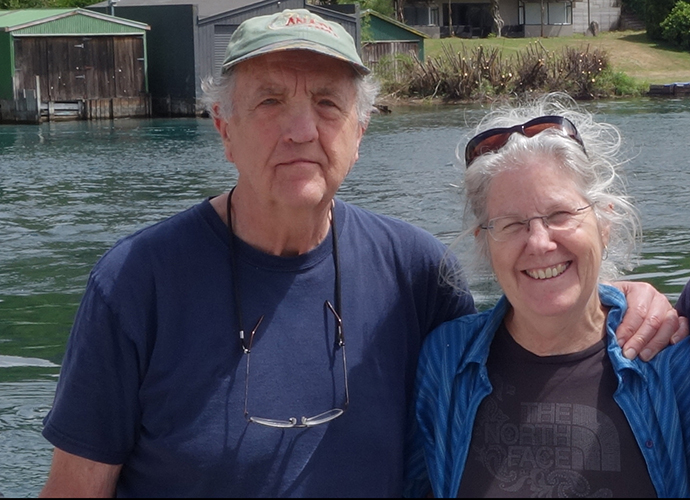
Feature
Winter 2020
Stephanie Guildford and Bob Hecky built shared careers studying large lakes in Africa and North America.
Building strong international scientific networks in the African Great Lakes By Jessica Ives and Ted Lawrence IISD-ELA and ACARE partner to tackle algal blooms in African Great Lakes. Last November, nearly 100 freshwater experts from 18 countries gathered in Entebbe, Uganda. Their purpose? To answer the call for more collaborative research in understanding the African Great Lakes (AGL). Unlike the North American Great Lakes, these large lakes in East Africa each lack long-term, comparable, peer-reviewed data.For decades, international researchers have been calling for more collaborative work in the AGL region. During the past five years, several undertakings have highlighted these calls to action: the Great Lakes to Great Lakes Initiative, spearheaded by Russell Feingold, former U.S. senator and special envoy to the Great Lakes region of Africa (2015); the Global Conference on Inland Fisheries in Rome, sponsored by the United Nations’ Food and Agriculture Organization and Michigan State University, which resulted in 10 consensus-based steps toward achieving responsible inland fisheries (2016); and the African Great Lakes Conference in Entebbe, Uganda, led by The Nature Conservancy with funding from the MacArthur Foundation (2017). Additionally, in 2017, the African Center for Aquatic Research and Education (ACARE) was formed by freshwater experts from Africa and North America. Its goal is to better address the challenges facing the AGL by strengthening collaboration among freshwater experts both worldwide and specifically within the AGL riparian countries.“Strengthening collaboration and communication is critical for a resilient scientific and management community that effectively makes use of their limited resources,” says Robert Hecky, ACARE board member and editor of IAGLR’s Journal of Great Lakes Research. “IAGLR is mostly familiar with this in the North American Great Lakes, where cross-jurisdictional collaboration is well established. Thus, we look forward to strengthening the interaction of the global freshwater communities surrounding these large lake systems at IAGLR 2020.”ACARE convened a workshop in November 2019 in Entebbe, Uganda, centered around establishing a network of collaboration and information exchange on the AGL. This network is loosely based on the successful lake committee model that administers the Joint Strategic Plan for Management of Great Lakes Fisheries for the Laurentian Great Lakes. However, for it to succeed, this AGL network and the processes around it must be designed by African experts to fit African contexts and goals. The workshop was cohosted by ACARE, the Lake Victoria Fisheries Organization (part of the East African Community, a regional intergovernmental organization), and the National Fisheries Resources Research Institute (one of Uganda’s public research institutes), and it included participants from all 10 of the riparian AGL countries.Using a mixed plenary–breakout format, the workshop established six multi-jurisdictional, lake-specific advisory groups comprised of participants from the AGL riparian countries to help address the gaps in knowledge about each AGL. Each advisory group had the same basic structure and overall goals, but had the freedom to develop specifics independently within the context of its lake(s). These groups are the Lake Edward/Albert Advisory Group, the Lake Kivu Advisory Group, the Lake Malawi/Niassa/Nyasa Basin Fisheries & Aquaculture Network, the Lake Tanganyika-Scientific Advisory Group, the Lake Turkana Advisory Group, and the Lake Victoria Advisory Group.Each group created a purpose statement, identified missing key participants, designed group structure and processes, and developed next steps, which included a commitment to meet at least annually. At these annual meetings, each advisory group will prioritize research needs and harmonize both research approaches and data collection efforts among their riparian counterparts. Details of the workshop outcomes are available in a workshop report.“The purpose of this process is so that each lake can produce long-term, comparable, and peer-reviewed data that can eventually be used to positively influence policy and management,” explains Kevin Obiero, director of the Kenya Marine Fisheries Research Institute’s Sagana Research Centre and member of both the ACARE board and IAGLR. “Additionally, we intend that each group not only harmonizes research on its specific lake, but among the other lakes through larger, inter-basin meetings. We hope that we will be better equipped to direct financial and research resources where they are needed most and allow for more efficient information and data exchange.”We view international collaboration as essential to IAGLR’s interest in the global advancement of large lake science. While the AGL are fascinating from a scientific viewpoint, they historically have been studied in disparate and piecemeal ways. Critical outcomes of the AGL collaborative process can improve upon that history by influencing research to be useful to the local communities and by creating clear lines of communication both among AGL research communities and between the African researchers and the global freshwater community. In that spirit, more than 20 African freshwater scientists will attend the IAGLR conference in Winnipeg this June to engage with IAGLR members. Seek them out to help strengthen the global freshwater community.If you are interested in becoming involved with ACARE or following our efforts, please reach out to Ted Lawrence (ted@agl-acare.org).
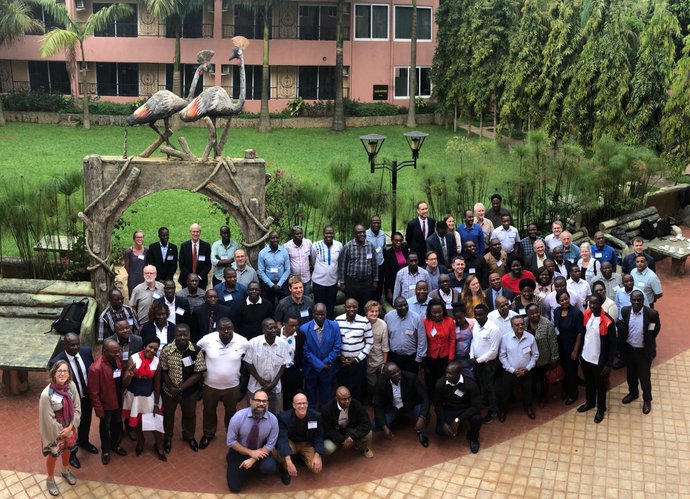
Perspective
Winter 2020
IISD-ELA and ACARE partner to tackle algal blooms in African Great Lakes.
Joseph Henry Leach By Mark Fitzpatrick and Doug Haffner Joseph Henry Leach (1931–2019) contributed significantly to Great Lakes fisheries and zebra mussel research. A true friend of the Great Lakes has passed away, leaving a legacy of accomplishments to protect and conserve one of the most important ecosystems on Earth. Joseph Leach graduated from the Ontario Agricultural College (Guelph, Ontario) in 1954. While his early career focused on banking, he eventually returned to academia and, in 1969, received his doctorate at the University of Aberdeen, Scotland. As a research scientist in the Ontario Ministry of Natural Resources in Wheatley, Ontario, Joe’s research interests were holistic in nature and focused on the lower food web of Lake Erie with respect to sustaining the sport and commercial fisheries of the lake. He also was a strong advocate for comparative ecology, and using this framework played a major role in leading research efforts to quantify the effects of the zebra mussel invasion on the structure and dynamics of Great Lakes food webs.Joe served as IAGLR president and organized its 21st annual conference in 1978. He received IAGLR’s Anderson-Everett Award (1992) and Lifetime Achievement Award (2008) for his dedication and commitment to Great Lakes research. He served on many committees of both the Great Lakes Fishery Commission and the International Joint Commission and thus played a major role in integrating fisheries and water quality management. Perhaps his greatest contribution was his ability to bring people with different expertise together to develop the science framework for the implementation of the ecosystem management approach endorsed by both Canada and the United States.With his smile and wisdom, along with a dram of good scotch, Joe stands among the very best of Great Lakes researchers. Thank you, Joe, for your friendship and your many contributions. Your love for the Great Lakes will always be an inspiration for all of us.
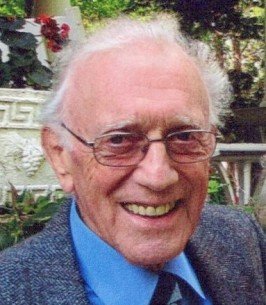
In Memoriam
Fall 2019
Joseph Henry Leach (1931–2019) contributed significantly to Great Lakes fisheries and zebra mussel research.
EPA deploys autonomous underwater glider to explore Lake Erie hypoxia Glider returns with a tinge of orange
By Tom Hollenhorst and Paul McKinney An EPA glider mapped the hypoxic zone in Lake Erie, revealing iron oxidation. EPA’s glider (which is normally bright yellow, top left) was stained orange by high concentrations of iron (bottom left and right) as it collected data in the hypoxic bottom waters of Lake Erie’s central basin.In support of the 2019 Lake Erie Cooperative Science Monitoring Initiative, the Environmental Protection Agency “flew” its autonomous underwater glider (a Teledyne Slocum G2) to explore the recurring hypoxic zone of the lake’s central basin.The zone’s hypoxia is exacerbated by the seasonal growth and subsequent decomposition of a large amount of plankton (algae and zooplankton). This decomposition depletes the benthic dissolved oxygen concentration to below 2 mg/L, resulting in the late summer formation of a hypoxic layer that typically extends from 1 to 5 meters above the lake bottom. Lake Erie’s hypoxic layer negatively affects its aquatic habitat and biota, creating a large area sometimes referred to as a “dead zone.”In its investigation of the dead zone, the glider traveled nearly 500 kilometers during a three-week mission funded under the Great Lakes Restoration Initiative. It completed more than 10,000 vertical profiles of the water column while collecting temperature, conductivity, and chlorophyll data in addition to dissolved oxygen concentrations.When it was retrieved after its exploration, the normally bright yellow glider was stained orange. This color was likely imparted by the hypoxic layer’s dissolved iron oxidizing onto the glider’s body while it traversed the water column. Although there is more to investigate, some researchers have hypothesized that the excessive iron hydroxide that forms under hypoxic conditions may correlate with the amount of phosphrous released from the sediment. Regardless, it seems EPA’s glider encountered a geochemically reactive environment in the hypoxic zone of Lake Erie!
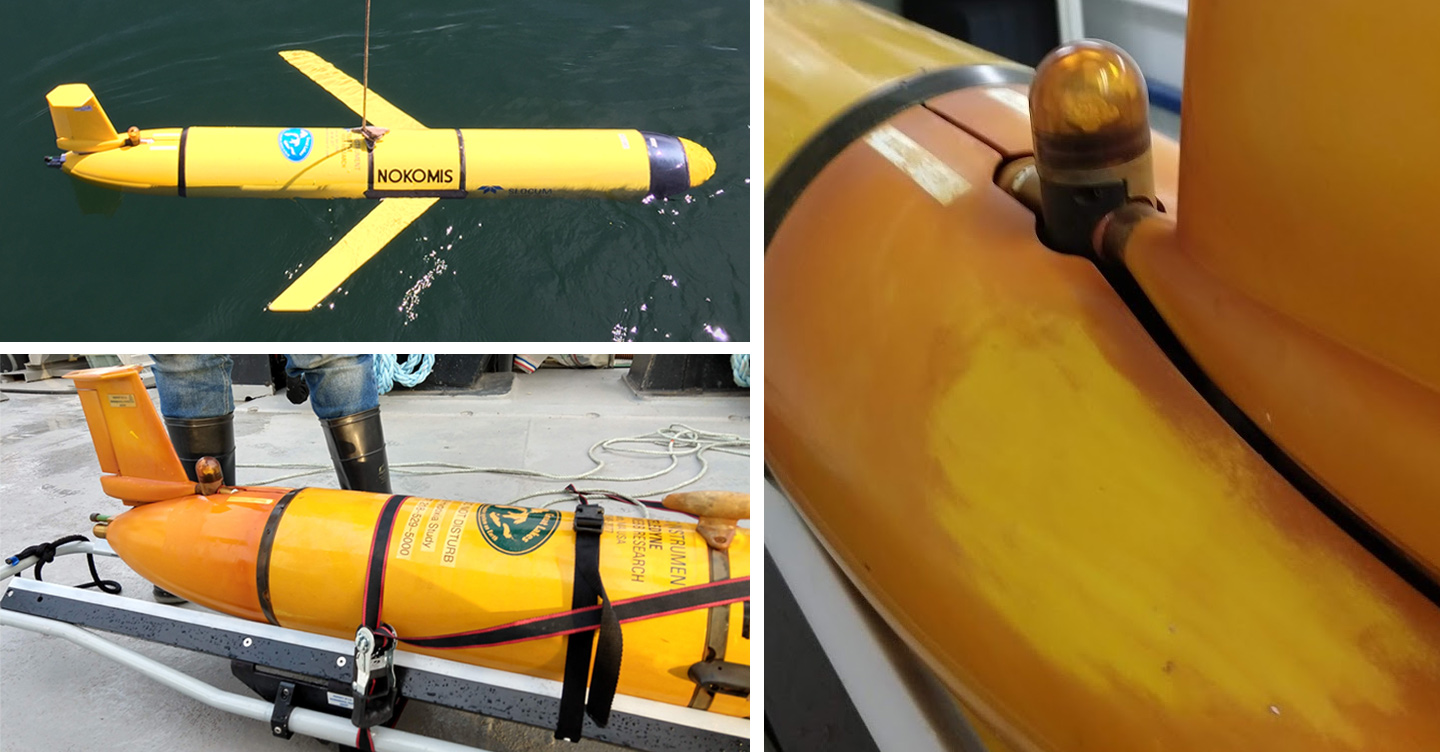
Research Brief
Fall 2019
An EPA glider mapped the hypoxic zone in Lake Erie, revealing iron oxidation.
Up close and personal with Lake Superior periphyton By M. Megan Woller-Skar and Ali Locher An autonomous vehicle collects high-resolution images of Lake Superior to model periphyton. Periphyton is the collection of organisms including algae, fungi, and bacteria that attach to submerged surfaces in freshwater ecosystems. As primary producers, they collect energy from the sun and make it available to other organisms in aquatic food webs. Periphyton communities in the Great Lakes can provide clues as to how fluctuating water levels due to climate change may affect aquatic communities, the health of aquatic systems, and the quality of water for human use. The compositions of these communities vary even within small geographic areas as they respond to depth- and location-specific chemical and physical factors such as temperature, nutrients, and substrate geology. To get a close look at these communities and their habitats, we need detailed photos and maps of the lake bottoms where they live.We used Michigan Technological University’s fully autonomous underwater vehicle, the IVER 3, to collect amazing, high-resolution (<10 cm) bathymetric images using side scan sonar at three locations in Lake Superior along the Keweenaw Peninsula. These bathymetric data are allowing us to map small-scale variations in substrate and to model factors that may influence the presence and composition of periphyton communities. In addition, the data will help us predict how lake level changes forecast for Lake Superior will potentially impact its periphyton community assemblages. In the face of increasing demands on water resources, it is vital that we understand the implications of a changing climate on aquatic systems in the Great Lakes. The IVER 3 will help collect data to allow us to do just that.
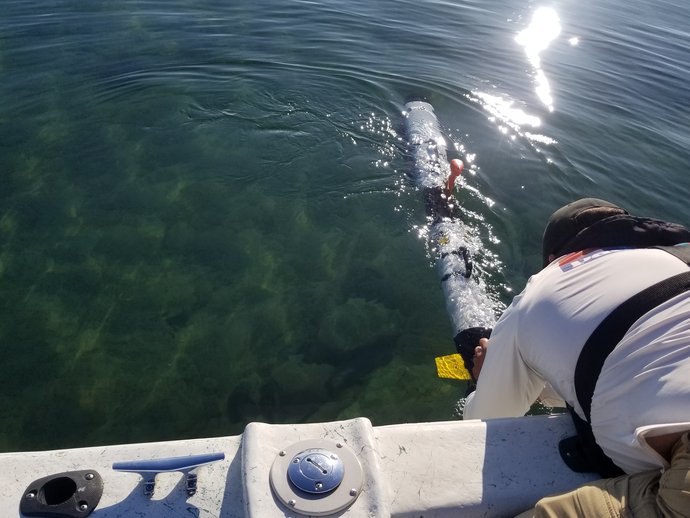
Research Brief
Fall 2019
An autonomous vehicle collects high-resolution images of Lake Superior to model periphyton.
“Smart skin” for sea lamprey detection By Xiaobo Tan Soft pressure sensors detect sea lamprey attachment and trigger deterrents at fish passages. The ability to selectively pass fish along a waterway has emerged as a high priority for the conservation, management, and restoration of Great Lakes fish communities. Deterioration of dams in Great Lakes tributaries and the recognized need to restore connectivity between lakes and tributaries have increased the urgency of developing strategies to allow passage of native and desirable fishes while blocking and/or removing invasive or undesirable fishes. A primary challenge to developing selective fish passage structures in the Great Lakes is preventing successful passage of sea lamprey (Petromyzon marinus) at fishways near dams, where their detection is key.Funded by the Great Lakes Fishery Commission Sea Lamprey Research Program, researchers at Michigan State University and the United States Geological Survey’s Hammond Bay Biological Station are working on a “smart skin” technology that can autonomously detect the suction of adult sea lampreys. The smart skin consists of arrays of soft pressure sensors embedded in a flexible substrate, which allows it to be mounted on variably shaped surfaces within or near fishways. Using the distinct pressure profile created by lamprey mouth suction, the researchers hope to detect the attachment of lamprey to the smart skin and then trigger a localized electrical stimulus to repel or deter it. In addition to its potential use for selective fish passage, smart skin technology also could be deployed in streams to determine the timings of sea lamprey entry and upstream migration for improving understanding of their refuge-seeking behavior.
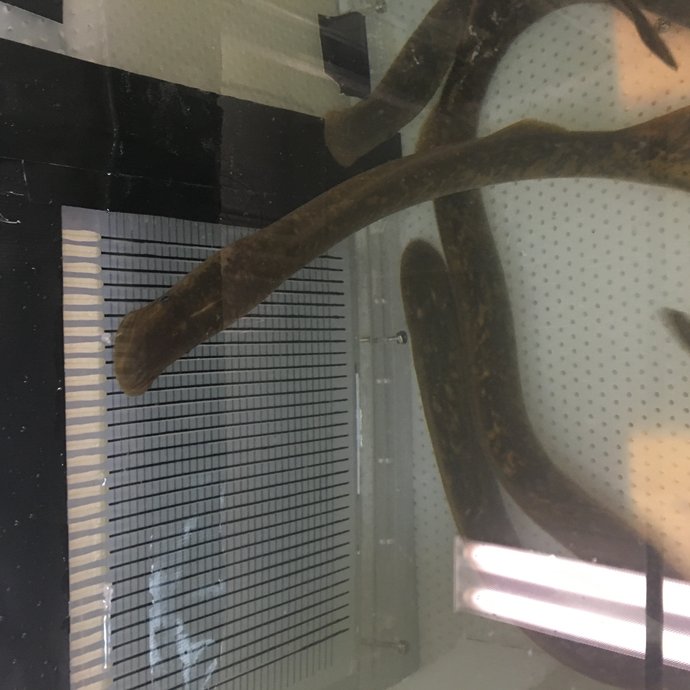
Research Brief
Fall 2019
Soft pressure sensors detect sea lamprey attachment and trigger deterrents at fish passages.
Lakebed 2030: A vision of comprehensive Great Lakes mapping coverage By Hans W. Van Sumeren The Lakebed 2030 initiative aims for comprehensive mapping of the Great Lakes lakebed. The need exists for better mapping across broader areas within all large lakes of the world. Consider, for example, the Laurentian Great Lakes and their limited high-resolution bathymetry and substrate data. Estimates of coverage for the Great Lakes basin vary from 4 to 12 percent, lagging behind the 18-percent coverage achieved for the world’s oceans (Mayer et al. 2018). In fact, we have significantly more information at a much higher resolution for the surface of Mars than we do for either the Great Lakes or the world ocean. Such large gaps indicate a need for data collection strategies that streamline access, emphasize standards and competencies, and prioritize areas of need to benefit multiple user groups. New collaborative approaches combined with accessible data repositories and technological advancements can help move us closer to a well-understood Great Lakes basin, and may allow us to one day realize a complete and comprehensive view of the basin’s lakebed.Seabed 2030 is a collaborative project between the Nippon Foundation and the General Bathymetric Chart of the Oceans. The project aims to bring together all available bathymetric data to produce a definitive map of the world ocean by 2030. A Lakebed 2030 project could similarly drive support and the development of strategies for obtaining 100-percent coverage for the Great Lakes. The Marine Technology Society collaborated with Northwestern Michigan College (NMC) in Traverse City, Michigan, to hold the Great Lakes TechSurge–Lakebed 2030 conference in October. Stakeholders shared their perspectives and experiences to better understand bathymetric lakebed mapping. They discussed current practices, new approaches, successful partnerships, and lessons learned, and they identified several challenges and opportunities.Data collected over a 20-minute period using an autonomous surface vehicle with onboard multibeam sonar in NMC's Great Lakes Campus harbor on Grand Traverse Bay, Lake Michigan, in Traverse City, Michigan. Credit: Mike Mutschler, Seahorse Geomatics and Matthew Moss, White Lake Dredge & Dock.From a Great Lakes perspective, fulfilling this vision of 100-percent coverage requires building capacity at local, regional, and international scales and further developing (or creating) collaborations that freely share collected data, technological advances, and workflow strategies. We must further classify, compile, and process these data into a robust and freely accessible digital repository that clearly defines existing coverage and data resolution. Gaps in data coverage could then be assessed and prioritized through continuing collaborations.Advancements in technology promote new collection strategies for mapping the gaps, and they provide opportunity for innovative approaches in meeting these needs. Specifically, rapid advances in acoustic technology and robotics are leading to innovative approaches that maximize efficiency, resolution, and visualization of the entire Great Lakes and other water bodies throughout the world. Multibeam sonar data can provide a broad understanding of the lakebed bathymetry, substrate, and water column all in a single pass. Unmanned surface vessels, autonomous underwater vehicles, and long range sub-surface gliders now navigate all marine domains equipped with a wide variety of sensor packages. The use of these platforms extends data collection windows and requires significantly fewer personnel for operation. Further developments in unmanned aerial systems can capture nearshore environments at a much lower cost and faster response.Recent mapping in the Straits of Mackinac included the use of multiple autonomous surface vessels virtually coupled to a manned survey vessel, which allowed for a near doubling of the swath of mapping coverage without requiring additional personnel or time on task. Data collection advancements like this have revolutionized our ability to comprehensively visualize the lakebed and water column. What began as single depth and position measurements taken by a lead line and sextant has evolved into massive amounts of data being collected in a single ping: multiple depths at decimeter resolution and highly accurate positions, identification of lakebed features, significant substrate identification, and complete water column coverage. The bathymetric mapping systems used today can collect data across multiple frequencies at swath widths of more than three times the water depth (as pictured above). This use of multiple frequencies provides multispectral backscatter return from the lakebed, with each return providing significant delineation in habitat classification and general lakebed structure. Staggering those frequencies during a single collection pass ensures comparability of the backscatter across all frequencies thus allowing the user multiple perspectives of the lakebed in a single transect.“Megaswath” with two ASVs on either side of the main survey ship. Data collection covers a swath nearly a 1 kilometer wide. Courtesy David Neff, eTrac.Realizing a comprehensive map of the Great Lakes will require significant contributions from beyond the formal mapping and science channels. Integrating commercial off-the-shelf (COTS) mapping technologies into crowdsourcing opportunities represents an additional approach toward reducing the gaps in data coverage and accelerating the vision of Lakebed 2030. COTS technologies are improving in quality and accessibility, and could be used to outfit ferries, commercial ships, and recreational vessels to collect data during their normal operations.A successful Lakebed 2030 project will produce a definitive map of the Great Lakes and, in so doing, will empower policy decision making, sustainable use of the lakes, and the scientific research that relies on comprehensive information on the Great Lakes.NMC students conducting multibeam sonar operations. The college offers numerous training programs in support of marine sectors such as mapping and surveying, data processing, and subsurface marine technology. Graduates of its marine technology undergraduate program are 100% employed in the marine industry, and they work throughout the world including in many positions within the Great Lakes region. NMC also offers professional development opportunities designed for the working professional in multiple areas of marine technology. Photo by Hans Van Sumeren.
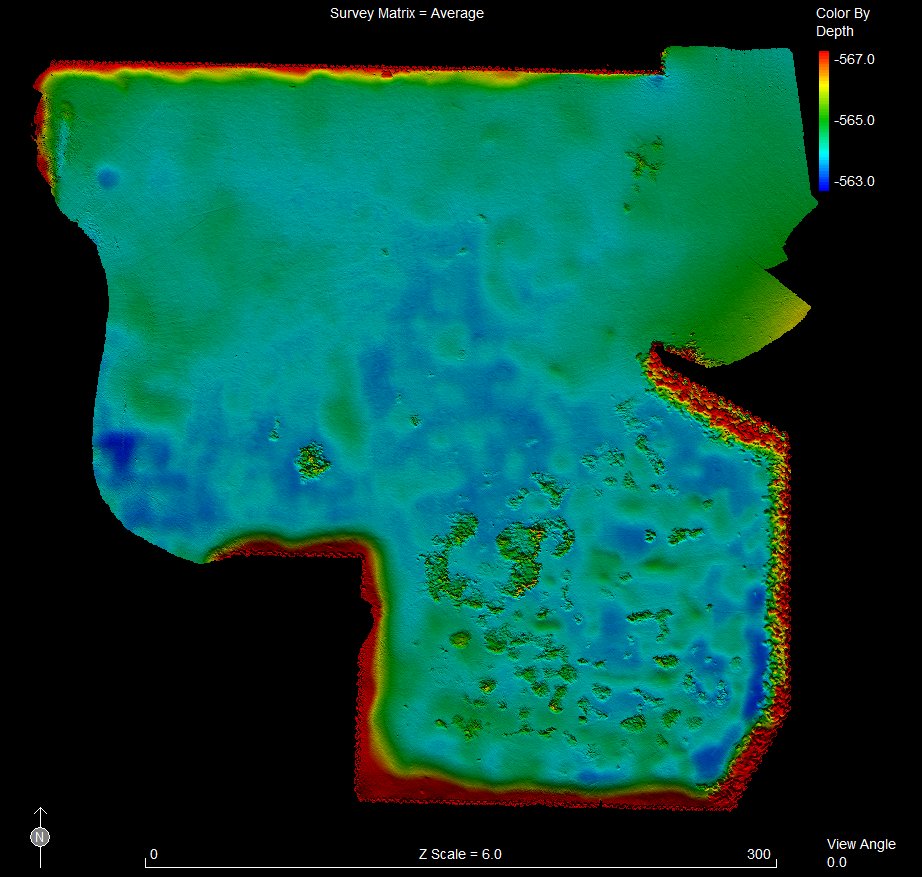
Feature
Fall 2019
The Lakebed 2030 initiative aims for comprehensive mapping of the Great Lakes lakebed.
Old tech, new approach: Innovative use of mooring and glider technology to study Lake Superior convective processes By Jay Austin A large horizontal mooring helps scientists study convective processes in Lake Superior. Conceptual drawing of the horizontal mooring and glider path against a convective background. Red dots represent thermistors, yellow dots represent flotation devices, and blue dots represent pressure sensors.To study new phenomena, sometimes we need to reconsider either how we use traditional technologies or how we interpret the data they provide.Take, for example, the study of springtime convective processes in Lake Superior. Convection can occur when a water column is below its temperature of maximum density (about 4° C) and sunlight heats the near-surface water causing it to become denser and sink to the bottom. This movement displaces deep water toward the surface and provides a pathway for water column constituents to travel from the lake’s surface to its bottom in just a few hours in even the deepest parts of the lake. The ecological significance of this circulation has been explored in shallow lakes (e.g., Yang et al. 2017), but is poorly understood in deeper lakes like Superior. Recent work (Austin 2019) suggests convective cells dominate the circulation of Lake Superior for two to three months of the year, a significant portion, indicating the need for exploration of deep lake convective processes.One challenge in studying these processes is that we’re not that good at measuring the relatively narrow widths of convective cells. Most traditional observational techniques, such as CTD profiling or single-point moorings, assume that horizontal variability occurs on scales much larger than does vertical variability. In most cases, this is a reasonable assumption as vertical structure is driven by water column light penetration and density stratification. However, recent results suggest springtime convective cells have lateral scales on the order of just tens to hundreds of meters, making traditional approaches unviable. We are meeting this challenge with two new approaches: first, an innovative way to interpret data collected in a traditional fashion; second, a new design for a platform on which to deploy standard instrumentation.Interpreting data in a new wayAutonomous gliders are becoming a mainstay of oceanographic research, and are starting to be used more frequently in large lake research. A usual way to interpret data collected along the gentle slope (1:2) of a typical glider’s path is as a representation of a vertical profile, as would be collected by a CTD profiler. Yet for fairly narrow convective cells, variability along the glide path also may reflect lateral variability. Such may be the case for data collected during springtime convection, and estimates of the abundance of anomalously warm regions have allowed us to place some preliminary constraints on the size of convective plumes and cells.Standard tech, new designTo further address the issue of variability on very short lateral scales, we recently designed, built, deployed, and recovered a large “horizontal mooring” with support from the National Science Foundation. This mooring allowed us to deploy a two-dimensional array of precision thermistors. The platform is large, standing 150 meters tall, and the instrumented portion spans a width of 180 meters. It carries 48 RBR TR-SOLO thermistors and seven pressure sensors used to verify orientation of the mooring as currents displace it. This mooring was accompanied by several auxiliary platforms including a meteorology buoy and a current profiler. The data collected are allowing us to study the development of individual convective cells. This is a great example of how a traditional technology, like off-the-shelf thermistors, deployed in an innovative fashion allows us to ask (and answer!) questions that we otherwise might not be able to address. Insights from this research will provide us with a greater understanding of how the convective processes of the largest of the Great Lakes behaves for several months of each year."
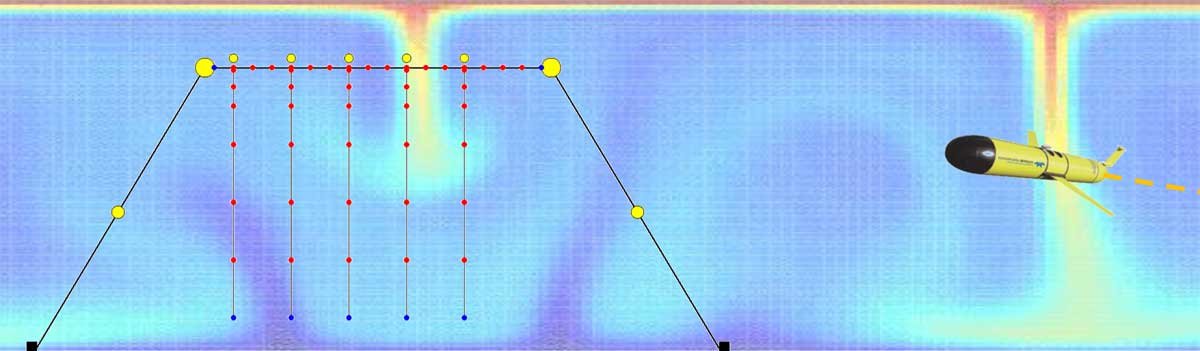
Feature
Fall 2019
A large horizontal mooring helps scientists study convective processes in Lake Superior.
Underwater robots: Helping NOAA to better understand harmful algal blooms in the Great Lakes By Gabrielle Farina NOAA tests autonomous vehicles to detect microcystin toxins in Lake Erie algal blooms. In late August 2019, two underwater robots zigzagged beneath the surface of western Lake Erie to test new technology that autonomously monitors and measures in near real time the toxicity of Great Lakes harmful algal blooms (HABs). This was the second year in which the National Oceanic and Atmospheric Administration (NOAA) tested these robots and the first year that two were sent out at the same time. These field trials are part of an ongoing collaboration between NOAA, the Monterey Bay Aquarium Research Institute (MBARI), and the Cooperative Institute for Great Lakes Research (CIGLR). Project researchers tested these underwater vehicles to see how well they worked in a shallow, turbid, freshwater system and to see what tweaks were needed to make them part of NOAA’s efforts to forecast, monitor, and understand HABs in the Great Lakes.HABs develop when excess nutrients from fertilizers, sewers, and water treatment plants wash into the Great Lakes causing algae to grow out of control. Continuous monitoring of them is important because the toxins they produce can contaminate drinking water and pose a risk to people and animals.“The ability to measure algal toxins on the fly using autonomous vehicles will be a game changer for researchers and resource managers,” says Chris Scholin, president and CEO of MBARI. “Lake Erie and Monterey Bay are the only places in the world where this has been attempted.”The LRAUV Tethys glides through the green, algae-rich waters of Lake Erie to determine the extent and intensity of the bloom. Photo by Ben Yair Raanan © 2019 Monterey Bay Aquarium Research Institute.The robots, known as long-range autonomous underwater vehicles (LRAUVs), each had a unique mission that helped scientists study the HABs. The first robot, named Tethys, searched for patches of algae that might be toxic to determine how far each discovered bloom extended and where it was most concentrated. The other robot, Makai, carried a third-generation Environmental Sample Processor (3G ESP) known as a “lab in a can” to measure levels of microcystin, a liver toxin produced by the cyanobacteria that commonly comprise Lake Erie HABs. Whenever Tethys found bloom patches likely to have high microcystin concentrations, it informed an operations team, which sent Makai to measure toxin levels in that area.LRAUVs collect high-quality data efficiently, cost-effectively, day and night, and in all weather conditions. They can provide more detail about how far a bloom has spread and how fast a bloom is moving than can traditional sampling from a boat. This information can also help complete satellite data gaps, which often result from cloud cover in the Great Lakes region. In addition, onboard 3G ESPs can measure algal toxin levels in near real time, a process that otherwise takes overnight to complete. These features help drinking and recreational water managers stay ahead of treatment plans and keep water safe. Once fully operational, these underwater robots will give NOAA the ability to detect, monitor, and map HABs and their toxicity on a 24/7 basis.CIGLR scientist Russ Miller and summer fellow Lauren Marshall prepare LRAUV Makai for deployment in Lake Erie. Photo courtesy of CIGLR.“We are always looking for ways to improve our understanding of harmful algal blooms in the Great Lakes, and having the ability to continuously detect and report on these blooms would be a big boost to our efforts,” says Debbie Lee, director of NOAA’s Great Lakes Environmental Research Laboratory. “Harmful algal blooms have a big impact on Great Lakes residents, and, by teaming up with MBARI to advance technological innovations of these LRAUVs, we’re working to protect lives here in the Great Lakes and beyond.”To read more about this project and Great Lakes HABs, check out the full article on NOAA’s Oceanic and Atmospheric Research website.
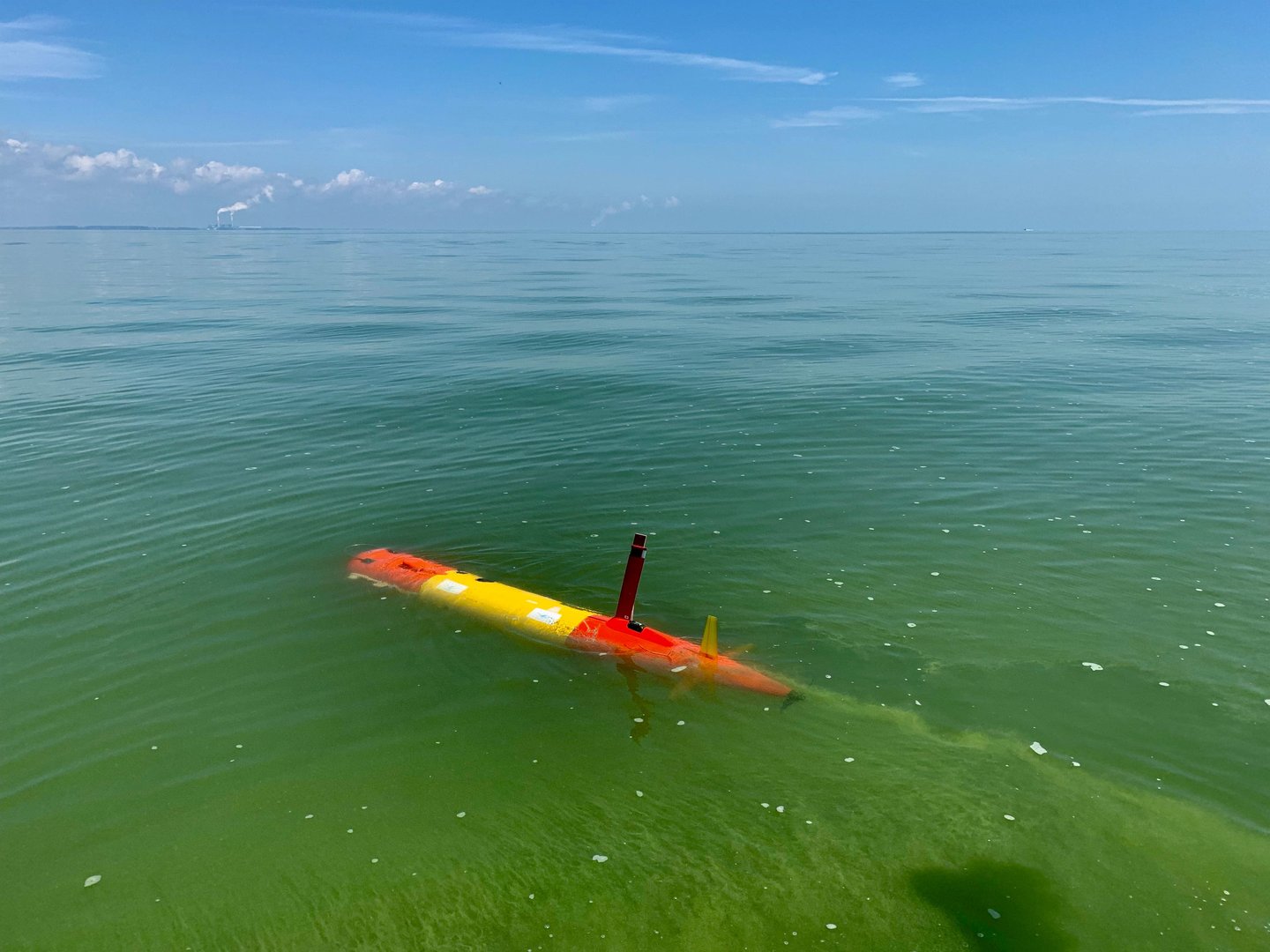
Feature
Fall 2019
NOAA tests autonomous vehicles to detect microcystin toxins in Lake Erie algal blooms.
iNaturalist: Exciting research possibilities lurk in accessible dataset By Austin Happel Researchers use iNaturalist app to analyze fish species distributions and infection patterns. Smartphones are seemingly everywhere. It’s estimated that 81 percent of Americans and 66 percent of Canadians now own these devices, which are capable of taking photos, logging GPS coordinates, and accessing the Internet. Citizen science projects take full advantage of this technology, having evolved from using pen and paper, to computer, to smart phone apps for collecting and recording data while engaging the public in research.Photos taken by iNaturalist users of Creek Chub (top left), Largescale Stoneroller (Campostoma oligolepsis; top right), Bluehead Chub (Nocomis leptocephalus; bottom left), and Blacknose Dace (bottom right) exhibiting evidence of black spot grub infections. Top, left to right: © Quinten Wiegersma (CC-BY), © katieburelle (CC-BY-NC); bottom, left to right: © Mathew A Williams (CC-BY-NC), © Mike V.A. Burrell (CC-BY-NC), some rights reserved.iNaturalist is one such app. With it, any person can upload geotagged photos of plants and animals, and both they and other iNaturalist users can participate in identifying the organisms. Observations are cataloged by taxonomy, region, and other characteristics, and they can be pooled as iNaturalist projects. For example, the Amazing Aberrants project catalogs observations of rare color morphs of species (e.g., albinism), whereas the Great Lakes Fish Finder project seeks to increase the number of freshwater fish observations made in the Great Lakes region. To date, more than 28 million observations representing 239,500 species throughout the world have been uploaded to the iNaturalist open-access database.Of those millions of observations, 1.2 percent are of fish. As a fish nerd, I began to explore this dataset to see how I could both use the data and persuade others to upload fish photos to increase the dataset’s size. What angler doesn’t already take pictures of their catches? I decided the best way to convince others to begin using iNaturalist was to illustrate how the data could be used for scientific purposes. Maybe I could match the range of a spreading invasive species with that shown in the USGS Nonindigenous Aquatic Species database, or the timing of when a migratory species appears in an area with known spring ice-off periods, or maybe come up with something new as I played with the data.I began exploring iNaturalist, seeing what fish species were commonly posted, and noting where observations were more common. I also determined what some of the pitfalls of using the data would be. While doing so, I noticed that some of the fish had visible evidence of infection by black spot grub trematodes. These parasites live in fish’s flesh, and, as protection, an infected fish’s immune system surrounds the trematode with fibrous material and melanocytes, a process that creates the visible black spot that gives the disease its moniker.Having seen these spots on a few fish, I decided to start categorizing fish on iNaturalist based on black spot presence versus absence. I started with Creek Chub (Semotilus atromaculatus) because people seemed to have held them closer to the camera for their photos (likely due to their small size), which made it easier for me to analyze their skin for black spots. Smaller fish also tend to have more translucent skin, making the black spots more visible. After reviewing some 550 Creek Chub photos, I mapped each animal’s location using the photos’ geotags. I was surprised to see more infected Creek Chub in the southern part of Canada than elsewhere. I then looked at black spots in other species and found the same geographic distribution pattern for infected versus not infected Blacknose Dace (Rhinicthys spp), Nocomis spp., and Campostoma spp.I recently published these data (Happel 2019). Not only does my publication show there is a pattern to where fish exhibit symptoms of black spot grub infections across North America, it also demonstrates that data collected using citizen-science-based platforms such as iNaturalist can offer exciting research opportunities. Hopefully others will begin to use this large, freely accessible database of observations, and will also promote the contribution of additional fish (and other) observations.
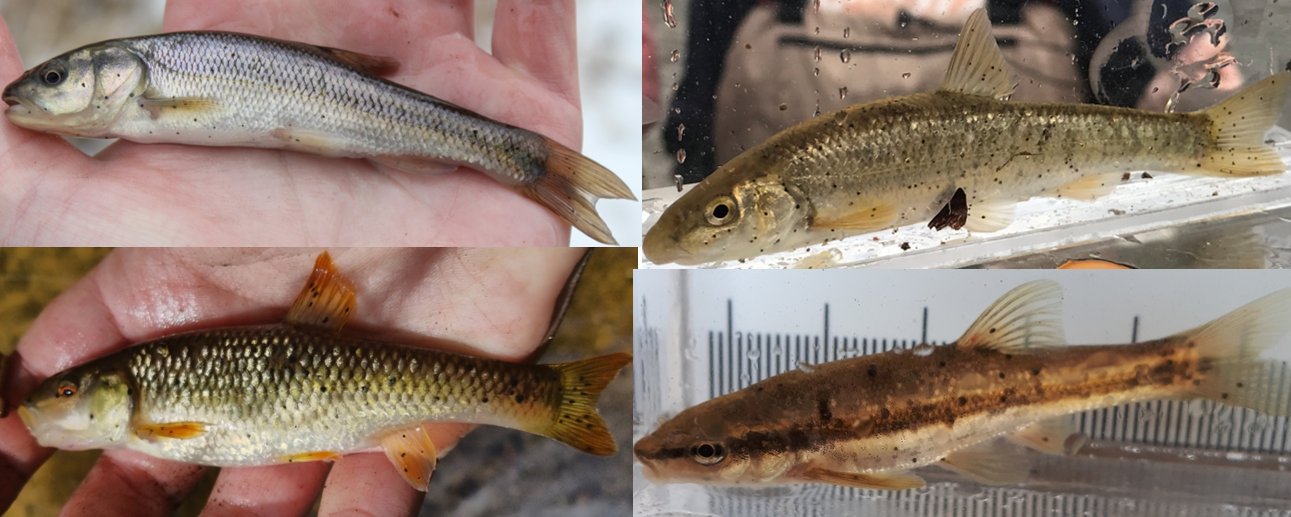
Feature
Fall 2019
Researchers use iNaturalist app to analyze fish species distributions and infection patterns.
20 Years & Counting: The continuing evolution of the molecular limnologist’s toolbox By Steven W. Wilhelm, Helena L. Pound, and Robbie M. Martin Two decades of molecular biology tools are transforming our understanding of lake ecosystems. It has been two decades since the tools of modern molecular biology—primarily DNA and RNA sequencing—have been commonly available to limnologists. As DNA sequences provide the blueprint for all living organisms and many viruses, researchers can use sequence information to determine which organisms are present in a sample and the metabolic potential these organisms may have. From viruses (Stough et al. 2017) to fish (Thomsen and Willerslev 2015), and whether in sediments (DeBruyn et al. 2009) or open waters (Steffen et al. 2017), these molecular tools can be employed in the assessment of any biotic community, its members, or its processes. With careful interpretation, this information has incredible power and still unrealized potential.Today, DNA-sequence-based molecular methods generally fall into one of two broad categories. Targeted approaches typically use the polymerase chain reaction to amplify marker genes whose sequences contain key information about the identity or functional potential of an organism or community. A classic example includes the 16S rRNA gene as it is highly conserved among bacteria and archaea; sequencing this gene gives researchers an idea of which prokaryotic species are present in a microbial community. Alternatively, shotgun approaches attempt to sequence all genes in a sample to assess that community’s functional potential. DNA sequencing (i.e., genomics) can provide a blueprint that indicates what cells may try to do. This blueprint helps researchers to predict possible responses of a microbial community to perturbations in its environment. On the other hand, RNA sequencing (i.e., transcriptomics for single species or metatranscriptomics for an entire community) can reveal what cells are trying to do. Given the rapid turnover of RNA in cells, researchers can view actual community responses that occur in minutes to hours.Sequencing technology has evolved at a rapid pace during the last two decades. While typical sequencing in the 1990s commonly topped out at 50–100 sequences per sample, shotgun sequencing can now routinely generate billions of individual DNA or RNA reads per project, with 30–50 million reads being common for every sample (e.g., Tang et al. 2018). This deeper exploration of the genetic content that modern molecular techniques enable is particularly pertinent to studies of the biogeochemical processes in lakes. Bacteria are a major driver of these processes, and, as they persist ubiquitously at abundances of 105 to 106 per mL of lake water (DeBruyn et al. 2004), their abundance and distribution make them excellent targets for molecular assessment as sufficient bacterial material can be collected for community analyses from just a few cups of water. One example of such a molecular assessment is the estimation of the quantity of toxin-encoding genes in a cyanobacterial bloom (pictured). This metric provides a relative measure of the bloom’s toxin potential and can be used in conjunction with nutrient and temperature data to help biologists and water managers understand when high toxin loads might occur in a given water body (Rinta-Kanto et al. 2009). Increased ability to analyze genetic content using molecular tools, accompanied by parallel advances in bioinformatics, allows for the simultaneous characterization of nearly all biological processes for each member of a microbial community. By analyzing samples collected to have spatial and temporal variability, researchers can tease apart how the millions of microbes in every milliliter of water work together to shape lake function.A toxic cyanobacterial bloom near the Taihu Laboratory for Lake Ecosystem Research in China. Microcystis blooms have become a global problem in recent decades, and the tools of the modern molecular limnologist are shedding light on the factors that promote and constrain such events. Photo courtesy Steven W. Wilhelm.While modern molecular techniques allow assessment of much about the microbial community, we note that some of these approaches are only semi-quantitative. Shotgun sequencing, for example, provides information in terms of relative, not absolute, numbers in a sample; as such, it allows for powerful comparisons of shifts in function or community member activity, but it does not provide complete quantification. However, targeted approaches performed for an entire community can allow for absolute quantification. Evolving technological adaptations can further improve the quantification precision of these approaches.Both technological adaptations of existing molecular tools as well as new molecular technologies are on the horizon. Examples of technological adaptations include digital PCR, which is a more precise and sensitive alternative to conventional and real-time quantitative PCR, and proteomics, which uses liquid chromatography coupled to sophisticated mass spectrometry to identify specific proteins in a sample. Interpretation of proteomics data can provide for a robust, semi-quantitative assessment of proteins, which are both longer-lived and, in many cases, more indicative of actual metabolic function than are RNA transcripts. In contrast to these existing tools, metabolomics is a still-emerging molecular technology that assesses small molecules in a biological sample and uses this information to infer the active biochemical pathways within communities. Metabolomics can be particularly powerful for detecting major perturbations in a system, but, as homeostasis is something all cells work toward (Steffen et al. 2015), minor changes in a community may not be detected by this method.Ultimately, how modern limnologists use molecular tools is a function of both the research question being asked and the limitations of each tool. DNA-based approaches can only be used to interpret community potential, while RNA-based and protein-based assessments indicate actual activity. Metabolomics is an appealing approach to investigating large-scale system disruptions, but any application of this tool must consider that it may not be able to detect minor system disturbances. Finally, the style applied to many of these approaches matters: while a shotgun-styled approach allows for assessment of a broad spectrum of the community, it produces results that are generally only relative in nature; in contrast, absolute quantification is achievable with targeted approaches, but the necessarily narrower scope of targeted assessments can make them less than desirable for some studies. Ultimately, and in spite of their limitations, the tools of the modern molecular biologist hold great promise for limnologists in the future.Definitions and jargon for modern molecular ecology in lakesTargeted: any methods that address a specific gene (or set of genes) in a samplePolymerase chain reaction (PCR): a method in molecular biology to make thousands to millions of copies of a specific DNA segmentShotgun: any methods that address random DNA or RNA targetsGenomics: the field of biology focusing on the structure, function, evolution, mapping, and editing of genomesTranscriptomics: the field of biology focusing on the examination of whole RNA molecules expressed by organisms across biological conditionsMeta-XXX: the prefix “meta” describes approaches used in mixed populations or samplesReads (aka sequences; aka transcripts in the context of RNA): specific copies of DNA or RNA that have been analyzed using sequencing approachesBioinformatics: methods and software tools for understanding biological data, or an interdisciplinary field of science that combines biology, computer science, information engineering, mathematics, and statistics to analyze and interpret biological data (see examples below)Assembly: aligning and merging short nucleic acid fragments to form a longer sequence in an effort to reconstruct the original sequenceAnnotation: identifying the locations of genes and coding regions in a nucleic acid sequence to determine what those genes doRecruitment: matching short reads from sequencing efforts to longer assemblies or genomes to determine the relative occurrence of specific sequences in a sampleProteomics: the large-scale study of the protein complement of an organism or community of organismMetabolomics: the large-scale study of small molecules, commonly known as metabolites, within cells, tissues, or organisms
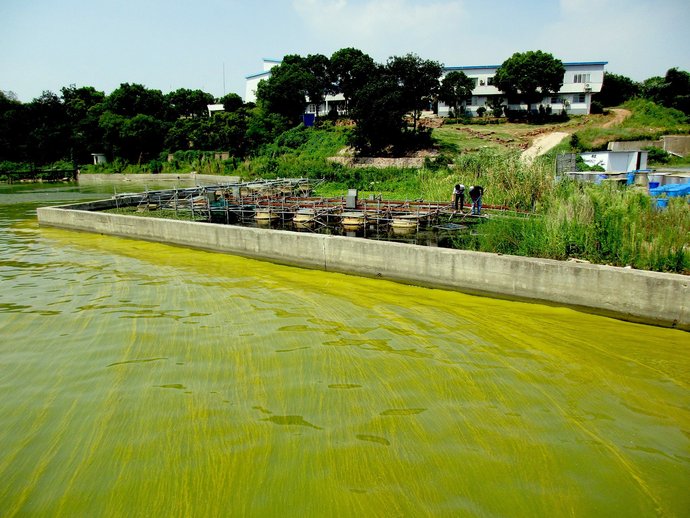
Feature
Fall 2019
Two decades of molecular biology tools are transforming our understanding of lake ecosystems.
Getting real: Real-time technology provides greater insight on water quality issues By Jill Crossman, Elizabeth Striano, and Aaron Fisk Real-time analyzers and the ErieWatch network provide continuous data on phosphorus. An ErieWatch buoy in the Lake Erie western basin at the mouth of the Detroit River. Photo by Jill Crossman.Harmful algal blooms (HABs) and the low dissolved oxygen concentrations associated with them are a growing concern for large water bodies throughout the world. HABs have resulted in fish kills and drinking water advisories, which collectively have caused estimated economic losses of up to US$71 million per year within Lake Erie alone. HABs have been linked to excessive nutrient inputs, specifically those of nitrogen and phosphorus, and in the 1980s, were successfully managed by reducing phosphorus inputs to lakes. Recently, however, bloom frequency and toxicity have increased. Scientists and resource managers have proposed several hypotheses for this bloom resurgence, including changes in phosphorus bioavailability and increases in water temperatures, turbidity, and internal nutrient loads. Determining the specific sources of these water quality issues is challenging in the constantly changing Great Lakes environment with its multiple stressors. Without knowing the cause, it is impossible to find a solution; as a result, HABs issues persist within the Great Lakes. However, new technologies that enable real-time monitoring of nutrients in these water bodies are helping to provide some answers.Traditional water quality monitoring practices such as discrete sampling and laboratory analyses are expensive and labor intensive. As a result, nutrient samples are typically only taken at monthly or bimonthly intervals. The limited amount of data that results from this low sampling frequency combined with high rates of environmental flux create uncertainty in quantification of lake conditions. For example, concentrations of soluble reactive phosphorus (SRP), generally considered to be the most bioavailable phosphorus fraction, can vary greatly throughout the day. During heavy rainfall, SRP values can change by hundreds of micrograms per liter over just a few hours. In addition, nutrient concentrations in collected samples can change during transport to the laboratory as is the case for SRP, which is particularly sensitive to both microbial uptake and release as compared to total phosphorus (TP). Because of this variability, meaningful representations of lake phosphorous conditions require near-continuous measurements of both SRP and TP levels.Due to these limitations in data resolution, scientists have, to date, been unable to measure the impact of nutrient management strategies on the relative bioavailability of phosphorus in large water bodies. The Real-time Aquatic Ecosystem Observation Network (RAEON) aims to address this technical hurdle by providing Canadian researchers with the infrastructure, staff, and data management needed to enable collection of nutrient and other HABs-related data in real time. Based at the University of Windsor, RAEON is directed by Katelynn Johnson and funded by a CA$15.9 million grant recently awarded to RAEON lead Aaron Fisk by the Canadian Foundation for Innovation.RAEON supports research that contributes to management, rehabilitation, and enhancement of ecosystem services. One such program is ErieWatch, developed and run by Jill Crossman, an early career researcher at the University of Windsor. ErieWatch, which consists of a network of four biogeochemical monitoring platforms located across the western basin of Lake Erie, aims to identify drivers of HABs in the region. The platforms support new real-time wet chemical analyzers called WIZprobes, in addition to meteorological stations and more traditional in situ monitoring technologies for dissolved oxygen, light, chlorophyll a, and temperature. Every hour, the WIZprobes can sample the water to analyze three types of phosphorus present: dissolved, soluble, and total. This represents the first time that TP can be analyzed in remote locations, aided by the WIZprobes’ new low-power digestion techniques. Solar-powered portable units transmit live results to in-office computers using telemetry.A WIZprobe and reagent canister (center), pump (left), filters (bottom center), and distilled water (right). Photo by Jill Crossman.These platforms, and the WIZprobes specifically, have provided scientists with the ability to more accurately quantify phosphorus concentrations in large water bodies and to monitor biochemical variables at resolutions that better capture process interactions. Scientists are only just starting to use WIZprobes in North America as they require large networks of instruments and regular maintenance by highly qualified personnel, including calibration and validation in the field; obstacles that RAEON is helping to address.The four biogeochemical research platforms of ErieWatch are part of the first international smart-sensor network in the Great Lakes, created by both RAEON and NOAA’s Great Lakes Environmental Research Laboratory. This network is monitoring hydrodynamics as well as nutrient, dissolved oxygen, phycocyanin, and chlorophyll a levels across Lake Erie’s western basin. Data are uploaded to the Great Lakes Observing System for public access and to help answer many questions such as the following: What effects are management strategies having on SRP:TP ratios? Does a short-term change in SRP:TP encourage algal bloom formation? Is there a specific trigger that causes an entire bloom to become toxic?An ErieWatch buoy in Pigeon Bay, in the western basin of Lake Erie. A WIZprobe is deployed below the waterline. Photo by Jill Crossman.The revolutionary real-time network approach of these technologies offers a better alternative to traditional sample collection methods that can limit the frequency, duration, and scope of environmental research programs. By implementing novel technologies for analyzing underlying process interactions, programs such as RAEON and ErieWatch have the potential to reduce threats posed by HABs and, more broadly, to transform conventional approaches to freshwater resource management to the benefit of policy makers, managers, residents, other users of Ontario watersheds, and the global research community.
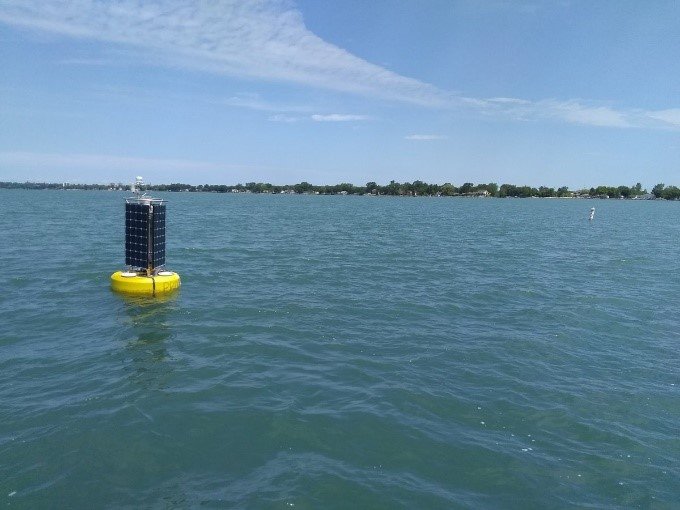
Feature
Fall 2019
Real-time analyzers and the ErieWatch network provide continuous data on phosphorus.
AquaHacking: Using tech to tackle freshwater issues By Catherine van Reenen Multidisciplinary teams develop engineering solutions to address freshwater challenges in AquaHacking. “Hacking” describes using technical knowledge to overcome persistent problems, which range from the simple (is there an easier way to tie my shoes?) to the complex (how can cities coordinate snow removal more efficiently?). Indeed, just about anything can be hacked. Why not water?A hacker team presents their solution at the 2018 AquaHacking semifinal in Toronto, Ontario. Photo courtesy of AquaHacking.AquaHacking does exactly that. This multi-stage, start-up competition challenges students and young professionals to design practical engineering, web, and mobile solutions to the problems plaguing North America’s freshwater lakes. Its multidisciplinary teams of hackers compete for seed money and incubator space, with end goals of developing demand-driven solutions and launching new businesses that may have measurable impacts on freshwater issues.Launched in 2015 by the de Gaspé Beaubien Foundation in Montréal, AquaHacking has thus far engaged more than 1,500 youth in 12 critical water issues and supported the launch of 18 start-ups. For example, the 2018 winner, Geosapiens, produced E-Nundation, a software tool that performs flood simulations to assess their potential impacts and support effective flood risk-management procedures. Water Rangers, AquaHacking’s first winning team, is also one of its most successful start-ups. The organization offers a web-based data collection platform and portable water-testing kits to enable citizen scientists to sample water quality, upload their data, and track specific issues such as algal blooms and pollution over time.Tech competitions like AquaHacking are an emerging strategy for tackling freshwater issues across the globe. Erie Hack, for example, is a water tech challenge launched by the Cleveland Water Alliance in 2017 in which coders, developers, engineers, and water issue experts generate solutions to issues affecting Lake Erie. Similarly, in 2018 a Milwaukee nonprofit, The Water Council, started a global Tech Challenge devoted to identifying new freshwater technologies based on topics selected by corporate sponsors, while the Global Water Tech Hub Alliance, a project of the Neterhlands-based Water Alliance, established an open platform to help match water issues with relevant solutions.What distinguishes AquaHacking and its international counterparts from traditional hackathons is a long-term focus on real-world problems with well-defined end users. While most hackathons are weekend affairs, the AquaHacking Challenge is an eight-month endeavor. As the problems plaguing our freshwater lakes are as multifaceted and complex as the stakeholders involved—from researchers, NGOs, and governments to industry, entrepreneurs, and regulators—it takes time both to understand the scientific processes at play and to build relationships across sectors. Because of the extended timeline AquaHacking uses in its tech challenges, competing teams can engage key stakeholders throughout the challenge to ensure they have support from expert mentors in water, technology, and business as they build their solutions. The solutions developed as a result of these synergies are well worth the extra time needed: they are more likely to be effective, and, more importantly, they have a better chance of being implemented by end users.After five years of holding successful competitions in the Great Lakes-St. Lawrence region, AquaHacking is going national in 2020 with regional competitions planned in British Columbia, Atlantic Canada, and Lake Winnipeg. The AquaHacking Lake Winnipeg Challenge will be hosted by the International Institute for Sustainable Development (IISD), and it aims to find innovative solutions to issues such as microplastics pollution, algal blooms, and pharmaceutical contaminants.IISD’s AquaHacking Lake Winnipeg team will be hosting information sessions for potential participants throughout January 2020 at various university and college campuses. Although major competition events will take place in Winnipeg, teams can participate in person or virtually. Participants from both within and beyond the Lake Winnipeg watershed are welcome.
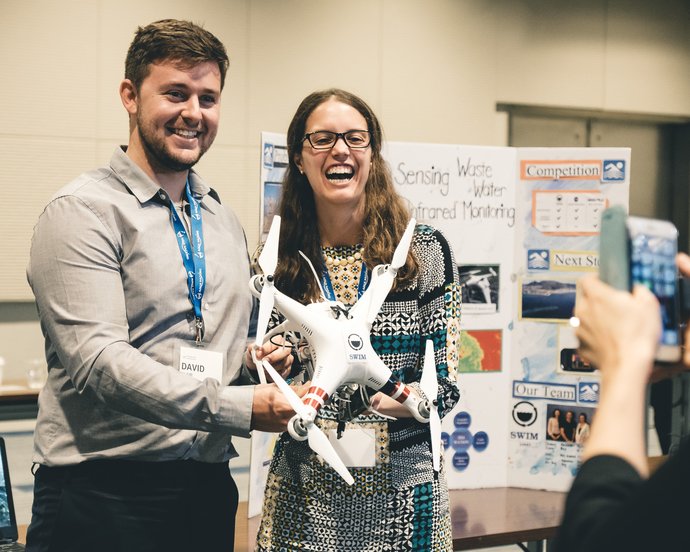
Feature
Fall 2019
Multidisciplinary teams develop engineering solutions to address freshwater challenges in AquaHacking.
Acoustic telemetry: Big advances in technology lead to big discoveries in fish movement By Christopher S. Vandergoot Acoustic telemetry provides unprecedented insights into fish movement and habitat selection. To implement management actions designed to promote long-term viability of exploited fish stocks in the Great Lakes basin, fisheries biologists must understand the timing and geographic range of these economically and ecologically important species. Historically, biologists examined fish movements using rudimentary approaches (e.g., attaching external tags made of metal or plastic) that provided only cursory information (e.g., release and capture locations) about fish behavior. Recent advances in acoustic telemetry technology have accelerated discovery, expanded both the scope and nature of our questions, and facilitated collaborative research among fishery researchers and managers throughout the Great Lakes region.Biologists are able to track fish movements by implanting acoustic transmitters into the body cavity and monitoring where they travel as they pass by acoustic receivers. Each transmitter has its own unique identification number, which allows biologists to determine individual or group movement patterns. Courtesy of Christopher Vandergoot.Recent advances in acoustic transmitter and receiver technology have revolutionized how telemetry is used to understand how the characteristics of fish populations influence fish movement patterns in relation to physical lake conditions. Specifically, a trend over the past few decades toward smaller yet more powerful transmitters has allowed researchers to monitor the movements of increasingly smaller fish over more prolonged periods of time. For example, acoustic telemetry technology is being used to assess post-stocking survival, habitat use, and movement patterns for juvenile lake sturgeon (Lake Erie), juvenile cisco (Lake Ontario), and round goby (Lake Huron) for up to a year depending on how the transmitters are programmed. Similarly, the ability to passively monitor an area for the presence/absence of transmitter-tagged individuals is an advance that has materialized over the past few decades. Historically, researchers would have had to follow fish around with mobile hydrophones to track their movements; however, today researchers are able to deploy stationary acoustic receivers that passively monitor areas for telemetered fish over extended time periods (i.e., up to 15 months). Both of these technological innovations are providing unsurpassed research opportunities only fantasied a few decades ago.Today, these acoustic telemetry advances provide fishery researchers with an unprecedented ability to understand where, when, and why fish move. Using an expansive array of acoustic receivers deployed throughout the Great Lakes basin via the Great Lakes Acoustic Telemetry Observation System (GLATOS), studies examining both broad- and fine-scale movement patterns have been underway since 2010. In Lake Huron, researchers were able to better understand recruitment bottlenecks by learning what type of spawning habitat stocked and wild lake trout selected. Similarly, fine-scale movement patterns of invasive sea lamprey and grass carp are being evaluated throughout the basin to inform control efforts. By combining auxiliary sensors (i.e., for depth and temperature) with standard acoustic transmitters, researchers are able to address how fish respond to changing and variable lake conditions such as temperature, turbidity, harmful algal blooms, and anoxia (i.e., lack of oxygen in the water). Furthermore, because the GLATOS network extends throughout all five Great Lakes and their associated interconnecting waters (i.e., St. Marys River, Huron-Erie Corridor, Welland Canal), it is now feasible to understand how fish movements relate to physiochemical characteristics within the Great Lakes ecosystem at geographic scales that were previously impractical, or even impossible, to address.While conducting scientific research across large geographic scales is often logistically and administratively difficult, these challenges present new avenues for collaboration and innovation. For example, GLATOS researchers assist each other with gear deployments and maintenance, share research findings, and collaborate on new research endeavors. Futher, in association with other research going on in the Great Lakes basin, GLATOS researchers anticipate using autonomous underwater vehicles to monitor fish movements in collaboration with the Real-time Aquatic Ecosystem Observation Network based out of the Great Lakes Institute for Environmental Research at the University of Windsor. By combining fish movement and physical lake condition data, researchers will be able to gain a better understanding of the population dynamics of Great Lakes fish stocks and the management actions need to ensure their long-term sustainability in the face of a changing climate.Fishery research biologists deploying acoustic receivers as part of the Great Lakes Acoustic Telemetry Observation System receiver network. Photo by Charles Krueger.
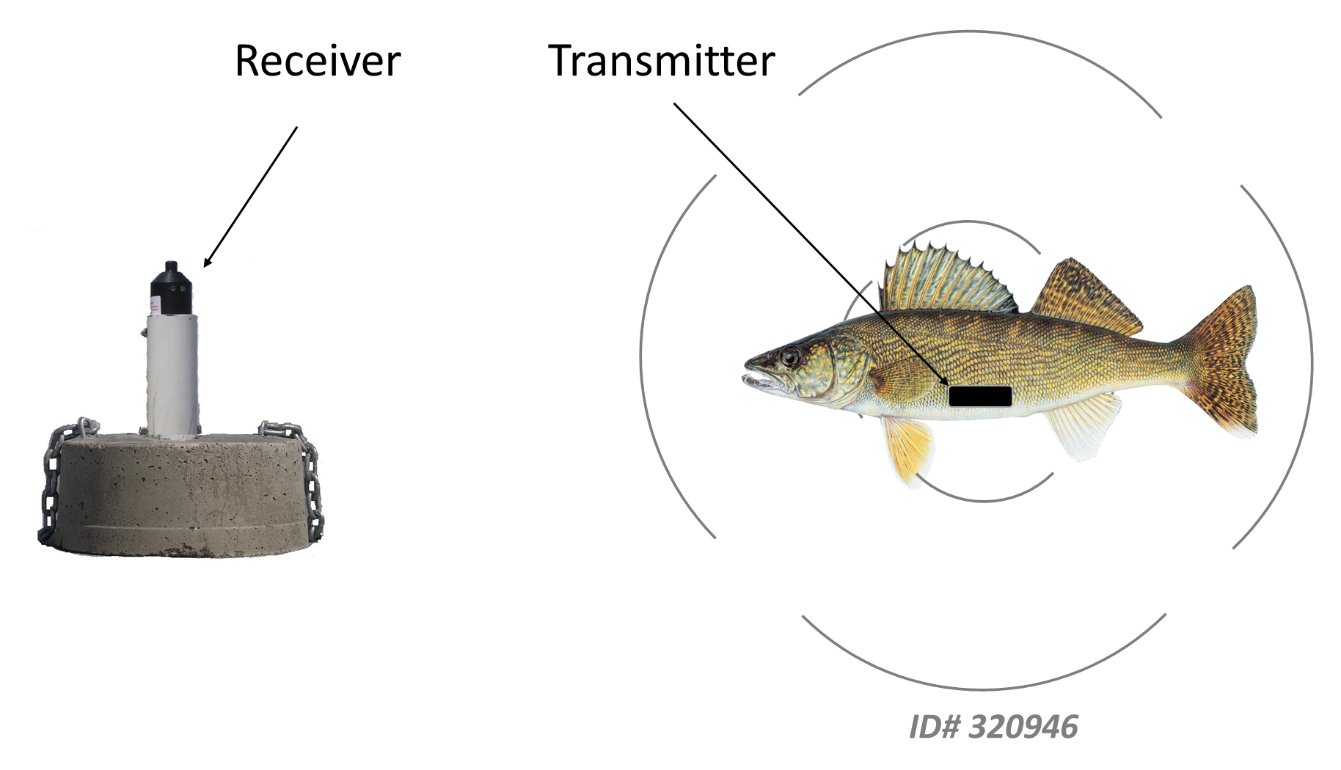
Feature
Fall 2019
Acoustic telemetry provides unprecedented insights into fish movement and habitat selection.
Don Scavia Don Scavia reflects on modeling phosphorus and the need for social science in policy. Describe your work.I’ve had a pretty diverse career. At NOAA/GLERL (1975–1990), I developed ecological models of Lake Ontario and carried out lab and field studies on Lake Michigan plankton and nutrient dynamics. At NOAA headquarters (1990–2004), I ran competitive coastal ocean and Great Lakes grant programs, and led several interagency environmental science and policy assessments. On the University of Michigan faculty (2004–2018), I directed Michigan Sea Grant, the NOAA Cooperative Institute, and the Graham Sustainability Institute, and I worked with students and postdocs to develop and apply models of the Gulf of Mexico, Chesapeake Bay, and Lake Erie plus its watersheds.Describe how you engage with policy making.While at NOAA headquarters, I had the opportunity to testify in front of various congressional committees, help draft legislation, and lead integrated assessments that assembled and evaluated scientific information to guide environmental policy related primarily to hypoxia and harmful algal blooms. As an academic, I continued all three of these engagements, but I also worked with environmental NGOs to help develop and support their policy initiatives and advocacy.What advice do you have for other researchers to engage at the science-policy nexus?To be effective, you need to be a trusted source of information related to your area of expertise, and there is no short cut to that. Research, publish, and establish your credentials. While it is important to understand uncertainty and alternative explanations, when communicating with policy makers and the public, avoid being the “two-handed scientist.” Saying “on the one hand, X; but on the other hand, Y” is not helpful. Similarly, knowing that a certain property could change by a factor of 2.4 or 2.6 is likely a nuance when all that is needed for policy making is that it will increase. In other words, understand the context of the policy decision, the precision and certainty realm in which they work, and the nature of the information they already have. You are providing a piece of their more complicated puzzle.What has been the biggest success story (yours or others) of large lakes research informing policy for good?Within my area of study, I think the research and modeling support for the original and revised phosphorus loading targets under the Great Lakes Water Quality Agreement are big success stories with some important commonalities and differences. Both agreements were based on the integration of multiple models and expert opinion, and the policy benefited from the consensus across the diversity of models. A key difference between the two eras is that for the original agreement models and associated research were deeply supported, which led to new models and insights that benefited not only the agreement and the Great Lakes, but the field in general. In contrast, the revised agreement had to rely on existing models and the efforts of volunteer modeling teams. While useful for the agreement, it was a lost opportunity for the field.What are some of the biggest research needs to inform policy?This may seem a bit strange coming from a natural scientist/engineer, but I think one of the most important research needs for informing policy comes from the social sciences. Increasing the understanding of how new information is used in policy development, identifying the impediments to its use, and exploring methods to overcome those impediments are critical. Equally important is that social scientists need to communicate their findings to natural scientists and engineers, rather than just among themselves in their journals.
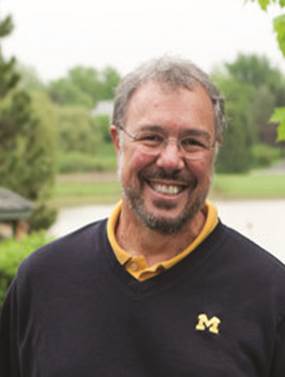
Member Spotlight
Summer 2019
Don Scavia reflects on modeling phosphorus and the need for social science in policy.
Emily Tyner Emily Tyner uses social media data to inform management decisions on public preferences. Describe your work.My dissertation research is interdisciplinary, and I am being advised by a committee with diverse membership comprised of a limnologist, aquatic ecologist, economist, rhetorician of science, and geographer.I am using a mixed methods approach to explore the following: 1) what are the public preferences for restoration and conservation at areas targeted for restoration by the Great Lakes Restoration Initiative (GLRI), specifically Great Lakes Areas of Concern (AOCs) and National Park Service (NPS) sites; 2) what are the conversations about AOCs and NPS sites on Twitter; 3) how do these conversations connect to things we measure (e.g. visitation, preferences for restoration, political happenings); and 4) how might Twitter be a useful research tool for groups like Great Lakes planners, the International Joint Commission, and even the IAGLR board.Describe how you engage with policy making.I see my work as policy adjacent in that it can help inform policy decisions. For example, for my dissertation I did a survey of 1,200 Great Lakes residents to understand their preferences for restoration and conservation. My findings should be useful for regional planners or EPA officials wishing to purse management and policy actions that have the support of local communities.I have also done research on water quality in Lake Malawi. In that work, conducted collaboratively with researchers from the Malawi Department of Fisheries, we found that E. coli, an indicator for fecal contamination, had persistently high levels at sites along the shoreline but dropped off at 15 meters off shore. For beach managers and public health officials along Lake Malawi, this finding should be helpful in setting suggested guidance for shoreline usage of the lake.As a student I have twice participated in Great Lakes Day in Washington, D.C. Both visits were invaluable learning experiences. After training in crafting and delivering a message to congressional staffers short on time, we visited congressional offices to advocate for the Great Lakes region and the work accomplished through GLRI. In the Great Lakes, we often bemoan federal funding decisions, and it was helpful to hear firsthand what politicians are balancing as they consider support for the Great Lakes. My team had a memorable visit with the late John Dingell from Michigan’s 12th Congressional District. He was unhurried in welcoming us into his office, was familiar with Great Lakes-related happenings in his district, and was keen to talk about the health of waterbirds in Michigan. It was clear his interest in the Great Lakes was both political and personal.What are some of the biggest research needs to inform policy?As a student interested in learning about the black box of policy and management decision making, I would like to see more research and articles about the steps from environmental concern to policy decision. One of the best examples of this that I have read is an article in the Journal of Land Use & Environmental Law about the Microbead-Free Waters Act of 2015 (Strifling, 2016). It would be interesting to see the Journal of Great Lakes Research take up similar case studies exploring the detailed steps of taking an ecological issue and the research informing its topic to its policy or management outcomes. Perhaps this is a contribution I can make after finishing my dissertation.See Strifling’s perspective on the Microbead-Free Waters Act of 2015.
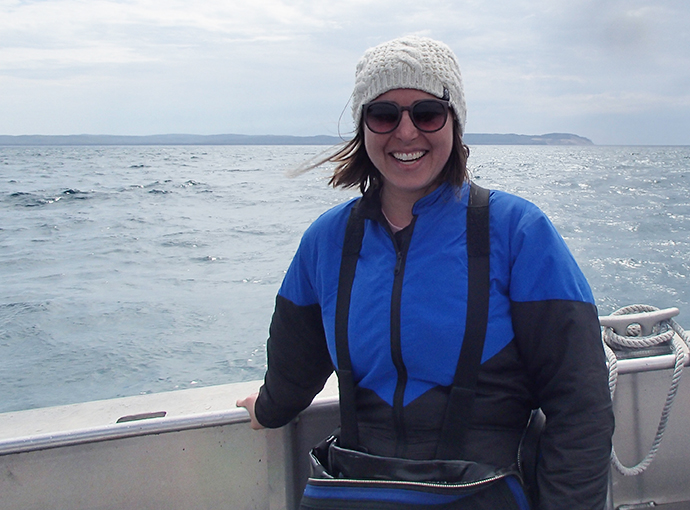
Member Spotlight
Summer 2019
Emily Tyner uses social media data to inform management decisions on public preferences.
G. Douglas Haffner Doug Haffner discusses energy transfer in food webs and integrating knowledge into policy. Describe your research.My research is primarily focused on the transfer of energy, nutrients, and contaminants through Great Lakes food webs. Specific studies include primary production, factors regulating the relative abundance and composition in phytoplankton and zooplankton populations, harmful algal blooms, bioaccumulation of persistent chemicals, and identifying sources and energy transfer efficiencies required to support Great Lake’s fisheries. Research is based on open lake systems as well as within areas with ongoing remedial action plans.Describe how you engage with policy making.Although my research has strongly been related to policy development, such as the use of primary production to identify the original phosphorus target loads in the Great Lakes, direct linkage to policy formulation is, at best, tenuous. I have served on committees such as the Science Advisory Board and Council of Great Lakes Research Managers, attended meetings of the Cooperative Science and Monitoring Initiative, and participated in the Detroit River Remedial Action Plan since implementation in 1986; however, these do not provide a strong linkage to forming or modifying environmental policies regarding the management of the Great Lakes ecosystem.Research needs to inform policyResearch outcomes tend to come in small, discrete packets that make great, informative readings in the Journal of Great Lakes Research but are of limited use to policy makers who require much broader, integrated perspectives. The current systems of funding research in Canada and the United States tend to be project based and focused on specific issues or problems. Although this approach produces good science, it does not provide a framework for the research community to take a more integrative approach for the management of the Great Lakes. When attending meetings regarding major research challenges in the Great Lakes, the consistent message is the need for integration. The lack of integration has definitely limited the success of the ecosystem approach as recommended in the Great Lakes Water Quality Agreement.During the 1970s, there was better communication between science and policy-making processes when dealing with a single issue, such as eutrophication. It was much easier then for the science community to deliver a clear, consistent message. Researchers today must consider the effect of multiple stressors and the many uncertainties associated with predicting lake responses in a highly variable environment. Instead of integrating research knowledge, our current funding systems set up a competition for resources within the science community to address priority research questions.Challenges connecting research and policyWe need a new approach that integrates research knowledge and information in a timely and meaningful way for policy makers. To form a better connection between research and policy, we should consider the development of an International Integrated Ecosystem Management Program jointly funded by the United States and Canada. The goal of the framework would be to allow government agencies and universities to work together to provide accurate and timely advice to all levels of government. Basically the framework would result in the development of “boundary organizations” that link scientists and communicators to effectively synthesize knowledge and information to meet the needs of policy makers. These boundary organizations will require formal partnerships among agencies and universities that bring together the expertise required for knowledge integration and communication, and they will result in unique international training opportunities for future researchers. These organizations will not just provide a link between research and policy, but will also provide a corporate memory as to how and why specific environmental policies were derived.
Member Spotlight
Summer 2019
Doug Haffner discusses energy transfer in food webs and integrating knowledge into policy.
Gail Krantzberg Gail Krantzberg shares strategies for communicating science to decision-makers on Great Lakes governance. Describe your work.I apply known and emerging scientific findings to the development or refinement of programs and policies directed at Great Lakes excellence. I am also aiming to get a better understanding of good governance and how truly meaningful multi-sectoral engagement can enrich collaborative decision making and change the future for the better.Describe how you engage with policy making.I was Great Lakes Senior Policy Advisor in the province of Ontario, and I helped decision makers understand how science can inform better policy directions in the face of competing government priorities, economic constraints, equity, inclusion, and societal change. Presently, all my research is focused on addressing ongoing environmental and governance challenges faced by Great Lakes managers and program practitioners.What advice do you have for other researchers to engage at the science-policy nexus?To do this well, you must first speak science without jargon. Use simple language as if you were describing your scientific information to your neighbors or family members. You need to understand the nature of the policy maker’s request for information. Complex scientific discourse does not help, it only serves to confuse. Overly emphasizing scientific uncertainty and failing to make your best efforts to provide the information in an understandable format will make you irrelevant.What has been the biggest success story (yours or others) of large lakes research informing policy for good?One interesting undertaking was the Great Lakes Futures Project, a collaboration among Canadian and U.S. universities and government personnel, within which we explored drivers of change in the Great Lakes regime. Using scenario analysis, we imagined four possible futures and the policy regimes necessary to enable those futures. This allowed students, faculty, the private sector, and the public sector to understand the policy directions necessary to achieve the desired future state of a resilient Great Lakes basin economy, social well-being, and environmental excellence.Another excellent application of research informing policy was my time as the coordinator of the Collingwood Harbour Remedial Action Plan. Science enabled an understanding of the causes for environmental degradation. Science and engineering enabled a response through active, targeted interventions. Policy determined what to do, when, how, and with whom, and then, ultimately, the decision to delist Collingwood Harbour as an Area of Concern.What are some of the biggest research needs to inform policy?Still outstanding is a framework to assess future emerging threats to the integrity of the Great Lakes. We need a systematic method for predicting new threats and prioritizing them for policy responses. Presently the International Joint Commission’s Great Lakes Early Warning System working group, on which I am privileged to serve, is grappling with this very matter. I hope we are successful; it is not yet clear that we will be. In the end, we will do our best to make the lakes great.
Member Spotlight
Summer 2019
Gail Krantzberg shares strategies for communicating science to decision-makers on Great Lakes governance.
Restoring Great Lakes Areas of Concern highlights value of research By John H. Hartig Thirty years of remedial action plans in Great Lakes Areas of Concern drove billions in economic recovery and community rebirth. Buffalo River restoration has been a catalyst for creating waterfront public spaces in Buffalo, New York. These before and after photos capture the community's success story, one of 10 case studies researched during this project. Cleaning up the Buffalo River spurred improved public access to the river, which in turn contributed to waterfront economic revitalization, including more than $428 million of waterfront development between 2012 and 2018. Without the cleanup of this and other AOCs, such waterfront revitalization throughout the Great Lakes would not have been possible. Photo at left courtesy of Buffalo Niagara Waterkeeper; photo at right courtesy of Joe Cascio.IAGLR, with funding from the Fred A. and Barbara M. Erb Family Foundation, has been working on a 3-year project with the Aquatic Ecosystem Health and Management Society and others to evaluate what has been achieved and learned through more than 30 years of developing and implementing remedial action plans (RAPs) to restore Great Lakes Areas of Concern (AOCs).All involved are keenly aware that cleanup of AOCs has been difficult and time consuming. These communities overcame challenges in defining the scope, size, and nature of the problem and in how to even begin the work of unburdening the waters from years of abuse and neglect. They faced costly and confounding choices in tackling the legacy of toxics buried in sediments: whether and how to proceed, at what cost, and where to find the resources. In different ways and through varied approaches, they came to appreciate the importance of engaging and empowering the community in driving the cleanup. In so doing, they animated impactful processes that empowered local residents as partners.Pollution prevention and control of contaminants at their source were priorities for all AOCs. These communities also came to incorporate in their work the restoration of habitat for fish and wildlife, resulting in a powerful and satisfying restoration of the life in and around the lakes that was such an integral part of their historic beauty and gift to human denizens. By cleaning, reclaiming, and reconnecting local communities to the waters, these communities have also catalyzed local economic development and community rebirth to the tune of hundreds of millions, even billions, of dollars of economic benefits and countless new jobs for local residents. They have also rebuilt the emotional connection—the “love of the lakes”—that is such a defining attribute for those lucky enough to live in their vicinity.This project clearly shows the value and benefit of Great Lakes research that was the foundation of these cleanup efforts and the importance of strengthening science-policy-management linkages as part of efforts to accelerate the sustainability transition. Four examples of scientific advancements in AOCs are presented below.Prior to the onset of RAPs in 1985, there were no comprehensive programs in Canada and the United States to assess biological impacts of contaminated sediment, estimate risk, and apply evidence-based decision making. Governments, research scientists, and RAP groups had to figure out how to make decisions on the severity and geographic extent of sediment contamination, on whether or not to remediate, on what techniques to use, and how to get the money for contaminated sediment remediation, if necessary. In many respects, both the Canadian and U.S. contaminated sediment assessment and remediation programs came out of the RAP program.A second example of a scientific achievement in AOCs is quantifying habitat loss and degradation and establishing priorities for habitat rehabilitation and enhancement. Prior to the onset of RAPs, it was often said that “habitat had no home.” Responsibility for habitat was fragmented among many stakeholders. RAPs made habitat a priority and challenged management agencies to address it explicitly. Restoration of fish and wildlife habitat had to be addressed in a systematic and comprehensive fashion, which was particularly challenging in urban AOCs. In many cases, RAPs helped make sure that habitat was an integral part of community master plans. Early involvement of habitat scientists in project planning and partnerships was essential to habitat project success.A third example is quantifying the relative contribution of toxic substances from all sources in order to set management priorities. Mass balance frameworks were successfully used to quantify loadings of priority contaminants, establish baseline conditions to gauge future progress, predict benefits associated with loading reductions, and better understand ecosystem dynamics.The final example is establishing clean up guidelines that are specific, relevant, measurable, feasible, and achievable. RAPs were a pioneer in quantifying “how clean is clean,” identifying ecosystem recovery targets, and working in and through RAP institutional structures to ensure relevancy, feasibility, and achievability.For more information about this project visit iaglr.org/aoc/.Project TimelineMay ’17 - Restoring Great Lakes Areas of Concern symposium at IAGLR’s Conference on Great Lakes Research2018 - Selected papers from symposium published in special issue of Aquatic Ecosystem Health and ManagementAug ’19 - Great Lakes Revival published featuring 10 case studies that highlight the value and benefits of science-based cleanup of polluted areas of the Great Lakes2020 - Monograph to be published as part of the Ecovision World Monograph Series2020 - Review article in Journal of Great Lakes Research planned
Feature
Summer 2019
Thirty years of remedial action plans in Great Lakes Areas of Concern drove billions in economic recovery and community rebirth.
The IJC’s science and policy partnership By David Burden The International Joint Commission bridges science and policy for the Great Lakes. Science and policy are challenging partners. Policy makers make decisions within deadlines that reflect legislative and political timelines. Scientific research on those issues often takes years or even decades to reach conclusions, or at least reduce uncertainty. In the absence of solid science, policy decisions should reflect the precautionary approach, but they often don’t because even that can be hard to define within time demands without adequate research.Both partners have the best of intentions, particularly when it comes to accomplishing the goals and objectives of the Great Lakes Water Quality Agreement. But by nature, the two federal governments act bilaterally rather than binationally. In many locations, binational direction through the agreement with community action has proven successful; for broader basinwide issues, progress is only as good as the collective political will and lowest common approach.Scientists also have a deep commitment to and best intentions for their research, but their work is often driven by the issue of the moment in agencies or by what will result in funding in the university setting. Thus scientists tend to work in their own silos, resulting in duplication and repetition of work and databases that are confusing to interpret for policy makers and the public.Opportunities to anticipate policy and research needs at a decadal scale are limited, but they are essential to tackle new pressures affecting the Great Lakes region such as climate change, novel chemical pollutants, urbanization and water needs, rapidly evolving agricultural practices, habitat loss, and invasive species.For more than a century, the International Joint Commission (IJC) has demonstrated that the challenge of science-informed policy making and policy-informed science making is possible to surmount with cooperation, collaboration, and coordination. In 1913, epidemic proportions of Great Lakes basin residents were stricken with cholera. The newly created IJC conducted one of the largest ever transboundary bacteriological contamination studies to understand ties between sewage pollution and the waterborne pathogens killing residents. Scientists from across the international border contributed to the study, which led to development of the region’s wastewater treatment. Fast forwarding a century, the IJC’s Health Professionals Advisory Board is now developing a framework proposing a repeat of this groundbreaking study in a modern context to see where we’ve made progress and where we need new policies to attack long-standing pollution problems affecting our waters.In 1972 after Lake Erie was declared “dead,” Canada and the United States signed the Great Lakes Water Quality Agreement that, among other things, empowered the IJC to advise governments on their priorities for research and management through the creation of the Water Quality Board and the Science Advisory Board. The boards’ studies and the IJC’s resulting recommendations helped both countries to restore Lake Erie. When faced with the same issue again in 2011, the IJC completed the Lake Erie Ecosystem Priority study, and in 2014 it recommended, among other actions, a 40 percent reduction in the amount of phosphorus entering the lake. Policies and programs with this reduction requirement have been agreed to by state, provincial, and local governments, and coordinated implementation throughout the Lake Erie basin is the last hurdle.The IJC’s boards exemplify the cooperation, collaboration, and coordination needed for science and policy to be mutually reinforcing. Members include scientists, researchers, government representatives from all levels, nongovernment organizations, businesses, and the public. The IJC also meets with other scientists, decision makers, and the public as part of its assessment of progress under the agreement; it did so in June at the IAGLR conference in Brockport, New York, and will continue to do so in communities around the basin this summer and fall.Strong consensus is developing among Great Lakes researchers that we are doomed to repeat past mistakes, as seen in bacterial contamination in Lake Erie, unless support for investigation and exploration is improved significantly. Our Science Advisory Board is supporting efforts to develop a decade-long binational plan for Great Lakes research that will help to address the challenge of providing effective, conclusive, and timely scientific findings to policy makers. Such a science plan is required to increase the collective ability of scientists and policy makers to forecast change, mitigate impacts, and help the goals of the agreement seem less daunting.
Perspective
Summer 2019
The International Joint Commission bridges science and policy for the Great Lakes.
Students engaging in science policy By Sivani Baskaran The Toronto Science Policy Network trains students in evidence-based advocacy. One of the first things I learned as a co-founder of the Toronto Science Policy Network (TSPN) is that science policy is a fairly broad term and a far more complex topic than I initially thought. The term science policy can refer to either science for policy (the use of evidence and science to inform policy decisions) or policy for science (how institutional and governmental policies affect the way we do science, from research funding to research prioritizations).A little over a year ago, I met with fellow graduate students Ellen Gute, Vasa Lukich, Farah Qaiser, and Molly Sung to discuss creating a science policy group at the University of Toronto. We felt that there was a distinct lack of training for people in the sciences interested in learning about policy- and decision-making processes. And so we created the TSPN: a student-run platform for the University of Toronto community to learn about and engage in science and policy.TSPN has run a number of workshops on the different facets of science policy, including science advocacy, policy writing, and science communication. We have also invited research experts at the university to host public panels where the University of Toronto community and the interested public can learn about the science behind key policy topics like climate action and Ontario’s sexual education curriculum. TSPN has become a platform for us to learn more about science policy and connect with not only our fellow students and faculty but also members in our local community.In our inaugural year, TSPN has engaged over 200 people through panels, workshops, and other events, and we are looking forward to engaging many more in the years to come!If you have a passion for science policy, now is a great time to get involved. With the Canadian federal election just around the corner, TSPN is partnering with science policy groups on a national nonpartisan #VoteScience campaign. We want to encourage citizens, especially scientists, to go out and engage candidates on the importance of science and evidence-based decision making.If you’re interested in learning more about science policy, check out the TSPN website for resources. You’ll find a list of international science policy organizations, campus groups, and post-doctoral fellowships relating to science policy, and even tips on how to start your own group.The TSPN team at the 2018 Canadian Science Policy Conference.
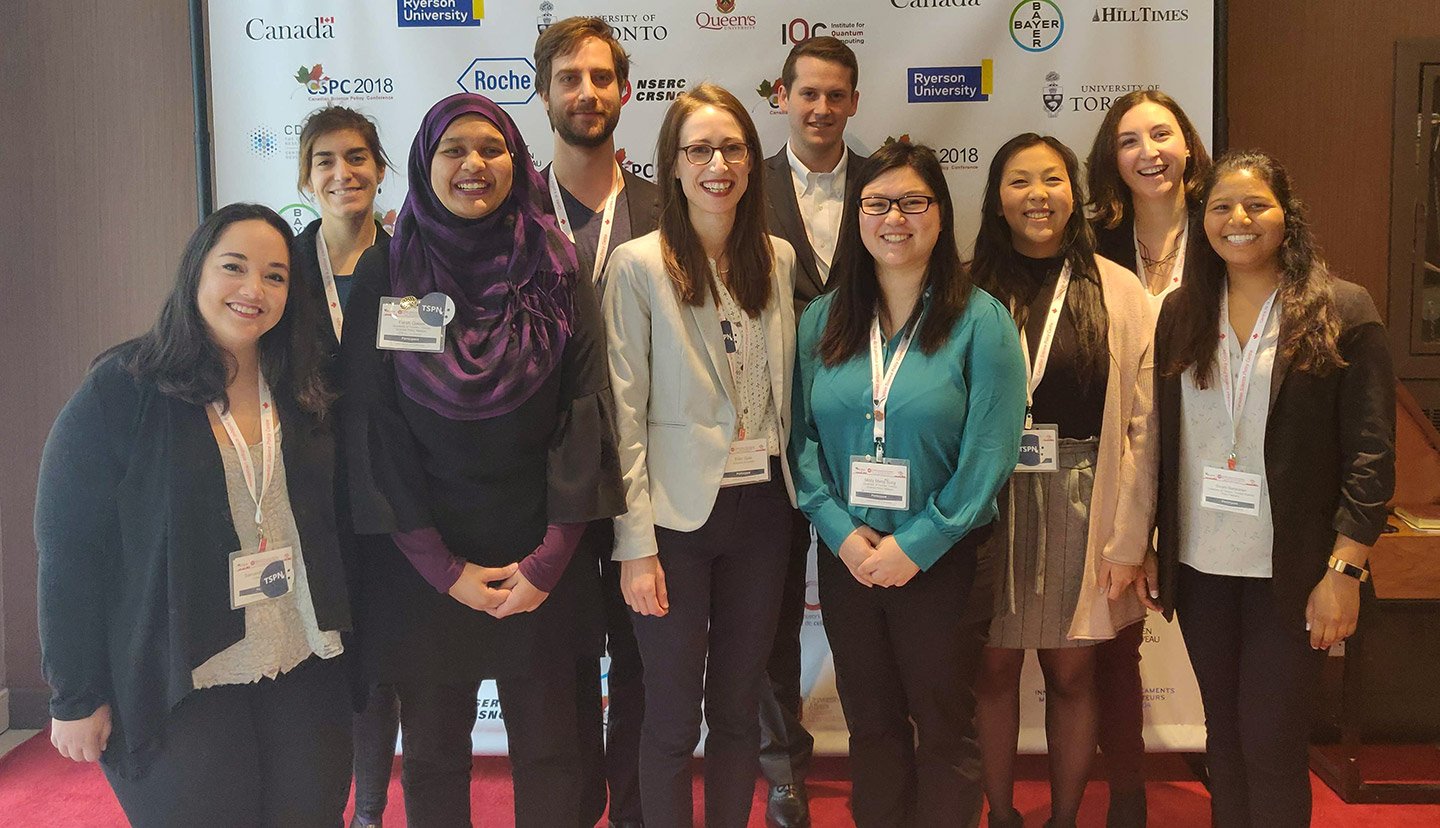
Feature
Summer 2019
The Toronto Science Policy Network trains students in evidence-based advocacy.
IISD Experimental Lakes Area committed to policy By Sumeep Bath Whole-lake manipulation experiments at IISD-ELA generate science that informs policy. Pauline Gerrard has worked at the world's freshwater laboratory in many different roles since 1994. Photo courtesy of IISD Experimental Lakes Area.When management of the Experimental Lakes Area, the self-proclaimed world’s freshwater laboratory, moved in 2014 from the Government of Canada to the International Institute for Sustainable Development (IISD), a nonprofit think tank whose raison d’etre is policy research and knowledge sharing, there was a clear opportunity to make that much-cited yet mostly mythical bridge between science and policy a reality.But first, let’s back up a bit.A group of 58 lakes and their watersheds in northwestern Ontario, Canada, IISD Experimental Lakes Area (IISD-ELA) is the only place in the world where scientists can manipulate whole lakes to build a more accurate and complete picture of the impacts of human activity on freshwater systems. Findings from IISD-ELA’s 50-plus years of groundbreaking research have rewritten environmental policy around the world and the organization aims to keep freshwater clean for generations to come.“IISD-ELA is the only place in the world where scientists can manipulate whole lakes to build a more accurate and complete picture of the impacts of human activity on freshwater systems.”The very evident result of the site's first experiment that revealed phosphorus to be the key culprit in algal blooms. Photo courtesy of IISD Experimental Lakes Area.Researchers at IISD-ELA have added nutrients to lakes to improve our understanding of the relationship between phosphorous and algal blooms, acidified a lake to mimic acid rain, added artificial estrogen to a lake in similar levels to that which is found downstream from sewage treatment plants, and sprayed a small amount of mercury stable isotopes onto a lake and its watershed to understand mercury cycling in the environment. Research conducted at IISD-ELA is applied science with the goal of improving our understanding of human impacts on freshwater systems.When it comes to applying that science to government and industrial policy and public consciousness, Pauline Gerrard, who heads up IISD-ELA’s education and outreach program, has been leading that charge since the organization became an independent entity.Pauline, however, was no stranger to those famed 58 lakes. Starting as an undergraduate student in 1994 on a project focused on the impact of hydroelectric reservoir creation, she contributed toward research aimed at understanding mercury biogeochemistry in flooded systems. For her master’s research at the University of Alberta, she was back at the site examining the uptake of methylmercury in tree swallows living around the experimentally flooded reservoir.She then tore herself away from her beloved lakes, moving away from Canada and spending 10 years working in southeast Asia for the World Wildlife Fund for Nature focusing on wetland management and connections between poverty alleviation and biodiversity conservation. In 2010, Pauline returned to Canada and started, coincidentally, working for IISD to manage an internship program for Canadian students interested in international development.When IISD took over management of the site, Pauline immediately flagged the potential for IISD-ELA to communicate its unique take on freshwater science to educate students and the public, engage industry, and influence governmental policy in Canada and around the world.Researchers assess the health of a fish as part of their experiment to determine the impact of atmospheric mercury deposition on lake ecosystems. Photo courtesy of IISD Experimental Lakes Area.IISD-ELA’s outreach to students and the public has slowly blossomed over the past six years to include field courses, public tours, school presentations, and educational resources. Pauline has worked to make sure that thousands of people from across the country have literally and figuratively walked through IISD-ELA’s doors to learn, often firsthand, what freshwater research looks like, and why it matters.Of course, public education is valuable in and of itself, but it is all the more so when it leads to policy change at the governmental level. While the research born from IISD-ELA over the last 50 years has had significant impact on policy in North America and around the world, this was often not the result of concerted efforts toward improved policy outcomes.The challenge for a nonprofit focused on sustainable development and human impacts on the environment is to strengthen these connections and actively direct science toward better public policy. Research has shown that legitimacy, or studies that were designed to incorporate multiple points of view, is the strongest predictor of science that drives policy change (Posner et al., 2016).Based on those principles, Pauline and IISD-ELA have been working to engage multiple stakeholders in the research and its outcomes. This includes building diverse research partnerships with academic institutions, government regulators, and industry. It also involves conducting community meetings, presenting in schools, and meeting with decision makers at key stages of the research.They also track the policy landscape in search of opportunities for recommendations related to their research and communicate these recommendations in a variety of public fora, from opinion pieces to policy briefs.A next step for IISD-ELA is to build policy-needs analysis into experimental design at the onset. This ongoing process will involve mapping the existing policy landscape and determining priorities as part of the development of the research project so the outcomes of the experiment have an immediate relevance for policy makers.In fact, you can see for yourself exactly how the world’s freshwater laboratory bridges science and policy next year when it hosts IAGLR 2020 in Winnipeg. You will be able to take a tour of the site, meet the scientists in person, and try your hand at some of the science for yourselves.
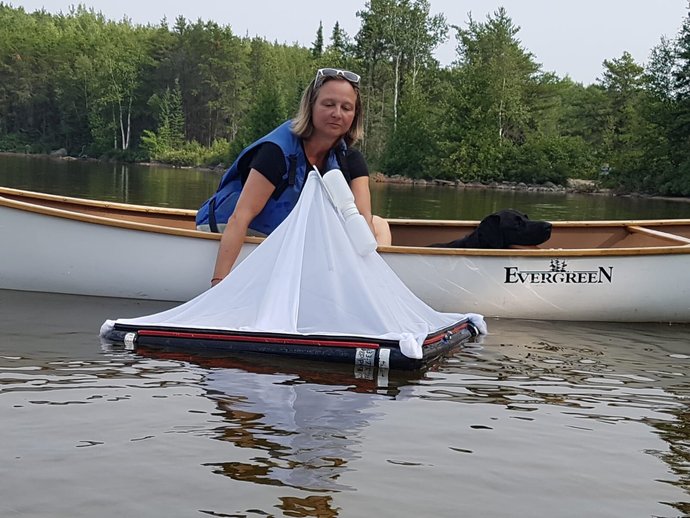
Feature
Summer 2019
Whole-lake manipulation experiments at IISD-ELA generate science that informs policy.
The Microbead-Free Waters Act of 2015: Connecting science and policy By David A. Strifling Three key factors enabled the Microbead-Free Waters Act of 2015 to succeed. Environmental law scholars have long lamented that it has become unthinkable for Congress to pass noteworthy environmental legislation. This is not uniformly the case, as shown by the Microbead-Free Waters Act of 2015. The act addressed a significant environmental issue—the discharge of certain microplastics to surface waters—and the strategic building blocks underlying the act may provide useful foundations for future policy-making efforts.Plastics are an increasing threat to our oceans, lakes, and streams. A recent report estimated that each year at least 8 million tons of plastics leak into the oceans—the equivalent of one garbage truck per minute. The oceans are expected to contain more plastics than fish by 2050.Microbeads represent one aspect of this problem. They are microspheres commonly used as exfoliants in consumer toiletry products such as facial and body cleansers and toothpastes. Most are nonbiodegradable. Microbeads form a high concentration of some products; one study found that a typical exfoliating shower gel contains as much microplastic in the cosmetic as is used to make the plastic packaging it comes in. Prior to the act, no illicit or illegal activity was necessary for microbeads to enter surface waters. On the contrary, washing them down the drain is an expected result of cosmetics and toothpaste disposal after use.Plastic pollution is also an increasing concern for the Great Lakes. Early scientific research shows that concentrations of plastic microbeads are higher in some parts of the Great Lakes than corresponding concentrations in oceans—as many as 1.1 million bits of microplastics per square mile in some areas of the Lakes.The confluence of growing scientific understanding of the threat to public health certainly contributed to the genesis of the act. The result, essentially a ban on manufacturing cosmetics containing microbeads, sailed through both houses of Congress without opposition. Three factors help explain the easy passage.First, the act makes no effort to address our plastics problem in its entirety. Instead, it targets one clearly delineated aspect of the problem: cosmetics that contain microbeads. Had the act included broader provisions to, for example, limit the usage of plastic bags, one can surmise that it would never have passed both houses of Congress.Second, its congressional sponsors rooted the act in the scientific evidence collected to date, allowing them to position the act as a public health bill first and an environmental protection bill second. This was appropriate. Microbeads pose perhaps an even greater concern for human health than do ordinary plastics. Like other plastics, microbeads bioconcentrate pathogens and other hazardous chemicals. However, unlike macro-scale plastics, microbeads are easily ingestible by aquatic organisms and therefore have a greater potential to be concentrated up the food chain to humans. The scientific identification of these public health aspects of the issue may have eliminated—or at least rendered surmountable—the ordinary partisan blockade.Third, the act enjoyed broad stakeholder support both from grassroots groups and (perhaps surprisingly) from industry. The American Chemistry Council supported what it called a “sensible” effort to phase out microbeads. Other industry groups expressed comfort with the emplacement of a uniform national policy to avoid concerns over compliance with a patchwork of state regulations. In part, this support may also have been due to a belief that some companies would obtain a competitive advantage from continuing to use the inexpensive microbeads while other, more socially responsible, companies phased them out.The act shows that Congress can indeed pass smart environmental legislation. But it doesn’t come easily, as decades of failure have shown. Proponents of future environmental legislation can benefit from the act’s example by setting a reasonable scope and focus, crafting a broad stakeholder coalition, and rooting environmental policy in sound science framed through a public health lens.For a more complete discussion, see Strifling’s article The Microbead-Free Waters Act of 2015: Model for Future Environmental Legislation, or Black Swan? in the Journal of Land Use & Environmental Law, vol. 32.
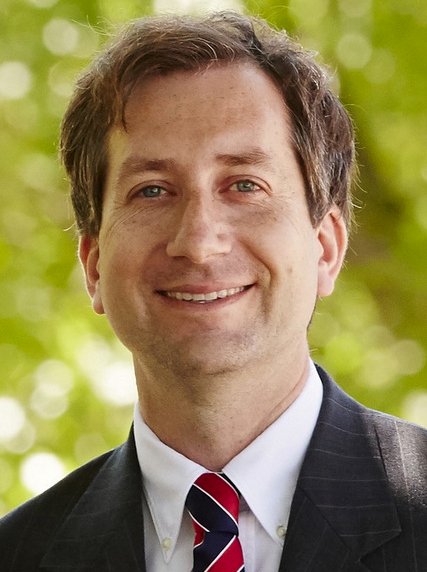
Feature
Summer 2019
Three key factors enabled the Microbead-Free Waters Act of 2015 to succeed.
Cladophora body of knowledge built; still awaiting policy By Martin T. Auer Decades of research on nuisance algae exist, yet policy action remains stalled. Metroland file photo by Ryan Pfeiffer.I became a limnologist for a purely personal reason: I love to explore lakes. My training included exposure to the grassroots environmental movement of the 1970s, which nurtured an interest in lake research as a means of serving society’s needs. I learned that lake restoration and protection were accomplished in stepwise fashion: science → policy → regulation. I came to see the process as one where scientists would build a body of knowledge from which policy and regulation could evolve. If scientists build it, policy will come.Since 1978, I have been part of a community of Great Lakes scientists focusing their research on the filamentous, benthic macroalga Cladophora. Where stimulated by increased phosphorus availability, the alga grows to nuisance proportions fouling beaches, clogging water intakes, and resulting in lost beneficial use. Abundant growth was observed in Lake Erie in the 19th century. Complaints of beach fouling were reported in lakes Erie and Ontario in the 1930s, and extended to lakes Huron and Michigan in a few decades. In 1975, the International Join Commission (IJC) hosted a research needs workshop to foster efforts in support of Cladophora management—a clear call to build the body of knowledge.The call has been well received. Studies on Lake Huron in the 1970s and 1980s saw several firsts: application of remote sensing for monitoring Cladophora distribution, development of the Great Lakes Cladophora Model (GLCM v1), and demonstration of the efficacy of nuisance growth management through point source phosphorus control. The first decade of the 21st century saw teams of scientists publishing on Cladophora in lakes Erie and Ontario, with applications to invasive mussels, climate change, and development of the Cladophora Growth Model (CGM). The next decade featured a collaborative examination of the response of Cladophora to invasive mussels and development of an upgraded model (GLCM v2). More recently, agency scientists in Canada have published the results of Cladophora surveys in Lake Ontario, and monitoring and modeling are underway for Lake Michigan. The results of a 5-year study of Cladophora at a site on Lake Ontario that describes the role of invasive mussels in mediating the resurgence, the introduction of an advanced model (GLCM v3), and an analysis of the efficacy of point source control on nuisance growth are being rolled out. The bibliography on Cladophora in the Great Lakes compiled in the 1980s has grown by more than 100 references. The body of knowledge has been built.Cladophora has plagued the Great Lakes nearshore for over a century. Yet, the problem described in 1975 by the IJC as “deserted bathing beaches covered with layers of rotting Cladophora; bulldozers pushing Cladophora into mountains; and the accompanying flies and pig-pen odor which go hand in hand with rotting protein” remains, having received little policy and regulatory attention. Annex 4 of the Great Lakes Water Quality Agreement (2012 Protocol) has adopted a Lake Ecosystem Objective to maintain levels of algal biomass below those constituting a nuisance condition. But, as of this writing, the level of algal biomass constituting a nuisance condition has not been defined. The agreement further calls for establishment of Substance Objectives for nearshore phosphorus concentrations that would achieve the Lake Ecosystem Objective. Again as of this writing, there is no Substance Objective in place.Science and policy. We built it; nobody came. Why? Certainly policy makers are exposed to significant pushback from those who will carry the economic responsibility for maintaining sustainable water quality. However, work needs to be done at the interface between science and policy. Scientists need access to policy discussions and assistance in communicating the essence of their findings within the context of policy development. We cannot expect policy makers to comb through 100 technical manuscripts to inform decisions. We also cannot expect scientists to intuit the needs of the policy community. This exchange needs to happen in real time with both domain experts present at the table and assisted by communicators who operate at the boundary between science and policy. I believe that IAGLR is well positioned to mediate this partnering of people with complementary strengths. If you build it well, they will come.
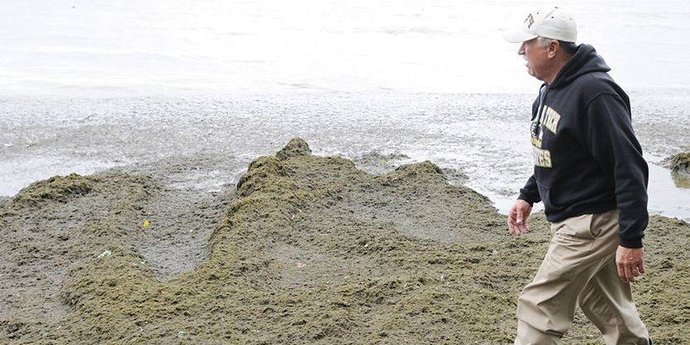
Perspective
Summer 2019
Decades of research on nuisance algae exist, yet policy action remains stalled.
Restoring lake sturgeon A story of curiosity, passion, and serendipity leading to hope for this ancient species
By Nancy A. Auer Thirty years of tracking lake sturgeon reshaped hydropower policies to save an ancient species. Photo courtesy of Michigan Technological University.I believe that engaging the science-policy nexus can only spring out of diligent research. It results from addressing a scientific question and then going on the quest for answers. Some answers can impact policy decisions, but my research was driven by a passion to understand and hopefully impact the future of a fish. It was also based on serendipity.When I helped develop and publish the Atlas for Identification of Larval Fishes of the Great Lakes in 1982, I had visited a hatchery full of baby lake sturgeon (Acipenser fulvescens) reared at the University of Wisconsin, Milwaukee. Viewing those tiny fish marked me for life. When I moved to upper Michigan, I inquired at the Baraga Michigan Department of Natural Resources office if there were sturgeon in the river named Sturgeon that hundreds of people cross daily on their way to Houghton. I was told there were lake sturgeon in that river, but nobody had investigated them; I was given permission to try. I wrote a Nongame Wildlife Grant, received funding, and the rest is history.In the 1980s few people worked on lake sturgeon populations as most were believed to be remnant or lost, but I started tagging and tracking them in 1987. Unbeknownst to me, a hydropower facility operating in a peaking mode and impacting flow regimes was due to be relicensed in 1990. My early research was on basic population biology. We found spawning fish stranded for long periods, spawned eggs left high and dry when water levels fell, and few females were to be seen. The data collected were used in FERC relicensing, and the facility changed to Near-Run-of-River (ROR) operation after 1990. Dramatic differences were noted in the sturgeon population after that as the same amount of water coming into the reservoir had to be released 24/7 and a minimum flow was imposed to make sure fewer spawned eggs were exposed. The ROR flows brought larger fish (often females) into the spawning area, fish spawned and left quickly, and eggs had more stable flow and temperature conditions.During my early years of sturgeon work, I often wondered about effects of sea lamprey treatments as they were being done at the same time newly hatched lake sturgeon drifted downstream after hatching. I inquired of the U.S. Fish and Wildlife Service, but they had no data on possible impacts to sturgeon. So one year they set up a trailer onsite and used Sturgeon River water and hatchery-raised sturgeon in tanks to test the possible effect of typical treatment. Much to the dismay of all, it became clear that lake sturgeon youngsters were sensitive and there was enough mortality to change treatment protocols for later in the year when drift would be over. They now treat in late summer or fall in rivers known to have both sturgeon populations and water chemistry conditions that require attention.Research scientists in other systems also began to see successes. But I am proud to say some of my work was used to reshape policy that improved conditions for and helped increase a population of lake sturgeon that range widely across all of southern Lake Superior after 30 years of effort for the species.
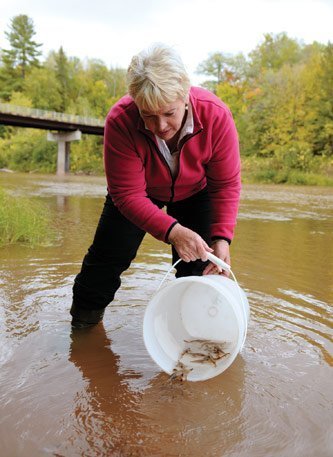
Perspective
Summer 2019
Thirty years of tracking lake sturgeon reshaped hydropower policies to save an ancient species.
Al Beeton By Deborah Lee Al Beeton directed NOAA's GLERL and shaped Great Lakes limnology through decades of research, mentorship, and leadership on the IJC's Science Advisory Board. It is with great sadness that I share that Dr. Al Beeton passed away on April 24. Dr. Beeton was the director of NOAA’s Great Lakes Environmental Research Laboratory from 1986 to 1996. Over the course of his career, he was a leading researcher of Great Lakes limnology and aquatic zoology. A three-time graduate of the University of Michigan (B.S. ’52, M.S. ’54, Ph.D. '58), he became a professor and administrator at the university’s School of Natural Resources and College of Engineering from 1976 to 1986. In the late ’60s, Dr. Beeton served on IAGLR’s steering committee and first board of directors. He also served as co-chair of the International Joint Commission’s Great Lakes Science Advisory Board from 1986 to 1991, and as NOAA’s chief scientist in the mid ’90s. I know many of us have fond memories of Dr. Beeton. He was a great mentor who invested in and developed people; he promoted diversity and valued people as individuals long before that rose to our national consciousness. He remained interested in GLERL and its people long after his retirement, continuing to attend our holiday parties and retirement ceremonies. We will miss him and the example he set for us.
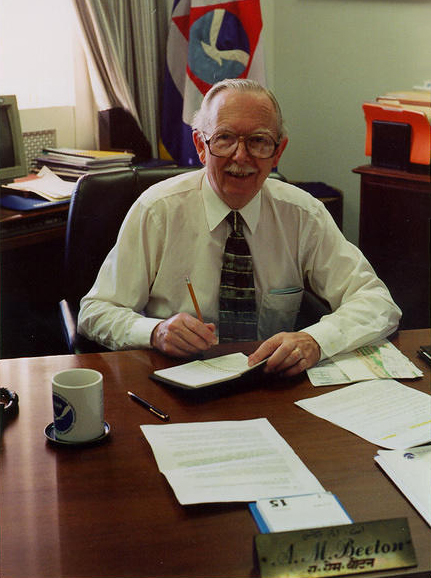
In Memoriam
Spring 2019
Al Beeton directed NOAA's GLERL and shaped Great Lakes limnology through decades of research, mentorship, and leadership on the IJC's Science Advisory Board.
Norine Dobiesz By James Bence, Stephanie Guildford, and Robert Hecky Norine Dobiesz advanced Great Lakes fisheries science and global lake ecosystem comparison through quantitative analysis and served as technical editor of the Journal of Great Lakes Research. In December, the Great Lakes community lost a quiet but committed champion of the Great Lakes, Norine Dobiesz. She cared deeply about their water quality, fisheries, riparian peoples, and their future. Norine was an active member of IAGLR, including her role as technical editor of the Journal of Great Lakes Research. She was a dedicated and talented environmental and fishery researcher who sought to make a difference. Since 2013, she worked at Michigan State University’s Quantitative Fisheries Center, with duties both to research and to provide high-end computing and programming support on multi-disciplinary projects. NORINE DOBIESZ was a dedicated and talented environmental and fishery researcher who sought to make a difference. Norine’s first professional career was as a computer programmer for the phone company. She felt something was missing in that career choice and decided to retool and learn how she might harness her analytical talents to make a difference for the environment. This led her to complete an M.S. degree in environmental science at the University of Wisconsin-Green Bay in 1998 and a dual Ph.D. in fisheries and wildlife and ecology, evolutionary biology, and behavior at Michigan State University in 2003.Early on, her promise as a Great Lakes researcher was recognized by the award of the 2001 Norman S. Baldwin Fishery Science Scholarship. Her Ph.D. focused on the status of top predators in the main basin of Lake Huron. This work provided a launching point for an important review she led and published on the status of the Lake Huron fish community, as part of the Salmonid Communities of Oligotrophic Lakes (SCOL) Revisited initiative, in which she identified warning signs of the impending changes in that lake (Dobiesz et al., 2005). Norine was consistently concerned with translating complex technical topics for stakeholders and managers, and this led her to take the lead authorship in the predator-prey chapter for the Lake Huron Committee report on the state of Lake Huron in 1999 (Dobiesz and Bence, 2005), and to present summaries of her dissertation and SCOL work to the Lake Huron Committee multiple times. In 2004 Norine took a post-doctoral position with Nigel Lester at University of Toronto and lived in Owen Sound, Ontario. There she undertook a study of environmental monitoring data from lakes Huron, Erie, and Ontario, requiring the collation of data from numerous government agencies in Canada and the United States, to determine changes in these lakes for the period 1968 to 2002. She documented significant warming rates in these lakes as well as remarkable changes in Secchi disc transparencies (Dobiesz and Lester, 2005). The lake warming was related to warming air temperatures, while increased transparency corresponded with phosphorus control in the lower lakes initially, which was amplified in all three lakes after dreissenid mussel invasion and establishment. The study was exemplary of Norine’s competency and vision as it uses large, diverse data sets to reach compelling and important conclusions about large lakes. Her interest in great lakes went global when she took a position with Robert Hecky, first at University of Waterloo and then moving to the University of Minnesota-Duluth, Large Lakes Observatory (LLO), with sponsorship from the Great Lakes Fishery Commission. Along with an international group of authors, she led the development of a common set of metrics for comparing the ecosystem health of 10 of the largest lakes in the world (Dobiesz et al., 2010). While at LLO with funding from the Institute on the Environment of University of Minnesota, she also led development of a prototype for a common web-based fishery and environmental database that could increase accessibility to lake-wide data for management, research, and public use across great lakes (globalgreatlakes.org).Norine returned to Michigan State University in 2013 as a senior research associate at the Quantitative Fisheries Center (QFC), with duties both to research and to provide high-end computing and programming support on multi-disciplinary projects. Norine was heavily involved in a number of Great Lakes projects, including an updated evaluation of the status of predator-prey interactions in Lake Huron (He et al., 2015) and development, maintenance, and use of an operating model to evaluate alternative approaches to control of sea lamprey (e.g., Dobiesz et al., 2018). She had a strong interest in how to harness limited data to provide useful information to managers; in her last years at the QFC, she was seeking opportunities to provide fishery assessment support in such situations in Africa, and to the assessment of round goby abundance in Lake Huron (this work will be presented posthumously at IAGLR’s 2019 Conference on Great Lakes Research). Norine became a fixture at the QFC, providing computing advice to students, postdocs, and faculty, and providing hard thinking and advice regarding data integrity and management.Norine loved the International Association for Great Lakes Research. She looked forward to and made regular presentations at the annual conferences since 2003. Her presentations were clear, interesting, and always included humor. She joined the Journal of Great Lakes Research team in 2012, providing valuable behind-the-scenes support to authors, reviewers, and the editors in her role as technical editor. She volunteered with various committees to promote the JGLR on social media. She presented at multiple author and reviewer workshops at IAGLR’s annual conference. Norine was a quiet but committed champion of the Great Lakes. She cared deeply about their water quality, fisheries, riparian peoples, and their future. She will be missed.ReferencesDobiesz, N.E. and J.R. Bence. 2005. Predator-prey interactions. In The state of Lake Huron in 1999. Edited by M.P. Ebener. Great Lakes Fish. Comm. Spec. Pub. 05-02. pp. 91-98.Dobiesz, N.E. and N. Lester. 2005. Changes in mid-summer water temperature and clarity across the Great Lakes between 1968 and 2002. J. Great Lakes Res. 35:371-384.Dobiesz, N.E., J.R. Bence, T. Sutton, M. Ebener, T.C. Pratt, L.M. O’Connor, and T.B. Steeves. 2018. Evaluation of sea lamprey-associated mortality sources on a generalized lake sturgeon population in the Great Lakes. J. Great Lakes Res. 44:319-329.Dobiesz, N.E., R.E. Hecky, T.B. Johnson, J. Sarvala, J.M. Dettmers, M. Lehtiniemi, L.G. Rudstam, C.P. Madenjian, and F. Witte. 2010. Metrics of ecosystem status for large aquatic systems – A global comparison. J. Great Lakes Res. 26:123-138.Dobiesz, N.E., D.A. McLeish, R.L. Eshenroder, J.R. Bence, L.C. Mohr, B.A. Henderson, M.P. Ebener, T.F. Nalepa, A.P. Woldt, J.E. Johnson, R.L. Argyle, and J.C. Makarewicz. 2005. Ecology of the Lake Huron Fish Community 1970-1999. Can. J. Fish. Aquat. Sci. 62:1431-1451.He, J.X., J.R. Bence, C.P. Madenjian, S.A. Pothoven, N.E. Dobiesz, D.G. Fielder, J.E. Johnson, M.P. Ebener, R.A. Cottrill, L.C. Mohr, and S.R. Koproski, 2015. Coupling age-structured stock assessment and fish bioenergetics models: a system of time-varying models for quantifying piscivory patterns during the rapid trophic shift in the main basin of Lake Huron. Can. J. Fish. Aquat. Sci. 72:7-23.

In Memoriam
Spring 2019
Norine Dobiesz advanced Great Lakes fisheries science and global lake ecosystem comparison through quantitative analysis and served as technical editor of the Journal of Great Lakes Research.
Remembering David Rathke By John Hartig David Rathke devoted 17 years to Great Lakes research, authoring over 20 publications on Lake Erie and advancing transboundary water quality cooperation through the IJC and EPA. The Great Lakes community lost a well-respected scientist and dear colleague, David Rathke, in February. Throughout his career, David worked for The Ohio State University’s Center for Lake Erie Area Research; Canada Centre for Inland Waters in Burlington, Ontario; and the International Joint Commission. He particularly loved working at OSU’s Stone Laboratory, researching and teaching. In his 17 years working on the Great Lakes, David authored over 20 scientific publications on Lake Erie, numerous IJC reports, and many peer-reviewed scientific publications. He also helped organize a number of special sessions at IAGLR’s annual conferences and many IJC workshops, and gave many scientific presentations at professional conferences. David took this knowledge to EPA’s Region 8 in Denver, where he worked until his retirement in 2016. On February 14, 2019, the Great Lakes community and Region 8 of the U.S. Environmental Protection Agency (EPA) lost a well-respected scientist and a dear colleague, David Rathke. David was born Sept. 23, 1947, in Rockford, Illinois and was an outdoorsman at heart from an early age. He grew to love hunting and fishing. His love of the outdoors and inquisitive mind led him to The Ohio State University where he received his Ph.D. in limnology in 1979. The title of his dissertation was “Plankton and nutrient distributions and relationships in the central basin of Lake Erie during 1975.”He worked for The Ohio State University’s Center for Lake Erie Area Research (CLEAR) from 1973 to 1978 performing his Ph.D. research. David particularly loved working at The Ohio State University’s Stone Laboratory, a 124-year-old field station located on Gibraltar Island that is part of Put-In-Bay in Lake Erie. David performed research and taught at Stone Lab, making friends and making an enormous contribution to our understanding of Lake Erie.Following the completion of his Ph.D., David took a post-doctoral fellowship at Canada Centre for Inland Waters in Burlington, Ontario, from 1978 to 1980 where he worked with colleagues on the scientific basis for controlling cultural eutrophication and made many more good friends. Following his post-doc, he returned to the CLEAR where he supervised the research laboratory from 1980-1987. While at CLEAR, David started working on a number of International Joint Commission (IJC) initiatives, eventually becoming a contract employee of the IJC’s Great Lakes Regional Office in Windsor, Ontario. He served the IJC through 1989 in a variety of capacities, from performing comprehensive assessments of the health of the Great Lakes for the Great Lakes Water Quality Board to helping develop the Great Lakes International Surveillance Plan under the Surveillance Work Group to providing key leadership on workshops like the “Monitoring in Areas of Concern Workshop” that helped provide the scientific foundation for the cleanup Remembering David Rathke David Rathke sampling phytoplankton in Lake Erie, 1970s. of the most polluted areas of the Great Lakes. David truly loved the Great Lakes and worked for a total of 17 years on both understanding how they function and how we can be better stewards of them. Throughout this 17-year tenure, David authored over 20 scientific publications on Lake Erie, numerous IJC reports, and many peer-reviewed scientific publications. He also helped organize a number of special sessions at IAGLR’s annual conferences and many IJC workshops, and gave many scientific presentations at professional conferences.David and his wife Pam then moved to Golden, Colorado, in1988. He joined the staff of EPA’s Region 8 in Denver in 1990 and spent the next 26 years applying what he had learned in the Great Lakes and leaving another legacy of environmental protection. Throughout his tenure at EPA, David used his Great Lakes’ knowledge and experience in controlling nonpoint source pollution and became Region 8’s first nutrient coordinator. This evolved into the establishment of the Region 8 Clean Lakes Program. David was named coordinator for this program and got to, once again, work on resolving water quality problems between the U.S. and Canadian governments. David, always being up to another challenge, was appointed in 1996 as a remedial project manager on the cleanup of several Superfund sites, including many formerly used defense sites. To no one’s surprise, David became Region 8’s subject matter expert on munitions’ remediation. Like he did in his Great Lakes work, David helped organize many national workshops, including developing the Uniform Federal Policy for Quality Assurance Project Plans, which is now the standard for environmental work planning for federal agencies. David retired from EPA in 2016 to Buena Vista, Colorado. Wherever David went he made friends and made significant contributions. He truly has left a legacy of Great Lakes science, environmental protection, and transboundary cooperation on water resource management. Each of us is a better person for having known David and each of us has lived a richer and fuller life because of David. We are profoundly thankful for his life, friendship, and his many contributions to science, water resource management, and environmental protection.Dave is survived by his wife of 30 years, Pam; sister, Rose; niece, Nancy; mother-in-law, Julie; sisters-in-law, Dianna and Heather and their families; many friends and his beloved pets, Max and Stella.
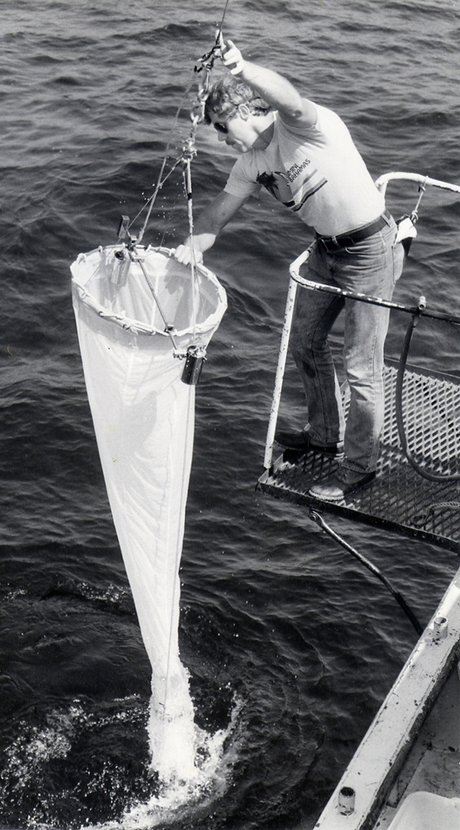
In Memoriam
Spring 2019
David Rathke devoted 17 years to Great Lakes research, authoring over 20 publications on Lake Erie and advancing transboundary water quality cooperation through the IJC and EPA.
Sara Belontz Sara Belontz investigates microplastic distribution and sources in Lake Huron's nearshore and offshore sediments to better understand biological impacts and bioaccumulation threats across aquatic trophic levels. My Ph.D. research will investigate factors controlling the distribution and accumulation of microplastics in benthic sediment of nearshore and offshore depositional environments of Lake Huron, to ascertain potential causes and sources of pollution. I have also been working with Dr. Patricia Corcoran from the University of Western Ontario on a project regarding microplastics in bottom sediments of the Thames River, along with a Pan-Great Lakes plastic pellet study.What inspired you to get into this work?After receiving my master’s in environment and sustainability at the University of Western Ontario, I had the opportunity to work with Dr. Corcoran on multiple microplastic projects. I learned a great deal about microplastic pollution and its adverse environmental and biological consequences. I was equally intrigued and disturbed by the amount of data describing the prevalence of microplastics in both marine and terrestrial environments. As a strong environmental advocate and dedicated researcher, this inspired me to pursue my Ph.D. with Dr. Corcoran and work on projects concerning microplastics in sediment.What body of knowledge would you like to build on?I would like to advance my understanding of the biological and chemical impacts of ingested microplastics by aquatic organisms. I am fascinated by potential pathways and bioaccumulation threats to higher trophic levels. It would be very interesting to be involved in the sample collection and biochemical analysis firsthand. This being said, I enjoy learning about all subjects and encourage informative conversations with individuals from different specializations. If you could change one thing about the way science is done, what would it be?Science is a powerful mechanism for change, but like any field, it has its challenges. Many single-discipline researchers struggle to collaborate with others. I strongly urge more successful interdisciplinary work amongst stakeholders, connecting scientists, artists, industry leaders, and policymakers. Complex issues like plastic pollution cannot be solved without the cooperation and support from all parties.How long have you been an IAGLR member and why did you join?I recently became an IAGLR member; however, after attending two IAGLR conferences in the past and networking with incredible professionals, it was long overdue. I became an IAGLR member to keep updated about current and profound research, as the membership includes an electronic subscription to the Journal of Great Lakes Research.Where will we find you at the conference?I will be presenting my research titled “Basin-wide Analysis of Microplastics in Nearshore and Offshore Benthic Sediments of Lake Huron” on Tuesday morning in the session Microplastics in Freshwater Systems: Advances in Chemistry, Biology and Physics. I will also be attending the session Microplastics in the Environment: Source, Fate, Impact, Detection, and Mitigation on Wednesday.

Member Spotlight
Spring 2019
Sara Belontz investigates microplastic distribution and sources in Lake Huron's nearshore and offshore sediments to better understand biological impacts and bioaccumulation threats across aquatic trophic levels.
Lyubov Burlakova Lyubov Burlakova studies the long-term ecological impacts of invasive Dreissena species on native mussels and benthic diversity. Her three-decade research spans European and U.S. ecosystems, emphasizing data repositories for trend analysis. I am a freshwater biologist studying ecology and diversity of benthic communities, and aquatic invasive species for the last 30 years in Europe and the U.S. I’ve worked at Buffalo State College since 2007 studying the impacts of Dreissena invasion on Great Lakes benthic communities and native freshwater mussel diversity. Since 2012, together with Cornell University, our team participates in U.S. EPA GLNPO’s monitoring of Great Lakes lower food webs.What inspired you to get into this work?Dreissena is an unusual beast in aquatic ecosystems. When choosing a topic for my Ph.D., I was told the incredible story of how zebra mussels changed the whole ecosystem structure and functioning in Lake Lukomskoe, Belarus. This was the first lake where the effect was tracked at all levels: water chemistry, structure, and productivity of all communities, benthic and pelagic. Plus, for me, a physicist by training, it was astounding and scary to study biological systems with their huge intrinsic variability. Wiens et al. (1986) note that studying ecology is comparable to what it would be like to study chemistry if the chemist were only a few angstroms long and lived only a few microseconds; the overall course of chemical reactions would be difficult to distinguish from the random collision of molecules! The attempt to separate ecosystem trends over time from natural variability and random changes is a fascinating journey.What body of knowledge would you like to build on? During my Ph.D. I studied growth, reproduction, population dynamics, spread, and effect of Dreissena on lake ecosystems. Almost three decades later, I continue this research, but on a different continent, in much larger lakes, and with two species of dreissenids. This makes it more challenging, but also more interesting. Not every scientist has the opportunity to study the same subject over several decades, but the investment and expertise pay off, providing a broad, unique perspective. It also makes you humble and persistent since right after you get the feeling “I finally got it,” nature proves otherwise!If you could change one thing about the way science is done, what would it be? Integration of different disciplines can further inform and enrich ecological research and monitoring; for example, a better understanding of the role of physical and chemical processes in community and species dynamics. We also always need historical data for our analyses of long-term community trends; creating regional repositories of samples and primary data will be a crucial investment in the future.How long have you been an IAGLR member and why did you join? I attended my first conference in 2008, soon after I joined the Great Lakes Center, to get a quick but comprehensive introduction to contemporary research on the Great Lakes. That conference exceeded my expectations, and I have never skipped a meeting since, first chairing sessions on aquatic invasive species and, later, on benthos and long-term monitoring. We always bring students to the conference since this is the best way to inform them on recent advances in Great Lakes research and integrate them into our wonderful community.Where will we find you at the conference? I am usually hard to find since my method is to select many different talks and jump between sessions to cover as much as possible. However, since I will co-chair the session Mud, Macrofauna and Microbes: Benthic Organism-Abiotic Interactions at Varying Scales (Thursday and Friday), I’ll surely be there! We also will present a photo exhibition and poster at the State of Lake Ontario session about our broad benthic survey activities on Lake Ontario in 2018.
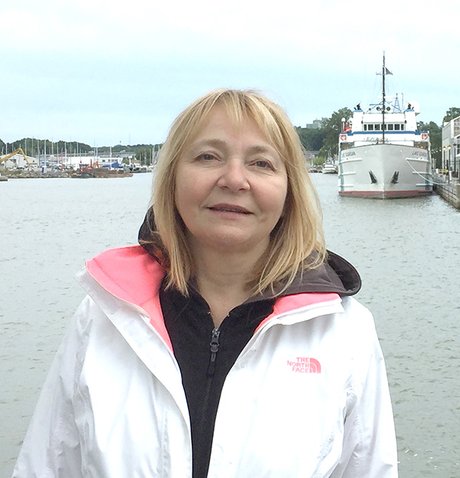
Member Spotlight
Spring 2019
Lyubov Burlakova studies the long-term ecological impacts of invasive Dreissena species on native mussels and benthic diversity. Her three-decade research spans European and U.S. ecosystems, emphasizing data repositories for trend analysis.
Pierre-Yves Caux Pierre-Yves Caux advises the International Joint Commission on transboundary water levels, flows, and quality. My work is to ensure decisions made at the International Joint Commission in my areas of responsibility are based on a credible and defensible science and engineering foundation. My team advises on several scientific and engineering projects throughout transboundary watersheds including the Great Lakes. The work focuses on transboundary water levels and flows and on water quality.What inspired you to get into this work?Many environmental issues that we are faced with today require problem solving that is multidisciplinary in nature. I enjoy making the linkages between the science and policy.What body of knowledge would you like to build on? This is a tough question for a scientist. Currently I feel climate change and adaptive management are worth building on as that knowledge will help us make the most sensible choices for the future of our waters, however daunting that may be. If you could change one thing about the way science is done, what would it be? We are fortunate in our organizations to conduct scientific investigations that our society believes in and are supported by our governments. Many will say more resources are needed to do a better job and in some cases they are correct. The scientific method we are utilizing is solid but needs to be more inclusive; that is, more of the population needs to take part in the science to empower them. For example, with all these apps being developed, think of the breadth of applicability these could have in water quantity and quality monitoring.How long have you been an IAGLR member and why did you join? I’ve been a member on and off for five years. I’m making an effort to stay connected despite my busy schedule.Where will we find you at the conference? I’m co-chairing a session with a colleague of mine, Jesse Feyen from NOAA, called Hydraulics, Hydrology, and Human Interactions in the Lake Champlain/Richelieu River Basin. The session is Wednesday afternoon in Seymour Union, Room 220
Member Spotlight
Spring 2019
Pierre-Yves Caux advises the International Joint Commission on transboundary water levels, flows, and quality.
Michael Chislock Michael Chislock explores the feedback loops between ecological adaptation and evolution in response to eutrophication and emerging contaminants. The work in my research lab focuses on several major themes: 1) We are interested in understanding the role of adaptation and evolution in modulating the response of lake ecosystems to eutrophication; 2) We study the prevalence and ecological consequences of emerging contaminants (e.g., microplastics); and 3) We assess the effects of restoration and management practices on water quality.What inspired you to get into this work?I grew up in central Pennsylvania and spent most of my childhood near rivers and lakes. I was also always interested in chemistry. As a graduate student, I learned how much I loved teaching, especially at the undergraduate level. My current position lets me combine all of my passions: aquatic environments and teaching/mentoring students, and is a blend of field- and lab-based activities. What body of knowledge would you like to build on? I would like to build on the rapidly growing body of knowledge demonstrating important feedbacks between ecology and evolution. I think the implications of this line of work for lake management are currently underappreciated, but important.If you could change one thing about the way science is done, what would it be? Most introductory science courses that I’ve seen are very large lectures seemingly designed to filter out students. I would like to see more funding and opportunities for immersive experiences in science for a larger proportion of students prior to the start of their undergraduate education. How long have you been an IAGLR member and why did you join? I joined IAGLR in 2011. I was interested in harmful algal blooms in the Great Lakes region, and I wanted to present the results of my research at the meeting.Where will we find you at the conference? Finger Lakes, HABs, watersheds, and wetland-related sessions.
Member Spotlight
Spring 2019
Michael Chislock explores the feedback loops between ecological adaptation and evolution in response to eutrophication and emerging contaminants.
Emily Ham Emily Ham investigates microplastic and microfiber occurrences in municipal water systems within the Niagara Region. My research investigates the concentration of microplastics in freshwater systems, wastewater treatment, and agricultural soils in the Niagara Region (Ontario, Canada).What inspired you to get into this work?I love to problem solve, and I wanted to investigate an environmental problem close to home. Microplastic pollution is widespread in all urban environments, and it has been incredibly rewarding working within my community to better understand this problem.What body of knowledge would you like to build on? Following my research on microplastics, I would love to continue investigating other emerging environmental contaminants in the Great Lakes basin. I find tracing environmental contaminants in freshwater environments to be fascinating and would enjoy playing a role in understanding their environmental impact, tracing them back to their source, and investigating novel ways to mitigate against these contaminants. I think this would be a great fit for my research goals and personal growth.If you could change one thing about the way science is done, what would it be? Collaboration should be fostered and emphasized to a greater extent. In emerging fields such as microplastic studies, standardized methods haven’t been agreed upon yet. One of the biggest struggles of my study was determining the best method for isolating microplastics from water/soil, as well as visually identifying what is actually a “microplastic.” More collaboration from the beginning of my research process would have helped me tackle these challenges more effectively. How long have you been an IAGLR member and why did you join? I have been an IAGLR member since March 2019. Where will we find you at the conference? You can find me at the session Microplastics in the Environment: Source, Fate, Impact, Detection, and Mitigation where I will be presenting my work titled “The occurrence of microplastics and microfibres in municipal water systems of the Niagara Region, ON” on Wednesday morning in Seymour Union, Room 220!
Member Spotlight
Spring 2019
Emily Ham investigates microplastic and microfiber occurrences in municipal water systems within the Niagara Region.
Josie Lindsey-Robbins Josie Lindsey-Robbins studies how detritivore abundance influences nutrient cycling and corn biomass in agricultural soils. I am studying the effects of increased detritivore abundance on nutrient cycling in agricultural soil, and how we might be able to incorporate detritivore abundance into best management practices for farmers. My work has found that increased detritivore abundance was able to reduce the volume of leachate from agricultural soil by about 31 mL per invertebrate, which can have drastic impacts on freshwater eutrophication processes. Detritivores were also able to significantly increase corn biomass and decrease weed growth, which are two main goals of farmers everywhere.What inspired you to get into this work?I originally wanted to study climate change and biological processes under different warming or rainfall scenarios, but living in Northwest Ohio, the community is so connected to Lake Erie. They use it for fishing, boating, drinking water, and industrial businesses. I wanted my research to help not only the ecosystems around me, but the communities that are impacted by the degradation of those ecosystems.What body of knowledge would you like to build on? Broadly, I would like to build on the body of knowledge surrounding global change biology and how changes in temperature and precipitation might alter natural processes, ecosystem functioning, and organismal biology. I would like my career to unite research and on-the-ground monitoring or conservation techniques to make a real difference in ecosystem health. If you could change one thing about the way science is done, what would it be? I would change the stigma placed around data sharing. There is a huge wealth of data, information, and knowledge that scientists seem to be scared of sharing, especially prior to publication. But these data are usually the most up to date and accurate, so we need to be sharing them worldwide to have greater impacts on environmental policy and management. This really comes into play for species management when we take into consideration species rarity, distribution, range, habitat preference, and more.How long have you been an IAGLR member and why did you join? I joined a couple months ago because I was looking for an organization that fit with my thesis research and overall career goals. While IAGLR is focused on the health of the Great Lakes, it also is broadly interested in both aquatic and terrestrial ecology, and how they work together to impact the health of the lakes. I wanted to present my research to an audience that would understand my goals, and possibly be able to incorporate my research into future work.Where will we find you at the conference? I am giving a talk on June 12 in the session Soil Health: Role of Nutrient Losses from Agricultural Sites. I also plan on attending Linking Human Well-being, Quality of Life, and Ecosystem Services to Conservation Efforts on June 11 and Beyond the Edge of the Field: Mitigating the Impacts of Nutrient Pollution on HABs on June 13. You can also find me at the student social and the banquet!
Member Spotlight
Spring 2019
Josie Lindsey-Robbins studies how detritivore abundance influences nutrient cycling and corn biomass in agricultural soils.
Harry Nelson Harry Nelson represents Fluid Imaging Technologies, demonstrating FlowCam imaging flow cytometry for aquatic plankton research. I work for Fluid Imaging Technologies, a small technology company that makes the FlowCam®, an imaging flow cytometer that many aquatic scientists, including IAGLR members, use to study phytoplankton and zooplankton. In addition to working with scientists to help them understand the capabilities of FlowCam, I also teach our users how to run the FlowCam, and am involved in many aspects of managing our company.What inspired you to get into this work?I have always loved and been inspired by nature. As a kid, I fell in love with Maine during summer vacations. That love brought me to Maine, where I graduated from Colby College, being one of the first students to receive a degree in environmental studies (1976). I went to grad school for an MBA, and when, in 2005, I learned about an opportunity to join an exciting start-up company, Fluid Imaging, I thought how much fun and rewarding it could be to apply my business acumen in the world of aquatic science. That was the inspiration, but the joy in my job is working with the scientists who use our products.What body of knowledge would you like to build on?Although I studied the natural sciences in college, I did not get back into science until 2005. To sell a sophisticated instrument to world-class scientists requires a thorough understanding of our users’ science. Attending conferences like IAGLR (I attend 7 to 10 conferences each year) provides me with the opportunity to hear scientists talk their science, to learn what they are doing, and to meet wonderful people.If you could change one thing about the way science is done, what would it be?There needs to be more science! For there to be more science, there needs to be more funding! In early 2017, I became a member of the Union of Concerned Scientists, and a group of us in Maine, under the guidance and support of the UCS, began meeting with the Maine congressional delegation here in Maine and in Washington to promote the need to expand funding for science. Scientists need to practice more activism and to do more to communicate the wonderful work they do.How long have you been an IAGLR member and why did you join?I have attended most of the IAGLR meetings going back to 2006 (Windsor, ON), but I am not sure when I actually joined. I joined to receive mailings and the journal, and to support the organization.Where will we find you at the conference?I will be demonstrating the FlowCam at the booth (bring a sample!) and I will have cool phytoplankton temporary tattoos to pass out. I will also be giving a talk on how the FlowCam can be used to characterize zooplankton on Thursday afternoon in the Spatial Dynamics in the Pelagia of Large Lakes session. But most importantly, come see me at the IAGLR Hockey Challenge as I will be coach of IAGLR Team USA! Face-off is Wednesday, 8:15 p.m., at Lakeshore Hockey Arena & Sports Center in Rochester.
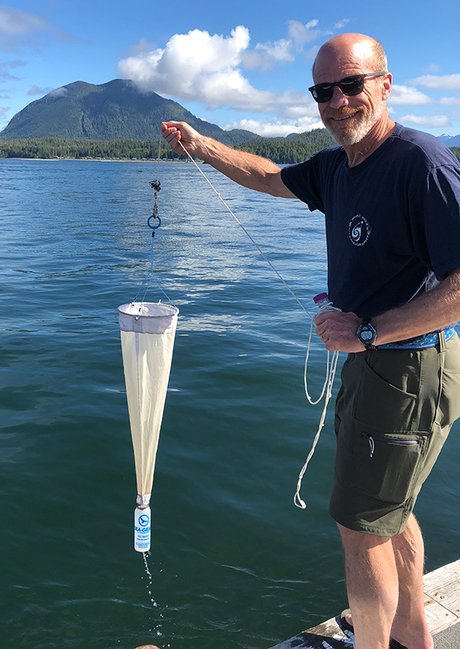
Member Spotlight
Spring 2019
Harry Nelson represents Fluid Imaging Technologies, demonstrating FlowCam imaging flow cytometry for aquatic plankton research.
Tips for a successful IAGLR 2019 By Jennifer Boehme Advice for early career scientists on networking, effective communication, and balancing stamina during the annual conference. IAGLR 2018 Student Mixer. Photo by Chai Chen.The annual conference on Great Lakes Research in Brockport, New York, is fast approaching and provides an opportunity to kick start a conversation around professional development and mentoring within the community. In our recent survey, IAGLR members identified mentorship as a key need. In response, the IAGLR board has developed a Professional Development Subcommittee to identify actions that IAGLR can take to improve on its current activities. Part of the aim of this subcommittee will be to develop opportunities that benefit folks across multiple stages of their career, so stay tuned. We also hope to use this column for advice and shared experiences. In the meanwhile, feel free to reach out to me with your questions and ideas.If this is your first scientific meeting, welcome to IAGLR. Here are a few things to keep in mind for a productive meeting experience.Effective communication This is a great opportunity to practice sharing your research in a 30-second to two-minute version (without acronyms). IAGLR attendees hail from a variety of science and communications backgrounds, so it’s good to keep things broad. You can always delve into details once you know their expertise. Meet new peopleSit next to people you don't know at dinner. Attend the student mixer and build relationships with other early career scientists. Ask your adviser (or other senior lab members) to introduce you to their colleagues, who may in turn be your mentors and colleagues one day. Say hello to the IAGLR board members too; we are a friendly bunch. Follow up Make new connections? Reach out after the meeting as a way to build your network; perhaps you promised to share a paper? Follow new connections on ResearchGate, Academia.edu, or their science-related social media. Congratulate them on their new paper and get the scoop on their latest findings. LinkedIn can also be a great resource, so consider starting or updating your profile. Take a break Meetings can be like summer camp for scientists (here, with hockey and soccer). The “all in, all the time” nature of the week requires stamina. Be sure to recharge, so you can take best advantage.
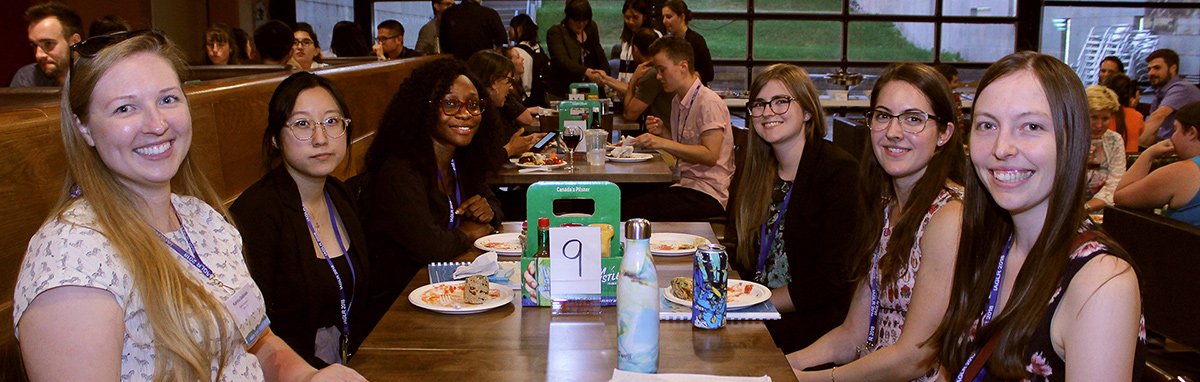
Perspective
Spring 2019
Advice for early career scientists on networking, effective communication, and balancing stamina during the annual conference.
Lakes Letter Redux A note from IAGLR President Michael Twiss
By Michael Twiss, IAGLR President IAGLR revives Lakes Letter to boost member engagement and share association news. Some who were IAGLR members a few decades ago might recall regularly receiving in the mail a newsletter on ivory-colored paper IAGLR used before the Internet to communicate en masse with its members by means other than the annual conference or the journal. Bringing back Lakes Letter was your idea. Let me explain. In 2018, we conducted a member survey where you told us that you wanted to be more engaged. Lakes Letter is just one way for our members’ voices be heard. In this new quarterly publication, we’ll celebrate your good news and mourn your loss. We’ll feature member profiles so we can better get to know one another. We’ll also share news from the board and committees that help make IAGLR tick.Since I’ve been on the board, IAGLR has made several changes to better support our members and constituents of great lakes across the globe, as our name suggests. We are now a member of the Consortium of Aquatic Science Societies, speaking with a unified voice to protect fresh waters by providing scientific advice to governments. On behalf of our members’ desire to be a more proactive force, we’ve responded to the U.S. federal government’s efforts to redefine waters of the United States, encouraged the Russian government to reconsider its desire to relax nutrient loading into Lake Baikal, and requested reconsideration of changes to the NSERC Strategic Grant program in Canada. We now have an international (non-Canada, non-U.S.) board member position to better reflect other nations, here on this continent and beyond, that are rights holders and stakeholders in great lake ecosystems. When I was elected to the board in 2016 we had one conference per year; last year we had three and will do so again in 2021. Our annual State of Lake conferences enjoy participation by those who don’t normally attend the annual IAGLR research conference, connecting to policymakers and business leaders across the Laurentian Great Lakes basin. In 2020, we will partner with the International Institute for Sustainable Development-Experimental Lakes Area in Winnipeg for our annual research conference. Based in an area rich in social linkages to water resources, IISD-ELA has a strong scientific connection to past and present issues confronting the Great Lakes. We look forward to stepping again outside of the LGL basin to reflect on where we are as an association of great lake researchers and establish new partnerships.Our association faces important issues. As our activity to serve our constituents grows, we need to find better ways to make connections amongst them and still maintain our mission to advance understanding of the world’s great lake ecosystems. To this end we are seeking input on a strategic plan for IAGLR. We are also living in a world experiencing rapid technological, environmental, and social changes. People worldwide rely on great lake ecosystems for their livelihood, and we must be able to reply to those who warn of impending strife due to climate change, burgeoning human population, and unsustainable attitudes toward the natural ecosystem. Great lake researchers are needed now and in the future.
Editorial
Spring 2019
IAGLR revives Lakes Letter to boost member engagement and share association news.
