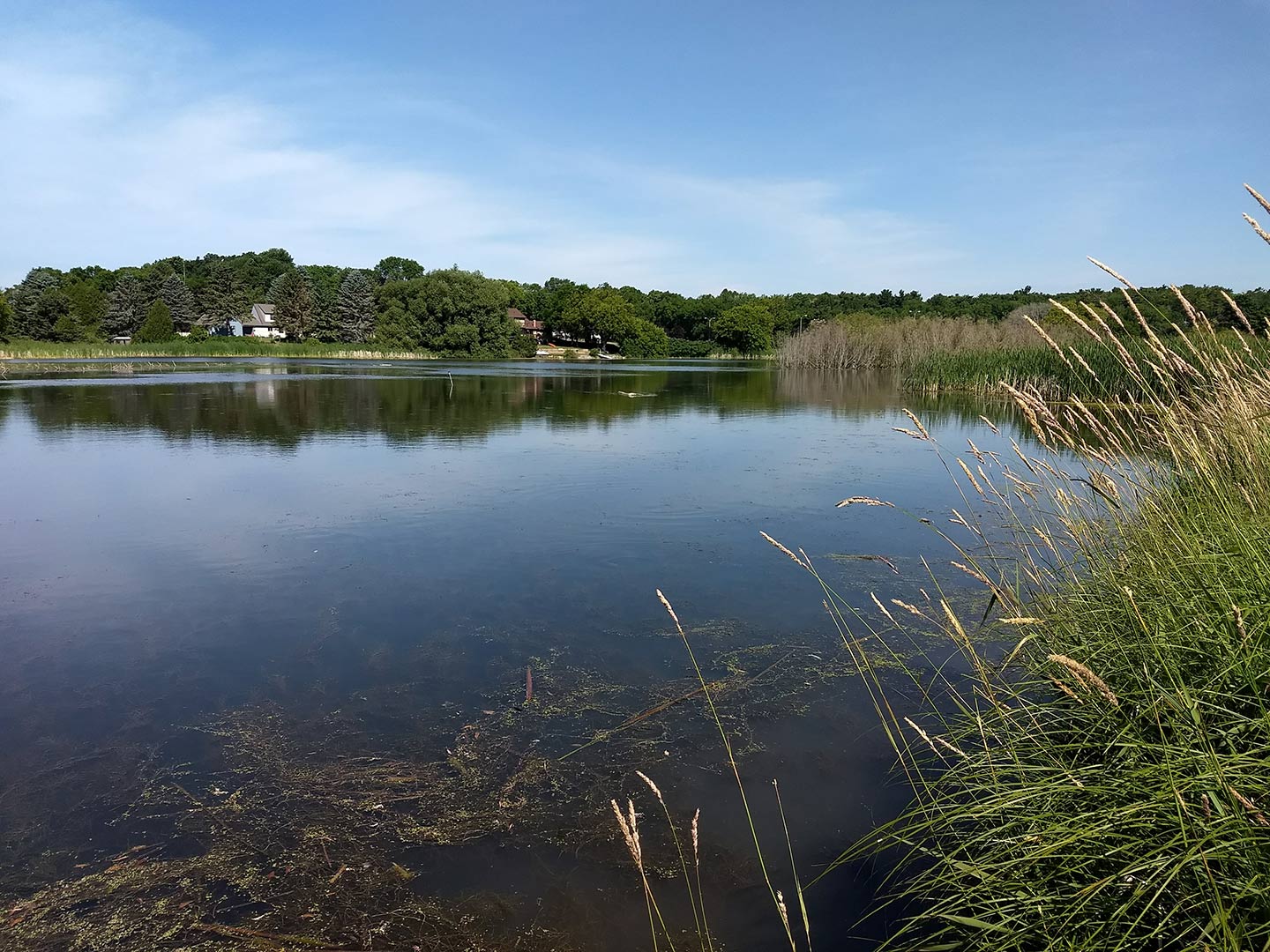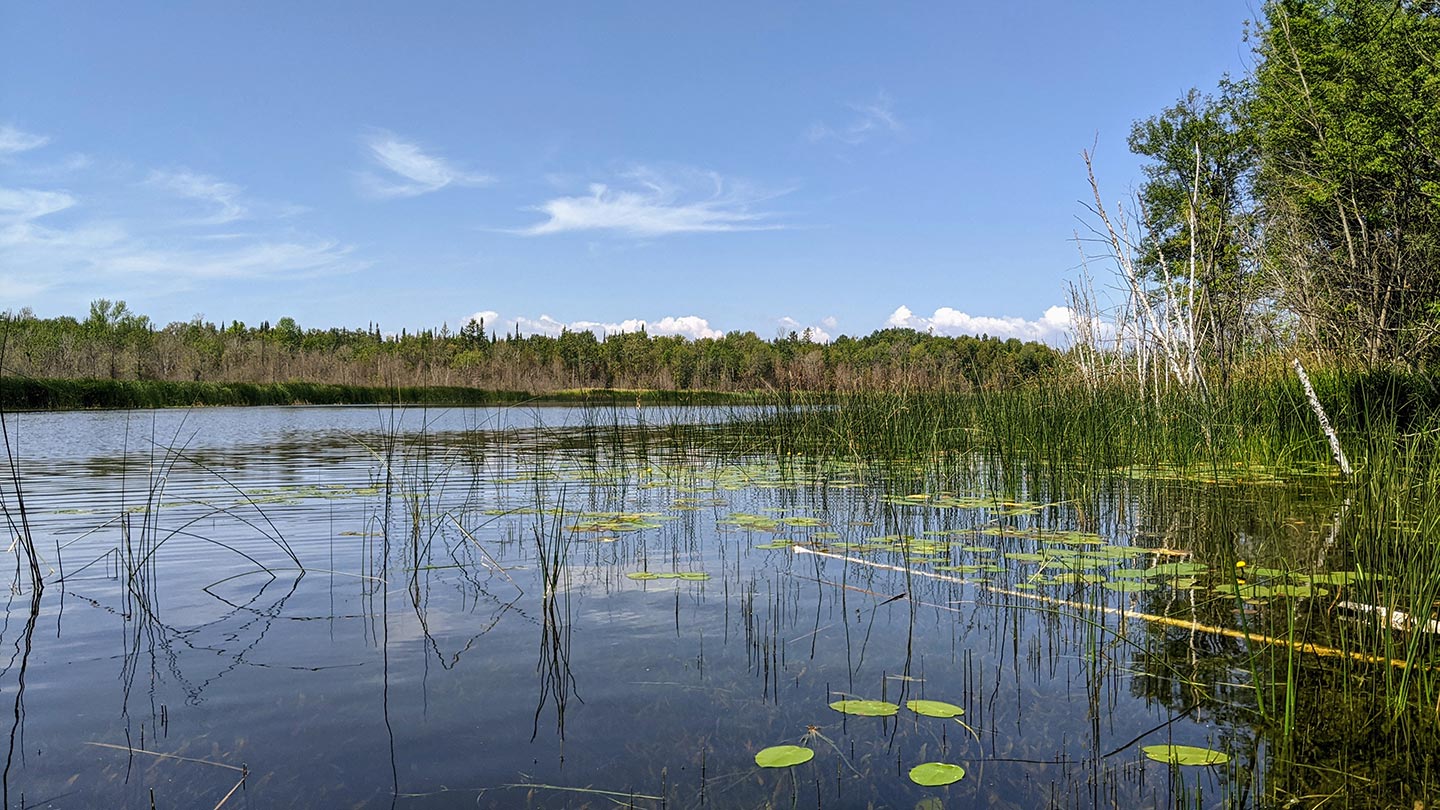
Where the land meets the water of the Great Lakes is one of the most magical places in the world, especially when it comes to coastal wetlands. These marshes fringe the bays, inlets, and river mouths in all five lakes, from the rocky shores of Lake Superior to the barrier beaches of Lake Erie. Coastal wetlands contain a complex mix of plants and animals and serve as vital spawning and nursery habitat for many species of fish, as well as other animals. Because the wetlands are shallow, warm, and productive, they are an ideal place to hatch and rapidly grow. Nearly three quarters of all fish species in the Great Lakes are estimated to rely on coastal wetlands for some part of their life or their food source’s life (Jude and Pappas 1992). Wetland habitat has been lost or degraded over the years, especially in populated areas, but even the most degraded sites are still home to a surprising diversity of fish species. Words do not convey the magic of coastal wetlands, so the story is told here through images.
A Dynamic Landscape
The landscape of coastal wetlands is very dynamic, from the true uplands to the deeps of the Great Lakes. These dynamic habitats warm rapidly in the spring, can absorb nutrients and sediment, and can help buffer flooding. Coastal wetlands are influenced by the rise and fall of water levels in the Great Lakes, but they can move up and down with those changes.
Vegetation
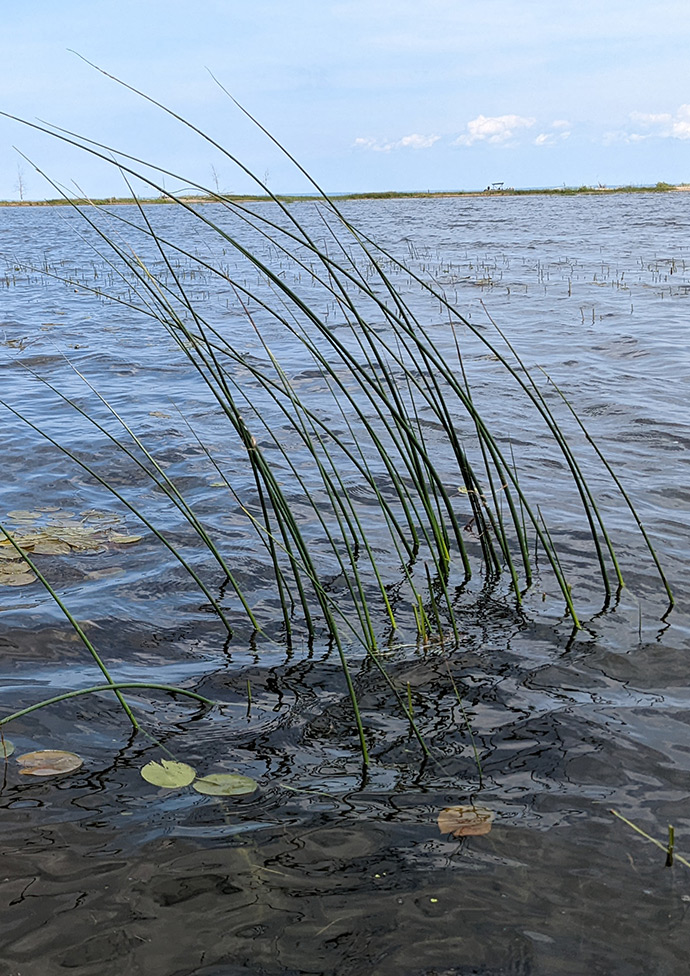
Three important zones of vegetation are the emergent, floating, and submerged. Emergent vegetation commonly encountered are cattails (Typha sp. - native, invasive, or hybrid), invasive Phragmites, and bulrush (Schoenoplectus sp.). Floating vegetation are often water lilies (white and yellow) that add color to the wetlands. Submergent vegetation can be very diverse, with many species of pondweed (Potamogeton sp.), wild celery, and common waterweed.
A Peek Below
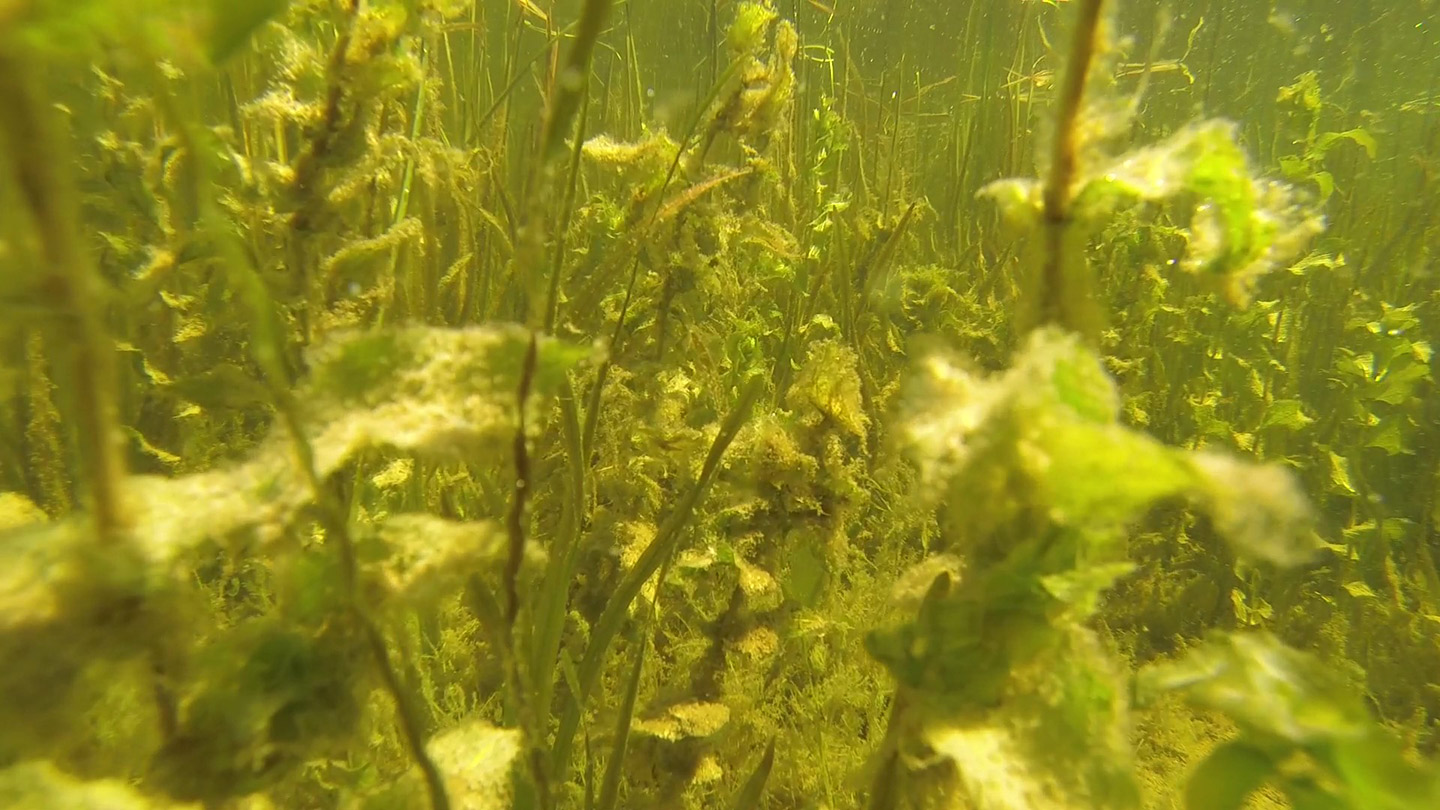
Taking the plunge to view wetland habitat underwater shows a great deal of complexity in the height and structure of the aquatic plants. The plants provide surface for attached algae to grown on, habitat for invertebrates, and hiding and foraging places for fish of many sizes. The Mink River Estuary in Wisconsin, pictured here, is a great place to explore.
Visiting Fish
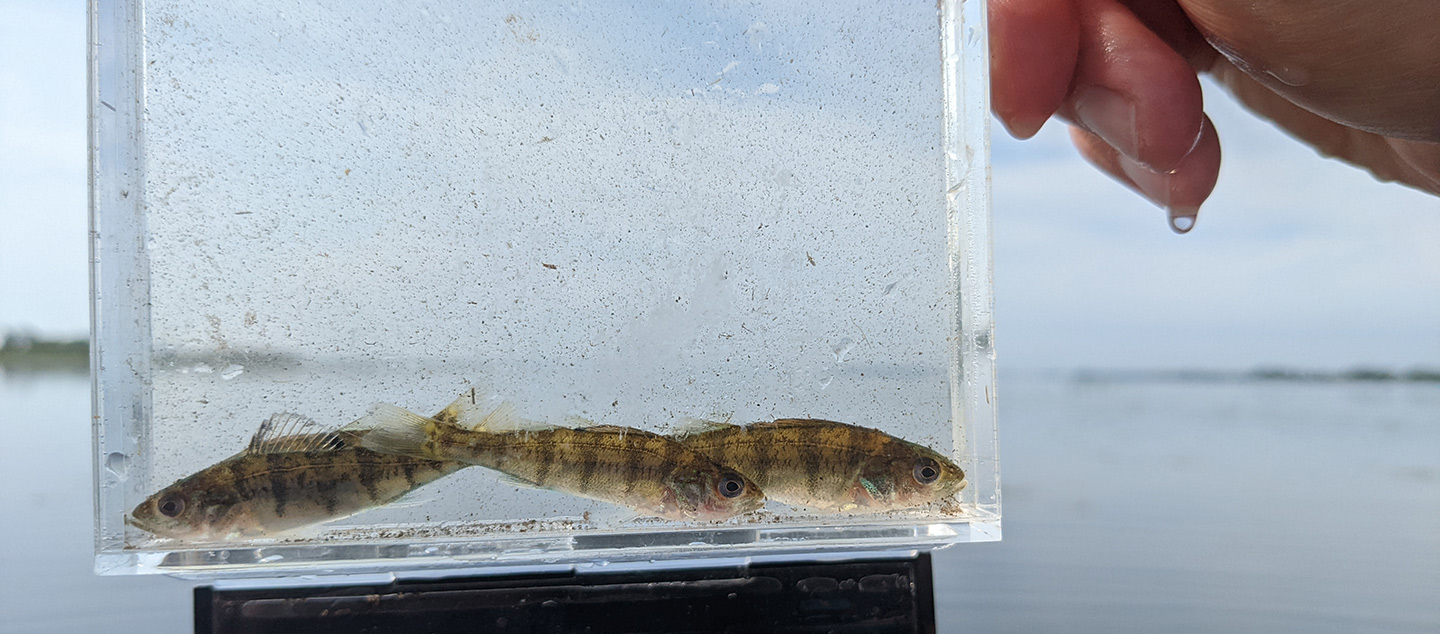
Great Lakes coastal wetlands serve as spawning and nursery habitat for many fish species, like the northern pike, largemouth bass, and yellow perch (above). The juvenile fish species may move out of the wetland into the larger lake when they reach a large enough size.
Resident Fish
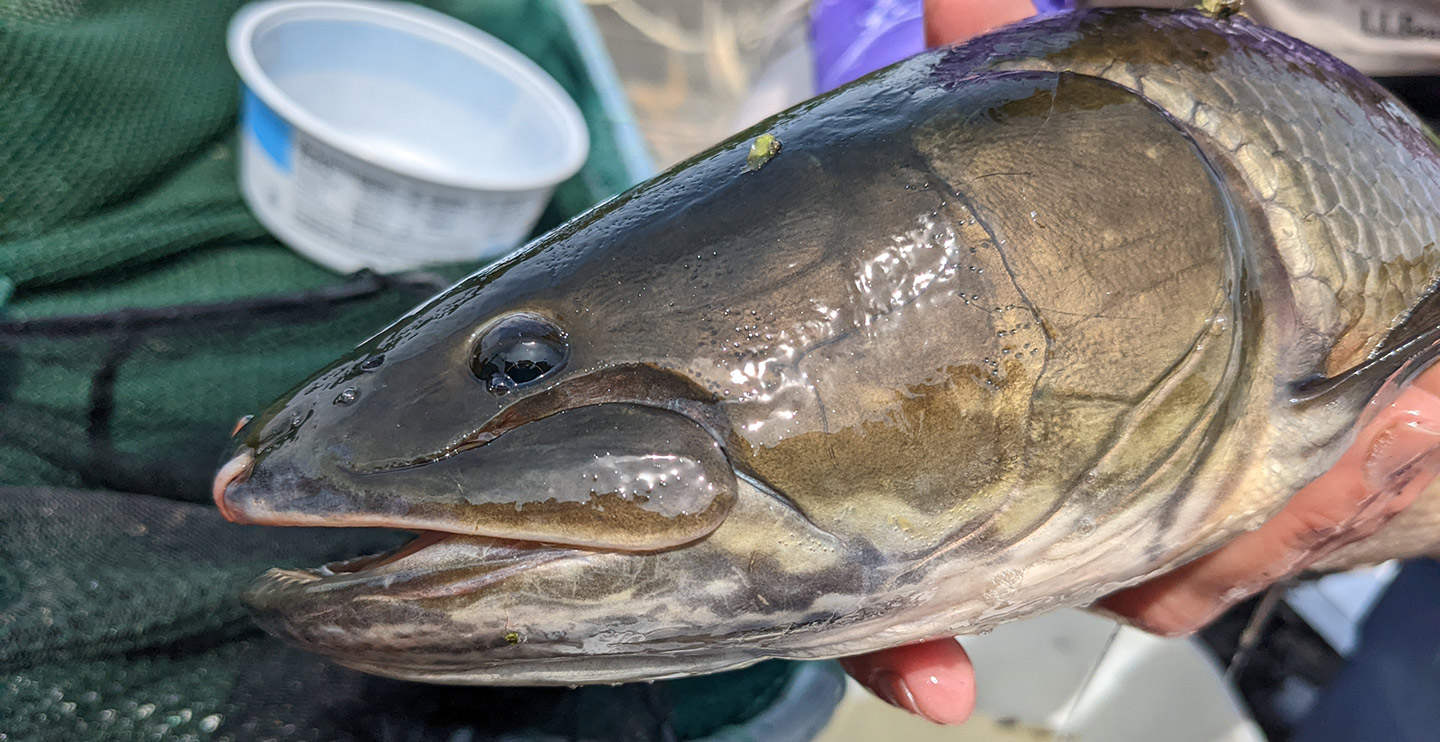
Some fish species are wetland residents and spend most of their time there. Many of these species have a lower profile than the sport and commercial species. Bowfin (below) and central mudminnow are two species commonly found in coastal wetlands. Sunfish, bullheads, and minnows are also important parts of the wetland fish assemblage.
Biodiversity
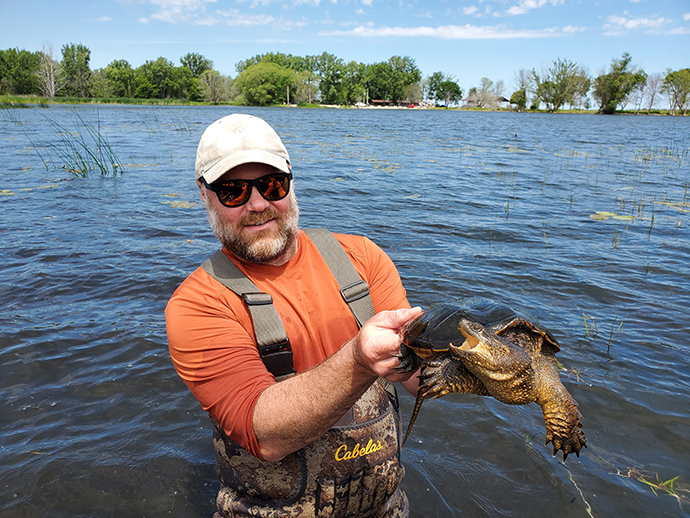
In addition to fishes, there are many other groups of animals that reside in coast wetlands, such as birds, mammals, reptiles, and amphibians. Some are residents and some use the habitats for feeding or nesting. At left, the author is shown with a grumpy snapping turtle in Seagull Bar wetland, Marinette, Wisconsin.
Degraded sites can be home to a surprising diversity of species. The marsh in the Little Manitowoc River shown below has degraded water quality with few submerged aquatic plants, but has 25 fish species, including juvenile northern pike and largemouth bass.