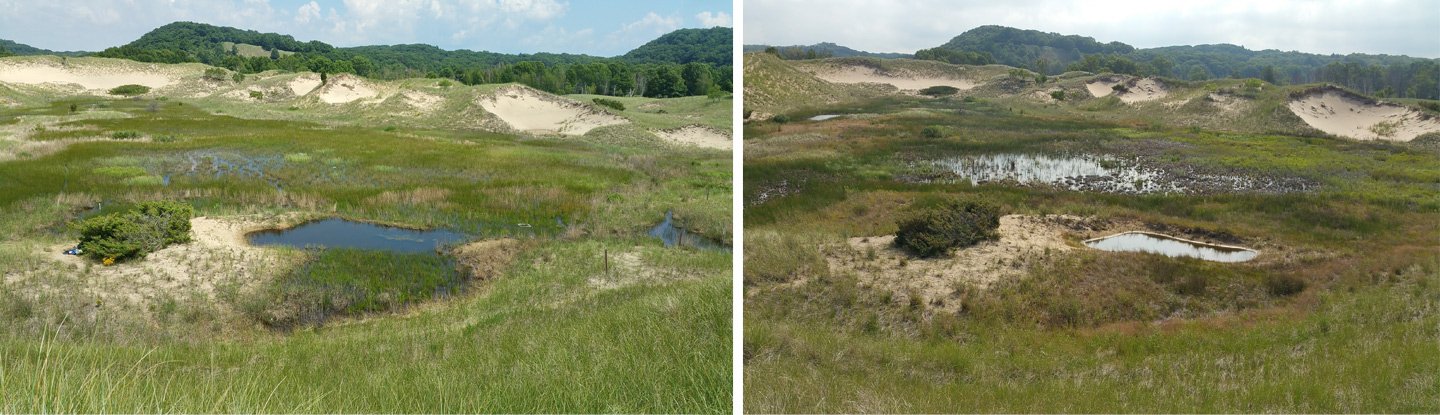
All rivers terminate in a lake or sea, with their meeting place known as an estuary. Rivers joining freshwater lakes form freshwater estuaries, and a common type found in the Laurentian Great Lakes is the drowned river mouth estuary (DRM). These estuaries came to be as the Earth’s crust rebounded following glacier retreat, forming lakes at the ends of watersheds that then flow out into the Great Lakes. Such DRMs are often buttressed by coastal dunes that cause further flooding and produce secondary DRMs of their own.
Today, there are more than 100 DRMs in the Great Lakes basin, with the densest assembly, over two dozen, found along the eastern shoreline of Lake Michigan. These DRMs share many common hydrogeologic characteristics, but vary widely in terms of size, depth, productivity, water quality, shoreline development, land use, and vegetation. These similarities and differences present opportunities for understanding the estuaries' role in the social, economic, and ecological context of the Great Lakes basin. For example, these estuarine ecosystems provide crucial wetland habitats that create havens for native fish and wildlife, and they are also prime areas of commerce and recreation.
Goldilocks zones of watershed productivity
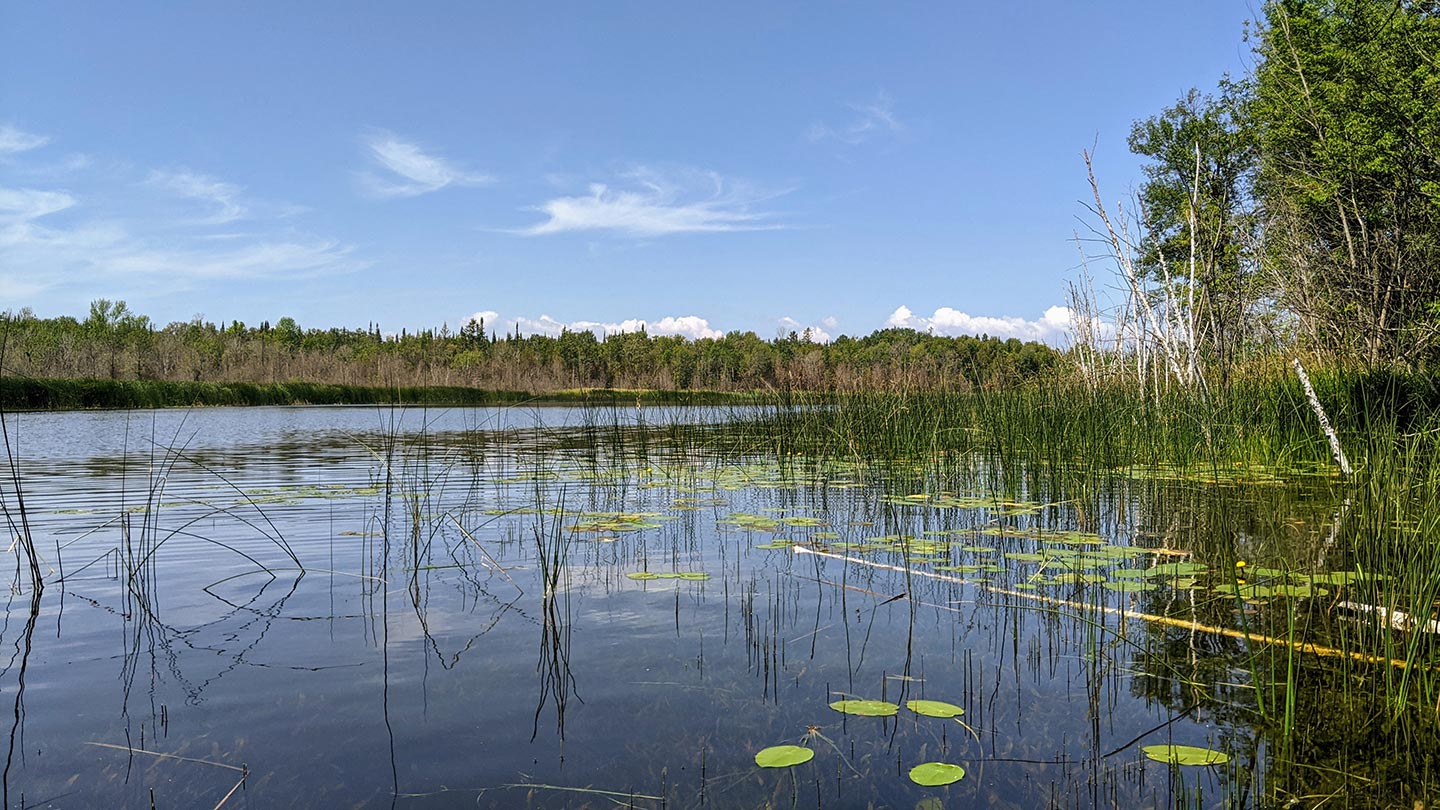
DRMs are critically important Great Lakes ecosystems that foster ideal conditions for the formation of wetlands, enhanced primary production, and fisheries in the Great Lakes basin. The slowing of the river in a DRM allows for deeper sunlight penetration into nutrient-rich waters, promoting the growth of algae at the base of the food web and making these estuaries Goldilocks zones of optimal productivity in the watershed. Enhanced primary productivity in conjunction with extensive and diverse wetlands provides the food and spawning habitat to support rich fisheries. High productivity and calm waters relative to adjacent water bodies also create optimal zones for trapping carbon and other nutrients in sediment, making them effective nutrient and carbon sinks in the watershed.
Hot spots of human activity
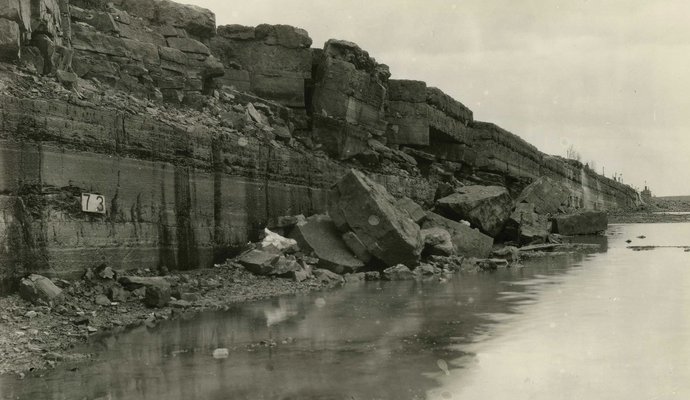
The sheltered DRMs also create protected shipping ports for industry and housing. Since the 1800s, industries enabled by these estuaries, such as foundries and logging, have supported several large coastal communities, including Charlevoix, Holland, Ludington, Manistee, and Muskegon. The latter was once the lumber capital of the world and played a crucial role in rebuilding Chicago after the Great Fire in 1871.
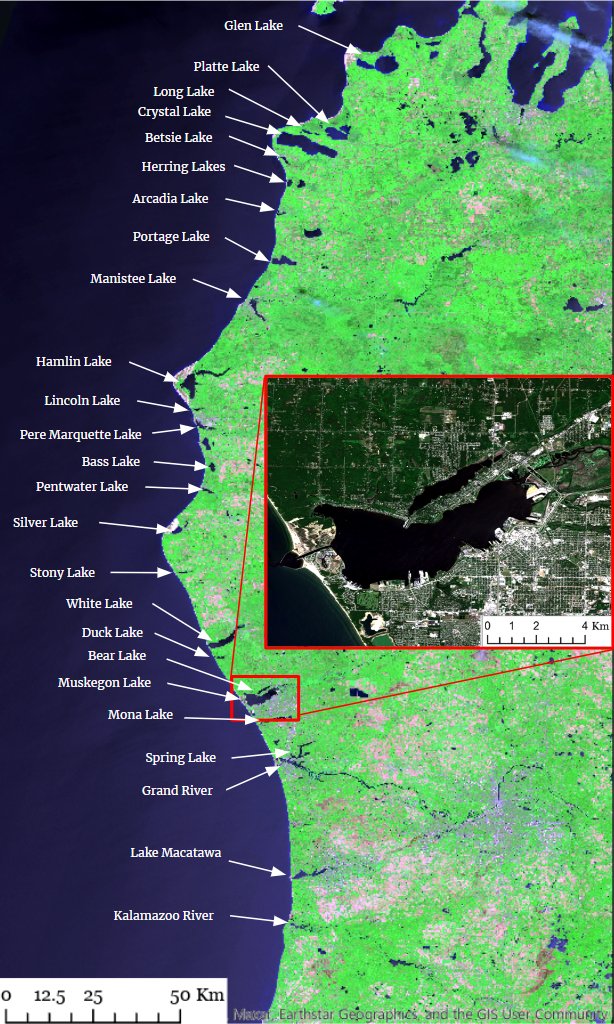
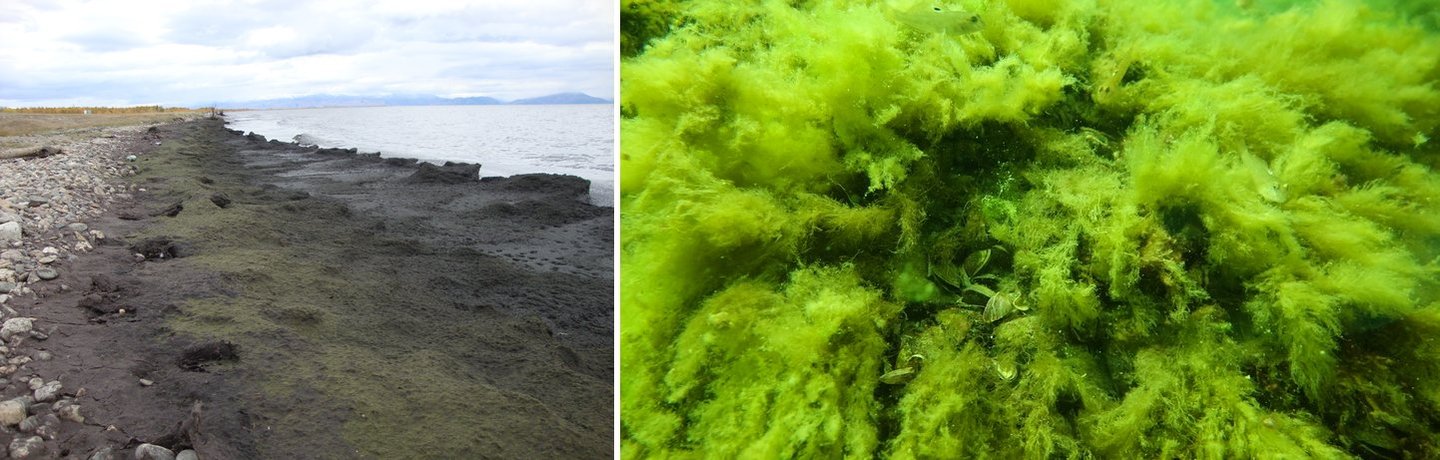
Urbanization and agricultural expansion make DRMs hot spots of anthropogenic problems such as harmful algal blooms, sediment contamination, shoreline hardening, bottom water hypoxia, and habitat loss. Currently, about half of the DRMs along the western coast of Michigan experience annual harmful algal blooms and hypoxic conditions. Additionally, once these troubled waters leave the estuaries into the Great Lakes proper, they have the potential to affect drinking water intakes or cause beach closings. Indeed, almost every Great Lakes Area of Concern site is in an estuary.
The impact of humans on DRMs varies along a latitudinal gradient with northern systems being relatively shielded. For example, west Michigan's southern watersheds have intensive conventional row-crop agriculture and more populous towns relative to northern watersheds.
Rich sites for research
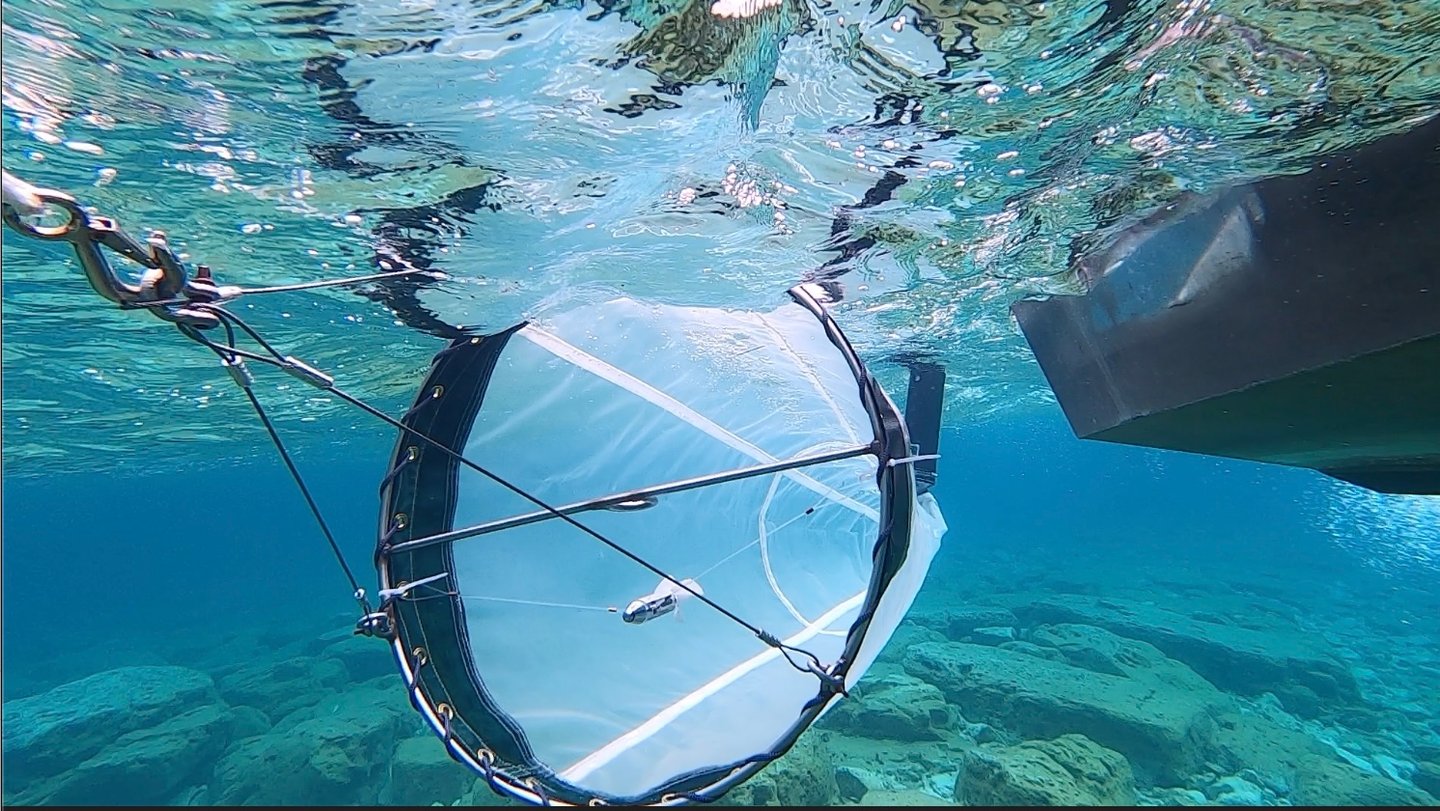
Given DRMs' distribution along a gradient from natural (e.g., more forested to the north) to anthropogenic (e.g., more urbanized to the south), these estuaries provide ideal conditions for an ongoing real-time experiment. In addition, DRMs integrate changes occurring within their watershed due to their terminal location within the system. Global and regional changes are signaled early in highly responsive DRMs dispersed throughout the Great Lakes basin. As such, studying these estuaries can provide insights not only into the sensitive DRMs themselves, but into the health of entire watersheds. While knowledge of DRMs has progressed dramatically in recent years, and great strides have been made to restore degraded estuaries, they remain hot spots of anthropogenic use. Multiple stressors such as pollution, land use change, and climate change continue to pose a threat. Although challenges loom, DRMs carry tremendous ecological, social, and economic potential worthy of our understanding and protection. Therefore, we propose that this unique brood of DRMs found along Lake Michigan's eastern shoreline be designated as a National Estuarine Research Reserve.