With a Territory surrounded by three parts Water comes huge responsibility. The Saugeen Ojibway Nation (SON) describes the shared Territory of the Chippewas of Nawash Unceded First Nation and Chippewas of Saugeen First Nation, our People, our Lands, Waters, our Ancestors, and our non-human relatives. SON covers over 2 million acres of land and includes the lakebed to the halfway mark of both Lake Huron and Georgian Bay.
SON relates to the Water as a sacred and living entity. Since time immemorial, SON members have relied on the Water for sustenance and livelihood, while caring for and protecting it through stewardship and ceremony. We have an undeniable and sacred relationship with the Water. Our relationship and responsibility is not only with the Water, but also with the diversity of life that the Water supports.
Stressors impacting Lake Huron and Georgian Bay continue to rise, as do SON members' concerns. Nuclear energy production and storage, shoreline development, alterations and hardening, constant anthropogenic influence, and the stocking of non-native fish species are just a few stressors that both individually and cumulatively could impact not only SON’s relationship with the Water but also SON’s court-proven rights to the fishery (R. v. Jones and Nadjiwon, 1993).
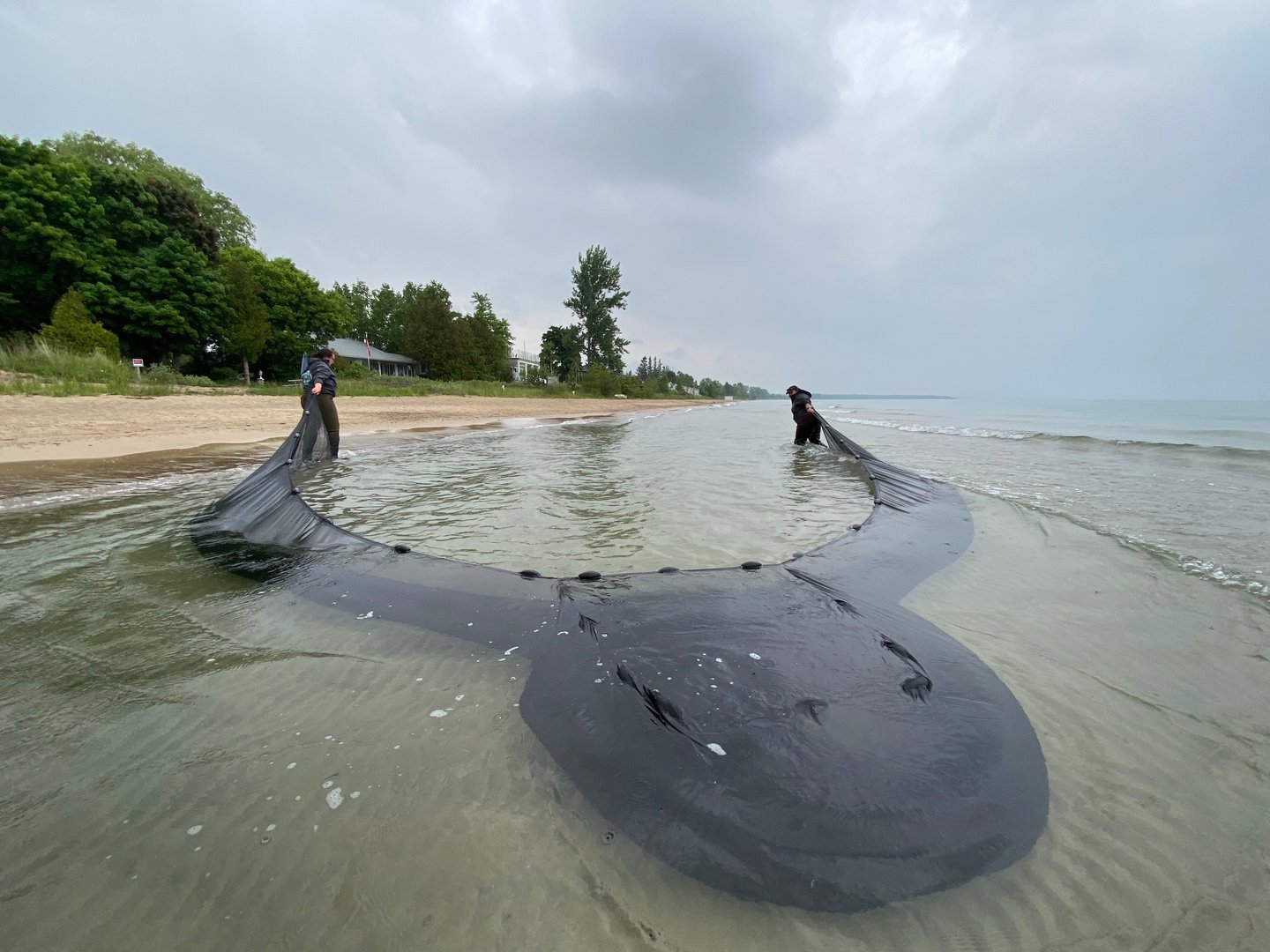
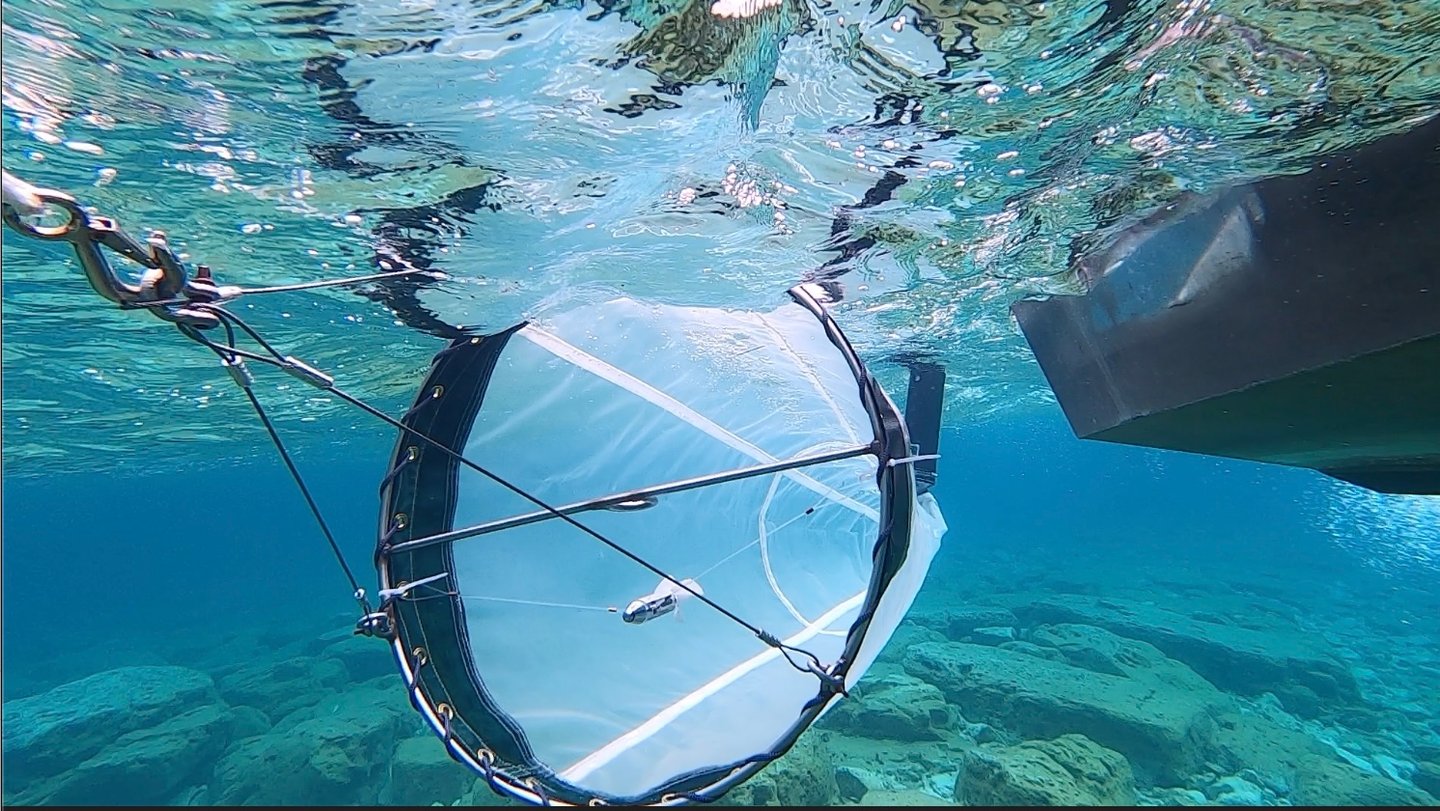
As caretakers of these Lands and Waters, SON felt it was essential to be a key part of the design and implementation of programs that assess and monitor the interactions and impacts related to stressors and the health and ecology of our Waters. The Coastal Waters Monitoring Program (CWMP), part of the Environment Office of the Saugeen Ojibway Nation, is a community-based, long-term environmental monitoring program with the goal of understanding (monitoring, assessing, connecting with), and protecting the nearshore aquatic environments of SON Territory. Coastal regions are used by nearly every fish at some point in their life cycle. These habitats provide essential structure, food, and protection for not only fish but for many other types of wildlife.
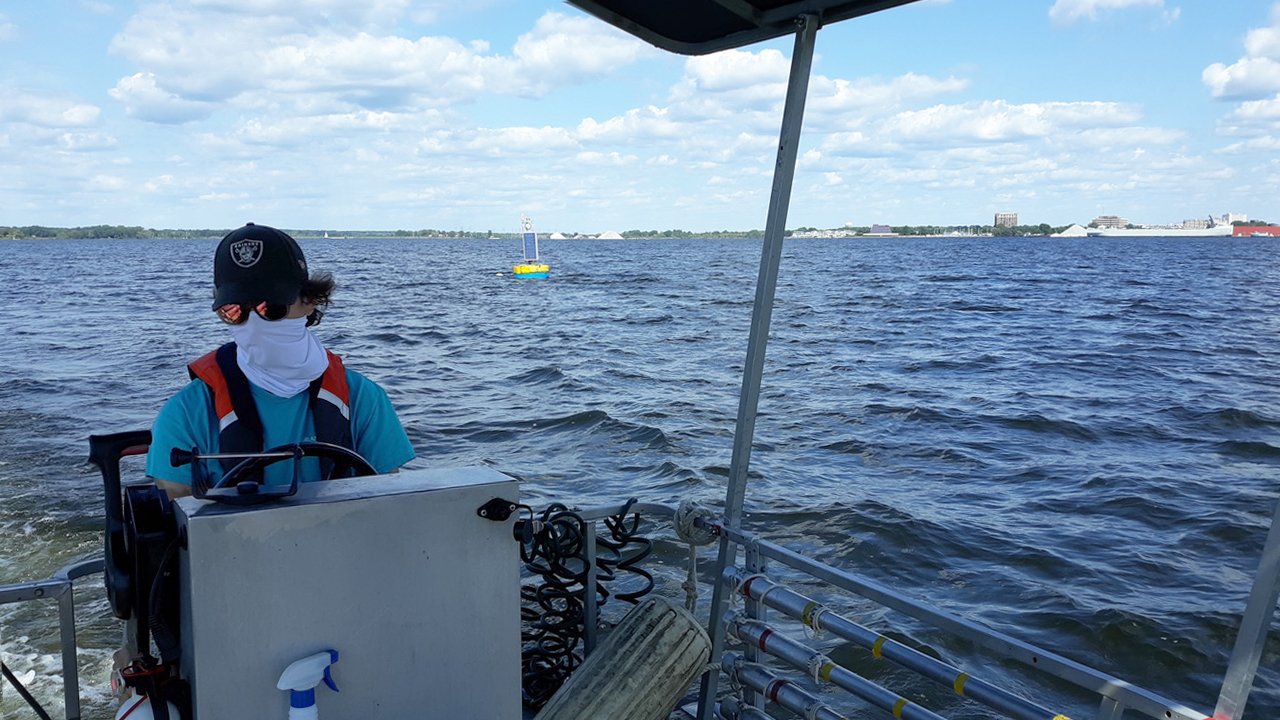
Knowledge and information gathered from CWMP will form the basis of how we understand the current conditions and health of coastal habitats and wildlife (especially fish) across the Territory. Fish community, Water quality, aquatic vegetation assessments, temperature monitoring, and other assessments will provide us with the opportunity to understand our Territory in a meaningful way, to identify changes and stressors, and to take meaningful action to rehabilitate and restore habitats and species and mitigate or eliminate the stressor(s).
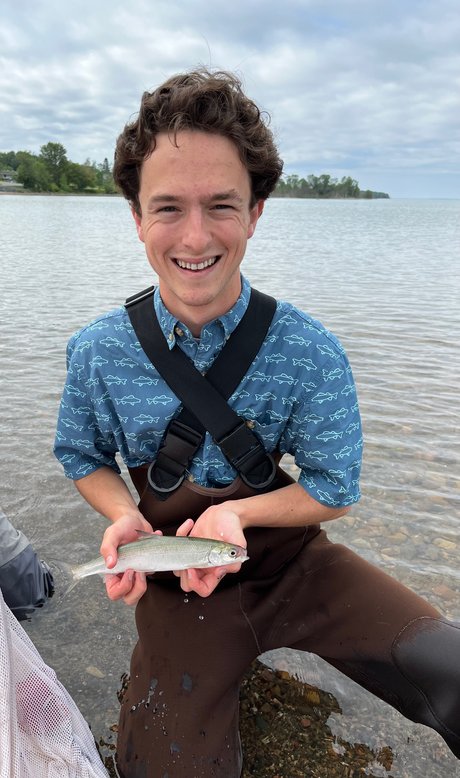
Since 2019, the CWMP has collected the largest multi-year dataset on nearshore fish and fish habitat compared to that of any other agency in the SON territory. To date, the team has sampled nearly half a million fish, identifying more than 60 different species. Aside from the importance of collecting data, the program is crucial for the simple action of being with the Land and in the Waters every day. To see. To touch. To learn. To remember. We are consistently expanding our collective ecological knowledge, our connection to the environment of our Territory, and the way that we relate to and understand the nearshore habitats.
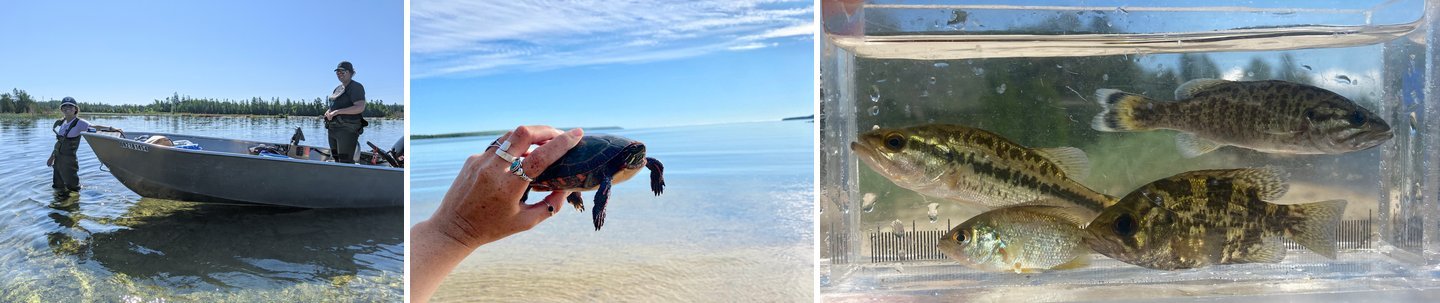
The interactions and relationships we have with these living beings, with the Water, and with the Land are extremely meaningful. Isn’t it special how we are all so different, yet rely on the same habitats to keep us alive?
It’s not too late to get one’s feet wet and strive to make a difference for our Water. Let us ask you, what role do you play in your relationship with the Land, Water, and non-human relatives? What will you do to protect and preserve the Waters and our non-human relatives after all they have given to us?