The Wisconsin Initiative on Climate Change Impacts (WICCI) released its latest assessment of climate change in Wisconsin earlier this year with information and tools to make Great Lakes coastal communities more climate resilient. The report shows that warming temperatures and changing precipitation patterns are impacting the state’s coastal ecology and communities. The last two decades have been the warmest on record in Wisconsin, and the past decade has been the wettest.
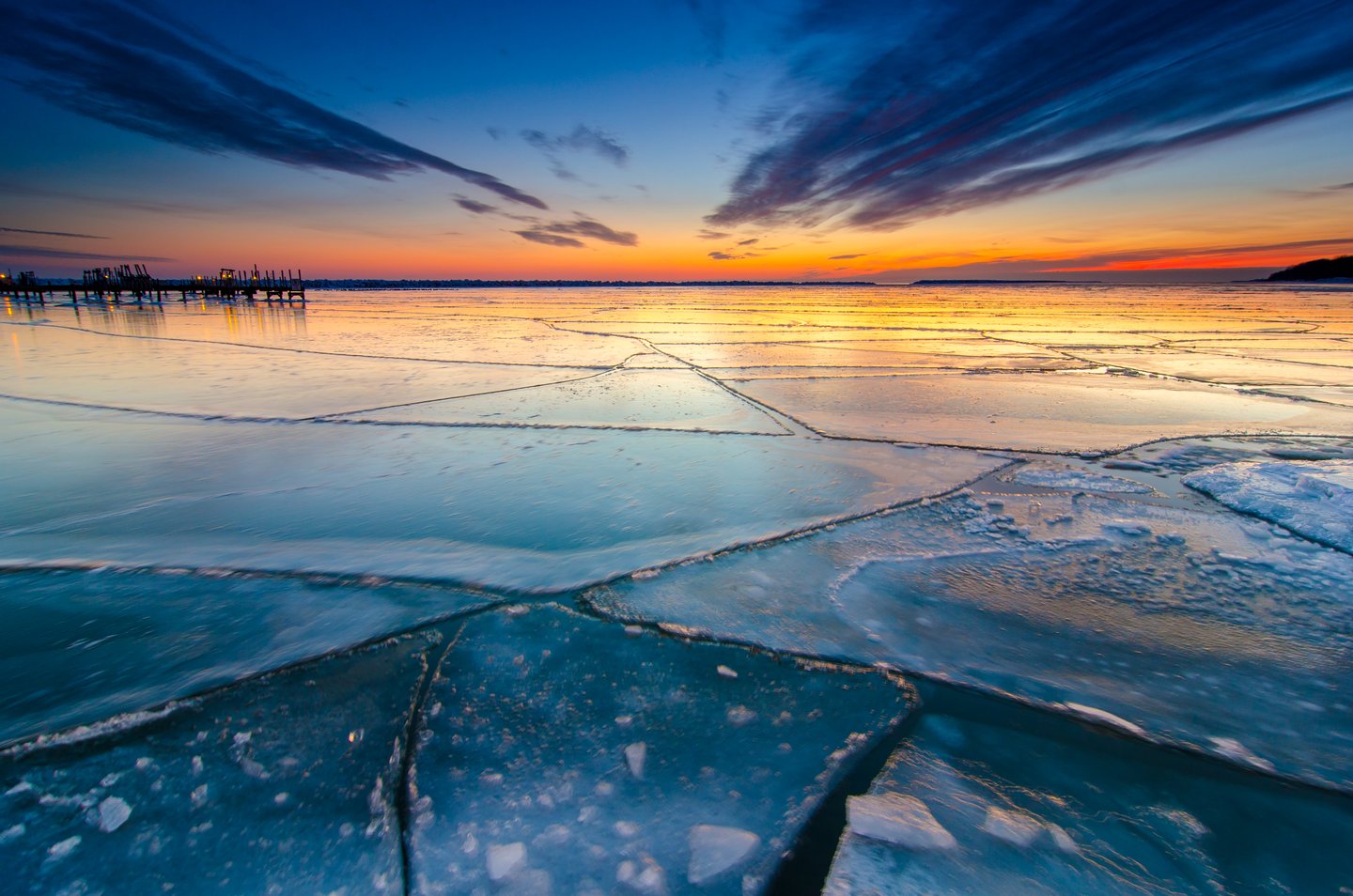
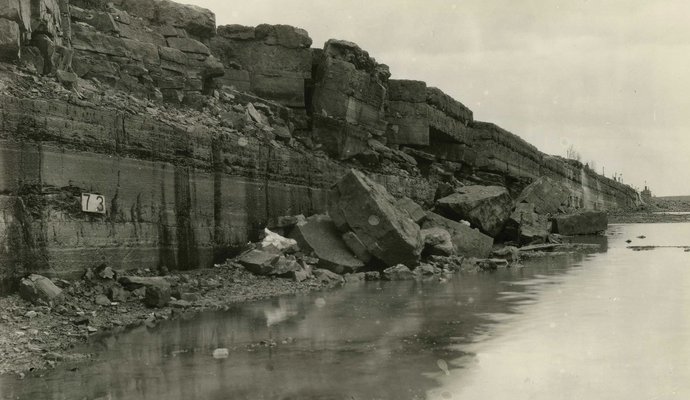
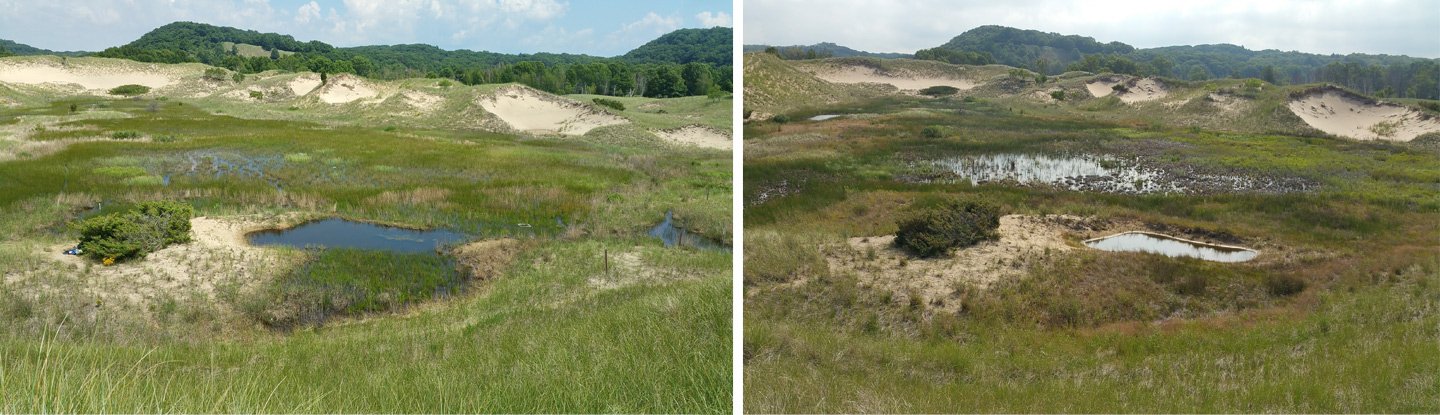
In the report, a focus on climate impacts to Great Lakes ecology shows Great Lakes water level fluctuations and changes to water temperature, lake mixing, and ice cover are impacting Great Lakes water quality and habitats. For example, the increasing frequency of extreme precipitation events and warming waters are impacting the amount and cycling of nutrients and contaminants in the nearshore lake environment, leading to more microbial contamination on beaches and increasing the risk of potentially toxic blue-green algal blooms. A focus on climate impacts to Wisconsin’s Great Lakes coastal communities shows that large fluctuations in Great Lakes water levels along with flooding and bluff erosion from extreme storms are impacting the areas along the state’s coastlines and causing uncertainty for coastal communities and industries. Wave energy reaching Great Lakes coasts is expected to increase in the future, in part due to anticipated decreases in ice cover extent and duration.