Sometimes you have to laugh to keep from crying. This was my attitude when I decided to take improv comedy classes in hopes of conquering the overwhelming anxiety of giving a research talk. I didn’t think that I had a fear of public speaking until it was time to present my nascent research to a room full of staring scientists. I stood there, trapped between the audience of some of the smartest people in my field and my glowing presentation. There was nothing I could do except present my research and awkwardly make it through the next 15 minutes.
For me, the talk was a massive failure even if my worst fears didn’t come true. I knew that I had to do better next time. I started going to shows at my local improv theater, Planet Ant, intrigued by friends who had been taking classes there. I was amazed at the confidence and ease of the improv performers on stage, and, because they were having fun, the audience was engaged. As I continued watching, learning, and performing improv, I noticed the many ways that improv could be useful for science communication.
My favorite lesson I’ve learned from improv is the freedom to fail. All my public speaking anxieties stemmed from the fear of failure and what terrible things would happen if I did not deliver a perfect speech. Comedy is like science in that it takes trial and error to figure out what an audience will find funny. Improv teaches you that you’re going to fail to deliver a funny line more often than you will succeed, but that’s ok! What matters is how you recover from that “failure” so that you can continue building an imaginary play world with your fellow improvisers.
I have learned to let go of my fear of rejection and relax during research talks, letting my unique personality and love of science shine through. Practicing improv has led me to be comfortable answering questions at the end of a talk because I am prepared to respond to spontaneous questions on any topic. This comfort with unplanned dialogue also makes it easier to have impromptu conversations with new people, a skill that will surely be beneficial at the upcoming IAGLR 2025 conference! Improv has been a great tool to practice scary social situations.
Through improv I was introduced into the broader world of comedy, and I became interested in writing comedy sketches, similar to “Saturday Night Live.” Again, I found striking similarities between writing comedy and writing science. Sketch comedy writing requires clear, concise scripts that tell a story with a strong point of view. Writing comedy has helped me trim down excess text from my manuscripts so I can focus on the important details. It’s useful for writing abstracts, social media posts, and other short, punchy texts with limited space.
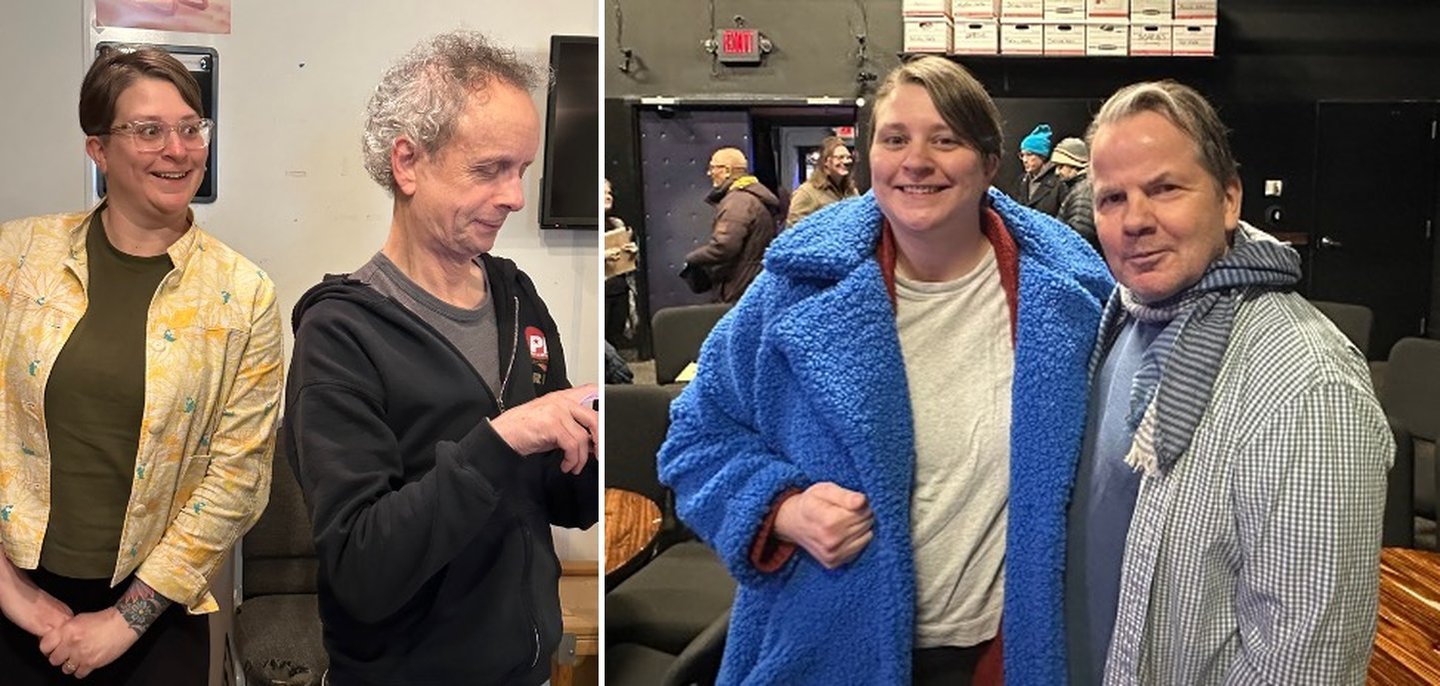
I use comedy for professional development, but I also use it for personal development. It’s important to spend time having fun, being creative, and engaging in play. An added bonus to being a part of the comedy world is that I have been able to take workshops with some of my favorite comedians, including Kevin McDonald (below, left) and Bruce McCulloch (below, right) from Canada’s “Kids in the Hall.” Comedy has made me a better science communicator by teaching me how to comfortably interact with any audience to deliver my message in an approachable way. If science communication makes you want to cry, try laughing instead.