On a reporting trip last fall, I traveled to Michigan’s Upper Peninsula to talk to the family of Albert “Big Abe” LeBlanc. It was for a story on his defiance of state conservation officers and his assertion of tribal fishing rights. His 1971 case was one of a few that laid the groundwork for how Great Lakes fisheries are managed in Michigan today.
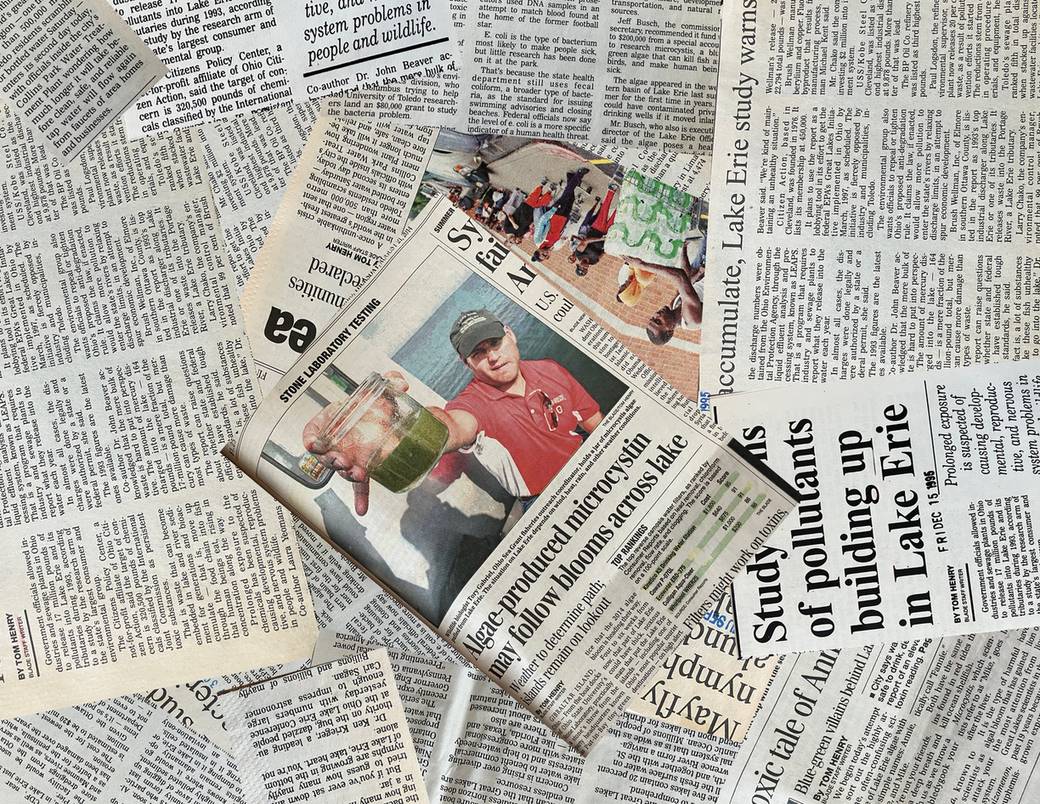
At the end of our interview, Big Abe’s son pulled out several fragile, yellowed newspaper articles written about his dad that he’d saved all these years. That struck me: People don’t remember facts and figures about the fishery of Big Abe’s day—they remember stories and characters.
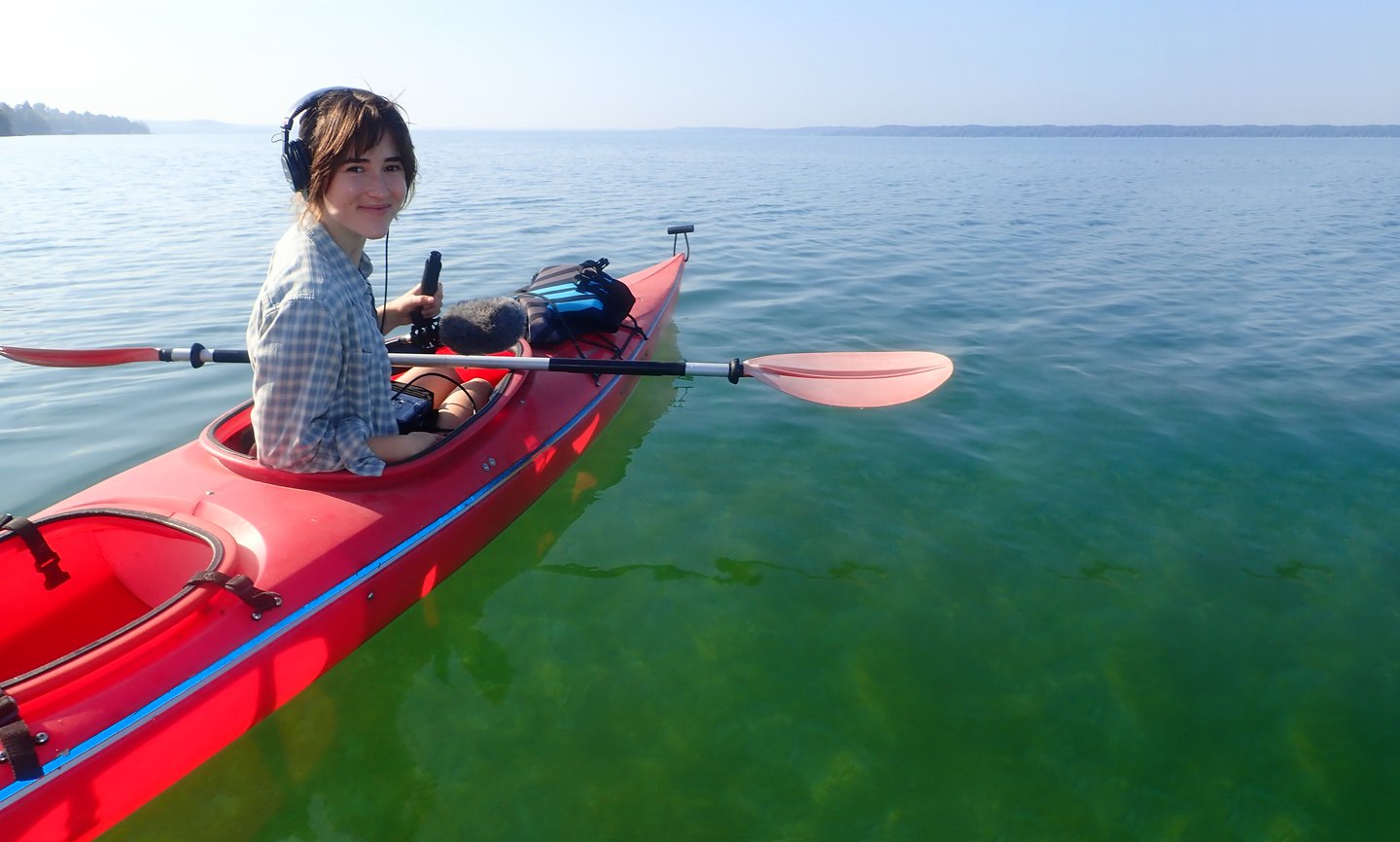
There is sometimes a Great Lake-sized gulf between what scientists understand and what the public does. Local journalism can be a bridge.
Maybe unsurprisingly, I get the most clicks and the most emails on stories about hunting, fishing, conservation, and recreation. People care about what’s happening in their backyards. They care about science that studies the fish, animals, landscapes, and waters they love. They just need a window in.
Audio has a special capability for that. It’s one thing to tell someone: “Scientists in Michigan are trying to get lake whitefish to spawn in rivers.” But it’s a whole other ball game to listen in on what that actually takes. The sound of researchers trudging through snowy woods to get to a site. The sound of a bag of fish eggs sloshing. The sound of a scientist trying to slide those precious eggs down a tube and into the river as carefully as possible.
These local stories make scientists more relatable—and what they do, more accessible. They help people understand what science is, and help them realize it’s happening on that same stream they love to fish every spring.
So, how to do that? Spend time on the phone with journalists, even if it’s just for background research. Talk like you would to your 13-year-old nephew: without phrases like recruitment, biomass, and ecosystem services.
Maybe most importantly, don’t be afraid to talk about your work like you’d tell a story around the campfire. “Evidence indicates there are more algal blooms in Lake Superior,” isn’t a sentence that really hits someone in the gut. But you know what will? Hearing about the moment you noticed something strange in the water. Or how it looked, what it smelled like, and how it made you feel. Those ideas stick with people—they can picture themselves out there too. They can start to imagine these things as real.
I know this is hard. Research takes time and so does explaining things to journalists. But we’re both in the business of asking and answering difficult questions. And when we do our jobs well together, people better understand their communities and the world around them. That’s worth it.