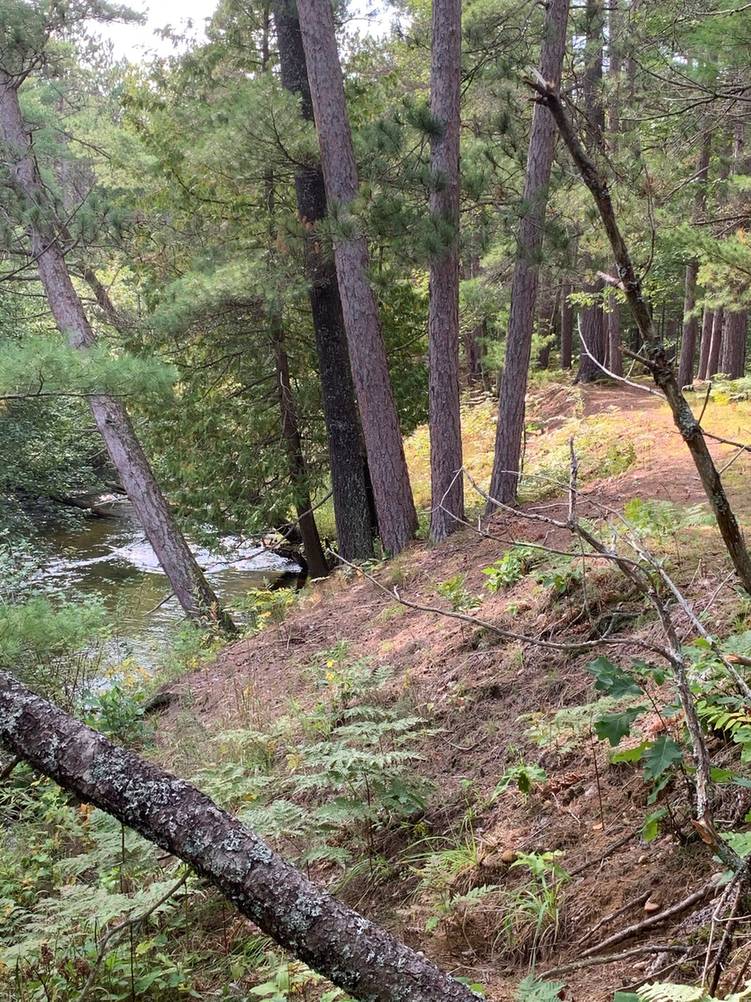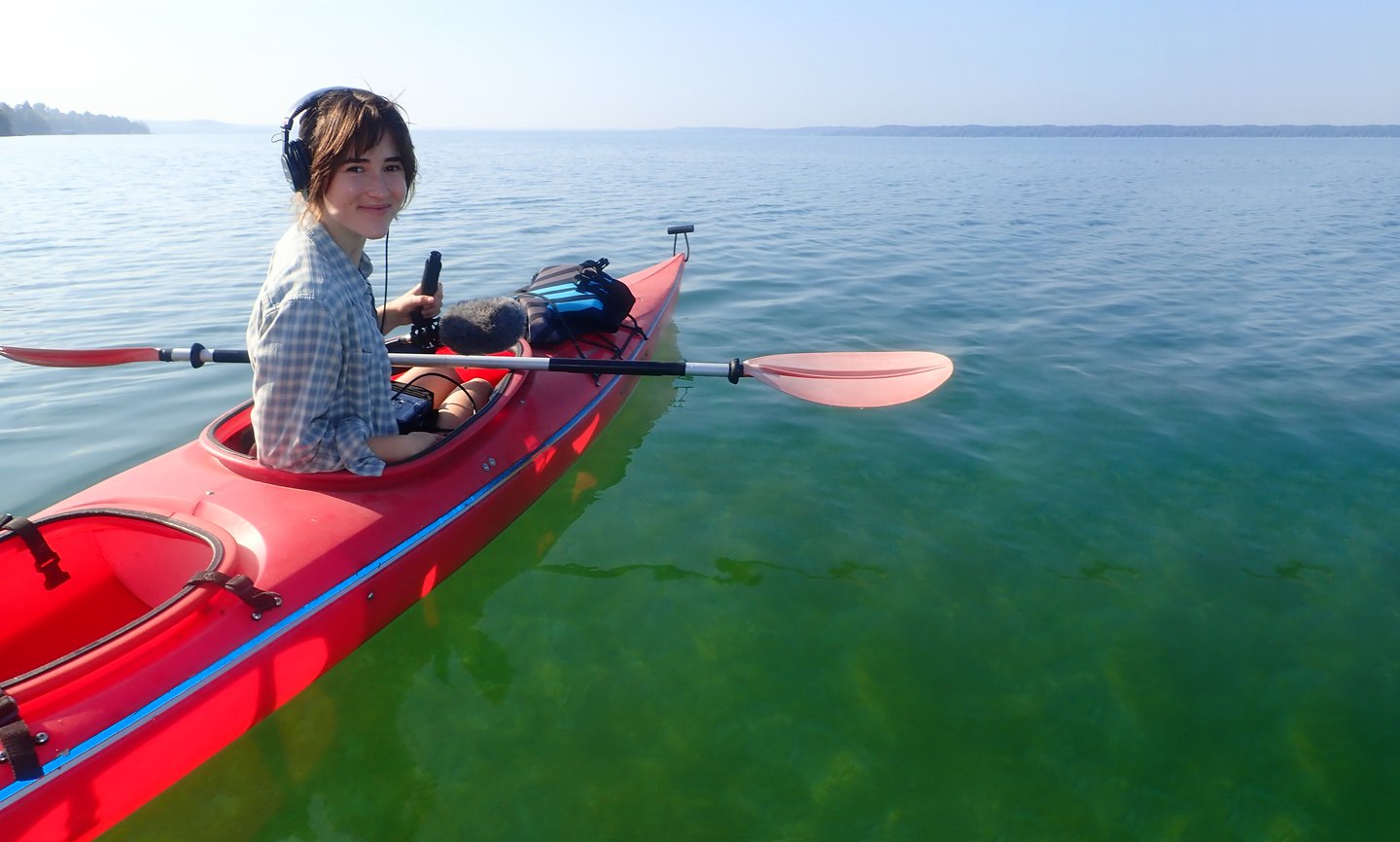
Thousands of pounds of Manomin were harvested here?” I exclaim from the stern of our canoe as the beep of our GPS alerts us that we’ve reached our survey location. The ancestral fields appear mostly barren. Light reflects off waters once thick with towering stems. Beside a bag of tobacco and a dissolved oxygen meter, Sam grabs our 3-meter measuring pole and guides it into the Winnipeg River until her upper arm is immersed. Here, in Niisaachewan Anishinaabe Nation (NAN), Elders recall the unannounced blasting of channels and installation of multiple dams within 30 kilometers of the reserve, powering settler industry upstream in Kenora, Ontario. Now, they experience an estimated 99% decline in yield of a culturally, economically and nutritionally significant crop: Manomin.
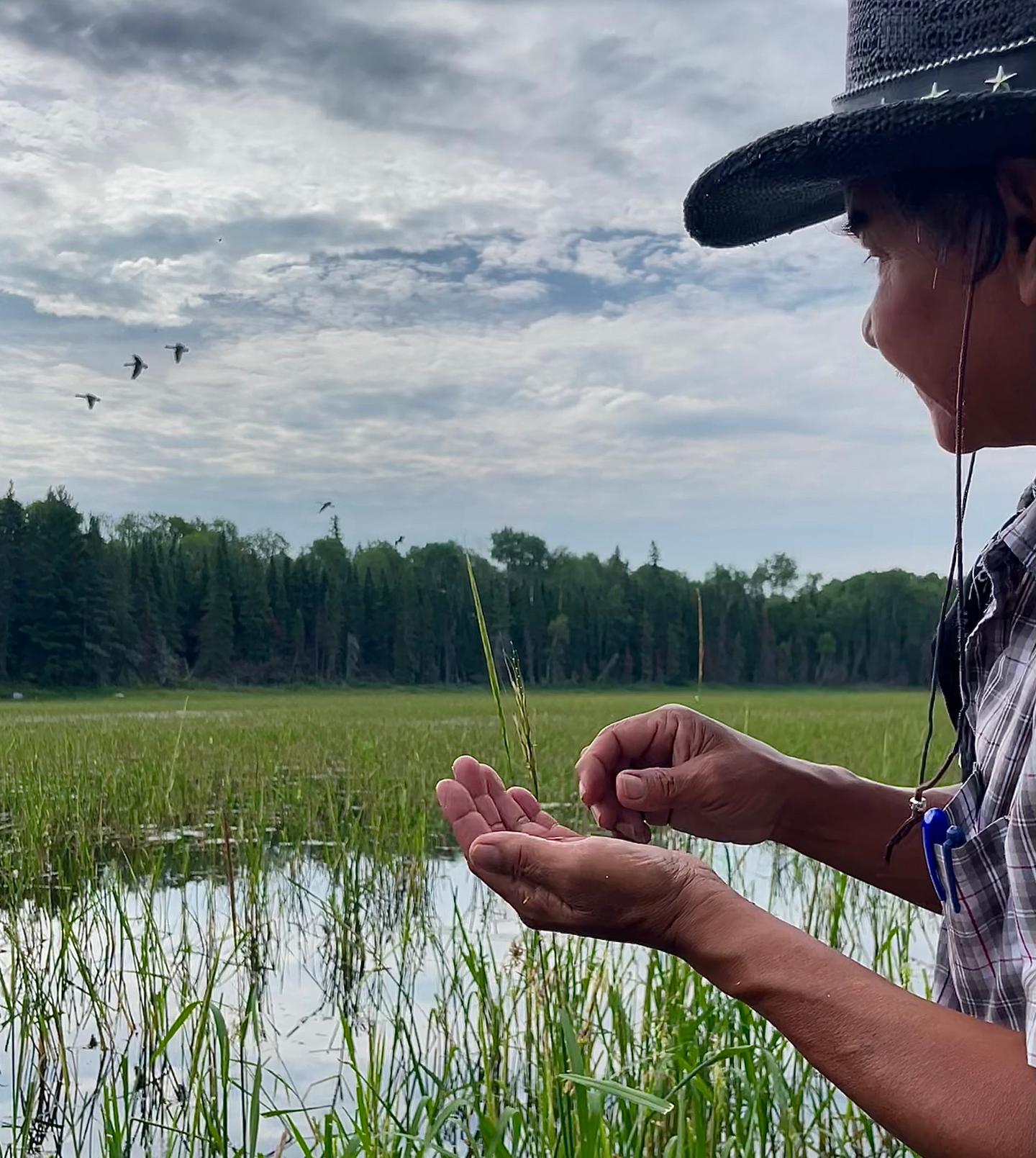
Meaning “spirit berry” in Anishinaabemowin, the name “wild rice” (Zizania palustris) given by European settlers to Manomin is ill-suited, for the Anishinaabeg maintain a millennia-old responsibility, and Treaty right, to manage Manomin stands through hunting, harvesting, and reseeding. When NAN's Grievance Committee sought answers about Manomin loss, they requested that Dr. Brittany Luby, an expert in Crown-Indigenous relations whose paternal ancestors originate from NAN, form an interdisciplinary team with fellow researchers at the University of Guelph (UofG). Together with ecohydrologist Dr. Andrea Bradford and invited students, they work alongside NAN to better understand settler-imposed hydrological changes and restore Anishinaabeg food sovereignty. Meet The Manomin Project.
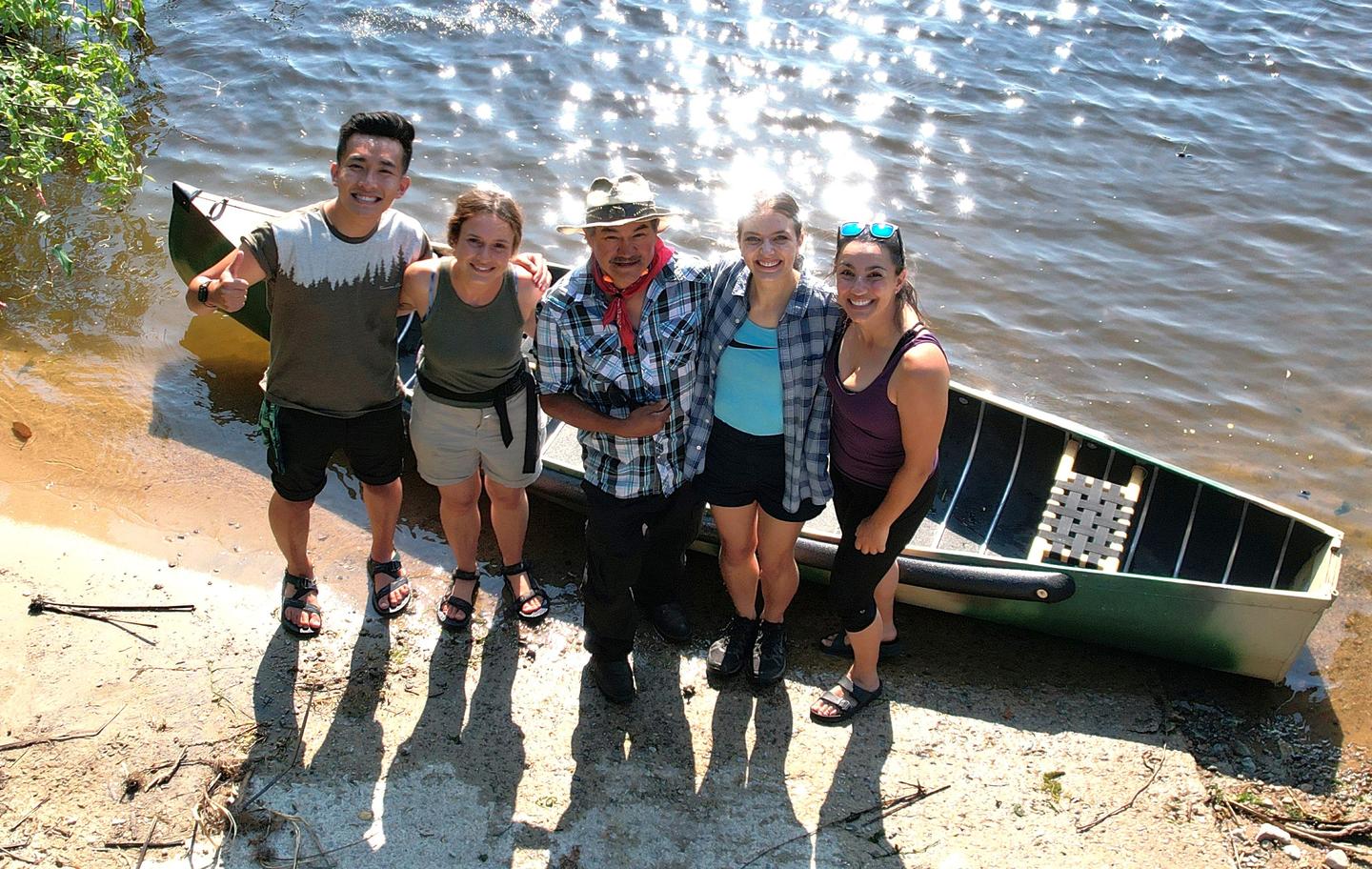
When I first joined as a research assistant, NAN Elders invited Dr. Samantha Mehltretter, Jane Mariotti, Tony Huynh and me to participate in field visits and Manomin harvesting. The relationships we established with Manomin and community opened our eyes to engaging with plant beings in ways that differed from, but could be interwoven with, scientific methodologies learned at the UofG. When I was asked to act as communications coordinator, this approach of weaving knowledges shaped my language and actions for The Manomin Project.
These seven strategies offer a path for intentional and collaborative communications that can sustain healthy working relationships between communities and deepen shared understandings of environmental needs.
Seven strategies for cross-cultural communication
- Prioritize ways of connecting which gather and engage community. As NAN Elders have called upon researchers to “think communally,” we co-host feasts, participate in manoominikewin (Manomin harvesting) and co-organize shared excursions on the water, all where research can be discussed. Gatherings offer time to develop relationships between team members and the land. During the early years, NAN Elders encouraged researchers to share hypotheses and preliminary findings in communal spaces on reserve. Research connections were shared through an installation on a wall in the Band Office, ensuring people could access, revisit, and comment on developing research locally. A quarterly newsletter, circulated by email and posted online, was used to provide continuous updates. Members of The Manomin Project work together to identify time and space for open and continuous communication.
- Seek out available resources from community representatives and organizations to diversify your resource list. Incoming researchers are required to participate in weekly discussions about Treaties, Indigenous (and specifically Anishinaabe) environmental perspectives, botanical gikendaasowin (Anishinaabe ecological knowledge around plant life cycles and needs), and knowledge weaving methodologies like Two-Eyed Seeing. By engaging with sources relevant to the community in their work, The Manomin Project can amplify voices and conversations of critical interest to the First Nation.
- Lead with humility, openness and curiosity to better understand and reflect Indigenous relational philosophies in environmental research and subsequent communications. Individuals trained at Canadian and American universities are taught to think of plants as unconscious, unthinking, or ‘soulless’ organisms. Anishinaabeg ethics, however, respect Manomin as an other-than-human being, a plant relation. NAN Elders on The Manomin Project co-developed a culturally sensitive field protocol to ensure Manomin—much like its human collaborators—had the opportunity to live well throughout the research process. We also developed a Common Vocabulary to reject colonial language which can perpetuate harm, instead promoting Anishinaabemowin terms, which carry cultural worldviews.
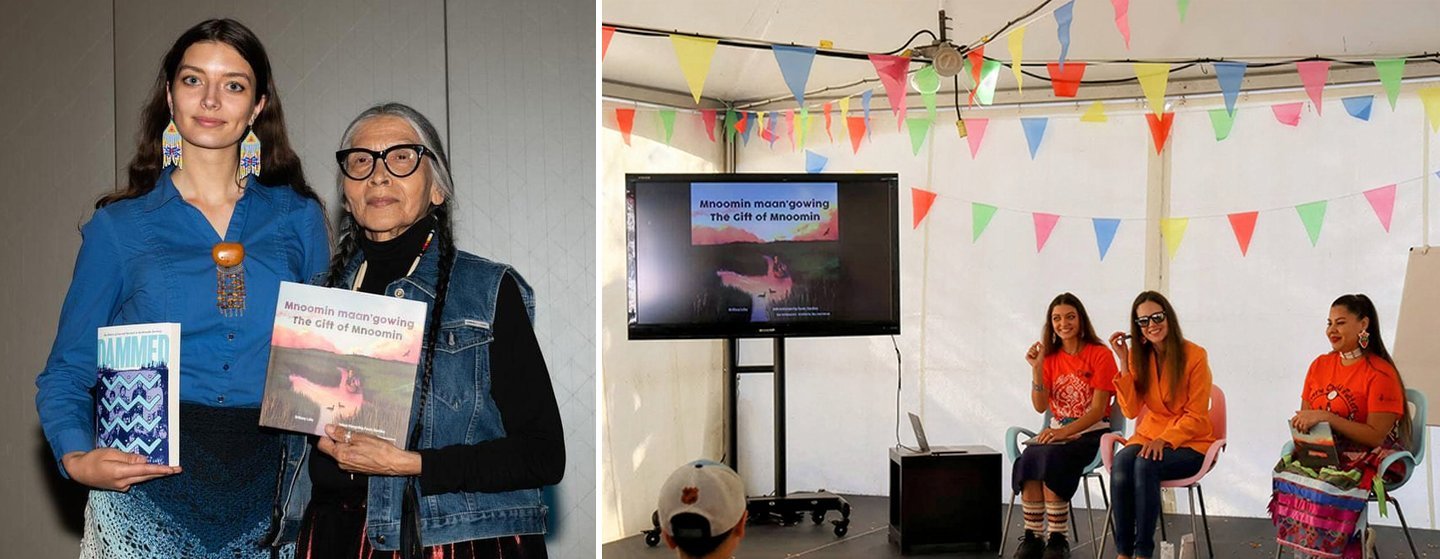
- Consider whether and how collaborative research methods can be reflected and reinforced by research outputs. Presentations delivered by The Manomin Project frequently include members from the University of Guelph and Niisaachewan Anishinaabe Nation. Accommodations have been requested from conference organizers to allow First Nations to co-present remotely. When community representatives cannot attend, time is allotted in talks to share video-recorded Elder testimony. Knowledge and resources gained at conferences are shared back to Chief and Council in an email report. In publications like this article, community support is acknowledged in the authorship line.
- Create with and for community. Healthy communication is not only reciprocal, transparent and routine, but also results in accessible outputs. We establish parameters for publication with Elders as well as Chief and Council. We prioritize open access publications to ensure community members can freely and independently access all research outputs. We deliver printed copies of any traditionally published texts to the Band Office for distribution to participating Elders. We recommended budgeting (or negotiating with the publisher) for free copies of traditional print works to distribute to participating community members.
- Move beyond disciplines. Be open to alternative outputs that resonate with different aspects of our humanity. Members of The Manomin Project have produced peer-reviewed articles and a scholarly anthology, as well as children’s literature and photography. We have worked collectively to harvest and parch Manomin. Following holistic Anishinaabe philosophies, we have sought to share knowledge in ways that feed the physical, emotional, and intellectual aspects of our being. Our Elders determined that spiritual aspects of Manomin care, such as ceremony and song, should not be published by The Manomin Project.
- Reflect: How can your communication and research fit into a bigger, intergenerational picture? What values are you modelling? Our team is driven by long-term goals of cultural revitalization and food sovereignty in Anishinaabe communities. We share space and commit to continuous learning and communication because the future we envision requires collaboration. Culturally informed and community-engaged communication, research, and relationships are our responsibilities to generations to come.