In the Great Lakes region, harmful algal blooms (HABs) continue to pose serious public health and environmental risks—yet the way we communicate these risks often misses the mark. This study focused on how we can improve the communication of risks from HABs, particularly for those engaging in recreational lake activities across Michigan.
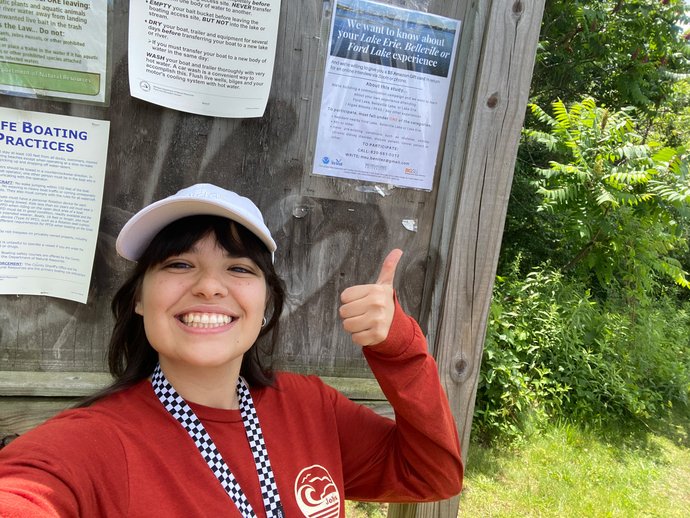
Using interviews with community members and experimental message testing, our study revealed a striking gap: while government agencies do share health advisories, many individuals—especially from vulnerable populations—either don't receive or don't fully understand this information. This isn’t just about words; it’s about relationships, trust, and accessibility.
Effective risk communication must be rooted in an understanding of who we’re speaking to. That means recognizing that elderly residents may need larger fonts or printed materials at local libraries. It means respecting the value of local events as communication hubs and meeting people where they are, both geographically and socially. These seemingly small adjustments can greatly increase the reach and impact of our messages.
We also found that emotionally framed messages—those that connect with people’s values and experiences—were more effective than purely factual ones in increasing risk perception. This reinforces the need for communicators to go beyond simply delivering information and to instead build real, trust-based connections with their audiences.
Ultimately, good communication is not just about what we say—but how, where, and to whom we say it.