Perhaps the most underappreciated aspect of working in the Laurentian Great Lakes is that we generally do not have to convince people in the region about the importance of protecting and restoring the lakes. The Great Lakes are far beyond an “environmental issue”; they are a cultural cornerstone, an anchor point for the 40 million people who live in the watershed. Surveys consistently show that protecting and restoring the Great Lakes polls above 80%, often over 90%—there is not another “issue” that comes close. The Great Lakes are the Great Lakes uniters of the region.
But this unity is more at risk now than at any time in my over 20 years of Great Lakes policy and advocacy work. There’s the obvious risk: the threats and cutbacks from the current administration to environmental protection generally, as well as specifically to U.S./Canada relations, and to the agreements, policies, programs, people, and agencies that are critically important to Great Lakes protection. But Great Lakes unity was already being challenged—albeit far more subtly—prior to President Trump’s second inauguration. Climate change was and is undoing significant chunks of the progress we have made on restoration and resilience. And the movement toward a justice-oriented, people-centered vision for restoration does not necessarily align with long-standing ecologically centered visions and priorities.
Under these realities, I see our challenge as more complex than simply activating support for the Great Lakes among decision makers and citizens (which itself is extraordinarily complex) while using the best available science to guide protection and restoration. We need to communicate complexity and uncertainty while moving through political minefields as the ground and ecosystems around us continue to shift. My experience in implementing this type of complex science communication to decision makers, media, and others was mainly in the nonprofit advocacy sector (e.g., leading the National Wildlife Federation’s Great Lakes Regional Center from 2015–2023) until moving to my current role as a professor of practice and engagement at the University of Michigan’s School for Environment and Sustainability charged with helping to lead two “boundary organizations” funded by NOAA as well as teaching the next generation of Great Lakes leaders. These experiences have led to four key lessons learned, which are amplified in importance in the current climate of fear, anxiety, and stress.
These are by no means new nor original lessons, but having spent much of the time the past several months in intense communication with political leaders and media, I believe that these factors cannot be over-emphasized and often run counter to our standard scientific communication. We are fortunate that the unity the Great Lakes engenders has spurred scientific support and progress, largely with communication in a more traditional academic style for many years. But this unity—and the basic scientific research enterprise—is under an existential threat. This puts scientific communicators (i.e., all of us) in the uncomfortable place of needing to articulate values and gain support for the Great Lakes through unconventional means for scientists.
- Focus on impacts. The main way that citizens experience the Great Lakes is through recreation and drinking water. The public presentation of our collective scientific work has to be tied to the impacts it has on people’s lives (e.g., health and prosperity) to unlock the critical support found in surveys and move beyond virtue signaling or generalities.
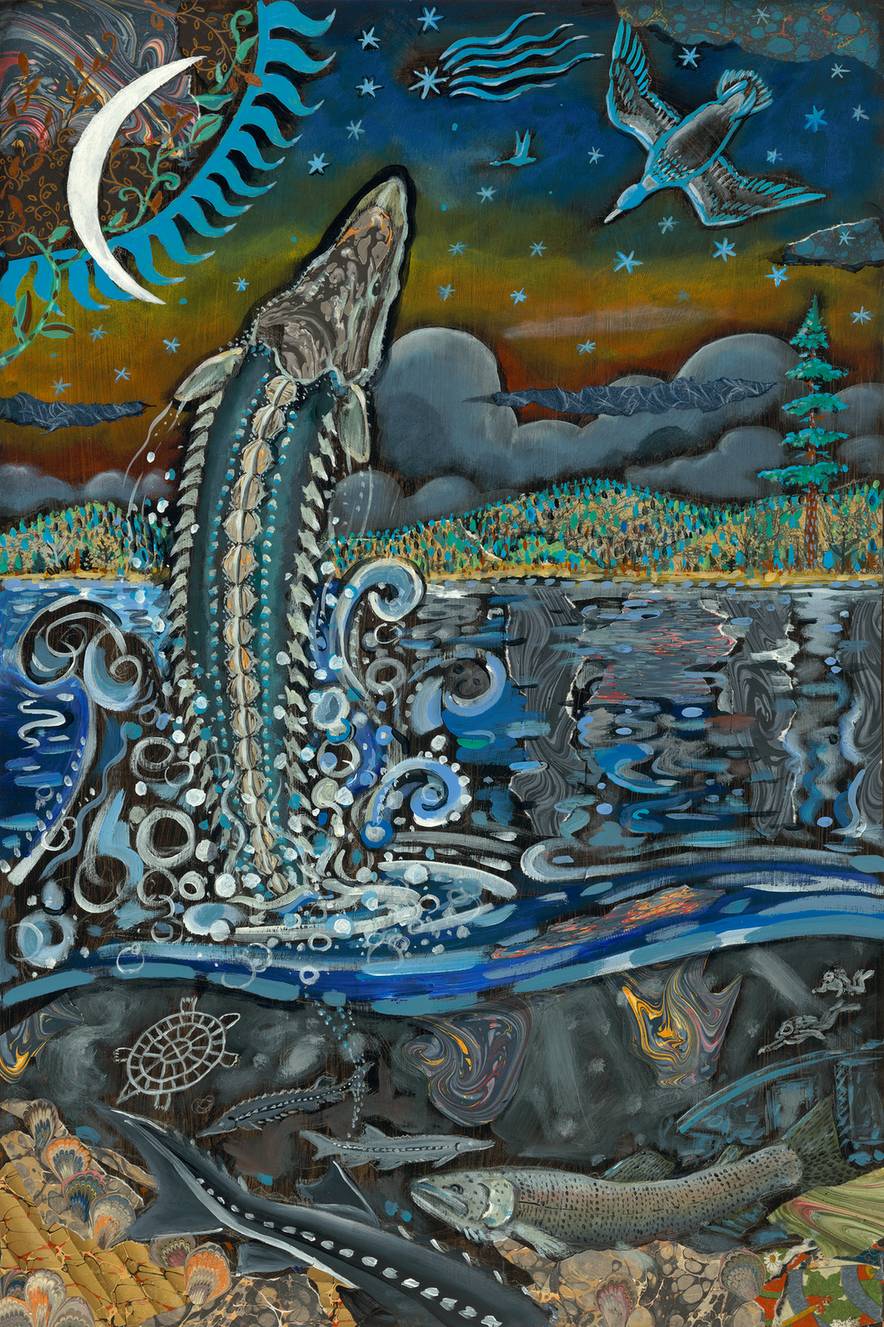
- Tell it with stories. These impacts cannot only be described in the way that we often do at our scientific conferences, with a dry set of facts, figures, and data. People think and remember things in stories, and our communication—while still firmly rooted in science—has to follow this pattern.
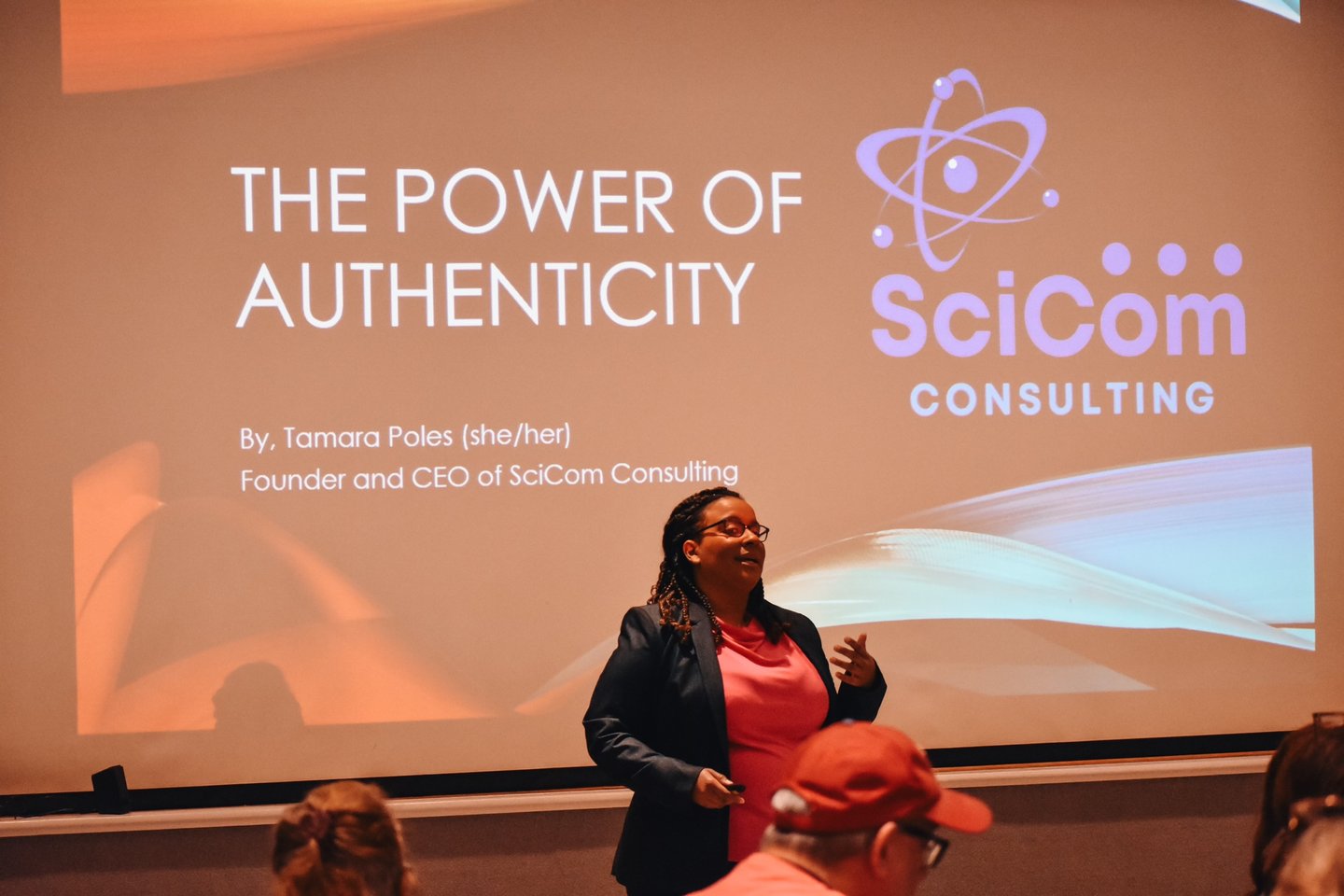
- Show your passion. The scientists who I regularly work with are among the most passionate people about their work that I have ever encountered. Yet the culture of science communication is to park that passion and funnel it into carefully worded scientific findings. That works and is appropriate for academic publications. It does not work for public communication.
- Unify the messages. We all tend to view the problems and solutions, as well as the urgency, from our own personal and institutional lenses on the Great Lakes. But at this time of multifaceted threats, we have to think and communicate more broadly so that we have more power and a more consistent story. It’s far easier to ignore isolated impacts and stories than systemic problems and potential solutions.
Note: Any opinions expressed here are my own and not necessarily reflective of any institutions with which I am affiliated.