Describe your work or studies.
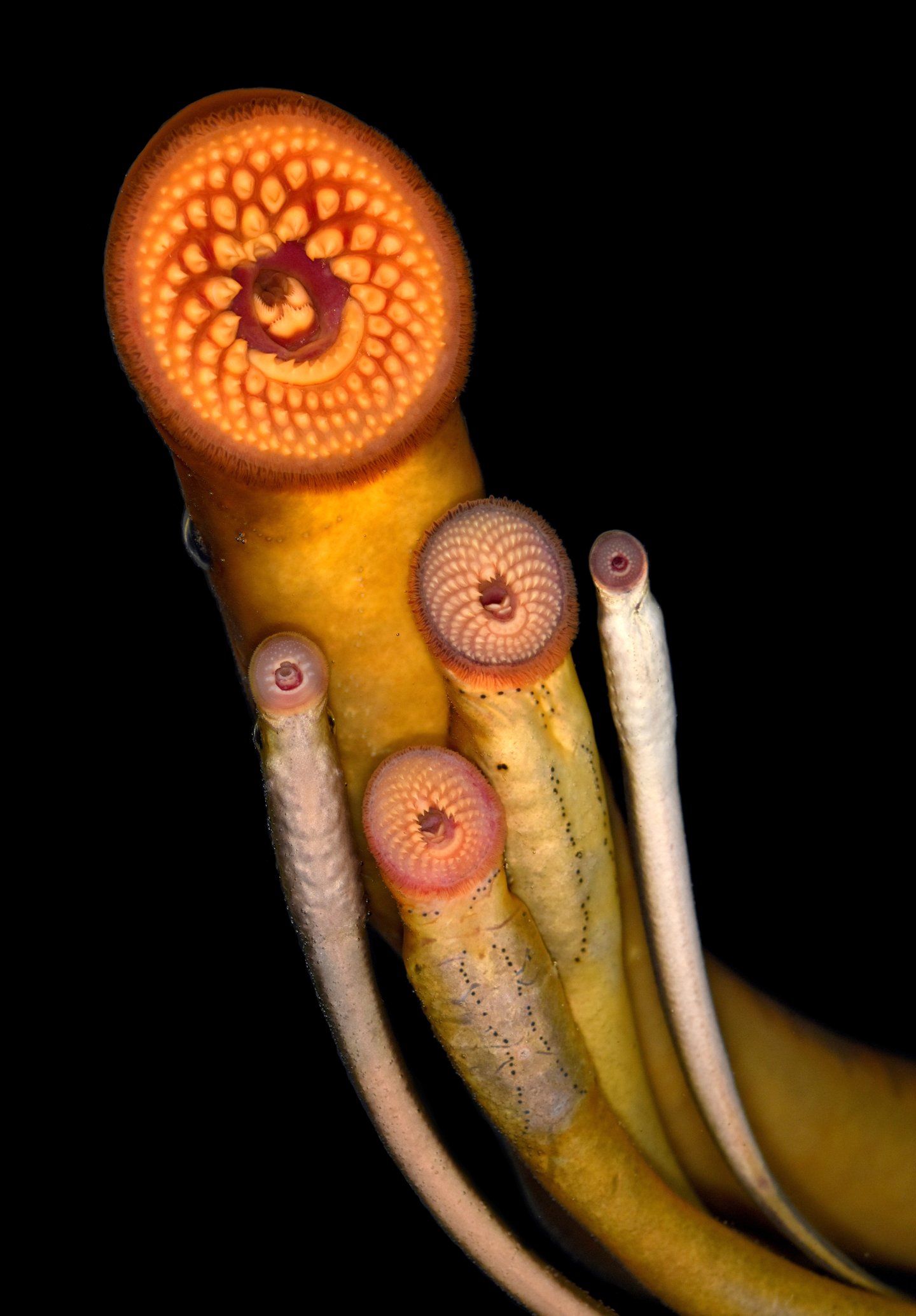
I work with Michigan Sea Grant as a communication specialist as part of the Great Lakes Aquatic Nonindigenous Species Information System (GLANSIS) team. GLANSIS is designed to be a one-stop shop for information about the nearly 200 nonindigenous aquatic species in the Great Lakes region, including species identification, maps of reported sightings, management and control information, and much more. As our team’s communication specialist, I wear a lot of hats, and my job allows me to do everything from writing and reviewing species profiles to working on multimedia educational products to sharing weird sea lamprey facts on social media. I’m especially interested in the rhetoric of invasion science, particularly how species naming conventions and the metaphors scientists use to describe their work shape public perceptions of invasive species.
What inspired you to enter this work?
I’ve always been passionate about science communication. My college background was a build-your-own major called Humanities, Science & Environment that allowed me to combine ecology coursework with scientific and technical writing, and I studied the human dimensions of environmental science in grad school, which led me back to the Great Lakes after my undergraduate work. I interned with Virginia and Illinois-Indiana Sea Grant as a science writer and social science intern during and after college and absolutely loved working with the public in this capacity. From interviewing stakeholders about their perceptions of waterway cleanup projects to designing signage and other communication tools to raise awareness of environmental remediation work, I knew I wanted to do this kind of work in the Great Lakes long-term. When a position opened up with the GLANSIS team in 2018, I jumped at the opportunity, and I’ve been here ever since. The pivot from researching legacy waterway pollutants to invasive species was surprisingly straightforward, and it’s very meaningful to me to help protect the lakes we all love through my day-to-day work.
What is the best science communication advice you've received?
A singer-songwriter I once met opened a concert with a line that’s stuck in my mind ever since: “If you want someone to know the truth, tell them, but if you want someone to love the truth, tell them a story.” Highlighting the stories of how the Great Lakes have changed due to specific biological invasions—from the ways that tiny, harmless-looking zebra mussels can damage industrial infrastructure to the incredible development of targeted lampricides in the 1950s to save our fisheries—is essential to getting the public to care about Great Lakes science. There are so many compelling narratives to share, and highlighting success stories like the international cooperation and public-private partnerships that have led to conservation wins is more important now than ever.
If you want someone to know the truth, tell them, but if you want someone to love the truth, tell them a story.
What is something about yourself that you’d like to share with other IAGLR members?
I’m an enthusiastic forager and wild foods cook, and spend a lot of my free time in the woods identifying plants and looking for fun things to eat! You can find some of my recipes for native and invasive plants, wild game, and mushrooms on Michigan Sea Grant’s Freshwater Feasts blog, and I also teach and cook at wild foodie events like the annual Great Lakes Foragers Gathering. Ask me about ramps sometime—or don’t, if you’d prefer not to have your ear talked off!