Freshwater ecosystems possess high levels of biodiversity and are critical for livelihoods, recreation, and the economy, but are under substantial stress. A report in the journal Nature last month indicated a quarter of the world’s freshwater fauna (covering 23,496 species of decapod crustaceans, fishes, and odonates) are threatened with extinction. These threats included (among others) pollution, dams, invasive species, and overharvesting. This alarming threat to freshwater biodiversity has led many groups around the world to test new and innovative ideas to stem the loss of freshwater biodiversity. In the Great Lakes basin, the Freshwater Restoration Ecology Centre (FREC)—housed within the Great Lakes Institute for Environmental Research at the University of Windsor—has been established to test whether reintroduction biology can be an effective tool to stem the loss of biodiversity, including among freshwater fish species.
Reintroduction is the deliberate release of a species into the wild from captivity or other areas where the organism is capable of survival. The goal of reintroduction efforts is to establish a self-sustaining population to an area where it has been extirpated, or to augment an existing population. Reintroduction involves a number of different steps including (but not limited to) sourcing a population for donor individuals, identifying suitable habitat, captive breeding, waves of animal releases back in the wild and post-release monitoring.
Recently, a lot of attention has been given to several of these steps, especially captive breeding efforts, but one area that has been neglected is the ability of researchers to effectively transport animals to their eventual release site. Transport is an unavoidable stressor in reintroduction programs, as fish are typically loaded at high densities, transported long distances, and immediately released. Captive-reared fish can also become phenotypically mismatched to the natural environment where they are being reintroduced due to artificial selection pressures in captivity. In combination, transport stress and a mismatched captive phenotype can lead to poor post-release survival and success.
Transport is an unavoidable stressor in reintroduction programs, as fish are typically loaded at high densities, transported long distances, and immediately released.
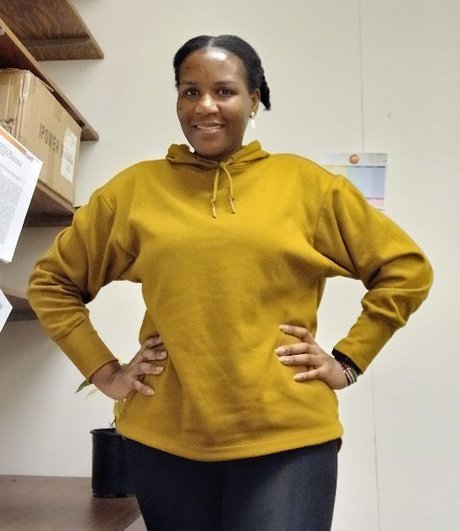
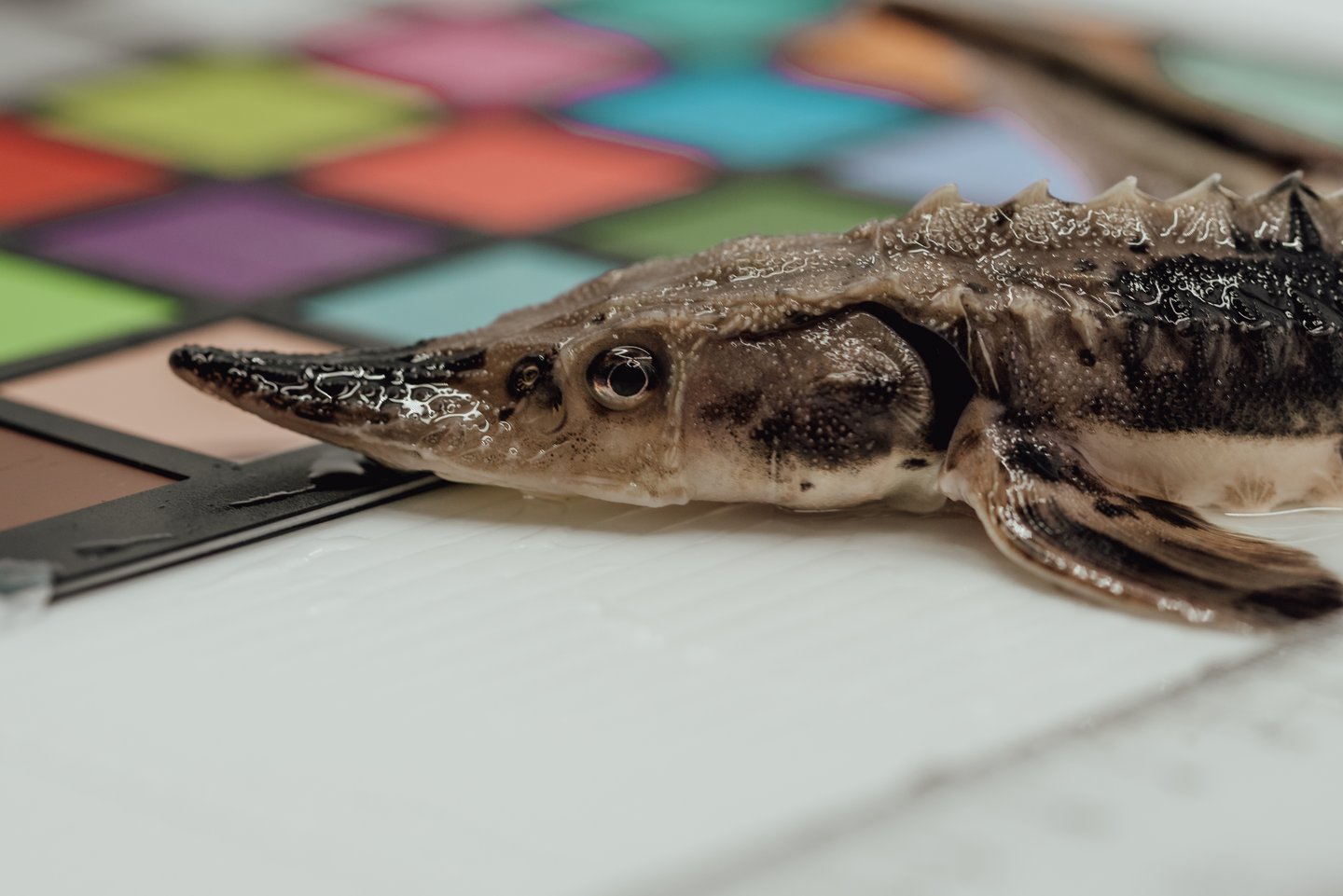
Researchers at FREC have evaluated transport stress on several species, including redside dace and Atlantic salmon. Currently, graduate student Olivia Galloway, with her supervisor Trevor Pitcher and team at FREC, in collaboration with the U.S. Fish and Wildlife Service, are investigating strategies to mitigate this phenotypic mismatch and transport stress for lake sturgeon reared for reintroduction efforts in the Great Lakes.
One strategy to minimize the stress incurred during transport and provide a smoother transition to the natural environment for captive-reared lake sturgeon is to conduct a “soft” release. Compared to a traditional direct release after transport (which has been shown to be stressful for fish), a soft release involves placing the fish into an enclosure in the water at the release site to acclimate to the novel environment prior to release. A soft release can lower stress levels, promote more wild-like behaviors, and improve post-release survival in fish.
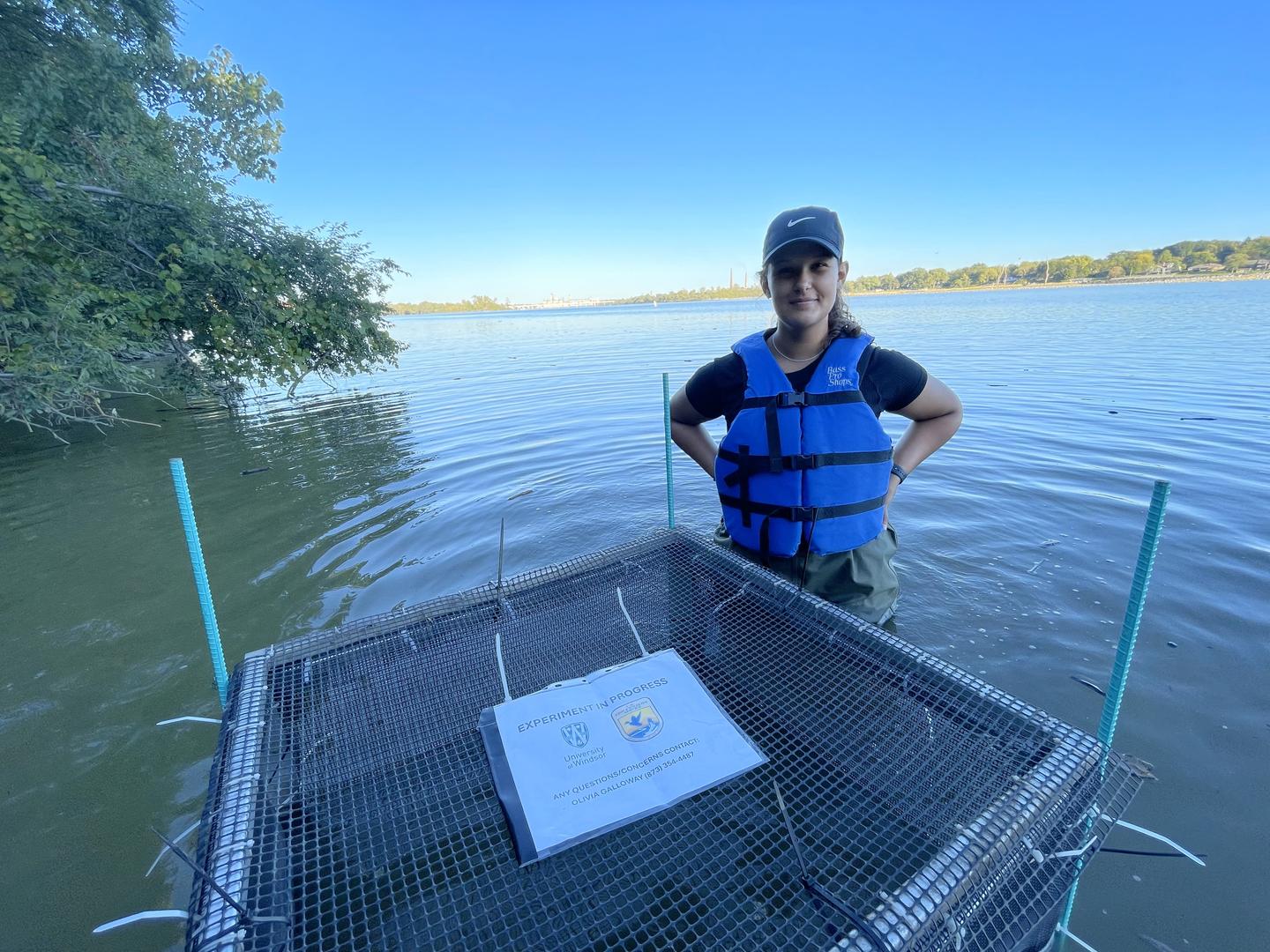
Following a 10-hour transport event, Galloway and her team conducted a soft release of juvenile lake sturgeon destined for reintroduction into the Maumee River in Toledo, Ohio. The researchers are studying the effects of a direct versus soft release on the stress physiology of the juvenile sturgeon via blood sampling. Following transport, one group of fish was blood sampled and then directly released into the river. To conduct the soft release, researchers placed two cages in the water at the release site, added the fish, and allowed them to acclimate to their new environment. At 24 hours following the end of transport, one cage of fish was sampled and then released. At 48 hours following the end of transport, the second cage of fish was sampled and then released. The team is analyzing results and plans to publish findings in an upcoming paper.
“The next steps for this project would be to replicate it and measure some other metrics in addition to blood physiology,” Galloway says. “For example, measuring their metabolic rate, or tracking their movements to get indicators of survival following soft release would be the dream!”
As conservation reintroductions are becoming increasingly necessary to aid in the recovery of aquatic species at risk, such as the lake sturgeon, streamlining and examining these practices is crucial for maintaining their long-term success.