Whether by choice or by accident, we manage the Great Lakes ecosystem. Yet some of our tools may be getting a little rusty, and some of our researchers may be getting a little long in the tooth. That recognition sparked the creation of the International Joint Commission (IJC) Science Advisory Board’s (SAB) decadal science strategy. Fortunately, as we have come to better understand the negative impacts of some past management practices and worked to restore the ecosystem to a less impaired state, technology and understanding have also advanced. We are now poised on the brink of a potential bounding leap forward in ways that we can study and monitor the lakes and apply the resulting information to make smarter decisions about things like the fishery, infrastructure, water use, and agriculture. We are also now considering more broadly who is best positioned to carry out the work.
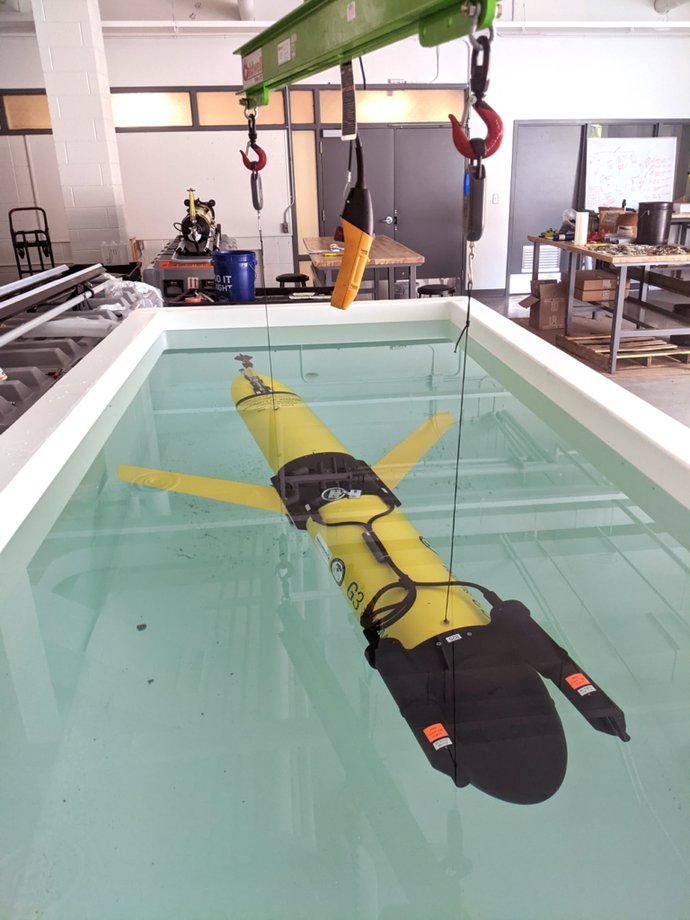
We are now poised on the brink of a potential bounding leap forward in the ways that we can study and monitor the lakes and apply the resulting information to make smarter decisions.
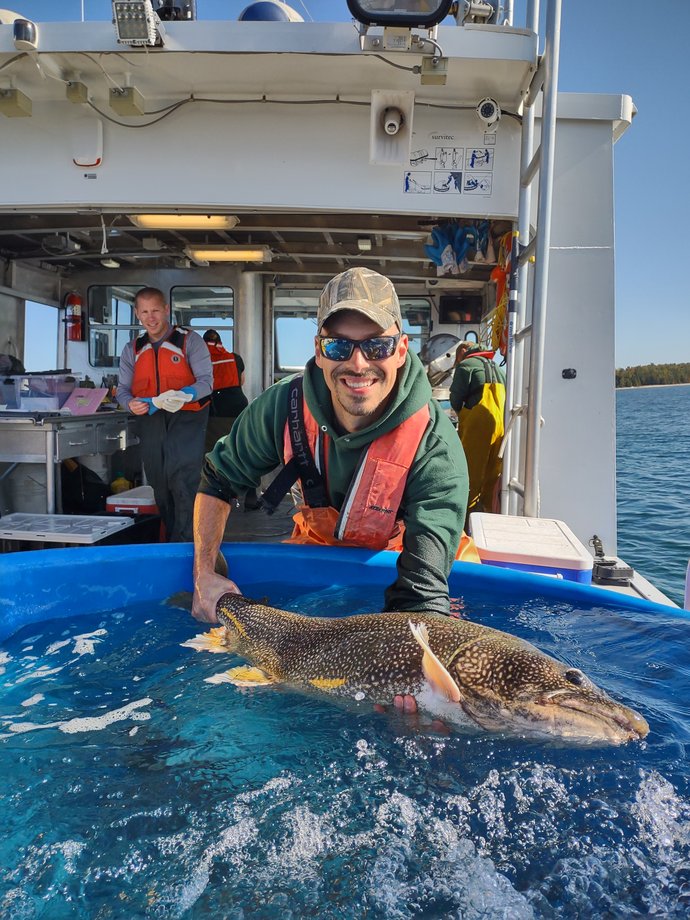
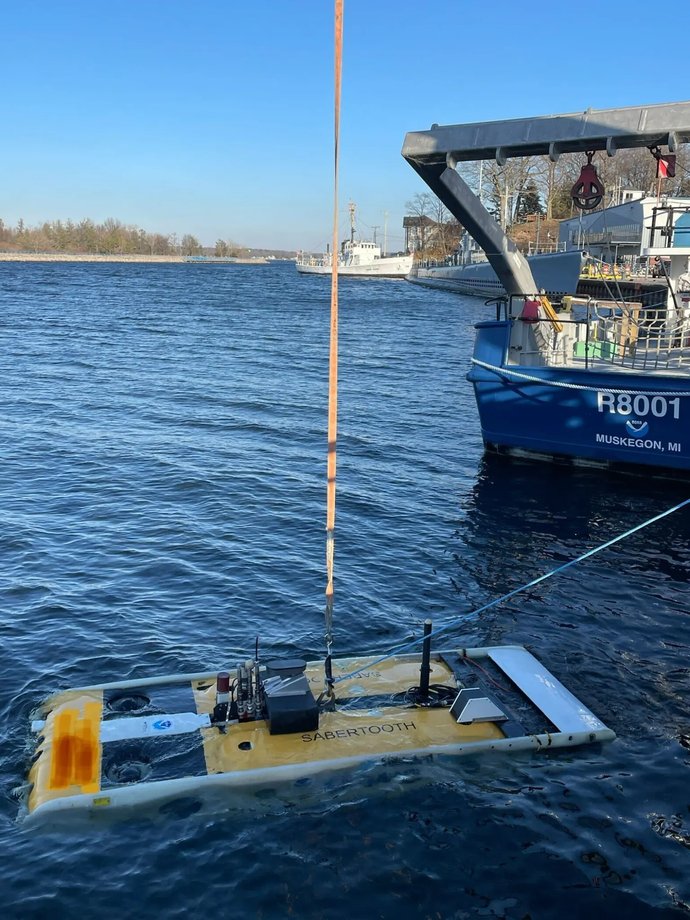
Innovations are constantly happening in communications, energy, transportation, computing, and health, to name a few domains. Similarly, innovations are making their way into activities like tracking fish movements in the Great Lakes in real time with acoustic telemetry, measuring water quality parameters under the ice in Lake Michigan from autonomous underwater vehicles, or determining what particular strains of cyanobacteria are present in harmful algal blooms in Lake Superior and whether they are capable of producing toxin and actively doing so. The pace and scale of the adoption of these innovative approaches into routine management decisions has been hampered by inadequate investment for decades, resulting in an aging research fleet and a shortage of skilled scientists who may have been trained in the region but have been lost to jobs elsewhere. Accelerating retirements of experienced researchers also present challenges that new investments in workforce development and staff positions at all levels can help address.
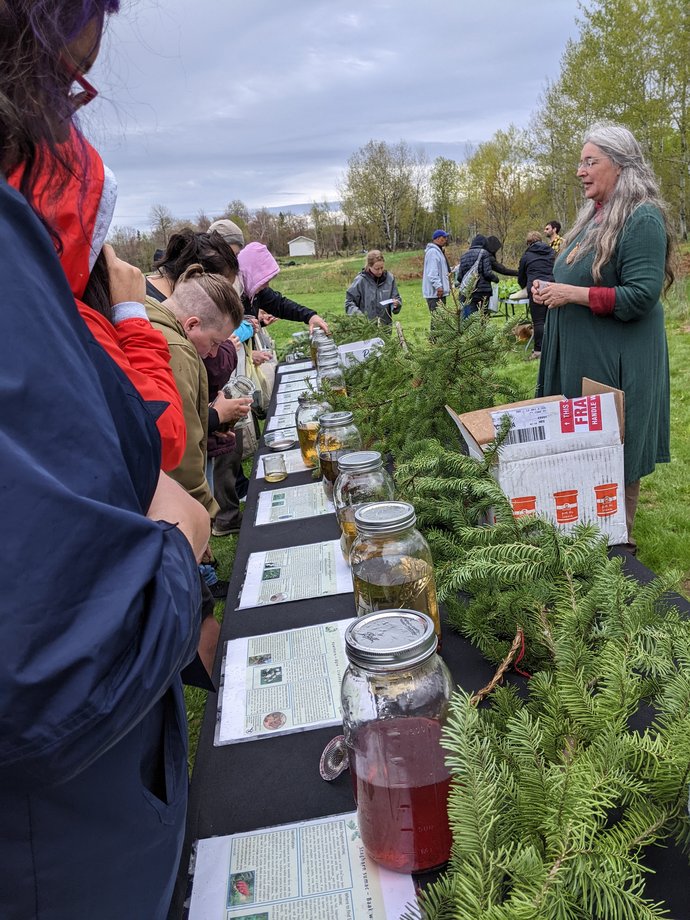
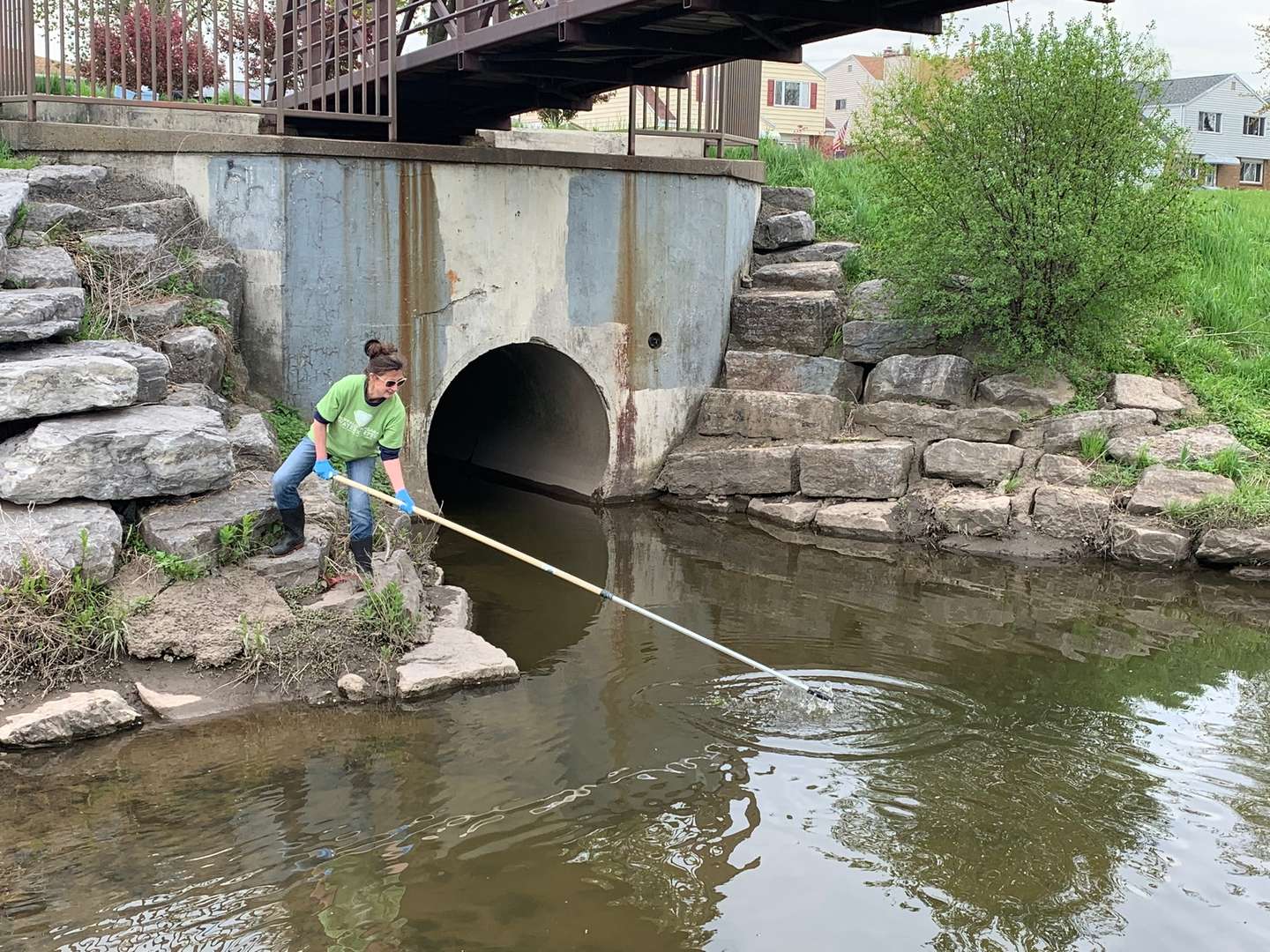
In addition to shoring up the traditional research and monitoring enterprise, the Great Lakes community is starting to see the benefits of investing in engagement with Indigenous Knowledge holders and expanding participatory science networks. Many residents of the Great Lakes have deep knowledge of their local bays and shores based on decades of work and play on and near the water, as well as multiple generations of family and community experience. University and agency researchers are starting to join forces with these place-based experts, listening to and learning from them, while helping to train them on data and sample collection methods that expand the eyes and ears of the traditional researchers. One successful example is the Lake Erie Volunteer Science Network (LEVSN), which coordinates the work of participatory scientists in Canada and the U.S. to monitor water quality around the shores and harbors of the lake. More investment in groups like LEVSN could yield huge dividends.
The decadal science strategy, in which many of you have already participated, has concluded that both the science and our capacity to conduct it are not currently up to the task of answering the pressing questions faced by resource managers. This is especially the case in light of past and projected changes and the susceptibility of the Great Lakes to things like climate change, risks posed by industrial chemicals, pharmaceuticals, plastics and other emerging contaminants, invasive species, water level fluctuations, alterations in land use, and human migration trends.
The SAB’s “Great Lakes Science Strategy for the Next Decade: Summary Report” was published in 2022 and laid out the rationale and scope of this effort. Now we have entered the second phase to design this enterprise and its architecture and develop a plan of implementation. To do that we have engaged a collaborative of over 30 individuals to help. They represent a broad range of stakeholders and rightsholders—multinational representatives, management agencies, academics, nonprofit organizations, and water users supported by IJC staff and contractors. Throughout the 2024 and 2025, this collaborative will have convened five workshops and related engagements to address designing the principal components of a draft plan.
The first of these, held in June 2024, examined possible governance structures, with an eye to ensuring that execution of a plan is inclusive of all perspectives, responsive to a rapidly changing system and its management needs, sustainable beyond just the next decade, and fosters the next generation of a Great Lakes workforce and the IAGLR community.
Most recently, in October 2024, more than 70 participants gathered at a second workshop to analyze key components and costs of an enhanced and comprehensive monitoring, modeling, and forecasting enterprise to support Great Lakes science and management. Ultimately, we want the ability to predict the future and the future impacts of our actions with confidence. To do that requires a rigorous model of how the system will respond to change. This model must be based on a sound understanding of how the system works and the dynamics which drive it, and it also needs data collected at high enough resolutions in time and space to verify the model's accuracy.
There was broad agreement that the current programs that conduct these activities in the Great Lakes are effective, but that the resolution and accessibility of the data they collect and the products they produce are inadequate to fill key science gaps and guide many important ecosystem management decisions.
The workshop concluded the science plan should include (1) a new basin-wide monitoring and surveillance expansion plan with several options for locations, parameters, and costs; (2) a companion plan that describes in detail the cyberinfrastructure and communication strategy that would optimize use of the new data; and (3) a plan for how new data would be used to support the creation and delivery of advanced modeling and forecasting products to a variety of users.
Interviews were then conducted with select agency leadership in Canada and the U.S. These interviews were intended to determine the level of interest in and support by each agency for elements of the science plan, and the degree of alignment with the near-term and long-term plans of the agencies. The results of those interviews will inform the development of the remaining workshops that will be conducted in 2025 as part of this project, including discussions of the Centers of Excellence concept, workforce development aspects, and preparation of a draft science plan. Elements of that draft will be presented to the IAGLR community at our annual conference in June 2025 in Milwaukee via a special session as an opportunity for IAGLR members and conference attendees to provide feedback through a World Café-style facilitated mini-workshop. We look forward to seeing you there and soliciting your input.
Why Now?
Widespread change forecast
Driven by the world’s third largest economy (US$6 trillion annually) and a direct consequence of the region’s overwhelming competitive advantage of containing the world’s largest sustainable source of available freshwater (~20 percent), the Great Lakes region is entering a new era of demographic growth, economic diversification, and accelerating environmental change.
Widespread demand for freshwater
Today 50 million people live in this region, 80% of whom rely on the Great Lakes for drinking water. Yet more than 160 million North Americans will most likely experience a decline in the quality of their environment from more heat and less water by the middle to end of this century, a force that will drive migration, alter agricultural production, and increase demands on natural resources, particularly freshwater.
Distinct from restoration
Over the last decade, major investments (~US$4 billion) have been made in correcting a long legacy of past ills. Protecting this restoration effort and, more importantly, avoiding the need for future restoration are unquestionably of immense economic value in terms of cost savings, fostering broad cross-sector investment, enhanced property values, and improving the overall quality of life for which our region is increasingly recognized.
Need to get out in front of change
Now more than ever, the Great Lakes region needs a cutting-edge predictive science and surveillance strategy to identify, anticipate, and prepare for the change that is coming, to inform its management and stewardship, and to ensure the prosperity, health, and resilience of the Great Lakes ecosystem, its economy, and its people.