Describe your work or studies.
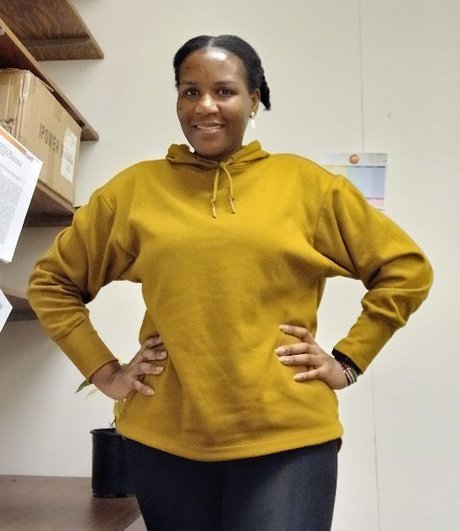
I am a Ph.D. student at Bowling Green State University in Ohio where I focus on using molecular techniques to understand and address the current threat of cyanobacteria harmful algal blooms (cHABs) in freshwater systems. My research integrates genome-resolved approaches to explore the ecological interactions of cyanobacteria and investigates potential mitigation strategies. My work is particularly relevant to large freshwater bodies like the African Great Lakes and North America's Great Lakes, where harmful algal blooms pose significant environmental and socioeconomic challenges.
What inspired you to enter this work?
My inspiration stems from growing up near Lake Victoria, Kenya, where I witnessed firsthand the devastating impacts of water quality deterioration. Cyanobacteria blooms in the lake have contributed to fish kills, compromised drinking water safety, and disrupted local livelihoods that depend on fisheries. Seeing local communities struggle with these challenges sparked my curiosity about the underlying ecological drivers and the need for science-based solutions. This motivated me to pursue a career in aquatic research, with the goal of understanding and mitigating the threats posed by cHABs. My academic journey has been shaped by my passion for freshwater conservation and the desire to contribute to sustainable management strategies for water bodies facing similar threats globally.
What are your professional aspirations?
My long-term career goal is to bridge the gap between research and policy by translating scientific findings into actionable strategies for managing freshwater ecosystems. I aspire to contribute to global efforts in mitigating cHABs by collaborating with scientists, policymakers, and local communities to develop sustainable interventions. I am also committed to mentoring young scientists, particularly in Africa, to build capacity in molecular ecology and environmental genomics. I hope to establish collaborative research initiatives that empower the next generation of researchers and provide practical solutions for aquatic resource management.
I would like to ensure that scientific knowledge does not remain confined to academic and policy discussions but is effectively disseminated to the people most affected by environmental changes. Many times, researchers focus on generating data but overlook the importance of making that information accessible to local communities—the true end-users of scientific knowledge. I want to be actively involved in simplifying technical jargon and engaging directly with community members, fisherfolk, and water resource managers to help them understand the ecological challenges they face and the science behind possible solutions.
How is science communication important in your work?
Addressing algal blooms requires an interdisciplinary approach that involves researchers, policymakers, water managers, and local communities. Effective communication helps ensure that research is not confined to academic circles but instead informs water quality management strategies, public health policies, and community-driven mitigation efforts. I actively engage in outreach activities, such as community education programs and stakeholder engagement forums, to share knowledge about sustainable use of aquatic resources. Through these efforts, I hope to promote evidence-based decision making and encourage proactive measures to mitigate algal blooms.
What is something about yourself that you’d like to share with other IAGLR members?
I enjoy outdoor adventures, especially exploring nature and engaging in conservation efforts. I also like traveling to different areas, appreciating biodiversity and meeting new people and different cultures. I have a deep passion for mentoring and supporting young researchers, particularly those from underrepresented regions, as they navigate their scientific careers.