Describe your work or studies.
I’m a master’s student at Purdue University, focusing on the early life history of alewife in Lake Michigan. My research examines their age, growth, and diet to compare these characteristics to historical data to identify long-term trends.
What inspired you to enter this work?
I was inspired by how information is often oversimplified or exaggerated on social media. Seeing important topics distorted highlighted the need for clear, accurate communication between scientists and the communities affected by their work. I believe fostering that connection can make a real difference.
What are your professional aspirations?
My dream job would combine research with community engagement. I aim to be a bridge between scientists and stakeholders, ensuring that research findings are accessible and meaningful to those with a vested interest in natural resources.
How is science communication important in your work?
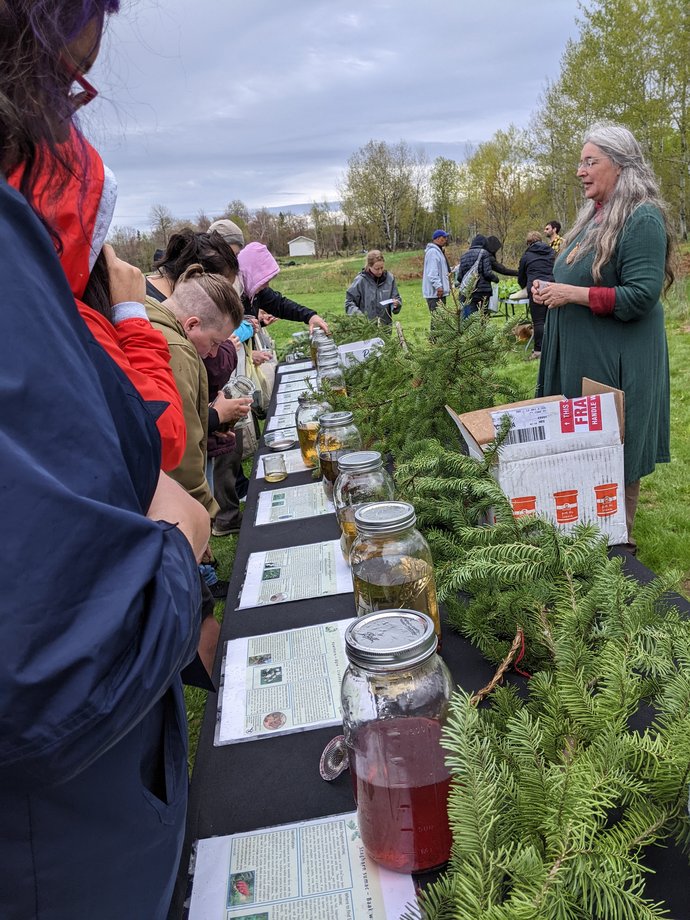
The more I engage with anglers and community members connected to aquatic resources, the more I appreciate the deep history and passion they have for these ecosystems. I believe that improved science communication can foster better understanding and lead to more effective, community-supported management practices
What is something about yourself that you’d like to share with other IAGLR members?
I’ve had the opportunity to work directly with both scientists and community members, from tagging programs in Alabama to studying fish populations in the Great Lakes. These experiences have strengthened my belief in the importance of collaboration between researchers and the public to protect and manage our aquatic resources effectively.