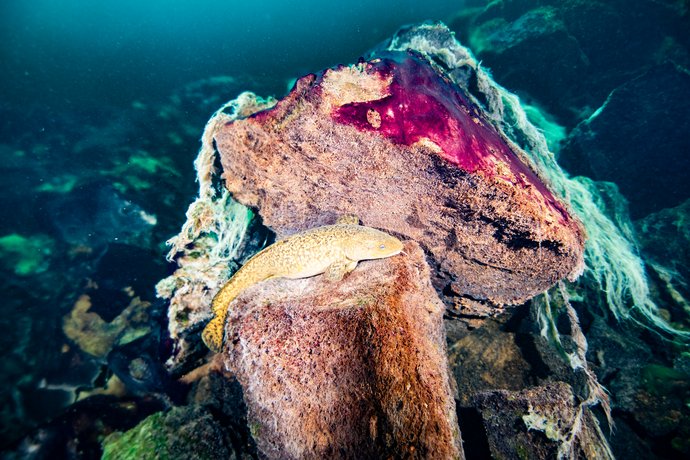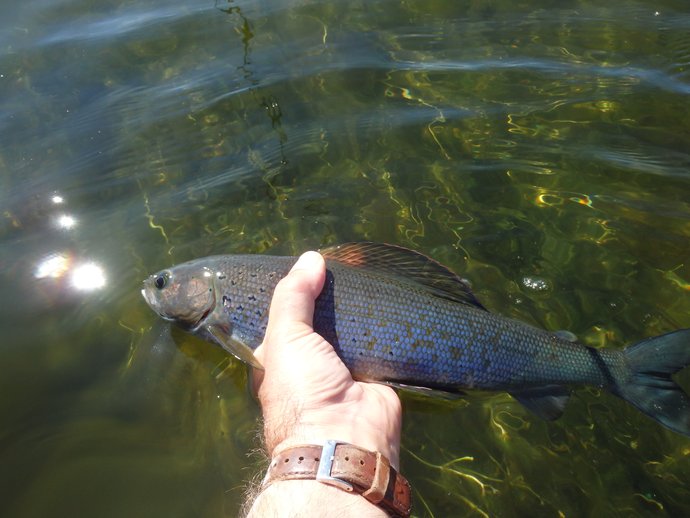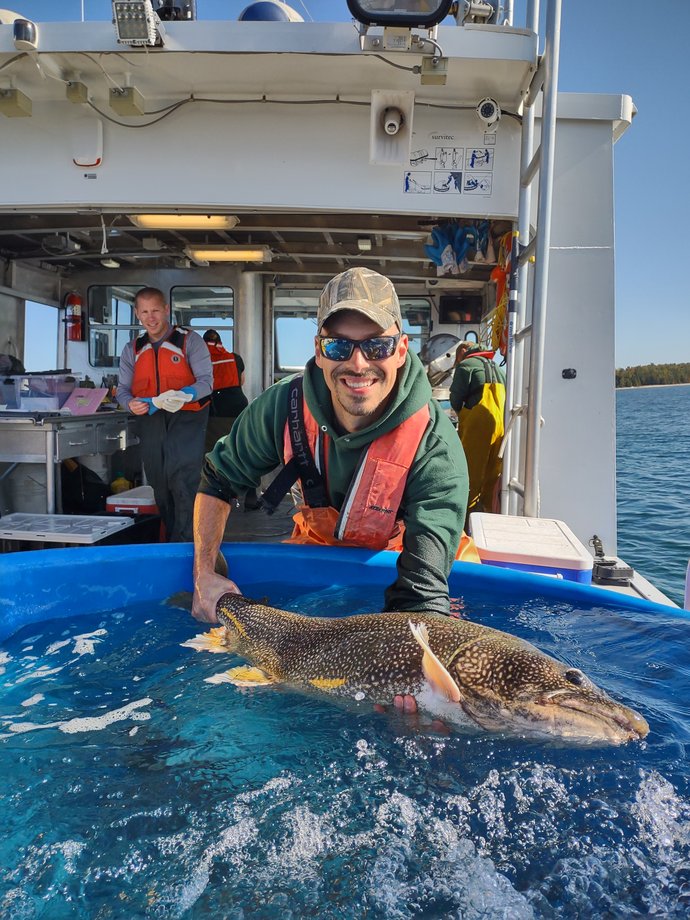
A remarkable conservation triumph is unfolding in Lake Superior, or Anishinaabewi-gichigami in Anishinaabemowin. After nearly 70 years of dedicated effort, native lake trout populations have been restored in most of the lake. Chinamekos, as the fish are known in Anishinaabemowin, nearly disappeared from Lake Superior in the mid-1900s due to overfishing and predation from sea lampreys. Controlling sea lamprey populations kicked off a series of additional management strategies, including strict fishing regulations and the introduction of diverse lake trout strains through stocking programs. The success of these efforts led to a significant increase in naturally reproducing lake trout populations. Today the lake trout’s status in Lake Superior meets an ambitious management goal set in 2003. The lake is now home to genetically diverse self-sustaining populations of lake trout that mirror those found in the lake before 1940.
“Rehabilitating lake trout in the world’s largest freshwater lake did not happen overnight,” says Great Lakes Fishery Commission Chair Ethan Baker in announcing the news. “It required an unwavering commitment to a shared vision across multiple generations of fishery managers from Indigenous, provincial, state, and federal agencies. It is undoubtedly one of the most successful stories of native species restoration in the world. Lucky for us, we have a front row seat.”