A unique hope comes from science rooted in dialogue among researchers and management professionals. People participating in this work not only feel a collective sense of “why” it matters, but they see firsthand how and where their work makes a tangible difference.
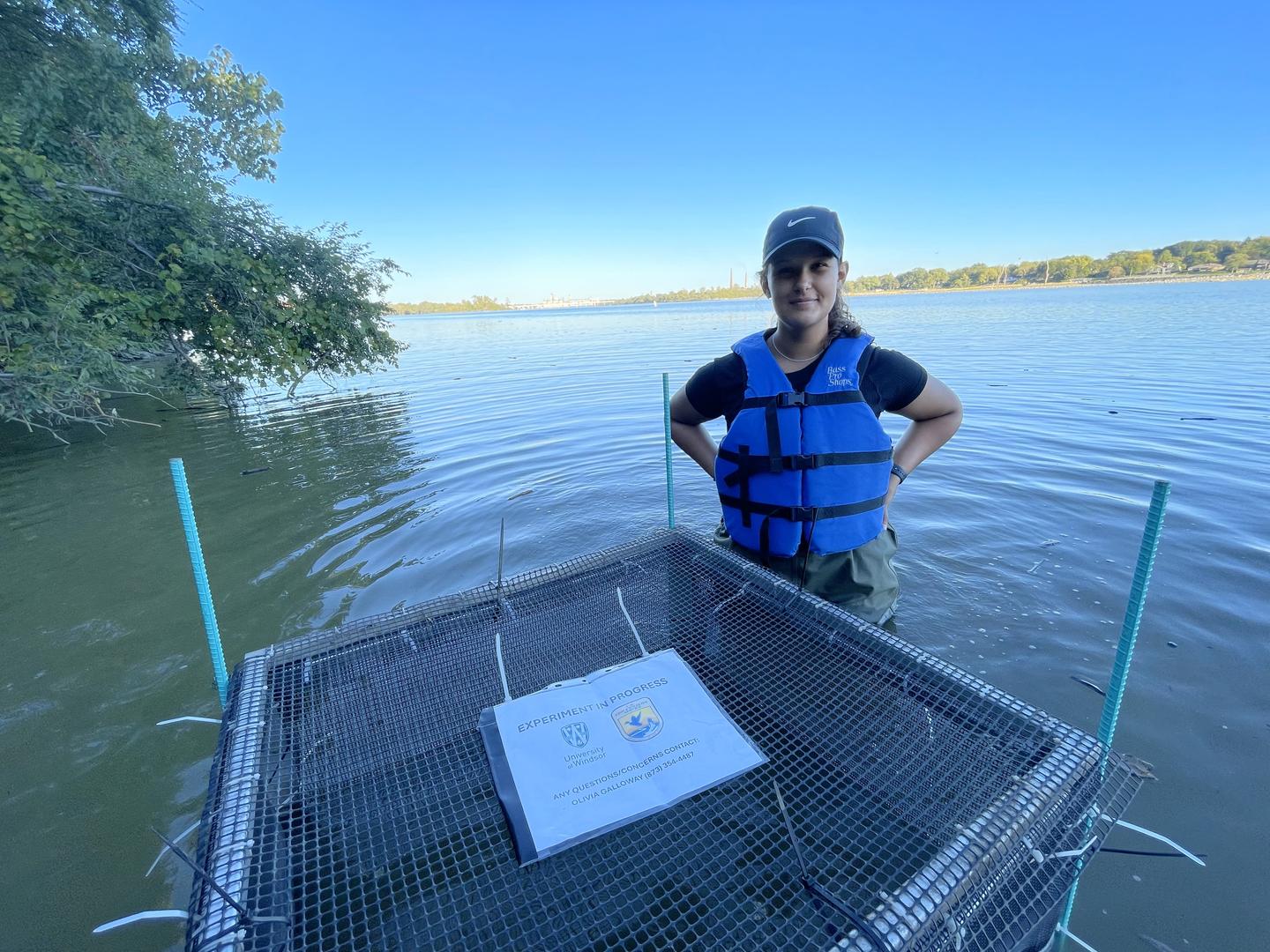
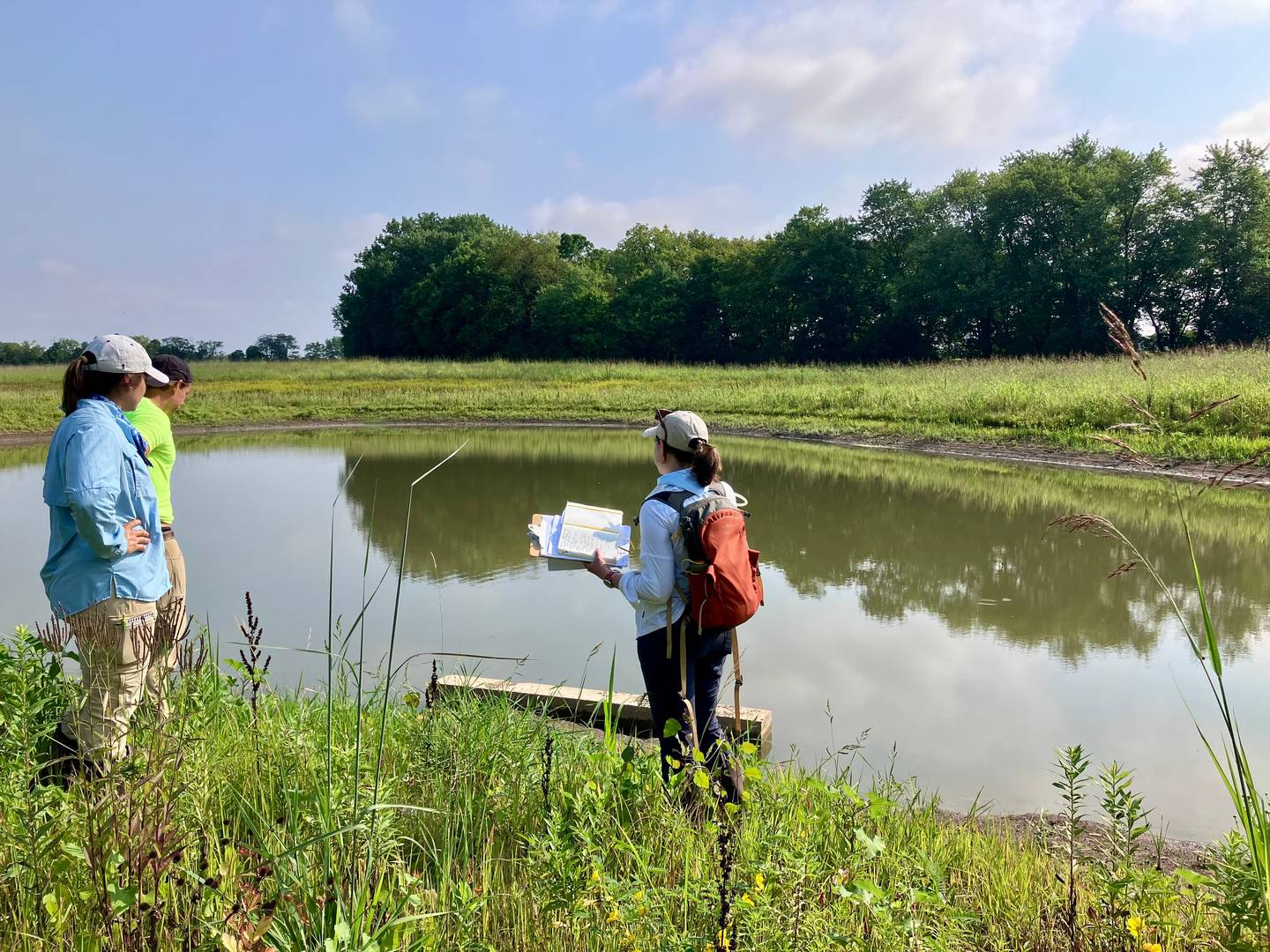
Lake Erie and Aquatic Research Network (LEARN) promotes collaboration among institutions and disciplines in the Lake Erie region. Since 2020, its flagship initiative, the H2Ohio Wetland Monitoring Program, has received approximately US$2 million per year from the Ohio Department of Natural Resources (ODNR). The program monitors wetlands that are recently restored, created, or enhanced through statewide water quality investments. Researchers have developed a novel framework for sampling and data management, created original protocols and workflows, and delivered nutrient reduction estimates for multiple wetland restoration types.
People participating in this work not only feel a collective sense of “why” it matters, but they see firsthand how and where their work makes a tangible difference.
This model, however, was not the initial approach. ODNR staff first sought expert opinion from LEARN’s biogeochemists and ecologists about wetland project proposals. Together, they quickly realized this “advisory” mechanism for linking scientific knowledge and agency decisions had a misalignment in information provided in proposals compared to what scientists needed for a useful assessment. Further, there were limited baseline data and scientific consensus on wetland water quality services—particularly on which features best promote nutrient retention in a way that could inform proposal design or review. A new approach emerged: a multi-university, science-based monitoring program to assess as-built wetland projects.
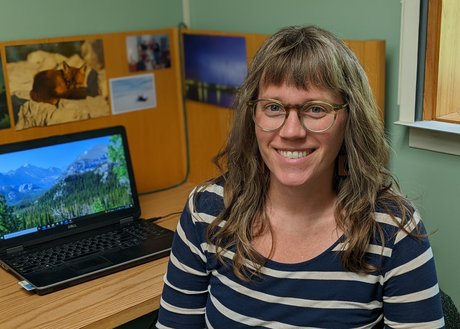
“Ultimately, we seek to create new knowledge about which types of restorations are most effective toward watershed nutrient reduction goals,” explains Lauren Kinsman-Costello, the monitoring program’s research lead.
The rapid initiation and development of the program, coupled with continuous data collection and interpretation, have driven efficiency and necessitated open lines of communication between the groups involved. Practices to ensure alignment of priorities include regular meetings between LEARN and ODNR leaders, public webinars to share progress, and yearly in-person planning workshops. The program has fostered trust and can adapt nimbly to new information, due to its funding approach and investment in facilitated spaces.
The monitoring program’s funding structure—primarily through a state contract with LEARN and supported by additional state and federal grants—bolsters stability and promotes synergy. It bridges gaps between the timing of agency grants and university hiring cycles and allows researchers to pursue both their specific lab goals and contribute to the program’s broader objectives. Of the 12 current principal investigators, most are entering their third biennium contract, leadership retention that illustrates the program’s impact.
Full-time staff are essential for the program’s large-scale, long-term monitoring needs, which is a shift from the traditional academic applied aquatic research that typically relies on short-term projects and graduate student research. For every investment in full-time field staff, there is the return of fostering several more relationships with ODNR agency staff, project site designers or managers, and affiliate researchers. Through these connections, the program has walked alongside many managers in many wetlands, built alignment in vocabulary across roles, fostered appreciation for decision-making constraints, and refined communication of uncertainty between different groups. It’s creating institutional knowledge and providing direct experience in the “people” skills to do jobs at the interface of science and management.
Program leaders facilitate adaptive monitoring by fostering ongoing dialogue across different levels of personnel and stakeholders, using a mix of team science strategies and drawing on project management techniques from other sectors. This dialogue leads to iterative practical improvements—such as changing sampling designs for clearer connection to wetland features (i.e., berms, hollows, pools)—which enhance data interpretation. The yearly workshop provides a platform to review and integrate feedback on communication products across perspectives. It’s impactful because the program can use real communication products from recently collected data, not hypothetical scenarios, to get feedback about management priorities and decision-maker values and uncertainties
And researchers listen to on-the-ground realities that can inform monitoring. Facilitated spaces and communication deliverables mean a group of researchers who have to make decisions such as assessing optimal spatial resolution of sampling locations can be disrupted (in a good way) by an agency-driven push for results. And a science-based monitoring program means the agency can better ensure sound investment in wetland projects. The intent behind the initial approach remains; a state agency needs to know if the wetlands are “working.” But now managers and researchers can answer those questions with a common vocabulary, improved understanding of each other’s realities, and infrastructure for impactful communication and collaboration.
As we face our freshwater future, investment in monitoring and response infrastructure is an urgent scientific and social need. There is a group of people in Ohio showing us how hope emerges from meaningful science that comes from not just the connection of, but the coordination among researchers and management professionals. The unique relationships facilitated by LEARN unify teams, propel plans into action, and are an empowering vision of hope in collaboration.