Describe your work.
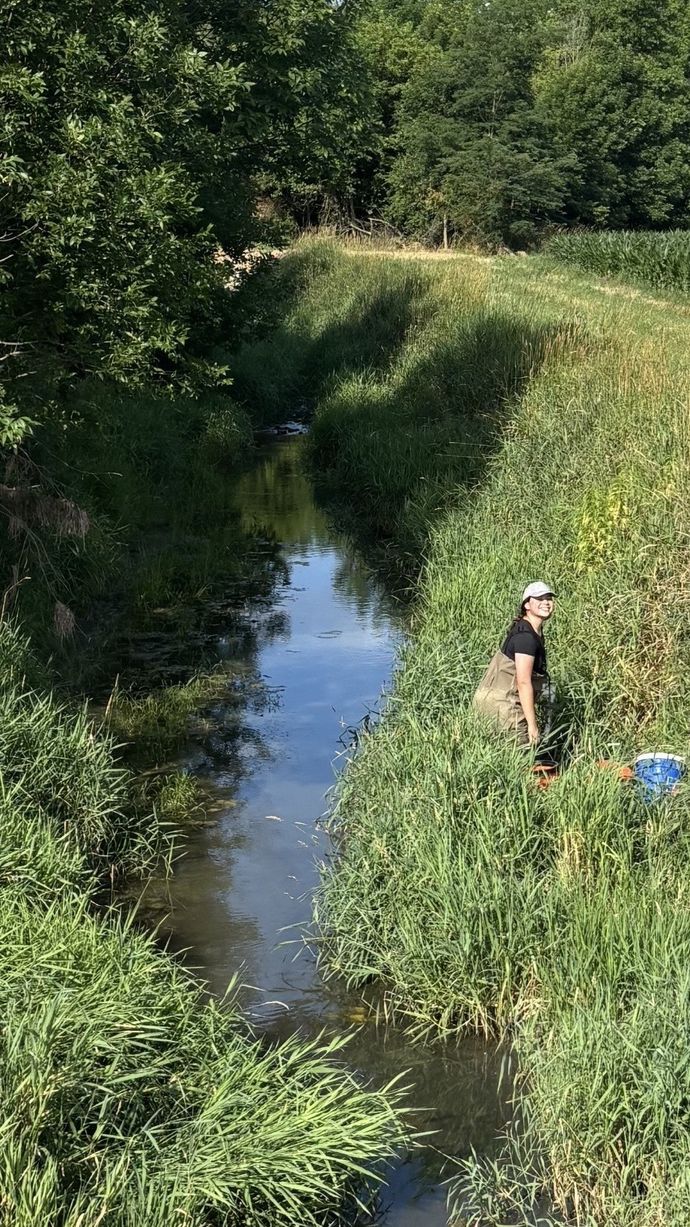
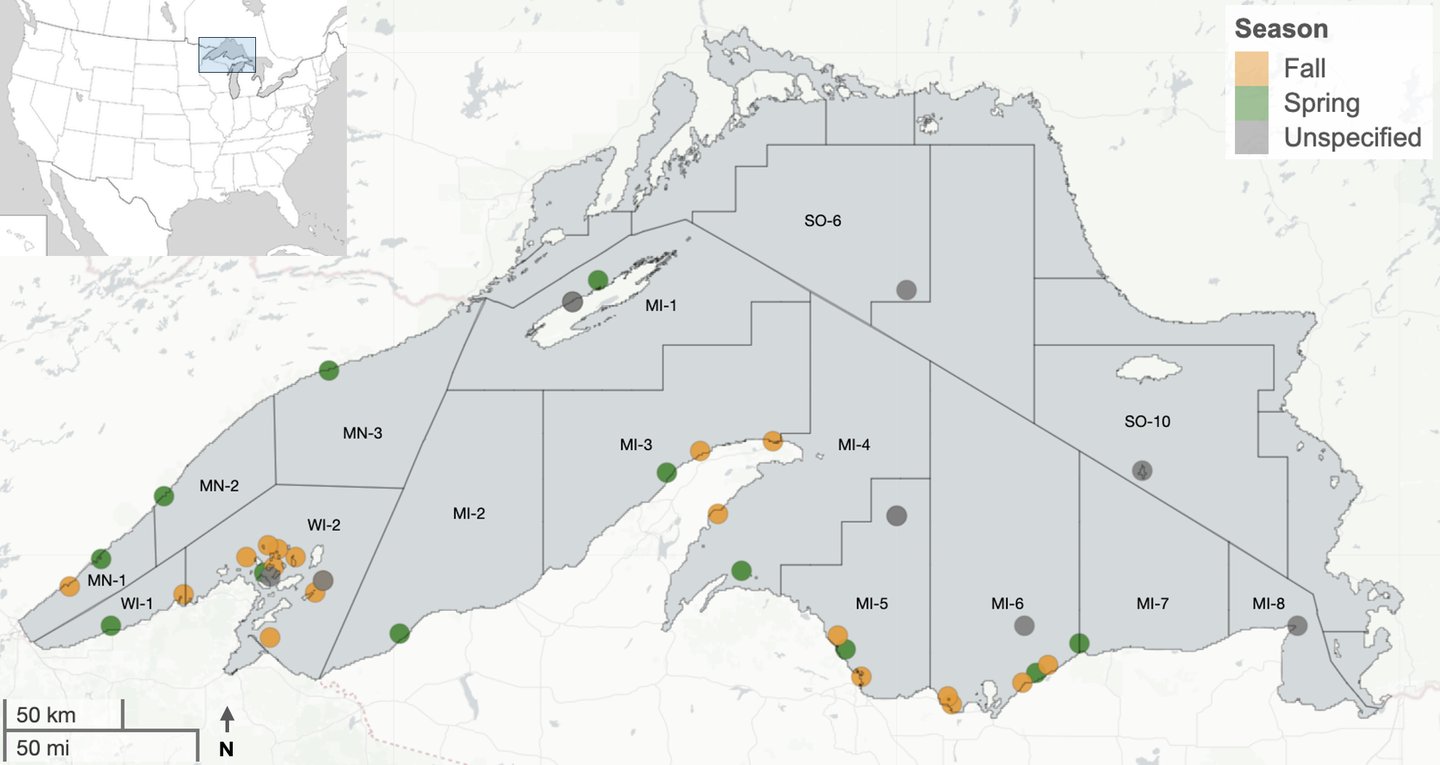
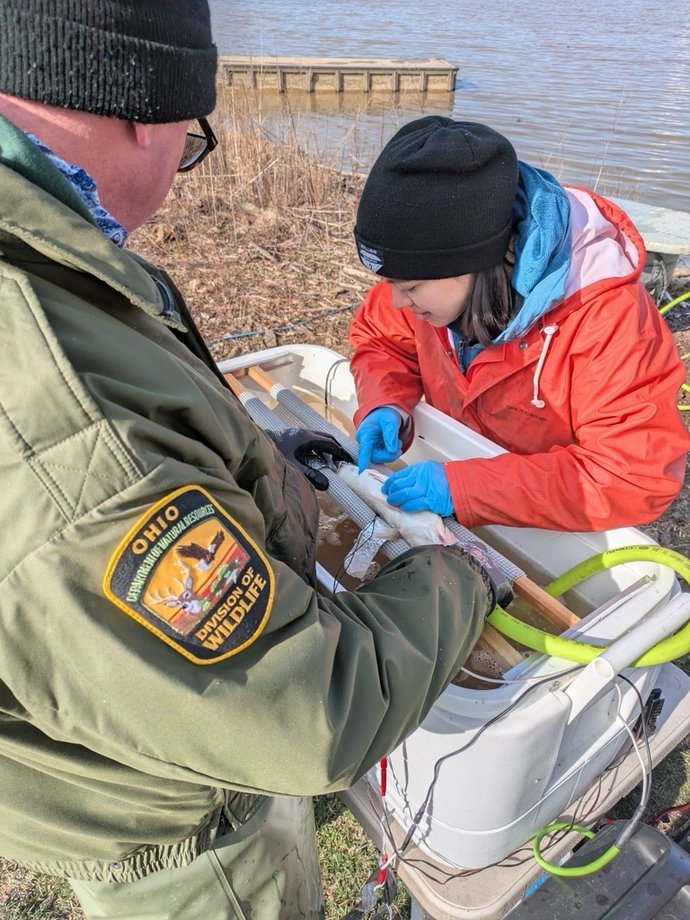
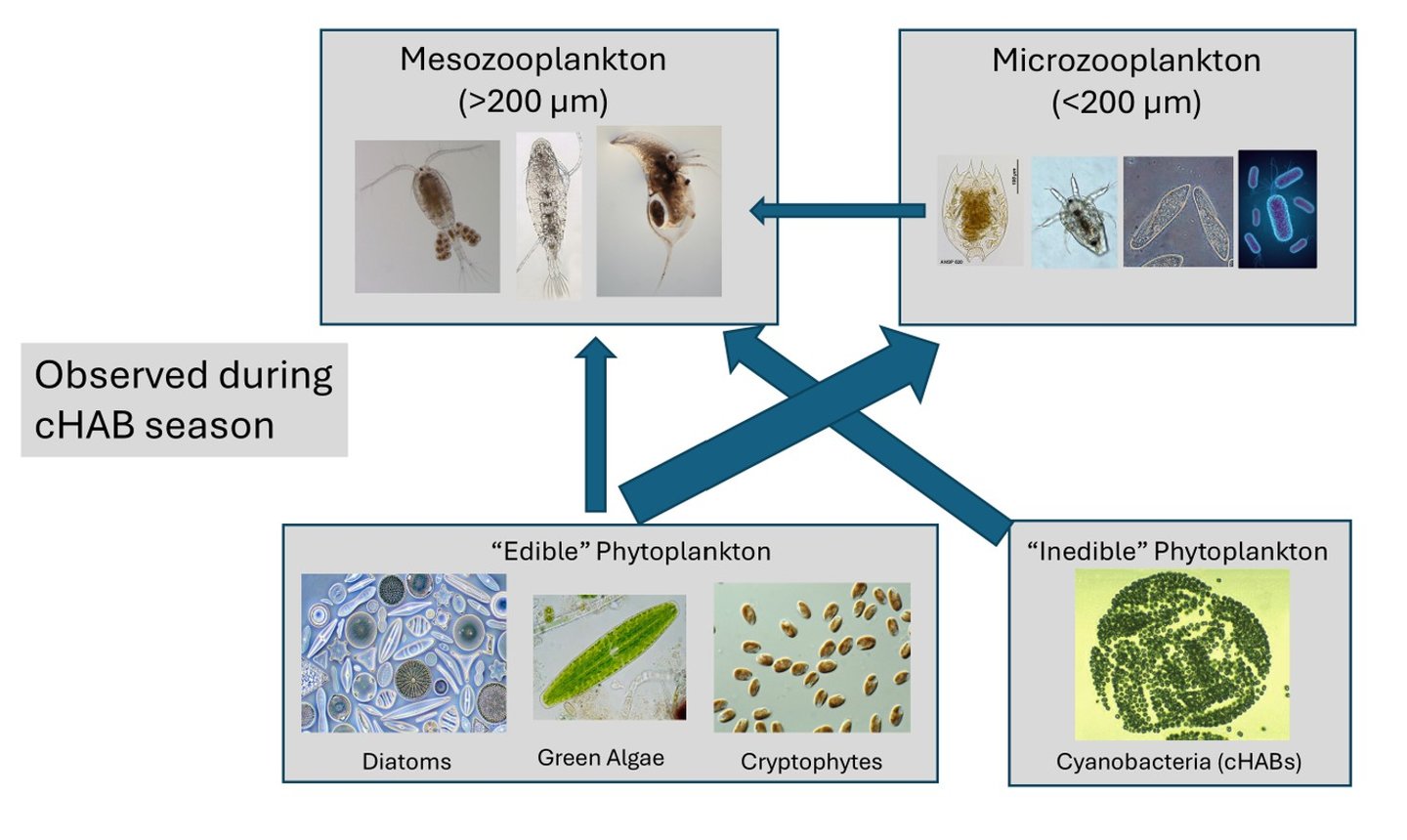
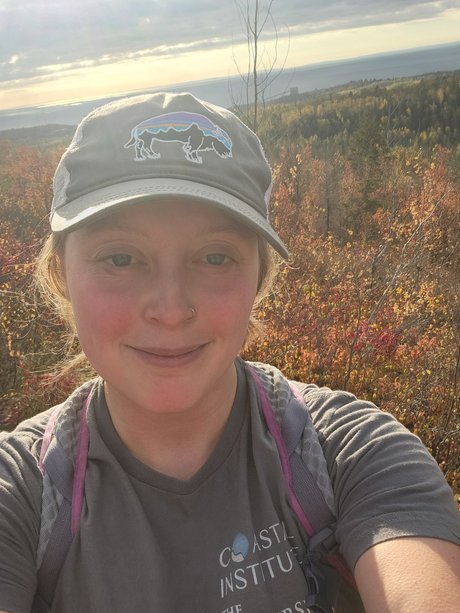
I am an Oak Ridge Institute of Science and Education (ORISE) Fellow at the U.S. Environmental Protection Agency’s Great Lakes Coastal Science Division. I have been fortunate to work on a variety of projects throughout my early career, but phytoplankton ecology and water quality are common threads that have connected my graduate and post-graduate research. My master’s research in Narragansett Bay, Rhode Island, focused on microbial community shifts driven by algal toxins produced by the diatom Pseudo-nitzschia. When I joined the EPA as a post-graduate fellow in 2024, I moved to the Great Lakes region and shifted my focus to freshwater algal communities and water quality. I joined a water quality modeling research group where I learned how to apply hydrodynamic and ecosystem models to study the fate and transport of nutrients in the Great Lakes. Following the EPA’s reorganization, I moved to a team studying phytoplankton community responses to nutrients, while continuing to collaborate with modelers on Lake Erie adaptive management efforts. My current project investigates emergent harmful algal blooms in Lake Superior. Using in-situ nutrient uptake experiments, I measure phytoplankton community responses to nutrient influxes and identify which species respond the quickest. Ultimately, I hope to apply the data from these experiments to refine algal parameters in ecosystem models, helping resource managers assess risk and predict blooms in the future.
What inspired you to enter this work?
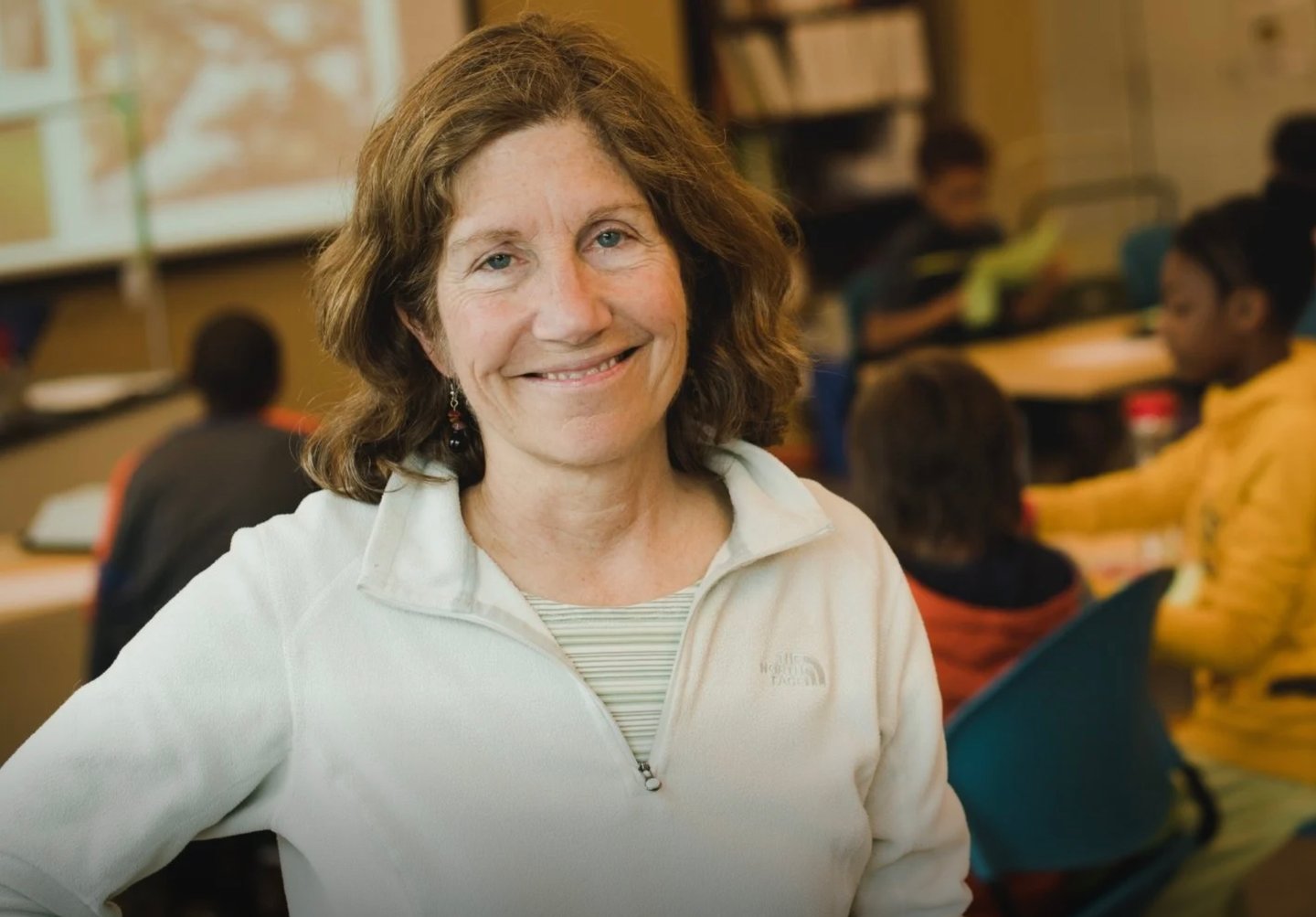
I’ve held a deep love and appreciation for the natural world since I was a child, and I wanted to be a biologist from the age of five. I was inspired to focus my career on phytoplankton from a class I took in college simply called “Algae.” I went to college in the Pacific Northwest, where I spent a semester at a marine science campus collecting water samples, surveying seaweed on the rocky beaches and tide pools, and learning about the fascinating world of phytoplankton. Beyond the subject itself, I was inspired by my professor, who effortlessly blended her love of the outdoors and community engagement into her research.
How has collaboration shaped your work, and how do you hope it will influence the future of large lakes research?
When I graduated college, I was fixated on pursuing a research career, though I decided to take some time to work before going back to school. I ended up working as an invasive species inspector for several years. At the boat launch, I spoke with diverse community members about invasive species and their concerns about the health of their pets, children, and the local lakes we shared. I came out of that experience wanting to do research that could make a positive difference for our shared waters. At the EPA, I have been fortunate to collaborate on multi-generational teams of scientists and learn from multiple knowledge systems. These collaborations taught me that the transfer of knowledge from one generation to the next is vital—a lesson underscored abruptly during last year’s federal restructuring. I’m inspired by the Great Lakes scientific community’s efforts to blend knowledge systems across disciplines and cultures to tackle big problems that affect us all, like climate change, and I hope to remain a part of that work.
What is something about yourself that you’d like to share with other IAGLR members?
Having lived near salt water most of my life, I never expected to live in the Great Lakes region or become a fan of the “fresh coast”! Now nearing the close of my second year living on Lake Superior’s North Shore, I’ve enjoyed exploring its forests, coastline, and cold waters—which call to mind my childhood home, Puget Sound.