Dams have altered riverine ecosystems worldwide to provide benefits such as flood control, water storage, and hydropower. However, dams can negatively impact migratory fish by blocking access to spawning grounds and ultimately reducing population productivity. As dam removals are on the rise across the U.S. and Europe, scientists are working to understand whether reconnecting rivers can help migratory fish populations recover.
One species that may benefit from restored connectivity is Lake Erie walleye (Sander vitreus), an important migratory fish supporting one of North America’s most valuable freshwater fisheries. In 2018, the Ballville Dam on Ohio’s Sandusky River was removed, reopening more than 30 kilometers of upstream habitat that had been unavailable to walleye for over a century.
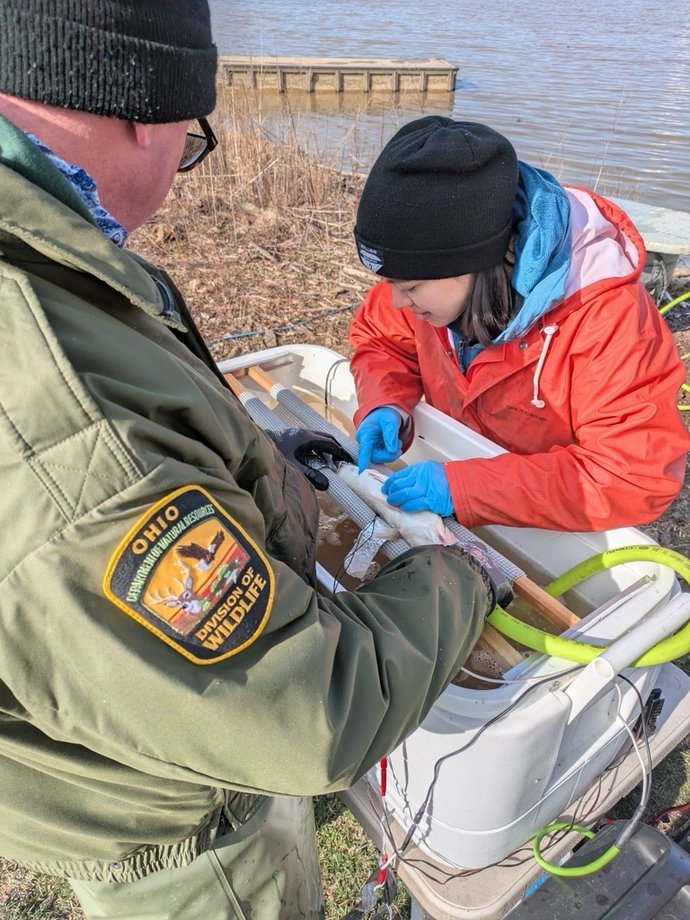
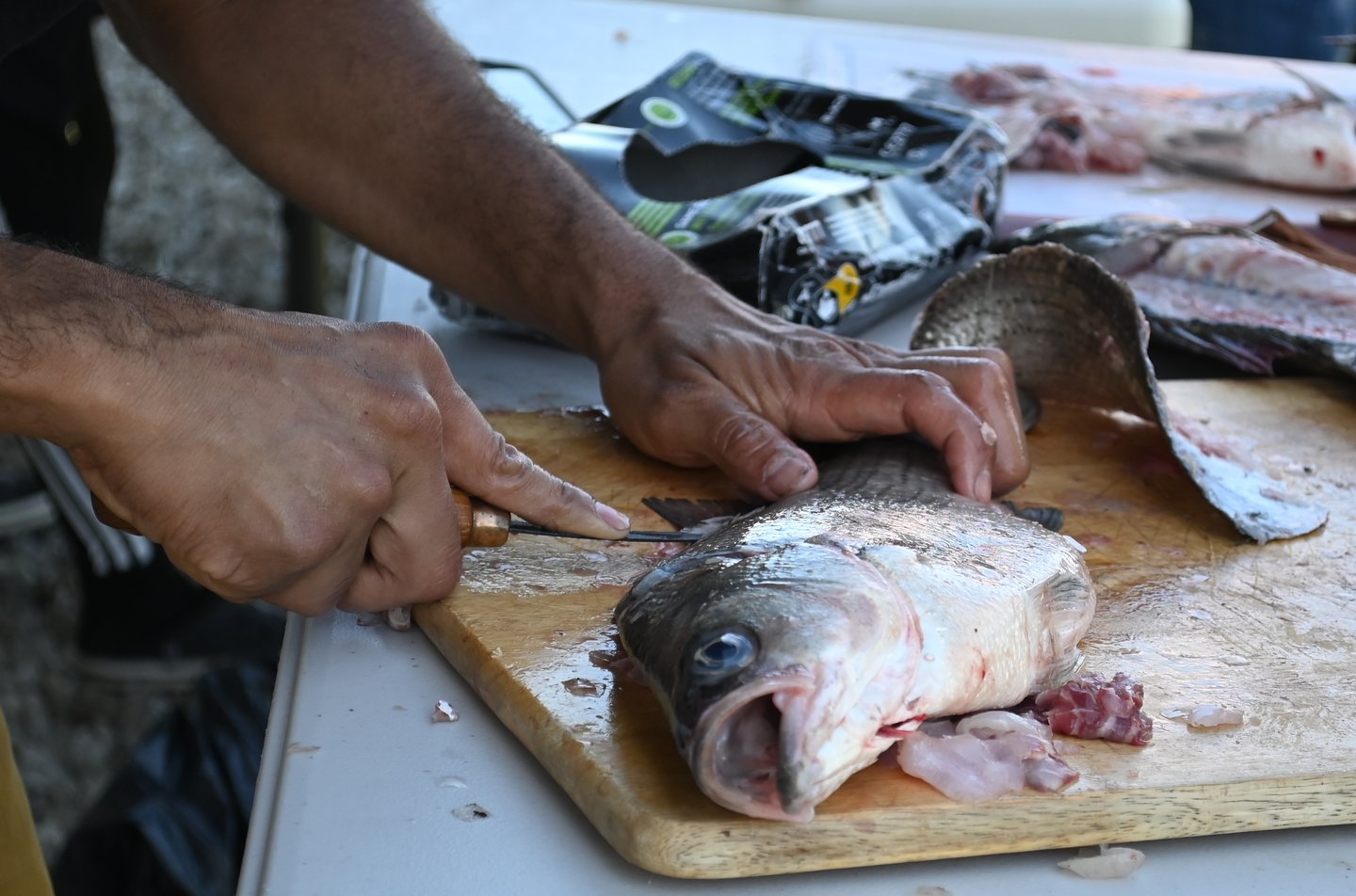
My research investigates how the removal of the Ballville Dam has affected the Sandusky River walleye population, one of several spawning populations that contribute to Lake Erie’s commercial and recreational fisheries. Using acoustic tracking technology, I can assess changes in how walleye use their spawning grounds in the Sandusky River. By analyzing chemical “fingerprints” preserved in ear stones (otoliths), I can identify walleye that originated from the Sandusky River after they enter the open lake. The goal is to determine whether dam removal has increased the number of young walleye entering the downstream population and whether those fish eventually contribute to Lake Erie’s fisheries.
These results can help fisheries managers better understand the long-term benefits of restored riverine connectivity. As similar dam removals occur, understanding how reconnecting rivers affects downstream open-water populations will be crucial for conserving migratory fish populations.
As similar dam removals occur, understanding how reconnecting rivers affects downstream open-water populations will be crucial for conserving migratory fish populations.