Laboratory science and field science complement each other. They are intertwined; one does not exist without the other in environmental research. As an early career researcher in Bolivia, I am motivated to inspire young people from rural areas in my country to believe that science is for everyone and that local knowledge should be integrated in decision making for projects. Water management should not treat water only as a resource, but also should help us see the connections and dependencies that exist around a lake, a river, or a wetland.
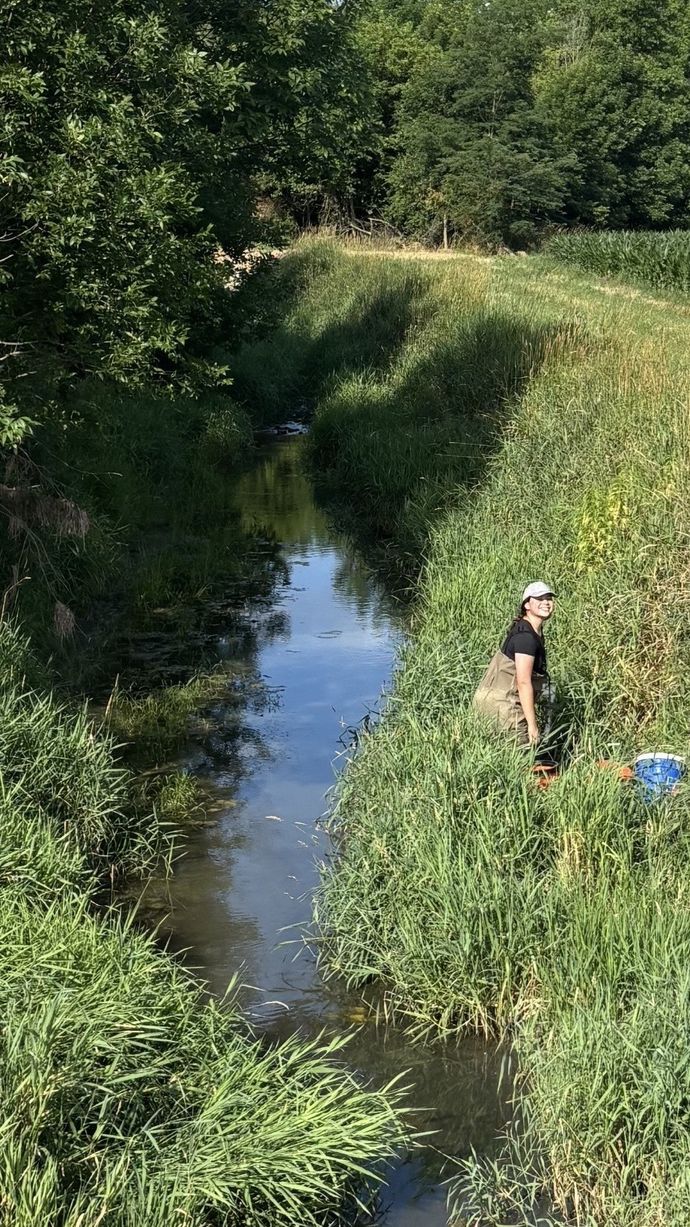
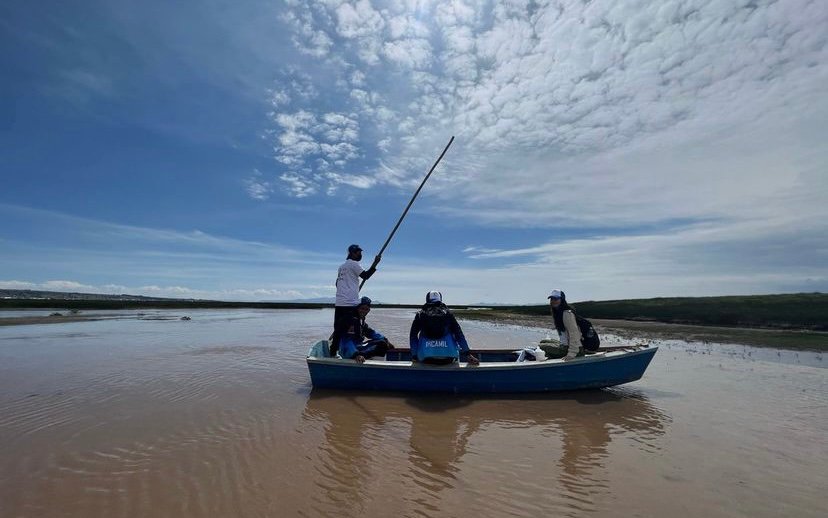
In 2024, I led a community science project with high school students from the Indigenous community of Chojasivi in Bolivia. The community sits in a pollution hotspot where the Katari River empties into the southeastern end of Lake Titicaca, the highest navigable lake in the world. Over six months, my role was to train the students in water quality monitoring using laboratory equipment. During the first few months, we navigated in their boats, building a friendship as they taught me how to row. Later, as drought set in, we had to travel on foot. One of the local students warned us that our sampling points would dry up by July, prompting us to redesign the study and select new sites together as a team. In the end, we successfully gathered all water sample measurements. That is what gets reported and expected in scientific literature—the data often seen as the heart of any project. But behind the data, between traditional dances and shared stories, the students told me about their childhoods and diets before urban pollution marked the Katari River. I learned that true community science listens to local voices and builds on teamwork, and that behind every paper lies a deeply human experience.
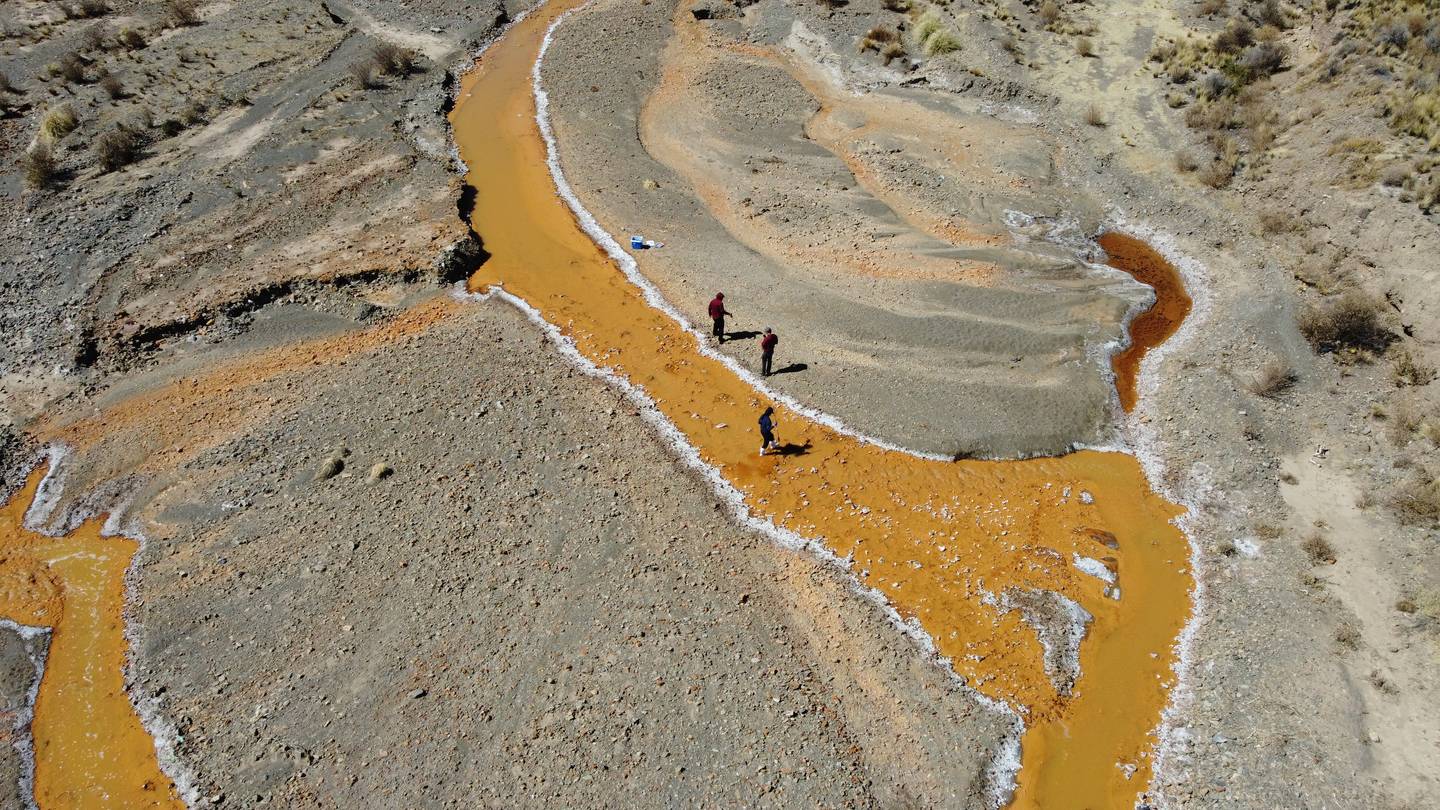
Following this project, I worked as a consultant on a project funded by the Canada Fund for Local Initiatives of the Canadian Embassy, evaluating heavy metal contamination in Lake Uru Uru. Over the course of a year, I conducted sampling across both the rainy and dry seasons. This work brought me to the Ayllu San Agustín de Puñaca, an Indigenous community deeply affected by local mining pollution. Although the study was originally restricted to Lake Uru Uru, I chose to extend a monitoring point downstream along the Desaguadero River—where the community lives—to help make the severity of the contamination visible. In this Ramsar wetland, I witnessed a stark environmental contrast: during the rainy season, a rich biodiversity featuring endemic birds; in the dry season, a desolate landscape where the wetland was reduced to a stream of acid mine drainage, displacing local wildlife. I came to realize that behind every pH or turbidity measurement, there are people whose daily lives are directly shaped by what the water carries. I am currently awaiting journal acceptance for the manuscript, and nothing excites me more than the prospect of sharing these findings with the community.
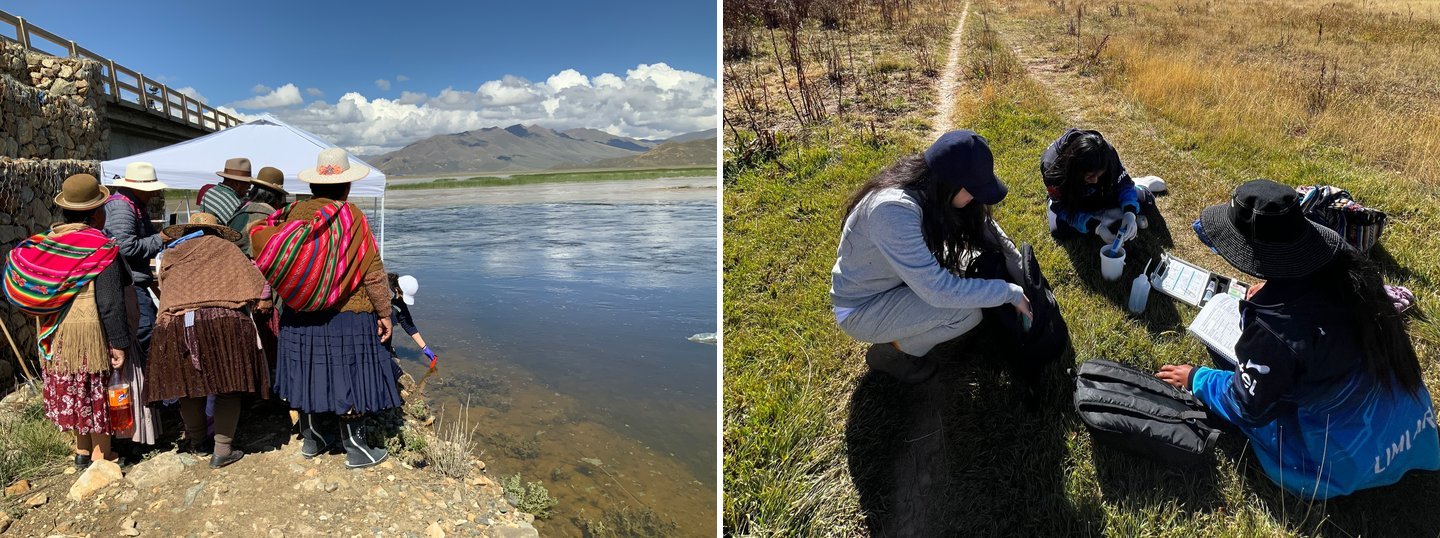
Researching the environment teaches you that you are never fully prepared. Water is dynamic, always transcending its physical form, and impossible to control, which is precisely why I love studying it. I never know who it will lead me to meet or what experiences it will bring into my life as a researcher. Water manifests differently across the globe, carrying the very identity of each territory it flows through. Ultimately, water connects us as human beings: it ties us to local communities in the field, while bringing researchers together in urban spaces.
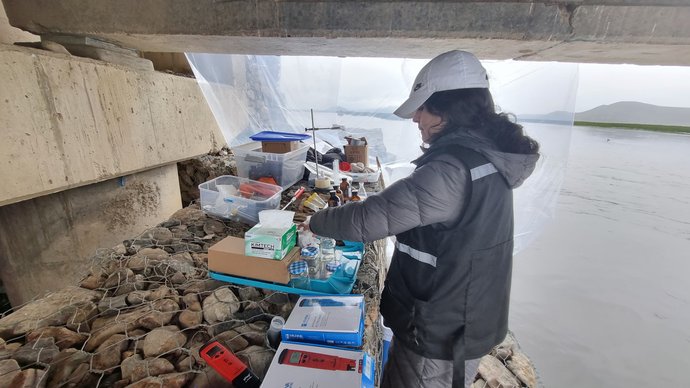
What has marked my life as a researcher, and my decision to keep on this path, is knowing that data in my country are lost because they go unrecorded and unreported. While I may be at the start of my career and my research is new, I believe we will grow together. As environmental engineers, we are often trained to monitor water resources. I love the technical side—getting to the lab, analyzing samples, and studying results. But the experience of stepping out of your comfort zone—walking over acid mine drainage, talking with local people, packing your field bag, organizing the trip, finding paths where none exist, navigating complex territories, traveling hundreds of kilometers, getting into the boat, and reaching the lake—that is what truly gives meaning to doing research.