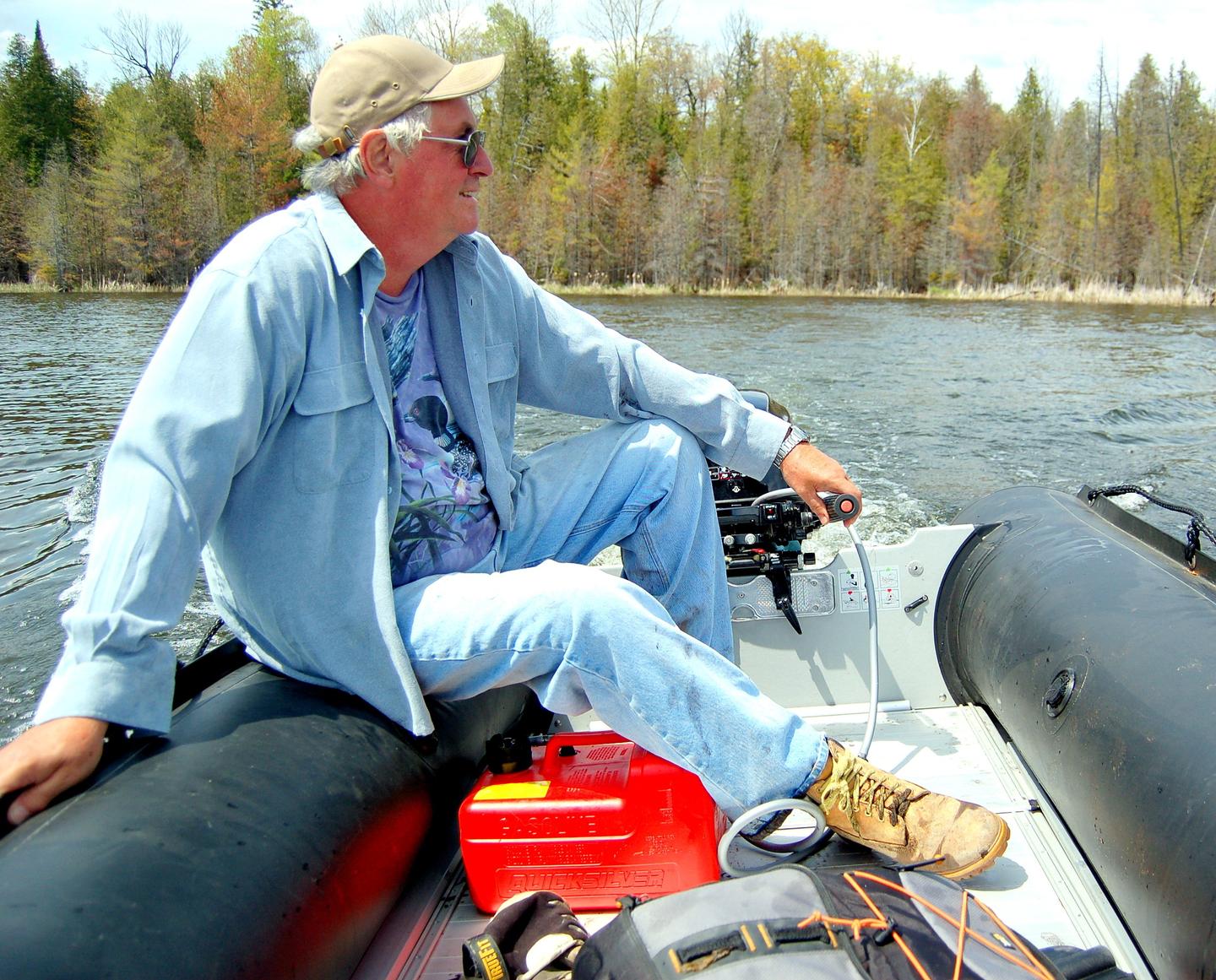
“Kiawerón:ko. Relative, connector, medicine, and mystery.”
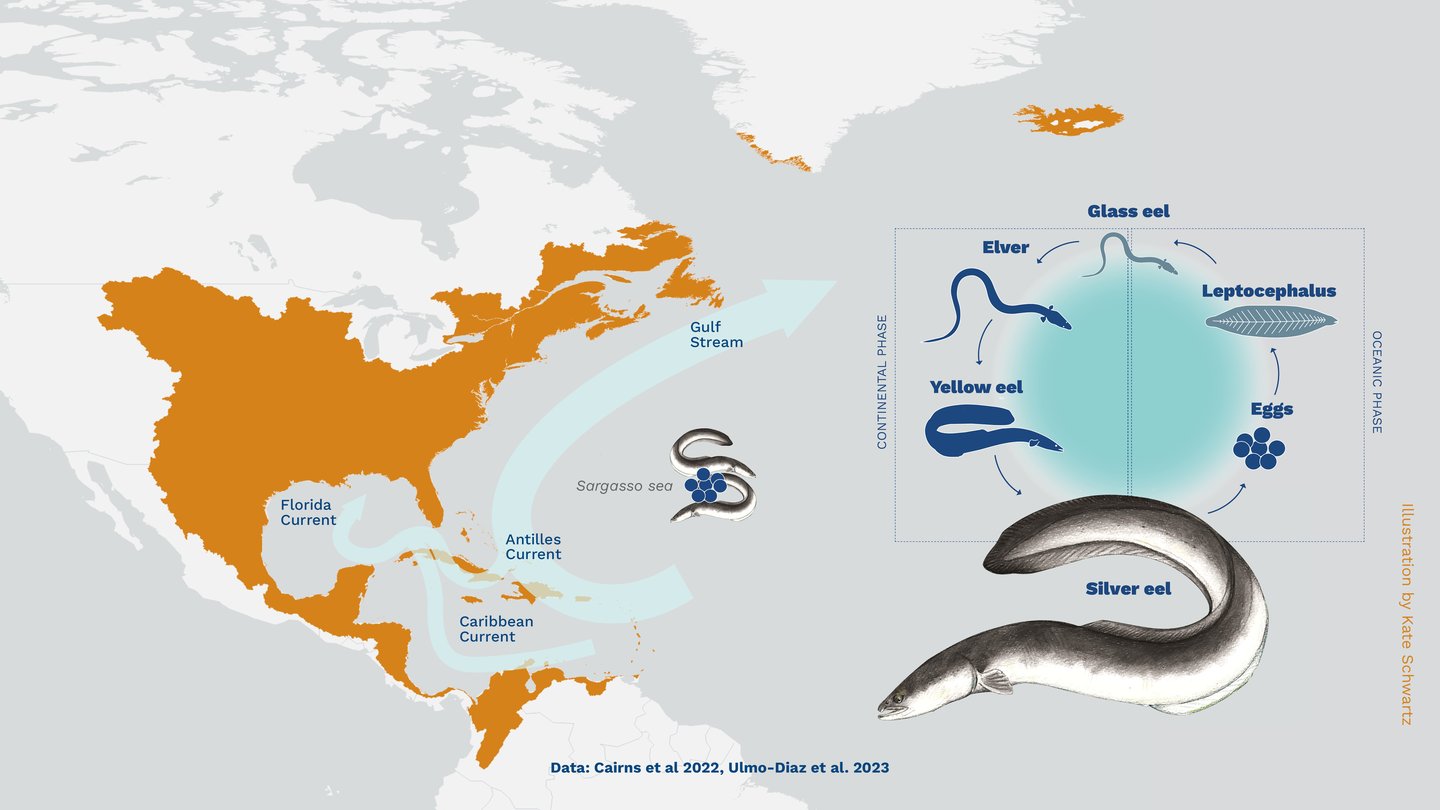
Kiawerón:ko, Kanien'kéha (Mohawk for American eel, Anguilla rostrata) is a fish species that undertakes an incredible migration spanning thousands of kilometers between the Sargasso Sea, where they are born, and their rearing habitats. As a panmictic species—meaning every individual belongs to a single breeding pool—all Kiawerón:ko are connected to one another. Whether they mature in the waters of South America, Greenland, Lake Ontario, or Kaniatarawane:neh (the “great waterway,” referring to the St. Lawrence River), they all hatch together in the Sargasso Sea. The abundance of Kiawerón:ko has dramatically diminished, especially within Kaniatarawane:neh watershed, where numbers have fallen as low as 1% of their historic levels. This statistical collapse echoes the stories told by Akwesasronon, who have observed this change over generations. It is our collective responsibility to prevent the loss of this ecologically and culturally important species and ensure its survival for those to come.
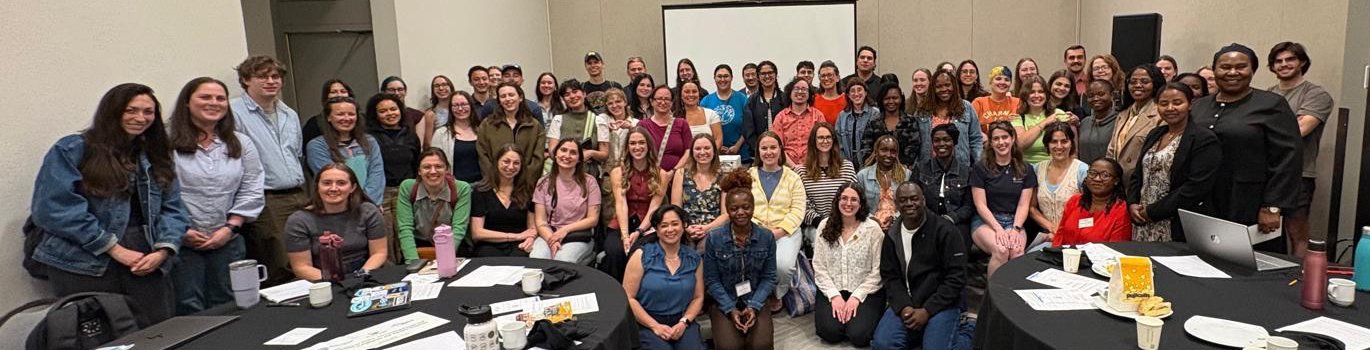
In the summer and fall of 2025, the St. Lawrence River Institute set out to celebrate and reconnect people with Kiawerón:ko as part of the Great River Rapport, a holistic ecosystem health assessment addressing community concerns in the Upper St. Lawrence River. The celebration of Kiawerón:ko through a call for art was carried out in partnership with the Mohawk Council of Akwesasne, Abraham Francis, Dr. Kathleen Vaughan and her team at Concordia University, and with the support of the Brace Water Centre at McGill University and the Natural Resources Institute at the University of Greenwich, UK.
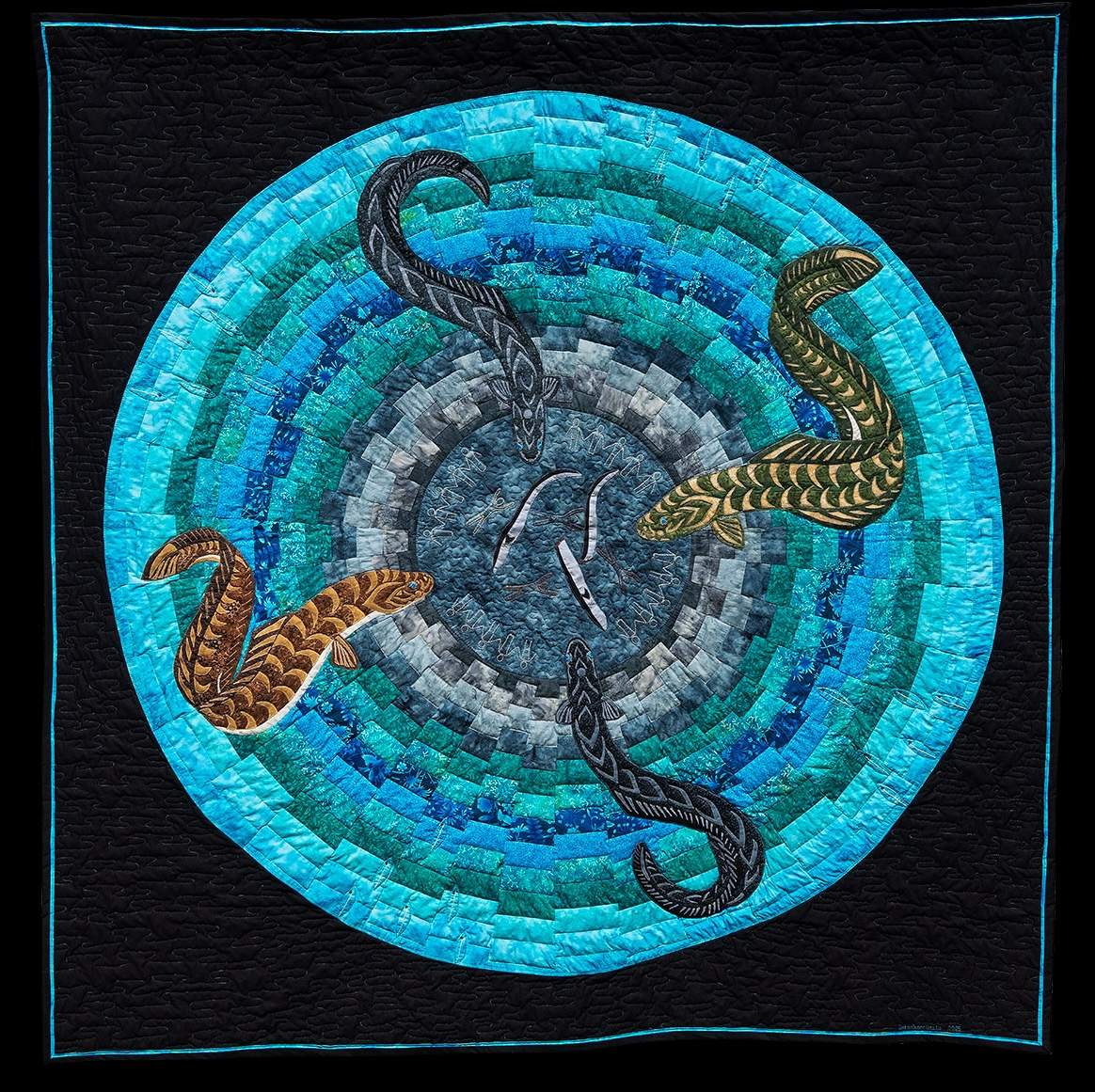
The submissions showcased a wide range of creativity and originality. We received over 60 art pieces including poems, paintings, beaded works, and quilts. The call for art benefited greatly from the diverse partnerships established as part of the Great River Rapport, which resulted in submissions from different regions along the range of Kiawerón:ko, including many Indigenous artists. The artist statements told stories of personal journeys alongside Kiawerón:ko. We found that some people had a depth of knowledge of Kiawerón:ko, while others were introduced to the species through this call for art. We were excited to see that people took time to learn about the threats to Kiawerón:ko and its precarious status in the river while creating their artworks.
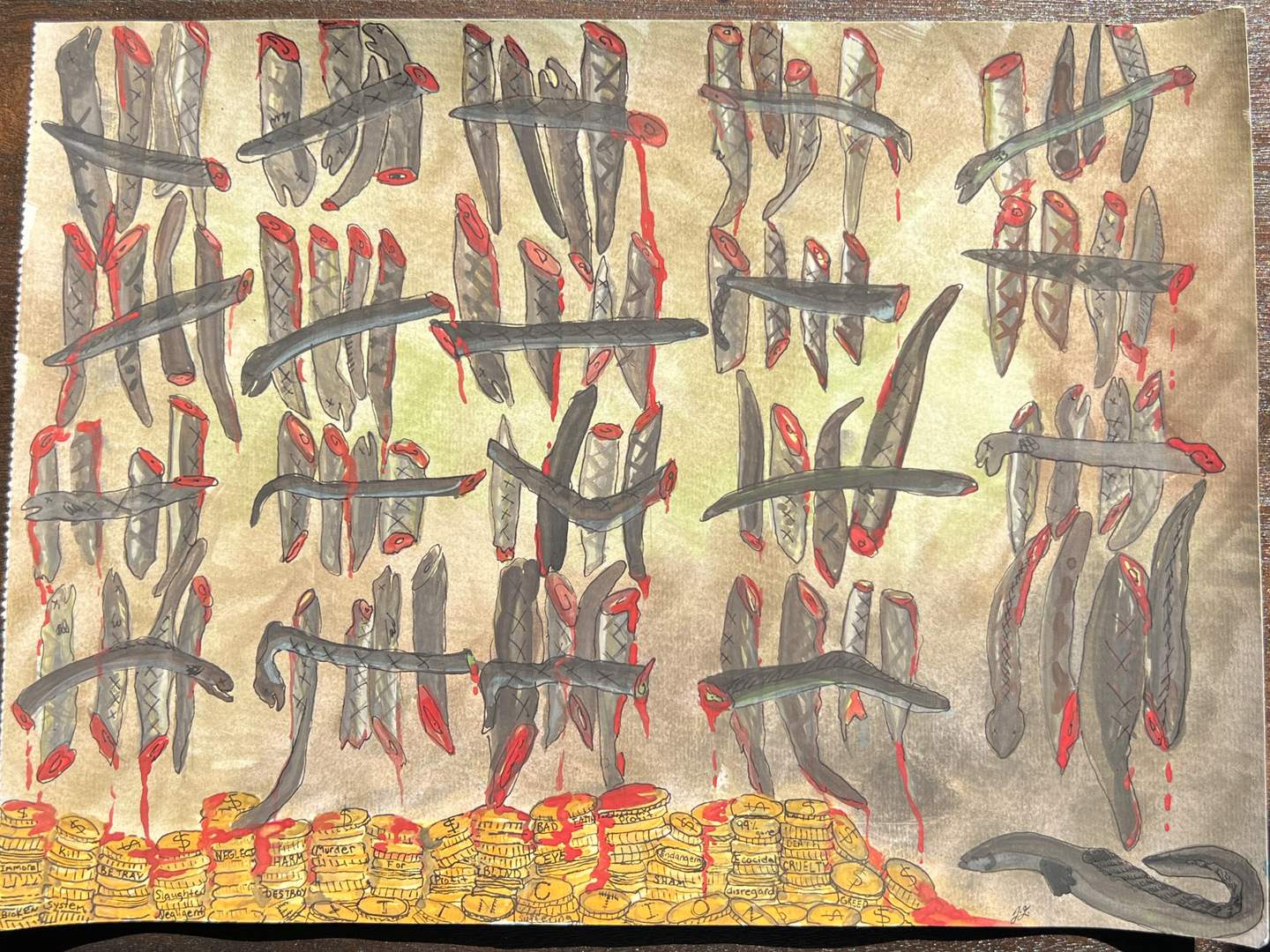
While the call for art engaged many people in Kaniatarawane:neh watershed and beyond, there are still more people who do not yet know about the challenges that Kiawerón:ko face in completing their lifecycle. In Kaniatarawane:neh, this perilous journey includes surviving the passage through turbine blades at two hydropower dams, the Moses-Saunders Power Dam and the Beauharnois Hydroelectric Facility, which collectively kill 44% of outmigrating Kiawerón:ko every year. Additional threats from habitat loss, fishing pressures, invasive species, contamination, and climate change also negatively impact Kiawerón:ko and reduce their ability to thrive as they once did.
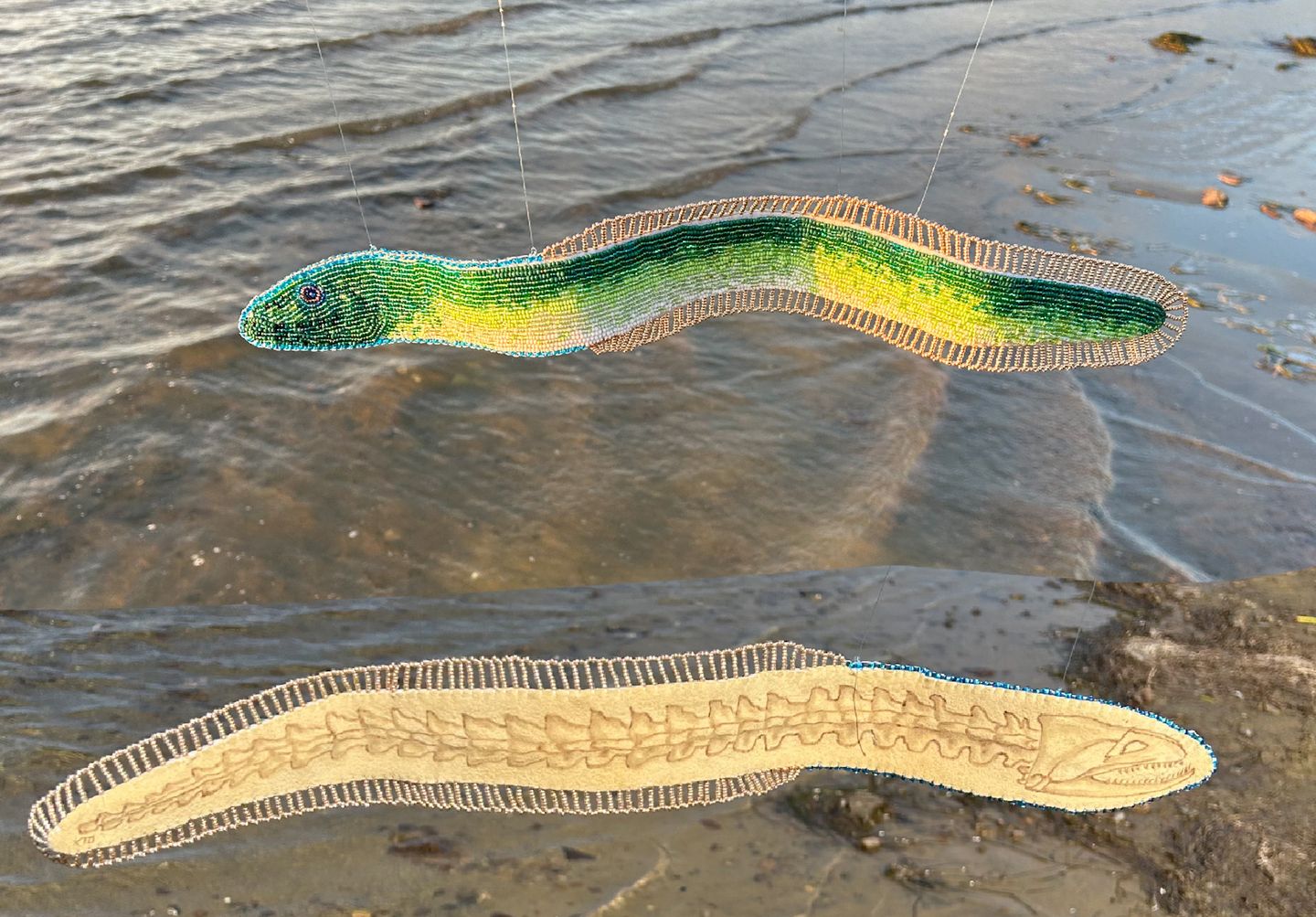
Our call for art successfully connected people from all walks of life to this important species, fostering a sense of caretaking. Without caretaking, Kiawerón:ko face the threat of disappearing from our river, along with the medicines, story, language, and culture they bring. They are teachers.
Over the past decades, various initiatives have been dedicated to finding ways to mitigate the threats, though the numbers remain at all-time lows. Thankfully, there is hope. New technology in the form of fish-friendly turbines show great promise and could potentially allow the safe passage of Kiawerón:ko at hydropower dams.
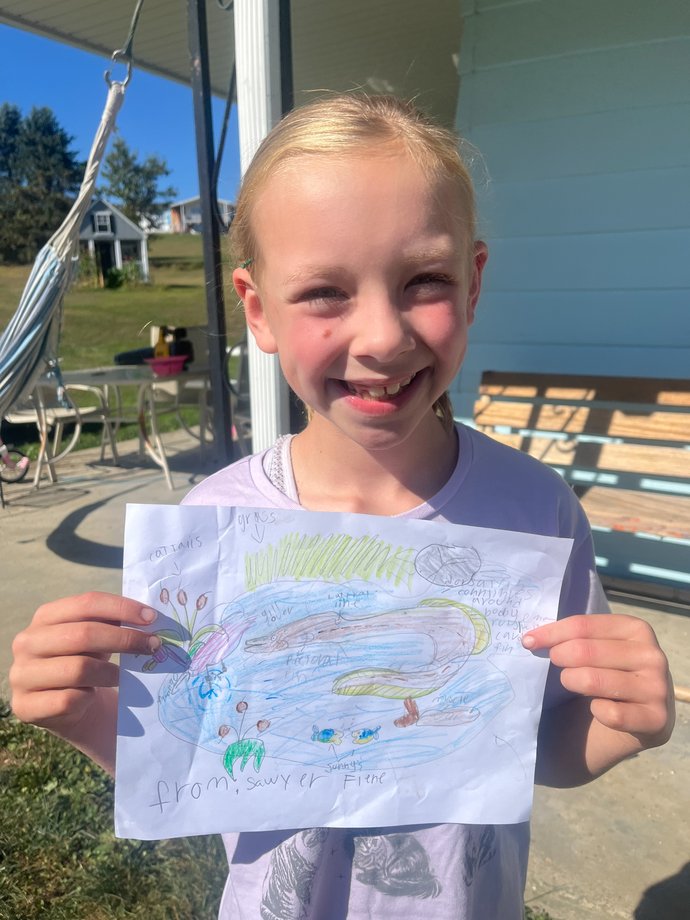
With the amendments to the Canadian Fisheries Act in 2019, Canada is now well-positioned to assess mitigation options to support the recover of Kiawerón:ko. For this to become a reality, support from the public needs to be combined with respect for Indigenous Rights, enforcement from government agencies, and buy-in from industry. Through the call for art, we were encouraged to see that community members are looking for ways to connect with nature. We look forward to finding news ways to inspire people to connect with the natural world and share the story of Kiawerón:ko—through conversations, art, and other creative outlets. Such meaningful engagement can foster the love and care required to protect these relatives.
“Let us construct communities of caretaking for all of creation—our futures are woven together!”