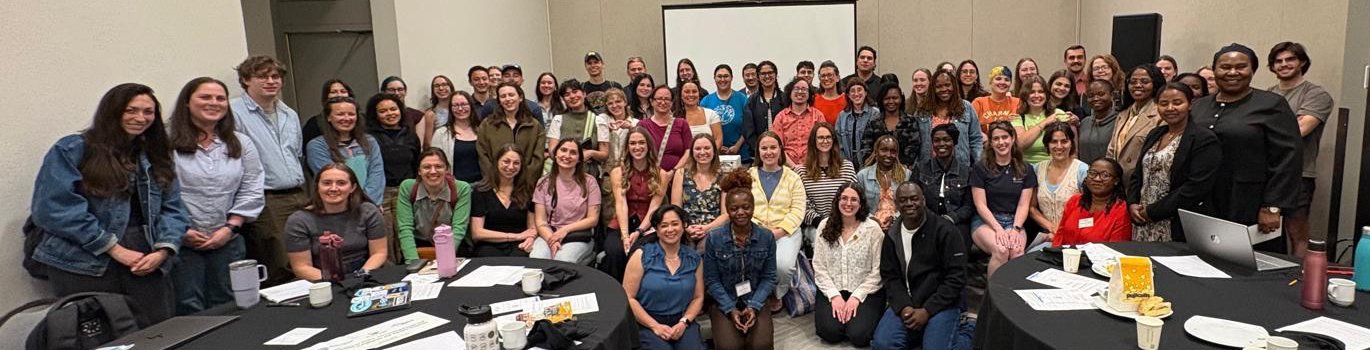
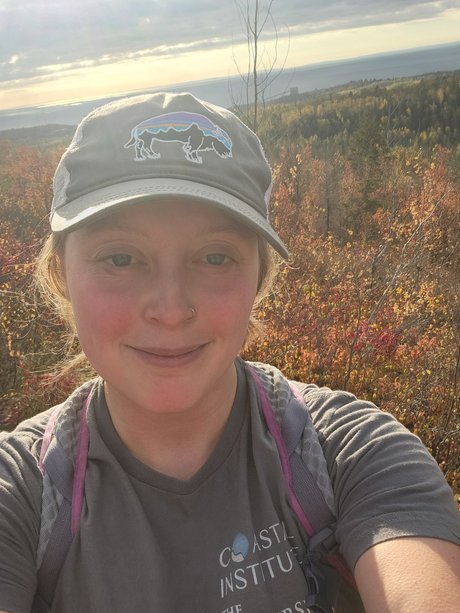
Sometimes organizational commitments to IDEA—inclusion, diversity, equity, and accessibility—create a phantasm of sorts, convincing people that promising a more inclusive world is the same as building one. At the IAGLR & SCAS Joint Conference this May, I gave a talk on the experiences of marginalized genders in the sciences. My ultimate goal was to remind people that IDEA statements are not performative utterances; that is, declaring that people of all genders are safe and welcome in your lab does not make it so.

We can make these declarations, but women in our field still report a lack of adequate training and access to personal protective equipment. They still report misogyny from men who doubt their abilities, resent their promotions, and think women do not belong out in the field without a male chaperone. In the U.S., there is an ongoing “full-scale onslaught on women’s rights.” In Canada, we still have “staggering rates of violence against Indigenous women, girls and 2SLGBTQQIA people.”
We can declare that all genders are safe and welcome in our labs, but there is an ongoing genocide against transgender people in both the U.S. and Canada. During my talk, I asked folks to imagine they were inviting me to come work in their university lab or department. Do you know whether it is legal for me, as a trans person, to tell people my pronouns? In some states, it is not. Do you know whether it is legal for me to use the bathroom during my long workday? In some states, it is not, with states like Idaho currently fighting in court to make it a felony. Do you have a plan if someone finds out I am trans, or recognizes me in the field, and responds with violence?
These are significant and systemic workplace safety issues that impact whether someone is safe or feels welcome in your lab. And they underscore that we all need to grapple with a harder truth: social progress and personal commitments alone don’t determine whether we can live up to our IDEA principles. The jurisdictions where we operate may prevent us from doing so.
These are significant and systemic workplace safety issues that absolutely impact whether someone is safe or feels welcome in your lab.
Scientists, particularly those with greater power and privilege, need to advocate for improved safety and wellbeing of all genders in our field. If recruiting marginalized genders is not a priority for your organization, create opportunities to explain why it should be. Advocate for the services they need to be made available and accessible. Finally, we need to reach beyond the lab and advocate for policies and laws that enable all scientists to participate in science, and to do so safely.
We made these commitments. We need to find a way to keep them. And we need everyone.