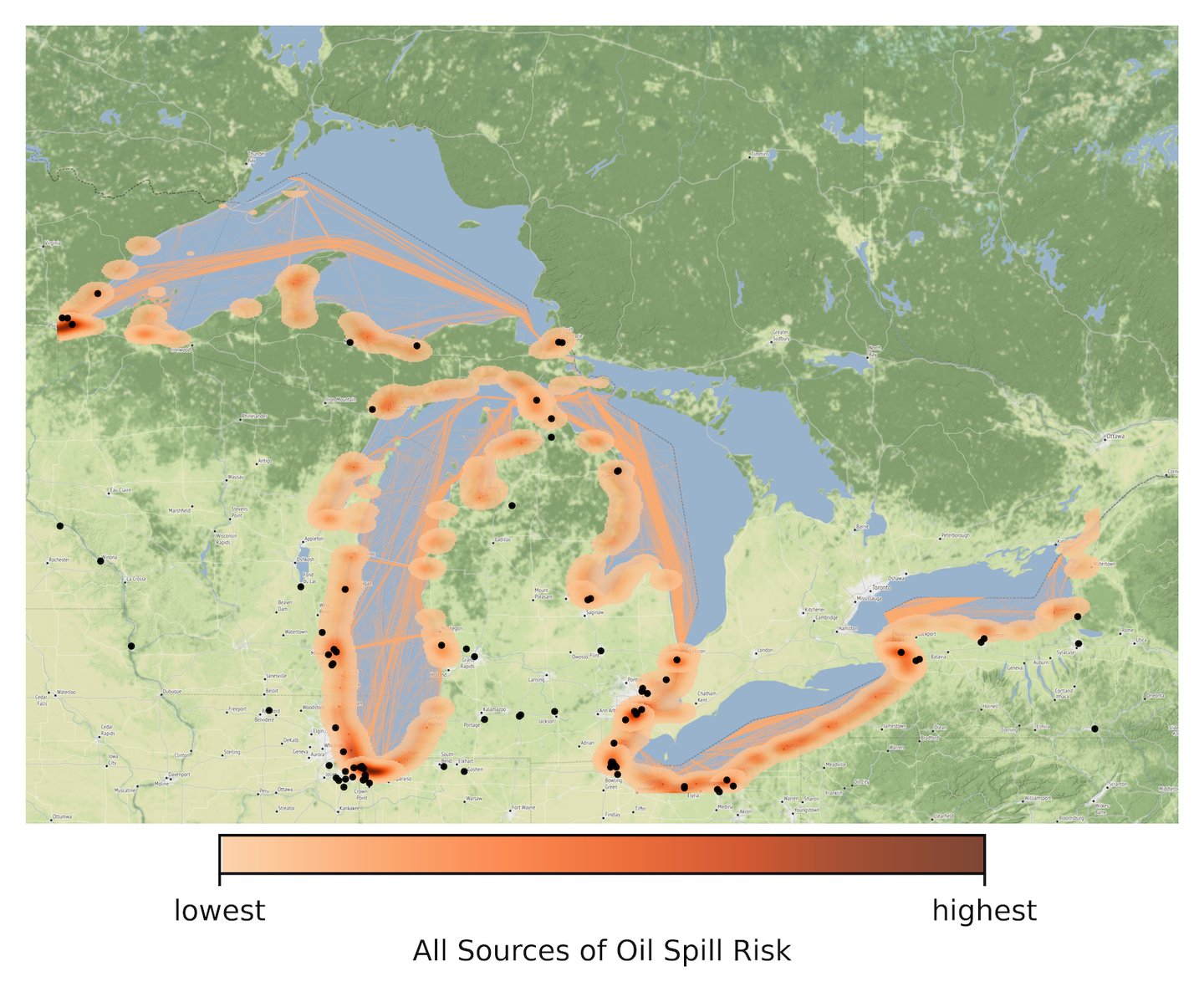
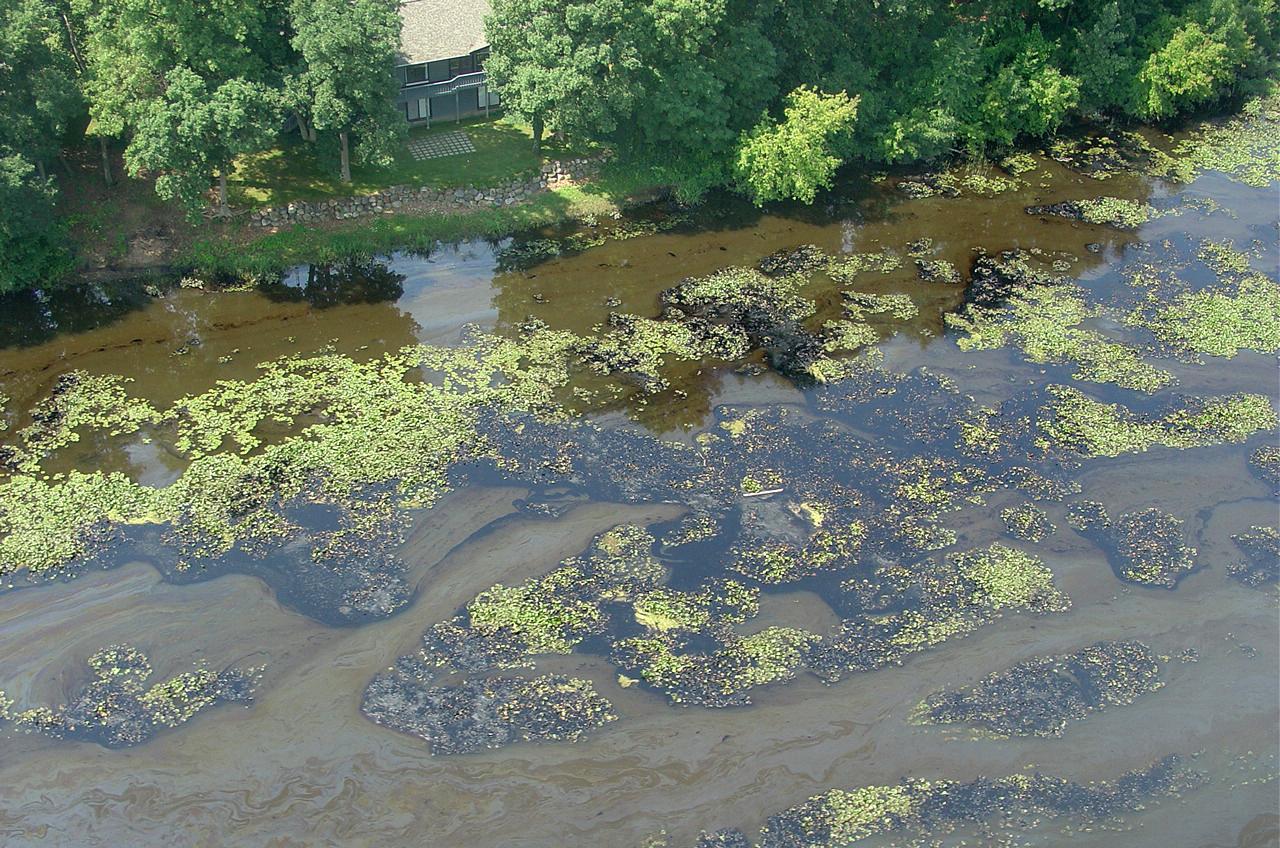
The risk of oil spills is increasing with the rise in oil-related activity. Canada and the United States have extensive oil pipelines and shipping routes, including those that pass through the Great Lakes and surrounding freshwater environments, putting the Great Lakes ecosystem at risk of oil spills. The 2010 Kalamazoo River oil spill in Michigan was one of the largest inland oil spills in U.S. history, with more than 840,000 gallons (3,180 m3) of crude oil flowing into Talmadge Creek and subsequently into the Kalamazoo River. The spill contaminated at least 35 miles (56 km) downstream on the river, as well as floodplain and upland areas, causing significant damage to local ecosystems.
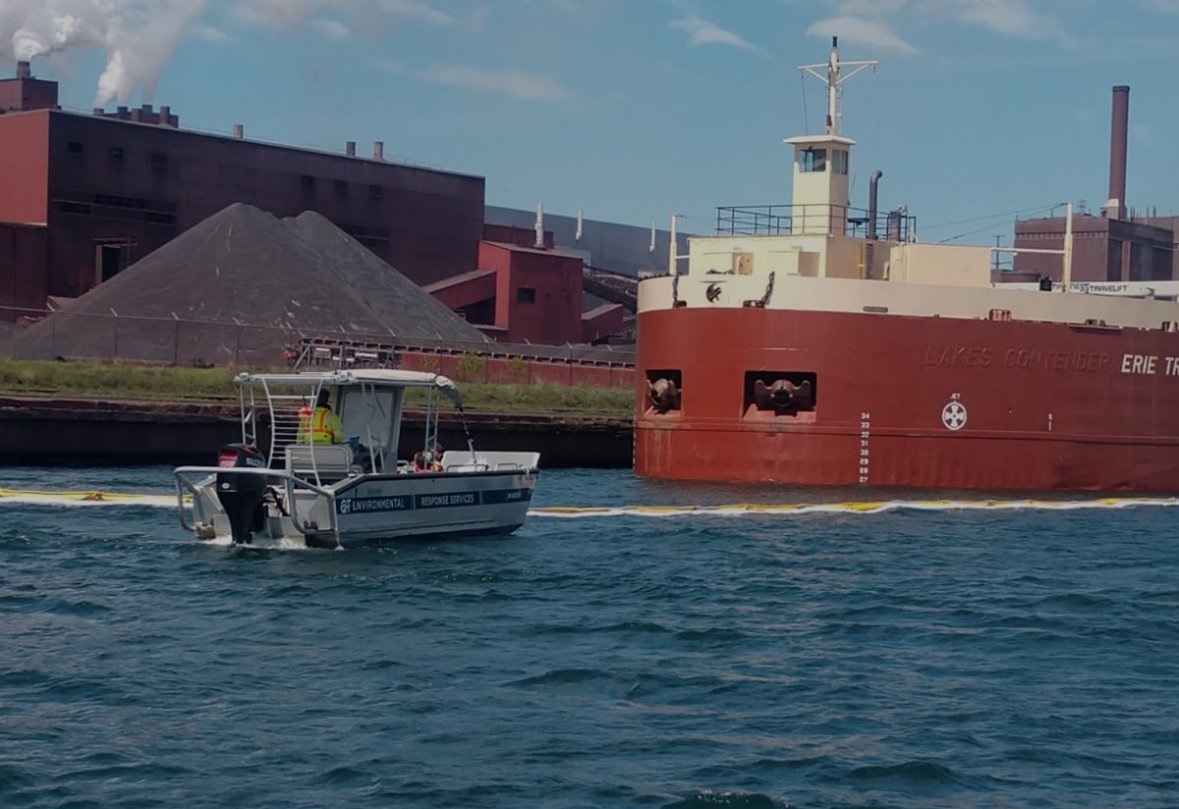
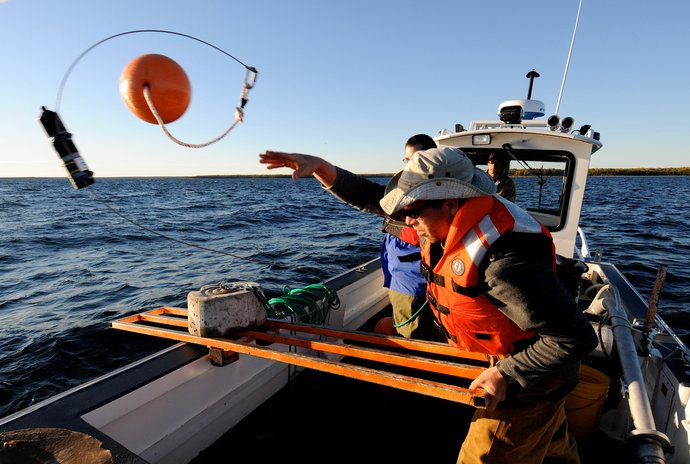
The complexity of lakes, rivers, and coastlines increases the challenges of responding to freshwater oil spills. The Great Lakes are not only rich in biodiversity, but also an important freshwater resource. Once an oil spill occurs, it not only pollutes drinking water and destroys fish habitats, but also affects related economic and fishery activities. The shorelines around the Great Lakes vary in nature, requiring the development of more applicable response measures that take into account the characteristics of the local shoreline substrate, minimizing environmental impact while ensuring removal efficiency. The available methods for oil spill response in freshwater environments remain limited. Cleanup of freshwater spills is costly and complex, underscoring the urgent need to develop oil spill response measures tailored to freshwater environments.
Concordia Oil Spill Research Group
The Concordia Oil Spill Research Group (COSRG) is dedicated to addressing the challenges of oil spills in freshwater shoreline environments. COSRG’s work focuses on three main areas: 1) Sensitivity and risk assessment: The group conducts vulnerability assessments of coastlines to identify sensitive areas and assess the hazards posed by oil spills, based on local environmental, social, and economic factors. This helps prioritize protection and response measures for these vulnerable shoreline areas. 2) Fate and transport of oil along shorelines: Understanding the behavior of oil in shoreline environments is essential for developing effective response measures. COSRG studies the fate and transport of spilled oil, focusing on how it migrates, weathers, and interacts with freshwater ecosystems. This includes conducting experiments and simulations to assess the spread of oil in rivers, lakes, and oceans. 3) Shoreline spill response: COSRG develops and tests various shoreline spill response technologies, including the development, optimization, and application of washing agents and oiling-prevention technologies.
Remediation of oil pollution is a field in which COSRG is an internationally recognized pioneer, with a celebrated focus on developing and using new green cleanup and oiling prevention technologies for shoreline oil spill response. These agents are made from biodegradable, low-toxicity, and environmentally friendly materials. Our comprehensive framework for selecting washing agents systematically considers multiple critical environmental and technical factors related to shoreline oil spill response. Our laboratory protocol for testing surface washing agents facilitates interlaboratory comparison, and our invited policy brief in The Hill Times outlines new directions for the future development of oil spill response technologies.
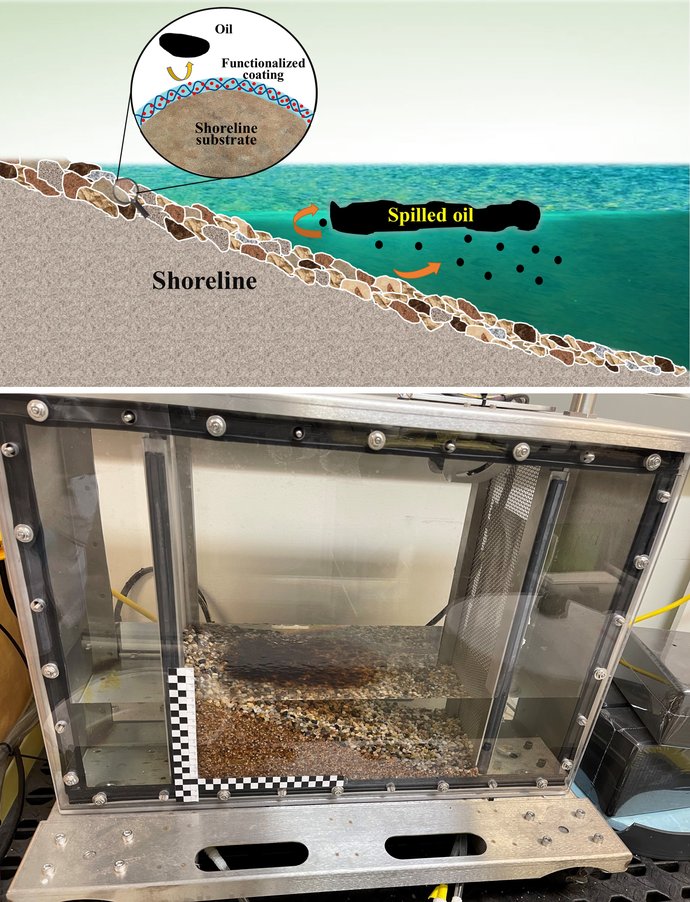
In a recent study, COSRG developed a bio-based coating technique using calcium alginate and cellulose nanocrystals for oil spill emergency response and oiling prevention, minimizing the impacts of spilled oil in coastal areas. This eco-friendly, biodegradable method imparts special wetting properties to shoreline substrates to improve oil pollution control. Additionally, a shoreline tank system was set up in the lab to assess the performance of coated gravel (see figure and Huifan Bi Member Spotlight). The results demonstrated that the coating technique caused more stranded oil to float on the water’s surface, reduced oil retention on the shoreline, and minimized subsurface disturbance. The proposed coating method is suitable for shorelines with large substrates and low permeability (e.g., bedrock shorelines). Additionally, it can be applied to a variety of surfaces such as docks, ports, and concrete structures. Shoreline cleanup is expected to become much easier and more effective once this method is deployed, reducing the need for heavy machinery and toxic chemicals.
COSRG is an internationally recognized pioneer, with a celebrated focus on developing and using new green cleanup and oiling prevention technologies for shoreline oil spill response.
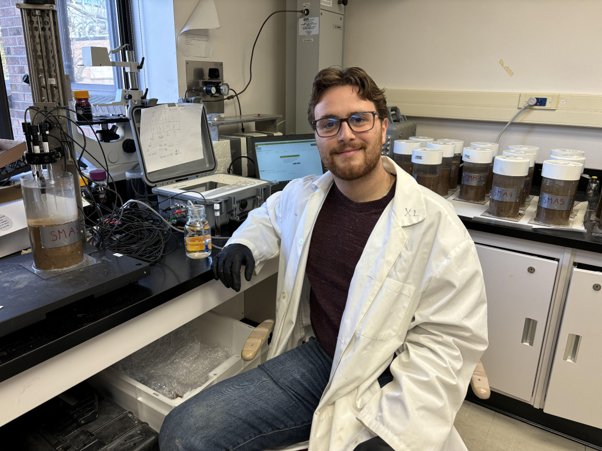
COSRG currently comprises five faculty members, three postdoctoral fellows/research associates, one laboratory technician, and more than 20 graduate students. The COSRG laboratory is equipped with state-of-the-art analytical instruments and pilot-scale equipment. COSRG’s research covers a variety of areas related to oil spills, including spill response, pollution control, hazardous waste treatment, pollutant transport, environmental risk assessment, and sustainable solutions. Its projects are funded by major federal and provincial agencies and are carried out in collaboration with over 30 national and international institutions and industrial partners. For example, COSRG is currently leading projects funded by the Multi-Partner Research Initiative under Canada’s Oceans Protection Plan, which fosters collaboration among leading experts to identify research gaps and priorities, improve our understanding of aquatic oil spills and their impact on aquatic organisms, develop new technologies and protocols for cleanup, and support science-based decisions that minimize environmental impacts and aid habitat recovery.
In the past five years, COSRG has published over 280 journal articles and trained more than 70 highly qualified personnel. In 2022, COSRG organized the International Oil Spill Science Conference in Halifax, in collaboration with Fisheries and Oceans Canada, which brought together global experts to discuss oil spill science and technology. COSRG also emphasizes equity, diversity, and inclusion in its research and collaborates with Indigenous communities, such as the Snuneymuxw and Simpcw First Nations, to address their spill response concerns.