Oil and petroleum products are both sourced from and moved through the Great Lakes region, presenting an ever-present risk of oil spills. While the Coast Guard and private companies are well positioned to respond to spills, updated response strategies focusing on enhanced communication and public education could lessen potential impacts.
The Great Lakes, which cover more than 95,000 square miles across the U.S. and Canada, are a hub of commercial and recreational activity and a major source of freshwater for both countries. The Great Lakes Oil Spill Center of Expertise (GLCOE), within the U.S. Coast Guard (USCG) Office of Marine Environmental Response Policy, was established in 2022 to conduct research and training activities relevant to oil spills in freshwater and ice-laden environments. To support its mission, the GLCOE asked RAND’s Homeland Security Operational Analysis Center to assess the risk of oil spills in the Great Lakes region and to examine oil spill response capabilities to identify any preparedness gaps. Our report focused on U.S.-based risks and U.S.-based preparedness.
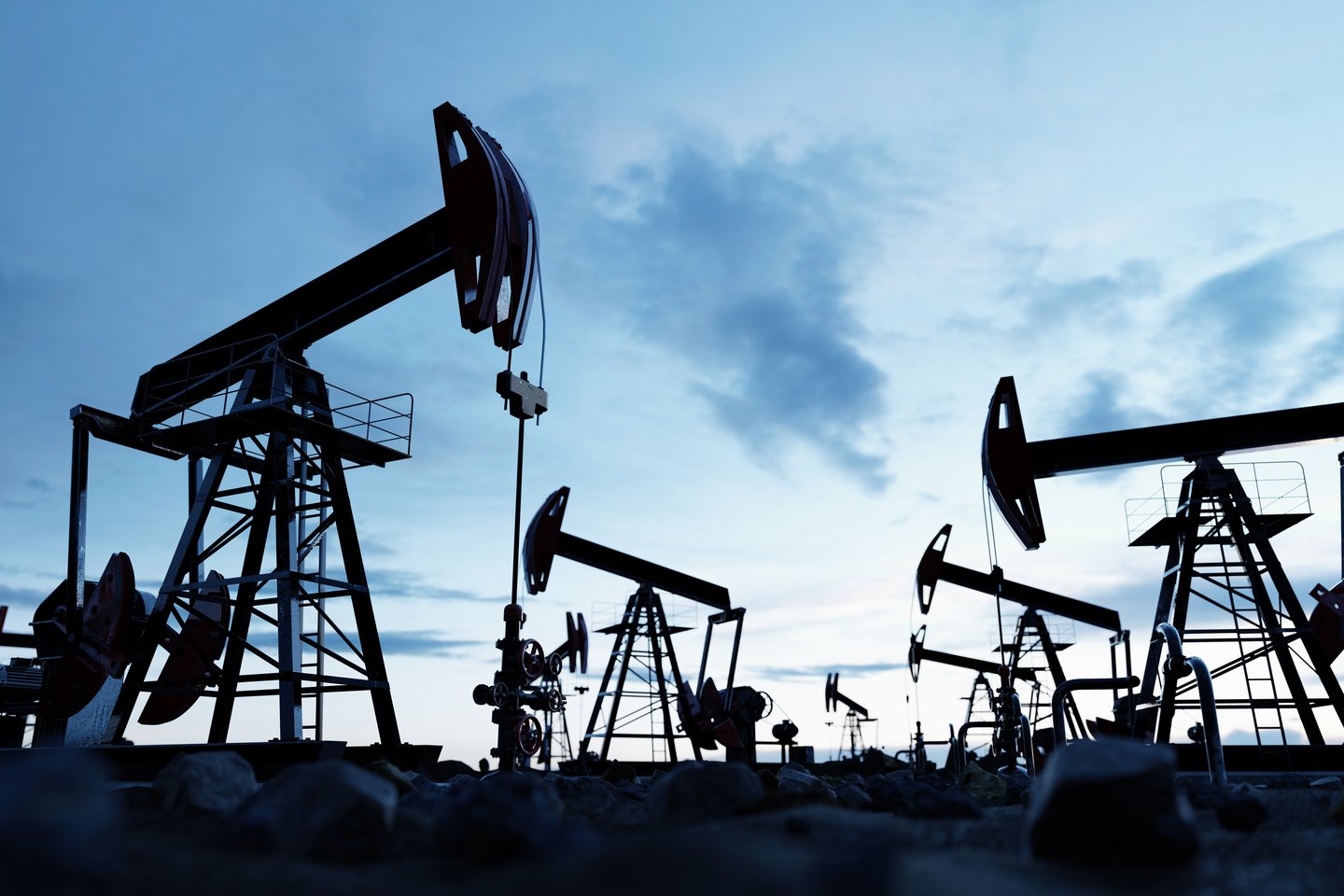
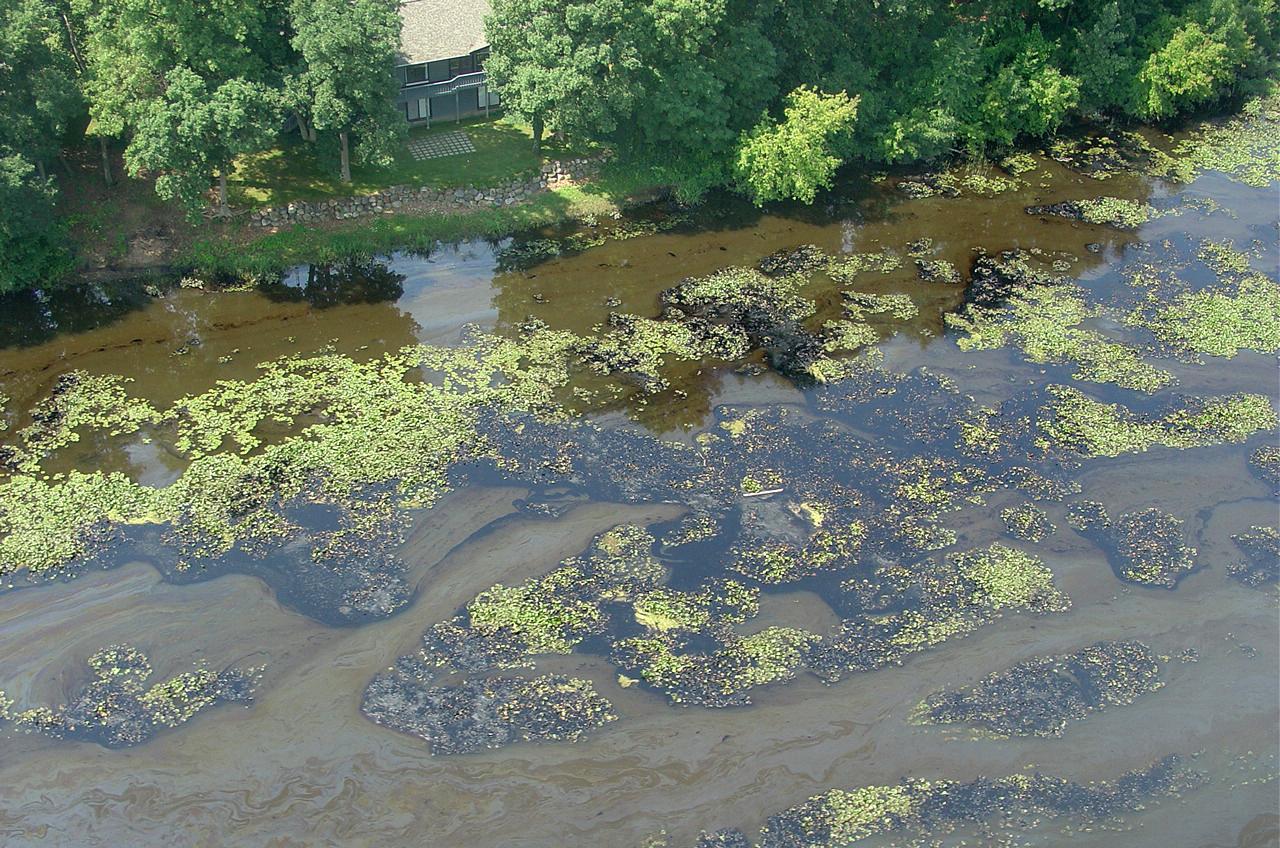
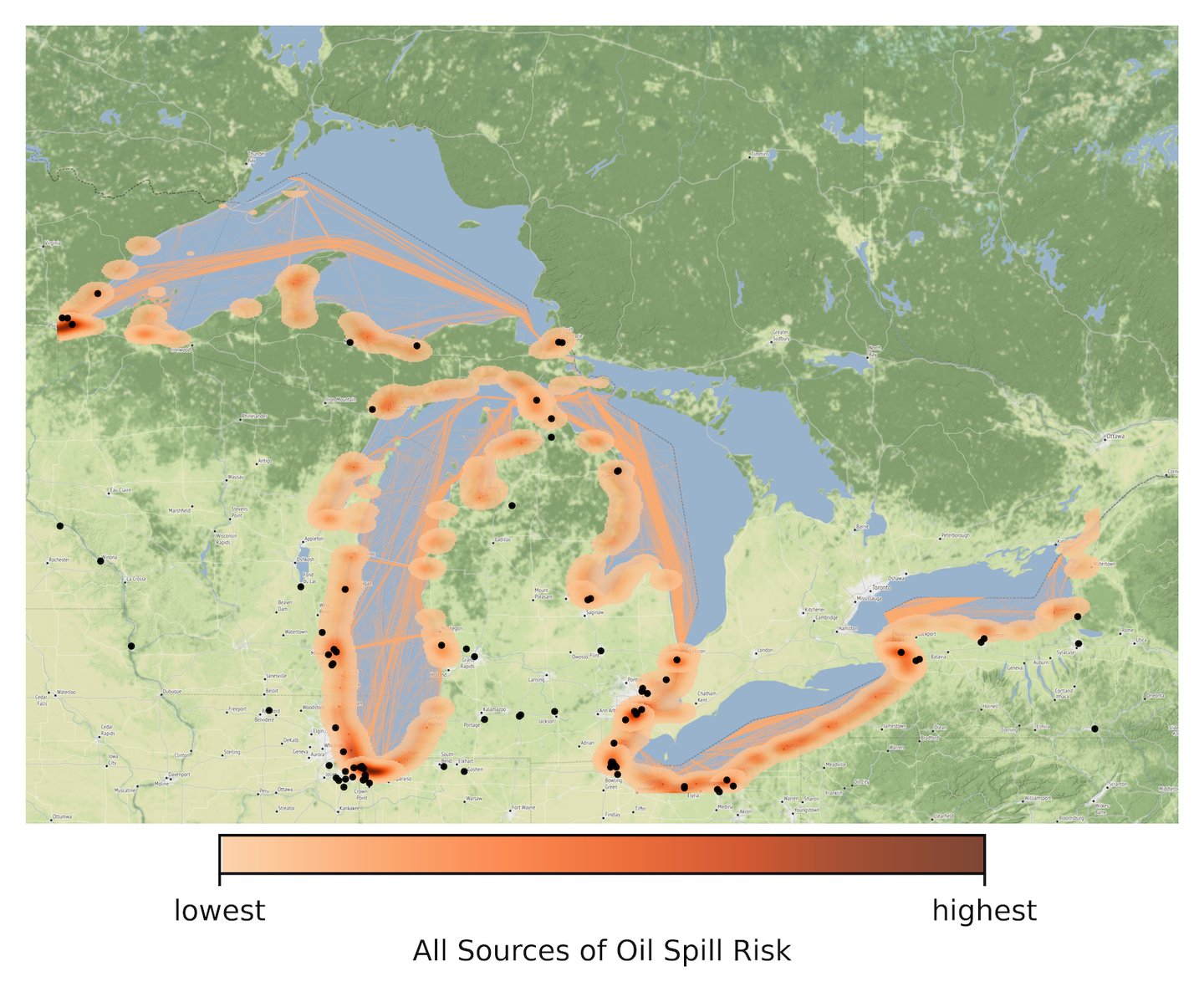
Oil spills are less frequent in the Great Lakes region than in other coastal U.S. locations. Data from the USCG’s National Response Center show that approximately 1,300 oil and petroleum product spills occurred in the Great Lakes area between 2013 and 2019. There are many sources of oil spill risk throughout the region, including oil and petroleum products moved via pipelines, railcars, vessels, and tanker trucks. The region is also home to numerous petroleum refineries and oil wells (pictured above).
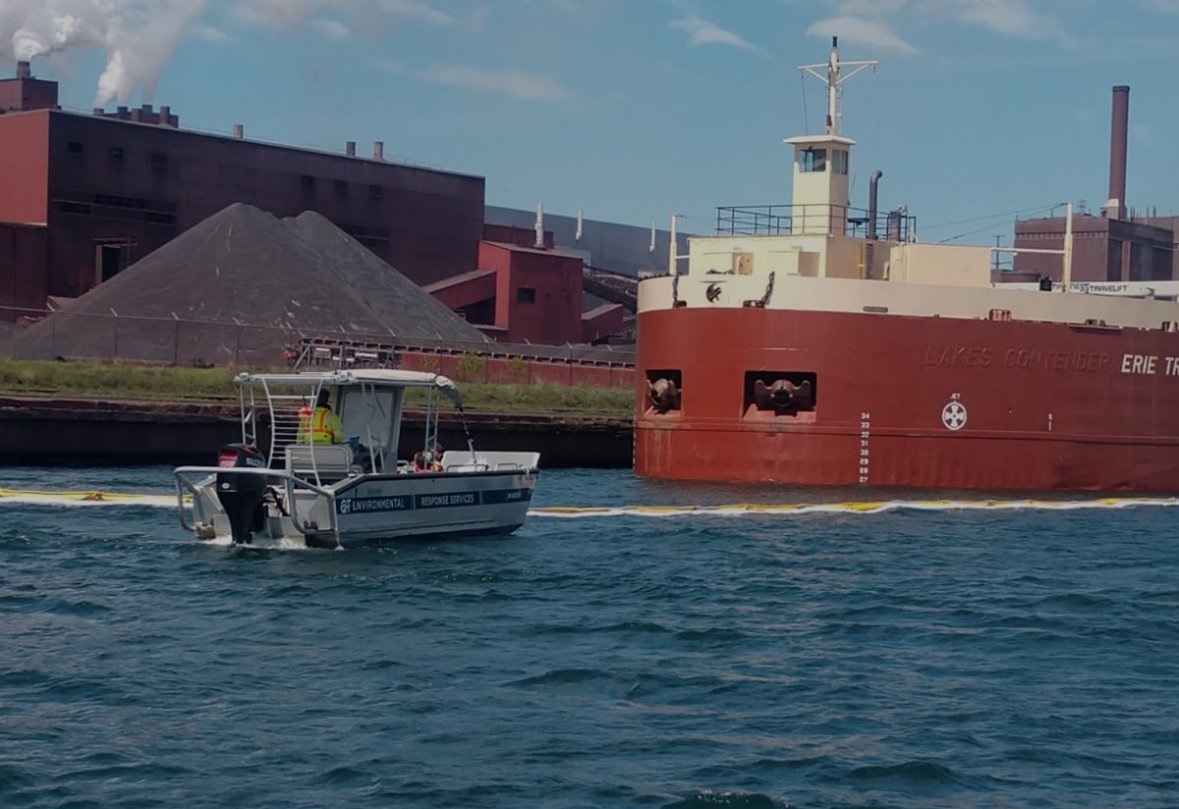
Three primary techniques are available to track and respond to oil spills: monitoring using technology such as remote sensing equipment or unmanned aerial vehicles, mechanical techniques like the use of skimmers or sorbents, and non-mechanical techniques like in-situ burning and using chemical agents. The Great Lakes are at a disadvantage regarding oil spill response techniques because much of the available research is focused on the saltwater environment. As a result, some knowledge gaps exist about the impacts and effectiveness of freshwater oil spill cleanup techniques.
Several characteristics of the Great Lakes region make oil spill response unique and challenging. The Great Lakes are freshwater, a source of drinking water, and contain numerous unique and sensitive habitats for wildlife, including aquatic, forest, marsh, wetland, and dune ecosystems. Techniques such as in-situ burning or the use of chemical agents are not currently permitted or regarded as viable techniques, both because of the limited research about their use in freshwater systems and the impacts they could have on these sensitive environments. The ostensibly enclosed environment of the Great Lakes also means that oil and petroleum products could take many years to dissipate naturally.
The USCG’s approaches to oil spill response have largely focused on oil spills that occur in saltwater. This has some benefits; for example, their preparedness to cover ocean distances means that they can easily cover distances required in the Great Lakes. However, this also means they have focused on what occurs at sea rather than on other scenarios that may occur in the Great Lakes region.
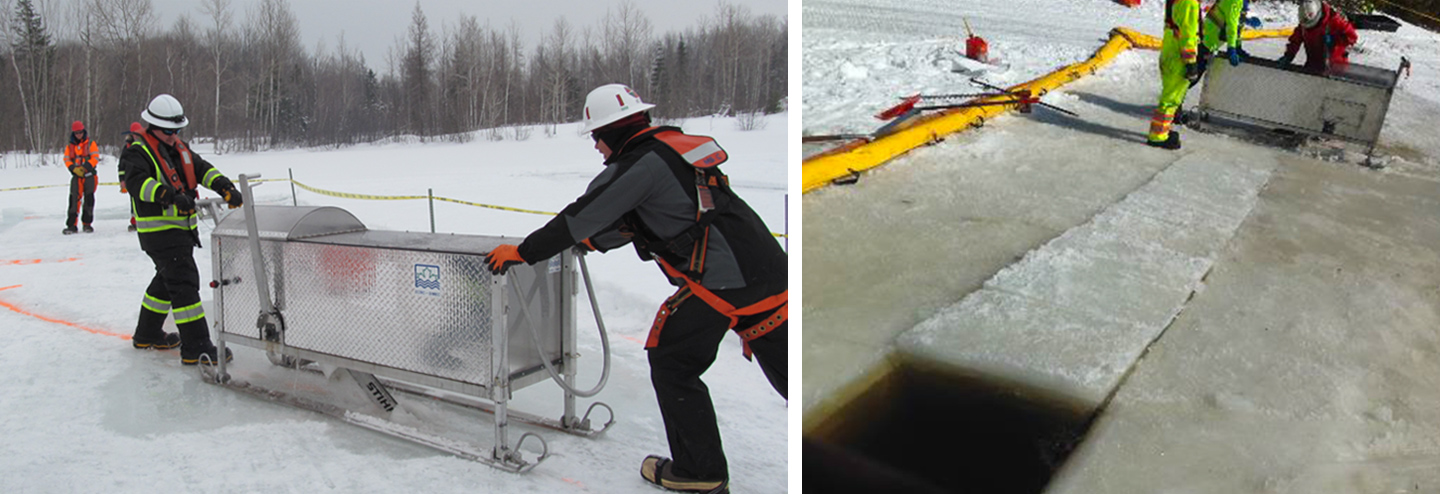
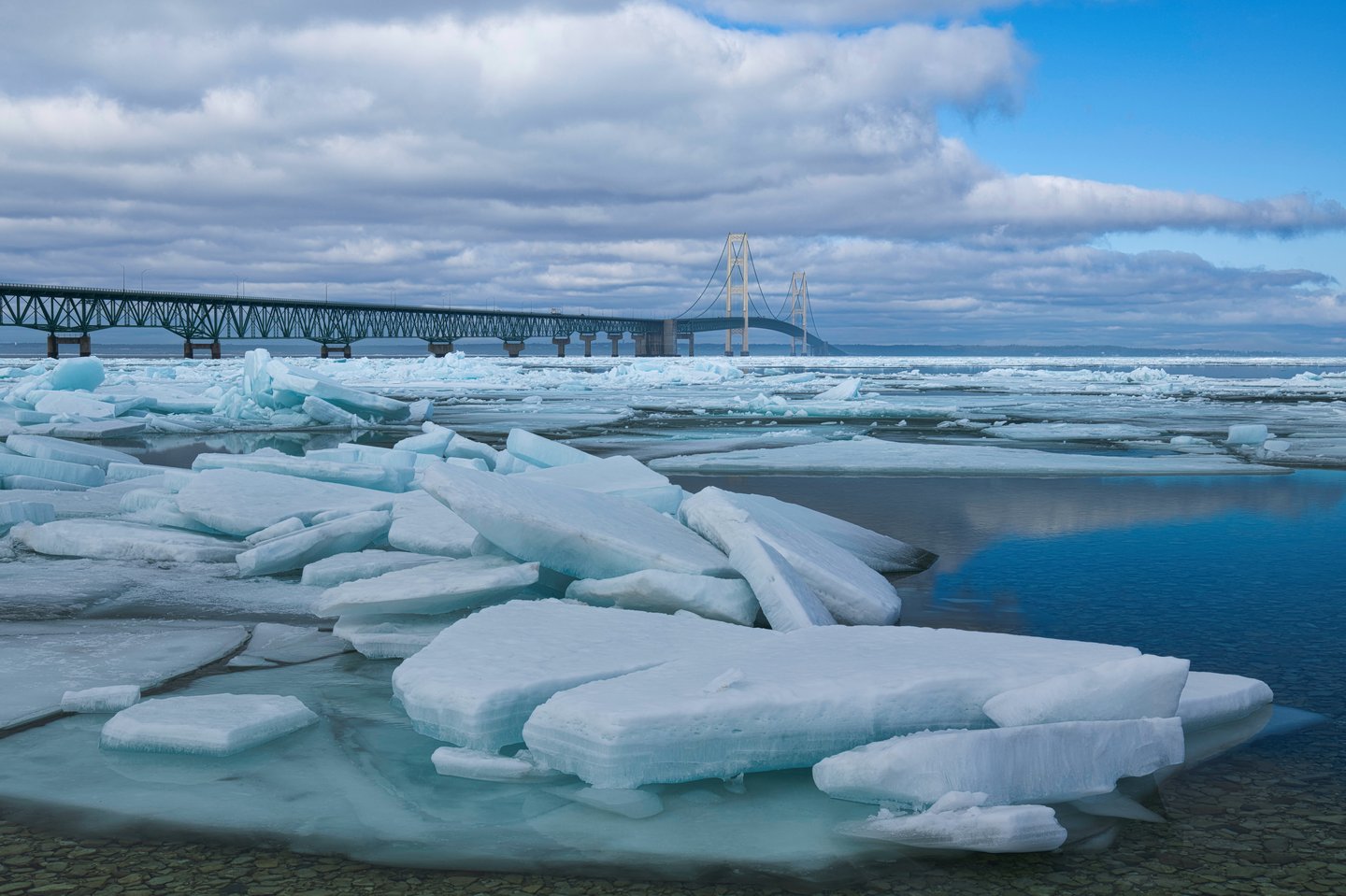
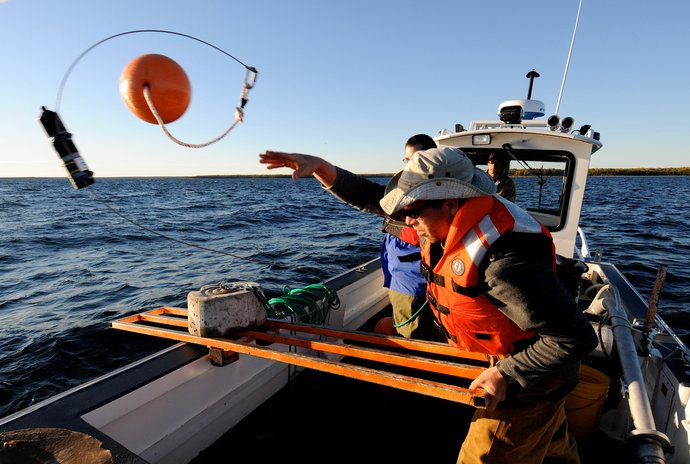
Another challenge is in understanding how to respond to oil spills in icy conditions. While Canadian response organizations are prepared and practiced in oil spill response on ice (see photos), U.S. response organizations have fewer ice response capabilities. Finally, many oil-spill scenarios developed as part of oil spill response planning include both Canadian and U.S. response organizations. While clear plans are in place for international coordination, an international response is still more complicated than a domestic response.
Despite the numerous risks and gaps outlined above, we found the USCG and U.S.-based oil spill response organizations (OSROs)—private companies that are overseen by the USCG and own and operate the majority of oil spill response equipment in the Great Lakes region—are very well prepared and positioned to respond to oil spills in most Great Lakes area locations (see figure on previous page). In addition, we found that given their current resources and the breadth of their responsibilities, overall the USCG is well prepared to respond to a spill.
Even though preparedness measures are in place, an oil spill in the Great Lakes region would still be a significant problem, both because of the potential direct impact to the environment, and because of public perceptions surrounding that impact. There are a few things the response community could do to improve their ability to respond to future spills.
Developing response scenarios collaboratively and systematically within the response community could help identify additional gaps in response capability and capacity. We also suggest the response community focus on improving communication and information sharing across stakeholders and educating the public on oil spill response approaches and procedures. As the GLCOE matures, it could play a key role in facilitating public communications and collaboration among stakeholders.