
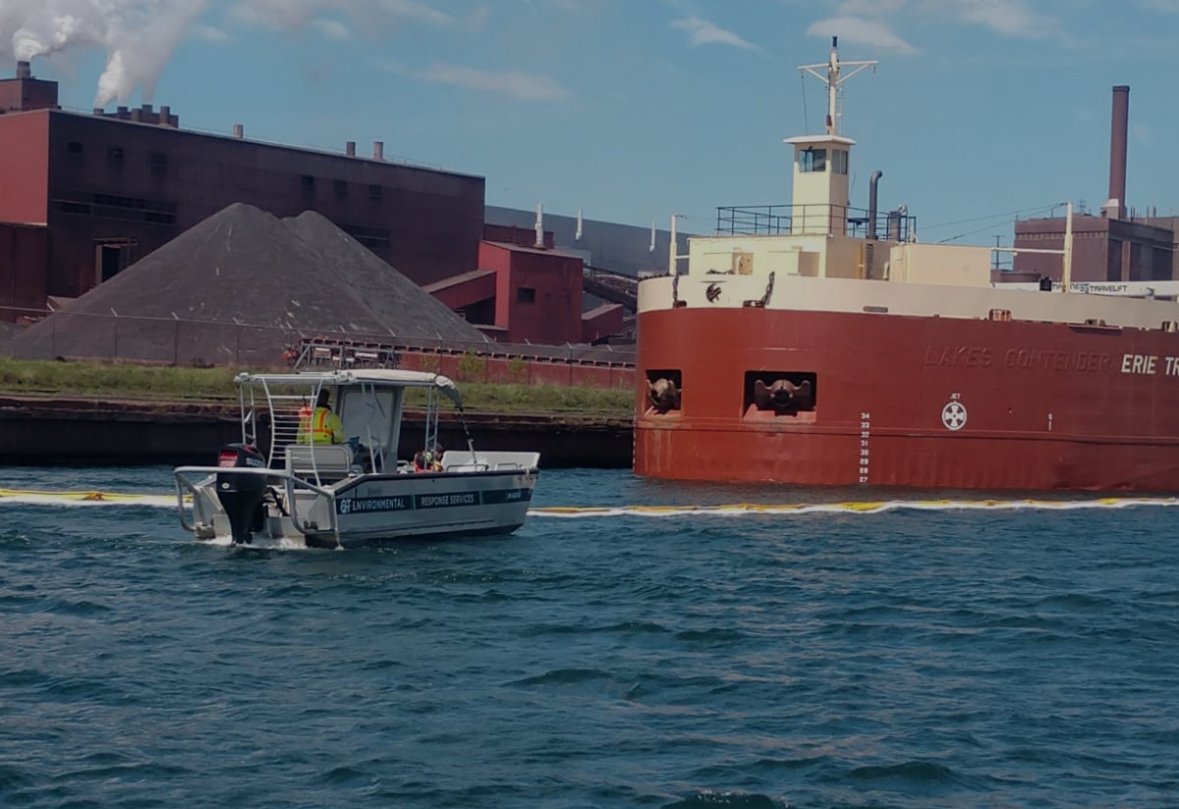
In recent decades, the landscape of oil spill response in the United States has undergone significant transformation, largely shaped by regulatory frameworks designed to minimize environmental damage. The U.S. Oil Pollution Act of 1990 stands out as a pivotal piece of legislation, catalyzing improvements in spill prevention and response capabilities. While these regulations have undoubtedly led to a reduction in the frequency and severity of oil spills, they also have presented new challenges, particularly in terms of workforce qualifications and the retention of institutional knowledge within oil spill removal organizations (OSROs).
The Oil Pollution Act was a direct response to the Exxon Valdez disaster of 1989 and was designed to enhance the nation’s ability to prevent and respond to oil spills. The legislation instituted stricter regulations on oil spill preparedness and response, requiring facilities and vessels to develop and implement spill response plans. This framework has fostered a culture of compliance and accountability, ultimately resulting in fewer spills nationwide.
In the Great Lakes, the Great Lakes Geographic Annex (CANUSLAK Plan) plays a pivotal role to ensure effective spill response in this unique ecosystem—a vital ecological and economic resource that faces unique challenges in oil spill response. The five lakes and their watersheds represent one of the largest freshwater ecosystems in the world, essential for biodiversity and the livelihoods of millions. Yet much of its infrastructure is aging, and the vessels navigating these waters are generally not equipped with the latest spill response technologies. In addition, although encouraging, the reduction in spill frequency has led to concerns over the experience and preparedness of response personnel, making the need for enhanced training and skill retention particularly acute.
These realities underscore the need for robust preparedness and cross-border cooperation. The CANSULAK framework guides cooperation between the U.S. and Canada, recognizing the need for a coordinated response to incidents that could impact both nations. The plan outlines clear protocols for resource sharing and operational collaboration, essential for managing spills that do not recognize political boundaries.
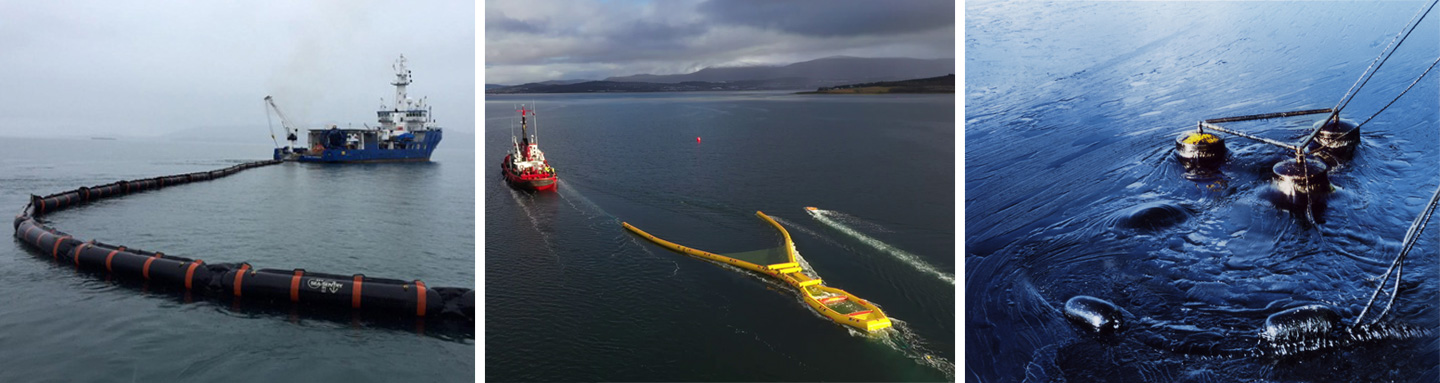
The effectiveness of this proactive, collaborative, cross-border approach relies heavily on qualified regional oil spill removal organizations (OSROs) equipped with state-of-the-art technology. Operating companies are stepping up to meet these challenges through substantial investments in these modern spill response technologies (see photos above). Innovations such as NOFI Current Busters (a high-speed containment system developed for the North Sea in Norway), Foilex skimmers (a viscous oil skimmer and pump system), and Sea Sentry booms (an open-ocean class oil containment boom) are being deployed to protect critical areas such as the Straits of Mackinac in Lake Michigan-Huron and the Twin Ports in Lake Superior. These technologies enhance the ability to contain and recover spilled oil, providing a crucial line of defense in the event of a spill.
As companies invest in advanced spill response solutions, the role of qualified regional OSROs becomes increasingly vital. These local organizations are integral to the infrastructure for oil spill response in the Great Lakes. OSROs must possess not only the necessary expertise but also the local knowledge required to navigate the unique challenges posed by this vast ecosystem. Their understanding of regional dynamics, environmental sensitivities, and logistical considerations enhances their ability to respond swiftly and effectively to incidents. OSROs must operate at a level of preparedness that not only meets but exceeds industry standards.
As spill incidents become less frequent, the need for a well-trained and experienced workforce remains critical. OSROs in the Great Lakes region must prioritize comprehensive training programs that not only comply with regulations but also simulate real-world exercises with conditions specific to the Great Lakes—such as weather variability, ice cover, and varying depths—to better prepare responders for actual events. This includes using advanced technologies, which help personnel become proficient in their operation and maximize response efficiency.
In addition to technical training, industry partners, OSROs, and other stakeholders should collaborate to implement mentorship programs that facilitate knowledge transfer from seasoned responders to newer responders. Retaining institutional knowledge is vital for maintaining a high level of operational readiness, especially in a region where environmental conditions can vary dramatically.
As we look toward the future of oil spill response in the Great Lakes, the role of qualified regional OSROs cannot be overstated. Their expertise, combined with investments in state-of-the-art technology, positions them to effectively protect this vital ecosystem. By fostering collaboration, enhancing training programs, and retaining institutional knowledge, we can ensure that the Great Lakes remain safeguarded for generations to come.