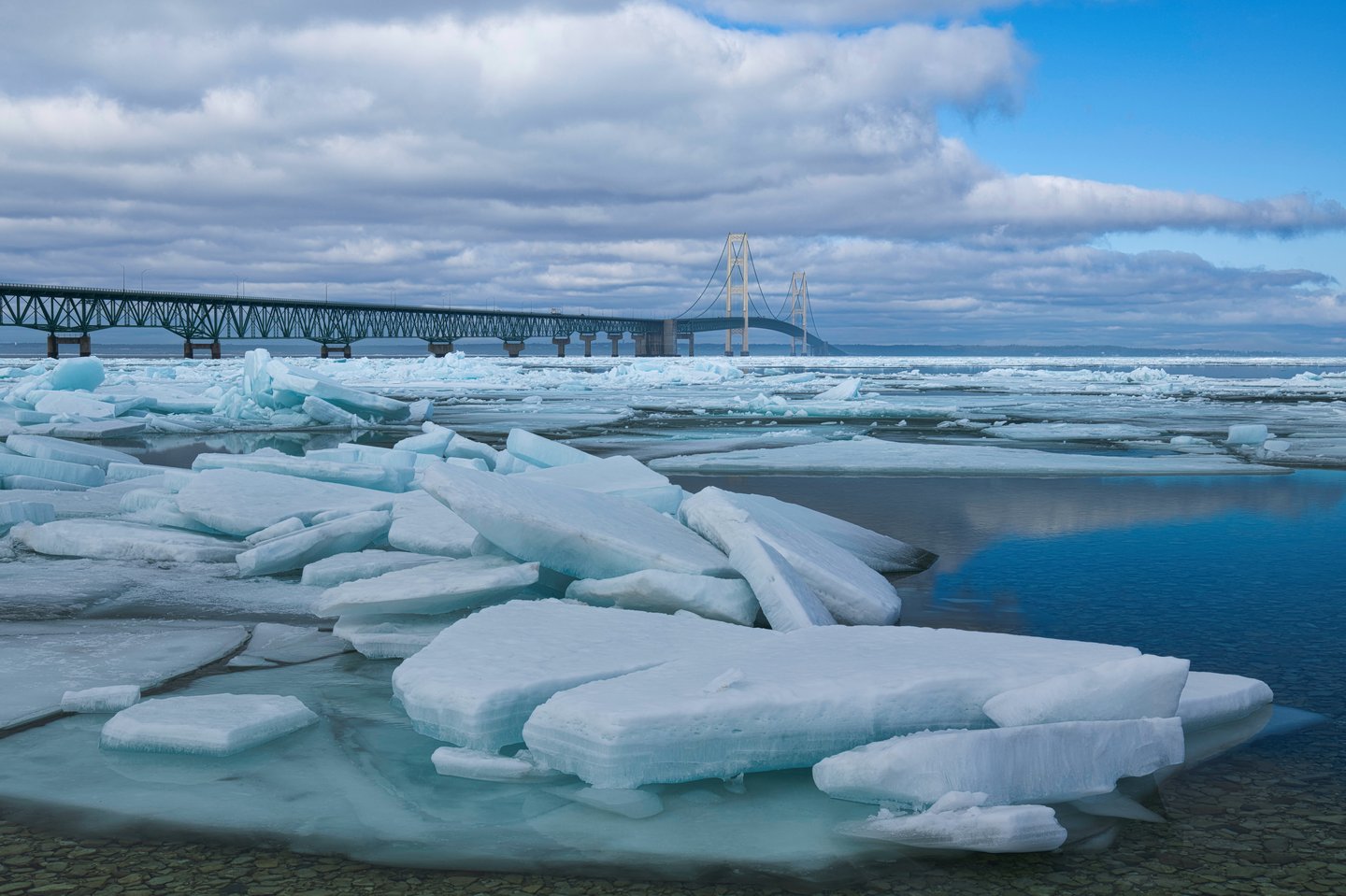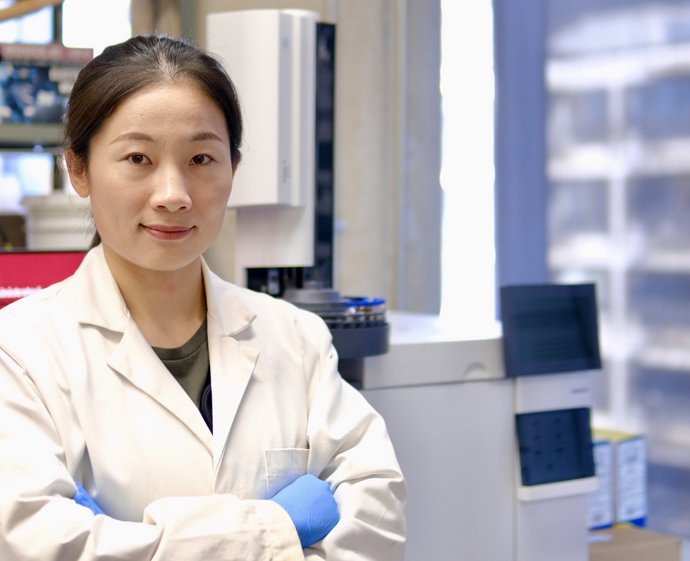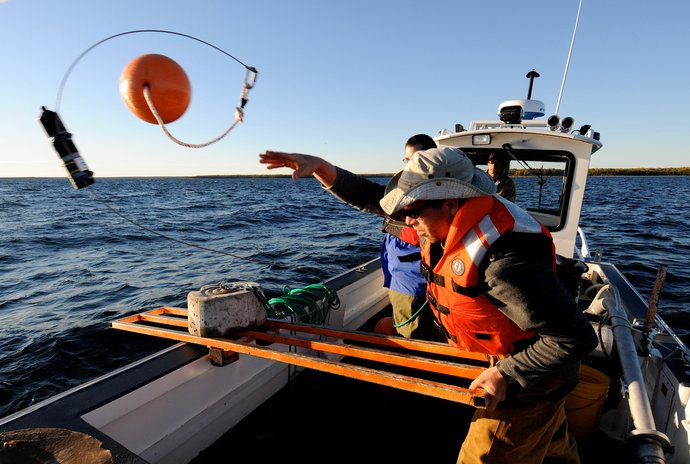
The U.S. Coast Guard Great Lakes Oil Spill Center of Expertise (GLCOE) stands at the forefront of oil spill research in the Great Lakes, bridging the gap between scientific innovation and practical application and playing a pivotal role in safeguarding these vital freshwater resources. The GLCOE was established through the Frank LoBiondo Coast Guard Authorization Act of 2018. This legislative mandate tasked the GLCOE, a non-operational unit, with conducting vital research and training focused on oil spill response in freshwater and ice-laden environments.
The GLCOE has two primary objectives: 1) Scientific Leadership: to serve as a hub of scientific expertise that transitions cutting-edge research and technology into practical field applications; and 2) Knowledge Repository: to function as a knowledge base and research coordinator that addresses gaps in oil spill response knowledge specific to the Great Lakes region.
Housed at Lake Superior State University (LSSU) in Sault Ste. Marie, Michigan, and the National Oceanic and Atmospheric Administration’s (NOAA) Great Lakes Environmental Research Laboratory in Ann Arbor, Michigan, the GLCOE benefits from its co-location with these prominent institutions. This strategic positioning fosters collaboration with regional partners and a diverse network of researchers.
Achievements & Collaborations
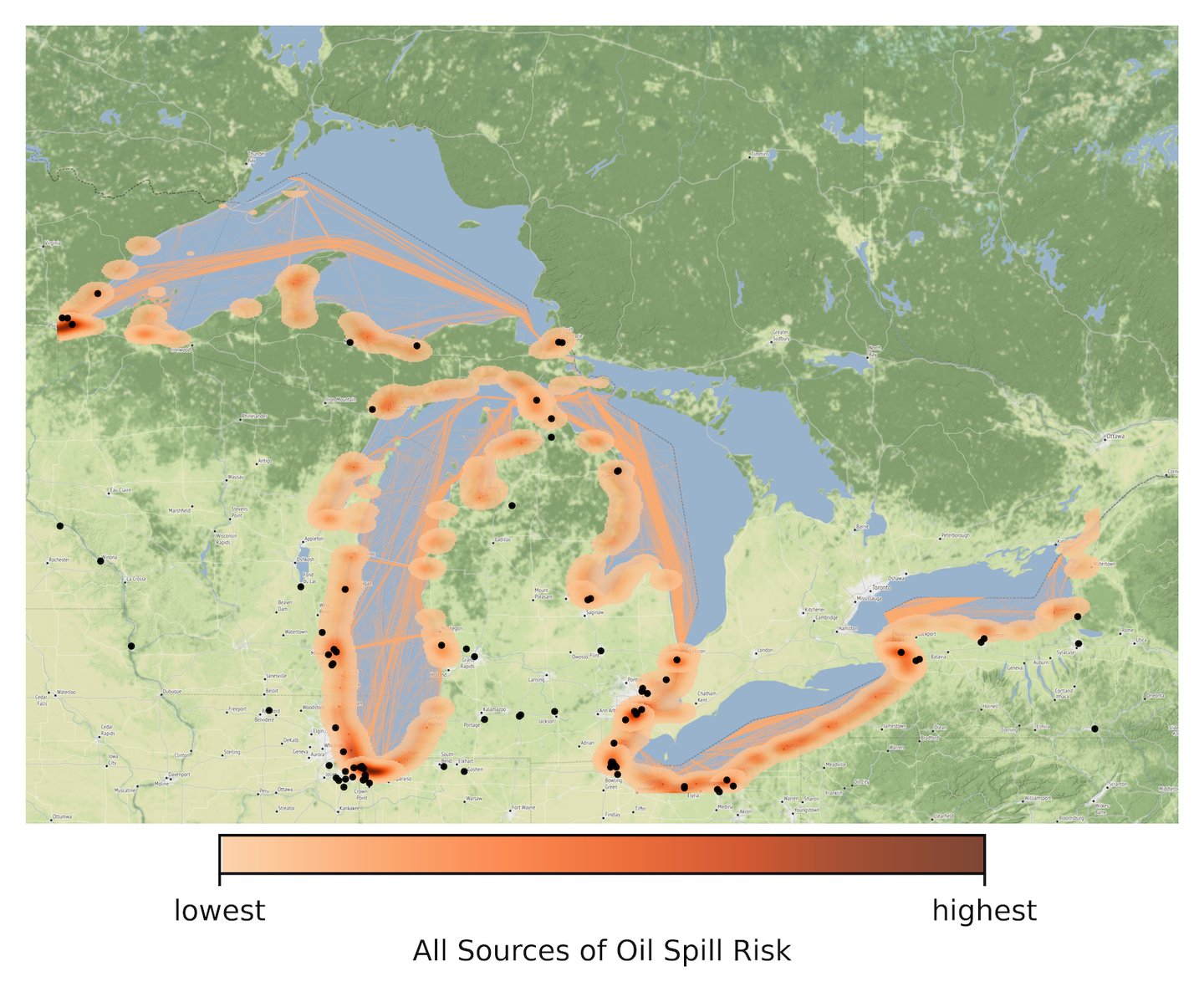
One of the first tasks the GLCOE completed was to charter a comprehensive analysis of oil spill risks and response capabilities in the Great Lakes region, conducted by RAND (see page 20). Since the GLCOE’s founding and the completion of this report, the unit has made significant strides:
- Collaborated with over 20 principal investigators across various disciplines
- Engaged with five countries and 26 states
- Trained more than 40 regional responders
- Acquired multiple unmanned aerial systems and remotely operated vehicles for real-world exercises and responses
- Funded over 30 research projects, allocating more than US$4 million to initiatives involving academia, industry, non-profits, and federal and international partners
Annual Funding Opportunities
Each spring, the GLCOE announces its funding opportunities, allocating approximately US$2 million for various research projects, with individual proposals capped at US$250,000. Recent research themes have included freshwater oil spill preparedness, freshwater oil spill response, application of alternative response measures in freshwater environments, and fundamental research on freshwater oil spill science and response technology. Each project undergoes a rigorous peer and scientific review process before being submitted to the Project Selection Committee for final approval.
Innovative Research Projects
The GLCOE supports a diverse range of research initiatives, from foundational science to advanced, near-deployable technologies. Notable projects include:
- Oil Detection Methods: Exploring techniques such as oil detection canines, electromagnetic interference, and acoustic monitoring
- Oil Weathering Studies: Investigating how oil behaves and degrades in freshwater environments
- Responder Training Tools: Developing resources like short-range uncrewed aerial systems training protocols and response guides for icy conditions
Community Engagement and Education
In addition to research, the GLCOE is committed to outreach and educational initiatives. Efforts include interactive oil spill education games during the Soo Locks Engineers Day and classroom outreach to regional high school and college students. Looking ahead, the GLCOE plans to host regional community oil spill response workshops twice a year.
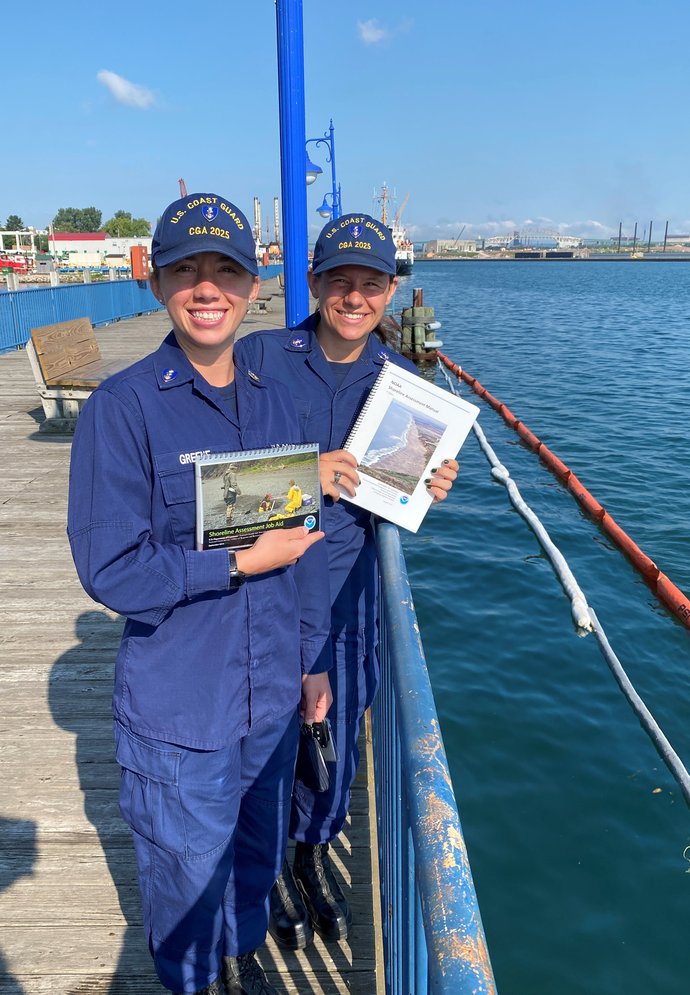
The center has initiated a U.S. Coast Guard Academy (USCGA) cadet summer internship program at LSSU for the past two years. These internships aim to enhance cadets’ education while fostering collaboration with researchers across academia, government, and nonprofit sectors.
Recent Projects and Future Directions
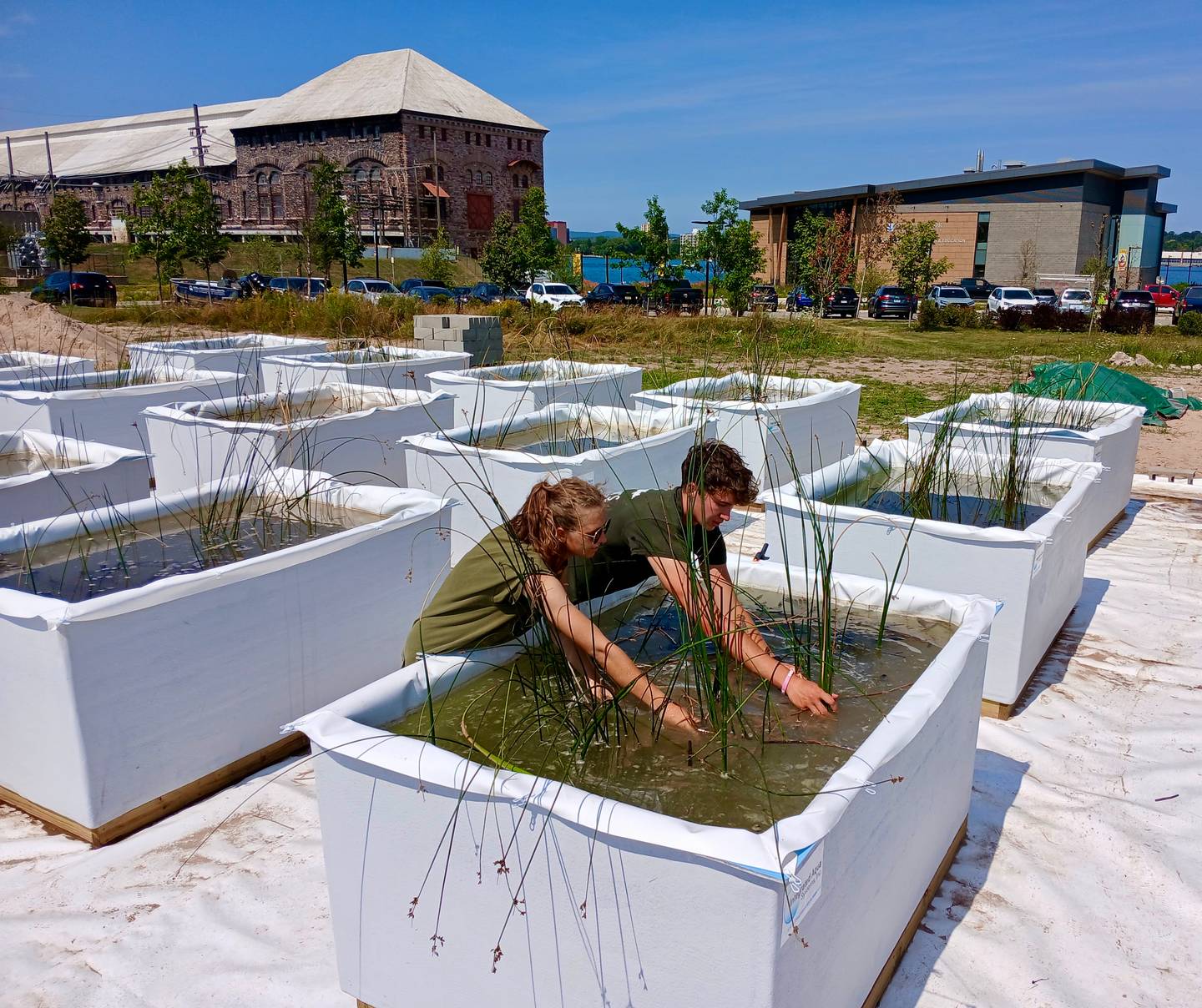
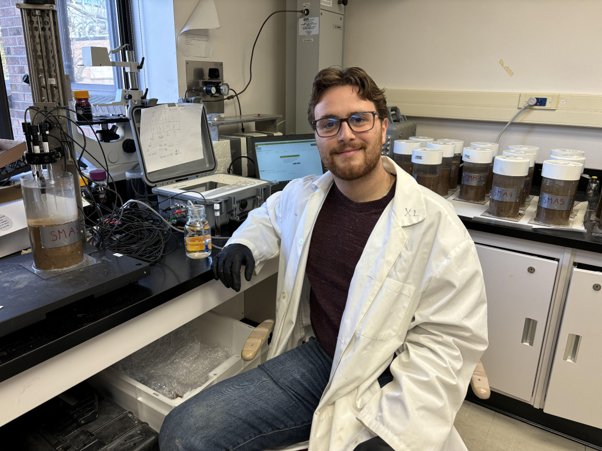
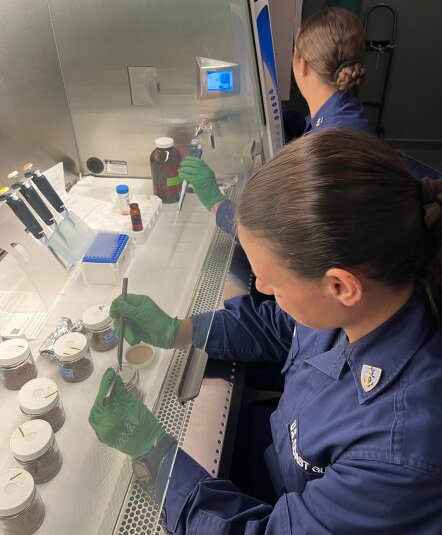
This past summer, USCGA cadets collaborated with LSSU researchers on a molecular ecology project investigating the impacts of marine diesel on native microbial communities in the sediments of St. Marys River. This project serves as a precursor to a larger-scale mesocosm study at LSSU’s Center for Freshwater Research and Education. Funded by the Canadian Multi-Partner Research Initiative, the forthcoming project will simulate Great Lakes wetlands in mesocosm tanks, enabling researchers to study various ecological responses to oil contamination.
The cadet-led project provided critical insights into sediment microbiomes and their responses to diesel, laying the groundwork for the larger mesocosm research and informing future oil spill response strategies.
Preliminary analysis shows that some taxa decrease in abundance after diesel exposure, while others appear to thrive despite the contamination. The research team is especially interested in groups that have previously been documented to break down hydrocarbons, such as Pseudomonas, Aquabacterium, and Novosphigobium, which were detected in the sediment samples and seemed undeterred by diesel.
Ongoing analyses aim to link this bacteria community response with the chemical profile of the oil throughout the experiment, which was measured by LSSU researchers during the project.
For more information about the GLCOE, including future funding opportunities and ongoing projects, please visit our website.