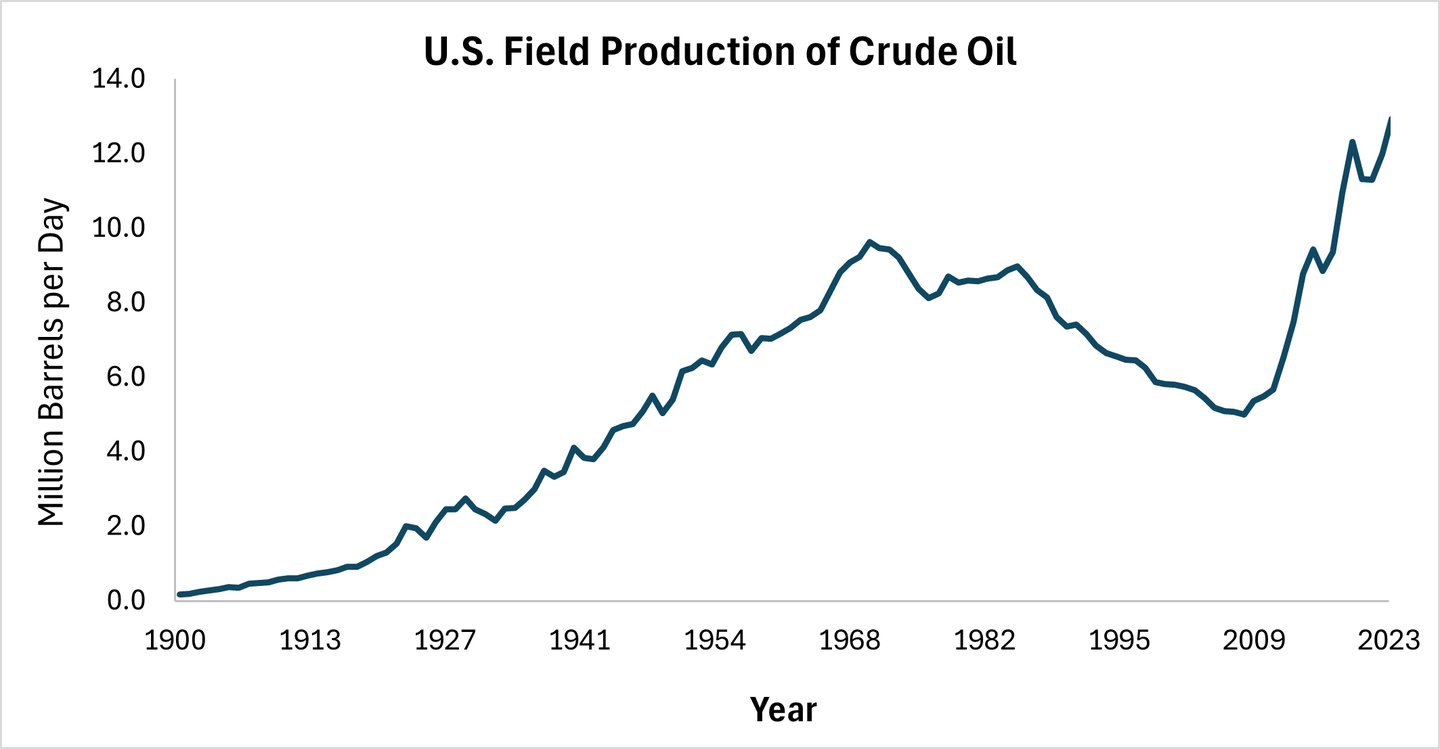
The headline of a recent analysis by the U.S. Energy Information Administration on global production of crude oil reads “United States produces more crude oil than any country, ever.” Domestic production of crude oil in the U.S. has been increasing since 2010 (see figure below) in part due to technological advances (hydraulic fracturing and horizontal drilling) that have allowed the extraction of unconventional crude oil from oil and shale sands. A similar trend is also apparent in Canada, where crude oil production has increased by 41% since 2013. In 2023, Canada was ranked as the fourth largest producer of crude oil in the world, producing 5.1 million barrels per day (MMb/d). Together in 2023, the U.S. and Canada were responsible for producing over 21% of the world’s crude oil.
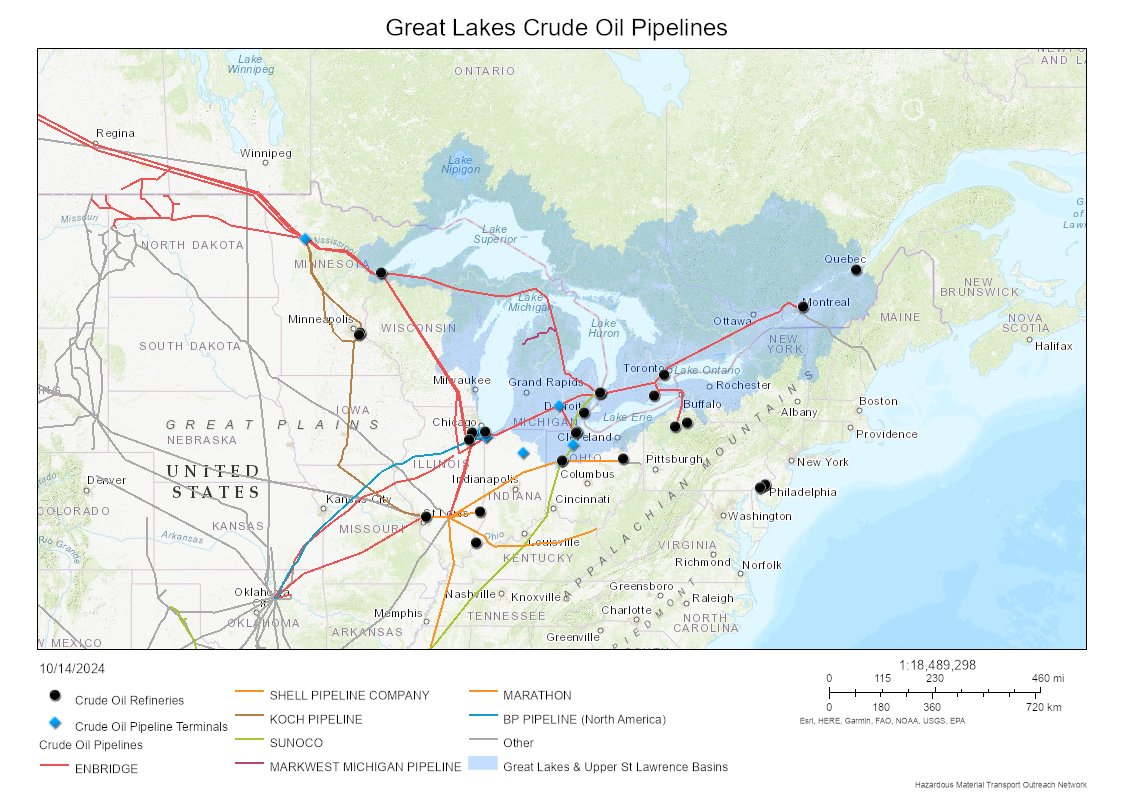
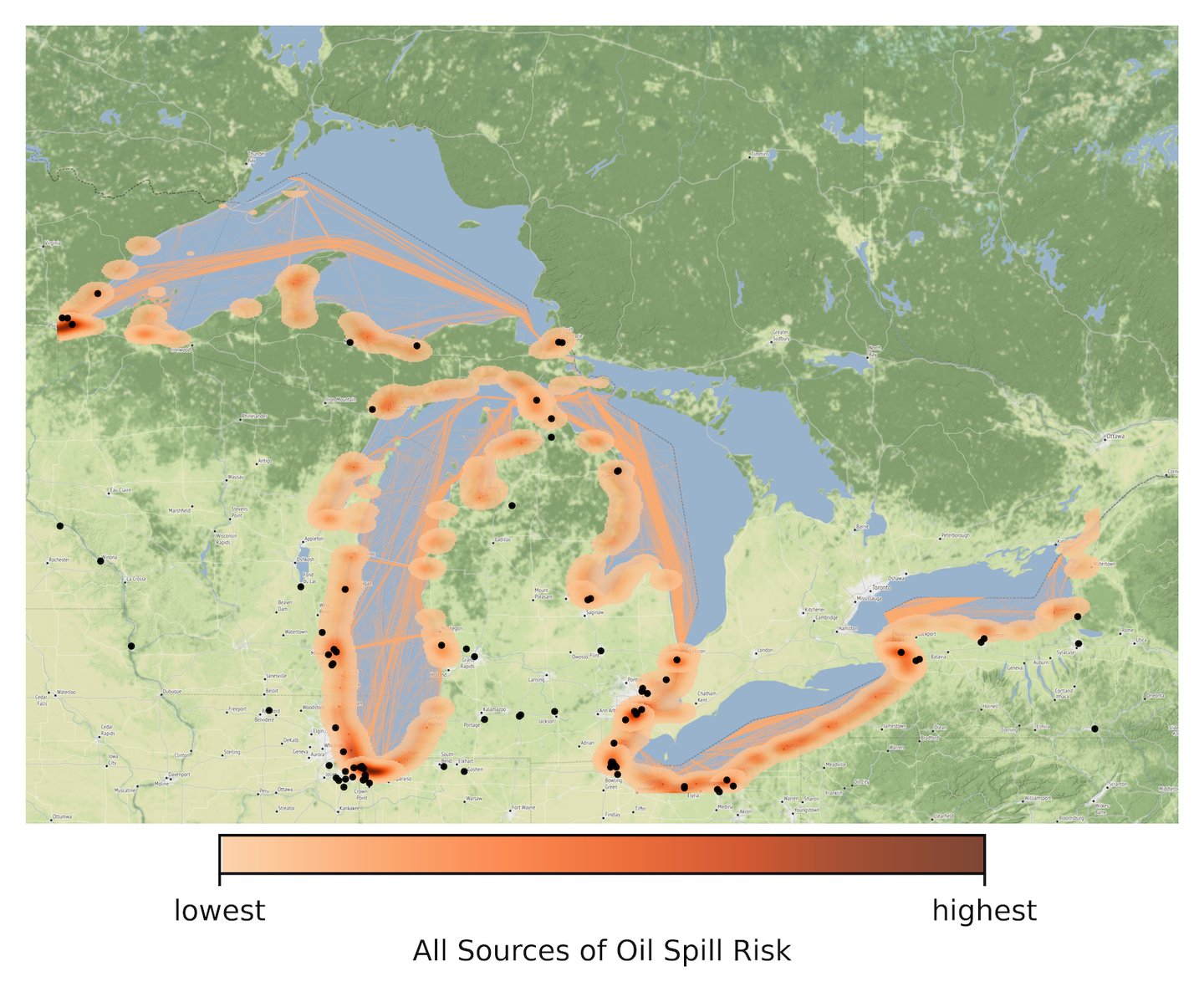
In 2023, Canada exported an average of 4.0 MMb/d (nearly 80% of its total crude production) with the majority going to the U.S. There are numerous refineries in the Great Lakes–St. Lawrence River region. Pipelines, which transport about 90% of the petroleum hydrocarbons within North America, are located adjacent to, and underneath, the Great Lakes and the region’s major tributaries (see figure above).
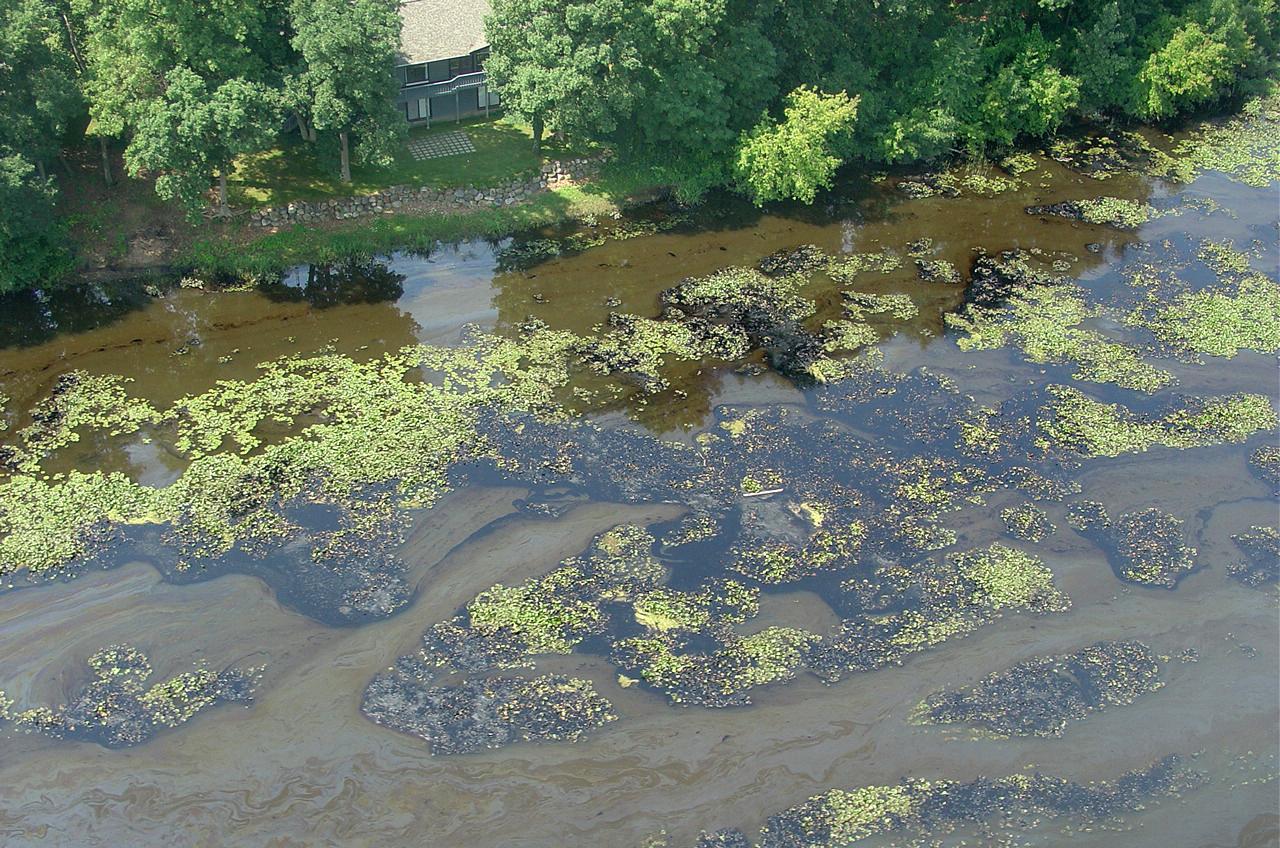
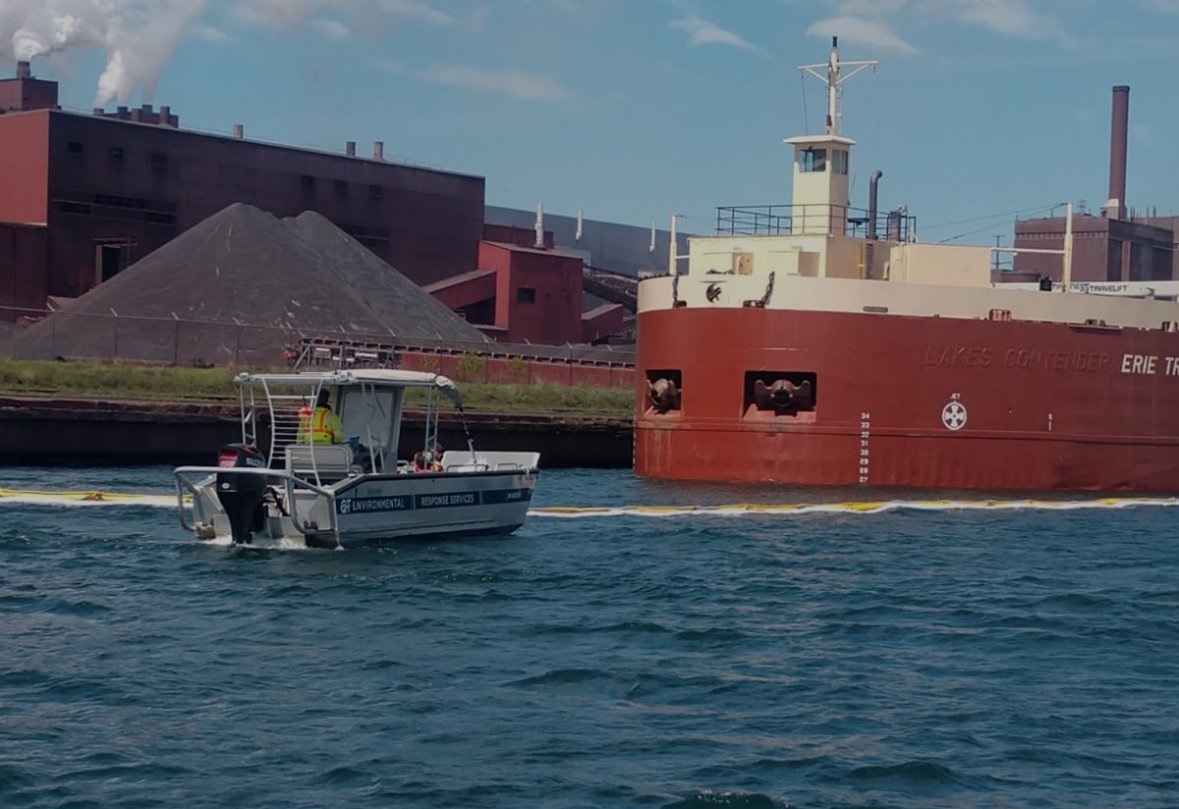
Spills of petroleum hydrocarbons within the Great Lakes–St. Lawrence River region have become a concern due to their extensive use in power generation, manufacturing, and chemical industries. From 2013 to 2019, approximately 1,300 oil and petroleum product spills occurred in the Great Lakes region according to a recent analysis of U.S. National Response Center data. The St. Lawrence Seaway is a major transport route that permits oceangoing vessels to travel from the Atlantic Ocean to reach ports in all five of the Great Lakes. In 2020, Transport Canada reported that over 4.1 million tonnes of oil products, or the equivalent of approximately 33 million barrels of oil products annually, were moved from 29 marine facilities in and out of ports in the Great Lakes–St. Lawrence Seaway. Despite advances in technology and safety protocols, the public remains concerned over the risk and impacts from accidental releases of petroleum hydrocarbons into the Great Lakes–St. Lawrence Seaway System.
The Great Lakes are the world’s largest source of freshwater. They provide a source of drinking water for 40 million people, support a robust blue economy, and are a place of cultural significance for many Indigenous peoples. The Great Lakes are a dynamic system with strong currents, wind, and wave energy; rapid changes in ice cover; and tributaries with fast-moving water. The Great Lakes–St. Lawrence River region faces significant challenges with respect to oil spill preparedness, response, and recovery, including (Great Lakes Commission, 2015, and Lee et al., 2015):
- Early warning systems and predictive models for oil fate and transport in the dynamic Great Lakes system.
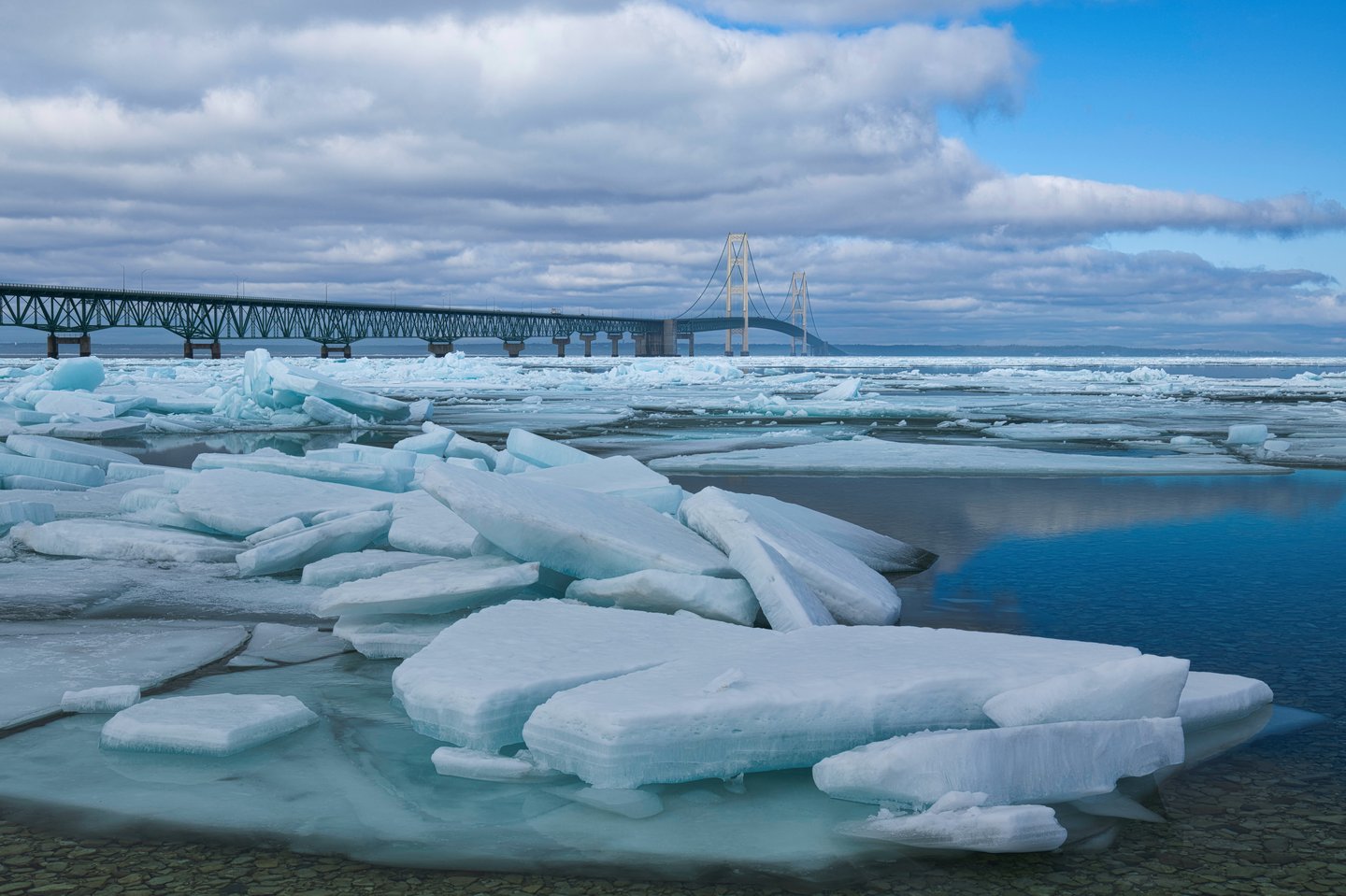
- Oil spill detection under ice and response in ice-covered environments.
- Limited knowledge and research on the impacts of oil spills in freshwater, cold-climate ecosystems.
- Development of effective oil spill countermeasures for use in freshwaters.
- Lack of awareness among Great Lakes communities about oil spill response planning and preparedness efforts.
Research Networks
Within the Laurentian Great Lakes region, several collaborative research networks have been established recently to improve our ability to predict, prepare for, respond to, and recover from oil spills. Teams of multidisciplinary partners benefit from recent funding available through Natural Resources Canada’s Multi-Partner Research Initiative, the U.S. Coast Guard Great Lakes Oil Spill Center of Expertise (GLCOE), and the National Oceanic and Atmospheric Administration’s Office of Response and Restoration. Examples include the following:
Within the Laurentian Great Lakes region, several collaborative research networks have been established recently to improve our ability to predict, prepare for, respond to, and recover from oil spills.
Concordia Oil Spill Research Group
Led by Concordia University, this research group is dedicated to addressing the challenges of oil spills in freshwater shoreline environments. Its work focuses on three main areas: sensitivity and risk assessment, fate and transport of oil along shorelines, and shoreline spill response.
International Consortium of Oil Research– Our Waters of the North
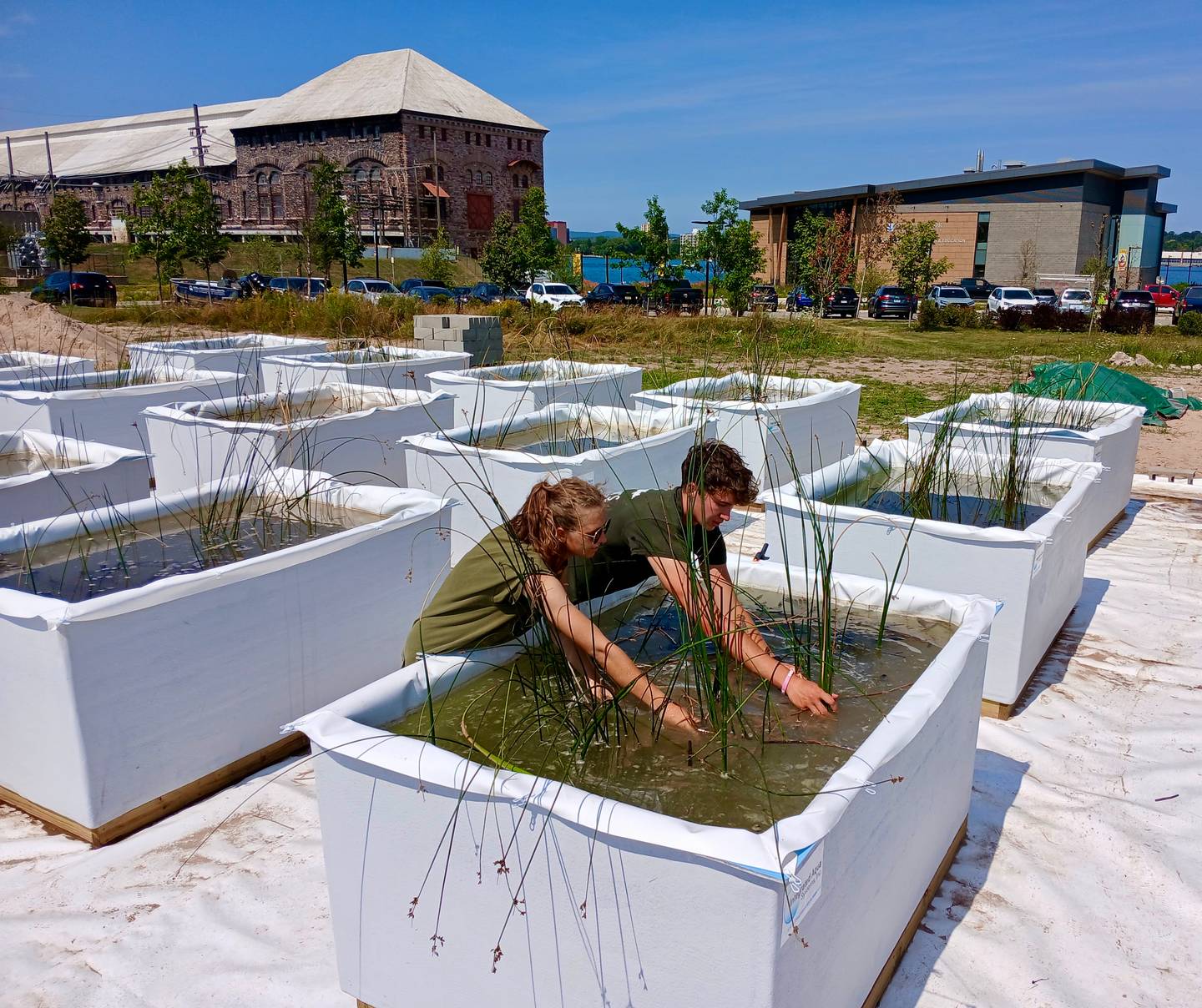
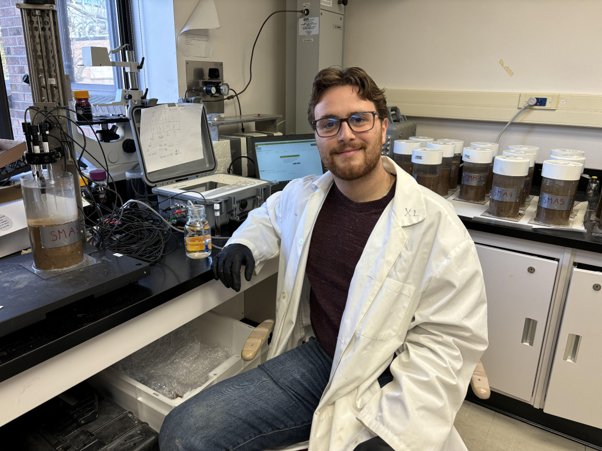
This collaboration led by the Center for Freshwater Research and Education at Lake Superior State University (LSSU) and Algoma University is building capacity for detection of and response to oil spills under ice by developing drone and autonomous underwater vehicle systems. It is also working across 12 organizations and among 24 scientists to examine the effects of oil spills in freshwater ecosystems and to advance bioremediation strategies for the Great Lakes to enhance habitat recovery.
Great Lakes Oil Spill Center of Expertise
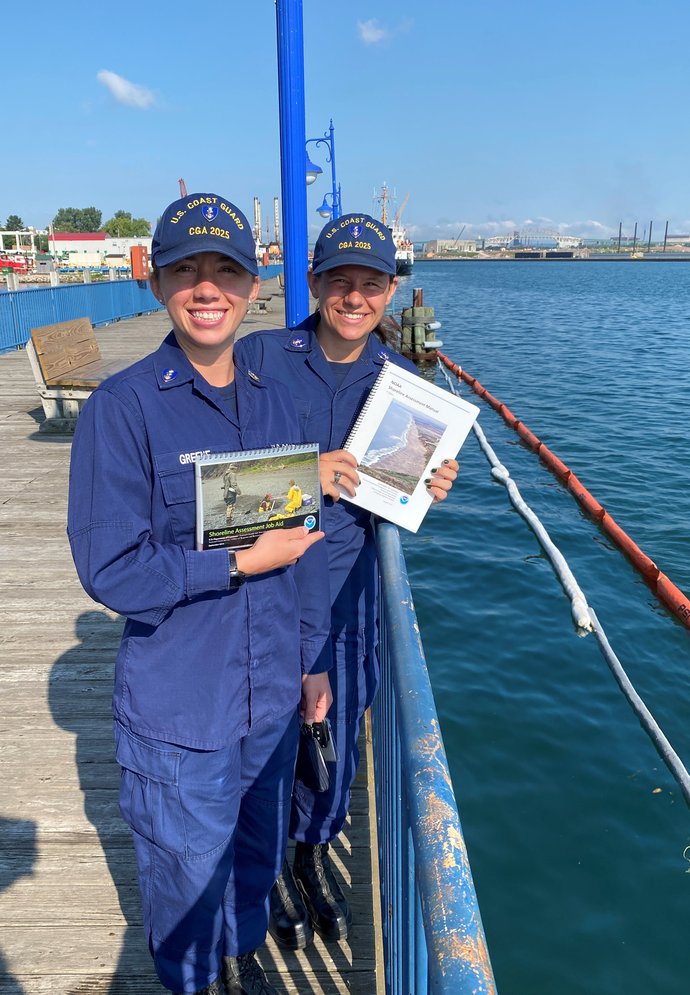
Established by the U.S. Coast Guard, the GLCOE is conducting research, development, testing, and evaluation for freshwater oil spill response equipment, technologies, and techniques to mitigate and respond to oil spills in the Great Lakes with a number of partners.
Hazardous Material Transport Outreach Network
This network is led by Minnesota Sea Grant and is supported by all the Great Lakes Sea Grant Network programs. Through education and outreach, it is working to translate research findings into actionable information for emergency managers, policy makers, and Great Lakes communities.
Oil Spills Under Ice Working Group
The working group is led by Michigan State University and includes researchers from the Cooperative Institute for Great Lakes Research, Michigan Technological University, and LSSU. It is working to identify current gaps in our knowledge of oil fate and transport under ice, available technologies for timely detection of oil under ice, and response strategies to safely remediate oil spills in ice-covered environments.
Smart Lake Erie Watershed Initiative
Led by Cleveland Water Alliance, the initiative is being used as a testbed for hydrocarbon sensors developed by LimnoTech, LSSU, and the GLCOE that could one day be the foundation of an early warning system for petroleum hydrocarbons in the Great Lakes.
Oil spill preparedness and response exercises that incorporate the application of new knowledge and technologies from these new research and outreach collaborations—not to mention the attention and efforts of hundreds of researchers and other participants across government, industry, academia, regulatory agencies, response organizations, Indigenous Nations, and coastal communities in multiple countries—offer hope for Great Lakes ecosystems, communities, and economies who may be impacted by future oil spills. We invite you to learn more about many of their efforts in this issue.