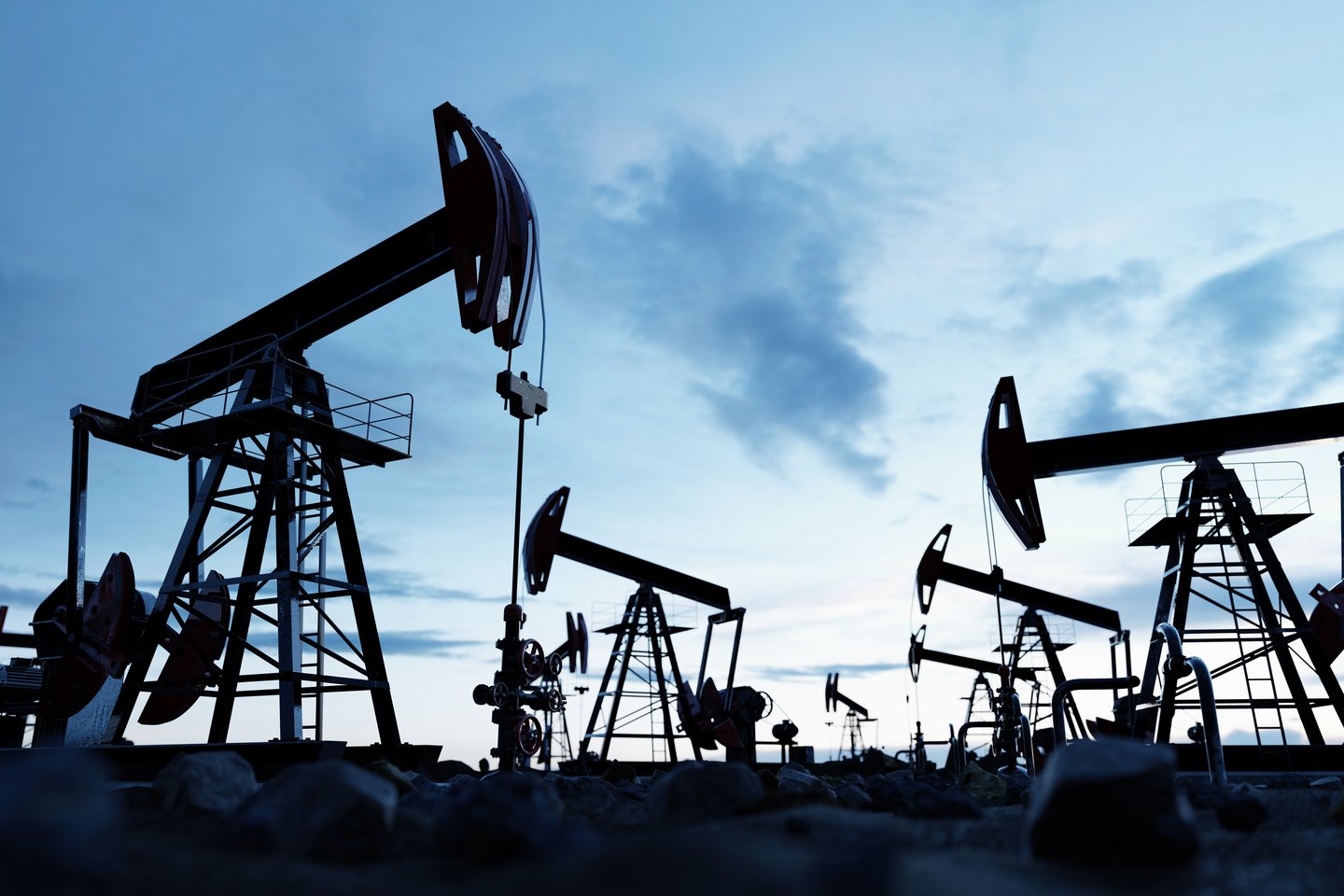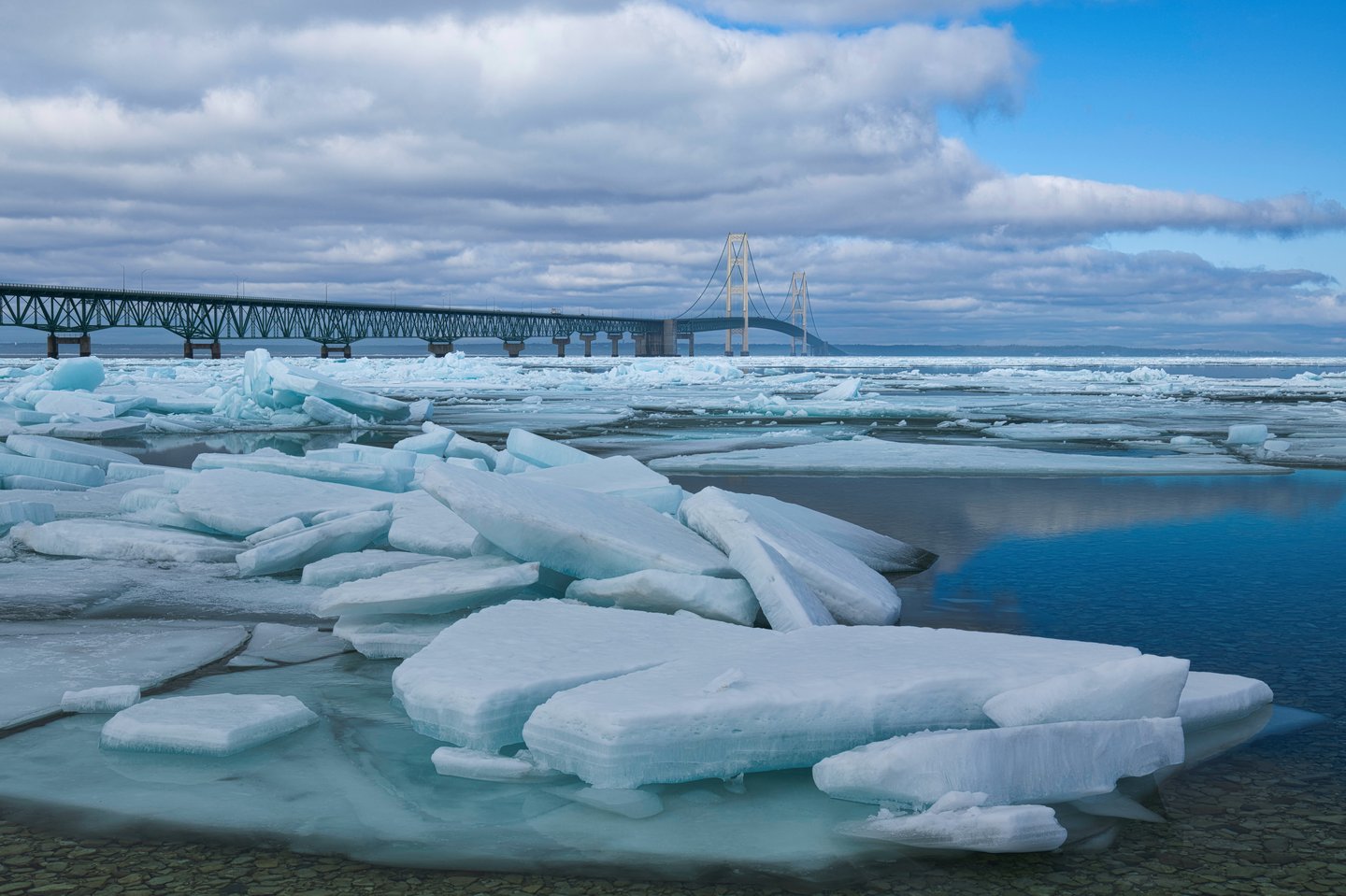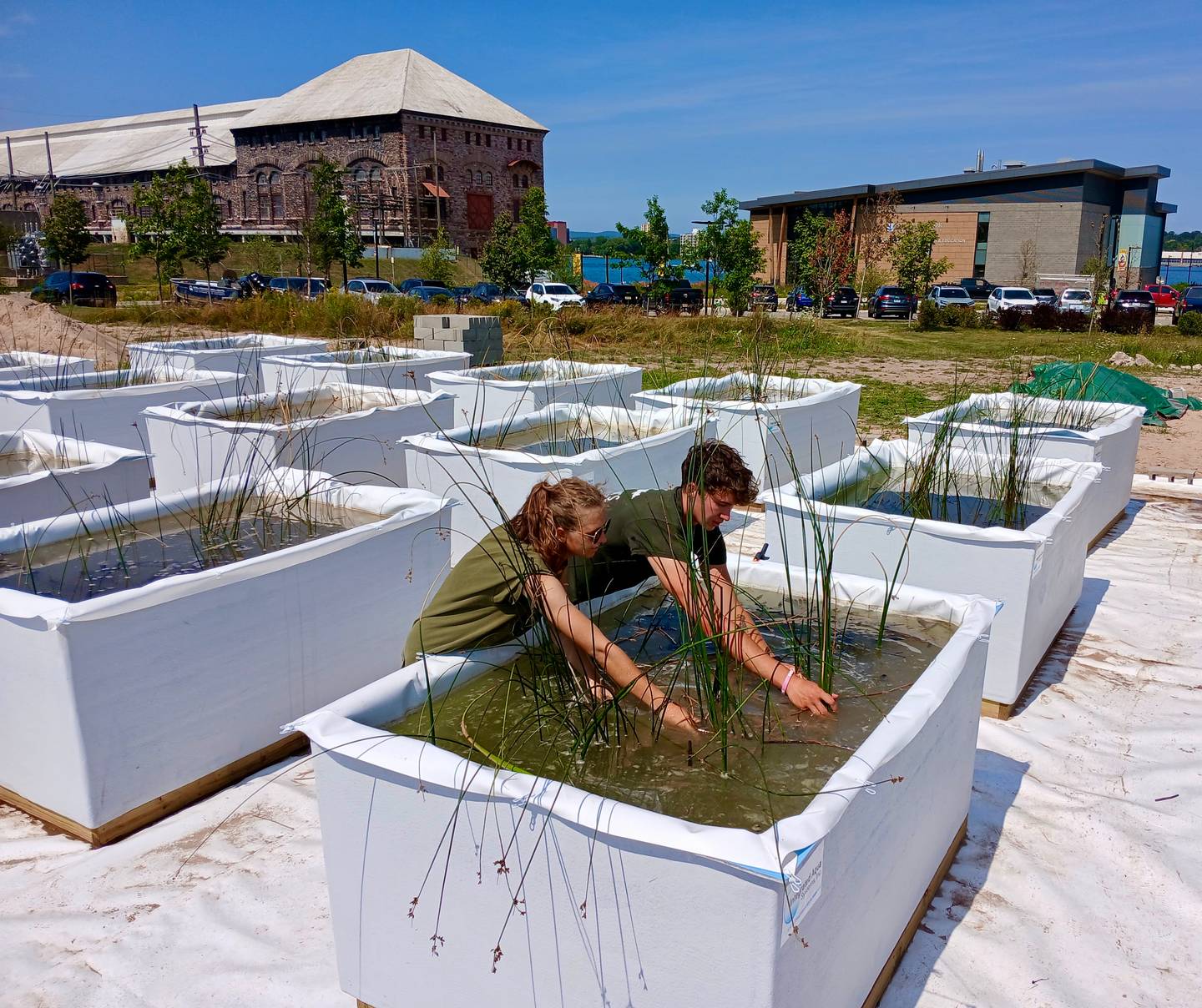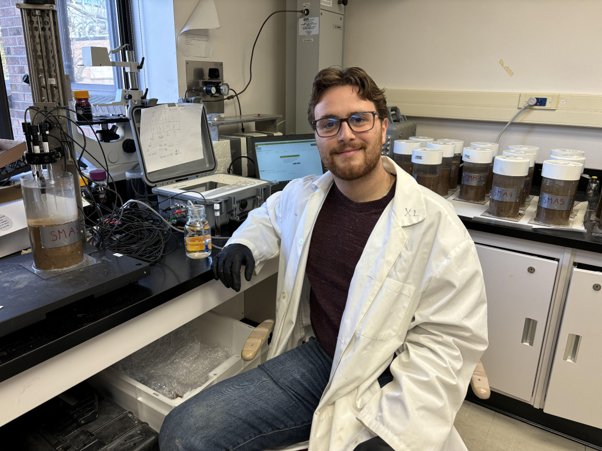
Researchers at the University of Windsor are exploring the role of freshwater microbes in the growing threat of large-scale oil contamination within the Great Lakes. Peter Jobin, an environmental science graduate student at the University of Windsor’s Great Lakes Institute of Environmental Research (GLIER) is investigating the hydrocarbon-degrading potential of natural microbial communities across freshwater Great Lakes habitats and tributaries and cataloguing the impacts on critical biogeochemical cycles (e.g., nitrogen, carbon, and phosphorus) that constitute these environments.
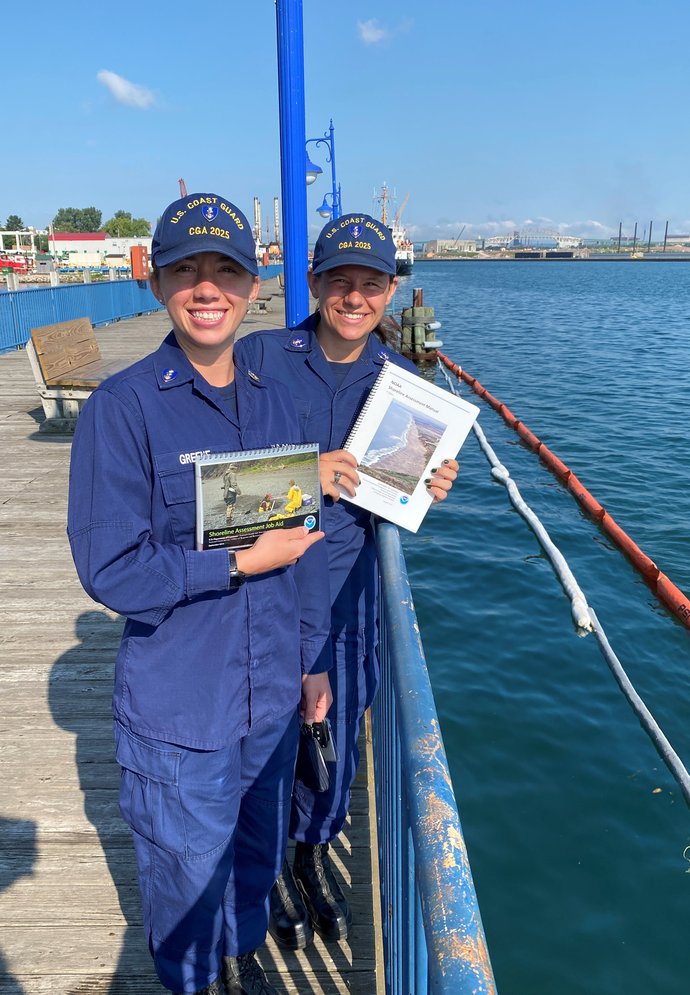
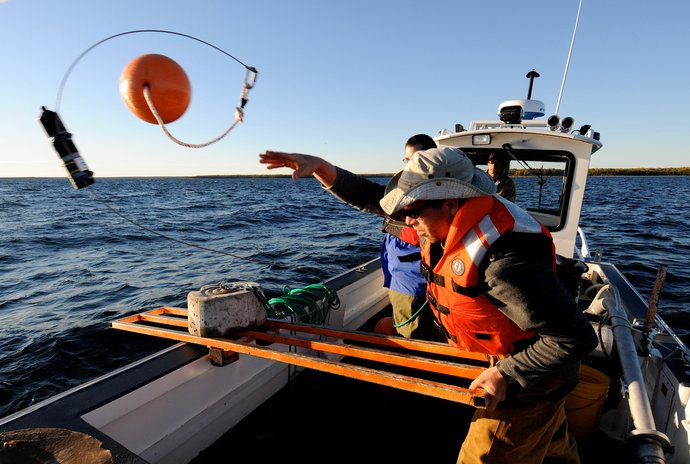
Funded by Natural Resources Canada and working with Chris Weisener and Mike McKay of GLIER, Jobin is part of a transnational group of researchers led by Ashley Moerke, dean of the College of Great Lakes Ecology and Education and executive director of the Center for Freshwater Research and Education at Lake Superior State University, and Michael Twiss, biology professor at Algoma University (see page 14). The group includes additional partners from Memorial University, the U.S. Coast Guard Great Lakes Oil Spill Center of Expertise, and the Bay Mills Indian Community.
The natural defense against oil spills and complex hydrocarbon organic compounds (e.g., naphthalene and polycyclic aromatic hydrocarbons) is often attributed to the metabolic potential of local communities of oil-degrading microorganisms found within the water and underlying sediment. Research will focus on the microbial functional potential for species capable of metabolizing hydrocarbons and will apply omics-based approaches (metagenomics and metatranscriptomics) and novel microsensor techniques. The Weisener group will characterize novel gene pathways during hydrocarbon degradation (alkB), as well as monitor changes to key genes within the nitrogen cycle (amoA) across these various Great Lakes waterways. This research has implications for policy makers and the public, helping to guide decisions on oil spill response and pollution control in the Great Lakes.
This research has implications for policy makers and the public, helping to guide decisions on oil spill response and pollution control in the Great Lakes.