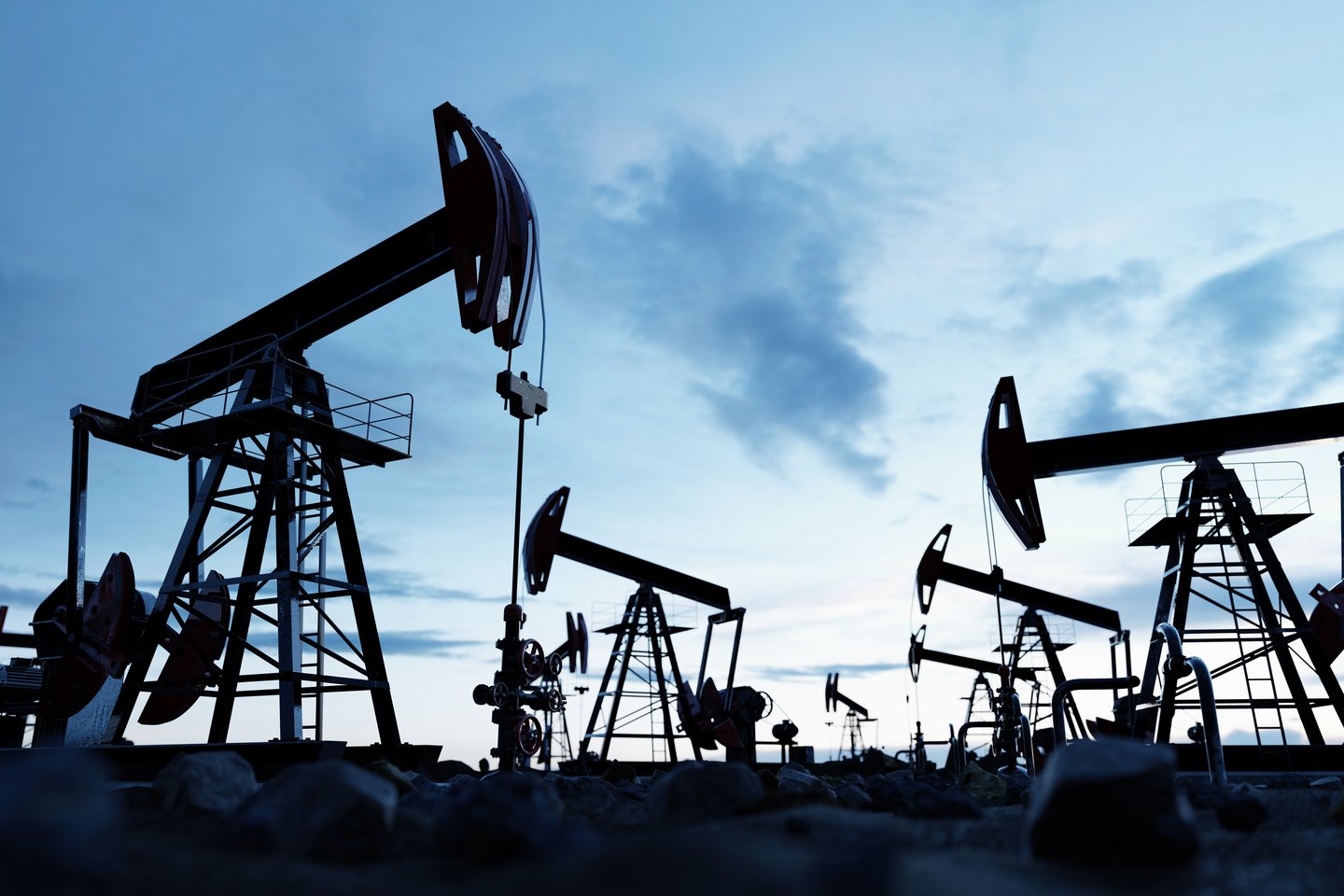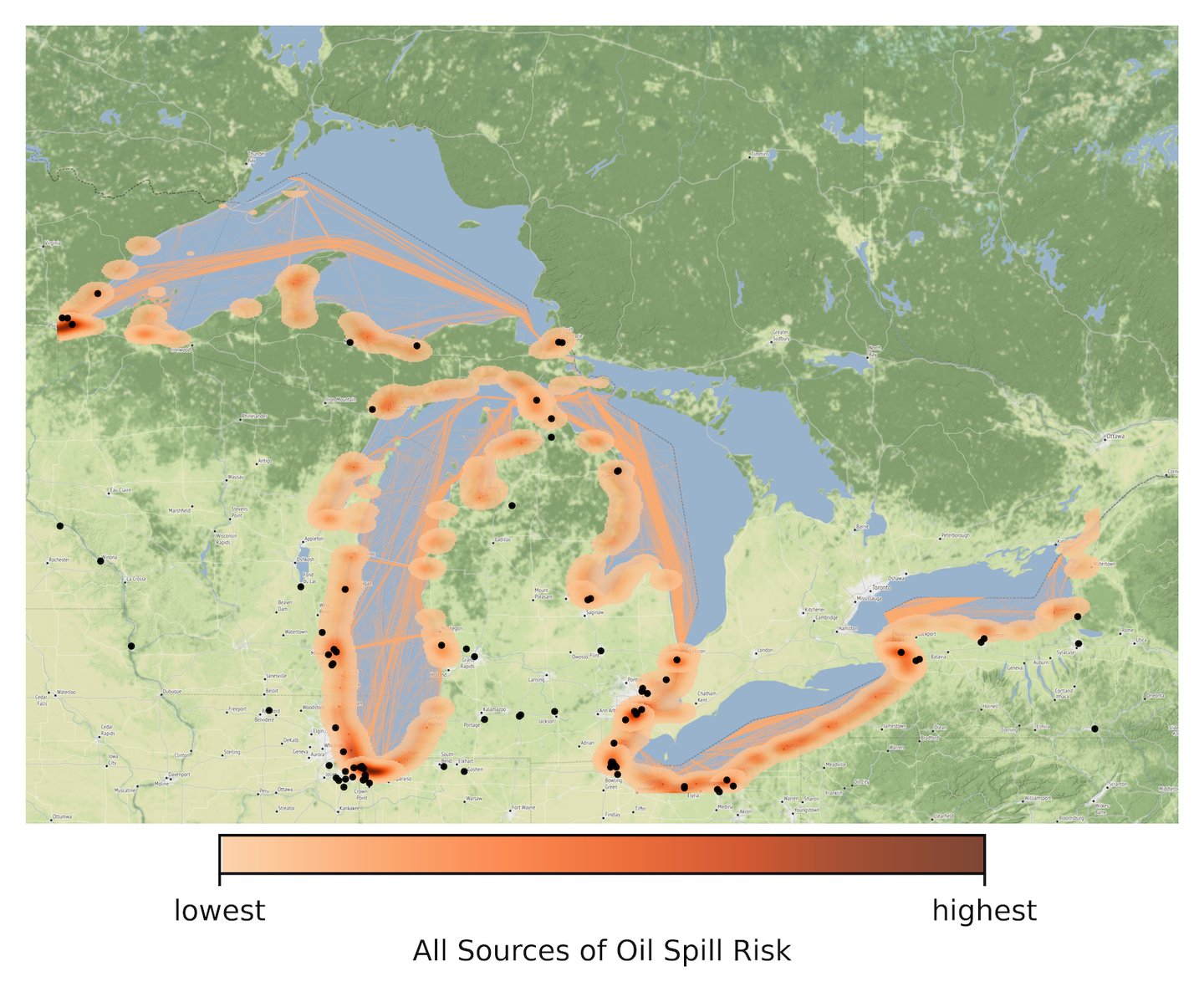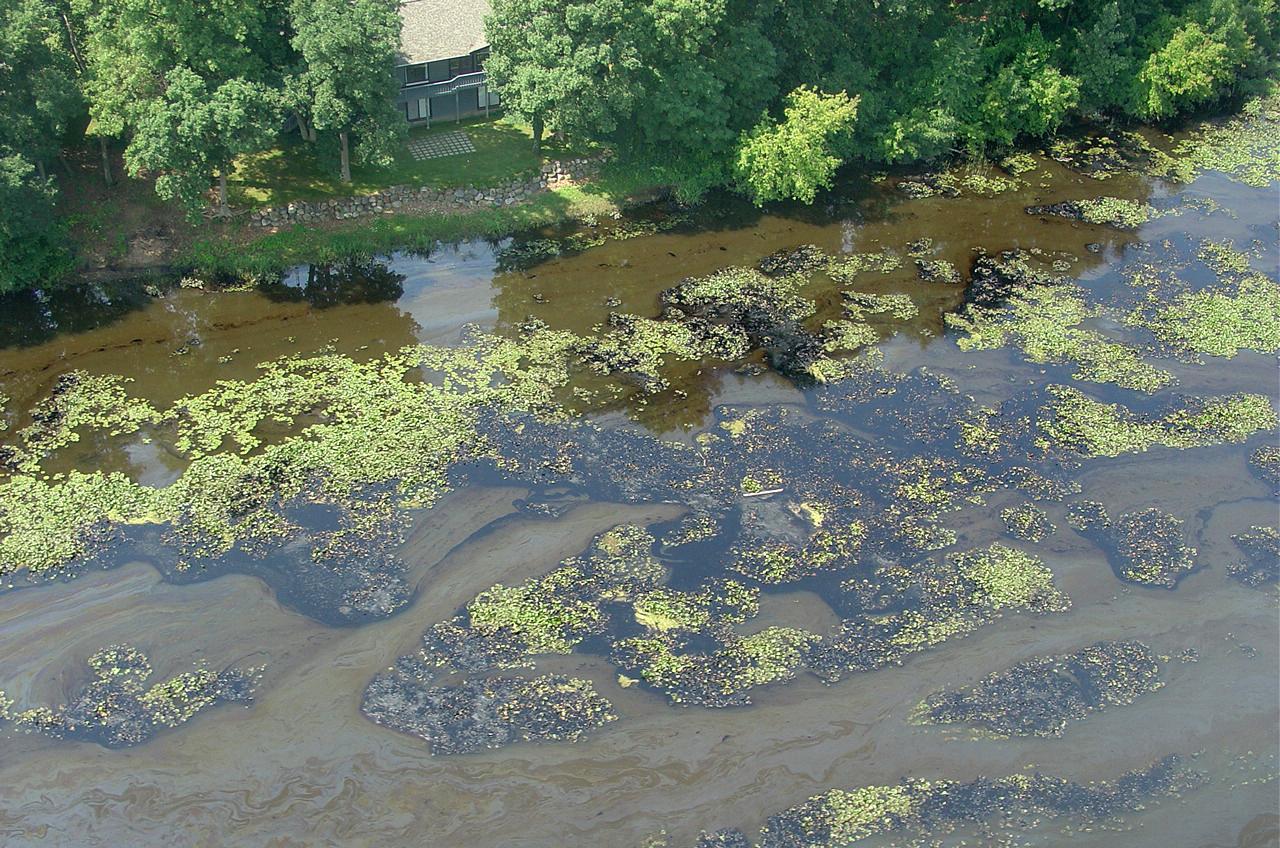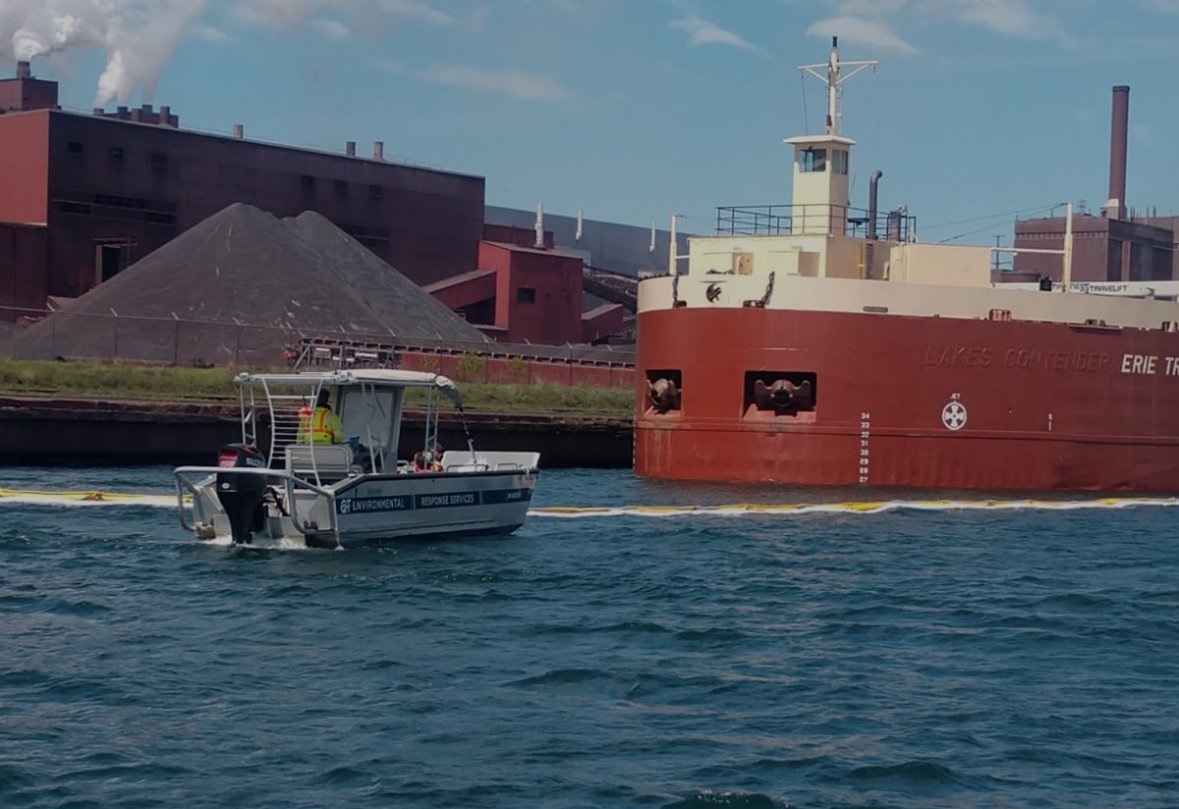
Oil is an integral part of the economy in the Great Lakes-St. Lawrence River system. It fuels shipping and is moved by pipelines that cross the basin and pass underneath many of its connecting waters, including the Straits of Mackinac. Major oil spills have occurred in the region before. In June 1976, a barge ran aground in the Upper St. Lawrence River and spilled 1,100 m3 of crude oil that was poorly contained and spread along an 80-mile(130-kilometer) reach of the river, contaminating shoreline marshes and killing innumerable fish, fowl, and wildlife. It was one of the largest oil spills in the U.S. until 2010 when a pipeline buried beneath the Kalamazoo River, a tributary of Lake Michigan in southwest Michigan, ruptured and at least 840,000 gallons (3,180 m3) of crude oil spread along a 38-mile (61-kilometer) reach of this river.
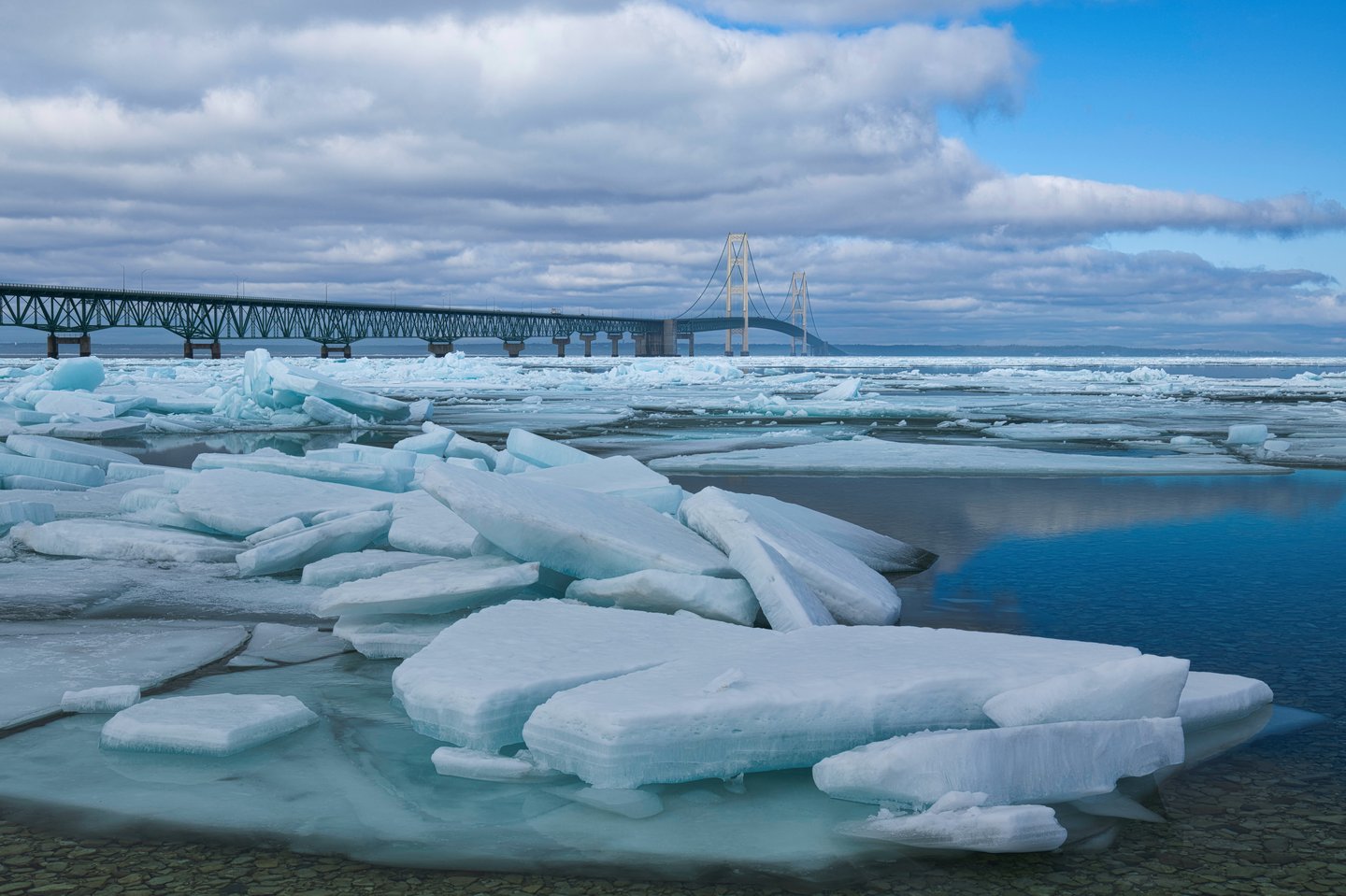
More recently, residents of the Great Lakes have been reminded that the risk remains. Currently, a 65-year-old oil pipeline traverses the Straits of Mackinac on the floor of this critical waterway. There is a proposal to bury the pipeline in a tunnel to prevent potential catastrophes such as the event on April 1, 2018, when a tugboat anchor dragged along the lakebed through the Straits of Mackinac severing submerged electrical cables that spilled 608 gallons (2.3 m3) of mineral oil insulation fluid. The same incident also dented the submerged oil pipeline, risking a major oil spill during the winter shipping period when response and containment would have been very difficult, if not impossible.
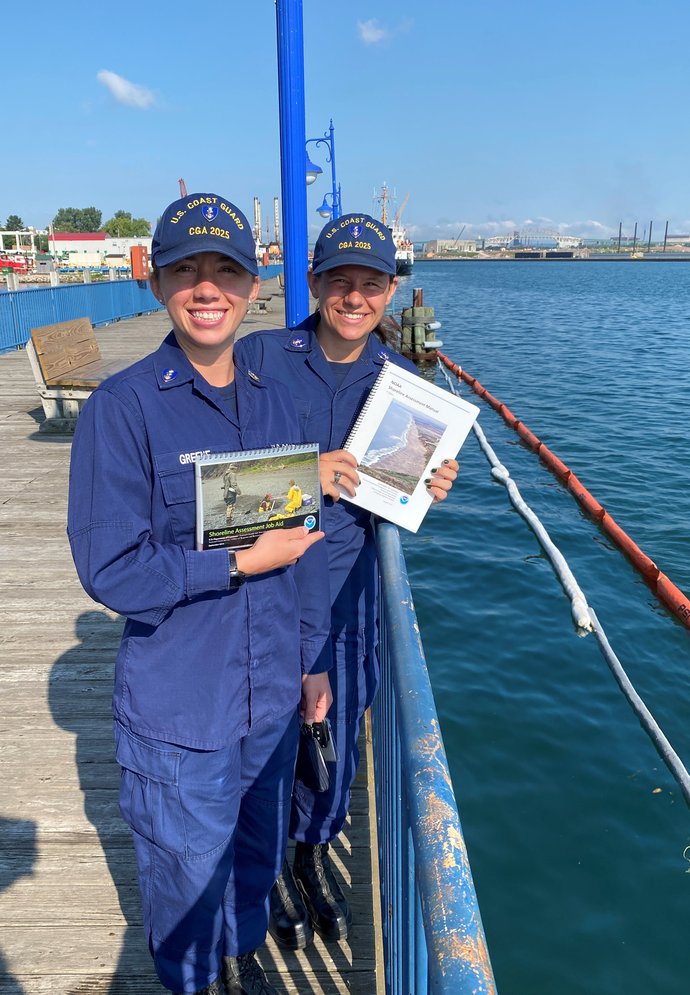
Where do our responsibilities lie? Natural Resources Canada (NRCan) has recently stimulated research on the impacts of oil spills in the Great Lakes system and additional support is provided by the U.S. Coast Guard Great Lakes Center of Expertise. There has been some excellent research conducted on freshwater oil spills in inland lakes, notably at the IISD-Experimental Lakes Area research facility in northwestern Ontario. However, impacts of oil on freshwater ecosystems are far less understood than in marine systems and comparatively little research has been conducted on how oil spills will adversely affect Great Lakes ecosystems and food webs in winter and warmer seasons.
As academic scientists, our responsibilities are to provide unbiased research findings to both the public and government scientists. Understanding the impacts oil spills will have on the Great Lakes will help the public, managers, and responders implement science-based decision making regarding oil transport across and under the Great Lakes.
As academic scientists, our responsibilities are to provide unbiased research findings to both the public and government scientists.
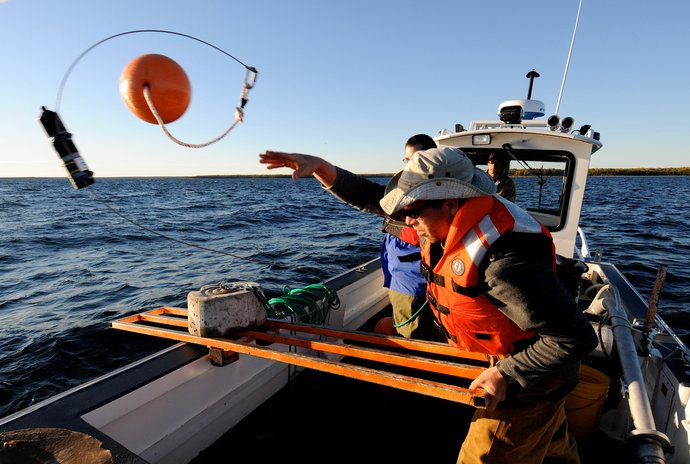
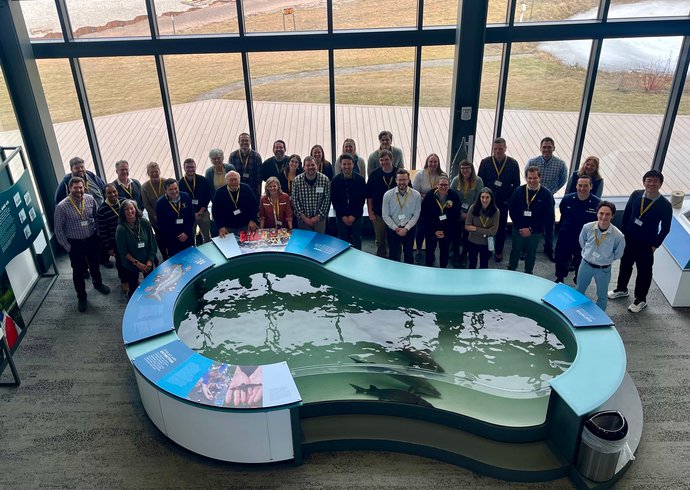
To this end, the International Consortium of Oil Research (ICOR) was funded by NRCan for a five-year project to examine biological impacts, oil fate and transport processes, and oil detection in the Great Lakes. Directed by Ashley Moerke and Michael Twiss, ICOR has three research networks involving over 20 international researchers. These networks include Biological Impacts of Oil, Oil Particle Interactions, and Monitoring and Detection of Oil in Our Waters of the North, all under the focus of Our Waters of the North. The goals are to advance understanding of oil spill detection, impacts, and response in Great Lakes water by building infrastructure, training early career professionals, and increasing the science available to guide decision making.
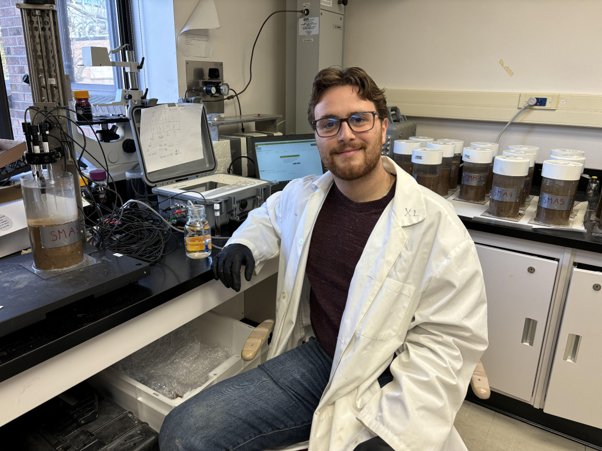
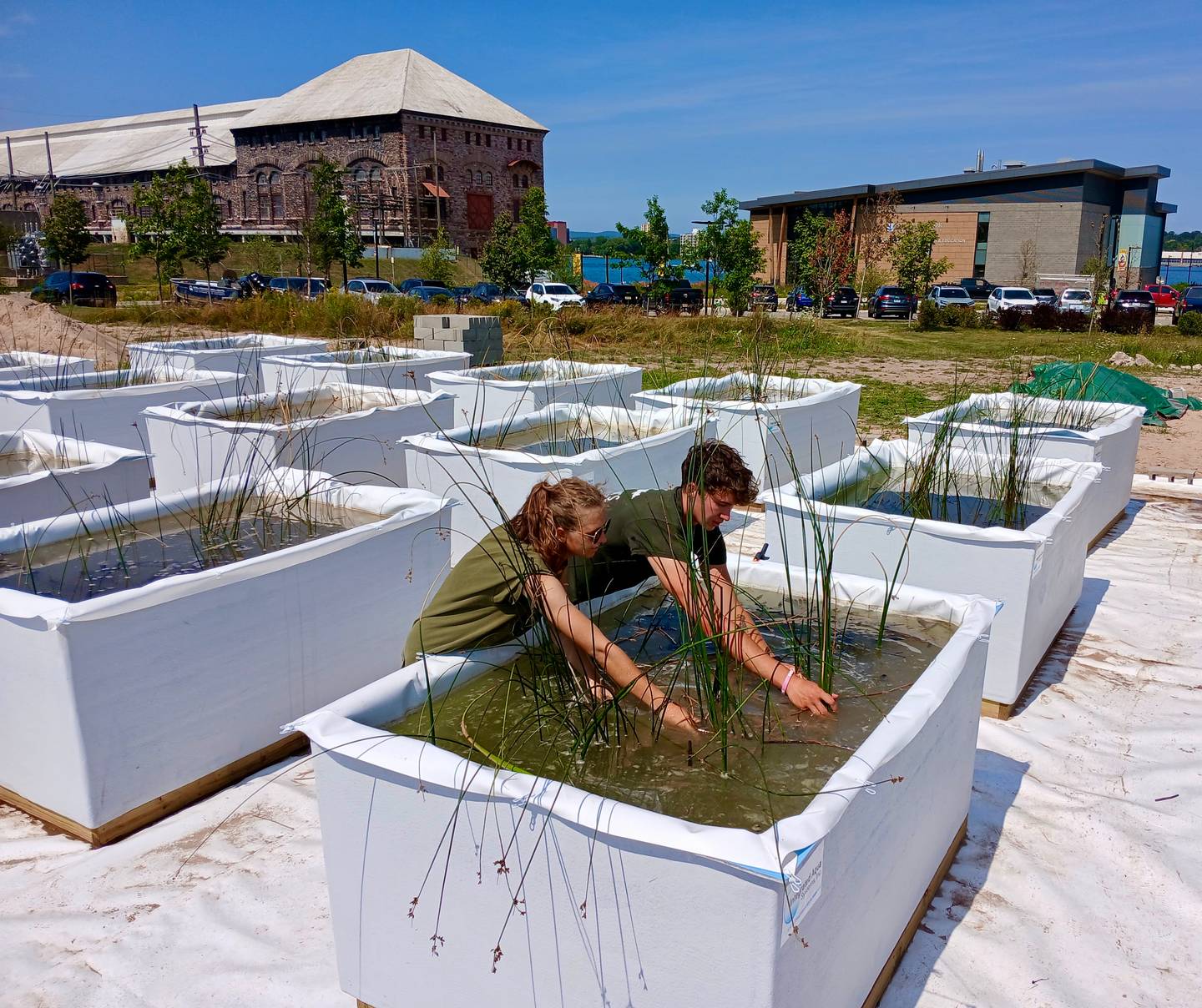
Some examples of current collaborative research efforts include construction of an outdoor experimental tank facility at the Center for Freshwater Research and Education at Lake Superior State University to conduct food web experiments (see photo, previous page); ecotoxicology experiments of fish exposed to oil and measured at realistic conditions using sensitive physiological parameters (olfaction, behavior, and cortisol expression) at Algoma University; measurements of microbial community composition and function when exposed to oil at the Great Lakes Institute for Environmental Research, University of Windsor (see page 26); studies of oil aggregate formation and the microbiome of oil-degrading microbes at Memorial University of Newfoundland and United States Geological Survey; and autonomous vehicle and sensor development for oil detection under ice at the University of Windsor, NOAA, and Limnotech.
Ultimately, this research will support discussions of the risk inherent with economic activity on the lakes that involve oil. These important discussions will depend on data collection and analysis, knowledge of risk and its mitigation, foresight to recognize threats well before their impact, and ways to alert our responders and communities so correct actions can take place.