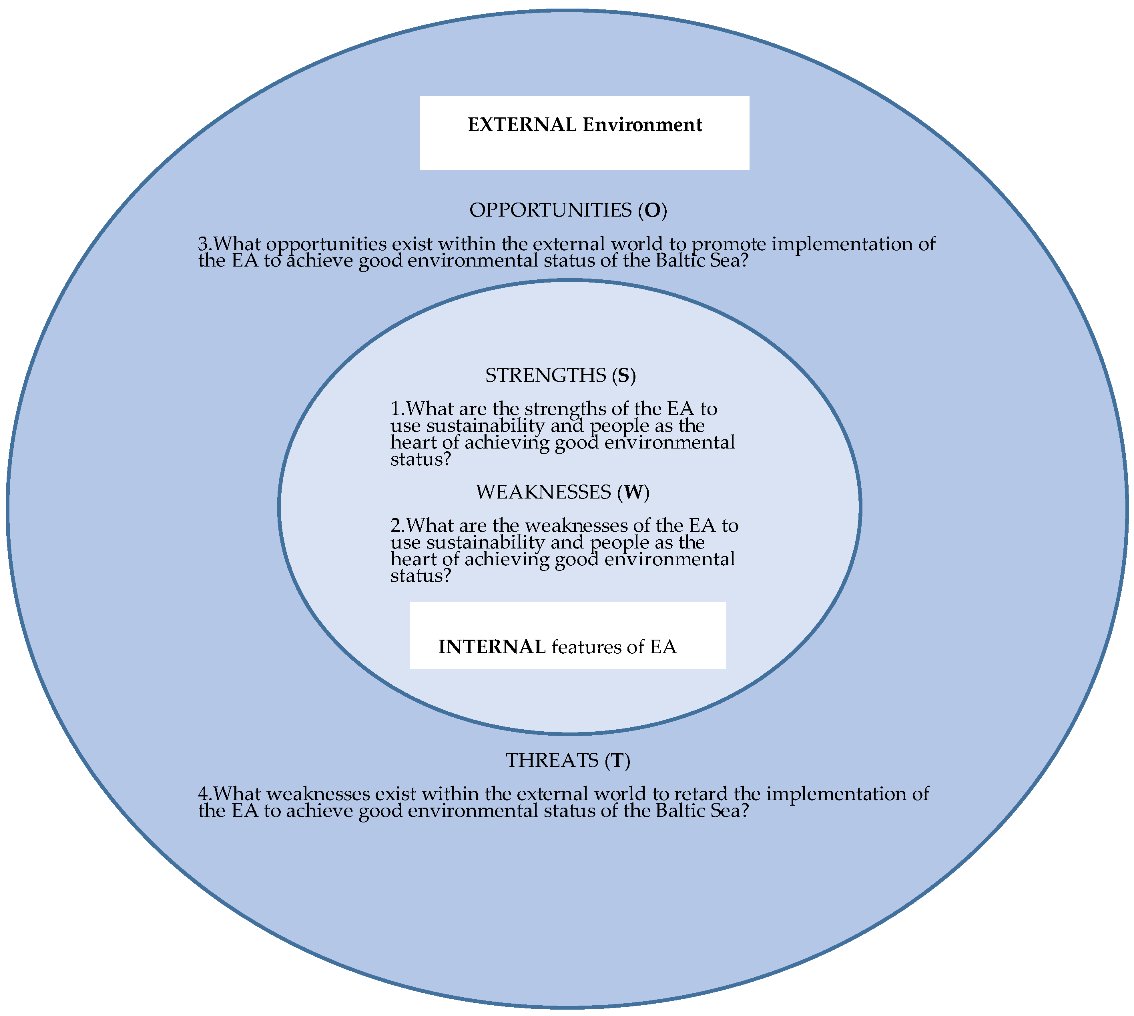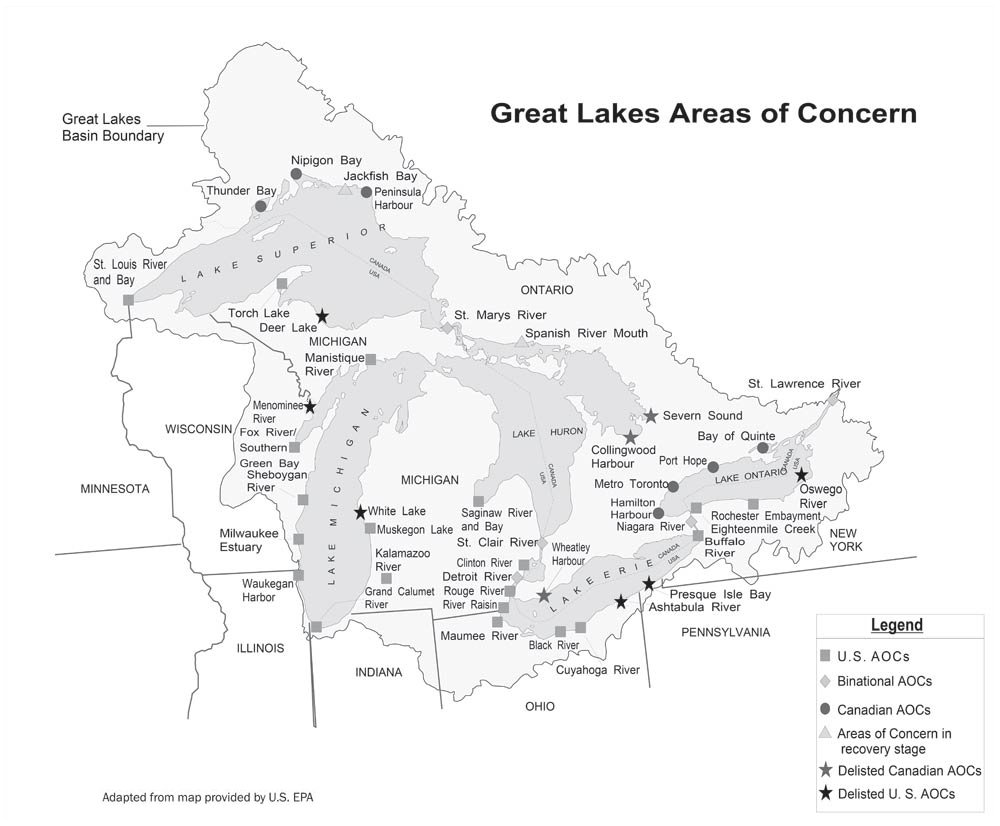
Great Lakes Areas of Concern (AOCs) serve as microcosms of use of an ecosystem approach in resource management. Our recently published study in the journal Sustainability sheds light on how and why institutional arrangements have changed over time to apply an ecosystem approach in restoring AOCs and to address emerging challenges in each local area.
Following the 1985 recommendation of the International Joint Commission’s Great Lakes Water Quality Board, the federal, state, and provincial governments committed to working with local stakeholders to develop remedial action plans (RAPs) to clean up each AOC within their political boundaries and restore impaired beneficial uses using an ecosystem approach. RAPs were then added to the 1987 Protocol to the Great Lakes Water Quality Agreement, giving international legitimacy to the program and providing laser-like focus for all stakeholders to work together to eliminate any of 14 “beneficial use impairments.”
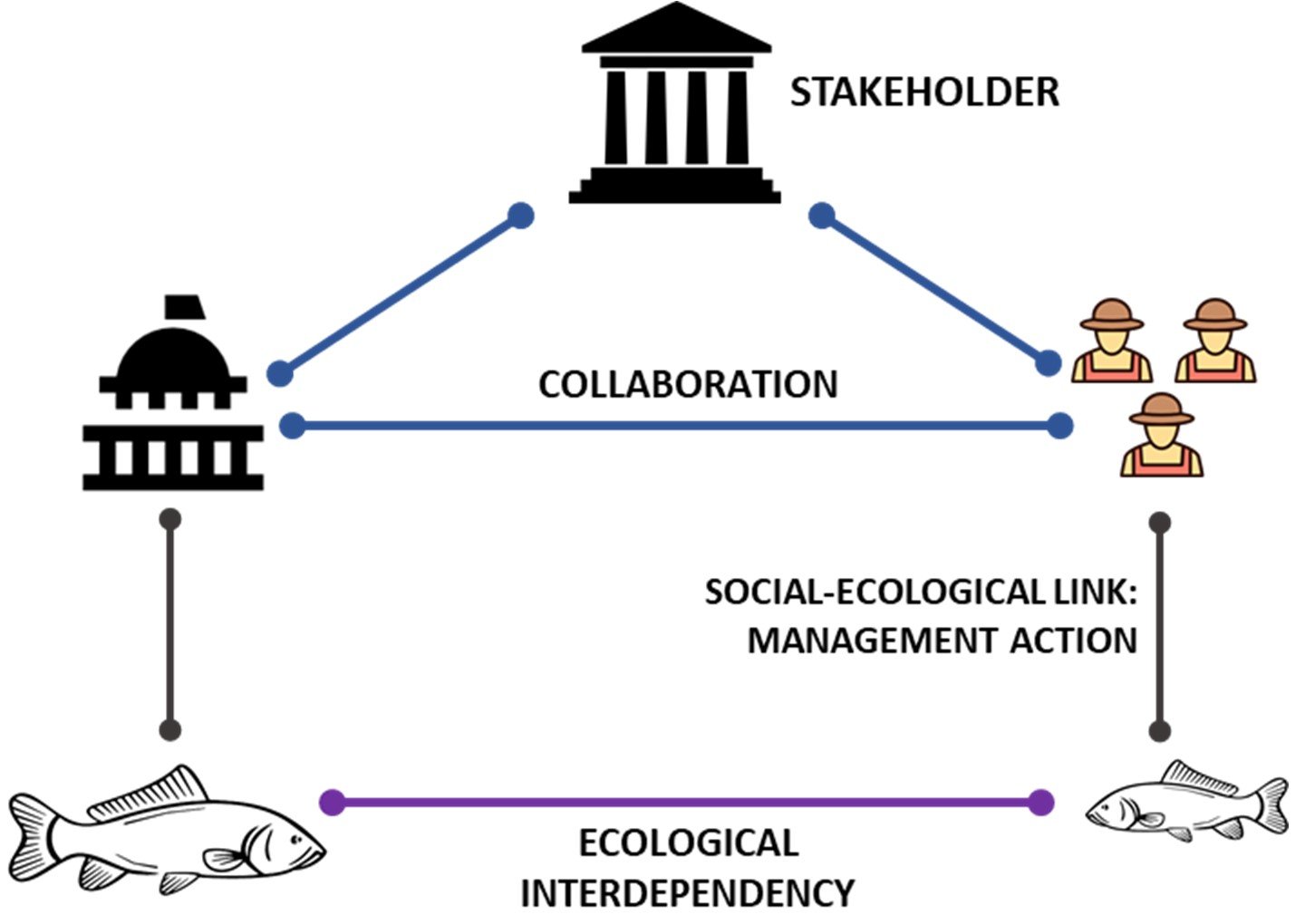
Our study found that institutional arrangements in 35 of the 43 AOCs evolved over time into structures with broader stakeholder representation and more active participation. Broader stakeholder representation and more active participation leads to accessing local knowledge and enhancing creative problem solving. In 32 of the 43 AOCs, a partnership was established with a nonprofit organization or a Conservation Authority in Canada that has nonprofit status. The establishment and growth of these nonprofit organizations helped build local capacity and ownership, broadened the timeline to think about life after being removed from the AOC list, enabled a watershed focus, and often strengthened the connections among science, policy, and management.
This study also found that 30 of the 43 AOCs now recognize “life after delisting” as an AOC or “sustainability” as part of their focus. For example, the Environmental Network of Collingwood, an organization that emerged from the RAP process, remains active in promoting sustainability 26 years after delisting Collingwood Harbour as an AOC. Cleanup of Great Lakes AOCs has been found to be a springboard for local communities to convert areas that were once a detriment to economic growth into valuable waterfront economic assets. For example, cleanup of the Detroit River has led to the development of the Detroit RiverWalk that has reaped over $1 billion of economic benefits in its first 10 years. Finally, use of an ecosystem approach, by nature, is adaptive, where assessments are made, priorities established, and actions taken in an iterative fashion for continuous learning and improvement.
Use of an ecosystem approach in RAPs has required cooperative learning that involves stakeholders working in teams to accomplish a common goal and individual and group accountability. The next important step in furthering use of an ecosystem approach is to better promote this as a primary philosophy guiding science and management in the Great Lakes and the rest of the world. We believe that continued improvement in the implementation of an ecosystem approach can be facilitated through the sharing of experiences between the AOC program and other restoration programs using this approach elsewhere in the world. Indeed, that is one of the primary purposes of convening the conference titled The Ecosystem Approach in the 21st Century: Guiding Science and Management in August 2022 at the University of Windsor in celebration of the 50th anniversary of the Canada-U.S. Great Lakes Water Quality Agreement.