When we established the Lake Victoria Fisheries Organization (LVFO) in 1994, we believed we would apply the ecosystem approach to managing the fishery of this African Great Lake. But the voluntary introductions of the Nile perch and Nile tilapia caused havoc among the lake’s original biodiversity at the expense of many cichlid fish species. They caused changes in the entire food web as we used to know it. In addition, our efforts to achieve long-term ecosystem health bump into the more immediate needs of local people who rely on the lake as a source of food, employment, and income generation.
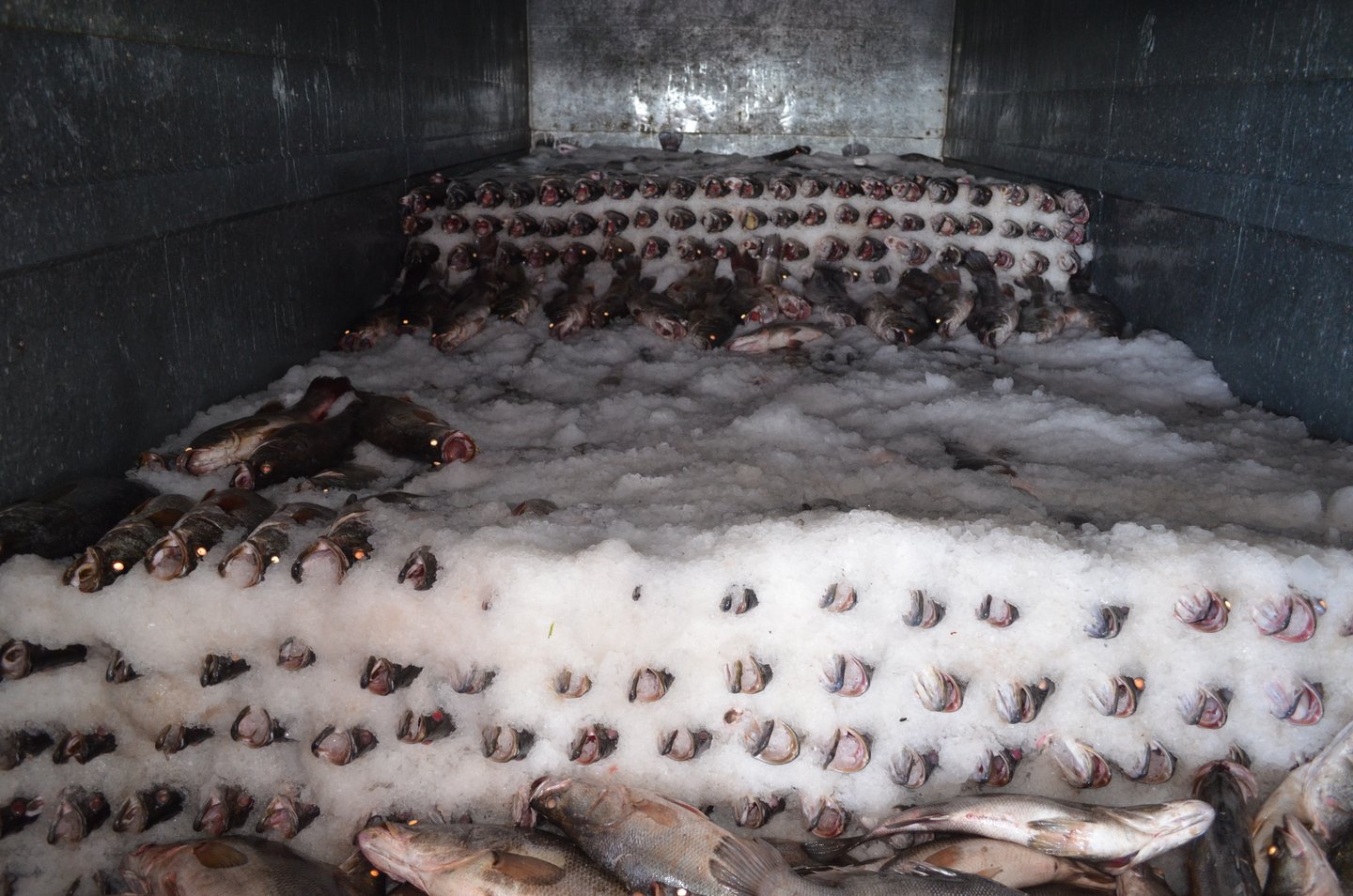
Consider the case of the Nile perch, which was introduced to Lake Victoria in the 1950s as a potential game fish species. In the ’90s, the unbridled expansion of fish processing plants for Nile perch export and the resulting demand for the fish put great pressure on the species. Around 2000, the fishery was considered sustainable, but only for a short while as the lake continued to attract additional fishers. During the heyday of the Nile perch, a trader could fill a fish truck in just three days; nowadays it takes a full week to fill half a truck. Did the ecosystem approach fail? Alternatively, was it a failure to control access to the lake? Perhaps the ecosystem approach and “open access” cannot go together?
As the Nile perch became scarce, small pelagic cyprinid species flourished. Target species of the fishery changed also. In certain bays, mainly in the Kenyan portion of the lake, hardly any fish remained. As a result, through the input of some foreigners, fishers were encouraged to rear young Nile tilapia in floating cages in the lake. This effort appeared successful, and many people followed the example, until large commercial farms were established. Their production increased over the years to several thousands of tonnes of tilapia per year. In theory, the convention of the LVFO called for an ecosystem approach to aquaculture. But nobody foresaw the magnitude that the cage industry could achieve. Today, without the right policies in place, the commercial expansion threatens to get out of hand. There is an immediate need to determine the carrying capacity of the lake and to provide a formula for spatial planning. High fish densities in the cages may attract diseases and parasites. Will fish farmers be tempted to apply antibiotics and other chemicals to reduce the impact of diseases? What will be the effect of the locally high concentrations of fish excrements?
With the biodiversity of the lake severely impacted, can we sustainably make further changes, for instance by fish (re)stocking programs? Can these manipulations of fish species be part of the ecosystem approach to fisheries and aquaculture? To what extent may we intervene in the ecosystem? Each intervention, whether fishing, fish rearing, or stock enhancing, will impact the ecosystem, often in unintended ways. The ecosystem approach is an excellent principle for management of natural resources in the Great Lakes, but can it be successful when the tendency to overexploit these resources exists? Time will tell. Lake Victoria went through many disasters; likely, it will overcome this one as well.