Participatory, holistic management of ecosystems and water resources has been practiced in traditional cultures for millennia. The need to balance exploitation with nature’s resilience and biodiversity is often more imminent in such cultures, since livelihoods are closely connected to nature there.
New inventions during the Industrial Revolution made life easier in many other societies. More efficient production could feed more people and provide more jobs. Concurrently, industrialization, urbanization, and changes in land use put increasing anthropogenic pressure on ecosystems, often leading to undesired ecological states. Environmental management gradually became more centralized, with the aim to focus protective action first where it is best needed.
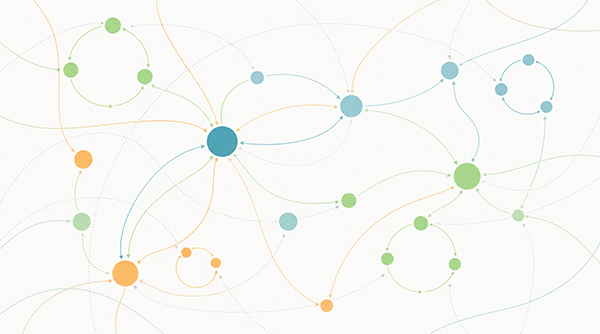
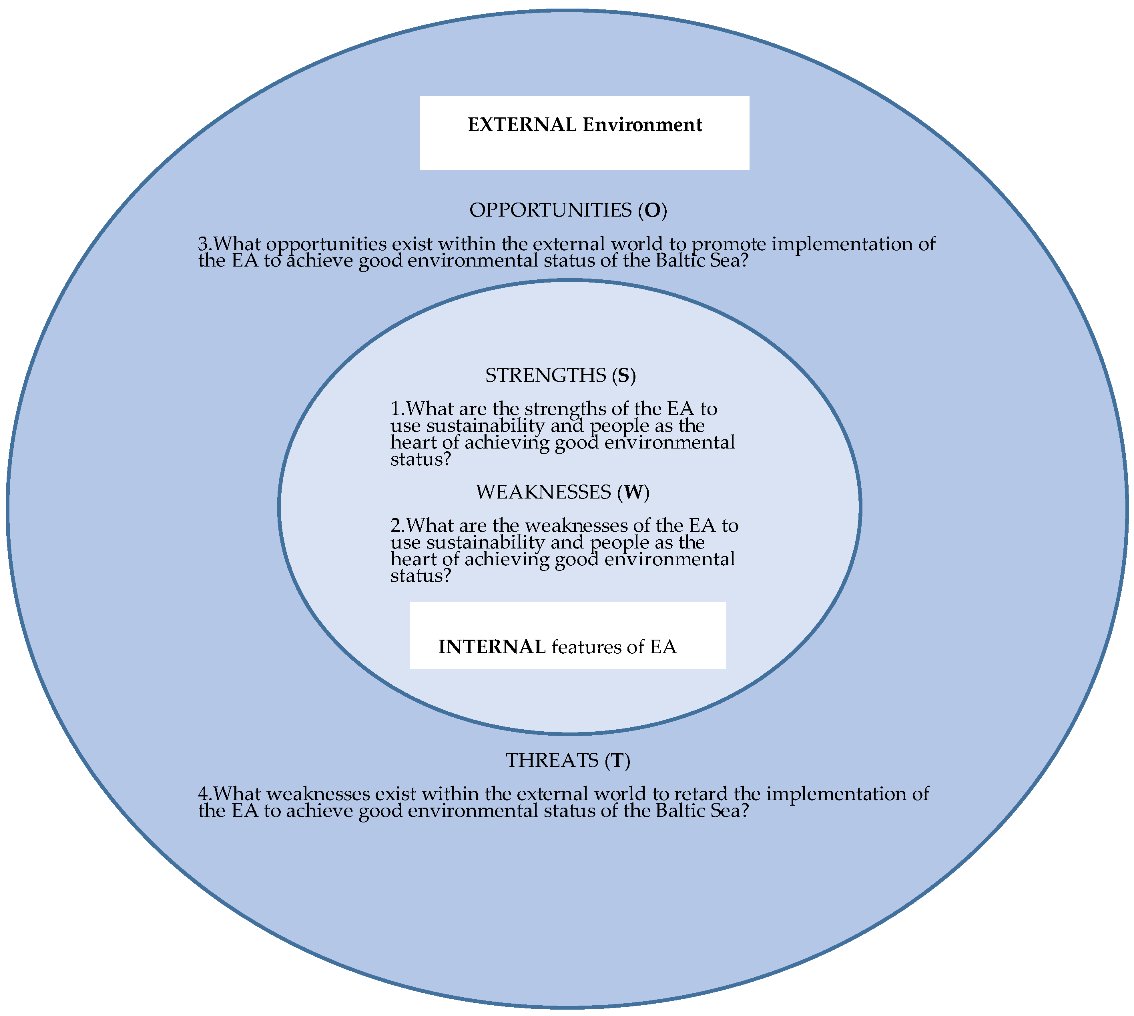
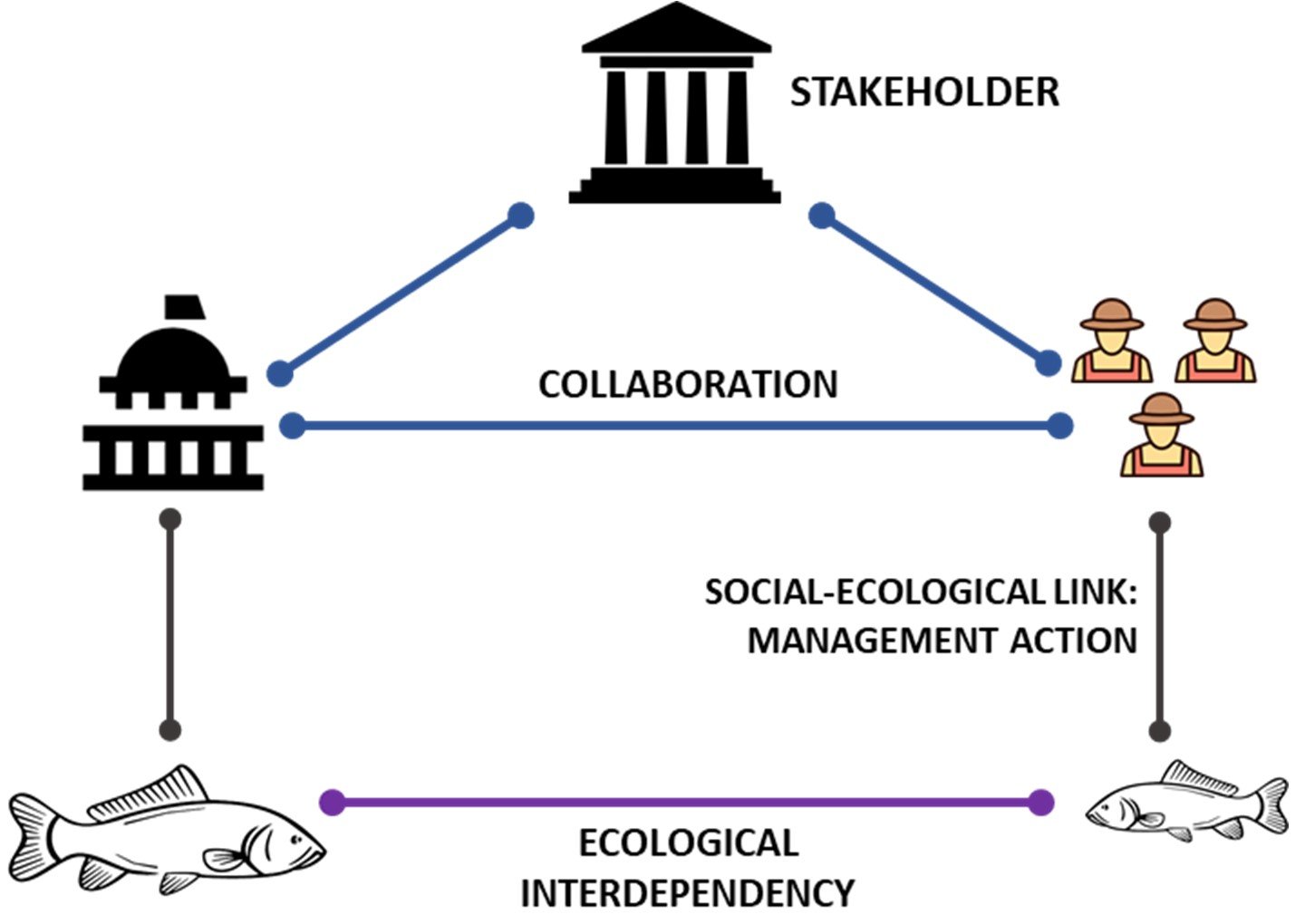
During the past few decades, however, there has been an increasing scientific, management and policy interest in what is called the ecosystem approach, or, when applied to fisheries, ecosystem-based fisheries management. In a nutshell, it’s about managing ecosystems and resources in a more participatory and holistic manner while using new, low-impact techniques.
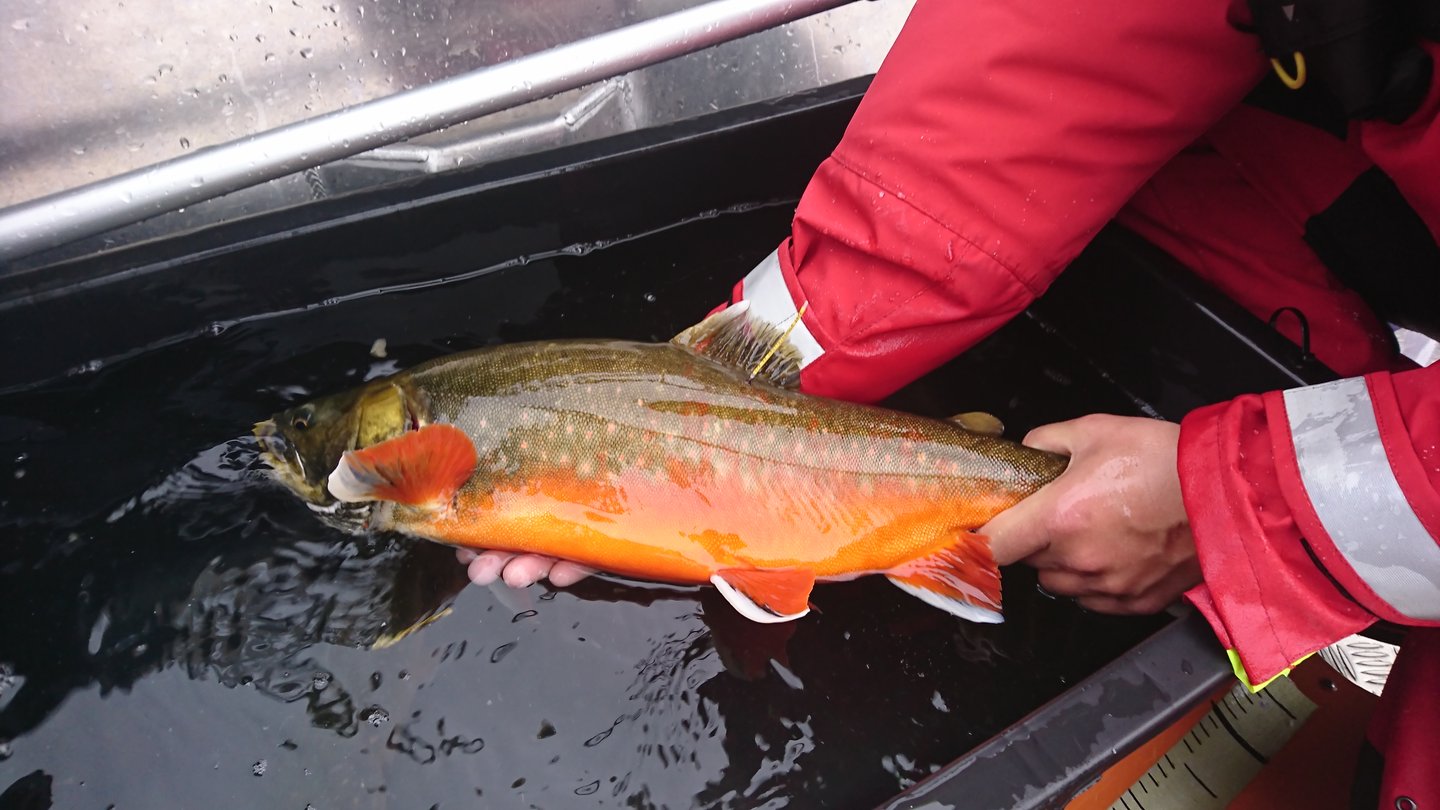
In 2019–2021, our research team investigated the way the management of Lake Vättern, Sweden, works in relation to ecosystem-based fisheries management. Management tends to work with the whole lake ecosystem in focus and involves stakeholders quite extensively. Some notable progress has been made; eutrophication has been reversed and the iconic fish species Arctic char has been brought to a more sustainable population level. However, there are many remaining challenges to management, such as climate change, pollution, and invasive species. Participatory structures have been in place for many decades, which we saw as instrumental for this type of management. If other great lakes are to be managed in similar participatory, holistic ways, Lake Vättern is definitely an example worth learning from.