Given the central role the ecosystem approach plays in key policy documents such as the Convention on the Protection of the Marine Environment of the Baltic Sea area, our research aims to investigate factors that lead to its better implementation.
In a recently published article, we examined the implementation of the ecosystem approach in the Baltic Sea region, one of the largest water catchments in the world and a part of the European Union. This study was unique, as it used the strengths, weaknesses, opportunities, and threats (SWOT) framework from business theory in the analysis of key documents to identify themes relevant to the approach in the Baltic Sea region.
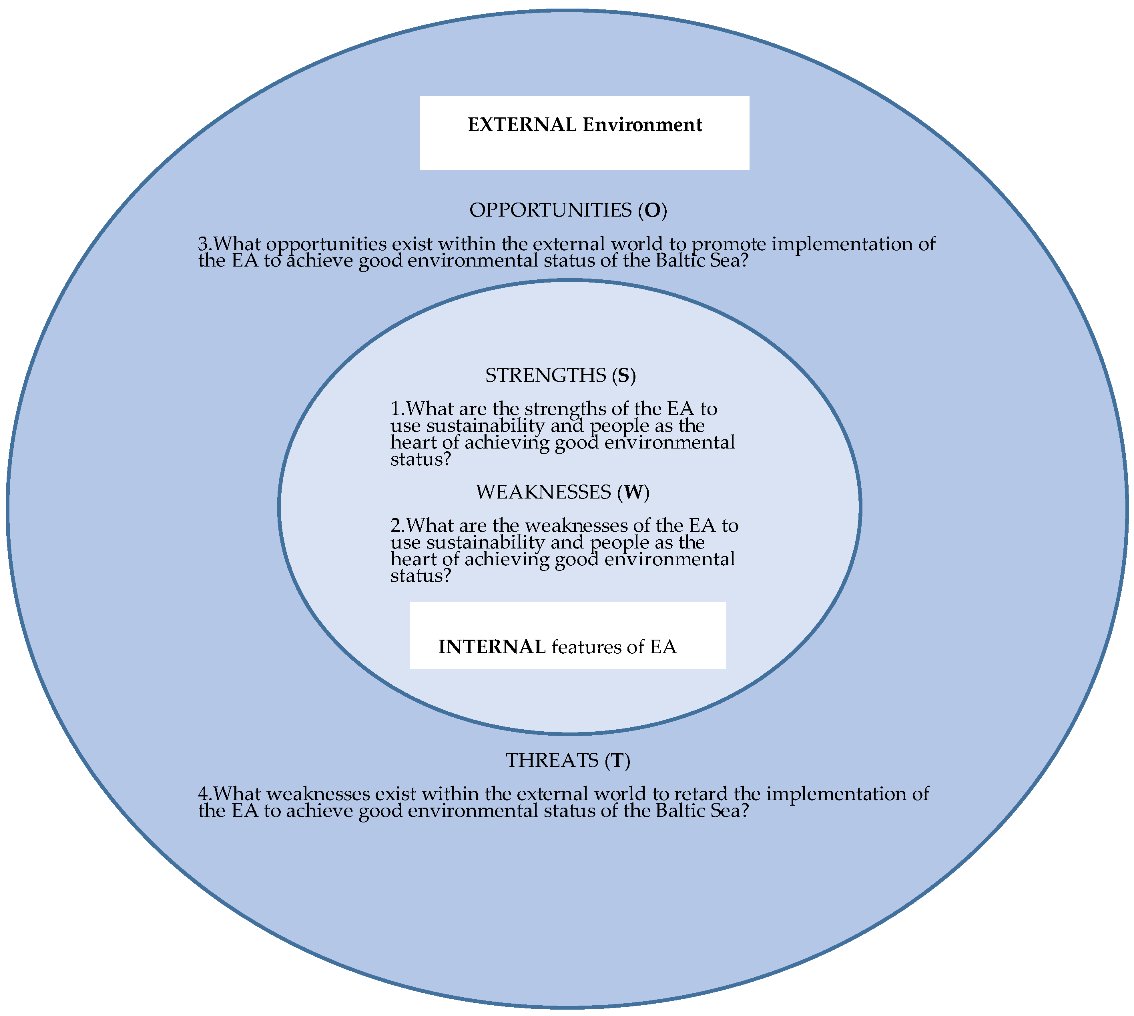
The study found that Baltic Sea experts cherish the simplicity of the approach in communicating the importance of environmental stewardship. However, the downside is that there are many interpretations of the approach, as the language can be complex and unclear. This study showed that with a streamlined allocation of resources, more stakeholder engagement through capacity building, and political leadership, the ecosystem approach could facilitate interdisciplinary knowledge pooling to achieve a good ecological status of the Baltic Sea and other regions of the world. This work continues with our doctoral student Varvara Lahtinen, who will further investigate the implementation of the ecosystem approach in the Nordic Region.