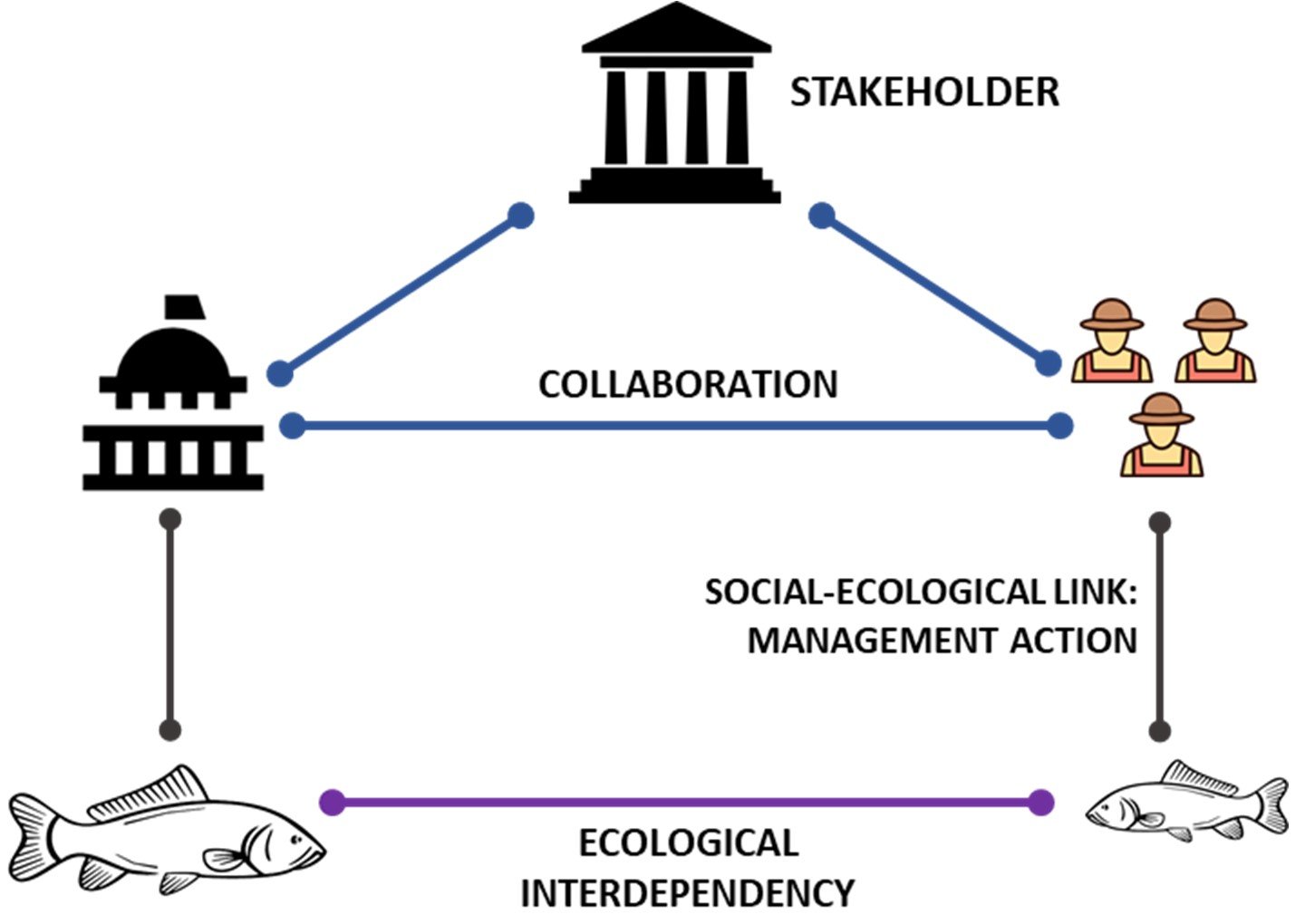
While pluralism is not a new idea in environmental governance, recent calls for broadening participation in ecological and sustainability solution-building—such as for climate change-related extreme weather events and the COVID-19 pandemic—have prompted renewed urgency in understanding how diverse institutions and people can effectively govern ecosystems to promote ecological sustainability and human well-being. By pluralism, we refer to the diversity of aspects of human culture and/or the natural environment.
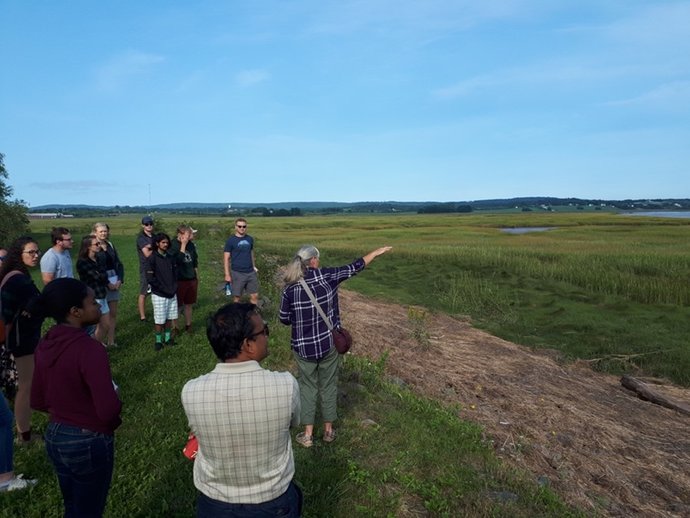
The field known as translational ecology (TE) emphasizes linking ecological science to evidence-based decision making, taking its verbiage from translational medicine. TE uses cross-disciplinary research, together with broader participation, to address the social, ecological, and political contexts of environmental problems, with an aim to improve decision making for environmental management and conservation. This approach, along with other, similar approaches, requires deliberate engagement with a range of actors, as well as an understanding of the social and cultural contexts in which research is conducted. One challenge of this approach lies in integrating different types of knowledge, like scientific evidence, practical know-how, and Indigenous and traditional knowledge. TE and other fields of participatory environmental research also recognize that much of what we know does not get “used” because of implementation challenges.
Related to our work on the scientific project ResNet, which promotes sustainable and resilient ecosystems in Canada, our upcoming special issue of the Advances in Ecological Research book series titled "Pluralism in Ecosystem Governance" aims to deepen understanding of pluralism in a translational ecology context. This issue will present a diverse selection of in-depth synthesis articles that explore a range of ideas, from human-animal relations to conservation conflicts. These studies represent a range of disciplines, geographies, methods and case studies.