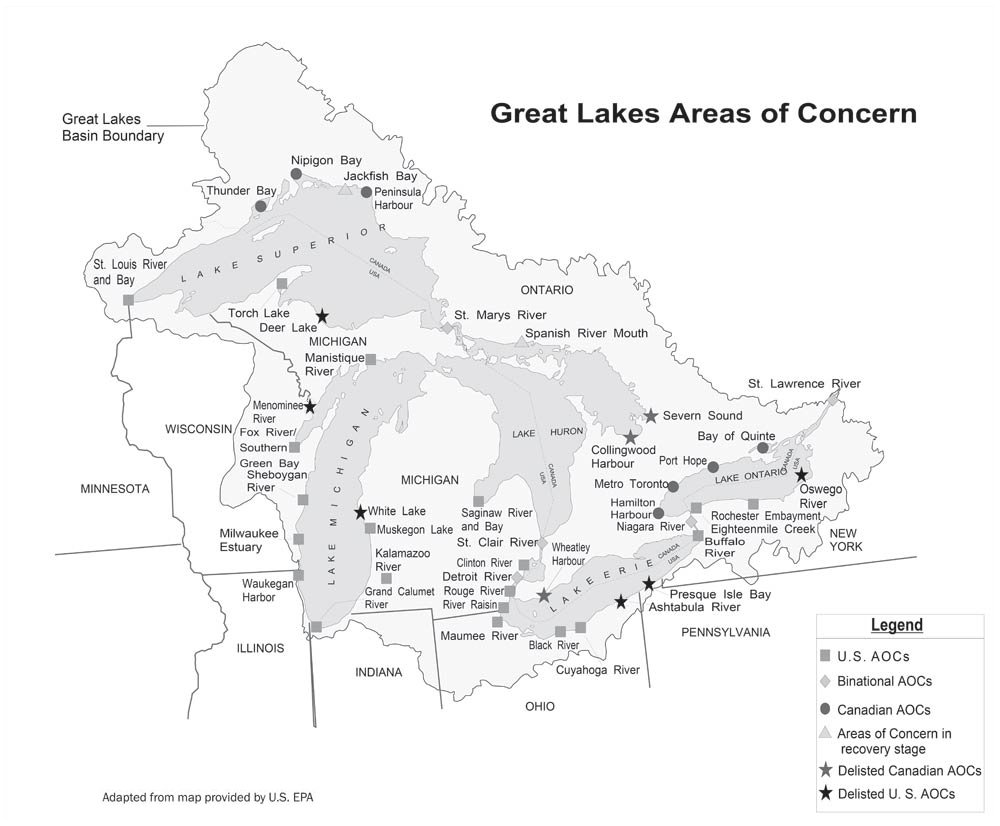
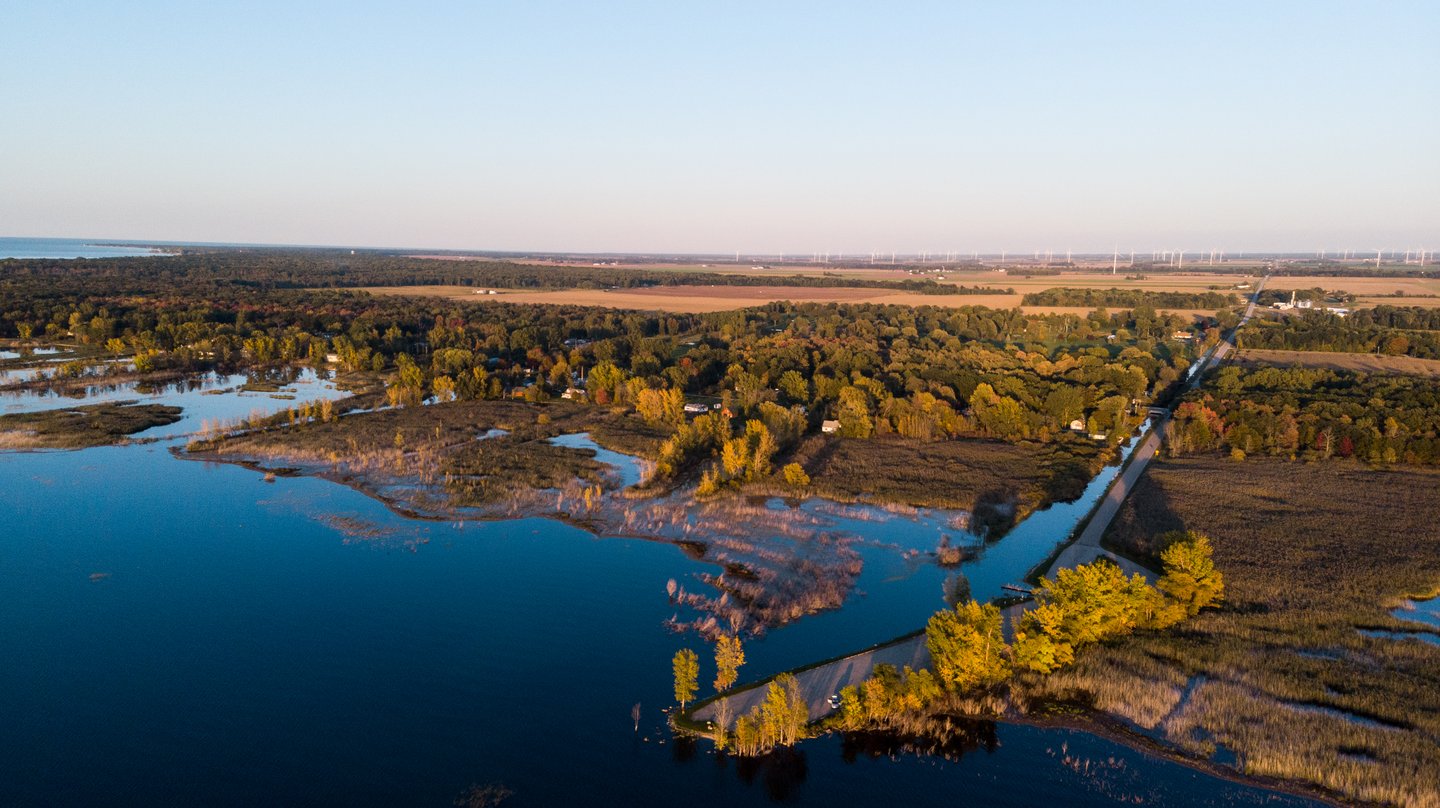
By 2050, humanity will need to produce 10 times more food each year than all the food ever produced throughout the history of humankind. However, current “best-practices” are wholly unsustainable. Agricultural run-off is leading to toxic algal blooms in our Great Lakes, and the prophylactic application of pesticides on agricultural landscapes has been linked with biodiversity loss, including declines in birds and pollinators. Around the world, arable land is being gobbled up by development, while new, pristine land and forests are converted to monoculture cultivation. Small-scale farmers experience difficulty entering the market and are often forced to consolidate with large-scale operations just to break even. The pandemic has exposed the fragility of global food economies that were designed for maximizing profits and feeding the masses but at a high environmental cost. We need a vision to reimagine sustainable food production because continuing with business as usual is no longer an option.
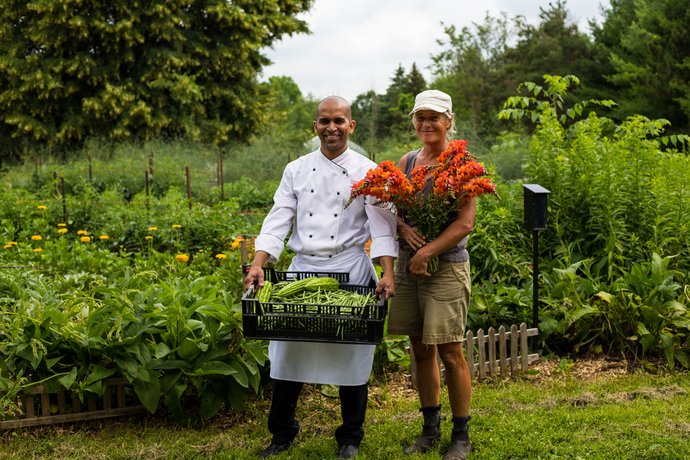
Our paper argues the 2020s can be a transformative decade for human interaction with the environment. We present an agrosystem approach that is inspired by the United Nations’ 17 Sustainable Development Goals. The agrosystem model we propose is defined to promote regenerative agriculture, an integrative approach that provides greater resilience to a changing climate, reverses biodiversity loss, and improves soil health; honors Indigenous ways of knowing and a holistic approach to living off and learning from the land; and supports the establishment of emerging circular economies and community well‐being.
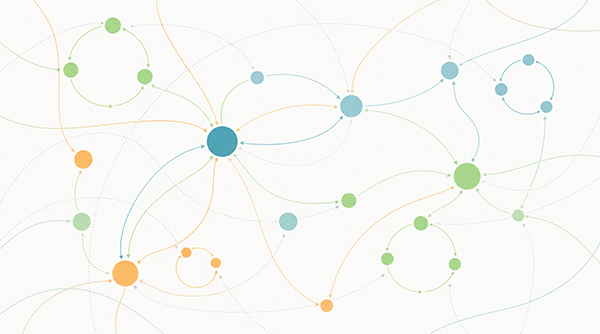
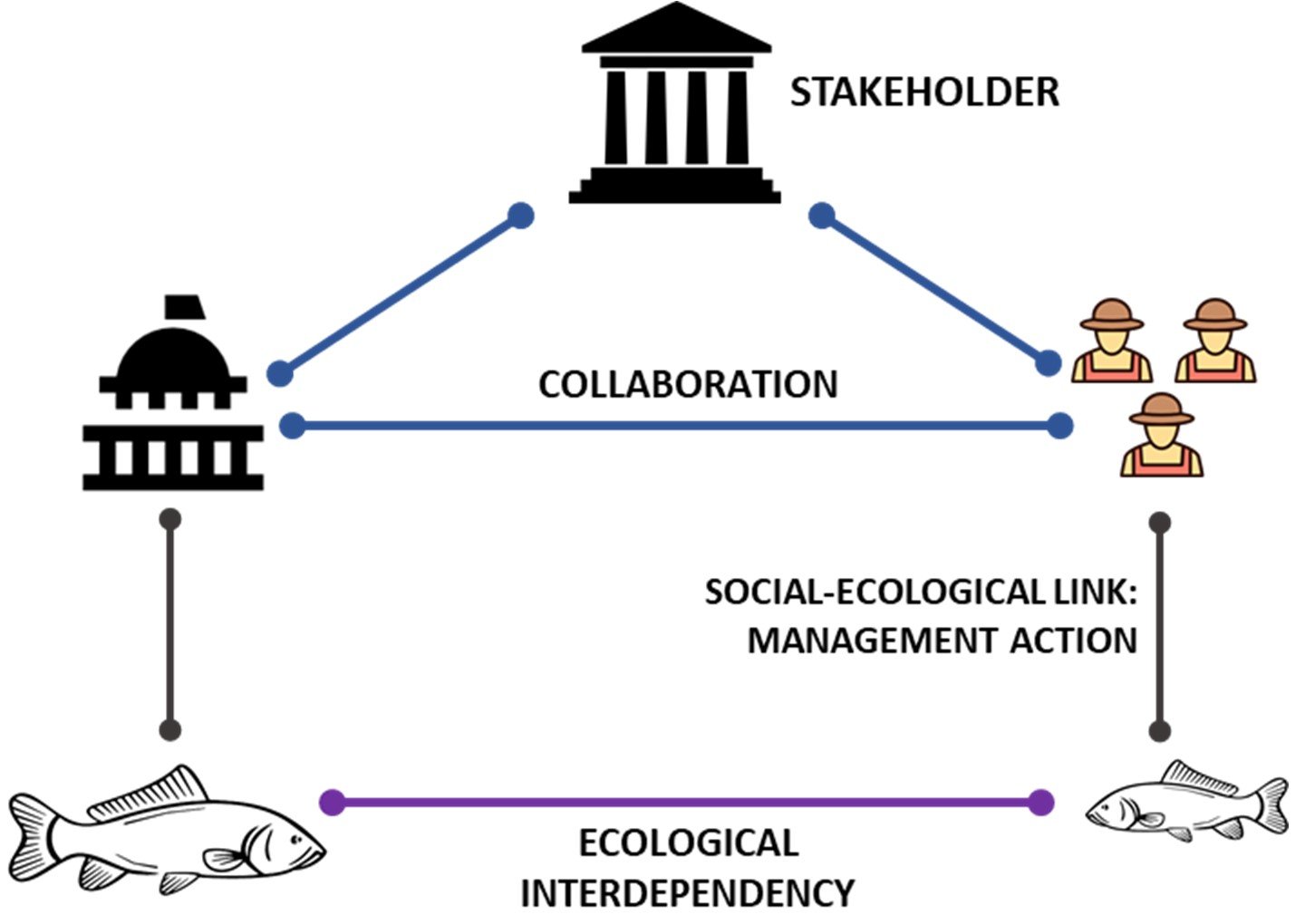
To truly develop a regenerative and nourishing food system in the Great Lakes that will feed humanity by 2050, we need to go beyond individualistic approaches and adopt community-centric approaches that create a sustainable path for the future. Creating unity of vision requires unity in action.