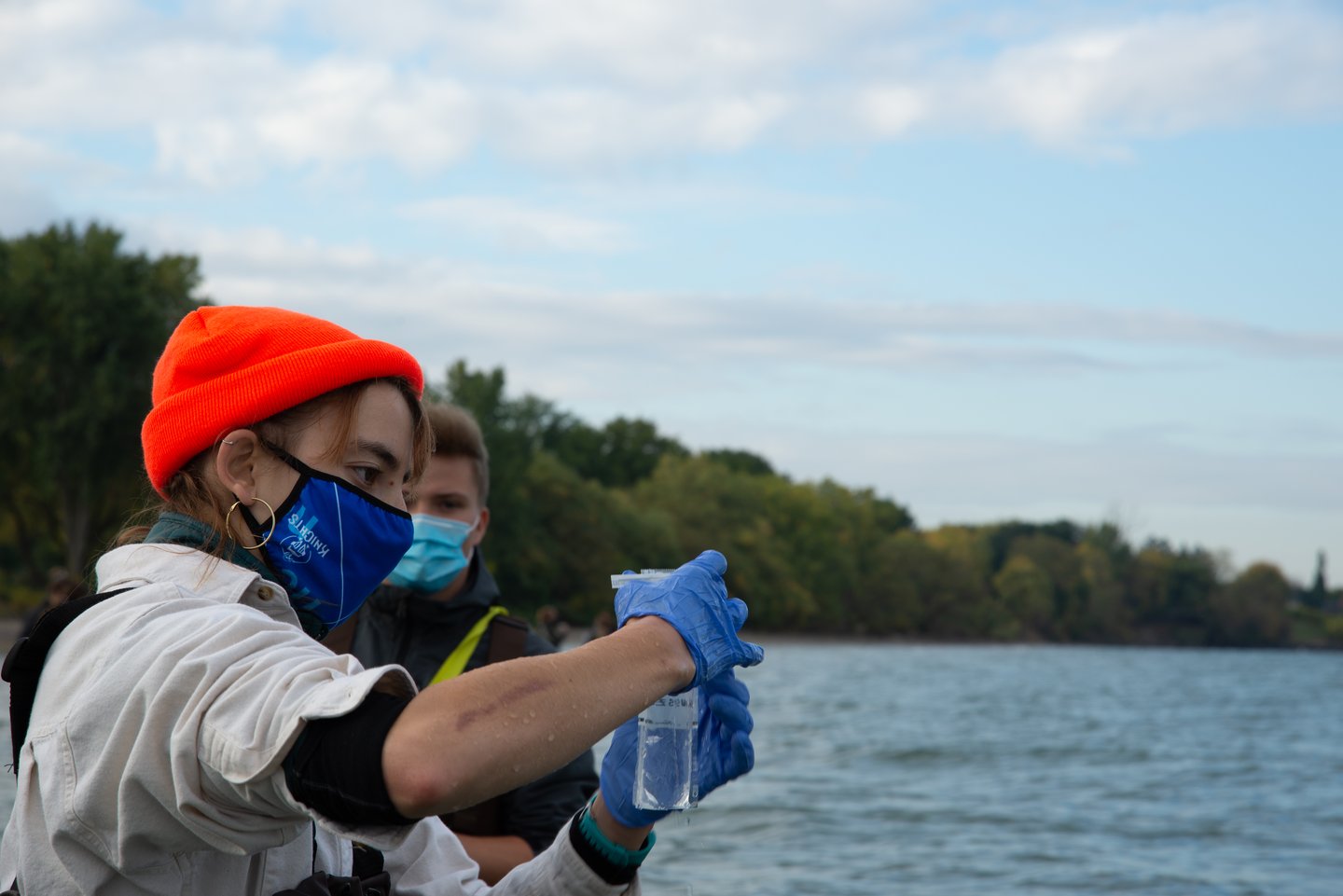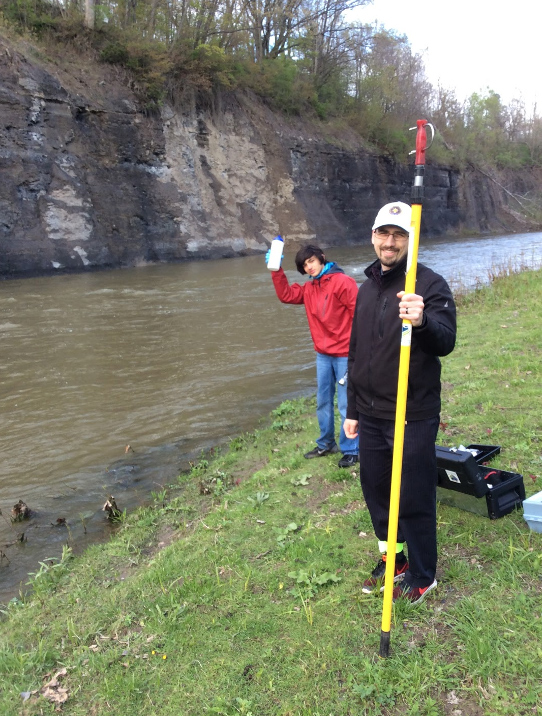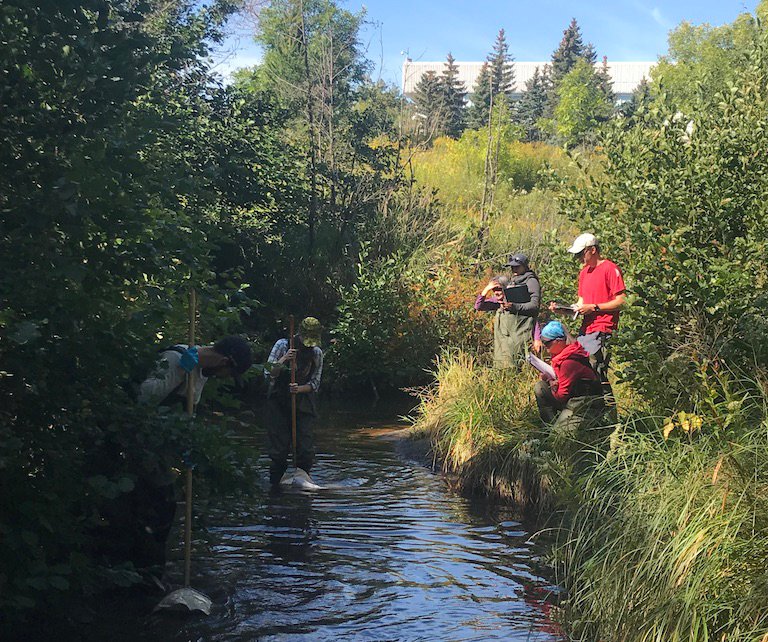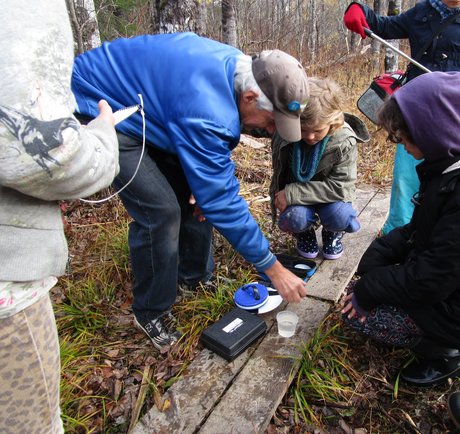
Community science is often described as monitoring conducted by amateur scientists that can help to advance scientific research and understanding. As this issue of Lakes Letter attests, community science has become more popular with researchers and agency environmental monitoring programs over the years. This is due to several reasons. Monitoring activities can be both time- and resource-demanding, and efforts are often reduced or abandoned when program budgets fluctuate. In addition, the vast size of the Great Lakes Basin makes it difficult for agencies to effectively cover the area in a cost-effective manner.
Thanks to technological advancements that make it easier to collect, analyze, and report certain environmental data (e.g., via smart phones and new sensors), monitoring can now be efficient, accurate, and accessible. Such advancements make it possible for community science to increase the availability of temporal and spatial data needed by agencies to assess watershed and lake conditions and to anticipate future environmental changes. Further, people are curious about the land and water resources around them and want to protect and preserve the places they love. This simultaneous increase in ability and desire of the public to engage in science efforts, as well as their influence on resource management policy, provide a unique opportunity to involve communities in robust data collection.
Yet these data must meet certain standards to be widely incorporated into monitoring programs. Currently, we lack a clear understanding of what these data standards are for the agencies and academics that would benefit from their use. We need to develop a roadmap and mechanism to ensure that both providers and potential users are speaking the same language. Ultimately, there is a need to develop a user-friendly community science handbook that summarizes best practices from existing materials and provides a tool to develop and deploy a robust and reliable monitoring network. There are a few guidebooks and websites to inform community science, but not all are targeted specifically at water monitoring in the Great Lakes Basin, and they vary in the level of detail provided.
As a result, the International Joint Commission will be soliciting proposals via the State Department’s RFP/work plan systems to identify a team to review existing community science materials, resources, and opportunities; identify potential roadblocks to conducting community science; develop a summary of requirements on “credible data” across the Great Lakes; and provide a framework for the future development of a user-friendly community science handbook. This work plan highlights the need to review existing materials to not only identify best practices for use in the Great Lakes Basin but also to highlight common mistakes that prevent the long-term adoption of these monitoring efforts.
Finally, it is not uncommon for a community science program to be designed for one data collection purpose or audience. The goal of this effort would be to identify collection standards that could be used to meet numerous needs and end users (e.g., students, watershed groups, university academics, state and federal agencies, etc.). Regardless of level of rigor, community science programs offer the opportunity to engage younger and more diverse populations, which can contribute to enhanced understanding of environmental science as well as to greater diversity in the environmental sciences and resource management workforce.