The summer of 2020 saw unprecedented numbers of people turning to their local waters as the COVID-19 pandemic forced them to find new ways to connect with their surroundings and with each other. The pandemic has taught us that few things are as important as our health and the health of the world around us.
This summer of swimming has also helped us realize that safeguarding the waters we connect with can be a way of protecting our own physical and mental health. This is especially true when you consider that each year, an estimated 3.5 million people get sick after swimming in a waterbody that contains harmful bacteria or pollution.
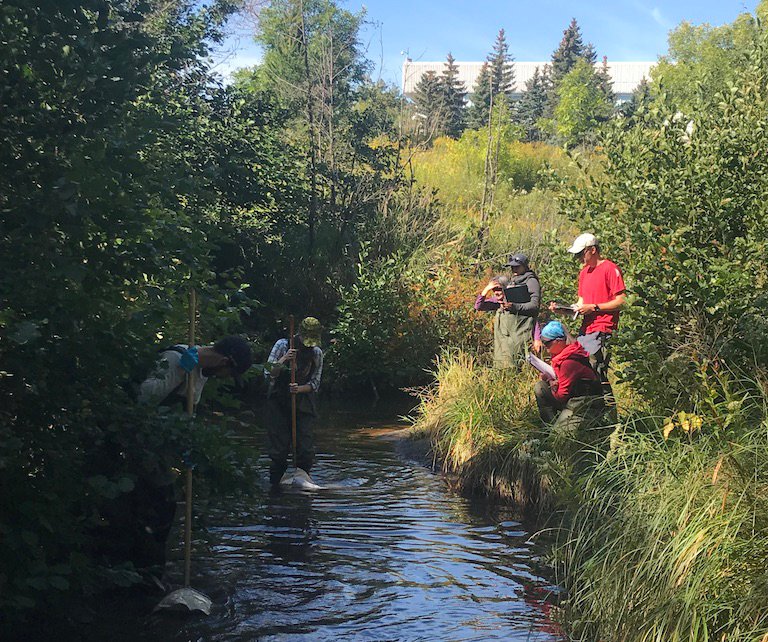
The most beloved spots where we enter the water are not always those that are regularly monitored by governments and health units. That’s why citizen scientists are sampling water in these popular but unmonitored places—so that we know when and where we can connect with our local waters, worry-free.
Citizen science has been providing data that help people make informed decisions about getting on or in the water since long before the pandemic, however. Over the decades, citizen science has demystified the scientific process and democratized the field so that amateur scientists can inform water literacy regarding development, pollution, and climate change. Citizen science encourages people to get outside and experience wilderness close to home. It provides a sense of belonging in and connection to our waters.
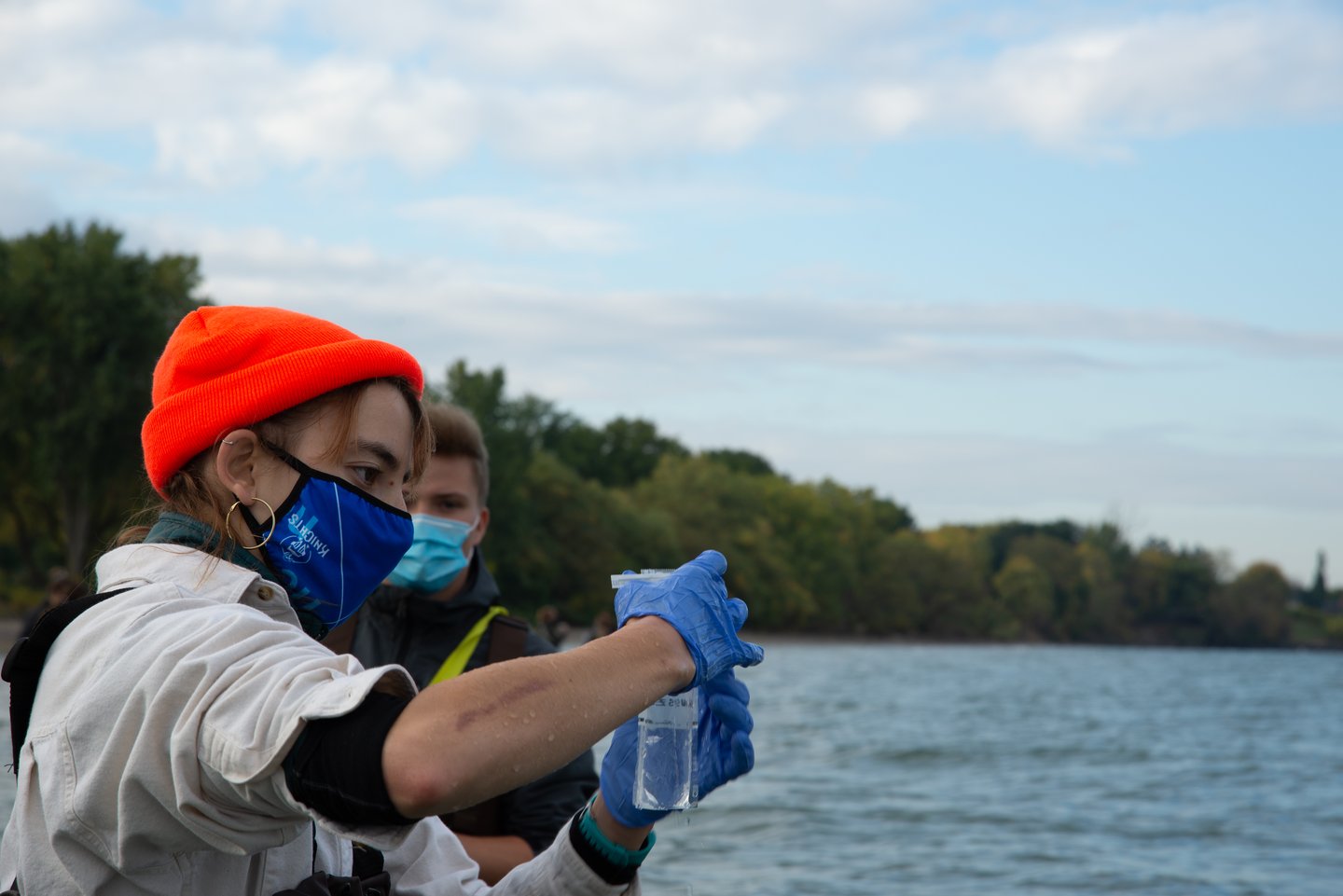
Citizen scientists stepped up to fill the gaps left in recreational water quality monitoring so people knew when and where they could enjoy their local waters and find solace during a difficult year.
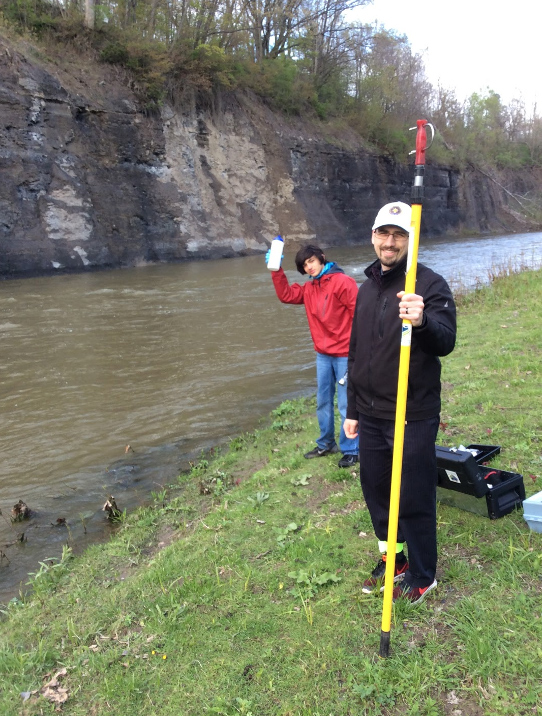
One prime example is the network of citizen science hubs run by Swim Drink Fish. Thanks to funding from Environment and Climate Change Canada's Great Lakes Protection Initiative over the last four years, the organization runs four citizen science monitoring hubs in Ontario on the Great Lakes: the Toronto Hub (launched in 2016 by Lake Ontario Waterkeeper), the Zhiibaahaasing First Nation Hub (launched in 2018 and hosted by Zhiibaahaasing First Nation), the Lake Erie–Niagara Hub (launched in 2019 and hosted by the Niagara Coastal Community Collaborative), and the Kingston Hub (launched in 2020 by Lake Ontario Waterkeeper).
These hubs do more than just share water monitoring results with recreational water users and connect people to water. They also create yearly reports that highlight ways to restore, protect, and promote our waters. Citizen scientists are highly trained. They are given the resources they need to collect reliable data. Citizen science is authentic science, resulting in reliable data that inform policy and give meaning and force to environmental laws and protections.
Swim Drink Fish’s citizen science monitoring hubs are shifting our perception of science by blending technology, advocacy, conservation, storytelling, and education with research to enact real change for our water. The past unprecedented year has proven how imperative citizen science is. Even as our citizen science water monitoring hubs faced more challenges this year than in any previous year, their work only became more important, and the value of their efforts only became more obvious.
Due to COVID-19, the start date of the monitoring season was delayed, and sampling capacity was reduced. Social distancing requirements meant that fewer volunteers could help out compared to previous years, and there were less opportunities to formally engage with the communities.
But the hubs were up to the task. As governments and health units turned their attention to the front lines of the pandemic, hub coordinators and citizen scientists stepped up to fill the gaps left in recreational water quality monitoring so people knew when and where they could enjoy their local waters and find solace during a difficult year.
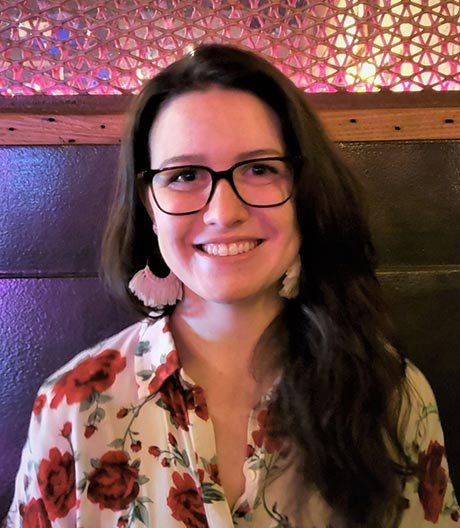
“In Kingston, we have a lot of access to the waterfront, and people accessing the water, and it’s only increasing,” notes Hannah McDonald, Kingston monitoring coordinator. “I saw more people outside, and more people getting out on the water, especially this summer during COVID-19.”
Water quality monitoring this past summer was not only important to those using the water and the hub coordinators, but also for volunteers and the community. The people who volunteered often took further steps to protect their water on their own. In Toronto, many of these volunteers were avid swimmers, scuba divers, and other recreational water users. One volunteer who frequently swam at Kew-Balmy Beach noticed that water quality was failing there. She started seeking out more information on combined sewer overflows and connected with her city councillor to learn more.
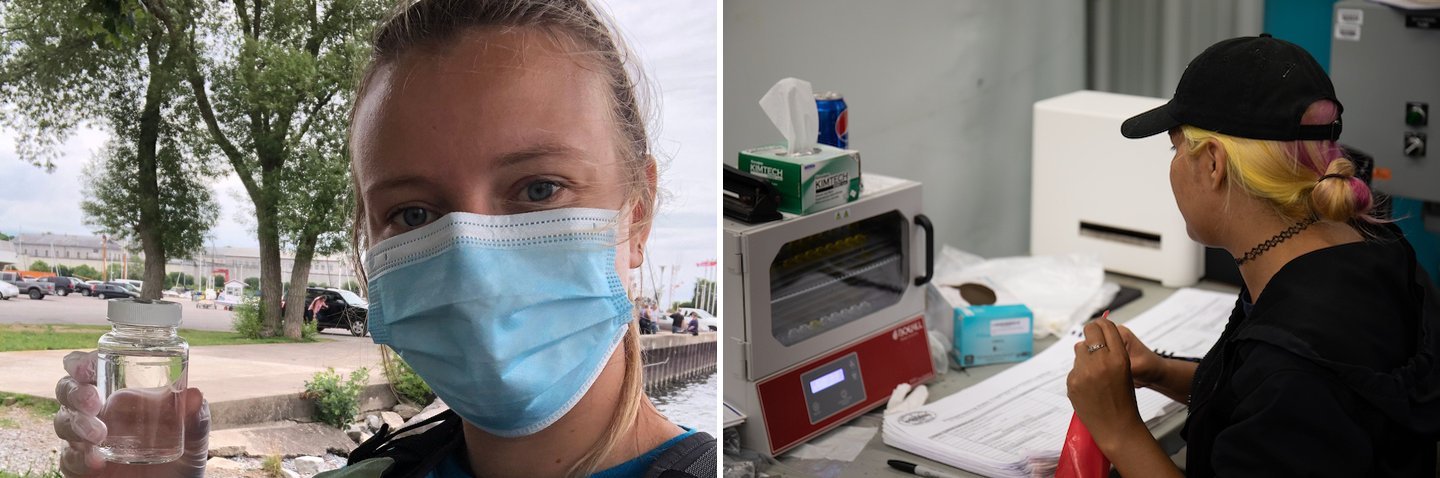
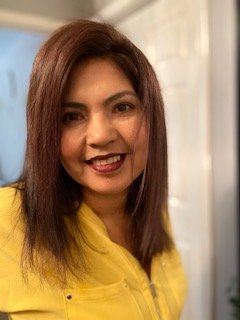
On a community level, citizen science hubs provide water literacy for communities so that they can not only safely interact with their local waters, but also safeguard them. Chelsea Antoine, the community hub coordinator for Zhiibaahaasing First Nation notes, “With COVID, I’ve seen people at the beaches every weekend, and a lot of people started camping out at the beach. I’ve helped my community become more informed, and the more they’ve become informed, the less litter I've found at the beaches.”
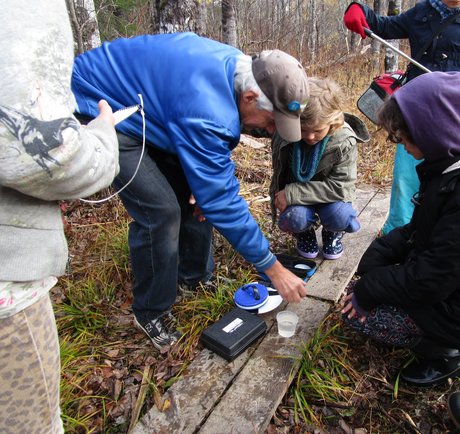
Though the hubs were resilient during this challenging summer, COVID-19 showed how crucial citizen scientists are to community water monitoring. With fewer (or in some cases no) volunteers at the hubs, monitoring felt more difficult, less impactful, and less engaging. However, COVID-19 didn’t fully halt community engagement. As the season progressed and COVID-19 restrictions lessened in some areas, hub coordinators were able to engage with their community once again. Near the end of the season, the Lake Erie–Niagara hub safely hosted a Niagara College youth engagement event for 48 eager participants over the course of several days. This is more than double the number of the previous year.
The hubs were also able to virtually engage new citizen scientists by training them how to use Gassy, an AI tool that is learning to identify pollution, debris, wildlife, and people in the water. By uploading photos of trash, plastic bottles, ducks, fish, swimmers, paddlers, and more, users can become the eyes and ears of their water and contribute to our growing water health database.
So many of us believe that our waters must be restored and protected but are unsure of where to start. Citizen science monitoring hubs are one of the best ways a passionate individual can have a positive impact on their waters. By becoming a citizen scientist, anyone can help gather important water quality data and share invaluable information with their community.
We invite you to get involved with our citizen science hubs. Visit Swim Drink Fish for more information.