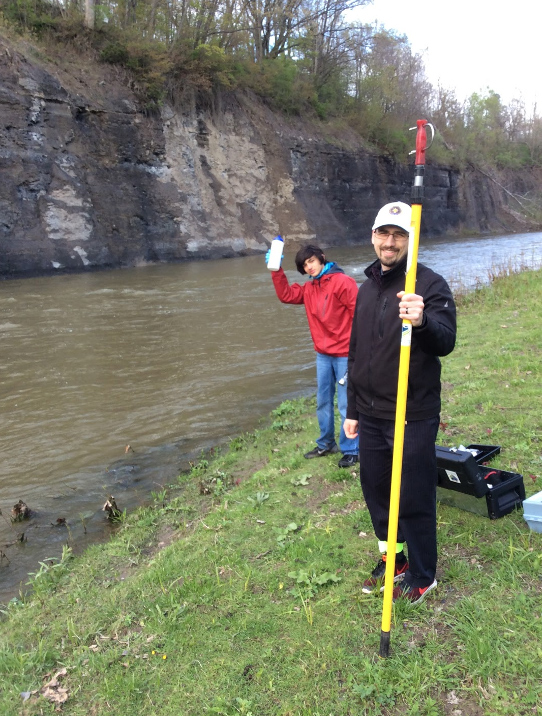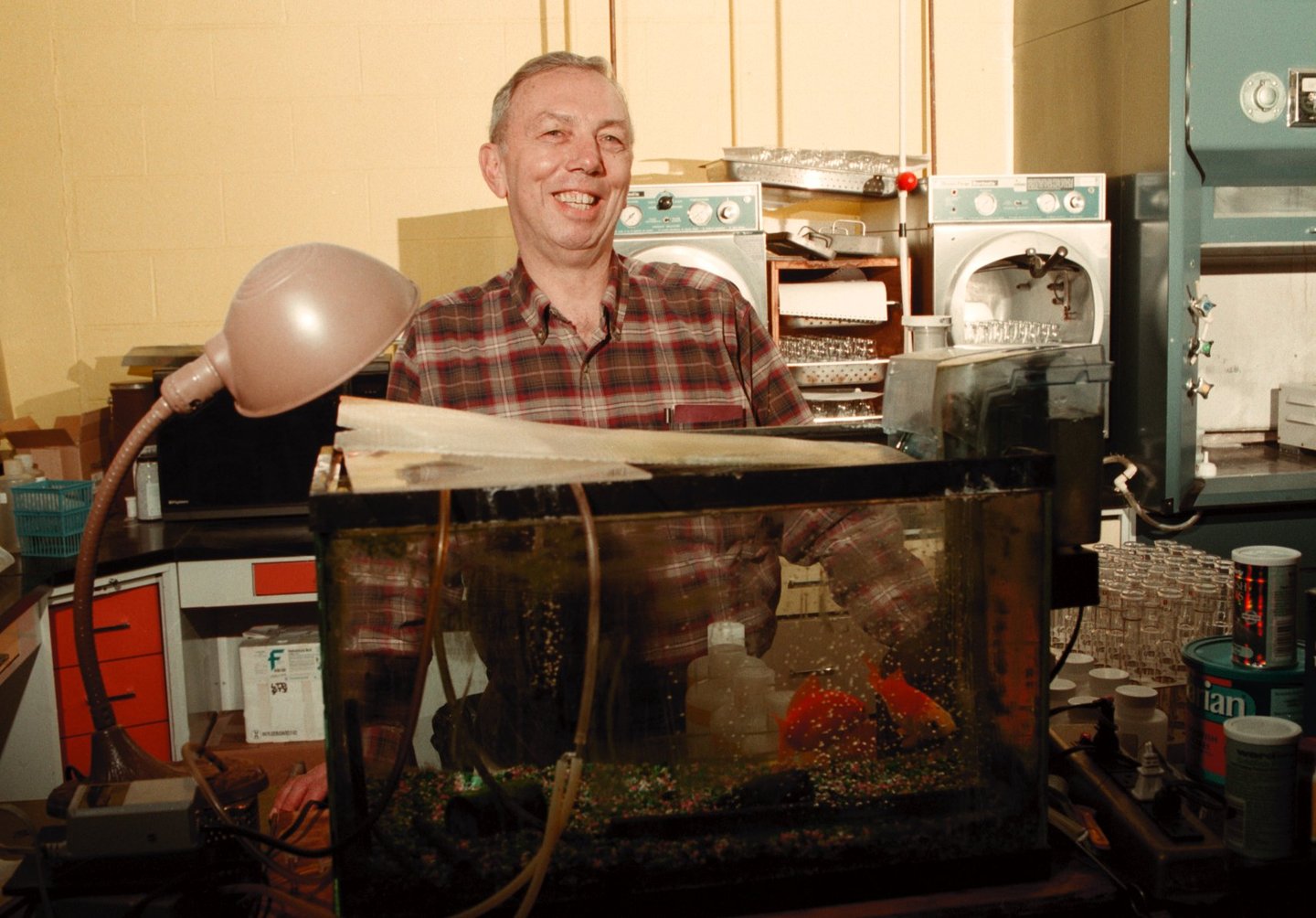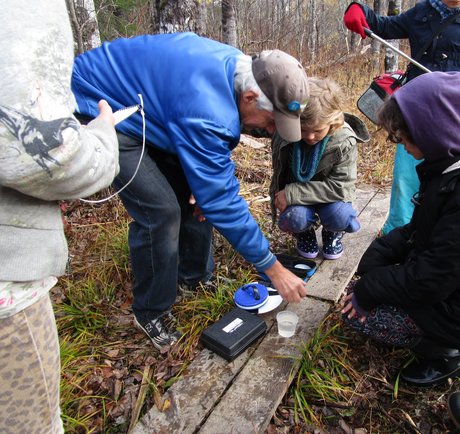
“While testing in Bancroft this past week, we met a retired environmental science professor who had also done work with the Ministry of Environment during his long career. He was saying how happy he was to know that this sort of citizen science was happening and how important it was to be doing this given all the cutbacks in government services he had witnessed over his 40 years working in this field. He seemed inspired to learn more about this and perhaps get involved with WR from his cottage on a nearby lake. Keep on testing, testers. We never know where the ripples we’re making in the water will land.”
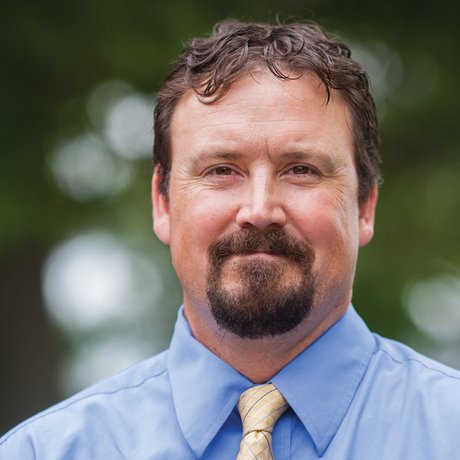
Don Ross, County Sustainability Group, Prince Edward County
Born out of a belief that all people living in Canada have the right to participate in freshwater conservation, Water Rangers is a nonprofit organization that empowers people to do just that. It all started when, in 2014, Kat Kavanagh helped her father test the water at their family’s cottage on Lake McGlashan, just north of Ottawa. After realizing that there was no easy way for the average person to organize and share water quality data like the kind she and her dad were collecting, Kat decided to use her skills as a web designer to help create one. In 2015, Kat and a team of other web designers and developers entered AquaHacking, competed with their idea for Water Rangers, and won. This marked the birth of Water Rangers, and the rest, they say, is history!
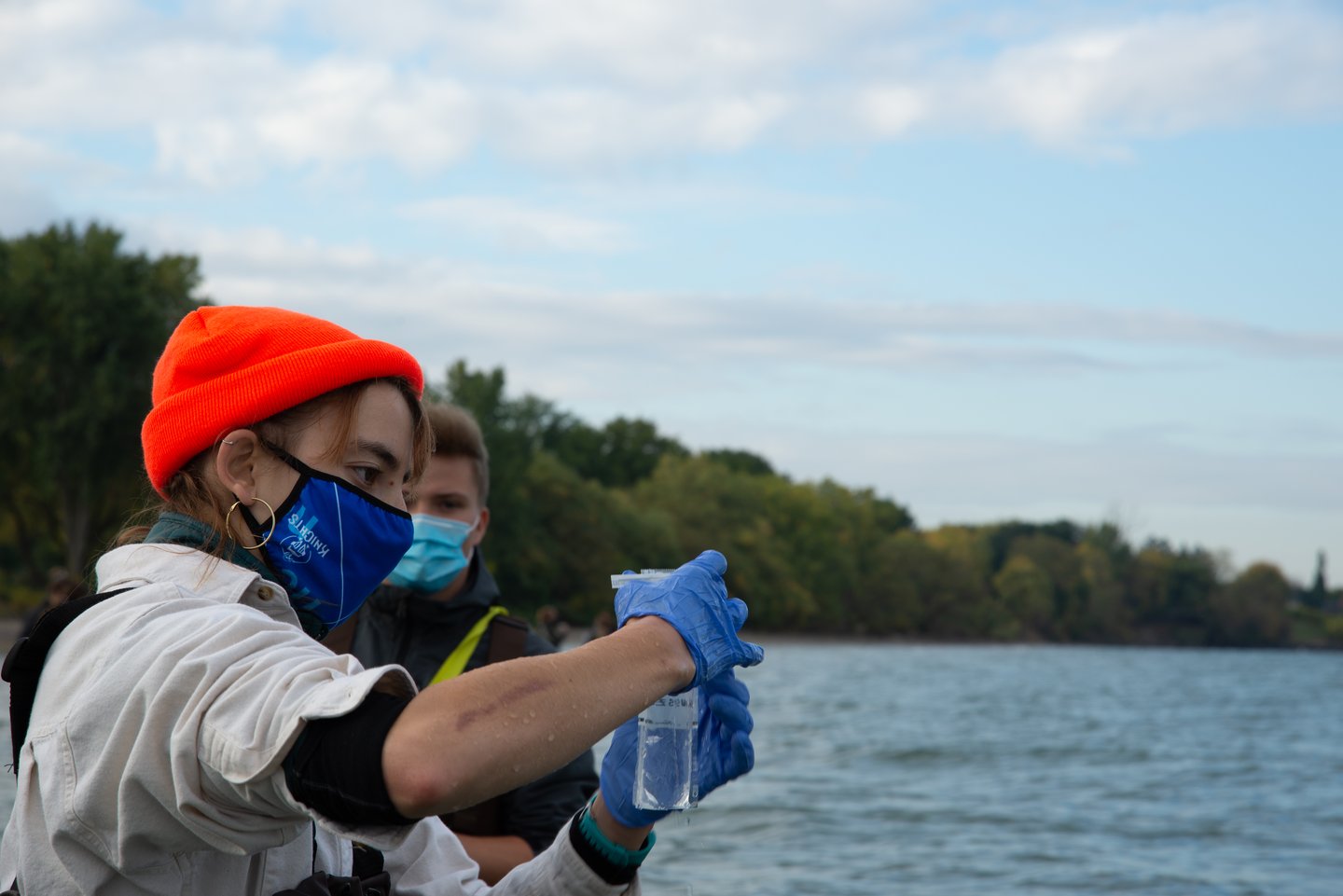
Today, Water Rangers’ website and app allow anyone to store and keep track of water quality data. They also work to empower communities with their affordable, easy-to-use testkits, which test for parameters like pH, conductivity, dissolved oxygen, and more.
Spotlight: Quinte Conservation Authority
One of Water Rangers’ most ardent supporters is Don Ross, a member of the County Sustainability Group (CSG), a community-based conservation group in Prince Edward County. In early 2020, Don saw an advertisement in Quinte Conservation’s newsletter, saying that Quinte could potentially leverage funding to support stewardship programs in the area. Don decided to jump on the opportunity; he responded to the newsletter and asked if Quinte could assist CSG with the costs of restocking their Water Rangers testkits. Quinte's education and stewardship coordinator, Maya Navrot, responded almost immediately, saying they would indeed be able to make this happen.
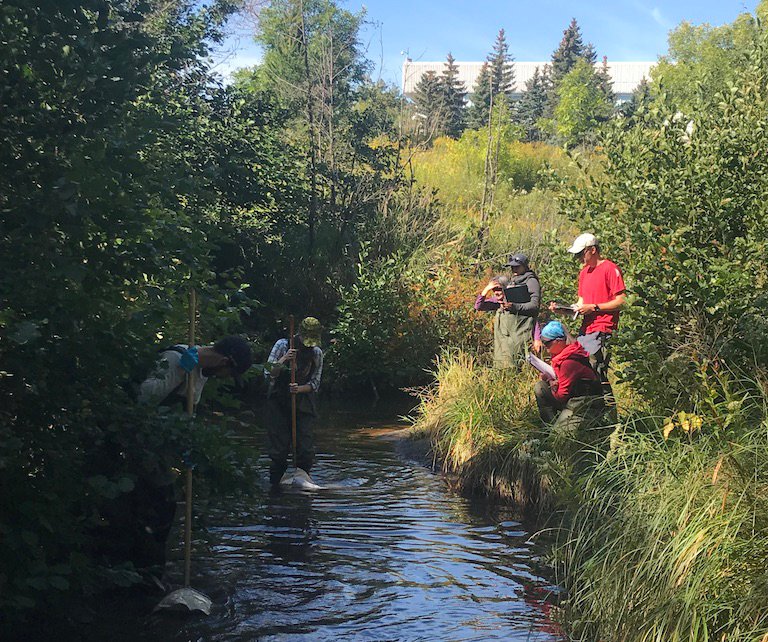
Supporting CSG’s water monitoring efforts would end up being incredibly valuable for Quinte that year since they had to reduce some of their own water monitoring efforts due to COVID-19. Absent any stringent public health restrictions, volunteers from groups like CSG could still test throughout the season as long as they were comfortable doing so, and that they did. Don and other volunteers in the area consistently uploaded data from more than 15 sites to Water Rangers’ platform between April and November of 2020. Since the platform is all open access, Quinte can conveniently retrieve these data at any time.
Later in the season, Quinte was able to supply Moira Lake Property Owners Association and Kennebec Lake Association with Water Ranger kits, too. As the pandemic helped show, CSG and other community-based water monitoring groups can help conservation authorities like Quinte fill data gaps when they emerge. For this reason and countless others, Water Rangers is excited to see community-based water monitoring continue to grow in the coming years.
What’s next?
In many ways, the pandemic exposed the hugely untapped potential of crowd-sourcing water quality data. Communities want to help look after water, and with the right tools, they can. This is good news for scientists and decision makers, too, since volunteers can help collect data across a wider geographic area than professionals can do on their own. Not only that, but with the right support, these data can be accessed more efficiently than ever before. In 2021, Water Rangers is joining forces with DataStream. This collaboration will mean that data uploaded to Water Rangers’ platform by community groups will feed into the new Great Lakes DataStream, where it will sit alongside those of other watershed groups, scientists, and government monitoring programs. Since the data are all shared openly, scientists can easily access these data to inform their research, while policy makers can use the data to inform their decision making.
To learn more and get involved, please visit waterrangers.ca and greatlakesdatastream.ca.