
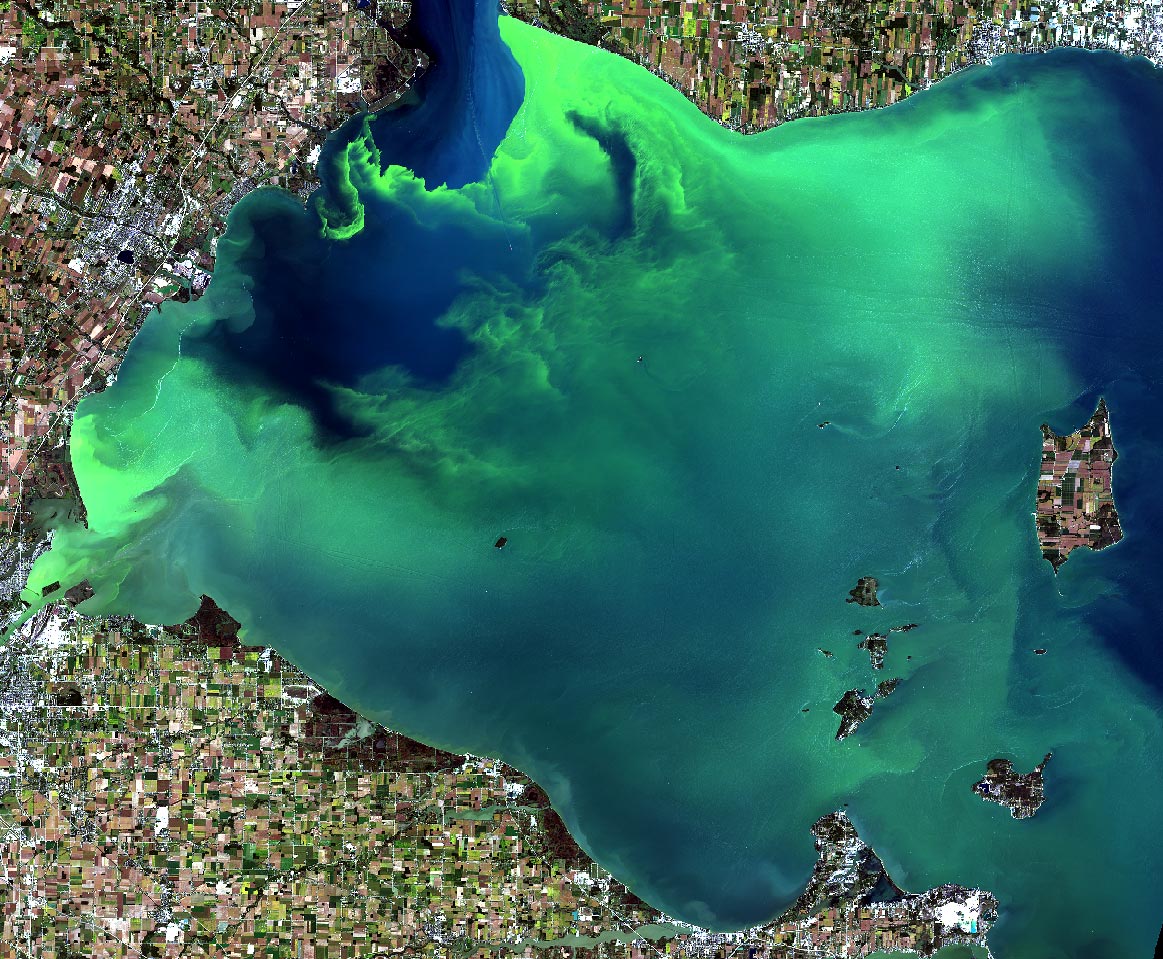
Seasonal surges and legacy deposits of nutrient pollution make Lake Erie the epicenter of yearly harmful algae blooms (HABs) large enough to be seen from space. This annual ecological crisis puts the health and well-being of the nearly 12 million people that rely on this great lake for their drinking water, recreation, or livelihood at risk. Lake Erie states are increasingly investing in solutions to reduce the nutrient pollution that drives these blooms, but often don’t have the information needed to strategically locate these projects, evaluate their effectiveness, or optimize their performance. Further, reduction in budget allocations in Michigan, Ohio, and New York are challenging the scope and sustainability of state agency water monitoring. These challenges produce significant limitations on the scope and granularity of water quality data collected across Lake Erie and its watersheds.
Fighting back against HABs
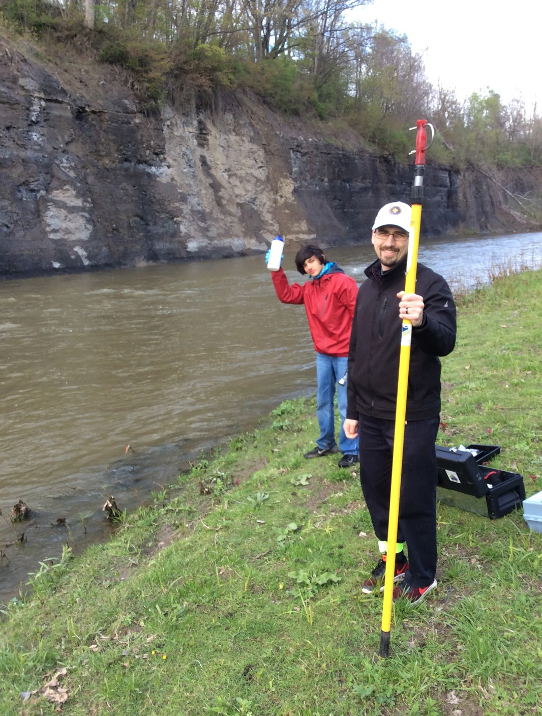
Citizen science (volunteer monitoring by community members) represents an important opportunity to expand our regional data collection capacity and address pressing water quality challenges like HABs. Lake Erie residents feel a powerful sense of connection to and responsibility for their water resources and are often willing to contribute their resources and time to that end. Local organizations have been harnessing this energy to monitor water quality in communities across the region for years.
However, these groups have typically developed in response to hyper-local management needs, resulting in a fragmented regional landscape of citizen science that approaches data collection, management, and use protocols on a watershed-by-watershed basis. Many of these groups continue to rely on physical data sheets and Excel-based data management, which severely limit accessibility and discoverability to external end users. As a result, it is difficult for government, academic, and industry actors to leverage the full scope of Lake Erie’s existing citizen science movement to address their most pressing research, decision making, and management needs.
Cleveland Water Alliance (CWA) is working to address these challenges through the Smart Citizen Science Initiative, a regional network of volunteer programs and community funders that support and accelerate community collection of Lake Erie Basin data. This network serves as a platform for driving regional citizen science innovation including piloting new technologies and implementing collective data standards. The initial three-year (2020–2022) effort is made possible by the support of the Great Lakes One Water (GLOW) Partnership, a collaboration of community foundations committed to solving Great Lakes water challenges.
To date, the Smart Citizen Science Initiative has engaged 12 volunteer water quality monitoring groups in a series of technology pilots, group visioning sessions, curriculum development projects, and other regional collaborations. These include Buffalo Niagara Waterkeeper, Cleveland Metroparks, Doan Brook Watershed Partners, Erie Soil and Water Conservation District, Friends of Euclid Creek, Huron River Watershed Council, Lorain Soil and Water Conservation District, Metroparks Toledo, Old Woman Creek National Estuarine Research Reserve, Rocky River Watershed Council, SUNY Fredonia, and Toledo Metropolitan Area Council of Governments.
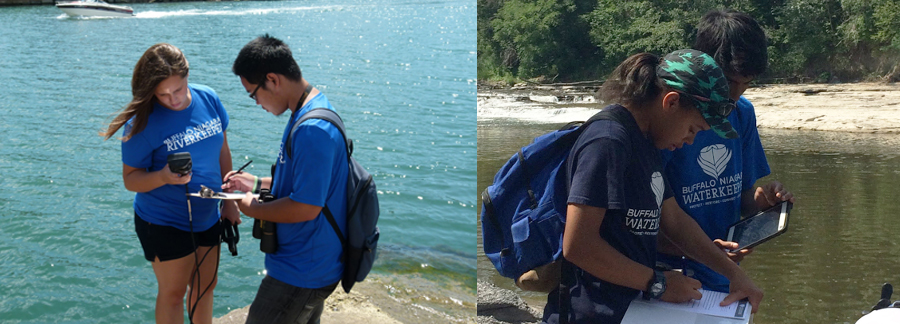
“Being a part of a Lake Erie-wide network of organizations and citizen scientists with the Smart Citizen Science Initiative is exciting, inspiring, and empowering,” notes Lisa Meranti, Watershed Volunteer Program Coordinator, Cleveland Metroparks. “Contributing to something that can have significant collective impact is very motivating.”
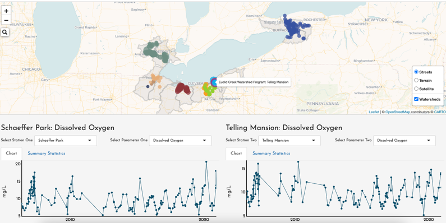
Throughout the last year, CWA partnered with The Commons to provide access to their data platform, Water Reporter. With features such as volunteer vs. organizer profiles, built-in QA/QC permissions, and a mobile app for field data upload, the Water Reporter platform is set up to enable organizations to leverage the power of volunteer monitoring to produce meaningful data that are structured and interoperable. The Commons has even worked with CWA to create a unique web widget that allows users to visualize, explore, and download data from Local Champions across the Lake Erie Basin. Now, community groups, researchers, and decision makers can easily access and leverage the data.
These tools will be backed up by a set of standards for the collection, management, and use of Lake Erie citizen science data. These Smart Lake Standards will aim to formalize operating procedures and best available technology to provide an accessible framework for elevating the credibility of citizen science data. The creation of Smart Lake Standards will enable consistent, high-quality monitoring of key parameters across the region, enable wider use and comparability of currently available citizen science data, and allow rapid piloting of new data collection technologies against agreed-upon benchmarks. Further, Smart Lake Standards will provide a framework for collaborative regional research projects, comparison of locally collected data, and establishment of new community monitoring programs.
CWA is currently convening key experts and decision makers spanning academic and federal research institutions as well as state environmental agencies to support this work. These advisors will support CWA and the Smart Citizen Science network in designing and executing the first iteration of these standards by early 2022.