Over a quarter of Canada’s population lives within the Great Lakes Basin. This transboundary watershed holds one-fifth of all the surface fresh water on Earth and is under increasing pressure from growing urban populations. Threats including pollution, habitat fragmentation, and overuse of water directly degrade freshwater ecosystems and therefore impact the local economy, quality of life, and environment.
One of the major concerns with these threats is that three out of the eight Canadian sub-watersheds are data deficient for a variety of ecological health metrics, one being benthic macroinvertebrates. These data deficiencies remain severely problematic for understanding responses to threats.
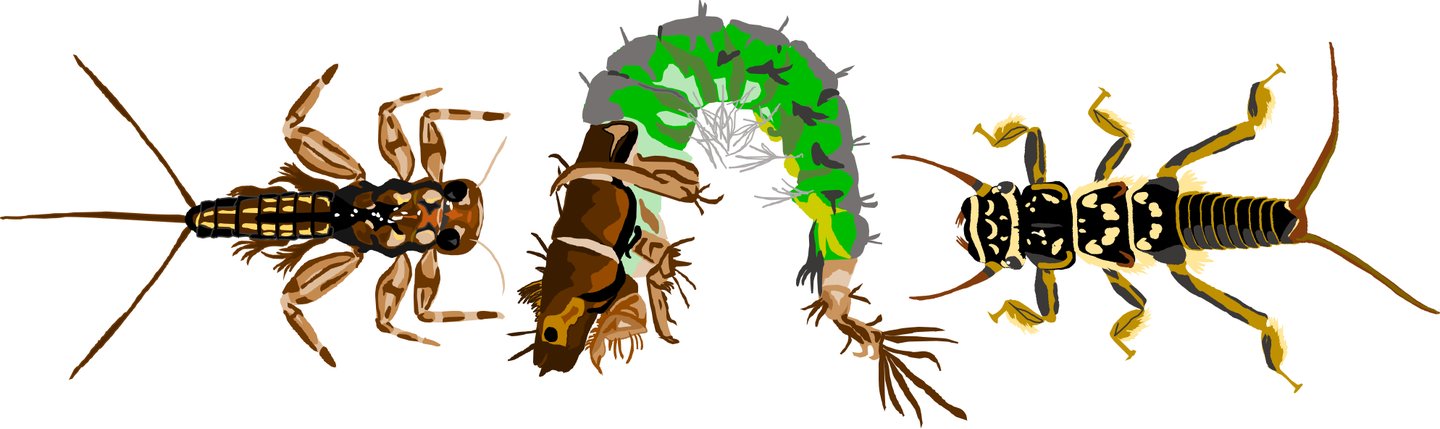
Benthic (i.e., bottom-dwelling) macroinvertebrates can provide us with a great deal of information regarding water quality of freshwater systems. Groups of macroinvertebrates, including mayflies (Ephemeroptera), stoneflies (Plecoptera), caddisflies (Trichoptera), and dragonflies and damselflies (Odonata) have different levels of sensitivity to factors such as water pollution and oxygen availability, meaning they are ideal biological indicators of freshwater health.
The STREAM solution
There is an urgent need for rapid, standardized, accurate, and accessible monitoring techniques to better understand change given the increasing threat of degradation and biodiversity loss in freshwater ecosystems. To tackle these data deficiencies, the STREAM (Sequencing the Rivers for Environmental Assessment and Monitoring) project was launched. Headquartered at the University of Guelph, the main objective of STREAM is to rapidly generate baseline benthic macroinvertebrate DNA data from across Canada through community-based biomonitoring.
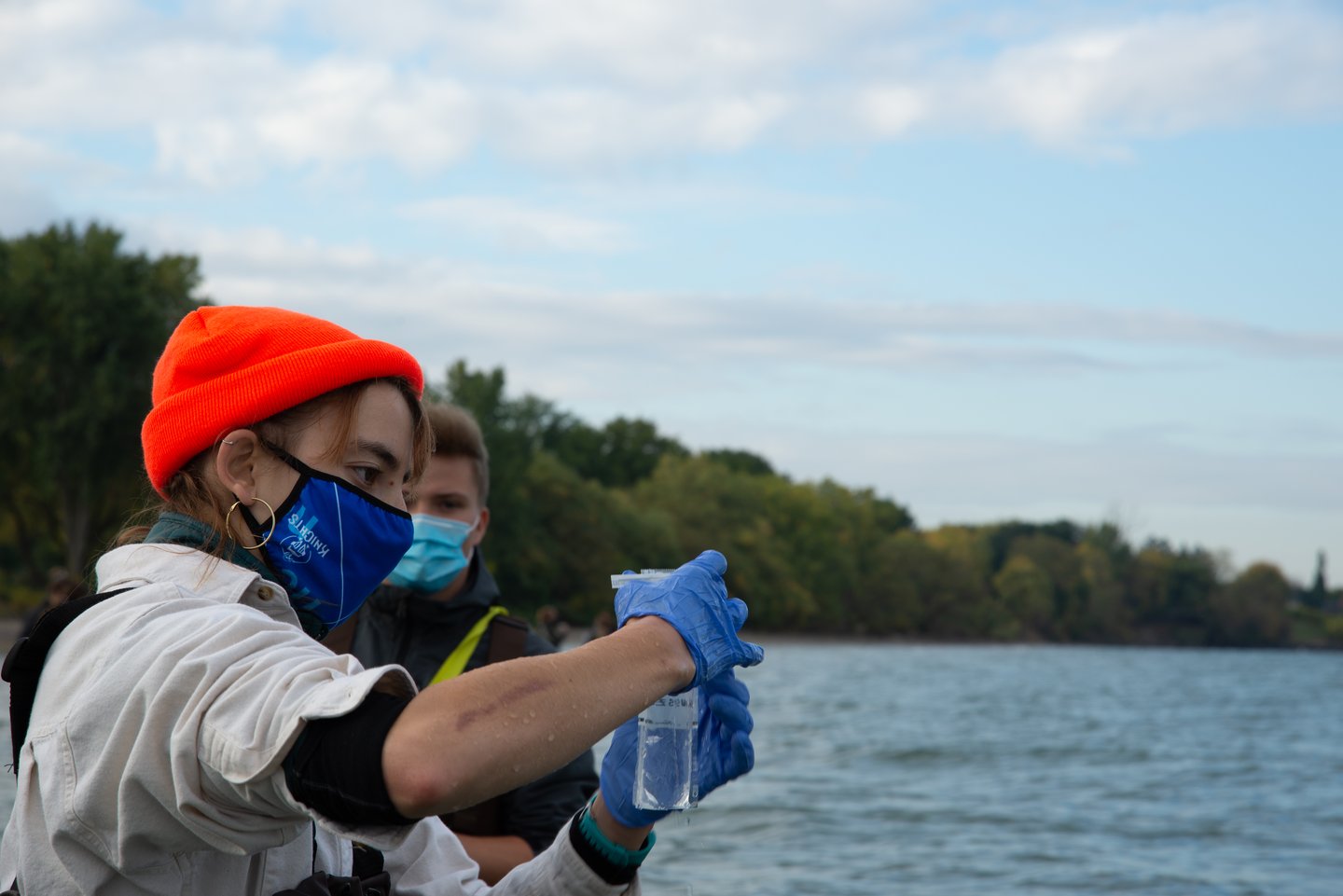
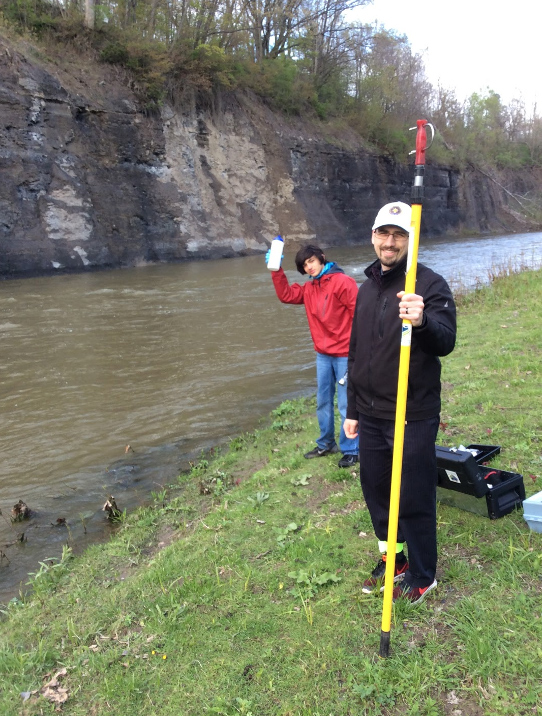
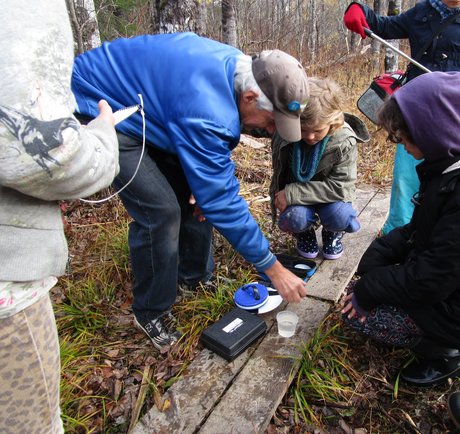
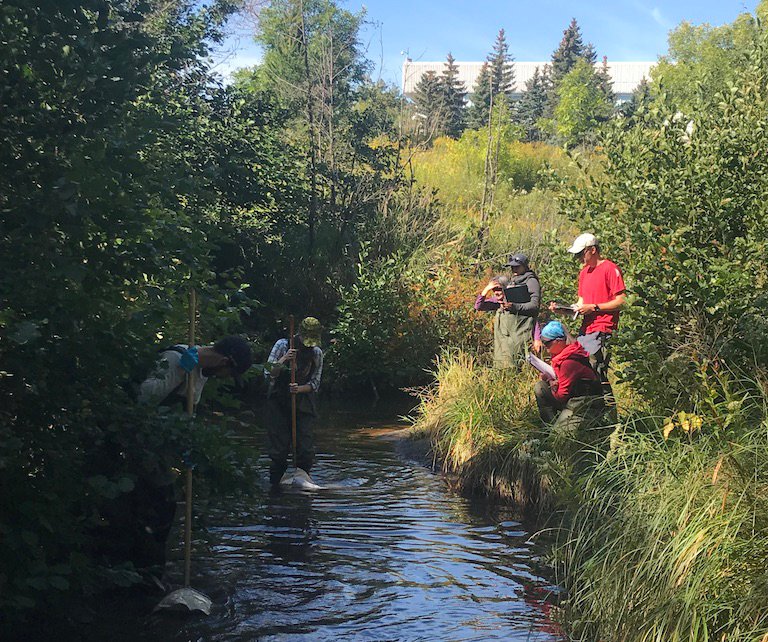
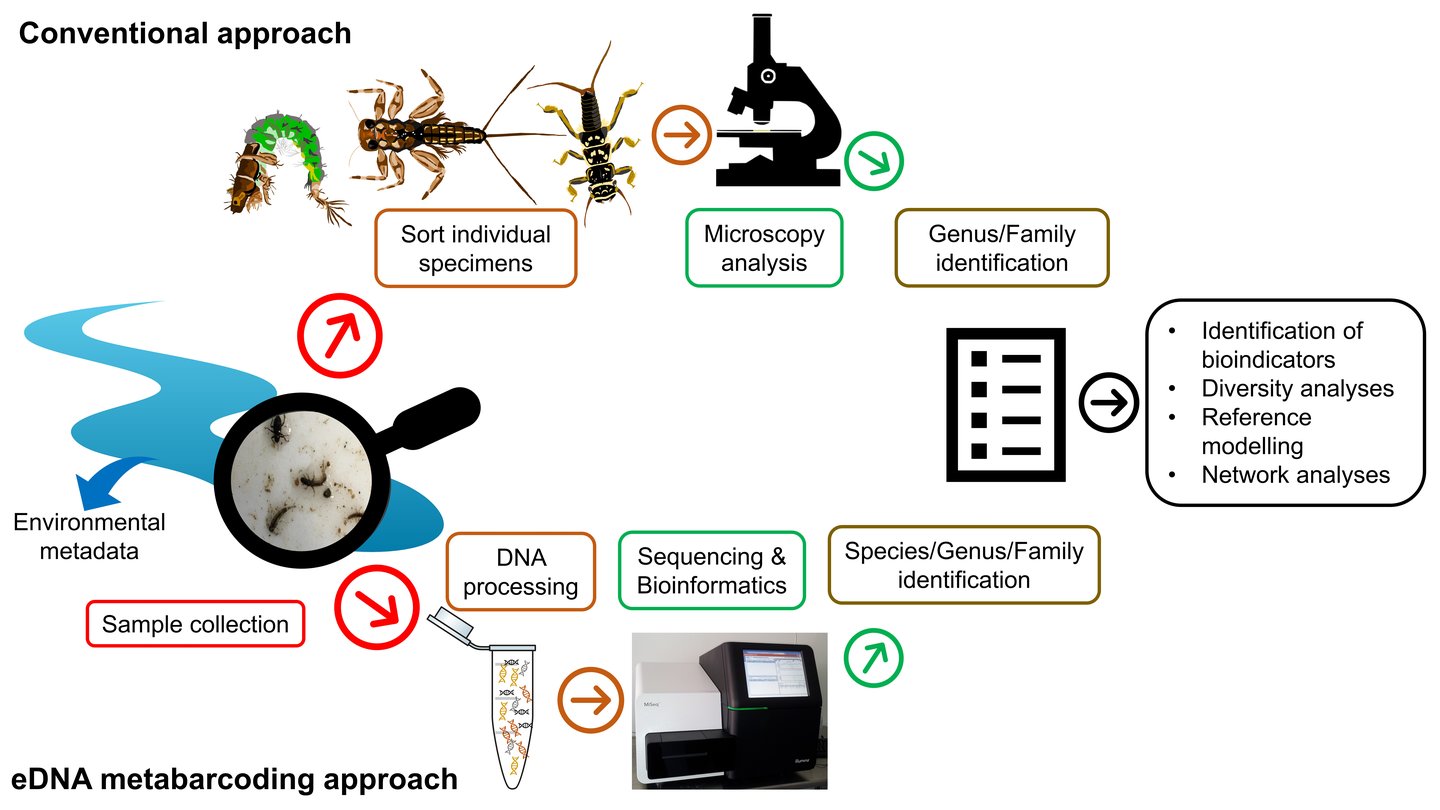
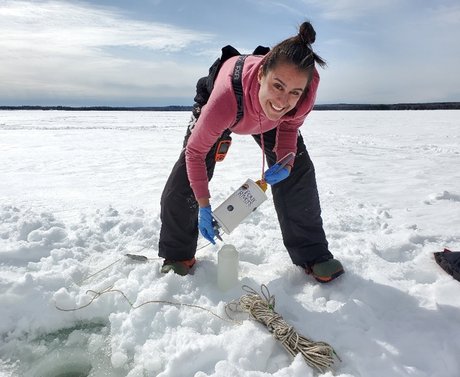
STREAM was established in 2018 through a grant from the Government of Canada via Genome Canada and Ontario Genomics. This project is a national multi-stakeholder collaboration between the University of Guelph, World Wildlife Fund Canada, Living Lakes Canada, and Environment and Climate Change Canada. STREAM has partnered with community groups in Canada, including within the Great Lakes Basin, to collect these benthic samples using standardized Canadian Aquatic Biomonitoring Network (CABIN) kick-net protocols. CABIN-trained community members collect samples from their watershed and then send the samples to the University of Guelph for processing via a technique called DNA metabarcoding. This process involves generating hundred of thousands of DNA sequences from benthic samples, which are then matched against an extensive DNA library to determine which species are present.
STREAM in the Great Lakes Basin
Within the Great Lakes Basin, STREAM works with two community groups: Four Rivers Environmental Services (Thunder Bay) and Junction Creek Stewardship Committee (JCSC; Sudbury). Four Rivers Environmental Services provides support and technical services to the Matawa member First Nation communities and coordinates initiatives aimed to assist community-led environmental stewardship and natural resource management in Thunder Bay. JCSC is a dynamic organization focused on the restoration of a large urban waterway in the City of Greater Sudbury.
The study aim for both community groups is to establish baseline information on macroinvertebrate communities to inform future development and restoration decisions. Between the two groups, 14 sites have been sampled since 2019, and a total of 248 macroinvertebrate species have been detected. Of these species, the most common three detected across the sites include two species of Netspinning caddisfly and a species of non-biting midge.
JCSC is conducting multi-year studies to investigate how macroinvertebrate communities change over the course of the STREAM project. For the sites sampled in both 2019 and 2020, the richness (i.e., number of macroinvertebrate species) was mostly higher in 2020, with this increase consisting of a range of bioindicator species not detected in 2019. For the Four Rivers biomonitoring, 58 species of macroinvertebrate were detected in Tidy Creek, with nearly half of these being bioindicator species.
Establishing this baseline in the Great Lakes Basin is vital for understanding both water quality and how macroinvertebrate species respond to environmental stressors. Data are especially needed within Canada's Northwestern Lake Superior, Wanipitai and French (off Lake Huron's Georgian Bay), and Lake Ontario basins. Continued biomonitoring within the Great Lakes Basin will enable longer-term trends to be investigated to infer freshwater health status in relation to global threats such as climate change.
Interested in getting involved with STREAM? Please get in touch via our website to find out more about partnering with the STREAM project.