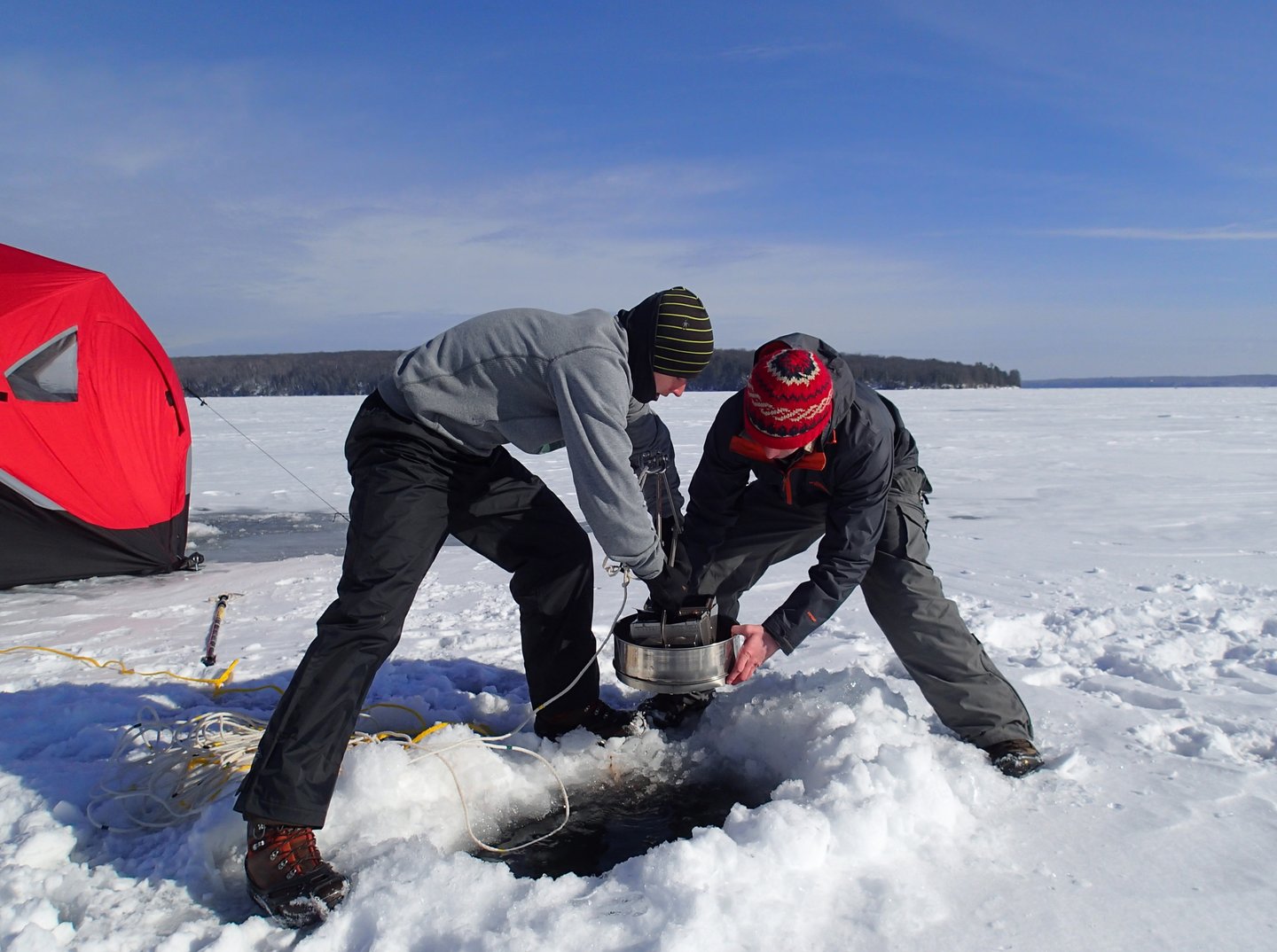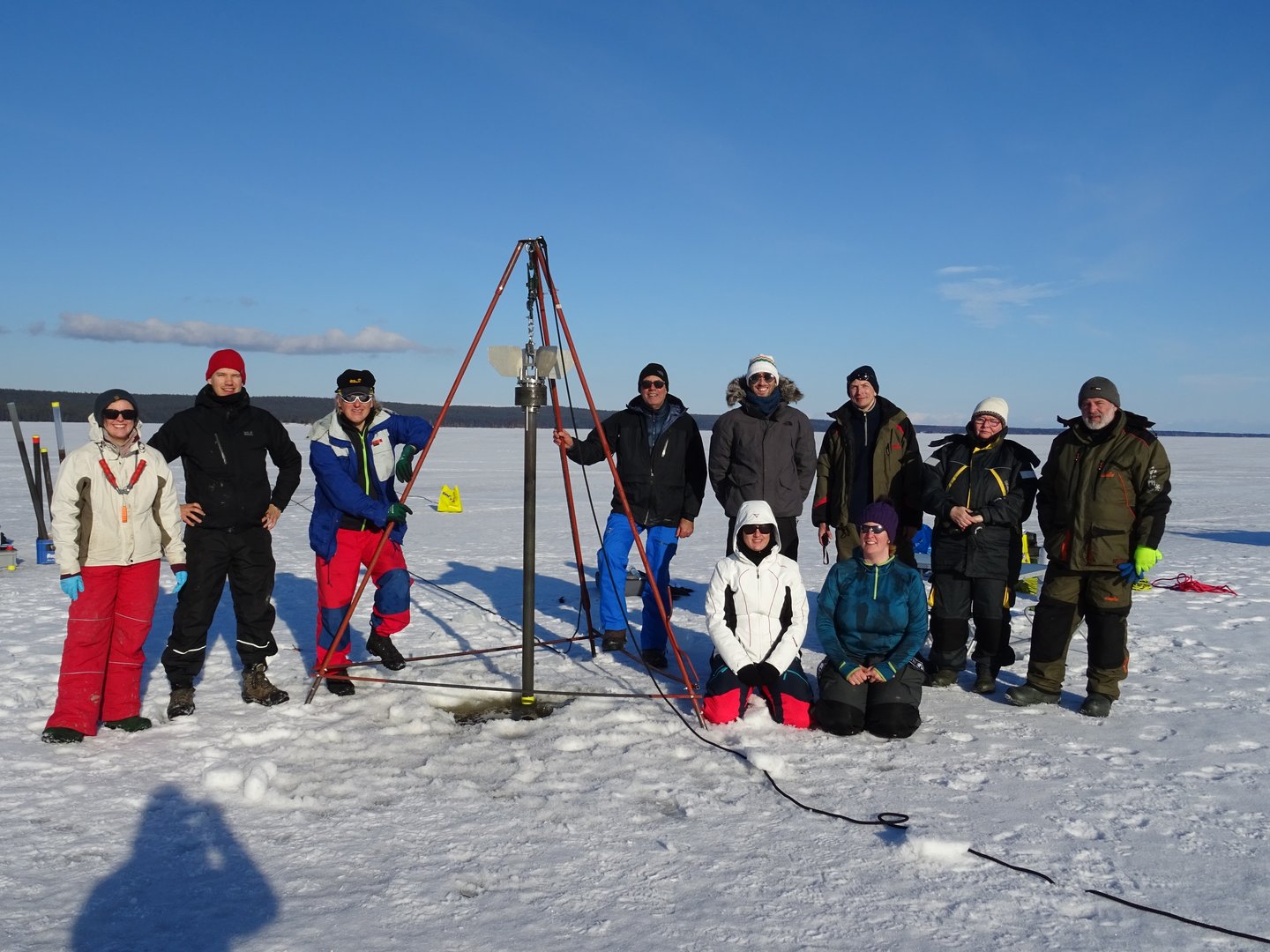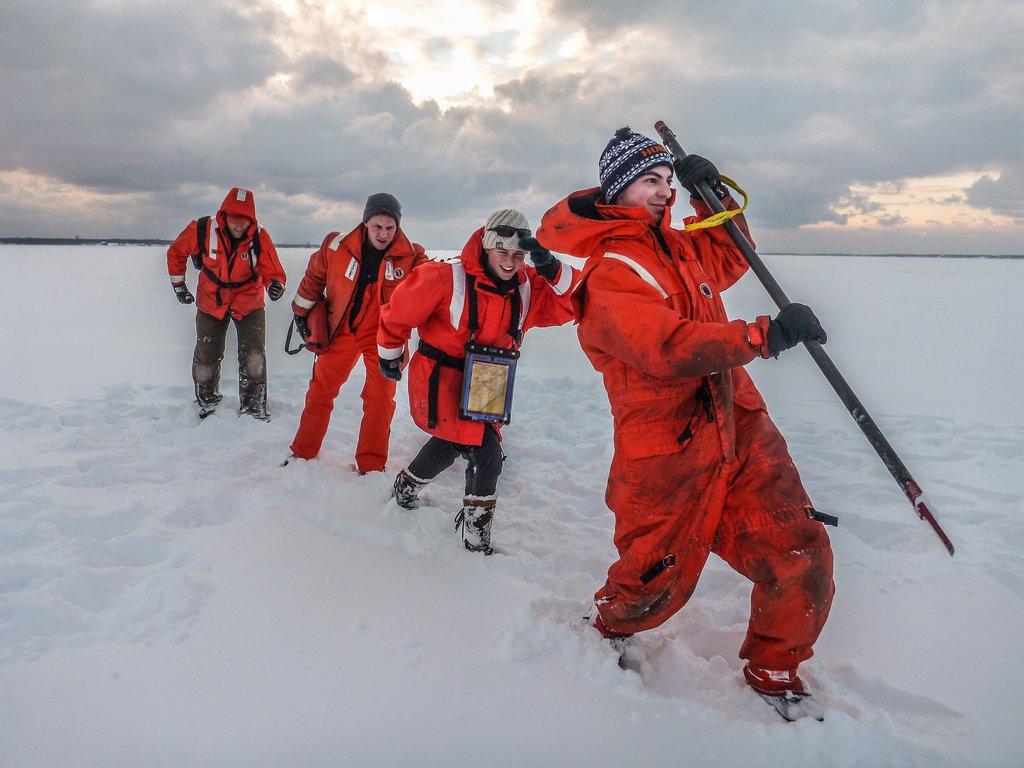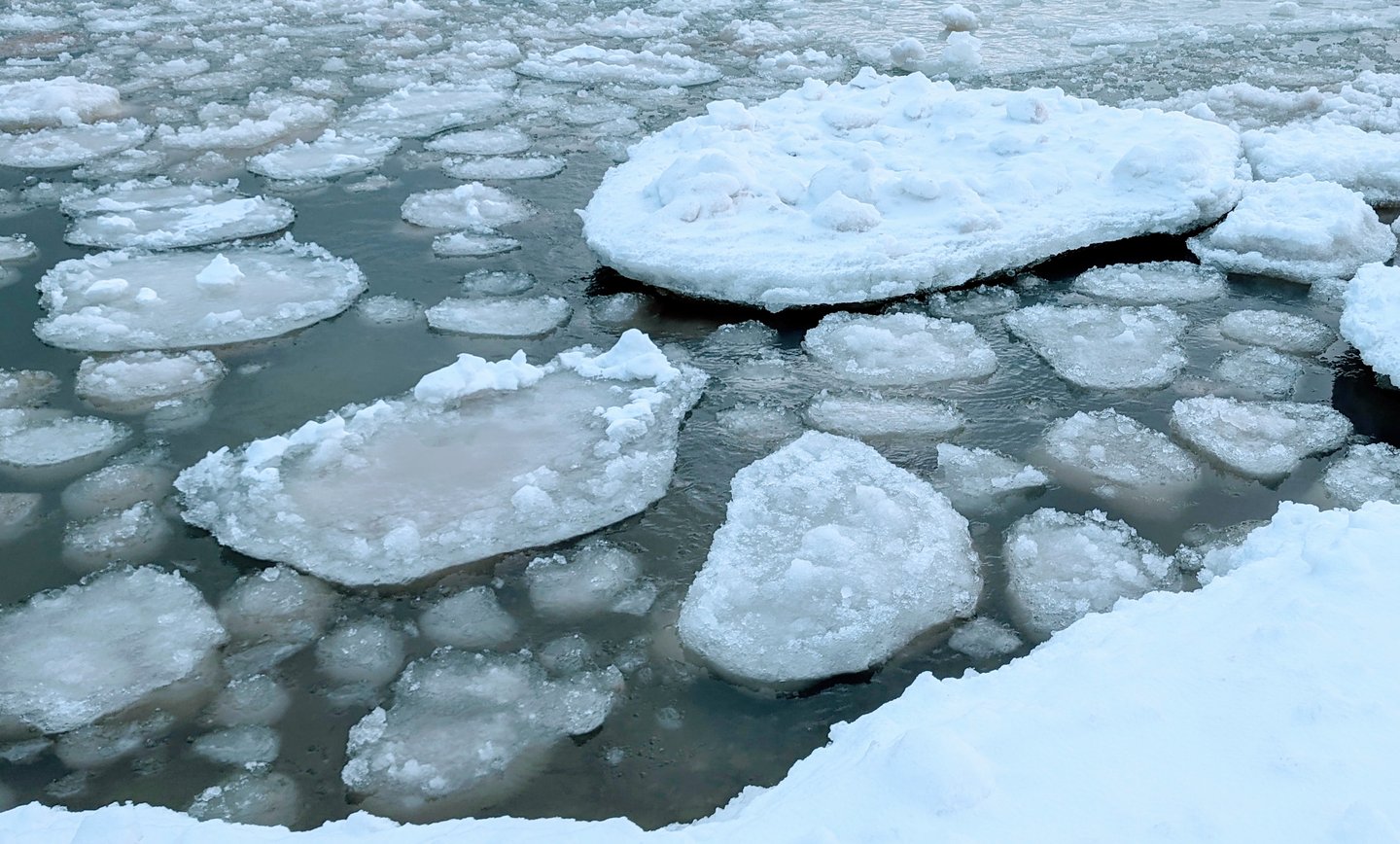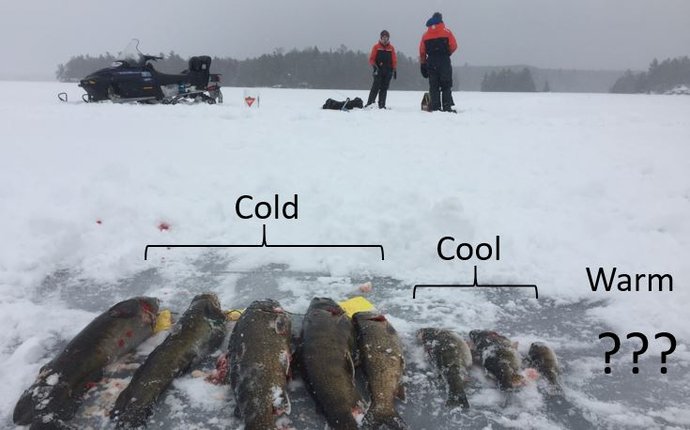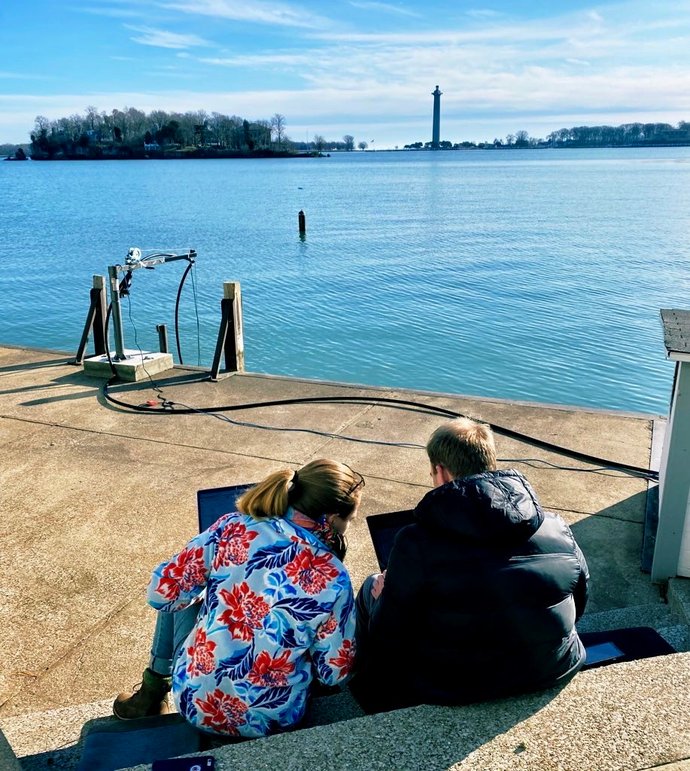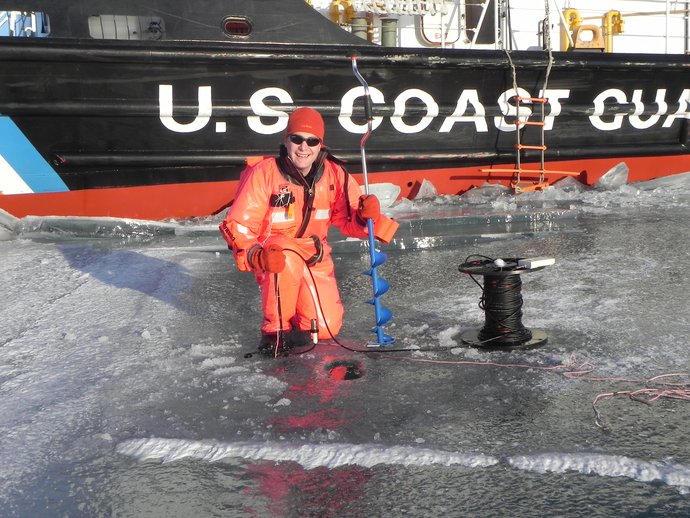
Ice-breaking capabilities of the U.S. Coast Guard (USCG) render their vessels safe and reliable platforms for monitoring and research on ice-covered coastal seas. Since 2009, we have collaborated with the officers and crew of USCGC Neah Bay to investigate lower food web dynamics during winter in Lake Erie.
Ice cover on the Great Lakes has declined precipitously over the past half-century consistent with a warming climate. On Lake Erie, the shallowest of the Great Lakes, this has resulted in a higher frequency of low-ice winters, thus compromising any seasonal resets that may occur. While winter presents a logistical barrier to better understanding the lake ecosystem, combined U.S. and Canadian Coast Guard winter operations in the Great Lakes provide an opportunity to advance our knowledge.
Our most recent full sampling season partnering with Neah Bay demonstrated the tremendous value of this relationship. Winter 2019–20 was uncommonly mild in the region, thus offering a window to the future low-ice state of Lake Erie predicted in climate models. With no federal, state, or provincial agencies having the capability to monitor the lake between December and March, this unique event may have passed without investigation save for the partnership with Neah Bay facilitating monthly sampling along transects between Cleveland and Detroit. Beyond the unique state of the lake that winter and spring, the onset of the COVID-19 pandemic in late winter 2020 meant that data acquired from Neah Bay may be some of the only early season in-lake observations that year, as agency spring monitoring efforts were paused. While winter science operations with Neah Bay were paused last year due to the ongoing pandemic, we look forward to renewing our winter surveillance with the “Guardians of the Great Lakes” in the coming months.
R. Michael McKay, Great Lakes Institute for Environmental Research, University of Windsor and Great Lakes Center for Fresh Waters and Human Health, Bowling Green State University