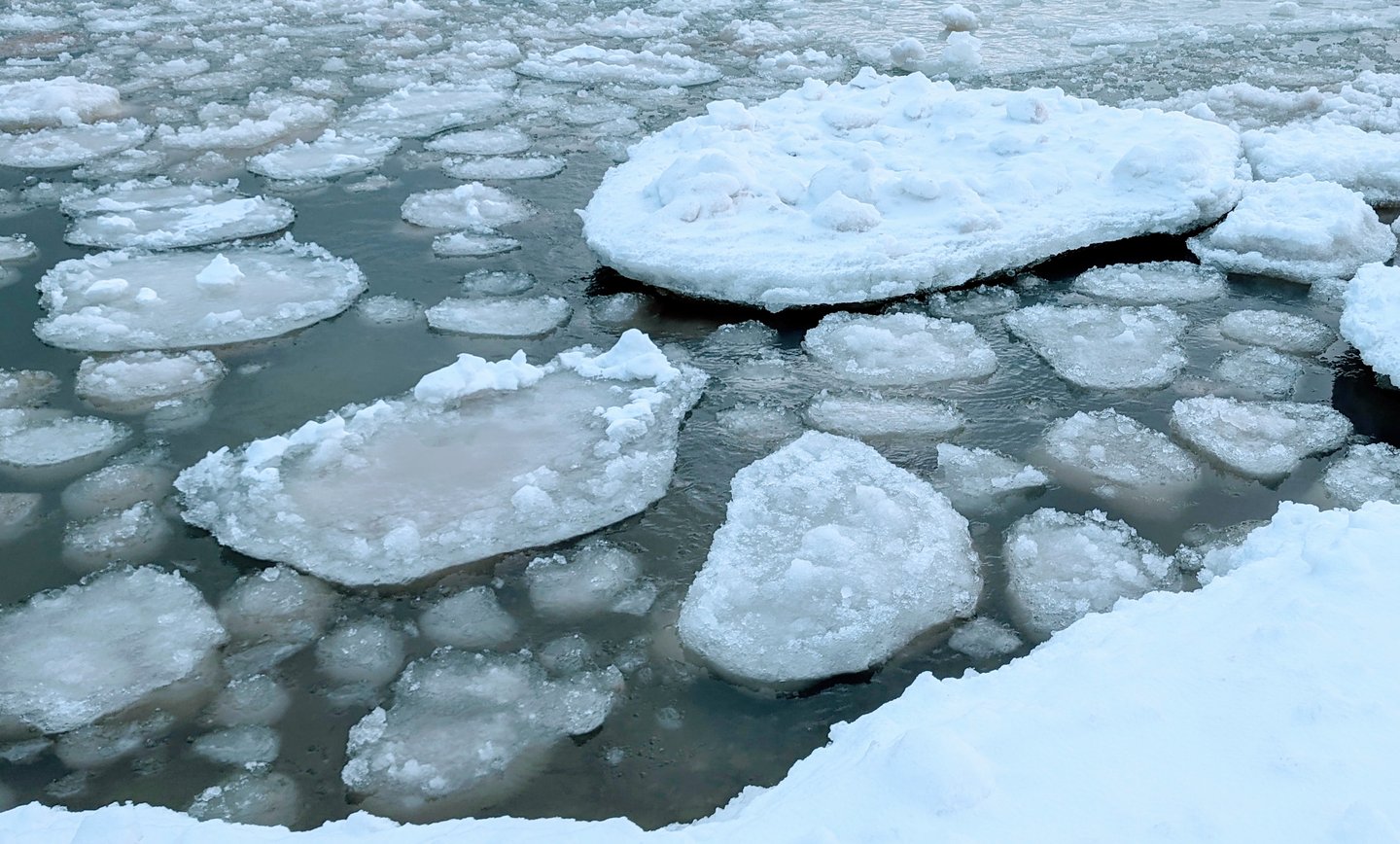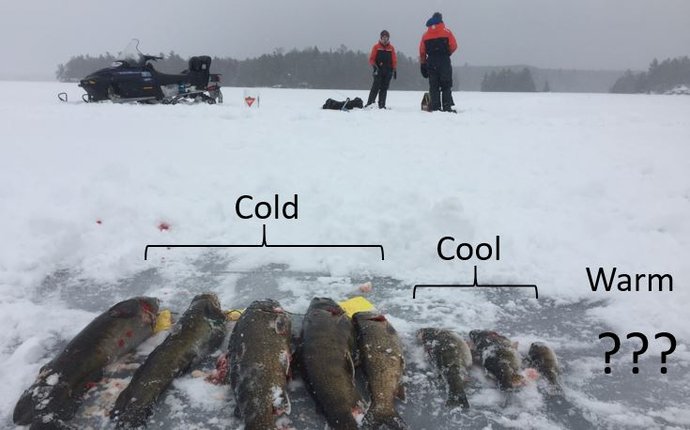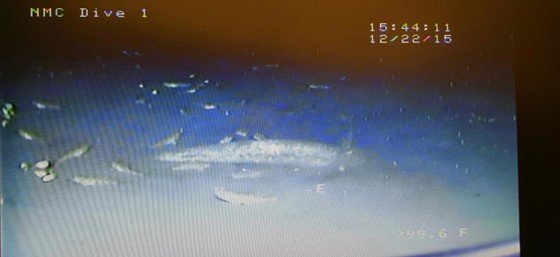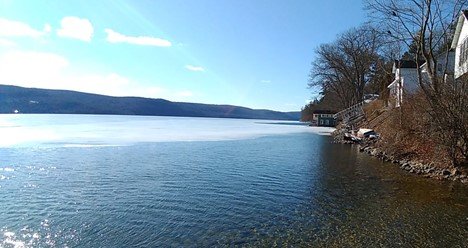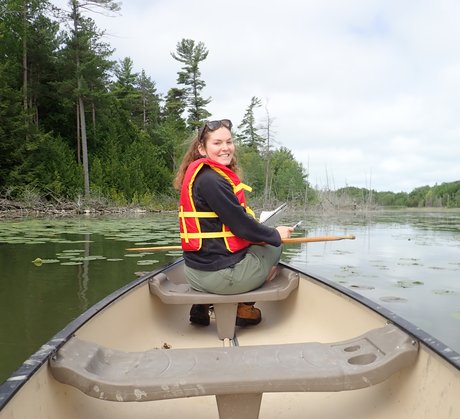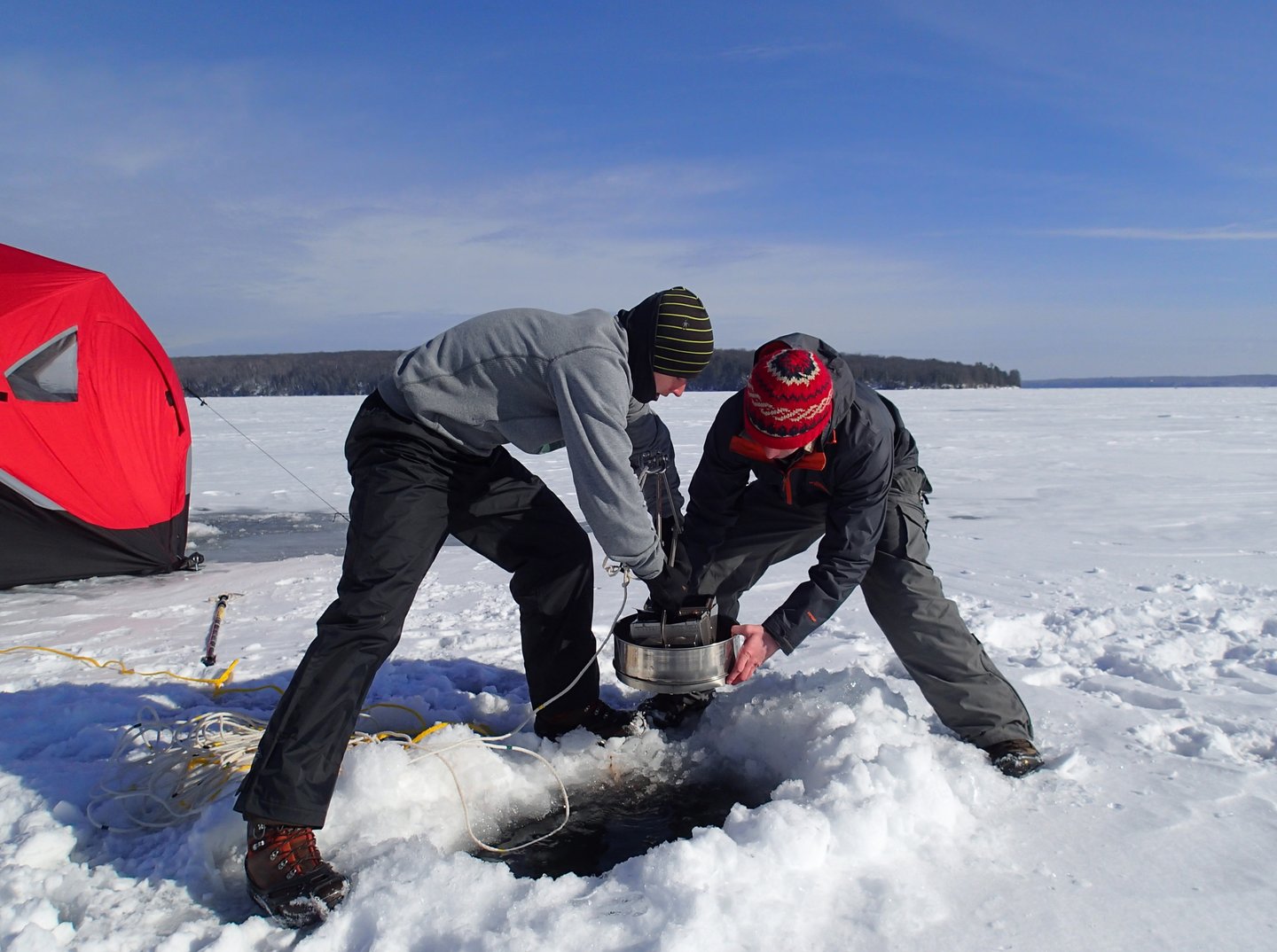
Winter is both the most rapidly changing and the least well-understood period in the seasonal cycle of the Laurentian Great Lakes. Rising winter air temperatures and changing precipitation patterns are leading to the loss of ice cover, alterations to stratification patterns, and changing inputs of water, sediment, and nutrients from the land. Unfortunately, lack of detailed winter-period studies leaves many open questions about how these changes are affecting the physics, chemistry, and biology of the Great Lakes (see cover article). A better understanding of winter on the Great Lakes is urgently needed to forecast what the future holds for these important ecosystems and the services they provide.
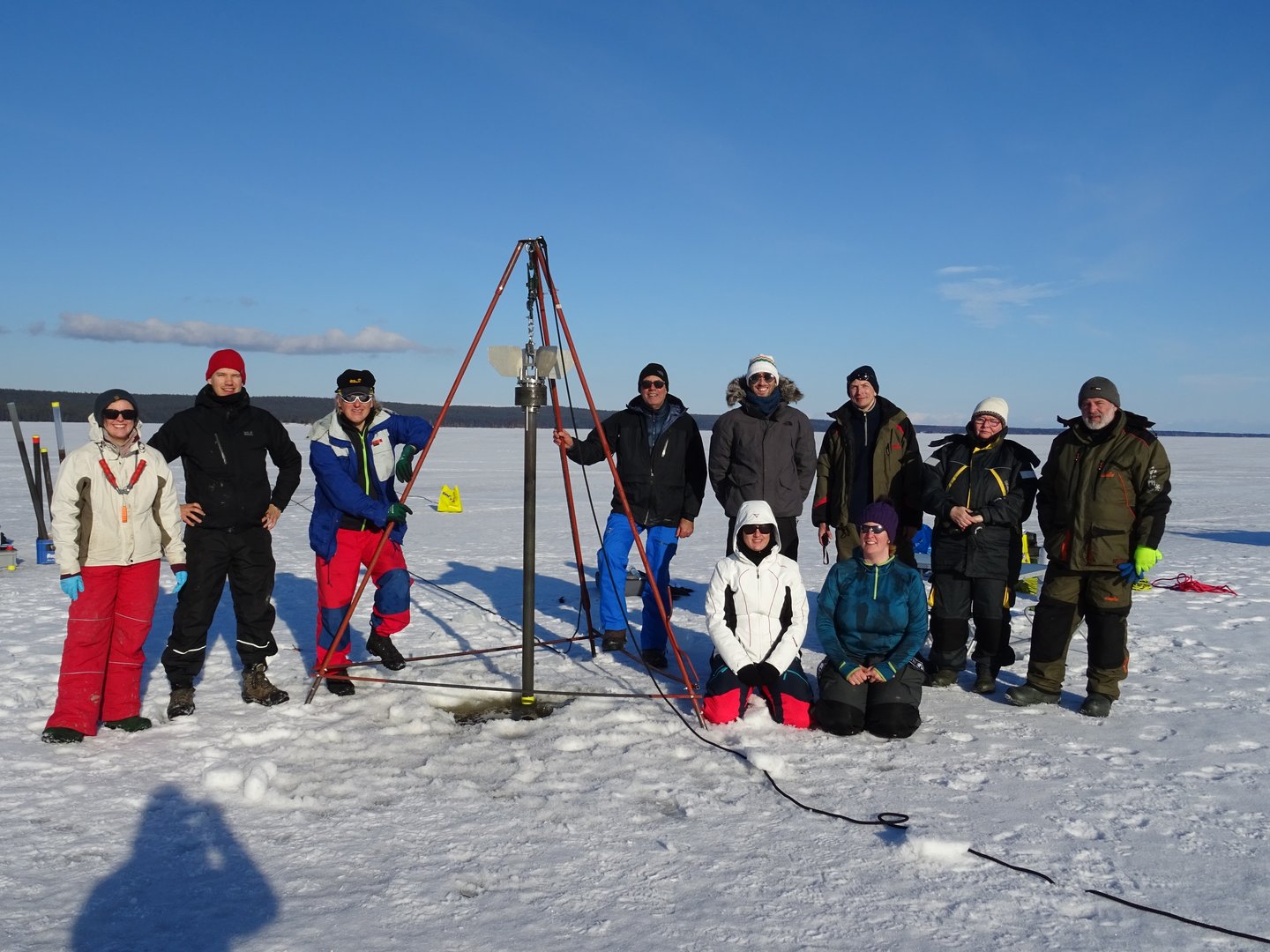
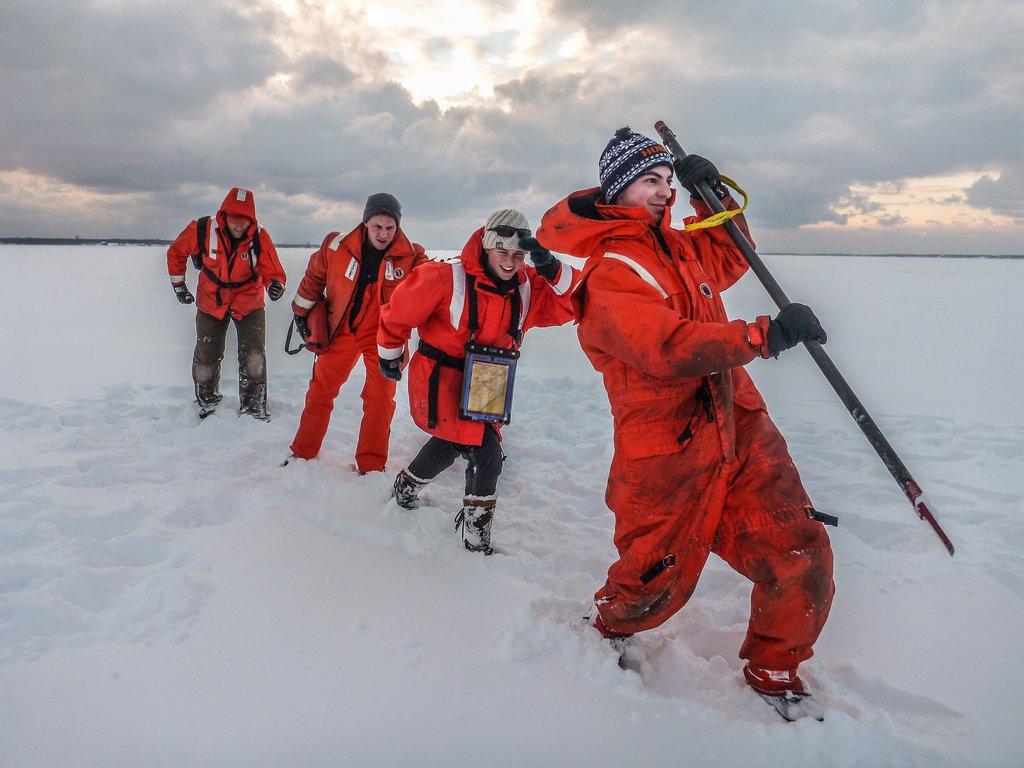
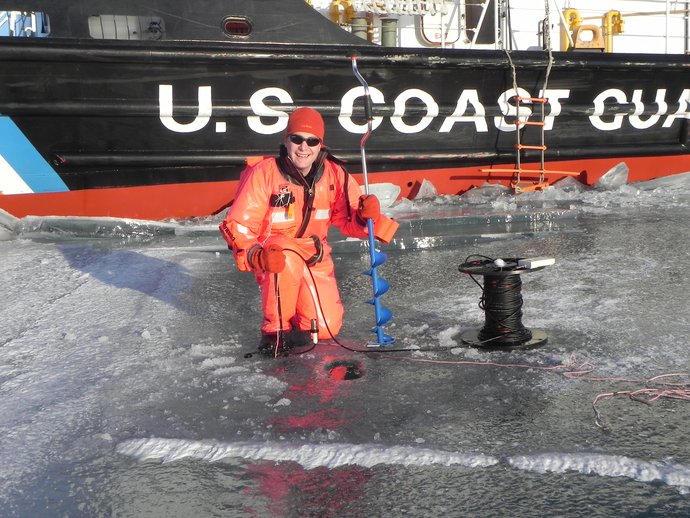
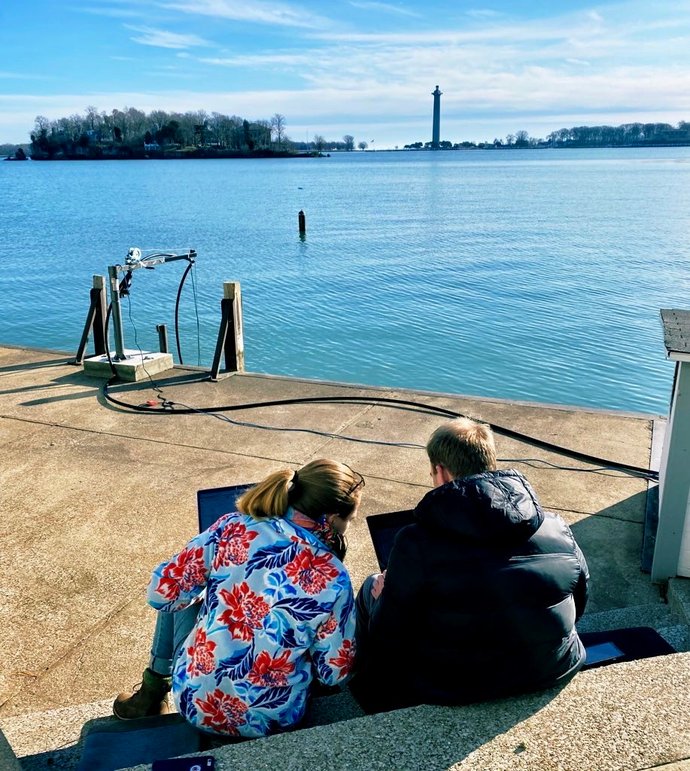
A key reason for the existing winter knowledge gap on the Great Lakes is the danger and difficulty of winter research on these large and dynamic systems. Overcoming the logistical challenges of winter research will require close cooperation across research groups in the Great Lakes basin. Such cooperation is critical to efficiently use existing research infrastructure (e.g., access to U.S. and Canadian Coast Guard icebreakers and data from instrumented buoys), share information about winter-specific sampling methods, and collaborate on projects spanning large spatial scales or limnological subfields.
One existing effort for increased collaboration on the topic of winter is the Great Lakes Winter Network (GLWiN), which formed at a winter limnology workshop sponsored by the Cooperative Institute for Great Lakes Research (CIGLR) in 2019. GLWiN is composed of academic and government Great Lakes scientists and has the goal of increasing information exchange and collaboration on the topic of winter limnology of the Great Lakes.
This winter, with support from CIGLR, members of GLWiN will conduct coordinated sampling across all five Great Lakes. As part of this “Winter Grab” (inspired by the recent “HAB grab” on Lake Erie), scientists will collect information about the physical and chemical environment and biological communities at a dozen sites spanning large trophic gradients. They will also work with drinking water treatment plants to collect additional water samples from many more locations around the Great Lakes. The results of this collaboration will help provide missing baseline information about how winter conditions vary across the Great Lakes and address questions about the way changing environmental conditions are affecting the Great Lakes ecosystem.
If you'd like to participate in Winter Grab or join the GLWiN mailing list, email tozersky@d.umn.edu. We are always excited to welcome more winter limnology enthusiasts to our network!