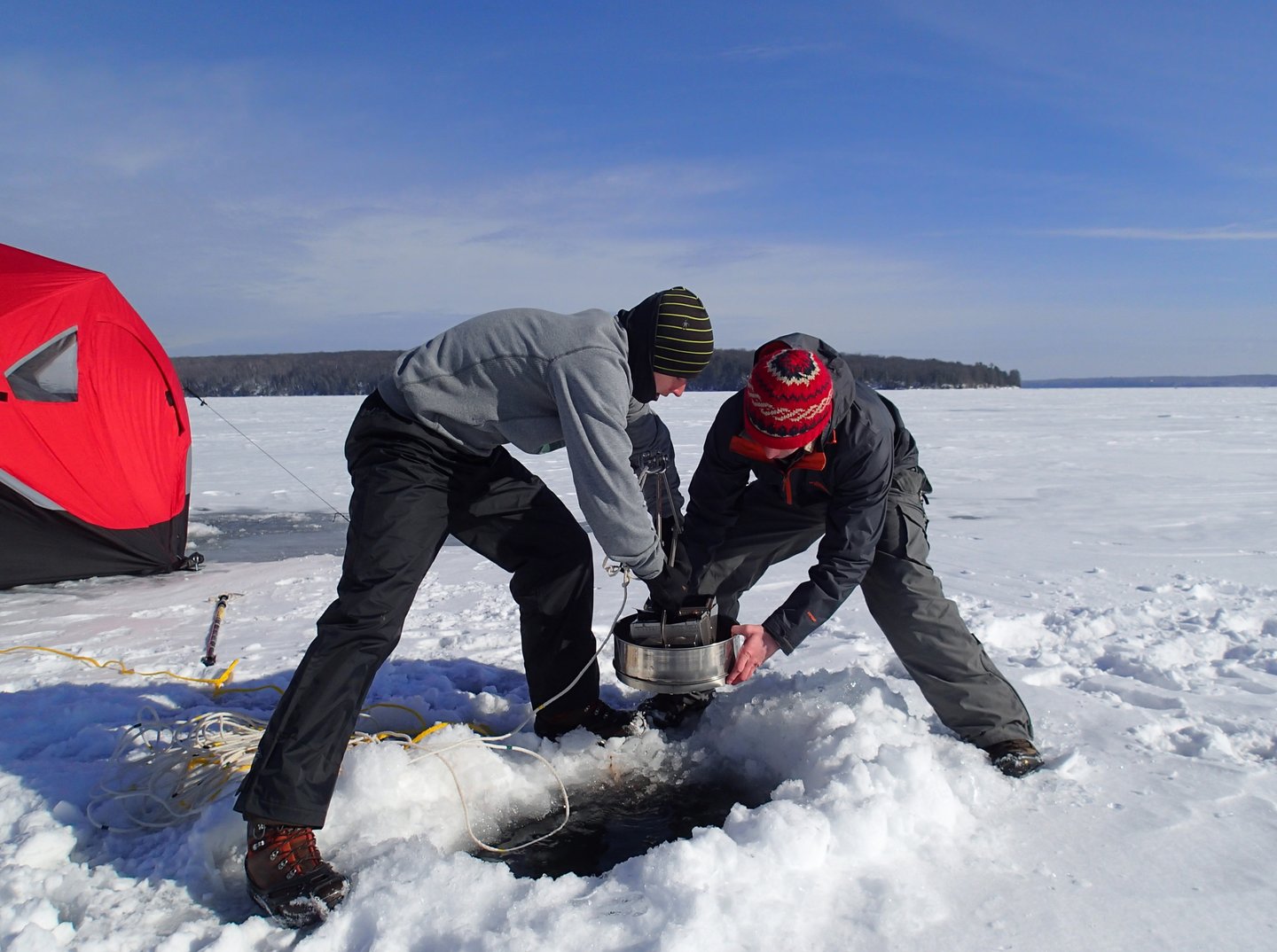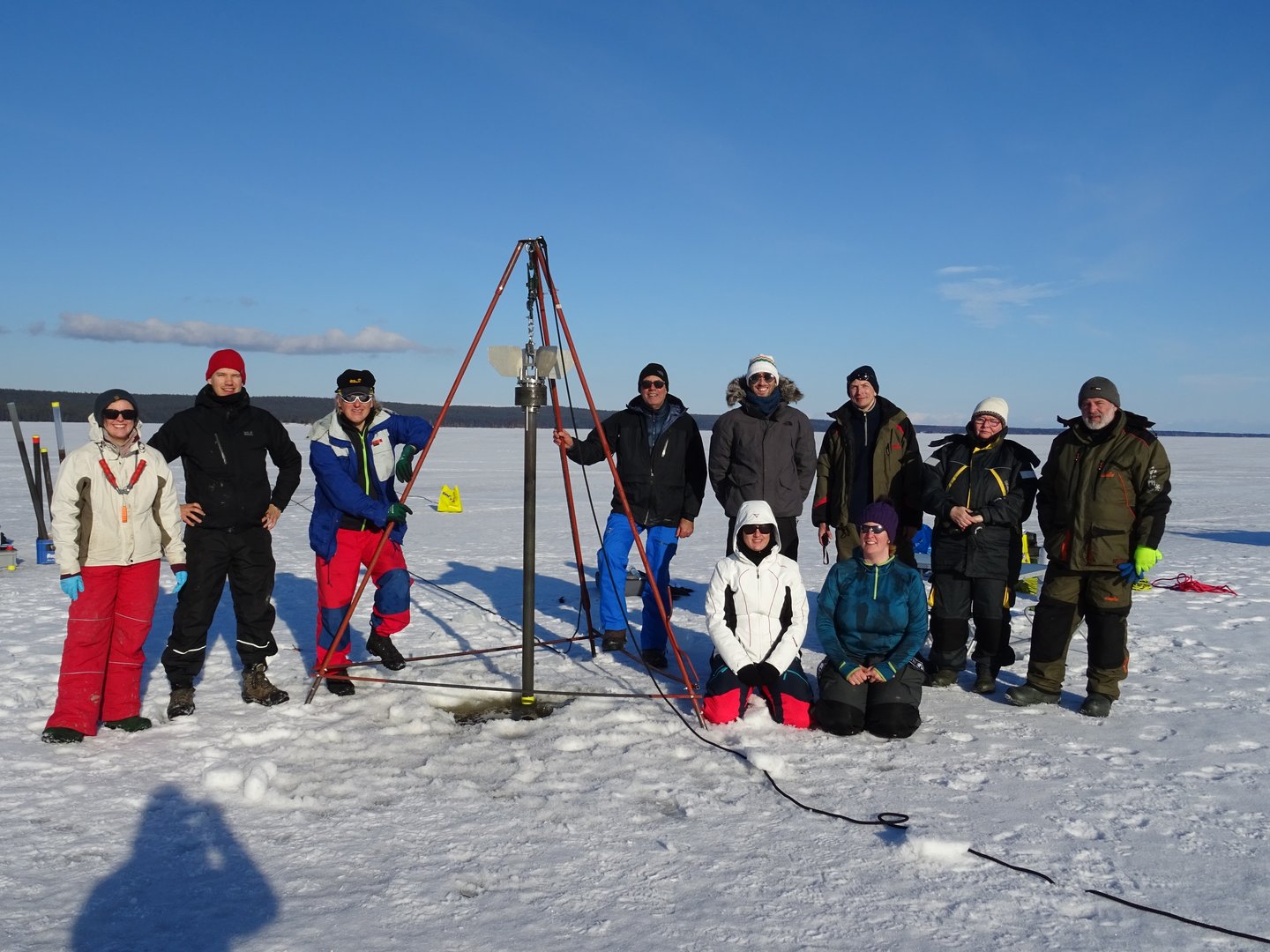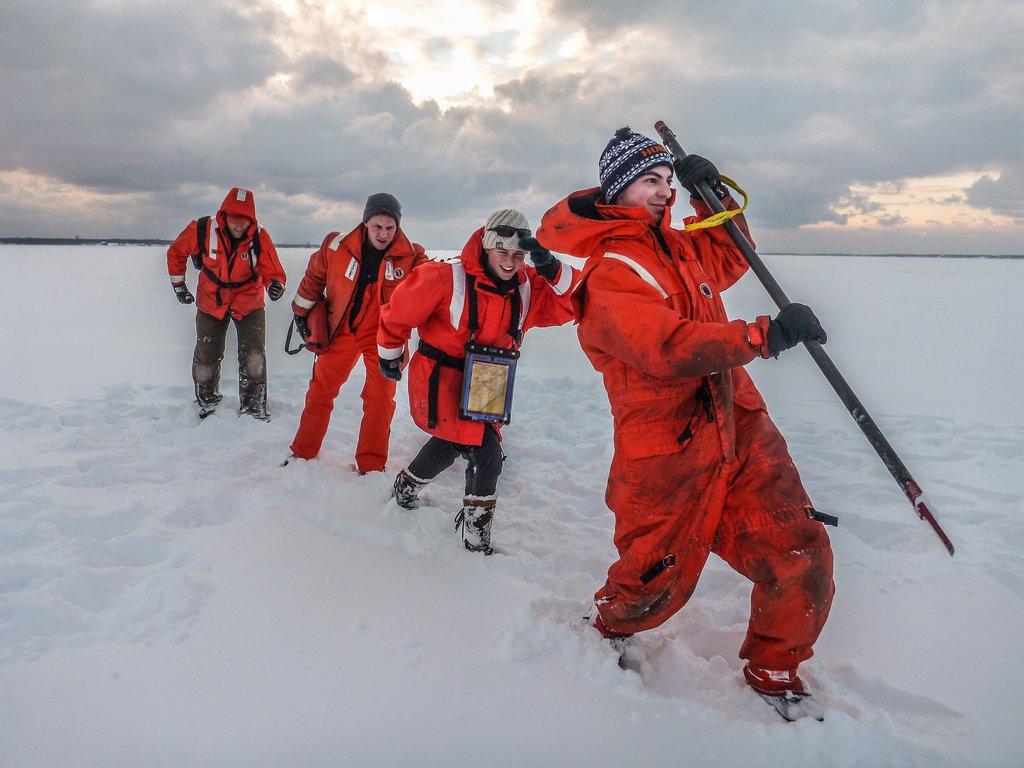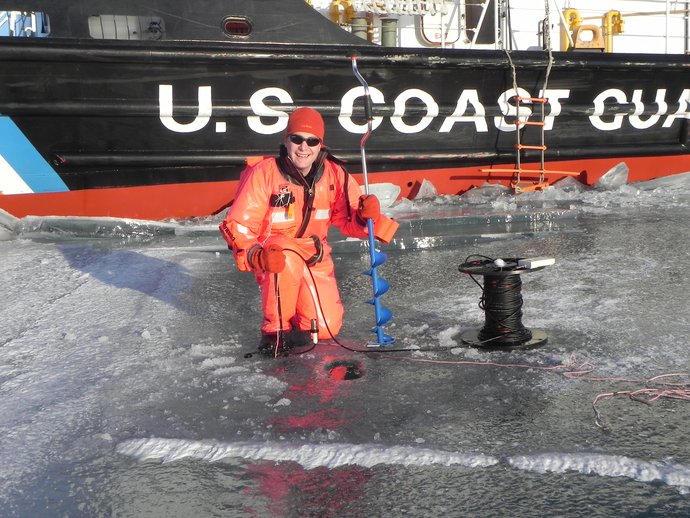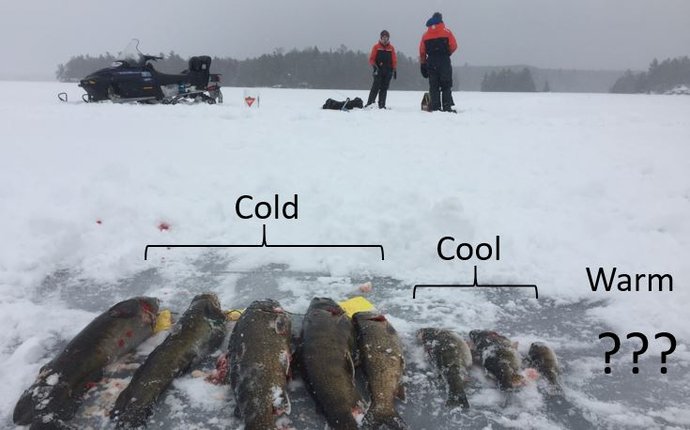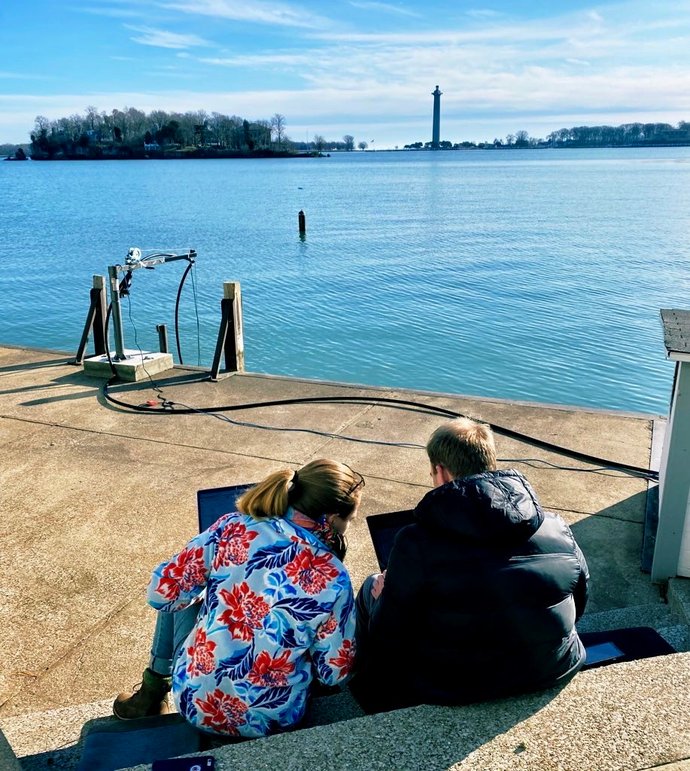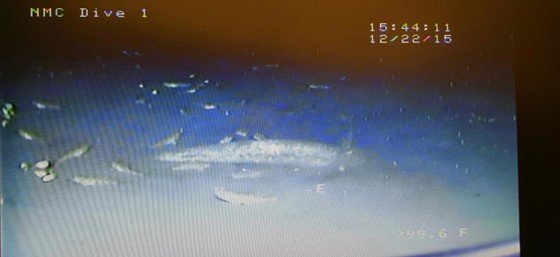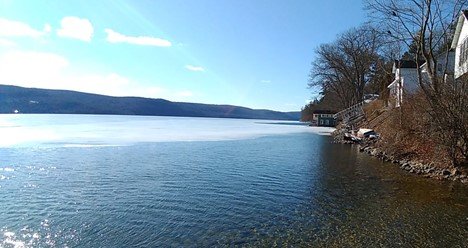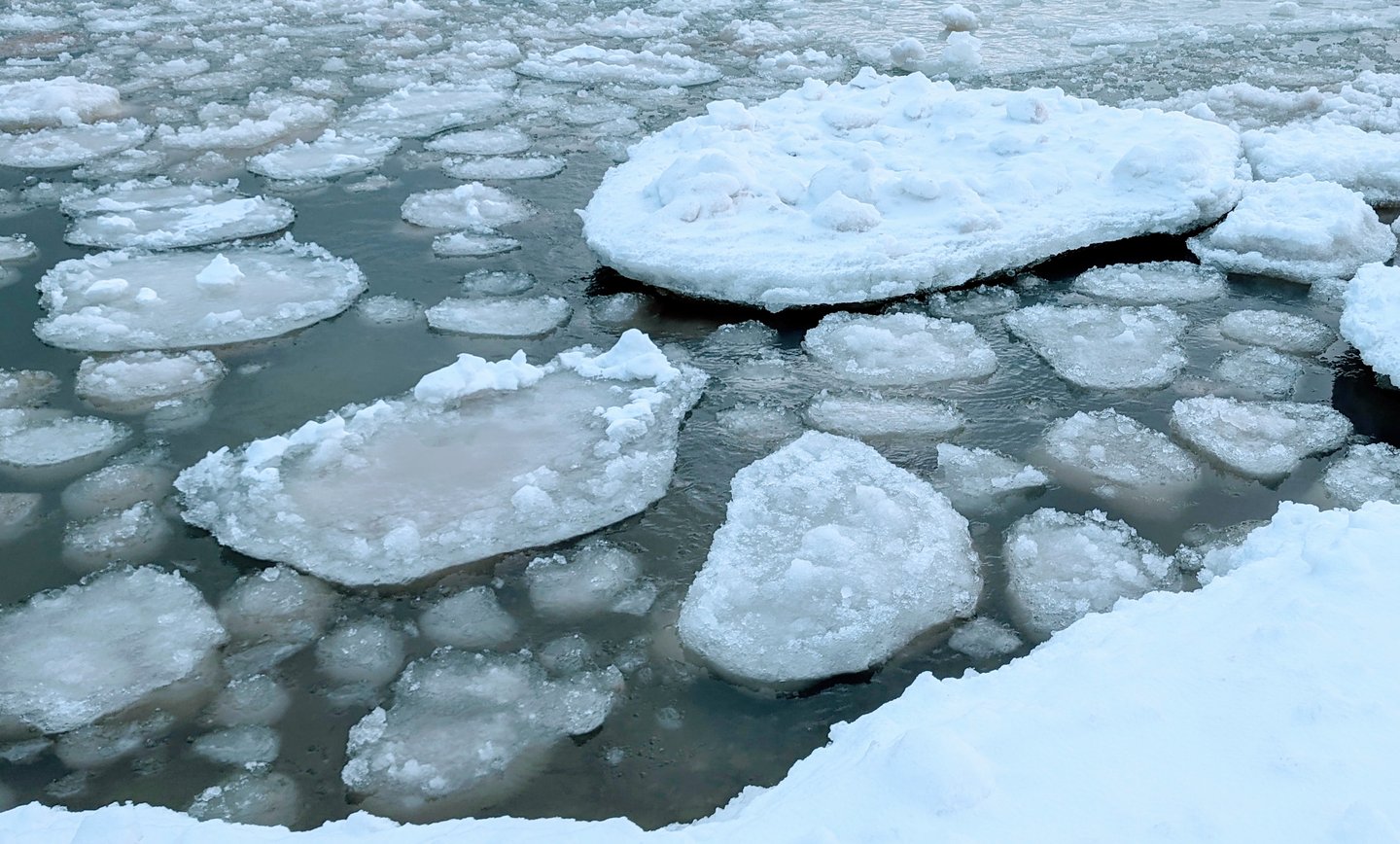
Within the research community, winter is an overlooked season across the Great Lakes-St. Lawrence River system and other temperate large lakes (e.g., in North America, alpine Europe, Karelia, and Siberia). Observations during winter are particularly challenging; they require specialized equipment, highly qualified personnel, and experts to coordinate approaches that identify and target research priorities. As a result, we often base our management decisions on models derived from ice-free observations.
Yet the need for winter research has never been greater. The 2021 Intergovernmental Panel on Climate Change report emphasized the importance of limiting global temperature within the next decade to reduce catastrophic impacts on ecosystems and human health. Documented responses of lakes to climatic change include increases in water temperature, loss of ice cover, alterations in distribution of freshwater fishes, and a decrease in deep-water oxygen concentrations (Jenny et al. 2020). Large lakes are the most vulnerable to ice cover loss and warm at the fastest rates (Sharma et al. 2019). Understanding our relationship with these rapidly changing large aquatic ecosystems requires better approaches to studying and understanding large lake systems in winter.
One of the greatest needs is long-term data on large lakes and their watersheds in winter and adjacent seasons to better understand the influence of climate change on chemical, physical, and biological integrity. We call on the great lake community to rise to this challenge to prioritize and coordinate our efforts before another season passes.
The authors are co-chairing a session on winter limnology at the Joint Aquatic Sciences Meeting | IAGLR 2022 next May in Grand Rapids, Michigan. The session is titled Winter Science Symposium—Understanding and adapting to changes in winter climate and freshwater ice across the spectrum of inland waters from the Laurentian Great Lakes to shallow ponds and streams.