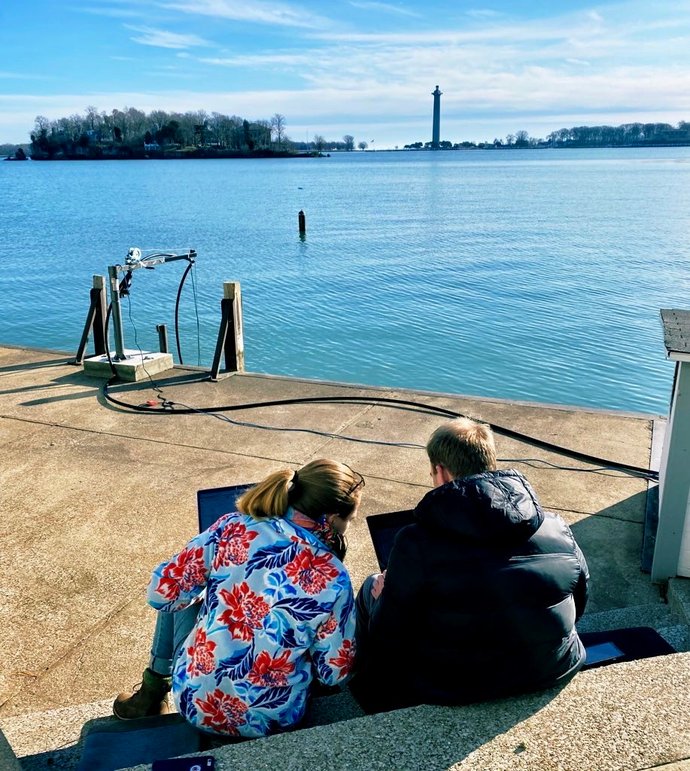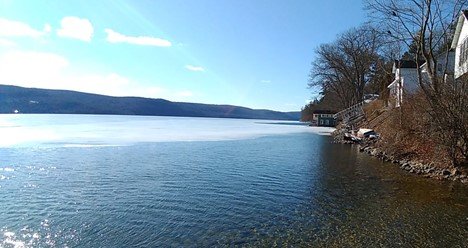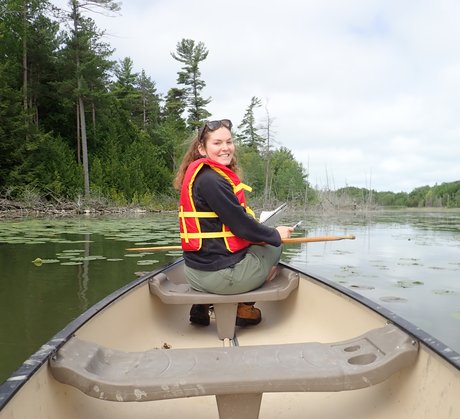
It is late fall, and the lake is beginning to sleep. The tourists have packed up, the ice cream shops lining the shore are dark and shuttered. Empty boats, cocooned in their winter wrappings, stand in neat rows beside abandoned piers. The summer field season has ended, and the scientists, technicians, and interns have crept back to their offices, preparing for a long winter illuminated by the dull glow of computer screens.
In the midst of this slumber, the winter ecologist wakes. Instead of being pushed indoors by November’s frigid breath, we are called outward, excitement building along with the thickening carpet of fallen leaves. This is our season.
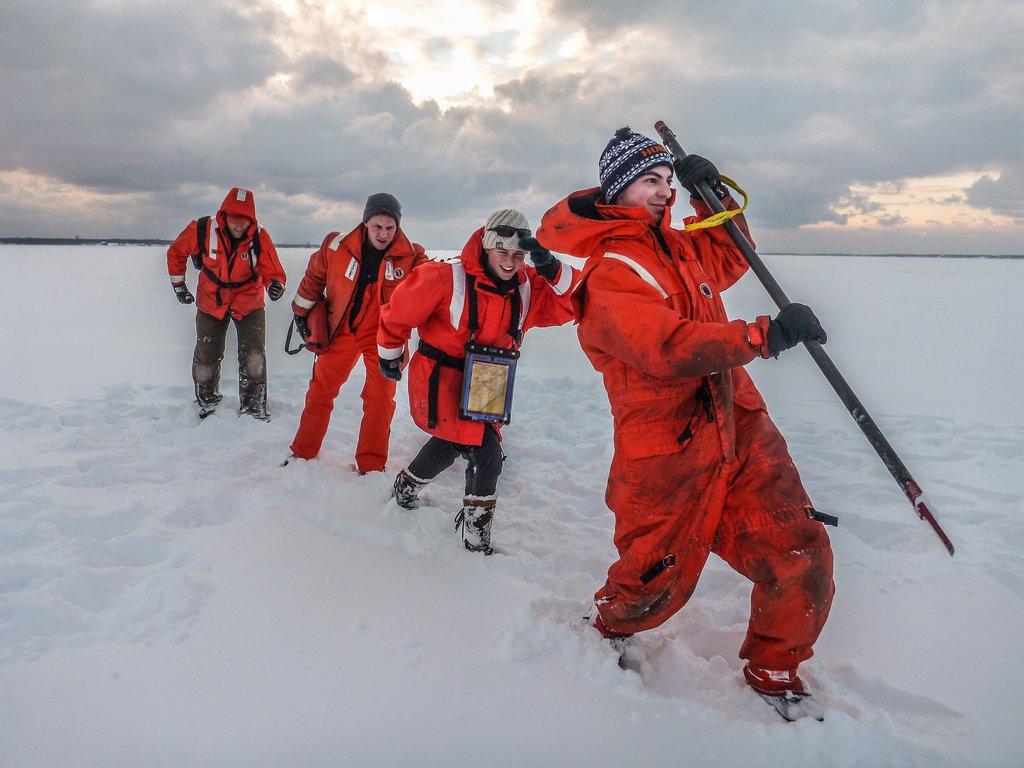
Winter ecology is not for the faint of heart. It breeds resilience, a toughness that comes from venturing out onto the frozen lake when the rest of the world has called it quits. Winter fieldwork teaches invaluable lessons in resilience, flexibility, and innovation for those brave enough to face it.
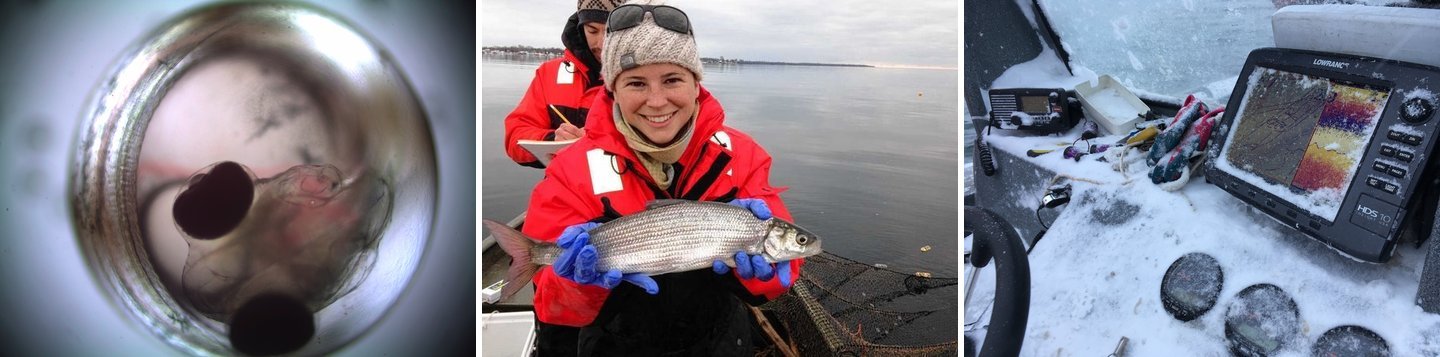
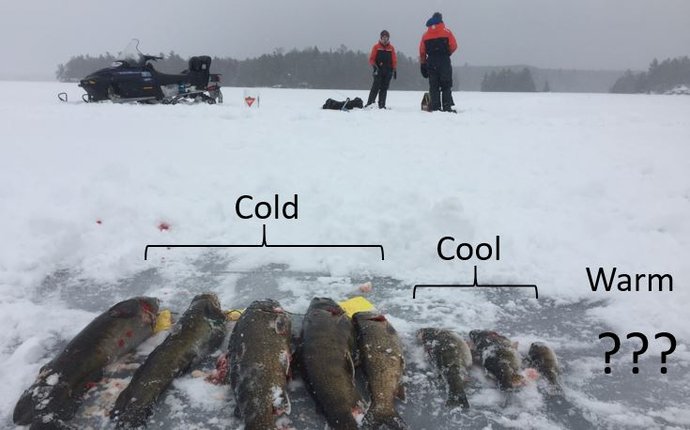
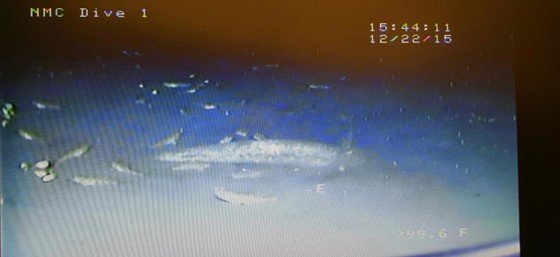
This resilience is mirrored in the ecosystem that we study. While the lake in winter may appear frozen and dead, it is teeming with life. Cold water species such as cisco and whitefish, rarely seen in the warm summer months, move inshore to spawn in late November and early December. These species were once some of the most abundant fishes in the Great Lakes, before overfishing and habitat destruction drove them to near disappearance from both our lakes and our social memory. By the end of the last century many people had given up on the cisco. I, however, am constantly amazed by the resilience of these little fish. In eastern Lake Ontario, a population that was once thought to have disappeared is surging back. Every winter Chaumont Bay fills with thousands of silvery bodies, crowding onto the shoals that have sheltered their eggs for millennia. They pack into the bay as water temperatures plummet, bringing the bay back to life even as the winter swells begin to roll and the ice creeps in from the shoreline. The more we search, the more we find, Ice Age remnants spreading out across the shoals and rocky islands of eastern Lake Ontario. They thrive in the extremes, holding on to their place in the ecosystem just as they hold on to our hearts and minds.
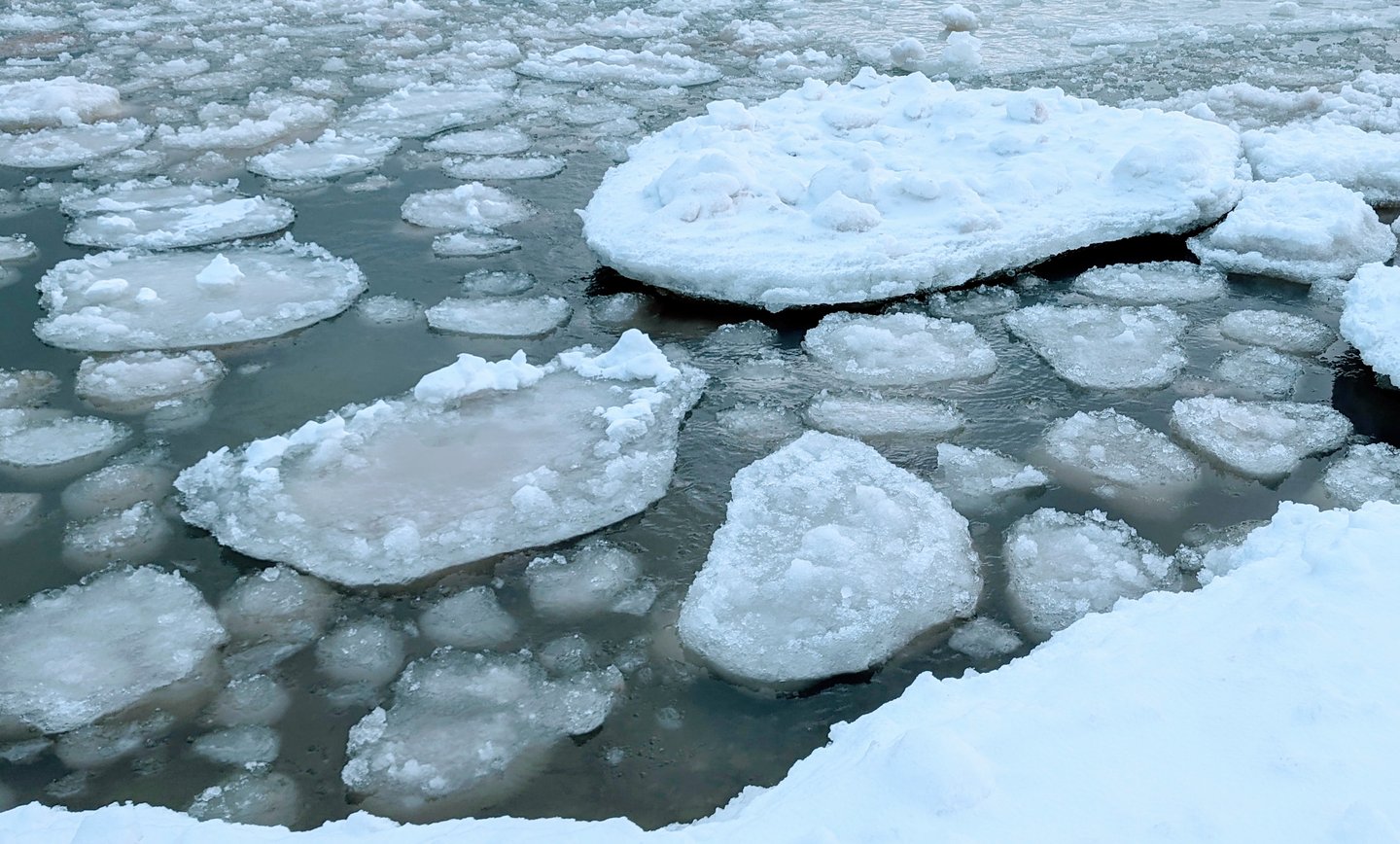
In the early morning hours, I slowly turn my skiff out toward the open lake. In the distance I hear low booms from late-season duck hunters, their shotguns muffled and fuzzy in the freezing air. I glide past a forgotten buoy frozen in the ice: “No wake.” Thin skim ice, clear as glass, bends and ripples over the gentle waves created by the boat. The ice is so thin and flexible that it doesn’t even crack.
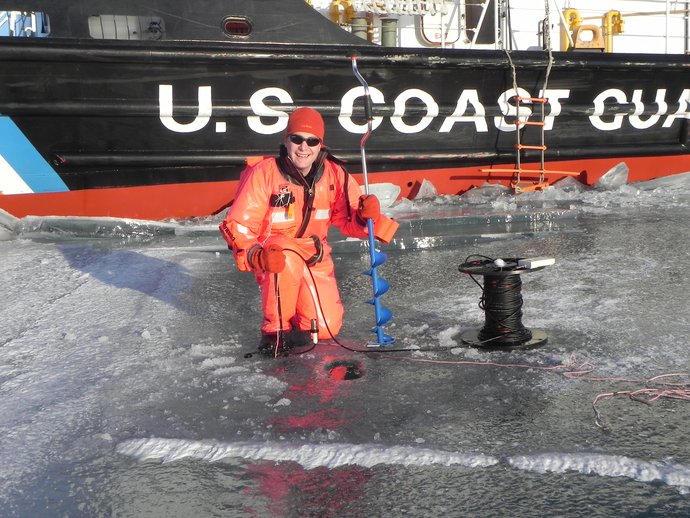
Flexibility is an important skill for winter ecologists. It’s already rare for things to go completely right in warm seasons. Throw subzero temperatures and tempestuous weather into the mix, and things can go south quickly. One day we arrived at the lake to find it covered in a glaring sheet of smooth, bare ice. After only a few minutes the snowmobile we used to tow our 200-pound egg sampling pump ground to a halt, a cloud of acrid smoke billowing up from behind. Without any snow on the ice to cool the track, the rubber snowmobile treads had melted. While equipment melting is unusual, things freezing solid is a constant frustration. Pump valves, chainsaw blades, and boat winches are in a perpetual cycle of sticking, freezing, and being thawed out. Once, in an effort to modernize, we started bringing an iPad along to log GPS points. It turns out that iPads, like summer interns, don’t enjoy spending a day outside in -20°F weather. For the rest of the season the iPad lived inside my survival suit, nestled deep within the many layers next to the tools, hose fittings, and other essential errata that couldn’t survive the Lake Ontario winter. When I peeled off my layers at the end of the day, the contents of an entire toolbox clattered out.
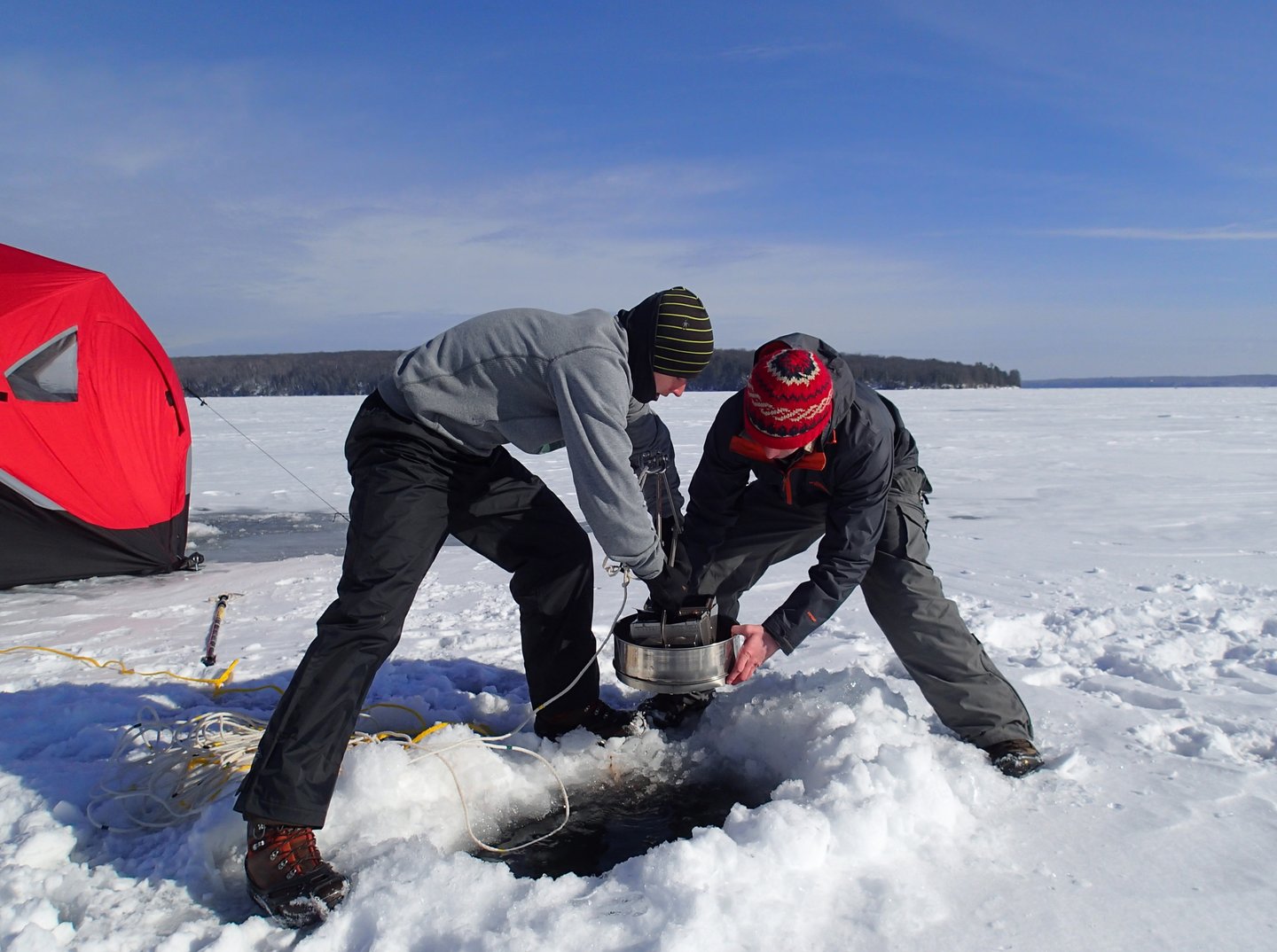
Flexibility is a skill, and like any skill it needs to be practiced. One of the greatest skills winter fieldwork has given me is the ability to admit when I’m wrong. Once we are free to recognize our mistakes, we can move on to innovating a solution. When we first began looking for cisco in Chaumont Bay, we designed an expensive and time-consuming radio telemetry project. The project consisted of tagging adult cisco captured near the assumed spawning shoals and then tracking their movements by boat. About two weeks into the project the weather shifted, and the bay froze solid. We were left with no boat, no cisco, and no data. After trekking around atop the frozen bay, radio receiver in hand, and still not picking up any signals, we had to admit to ourselves that this project wasn’t working. Instead of dwelling on it, we got creative. Sure, we couldn’t find fish, but did that really matter anyway? The important thing wasn’t where the fish were, it was where the eggs were. We completely scrapped the old project and designed a new approach, using a specially designed pump to collect eggs through the 1-meter-thick lake ice.
It’s been several years since I first began chasing cisco around Chaumont Bay. Today interest in these scrappy little fish is growing, with more researchers braving the Great Lakes winter to study them. As their cold-weather experiences challenge them to become more resilient, flexible, and innovative scientists, I hope that their efforts can also help build a more resilient Great Lakes ecosystem.