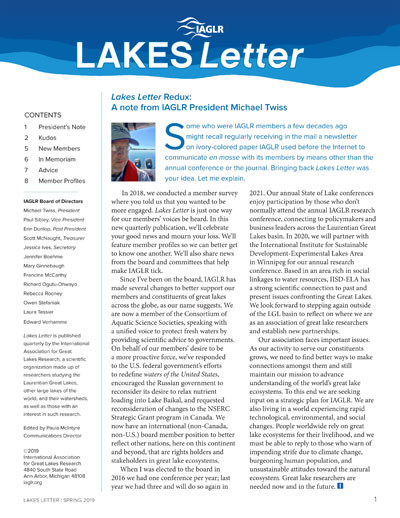
Fall 2021 • Issue 11
Winter Research
Published November 2021
This issue on Winter Research sheds light on the most neglected season of the limnological calendar, emphasizing the urgent need to understand ecosystem dynamics beneath the shrinking ice cover. It highlights critical collaborative efforts like the Great Lakes Winter Network and unique partnerships with the U.S. Coast Guard to access remote frozen waters where standard monitoring pauses. Scientific contributions explore how winter conditions fundamentally shape fish behavior, metabolic rates, and carbon cycling, while longer-term studies reveal connections between winter runoff and subsequent summer productivity. Drawing parallels with international research in Russia, the content argues that coordinated monitoring is essential now more than ever, before warming climates erase this unique window of ecological insight.
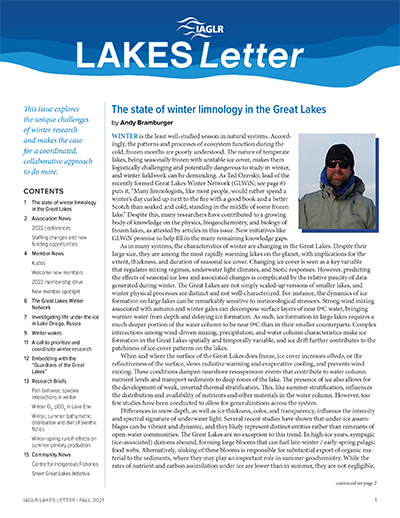
Features
Embedding with the "Guardians of the Great Lakes"
Partnerships with the U.S. Coast Guard enable critical winter sampling in Lake Erie, providing unique data on a low-ice future when agency monitoring pauses.
A Season Overlooked
With ice cover declining rapidly, the scientific community must urgently coordinate winter research to understand climate impacts before the data is lost forever.
Winter wakes
Winter ecology demands resilience and flexibility, as seen in the comeback of cisco populations in Lake Ontario and the challenges of fieldwork in freezing conditions.
Investigating life under the ice in Lake Onego, Russia
A Russian-Swiss interdisciplinary project reveals how under-ice convections and ice quality drive ecosystem development and carbon emissions in Lake Onego.
The Great Lakes Winter Network
A new collaborative network aims to fill the massive data gap in winter research across the Great Lakes through coordinated sampling and shared infrastructure.
The state of winter limnology in the Great Lakes
Winter is the least studied season in the Great Lakes, yet its changing ice cover dictates critical ecosystem processes that remain poorly understood.
Departments
Dominique Rumball
Dominique Rumball investigates groundwater quantity and quality, focusing on nutrient transport and climate change impacts in the Great Lakes basin.
Jana Levison
Jana Levison evaluates the effectiveness of restoration projects for fish species at risk across Southwestern Ontario as part of the FishCAST program.
Filling data gaps
Continuous winter monitoring in Lake Erie reveals shifting metabolic states and CO2 fluxes, offering a glimpse into the lake's future low-ice conditions.
Winter shapes fish behavior and species interactions
Winter conditions drive divergent activity patterns in fish species, promoting coexistence in ways that shorter winters due to climate change may threaten.
Earlier winter-spring runoff leads to lower summer primary production in temperate lakes
Earlier winter runoff correlates with lower summer phytoplankton biomass in temperate lakes, suggesting winter conditions set the stage for summer productivity.
Winter, summer bathymetric distribution and diet of benthic fishes
Deep-water fish like round gobies and alewives migrate significantly between seasons, with winter diets and behaviors differing sharply from summer patterns.
Looking for research on a specific topic?
Explore our Article Directory to filter all issues by topic, article type, region, or keyword. Or browse the Author Index to find a contributor.
Issues Archive
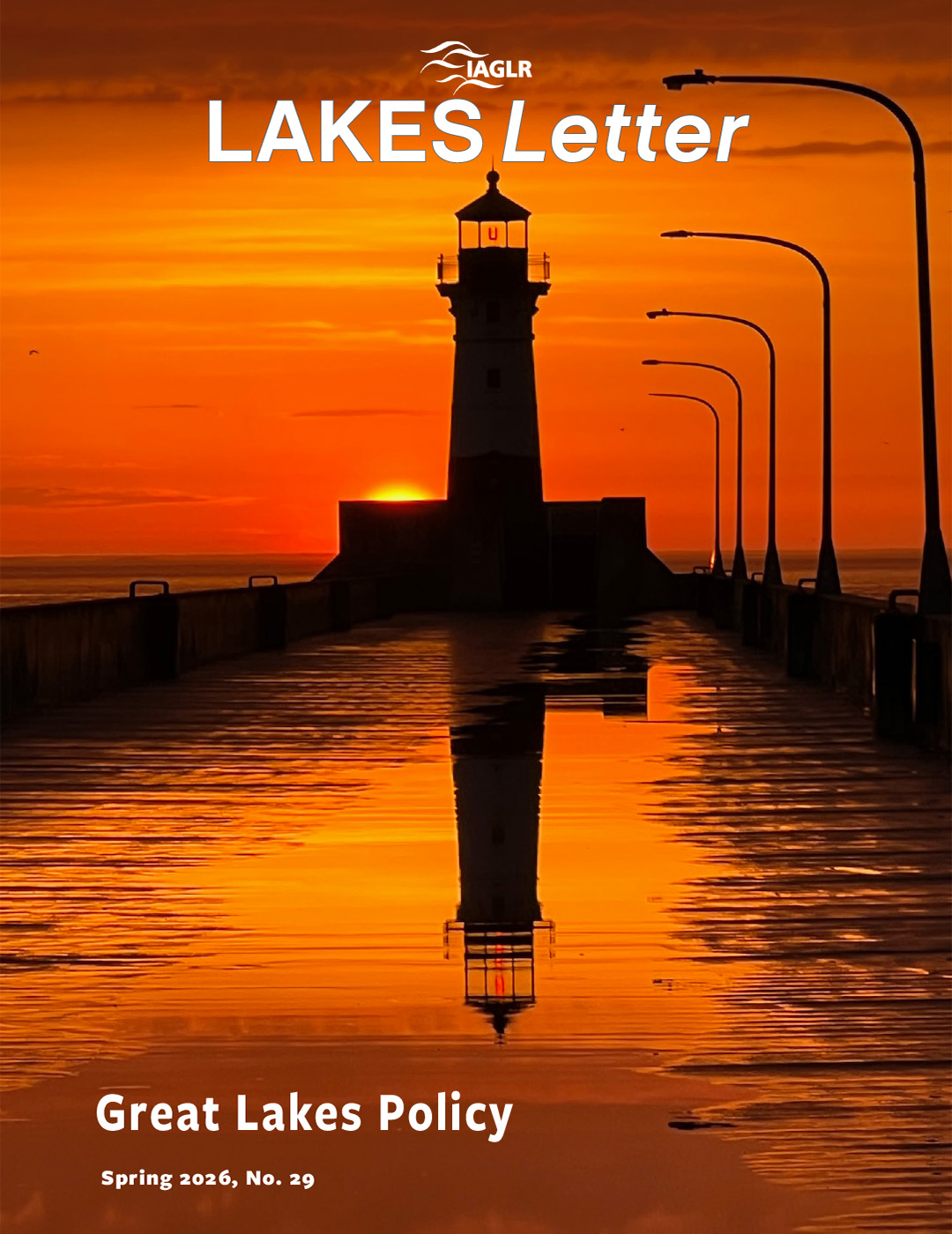
Great Lakes Policy
spring 2026 • Issue 29
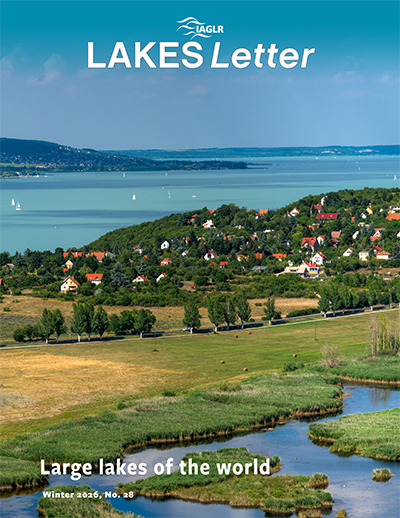
Large lakes of the world
winter 2026 • Issue 28
Science & Innovation
fall 2025 • Issue 27
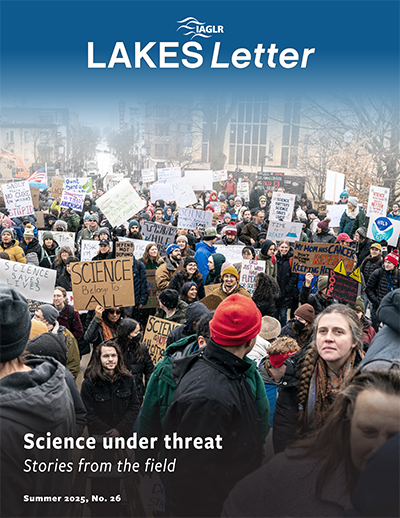
Science under threat: Stories from the field
Summer 2025 • Issue 26
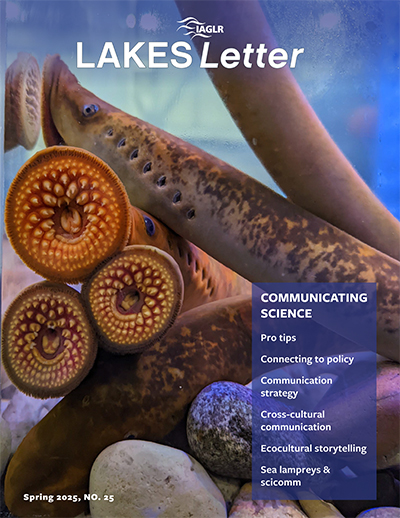
Communicating Science
Spring 2025 • Issue 25
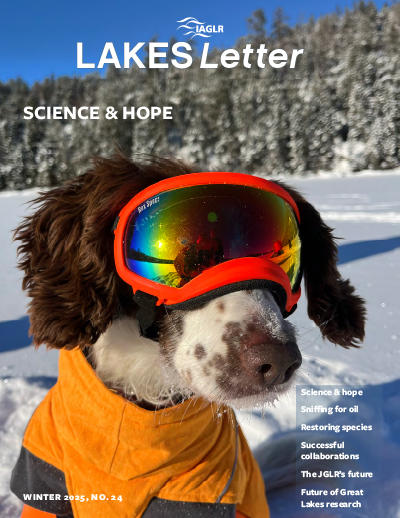
Science and Hope
Winter 2025 • Issue 24
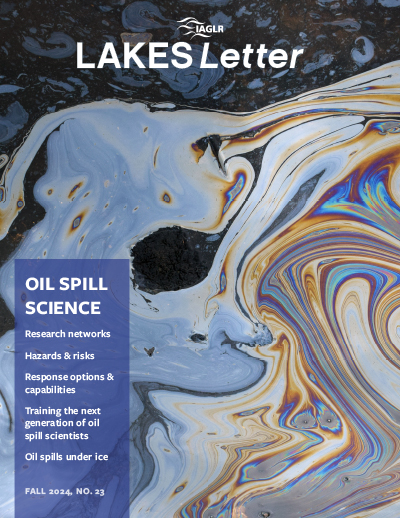
Oil Spill Science
Fall 2024 • Issue 23
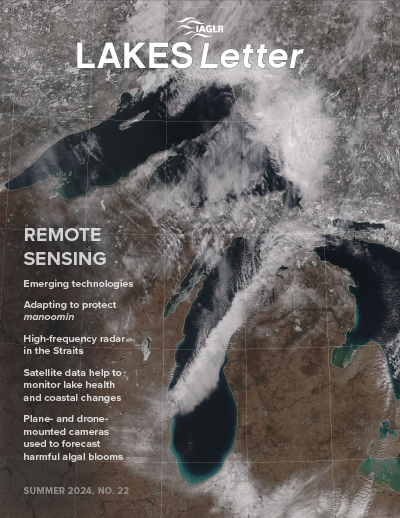
Remote‑Sensing
Summer 2024 • Issue 22
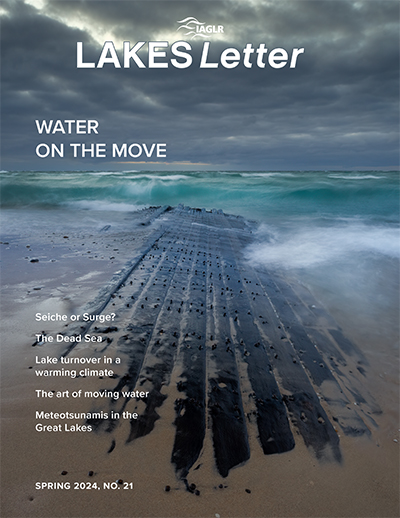
Water on the Move
Spring 2024 • Issue 21
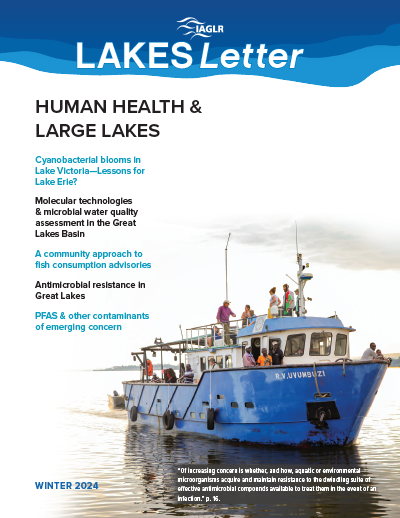
Human Health
Winter 2024 • Issue 20
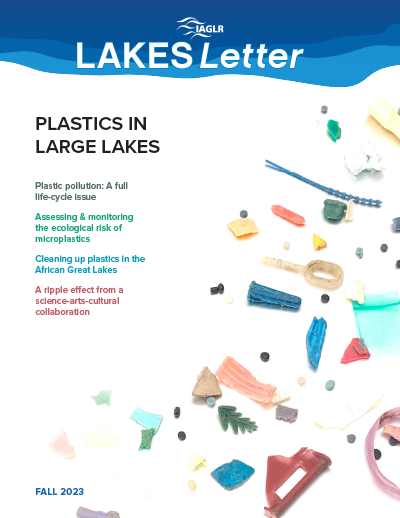
Plastic Pollution
Fall 2023 • Issue 19
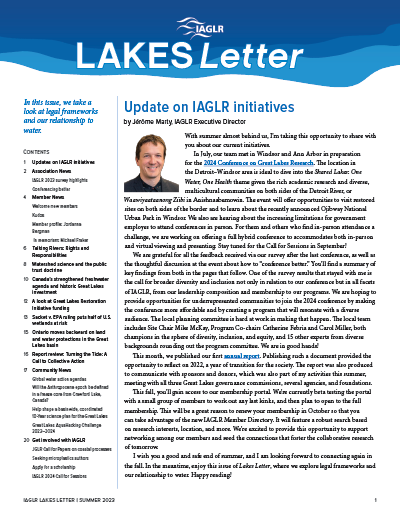
Legal Frameworks
Summer 2023 • Issue 18
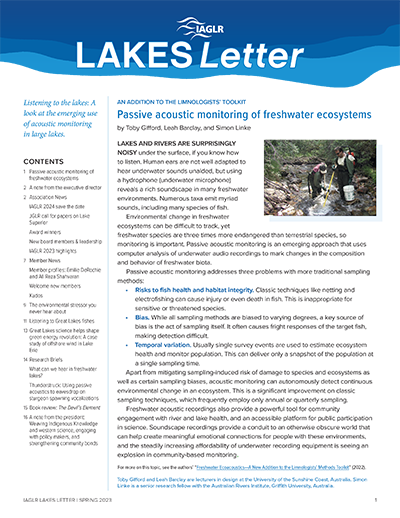
Acoustic Monitoring
Spring 2023 • Issue 17
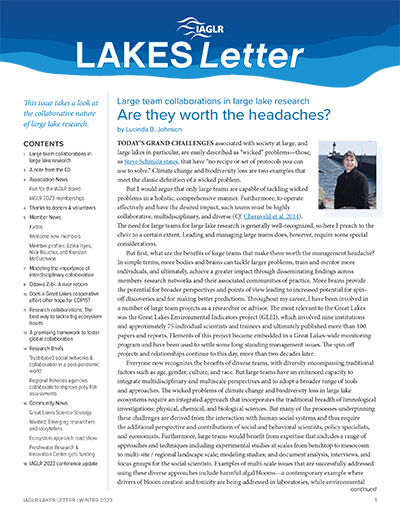
Collaborative Research
Winter 2023 • Issue 16
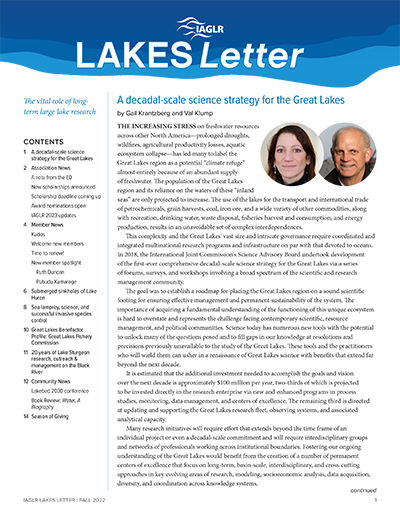
Long-term Research
Fall 2022 • Issue 15
Coastal Zone
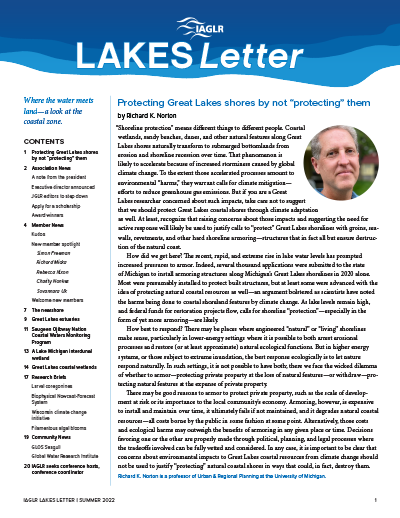
Summer 2022 • Issue 14
Biodiversity
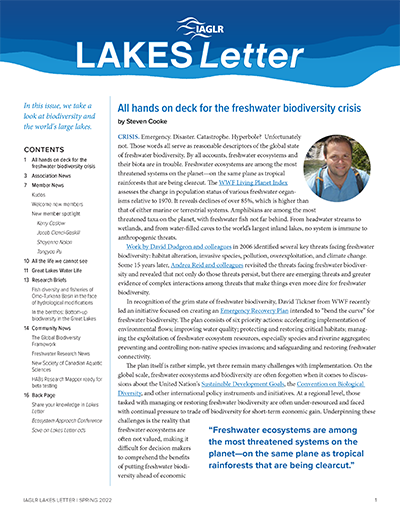
Spring 2022 • Issue 13
Ecosystem Approach
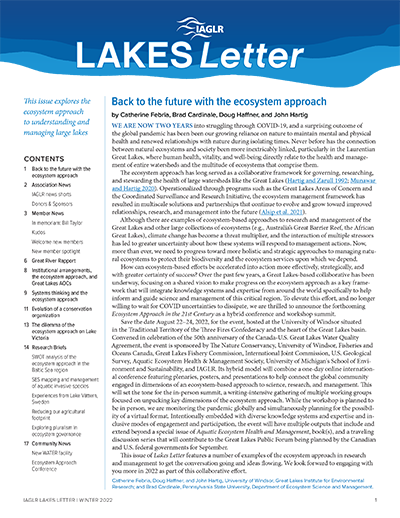
Winter 2022 • Issue 12
Winter Research
Fall 2021 • Issue 11
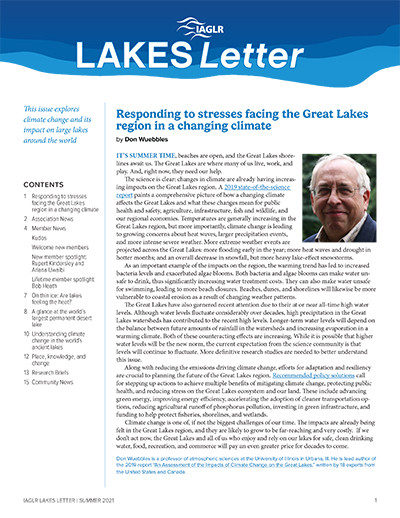
Climate‑Change Impacts
Summer 2021 • Issue 10
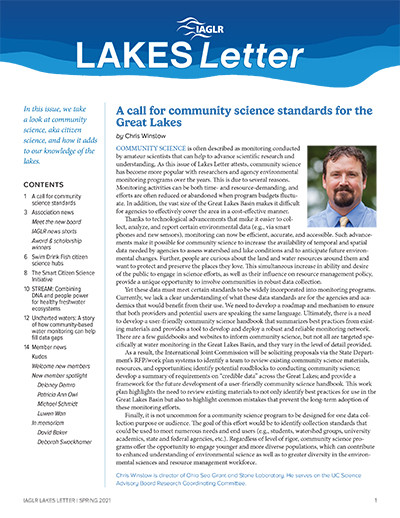
Community Science (Citizen Science)
Spring 2021 • Issue 9
Community Service
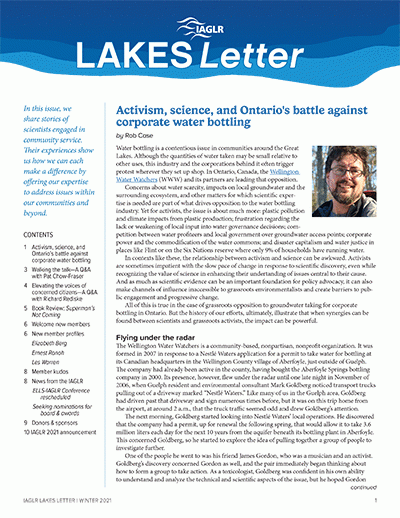
Winter 2021 • Issue 8
Indigenous Knowledge
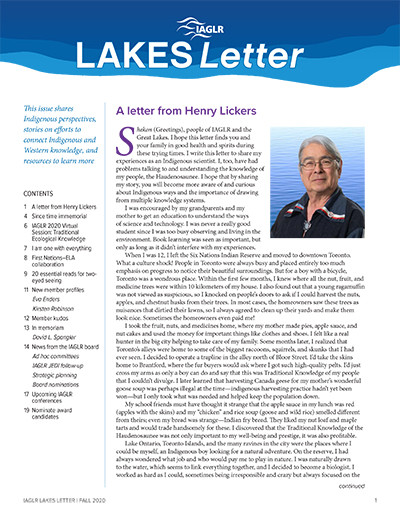
Fall 2020 • Issue 7
Pandemic, Conference Highlights
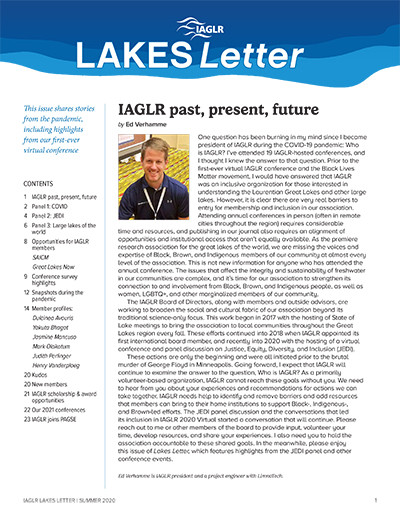
Summer 2020 • Issue 6
Arts and Science
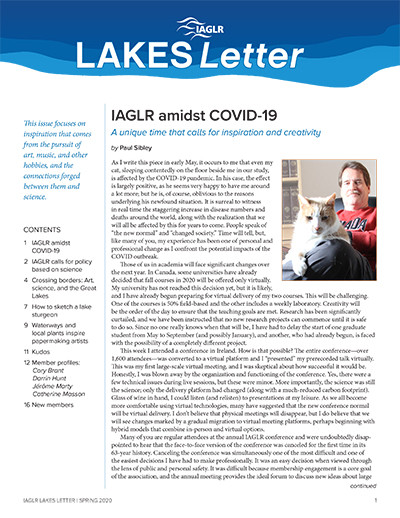
Spring 2020 • Issue 5
International Collaboration
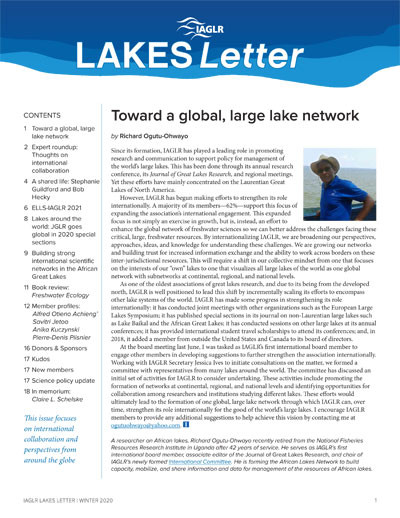
Winter 2020 • Issue 4
Technology
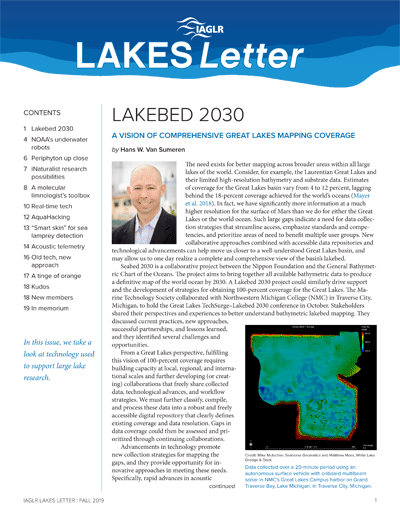
Fall 2019 • Issue 3
Science and Policy
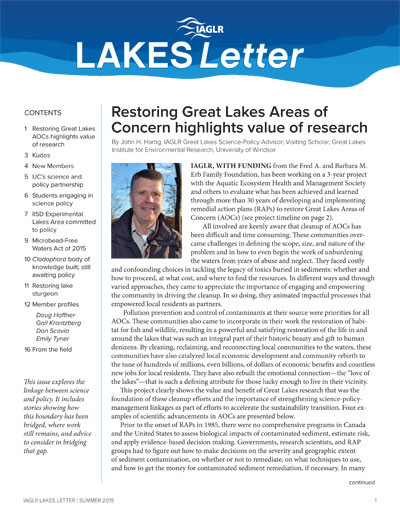
Summer 2019 • Issue 2
Lakes Letter Redux
Spring 2019 • Issue 1