
Spring 2022 • Issue 13
Biodiversity
Published May 2022
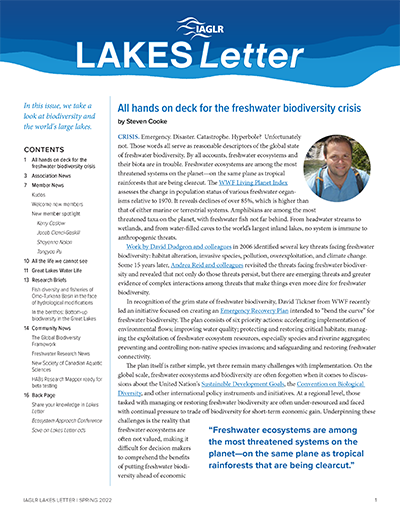
This issue on Biodiversity delves into the vast and often unseen variety of life supporting Great Lakes ecosystems, from microscopic organisms to regional fish communities. It highlights efforts to document native species through comprehensive databases and examines the resilience of benthic communities amidst environmental pressures. Drawing parallels with the Omo-Turkana Basin, the content underscores the importance of understanding underwater biodiversity patterns to inform conservation strategies, ensuring that hidden elements of the food web remain accounted for in broader management goals.

Looking for research on a specific topic?
Explore our Article Directory to filter all issues by topic, article type, region, or keyword. Or browse the Author Index to find a contributor.
Issues Archive
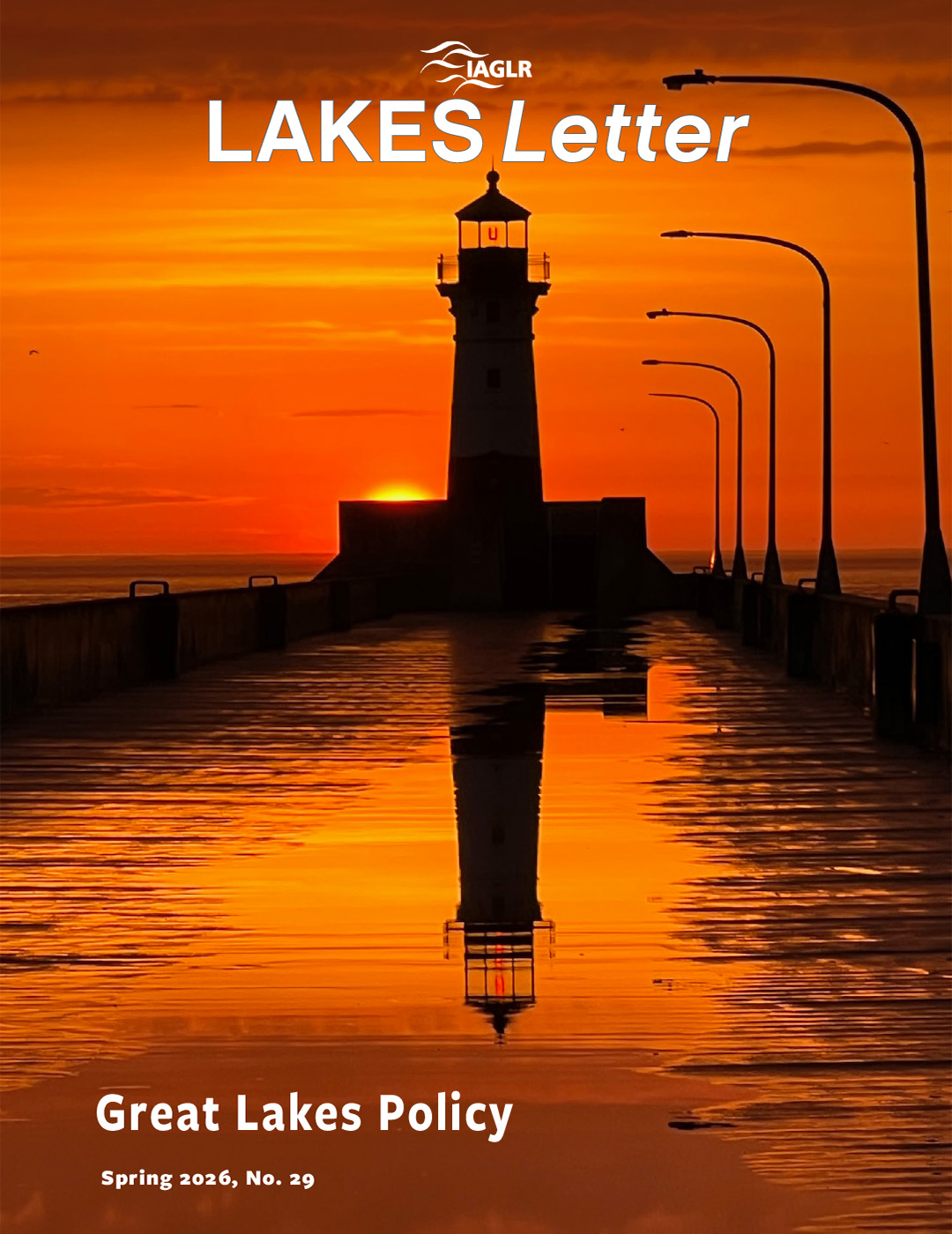
Spring 2026 • Issue 29
Great Lakes Policy

Winter 2026 • Issue 28
Large lakes of the world

Fall 2025 • Issue 27
Science & Innovation
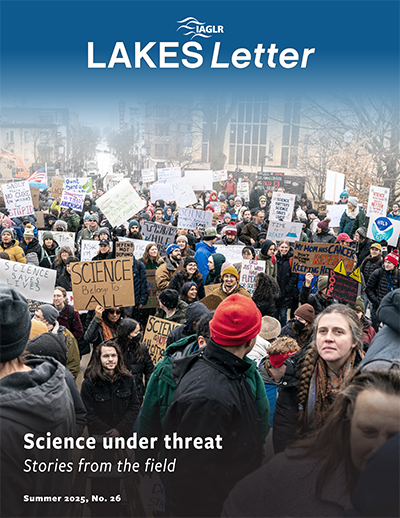
Summer 2025 • Issue 26
Science under threat: Stories from the field
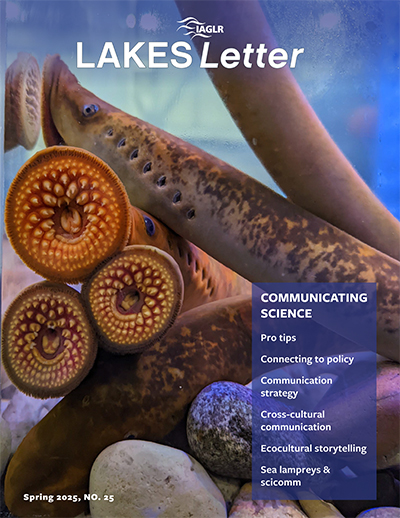
Spring 2025 • Issue 25
Communicating Science
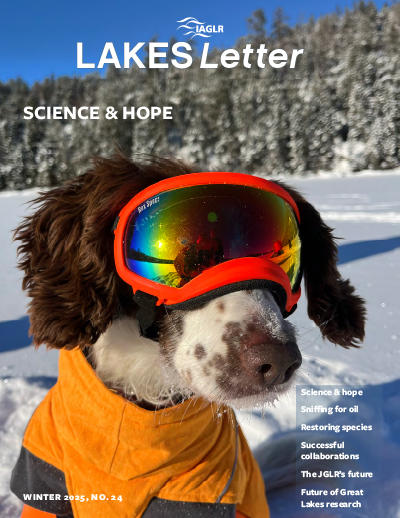
Winter 2025 • Issue 24
Science and Hope
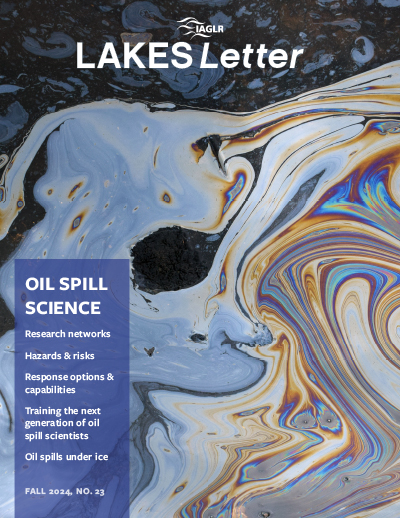
Fall 2024 • Issue 23
Oil Spill Science
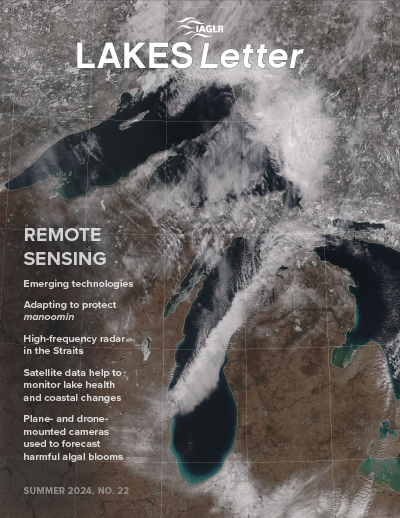
Summer 2024 • Issue 22
Remote Sensing
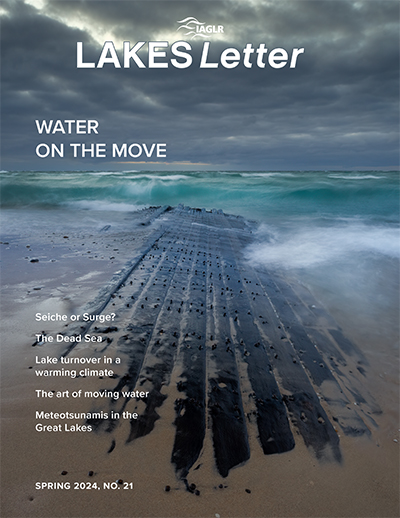
Spring 2024 • Issue 21
Water on the Move
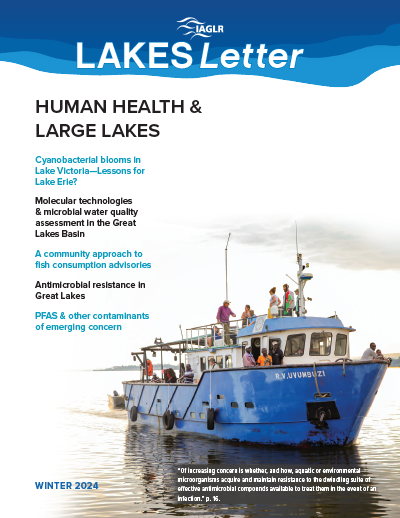
Winter 2024 • Issue 20
Human Health
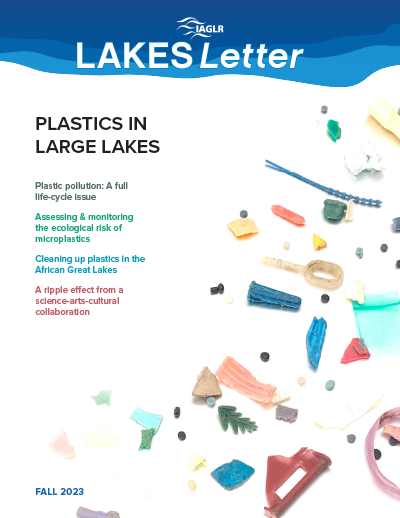
Fall 2023 • Issue 19
Plastic Pollution
Summer 2023 • Issue 18
Legal Frameworks
Spring 2023 • Issue 17
Acoustic Monitoring
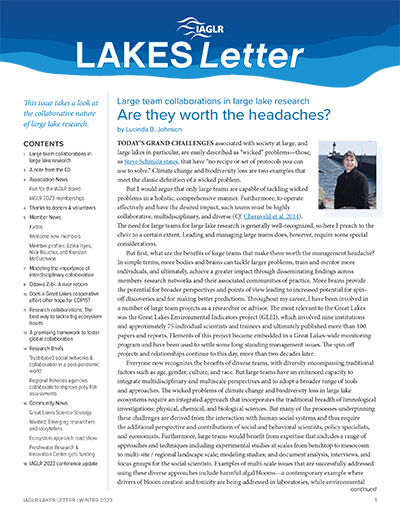
Winter 2023 • Issue 16
Collaborative Research
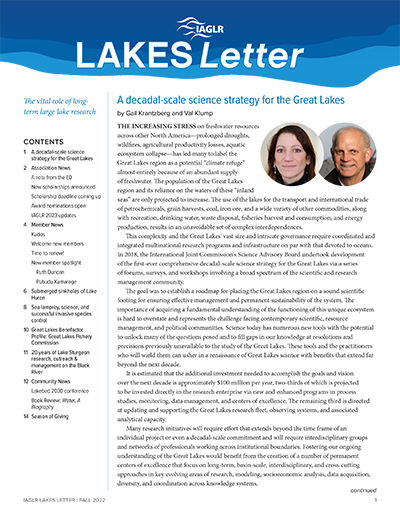
Fall 2022 • Issue 15
Long-term Research
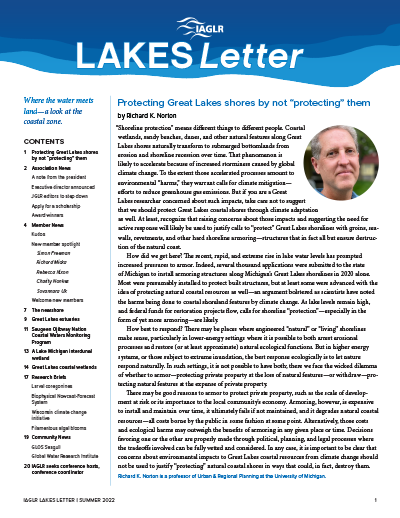
Summer 2022 • Issue 14
Coastal Zone
Spring 2022 • Issue 13
Biodiversity
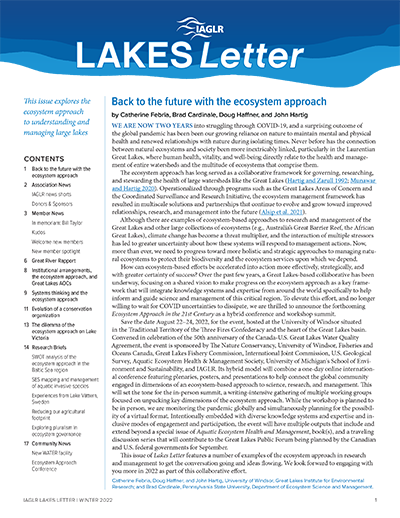
Winter 2022 • Issue 12
Ecosystem Approach
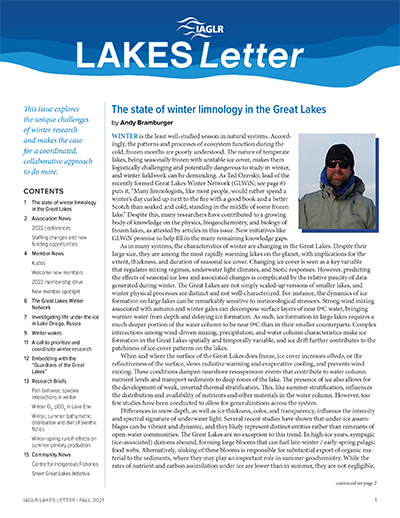
Fall 2021 • Issue 11
Winter Research
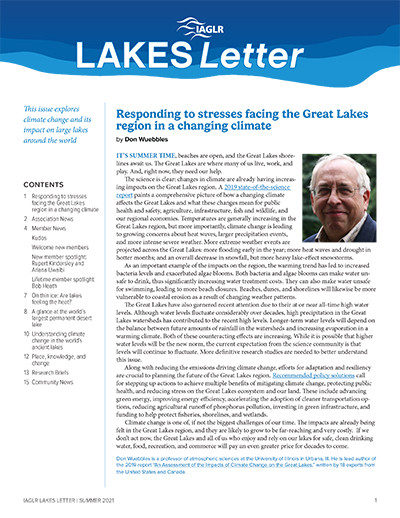
Summer 2021 • Issue 10
Climate Change
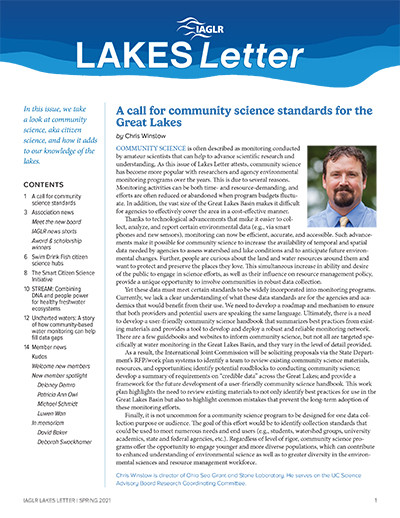
Spring 2021 • Issue 9
Community Science (Citizen Science)
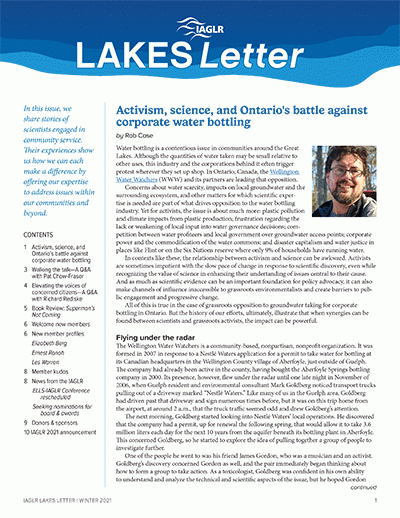
Winter 2021 • Issue 8
Community Service

Fall 2020 • Issue 7
Indigenous Knowledge
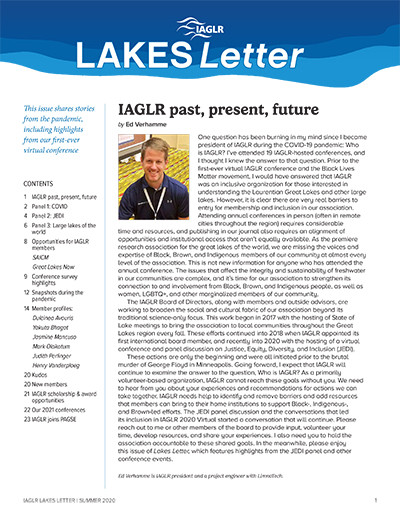
Summer 2020 • Issue 6
Pandemic, Conference Highlights
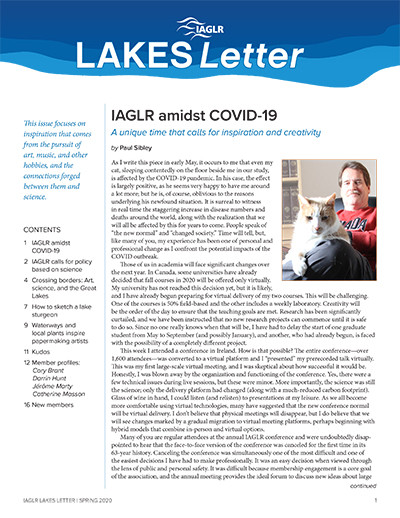
Spring 2020 • Issue 5
Arts and Science
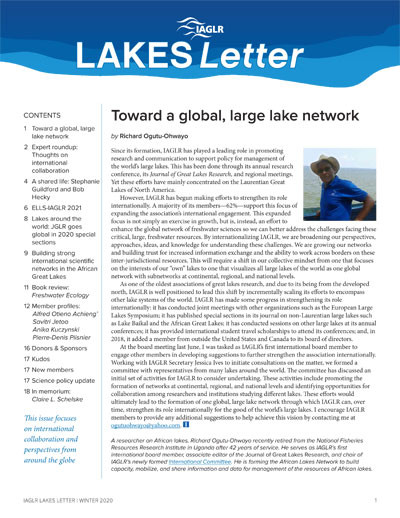
Winter 2020 • Issue 4
International Collaboration

Fall 2019 • Issue 3
Technology
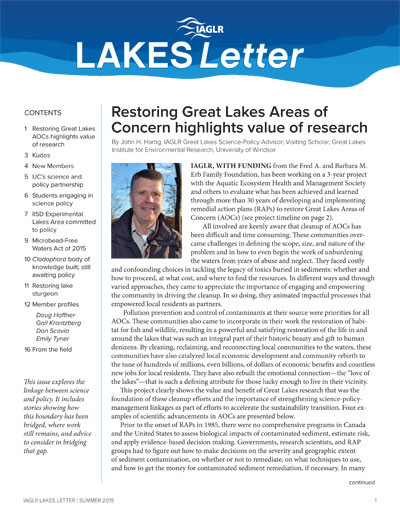
Summer 2019 • Issue 2
Science and Policy
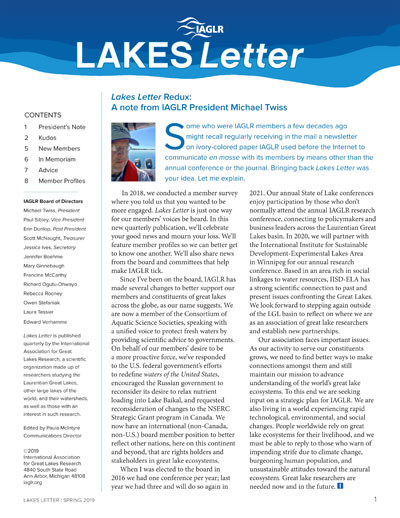
Spring 2019 • Issue 1
Lakes Letter Redux