
Summer 2021 • Issue 10
Climate Change
Published August 2021
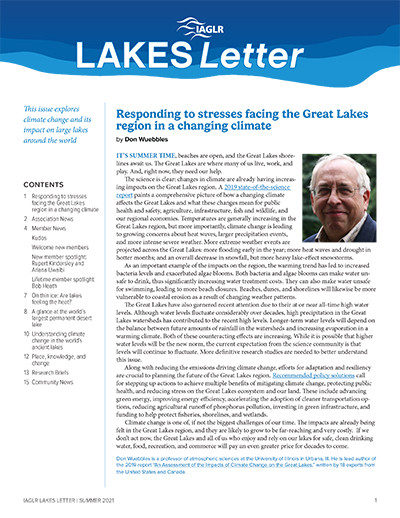
This issue on Climate Change examines the multifaceted stresses reshaping Great Lakes ecosystems and draws critical parallels with other vulnerable global water bodies. It explores how diminishing ice cover and rising deepwater temperatures are altering Lake Michigan's seasonal rhythms, while broader analyses reveal how remote sensing can track freshwater lakes' contributions to the global carbon cycle. The content also investigates the specific risks posed to aquatic invasive species by shifting climates and human demographics, offers strategies for effective climate communication, and looks beyond North America to understand how ancient lakes and arid-region systems like Lake Turkana are adapting to intensifying environmental changes.
Looking for research on a specific topic?
Explore our Article Directory to filter all issues by topic, article type, region, or keyword. Or browse the Author Index to find a contributor.
Issues Archive
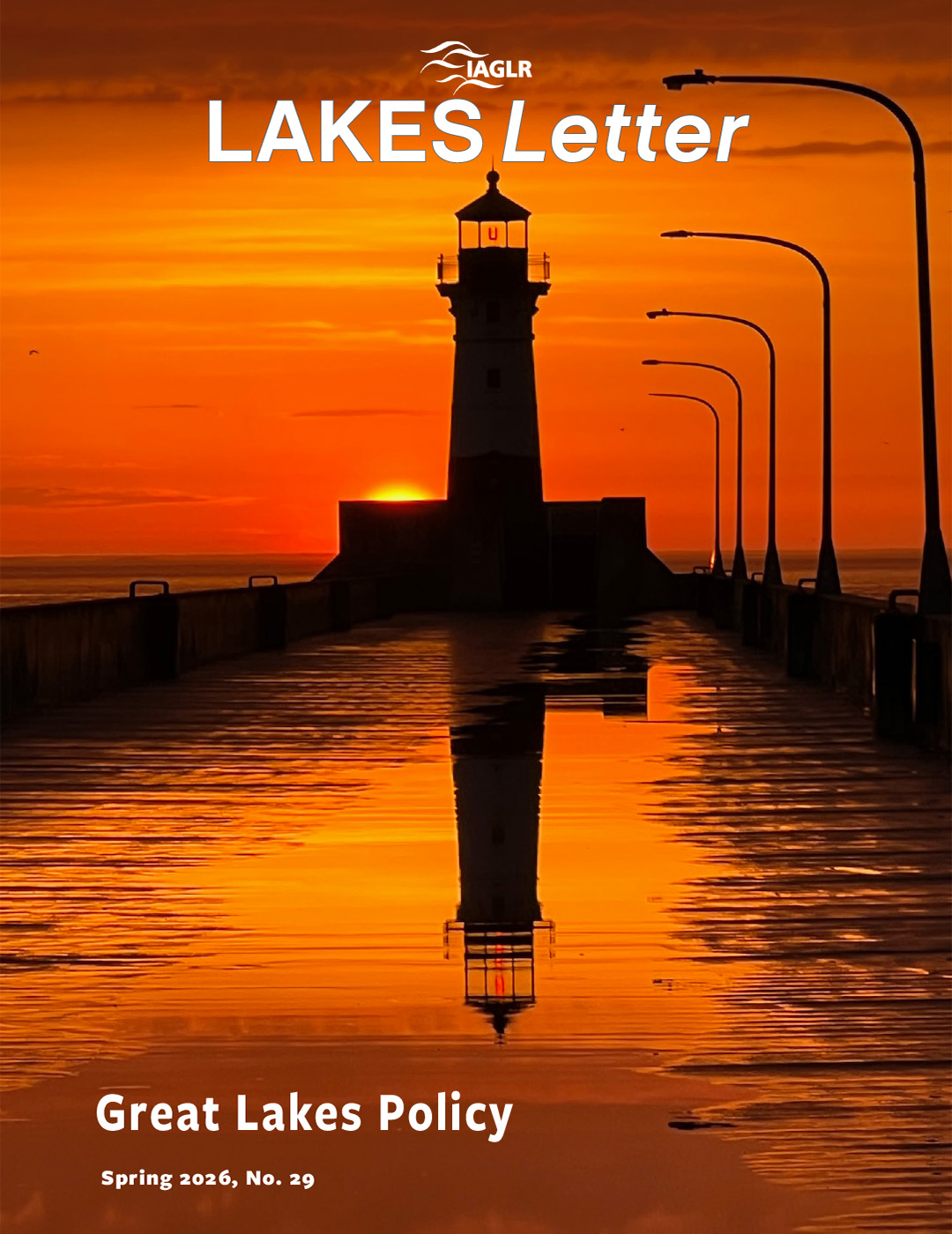
Spring 2026 • Issue 29
Great Lakes Policy
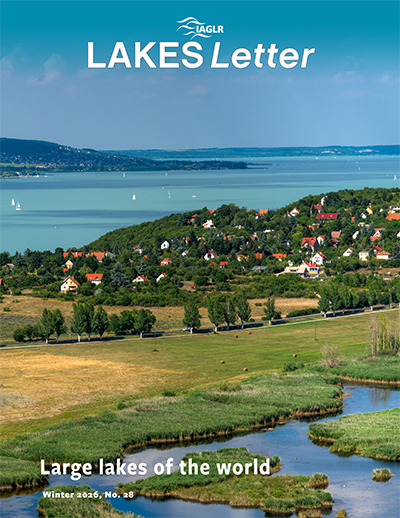
Winter 2026 • Issue 28
Large lakes of the world

Fall 2025 • Issue 27
Science & Innovation
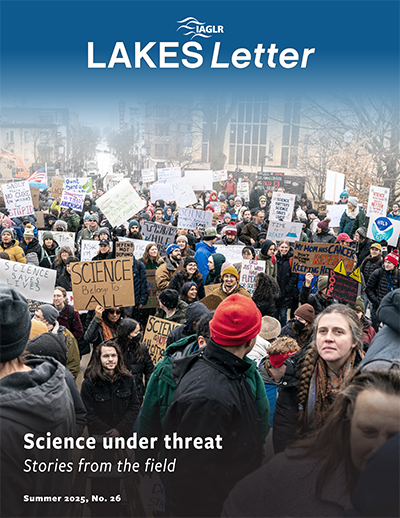
Summer 2025 • Issue 26
Science under threat: Stories from the field
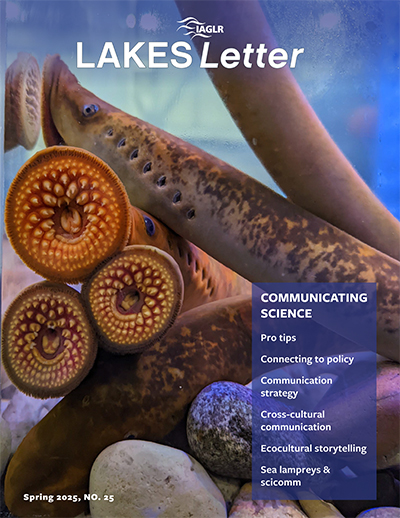
Spring 2025 • Issue 25
Communicating Science
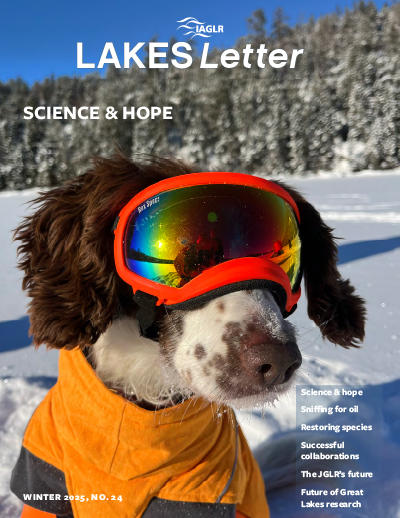
Winter 2025 • Issue 24
Science and Hope
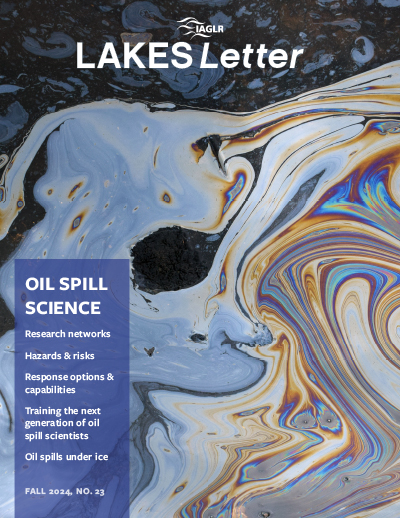
Fall 2024 • Issue 23
Oil Spill Science
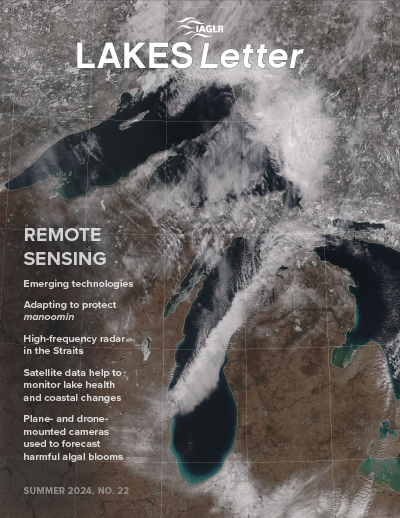
Summer 2024 • Issue 22
Remote Sensing
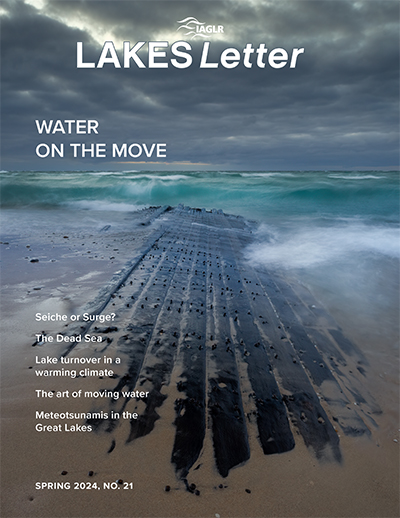
Spring 2024 • Issue 21
Water on the Move
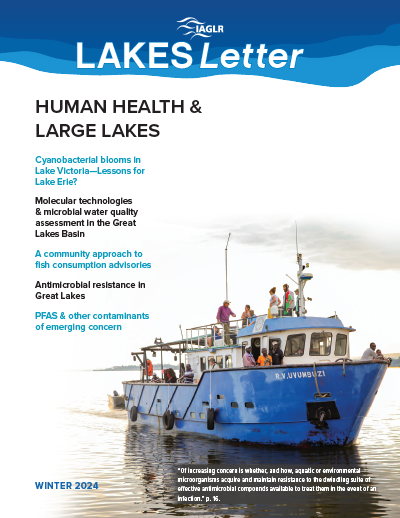
Winter 2024 • Issue 20
Human Health
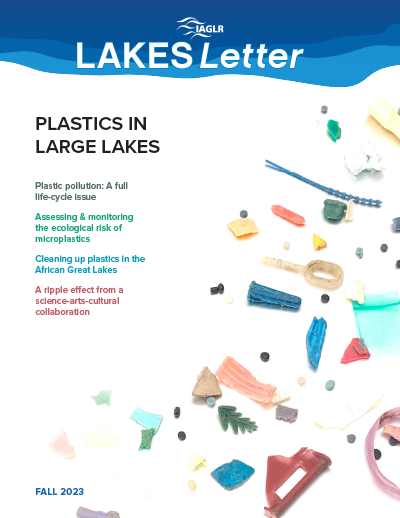
Fall 2023 • Issue 19
Plastic Pollution
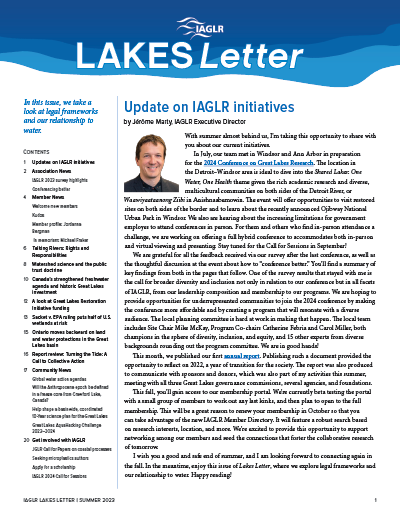
Summer 2023 • Issue 18
Legal Frameworks
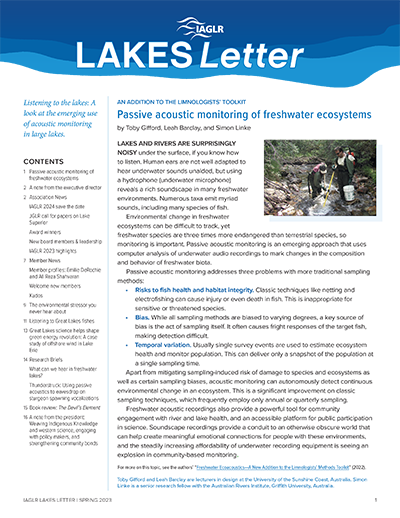
Spring 2023 • Issue 17
Acoustic Monitoring
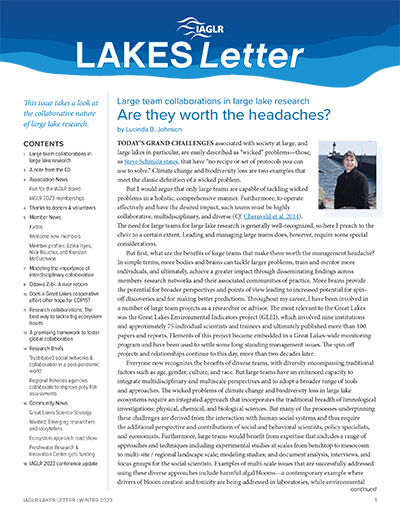
Winter 2023 • Issue 16
Collaborative Research
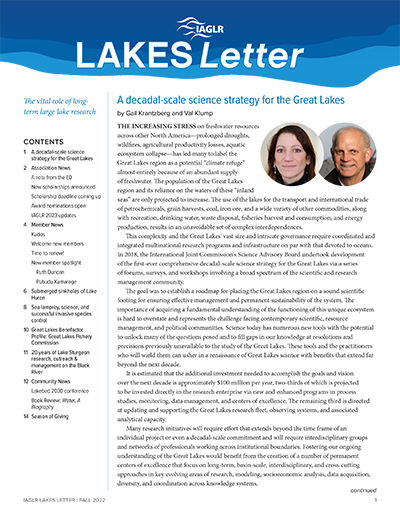
Fall 2022 • Issue 15
Long-term Research
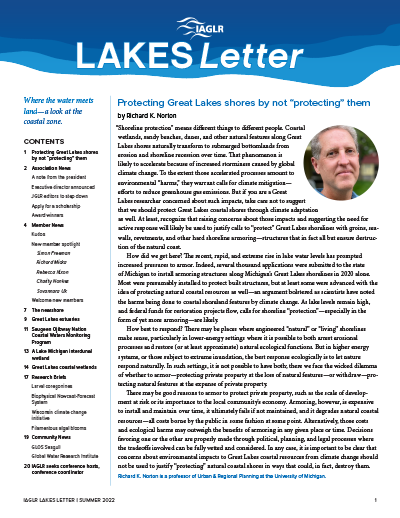
Summer 2022 • Issue 14
Coastal Zone
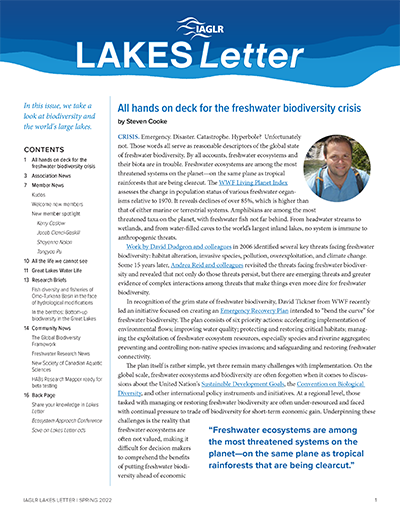
Spring 2022 • Issue 13
Biodiversity
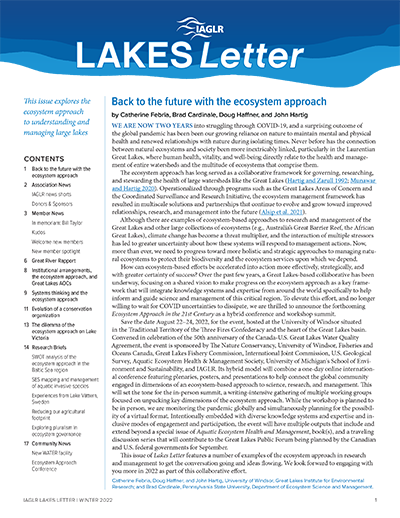
Winter 2022 • Issue 12
Ecosystem Approach
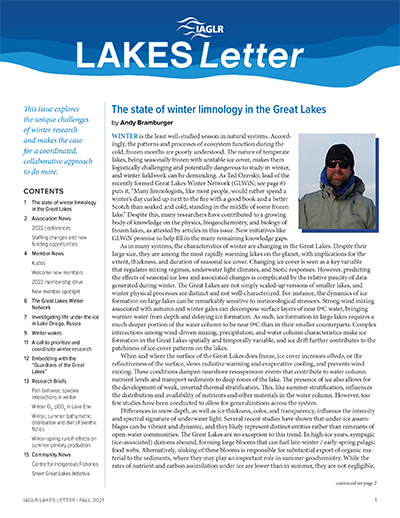
Fall 2021 • Issue 11
Winter Research
Summer 2021 • Issue 10
Climate Change
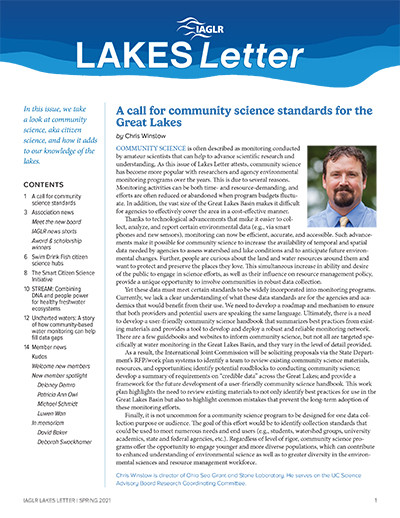
Spring 2021 • Issue 9
Community Science (Citizen Science)
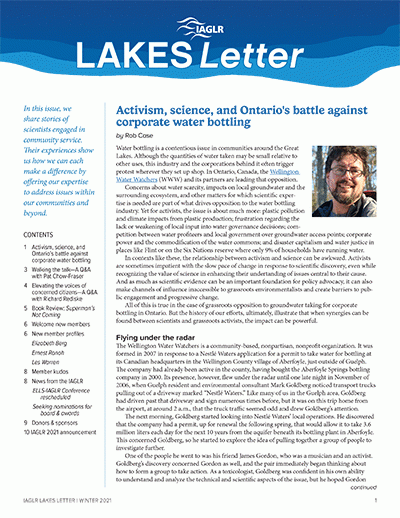
Winter 2021 • Issue 8
Community Service
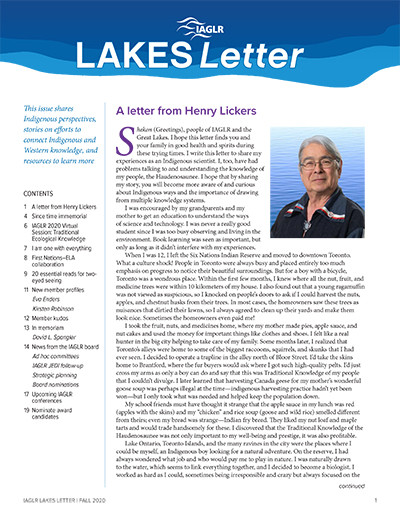
Fall 2020 • Issue 7
Indigenous Knowledge
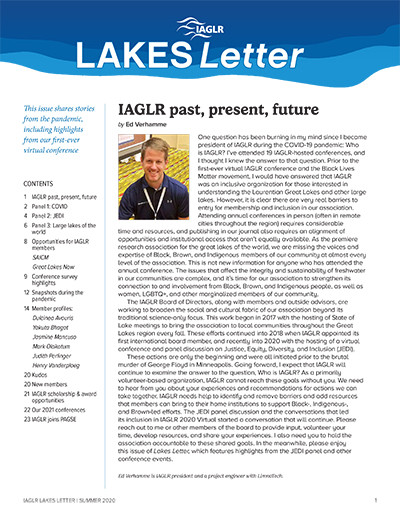
Summer 2020 • Issue 6
Pandemic, Conference Highlights
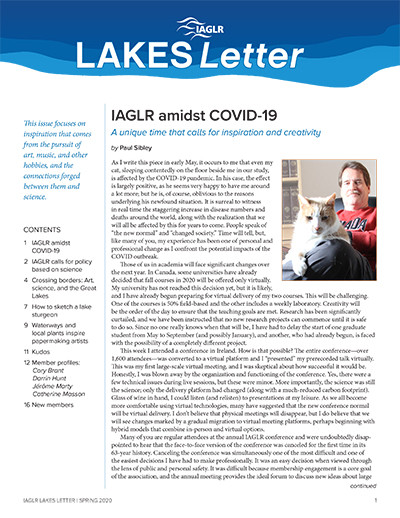
Spring 2020 • Issue 5
Arts and Science
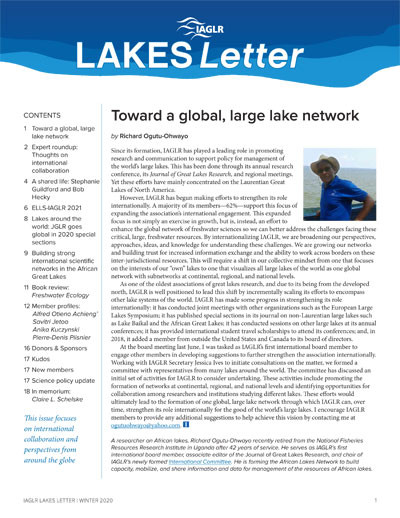
Winter 2020 • Issue 4
International Collaboration
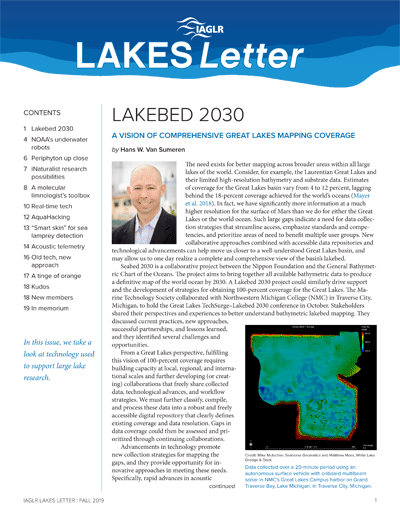
Fall 2019 • Issue 3
Technology
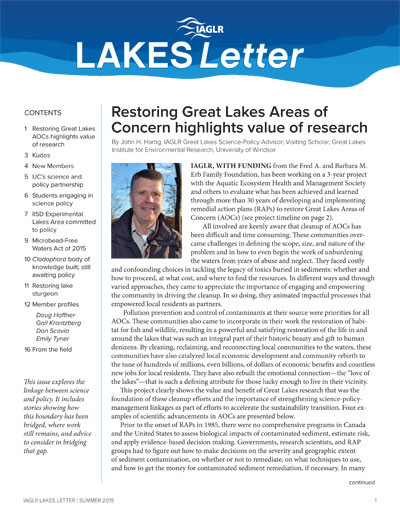
Summer 2019 • Issue 2
Science and Policy
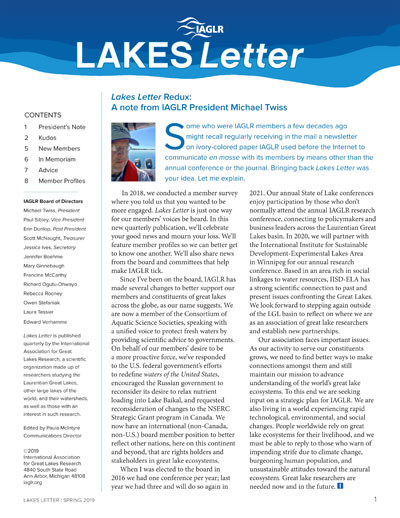
Spring 2019 • Issue 1
Lakes Letter Redux