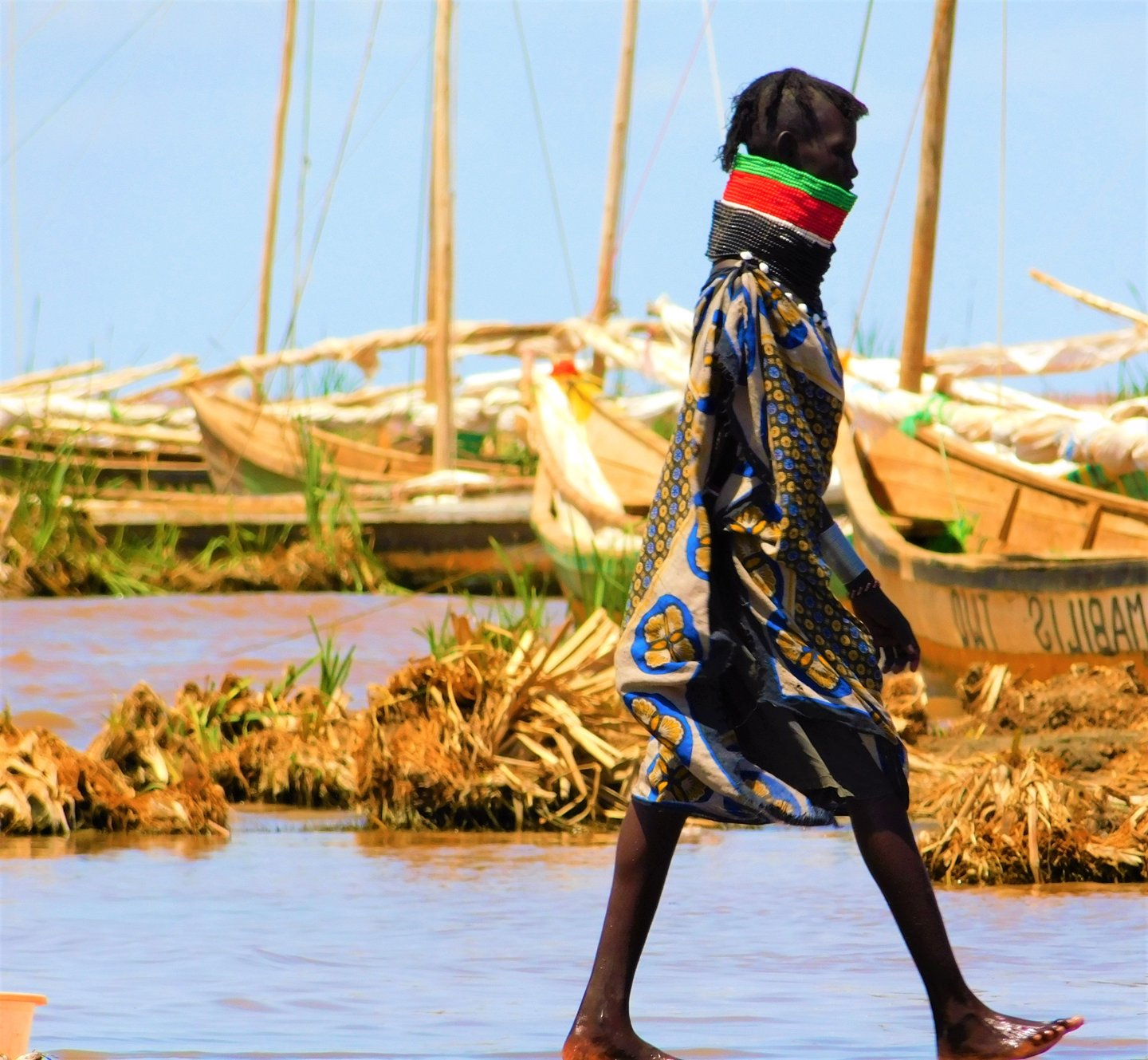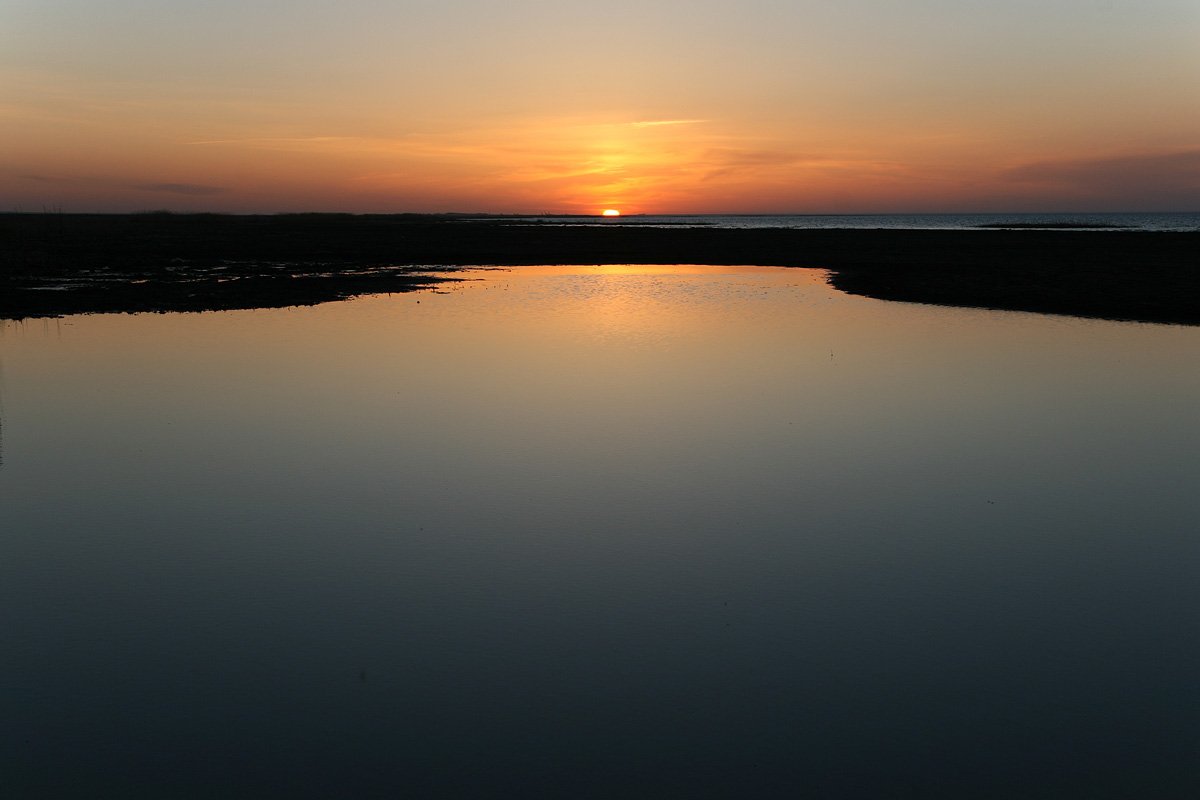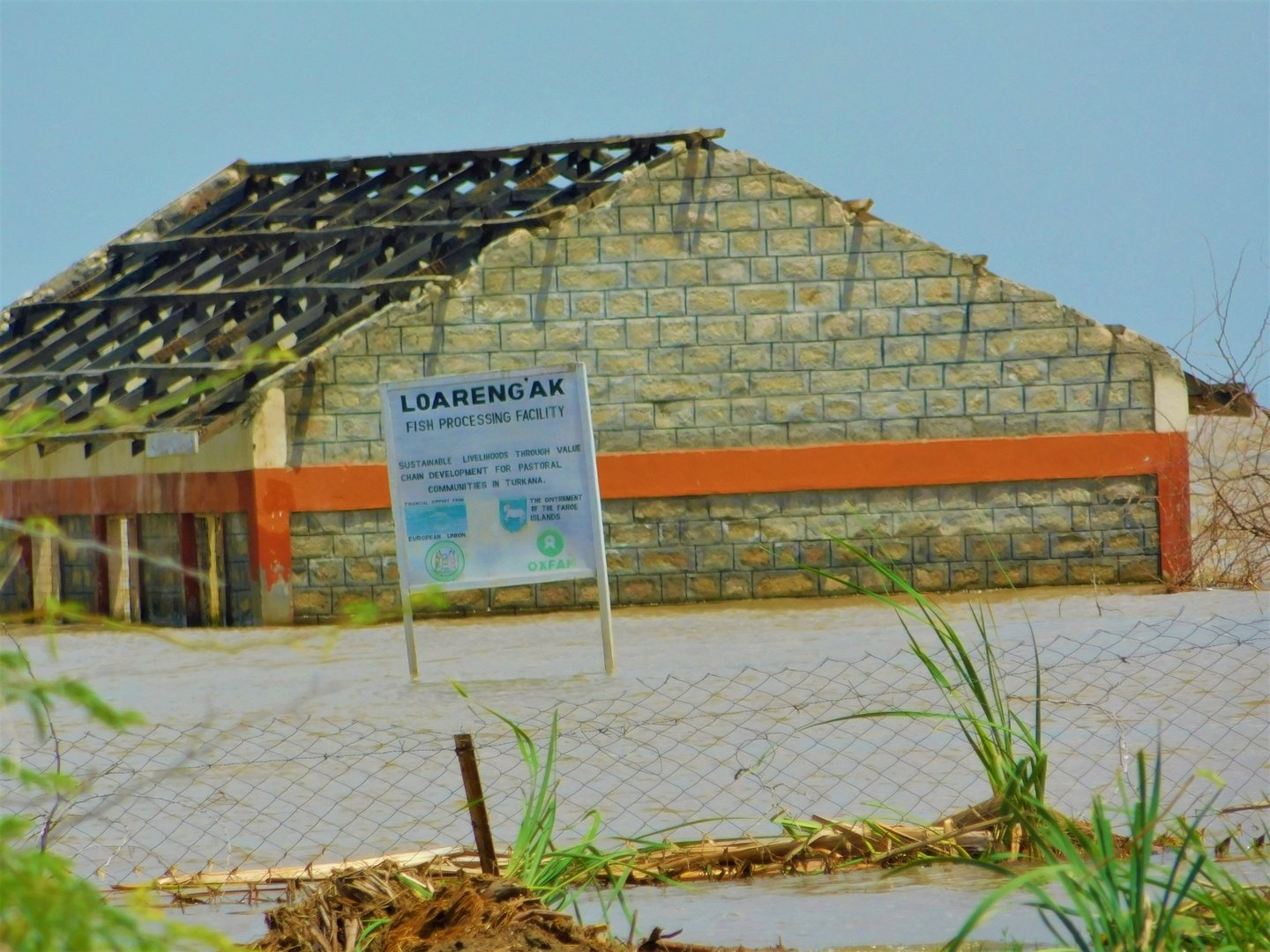
Lake Turkana presents an acute case study of the impacts of climate change, including persistent conflicts, diminished livelihoods, reduced crop and livestock production, and damaged infrastructure, among others. The lake is one of the seven African Great Lakes and the world’s largest permanent desert lake, stretching through northern Kenya before crossing into Ethiopia at its northern end. The region experiences a mean daily temperature of 30°C/86°F and less than 500 mm of precipitation per year. In this hot, arid environment, Lake Turkana supports the livelihood of more than 500,000 people and provides their most reliable source of surface water. This semi-saline lake receives more than 90% of its water from the Omo River, supplemented by rain and two major seasonal rivers: Turkwel and Kerio. Its endorheic nature, desert location, sporadic rainfall, high evaporation rates, and extreme dependence on Ethiopia’s increasingly dammed Omo River for water inflow highlights the sensitivity of the system’s lake level, water quality, and fauna and flora. Like other large lakes globally, it faces multiple threats and stressors.
Many locals have raised concerns over the rapidly decreasing lake water levels, a phenomenon which has created panic and uncertainty about their future survival in the basin. Scientific studies have reported that changes in the volume and seasonality of inflows from the Omo River—due to upstream dams and irrigation schemes—significantly influence the ecology of the basin. Further, recent studies have found that the lake level fluctuates annually with an amplitude of 1–1.5 meters, presenting an urgent need to maintain balance and increase retention ability.
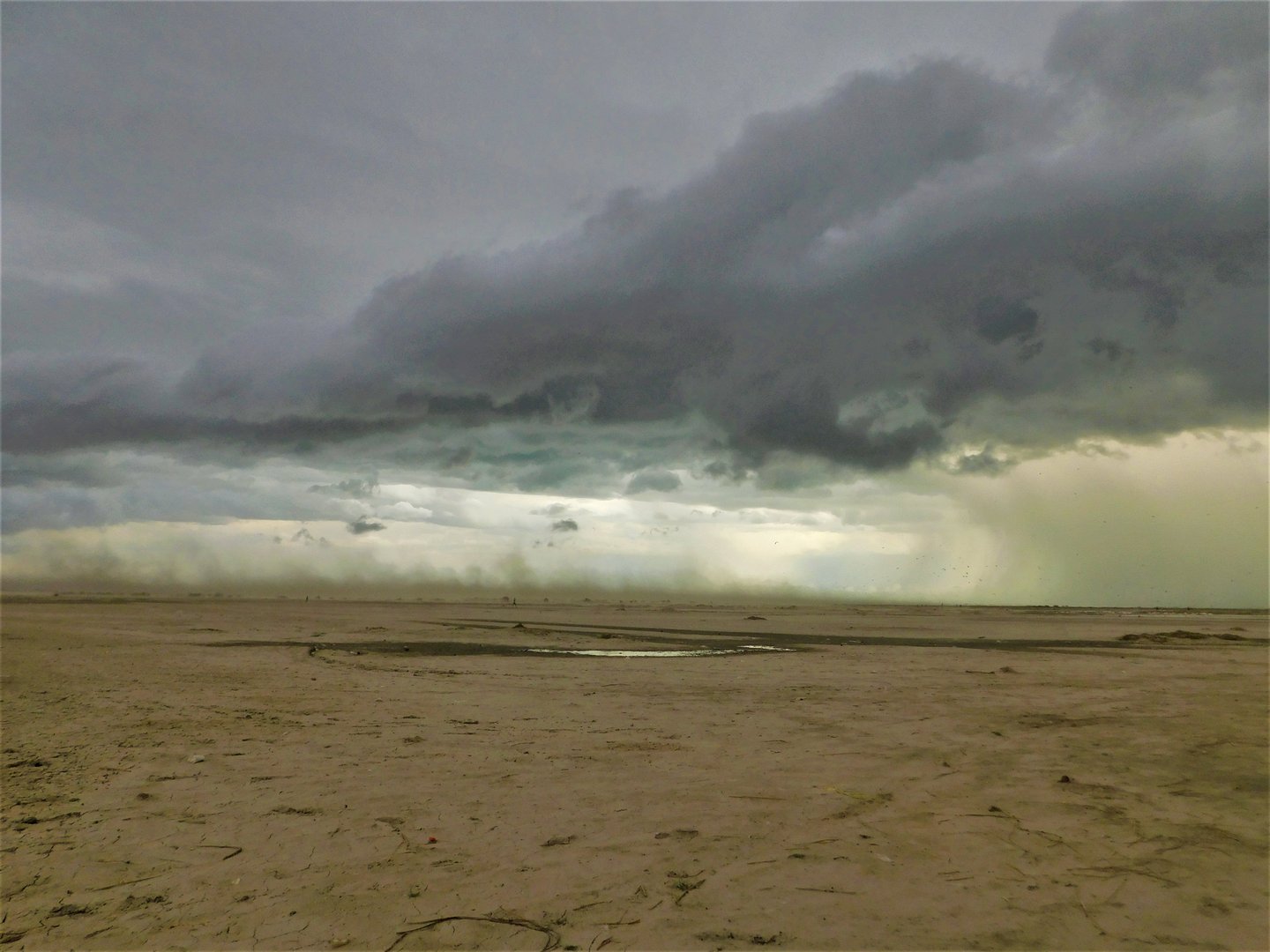
Yet very little attention has been given toward research and management of Lake Turkana. There are strong calls to establish and equip a scientific research station in Omorate, Ethiopia, to facilitate consistent lakewide environmental monitoring required for making informed decisions. It is also important to strengthen the existing research station on the west side of the lake in Kalokol, Kenya, to enhance joint, coordinated, and sustained binational research and processes. Local communities and institutions should be empowered with the necessary skills to enable them to actively participate in the lake's well-being. With Lake Turkana being located in a hydrologically closed desert basin, its existence depends on maintaining a delicate balance between the fluctuating gains and losses that dominate its water budget. It therefore provides an ideal model to monitor and develop climate change adaptation strategies. Increased modeling, monitoring, and analysis of the effects of climate change on the lake ecosystem are required to help in decision making and policy formulation.