Indigenous peoples have distinct cultural, spiritual, and economic relations with the Great Lakes and hold responsibilities to take care of the water. This relationship predates the arrival of settlers and is upheld in treaties, such as the Dish with One Spoon and the Treaty of Niagara. Indigenous Knowledge of the Great Lakes and surrounding regions both supports and is produced by this relationship, and is rooted in specific cultural and political contexts (e.g., Anishinabek Knowledge, Onkwehonwe Knowledge, Omushkegowuk Knowledge). Collectively, Indigenous Peoples offer a deep and nuanced understanding of the Great Lakes ecosystem essential for contemporary Great Lakes research.
Understanding the effects of climate change is a critical task for this research. The impacts of climate change are already significant and threaten potentially catastrophic consequences. It affects everyone and all environments, and therefore is a monumental challenge for Indigenous and settler peoples alike. But climate change is also part of a longer process of environmental change. Colonialism has threatened the environments, ways of life, and lives of Indigenous Peoples since Europeans began arriving. Climate change is the latest and potentially most devastating chapter of colonial history. As such, addressing climate change in a just manner is an inherently decolonizing endeavor.
Addressing climate change in a just manner is an inherently decolonizing endeavor.
Reestablishing Indigenous Peoples’ roles in relation to the Great Lakes is necessary for the goal of reconciliation and for enriching the quality of research. The exclusion of Indigenous Peoples from Great Lakes research and governance colonized First Nations’ responsibilities to the water, placing it largely in the hands of others. The assault on Indigenous Knowledge, epitomized by the residential school system in Canada, was intended to break Indigenous relations to their lands and waters. A result is that Indigenous Peoples are often sidelined from much of the work on the Great Lakes. The experience of First Nations in Ontario is that they are sometimes recognized, but supported largely as a peripheral add-on to the work of non-Indigenous science. However, commitments like the Great Lakes Water Quality Agreement and the Canada-Ontario Agreement have increasingly aimed to work with First Nations and other Indigenous Peoples as they aspire to be actively involved in the governance, research, and management of the Great Lakes.
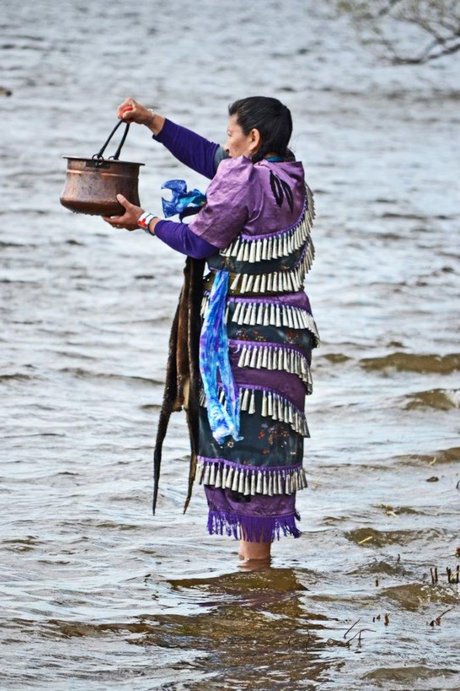
The Water Declaration of the First Nations in Ontario acknowledges the leading role women have as the keepers of ceremonies to ensure waters are respected and their gift continues for future generations. The ceremonies and spiritual connections to water are essential to the purpose, planning, and conduct of Great Lakes research for Indigenous Peoples. Finding ways to address climate change will take the efforts of all involved, working together with respect for one another and the environments that support us. The return of Indigenous Peoples to the center of research and decision making about the Great Lakes will help us to understand, adapt, and mitigate the impacts of climate change in the region. This will also honor treaty relationships and decolonize research, issues that are at the very heart of the climate change problem.