Northern communities have relied on lake ice for centuries, as evidenced by their records of ice formation and breakup dates long before the advent of meteorological stations. Such data collection dates back to 875 AD, when communities surrounding hundreds of lakes began a long-standing tradition of documenting information on lake ice.
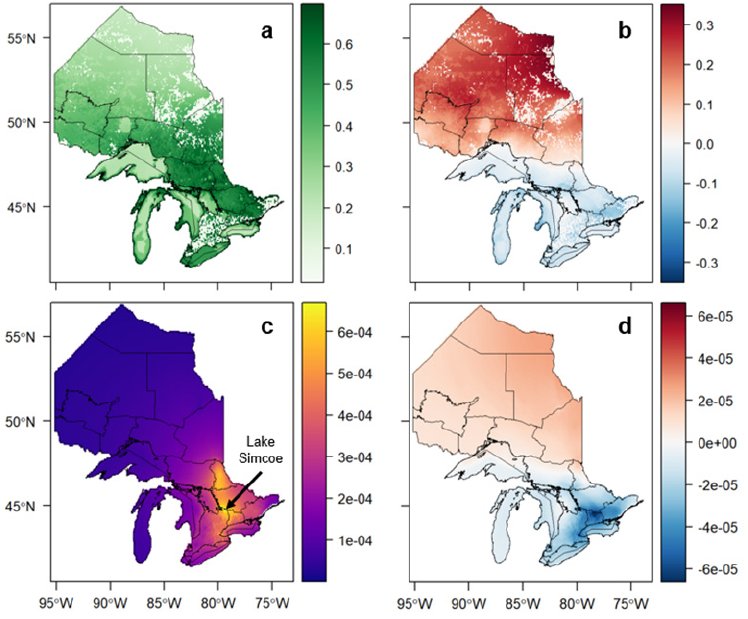
These data have proven to be effective indicators of climate change when compared with recent ice data. For example, data collected since at least 1443 by Shinto priests living near Japan's Lake Suwa show that the lake only experienced three ice-free years in the first 250 years of its record. However, since 1988, Suwa only froze twice per decade and is forecasted to never freeze again after the 2030s. Similarly, since 1857, Bayfield Bay in Lake Superior froze every winter until 1997, after which the bay has already had four ice-free years. As temperatures continue to warm, 215,000 lakes may no longer freeze every winter and almost 5,700 lakes may permanently lose ice cover by the end of the century. Large and deep lakes, including bays in lakes Michigan and Superior, are most likely to permanently lose ice cover as soon as the 2060s if greenhouse gas emissions are not mitigated.
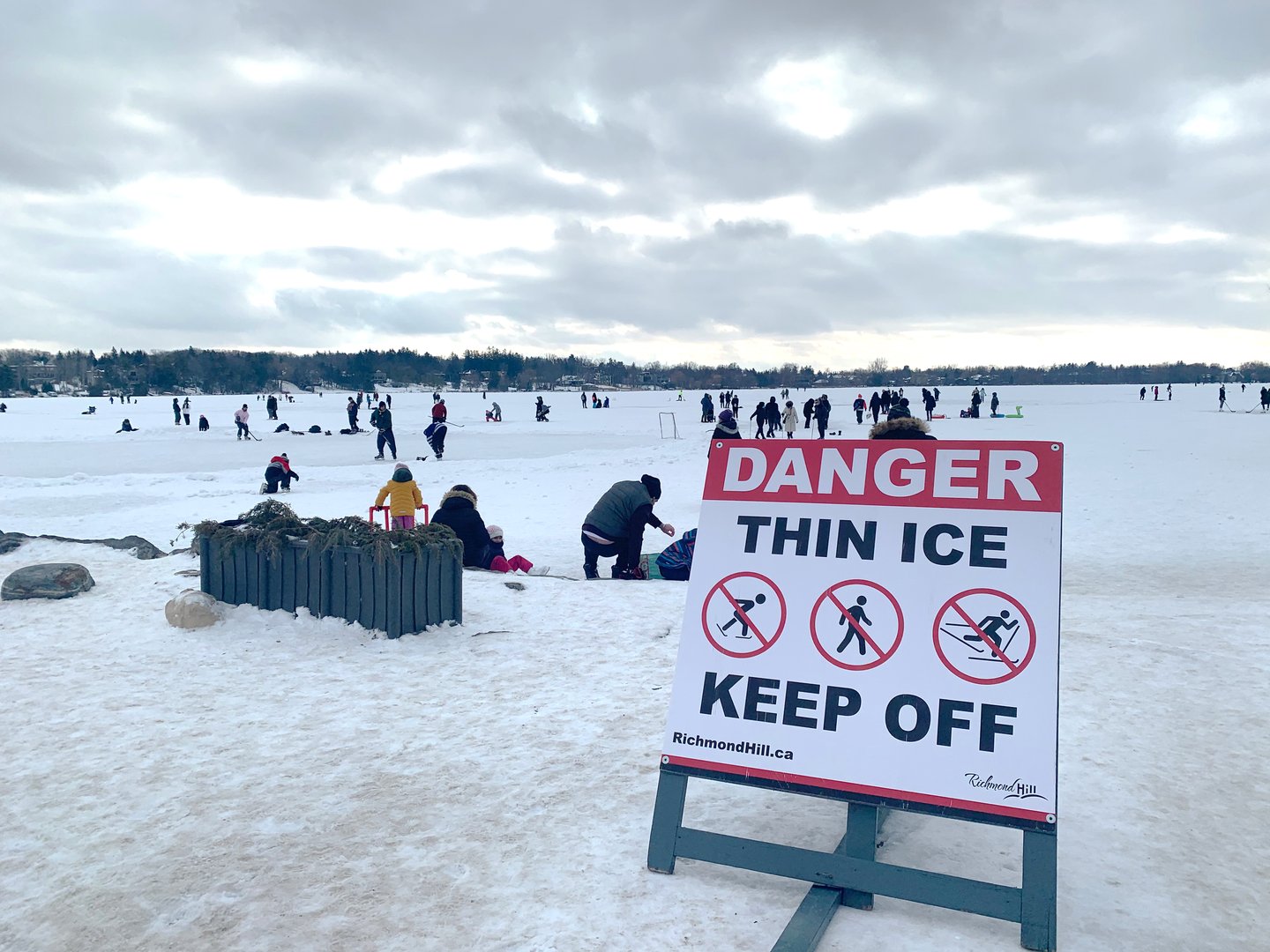
The loss of ice has wide-ranging ramifications that have yet to be fully explored. In years with less or no ice cover, lakes experience higher evaporation rates, higher water temperatures, degraded water quality, and loss of suitable habitat for native fisheries. Culturally, in warmer winters, the construction of winter ice roads is delayed, recreational activities are cancelled, and devastatingly, more people lose their lives falling through unstable ice. Without climate mitigation measures, the loss of ice cover will continue to accelerate and impact the health of northern lakes and the people who depend upon them.